Social & External
The Mediterranean. Because people have been travelling there for thousands of years, it is believed to be without secrets. And yet, far below its surface, lie vast unexplored territories, luxurious gardens worthy of the finest tropical coral reefs. These natural wonders are inaccessible to the traditional diver, in a twilight zone, between 60 and 120 m, where there’s less than 1% of sunlight. If diving at such depths is always a challenge, staying there is a fantasy, a utopia that becomes reality in Planet Mediterranean. In the tradition of Commander Cousteau and his "houses under the sea," the team of diver-photographer Laurent Ballesta is undertaking a new world-record setting mission in complete freedom and without time limit.
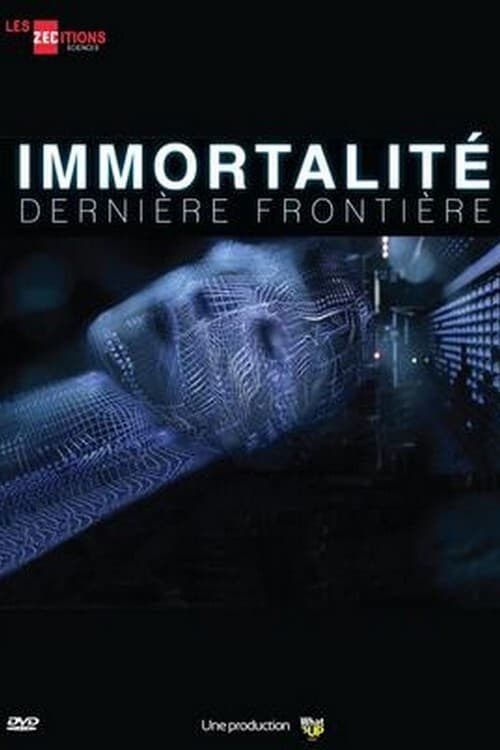
Immortality and eternal life: Will this great human dream come true? In any case, cryonics is making ever greater progress, human cloning no longer seems impossible and research is being carried out into the digital reproduction of the brain. Taking stock in the USA, Canada, Europe and Russia. The documentary delves into a world in which all-too-human people refuse to simply be wiped out by death. It shows how difficult it is to resist the promises of eternal life and also highlights the economic interests behind such endeavors. Google's push is just one sign of a possible two-tier society of the future: on the one hand, the rich who have access to such "offers", on the other, the rest of society.
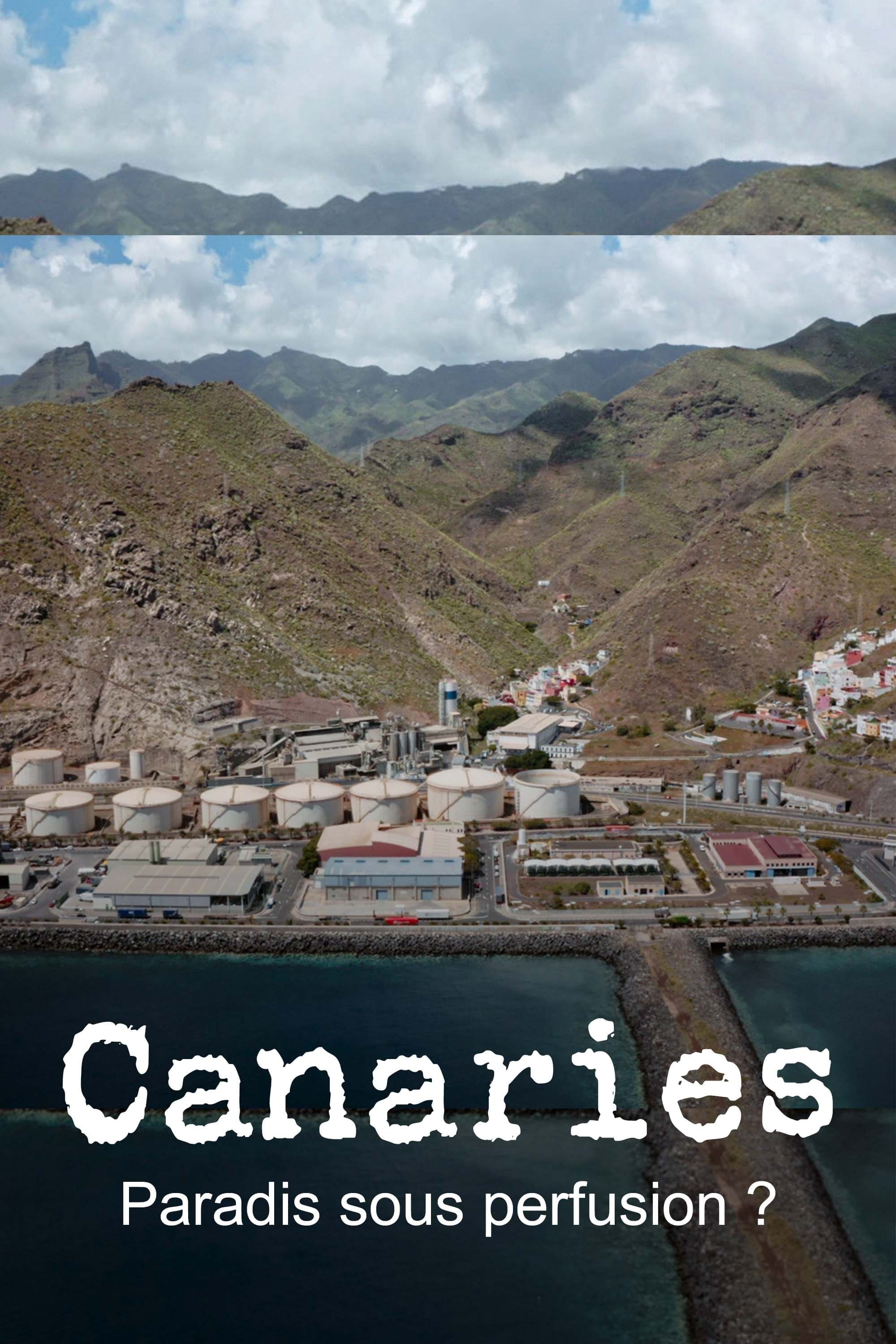
Sixty years ago, the Canary Islands were the first in Europe to adopt desalination of ocean water to produce drinking water. Often considered a miracle solution, is this technique compatible with sustainable development?
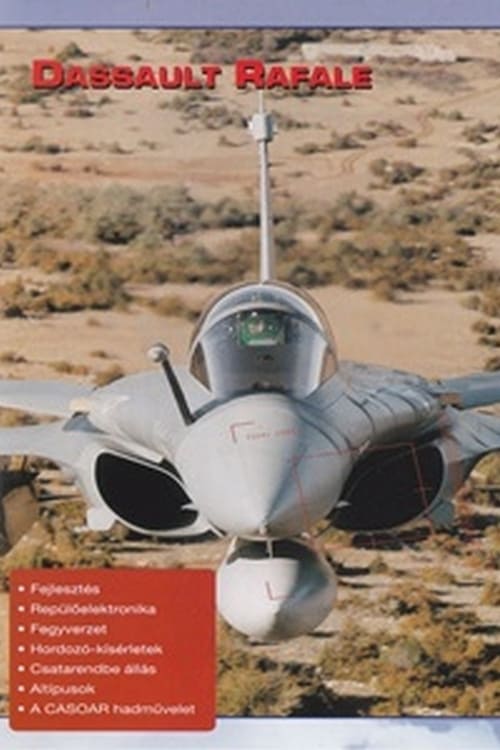
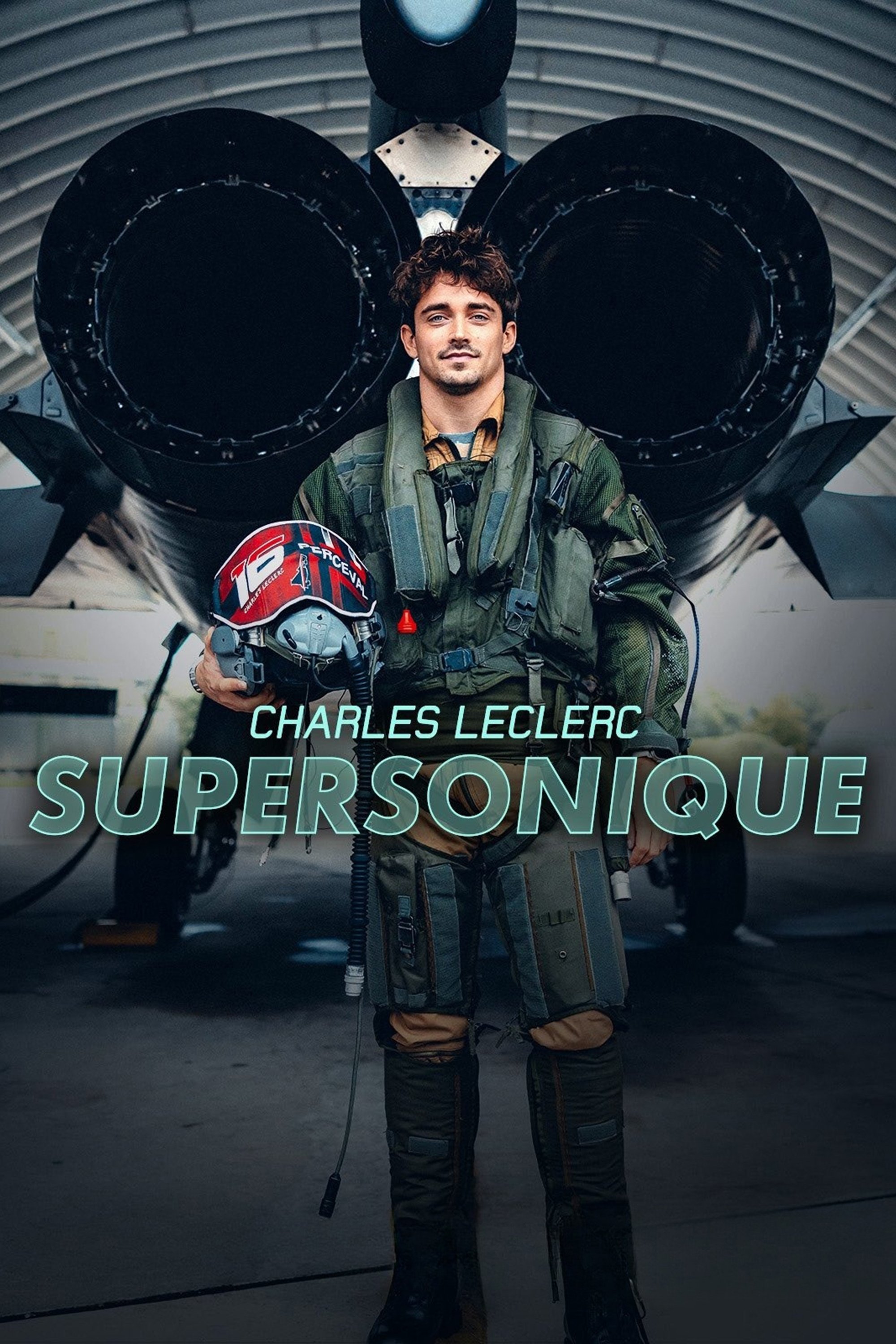
Formula 1 driver Charles Leclerc is part of a 48-hour French Air Force training mission aboard the Rafale, France's supersonic fighter jet! The Ferrari driver joined the members of a squadron of the French Air and Space Force, to take part in their preparation. It was an opportunity for Charles Leclerc to put his physical stamina to the test and experience the extreme sensations of a fighter pilot. A unique opportunity for him to draw parallels between the world of Formula 1 and that of the Rafale.
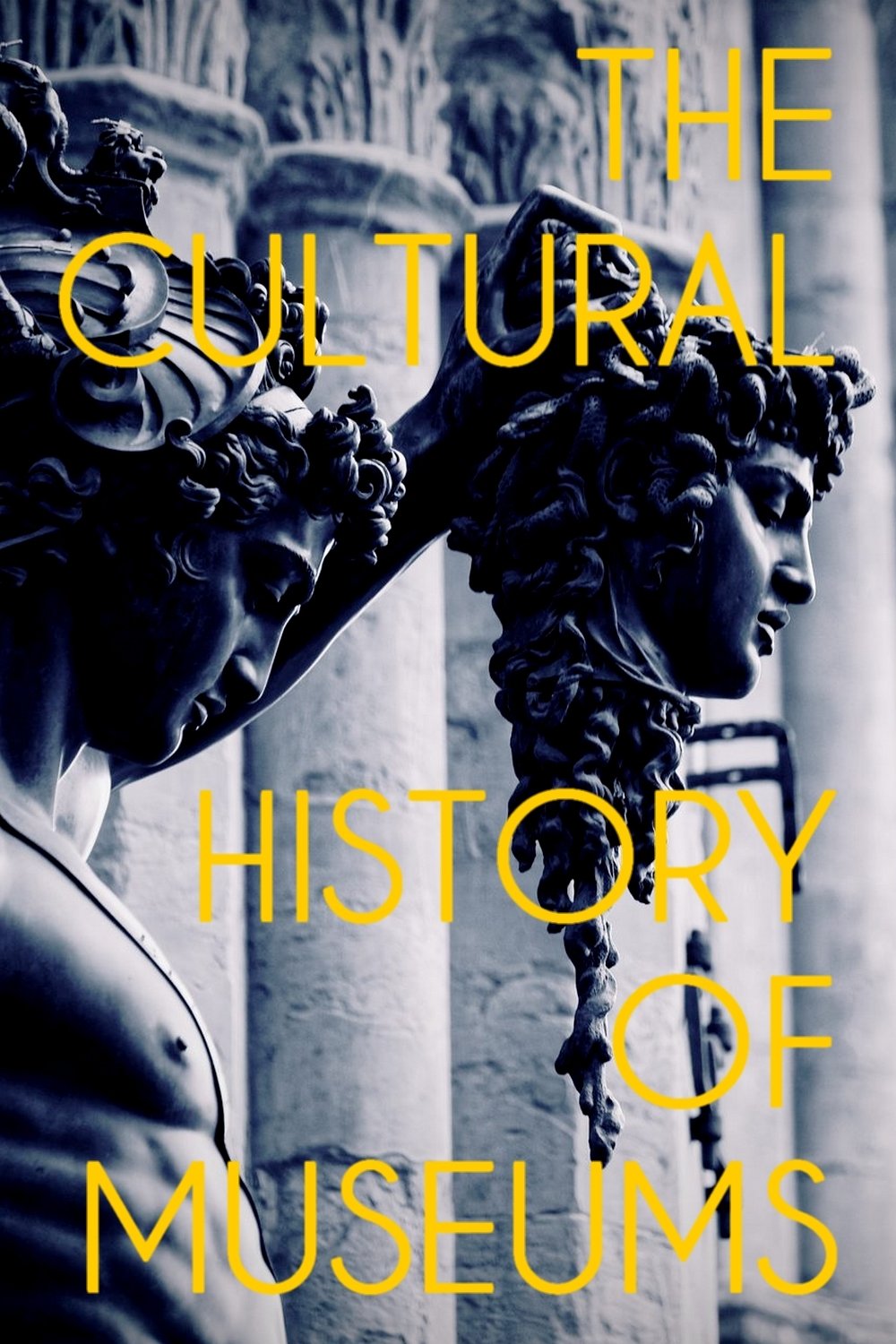
From the cabinets of curiosities created in Italy during the 16th century to the prestigious cultural institutions of today, a history of museums that analyzes the social and political changes that have taken place over the centuries.
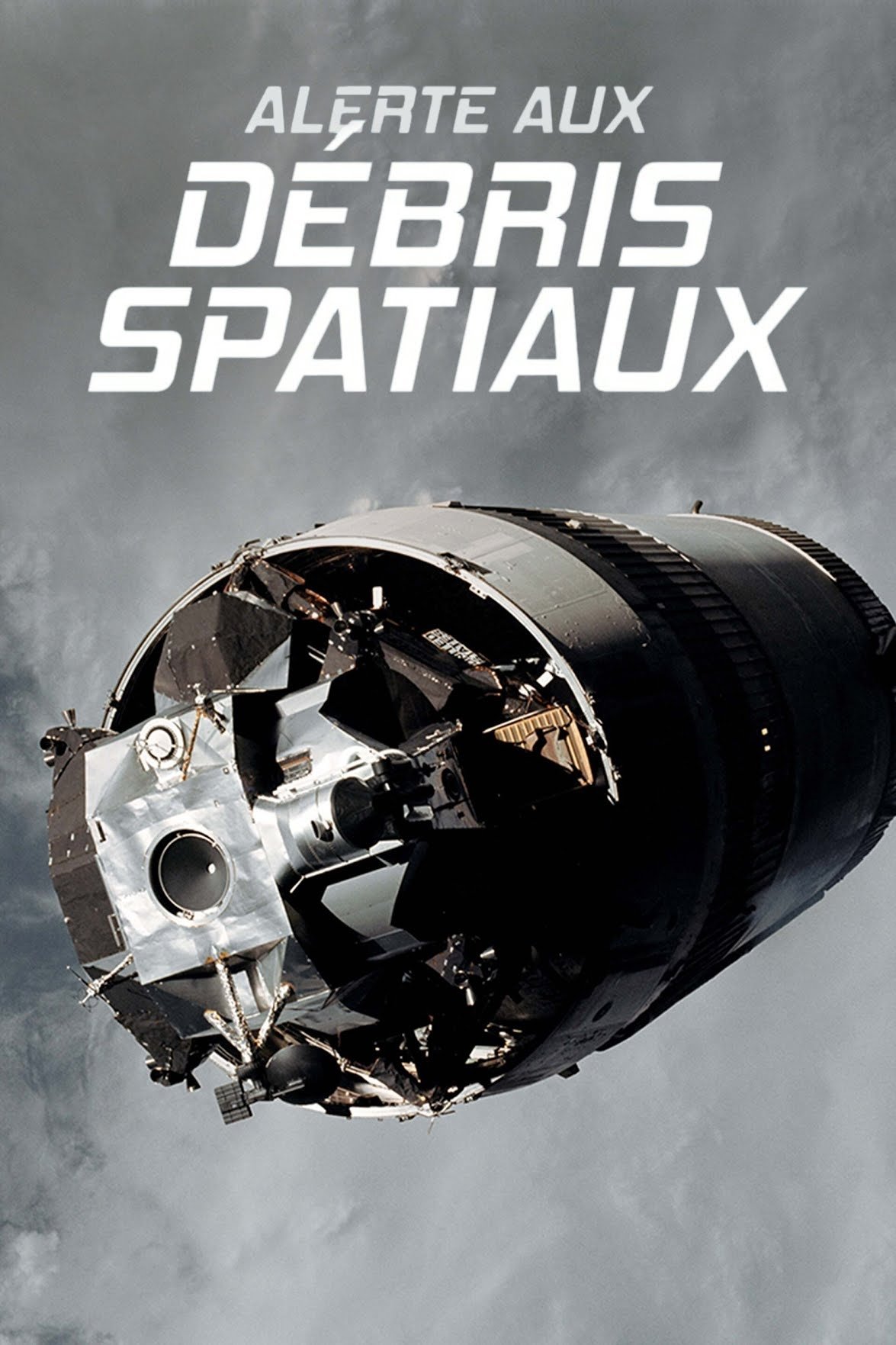
The "gravity" nightmare is becoming a reality: tons of rocket and satellite parts have been scattered into space over the past 60 years. The fragments collide with other objects, producing more and more scrap - a proliferation that has long since gotten out of control and poses an acute danger to rocket launches and space stations.
What is the role of an ethnographic filmmaker as an outsider and student of a culture? Is it about representing, demonstrating, and reflecting or exposing, participating, and transposing? Although these are not binary terms of the historic discussions in anthropology, they share a lot to be experimented through shared cine-anthropology and sensory multimodal ethnography.
The personal stories lived by the Uncle, the Father and the Son, respectively, form a tragic experience that is drawn along a line in time. This line is comparable to a crease in the pages of the family album, but also to a crack in the walls of the paternal house. It resembles the open wound created when drilling into a mountain, but also a scar in the collective imaginary of a society, where the idea of salvation finds its tragic destiny in the political struggle. What is at the end of that line? Will old war songs be enough to circumvent that destiny?
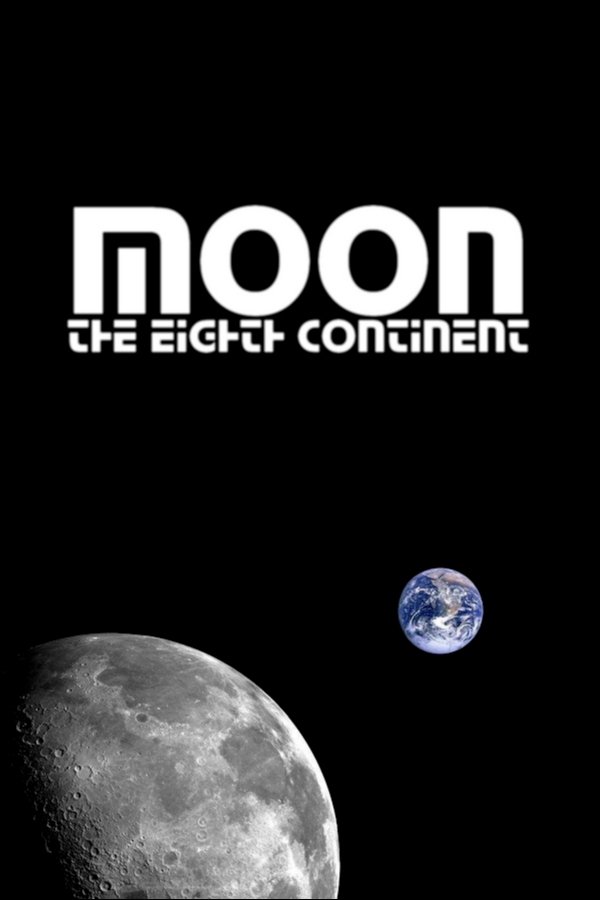
July 20, 1969. Apollo 11 lands on the surface of the Moon. Such a feat was apparently performed to the greater glory of all mankind, but actually it marked the end of the space race disputed by the two great superpowers of the time in their eagerness to arrive before and the beginning of the spread of the Cold War into space. Nowadays, the struggle continues, but the main competitors and their purposes are others.
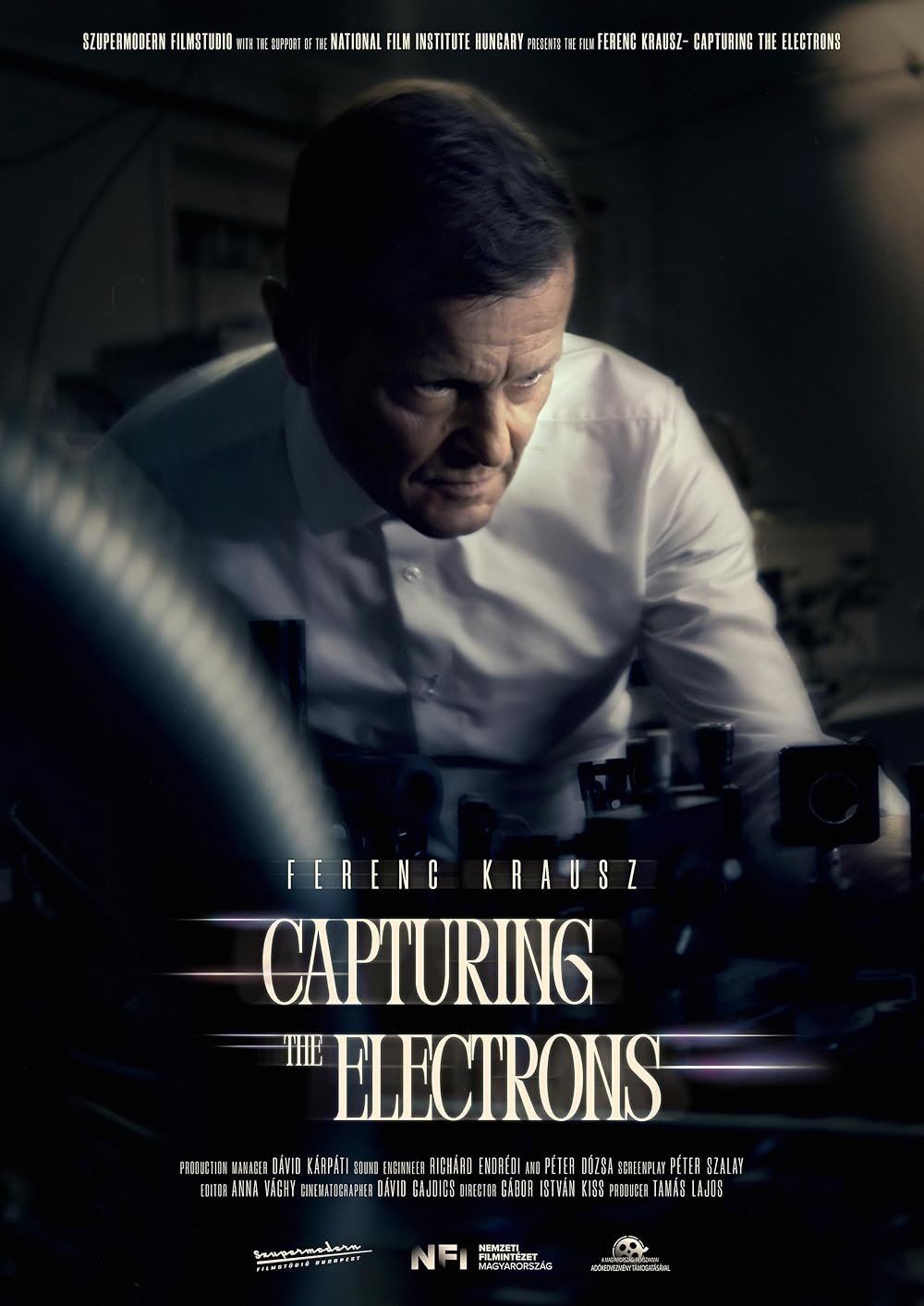
Capturing the Electrons documents the life and career of Nobel Prize-winning Hungarian physicist Ferenc Krausz. His research team has generated and measured the first attosecond light pulse and used it for capturing electrons' motion inside atoms, marking the birth of attophysics. In 2023, jointly with Pierre Agostini and Anne L'Huillier, he was awarded the Nobel Prize in Physics.