Social & External
The people behind it
Eduard Kaeser
Birgit Beck
Eckart Modrow
Daniel Speck
Richard Nagyfi
Sergi Prieto
This video is dedicated to your mastery of the art of realizing all your desires. The greatest gift you have been given is the gift of your imagination. Everything that now exists was once imagined. And everything that will ever exist must first be imagined.
For more than 50 years, we’ve been unsuccessfully searching for any evidence of intelligent extraterrestrial life. But, the discovery of thousands of exoplanets has meant the hope of finding them is higher than ever. If any messages could eventually be decoded and answered in any far, far away star, it could radically transform our consciousness as species and our place in the universe. A message from the stars changes life on Earth… forever.
The onset of the 21st Century will be an era in which the very nature of what it means to be human will be both enriched and challenged as our species breaks the shackles of its genetic legacy and achieves inconceivable heights of intelligence, material progress, and longevity. While the social and philosophical ramifications of these changes will be profound, and the threats they pose considerable, celebrated futurist Ray Kurzweil presents a view of the coming age that is both a dramatic culmination of centuries of technological ingenuity and a genuinely inspiring vision of our ultimate destiny.
Sunrise With Sea Monsters follows a wandering desktop hard drive as it journeys through the British landscape in a quest to explore new ways to store and preserve human knowledge for humanity in the future.
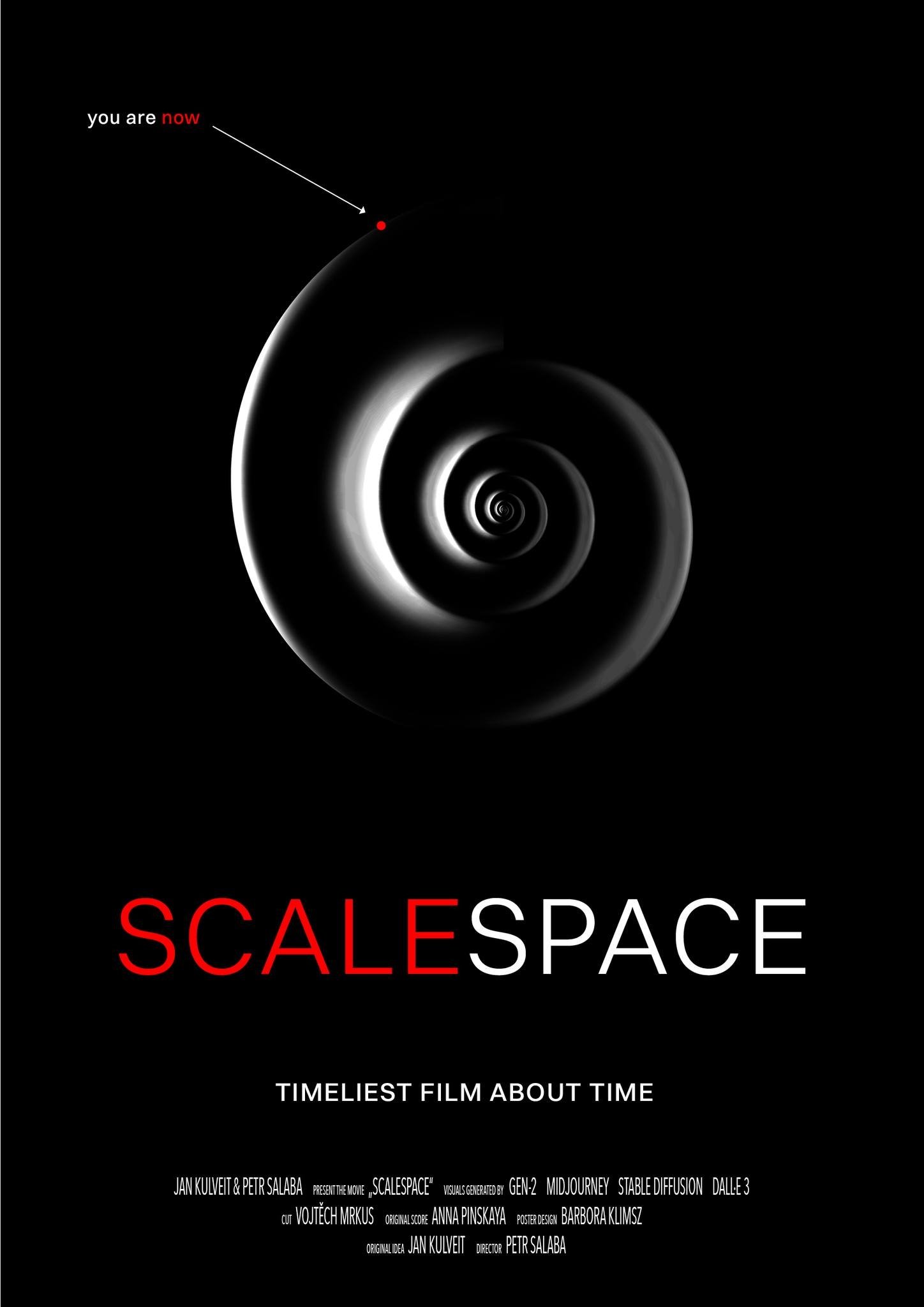
Get ready for an AI-generated journey through the space of scales.
Comprehensive survey of robotics filmed in the leading labs of the world (primarily the United States and Japan) and featuring experts such as Rodney Brooks of MIT and William “Red” Whittaker of Carnegie Mellon University. Incorporates pop culture robots with the less glamorous real world and delves into the ultimate issues of what constitutes life and whether consciousness is a product of intelligence.
The biggest tech revolution of the 21st century isn’t digital, it’s biological. A breakthrough called CRISPR gives us unprecedented control over the basic building blocks of life. It opens the door to curing disease, reshaping the biosphere, and designing our own children. This documentary is a provocative exploration of CRISPR’s far-reaching implications, through the eyes of the scientists who discovered it, the families it’s affecting, and the genetic engineers who are testing its limits.
Capturing Avatar is a feature length behind-the-scenes documentary about the making of Avatar. It uses footage from the film's development, as well as stock footage from as far back as the production of Titanic in 1995. Also included are numerous interviews with cast, artists, and other crew members. The documentary was released as a bonus feature on the extended collector's edition of Avatar.
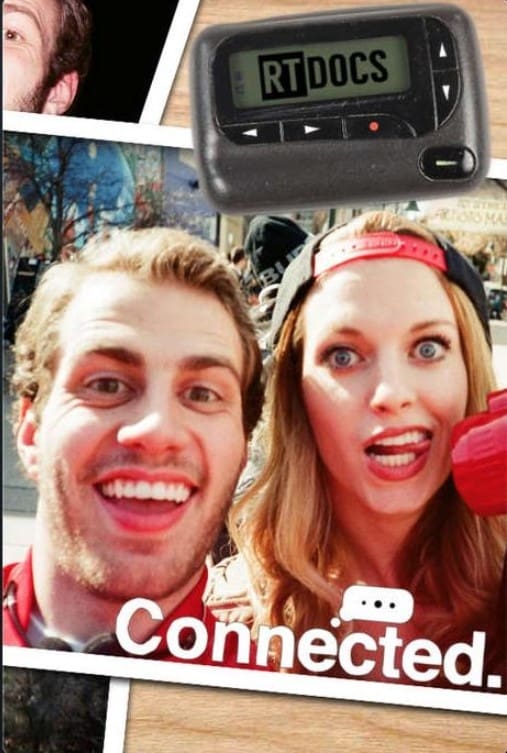
Follow Barbara Dunkelman and Blaine Gibson as they must survive their work, their social lives and the modern world without the comfort of their cell phones in order to explore how our brains change with our use of technology and analyze how we sustain and build relationships in the 21st century.
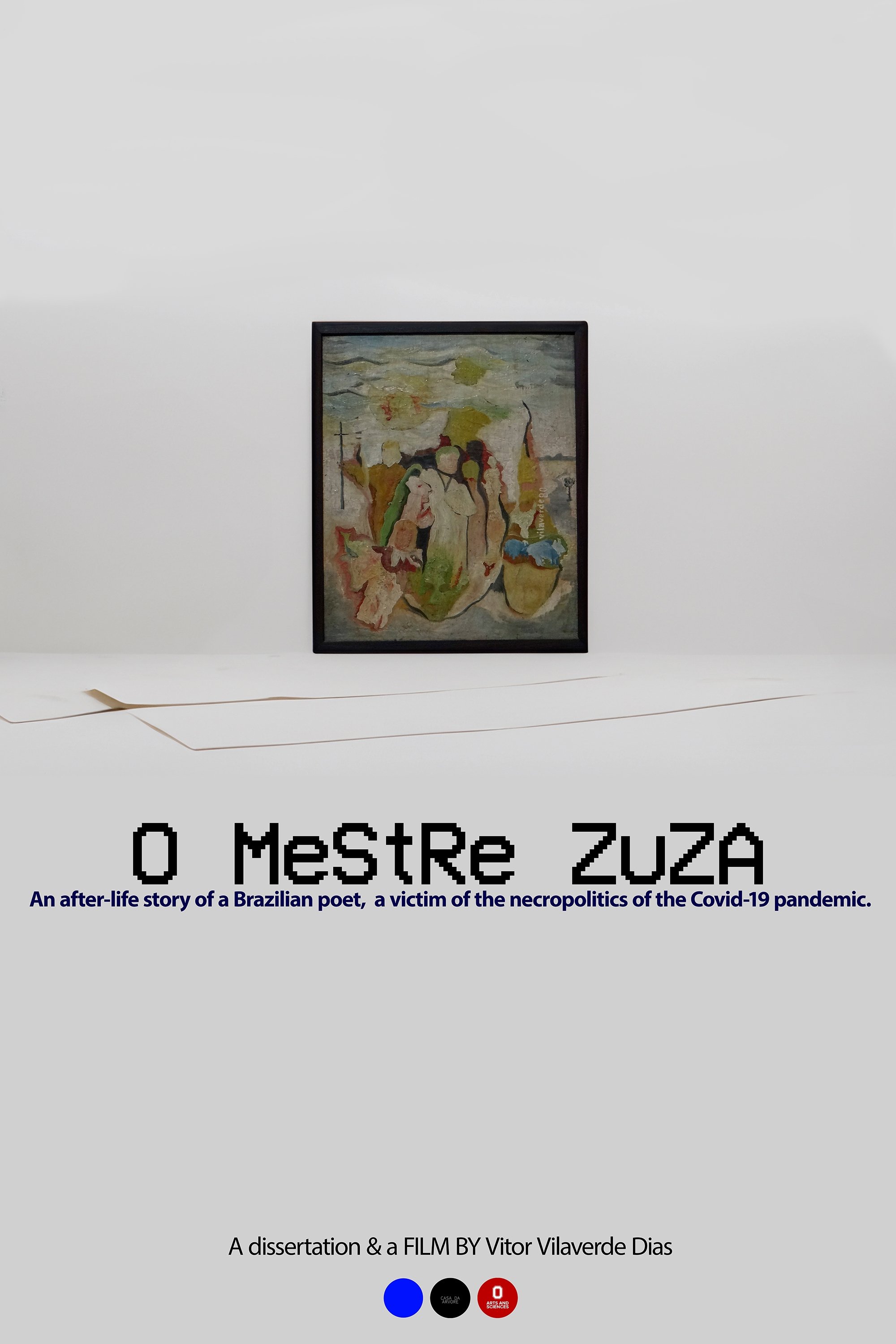
An afterlife experience of a Brazilian poet. A work of a filmmaker, an artist worker, in harmony with nature and technology.
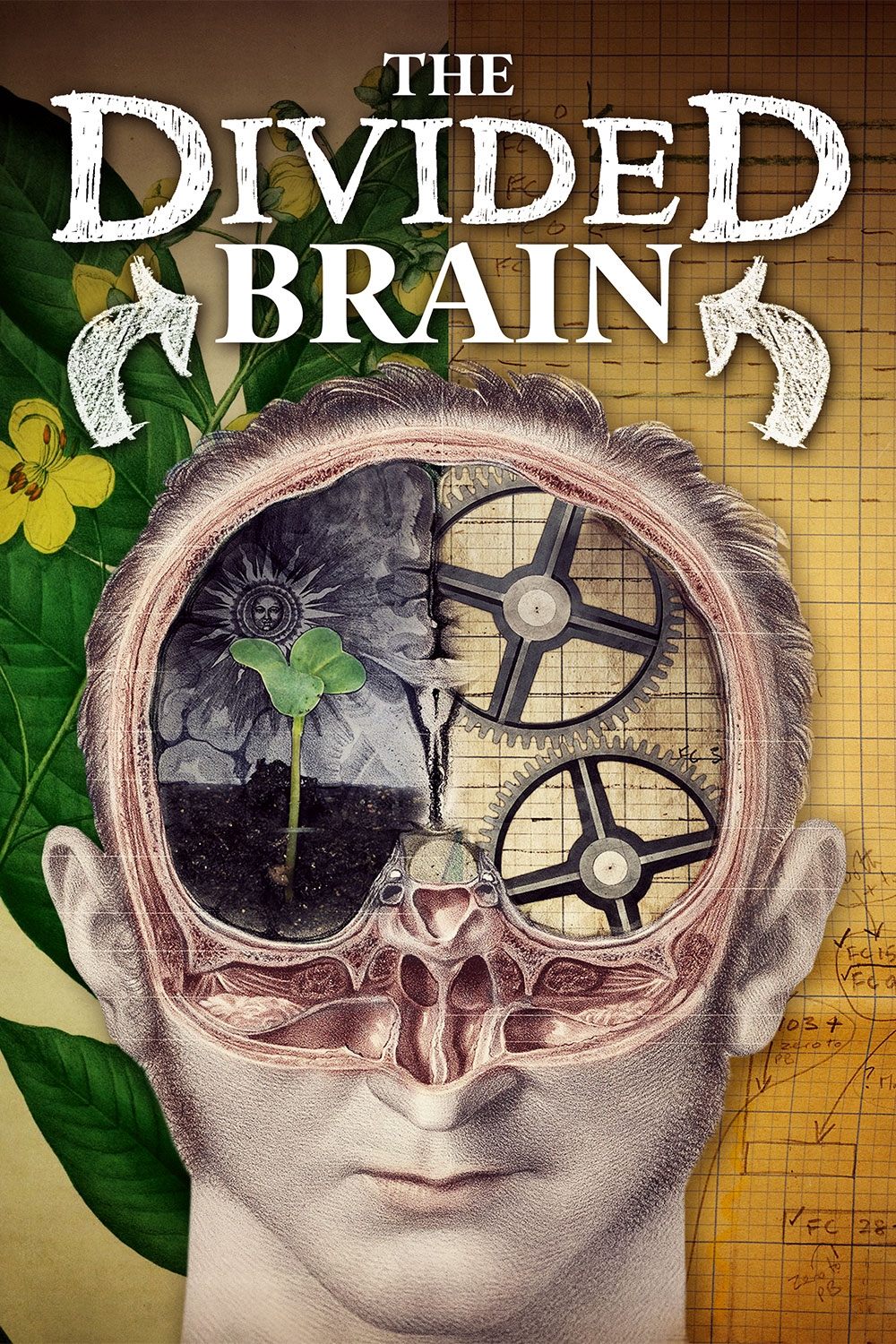
A film which explores a radical new idea - is there an imbalance between our brain hemispheres that is affecting how we live in our modern society?
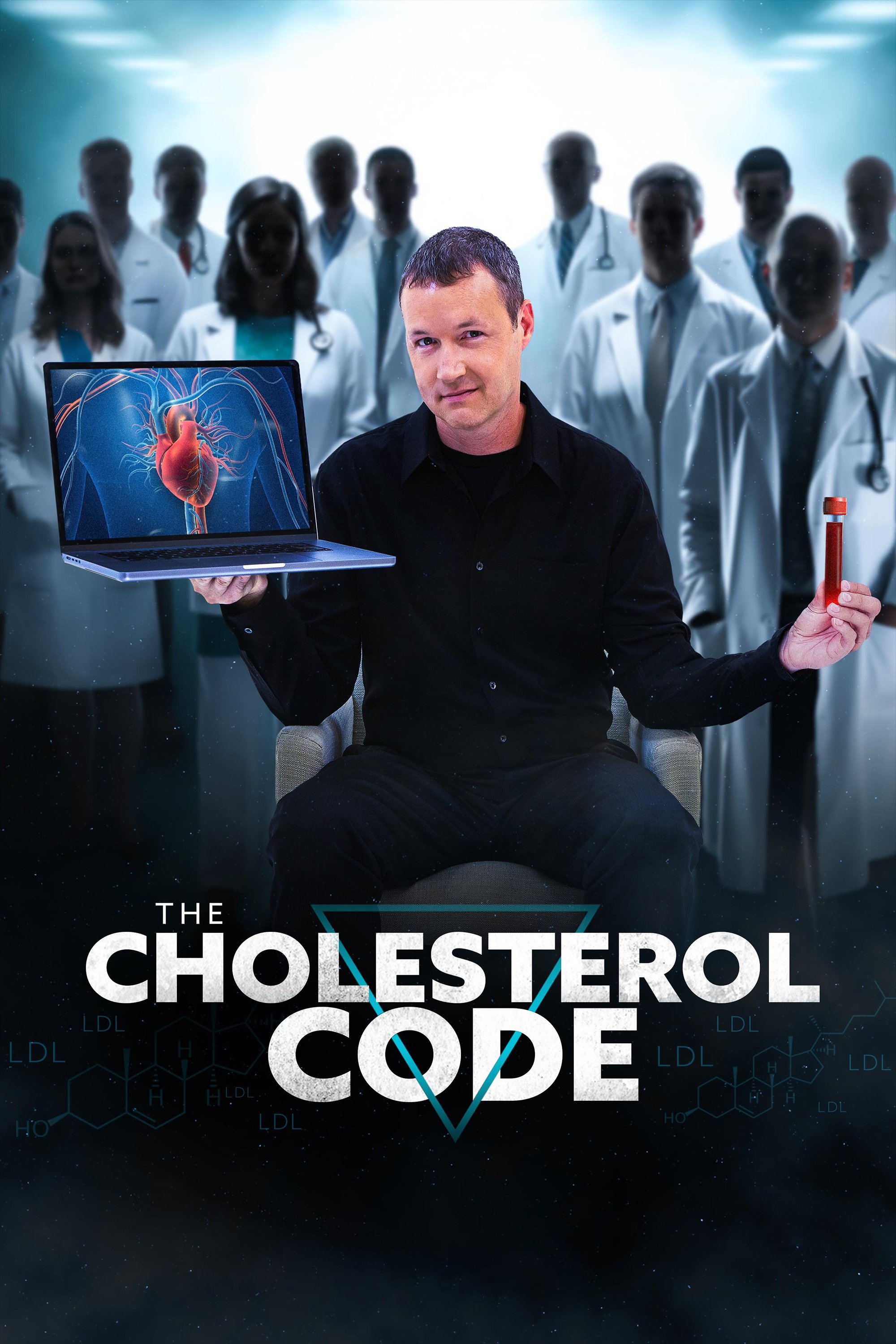
In a world where 92 million Americans rely on statins as their lifeline, one man's unexpected health journey uncovers a medical mystery that could upend everything we think we know about heart health, cholesterol, and the ketogenic diet.
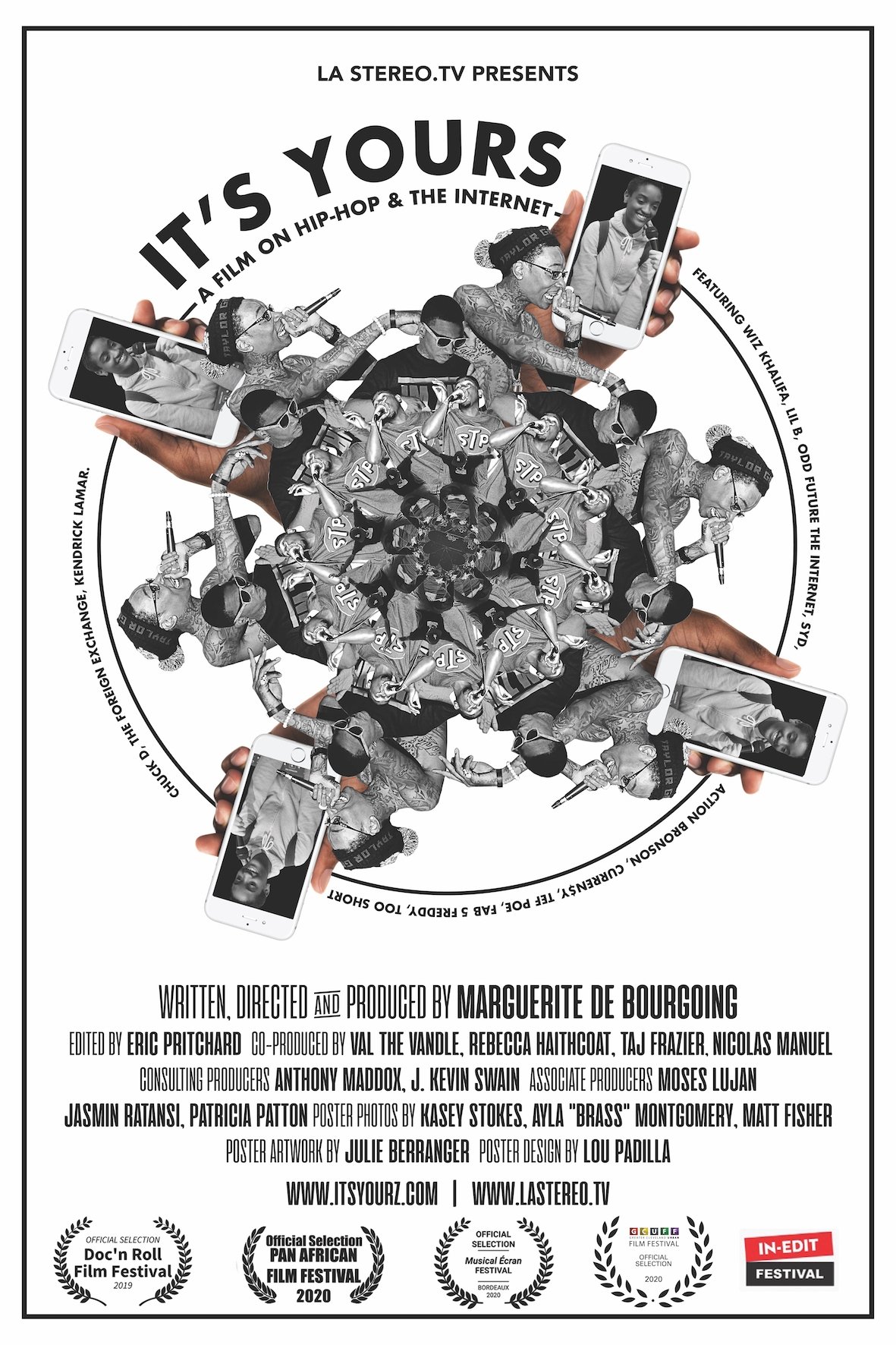
By the dawn of the 21st century, hip-hop sales had reached an all-time high, but one thing has remained the same. The doors were still locked, and the music industry held the keys. Young artists began to self-market on the Internet, ultimately helping to collapse the music industry as we knew it. It’s Yours explores how it became possible to become a rap star through a Twitter account, YouTube site or Myspace page. It tells this story through the unique perspectives of numerous artists, producers, record industry insiders, and music and cultural critics.
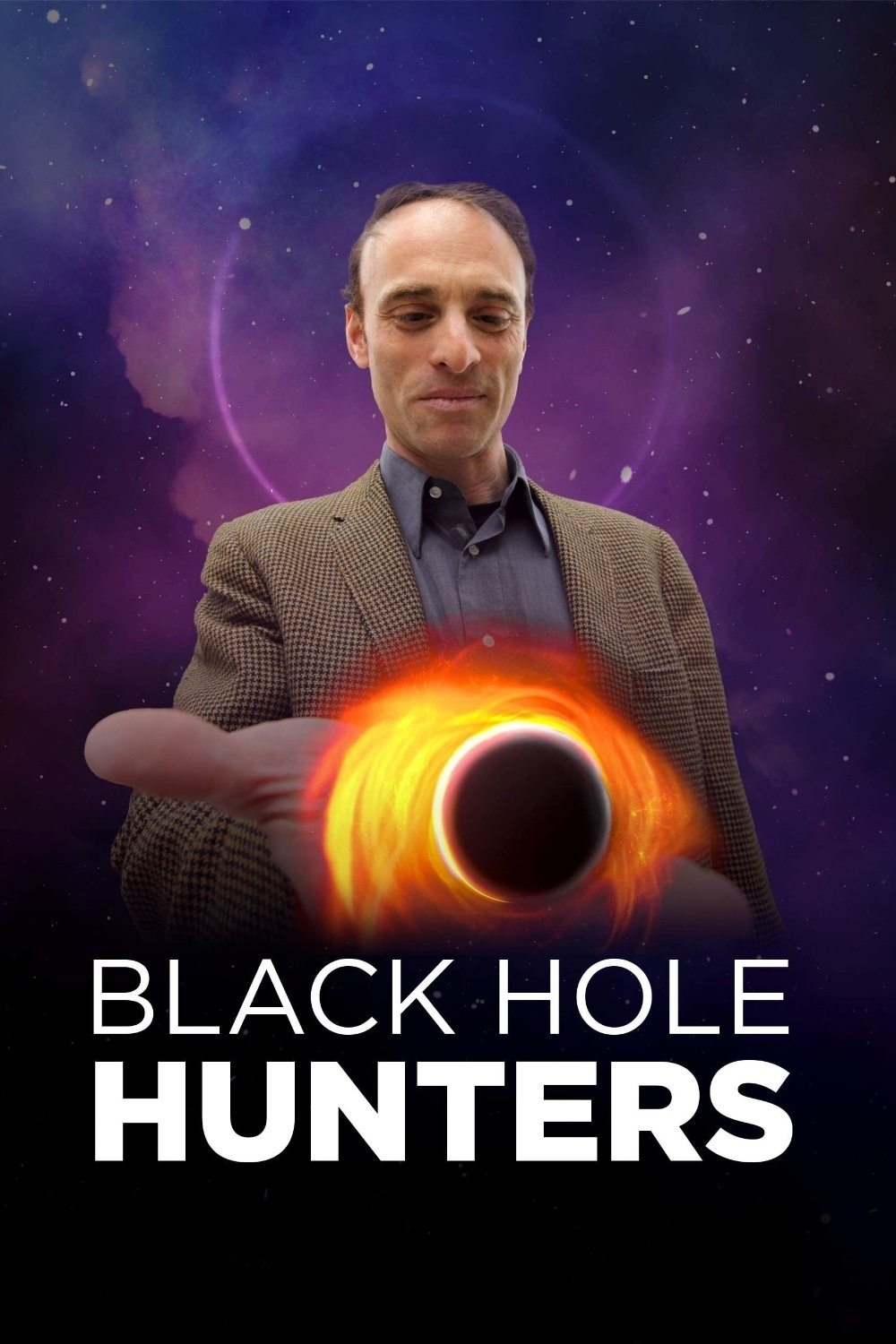
A team of international scientists attempt to document the first-ever image of a black hole.
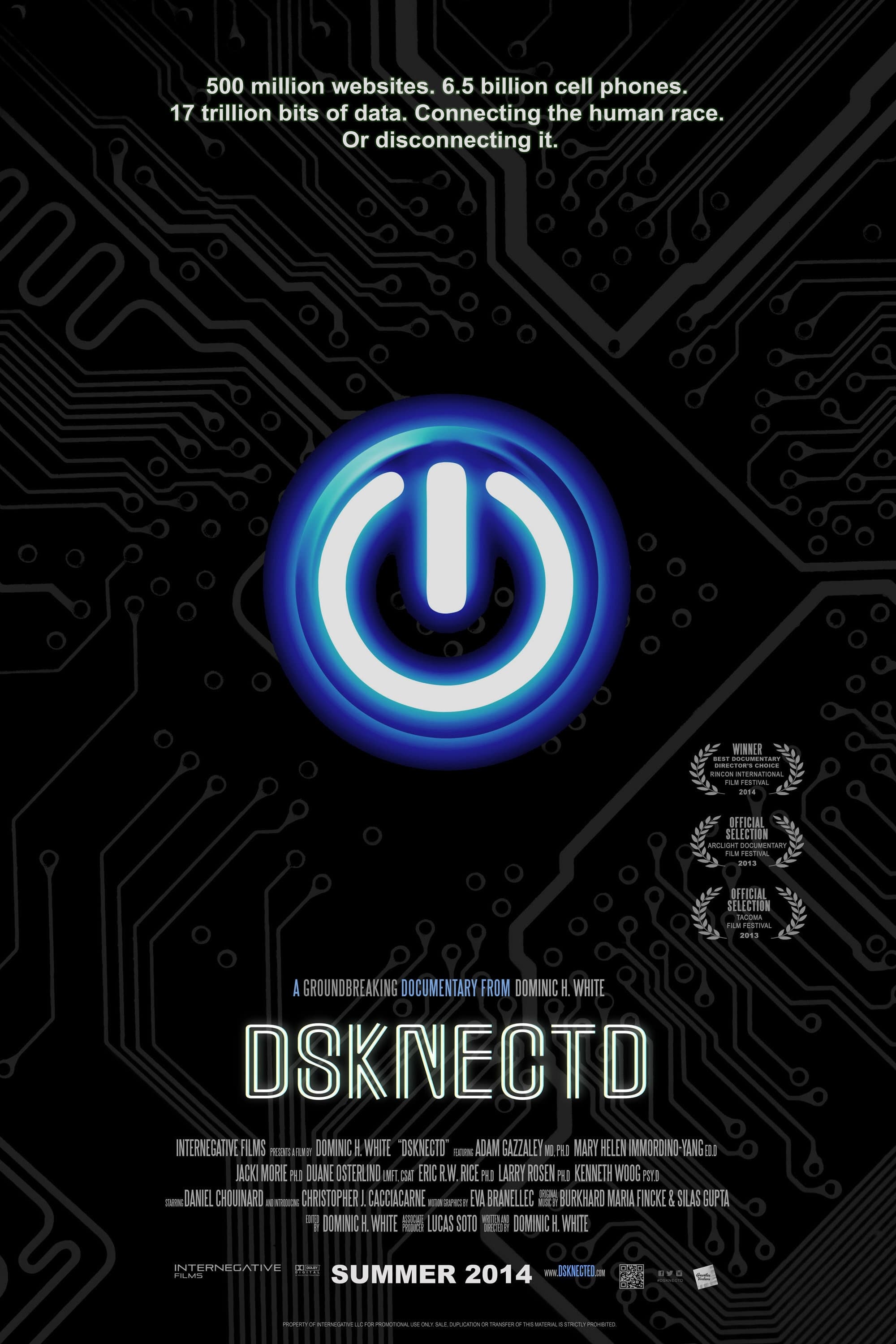
As clichés go, in 1999 the World as we knew it was about to change - and we'd been expecting it. Since childhood we'd been promised that the 21st century would bring us dramatic new technologies like flying cars and Utopian cities. Instead it bought us the smart-phone, social media, and virtual societies. And as it turns out these technologies began to transform society almost as dramatically as the moon colonies we'd been expecting. Now over a decade into the revolution, 'DSKNECTD' explores how digital communication technology is profoundly changing the way we interact and experience each other - for the good and for the bad.
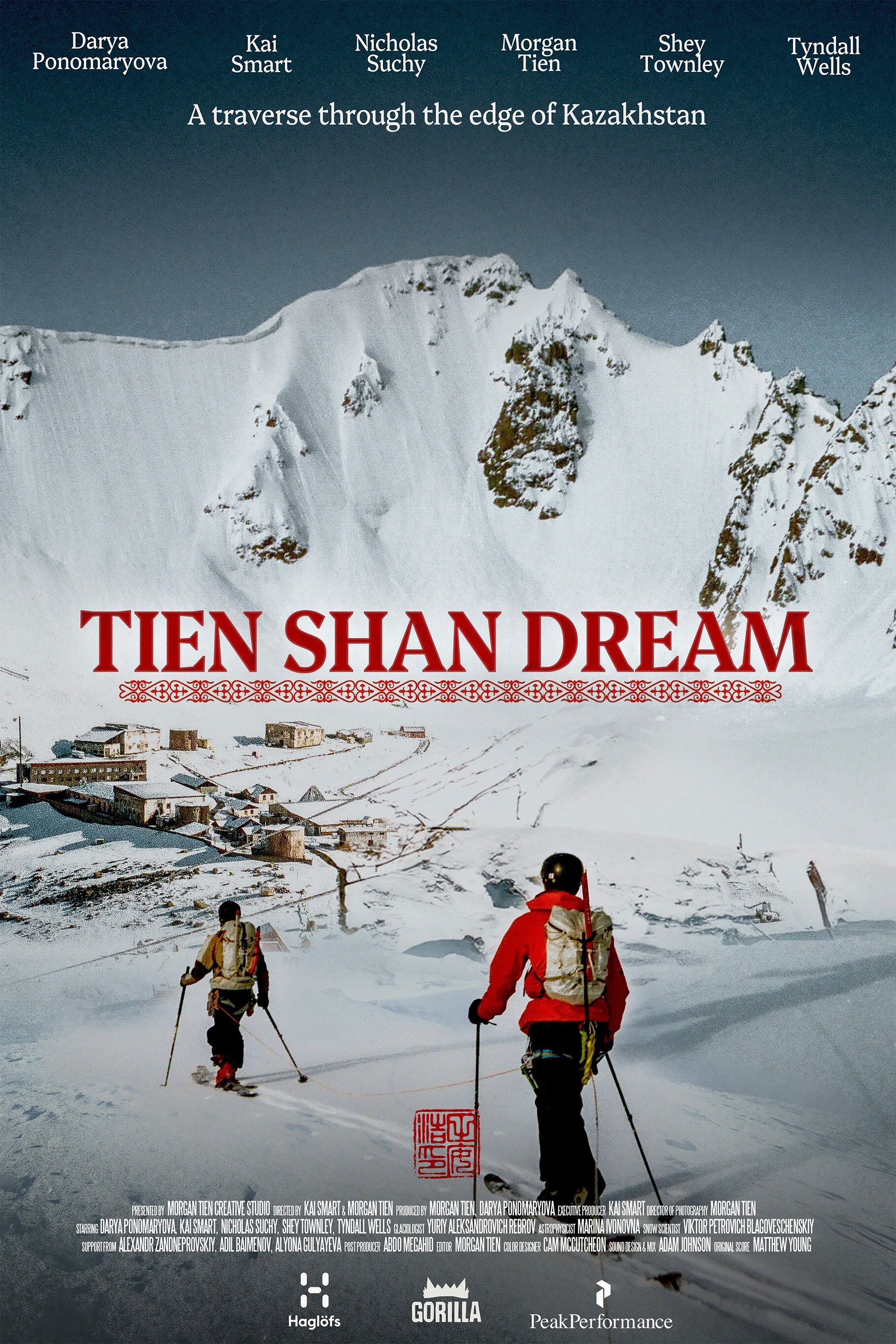
A team of international skiers embark on a two-week glacier traverse connecting two remote research stations in Kazakhstan. The Tien Shan's 4000+ meter peaks host an active scientific community, leveraging the rare environmental conditions for groundbreaking research. Established during the Soviet Union's occupation, the high-altitude research stations here are home to some of the longest-standing glacier and cosmic radiation experiments in the world - and are surrounded by deadly alpine terrain.
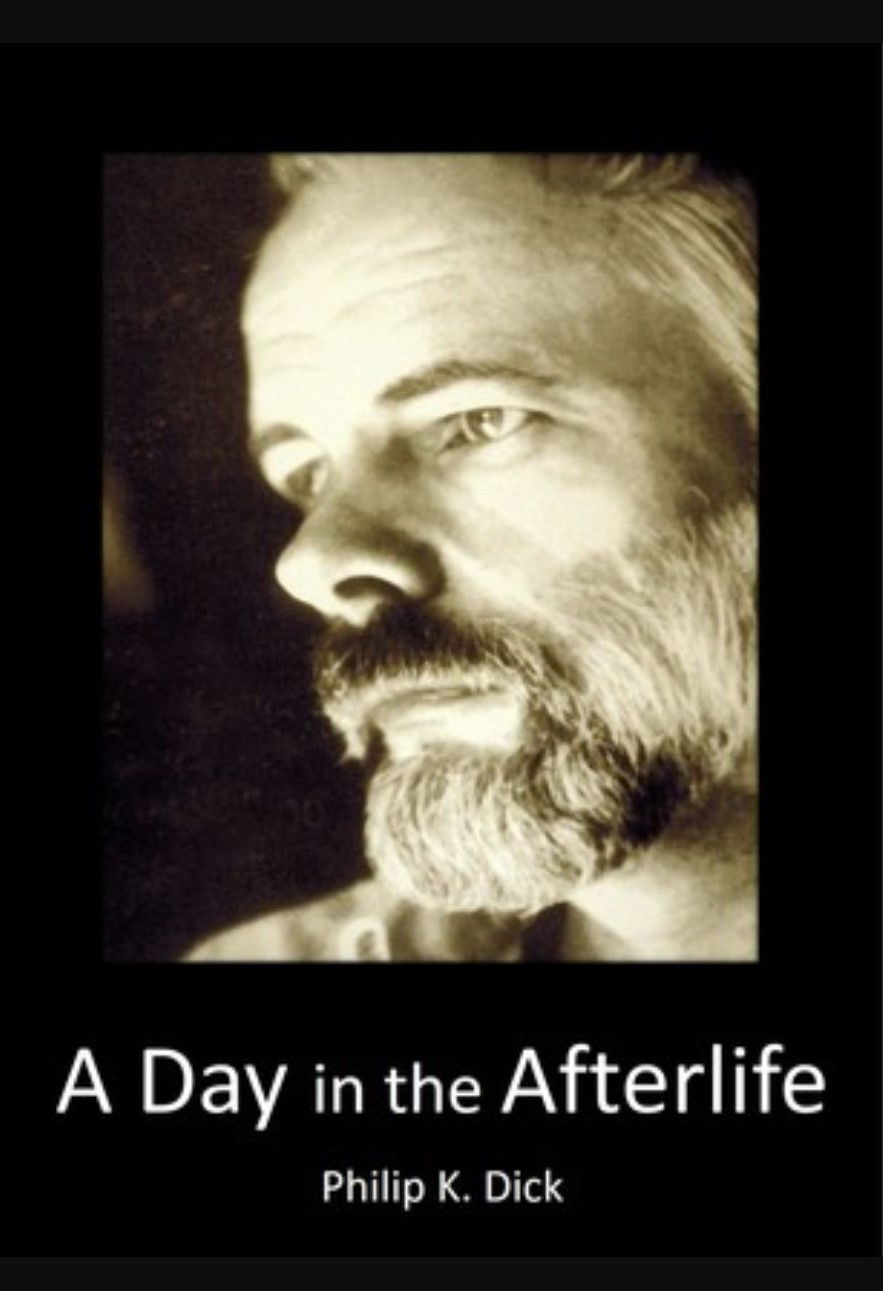
A poetic look at the life and legacy of legendary author Philip K. Dick (1928-1982), who wrote over a hundred short stories and 44 novels of mind-bending sci-fi, exploring themes of authority, drugs, theology, mental illness and much more.
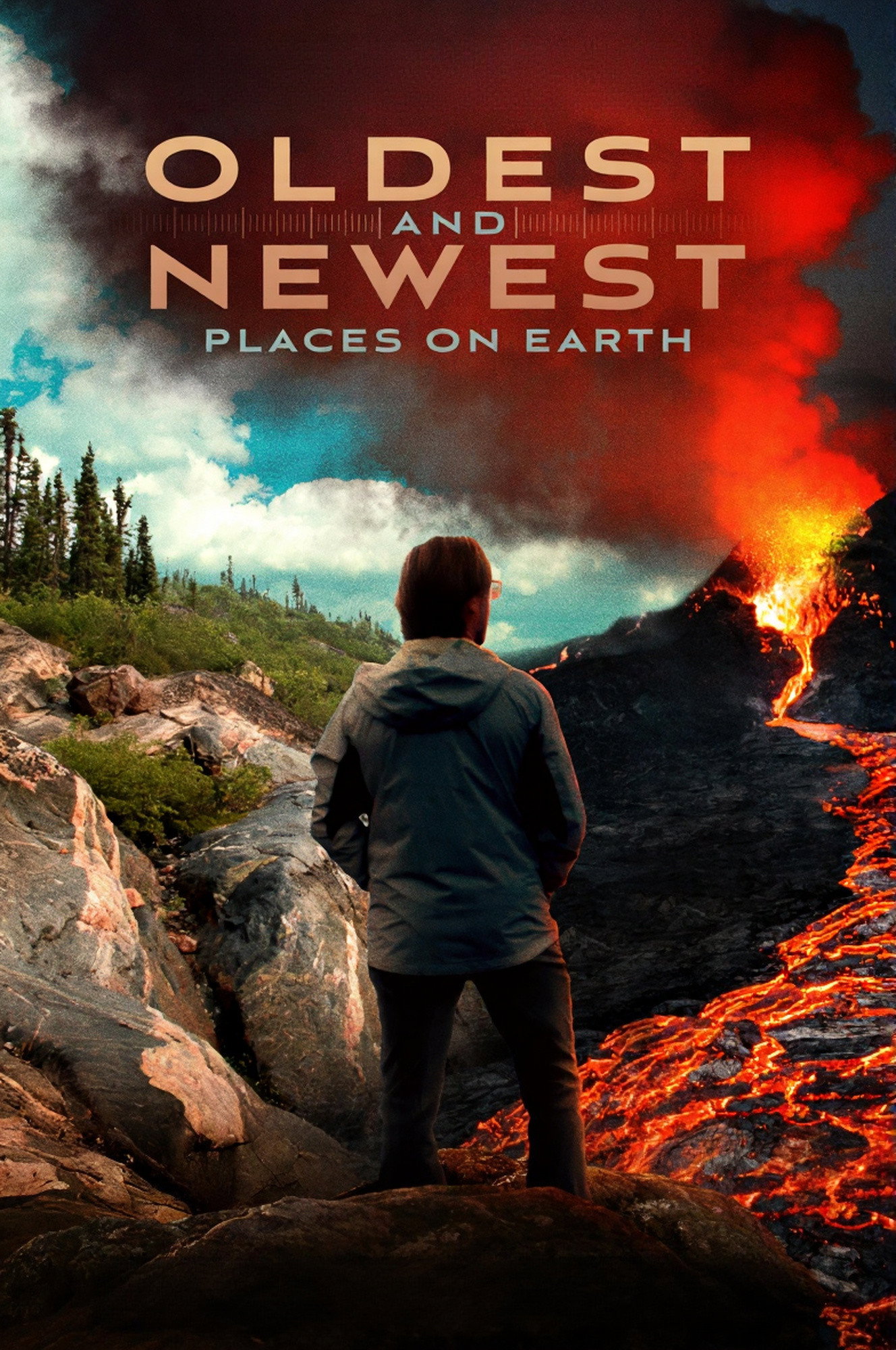
It all started with a simple question: Is it possible to travel to the oldest and newest places on Earth? YouTuber, author and filmmaker Joe Scott looked into it, and it turned into the trip of a lifetime. It's a journey across 4 billion years of geologic history that explores the past and present of our remarkable planet, the absurd immensity of deep time, and our tiny but important place in it.
Science fiction has long anticipated the rise of machine intelligence, and today a new generation of self-learning computers has begun to reshape every aspect of our lives. Will A.I. usher in an age of unprecedented potential, or prove to be our final invention?
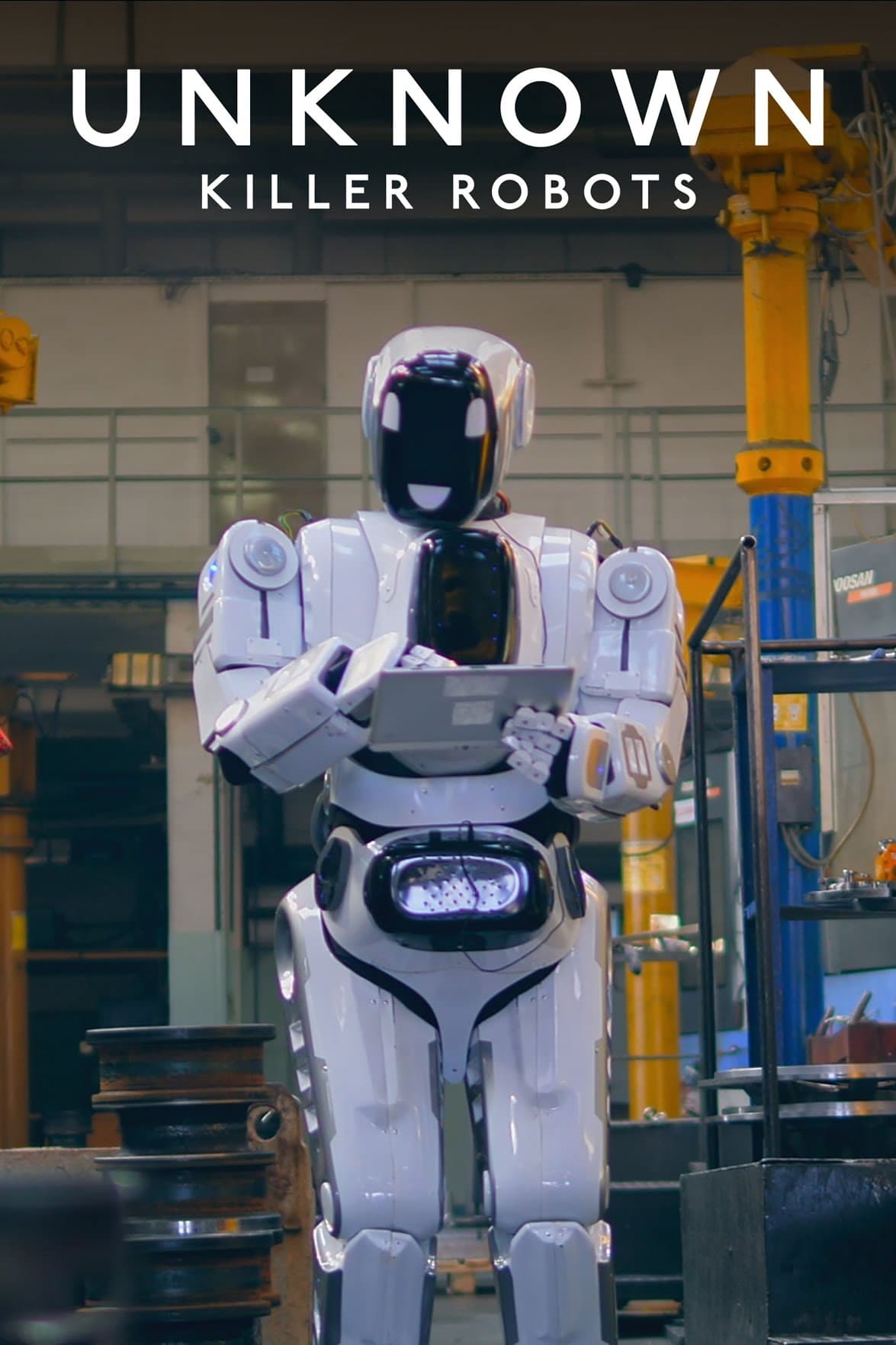
What happens when a machine makes life-or-death decisions? This documentary explores the dangers of artificial intelligence in military application.
A visual montage portrait of our contemporary world dominated by globalized technology and violence.
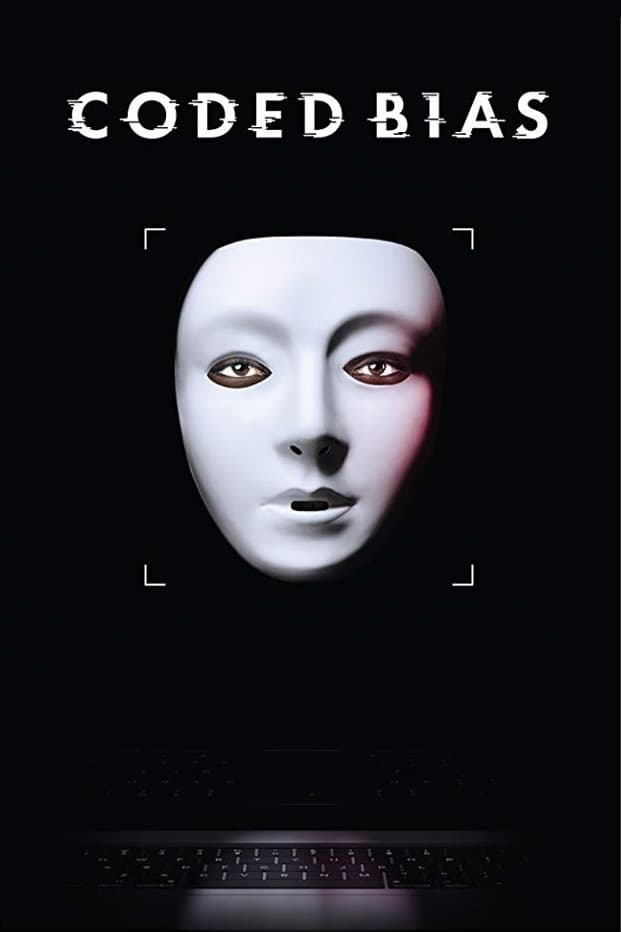
Exploring the fallout of MIT Media Lab researcher Joy Buolamwini's startling discovery that facial recognition does not see dark-skinned faces accurately, and her journey to push for the first-ever legislation in the U.S. to govern against bias in the algorithms that impact us all.
Daniel Craig candidly reflects on his 15 year adventure as James Bond. Including never-before-seen archival footage from Casino Royale to the upcoming 25th film No Time To Die, Craig shares his personal memories in conversation with 007 producers, Michael G Wilson and Barbara Broccoli.
Live Aid was held on 13 July 1985, simultaneously in Wembley Stadium in London, England, and the John F. Kennedy Stadium in Philadelphia, United States. It was one of the largest scale satellite link-ups and television broadcasts of all time: watched live by an estimated global audience of 1.9 billion, across 150 nations. "It's twelve noon in London, seven AM in Philadelphia, and around the world it's time for Live Aid...!"
In an intimate and joyful story of love in the face of loss, celebrated poets Andrea Gibson and Megan Falley find strength—and unexpected hilarity—in what might be their final year together.
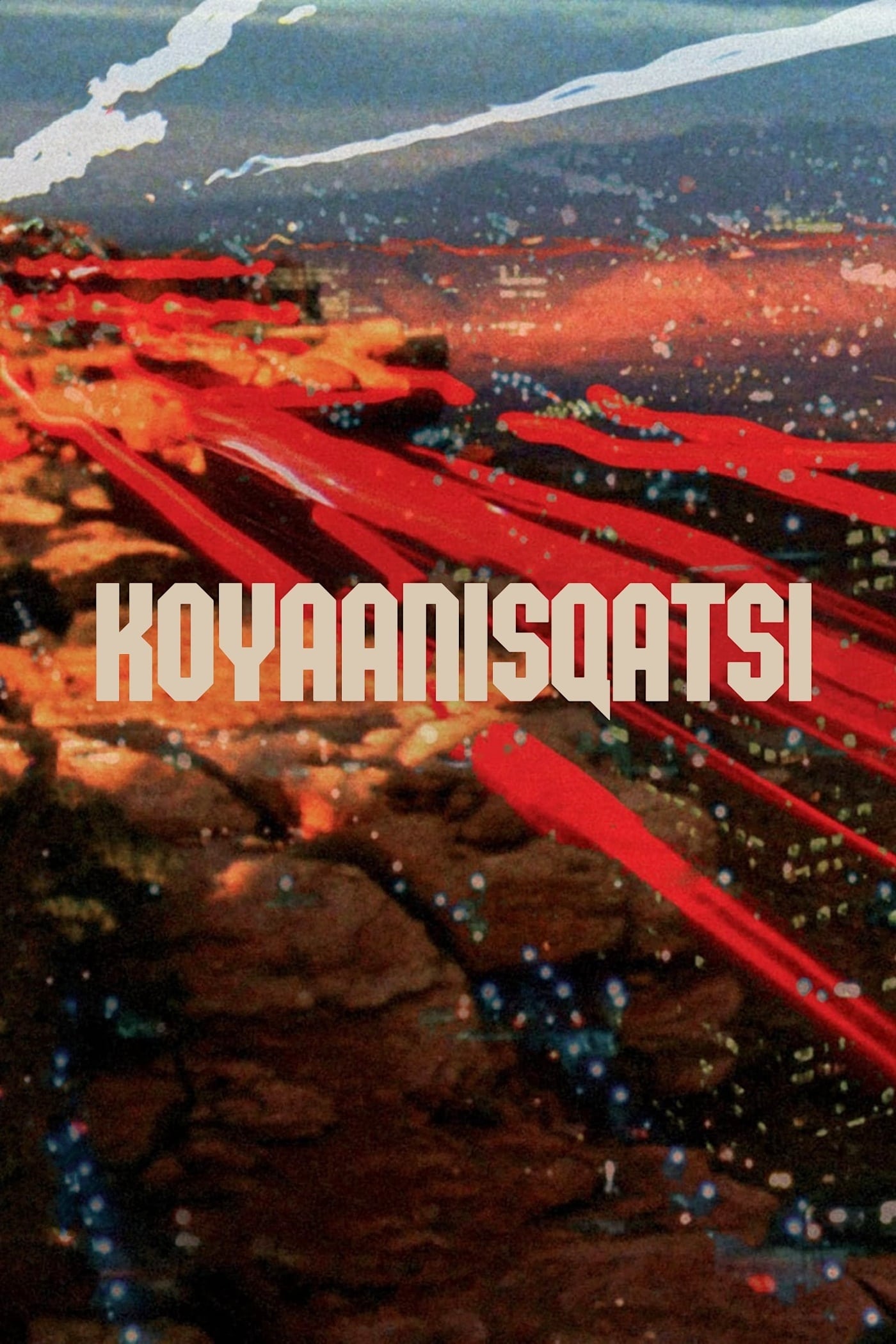
Takes us to locations all around the US and shows us the heavy toll that modern technology is having on humans and the earth. The visual tone poem contains neither dialogue nor a vocalized narration: its tone is set by the juxtaposition of images and the exceptional music by Philip Glass.
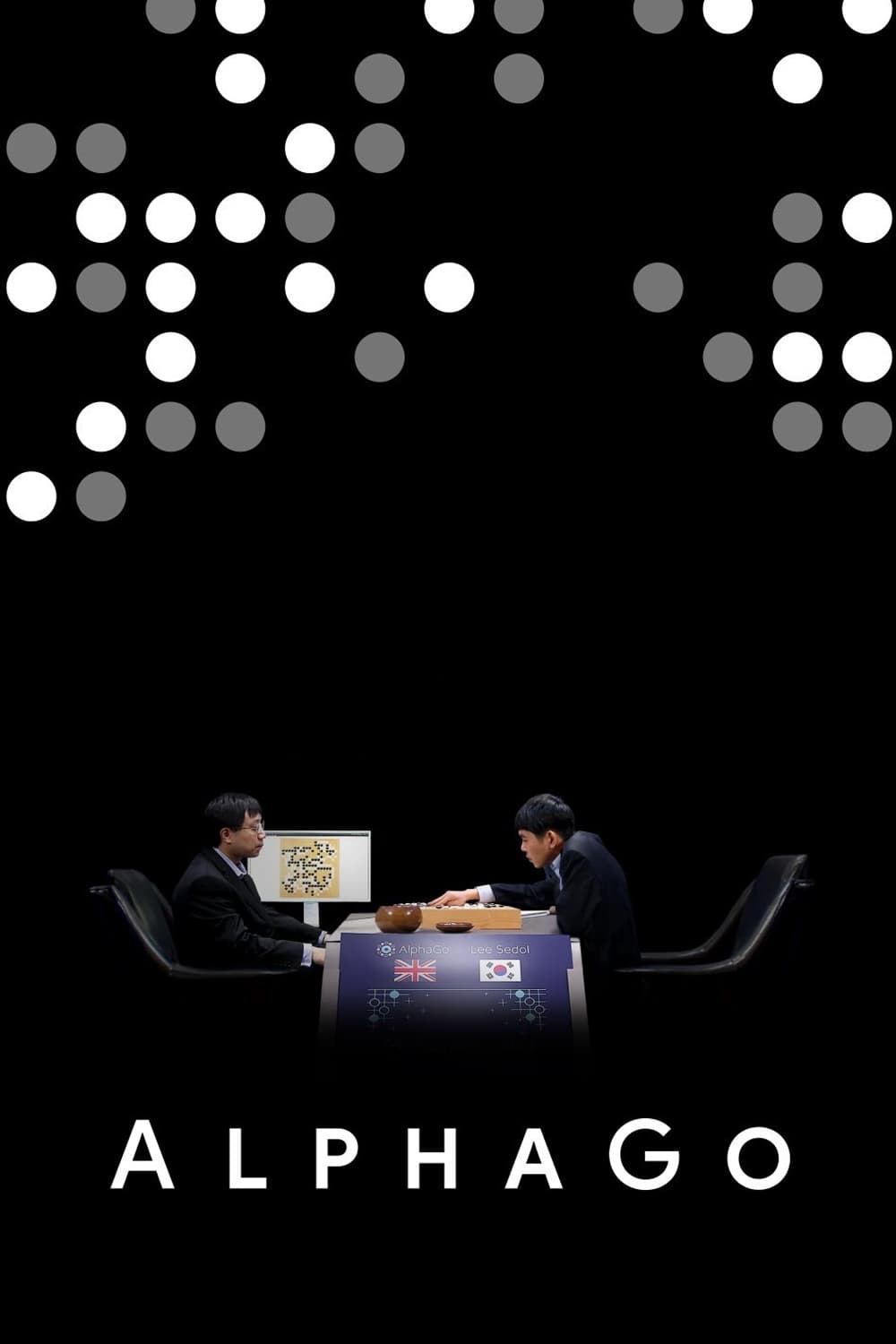
The ancient Chinese game of Go has long been considered a grand challenge for artificial intelligence. Yet in 2016, Google's DeepMind team announced that they would be taking on Lee Sedol, the world's most elite Go champion. AlphaGo chronicles the team as it prepares to test the limits of its rapidly-evolving AI technology. The film pits man against machine, and reveals as much about the workings of the human mind as it does the future of AI.
Alexander McQueen's rags-to-riches story is a modern-day fairy tale, laced with the gothic. Mirroring the savage beauty, boldness and vivacity of his design, this documentary is an intimate revelation of McQueen's own world, both tortured and inspired, which celebrates a radical and mesmerizing genius of profound influence.
Interviews with leading authors, philosophers and scientists, with an in-depth discussion of the Law of Attraction. The audience is shown how they can learn and use 'The Secret' in their everyday lives.
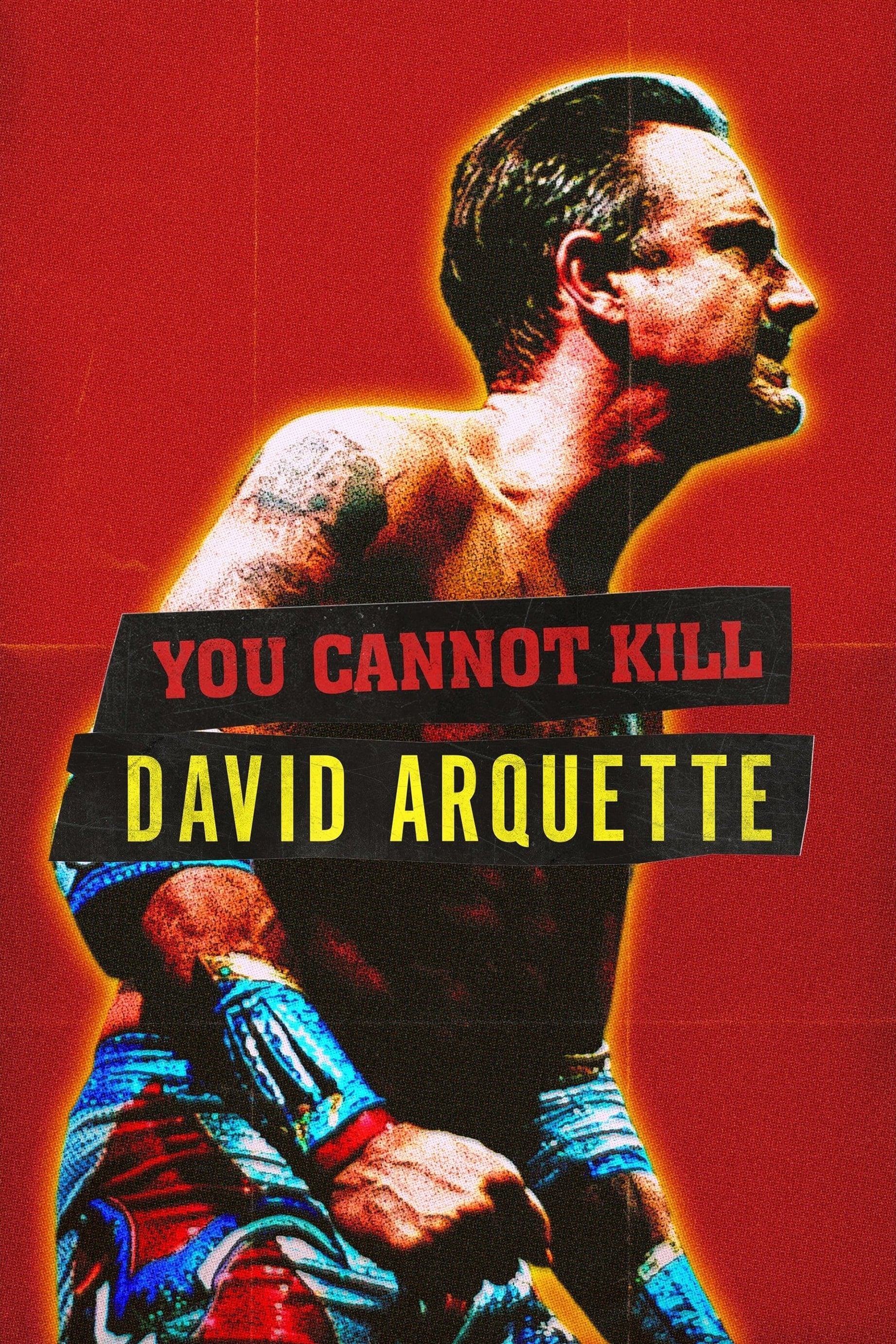
Following his infamous championship as part of a marketing stunt for the film Ready to Rumble, David Arquette is widely known as the most hated man in pro-wrestling worldwide. Nearly 20 years after he "won" the initial title, through ups and downs in his career, with his family, and with his struggles with addiction, David Arquette seeks redemption by returning to the ring...for real this time.
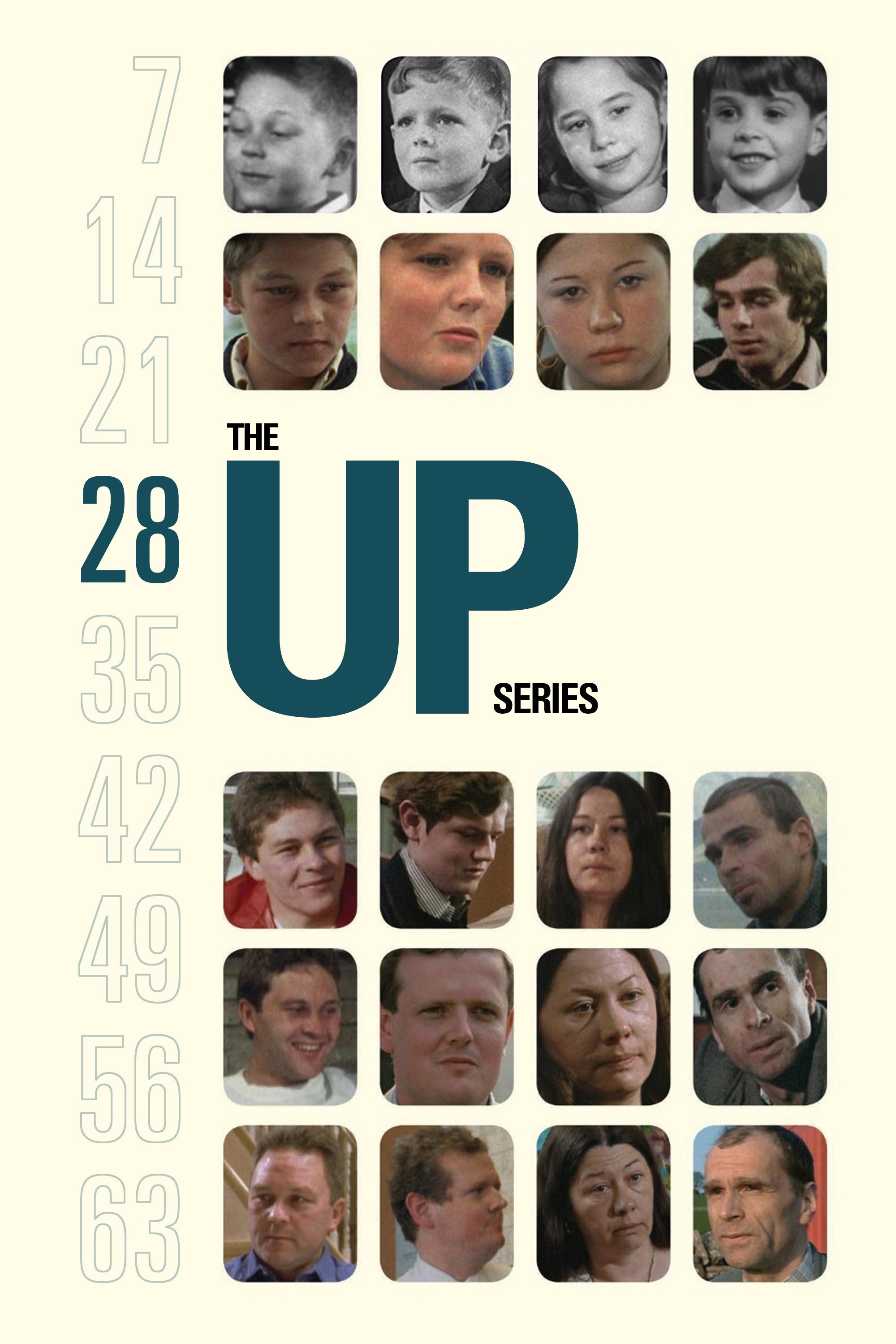
Just two years away from turning 30, participants in Michael Apted's documentary series are facing serious questions of identity and purpose, wondering whether they've found their place in the world.
A documentary about the life and films of director John Ford.
A documentary on the expletive's origin, why it offends some people so deeply, and what can be gained from its use.
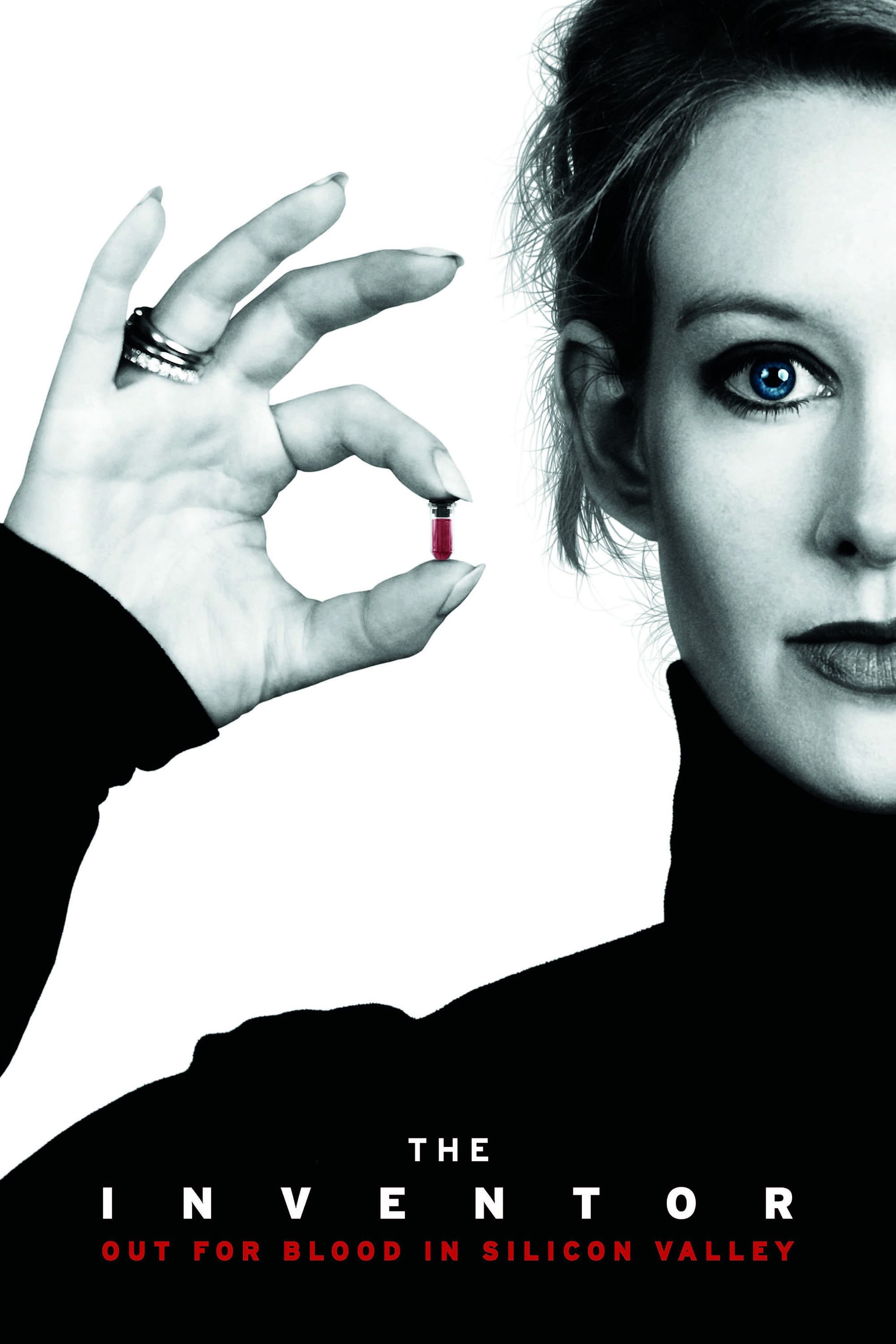
With a magical new invention that promised to revolutionize blood testing, Elizabeth Holmes became the world’s youngest self-made billionaire, heralded as the next Steve Jobs. Then, overnight, her 10-billion-dollar company dissolved. The rise and fall of Theranos is a window into the psychology of fraud.
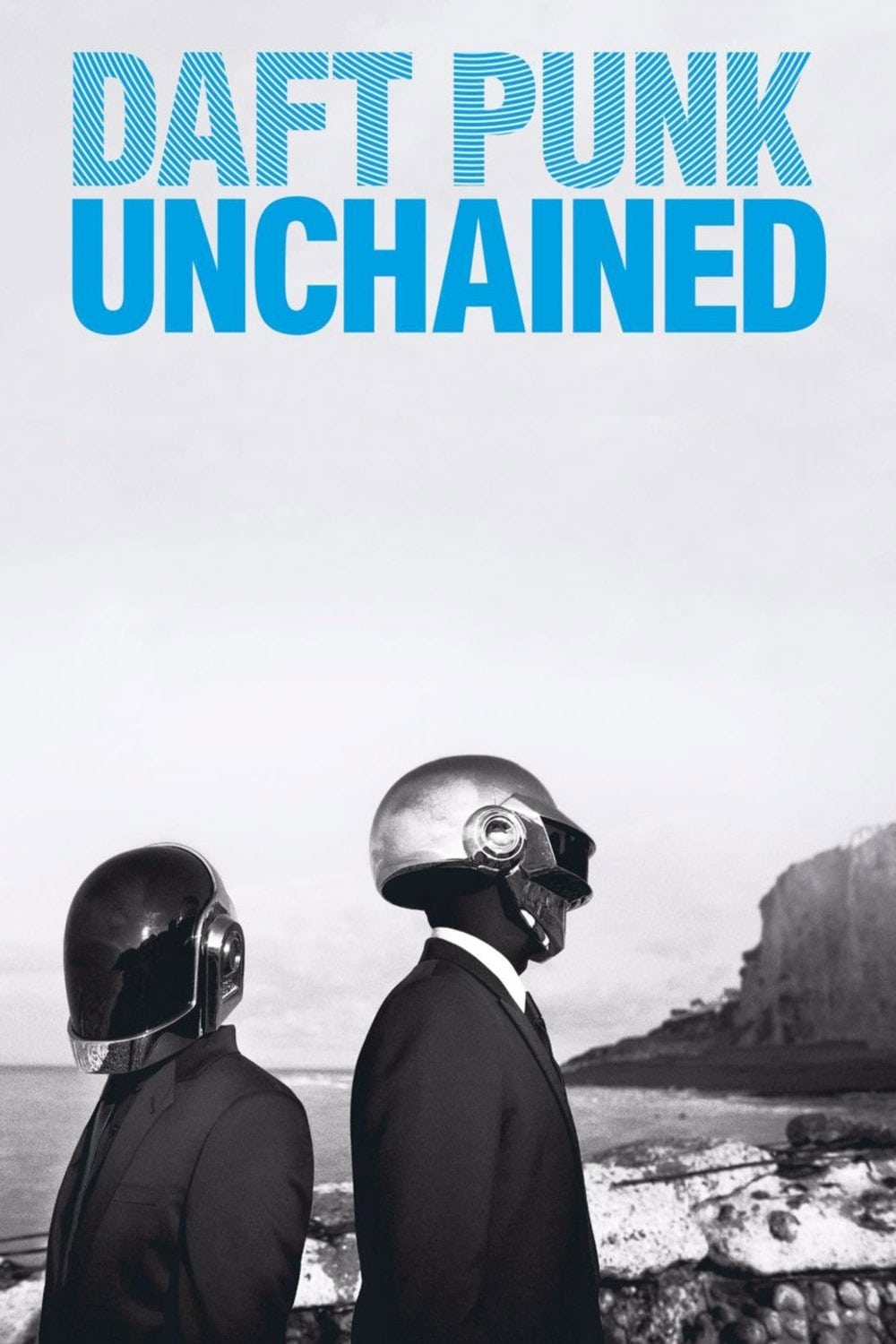
Daft Punk Unchained is the first film about the pop culture phenomenon that is Daft Punk, the duo with 12 million albums sold worldwide and seven Grammy Awards. Throughout their career Thomas Bangalter and Guy-Manuel de Homem-Christo have always resisted compromise and the established codes of show business. They have remained determined to maintain control of every link in the chain of their creative process. In the era of globalisation and social networks, they rarely speak in public and neither do they show their faces on TV. This documentary explores this unprecedented cultural revolution revealing a duo of artists on a permanent quest for creativity, independence and freedom.
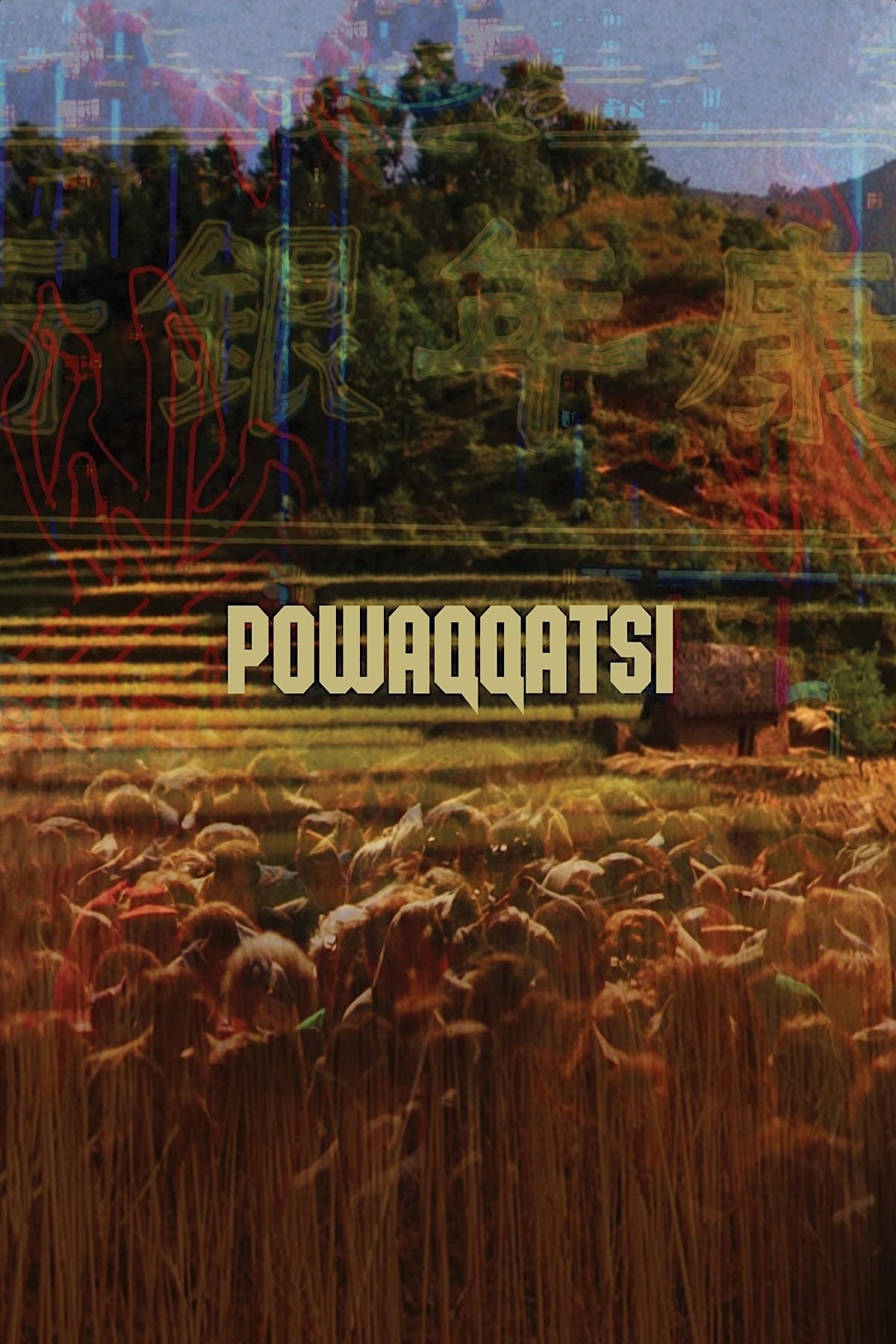
An exploration of technologically developing nations and the effect the transition to Western-style modernization has had on them.
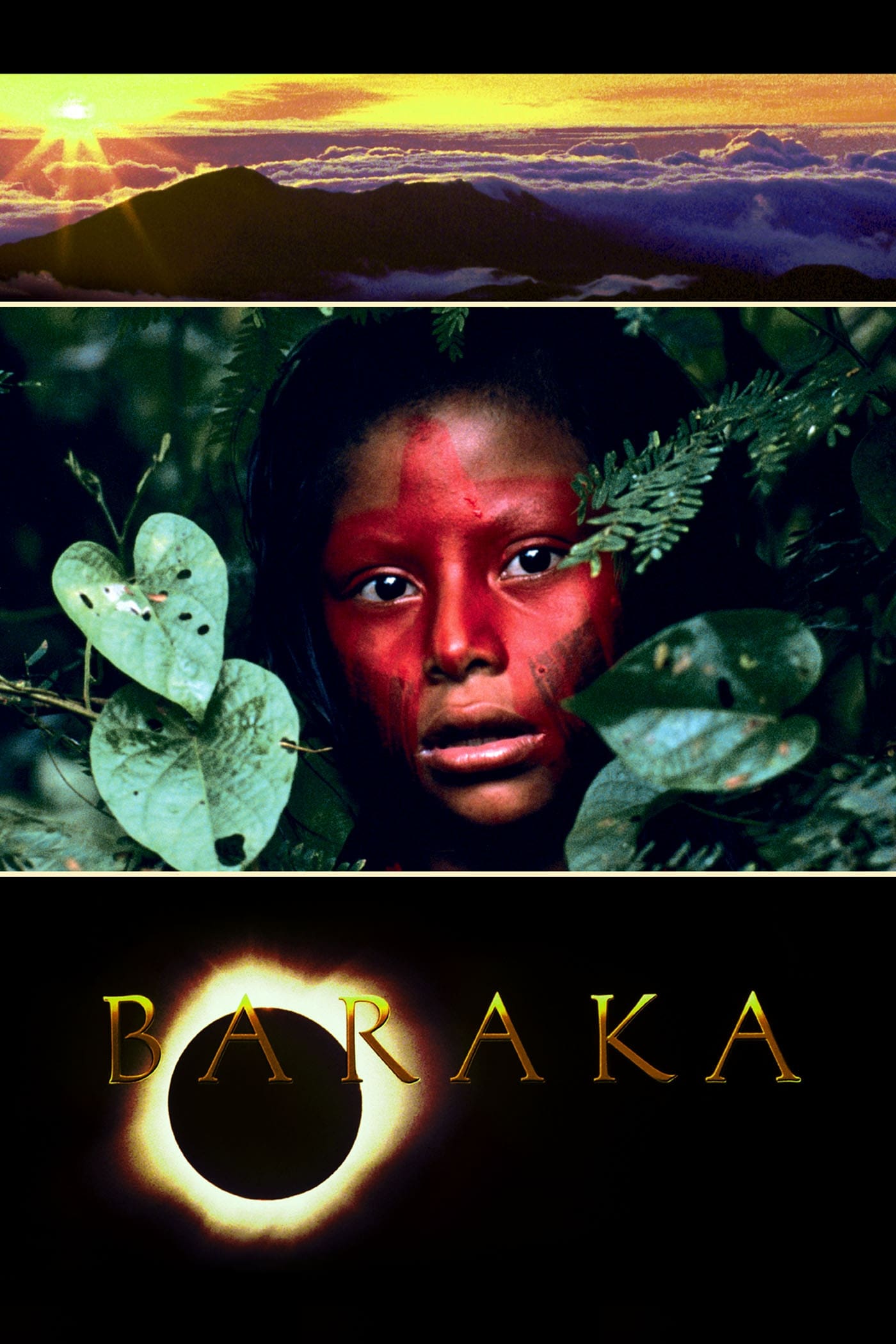
A paralysingly beautiful documentary with a global vision—an odyssey through landscape and time—that attempts to capture the essence of life.
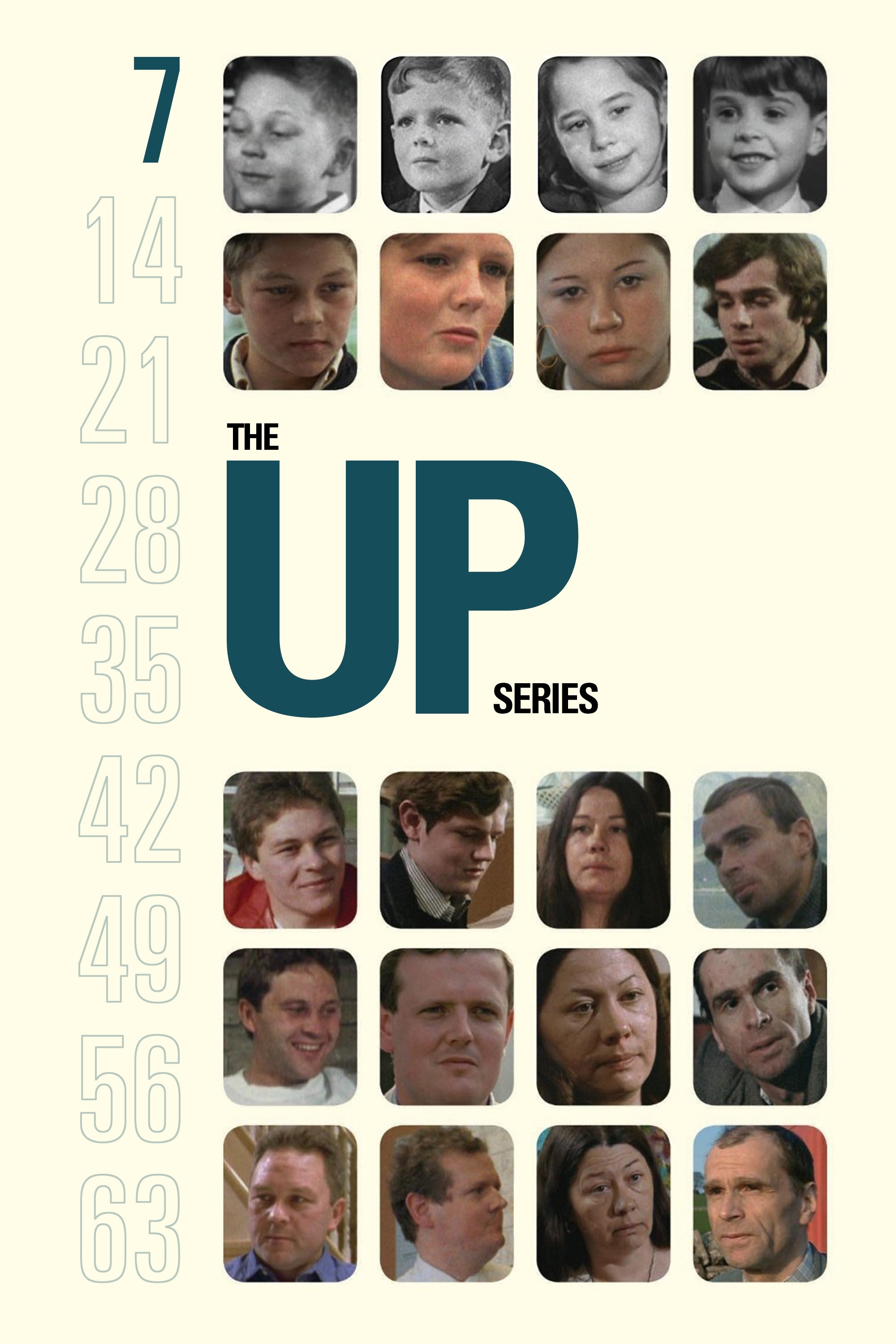
A group of British children aged 7 from widely ranging backgrounds are interviewed about a range of subjects. The filmmakers plan to re-interview them at 7 year intervals to track how their lives and attitudes change as they age.