Social & External
A French documentary or, one might say more accurately, a mockumentary, by director William Karel which originally aired on Arte in 2002 with the title Opération Lune. The basic premise for the film is the theory that the television footage from the Apollo 11 Moon landing was faked and actually recorded in a studio by the CIA with help from director Stanley Kubrick.
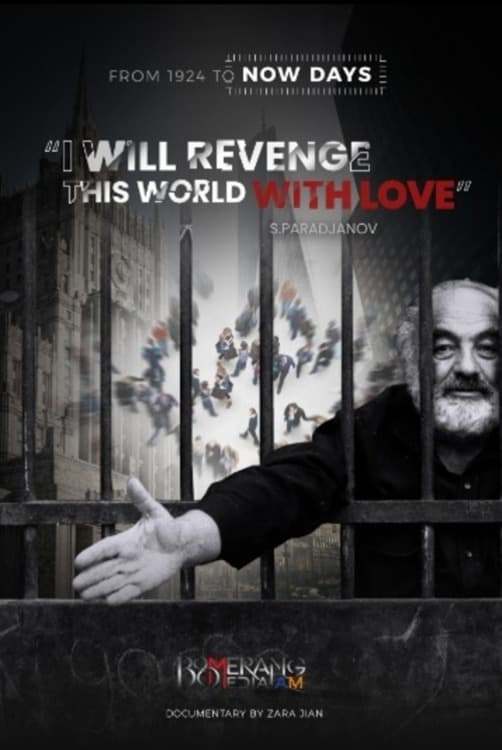
The author of the film decides to leave the country where she lives, in connection with the outbreak of the dramatic events, and return home to Armenia in search of a worthy example and solutions on how to live on. Paradjanov's house becomes a place of inspiration and a point of no return to toxic reality.
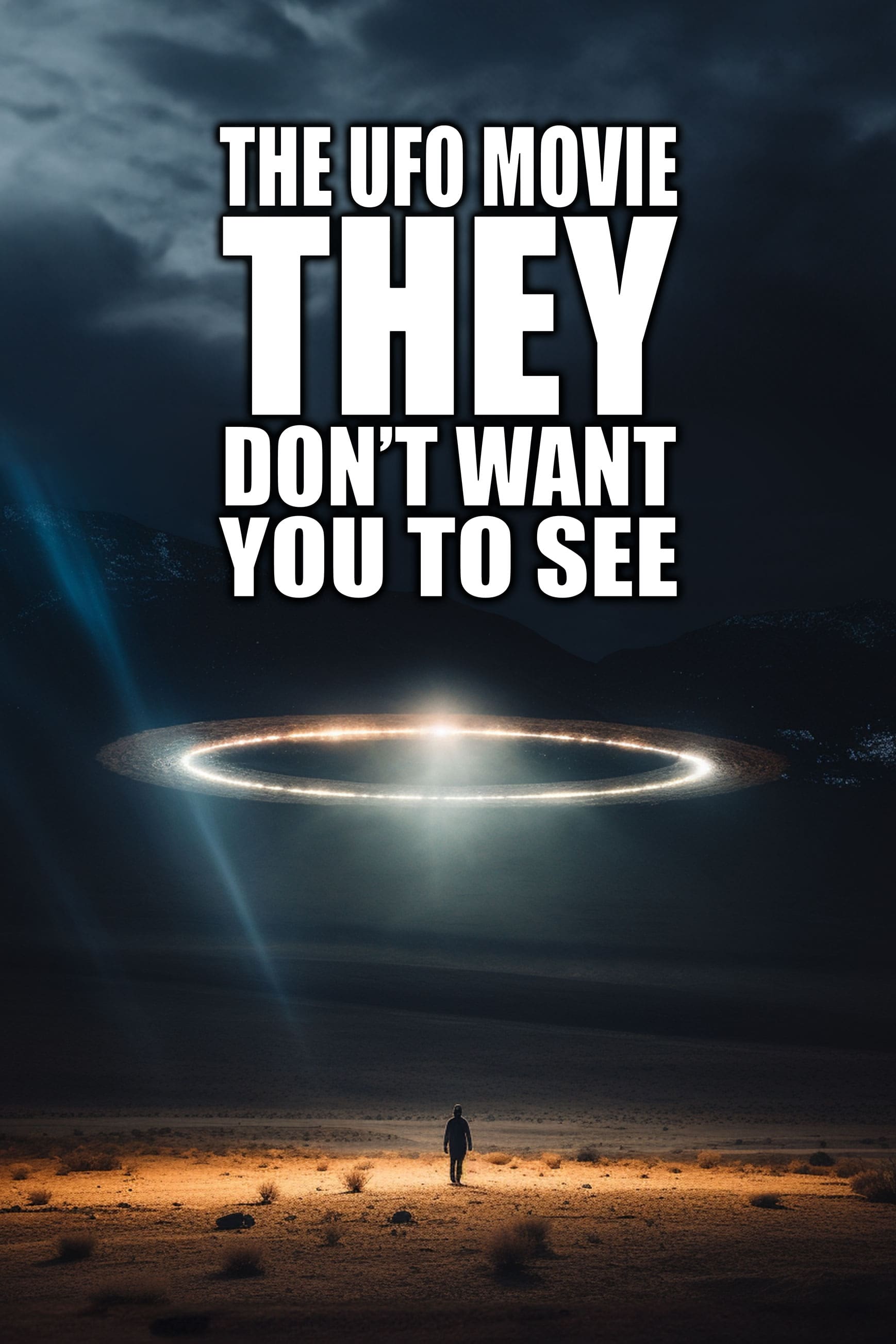
In an age when misinformation, alternative facts, and conspiracy theories have become mainstream, UFOs have risen to become one of the most-talked about pop culture phenomena. With all of this noise, how can we expect anyone to know how much of this is true? What is in our skies? What do we know, and how do we know it? And most importantly: Are we being visited?
Animal Charm makes videos from other people's videos. By compositing TV and reducing it to a kind of tic-ridden babble, they force television to not make sense. While this disruption is playful, it also reveals an overall 'essence' of mass culture that would not be apprehended otherwise. Videos such as Stuffing, Ashley, and Lightfoot Fever upset the hypnotic spectacle of TV viewing, revealing how advertising creates anxiety, how culture constructs "nature" and how conventional morality is dictated through seemingly neutral images. By forcing television to convulse like a raving lunatic, we might finally hear what it is actually saying.
In an effort to cure her smoking habit a middle-aged woman discovers that she can communicate with her long lost son while watching a Halloween safety program on TV. After suffering a nervous breakdown, her husband, a used car salesman, is revitalized when he travels back in time to drive the first car he ever sold. Seventeen years later a powerful canned food manufacturer crashes the same car into a toaster truck while endorsing a brand of yams on live TV. At the funeral his clergyman experiences a crisis of faith when he and a lifelike Mexican continue their search for a married couple who have befriended an insect who enjoys drinking lime soda. They later meet a young man whose bizarre murder scheme involves four innocent members of an experimental rock band who have all given up smoking.
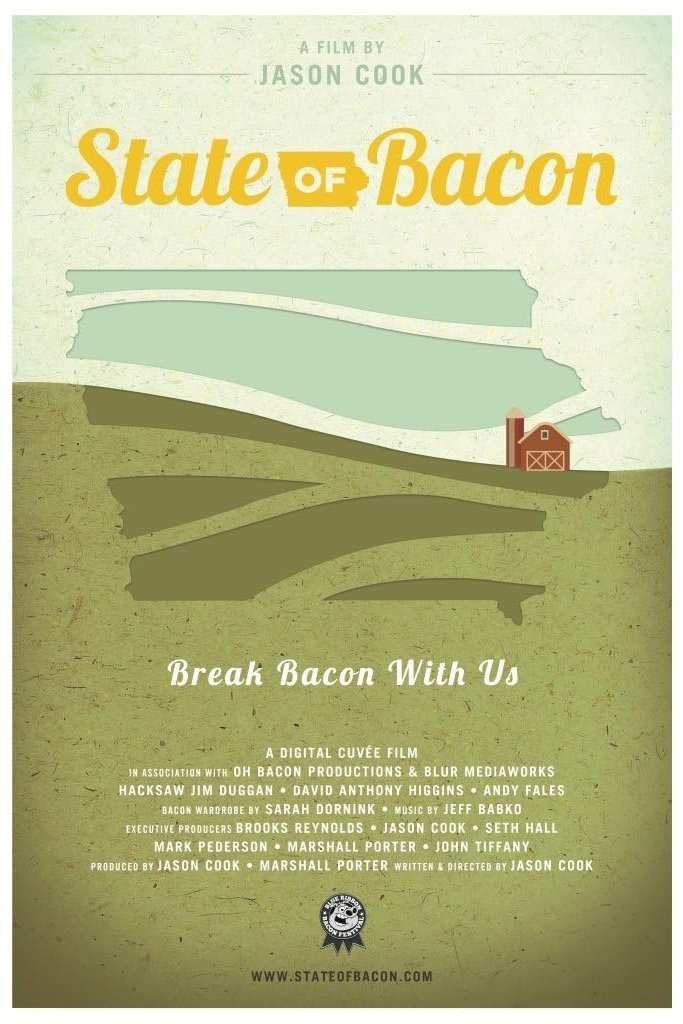
State of Bacon tells the kinda real but mostly fake tale of an oddball group of characters leading up to the annual Blue Ribbon Bacon Festival. Bacon-enthusiasts, Governor Branstad, a bacon queen, Hacksaw Jim Duggan, members of PETA, and an envoy of Icelanders are not excluded from this bacon party and during the course of the film become intertwined with the organizers of the festival to show that bacon diplomacy is not dead.
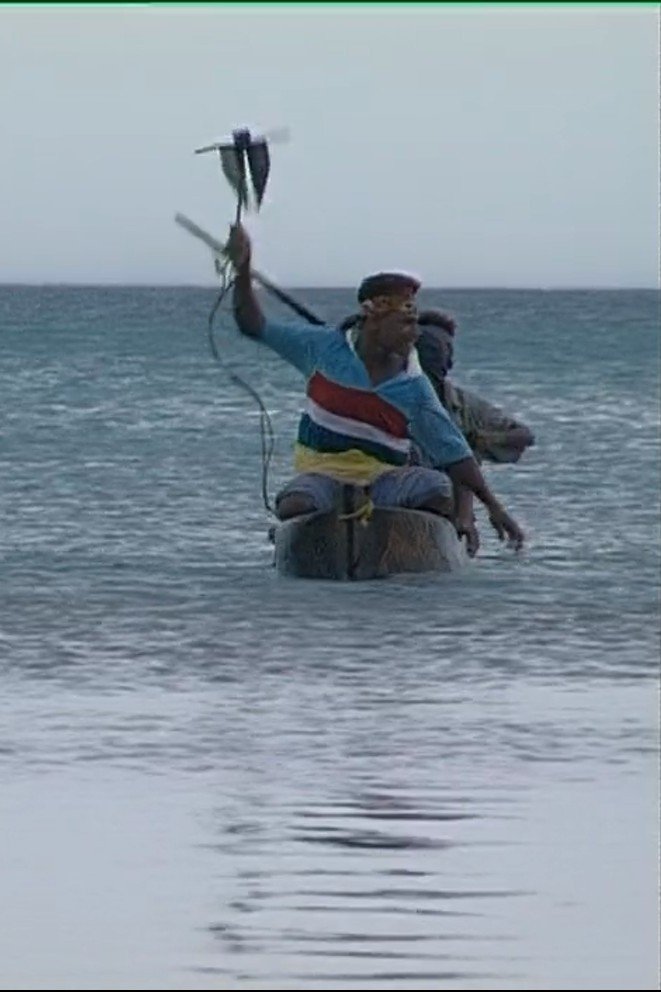
On the night of 3 August 1996 a school of striped dolphins ran ashore near the village of Tuo on Ngasinue/Fenualoa Island in the Reef Islands (Solomon Islands). Dolphins have a special kinship-related link to the Aiwoo-speaking people in Tuo. Moffat Bonunga tells the legend or so-called local kastom story that explains why. Moffat's explanations are linked with those of another local expert, Commins Veio, who tells his version of the story to Nathaniel Meningi inside the men's house (sapolau) in Tuo. The night the dolphins run ashore, Moffat immediately contacts the film crew - the villagers want the crew to film this peculiar phenomenon. Although the film focuses on the kastom story and the villagers' re-enactment of the hunt, it also documents the villagers' joy that the sea once again has proved an important source of food.
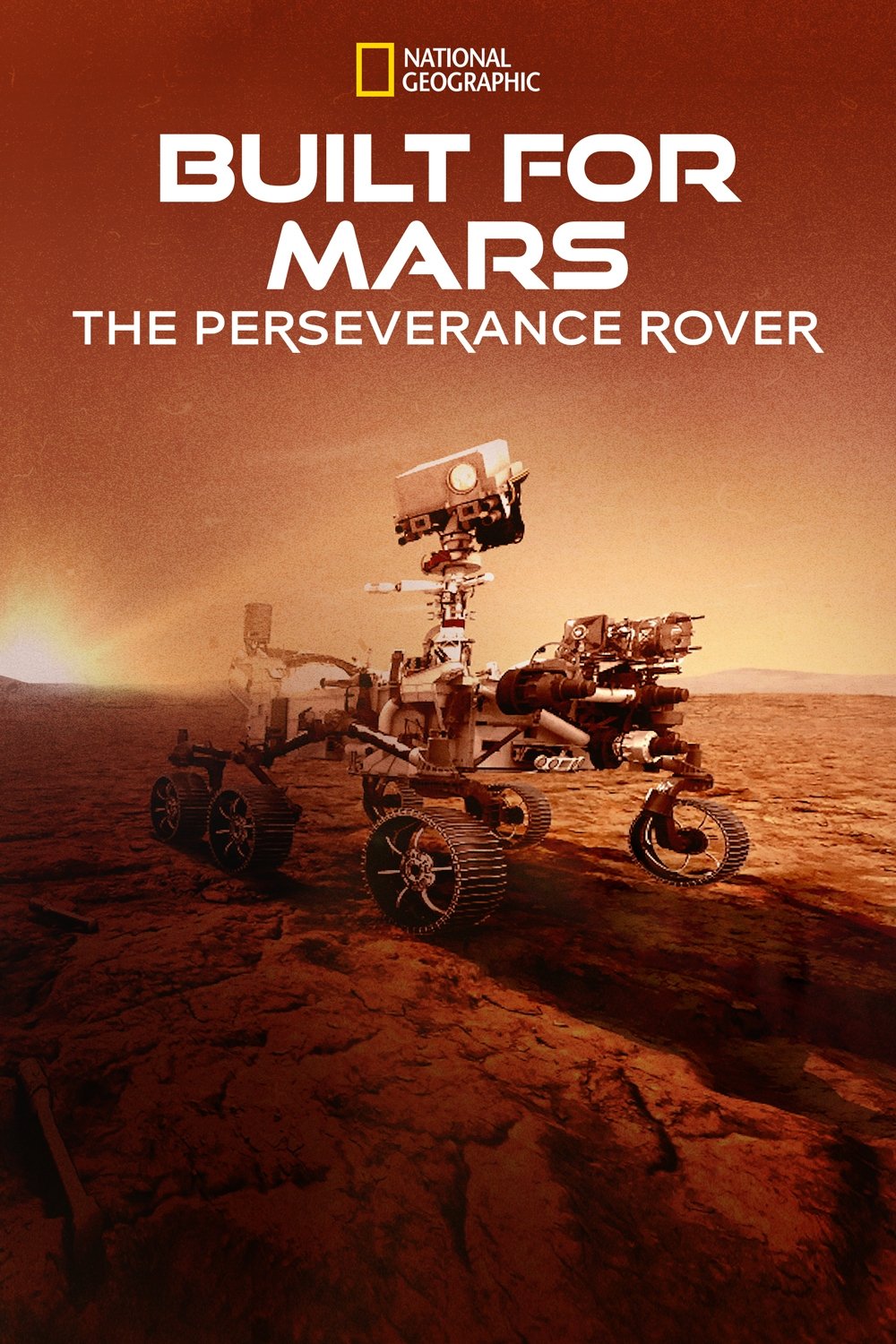
BUILT FOR MARS: THE PERSEVERANCE ROVER goes behind the scenes at NASA’s Jet Propulsion Laboratory to follow the birth of the Perseverance rover.
The 1960s was an extraordinary time for the United States. Unburdened by post-war reparations, Americans were preoccupied with other developments like NASA, the game-changing space programme that put Neil Armstrong on the moon. Yet it was astronauts like Eugene Cernan who paved the uneven, perilous path to lunar exploration. A test pilot who lived to court danger, he was recruited along with 14 other men in a secretive process that saw them become the closest of friends and adversaries. In this intensely competitive environment, Cernan was one of only three men who was sent twice to the moon, with his second trip also being NASA’s final lunar mission. As he looks back at what he loved and lost during the eight years in Houston, an incomparably eventful life emerges into view. Director Mark Craig crafts a quietly epic biography that combines the rare insight of the surviving former astronauts with archival footage and otherworldly moonscapes.
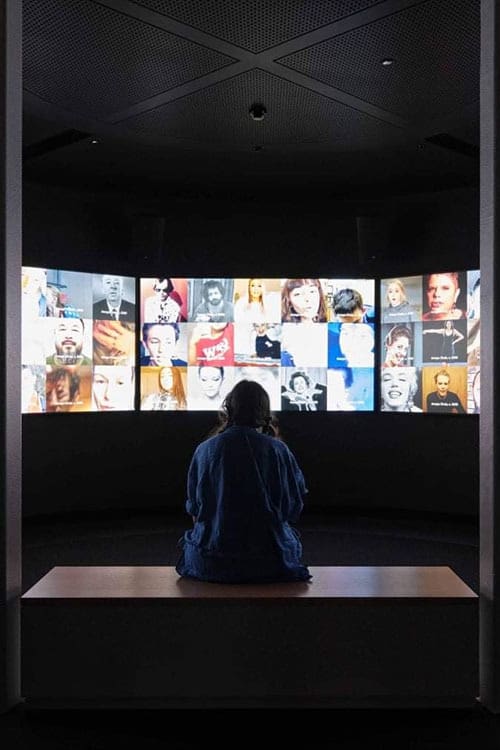
A five-channel video installation commissioned for the permanent exhibition space at the Australian Centre of the Moving Image (ACMI). “The camera doesn’t just capture us, it frames who we are and how we’re seen. Since the camera became more accessible in the mid-20th century, artists and amateurs alike have turned the lens on themselves to create a stage both private and public. This tradition is continued, amplified and transformed through reality TV, the internet and social media, the latest forms to use straight-to-camera techniques to share our common humanity, project authenticity and illuminate how a sense of self can be constructed through the moving image.”
What if you could get behind the wheel and race through space? We scale down the Solar System to the continental United States and place the planets along the way to better appreciate the immense scale of the Universe. See space as never before, with Mars looming over the Freedom Tower and Jupiter towering above the Lincoln Memorial. Join former astronaut Chris Hadfield - a YouTube sensation for his performance of David Bowie’s “Space Oddity” aboard the International Space Station - and his interstellar hitchhikers Michio Kaku and astronomers Derrick Pitts and Laura Danly. It’s a joyride from coast to coast - and from the sun to Pluto.
A young woman's life takes a series of unexpected turns after she leaves the Buddhist temple where she has lived most of her adult life.
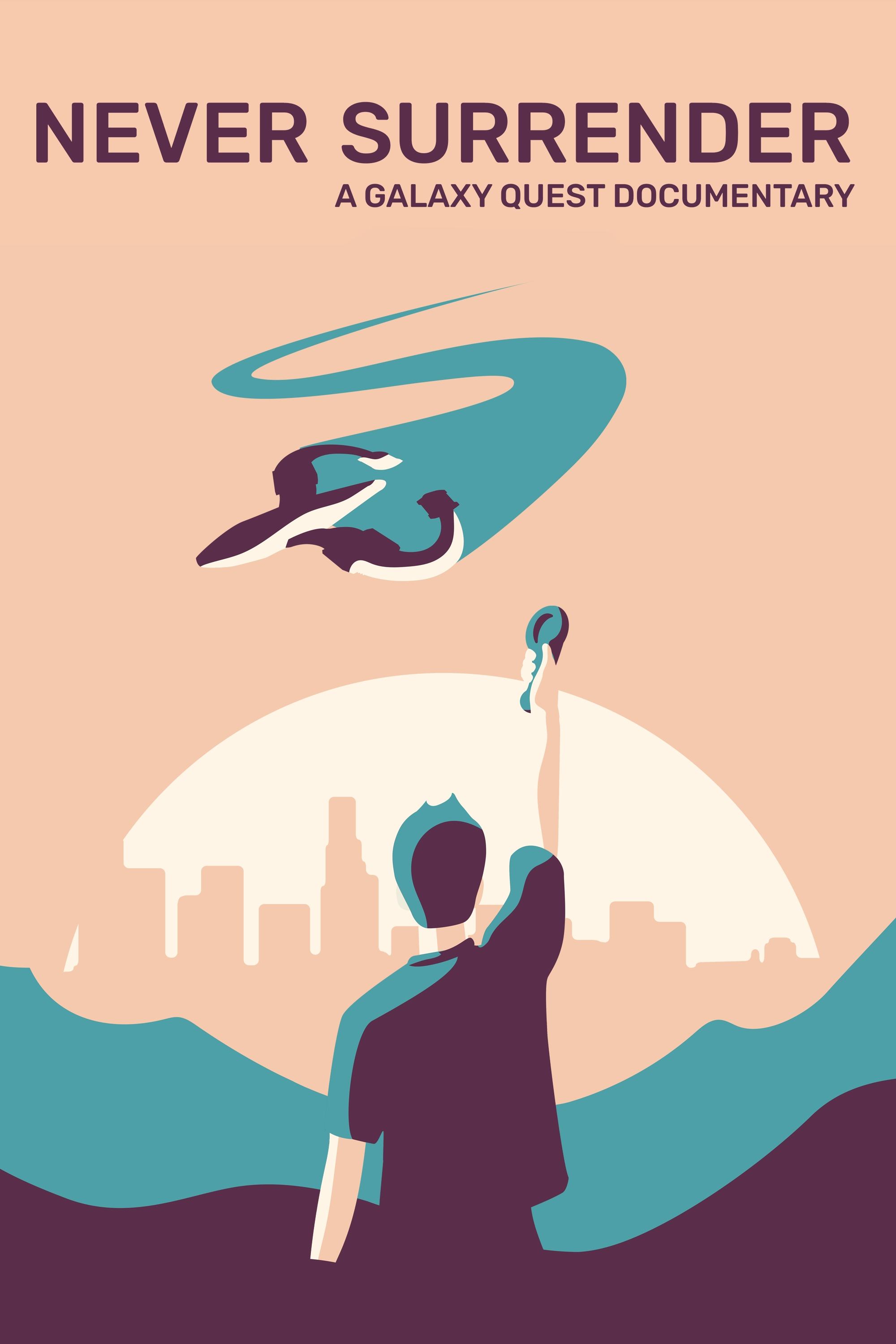
A feature-length documentary about the film Galaxy Quest and its legacy, celebrating its milestone 20th anniversary.
Comets pose one of the greatest threats to life on Earth - a threat that can only be countered if we find out more about them. In 2005, in an audacious bid to do just that, NASA scientists launched a space probe to collide with a comet in the emptiness of deep space. This film follows the amazing story of mission Deep Impact, from its inception through to the final nail-biting moments when the probe and comet Tempel 1 met head-on.
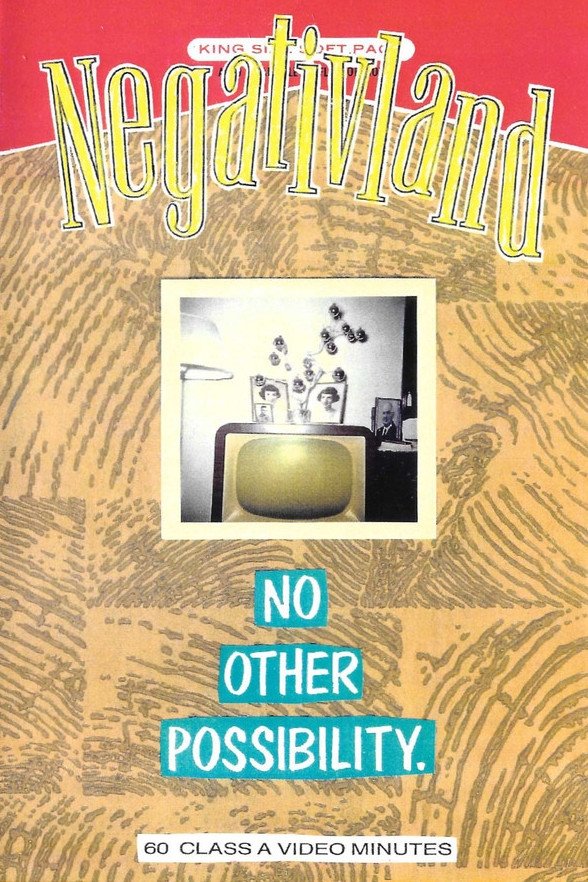
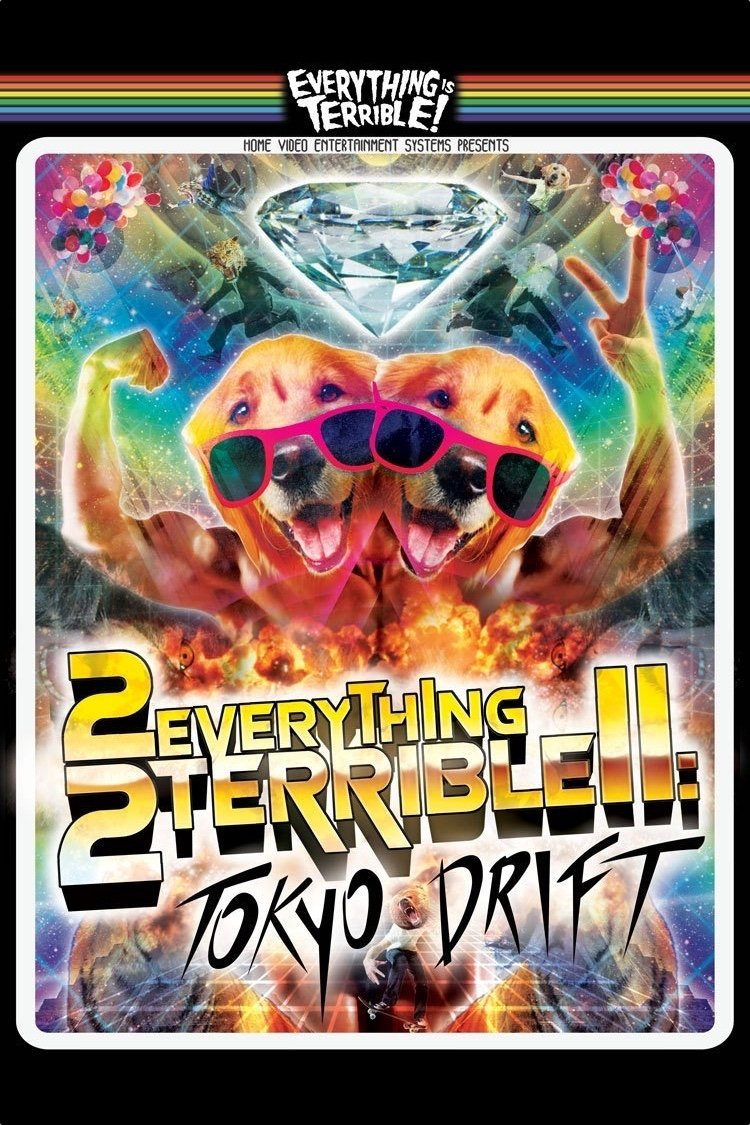
The team of smart-talkin' toddlers known as Everything Is Terrible! have once again emerged from their VHS cocoons to conjure a jam on culture so culture-jamtastic that we're sorry we can't be there to hold your hand as you watch in dazed amazement. Thousands of hours of brain-boiling footage have been concentrated into an impenetrable jewel of an experience, teach us once and for all that loving well is the best revenge.
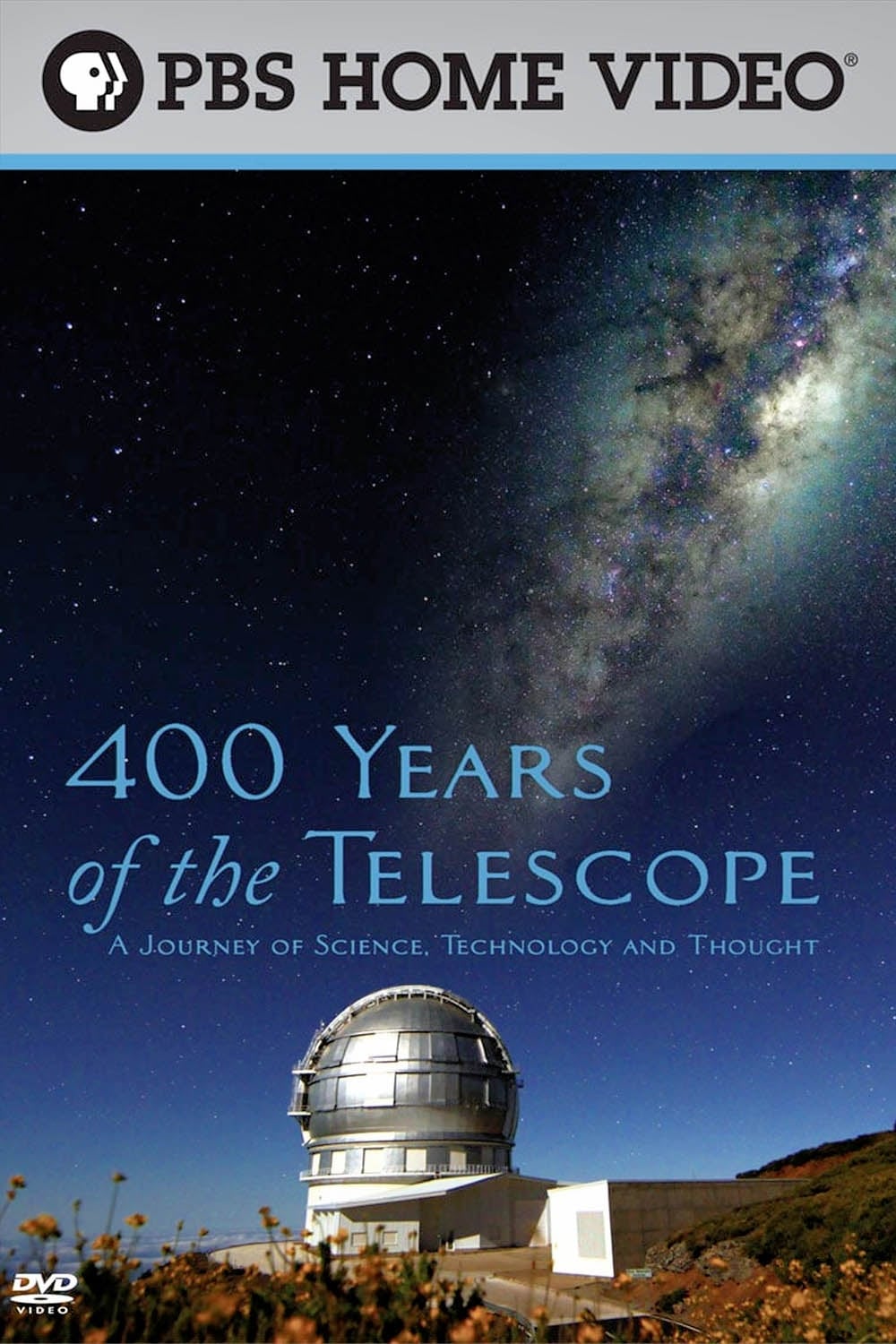
A documentary chronicling the history of the telescope from the time of Galileo. Featuring interviews with leading scientists discussing Galileo's first use of the telescope to the latest discoveries in cosmology.
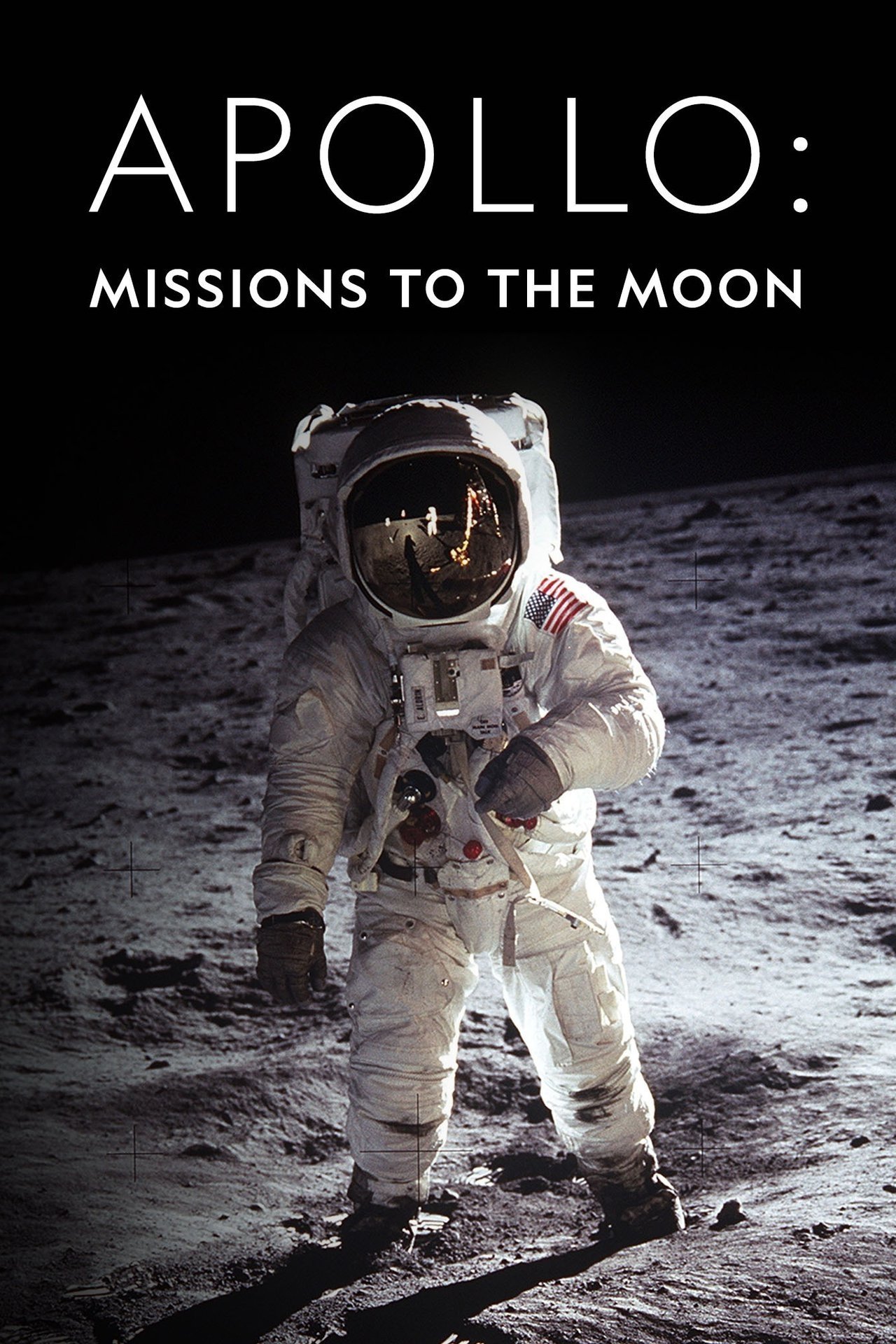
National Geographic's riveting effort recounts all 12 crewed missions using only archival footage, photos and audio.
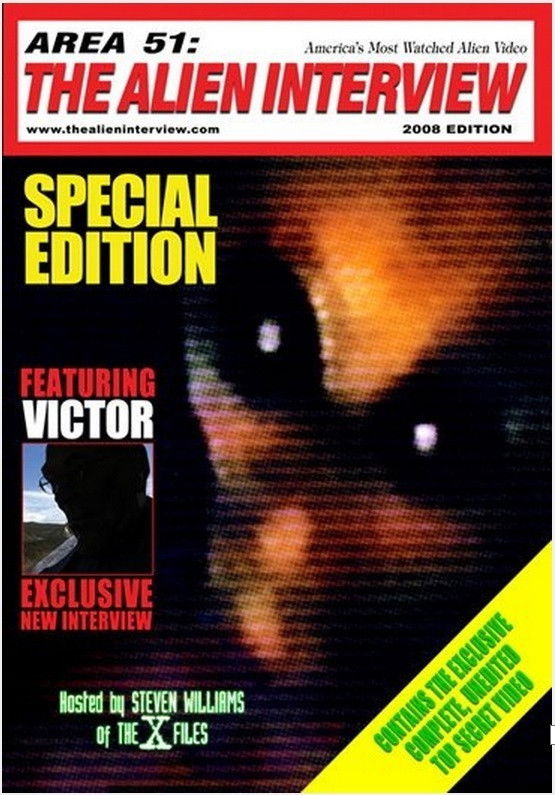
A documentary about aliens and UFOs with re-enactments of alien interviews and video of a supposedly real video of an alien being interviewed by government officials.
A visual montage portrait of our contemporary world dominated by globalized technology and violence.
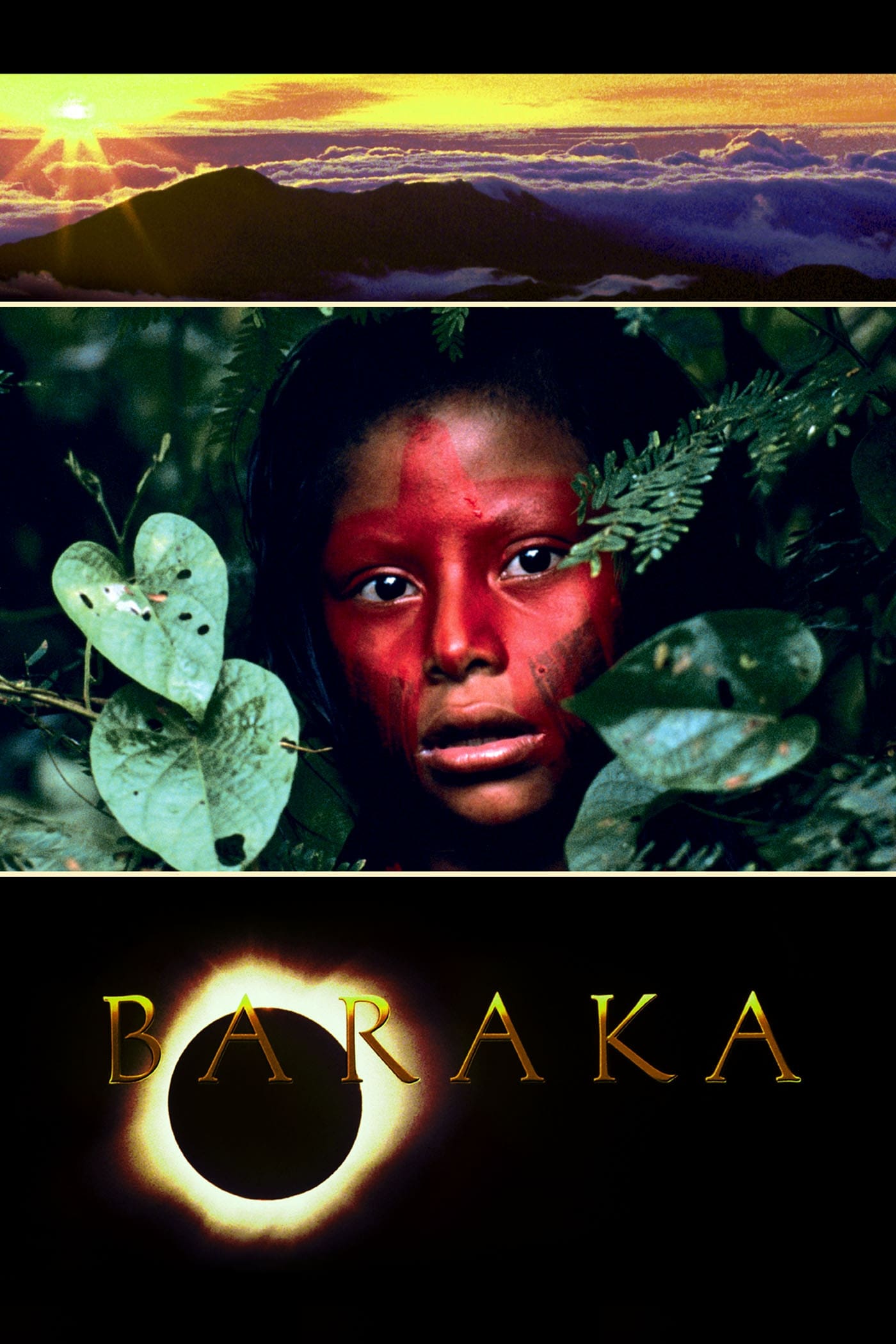
Carefully picked scenes of nature and civilization are viewed at high speed using time-lapse cinematography in an effort to demonstrate the history of various regions.
A paralysingly beautiful documentary with a global vision—an odyssey through landscape and time—that attempts to capture the essence of life.
BBC Arena's documentary on the Dames of British Theatre and film featuring Maggie Smith, Eileen Atkins, Judi Dench and Joan Plowright on screen together for the first time as they reminisce over a long summer weekend in a house Joan once shared with Sir Laurence Olivier.
A documentary on the expletive's origin, why it offends some people so deeply, and what can be gained from its use.
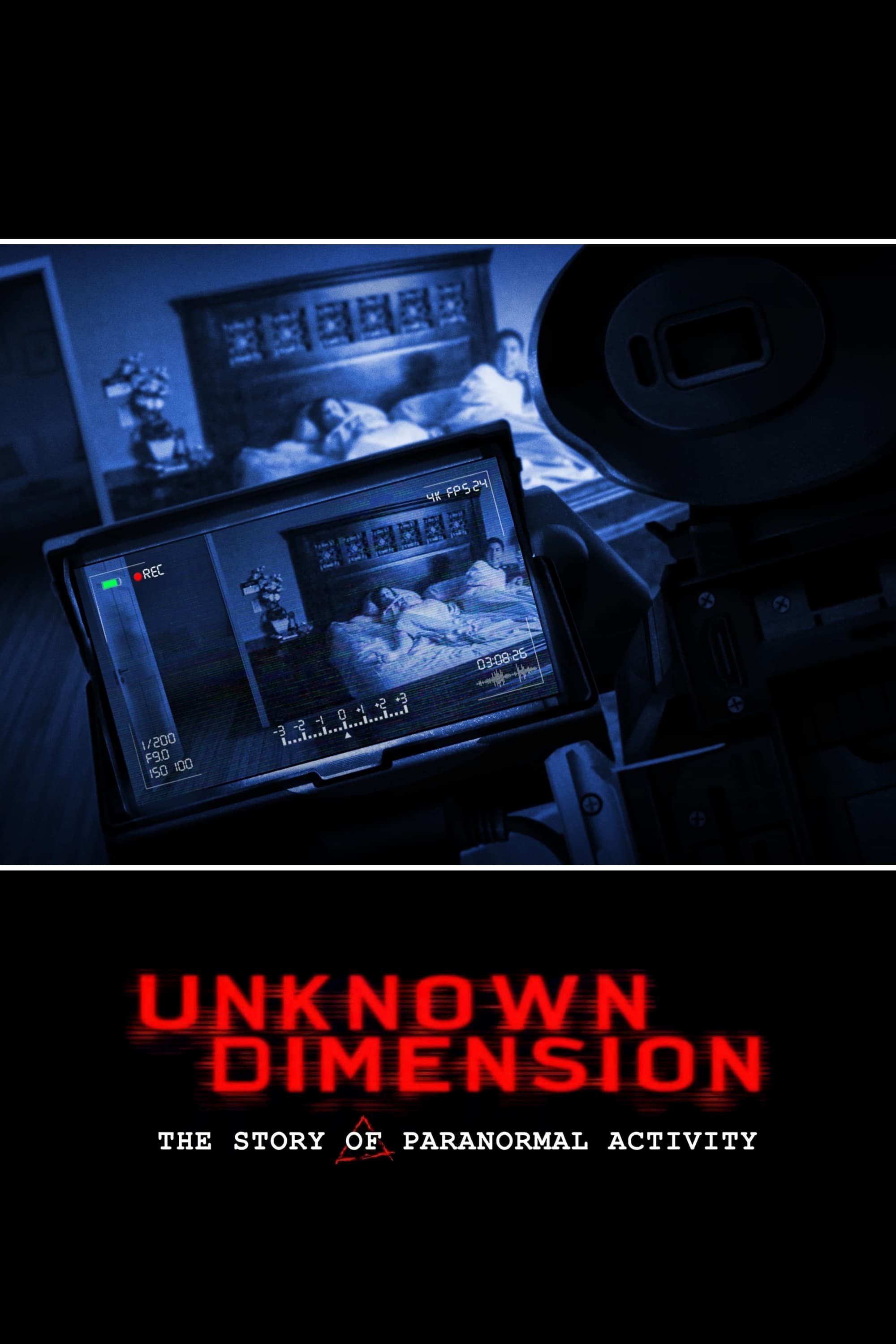
A deep dive into the making of the Paranormal Activity films with first time ever interviews with cast and crew, never-before-seen footage from the movies, and a preview of the seventh installment in the franchise.
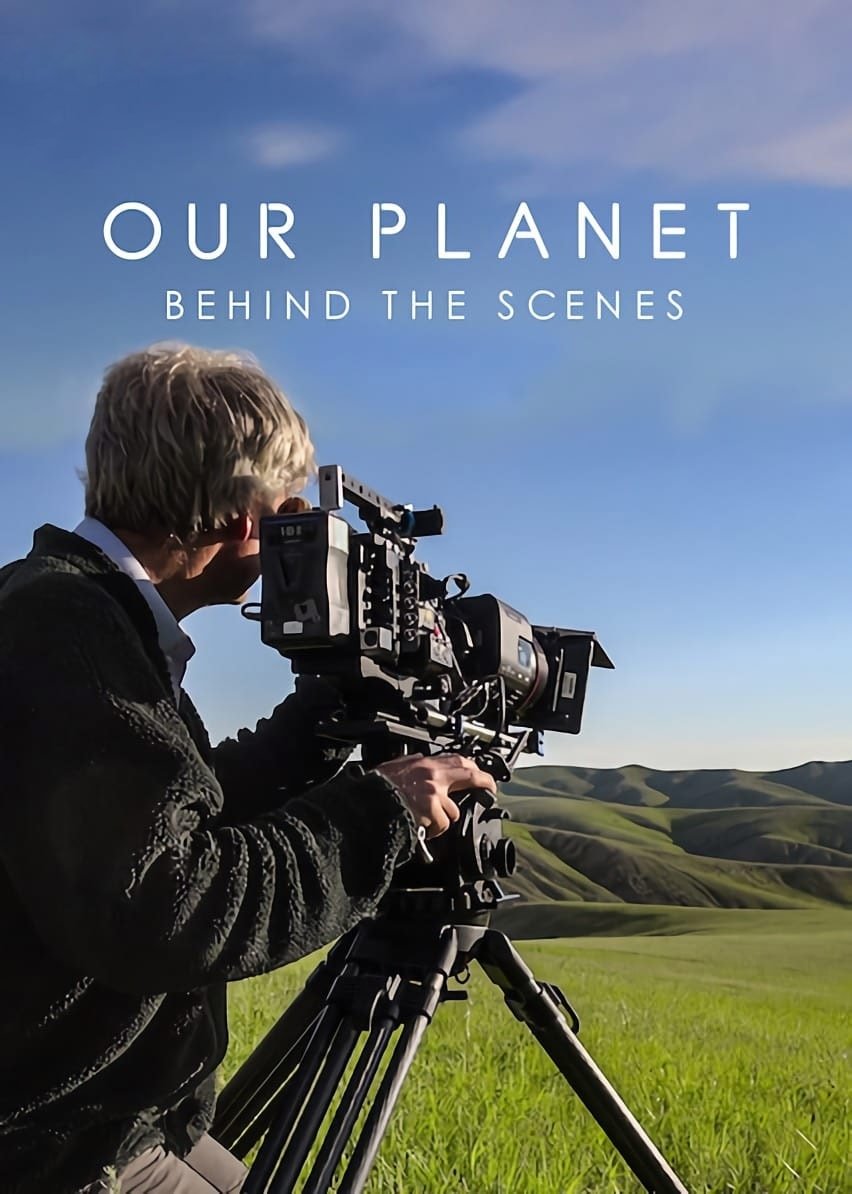
Years spent recording footage of creatures from every corner of the globe is bound to produce a bit of drama. Here's a behind-the-scenes look.
Told through performances, TV interviews, home movies, family photographs, private letters and unpublished memoirs, the film reveals the essence of an extraordinary woman who rose from humble beginnings in New York City to become a glamorous international superstar and one of the greatest artists of all time.
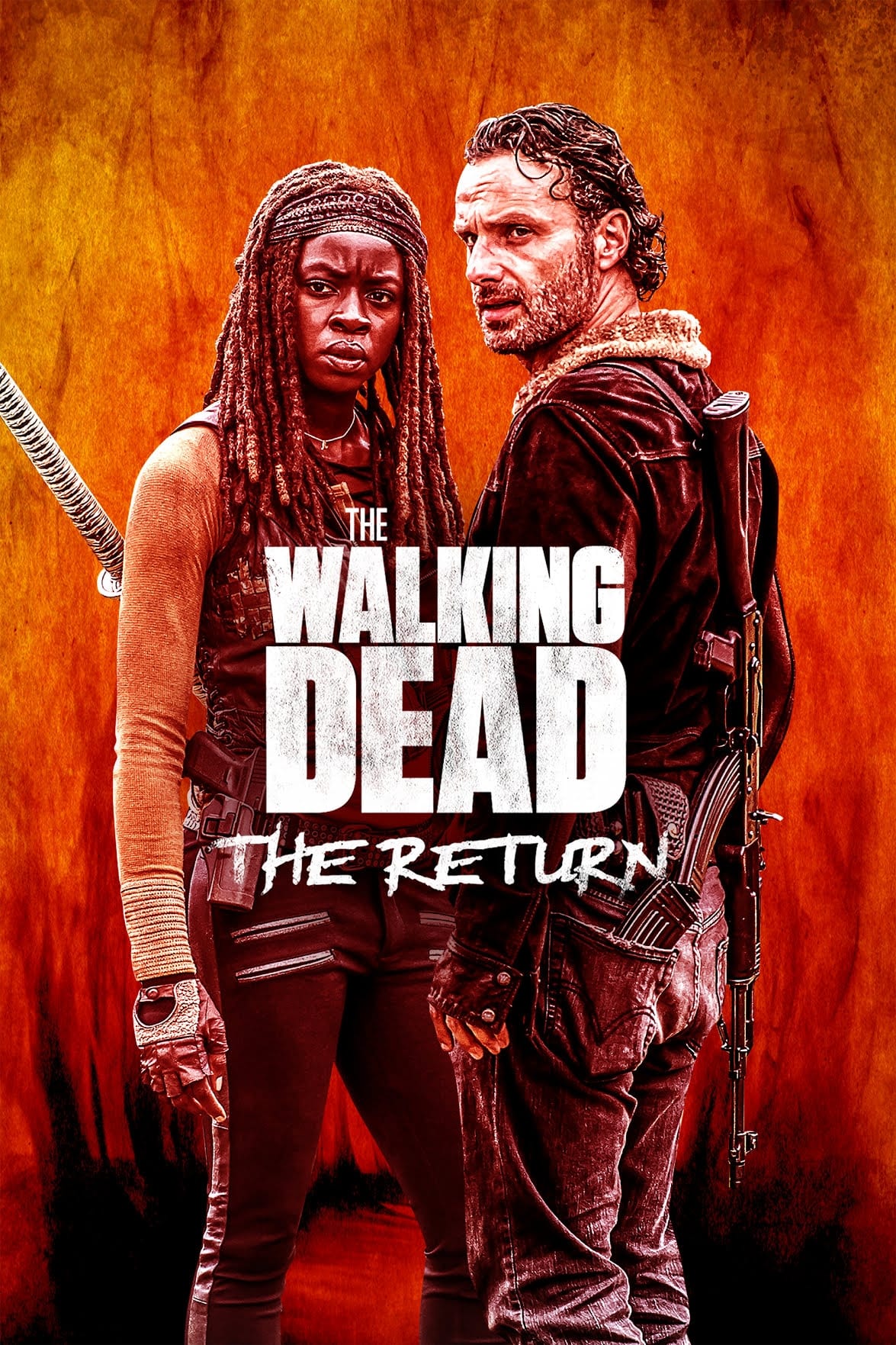
Stars of "The Walking Dead," Andrew Lincoln and Danai Gurira, walk down memory lane and visit iconic locations where pivotal moments between their characters, Rick and Michonne, were filmed.
Those who knew iconic funnyman John Candy best share his story, in their own words, through never-before-seen archival footage, imagery, and interviews.
Vivian Maier's photos were seemingly destined for obscurity, lost among the clutter of the countless objects she'd collected throughout her life. Instead these images have shaken the world of street photography and irrevocably changed the life of the man who brought them to the public eye. This film brings to life the interesting turns and travails of the improbable saga of John Maloof's discovery of Vivian Maier, unravelling this mysterious tale through her documentary films, photographs, odd collections and personal accounts from the people that knew her. What started as a blog to show her work quickly became a viral sensation in the photography world. Photos destined for the trash heap now line gallery exhibitions, a forthcoming book and this documentary film.
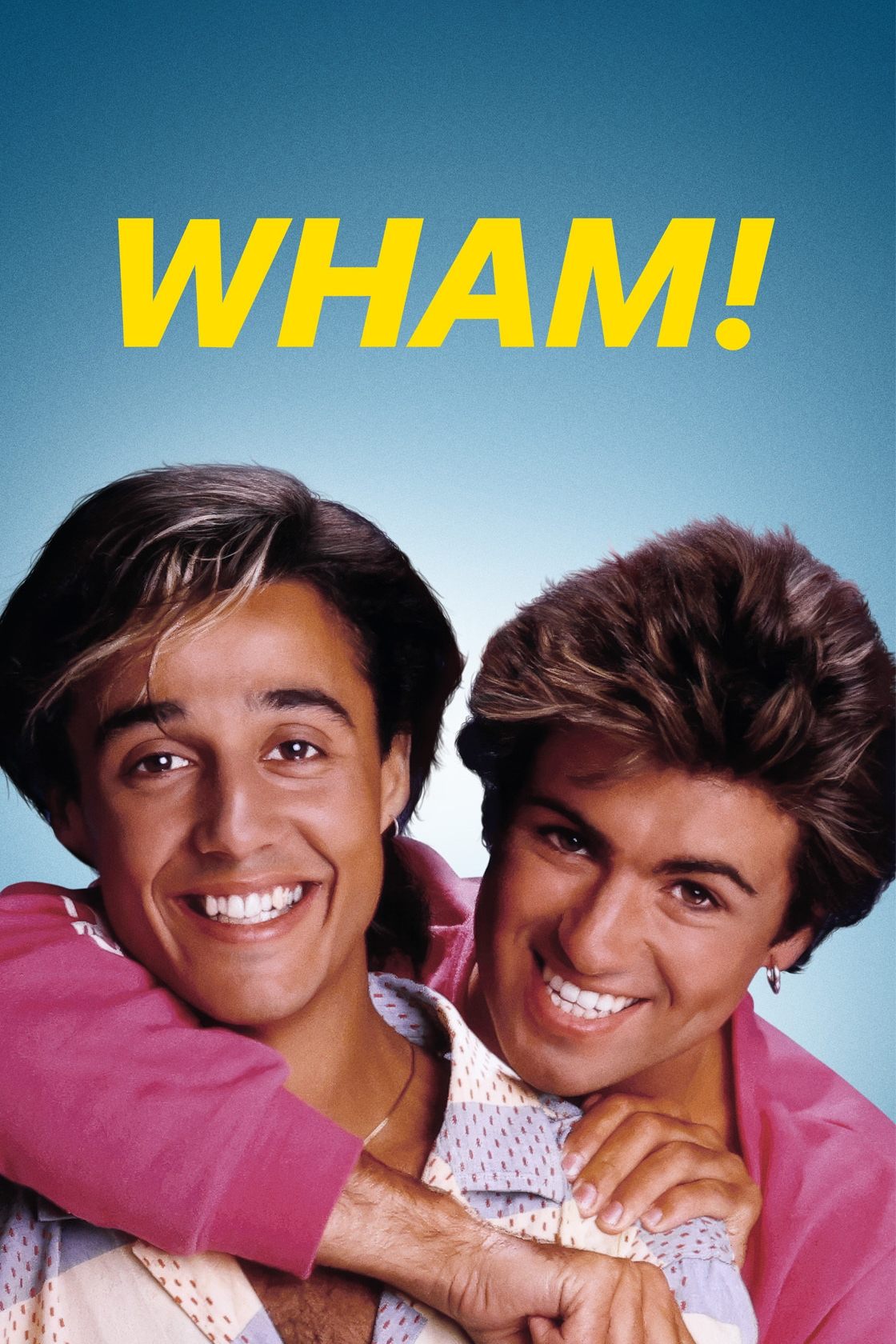
Through archival interviews and footage, George Michael and Andrew Ridgeley relive the arc of their Wham! career, from 70s best buds to 80s pop icons.
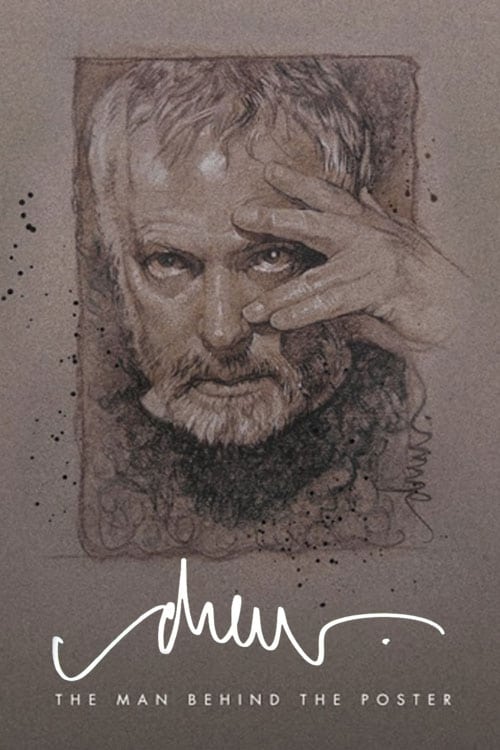
A documentary on legendary movie-poster artist Drew Struzan.
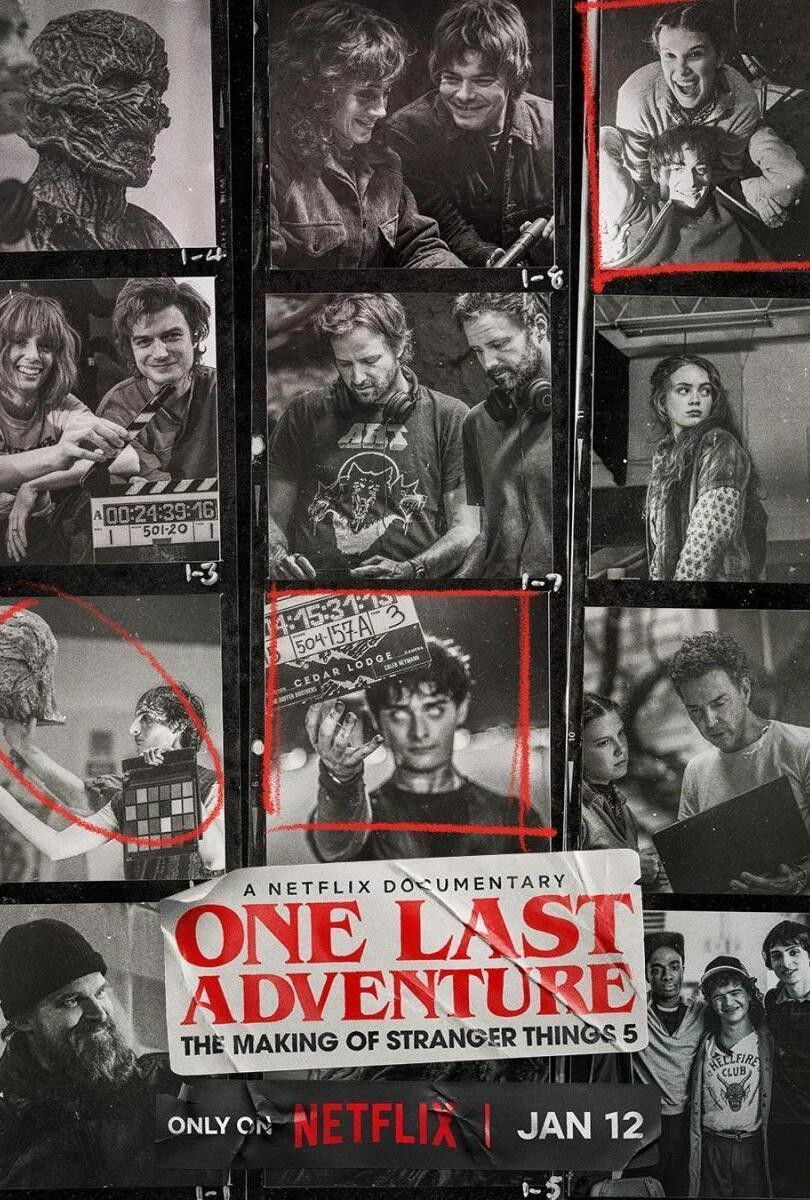
An inside look at the years of effort and craft that went into the final installment of the Duffer Brothers' generation-defining series.
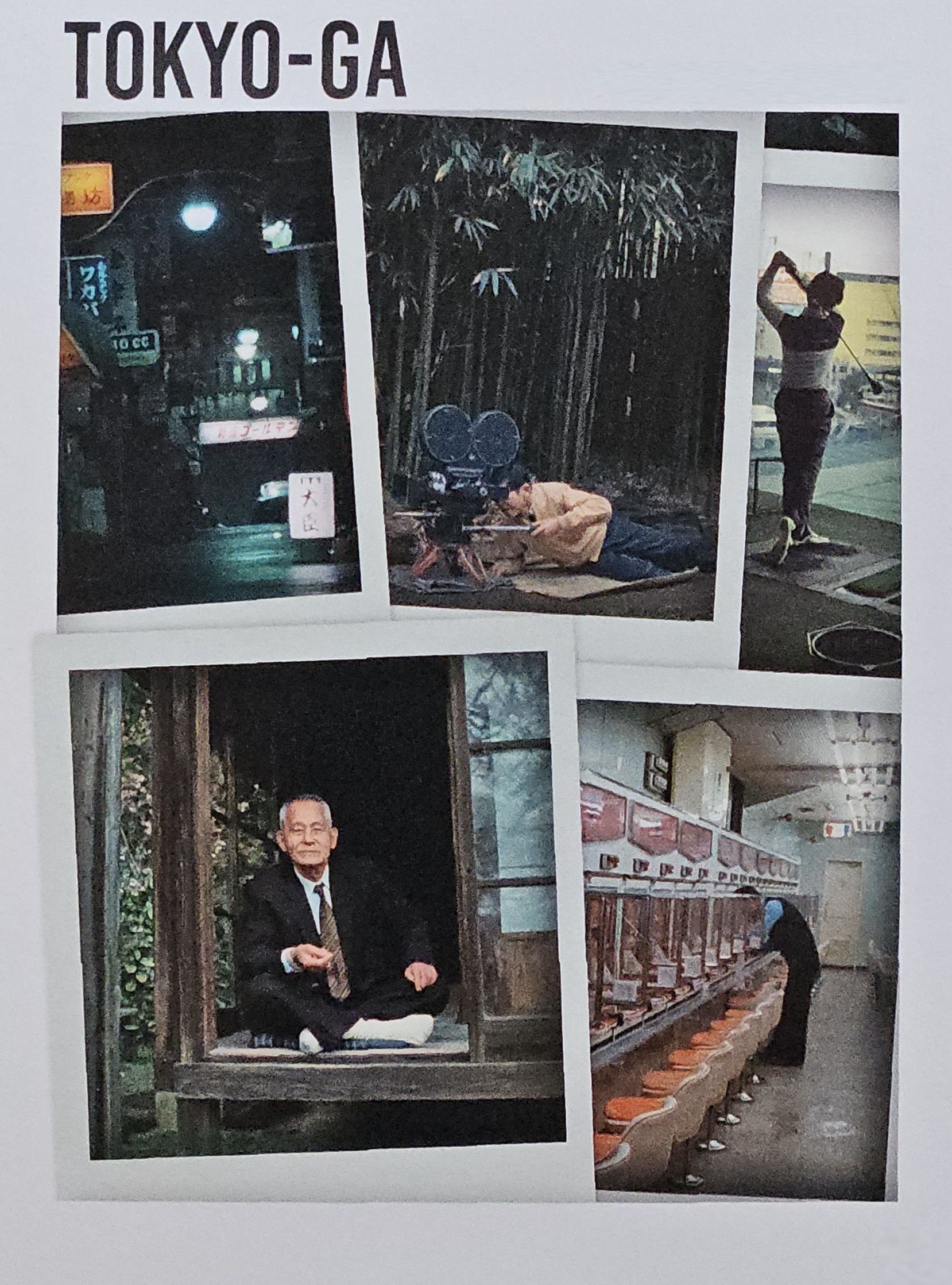
German director Wim Wenders tries to explore the Tokyo that was depicted in the films of Yasujiro Ozu and finds a very different city.
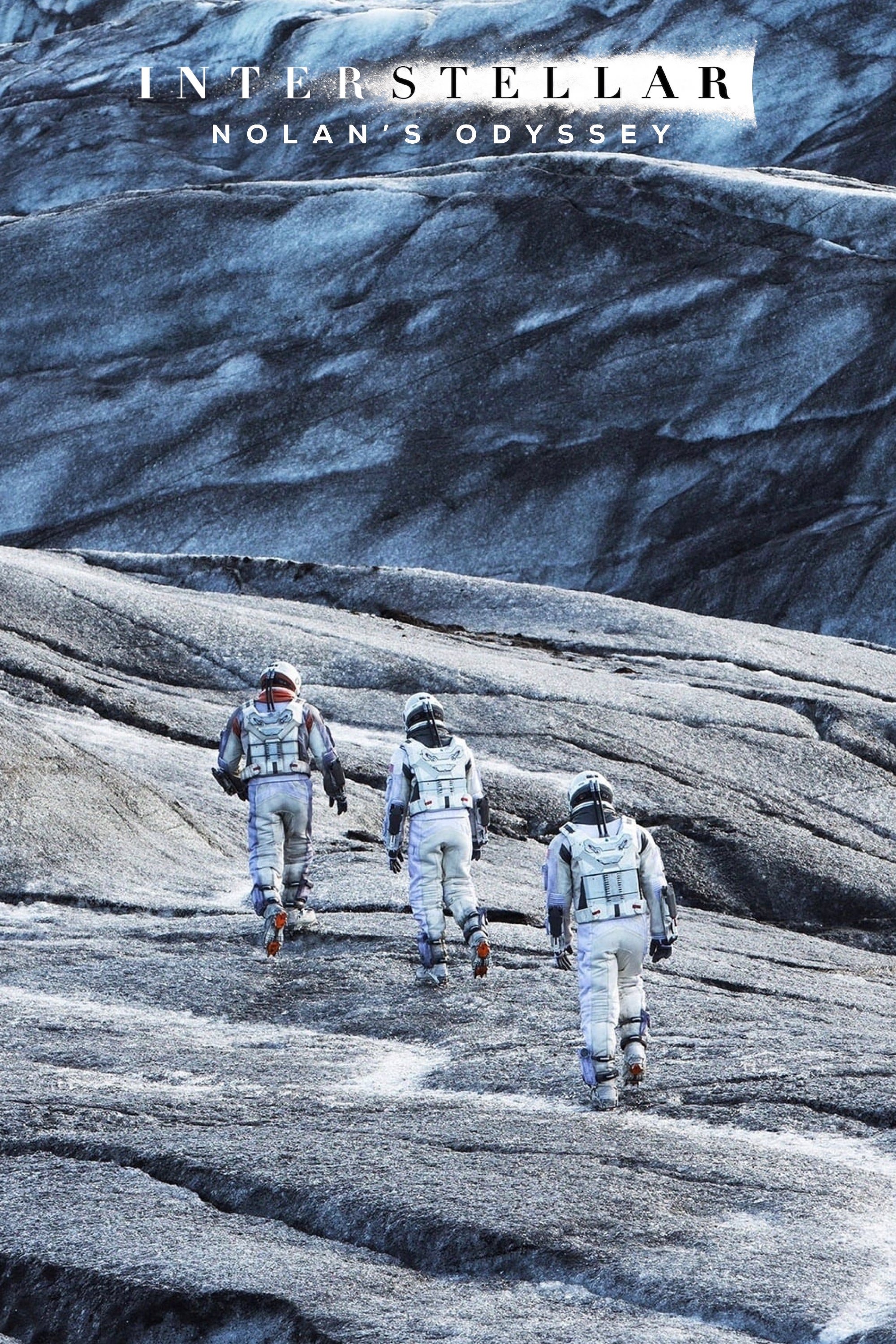
A look behind the lens of Christopher Nolan's space epic.
When Allied forces liberated the Nazi concentration camps in 1944-45, their terrible discoveries were recorded by army and newsreel cameramen, revealing for the first time the full horror of what had happened. Making use of British, Soviet and American footage, the Ministry of Information’s Sidney Bernstein (later founder of Granada Television) aimed to create a documentary that would provide lasting, undeniable evidence of the Nazis’ unspeakable crimes. He commissioned a wealth of British talent, including editor Stewart McAllister, writer and future cabinet minister Richard Crossman – and, as treatment advisor, his friend Alfred Hitchcock. Yet, despite initial support from the British and US Governments, the film was shelved, and only now, 70 years on, has it been restored and completed by Imperial War Museums under its original title "German Concentration Camps Factual Survey".
Through deeply personal interviews with her siblings and an examination of the photographs, letters, and belongings left behind, Mariska assembles a new portrait of her mother Jayne Mansfield, an extraordinary and complex woman.
Nine filmmakers each profile a young girl from a different part of the world to weave a global tapestry of youth in the 21st century.
The life of internationally renowned artist and activist Nan Goldin is told through her slideshows, intimate interviews, ground-breaking photography, and rare footage of her personal fight to hold the Sackler family accountable for the overdose crisis.