Social & External
Narrator
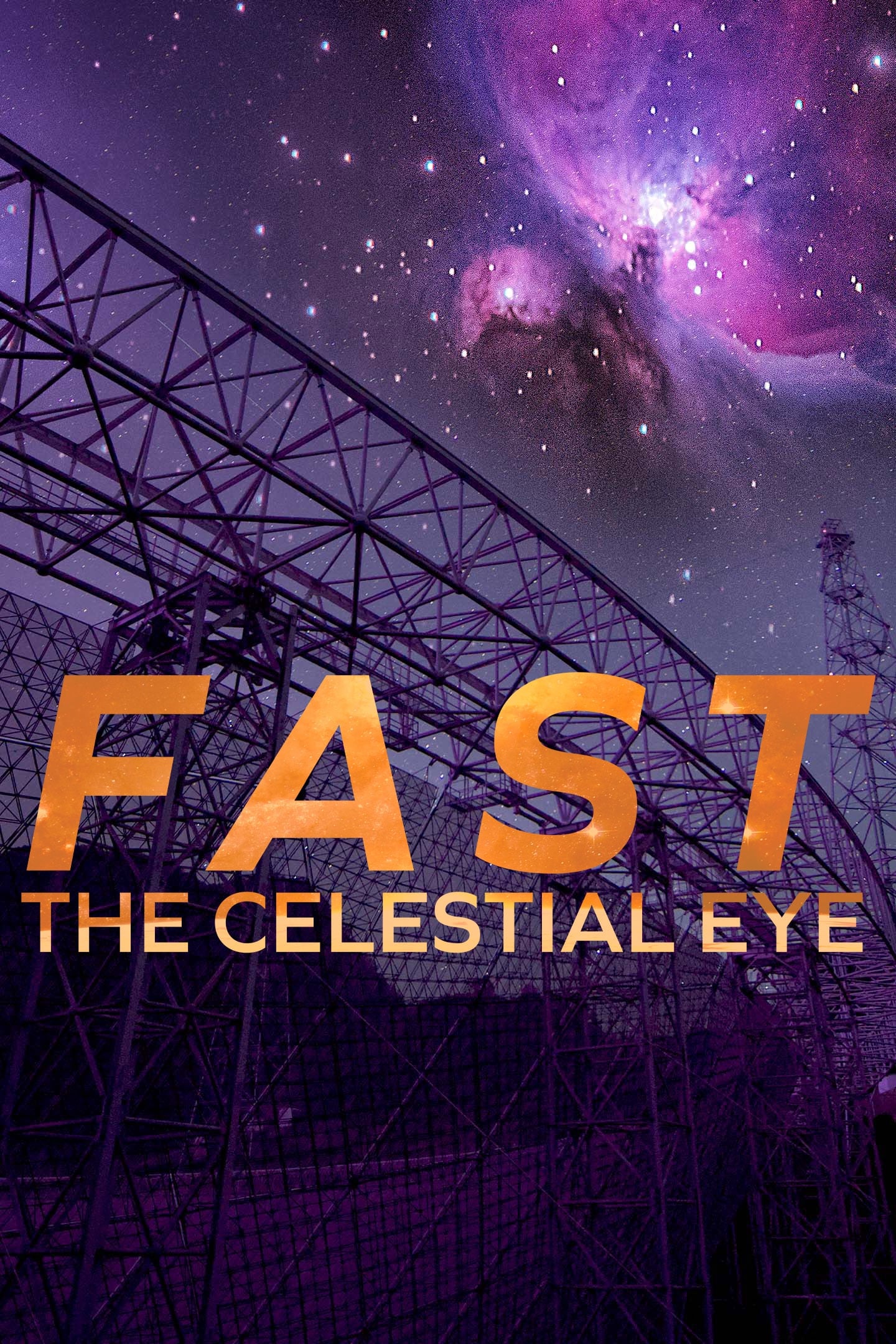
China's FAST (Five-hundred-meter Aperture Spherical Telescope) can detect radio signals emitted tens of thousands of light-years away, and engineers have faced unprecedented challenges in constructing a giant radio receptor nestled amid mountains. From novel technological innovations to architectural challenges, we follow every step that gave birth to the biggest radio telescope ever constructed.
In an age when misinformation, alternative facts, and conspiracy theories have become mainstream, UFOs have risen to become one of the most-talked about pop culture phenomena. With all of this noise, how can we expect anyone to know how much of this is true? What is in our skies? What do we know, and how do we know it? And most importantly: Are we being visited?
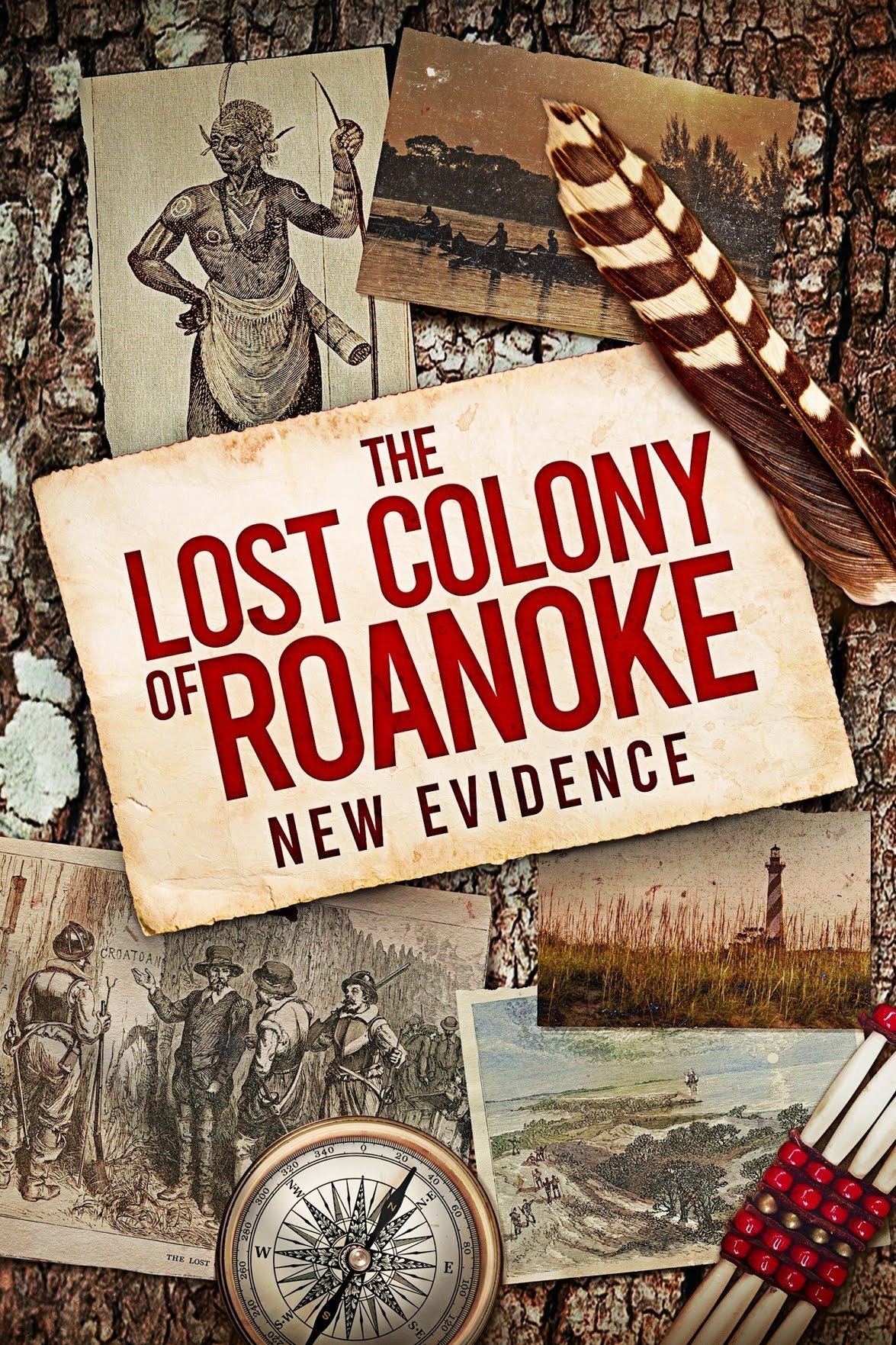
In 1587, more than 100 English colonists settle on Roanoke Island and soon vanish, baffling historians for centuries; now, experts use the latest forensic archaeology to investigate the true story behind America's oldest and most controversial mystery.
Pioneering Australian bio-artists SymbioticA showcase their “Sunlight, Soil & Shit (De)Cycle” project, the latest in a long line of potential technological solutions to the looming global food crisis. Will it save humanity from its doom? Where are the investors?
A team of international scientists attempt to document the first-ever image of a black hole.
Martinique Island, 1974. Inspired by the writings of the Martiniquais poet and politician Aimé Césaire (1913-2008), the dreamer Robert Saint-Rose, known as Zétwall (Star in Creole), aspires to be the first Frenchman to step on the lunar surface.
Shortfilm based on released by ESA over 400000 images from Rosettas comet mission.
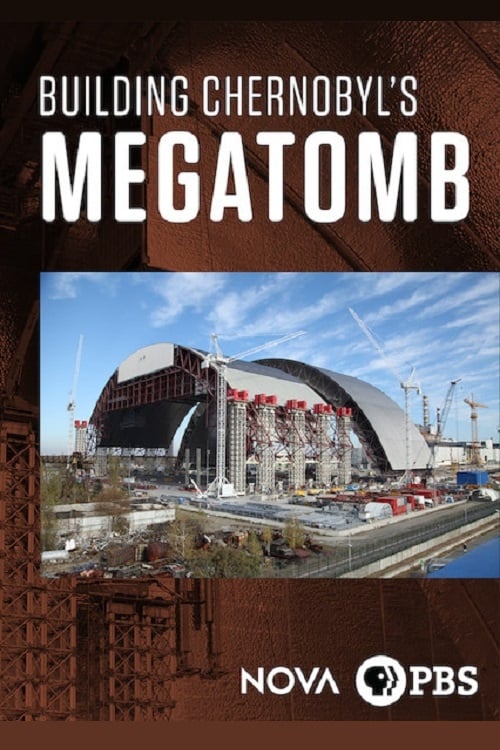
Documentary which follows the construction of a trailblazing 36,000-tonne steel structure to entomb the ruins of the nuclear power plant destroyed in the 1986 Chernobyl disaster.
Since it explored Pluto in 2015, the New Horizons spacecraft has been zooming toward NASA's most distant target yet. Join the mission team as the probe attempts to fly by Ultima Thule, an object 4 billion miles from Earth.
From the cabinets of curiosities created in Italy during the 16th century to the prestigious cultural institutions of today, a history of museums that analyzes the social and political changes that have taken place over the centuries.
Today we cut the granite with diamond-cut blade as is one of the most difficult rocks to cut due to its hardness.How could the egyptians, if it was them, have achieved those shapes in the sculpture sphinx of Sénousret made of Migmatite material, which is harder than granite? What was that extraordinary tool that made this possible? This example is what disputes all the official theories of egyptology. Dozen of questions now arise. Did the egyptians really have an advance technology that was losted over time? The answer is in this movie.Lucky is to understand that in 2019, we have a chance to learn how the Great Pyramid was built, who built it, and what its hidden behind it. Let yourself go and come discover the biggest mystery of humanity, the New Great Story!
Capturing CO2 to recycle it, brightening clouds to better intercept sunlight, massive reforestation: here's an overview of scientific solutions to combat global warming that offer a glimmer of hope.
An incredible travel through space and time between the walls of the Paris Observatory, which is celebrating its 350th birthday. Place of discoveries such as speed of light or Neptune’s existence, it is still today one of the oldest operating observatories and the greatest hub in the world for astronomy and astrophysics researches, second only to Harvard.
Sixty years ago, the Canary Islands were the first in Europe to adopt desalination of ocean water to produce drinking water. Often considered a miracle solution, is this technique compatible with sustainable development?
This movie explores the saga of the telescope over 400 years - the historical development, the scientific importance, the technological breakthroughs, and also the people behind this ground-breaking invention, their triumphs and failures.
In one single, epic camera move we journey from Earth's surface to the outermost reaches of the universe on a grand tour of the cosmos, to explore newborn stars, distant planets, black holes and beyond.
JB Smoove and Martin Starr host a celebration of 20 years of "Spider-Man" movies, from the Sam Raimi trilogy to Marc Webb's movies and the trio from Jon Watts.
A documentary that explores the downloading revolution; the kids that created it, the bands and the businesses that were affected by it, and its impact on the world at large.
Al Pacino's deeply-felt rumination on Shakespeare's significance and relevance to the modern world through interviews and an in-depth analysis of "Richard III."
An inside look at one of the most anticipated movie sequels ever with James Cameron and cast.
A detailing of the rise to prominence and global sporting superstardom of six supremely talented young Manchester United football players (David Beckham, Nicky Butt, Ryan Giggs, Paul Scholes, Phil and Gary Neville). The film covers the period 1992-1999, culminating in Manchester United's European Cup triumph.
The life and career of an actor, artist, and icon. His own journey through his own camera.
THE SPIRIT MOLECULE weaves an account of Dr. Rick Strassman's groundbreaking DMT research through a multifaceted approach to this intriguing hallucinogen found in the human brain and hundreds of plants, including the sacred Amazonian brew, ayahuasca. Utilizing interviews with a variety of experts to explain their thoughts and experiences with DMT, and ayahuasca, within their respective fields, and discussions with Strassman’s research volunteers, brings to life the awesome effects of this compound, and introduces us to far-reaching theories regarding its role in human consciousness.
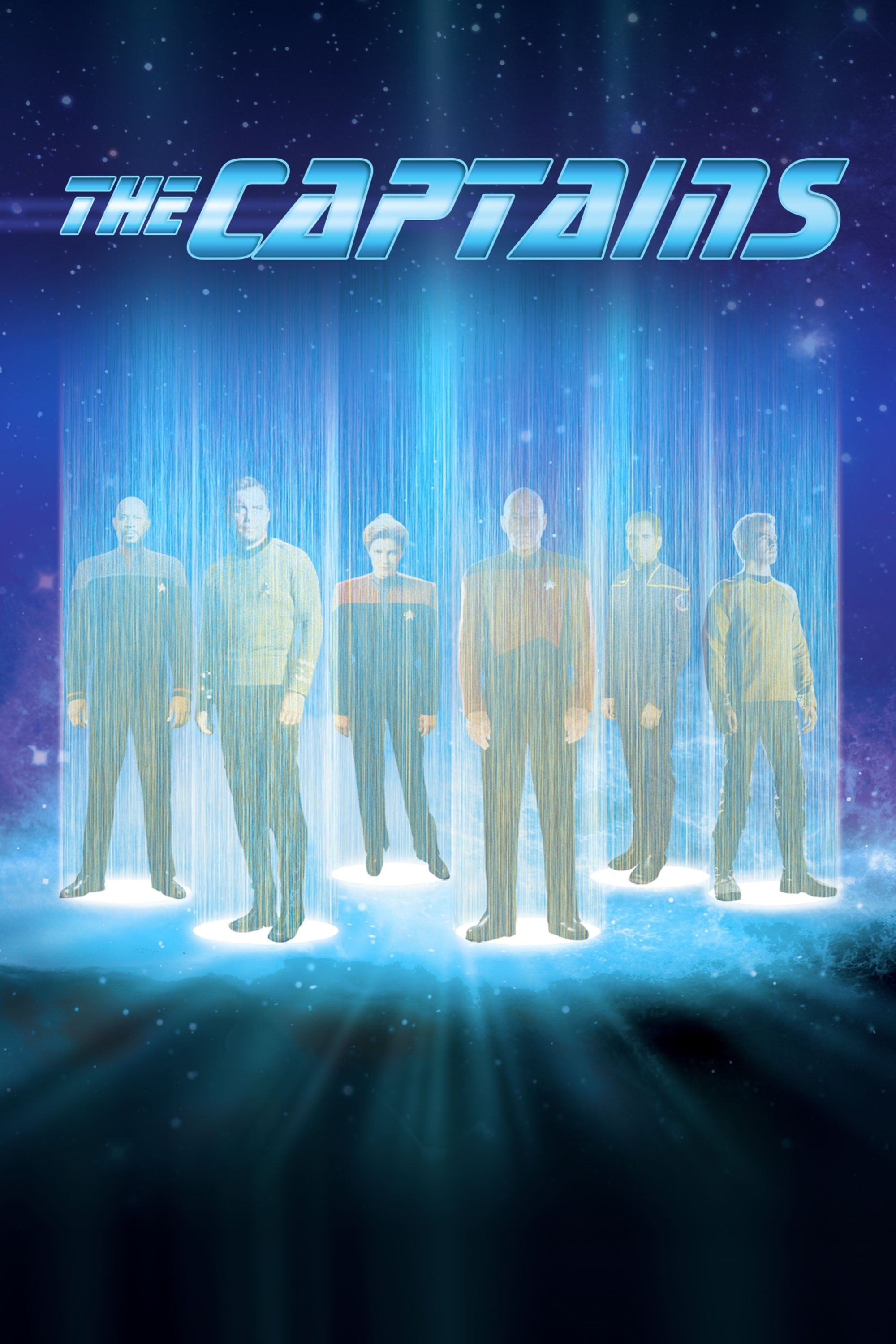
The Captains is a feature-length documentary film written and directed by William Shatner. The film follows Shatner as he interviews the other actors who have portrayed starship captains in the Star Trek franchise.
A look at the origins, history and conspiracies behind the "Majestic 12", a clandestine group of military and corporate figureheads charged with reverse-engineering extraterrestrial technology.
In this genre-bending tale, Errol Morris explores the mysterious death of a U.S. scientist entangled in a secret Cold War program known as MK-Ultra.
Interviews with leading authors, philosophers and scientists, with an in-depth discussion of the Law of Attraction. The audience is shown how they can learn and use 'The Secret' in their everyday lives.
The life of Mr. Spock, as well as that of Leonard Nimoy, the actor who played him for almost fifty years, written and directed by his son: Adam.
A journey inside the world of real life caped crusaders. From all over America, these self-proclaimed crime fighters, don masks, homemade costumes and elaborate utility belts in an attempt to bring justice to evildoers everywhere.
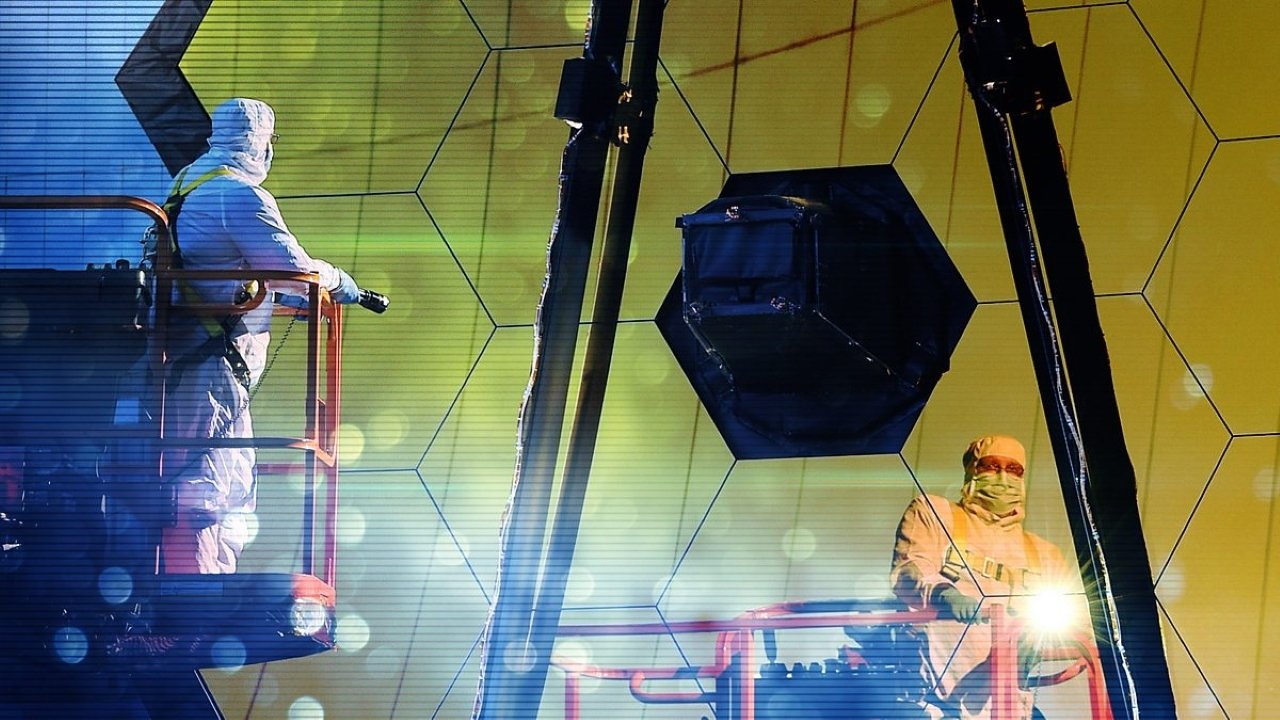
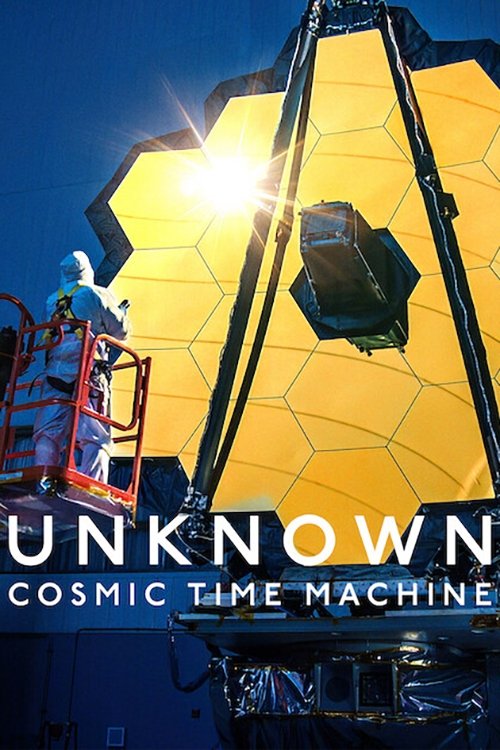
The James Webb Telescope stirs imaginations with vivid photos of distant galaxies. This documentary tracks its historic journey from inception to launch.
SEDUCED AND ABANDONED combines acting legend Alec Baldwin with director James Toback as they lead us on a troublesome and often hilarious journey of raising financing for their next feature film. Moving from director to financier to star actor, the two players provide us with a unique look behind the curtain at the world's biggest and most glamourous film festival, shining a light on the bitter-sweet relationship filmmakers have with Cannes and the film business. Featuring insights from directors Martin Scorsese, 'Bernando Bertolucci' and Roman Polanski; actors Ryan Gosling and Jessica Chastain and a host of film distribution luminaries.
Join the likes of Jeremy Renner, Hailee Steinfeld, Florence Pugh, and Vincent D’Onofrio as they reveal how Marvel Studios’ “Hawkeye” was conceived and created. Witness firsthand what it took to pull off the show’s pulse-pounding action set pieces, and discover how iconic characters from the pages of Marvel Comics such as Kate Bishop were adapted and brought to life for the six-episode series.
Through deeply personal interviews with her siblings and an examination of the photographs, letters, and belongings left behind, Mariska assembles a new portrait of her mother Jayne Mansfield, an extraordinary and complex woman.
“Showrunners” is the first ever feature length documentary film to explore the fascinating world of US television showrunners and the creative forces aligned around them. These are the people responsible for creating, writing and overseeing every element of production on one of the United State’s biggest exports – television drama and comedy series. Often described as the most complex job in the entertainment business, a showrunner is the chief writer / producer on a TV series and, in most instances, the show’s creator. Battling daily between art and commerce, showrunners manage every aspect of a TV show’s development and production: creative, financial and logistical.
Follow the evolution of the 'Halloween' movies over the past twenty-five years. It examines why the films are so popular and revisits many of the original locations used in the films - seeing the effects on the local community. For the first time, cast, crew, critics and fans join together in the ultimate 'Halloween' retrospective.