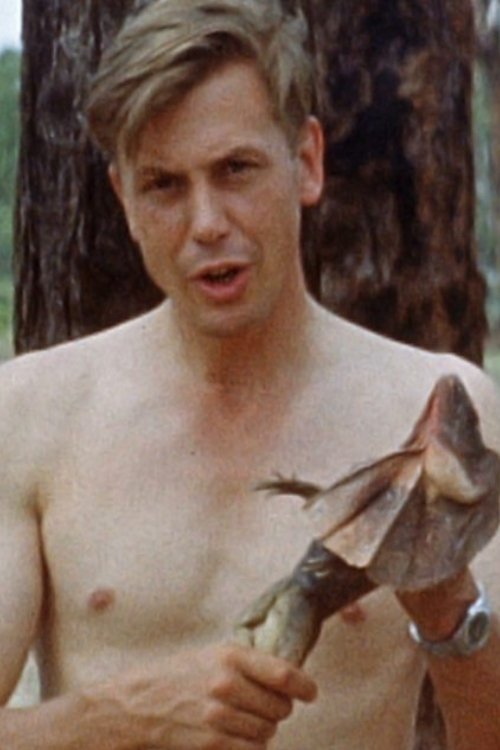
Documentary series about famous anthropologists.
Social & External
The people behind it
Dilly Barlow
Narrator
Long-running travel programme
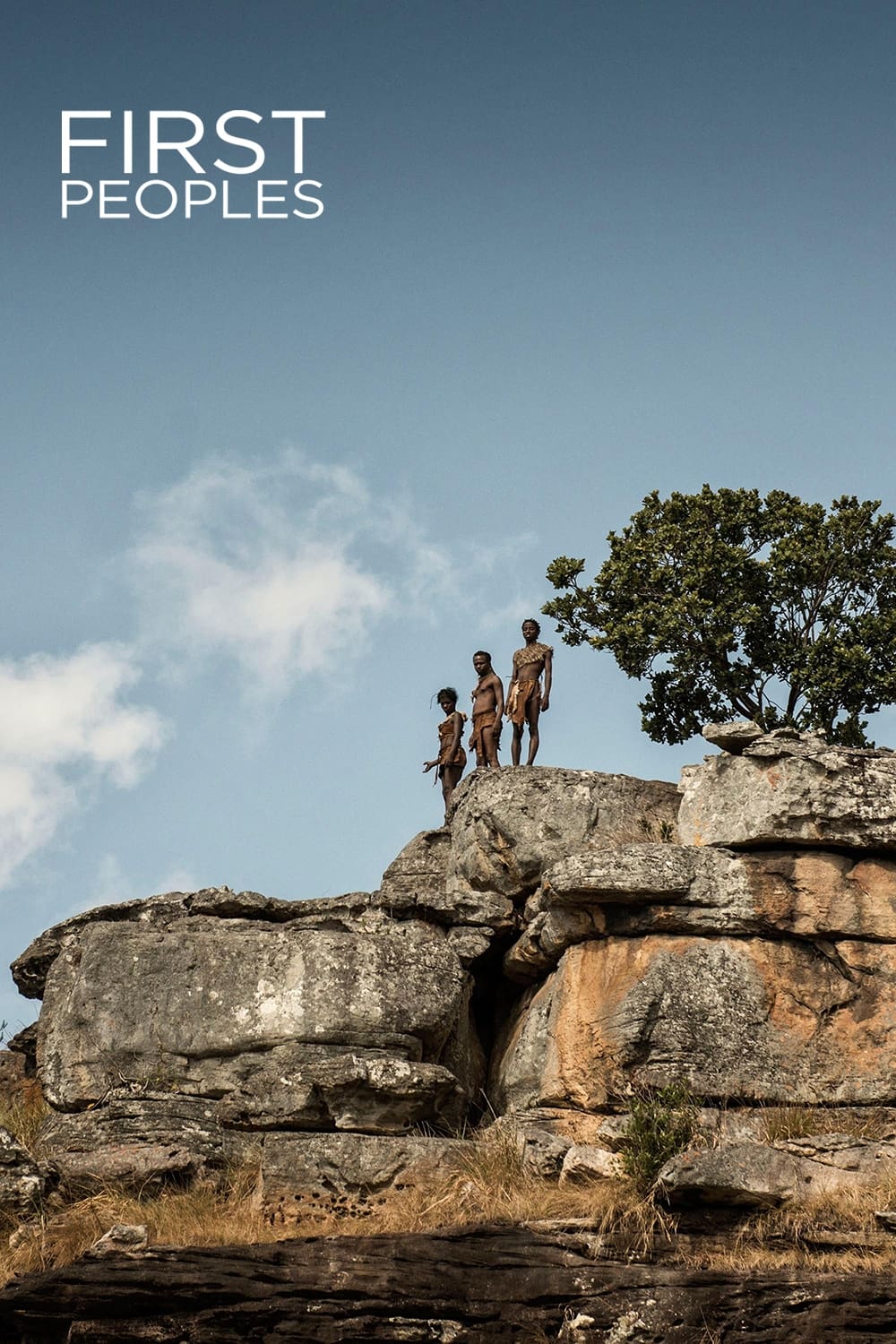
A five-part series that features the latest research exploring how early humans evolved. See how the mixing of prehistoric human genes led the way for our species to survive and thrive around the globe. Archaeology, genetics and anthropology cast new light on 200,000 years of history, detailing how early humans became dominant.
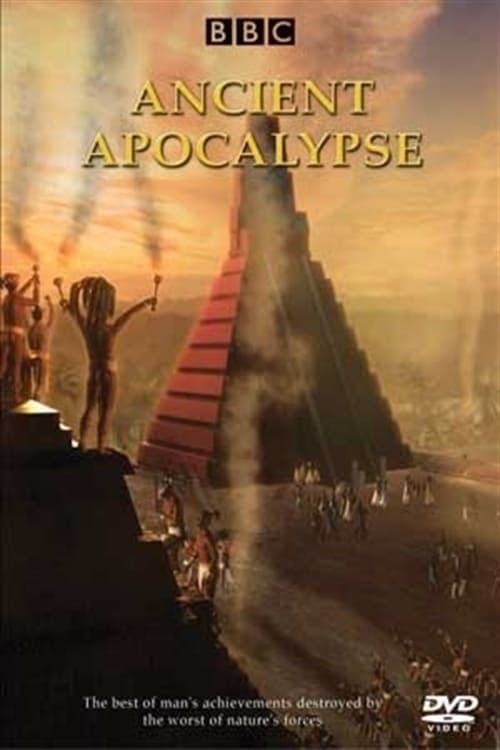
Throughout the ages, civilisations have risen up and then disappeared. Ancient Apocalypse seeks to explain how human achievements were destroyed by the forces of nature.
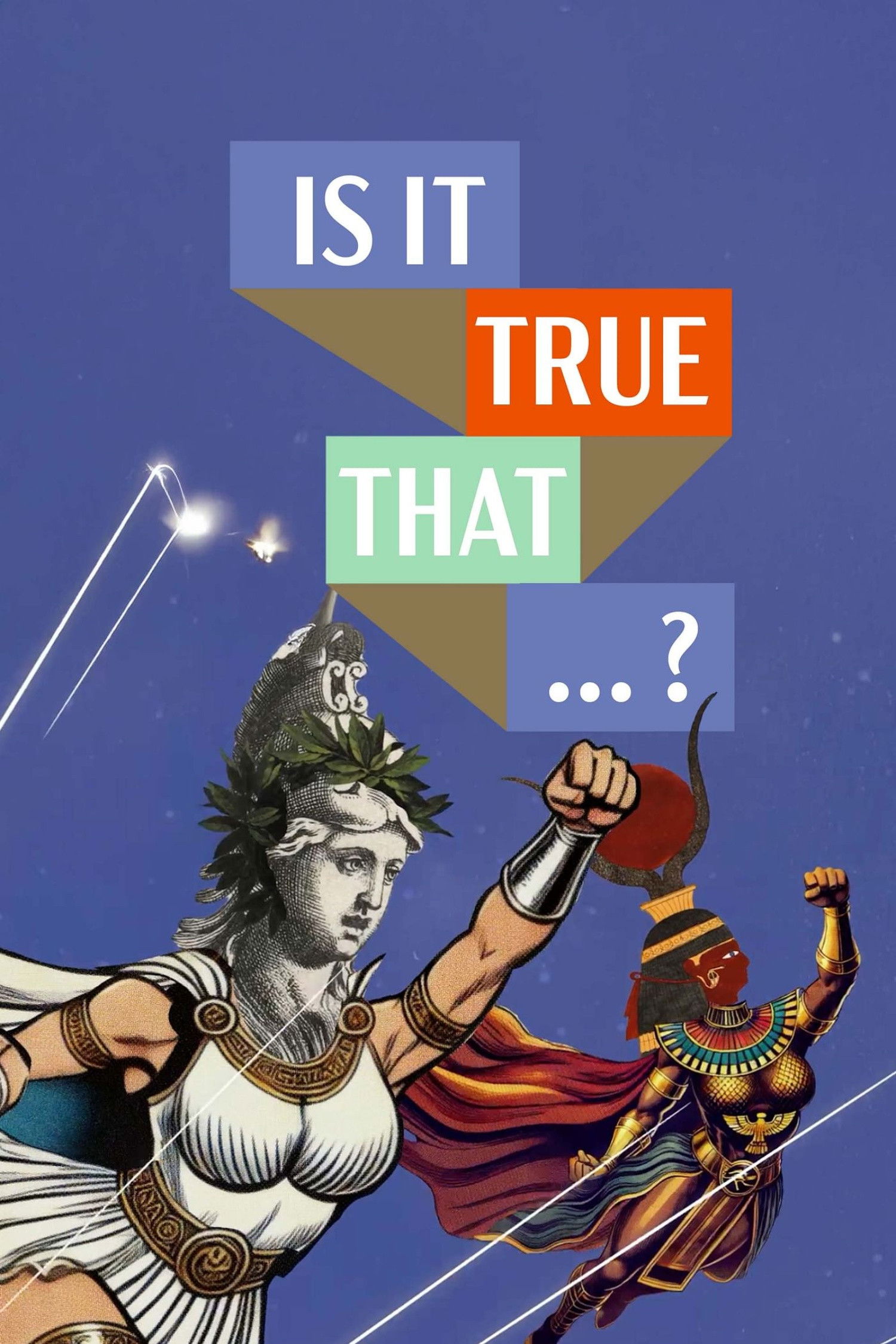
Did democracy actually originate in Greece? Was the plague the worst epidemic of all time? And did we really work harder in the past than we do today? Is it true that ...? questions what we think we know and takes another look at history.
The history of our modern Indo-Arabic numeral system begins in Mesopotamia, leads through India to the Arab world – and from there around the globe. This three-part series explores how the "Arabic numerals" began their triumphant march and the special role that zero played in this process. From its beginnings to modern computer science – today, numbers are the universal language of the world.
The Ring of Fire: An Indonesian Odyssey is a series of five documentary films following the decade-long Wanderjahr of the filmmaker/sibling partnership Lorne and Lawrence Blair.
Embark in a journey through some of the most beautiful cities in the world in this documentary series. Each episode features a new city and explores the many things that make it the legendary place it is today.
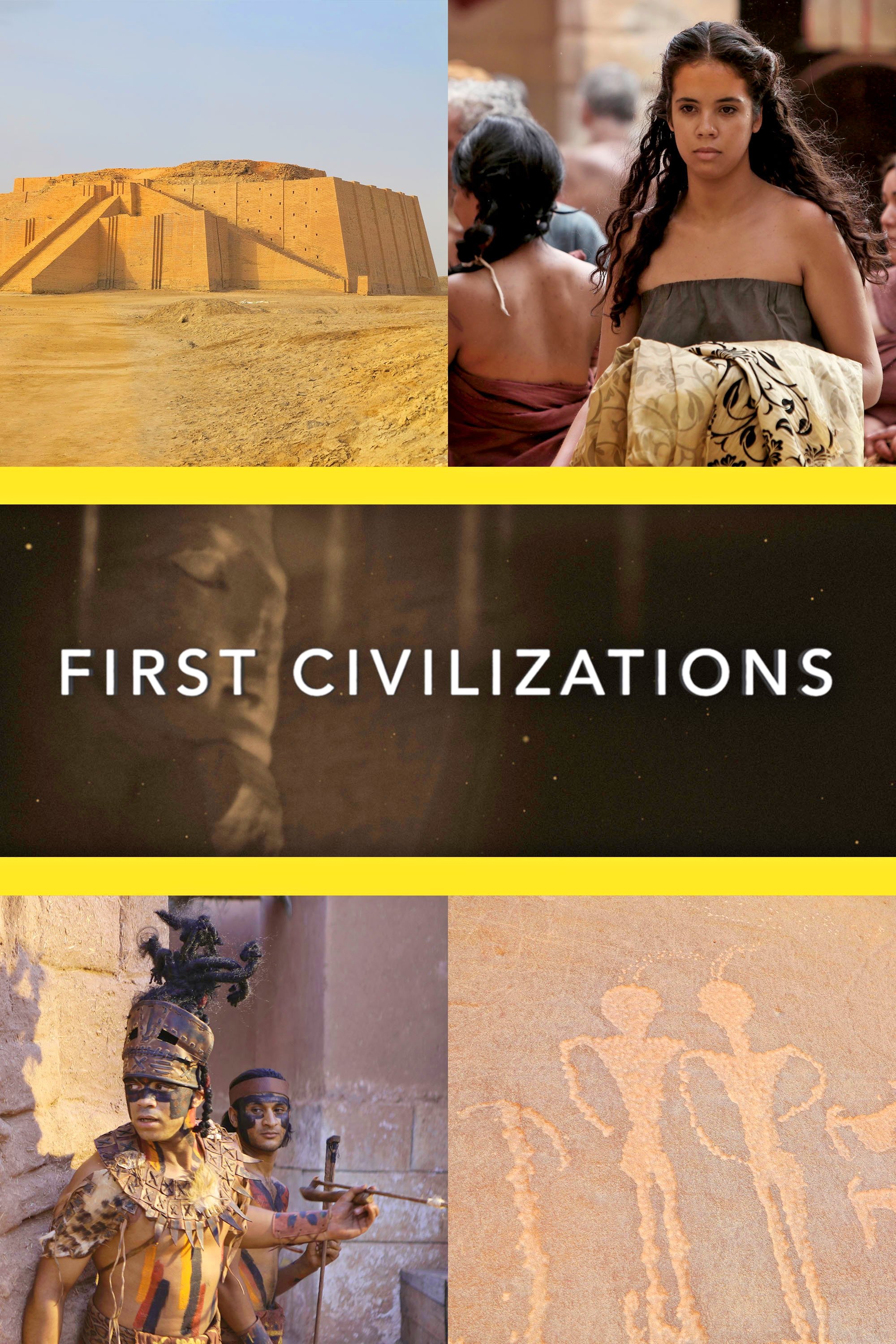
Using the latest in archaeology, anthropology and genetics, this series tells the story of where the modern world began. Incorporating studies of artifacts, renowned sites of archaeological interest and interviews with leading experts, it moves around the geographic zones of the world, exploring how and why civilization first sparked into life.
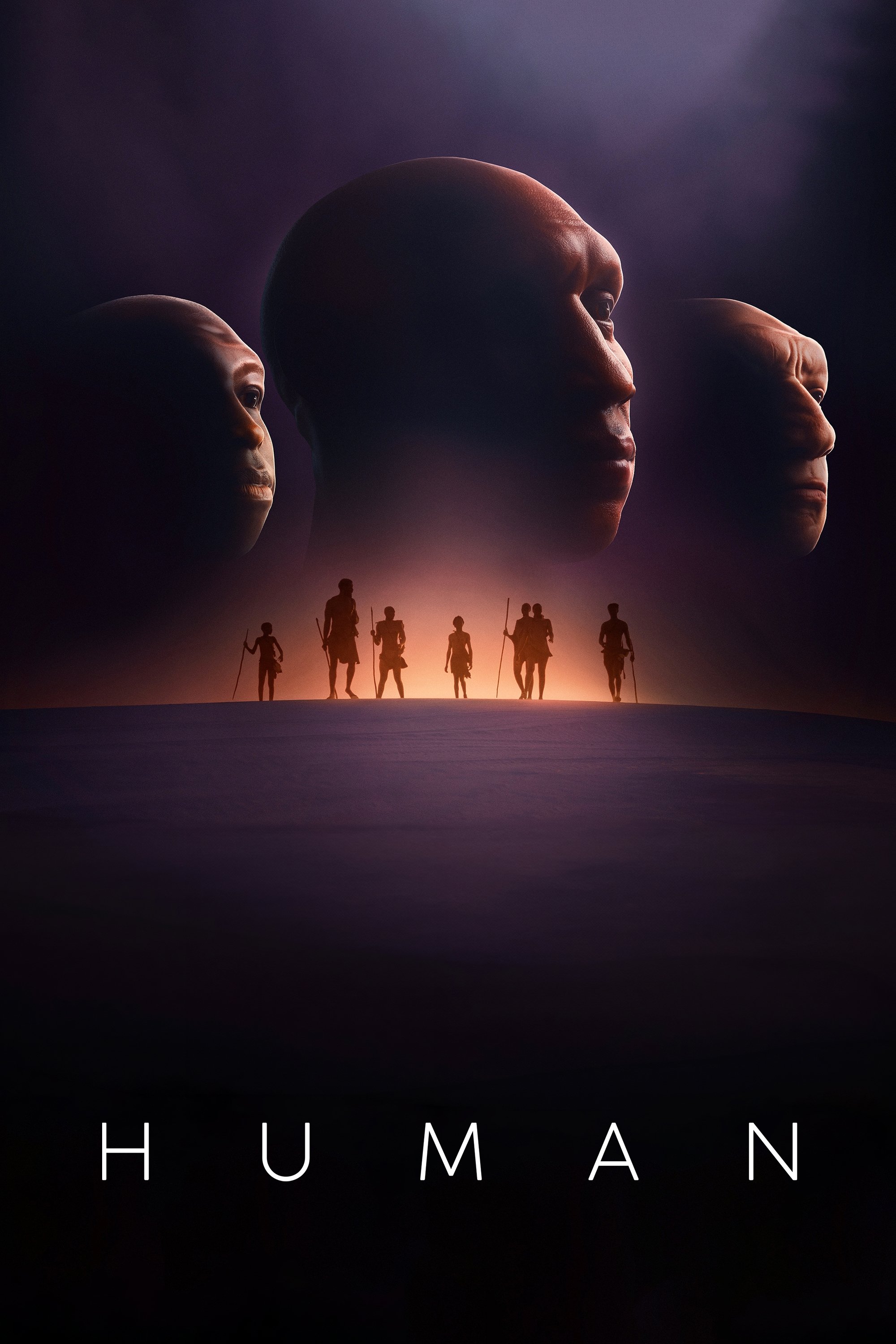
Paleoanthropologist Ella Al-Shamahi reveals humanity's incredible story across 300,000 years of human evolution – and how the story is stranger and more surprising than ever imagined.
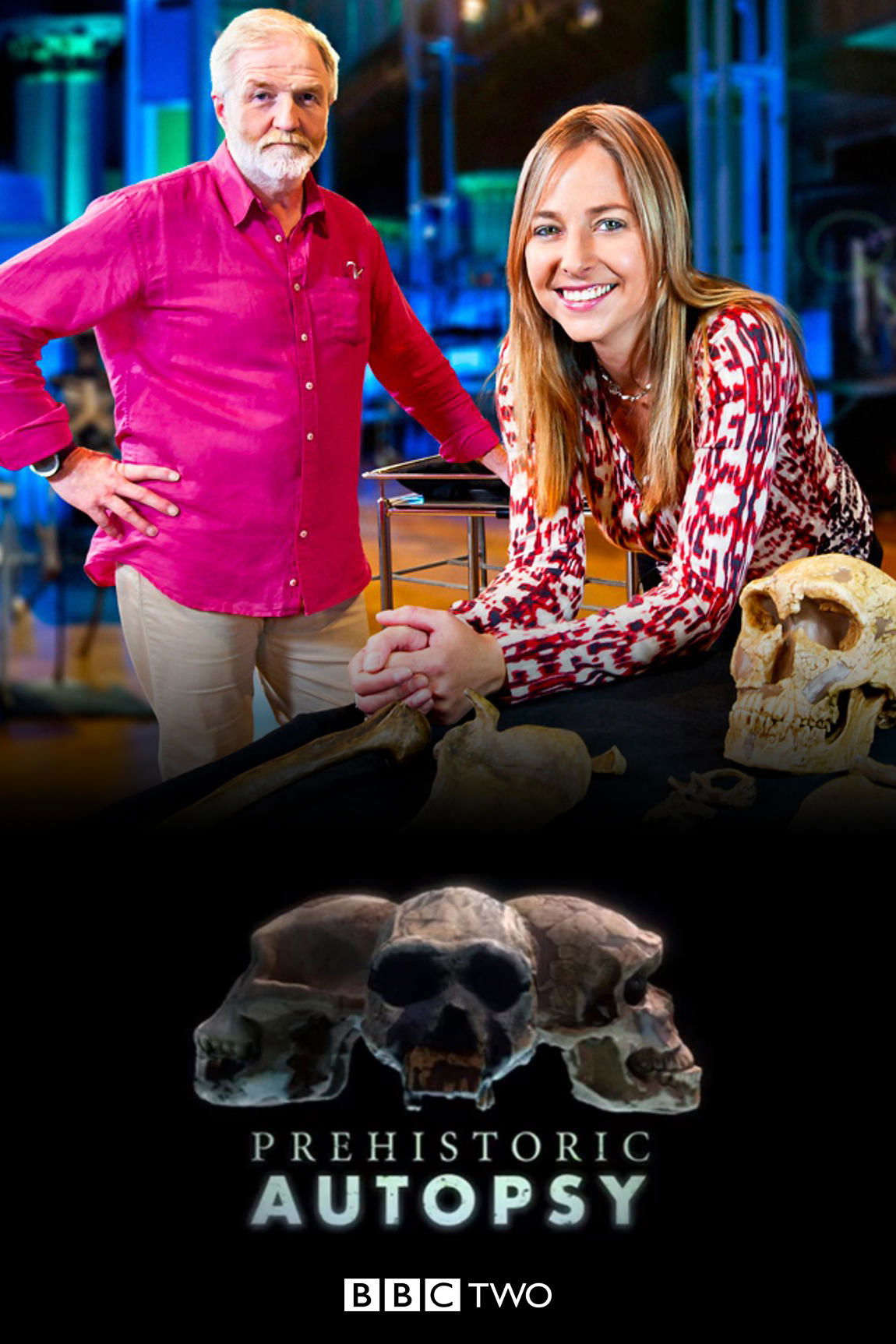
A journey into our evolutionary past, piecing together the bodies of our prehistoric family.
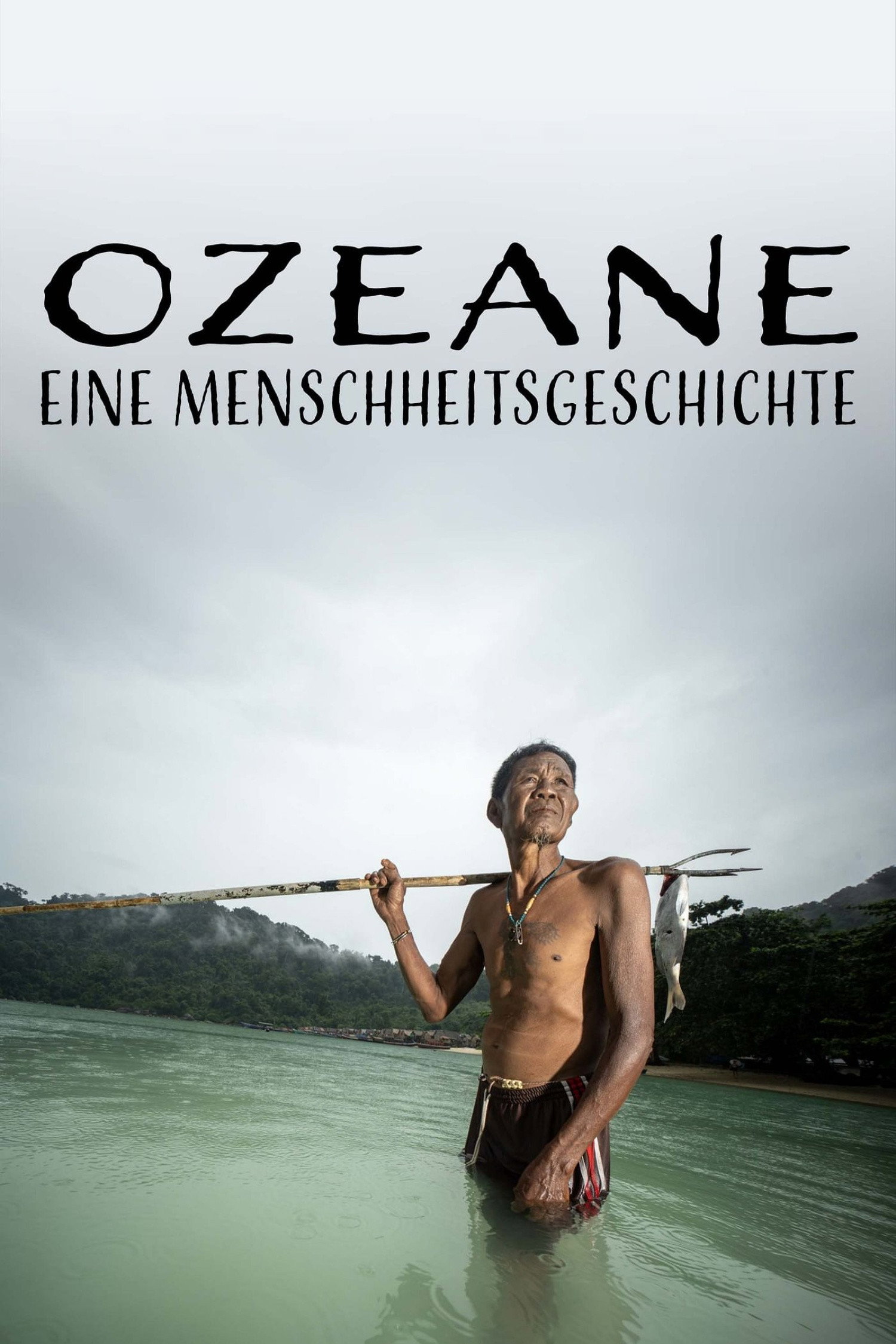
The story of humanity is told through the lens of the world's oceans. Focusing on the Atlantic, Pacific and Indian Oceans, the series explores how these vast bodies of water have shaped migration, trade, cultural exchange and the rise of civilizations for thousands of years. Ocean currents, tides and monsoon systems have influenced not only life along the coasts but also societies, economies and the global climate. Stunning natural imagery and the latest scientific insights offer a sweeping perspective on the enduring relationship between people and the sea.
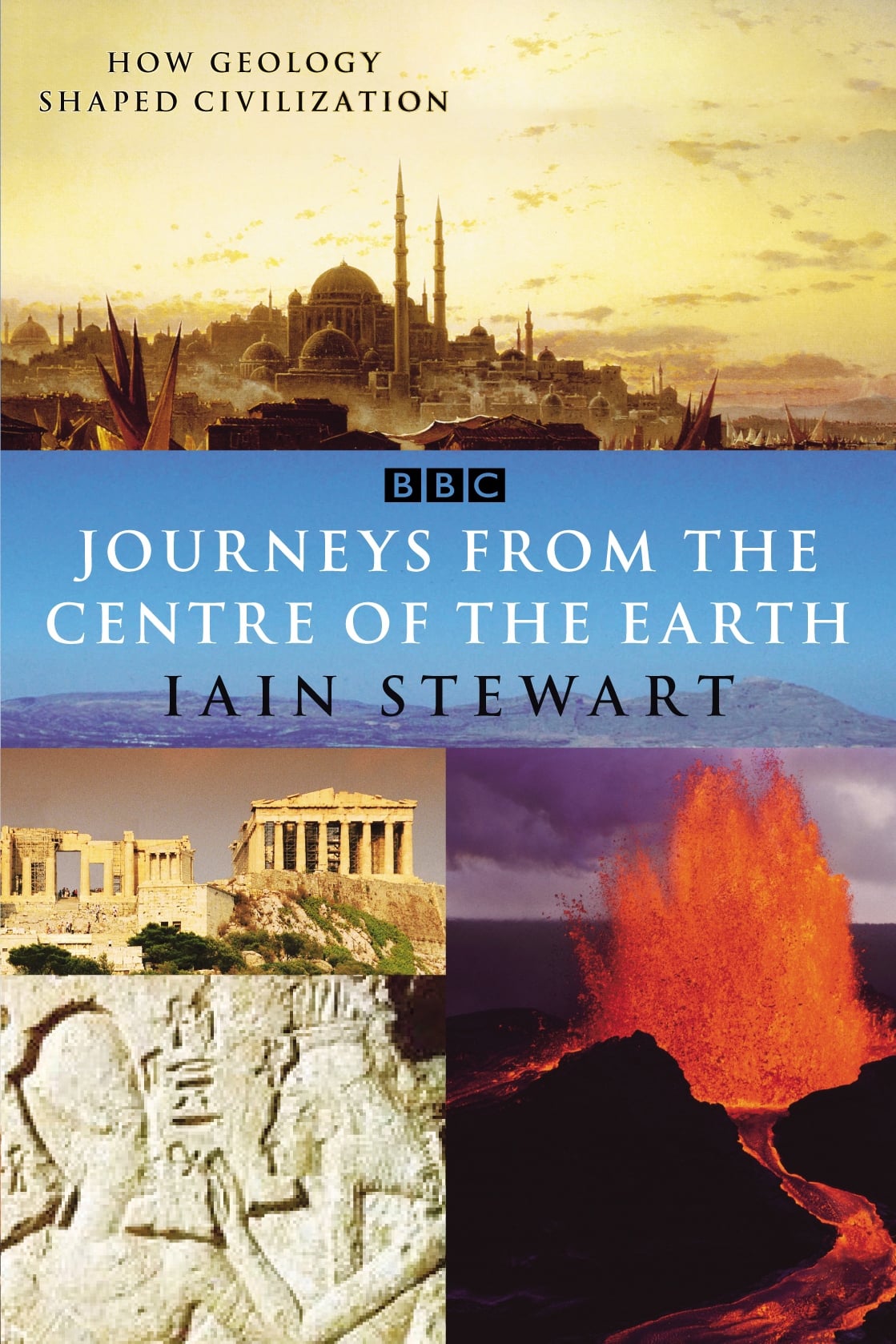
Geologist Dr Iain Stewart presents a series showing how the rocks beneath our feet have shaped the human history of the Mediterranean.
There are seven billion humans on Earth, spread across the whole planet. Scientific evidence suggests that most of us can trace our origins to one tiny group of people who left Africa around 70,000 years ago. In this five-part series, Dr Alice Roberts follows the archaeological and genetic footprints of our ancient ancestors to find out how their journeys transformed our species into the humans we are today, and how Homo Sapiens came to dominate the planet.
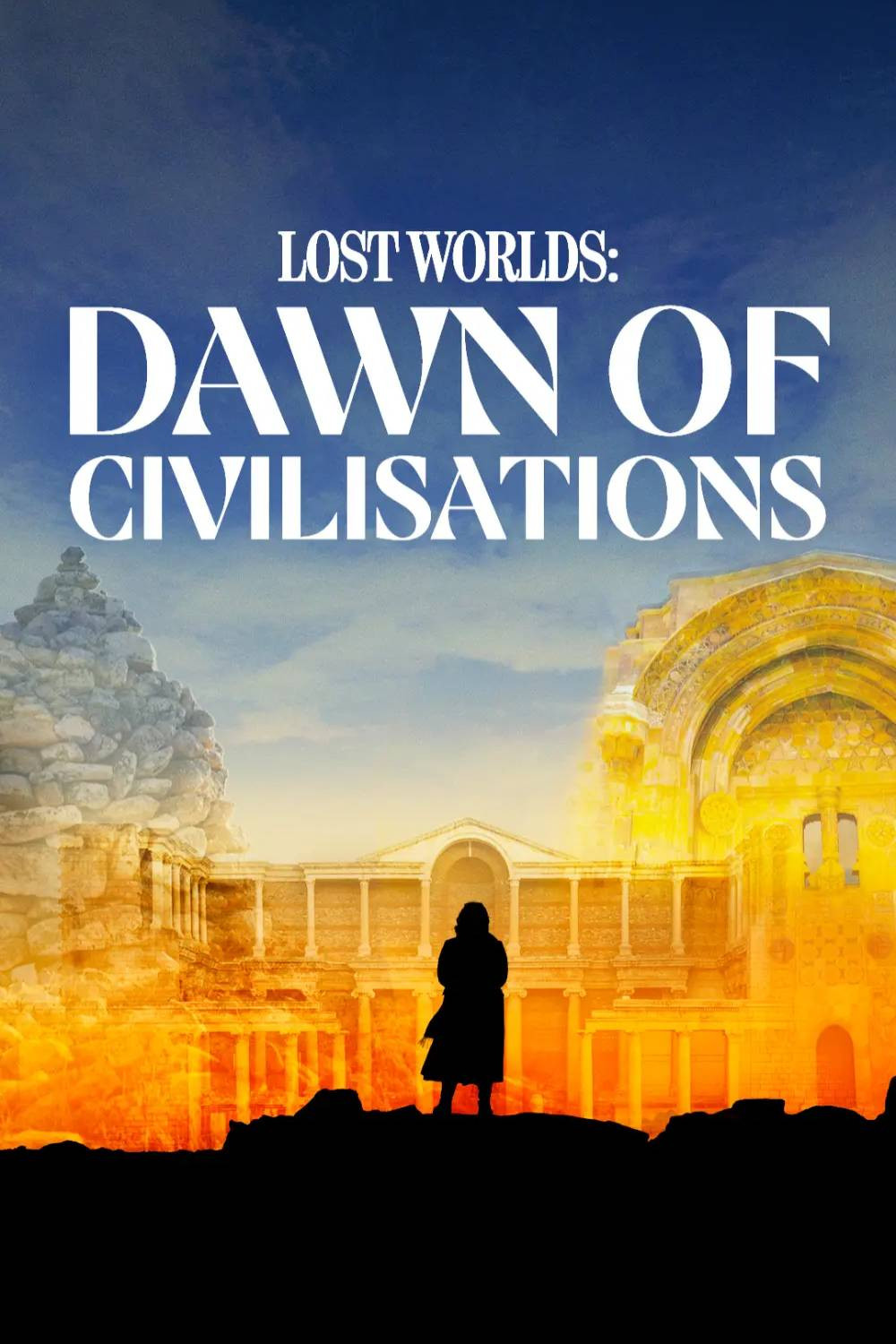
World-class historian Bettany Hughes journeys across modern-day Türkiye to uncover the origins of civilisation itself. With exclusive access to newly discovered sites and artifacts - including the world’s first square room, the oldest known swords, and the first life-sized human sculptures - she explores the birth of agriculture, religion, trade, urban life, myths, and empire. From Göbeklitepe and Karahantepe to Ephesus, Cappadocia, Istanbul, and the snowy Caucasus mountains, this cinematic journey reveals how ancient Anatolia became a crossroads of human history - and helped shape the world we know today.
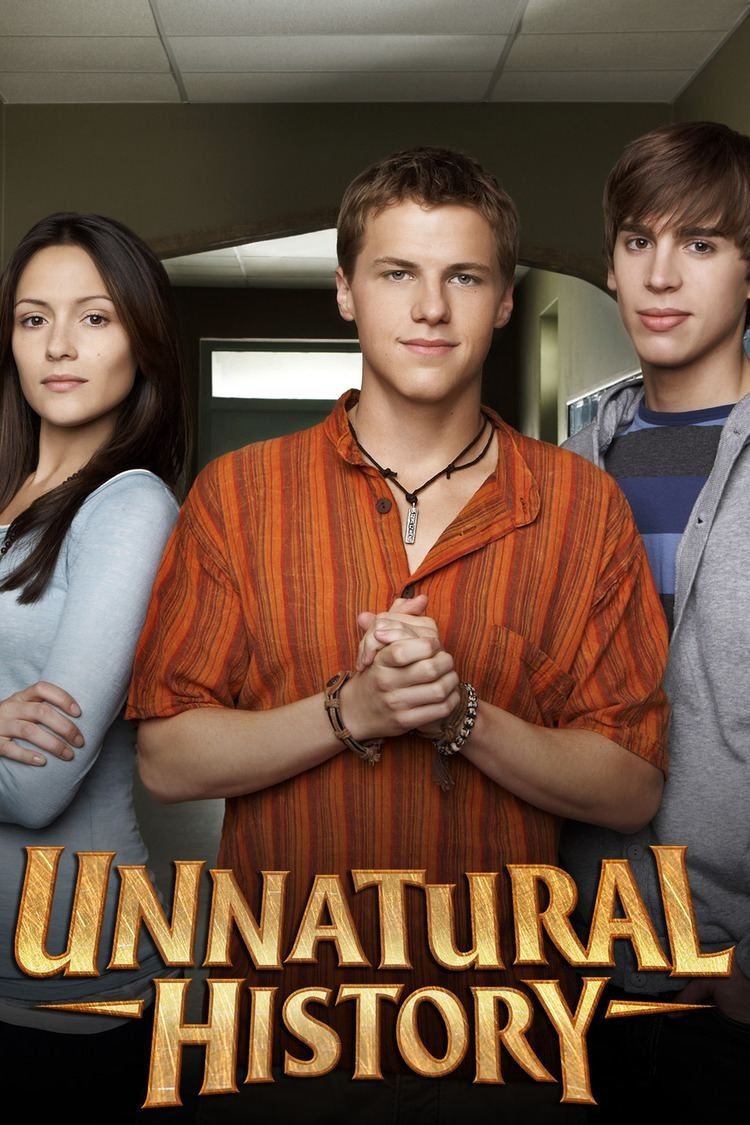
Teenager Henry Griffin acquired many skills through years of travelling the world with his anthropologist parents. Sent to live with his uncle and cousin in Washington DC, and with the help of his cousin Jasper and friend Maggie, he must now use those skills to solve the modern mysteries of high school.
All In Earth's 4 billion year history, nature has solved all of lifes problems, from the highest mountain to the deepest ocean. Evolution is the ultimate inventor and many of mans most clever engineering solutions have exact counterparts in nature. In three amazing episodes, NatureTech views our world with fresh eyes, where nature and technology stand hand in hand.
20/5/1941. Under the code name 'Operation Mercury', Germany begins the airborne invasion of Crete. But the Nazis' estimations for an easy victory prove wrong. A throwback to the legendary Battle of Crete.
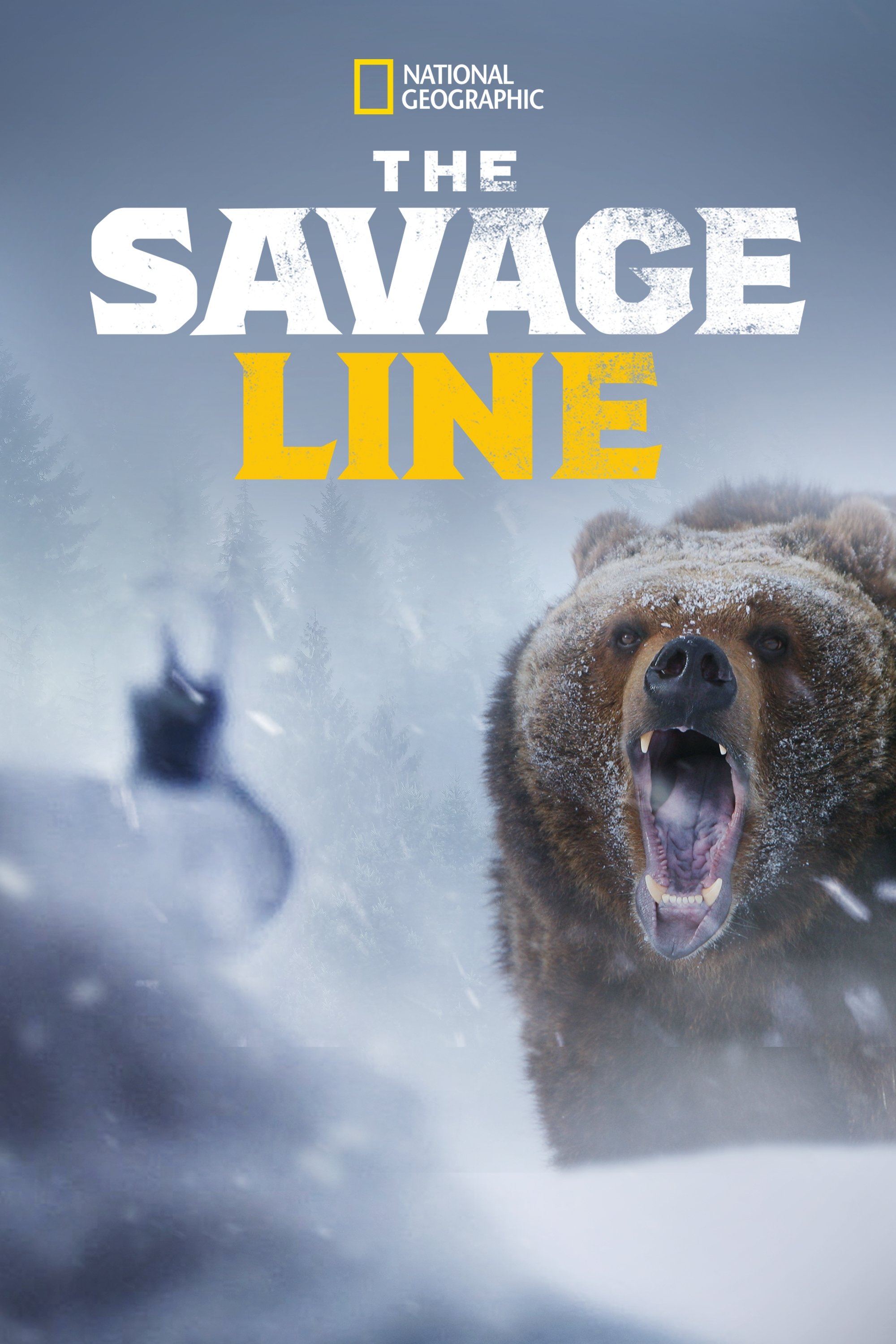
The Savage Line examines the lives of experienced outdoorsmen, Cory Valdes, Jason Lesmeister, Rob Hardy, and Puma Ghostwalker, who traverse the world’s most remote places and work to protect the lives of men and women working in the backyard of nature’s fiercest predators. Their job takes them deep into the wild, demanding strong survival skills and a deep understanding of animal behavior. Utilizing non-lethal techniques, The Savage Line experts must brave both extreme weather and dangerous animal encounters to keep the peace between man and beast.
Filmed across six continents, this docuseries uses cutting-edge camera technology to capture animals' nocturnal lives, revealing new behaviours filmed in full color like never before.
Infographics and archival footage deliver bite-size history lessons on scientific breakthroughs, social movements and world-changing discoveries.
Natural World is a nature documentary television series broadcast annually on BBC Two and regarded by the BBC as its flagship natural history brand. It is currently the longest-running series in its genre on British television, with more than 400 episodes broadcast since its inception in 1983. Natural World is produced by the BBC Natural History Unit in Bristol, but individual programmes can be in-house productions, collaborative productions with other broadcasters or films made and distributed by independent production companies and purchased by the BBC. Natural World programmes are often broadcast as PBS Nature episodes in the USA. Since 2008, most Natural World programmes have been shot and broadcast in high definition.
Biography is a documentary television series. It was originally a half-hour filmed series produced for CBS by David Wolper from 1961 to 1964 and hosted by Mike Wallace. The A&E Network later re-ran it and has produced new episodes since 1987. The older version featured historical figures such as Helen Keller and Mark Twain, or long-dead entertainment figures such as Will Rogers or John Barrymore. The A&E series has placed the emphasis on such people as Marilyn Monroe, Elvis Presley, Plácido Domingo, Freddie Mercury, Jacqueline Kennedy Onassis, Eric Clapton, Pope John Paul II, Gene Tierney, Selena, Diego Rivera, Mao Zedong and Queen Elizabeth II, and fictional characters like The Phantom, Superman, Hamlet, Betty Boop, and Santa Claus. The program ended up profiling enough figures that in 1999, A&E spun it off into an entire network, The Biography Channel.
Consistently stunning documentaries transport viewers to far-flung locations ranging from the torrid African plains to the chilly splendours of icy Antarctica. The show's primary focus is on animals and ecosystems around the world. A comic book based on the show, meant to be used an as educational tool for kids, was briefly distributed to museums and schools at no cost in the mid-2000s.
The documentary takes viewers through Janet Jackson's life and career, contain never-before-seen footage, and feature home videos from the legendary artist. Jackson discusses her controversial 2004 Super Bowl halftime show performance with Justin Timberlake, her father Joe Jackson, the death of her brother Michael Jackson, and more.
Doctor Who Confidential is a documentary to complement the revival of the long-running British science fiction television series Doctor Who. Each episode was broadcast on BBC Three on Saturdays, immediately after the broadcast of the weekly television episode on BBC One. The running time of the first two series was 30 minutes, being extended to 45 minutes in the third. BBC Three also broadcast a cut-down edition of the programme, lasting 15 minutes, shown after the repeats on Sundays and Fridays and after the weekday evening repeats of earlier seasons.
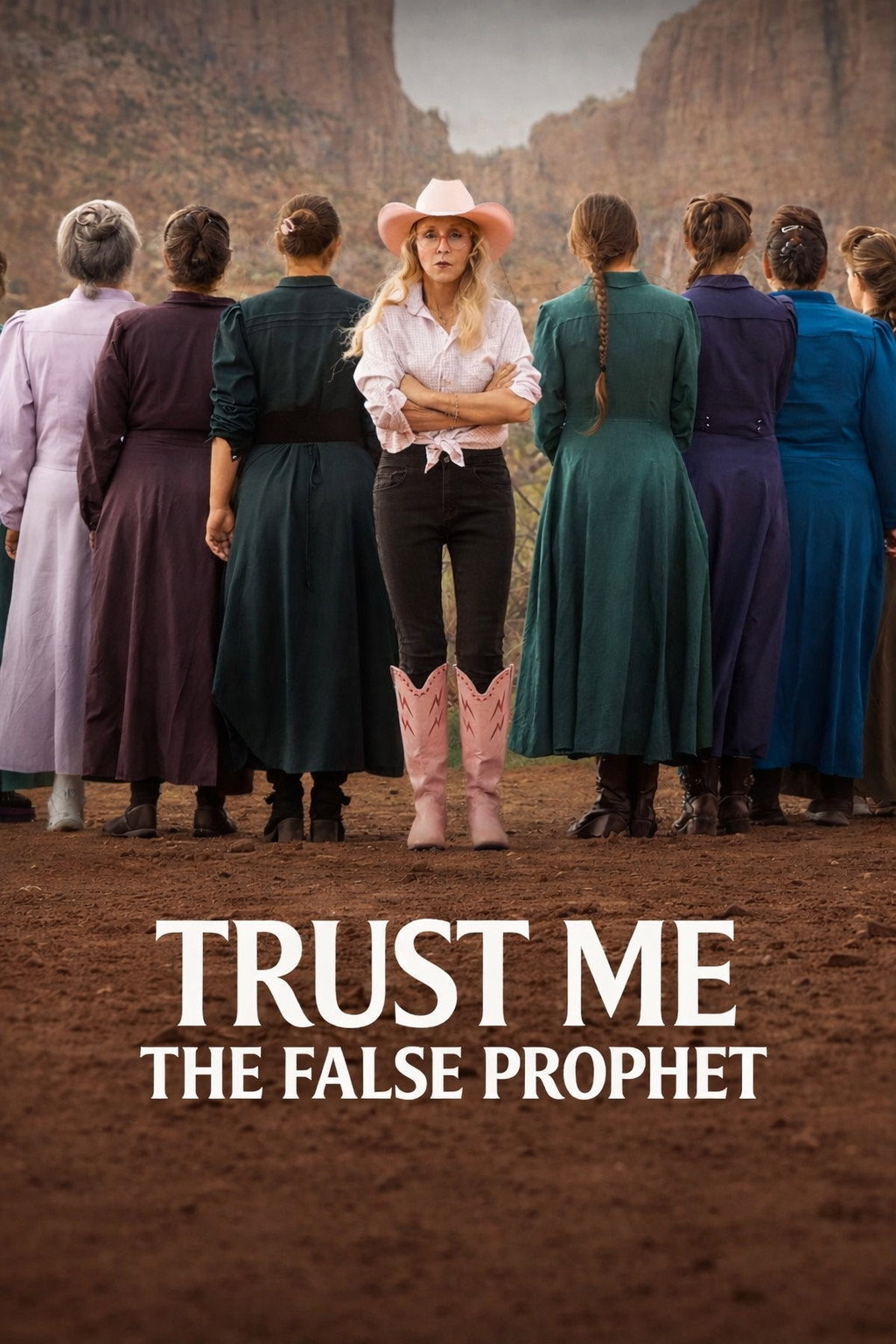
In this true-crime documentary, a cult expert and filmmaker infiltrate a polygamist sect to expose a self-proclaimed prophet and bring him to justice.
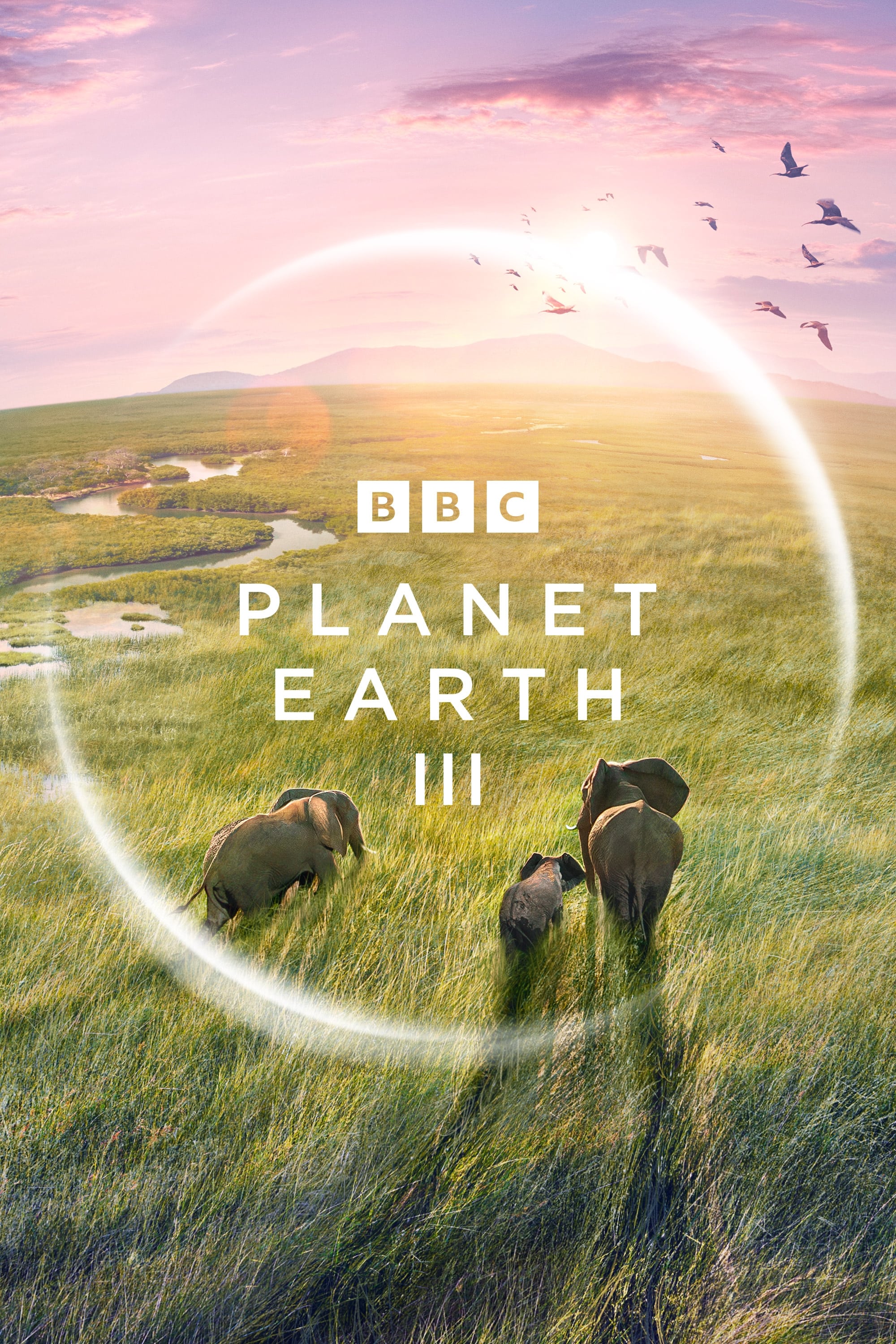
Journeying to the far reaches of our planet, this eight part series follows some of the world's most amazing species, telling extraordinary stories that are dramatic, thrilling, funny and sometimes heart-breaking, but always full of hope.
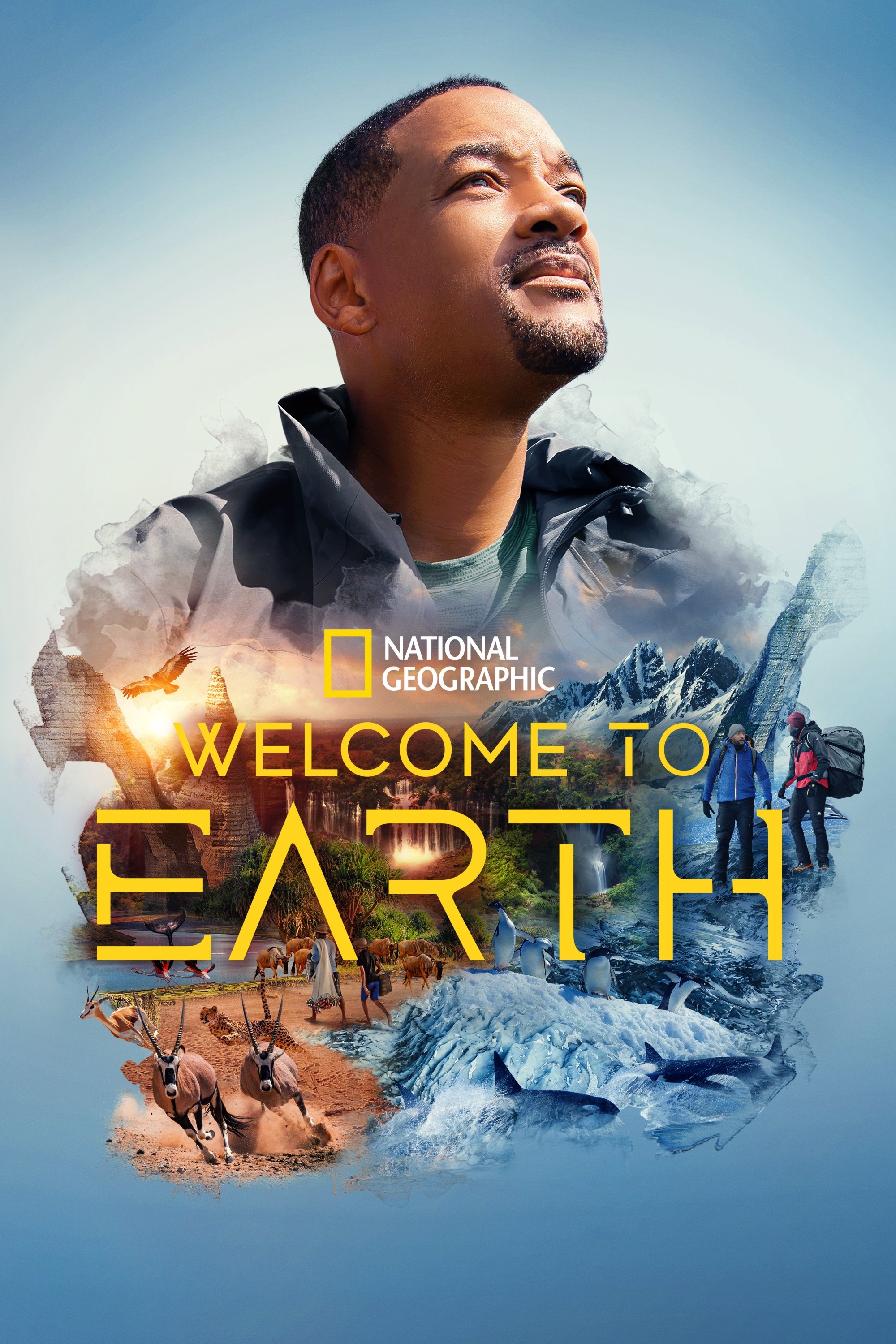
Will Smith whose curiosity and wonder is positively infectious—is guided by National Geographic Explorers traveling to different corners of the world to get up close and personal with the weirdest, most unusual, dangerous and thrilling spectacles of the planet.
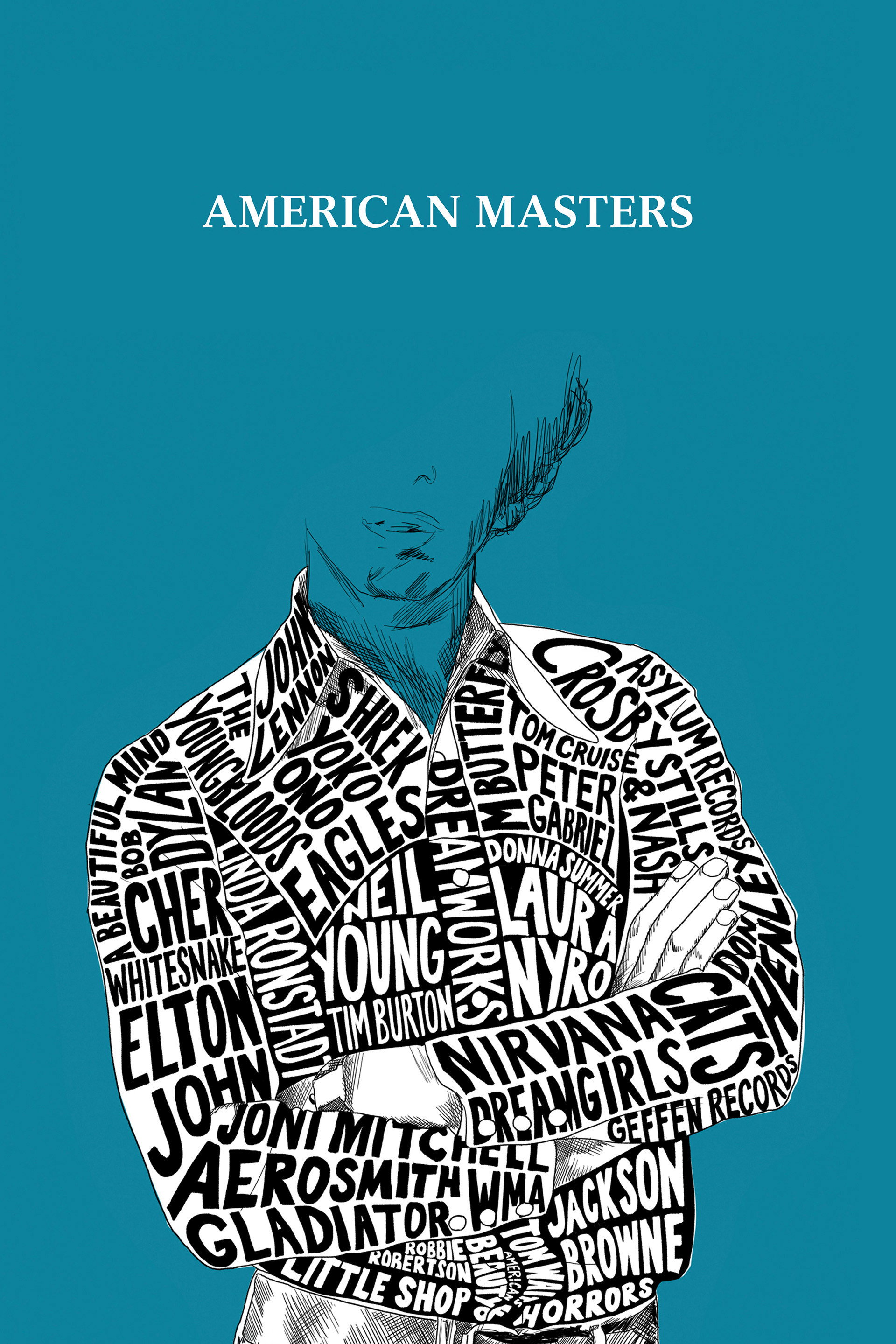
American Masters is a PBS television series which produces biographies on enduring writers, musicians, visual and performing artists, dramatists, filmmakers, and others who have left an indelible impression on the cultural landscape of the United States.
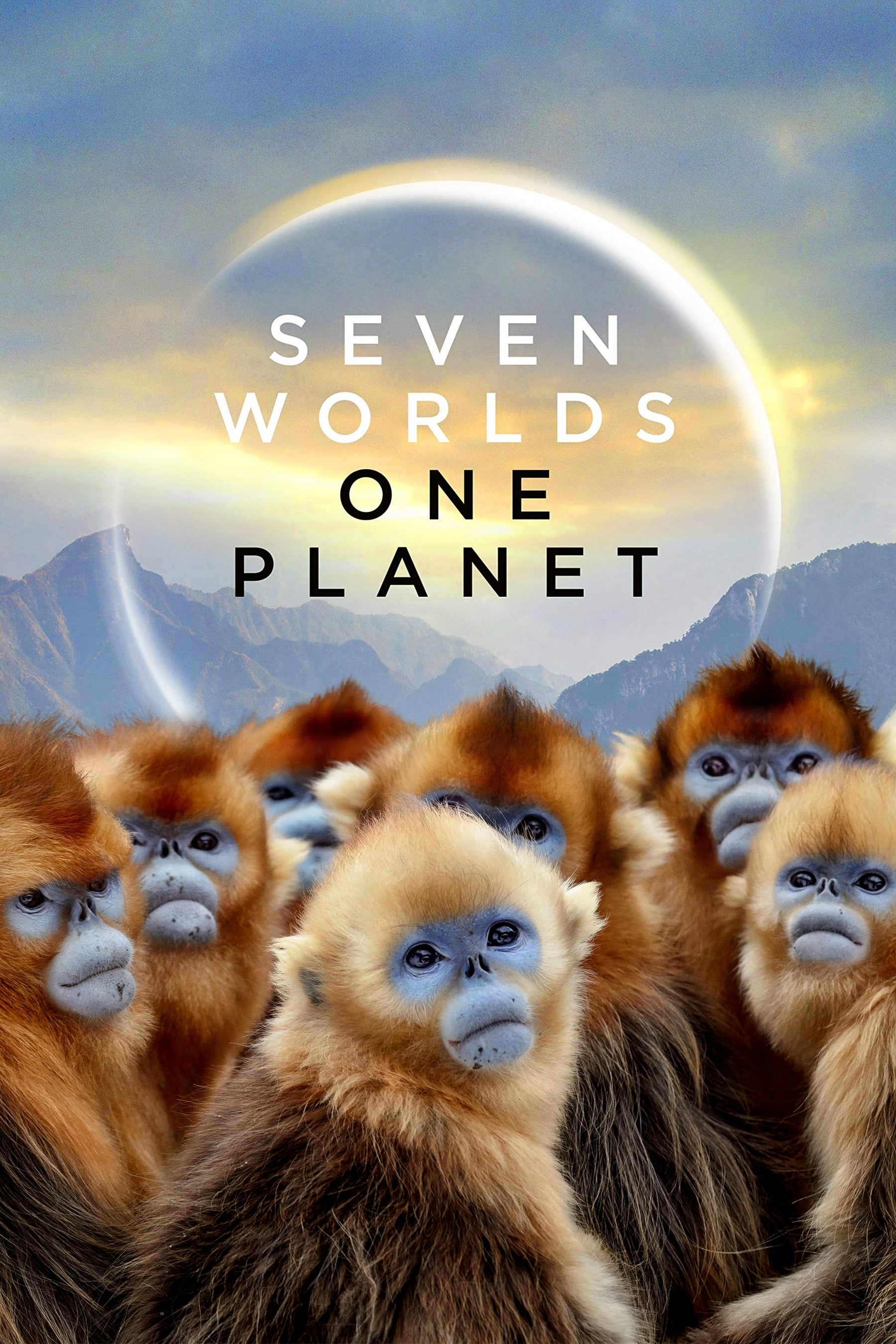
Millions of years ago, incredible forces ripped apart the Earth’s crust creating seven extraordinary continents. This documentary series reveals how each distinct continent has shaped the unique animal life found there.
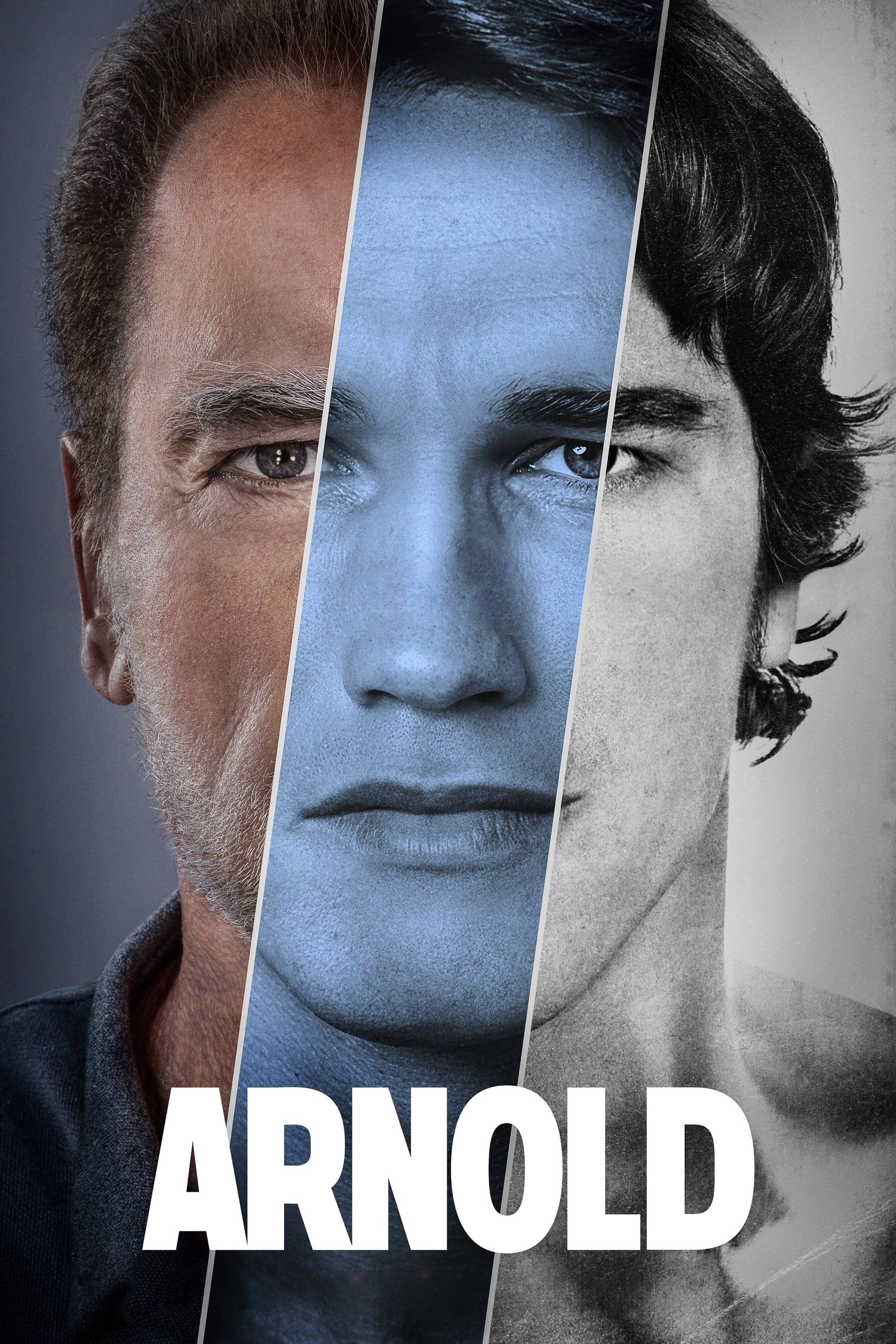
This intimate docuseries follows Arnold Schwarzenegger's multifaceted life and career, from bodybuilding champ to Hollywood icon to politician.
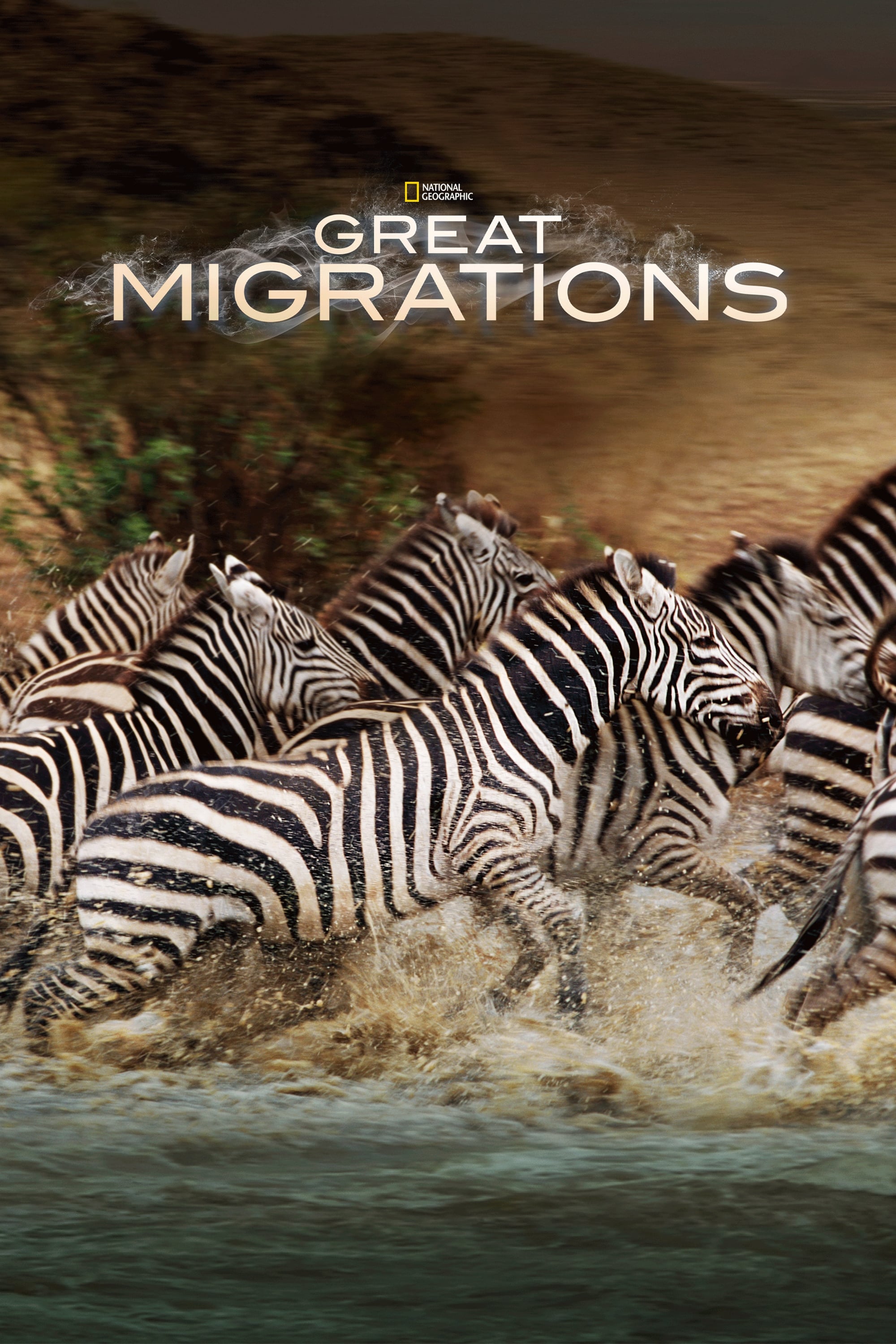
Shot from land and air, in trees and cliff-blinds, on ice floes and underwater, this documentary tells the powerful stories of many of the planet's species and their movements, while revealing new scientific insights with breathtaking high-definition clarity and emotional impact. The beauty of these stories is underscored by a new focus into these species; fragile existence and their life-and-death quest for survival in an ever-changing world.
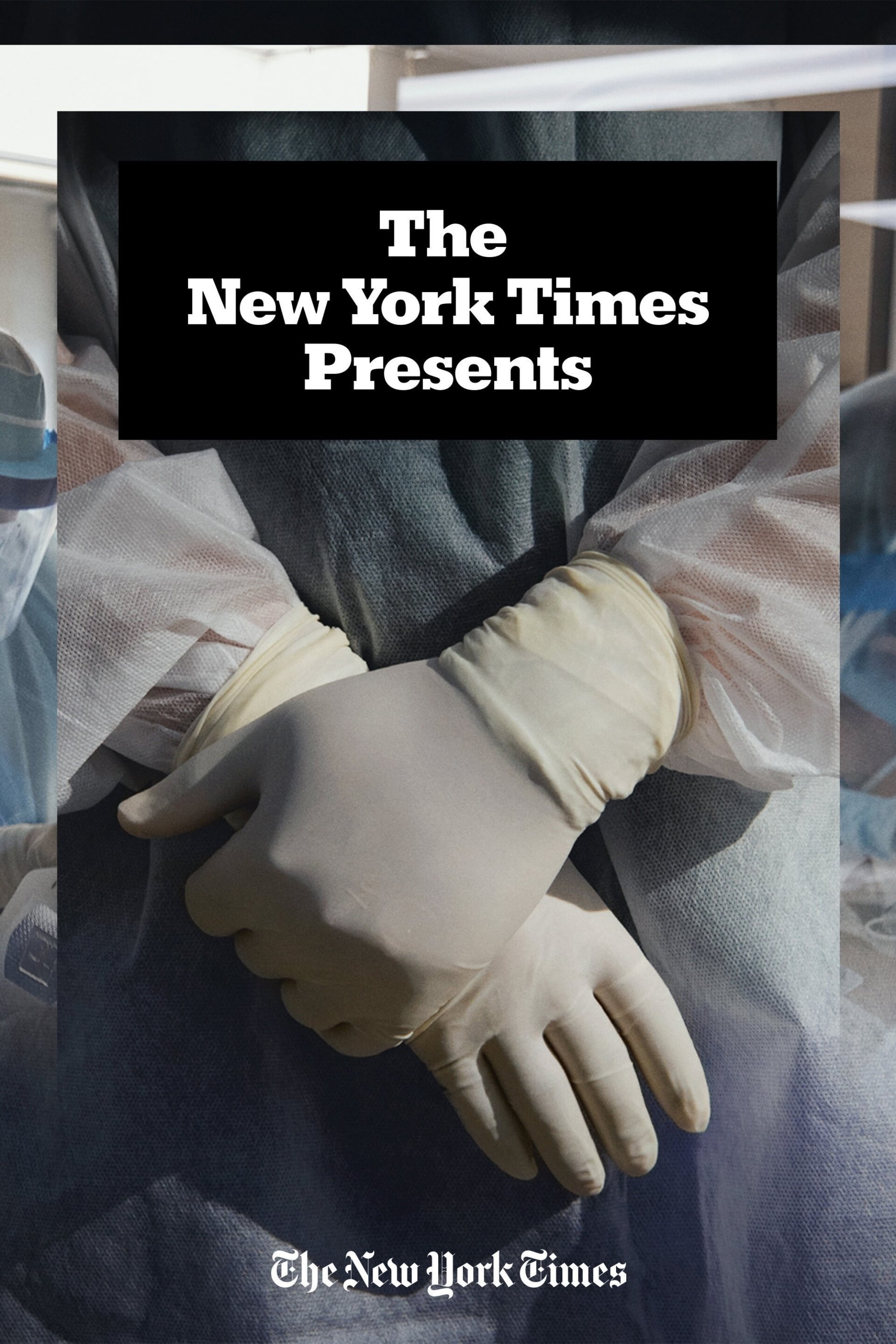
A series of standalone documentaries powered by the unparalleled journalism and insight of The New York Times, bringing viewers close to the essential stories of our time.
Explore the history of the American LGBTQ movement through the lens of TV in this five-part docuseries. Combining archival footage with new interviews, the series looks at homophobia, the evolution of LGBTQ characters, and coming out in the TV world.
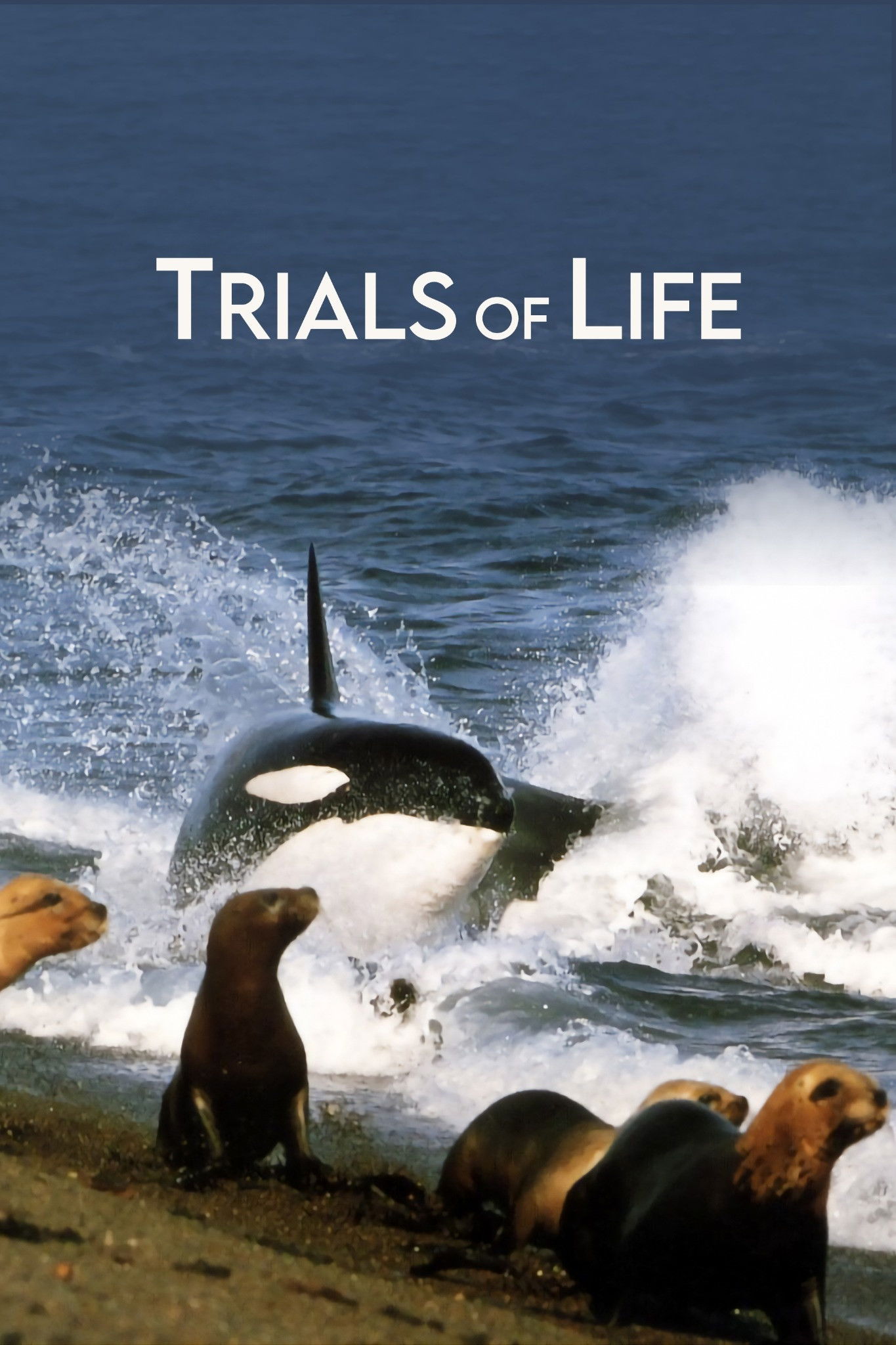
Each of the twelve 50-minute episodes features a different aspect of the journey through life, from birth to adulthood and continuation of the species through reproduction.
Motoring programme featuring reviews of and reports about cars of all types.
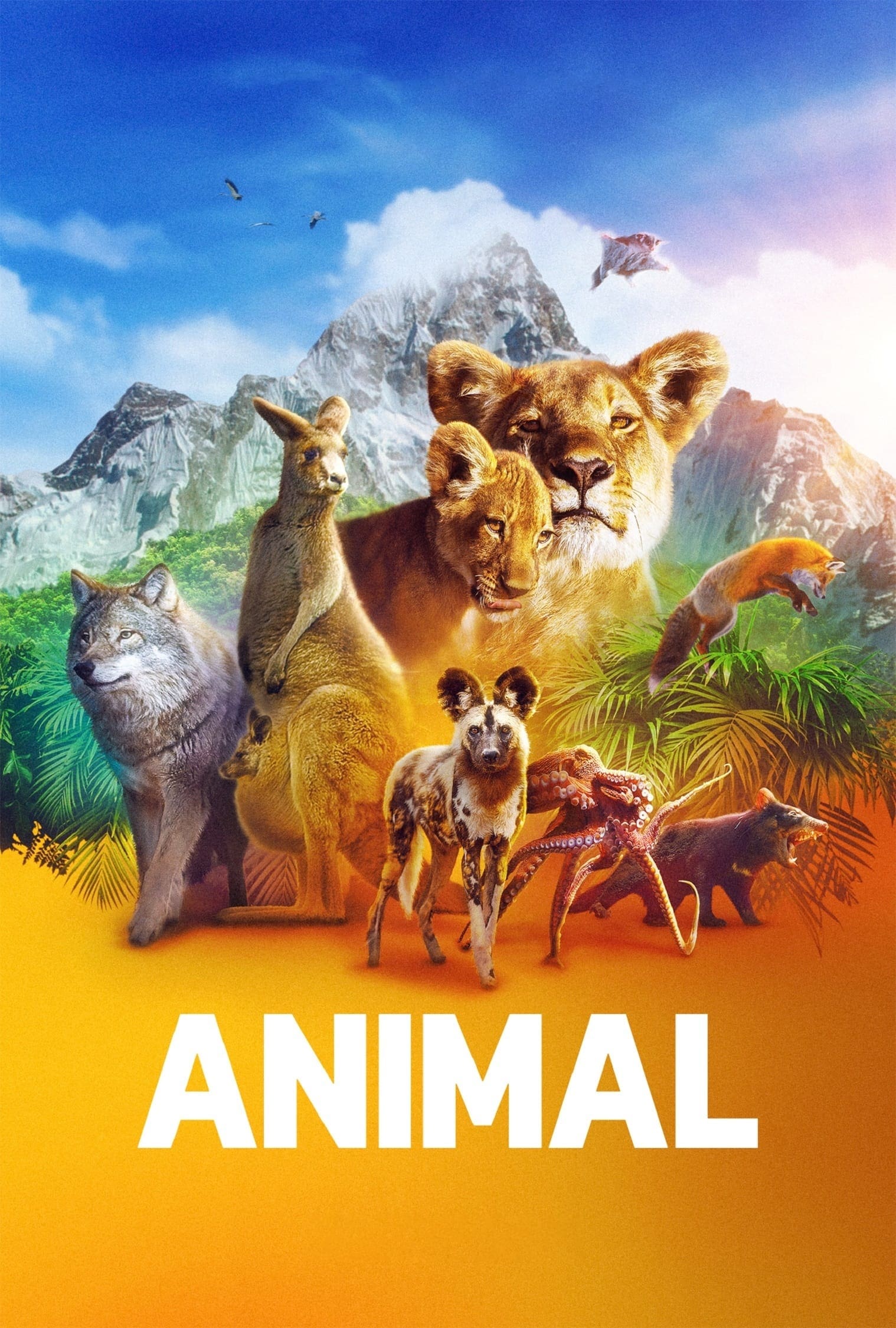
This immersive series follows the world's most magnificent creatures, capturing never-before-seen moments from the heartwarming to the outrageous.
A cinematic experience bringing you the most amazing human stories in the world. Humans and wildlife surviving in the most extreme environments on Earth.