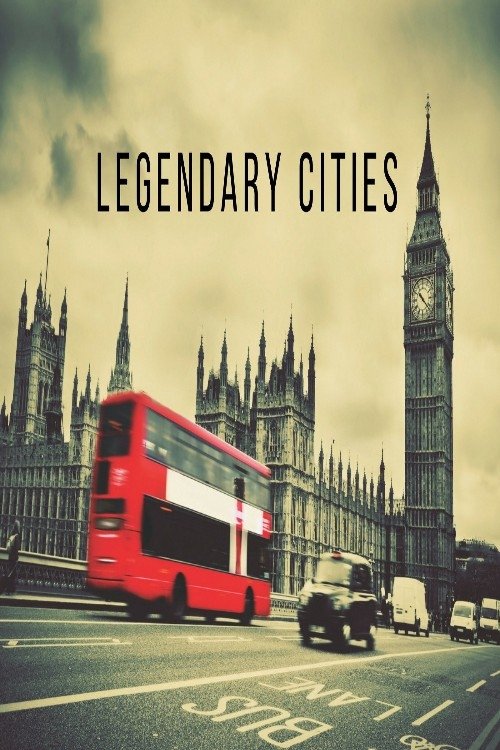
Embark in a journey through some of the most beautiful cities in the world in this documentary series. Each episode features a new city and explores the many things that make it the legendary place it is today.
Social & External
The people behind it
In the early 1940s, the war of resistance against Japan was in full swing, and it had reached a critical juncture. Crazy Japanese imperialism wreak havoc on the living power of the CCP's underground party and many revolutionary comrades sacrificed vigorously. Underground party member Xia Jia He was assigned by the organization to prepare to take the radio to Dalian. He was hunted and blocked by Japanese Police Officer Junji Aoki on the way. When there was nowhere to go, Xia actually met his first love, Wang Da Hua. Taking this as an opportunity, Da Hua and current husband Tang Quan Li were involved in this series of events. Da Hua Qing broke her family and wanted to save her husband, but could not change her husband's fate. Da Hua thus hated Xia Jia He, who had harmed her and lost her happy life, so she seized the radio station and did not return it to the other party.
An engaged couple travels the world for a year to explore marriage customs in diverse cultures. Will the journey bring them closer or tear them apart?
The six-episode series shows the authentic Tony behind the neurotic characters he plays — a passionate food lover who makes bread and breaks bread with local bakers, top chefs, home cooks and everyone in between.
Julia returns to the country of her birth as she travels through Ireland's stunning natural landscape and vibrant cities, exploring its rich culture and history
Set during the 18th century Napoleonic Wars, Horatio Hornblower, a young and shy midshipman, rises through the ranks to become an admiral.
An unprecedented look at the decade-long odyssey to land a man on the moon. This documentary pulls back the curtain on the familiar narrative of the moonshot, revealing a fascinating stew of scientific innovation, political calculation, media spectacle, visionary impulses and personal drama.
Intrepid adventurer Michael Palin takes a journey through the Himalayas.
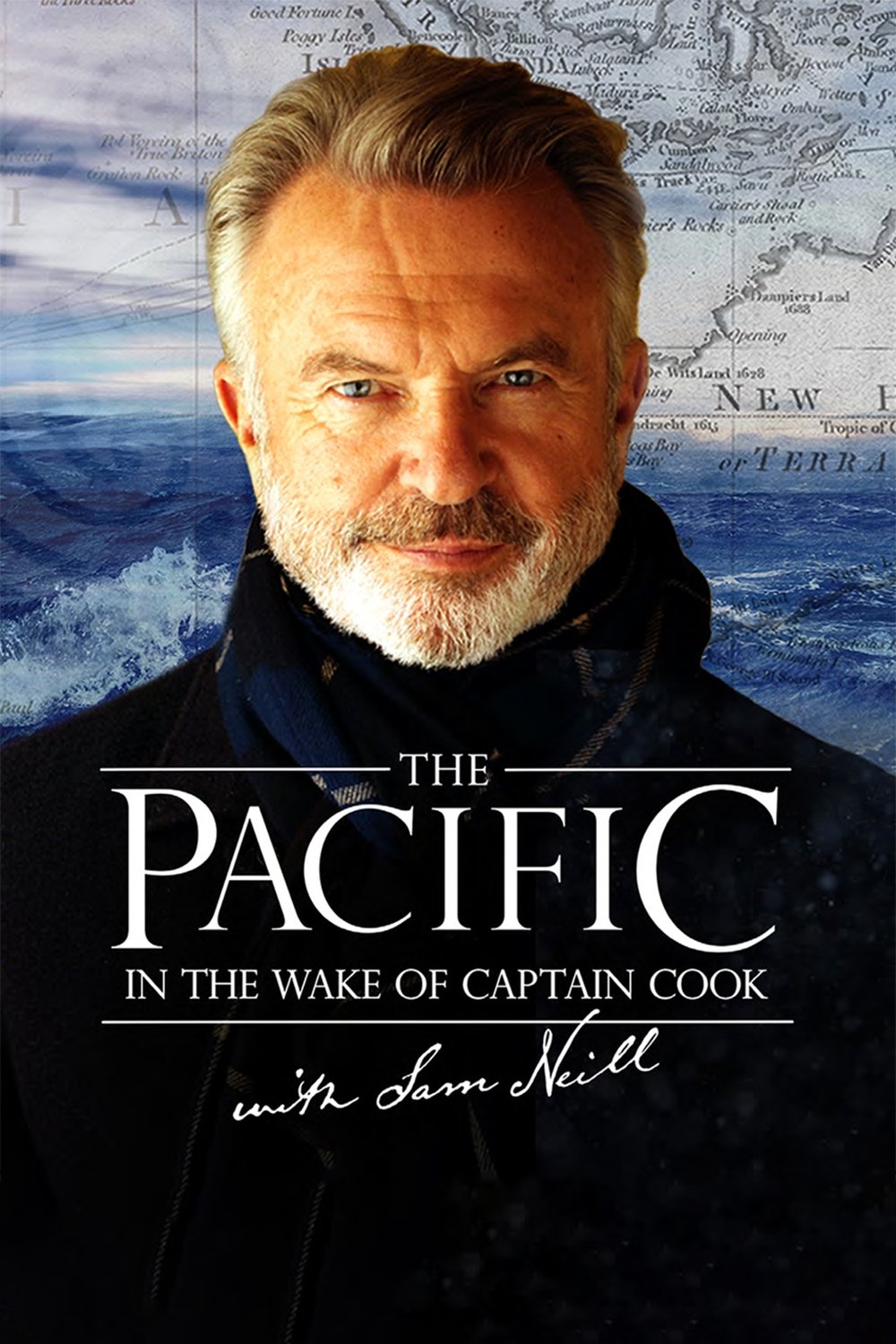
Michael Palin travels to 18 countries around the rim of the Pacific Ocean.
Michael Palin attempts to copy the exploits of fictional character Phileas Fogg, by trying to travel around the world (without flying) in 80 days.
Michael Palin undertakes an epic journey of 23,000 miles, traveling from the North to the South Pole across 17 countries with a minimum of air travel, all on a tight deadline.
In this four-part BBC documentary, former Monty Python funnyman and renowned globe-trotter Michael Palin sets off from Gibraltar to travel across the Sahara, his witty humor downplaying the hardships he faces along the arduous journey. He travels to Morocco, Mauritania, Mali and beyond, across some of the harshest terrain on the planet.
Leading chefs take host Fred Sirieix to experience the restaurants where they genuinely love to eat and explore what goes into making them so special.
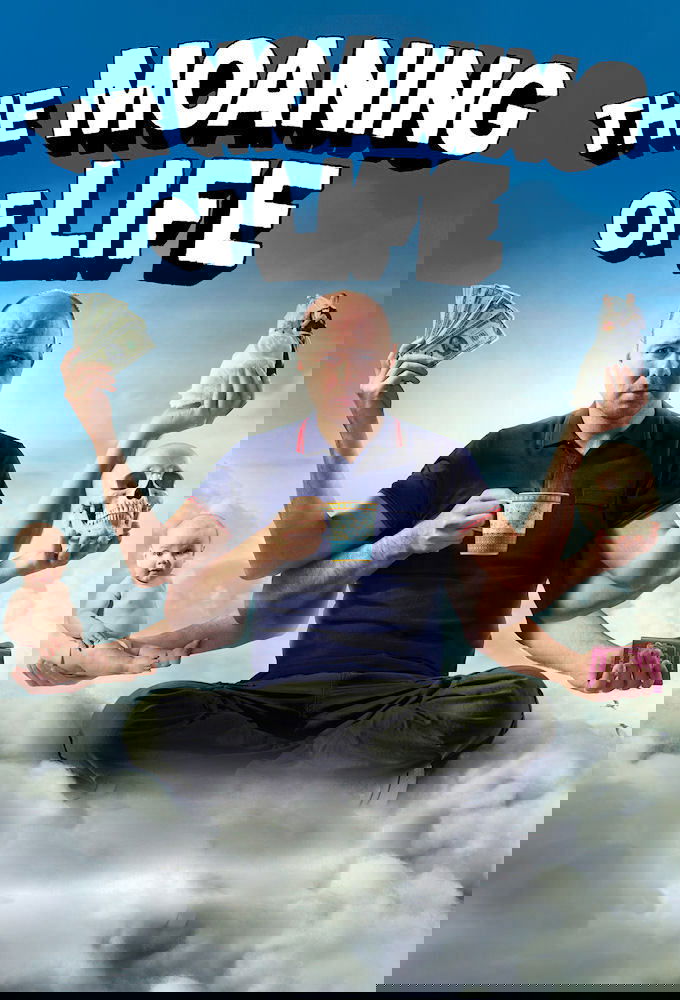
Now Karl’s turned 40 and has officially hit middle age, it’s time for him to re-assess his life. He’s not married, he doesn’t have kids, he’s got a job where he’s known as an ‘idiot’, and he’s known for being miserable. He’s classic ‘mid-life crisis’ material. As Karl attempts to put his life in order, he’ll be dispatched around the world on a crash course to find out how other cultures deal with life’s big questions. The ups and downs of Karl’s experiences will be contrasted against the beautiful geography of the countries he visits, captured on HD with stunning aerial photography.
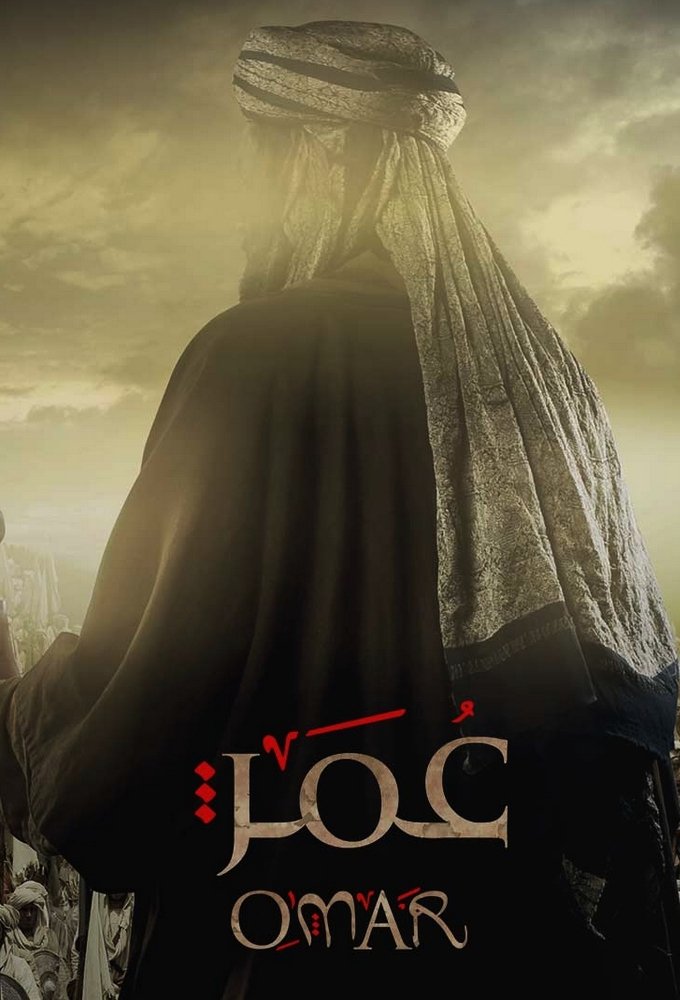
A historical saga about the second caliph and Commander of the Faithful Omar Bin Al-Khattab and his pivotal role in the Islamic State.
Follow Gordon Ramsay as he meets with indigenous people around the globe to learn about the cultures, dishes and flavors unique to each location. Each episode concludes with Ramsay challenging himself with a local food legend by his side - putting his newfound skills to the test as they cook a feast together for the natives.
Ancient Māori heroes of yesteryear, re-discovered, re-examined and re-imagined.
Woodstock 1969 promised peace and music, but its '99 revival delivered days of rage, riots and real harm. Why did it go so horribly wrong?
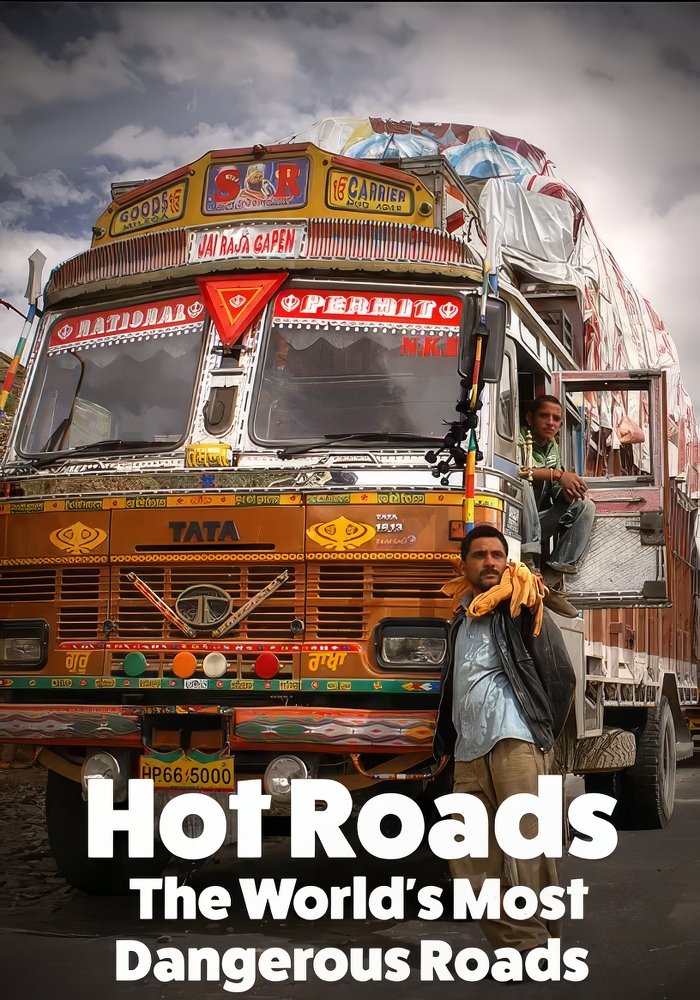
A risky expedition along thoroughfares that harbor mortal danger for those who use them or live on them. They run through deserts, ice, and snow, deep in the jungle, along water, and over mountains: the world's most dangerous roads, truly "hot roads." Many have died along these roads.
Presenter Rob Bell takes us on a voyage around Britain and Ireland to reveal the hidden secrets that make offshore lighthouses such extraordinary feats of engineering.
A British genealogy documentary series in which celebrities trace their ancestry, discovering secrets and surprises from their past.
Antiques Roadshow is a British television show in which antiques appraisers travel to various regions of the United Kingdom to appraise antiques brought in by local people. It has been running since 1979. There are also international versions of the programme.
A documentary on the American Civil War narrated by Ken Burns, covering the secession of the Confederacy to the assassination of Abraham Lincoln.
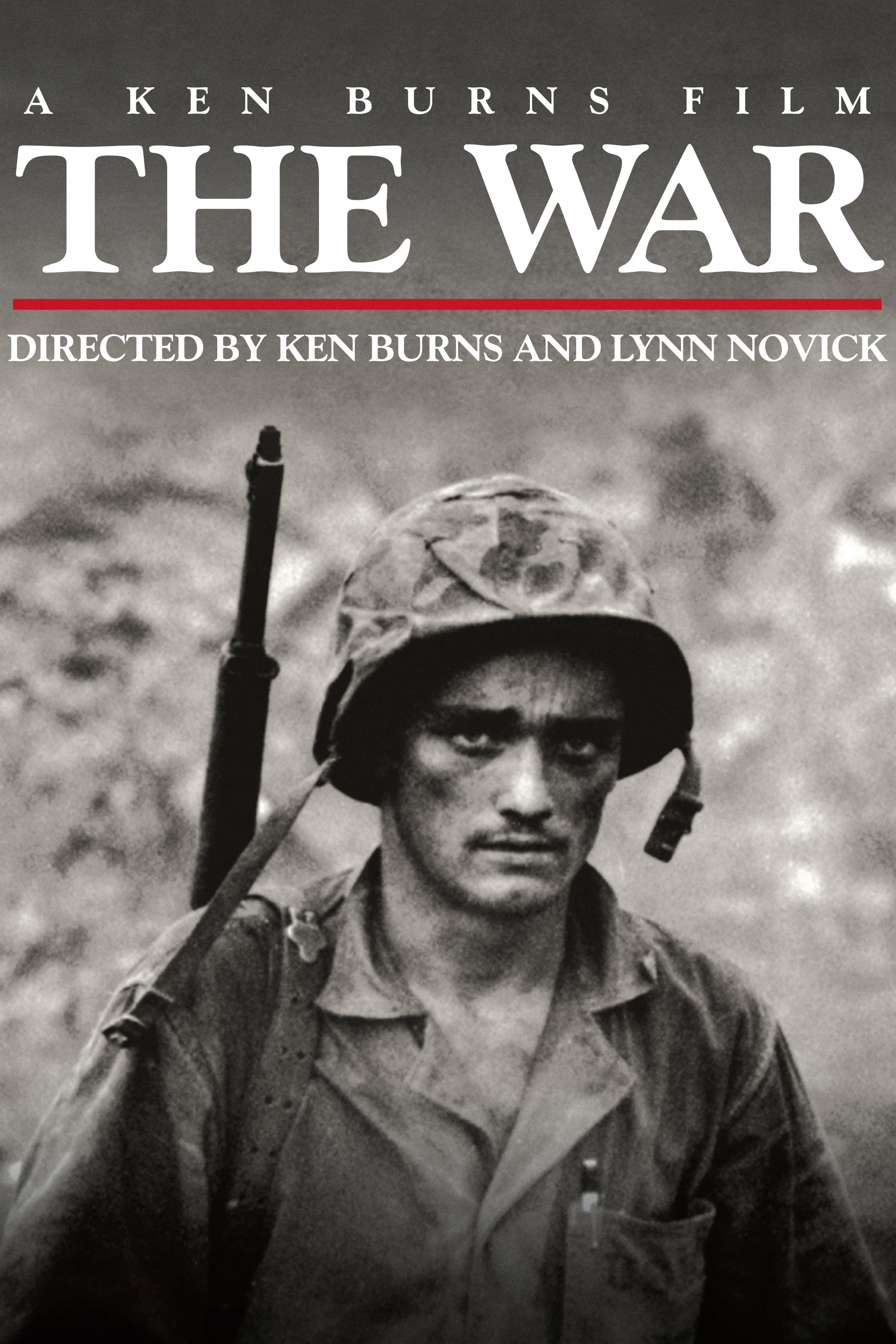
The story of the Second World War through the personal accounts of a handful of men and women from four American towns. The war touched the lives of every family on every street in every town in America and demonstrated that in extraordinary times, there are no ordinary lives.
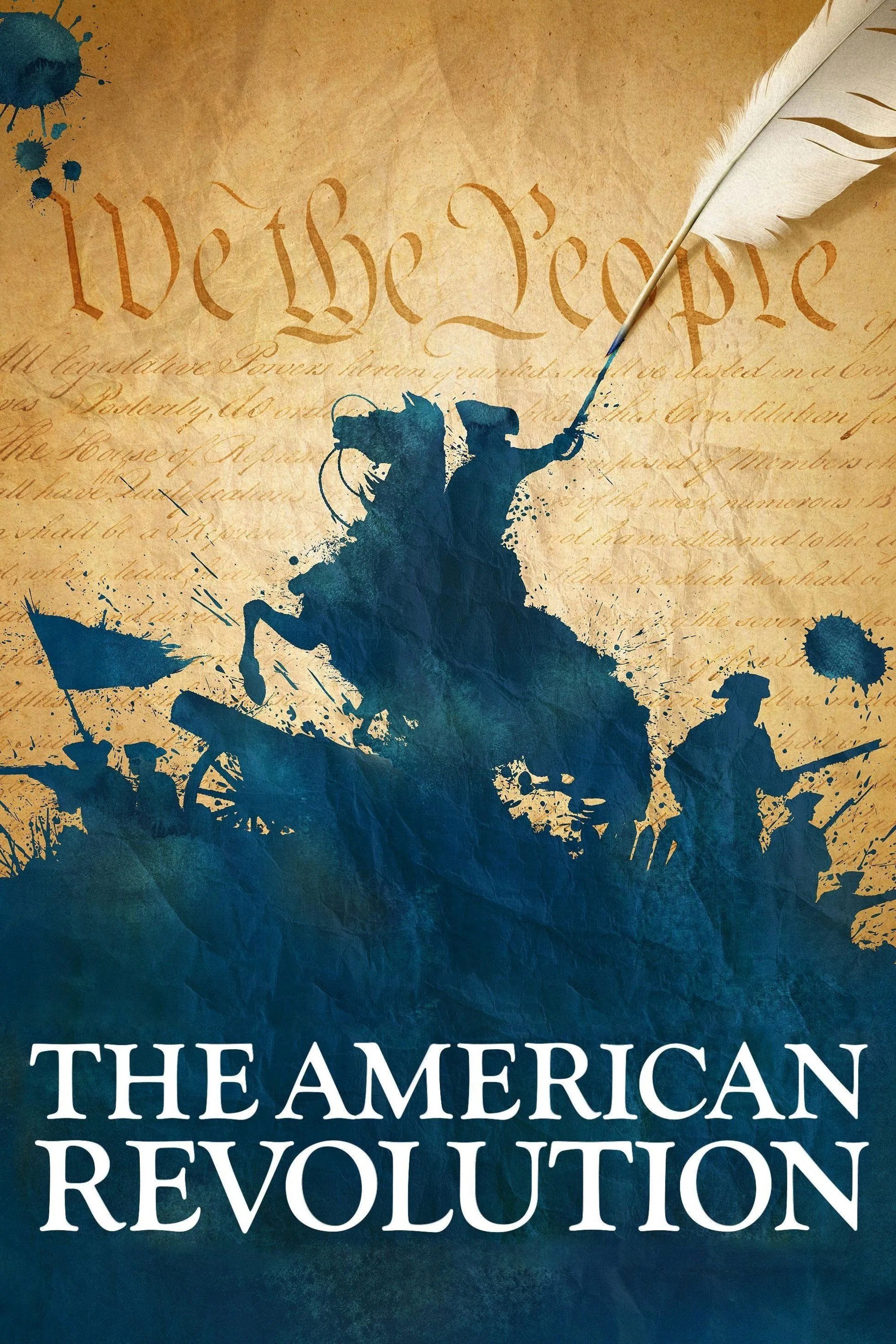
The American Revolution was at once a war for independence, a war of conquest, a civil war, and a world war, fought by neighbors on American farms and between global powers an ocean or more away. It impacted millions from Vermont’s Green Mountains to the swamps of South Carolina, from Indian Country to the Iberian Peninsula. In defeating the British Empire and giving birth to a new nation, the American Revolution turned the world upside-down. Thirteen colonies on the Atlantic Coast united in rebellion, won their independence, and established a republic that still endures. The American Revolution will present the story of the men and women of the Revolutionary generation, their humanity in victory and defeat, and the crisis that they lived through.
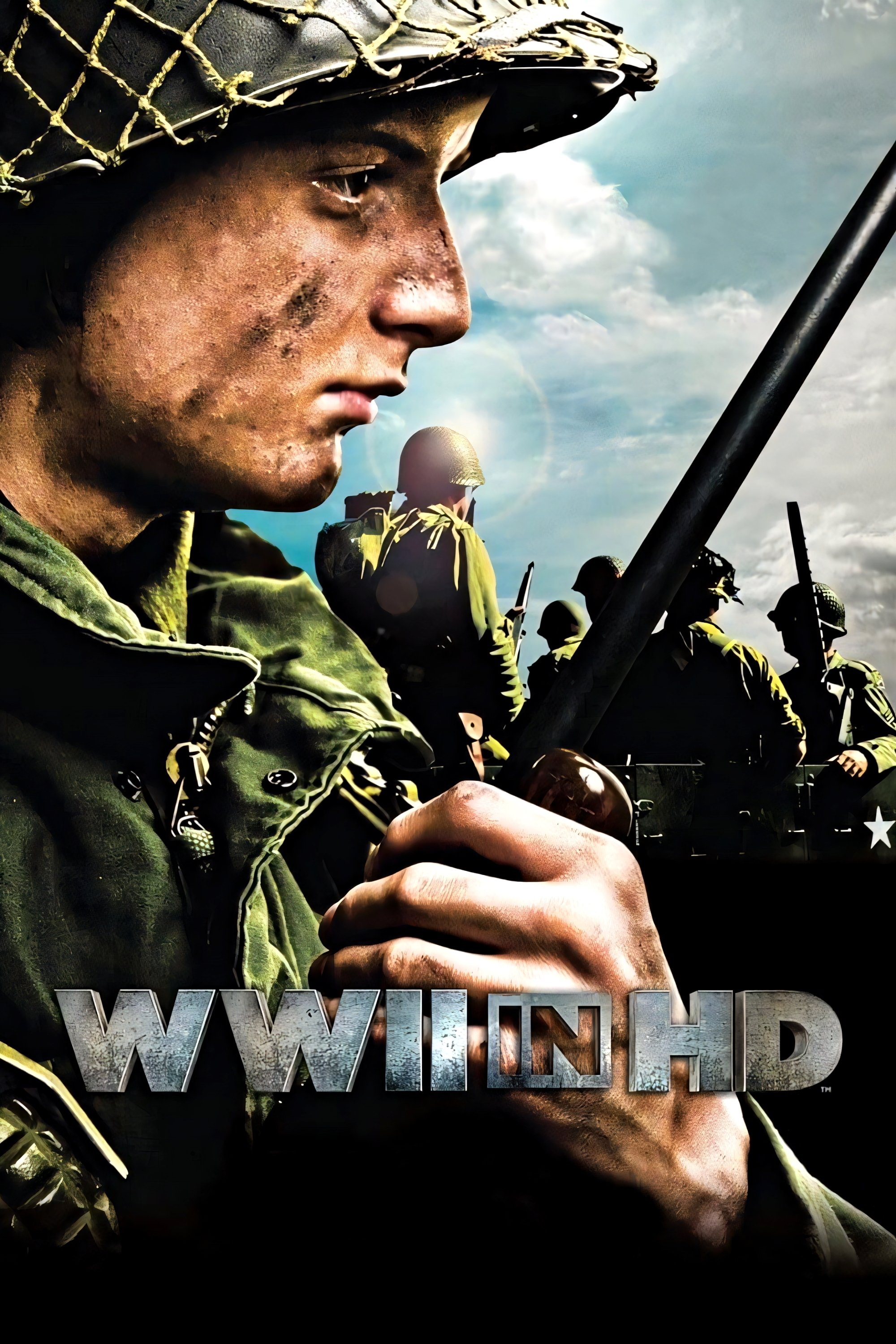
WWII in HD is a 10-part American documentary television miniseries that originally aired from November 15 to November 19, 2009 on the History Channel. The program focuses on the firsthand experiences of twelve American service members during World War II, including an Army nurse, a member of the Tuskegee Airmen, a second generation Japanese American and prisoner of war, and an Austrian Jewish immigrant. The twelve members recorded their time in both theaters and some had later interviews; found footage from the battlefield was paired with the stories of the twelve service members. The episodes premiered on five consecutive days, with two episodes per day. The series is narrated by Gary Sinise and was produced by Lou Reda Productions in Easton, Pennsylvania, United States.
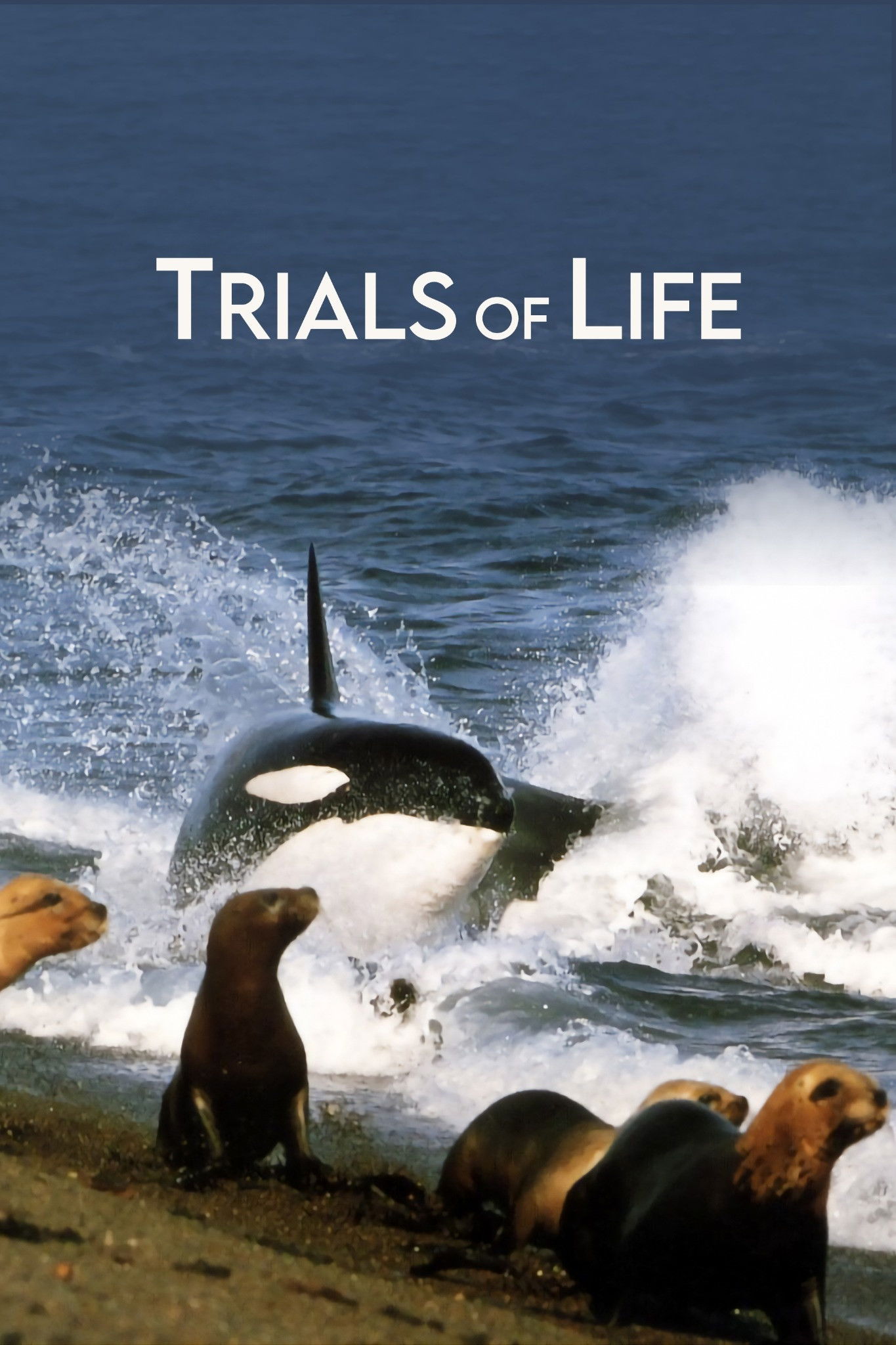
Each of the twelve 50-minute episodes features a different aspect of the journey through life, from birth to adulthood and continuation of the species through reproduction.
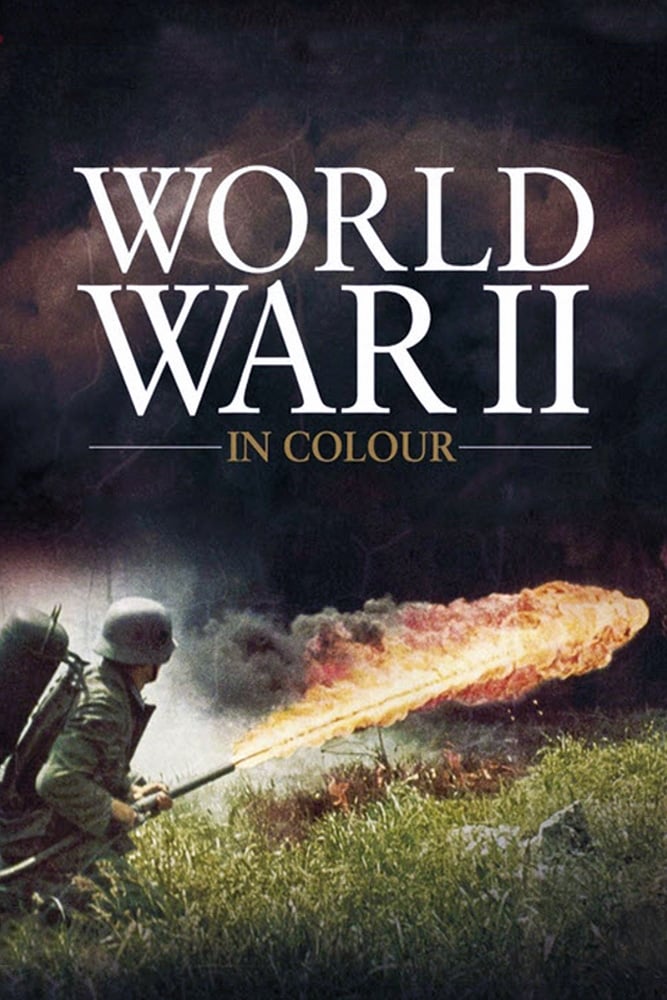
World War II In Colour is a 13-episode television documentary miniseries recounting the events of World War II narrated by Robert Powell. The show covers the Western Front, Eastern Front, and the Pacific War. It is on syndication in America on the Military Channel. This series is in full color, combining both original and colorized footage.
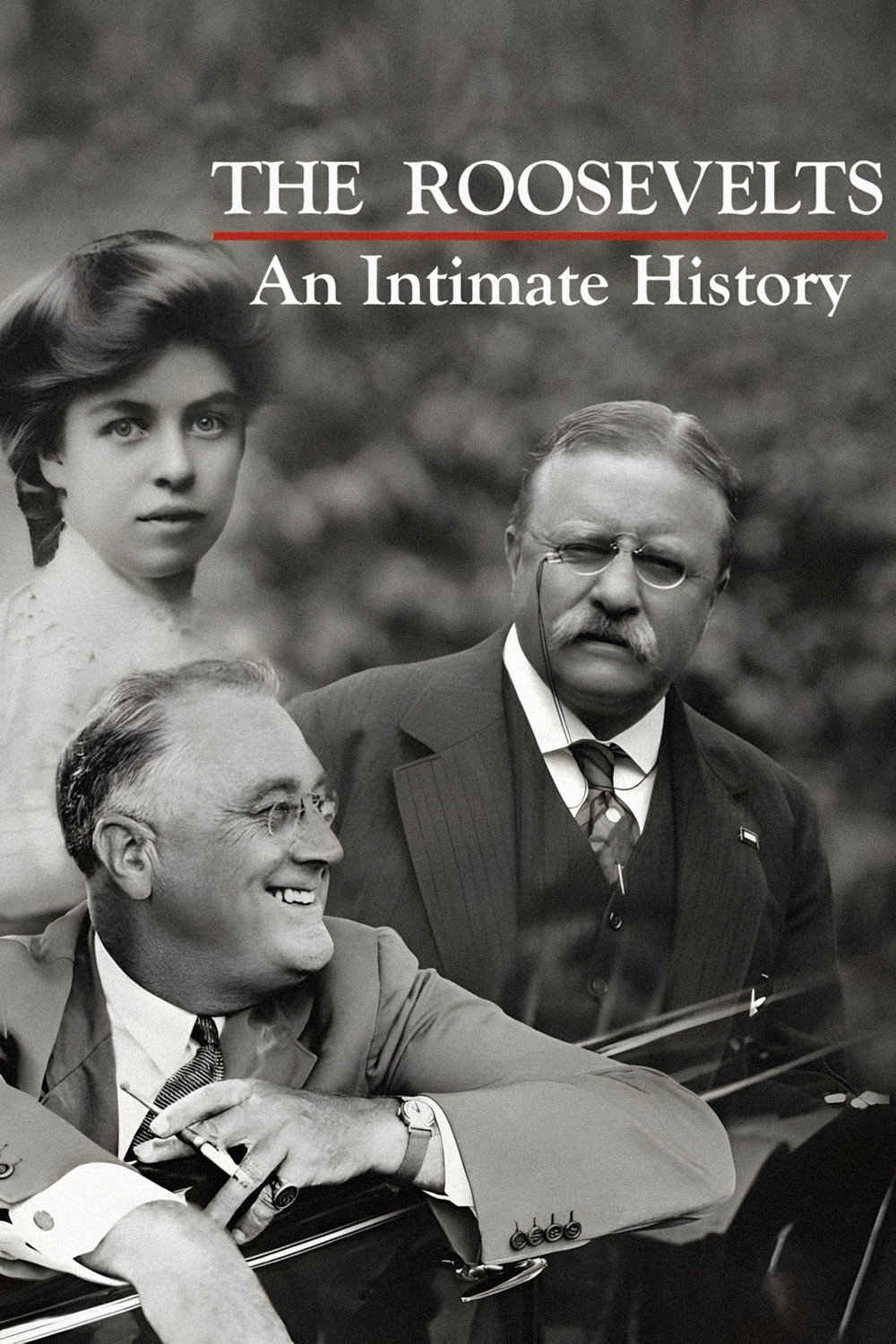
Chronicles the lives of Theodore, Franklin and Eleanor Roosevelt, three members of the most prominent and influential family in American politics. It is the first time in a major documentary television series that their individual stories have been interwoven into a single narrative. This seven-part, fourteen hour film follows the Roosevelts for more than a century, from Theodore’s birth in 1858 to Eleanor’s death in 1962.
A documentary series that gives a historical account of the events of World War II, from its roots in the 1920s to the aftermath and the lives it profoundly influenced.
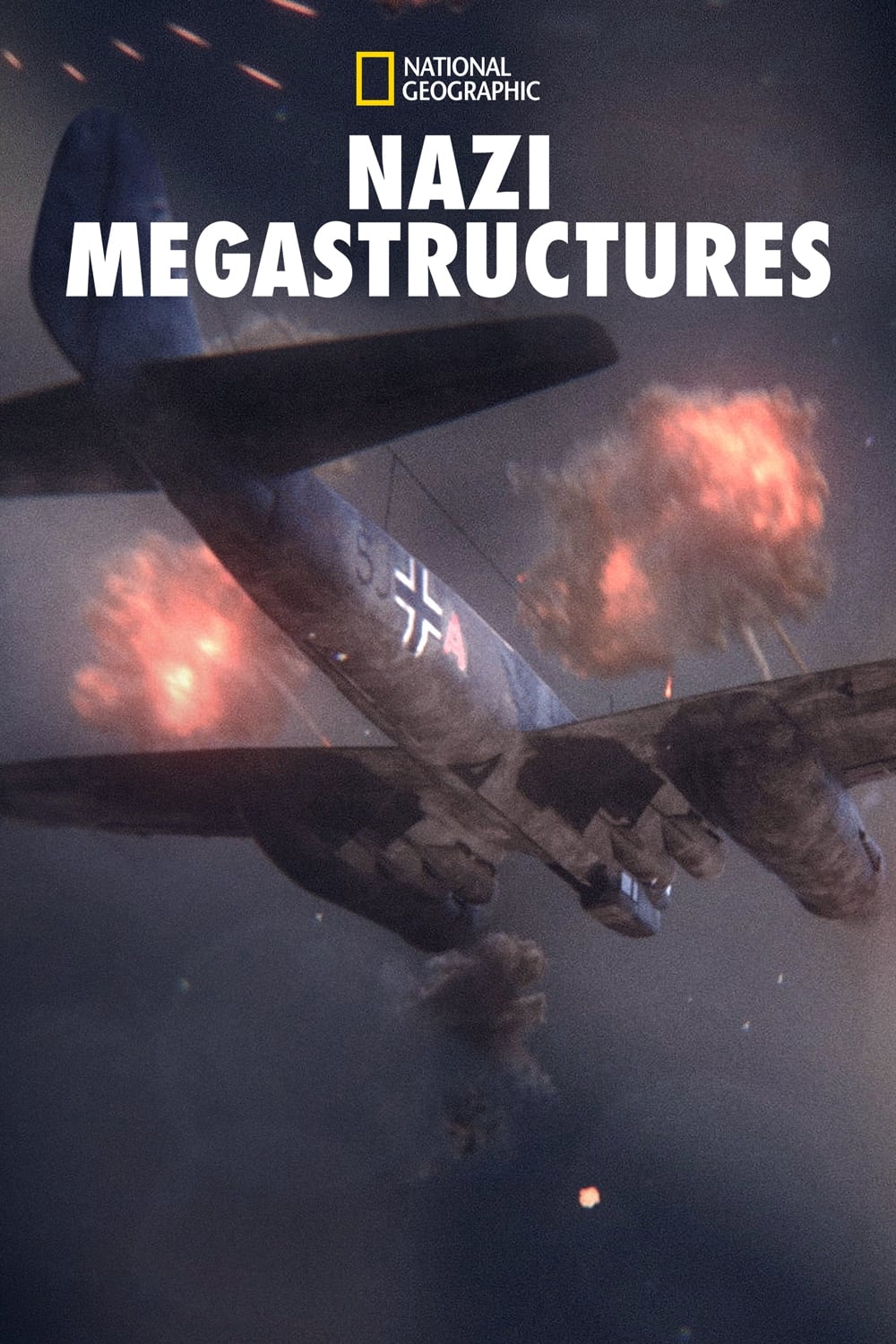
In a quest for world domination, the Nazis built some of the biggest and deadliest pieces of military hardware and malevolent technology in history. This is the stories of the engineers who designed them and how these structures sparked a technological revolution that changed warfare forever.