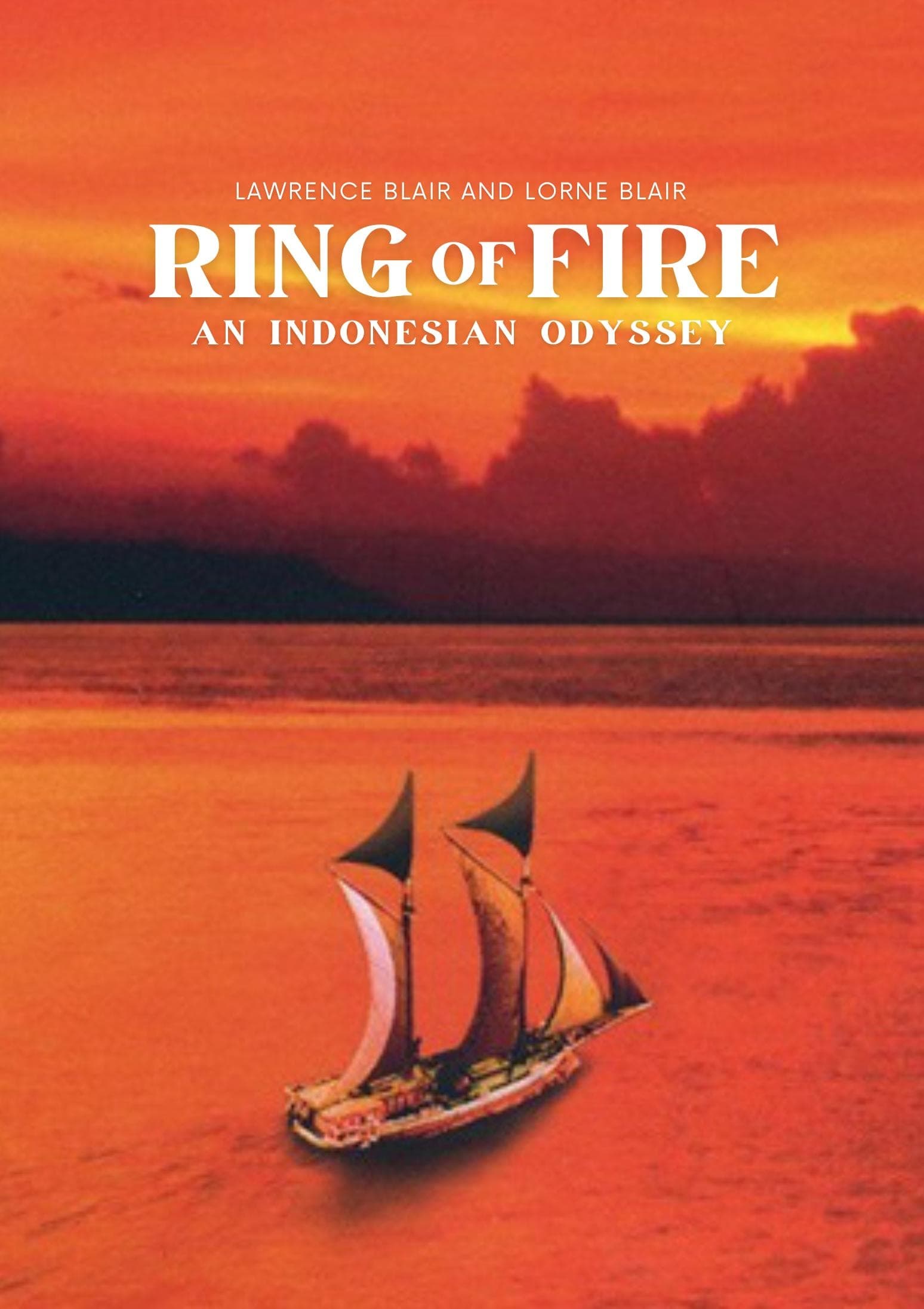
The Ring of Fire: An Indonesian Odyssey is a series of five documentary films following the decade-long Wanderjahr of the filmmaker/sibling partnership Lorne and Lawrence Blair.
Social & External
Lawrence Blair
Lorne Blair
A rare glimpse of Asia’s most treasured landmarks, all seen from breath-taking heights. From busy cityscapes to natural wonders, this four-part series shot in stunning 4K captures the history and culture of this extraordinary continent and reveals a spectacular view of Asia that has never been seen before.
A five-part series that features the latest research exploring how early humans evolved. See how the mixing of prehistoric human genes led the way for our species to survive and thrive around the globe. Archaeology, genetics and anthropology cast new light on 200,000 years of history, detailing how early humans became dominant.
This six-part series follows the adventures of a gibbon expert battling to save Borneo’s threatened wildlife and using a very special radio station to do it. Chanee Brule is a young French zookeeper who has been fascinated by gibbons since childhood. Ten years ago he headed the call of the wild and left France for Indonesia. Determined to save Borneo’s gibbons – the magical singing apes of the forest – from extinction, he is responsible for the biggest gibbon rescue and rehabilitation program in Indonesia. His efforts are boosted by his role as lead DJ on Kalimantan’s most popular radio stations nicknamed “Radio Gibbon”. If that wasn’t enough, he’s in the process of building a new television studio – Gibbon MTV – where wild music and wildlife will collide.
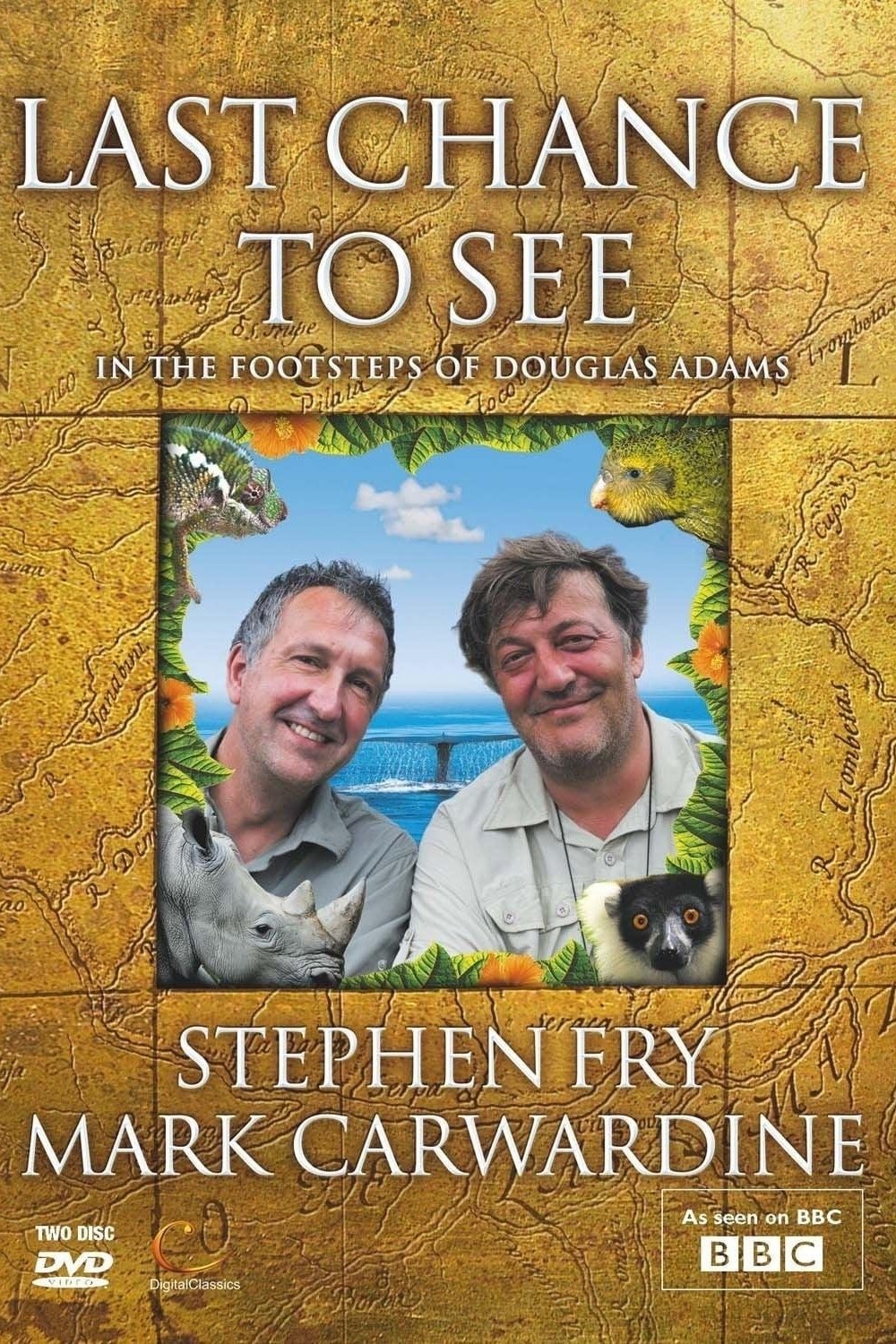
A follow-up to the 1990 Radio 4 series in which the late Douglas Adams and Mark Carwardine travelled around the world in search of endangered species. 20 years later Stephen Fry and Mark Carwardine go back to see what has become of the animals in two decades, and to discover what has affected their fortunes.
An international team of scientists, cavers and wildlife filmmakers venture deep into the heart of the remote tropical island of New Guinea.
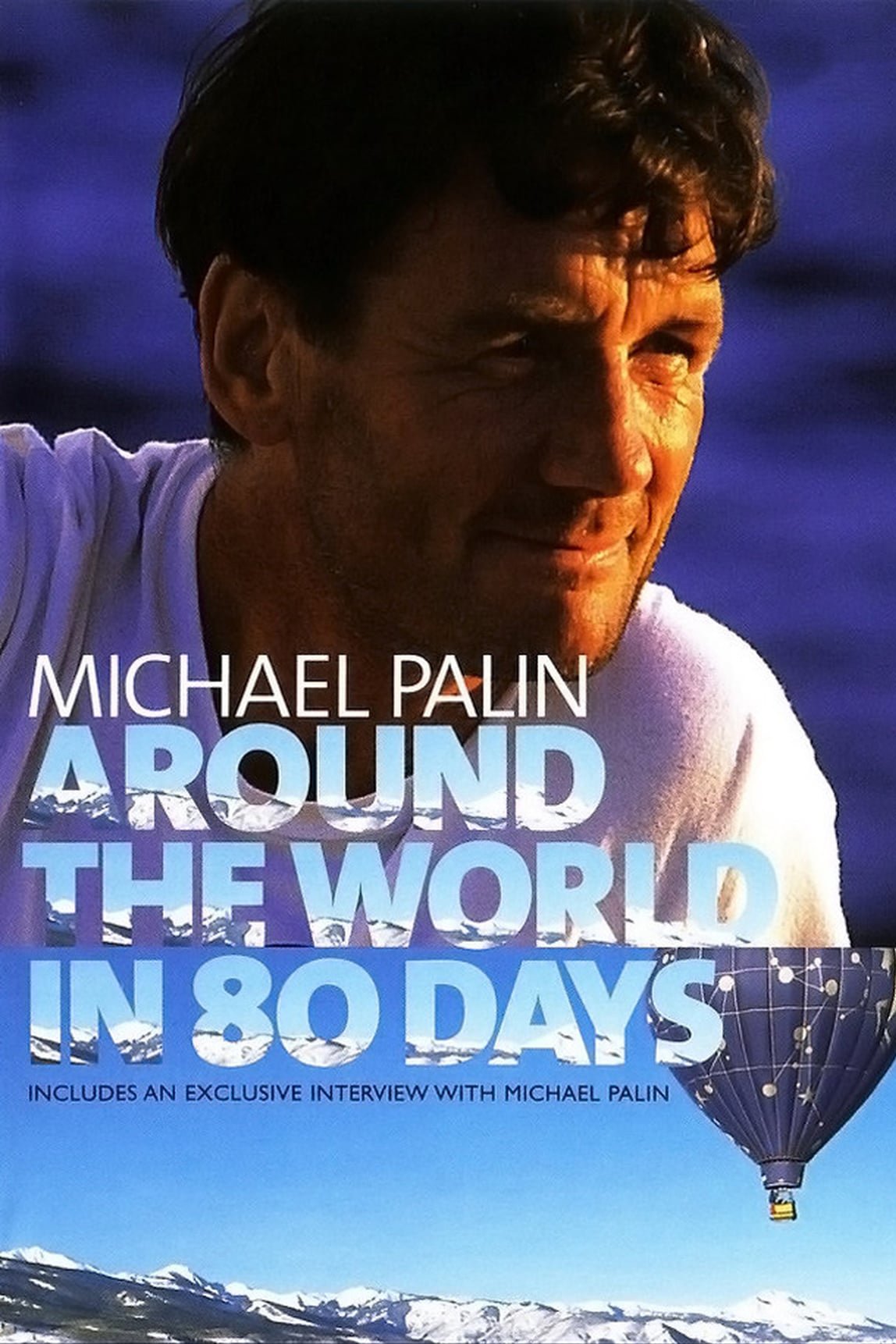
Michael Palin attempts to copy the exploits of fictional character Phileas Fogg, by trying to travel around the world (without flying) in 80 days.
Documentary series about famous anthropologists.
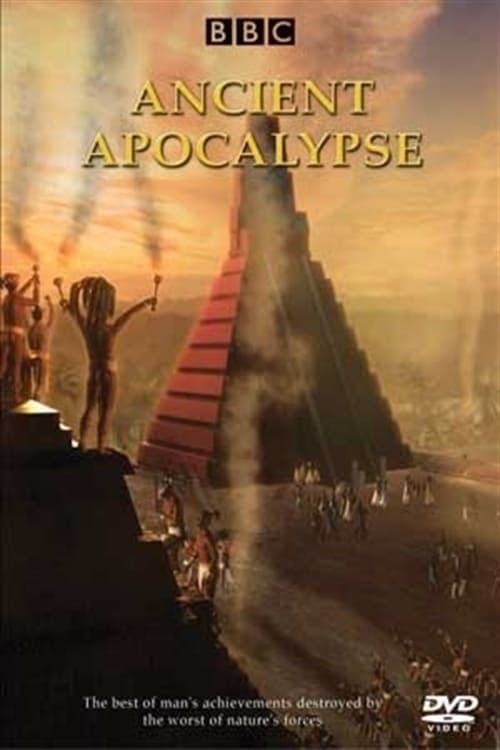
Throughout the ages, civilisations have risen up and then disappeared. Ancient Apocalypse seeks to explain how human achievements were destroyed by the forces of nature.
Malcolm Jamieson travels through Scotland's most breathtaking landscapes as he uncovers the spectacular North Coast 500.
Intrepid traveller and adventurer Benedict Allen journeys across the globe to examine the mysterious world of witch doctors, medicine men, and shamans.
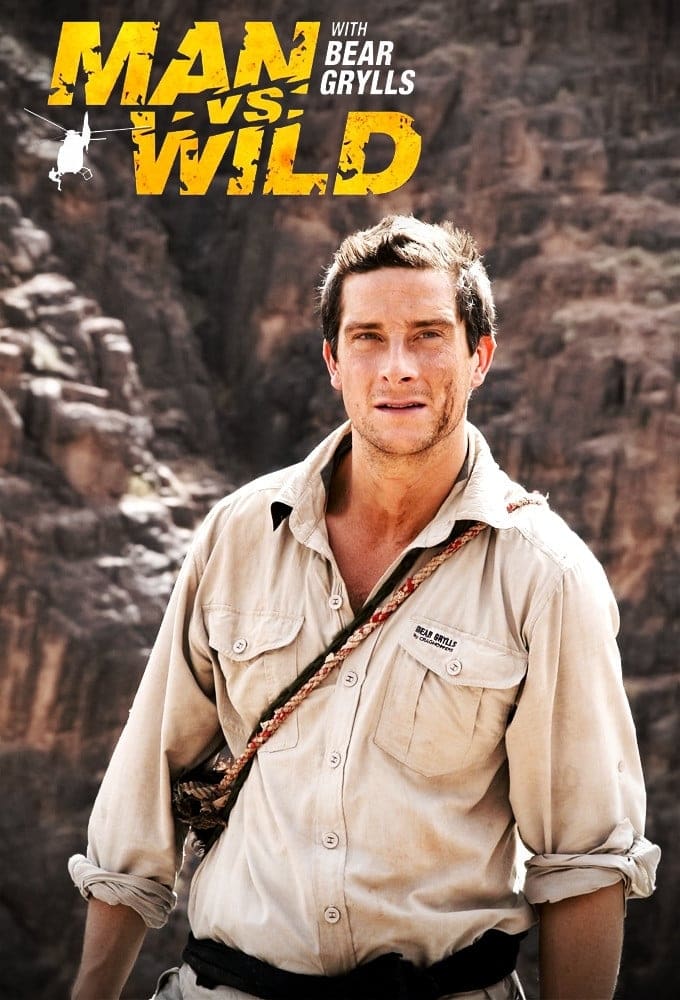
Adventurer Bear Grylls heads out on an epic journey of discovery across England, Scotland and Wales to experience the British Isles at their most spectacular.
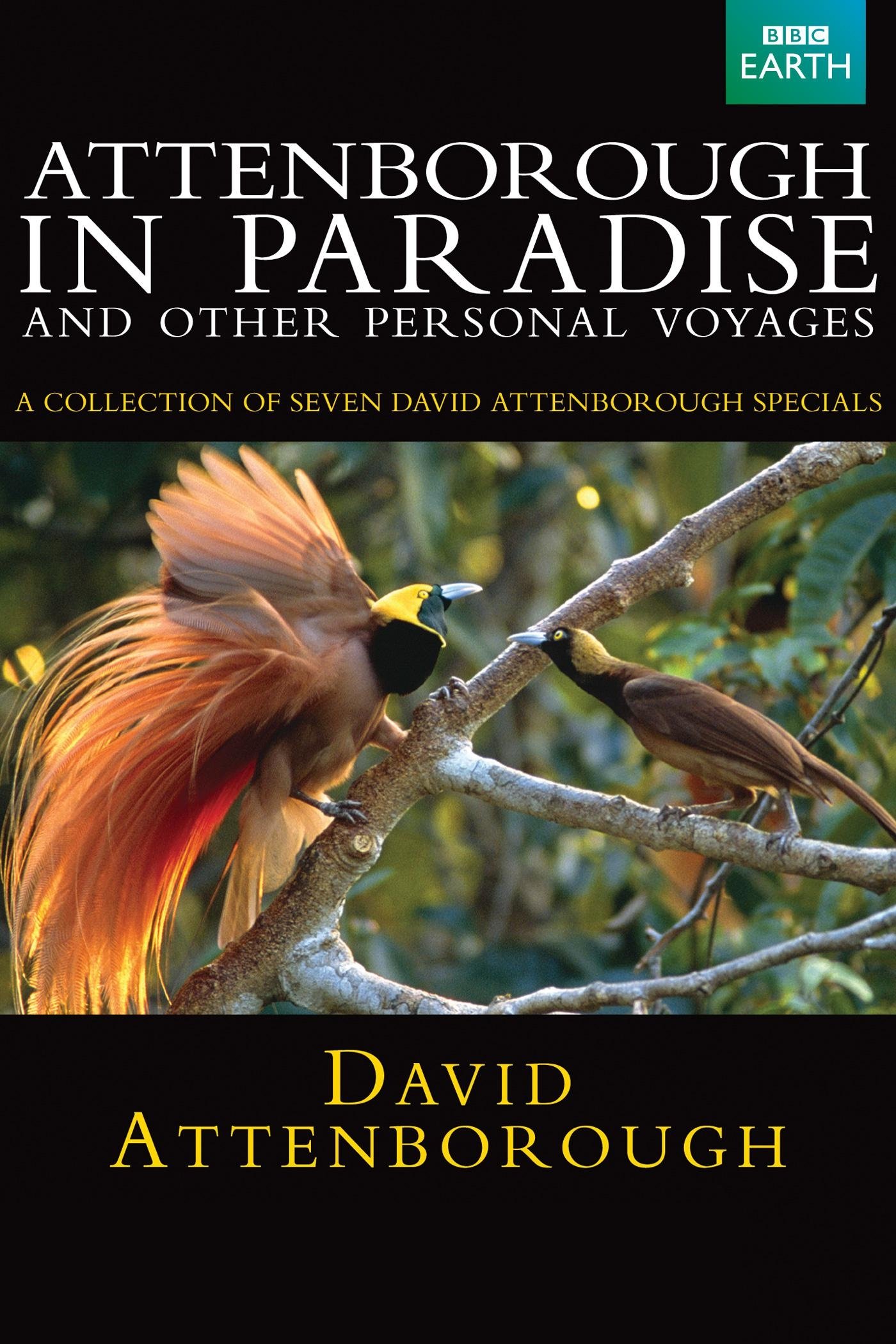
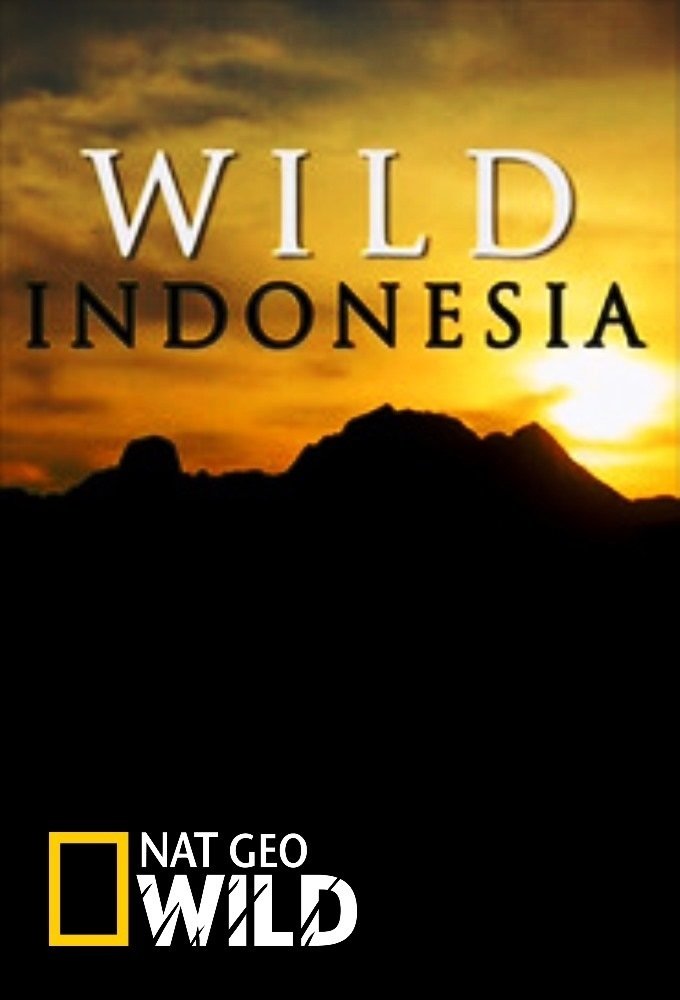
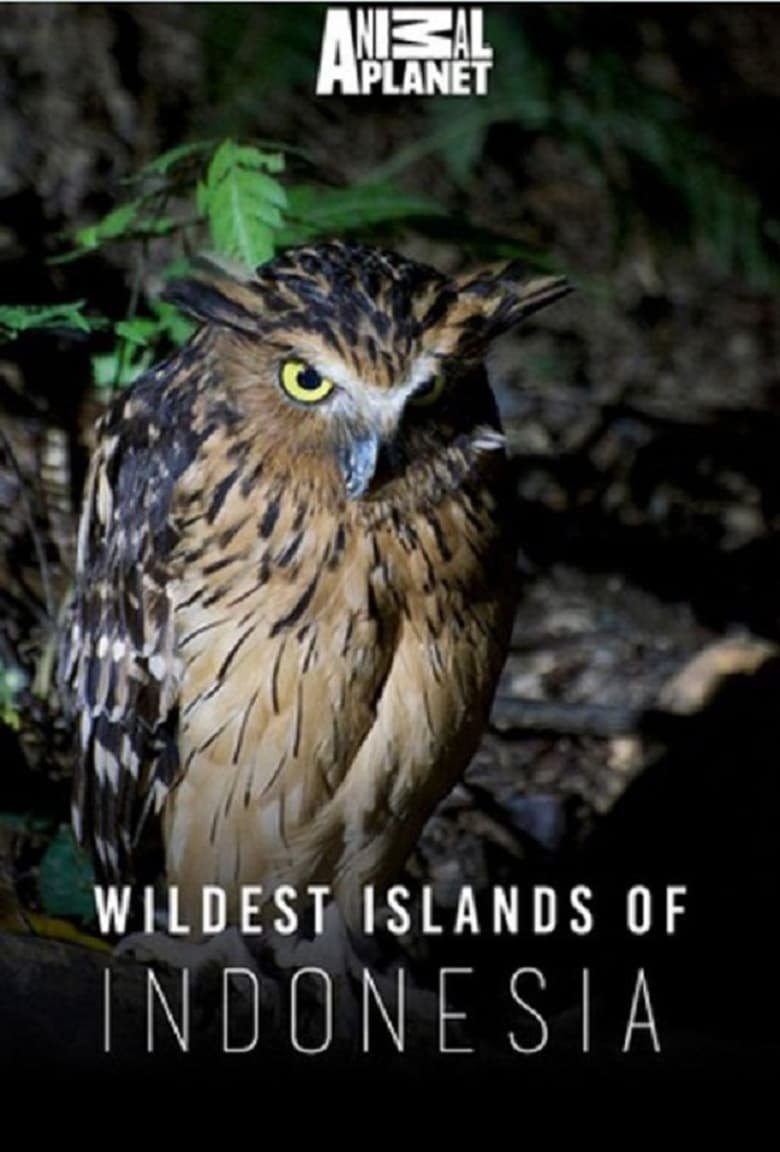
The islands of Indonesia remain a wild paradise. This series explores the incredible wildlife of this extraordinary environment and reveals the remarkable ways in which life has been created, adapted, and reborn over millions of years.
Ever wanted to quit your job and go travelling round the world? Well James and Karl did and filmed it all. The backpacking documentary follows James and Karl as they travel through 20 countries in 4 continents over 9 months, covering a distance of over 42,000 miles.
Paleoanthropologist Ella Al-Shamahi reveals humanity's incredible story across 300,000 years of human evolution – and how the story is stranger and more surprising than ever imagined.
In 1979, three young women were killed in a streak of brutal murders in Fall River, MA, allegedly by a satanic cult practicing human sacrifice. Twenty years later, new evidence has surfaced and shed light on murders that were thought to have been solved.
A journey into our evolutionary past, piecing together the bodies of our prehistoric family.
There are seven billion humans on Earth, spread across the whole planet. Scientific evidence suggests that most of us can trace our origins to one tiny group of people who left Africa around 70,000 years ago. In this five-part series, Dr Alice Roberts follows the archaeological and genetic footprints of our ancient ancestors to find out how their journeys transformed our species into the humans we are today, and how Homo Sapiens came to dominate the planet.