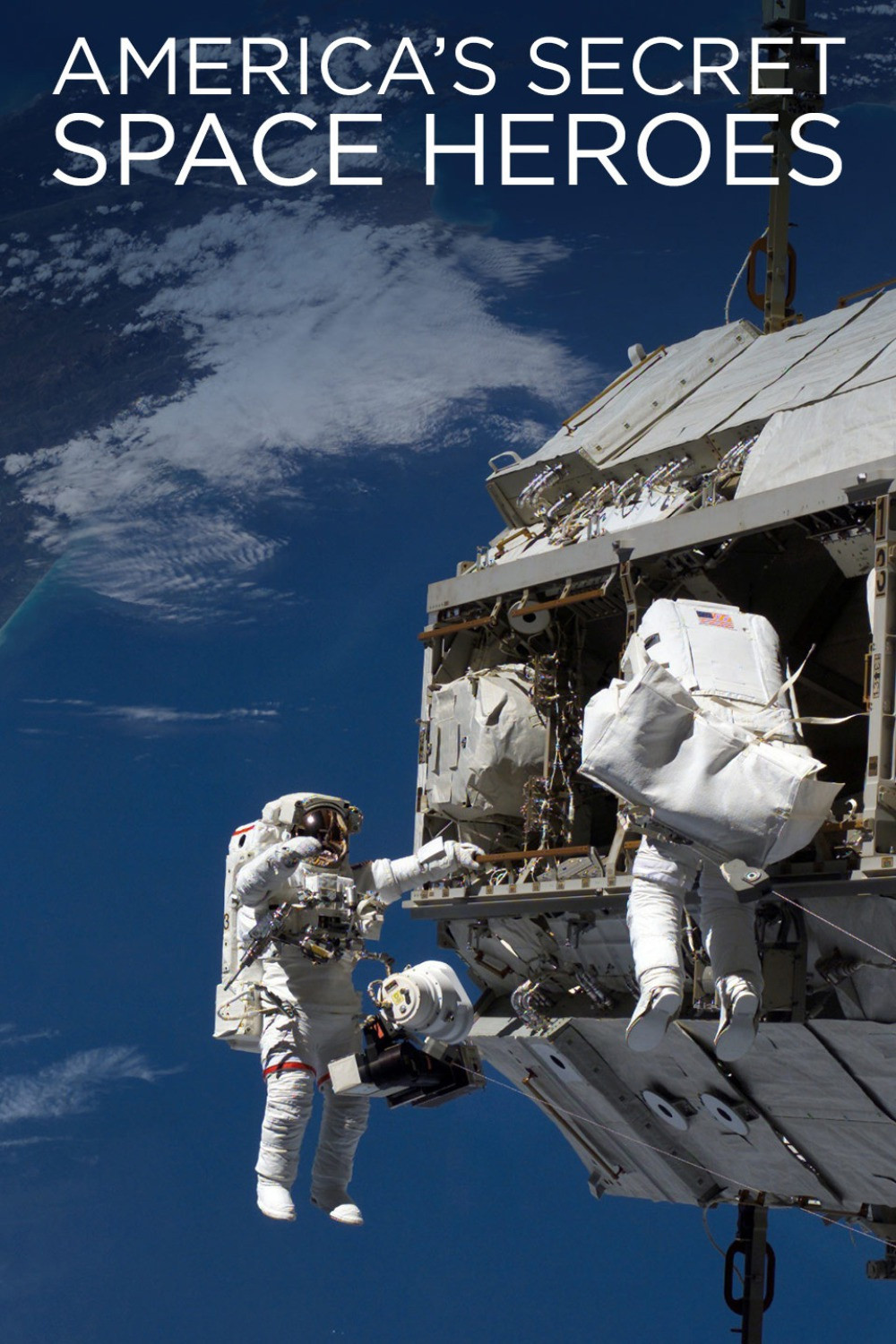
This 4-part documentary miniseries covers the history of manned and unmanned space-flight, from the late 1800s through the mid-1980s.
Social & External
The people behind it
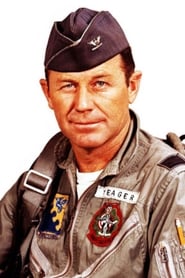
Chuck Yeager
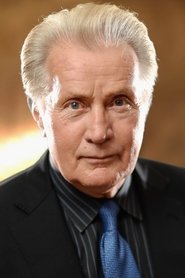
Martin Sheen
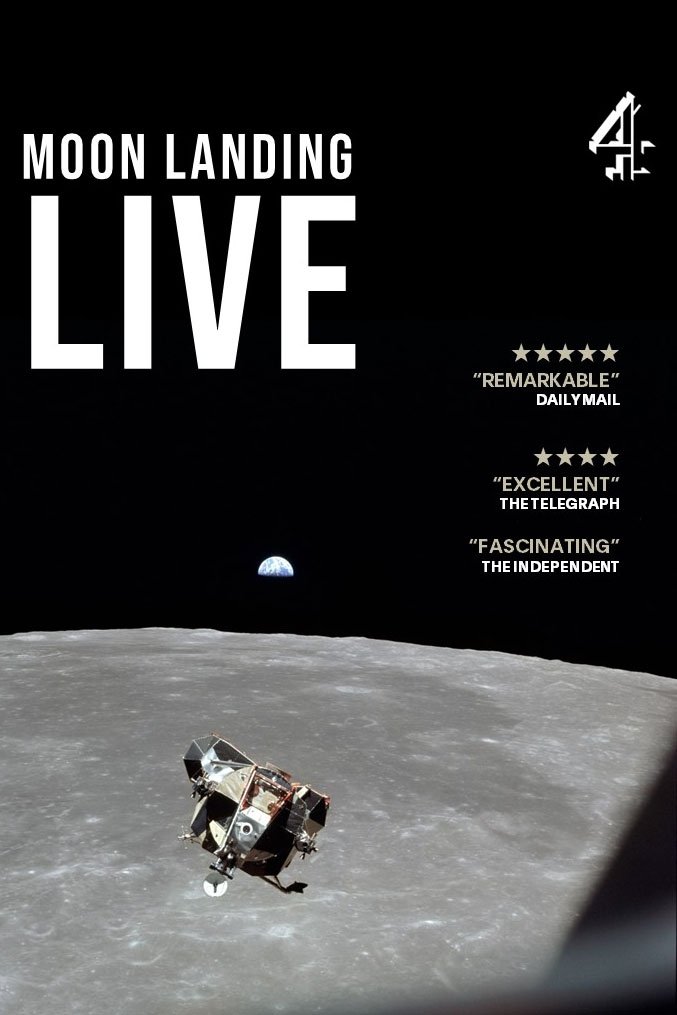
For the 50th anniversary of the Apollo 11 mission, two immersive documentaries gave viewers the chance to re-live this awe-inspiring event as it unfolds in real time, with incredible cinematic NASA footage and global news archive. Episode One relives the drama of the launch, while Episode Two focuses on the landing, as the world followed the nail-biting moments leading up to the first ever boot print of Man on the Moon.
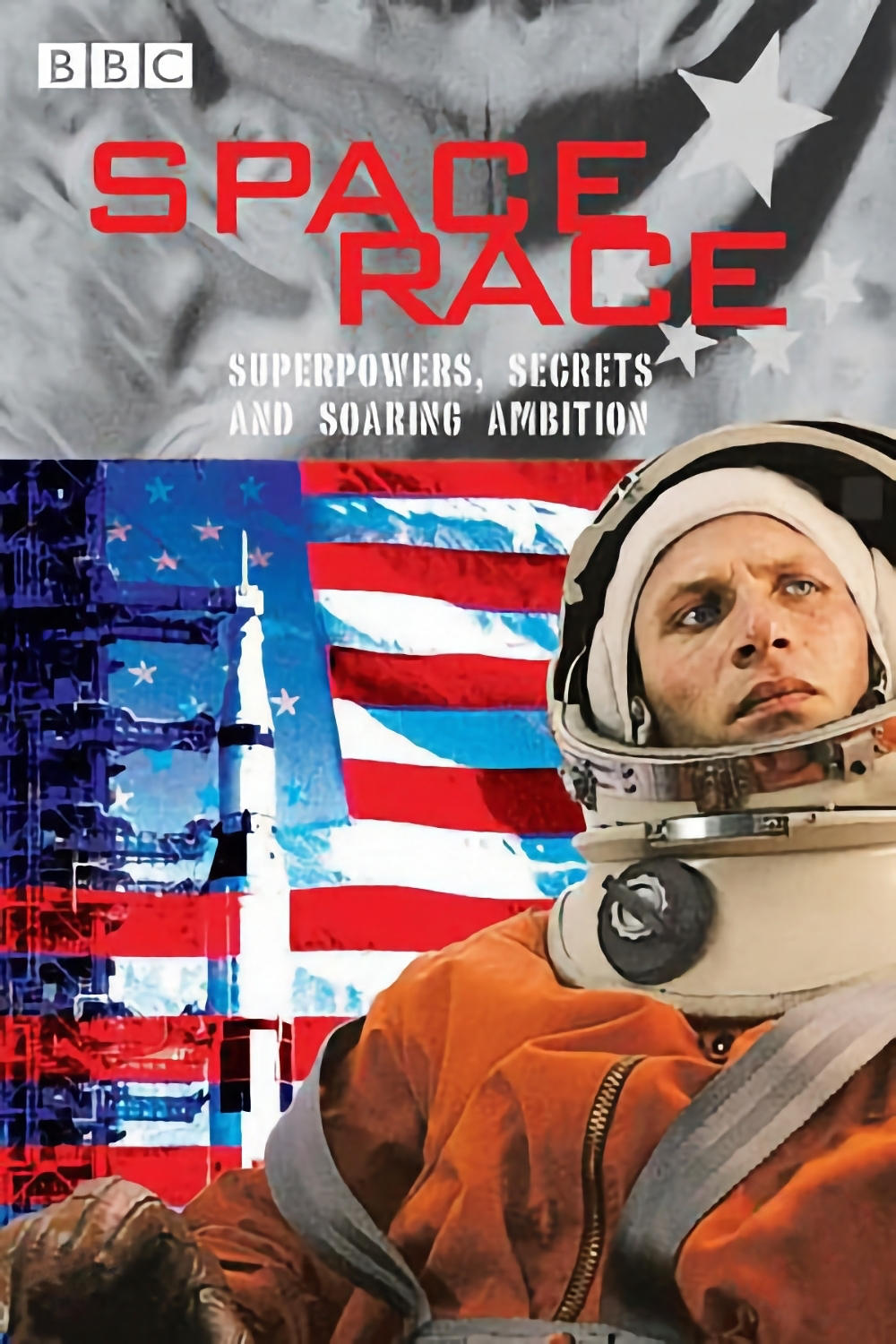
The untold true story behind the Cold War race to put man into space.
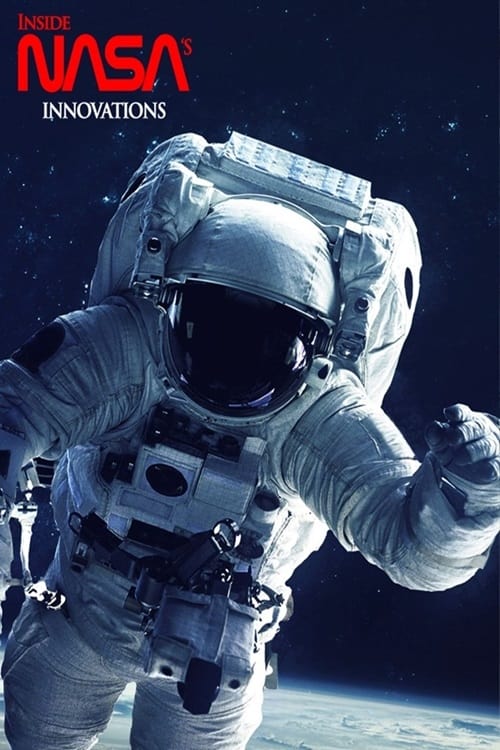
Inside NASA's Innovations takes you behind the scenes with one of the world's leading technology innovators. Find out what it takes to collaborate with NASA in developing the next breakthrough in space exploration.
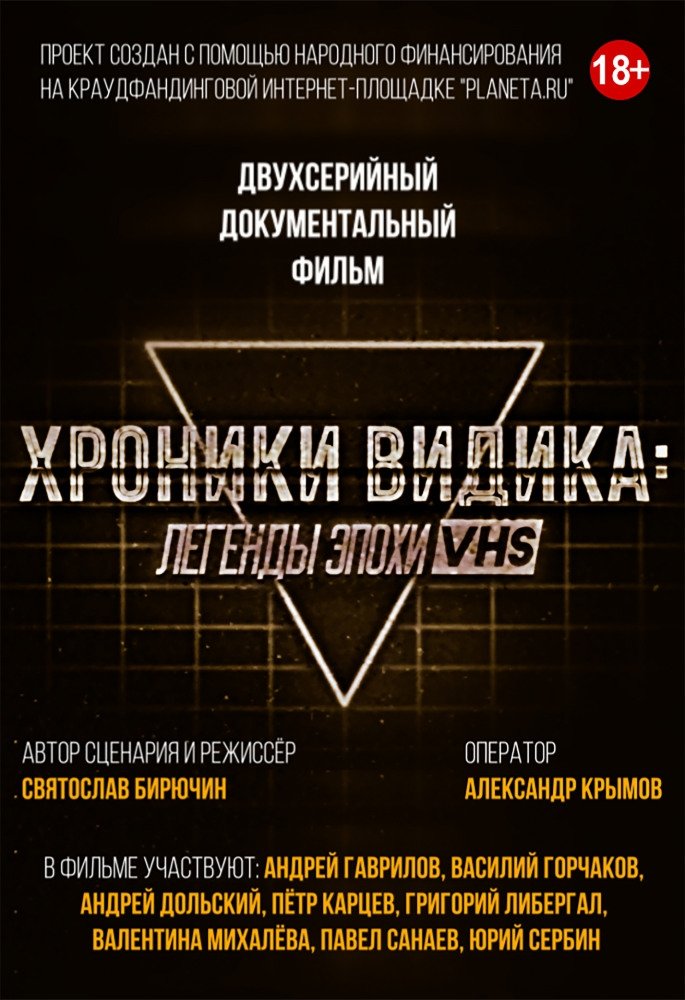
Dashing authors, the first porn sites and the last bastards. How the Russian Internet appeared and how it changed: from complete freedom to the appearance of censorship and the law on isolation.
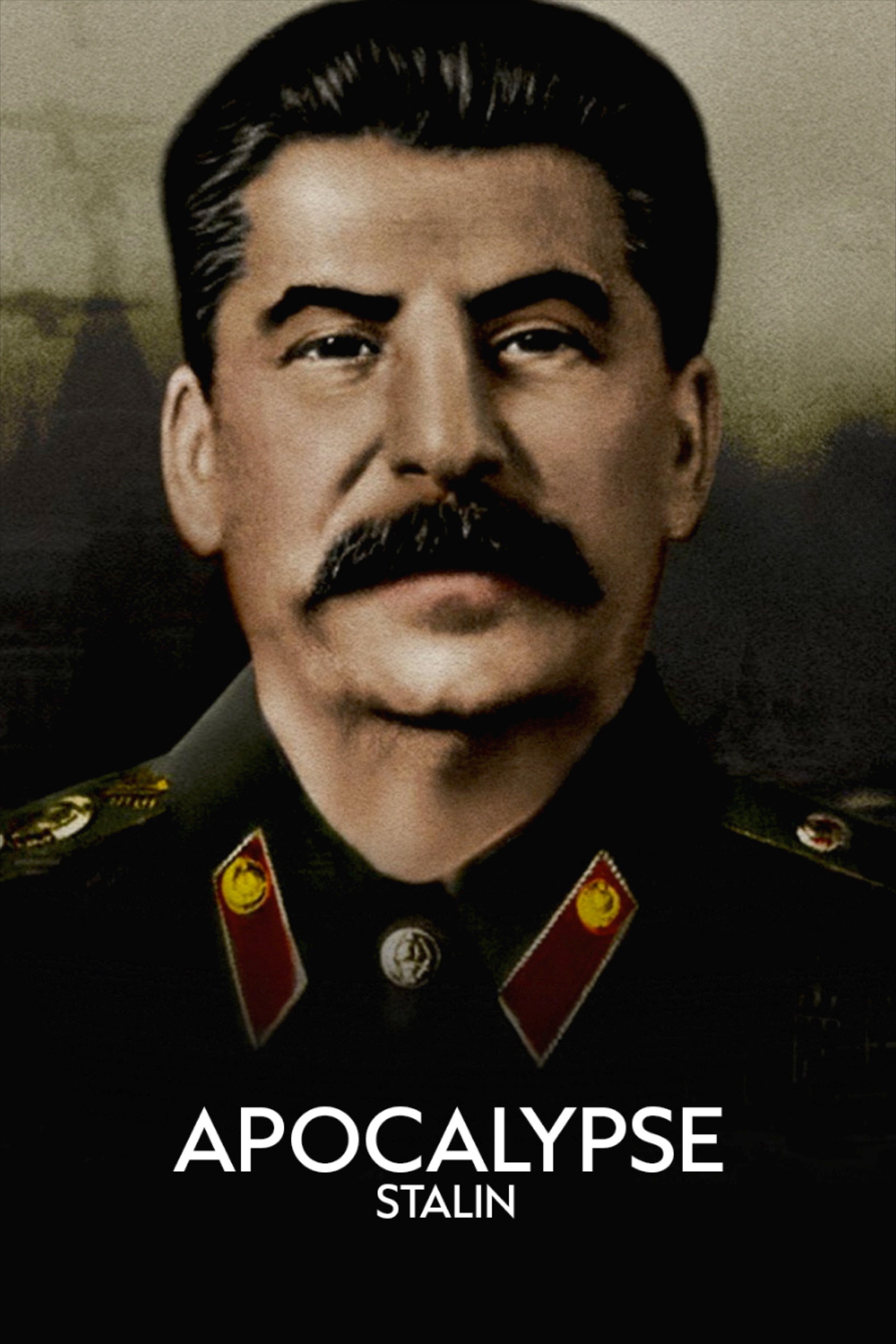
The rise of Stalin, from his early beginning as a bankrobber to the cold-blooded leader of the Soviet Union.
In 2003, Space Shuttle Columbia breaks apart in the skies above America. The astronauts’ families and Nasa staff share personal stories of the launch, unfolding disaster and fallout.
With firsthand accounts and access to prominent figures around the world, this comprehensive docuseries explores the Cold War and its aftermath.
A major political, historical, human and economic fact of the 20th century, the Gulag, the extremely punitive Soviet concentration camp system, remains largely unknown.
What it felt like to live through the collapse of communism and democracy. A series of films by Adam Curtis.
From training to launch to landing, this all-access docuseries rides along with the Inspiration4 crew on the first all-civilian orbital space mission.
The story of the underwater war between US, UK and Soviet submarines in the second half of the 20th century.
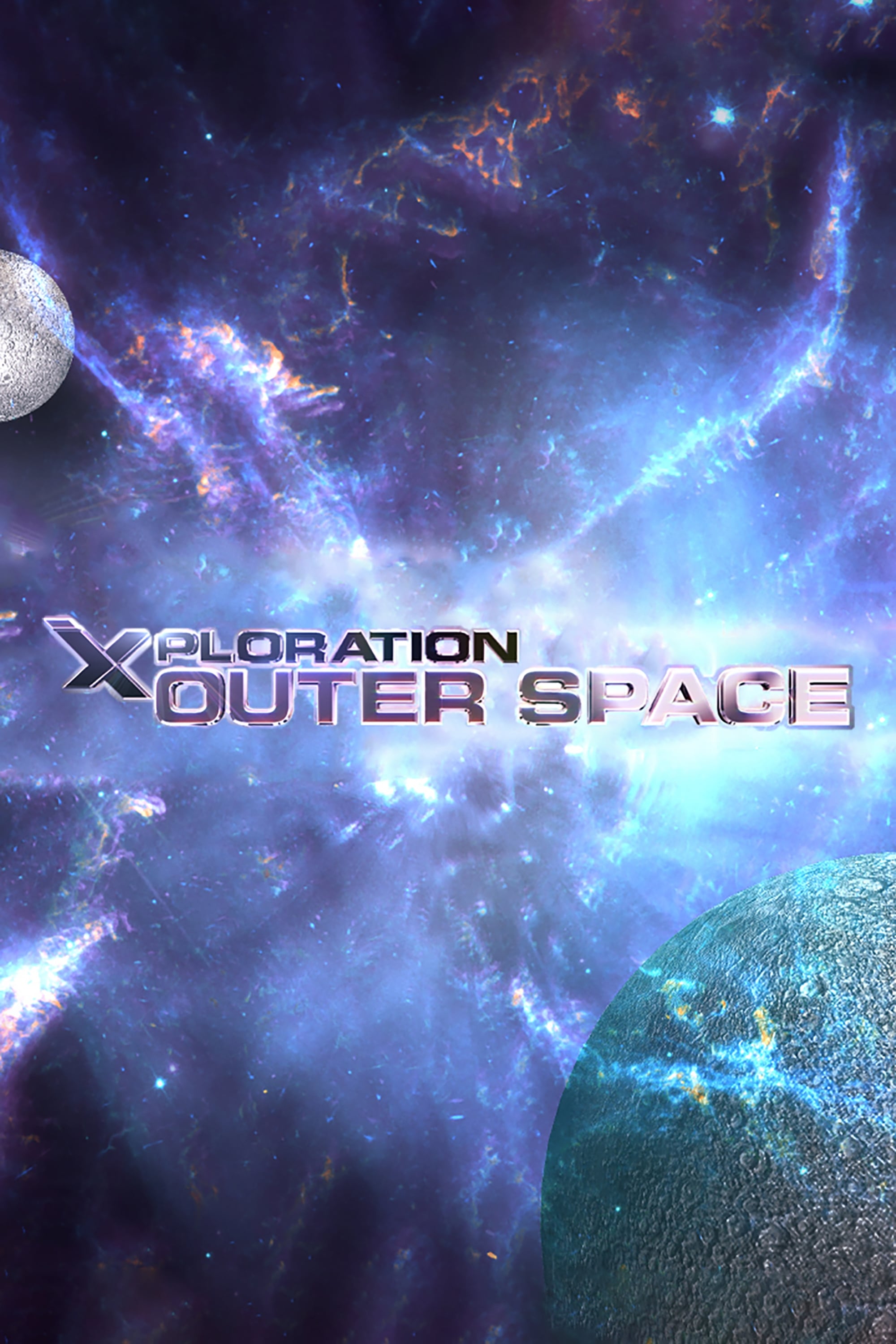
Host Emily Calandrelli, Harvard scholar and former Nasa employee, takes viewers on incredible journeys through space. She visits various NASA facilities as we search for answers about our universe. Xploration Outer Space is part of the Xploration Station two hour syndicated block airing on Fox stations throughout the country.
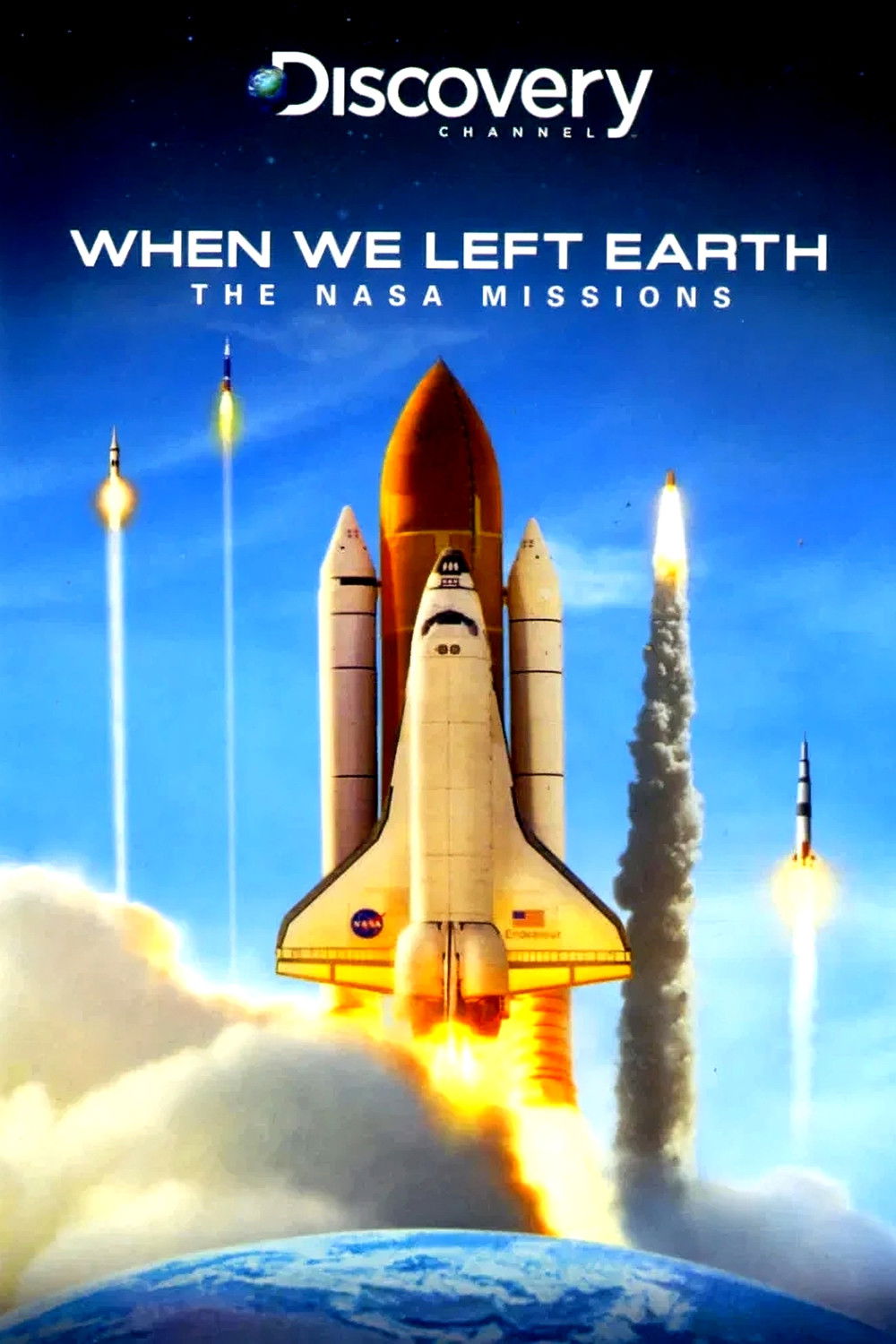
A miniseries documenting American human spaceflight, spanning from the first Mercury flights through the Gemini program to the Apollo moon landings, the Space Shuttle, and the construction of the International Space Station. It was created in association with NASA to commemorate the agency's fiftieth anniversary in 2008.
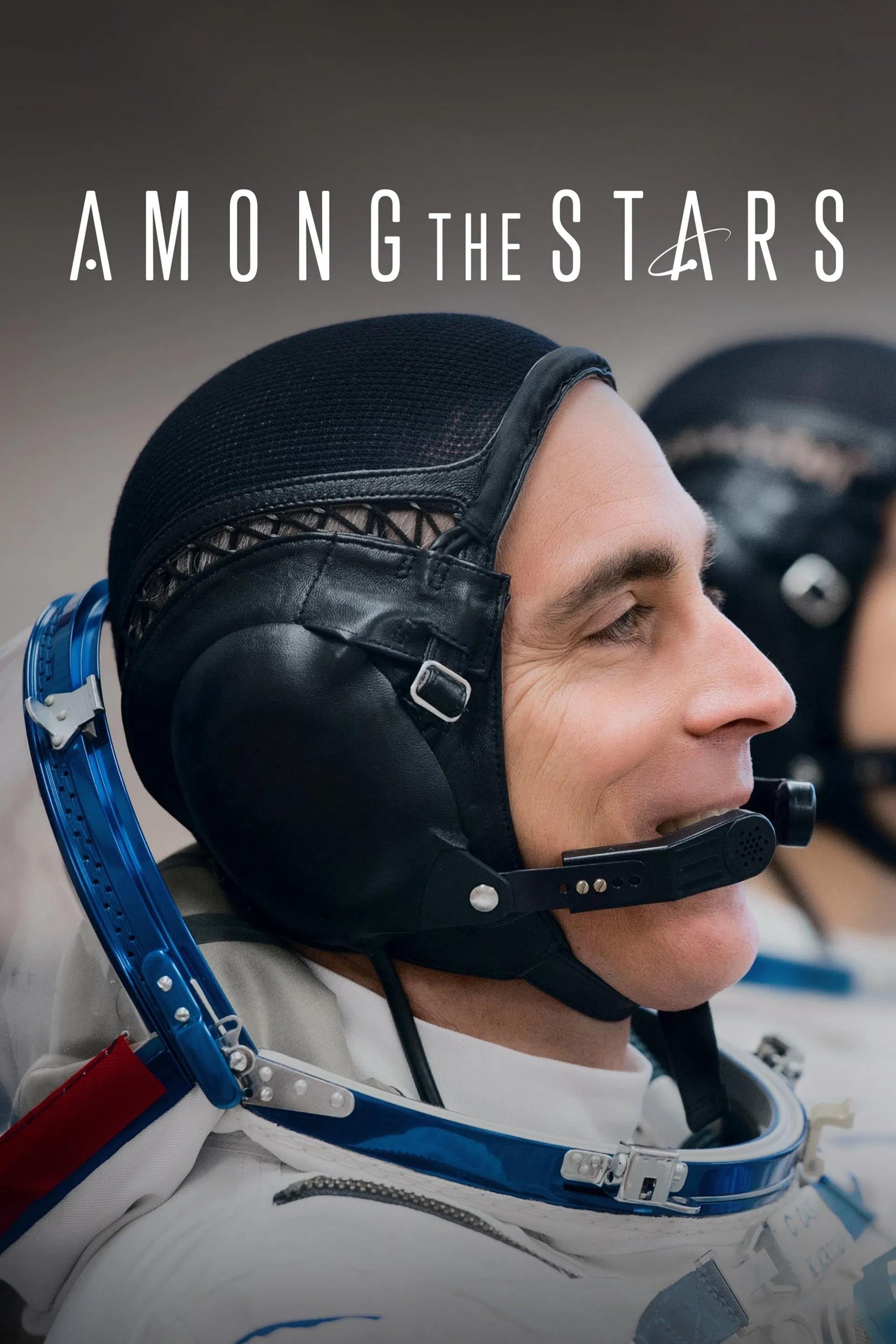
A six-part docuseries with fly on the wall access into the wider world of NASA, with cameras on Earth and in space. NASA astronaut Captain Chris Cassidy is on a quest to get back in his spacesuit for one last mission. This series follows Chris and the wider team who take on missions that risk life, limb and reputation for the greater good of humankind. Join them as their missions unfold.
The Great Purge orchastrated in the Soviet Union during 1937-38 cost almost 700 000 lives. Especially ethnic minorities were targeted. Four-part documentary tells the story of what happened to the people living the Soviet Union, and how the terror was built in the red dictatorship.
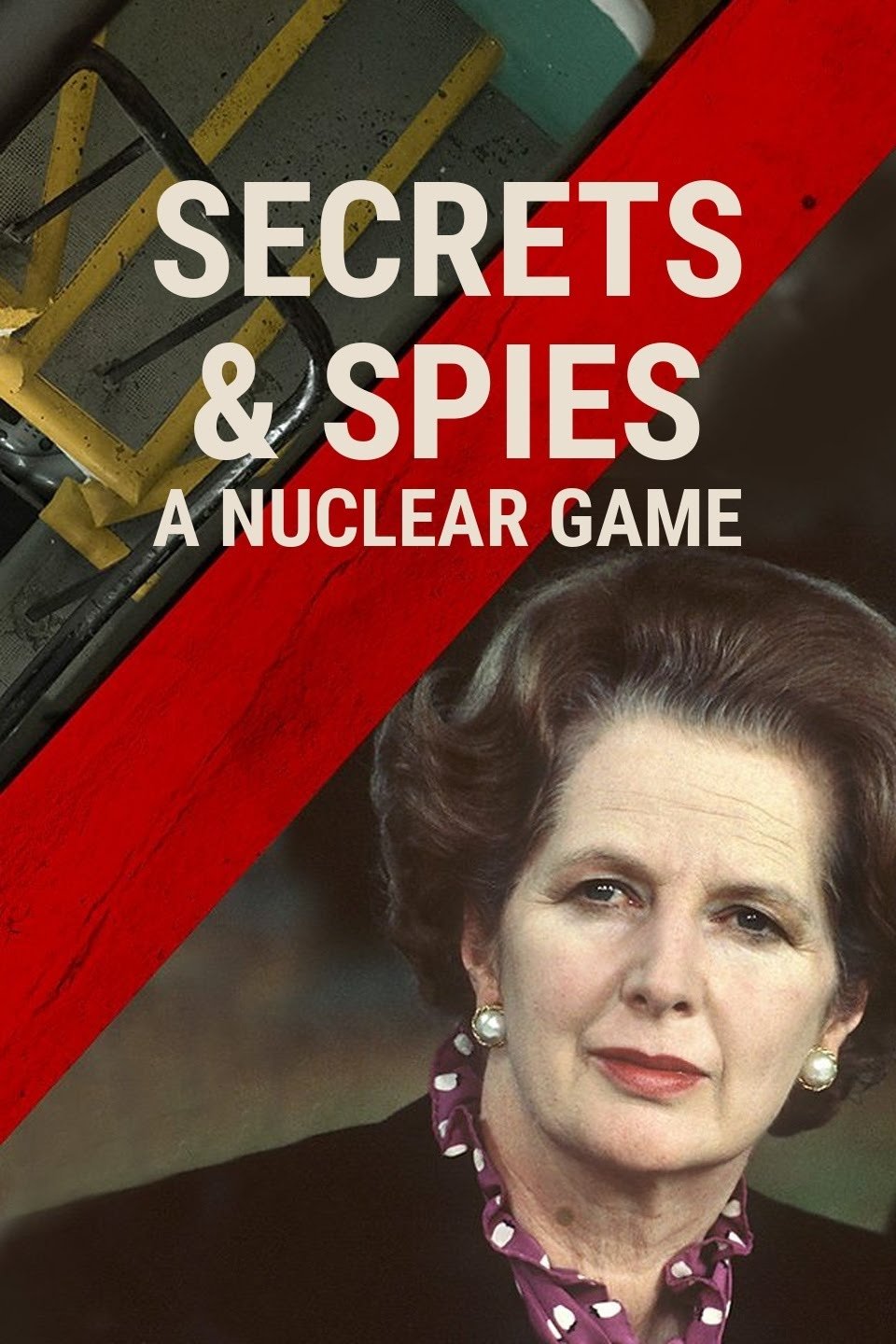
Betray your country, save the world. Spies and traitors play a dangerous game in the 1980s as the Cold War brings two superpowers to the brink of nuclear war.
The inside stories of how the unknown engineers of NASA created such superior machines as the Saturn V moon rocket, the Space Shuttle, and the Hubble Space Telescope, often against incredible odds.
A mind-bending, thrilling journey exploring the fragility and wonder of planet Earth, one of the most peculiar, unique places in the entire universe, brought to life by the only people to have left it behind – the world’s most well known and leading astronauts.
Motoring programme featuring reviews of and reports about cars of all types.
The documentary takes viewers through Janet Jackson's life and career, contain never-before-seen footage, and feature home videos from the legendary artist. Jackson discusses her controversial 2004 Super Bowl halftime show performance with Justin Timberlake, her father Joe Jackson, the death of her brother Michael Jackson, and more.
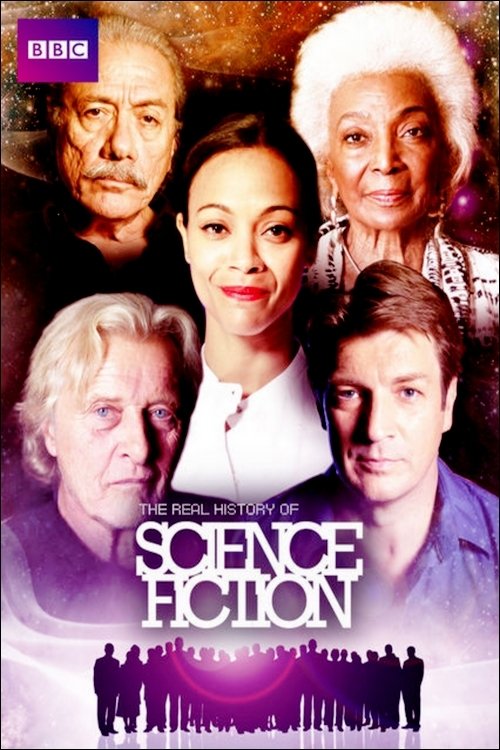
The series heads to the very frontiers of space and science to produce the definitive television history of science fiction, told through its impact on cinema, television and literature, with the help of filmmakers, writers, actors, and graphic artists. Each episode will explore one of the enduring themes of science fiction: time travel; the exploration of space; robots and artificial intelligence; and aliens.
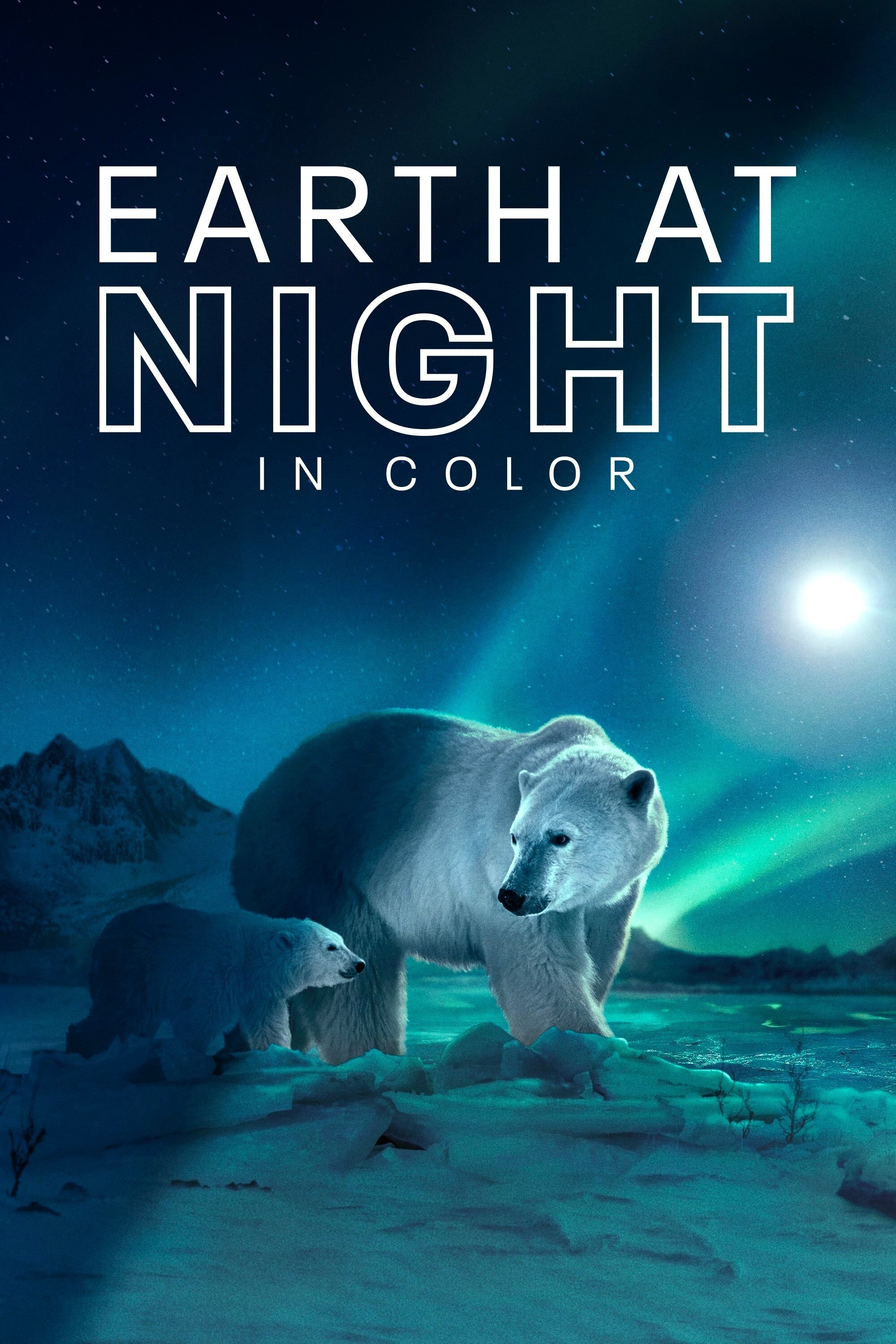
Filmed across six continents, this docuseries uses cutting-edge camera technology to capture animals' nocturnal lives, revealing new behaviours filmed in full color like never before.
Engineers, officials and the crew members' families provide their perspective on the 1986 Space Shuttle Challenger disaster and its aftermath.
Infographics and archival footage deliver bite-size history lessons on scientific breakthroughs, social movements and world-changing discoveries.
Biography is a documentary television series. It was originally a half-hour filmed series produced for CBS by David Wolper from 1961 to 1964 and hosted by Mike Wallace. The A&E Network later re-ran it and has produced new episodes since 1987. The older version featured historical figures such as Helen Keller and Mark Twain, or long-dead entertainment figures such as Will Rogers or John Barrymore. The A&E series has placed the emphasis on such people as Marilyn Monroe, Elvis Presley, Plácido Domingo, Freddie Mercury, Jacqueline Kennedy Onassis, Eric Clapton, Pope John Paul II, Gene Tierney, Selena, Diego Rivera, Mao Zedong and Queen Elizabeth II, and fictional characters like The Phantom, Superman, Hamlet, Betty Boop, and Santa Claus. The program ended up profiling enough figures that in 1999, A&E spun it off into an entire network, The Biography Channel.
Oscar and Grammy Award-winning producer and artist Mark Ronson explores the intersection of technology and musical innovation with his heroes and fellow hitmakers – including Paul McCartney, DJ Premier, Charli XCX, Dave Grohl, and Questlove.
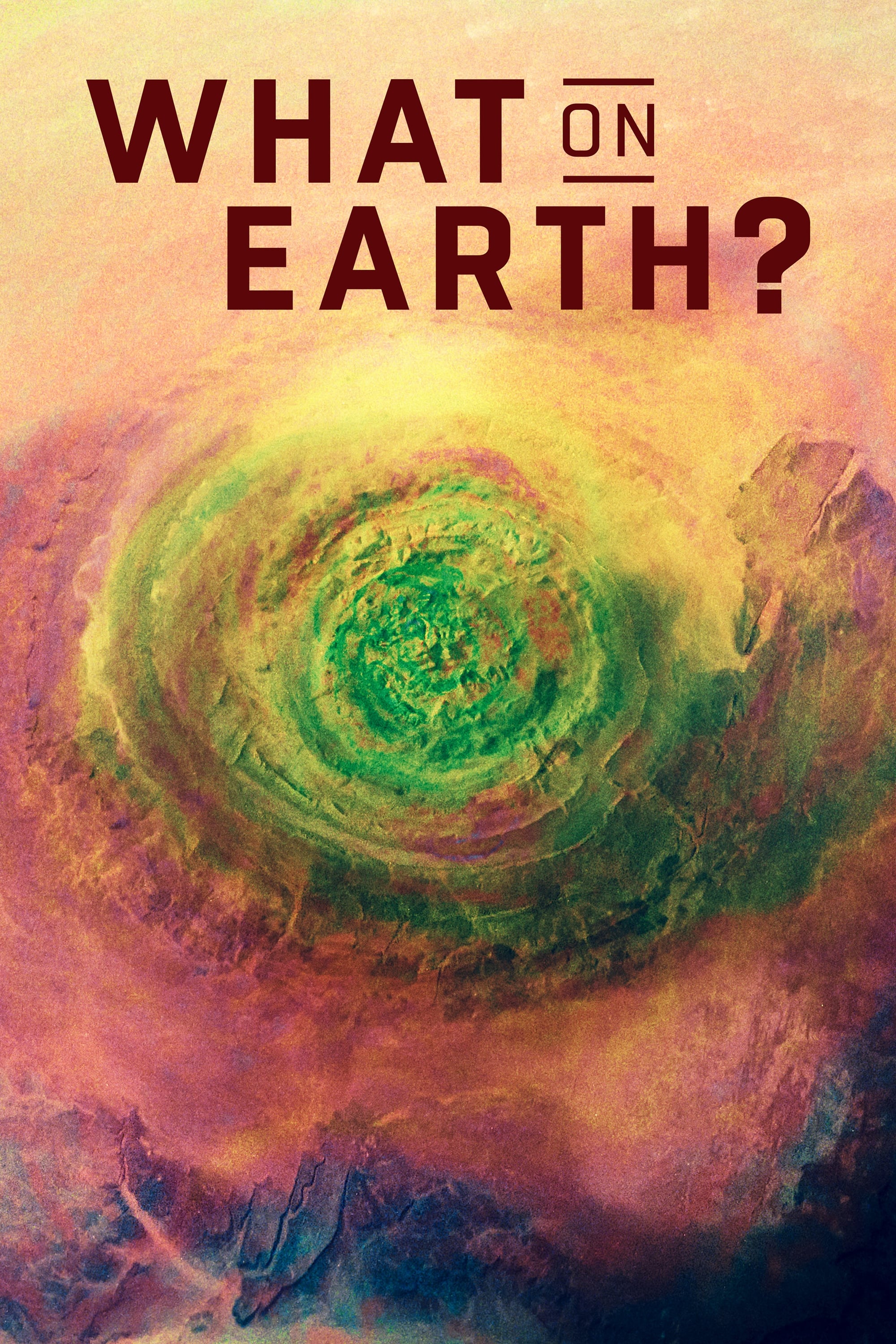
Satellites orbit Earth at 17,000 miles an hour, capturing images of our world that are breathtaking, but some are bizarre. This unique perspective reveals objects that seem to make no sense & phenomena that defy explanation. Such images force the question, what on Earth is that?
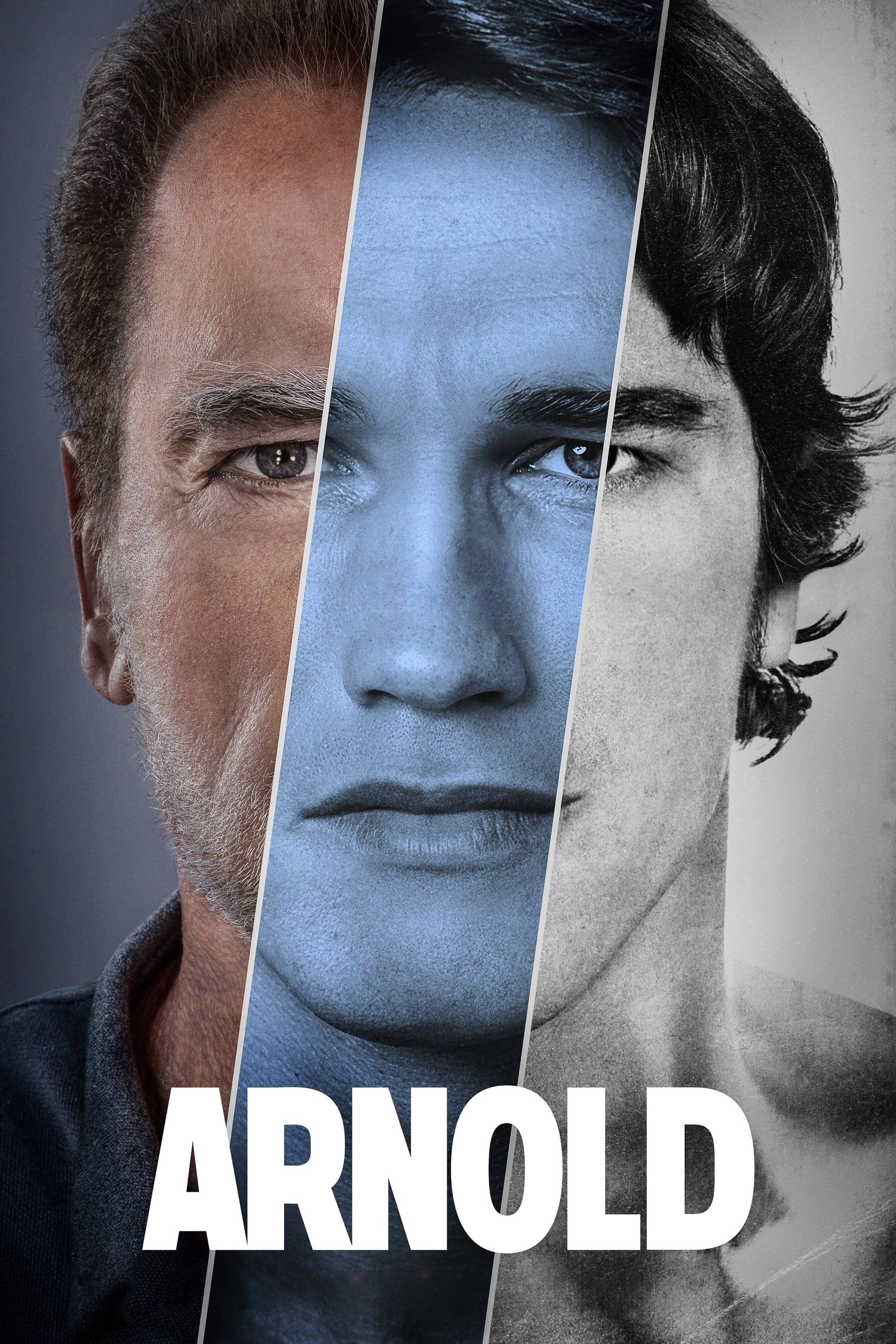
This intimate docuseries follows Arnold Schwarzenegger's multifaceted life and career, from bodybuilding champ to Hollywood icon to politician.
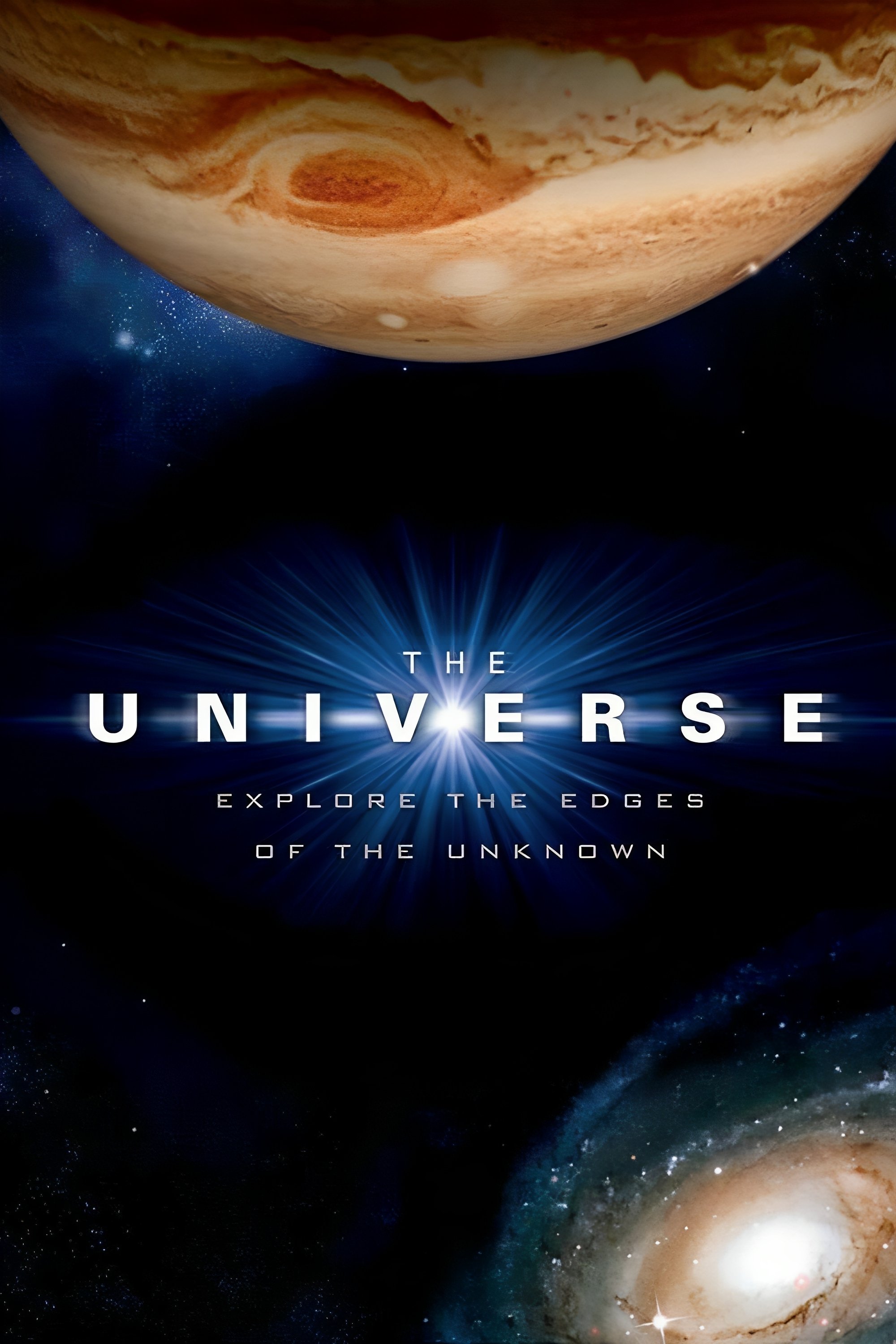
From the planets to the stars and out to the edge of the unknown, history and science collide in a wondrous yet deadly adventure through space and time.
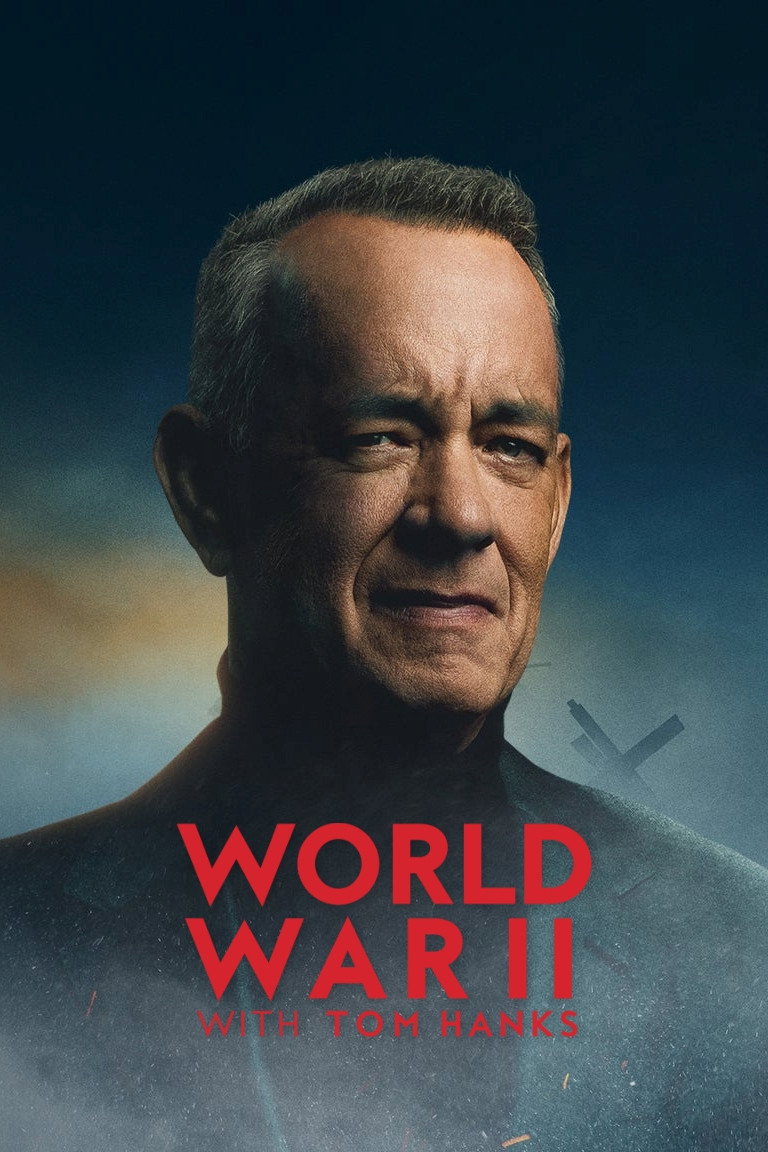
Explores WWII from Germany's invasion of Poland through the atomic age, examining pivotal battles, wartime leaders like Churchill and Roosevelt, and the human cost of total war.
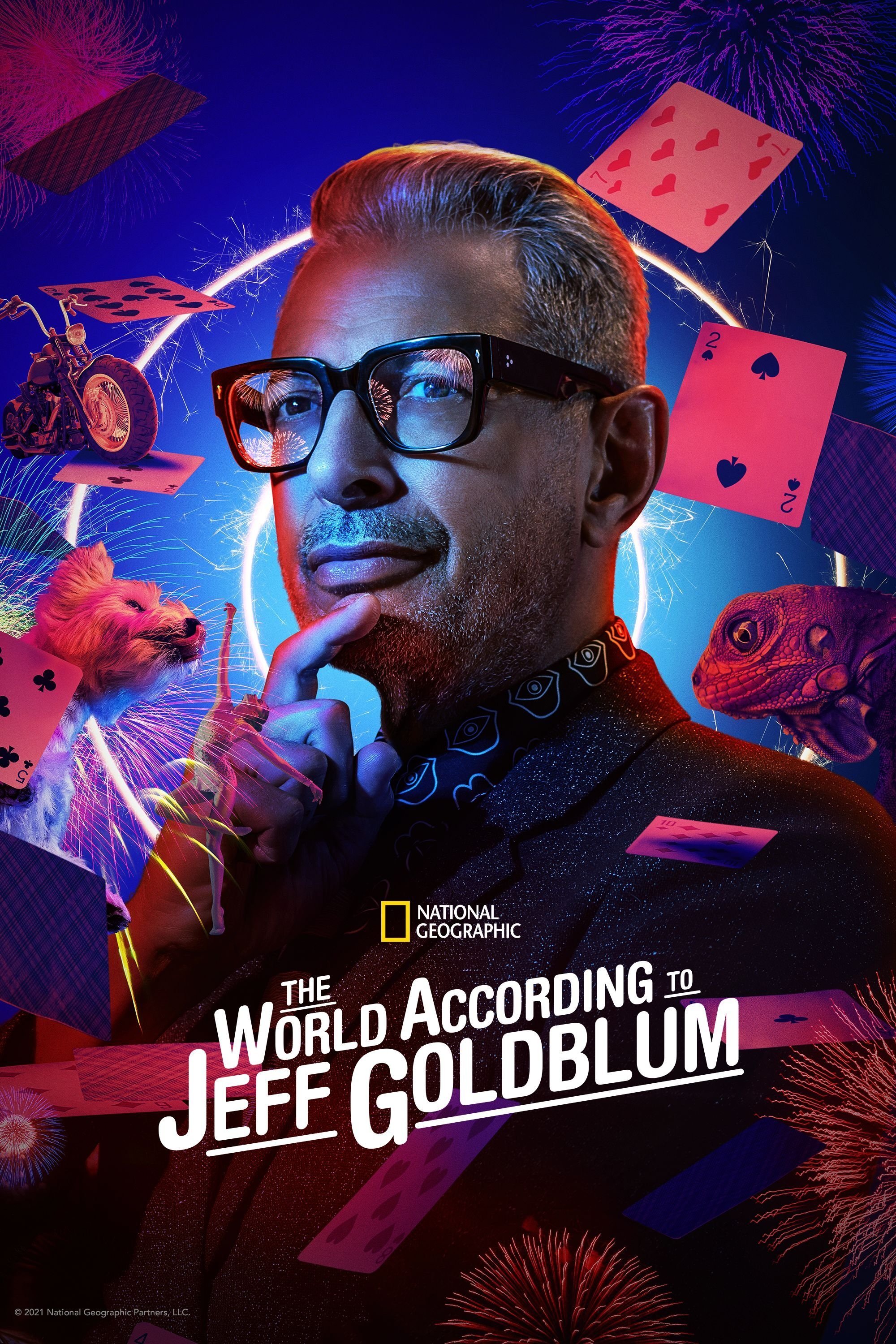
Through the prism of Jeff Goldblum's always inquisitive and highly entertaining mind, nothing is as it seems. Each episode is centered around something we all love — like sneakers or ice cream — as Jeff pulls the thread on these deceptively familiar objects and unravels a wonderful world of astonishing connections, fascinating science and history, amazing people, and a whole lot of surprising big ideas and insights.
An insider's look at the engineering and scientific miracles behind the things that form the modern world.
TV's most-watched history series brings to life the compelling stories from our past that inform our understanding of the world today.
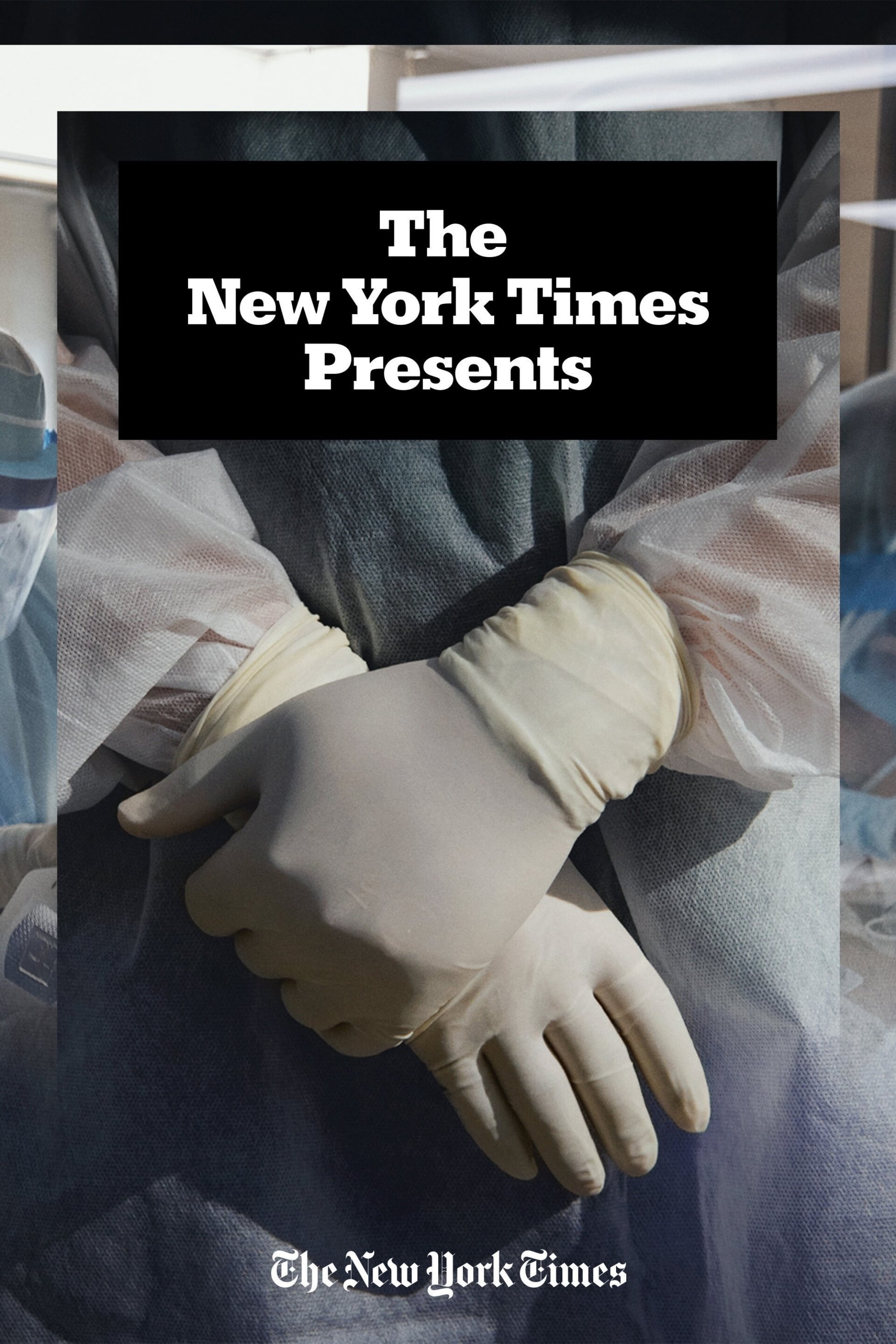
A series of standalone documentaries powered by the unparalleled journalism and insight of The New York Times, bringing viewers close to the essential stories of our time.
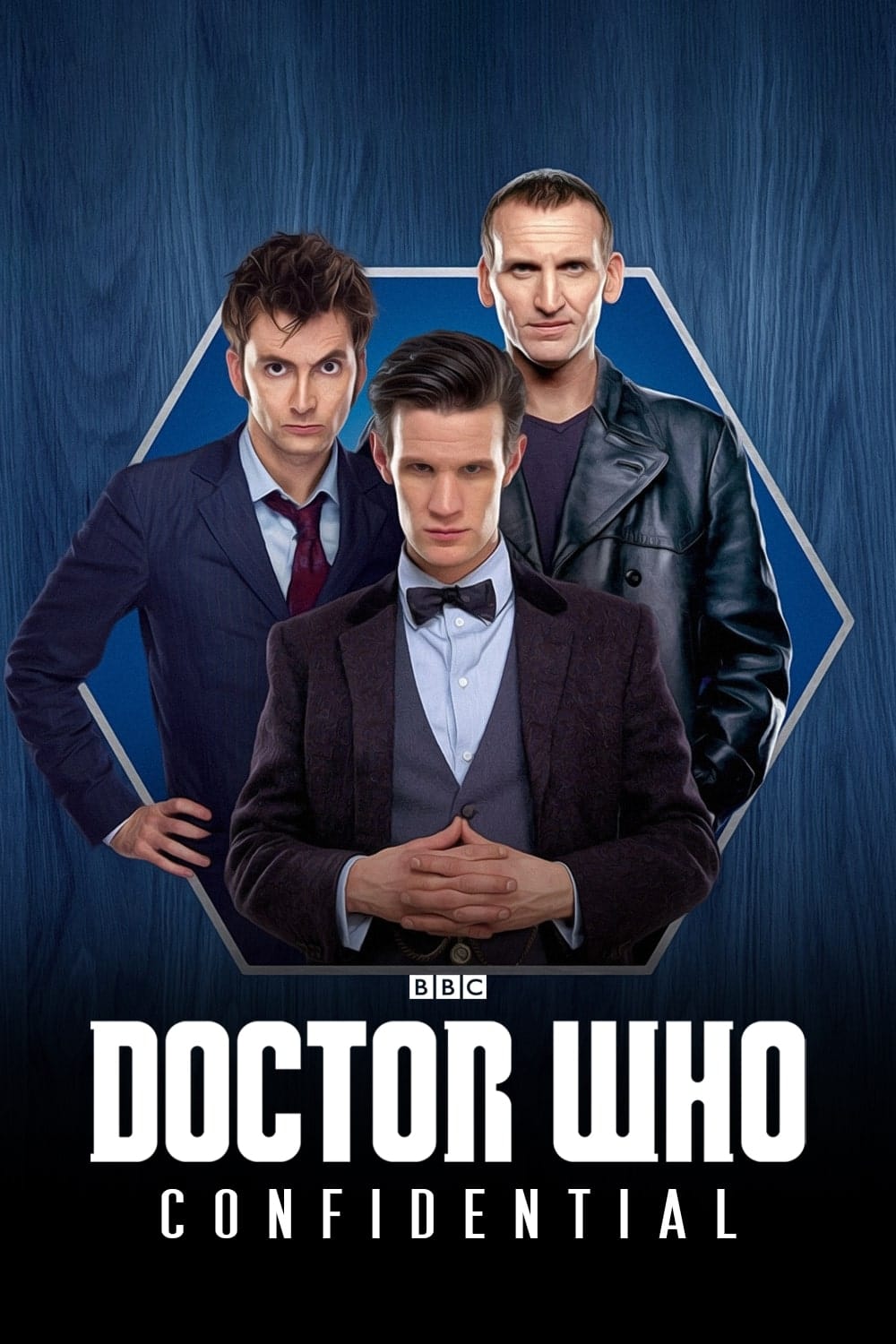
Doctor Who Confidential is a documentary to complement the revival of the long-running British science fiction television series Doctor Who. Each episode was broadcast on BBC Three on Saturdays, immediately after the broadcast of the weekly television episode on BBC One. The running time of the first two series was 30 minutes, being extended to 45 minutes in the third. BBC Three also broadcast a cut-down edition of the programme, lasting 15 minutes, shown after the repeats on Sundays and Fridays and after the weekday evening repeats of earlier seasons.