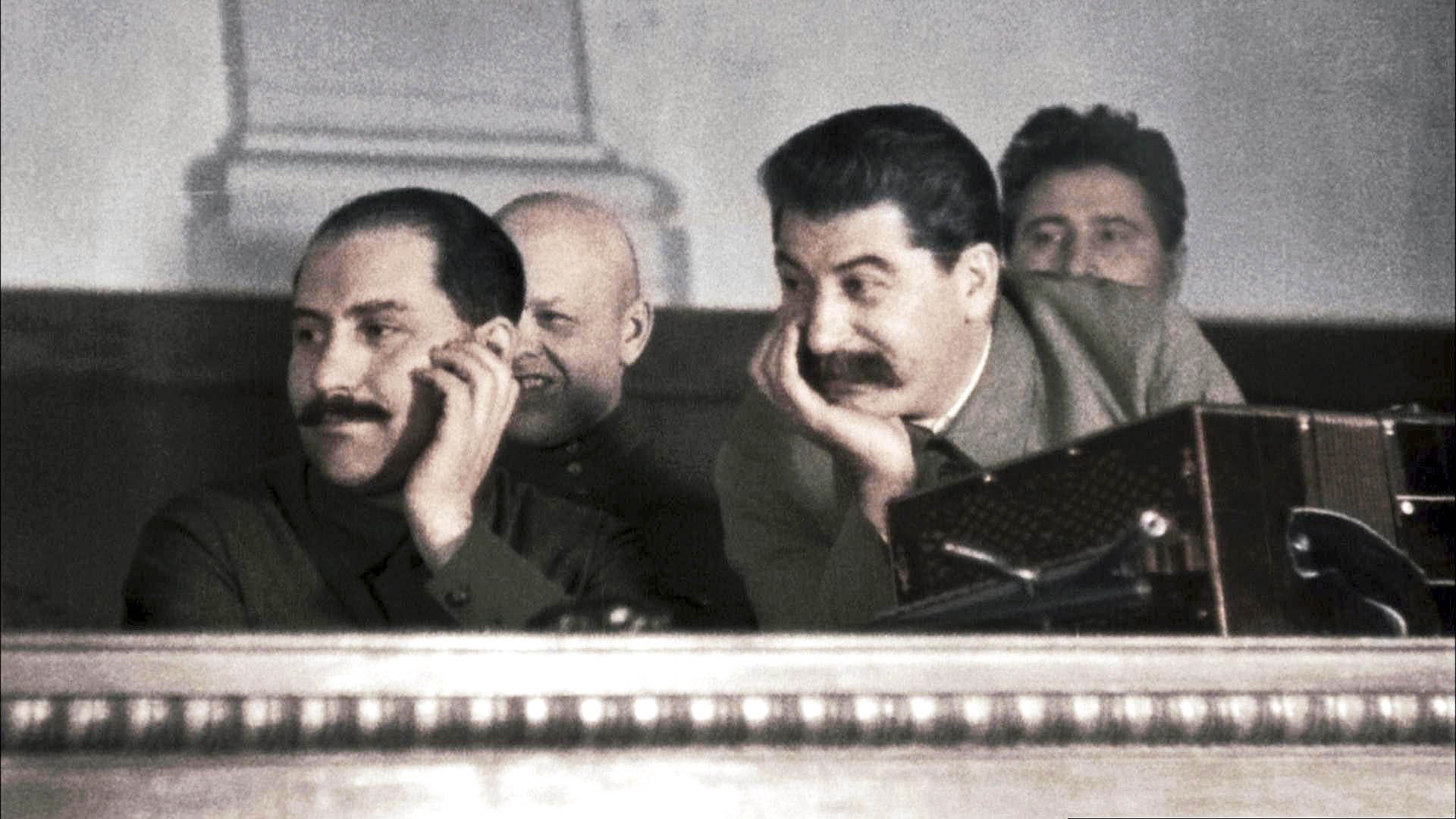
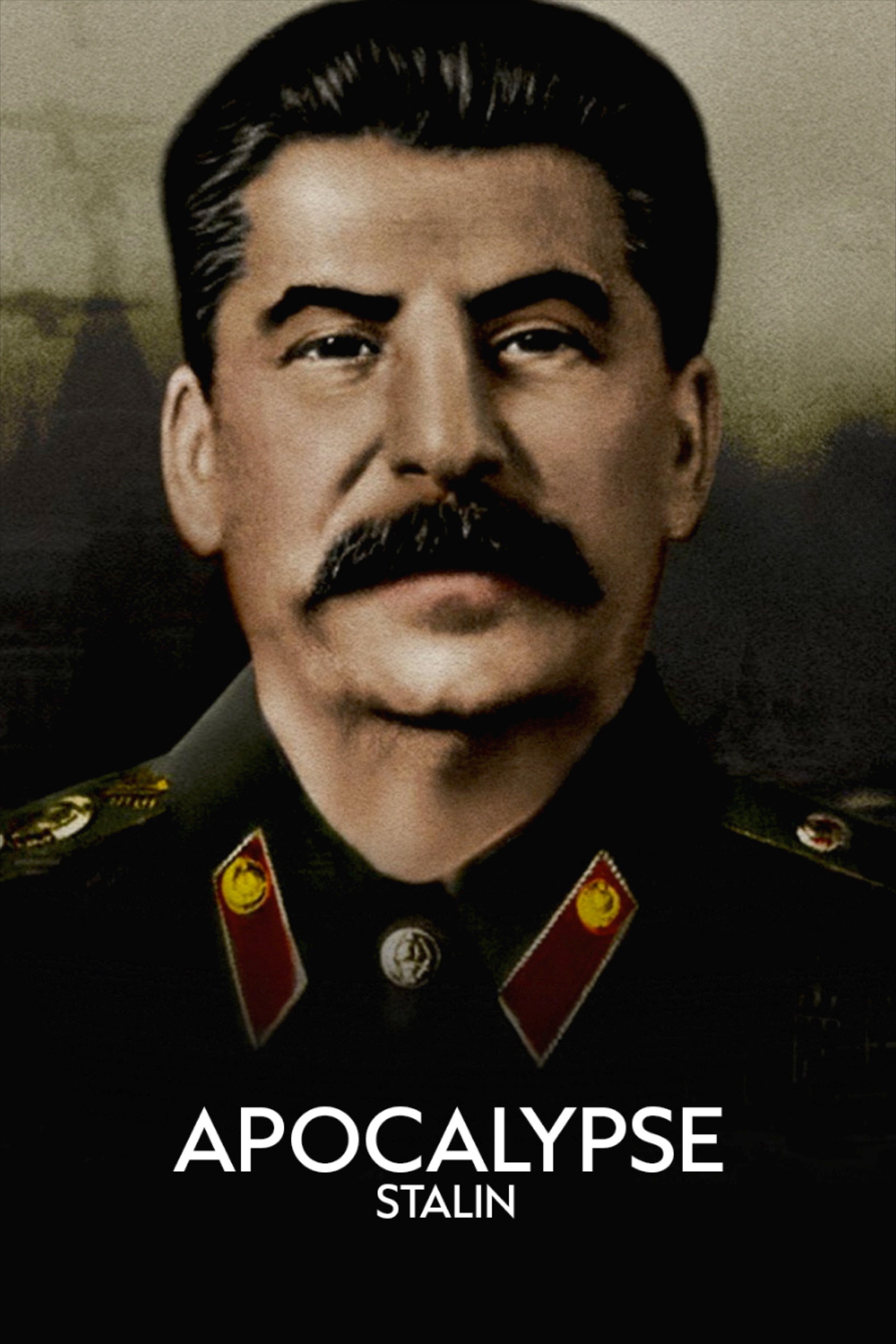
The rise of Stalin, from his early beginning as a bankrobber to the cold-blooded leader of the Soviet Union.
Social & External
The people behind it
Mathieu Kassovitz
Narrator (voice)
Joseph Stalin
Self (archive footage)
After a terrible winter, 1942 starts badly for Stalin due to a ruthless Nazi campaign that leaves millions of Soviets captive and without food.
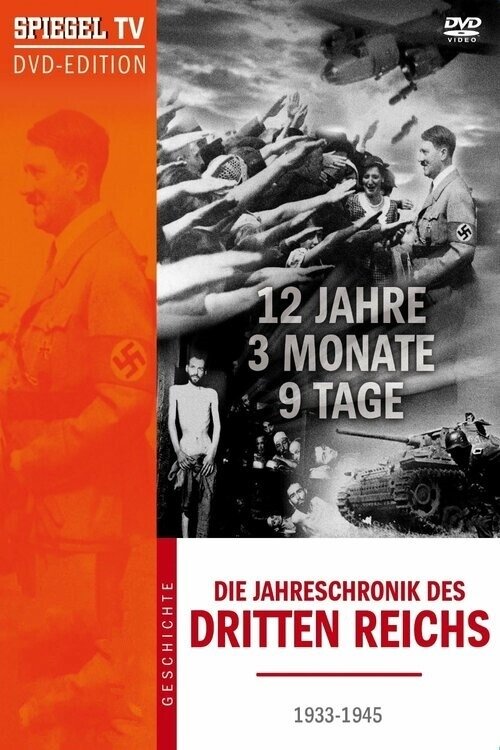
About Adolf Hitler's time in Germany. On January 30, 1933, Adolf Hitler was appointed Chancellor of Germany and his tenure in power lasted for more than twelve years. It began with a standing ovation and ended after a world war in which 50 million people were killed.
The specter of drug trafficking haunts Europe. Struggling with ultra-violent criminal groups that control the vast majority of cocaine trade, European police forces are overwhelmed. The epicenter of all this trafficking: the Netherlands. A nation at the forefront of international trade and drug policy. This two-part film delves into the origins of European drug trafficking through the unique history of the Kingdom of the Netherlands.
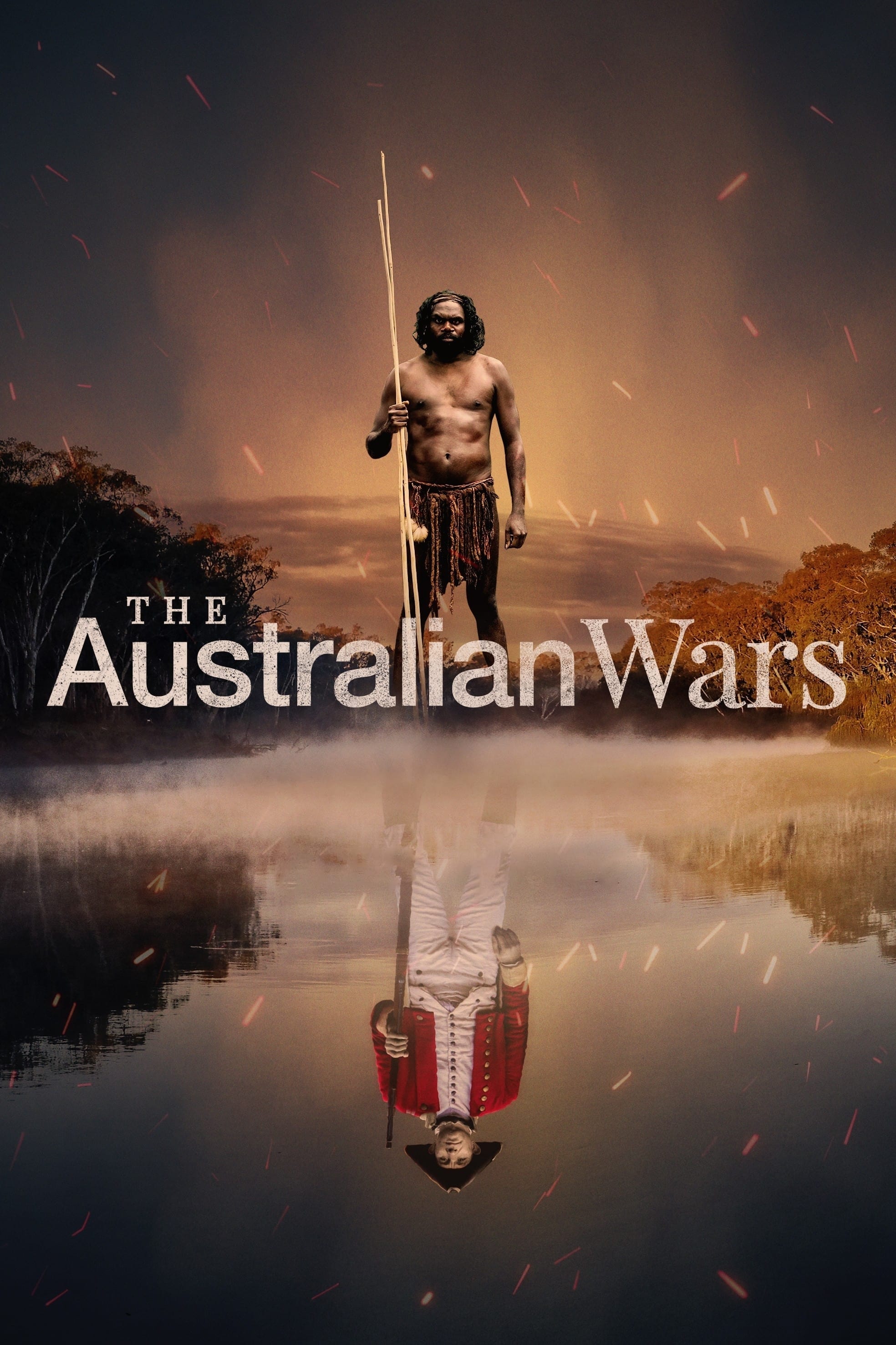
There are more than ten thousand monuments across the country that honour the war dead . But what of the bloody battles fought on our home soil, in our longest-running war that established the Australian nation?
From dangerous explosives and deadly curses that put everyday people at risk, to treasures found in the unlikeliest of ways, each episode digs into the people, the places and historical significance of these discoveries. And sometimes just being in the right place at the right time can make history…because nothing stays hidden forever.
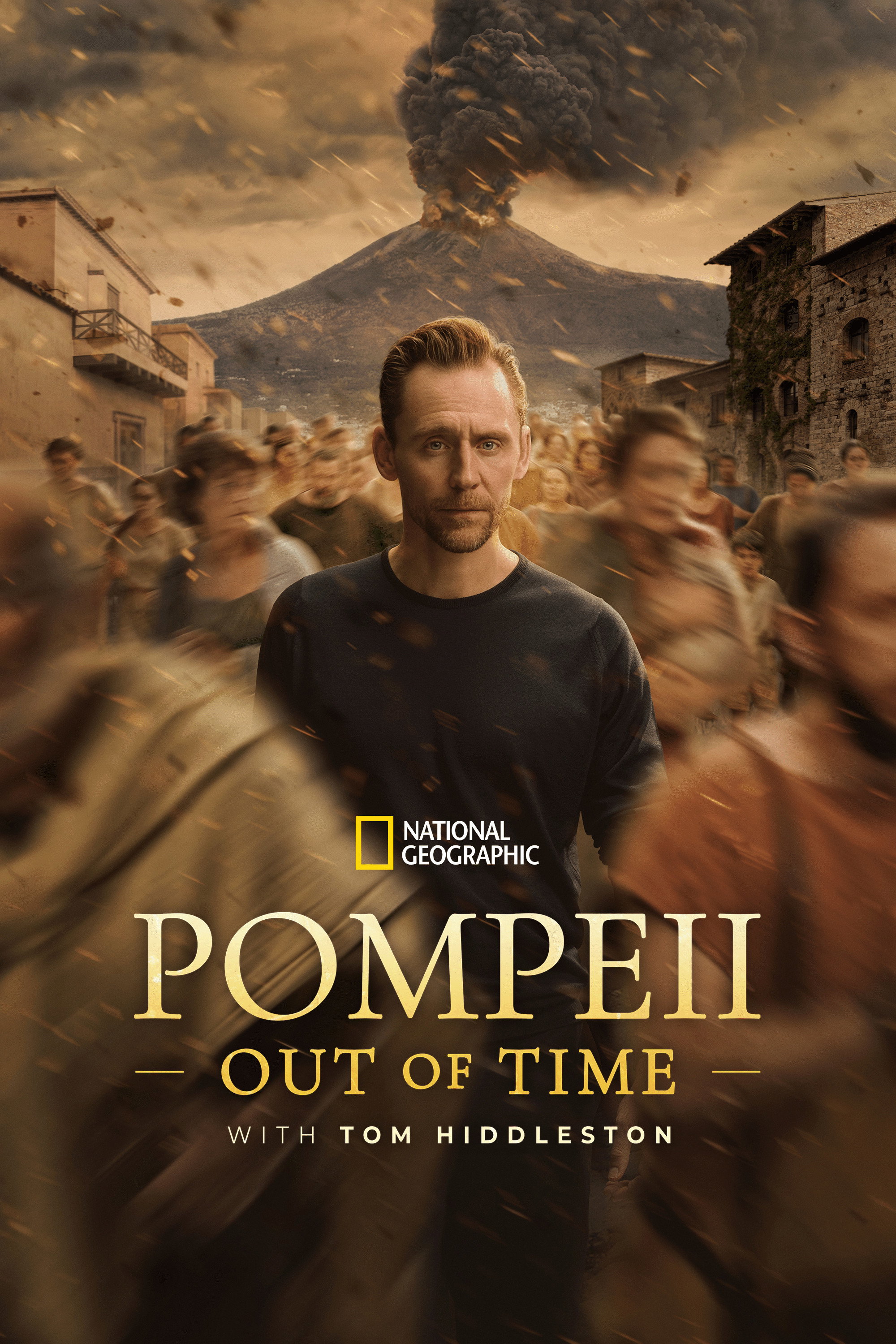
A historical exploration about the eruption of Vesuvius in 79 A.D. and the preserved Roman city it left behind.
Renowned author and journalist David Lagerkrantz, along with historians, forensic scientists and investigators, sheds new light on Swedish murders in the past.
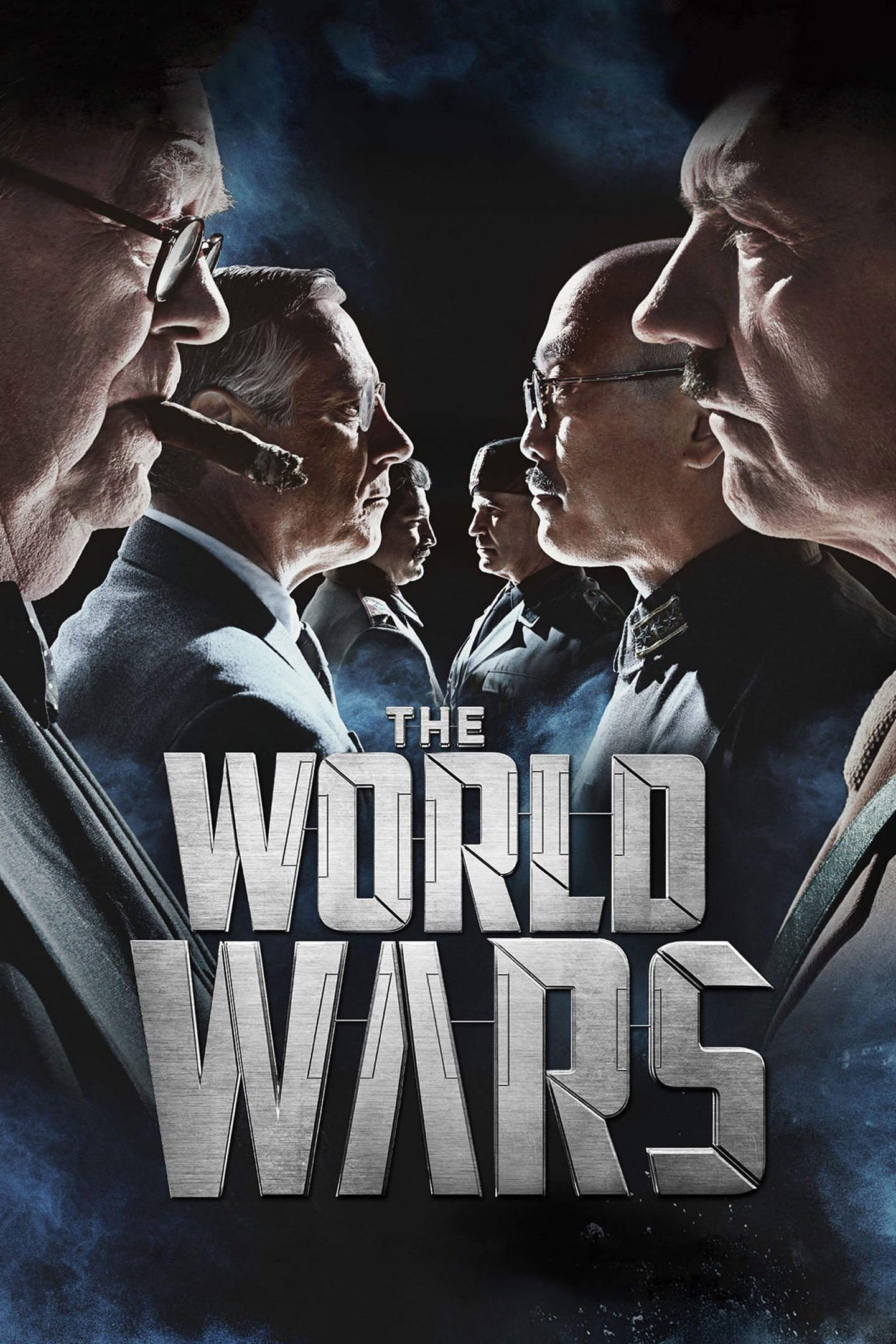
The story of three decades of war told through the eyes of various men who were its key players: Roosevelt, Hitler, Patton, Mussolini, Churchill, Tojo, DeGaulle and MacArthur. The series examines the two wars as one contiguous timeline starting in 1914 and concluding in 1945 with these unique individuals coming of age in World War I before ultimately calling the shots in World War II.
Finland is Queer - Queer history of Finland
How the constitution of the largest Democratic Republic in the world was created.
In this documentary series, interspersed with historical reconstructions, Tom Waes investigates what has happened since the arrival of the first Homo sapiens, on the 14,000 square kilometers that we today call Flanders.
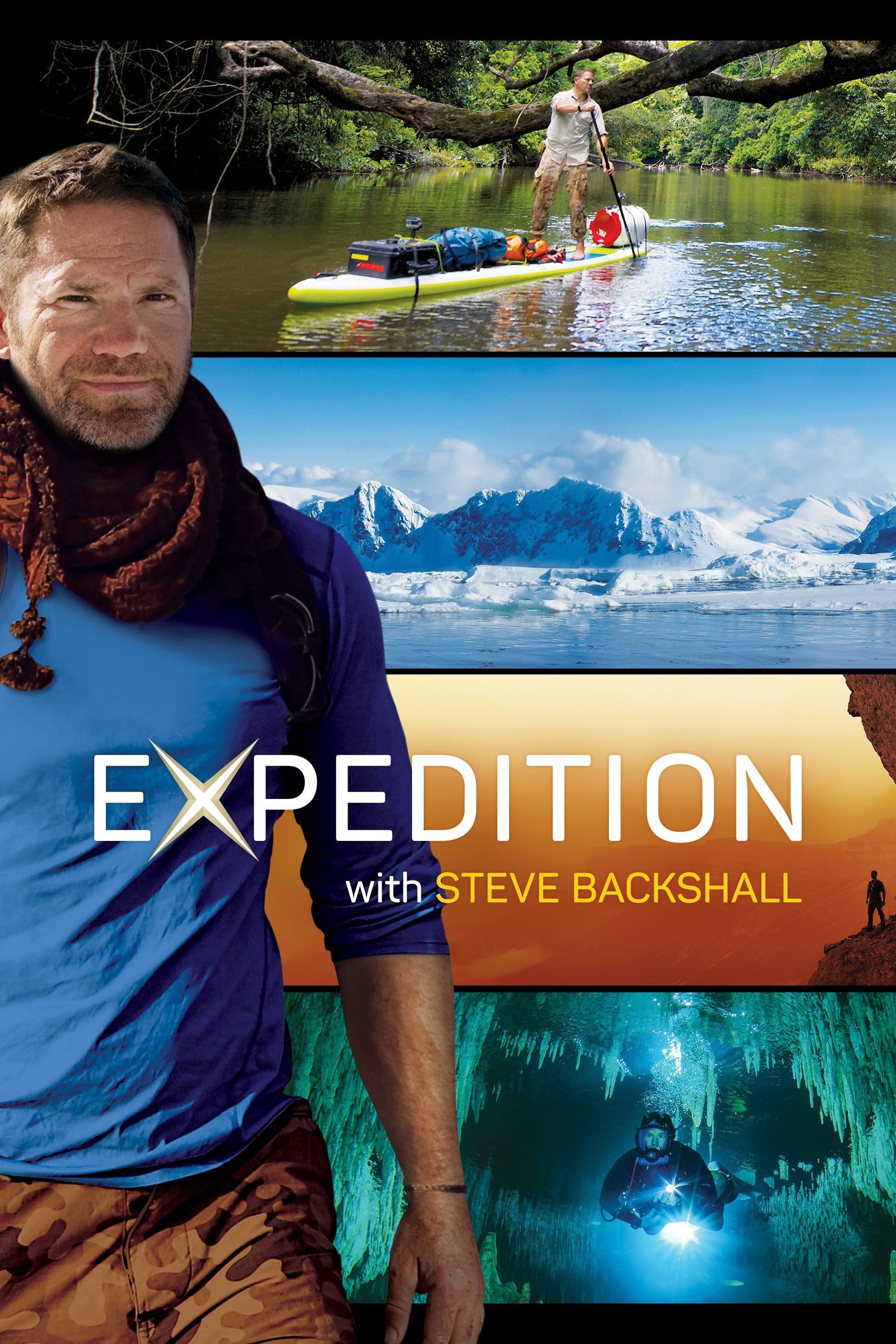
The naturalist visits uncharted territory in pursuit of new discoveries. Steve Backshall takes on physical challenges, encounters extraordinary wildlife and meets remarkable people.
In four chapters, largely based on and illustrated with archaeological finds and sites, Neil Oliver explains how, as far as is known, the Iron Age Celtic tribes known as the Ancient Britains evolved and entered European civilization. Their internecine tribal phase was warlike and partitioned. Overseas contacts, especially metal trade, brought wealth and progress. Ultimately, it attracted the superior Roman empire, which would conquer and pacify Britain into a province, like Gaul shortly before, but Caesar's invasion wasn't the definitive annexation yet, that was left to emperor Claudius; even afterward some Celtic traits and even rebellions remained.
The Universal Century, a history marked by space colonization and space warfare, has passed. Humanity's prosperity, which ushered in a new era known as the Regild Century (R.C.), was believed to endure alongside global peace. In RC 1014, Bellri Zenam, a pilot in training of the Capitol Guard is somehow chosen by the G-Self - a highly maneuverable Mobile Suit of unknown origin - to lead to uncover hidden truths that will shake the peace of the Regild Century era.
A comprehensive series detailing the great air battles the Second World War as they have never been told. Featuring rarely seen aerial combat footage of all the major combat aircraft types from World II.
An original documentary series, which for the first time in Greece documents the journey of rescuing the ancient texts from the past until today. A journey of exploration full of adventure, travel, libraries, but also great disasters. Thodoris Papakostas, presenter of the series, is an archaeologist with a special eye and knowledge on the subject. With him, we travel everywhere and talk to philologists, paleographers, and historians. Experts illuminate the adventures of texts through the ages, present the means and techniques employed from era to era to save our written heritage and tell us fascinating stories of people and manuscripts.
During the 22nd Century, science and technology had advanced beyond ethical bounds, so most of mankind reversed course. Eventually, global dictatorships violated the United Nation's Bioethics Treaty, secretly stockpiling arms. As a result, an oblivious America was attacked. Retaliation with augmented nuclear weaponry had unforeseen effects, affecting most survivors in the Western Hemisphere and altering the rest. Those infected became ravenous beasts, feeding off the remaining population. But pockets of humanity remain.
Bill Bailey travels to Vietnam on the 50th anniversary of the withdrawal of US forces from Saigon. Immersing himself in its rich culture, stunning landscapes and complex history, he uncovers what makes this fascinating country tick.
The series covers the life and work of leading science fiction authors of the last couple of centuries. It depicts how they predicted and, accordingly, influenced the development of scientific advancements by inspiring many readers to assist in transforming those futuristic visions into everyday reality.
A documentary series that gives a historical account of the events of World War II, from its roots in the 1920s to the aftermath and the lives it profoundly influenced.
World War II In Colour is a 13-episode television documentary miniseries recounting the events of World War II narrated by Robert Powell. The show covers the Western Front, Eastern Front, and the Pacific War. It is on syndication in America on the Military Channel. This series is in full color, combining both original and colorized footage.
WWII in HD is a 10-part American documentary television miniseries that originally aired from November 15 to November 19, 2009 on the History Channel. The program focuses on the firsthand experiences of twelve American service members during World War II, including an Army nurse, a member of the Tuskegee Airmen, a second generation Japanese American and prisoner of war, and an Austrian Jewish immigrant. The twelve members recorded their time in both theaters and some had later interviews; found footage from the battlefield was paired with the stories of the twelve service members. The episodes premiered on five consecutive days, with two episodes per day. The series is narrated by Gary Sinise and was produced by Lou Reda Productions in Easton, Pennsylvania, United States.
The story of the Second World War through the personal accounts of a handful of men and women from four American towns. The war touched the lives of every family on every street in every town in America and demonstrated that in extraordinary times, there are no ordinary lives.
A worldwide guided tour of the greatest movies ever made and the story of international cinema through the history of cinematic innovation.
A six-part French documentary about the Second World War composed exclusively of actual footage of the war as filmed by war correspondents, soldiers, resistance fighters and private citizens. The series is shown in color, with the black and white footage being fully colorized, save for some original color footage. The only exception to the treatment are most Holocaust scenes, which are presented in the original black and white.
TV's most-watched history series brings to life the compelling stories from our past that inform our understanding of the world today.
Don Wildman unearths relics from the world's greatest institutions to reveal secrets from the past. He examines each artifact to illuminate history's most incredible triumphs, sensational crimes and bizarre encounters.
The American Revolution was at once a war for independence, a war of conquest, a civil war, and a world war, fought by neighbors on American farms and between global powers an ocean or more away. It impacted millions from Vermont’s Green Mountains to the swamps of South Carolina, from Indian Country to the Iberian Peninsula. In defeating the British Empire and giving birth to a new nation, the American Revolution turned the world upside-down. Thirteen colonies on the Atlantic Coast united in rebellion, won their independence, and established a republic that still endures. The American Revolution will present the story of the men and women of the Revolutionary generation, their humanity in victory and defeat, and the crisis that they lived through.
Have you ever wondered how the products you use every day are made? How It's Made leads you through the process of how everyday products, such as apple juice, skateboards, engines, contact lenses, and many more objects are manufactured.
A documentary on the American Civil War narrated by Ken Burns, covering the secession of the Confederacy to the assassination of Abraham Lincoln.
Bear strands himself in popular wilderness destinations where tourists often find themselves lost or in danger.
Through the prism of Jeff Goldblum's always inquisitive and highly entertaining mind, nothing is as it seems. Each episode is centered around something we all love — like sneakers or ice cream — as Jeff pulls the thread on these deceptively familiar objects and unravels a wonderful world of astonishing connections, fascinating science and history, amazing people, and a whole lot of surprising big ideas and insights.
Executive producer Jon Favreau invites the cast and crew of The Mandalorian to share an unprecedented look at the making of the series. Each chapter explores a different facet of the first live-action Star Wars television show through interviews, never-before-seen footage, and roundtable conversations hosted by Favreau himself.
30 for 30 is the title for a series of documentary films airing on ESPN, its sister networks, and online highlighting interesting people and events in sports history. This currently includes four "volumes" of 30 episodes each, a 13-episode series under the ESPN Films Presents title in 2011–2012, and a series of 30 for 30 Shorts shown through the ESPN.com website. The series has also expanded to include Soccer Stories, which aired in advance of the 2014 FIFA World Cup, and audio podcasts. This entry refers to the main Volumes of the series presented by ESPN
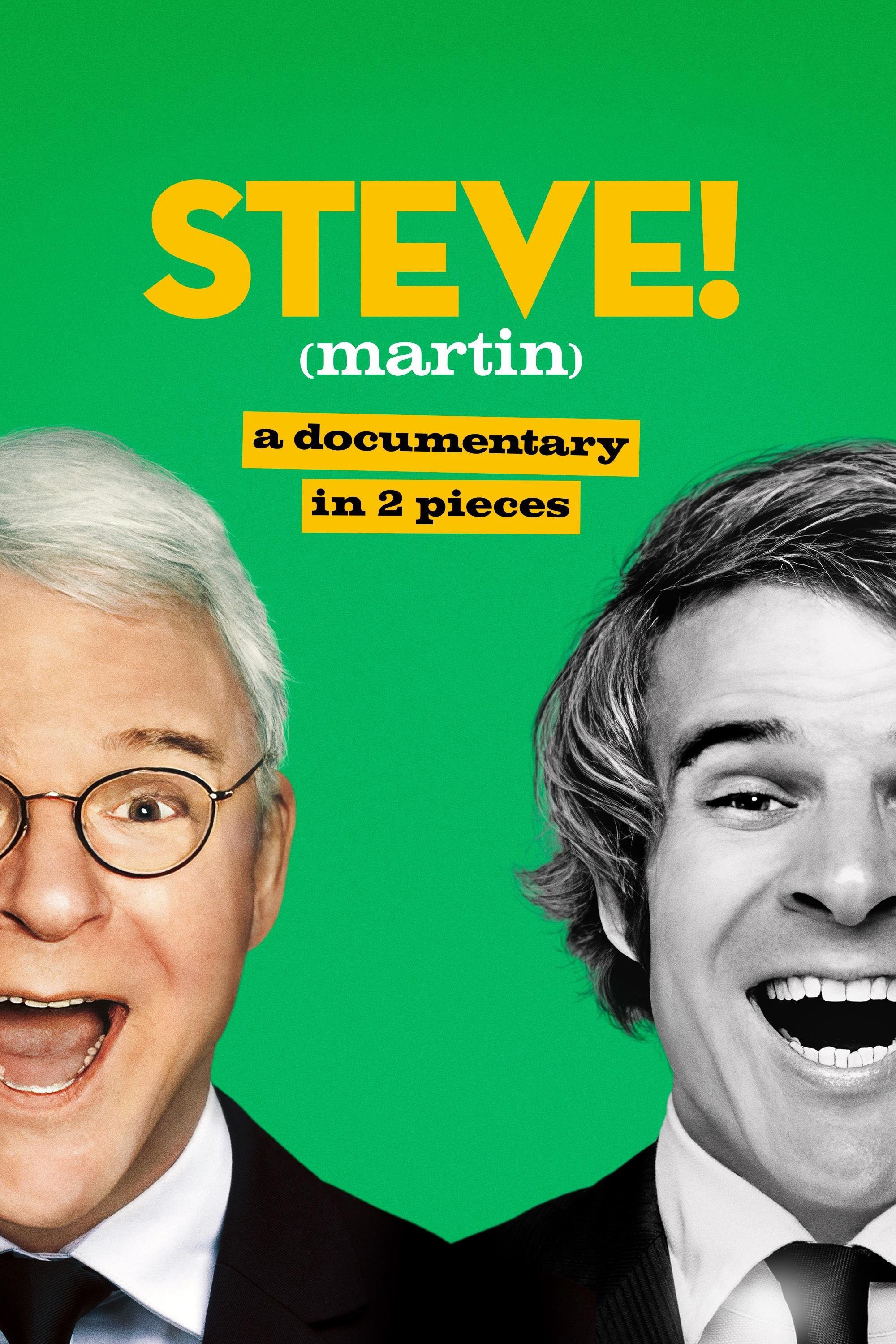
Steve Martin is one of the most beloved and enigmatic figures in entertainment. Dive into his extraordinary story from two distinct points of view—past and present—as Martin reflects on how his beginnings led to his unexpectedly fulfilling life today.
An insider's look at the engineering and scientific miracles behind the things that form the modern world.
Revisit the epic heroes, villains and moments from across the MCU in preparation for the stories still to come. Each dynamic segment feeds directly into the upcoming series — setting the stage for future events. This series weaves together the many threads that constitute the unparalleled Marvel Cinematic Universe.
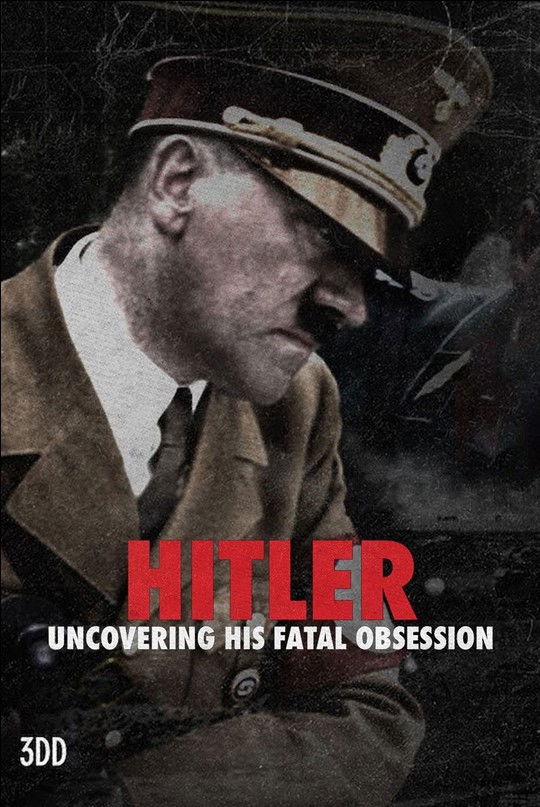
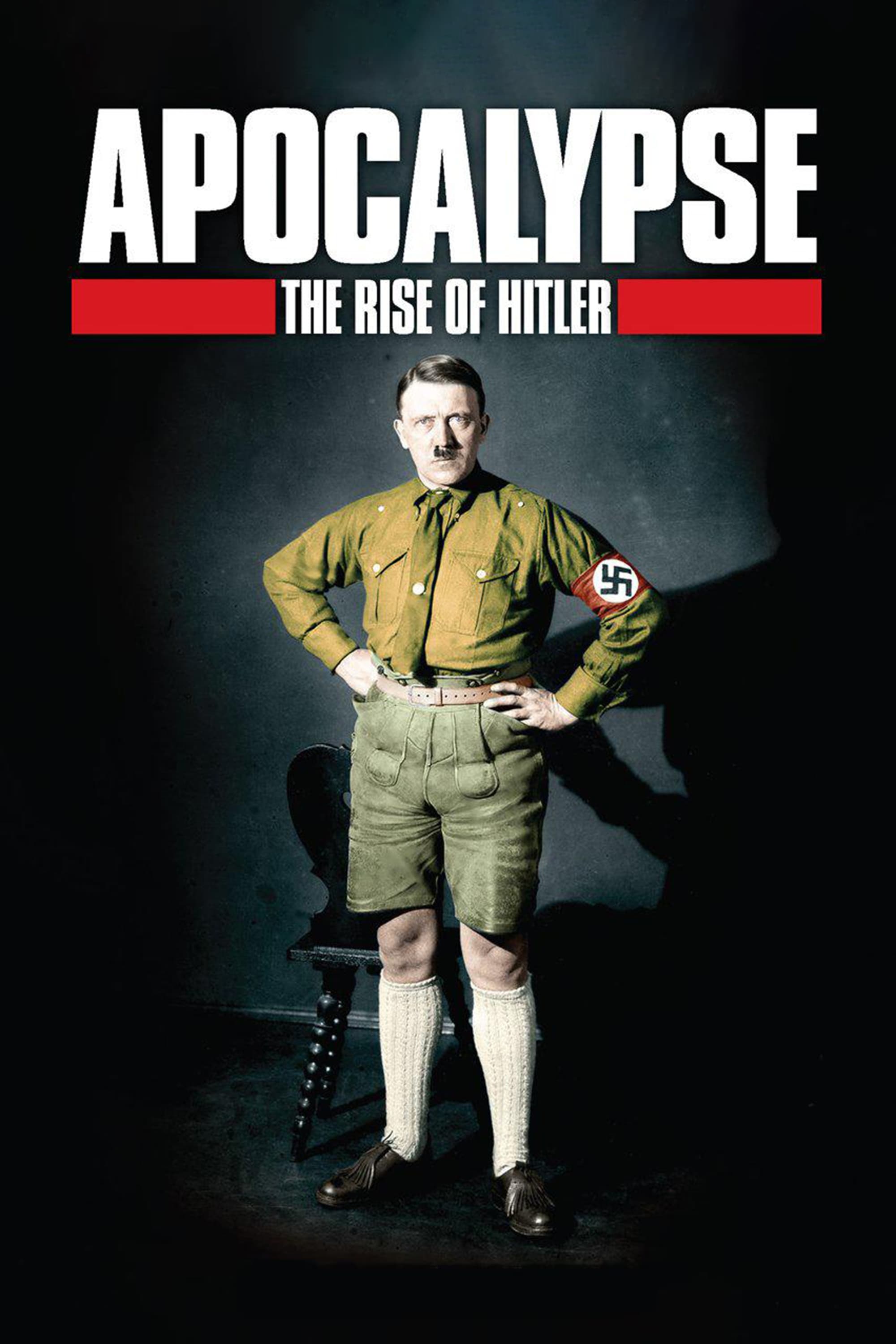
Adolf Hitler (1889-1945) was a mediocre who rose to power because of the blindness and ignorance of the Germans, who believed he was nothing more than an eccentric dreamer. But when the crisis of 1929 devastated the economy, the population, fearful of chaos and communism, voted for him. And no one defended democracy. As the dictatorship extended its relentless shadow, the leader claimed peace, but was preparing the Apocalypse.