Social & External
Have you ever wondered how the products you use every day are made? How It's Made leads you through the process of how everyday products, such as apple juice, skateboards, engines, contact lenses, and many more objects are manufactured.
This show combines cold hard science with some of the craziest, most spectacular and painful user generated clips ever recorded. Richard Hammond introduces all manner of mishaps featuring brave, if misguided individuals from around the world and then explains the science behind their failure and humiliation with the use of bespoke animations and super slo-mo cinematography. Every episode features between 50 and 60 clips of misadventure – ordinary folk making extraordinary mistakes. Each week watch stunts involving weightlifting, shooting guns or jumping over cars, that have gone wrong, paused, re-wound, and re-played and analysed to determine exactly what went wrong and why. Richard explains the physics, chemistry and biology at play, then presents forensic details to explain the stupidity that resulted in failure. He’ll look at everything including weight, volume, momentum, combustion and even how the brain operates. This is misadventure explained. This is the Science of Stupid.
Professor Moustache and his assistant Nathanaël go the extra mile to answer your questions scientifically. Do we really eat spiders in our sleep? Can we shrink children just like in a film? And what happens when a murder happens in space? All your queries are resolved by our favourite knowledgeable professor.
Vetenskapens värld is a popular science TV documentary program broadcast on Swedish Television (SVT).
A look inside one of the world’s biggest startup nations - Israel, and Shenzhen, looking at how and why the city has evolved so rapidly.
The inside story of how, since Donald Trump first took office, America and China have become locked in a battle for global power and influence.
Some Assembly Required is a Discovery Channel TV series which premiered in the United States on December 27, 2007 and originally aired in 2007 and 2008. Hosts Brian Unger and physicist Lou Bloomfield explain how various things are manufactured and participate in the manufacturing process. The show is also titled as How Stuff's Made in the UK.
Guy Martin's love of industry and endeavour leads him to China, where he reveals the unseen side of its innovation, technological development and gigantic manufacturing.
Industry on Parade is a decade-long syndicated industrial television series produced by the National Association of Manufacturers, originally in collaboration with NBC and later by Arthur Lodge Productions. From 1950 to 1960, weekly episodes presented engaging short documentaries that highlighted U.S. industrial innovation, manufacturing processes, and business developments. Widely distributed to stations and educational outlets, the series promoted technological progress and American enterprise during the early Cold War era.
Hosted by Mexican TV personality Alfonso "Poncho" Herrera, this series combines hard data and scientific observations with some of the most outrageous, hilarious and spectacularly painful bloopers ever recorded on video.
Hosted by the local comedy talent Paulo Bonfá, this brazilian version of "Science of Stupid" combines science with some of the most insanely spectacular and painful bloopers ever captured by amateurs.
Hosted by Jochen Schropp, this series combines hard data and scientific observations with some of the most outrageous, hilarious and spectacularly painful bloopers ever recorded on video.
Science of action is described in several different daily routine activities like sports, stunts, adventures, and things that should not be done at home. This series shows videos of people hurting themselves and explains the science behind them.
Hosted by Argentine television personality Alejandro Marley, this series combines hard data and scientific observation with some of the most outrageous, hilarious and spectacularly-painful bloopers ever recorded on video.
Hosted by Ymke Wieringa, this series combines hard data and scientific observations with some of the most outrageous, hilarious and spectacularly painful bloopers ever recorded on video.
Math is an exotic and confusing country. We speak a bizarre language, full of homeomorphisms, differential varieties, transfinite numbers. But we also find epic landscapes, dizzying ideas and even, sometimes, useful things!
Evan Davis looks at the British economy and asks what our country is good at and how it can pay its way in the world,
An insider's look at the engineering and scientific miracles behind the things that form the modern world.
Infographics and archival footage deliver bite-size history lessons on scientific breakthroughs, social movements and world-changing discoveries.
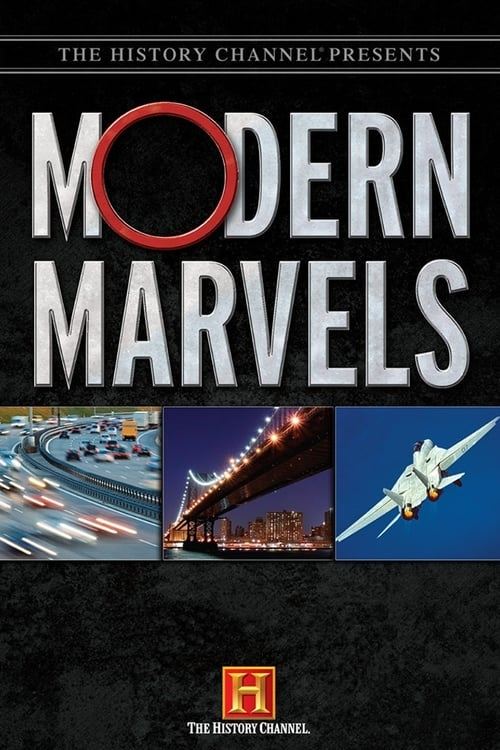
HISTORY’s longest-running series moves to H2. Modern Marvels celebrates the ingenuity, invention and imagination found in the world around us. From commonplace items like ink and coffee to architectural masterpieces and engineering disasters, the hit series goes beyond the basics to provide insight and history into things we wonder about and that impact our lives. This series tells fascinating stories of the doers, the dreamers and sometime-schemers that create everyday items, technological breakthroughs and manmade wonders. The hit series goes deep to explore the leading edge of human inspiration and ambition.
Through the prism of Jeff Goldblum's always inquisitive and highly entertaining mind, nothing is as it seems. Each episode is centered around something we all love — like sneakers or ice cream — as Jeff pulls the thread on these deceptively familiar objects and unravels a wonderful world of astonishing connections, fascinating science and history, amazing people, and a whole lot of surprising big ideas and insights.
Horizon tells amazing science stories, unravels mysteries and reveals worlds you've never seen before.
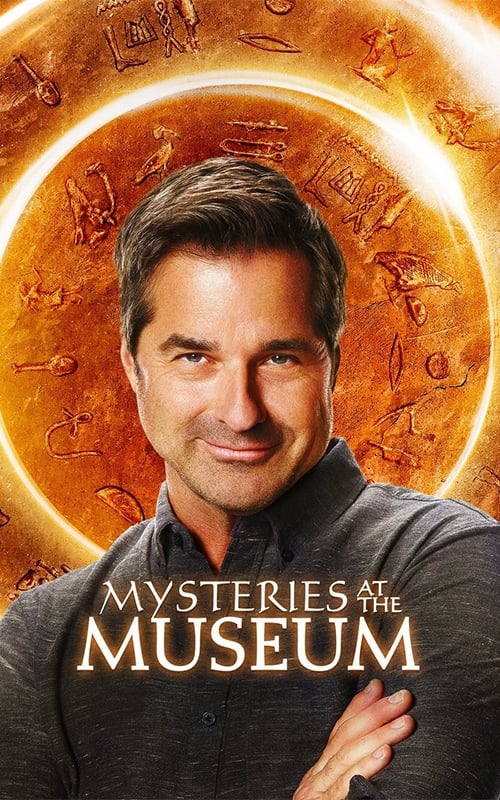
Don Wildman unearths relics from the world's greatest institutions to reveal secrets from the past. He examines each artifact to illuminate history's most incredible triumphs, sensational crimes and bizarre encounters.
TV's most-watched history series brings to life the compelling stories from our past that inform our understanding of the world today.
Explores WWII from Germany's invasion of Poland through the atomic age, examining pivotal battles, wartime leaders like Churchill and Roosevelt, and the human cost of total war.
MegaStructures is a documentary television series appearing on the National Geographic Channel in the United States and the United Kingdom, Channel 5 in the United Kingdom, France 5 in France, and 7mate in Australia. Each episode is an educational look of varying depth into the construction, operation, and staffing of various structures or construction projects, but not ordinary construction products. Generally containing interviews with designers and project managers, it presents the problems of construction and the methodology or techniques used to overcome obstacles. In some cases this involved the development of new materials or products that are now in general use within the construction industry. MegaStructures focuses on constructions that are extreme; in the sense that they are the biggest, tallest, longest, or deepest in the world. Alternatively, a project may appear if it had an element of novelty or are a world first. This type of project is known as a Megaproject.
The series heads to the very frontiers of space and science to produce the definitive television history of science fiction, told through its impact on cinema, television and literature, with the help of filmmakers, writers, actors, and graphic artists. Each episode will explore one of the enduring themes of science fiction: time travel; the exploration of space; robots and artificial intelligence; and aliens.
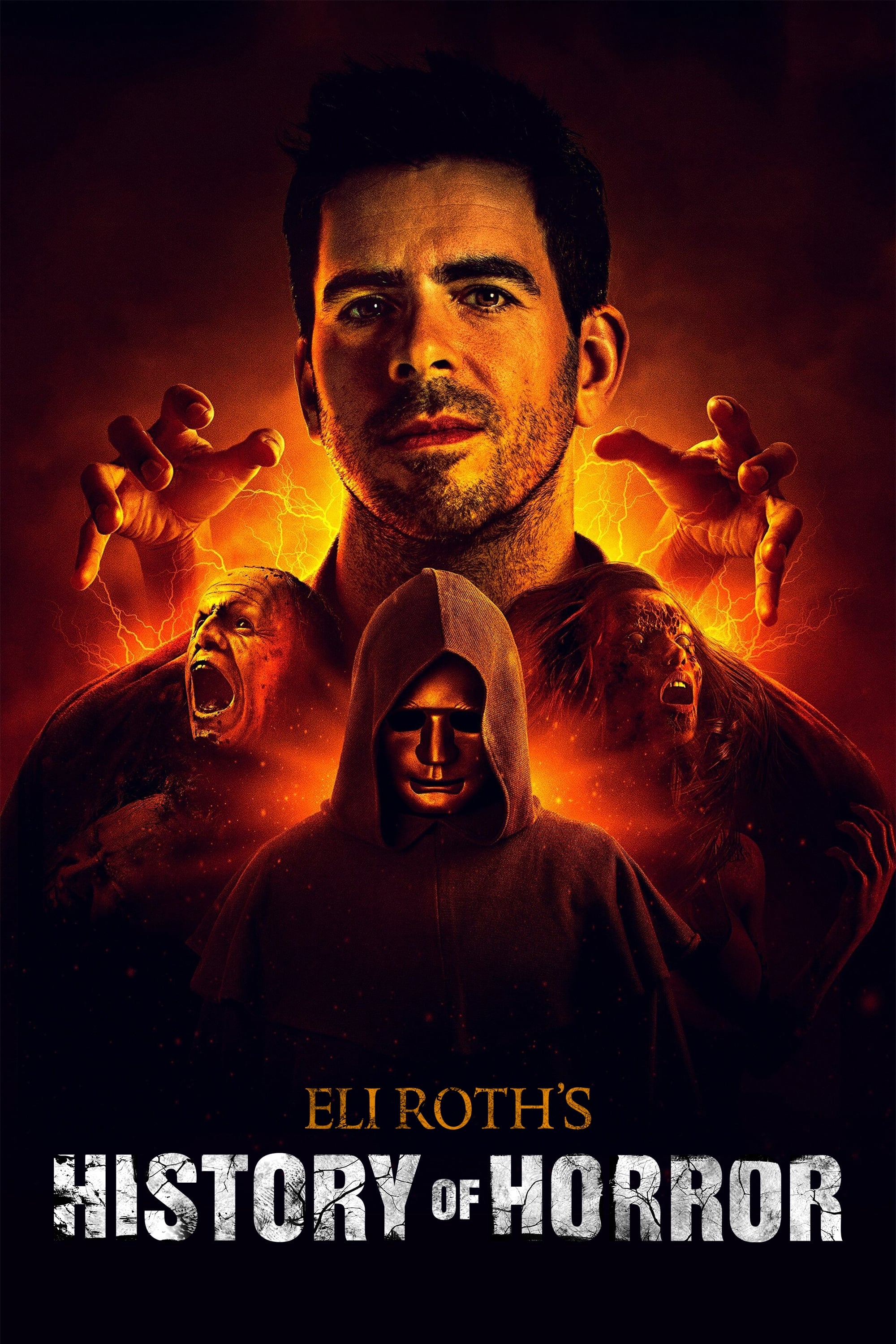
An in-depth look at the history and pop cultural significance of horror films.
PBS' premier science series helps viewers of all ages explore the science behind the headlines. Along the way, NOVA demystifies science and technology, and highlights the people involved in scientific pursuits.
The history of the sport of baseball in America, told through archival photos, film footage, and the words of those who contributed to the game in each era. Writers, historians, players, baseball personnel, and fans review key events and the significance of the game in America's history.
Doctor Who Confidential is a documentary to complement the revival of the long-running British science fiction television series Doctor Who. Each episode was broadcast on BBC Three on Saturdays, immediately after the broadcast of the weekly television episode on BBC One. The running time of the first two series was 30 minutes, being extended to 45 minutes in the third. BBC Three also broadcast a cut-down edition of the programme, lasting 15 minutes, shown after the repeats on Sundays and Fridays and after the weekday evening repeats of earlier seasons.
A series of standalone documentaries powered by the unparalleled journalism and insight of The New York Times, bringing viewers close to the essential stories of our time.
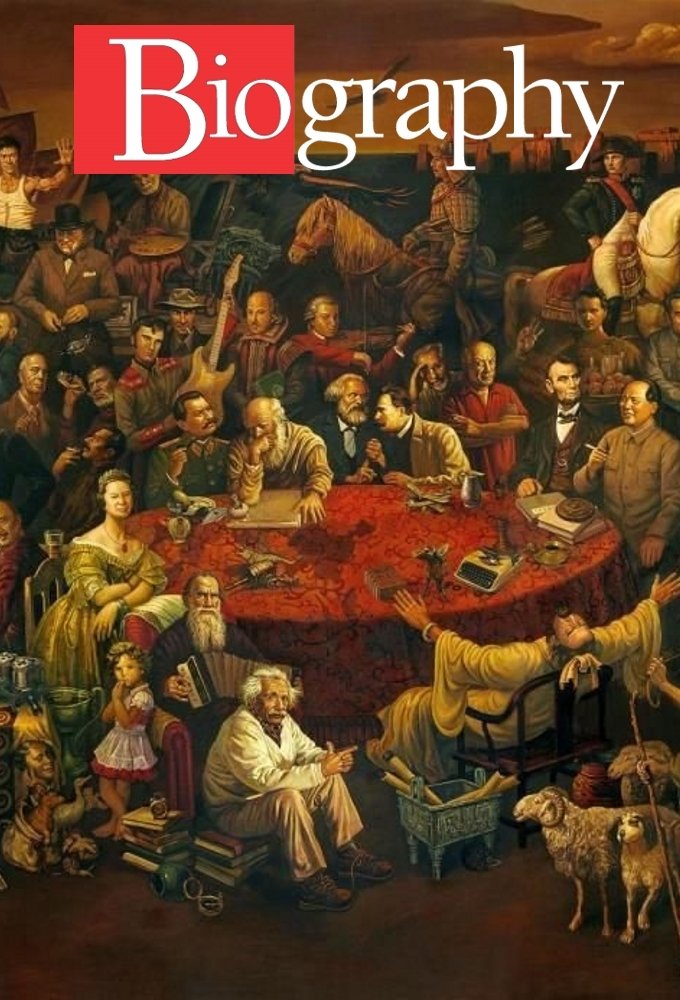
Biography is a documentary television series. It was originally a half-hour filmed series produced for CBS by David Wolper from 1961 to 1964 and hosted by Mike Wallace. The A&E Network later re-ran it and has produced new episodes since 1987. The older version featured historical figures such as Helen Keller and Mark Twain, or long-dead entertainment figures such as Will Rogers or John Barrymore. The A&E series has placed the emphasis on such people as Marilyn Monroe, Elvis Presley, Plácido Domingo, Freddie Mercury, Jacqueline Kennedy Onassis, Eric Clapton, Pope John Paul II, Gene Tierney, Selena, Diego Rivera, Mao Zedong and Queen Elizabeth II, and fictional characters like The Phantom, Superman, Hamlet, Betty Boop, and Santa Claus. The program ended up profiling enough figures that in 1999, A&E spun it off into an entire network, The Biography Channel.
This compelling series investigates the motives and m.o. of female murderers. While males are often driven by anger, impulse and destruction, women usually have more complex, long-term reasons to kill.
Learn how popular Disney attractions and destinations came to be, how they have changed over time, and how fans continue to obsess over them.
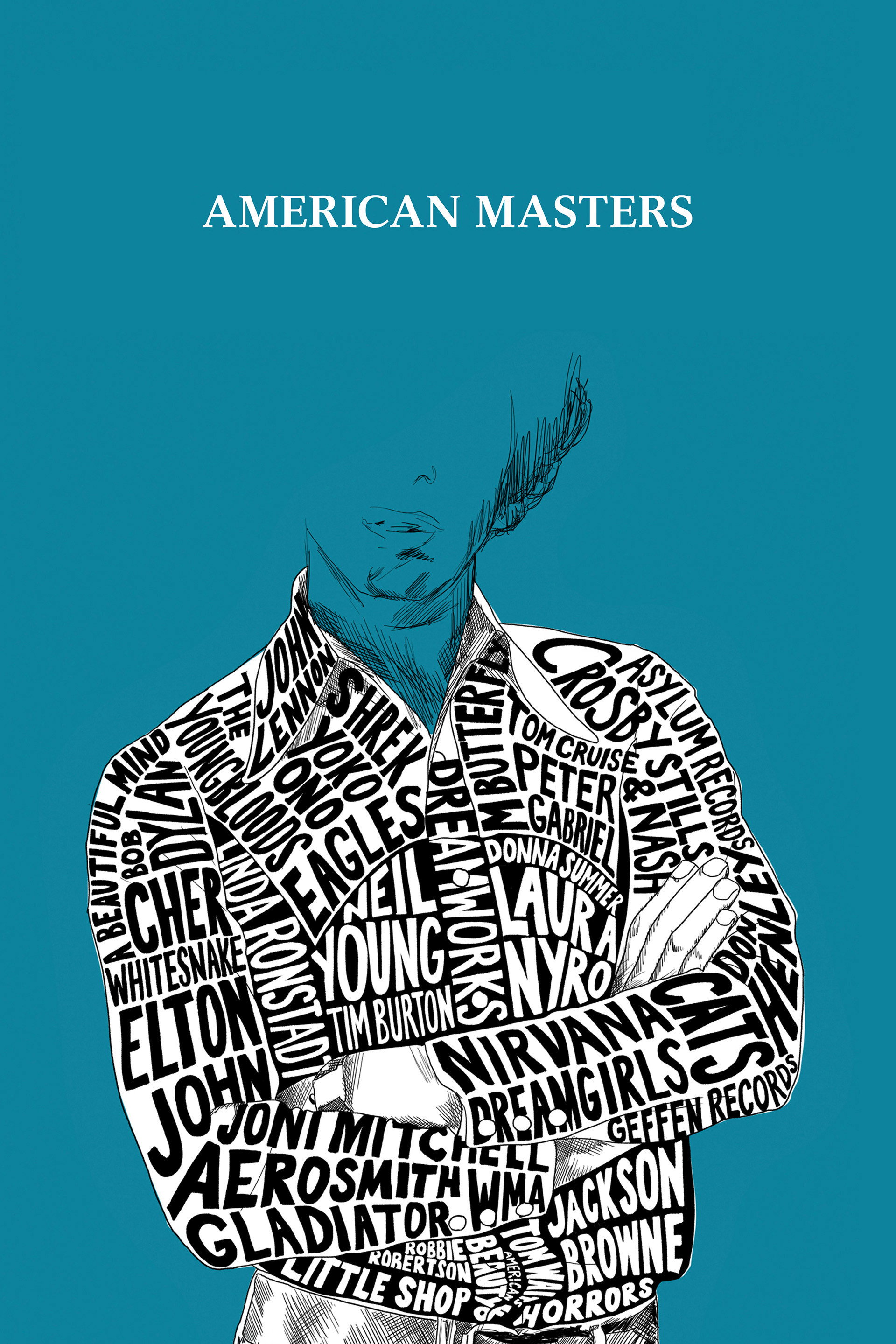
American Masters is a PBS television series which produces biographies on enduring writers, musicians, visual and performing artists, dramatists, filmmakers, and others who have left an indelible impression on the cultural landscape of the United States.