Evan Davis looks at the British economy and asks what our country is good at and how it can pay its way in the world,

Social & External
Himself - Presenter
In the series, "Wallace will take a light hearted and humorous look at the real-life inventors, contraptions, gadgets and inventions, with the silent help of Gromit. The series aims to inspire a whole new generation of innovative minds by showing them real, but mind-boggling, machines and inventions from around the world that have influenced his illustrious inventing career" (the BBC press statement). Peter Sallis reprised his role as the voice of Wallace. The filmed inserts are mostly narrated by Ashley Jensen, with one in each episode presented in-vision by Jem Stansfield. John Sparkes also voices a portion in the unseen character of archivist Goronwy.
Have you ever wondered how the products you use every day are made? How It's Made leads you through the process of how everyday products, such as apple juice, skateboards, engines, contact lenses, and many more objects are manufactured.
Explores the scientific, social, economic and environmental consequences of supposedly time-saving inventions, ideas and objects. Throughout a lifetime, the minutes that are actually lost or saved can add up to days, weeks, months or even years.
The enormous popularity of recent British dramas such as Downton Abbey, Mr. Selfridge, and Sherlock, has led to vast interest in the real-life stories and history of the icons of Great Britain. Each episode of this series visits a famous British building or institution to explore its past and present, meeting a wide range of experts and historians along the way.
In a unique experiment, five teachers from China take over the education of fifty teenagers in a Hampshire school to see whether the high-ranking Chinese education system can teach us a lesson.
Documentary series revealing the inner workings of Britain's railways, introducing the track-workers, train guards, drivers, police officers and management teams determined to keep the country moving.
Jonathan Meades gives a personal perspective of British history.
Britain’s rich horticultural history is being lost. More and more front and back gardens are paved over - for development, for parking spaces, or because families don’t have the time or inclination to manage these spaces. The trend for easy-to-maintain lawns, patios and paving has also led to a decline in traditional gardens full of flowers, plants and trees to the extent that some of our most iconic flora and fauna have all but disappeared. Step forward the BBC’s most-loved gardening experts, who are determined to turn us back into a green-fingered nation once again.
Documentary series which ranges widely over Britain's social and cultural history, its narrative-led storytelling offering a richly immersive and varied window onto the past.
The Secret Life of Machines is an educational television series presented by Tim Hunkin and Rex Garrod, in which the two explain the inner workings and history of common household and office machinery. According to Hunkin, the show's creator, the programme was developed from his comic strip The Rudiments of Wisdom, which he researched and drew for the Observer newspaper over a period of 14 years. Three separate groupings of the broadcast were produced and originally shown between 1988 and 1993 on Channel 4 in the United Kingdom, with the production subsequently airing on The Learning Channel and the Discovery Channel.
Every time we switch on a light or boil a kettle we rely on power - but most people don't stop to think about the inventions and discoveries that allow us to live the way we do. In an exciting new four-part series for BBC Two, The Genius of Invention reveals the fascinating chain of events behind inventions that make everyday life possible.
A three part series about women working in the British film industry during the 1950s.
Stretching from the Stone Age to the year 2000, Simon Schama's Complete History of Britain does not pretend to be a definitive chronicle of the turbulent events which buffeted and shaped the British Isles. What Schama does do, however, is tell the story in vivid and gripping narrative terms, free of the fustiness of traditional academe, personalising key historical events by examining the major characters at the centre of them. Not all historians would approve of the history depicted here as shaped principally by the actions of great men and women rather than by more abstract developments, but Schama's way of telling it is a good deal more enthralling as a result. Schama successfully gives lie to the idea that the history of Britain has been moderate and temperate, passing down the generations as stately as a galleon, taking on board sensible ideas but steering clear of sillier, revolutionary ones. Nonsense. Schama retells British history the way it was--as bloody, convulsive, precarious, hot-blooded and several times within an inch of haring off onto an entirely different course. Schama seems almost to delight in the goriness of history. Themes returned to repeatedly include the wars between the Scots and the Irish and the Catholic/Protestant conflicts--only the Irish question remains unresolved by the new millennium. As Britain becomes a constitutional monarchy, Schama talks less of Kings and Queens but of poets and idea-makers like Orwell. Still, with his pungent, direct manner and against an evocative visual and aural backdrop, Schama makes history seem as though it happened yesterday, the bloodstains not yet dry.
Historian Dan Jones explores the millennium of history behind six of Great Britain's most famous castles: Warwick, Dover, Caernarfon, the Tower of London, Carrickfergus, and Stirling.
James May takes a look at some of the greatest developments of the 20th century.
Who are the winners and losers of Brexit? Former United Kingdom correspondent Tim de Wit returns to reflect on his own role as a journalist and to investigate what became of the Brexit promises. Has migration decreased? Has healthcare improved?
HISTORY’s longest-running series moves to H2. Modern Marvels celebrates the ingenuity, invention and imagination found in the world around us. From commonplace items like ink and coffee to architectural masterpieces and engineering disasters, the hit series goes beyond the basics to provide insight and history into things we wonder about and that impact our lives. This series tells fascinating stories of the doers, the dreamers and sometime-schemers that create everyday items, technological breakthroughs and manmade wonders. The hit series goes deep to explore the leading edge of human inspiration and ambition.
A politically charged mini-series researched and written by Duncan Campbell which saw dramatic Special Branch raids on BBC Scotland. An entire production office was loaded into transit vans and confiscated by the police. + One: 'The Secret Constitution' about secret Cabinet committees that amount to a secret decision making system at the highest levels of power in the United Kingdom. + Two: 'In Time of Crisis' about secret preparations for war that began in 1982 within every NATO country. This programme revealed what Britain would do. + Three: 'A Gap In Our Defences' about bungling defence manufacturers and incompetent military planners who have botched every new radar system that Britain has installed since World War II. + Four: 'We're All Data Now' about the Data Protection Act. + Five: 'Association of Chief Police Officers' and how Government policy and actions are determined in the fields of law and order. + Six: 'Communications' with particular reference to Zircon spy satellites ...
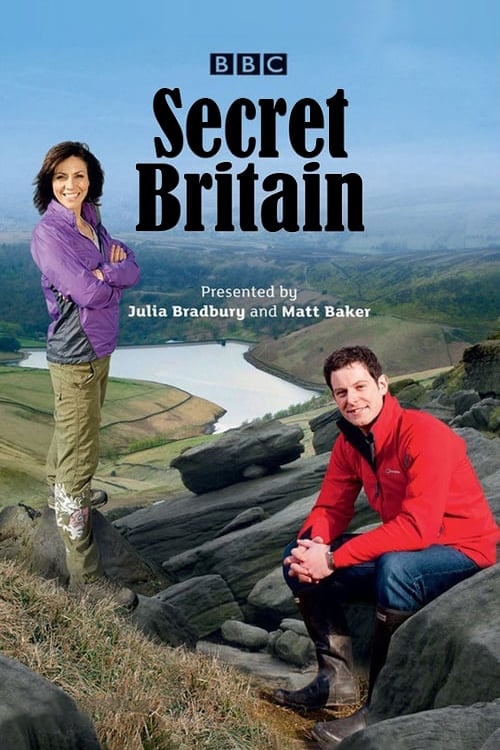
Exploring the hidden corners of the UK in search of the best the countryside has to offer.
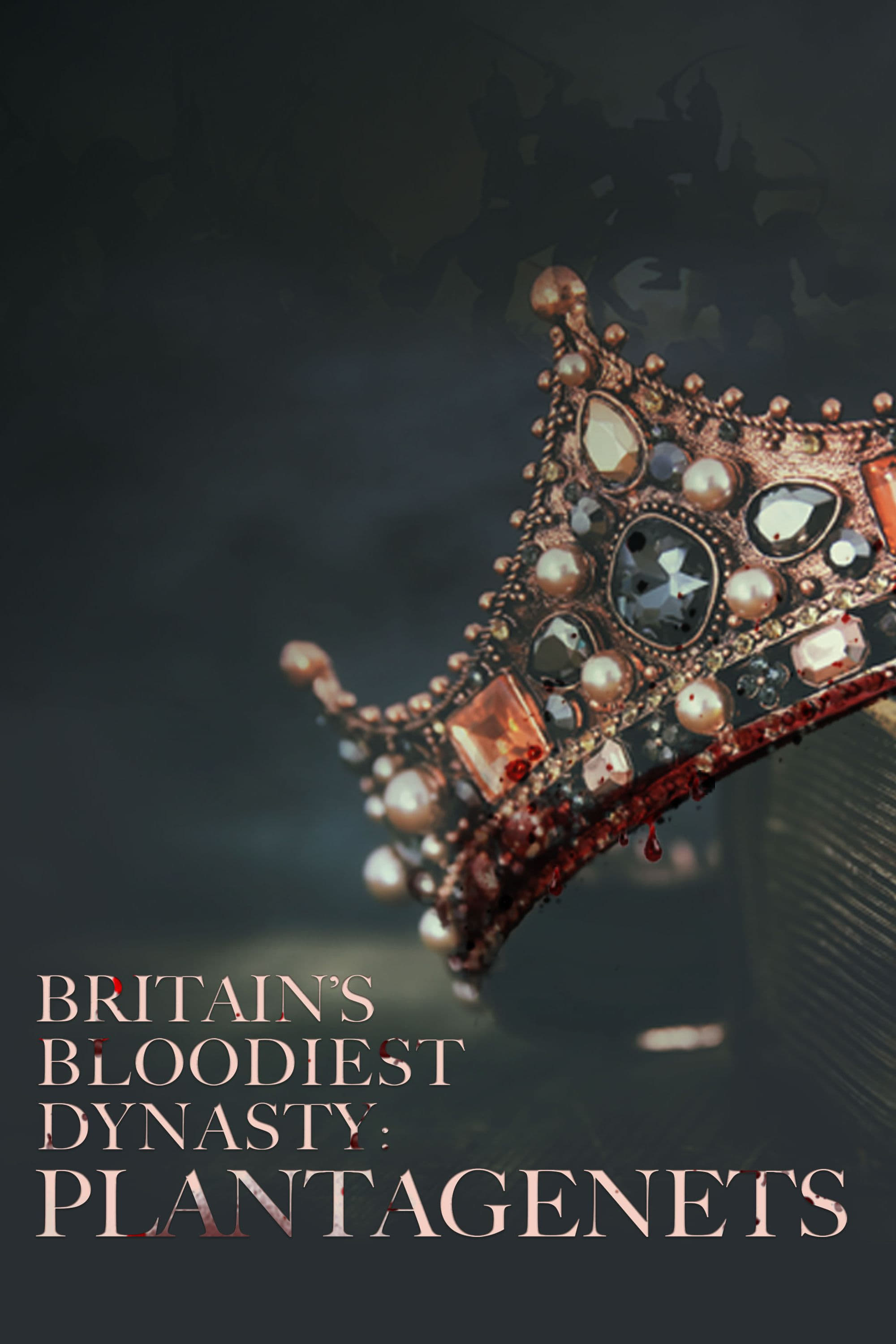
Acclaimed historian Dan Jones tells the story of the dynasty who ruled England and much of France during the Middle Ages. More shocking, brutal and exhilarating than Game of Thrones, these events actually happened.