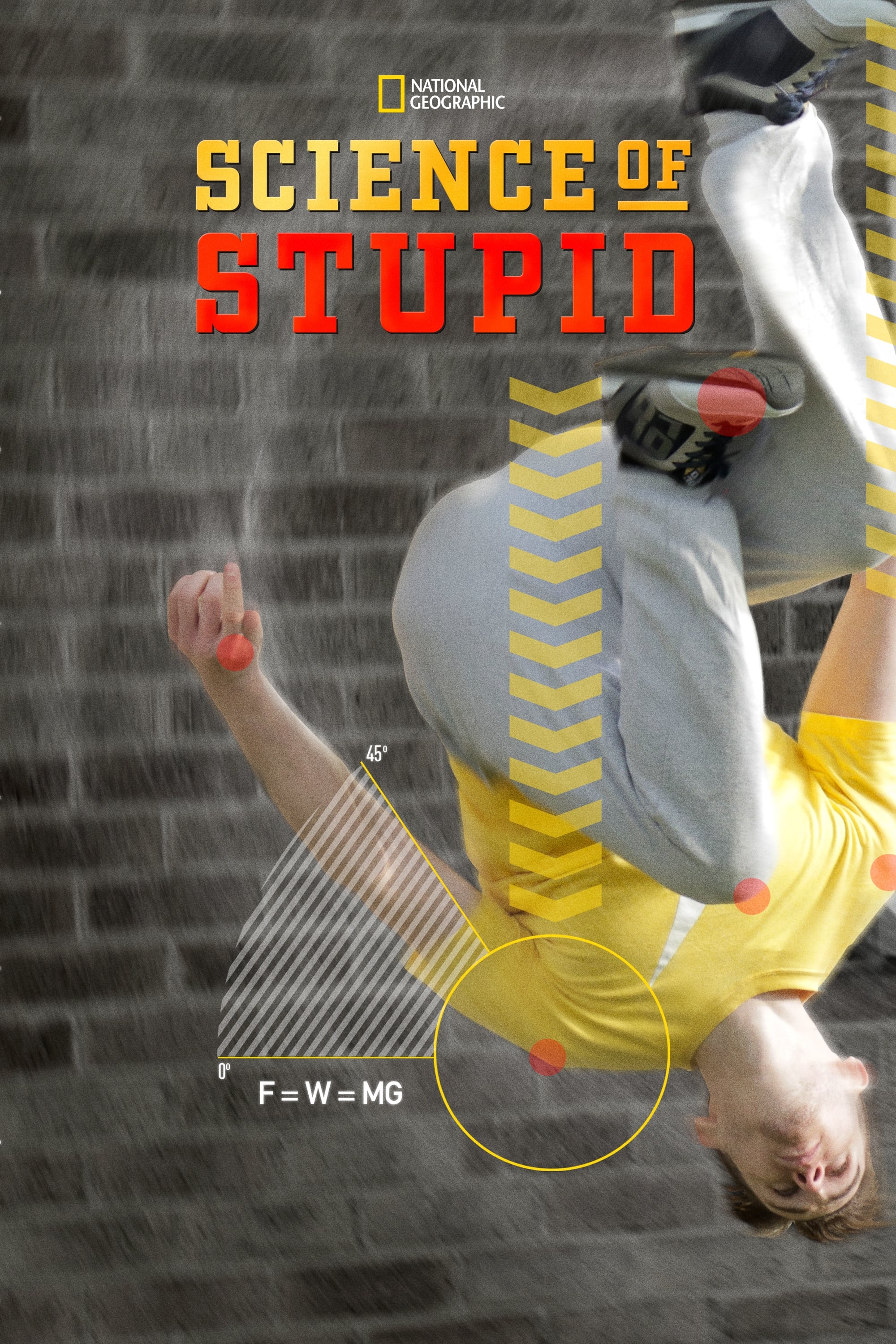
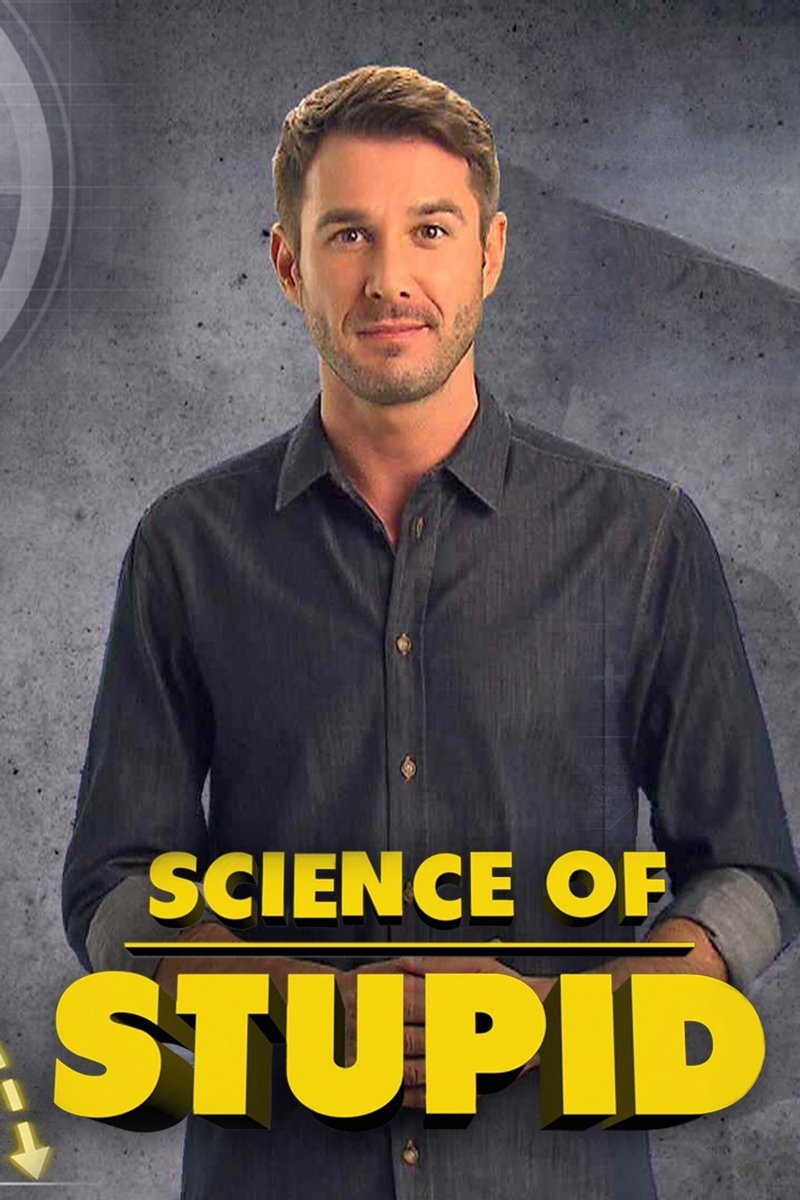
Hosted by Jochen Schropp, this series combines hard data and scientific observations with some of the most outrageous, hilarious and spectacularly painful bloopers ever recorded on video.
Social & External
Self - Host
Academy Reincarnation (also known as Past Life Academy) is a web variety content based on the concept of a male protagonist from a web novel who was reborn from an idol to a student. With its host, TXT's Kang Taehyun, the show provides laughter and information at the same time, by attending various academies across South Korea.
The Four Bamboo Masters come together once again to document their adventurous 3-day, 2-night trip to Weizhou Island. Together, they face a series of challenges designed by the "system" to test their teamwork and camaraderie.
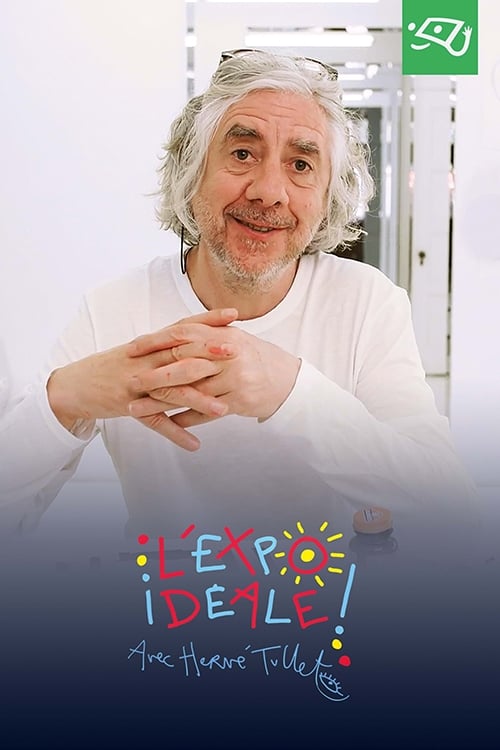
Hervé Tullet, an artist of playful and uninhibited creations, invites young and old to unleash their creativity. He offers a series of creation, recreation and inspiration workshops, so that anyone can put together their own Ideal Exhibition.
Time Team is a British television series which has been aired on British Channel 4 from 1994. Created by television producer Tim Taylor and presented by actor Tony Robinson, each episode featured a team of specialists carrying out an archaeological dig over a period of three days, with Robinson explaining the process in layman's terms. This team of specialists changed throughout the series' run, although has consistently included professional archaeologists such as Mick Aston, Carenza Lewis, Francis Pryor and Phil Harding. The sites excavated over the show's run have ranged in date from the Palaeolithic right through to the Second World War.
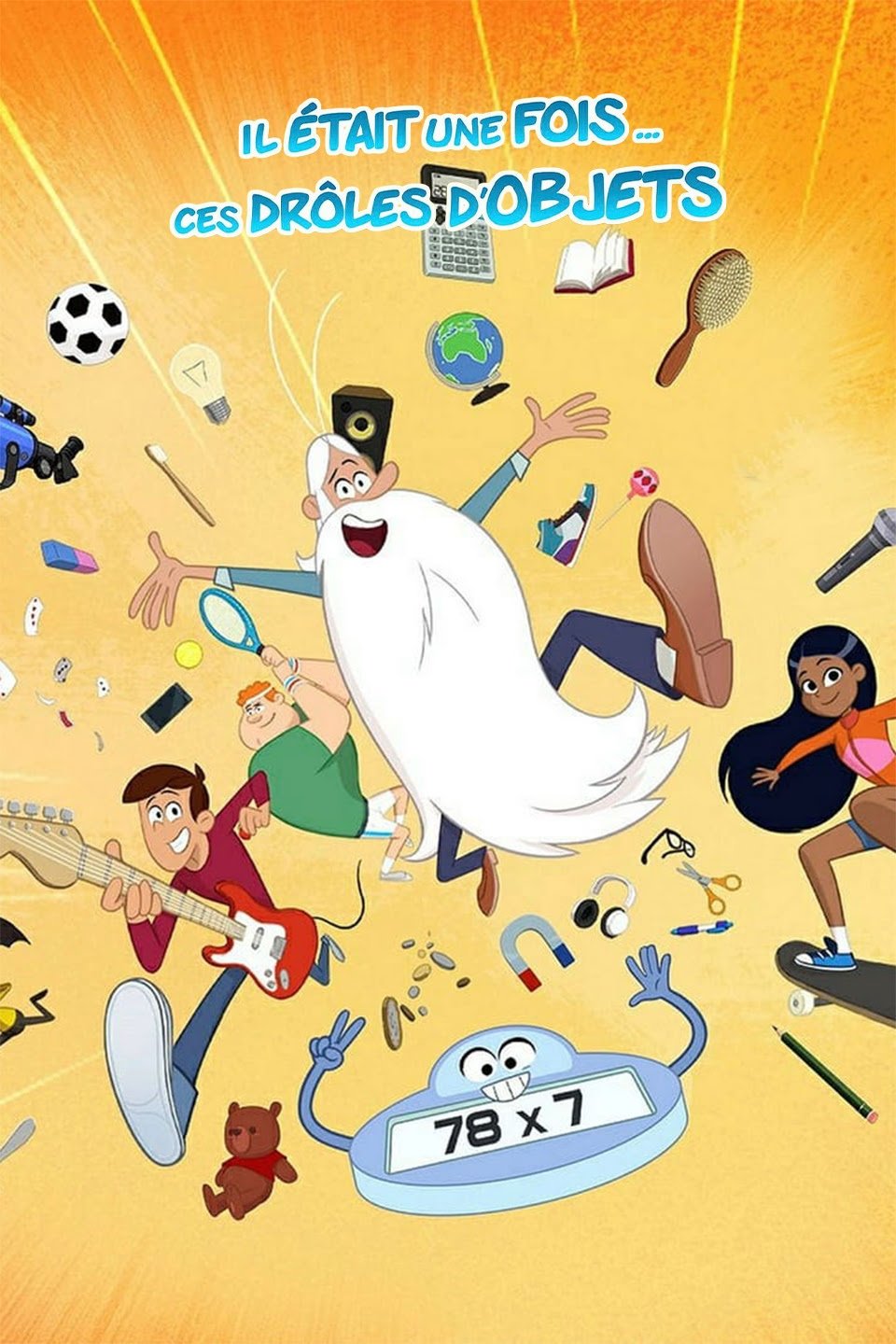
Did you know that behind a soccer ball, glasses or a spoon lie treasures of inventiveness and thousands of years of history? Each episode of this new series looks at an object. Through its creation and its developments, through the ages and civilizations, we approach all sciences, from physics to philosophy, including history. Each object of our daily life is the result of a long process and conceals a rich history of knowledge and human adventures. Never again will you look at your stairs, your pants or a computer the same way...
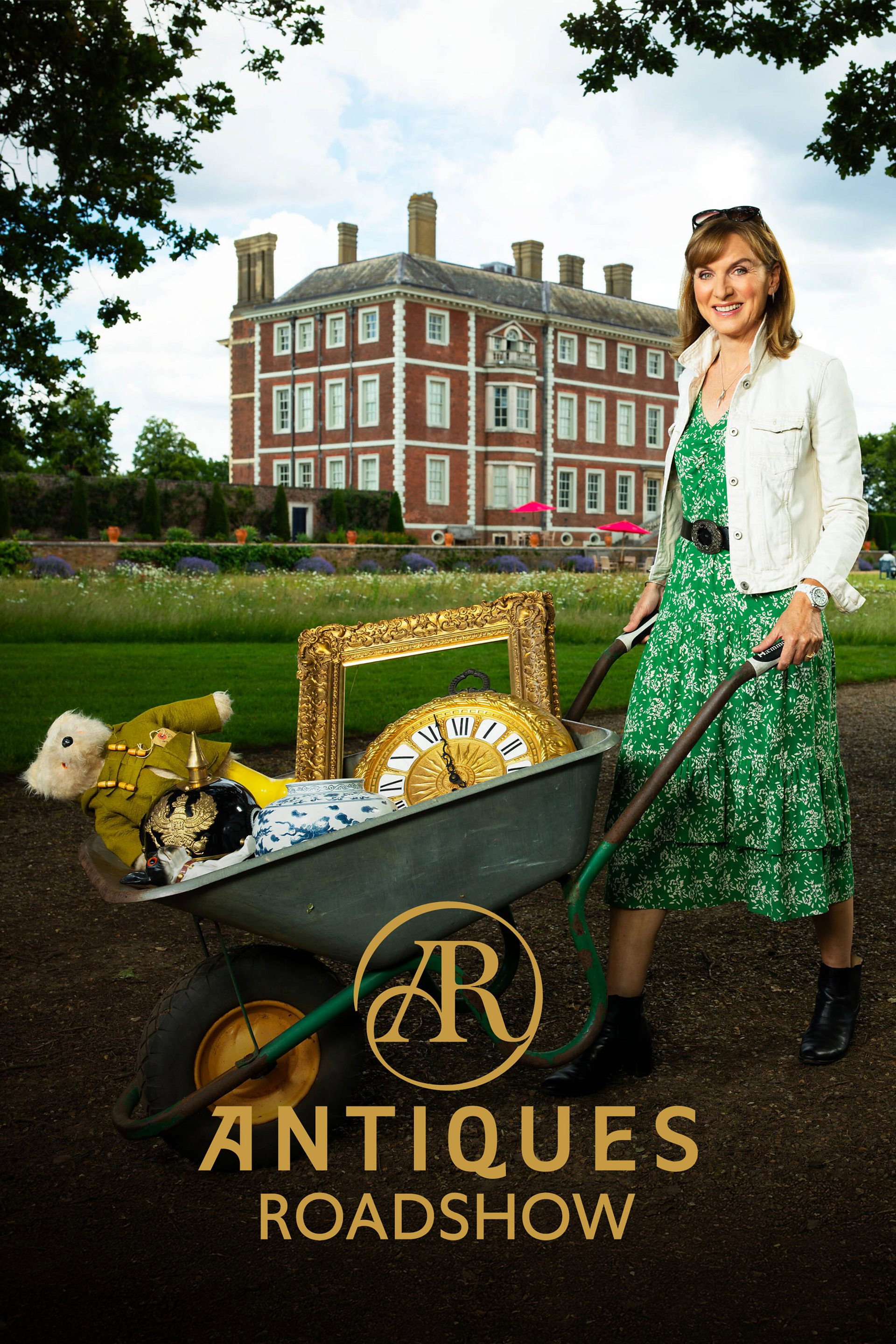
Antiques Roadshow is a British television show in which antiques appraisers travel to various regions of the United Kingdom to appraise antiques brought in by local people. It has been running since 1979. There are also international versions of the programme.
Australian host Steve Irwin and his wife Terri run a wildlife refuge. Their shared passion is educating the world about wildlife, including the much feared crocodile and numerous venomous snakes. Steve's specialty is the capture and relocation of crocodiles. No animal appears too threatening to Steve, his true respect for animals is the foundation for everything he does.
Attention please! Are you ready for an adventurous tour through the human body? With a lot of humour, our physical appearance is being introduced from head to toe along cells and organs in an educational way. The heart, blood, nerves and kidneys, each single one is a miracle which renders life possible.
Jack Whitehall and his father embark on a globe-trotting trip to find answers to the big questions facing the comedian after becoming a dad.
Together, hosts Pond and Phuwin travel Thailand trying new things.
Newton's Apple is an American educational television program produced and developed by KTCA, and distributed to PBS stations in the United States that ran from 1983 to 1999. The show's title is based on the rumor of Isaac Newton sitting under a tree and an apple falling near him—or, more popularly, on his head—prompting him to ponder what makes things fall, leading to the development of his theory of gravitation. The show was produced by Twin Cities Public Television. For most of the run, the show's theme song was Ruckzuck by Kraftwerk, later remixed by Absolute Music. Later episodes of the show featured an original song. An occasional short feature appeared called "Science of the Rich and Famous" in which celebrities appeared to explain a science principle.
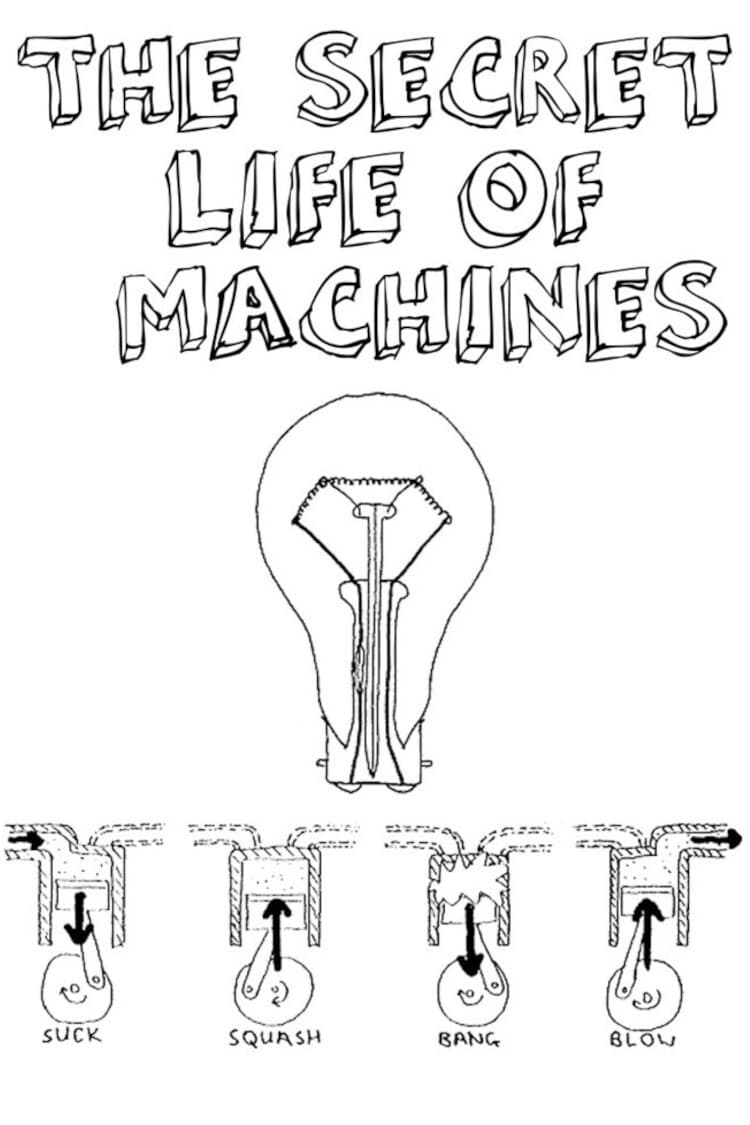
The Secret Life of Machines is an educational television series presented by Tim Hunkin and Rex Garrod, in which the two explain the inner workings and history of common household and office machinery. According to Hunkin, the show's creator, the programme was developed from his comic strip The Rudiments of Wisdom, which he researched and drew for the Observer newspaper over a period of 14 years. Three separate groupings of the broadcast were produced and originally shown between 1988 and 1993 on Channel 4 in the United Kingdom, with the production subsequently airing on The Learning Channel and the Discovery Channel.
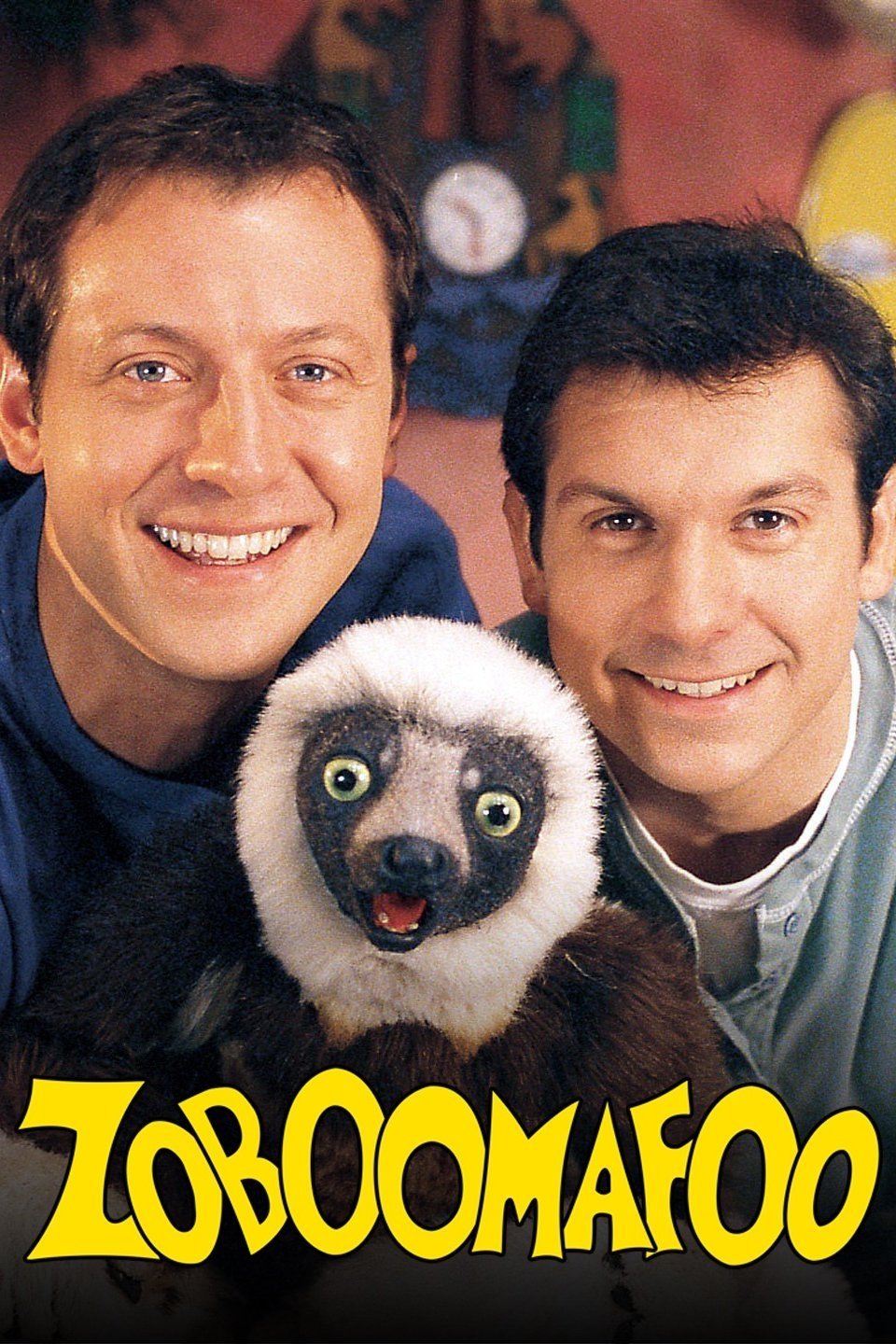
Zoboomafoo is an American children's television series that aired from January 25, 1999, to April 28, 2001, and is still shown today in syndication depending on the area, and it is regularly shown on PBS Kids Sprout. A total of 65 episodes were aired. A creation of the Kratt Brothers, it features a talking Coquerel's Sifaka, a type of lemur, named Zoboomafoo, or Zoboo for short, and a collection of repeat animal guests. Every episode begins with the Kratt brothers in "Animal Junction", a peculiar place in which the rules of nature change and wild animals come to visit and play. After January 16, 2004, the show was pulled from its weekday airing on most PBS stations, though some continue to air the show.
Vetenskapens värld is a popular science TV documentary program broadcast on Swedish Television (SVT).
Courageous couples journey toward more pleasurable sex and deeper intimacy with help from Gwyneth Paltrow and a team of experts in this reality series.
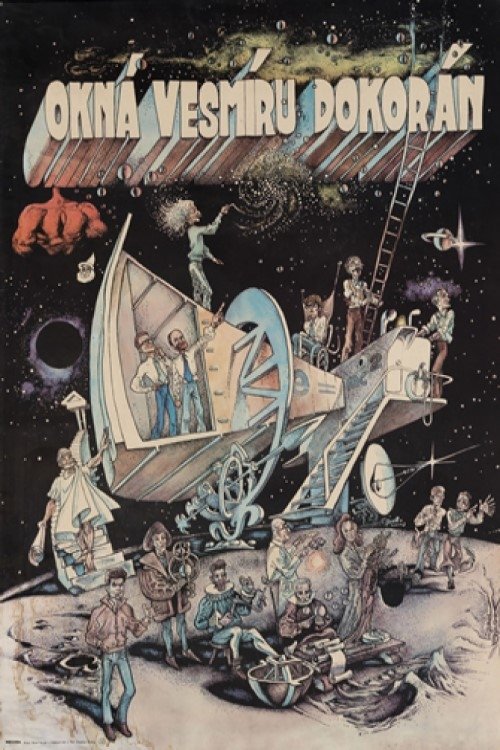
A television documentary series, hosted by Piero Angela and Alberto Angela in 1998, dedicated to the exploration of the Universe
This show combines cold hard science with some of the craziest, most spectacular and painful user generated clips ever recorded. Richard Hammond introduces all manner of mishaps featuring brave, if misguided individuals from around the world and then explains the science behind their failure and humiliation with the use of bespoke animations and super slo-mo cinematography. Every episode features between 50 and 60 clips of misadventure – ordinary folk making extraordinary mistakes. Each week watch stunts involving weightlifting, shooting guns or jumping over cars, that have gone wrong, paused, re-wound, and re-played and analysed to determine exactly what went wrong and why. Richard explains the physics, chemistry and biology at play, then presents forensic details to explain the stupidity that resulted in failure. He’ll look at everything including weight, volume, momentum, combustion and even how the brain operates. This is misadventure explained. This is the Science of Stupid.