
Social & External
Self
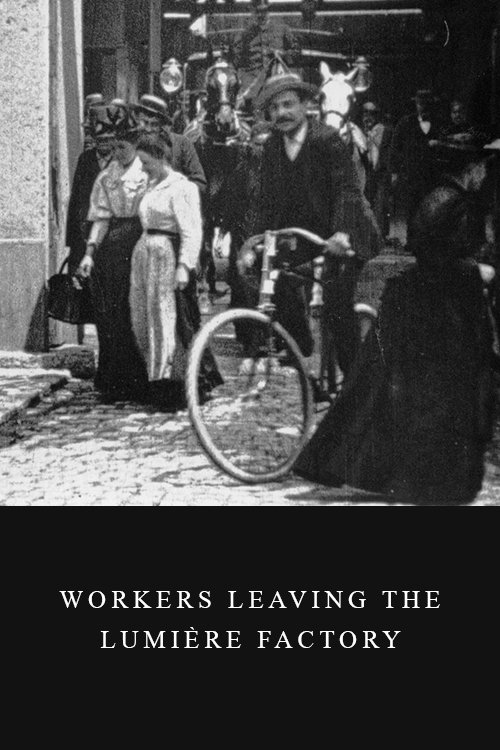
Working men and women leave through the main gate of the Lumière factory in Lyon, France. Filmed on 22 March 1895, it is often referred to as the first real motion picture ever made, although Louis Le Prince's 1888 Roundhay Garden Scene pre-dated it by seven years. Three separate versions of this film exist, which differ from one another in numerous ways. The first version features a carriage drawn by one horse, while in the second version the carriage is drawn by two horses, and there is no carriage at all in the third version. The clothing style is also different between the three versions, demonstrating the different seasons in which each was filmed. This film was made in the 35 mm format with an aspect ratio of 1.33:1, and at a speed of 16 frames per second. At that rate, the 17 meters of film length provided a duration of 46 seconds, holding a total of 800 frames.
John and Yoko in the presidential suite at the Hilton Amsterdam, which they had decorated with hand-drawn signs above their bed reading "Bed Peace." They invited the global press into their room to discuss peace for 12 hours every day.
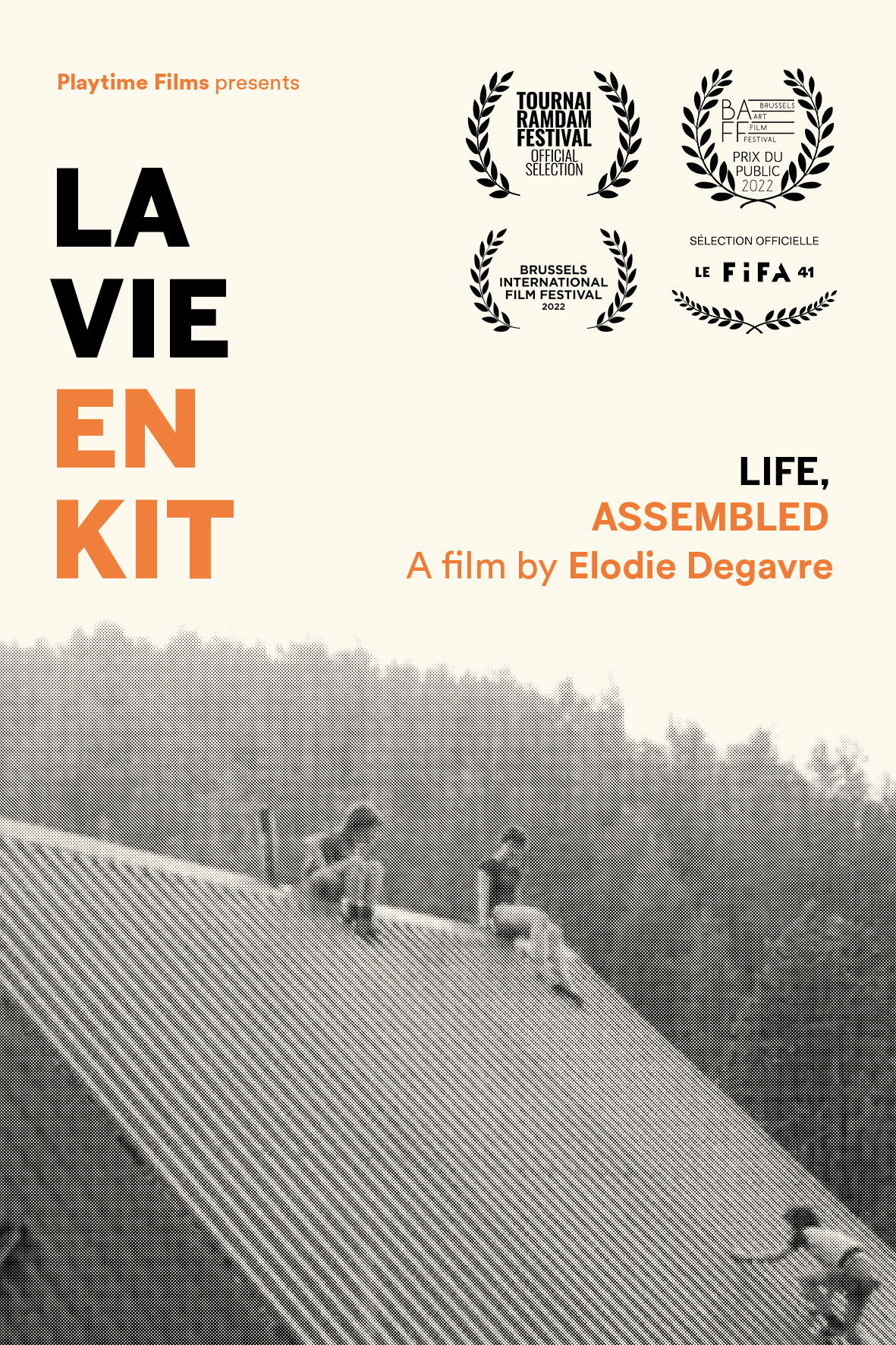
For a long time, in France, comedy was the preserve of men. Female roles were mostly secondary and corresponded to stereotypes such as the pretty doll, the funny but unattractive woman, or the troublesome, even cantankerous wife
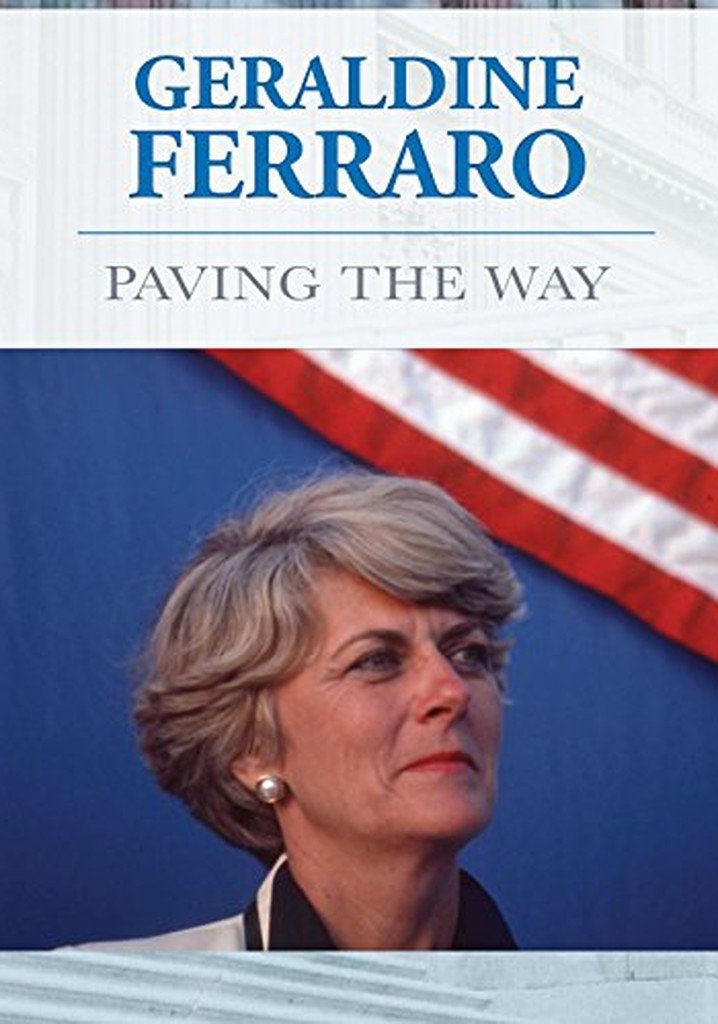
A documentary by Donna Zaccaro about the political trailblazer, Geralidine Ferraro. Featuring interviews with Bill and Hillary Clinton, George and Barbara Bush, Walter Mondale, and Geraldine Ferraro herself, among others, this is a heartwarming and engrossing portrait of the first woman who was nominated for vice president, whose legacy still reverberates today.
The 6 Guarani villages of Jaraguá, in São Paulo, fight for land rights, for human rights and for the preservation of nature. They suffer from the proximity to the city, which brings lack of resources, pollution of rivers and springs, racism, police violence, fires, lack of infrastructure and sanitation, among others. Unable to live like their ancestors, their millenary culture is lost as it merges with the urban culture.
The story of Tasmanian-born actor Errol Flynn whose short & flamboyant life, full of scandals, adventures, loves and excess was largely played out in front of the camera - either making movies or filling the newsreels and gossip magazines. Tragically he was dead from the effects of drugs and alcohol by the time he was only 50 & the myths live on. But there is another side of Flynn that is less well known - his ambitions to be a serious writer and newspaper correspondent, his documentary films and his interest in the Spanish Civil War and Castro's Cuba
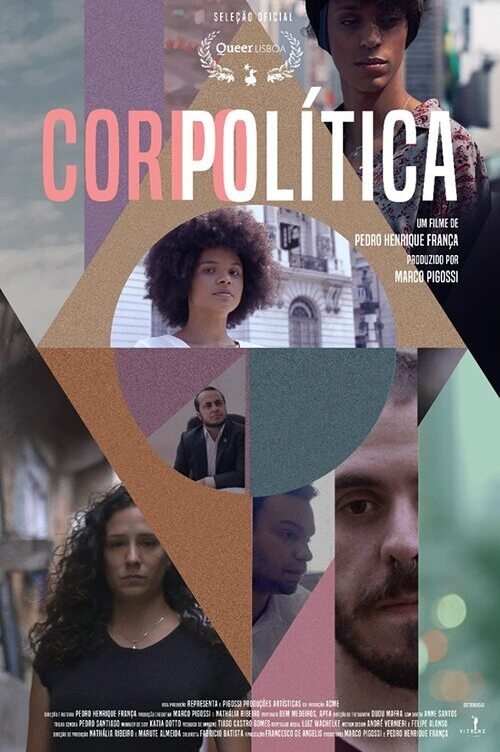
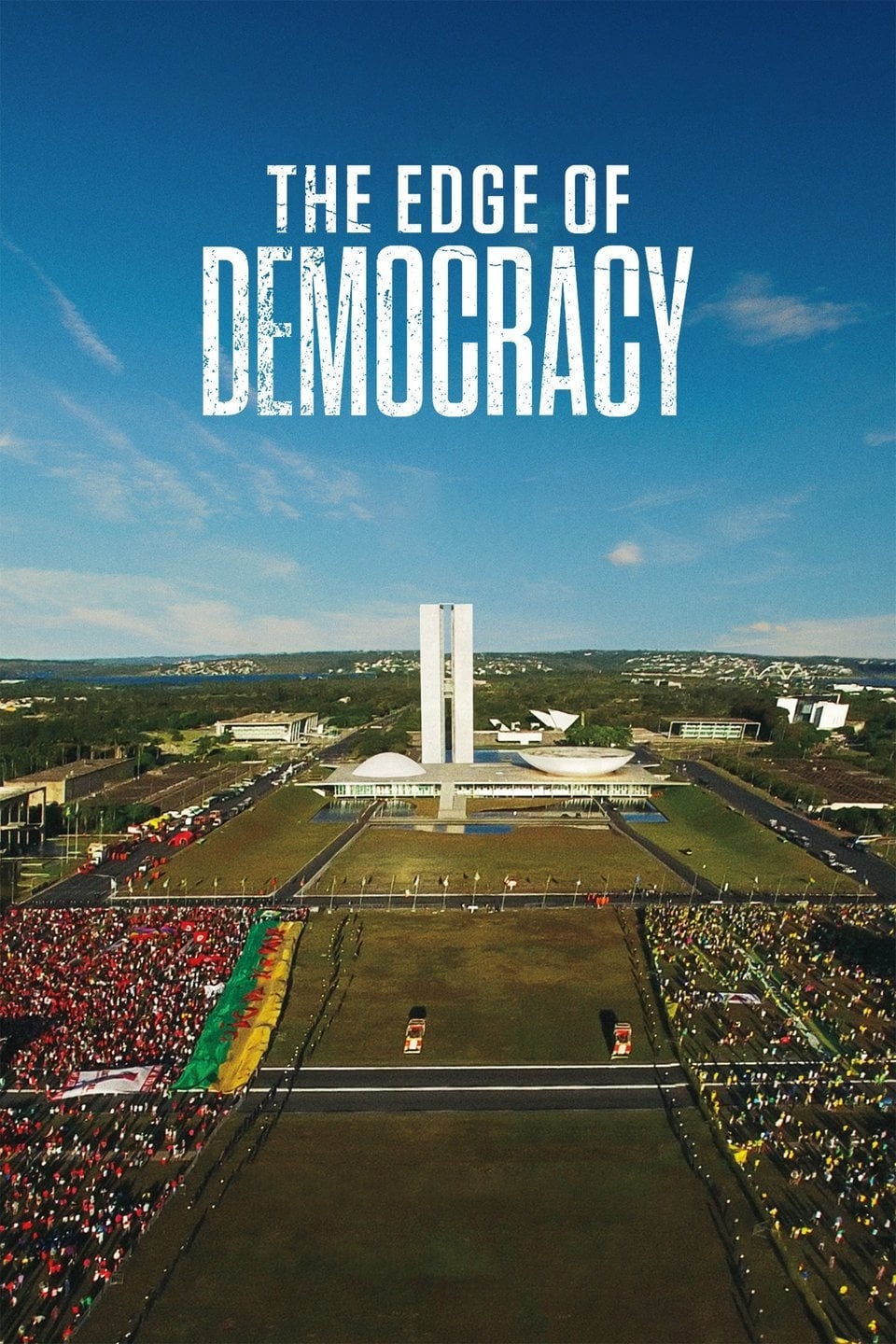
Every four years, the calm and peacefull Camocim de São Félix, a small town in Pernambuco (Brazil), is shaken, revealing an outpouring of joy, anger, hope and disappointment. During the municipal political campaign, the city splits into two, and everything seems to orbit around politics. In the middle of this political market, Mayara, 23, tries to make a "clean" campaign to elect his candidate and friend Cesar.
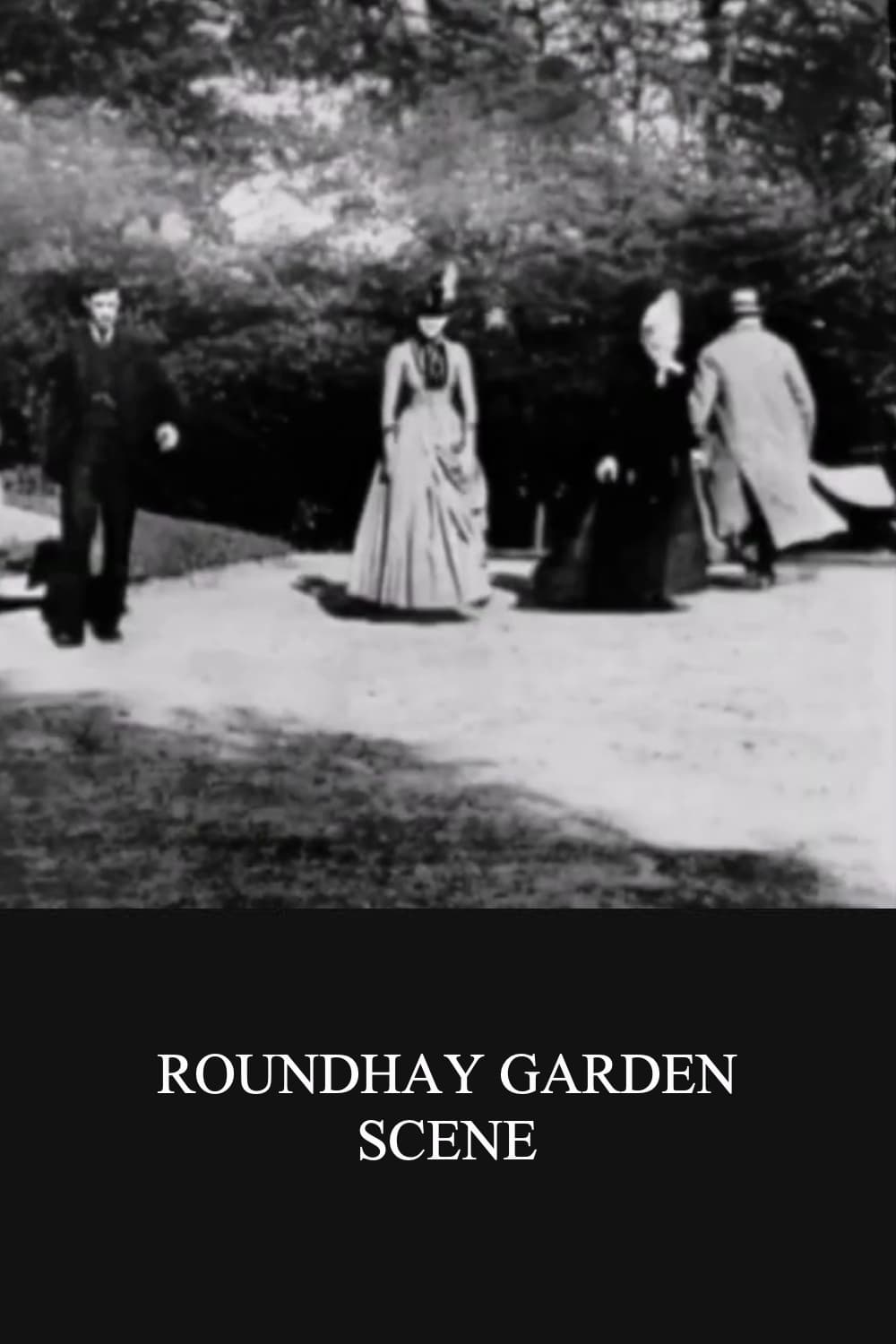
The earliest surviving motion-picture film, and believed to be one of the very first moving images ever created, was shot by Louis Aimé Augustin Le Prince using the LPCCP Type-1 MkII single-lens camera. It was taken on paper-based photographic film in the garden of Oakwood Grange, the Whitley family house in Roundhay, Leeds, West Riding of Yorkshire (UK), on 14 October 1888. The film shows Adolphe Le Prince (Le Prince’s son), Mrs. Sarah Whitley (Le Prince’s mother-in-law), Joseph Whitley, and Miss Harriet Hartley walking around in circles, laughing to themselves, and staying within the area framed by the camera. Roundhay Garden Scene is often associated with a recording speed of around 12 frames per second and runs for about 2 to 3 seconds.
A historical perspective to understand Neoliberalism and to understand why this ideology today so profoundly influences the choices of our governments and our lives.
It’s the hit musical that changed Broadway forever and brought the genius of Lin Manuel Miranda to the attention of legions of fans across the world. A story of how a group of mavericks made an unlikely marriage of hip-hop and history to create the biggest show in America…and are getting ready to conquer the world. Featuring interviews with Miranda, as well as the cast and crew of Hamilton.
When a black teenager is shot and killed attending a bonfire party in Jay, Florida, the town's racist past becomes its present and leads to the uncovering of a shockingly similar murder in 1922 that changed the community forever.
Migrating by sea from Holland as an eight-year-old, Dirk de Bruyn went on to be a doyen of Australian experimental cinema. But as this intimate film reveals, his work is suffused with the trauma of migration, and the struggle to recognise himself as a ‘new Australian'. In conversation with documentarian Steven McIntyre, Dirk guides us through more than 40 years of his filmmaking: the early years exploring technique and technology, a subsequent phase of unflinching self-examination brought on by upheaval and overseas travel, and more recent projects where he attempts a fusion of personal, cultural, and historical identity. What emerges is an inspiring, rugged, and at times poignant portrait of an artist committed to self-expression and self-discovery through the medium of film.
Thanks to new excavations in Mauritius and Madagascar, as well as archival and museum research in France, Spain, England and Canada, a group of international scholars paint a new portrait of the world of piracy in the Indian Ocean.
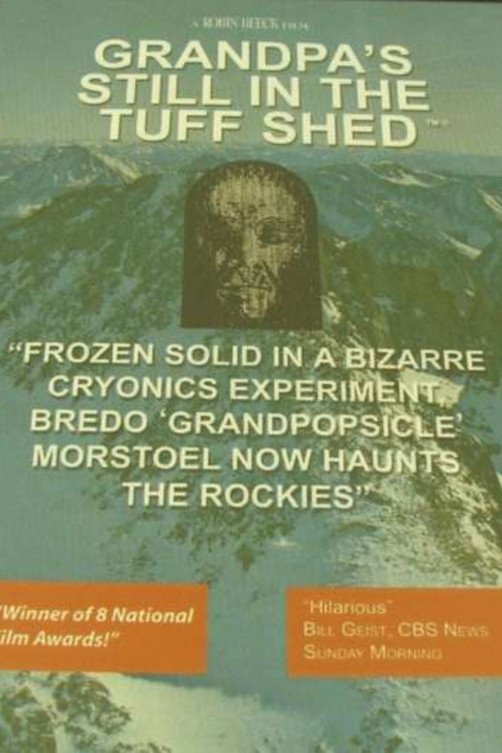
Award winning documentary filmmakers, Robin, Kathy and Shelly Beeck, with the help of filmmaker Michael Moore, have spent the last five years filming a 60-minute feature-length documentary on Bredo Morstoel, a Norweigan who was frozen by his grandson in 1983. Since then, the world famous...well...stiff has been lying under 800 pounds of dry ice in a TUFF SHED behind his grandsons' castle-like house in the 9000-ft Colorado ski town of Nederland. The grandson, Trygve Bauge, has long since been deported back to Norway, but Grandpa Bredo has remained, unwittingly becoming a worldwide symbol of the legal rights of the temporarily dead....
When Mariana connects the Military Dictatorship's violent legacy as the structure behind Brazilian families, she embarks on an introspective journey to deconstruct her family life growing up in Brazil.
The film begins with the implementation of the Paulo Gustavo Law in São Manuel, a town of 40,000 residents in the countryside of São Paulo, to open a broader conversation: what happens when public funding reaches the cultural sector? And why is there still so much resistance to that? Through interviews with funded artists, cultural managers, policymakers, and spontaneous conversations with local residents, the film reveals a reality that goes beyond the borders of a single town, drawing a wider picture of the relationship between art, public policy, and everyday life. The documentary features historian Célio Turino, creator of the Pontos de Cultura program, and congresswoman Jandira Feghali, rapporteur of the Aldir Blanc Law. The screenplay is co-written by Turino and director bagadefente.