Social & External
The people behind it
Corinne Masiero
Narrator
Isabelle Aubret
Self
St. Louis florist Darien Burress launches her small business while preparing to compete at Art in Bloom, the St. Louis Art Museum's annual festival celebrating floral design and the fine arts.
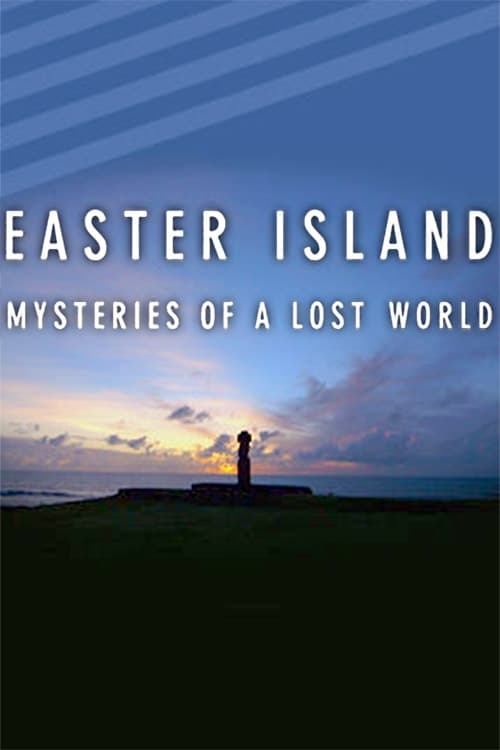
The contrast between the majestic statues of Easter Island and the desolation of their surroundings is stark. For decades Easter Island, or Rapa Nui as the islanders call it, has been seen as a warning from history for the planet as a whole - willfully expend natural resources and the collapse of civilization is inevitable.
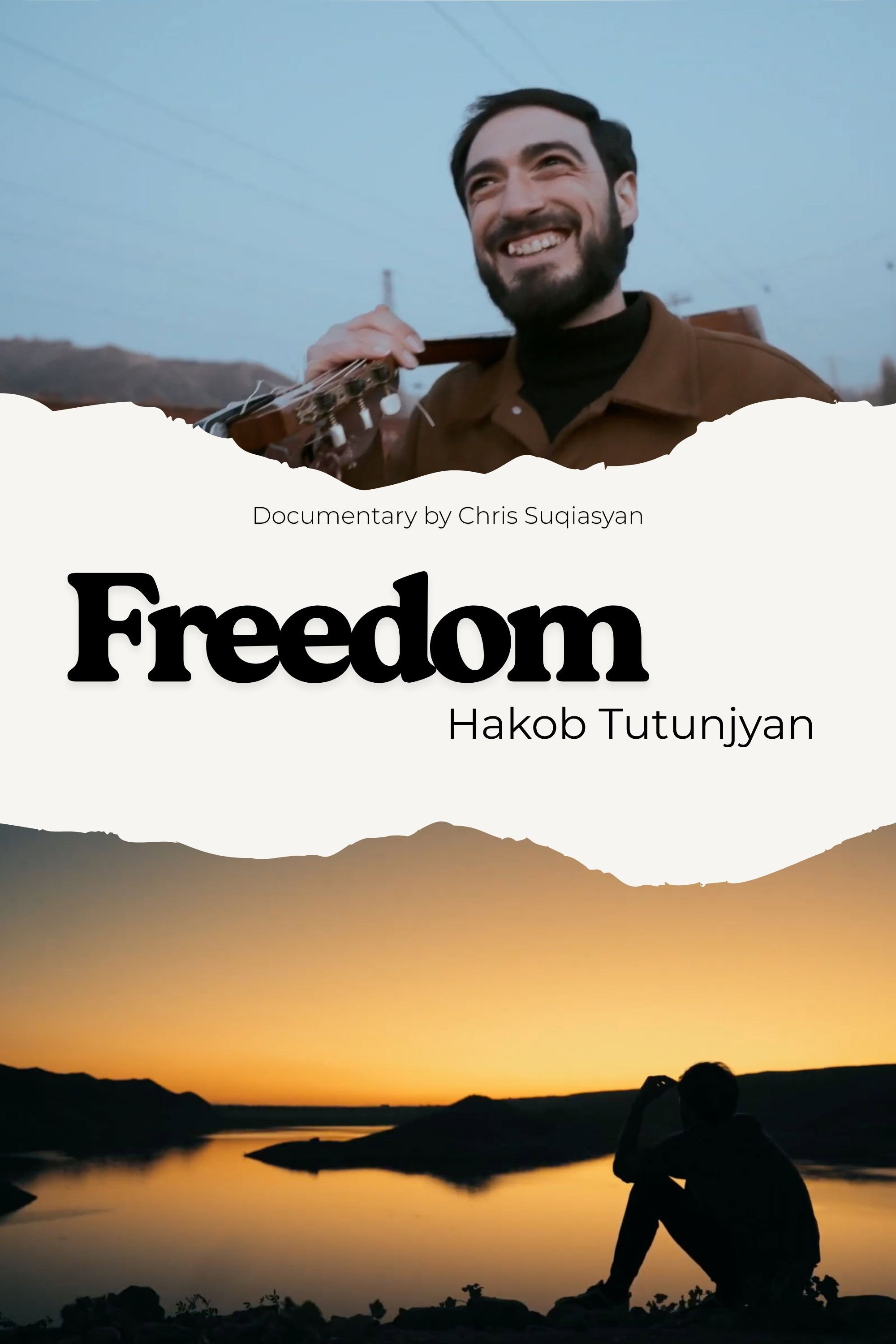
The film tells the story of young musician Hakob Tutunjyan, who discovers what freedom truly means to him.
Since the outbreak of the global corona pandemic, the number of anti-Semitic content on the Internet and social media has also been increasing. Researchers see a connection between online radicalization and anti-Semitic violence – and also attacks. "Jud Süß 2.0" documents the visual roots of this new anti-Semitism.
Stealing Klimt recounts the struggle by 90-year-old Maria Altmann to recover five Gustav Klimt paintings stolen from her family by the Nazis in Vienna. From the end of the War up until last year, these paintings hung in the Austrian National Gallery. The film covers Maria's early life in glittering fin-de-siècle Vienna, her dramatic escape from Nazi terror and her courageous fight to recover the five Klimt's against all the odds. Maria's fight to reclaim the paintings eventually took her to the United States Supreme Court and pitted her not just against Austria but also against the US Government which asked the Supreme Court to reject her case. After Maria finally emerged victorious in 2006, one of the paintings - the "Golden Portrait" of Maria's aunt, Adele Bloch Bauer - was sold to cosmetics tycoon Ronald Lauder for $135m, becoming the world's most expensive painting ever sold. The other four paintings were recently auctioned at Christie's for record prices.
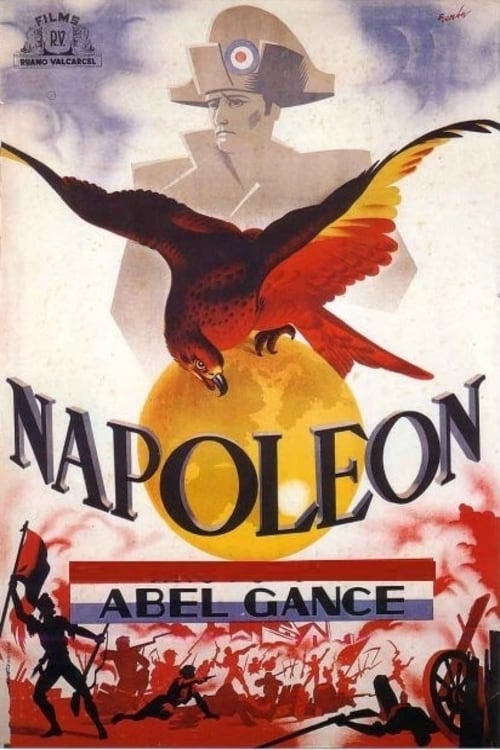
A second version of Gance's Napoléon, with sound.
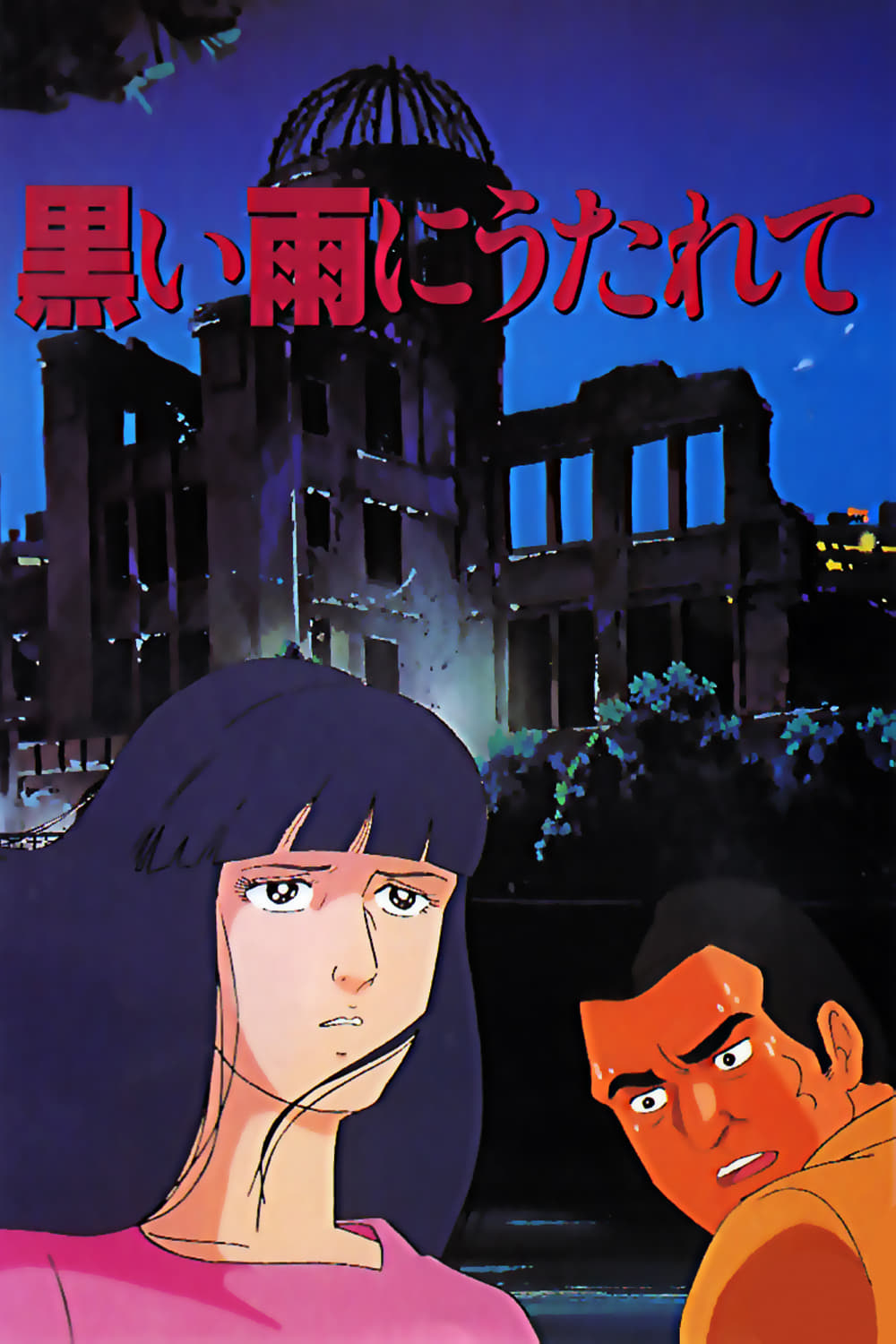
Many years after the atomic bombing of Hiroshima, the survivors (called hibakusha in Japanese) are still physically and emotionally devastated by the event. Kuroi Ame ni Utarete tells the interlocking stories of a group of survivors who frequent Stand Akauma, a bar: Takeshi, who lost his entire family; Tomoko, a prostitute horribly burned in the bombing; her younger brother Junji, who scrabbles on the fringes of society; Eiko, a pregnant young woman whom he loves; and Yuri, another prostitute who is determined to secure a brighter future for her blind son.
A quiet village scene of pleasing restfulness, permitting us to see how the Swiss villagers maintain their reputation as regular Churchgoers. The old street and church are the only remains of the former village of Meiringen, which was destroyed by fire ten years ago.
1904, cinematography by Frank Ormiston-Smith.
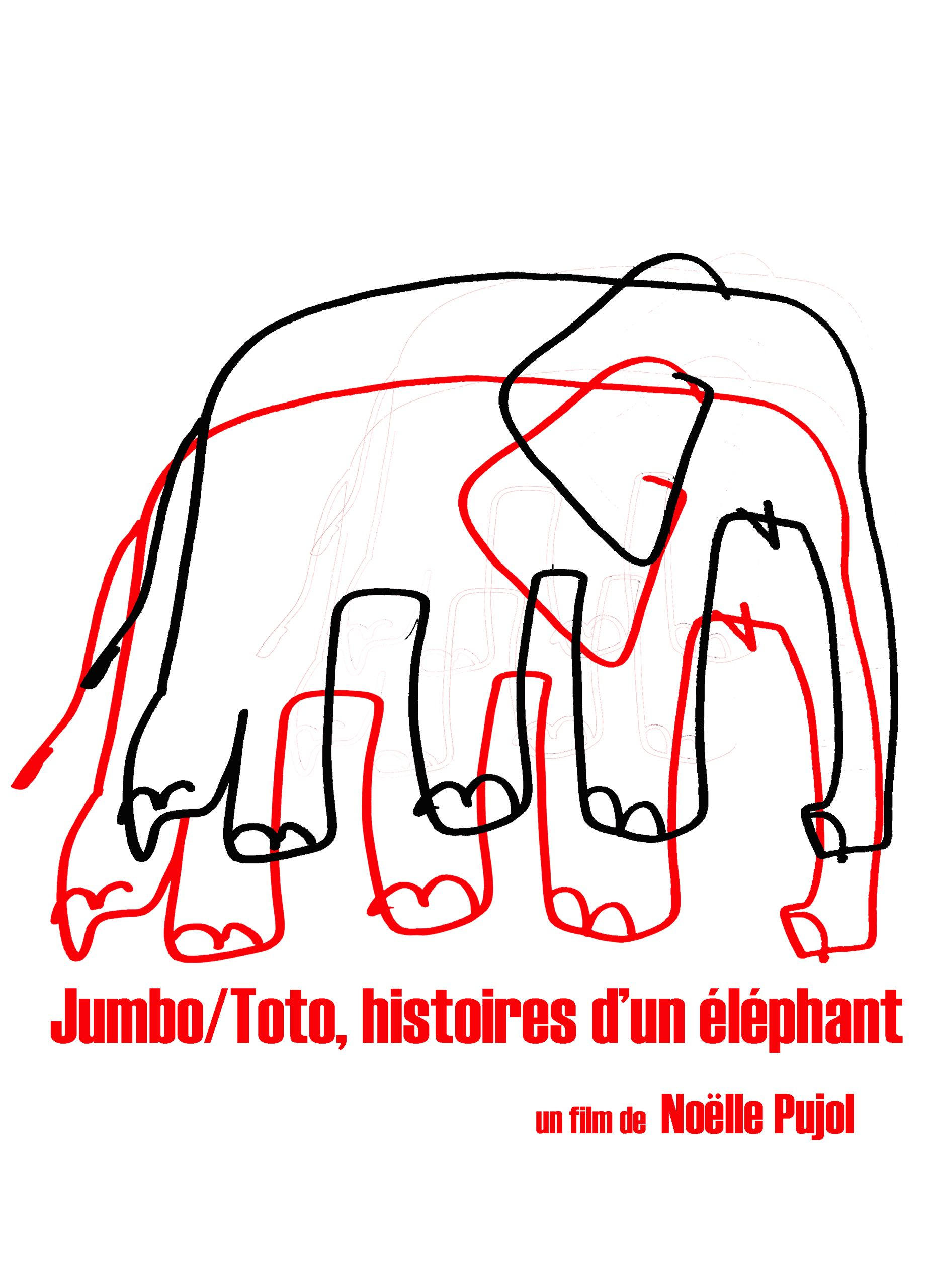
From Germany to Italy, the United States to Île-de-France, Jumbo/Toto, Stories About an Elephant shadows the itinerary of a single forgotten animal, an African elephant doubly-named Jumbo/Toto. Jumbo, as he was called on German colonial ships,at the Amerikakai port of Hamburg, and in Carl Hagenbeck's zoos; Toto, as he'd come to be known with great fame in fascist Italy. An urban investigation and an adventure film, a ballet of flora and fauna and pavement and sea, Jumbo/Toto, Stories About an Elephant is a modern epic of the joy and pain of the 20th century set in what still remains strange and unknown: the 21st century, and the solitude of telling a story.
"O Regresso" is a documentary featuring renowned Portuguese actor Ruy de Carvalho as he returns to Macau after a 10-year absence. Directed to mark the 10th anniversary of his visit, the film captures Ruy de Carvalho revisiting key locations across the city, reflecting on the cultural and social transformations that Macau underwent in the lead-up to its handover from Portuguese to Chinese administration in 1999. Blending personal memories with the evolving landscape, the documentary offers a nostalgic look at Macau's unique blend of Portuguese and Chinese heritage, seen through the eyes of one of Portugal’s most beloved actors.
A phantom of the Bakumatsu must be taken down. All the answers you desire are in Kyoto! A special theatrical screening of Rurouni Kenshin -Kyoto Disturbance-.
"In Algeria, I fought to ensure that girls—like me—would not be forced to wear the veil. In France, I began defending women's right to wear it, should they choose to do so. Does that surprise you? To me, it is the same fight. By revisiting the stereotypes that have clung to Arab women since the colonial era, Madame la France, ma mère et moi examines the way French people view women of Maghrebi origin. This film—for which I retraced the steps of my mother and aunt in Algeria—will, I hope, help people understand my anger, an anger shared by many Arabs in France." (Samia Chala)
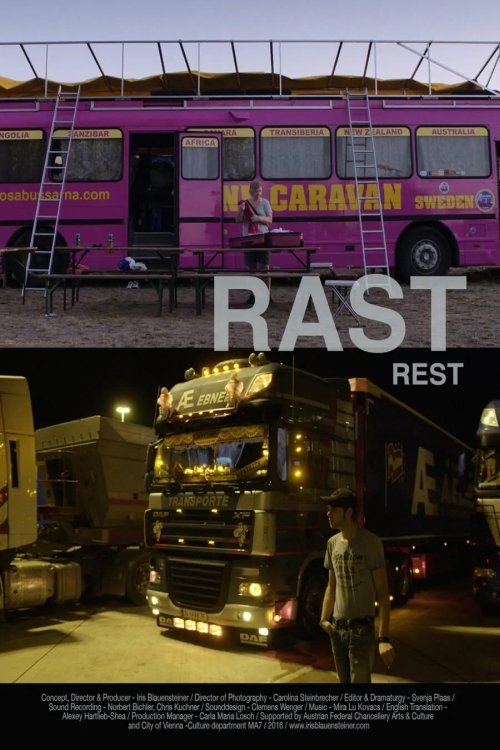
The residents of a Viennese truck-stop and a nearby camping-ground share a common need: Resting and relaxing in between traveling. Be it vacation or because of work, the visitors take their private spaces with them. The everyday rituals performed at the rest stop, tell stories about the personalities and situations of those who make these small spaces their home for the night.
1909, cinematography by Frank Ormiston-Smith.
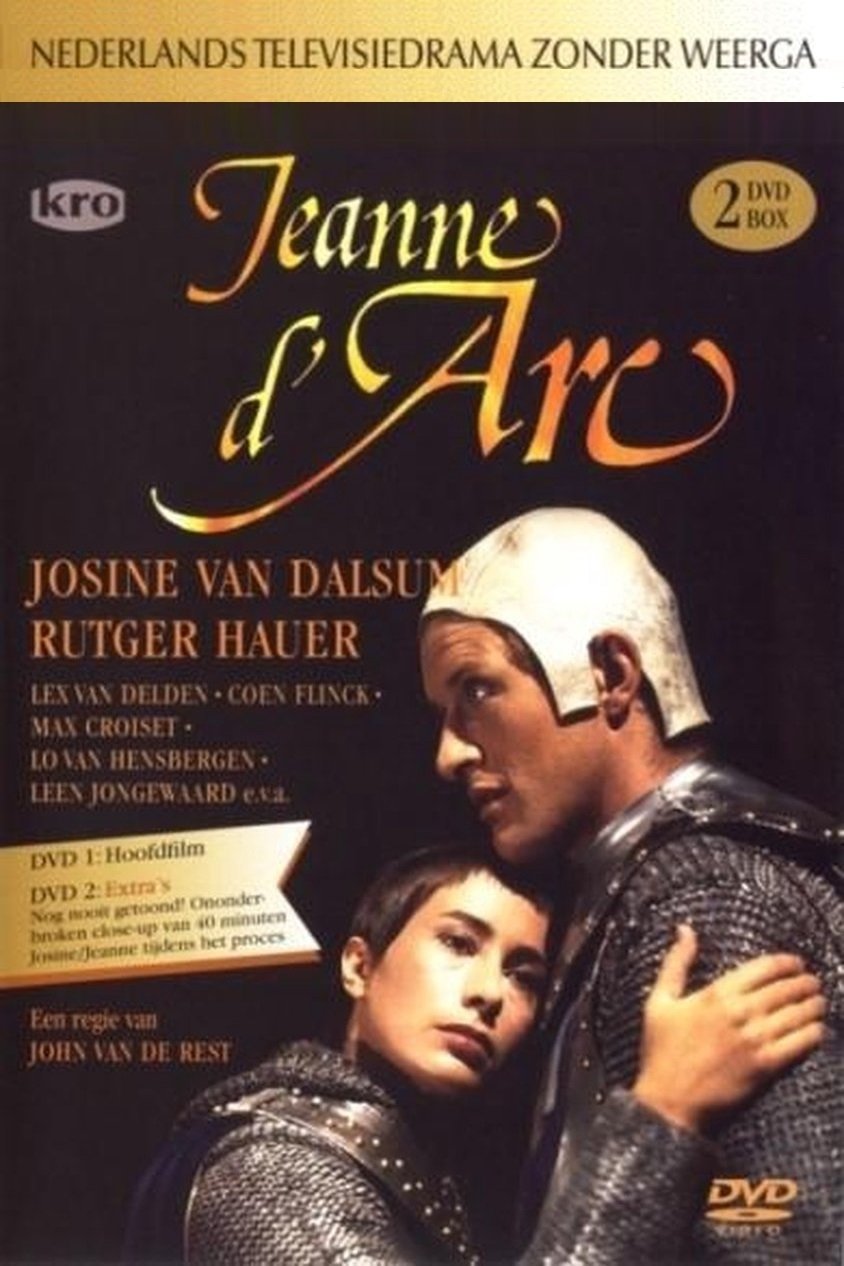
Dutch television adaptation of George Bernard Shaw's play "Saint Joan".
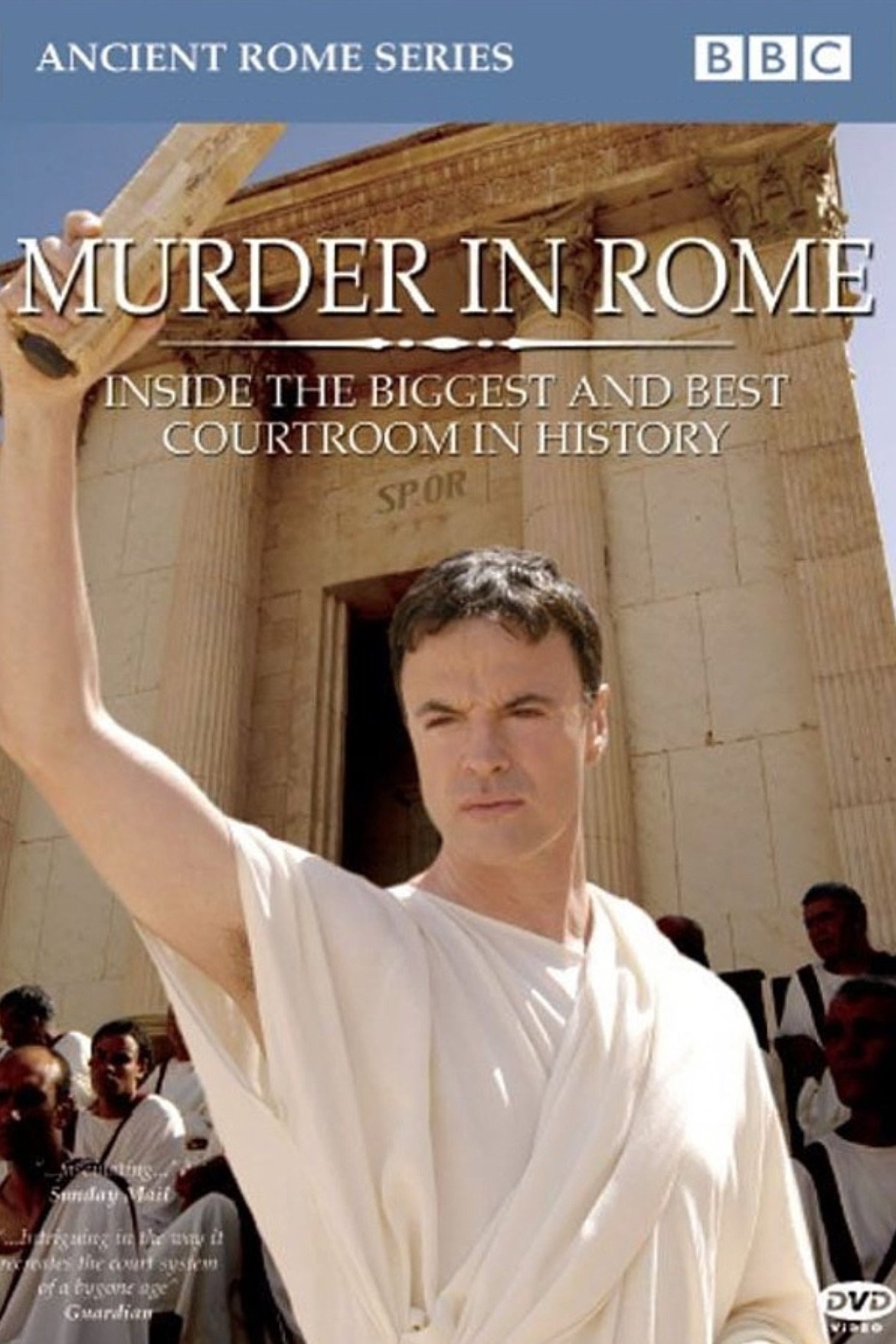
Cicero, the future Consul of Rome, is just starting out as a trial lawyer in crime-ridden Rome where assassinations for political advantage and for estate grabbing had become de rigueur. The matriarch of a prominent family hires him to defend a relative on a charge of patricide. He faces one of the shrewdest criminal trial prosecutors in the Republic who is backed by powerful political forces with motives to see that his client is convicted and executed in one of the most horrible manners possible.
"The Monsters in My Home" focuses on the work Carme Artero, a foster mother from Majorca, Spain, who has devoted her time to setting up a foundation in defense of the rights of children who have suffered from abuse. The documentary features testimonies and the experience of people who care of children living situations of vulnerability, such as sexual or physical abuse or neglect and whose parents have their parental custody taken away by the Law.
In 1977, a book of photographs captured an awakening - women shedding the cultural restrictions of their childhoods and embracing their full humanity. This documentary revisits those photos, those women and those times and takes aim at our culture today that alarmingly shows the need for continued change.
A documentary on the expletive's origin, why it offends some people so deeply, and what can be gained from its use.
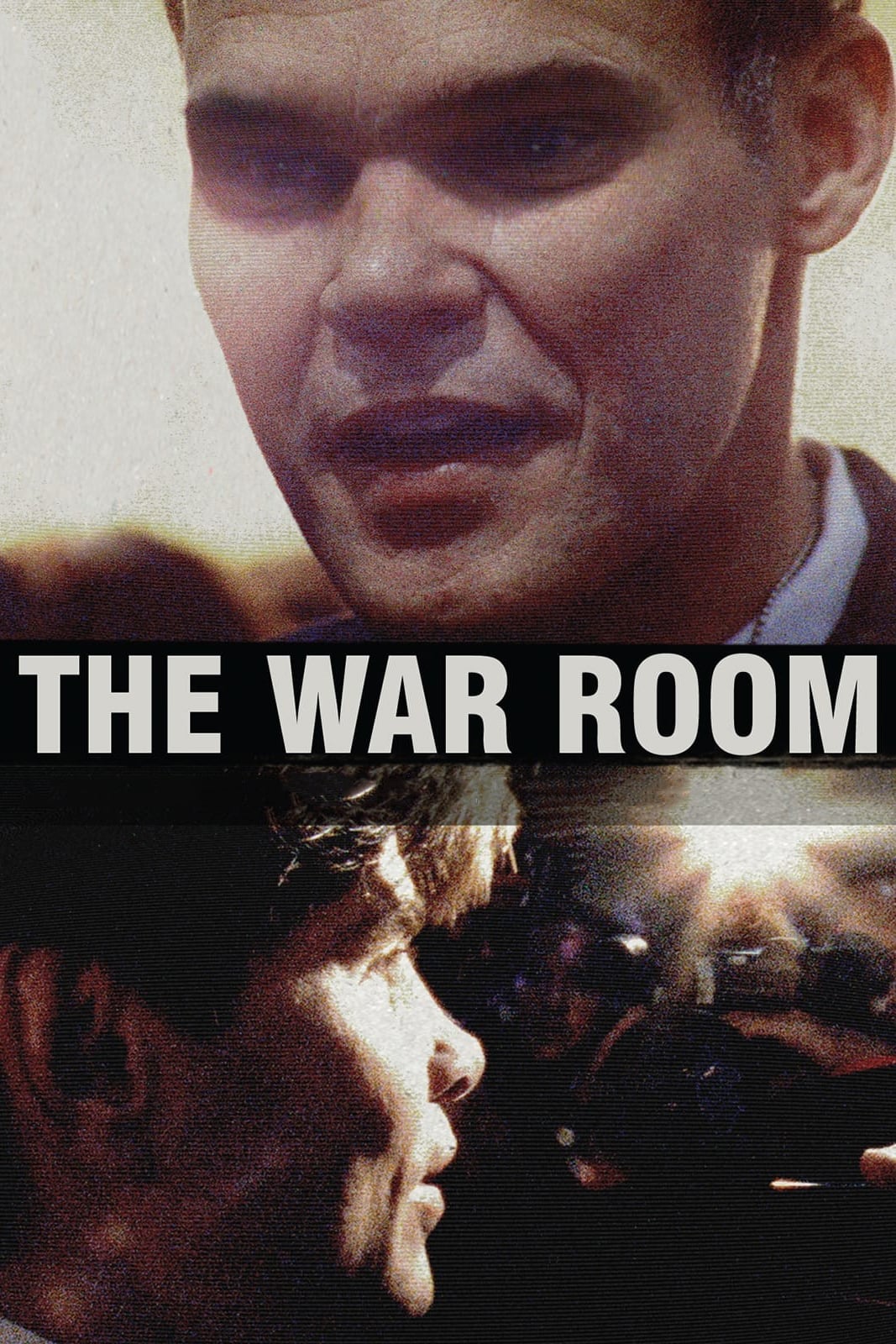
A behind-the-scenes documentary about the Clinton for President campaign, focusing on the adventures of spin doctors James Carville and George Stephanopoulos.
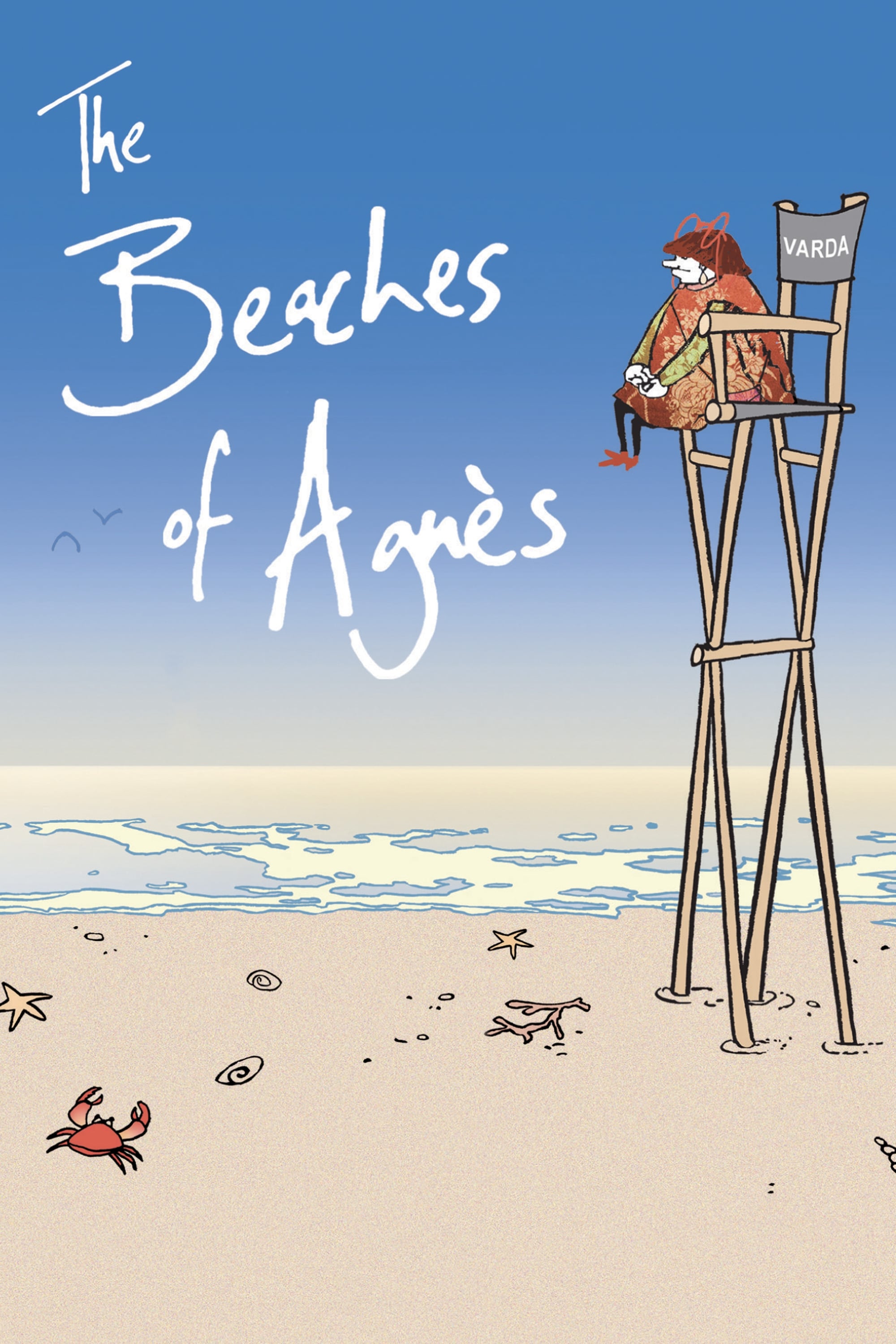
Filmmaking icon Agnès Varda, the award-winning director regarded by many as the grandmother of the French new wave, turns the camera on herself with this unique autobiographical documentary. Composed of film excerpts and elaborate dramatic re-creations, Varda's self-portrait recounts the highs and lows of her professional career, the many friendships that affected her life and her longtime marriage to cinematic giant Jacques Demy.
Director Claude Lanzmann spent 11 years on this sprawling documentary about the Holocaust, conducting his own interviews and refusing to use a single frame of archival footage. Dividing Holocaust witnesses into three categories – survivors, bystanders, and perpetrators – Lanzmann presents testimonies from survivors of the Chelmno concentration camp, an Auschwitz escapee, and witnesses of the Warsaw Ghetto Uprising, as well as a chilling report of gas chambers from an SS officer at Treblinka.
When a feminist filmmaker sets out to document the mysterious and polarizing world of the Men’s Rights Movement, she begins to question her own beliefs. Chronicling Cassie Jaye’s journey exploring an alternate perspective on gender equality, power and privilege.
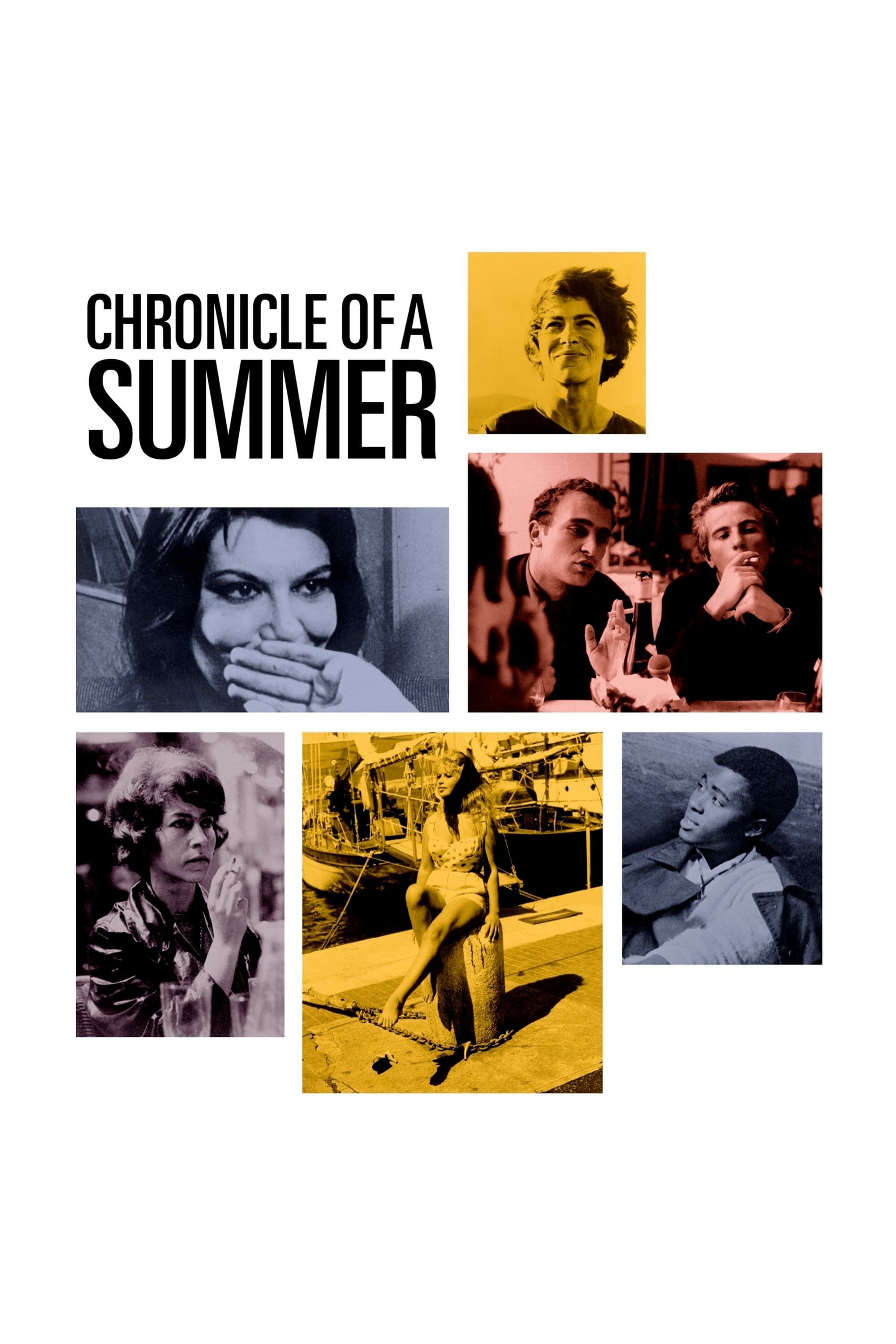
Paris, summer 1960. Anthropologist and filmmaker Jean Rouch and sociologist and film critic Edgar Morin wander through the crowded streets asking passersby how they cope with life's misfortunes.
As anger and resentment grow in the face of social inequalities, many citizens-led protests are being repressed with an ever-increasing violence. In this documentary, David Dufresne gathers a panel of citizens to question, exchange and confront their views on the social order and the legitimacy of the use of force by the State.
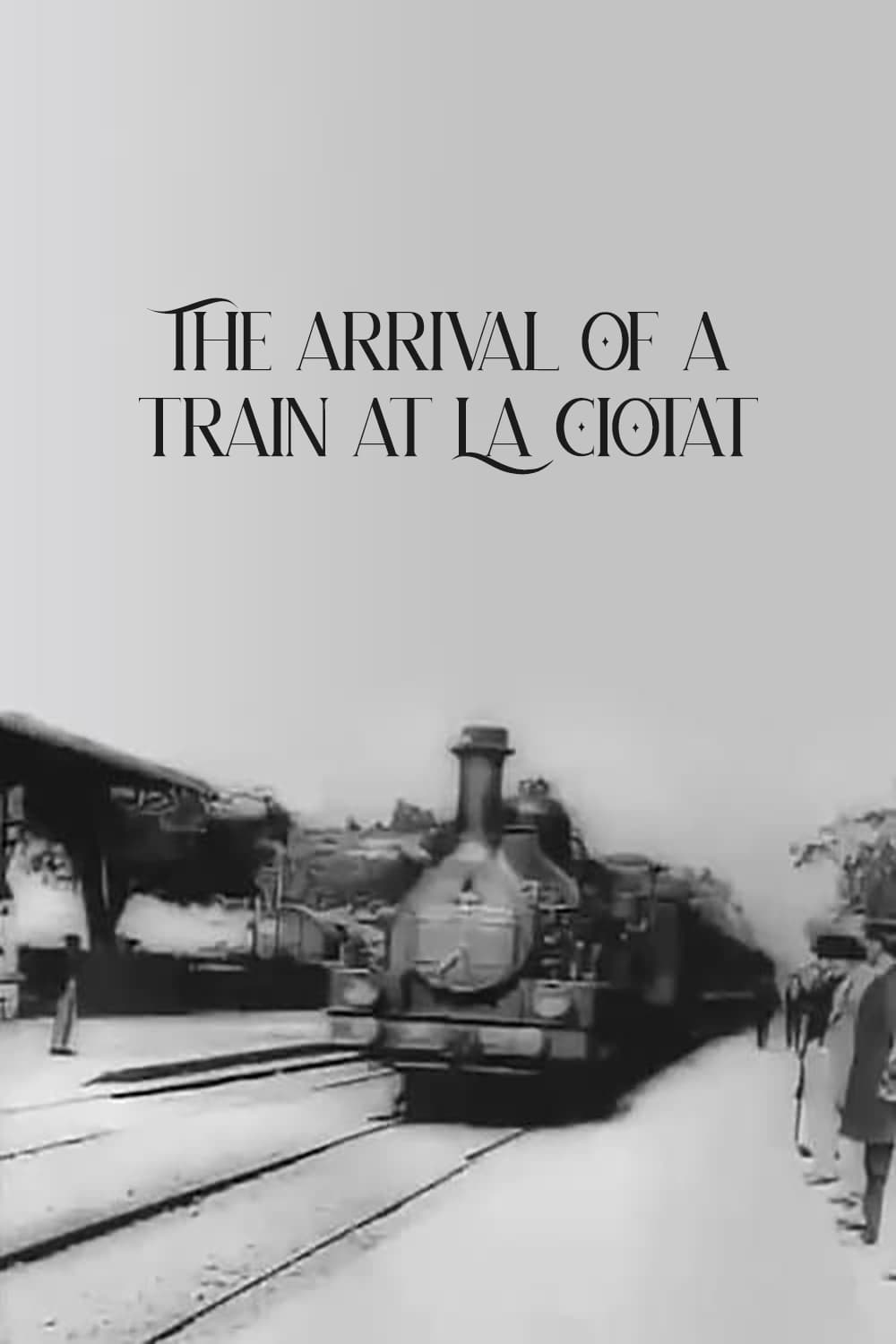
A group of people are standing along the platform of a railway station in La Ciotat, waiting for a train. One is seen coming, at some distance, and eventually stops at the platform. Doors of the railway-cars open and attendants help passengers off and on. Popular legend has it that, when this film was shown, the first-night audience fled the café in terror, fearing being run over by the "approaching" train. This legend has since been identified as promotional embellishment, though there is evidence to suggest that people were astounded at the capabilities of the Lumières' cinématographe.
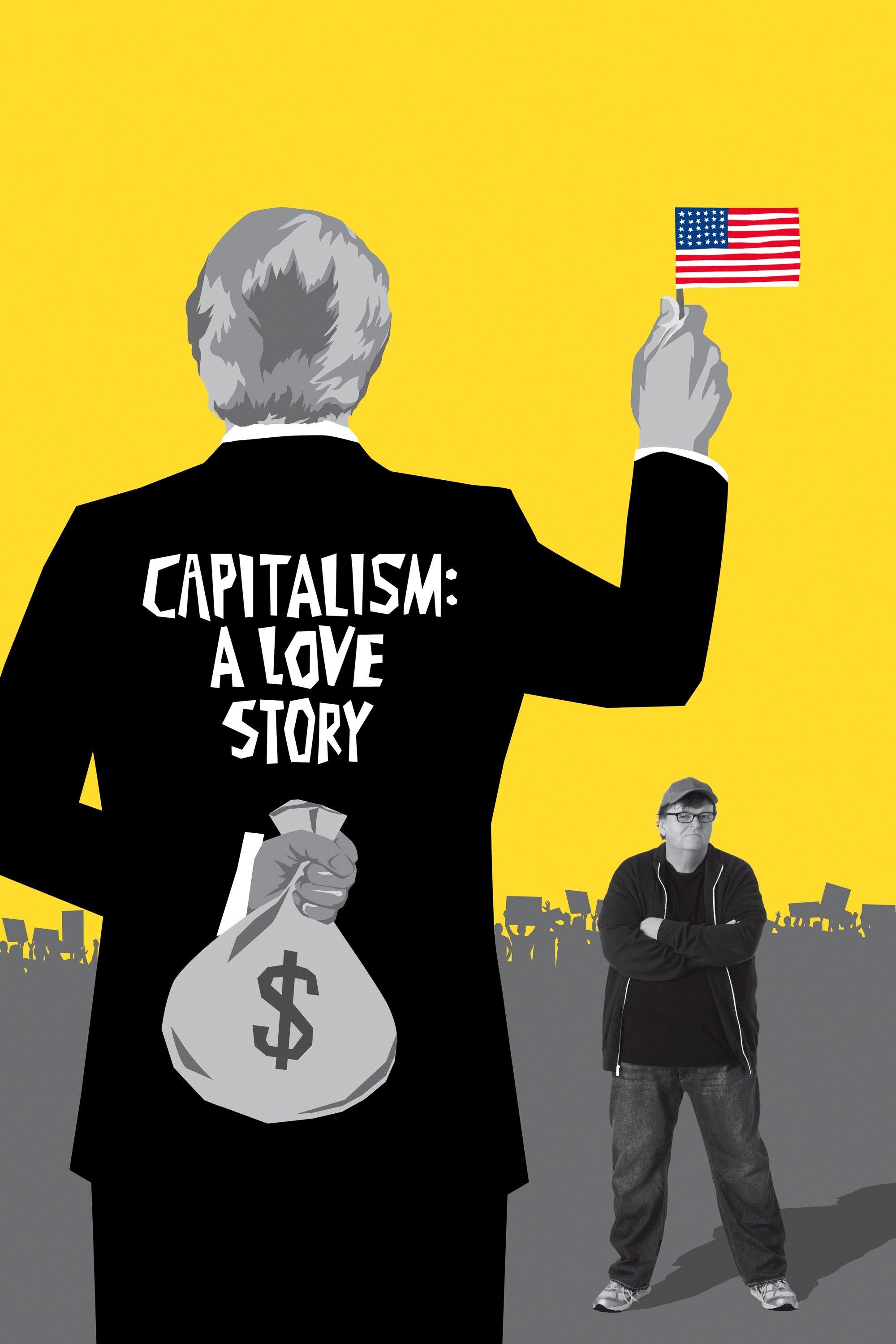
Michael Moore comes home to the issue he's been examining throughout his career: the disastrous impact of corporate dominance on the everyday lives of Americans (and by default, the rest of the world).
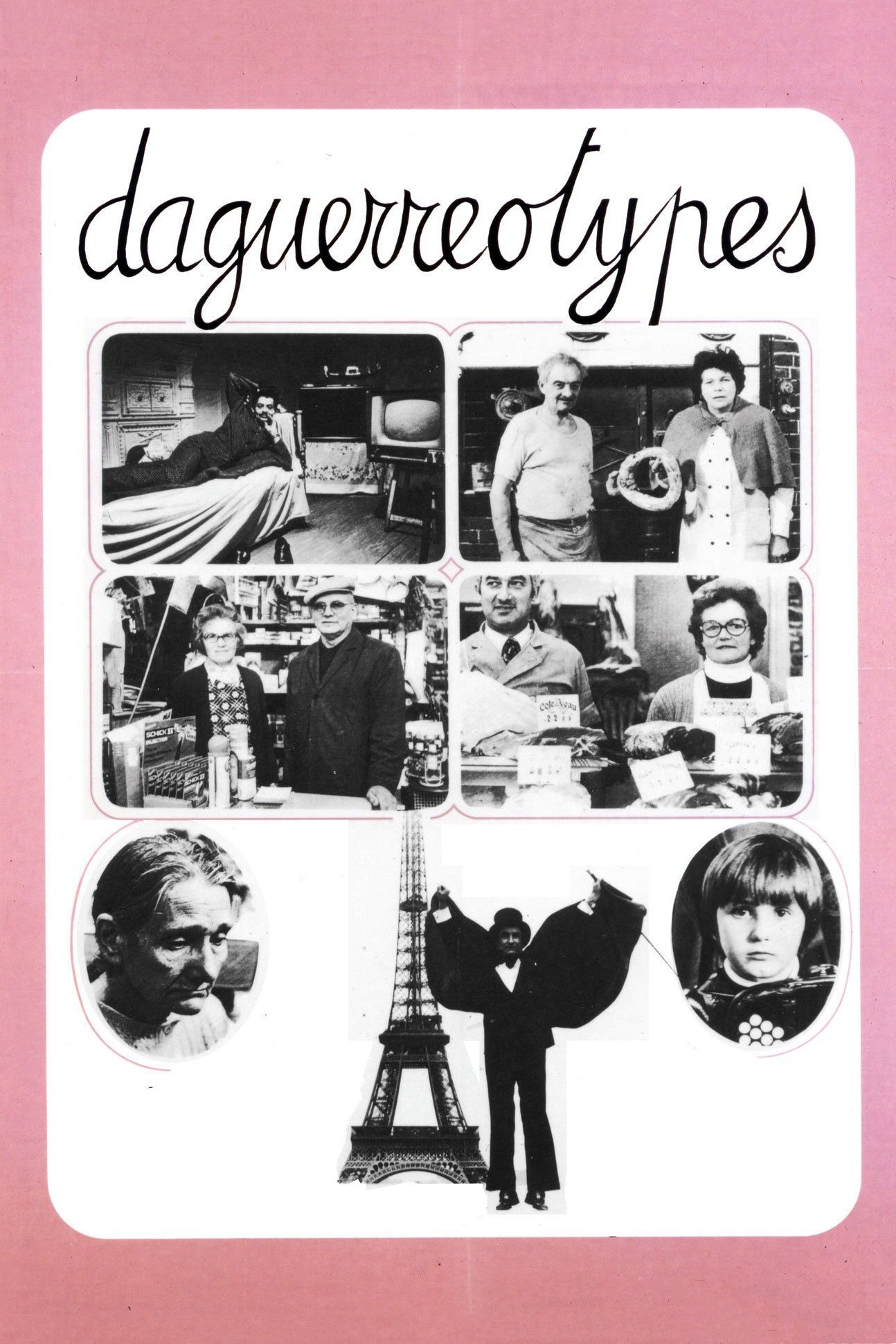
An intimate portrait of the small shops and shopkeepers of the Rue Daguerre in Paris, a picturesque street that has been the filmmaker’s home for more than 50 years.
Justice Ruth Bader Ginsburg now 84, and still inspired by the lawyers who defended free speech during the Red Scare, Ginsburg refuses to relinquish her passionate duty, steadily fighting for equal rights for all citizens under the law. Through intimate interviews and unprecedented access to Ginsburg’s life outside the court, RBG tells the electric story of Ginsburg’s consuming love affairs with both the Constitution and her beloved husband Marty—and of a life’s work that led her to become an icon of justice in the highest court in the land.
He's devoted his career to uncovering stories the powerful want buried. From My Lai to Abu Ghraib, dig into the life's work of journalist Seymour Hersh.
An unprecedented and intimate look at the life, work and enduring legacy of British actress Audrey Hepburn (1929-1993).
Filmmaker Alain Resnais documents the atrocities behind the walls of Hitler's concentration camps.
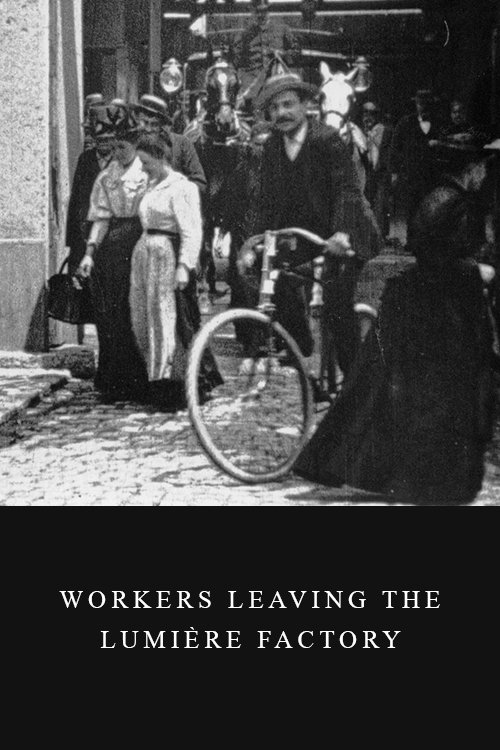
Working men and women leave through the main gate of the Lumière factory in Lyon, France. Filmed on 22 March 1895, it is often referred to as the first real motion picture ever made, although Louis Le Prince's 1888 Roundhay Garden Scene pre-dated it by seven years. Three separate versions of this film exist, which differ from one another in numerous ways. The first version features a carriage drawn by one horse, while in the second version the carriage is drawn by two horses, and there is no carriage at all in the third version. The clothing style is also different between the three versions, demonstrating the different seasons in which each was filmed. This film was made in the 35 mm format with an aspect ratio of 1.33:1, and at a speed of 16 frames per second. At that rate, the 17 meters of film length provided a duration of 46 seconds, holding a total of 800 frames.
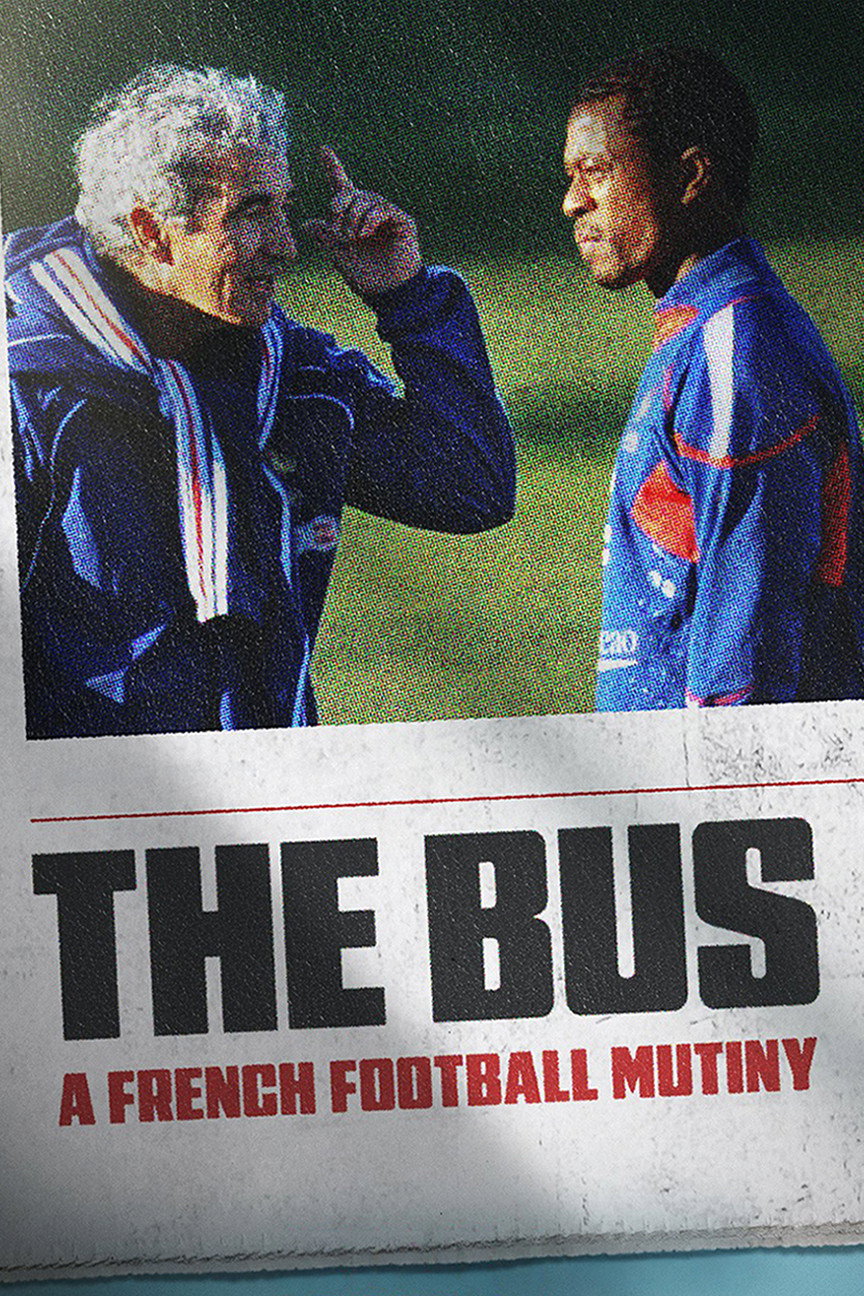
This documentary revisits the French football team's controversial 2010 World Cup and the bus strike that sparked global headlines and national outrage.
BBC Arena's documentary on the Dames of British Theatre and film featuring Maggie Smith, Eileen Atkins, Judi Dench and Joan Plowright on screen together for the first time as they reminisce over a long summer weekend in a house Joan once shared with Sir Laurence Olivier.
A love letter from a young mother to her daughter, the film tells the story of Waad al-Kateab’s life through five years of the uprising in Aleppo, Syria as she falls in love, gets married and gives birth to Sama, all while cataclysmic conflict rises around her. Her camera captures incredible stories of loss, laughter and survival as Waad wrestles with an impossible choice– whether or not to flee the city to protect her daughter’s life, when leaving means abandoning the struggle for freedom for which she has already sacrificed so much.
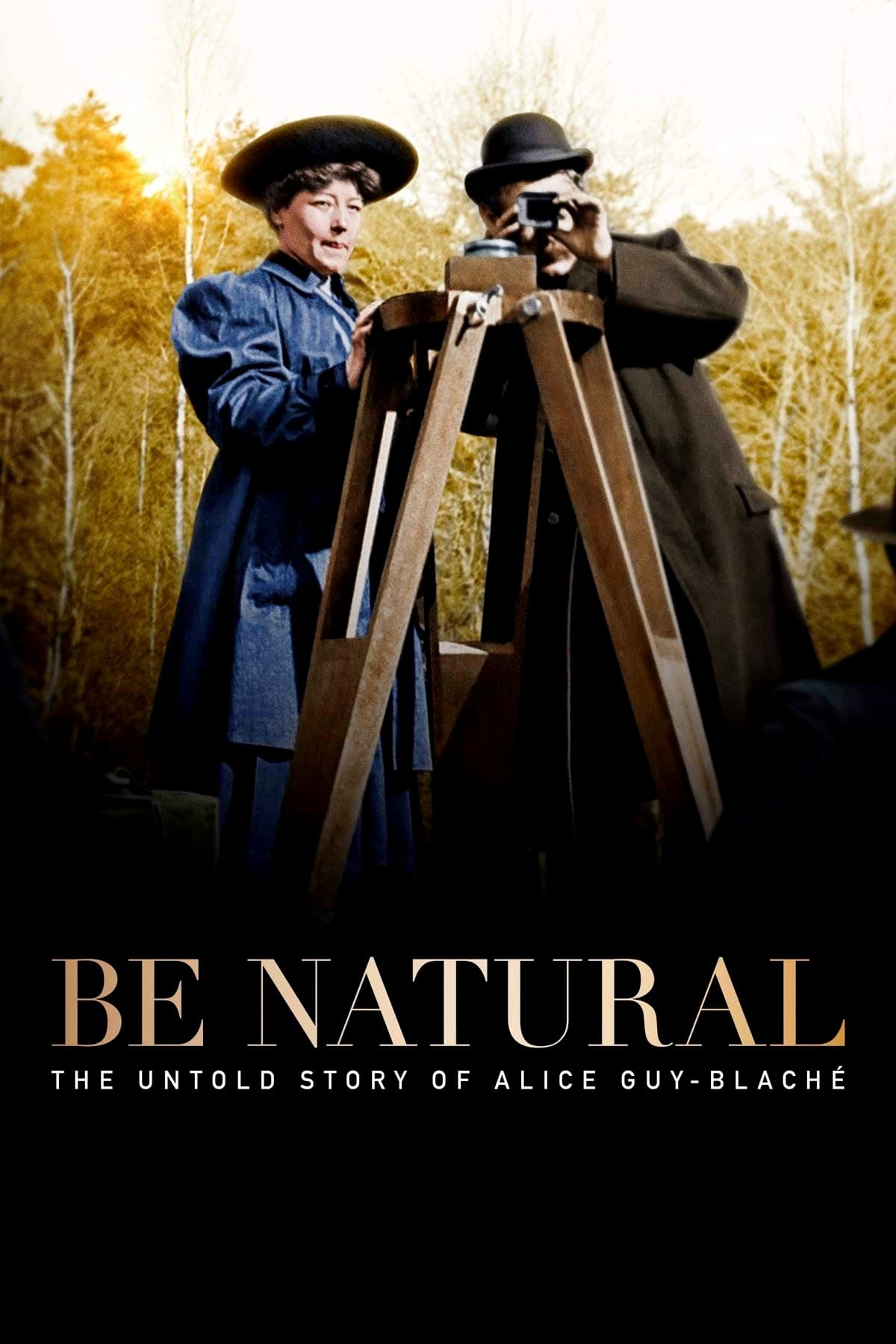
The epic life story of Alice Guy-Blaché (1873–1968), a French screenwriter, director and producer, true pioneer of cinema, the first person who made a narrative fiction film; author of hundreds of movies, but banished from history books. Ignored and forgotten. At last remembered.