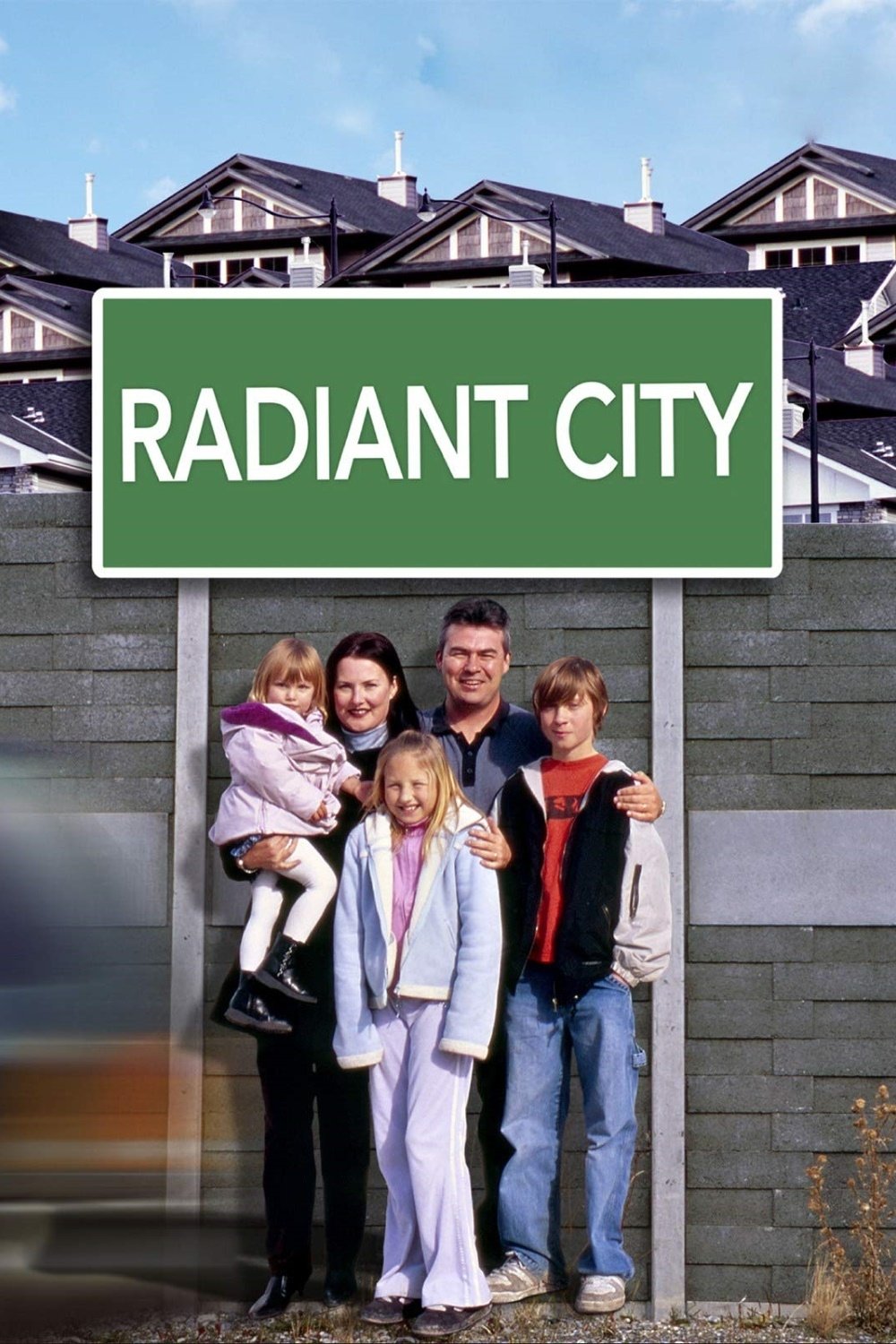
As development encroaches on a farming community, they struggle with the loss of their heritage and land.
Social & External
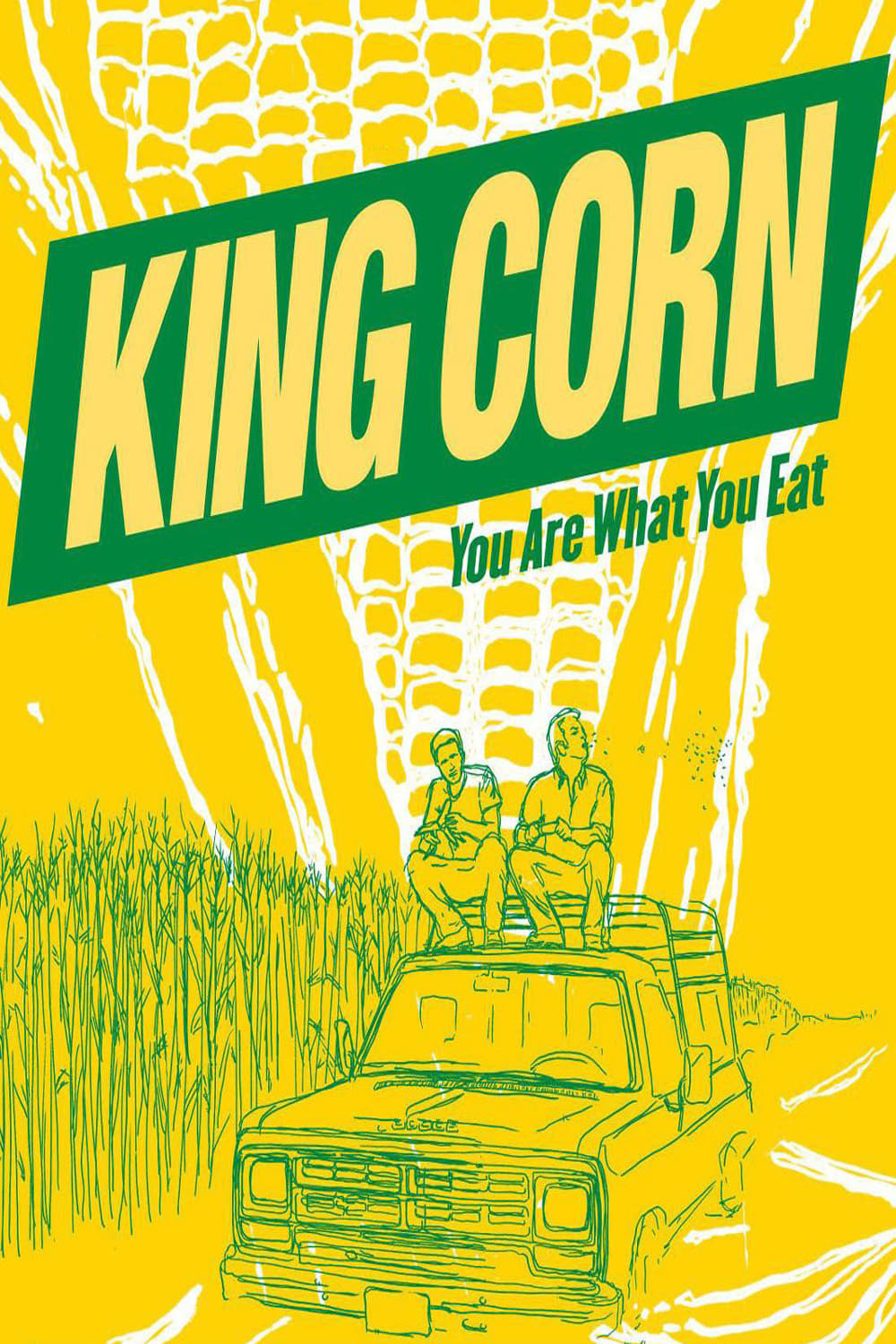
King Corn is a fun and crusading journey into the digestive tract of our fast food nation where one ultra-industrial, pesticide-laden, heavily-subsidized commodity dominates the food pyramid from top to bottom – corn. Fueled by curiosity and a dash of naiveté, two college buddies return to their ancestral home of Greene, Iowa to figure out how a modest kernel conquered America. With the help of some real farmers, oodles of fertilizer and government aide, and some genetically modified seeds, the friends manage to grow one acre of corn. Along the way, they unlock the hilarious absurdities and scary but hidden truths about America’s modern food system in this engrossing and eye-opening documentary.
Since the end of World War II, one of kind of urban residential development has dominate how cities in North America have grown, the suburbs. In these artificial neighborhoods, there is a sense of careless sprawl in an car dominated culture that ineffectually tries to create the more organically grown older communities. Interspersed with the comments of various experts about the nature of suburbia
In the new world of high-speed highway driving, there are a host of new dangers to take into account.
Indigenous farmers in Peru, Nicaragua, Italy, France, Australia and New Zealand share their intimacy with the land and the seeds they have nurtured for generations; global corporations attempt to 'own' the intellectual property of seeds.
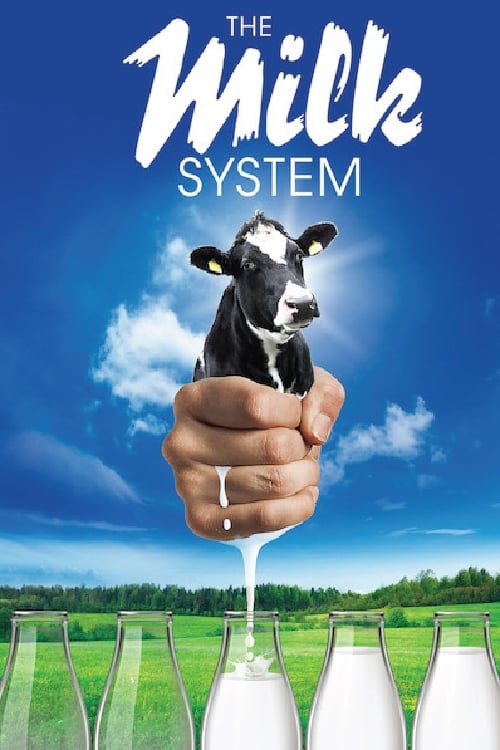
Milk is Big Business. Behind the innocent appearances of the white stuff lies a multi-billion euro industry, which perhaps isn't so innocent…
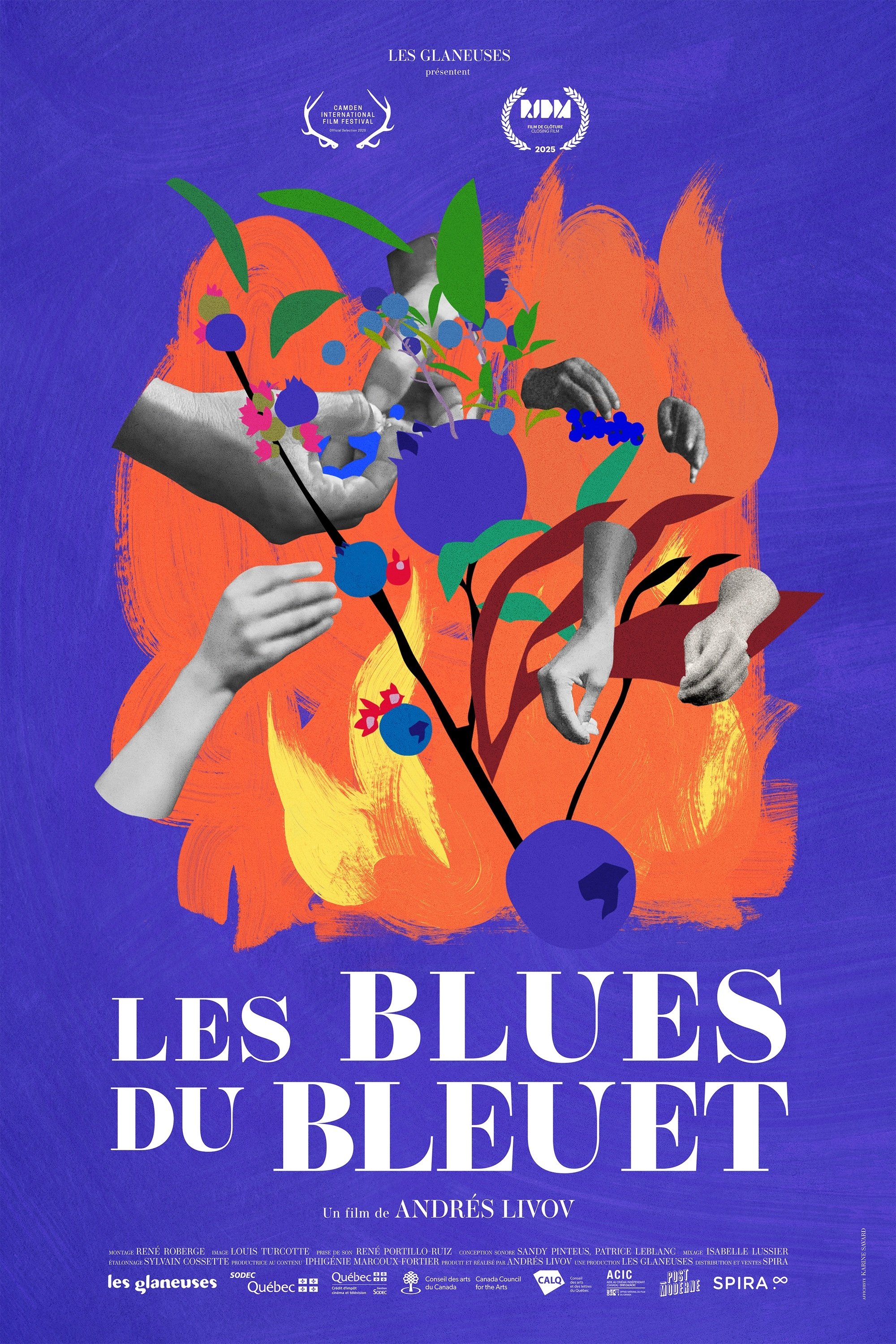
Summer unveils a new blueberry season in northern Canada. The fields are covered in blue and workers from all over scramble before the frost puts an end to the harvest. And yet this time of year is much more than just picking: it's a time of music and connection.
In Mumbai, once an island city linked by the sea, modern bridges and land reclamation have reshaped the landscape, disrupting the lives of its original communities.
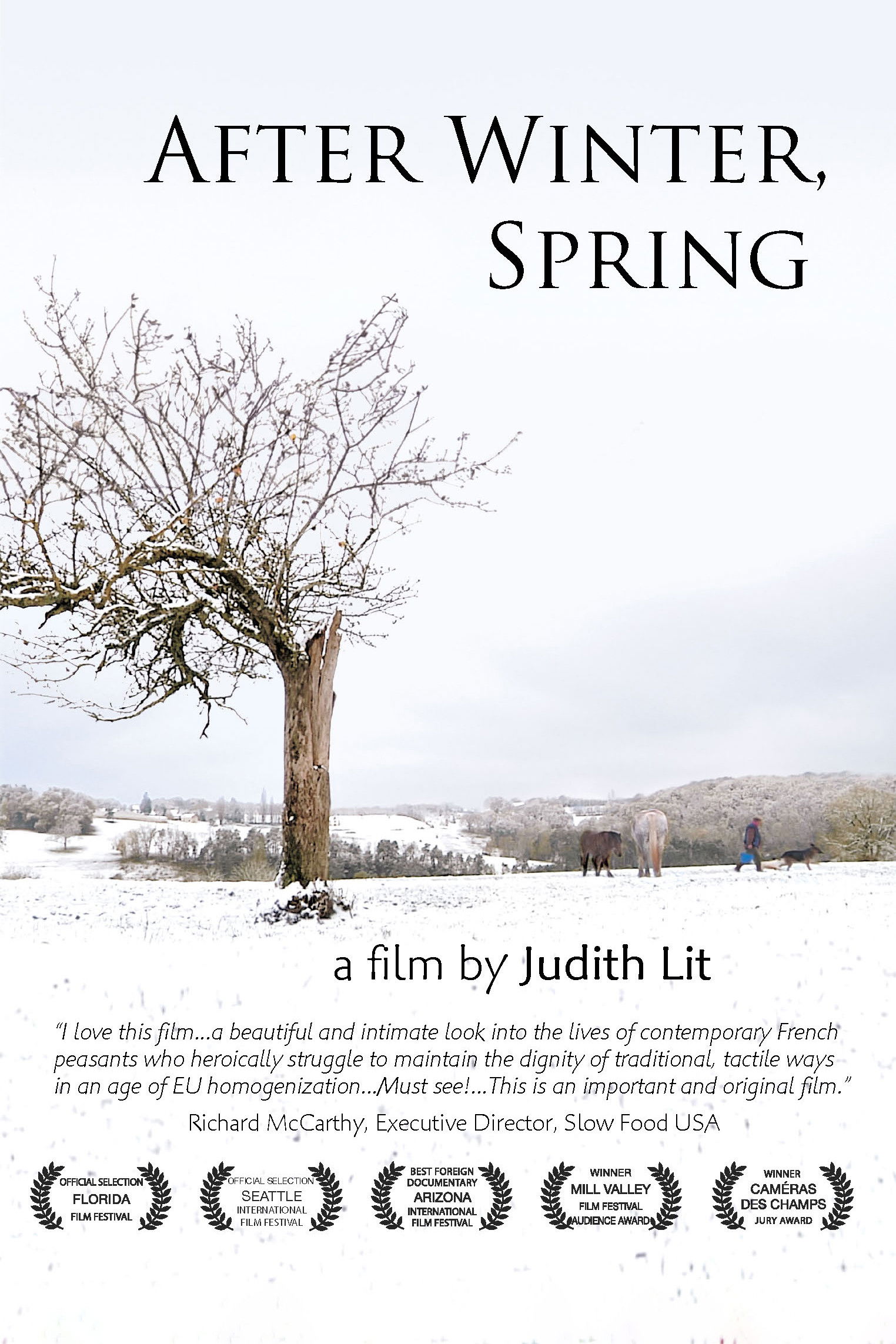
Family farmers in southwest France practice an ancestral way of life under threat in a world increasingly dominated by large-scale industrial agriculture.
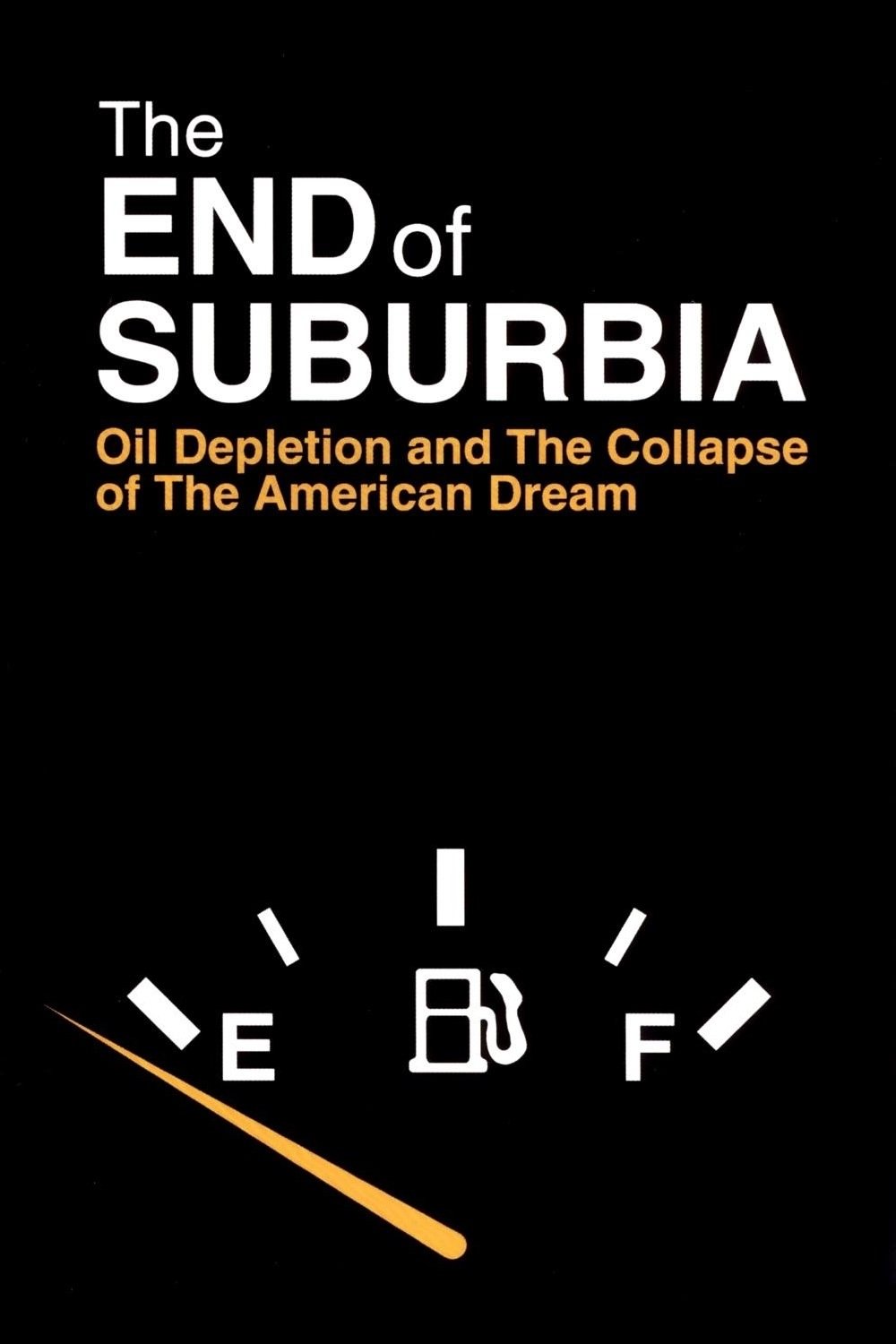
Since World War II North Americans have invested much of their newfound wealth in suburbia. It has promised a sense of space, affordability, family life and upward mobility. As the population of suburban sprawl has exploded in the past 50 years Suburbia, and all it promises, has become the American Dream. But as we enter the 21st century, serious questions are beginning to emerge...
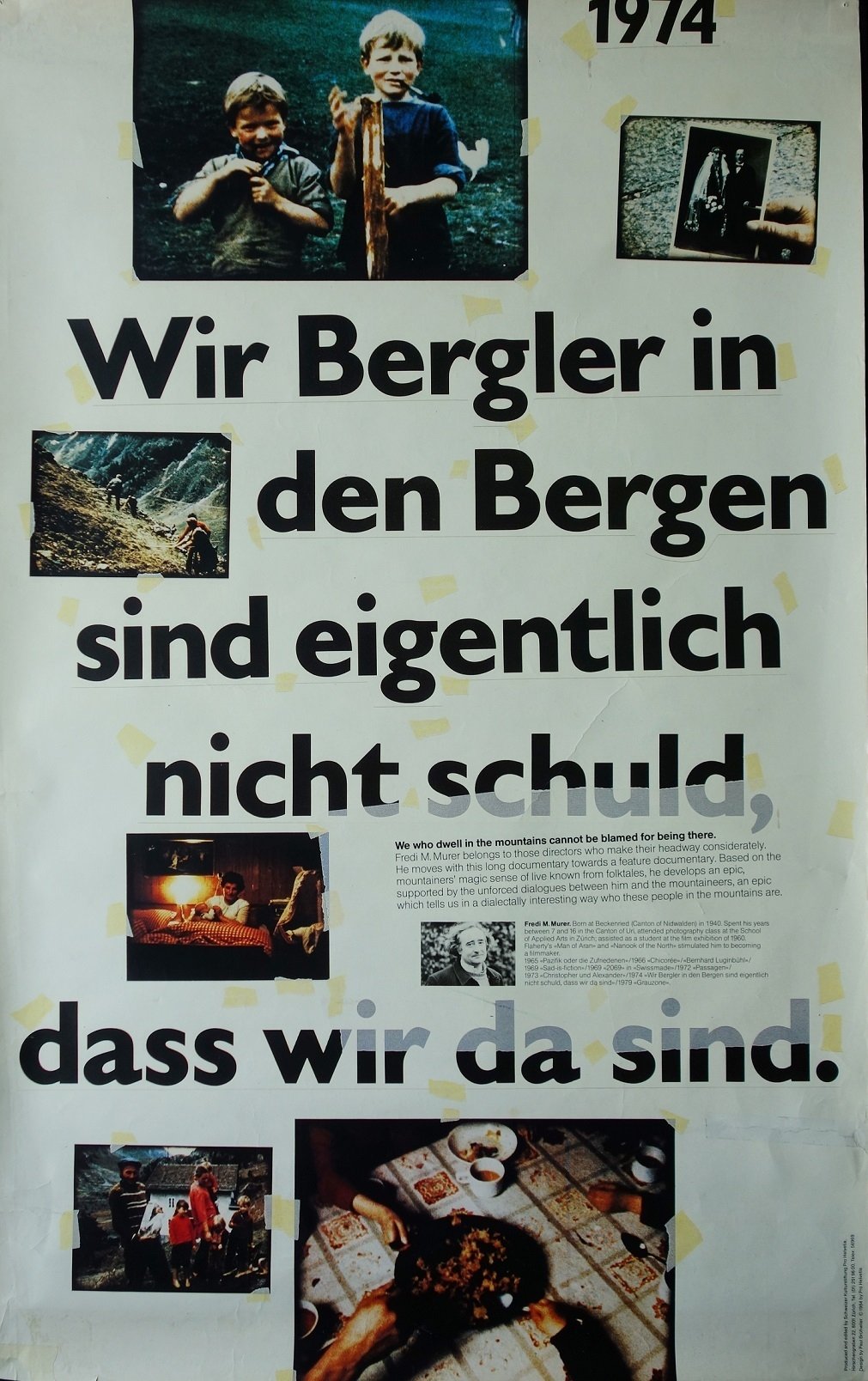
A documentary about Swiss mountain folk.
America's policy of producing cheap food at all costs has long hobbled small independent farmers, ranchers, and chefs. Worried for their survival, trailblazing food writer Ruth Reichl reaches out across political and social divides to uncover the country's broken food system and the innovators risking it all to transform it.
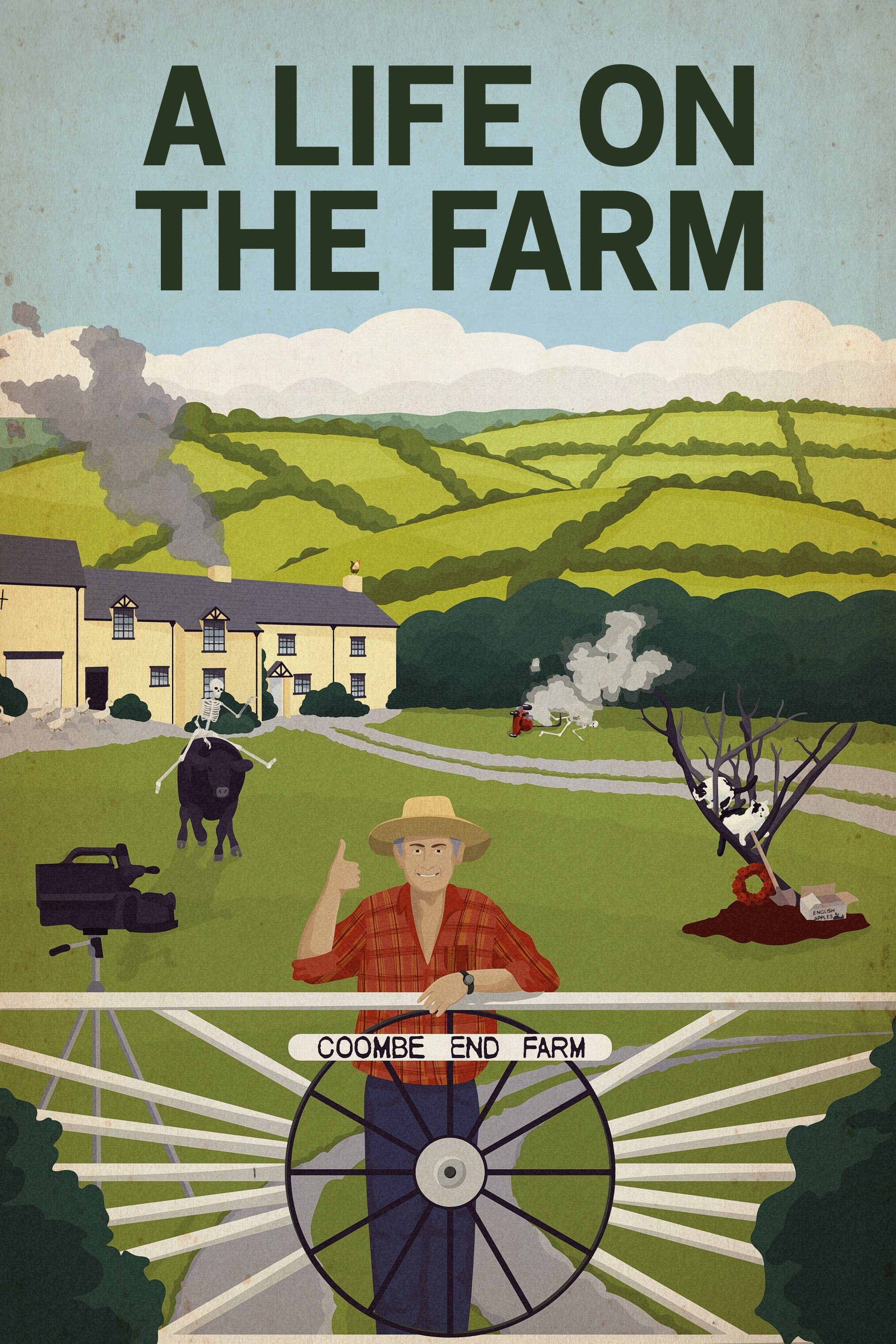
A strange story from Somerset, England about a filmmaking farmer and the inspiring legacy of his long-lost home movies.
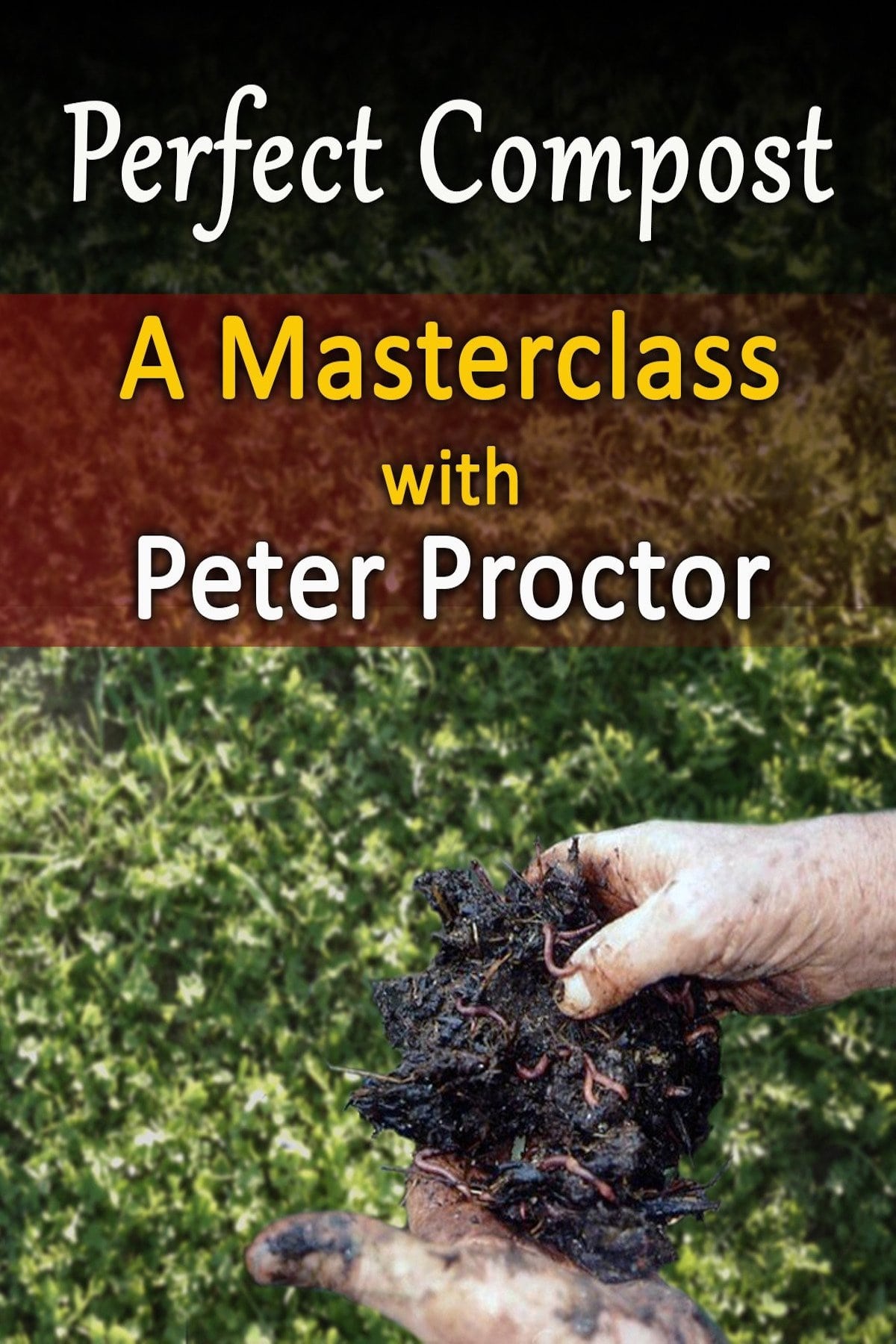
Peter Proctor is New Zealand's father of biodynamic agriculture. Peter has been gardening and making compost for over 65 years. "Biodymanics makes organics work." Compost is the fundamental element in all gardening & farming. This master class takes you through the biodynamic compost making process from gathering and assembling your materials to creating the perfect compost heap. Rudolf Steiner believed biodynamic compoast was the foundation of humanity and the vital link between the cosmos and the earth. In Perfect Compost, Peter Proctor walks you through every step to building perfect compost.
Rotterdam 2040 is a film about the city’s future, departing from the principle of Gyz La Rivière that you can’t look ahead without considering your past (something that hasn’t always been Rotterdam’s strongest feature). At high speed, La Rivière reconstructs the history of Rotterdam from the time before the bombings until now, and expands the developments to the year 2040 (100 years after the bombing and the 700th anniversary of the city). La Rivière made a specific choice to expose his personal vision, which is sometimes radical or a little absurd. So no experts and no talking heads, but an assault of old and new imagery, held together by La Rivière as the narrator of the film. Although Rotterdam 2040 deals with architecture and urban renewal, it is actually a film about people. The subjective experience of the city by its (future) occupants mainly determines the parade of architectural blunders and suggestions for the future. All tongue-in-cheek of course.
"I’m Just a Layman in Pursuit of Justice" chronicles the injustices of the U.S. Department of Agriculture, also known as ‘the last plantation,’ and the lived experiences of Black farmers who chose to fight against discrimination.
Sepp Holzer explains some of the innovative, labour-saving agricultural techniques he applies at his farm in the Eastern Alps of Salzburg, Austria.
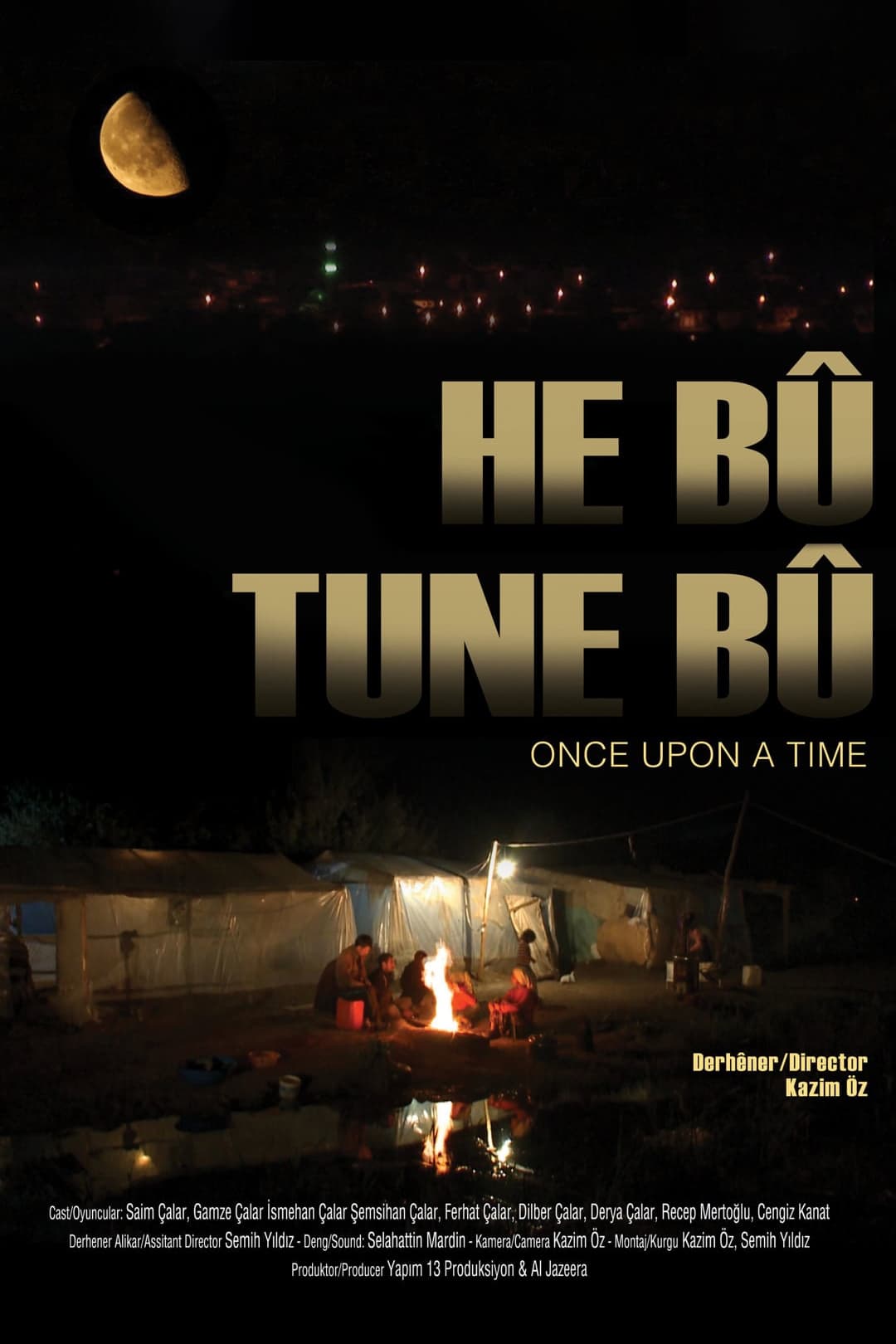
Every year, a Kurdish family leaves Gaziantep (Anatolia) to work on the land near Ankara. This thankless life of seasonal labor turns upside down when the eldest son falls in love.
Elephants disrupt the lives of a family deep in the jungles of Northern Siam, and an entire village.
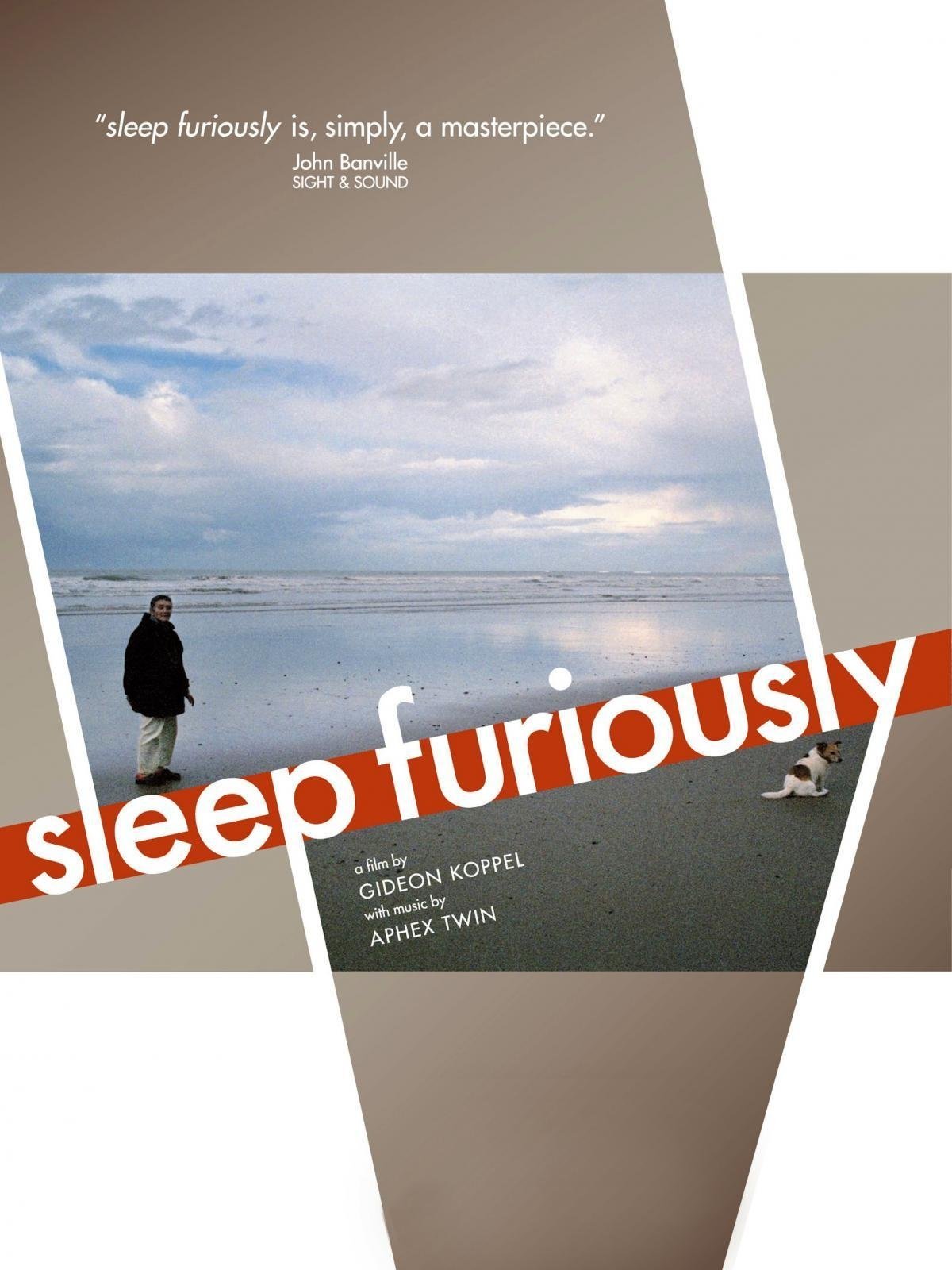
Set in a small farming community in mid Wales, a place where Koppel's parents - both refugees - found a home. This is a landscape and population that is changing rapidly as small scale agriculture is disappearing and the generation who inhabited a pre-mechanised world is dying out. Much influenced by his conversations with the writer Peter Handke, the film maker leads us on a poetic and profound journey into a world of endings and beginnings; a world of stuffed owls, sheep and fire.
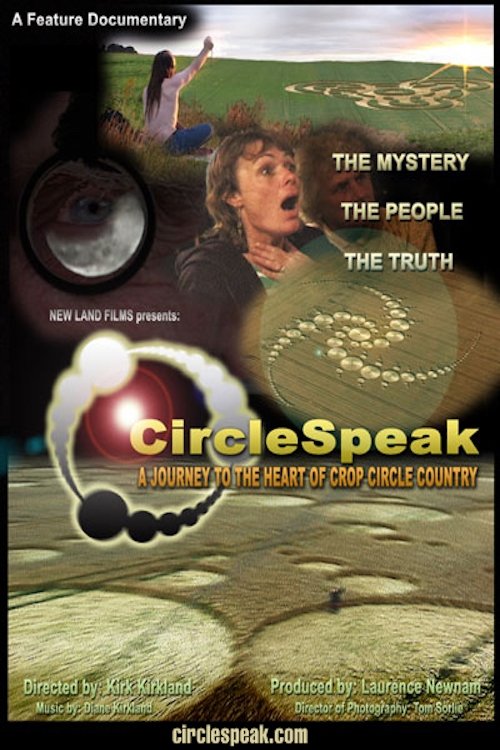
Shot in Southern England over the course of six weeks by a crew of three American filmmakers, CircleSpeak offers a nuanced look at the passions and beliefs of the people immersed in the crop circle phenomenon during the season of 2001. This feature-length documentary presents interviews with serious “researchers”, self-proclaimed “hoaxers”, local farmers and villagers who are all, in one way or another, involved in this strange and compelling summer spectacle taking place year after year.