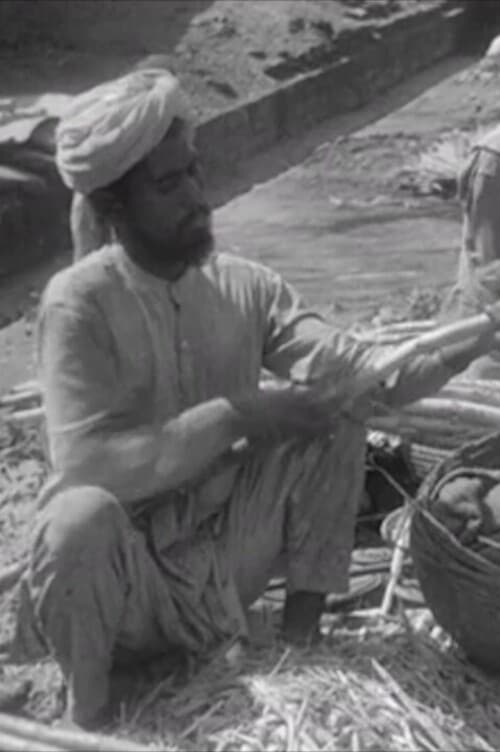
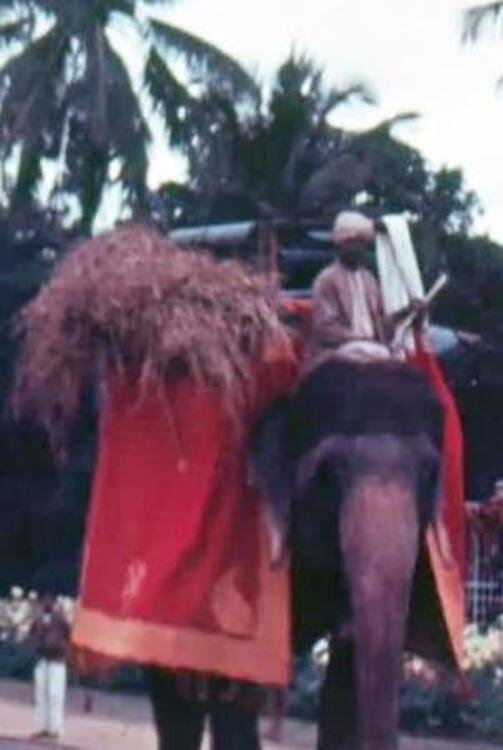
Indigenous farmers in Peru, Nicaragua, Italy, France, Australia and New Zealand share their intimacy with the land and the seeds they have nurtured for generations; global corporations attempt to 'own' the intellectual property of seeds.
Social & External
Narrator
This Emmy award-winning documentary chronicles a vanishing piece of Americana: the last remaining agricultural encampment fair in the country, and the families who spend months preparing for this unique rural phenomenon.
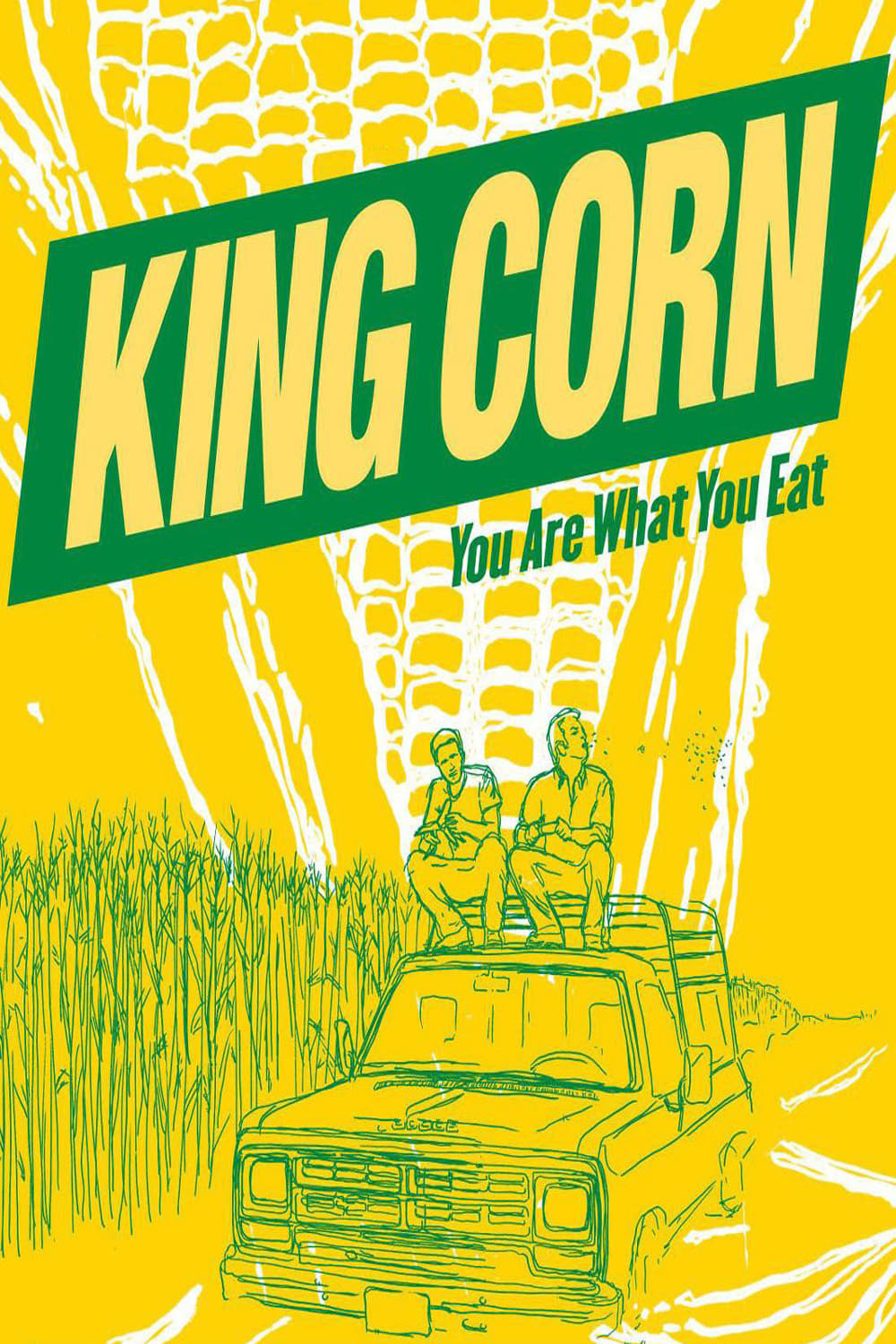
King Corn is a fun and crusading journey into the digestive tract of our fast food nation where one ultra-industrial, pesticide-laden, heavily-subsidized commodity dominates the food pyramid from top to bottom – corn. Fueled by curiosity and a dash of naiveté, two college buddies return to their ancestral home of Greene, Iowa to figure out how a modest kernel conquered America. With the help of some real farmers, oodles of fertilizer and government aide, and some genetically modified seeds, the friends manage to grow one acre of corn. Along the way, they unlock the hilarious absurdities and scary but hidden truths about America’s modern food system in this engrossing and eye-opening documentary.
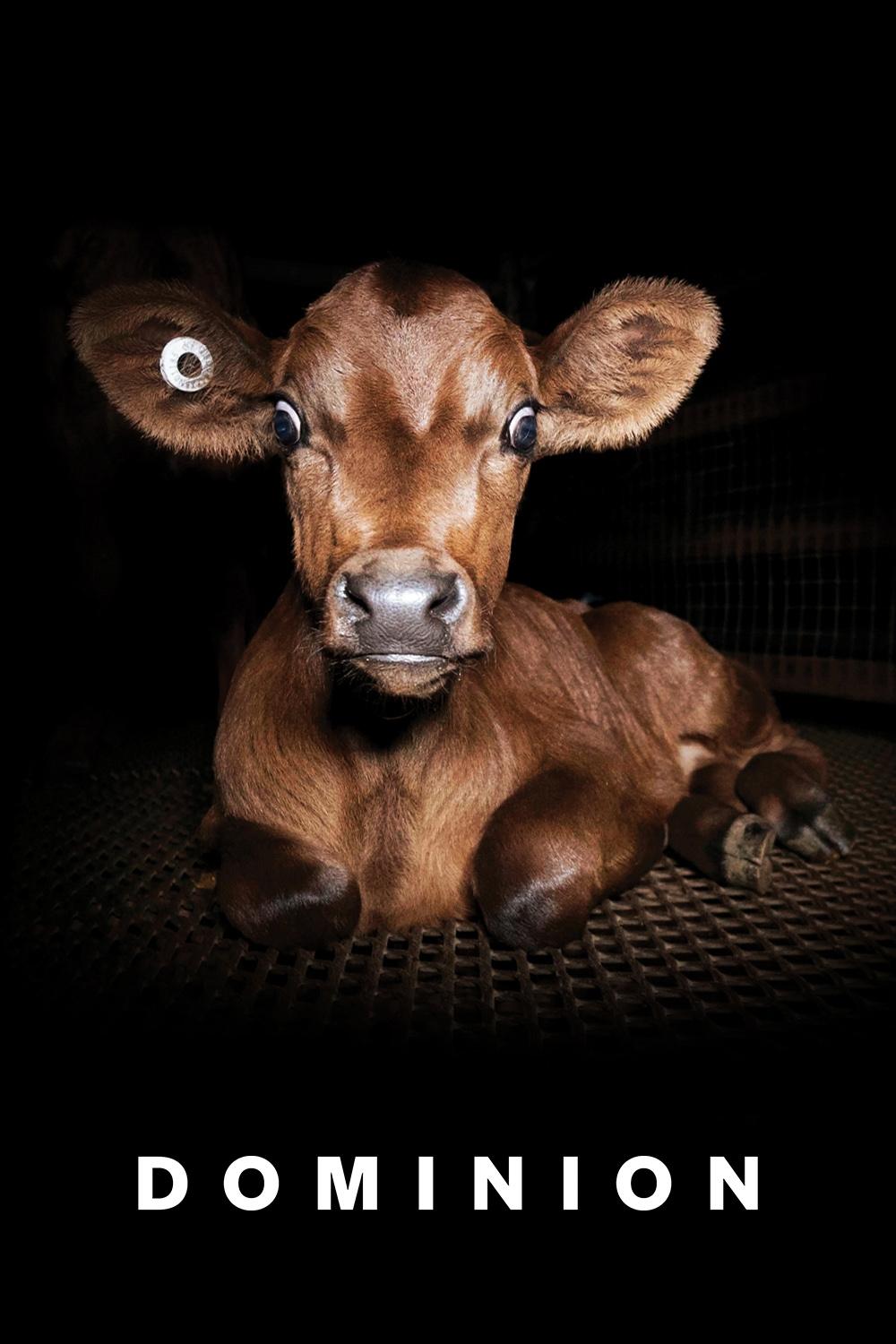
Exposing the dark underbelly of modern animal agriculture through drones, hidden & handheld cameras, the feature-length film explores the morality and validity of our dominion over the animal kingdom.
A documentary about Swiss mountain folk.
Bob Ross brought joy to millions as the world's most famous art instructor. But a battle for his business empire cast a shadow over his happy trees.
This feature-length educational film teaches you how to set up your own permaculture orchard at virtually any scale. We recognize the limitations of the organic model as a substitute to conventional fruit growing, and want to propose a more holistic, regenerative approach based on permaculture principles. Based on 20 years of applied theory and trial and error, biologist and educator Stefan Sobkowiak shares his experience transforming a conventional apple orchard into an abundance of biodiversity that virtually takes care of itself. The concepts, techniques and tips presented in this film will help you with your own project, whether it is just a few fruit trees in your urban backyard, or a full-scale multi-acre commercial orchard.
A farmer struggles to make a living on his land near the coast of the Dead Sea.
America's policy of producing cheap food at all costs has long hobbled small independent farmers, ranchers, and chefs. Worried for their survival, trailblazing food writer Ruth Reichl reaches out across political and social divides to uncover the country's broken food system and the innovators risking it all to transform it.
Farm families in Lestock, Saskatchewan, have pooled their resources so that rising operating costs will not drive them off their land. By pooling their land, their equipment, their livestock, and farming as a cooperative, they are able to live as they choose, to maintain their standard of living, and even to have some spare time left over to enjoy. An engaging look at a novel approach to big-scale farming.
Sepp Holzer explains some of the innovative, labour-saving agricultural techniques he applies at his farm in the Eastern Alps of Salzburg, Austria.
For centuries, rice farmers on the island of Bali have taken great care not to offend Dewi Danu, the water goddess who dwells in the crater lake near the peak of Batur volcano. Through an analysis of ritual, resource management practices (planting schedules, irrigation vs. conservation, etc) and social organization, anthropologist Steve Lansing and ecologist James Kremer discover the intricacy and sustainability of this ancient water management agricultural system.
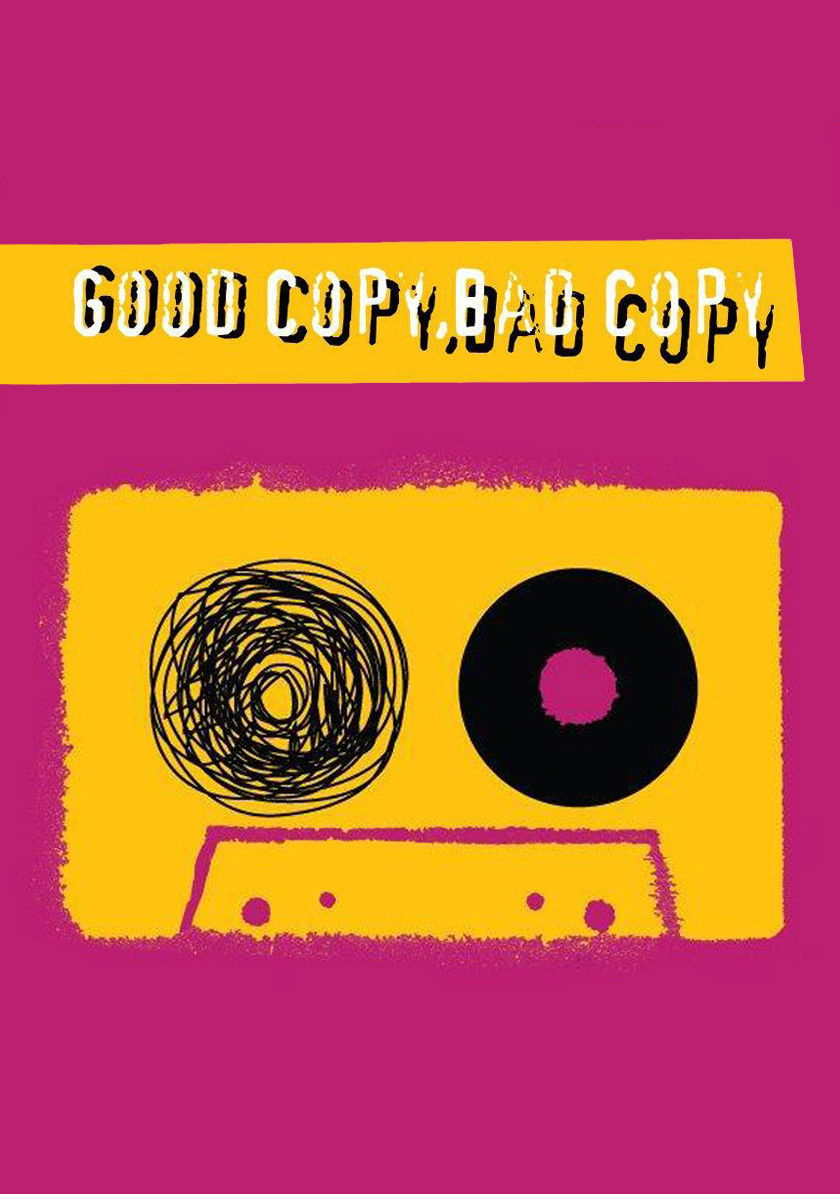
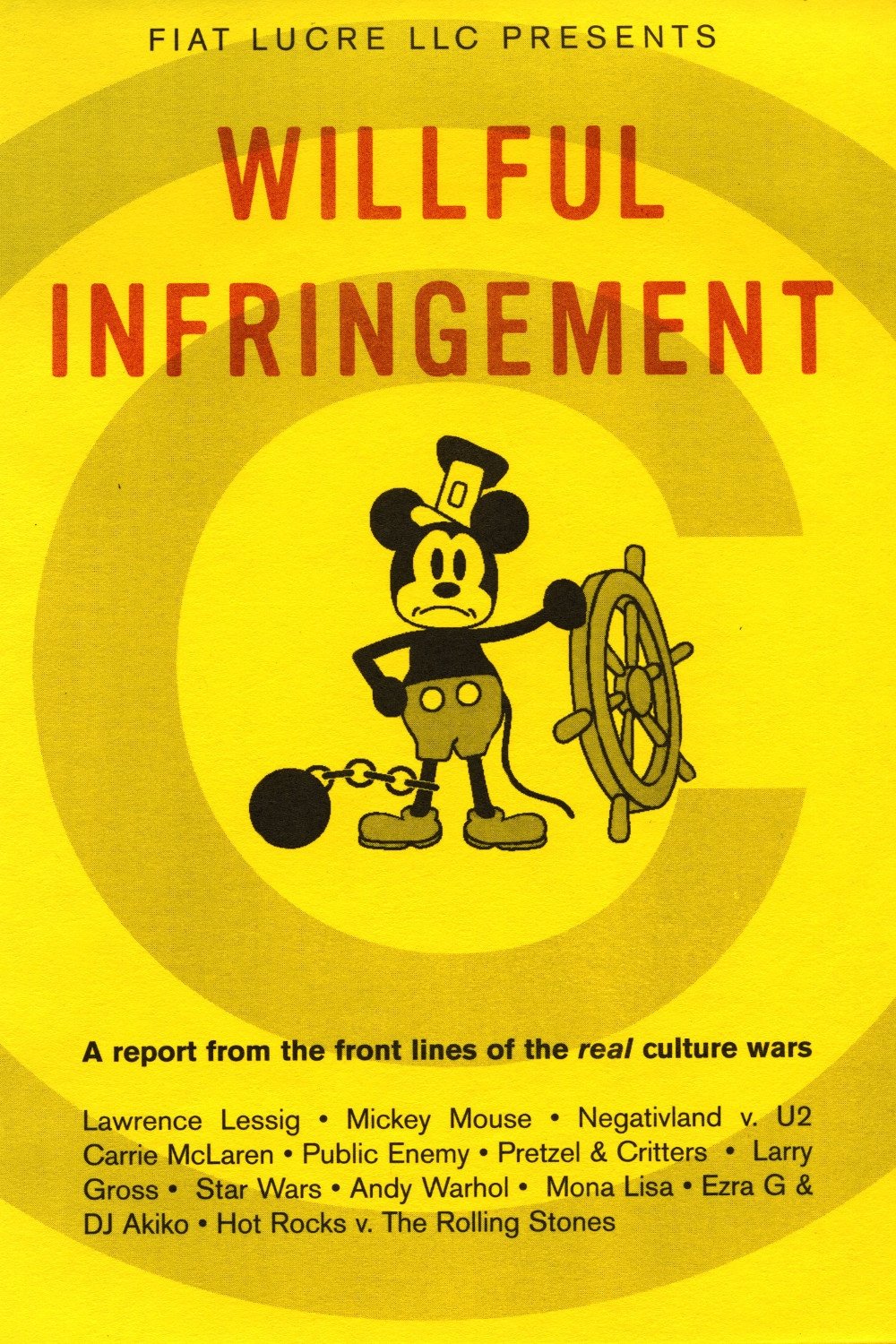
Good Copy Bad Copy is a documentary about copyright and culture in the context of Internet, peer-to-peer file sharing and other technological advances.
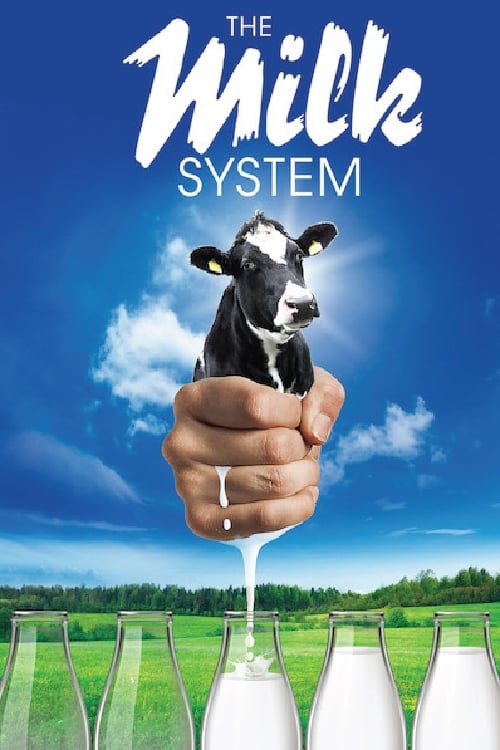
Milk is Big Business. Behind the innocent appearances of the white stuff lies a multi-billion euro industry, which perhaps isn't so innocent…
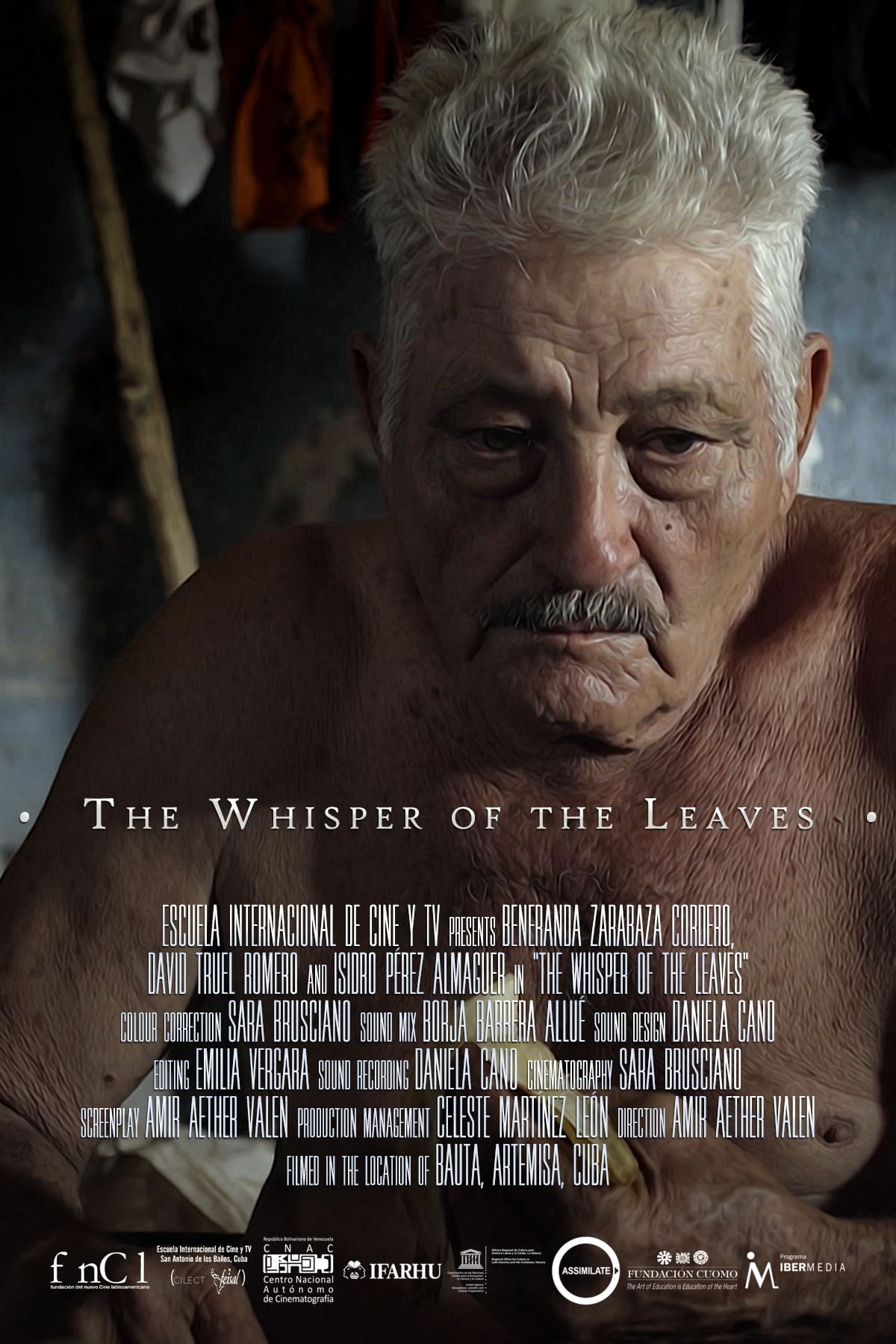
A poetic and contemplative journey of harmony between different forms of life that coexist on the earth. This film is a meditation on the effect of time, movement of the human spirit, and passage to new forms of life, through the eyes, ears, and bodies of three elderly land workers living in a small community in the outskirts of Bauta, Cuba.
This film explores food sustainability, how farmers' markets build community, and why local food matters. Filmmaker Dr. Benjamin Garner is an Associate Professor at the University of North Georgia. He produces films on food, marketing, and tourism. Dr. Garner consults with companies on soft skills training and produces video ads for web and social media.
In partnership with the MasterCard Foundation and local partner Mwanza Youth and Children Network, the young reporters produce and broadcast radio shows that illustrate how farming can lead to individual prosperity and country-wide economic growth and teach the business and finance skills necessary to manage these small agricultural enterprises.
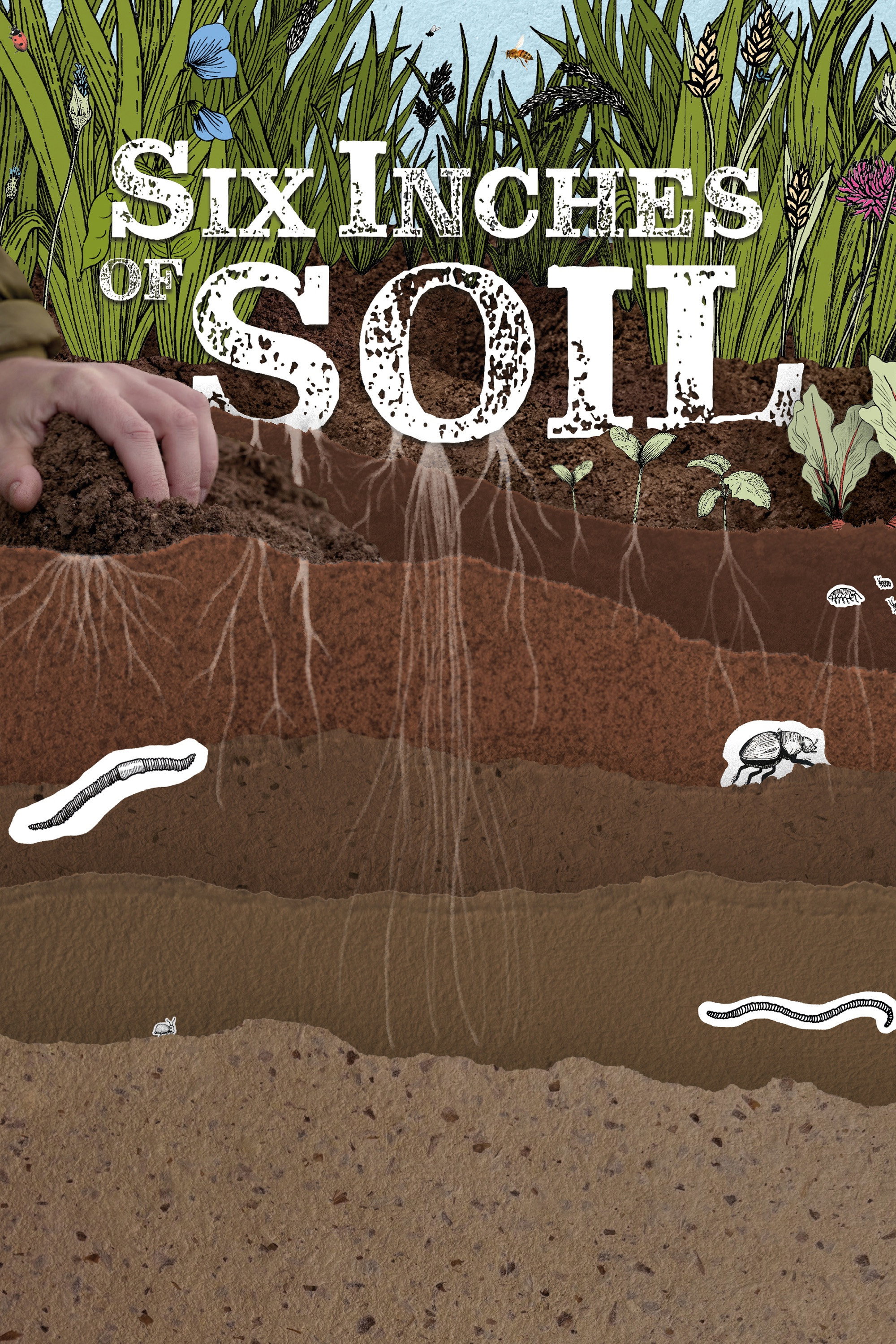
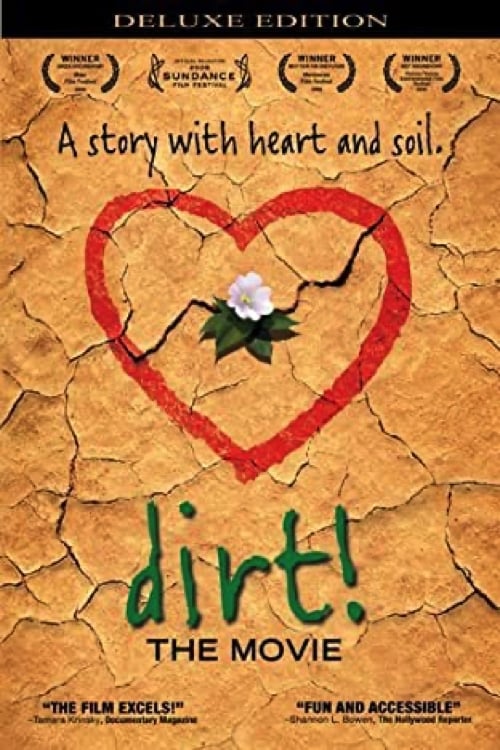
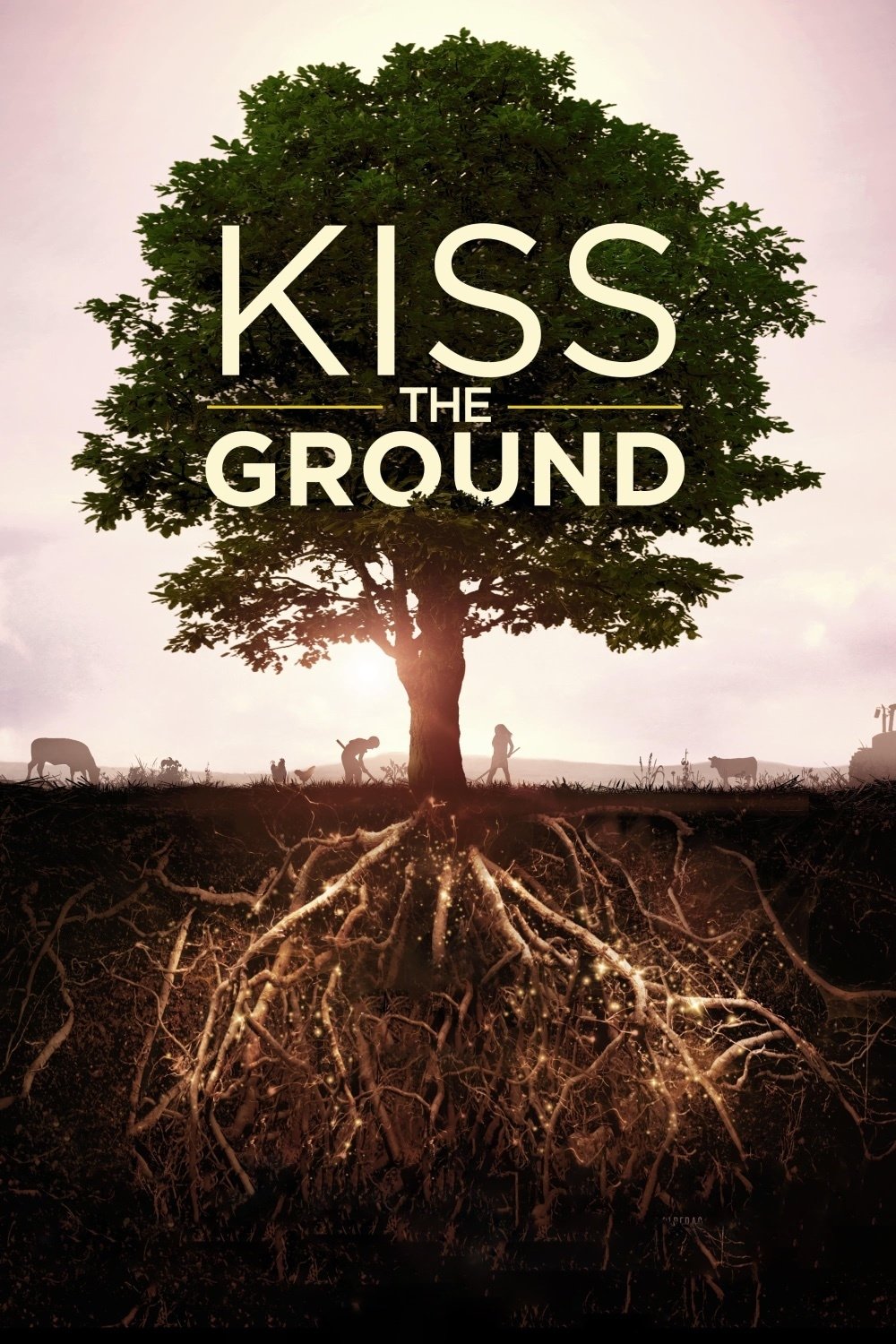
A look at man's relationship with Dirt. Dirt has given us food, shelter, fuel, medicine, ceramics, flowers, cosmetics and color --everything needed for our survival. For most of the last ten thousand years we humans understood our intimate bond with dirt and the rest of nature. We took care of the soils that took care of us. But, over time, we lost that connection. We turned dirt into something "dirty." In doing so, we transform the skin of the earth into a hellish and dangerous landscape for all life on earth. A millennial shift in consciousness about the environment offers a beacon of hope - and practical solutions.
Filmmaker Claudia Hefner showcases the Kramerterhof, an Alpine estate which Sepp Holzer has transformed from an ordinary farm into a paragon of permaculture. Spectacular aerial photography helps viewers to appreciate the magnificence of the landscape and the efficiency of the property.
A partnership between the Government of Mali and an American agricultural investor may see 200-square kilometers of Malian land transformed into a large-scale sugar cane plantation. Land Rush documents the hopes, fears, wishes, and demands of small-scale subsistence farmers in the region who look to benefit, or lose out, from the deal.
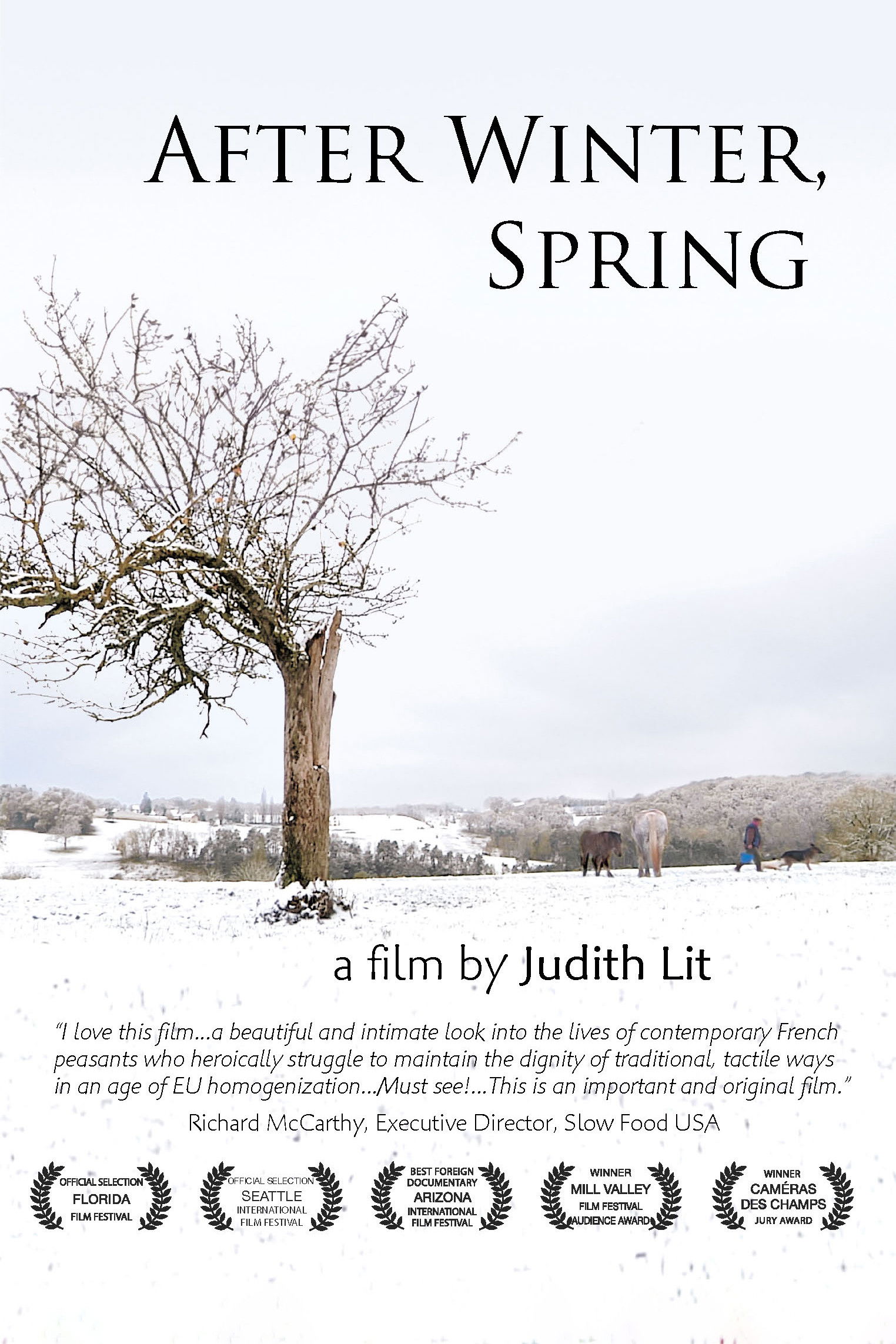
Family farmers in southwest France practice an ancestral way of life under threat in a world increasingly dominated by large-scale industrial agriculture.