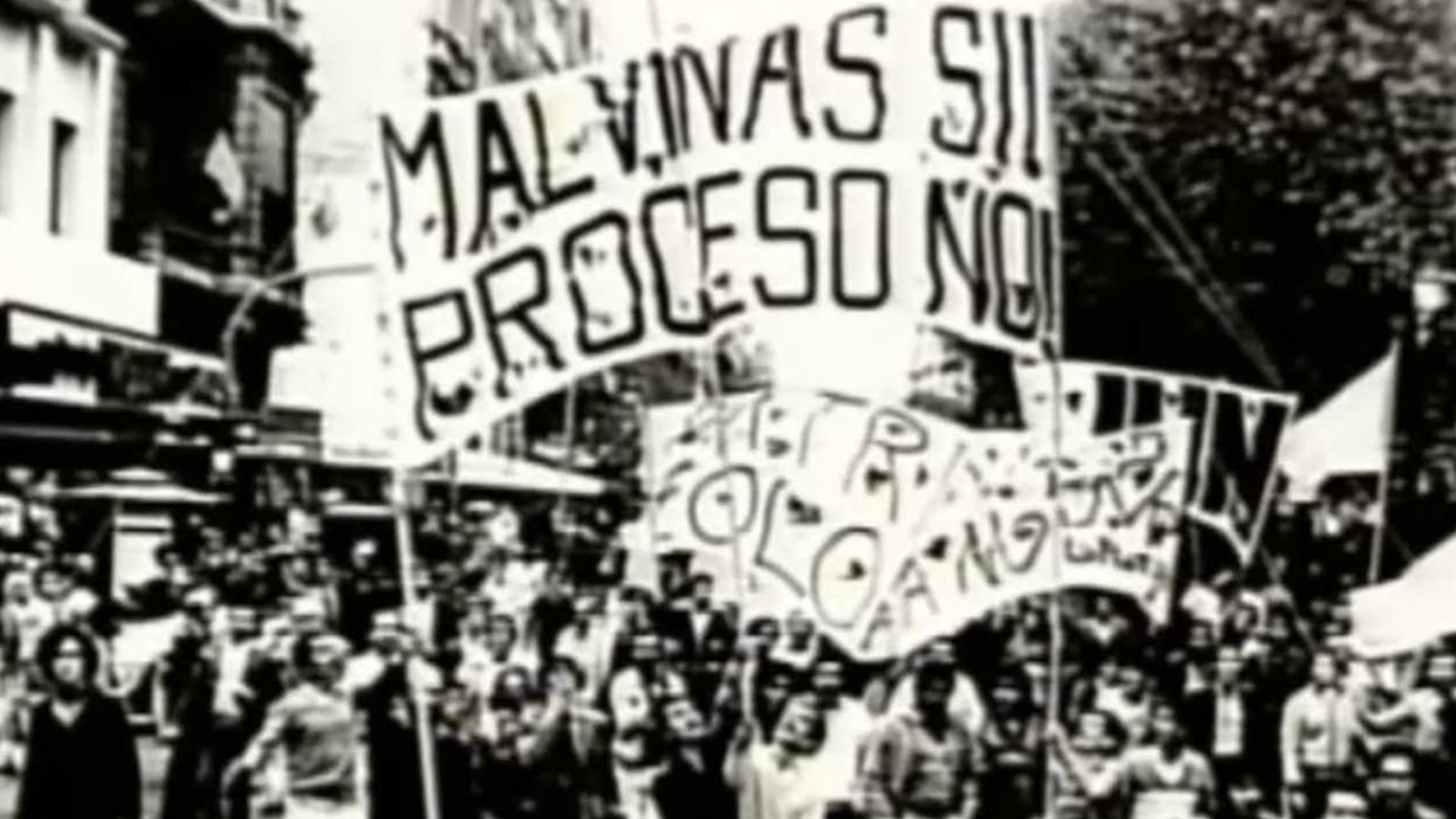
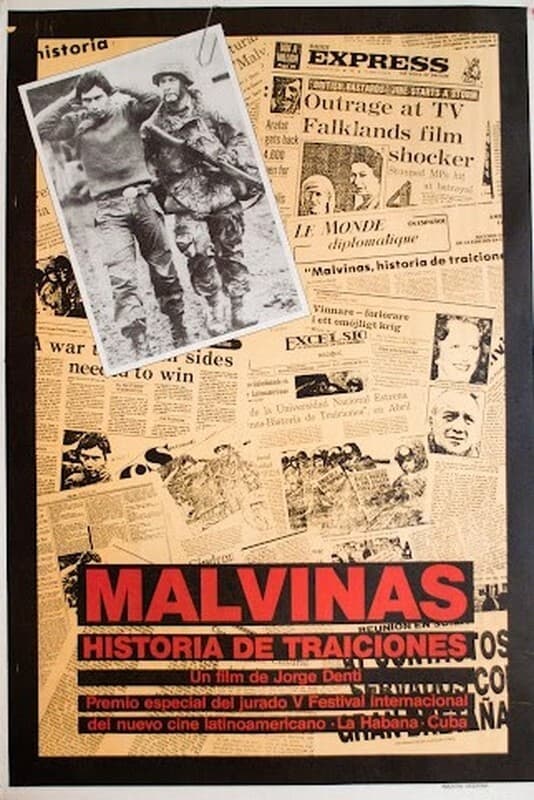
Malvinas, history of betrayals is an Argentine-Mexican co-production documentary film directed by Jorge Denti from a script by Irene Selzer and Alberto Adellach.
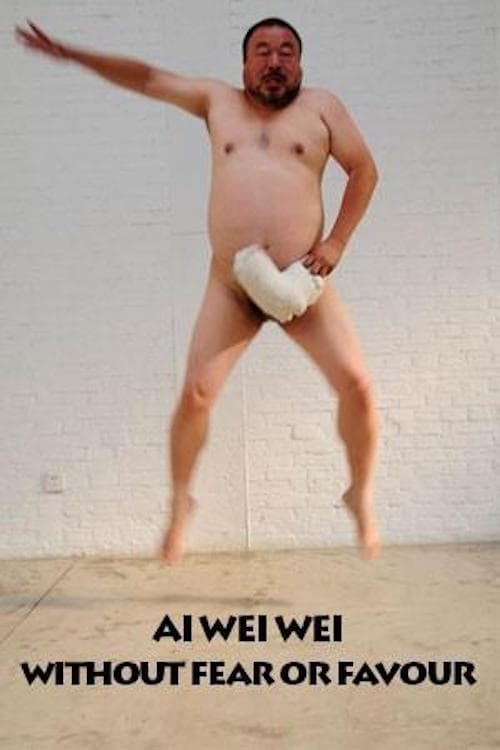
Social & External
The people behind it
Adolfo Pérez Esquivel
Self
Gregorio Selser
Anthony Buck
E.P. Thompson
In a fascinating geopolitical drama, Danish filmmaker Mik-Meyer closely follows Ravalomanana as he attempts to return from exile in South Africa to Madagascar, under the threat of arrest and bodily harm.
After New York City firefighter Terry Lynch is unable to receive any compensation for an injury incurred during the off-duty rescue of a young girl, he grows suicidal. Furious, his brother Jimmy attempts to have Mayor Tyler intervene, but the corrupt politician instead denounces Terry as a drunk. Determined to get justice, Jimmy begins a graffiti campaign of embarrassing slogans mocking the mayor, which soon captivates the city.
Henry’s and Fay's son Ned sets out to find and kill his father for destroying his mother's life. But his aims are frustrated by the troublesome Susan, whose connection to Henry predates even his arrival in the lives of the Grim family.
The French Revolution, 1794. The Marquis de Lafayette asks Charles D'Aubigny to infiltrate the Jacobin Party to overthrow Maximilian Robespierre, who, after gaining supreme power and establishing a reign of terror ruled by death, now intends to become the dictator of France.
Rio de Janeiro, April 18, 1945. Brazil's foreign policy aligns closely with that of the United States and opens a brief period of democratic rule after the end of World War 2. For years, hundreds of people were arrested and tortured by the Vargas regime. But with the external pressure, several political prisoners gain freedom.
An enduring myth in U.S. presidential election history is that George H.W. Bush only lost his re-election bid in 1992 because a peculiar independent candidate from Texas, Ross Perot, drew more voters away from Bush than from Democratic candidate Bill Clinton. Perot ran a quirky "outsider" campaign that in many ways presaged the Donald Trump phenomenon of 2016. It all amounted to one of the most successful third-party bids in U.S. history; Perot won 19 percent of the popular vote.
A group of young people become involved with the kidnap of a local politician with the aim of halting construction work on a nearby nuclear power plant.
The Blocher Experience tells the story of Switzerland’s most controversial political leader. It also chronicles the face-to-face encounter between a film-maker and a man of power, through a year of exclusive, up-close interviews and access to his private life.
This program, culled from the over 28 hours of interview footage between Sir David Frost and U.S. President Richard M. Nixon, was originally broadcast in May of 1977. Never before, nor since, has a U.S. President been so candid on camera. Even more intriguing is the fact that Nixon agreed to appear on camera with no pre-interview preparation or screening of questions.
In the wake of the hottest year on record, the Coalition of Immokalee Workers (CIW) and WeCount! are pursuing different strategies to secure heat protections for Florida's outdoor laborers. As lawmakers move to block new regulations, the groups are coming together through CIW's Worker-driven Social Responsibility model (WSR) to expand enforceable protections across the state's fields and nurseries.
The film is a controversy on democracy. Is our society really democratic? Can everyone be part of it? Or is the act of being part in democracy dependent to the access on technology, progression or any resources of information, as philosophers like Paul Virilio or Jean Baudrillard already claimed?
Dhanapati wants to earn more money to get his daughter to a good school.
When a group of baristas in Buffalo, New York announce their intention to start a labor union, Starbucks responds with an elaborate, illegal anti-union attack. Featuring on-the-ground footage from workers and organisers, Partners takes us to the front lines of the historic union campaign that catalysed America’s Gen Z labour revival.
Jokowi slowly proves that he is a leader. From the Mayor of Solo, Jakarta Governor, to President. In the process Jokowi encountered various problems. His wife and family plays an important role as a supporter. The film also shows Jokowi as a husband and head of the family at home.
Following a national crisis, the citizens of Iceland rallied together to collectively write the first ever crowdsourced constitution. A deeply touching account of an eclectic group of individuals reinventing democracy through the rewriting of the nation's constitution, proving that Iceland is not a broken country but instead an intricate web of concerns, ideas, and ultimately creative solutions.
After two failed presidential campaigns, learn how Joe Biden overcame losses, controversies, and corruption scandals to finally take the oval office.
Prelude to War was the first film of Frank Capra's Why We Fight propaganda film series, commissioned by the Pentagon and George C. Marshall. It was made to convince American troops of the necessity of combating the Axis Powers during World War II. This film examines the differences between democratic and fascist states.
Korengal picks up where Restrepo left off; the same men, the same valley, the same commanders, but a very different look at the experience of war.
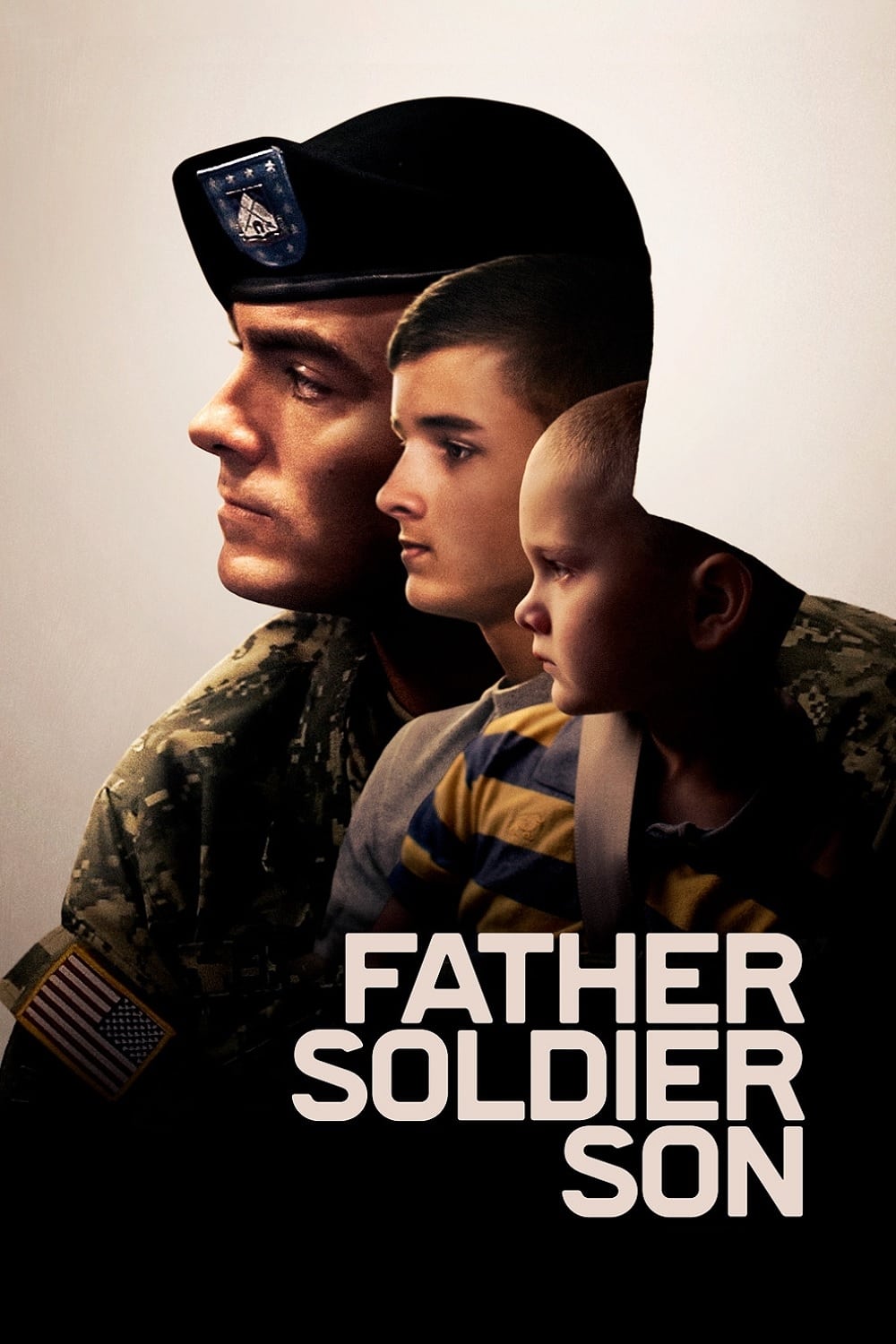
When Sgt. First Class Brian Eisch is critically wounded in Afghanistan, it sets him and his sons on a journey of love, loss, redemption and legacy.
A love letter from a young mother to her daughter, the film tells the story of Waad al-Kateab’s life through five years of the uprising in Aleppo, Syria as she falls in love, gets married and gives birth to Sama, all while cataclysmic conflict rises around her. Her camera captures incredible stories of loss, laughter and survival as Waad wrestles with an impossible choice– whether or not to flee the city to protect her daughter’s life, when leaving means abandoning the struggle for freedom for which she has already sacrificed so much.
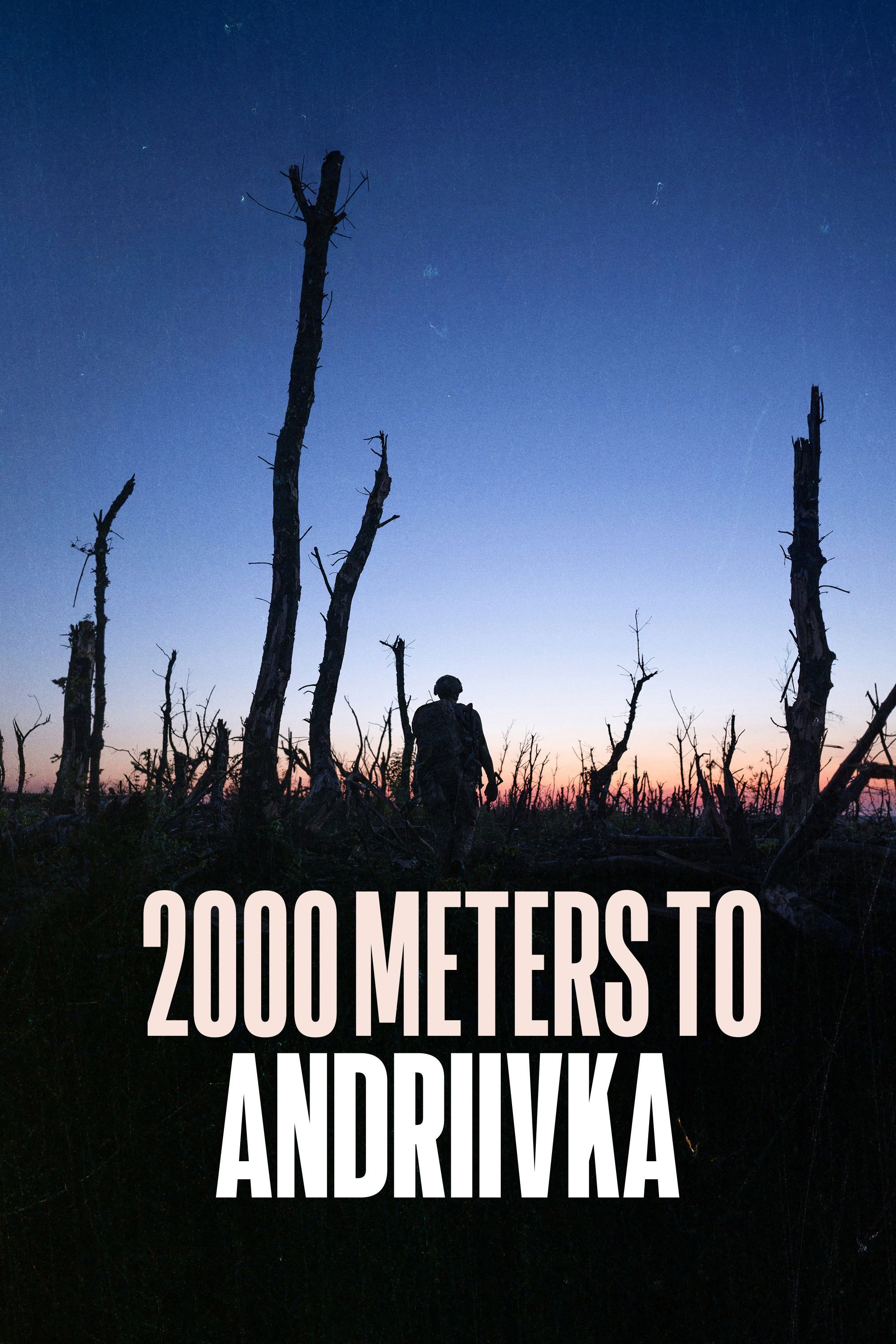
Amid the failing counteroffensive, a journalist follows a Ukrainian platoon on their mission to traverse one mile of heavily fortified forest and liberate a strategic village from Russian occupation. But the farther they advance through their destroyed homeland, the more they realize that this war may never end.
“The Soviet Story” is a story of an Allied power, which helped the Nazis to fight Jews and which slaughtered its own people on an industrial scale. Assisted by the West, this power triumphed on May 9th, 1945. Its crimes were made taboo, and the complete story of Europe’s most murderous regime has never been told. Until now...
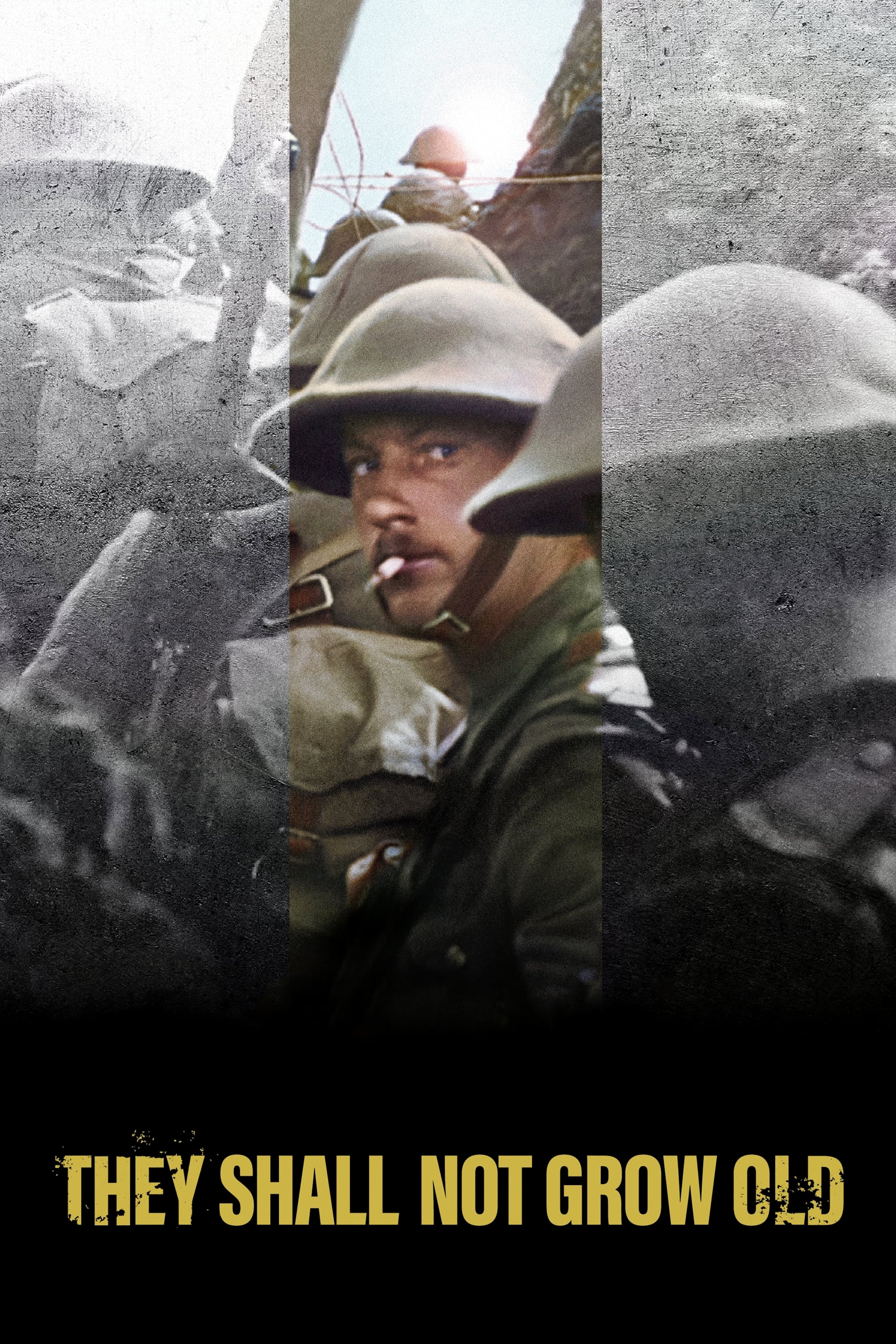
A documentary about World War I with never-before-seen footage to commemorate the centennial of Armistice Day, and the end of the war.
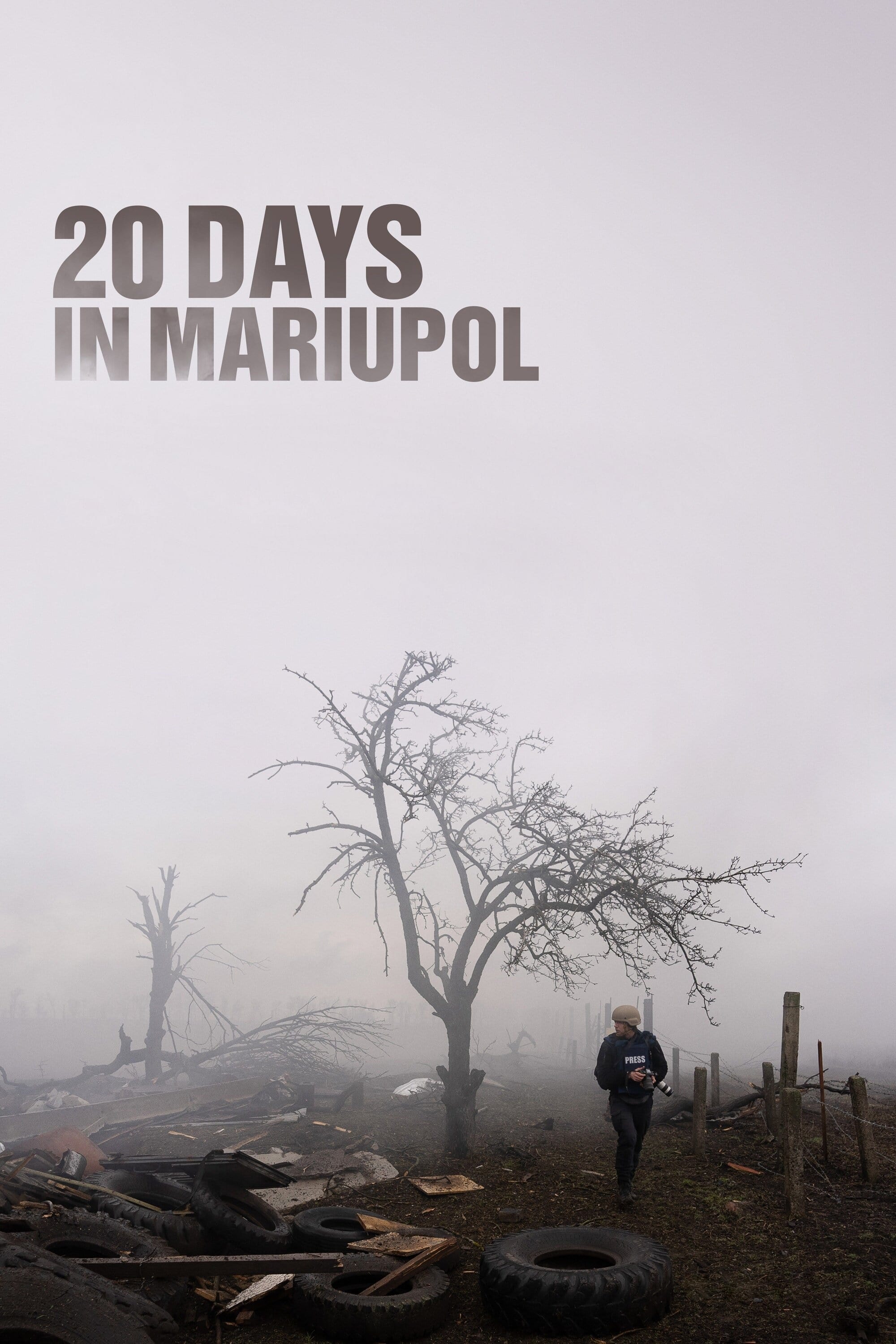
As the Russian invasion begins, a team of Ukrainian journalists trapped in the besieged city of Mariupol struggle to continue their work documenting the war's atrocities.
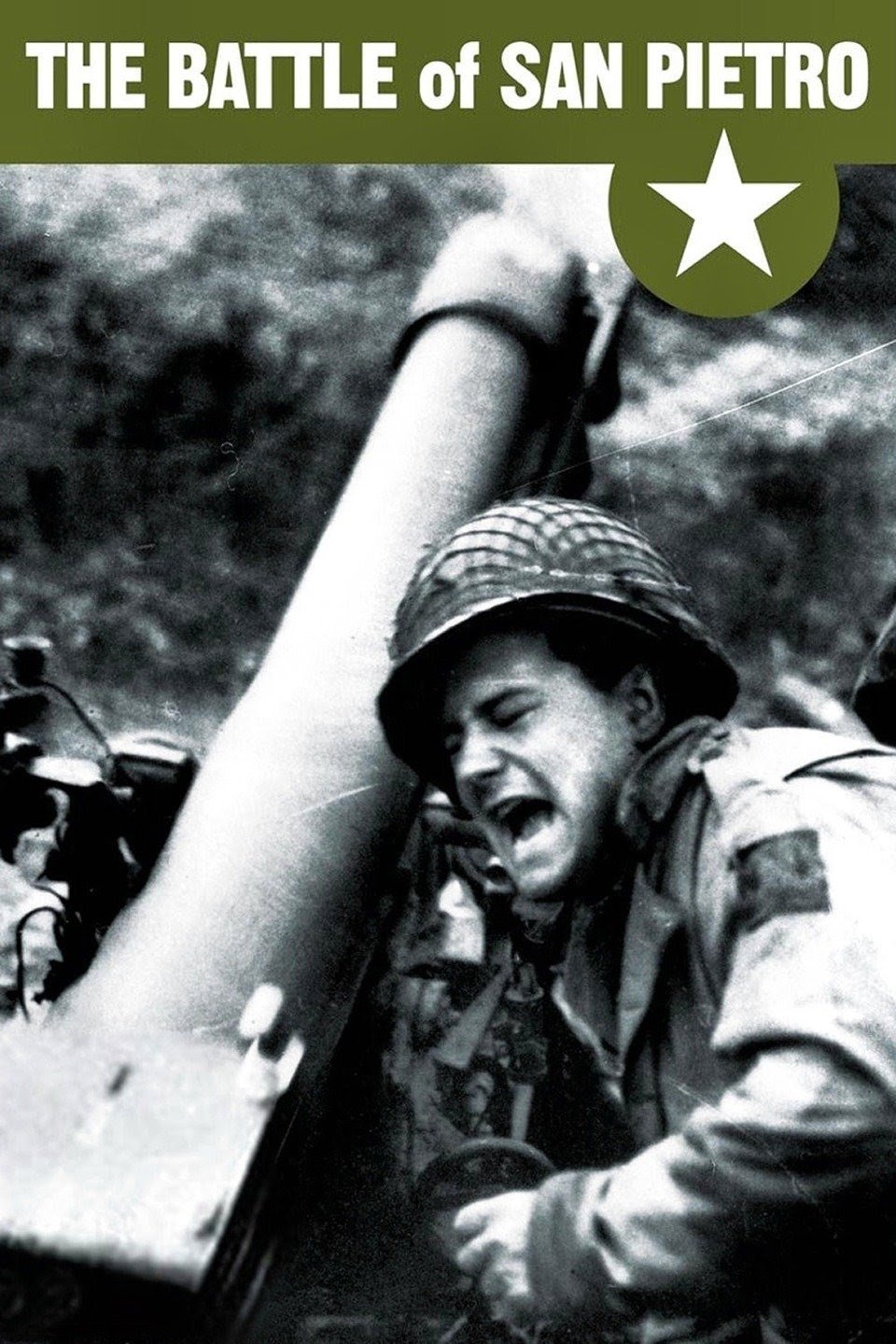
This documentary movie is about the battle of San Pietro, a small village in Italy. Over 1,100 US soldiers were killed while trying to take this location, that blocked the way for the Allied forces from the Germans. Preserved by the Academy Film Archive in 2005.
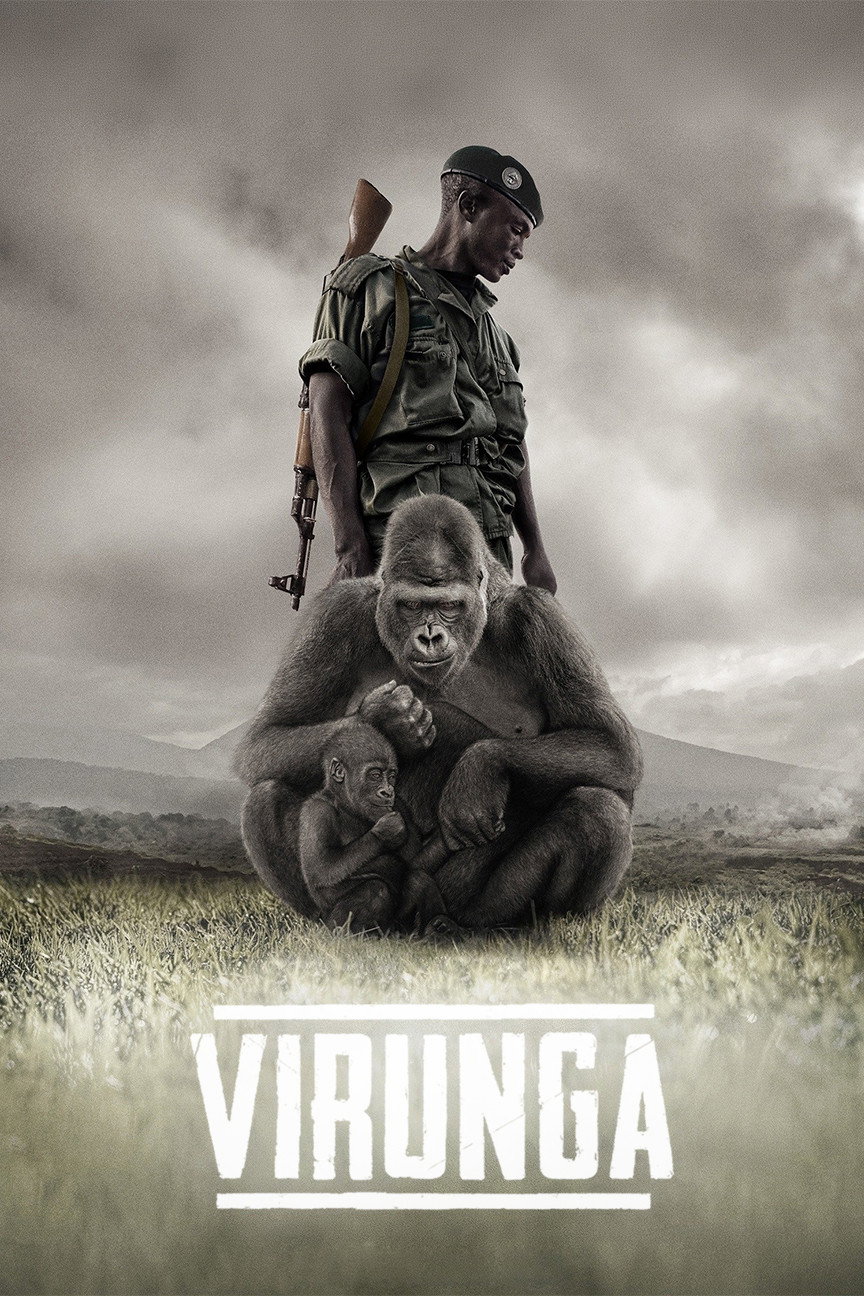
Virunga in the Democratic Republic of the Congo is Africa’s oldest national park, a UNESCO world heritage site, and a contested ground among insurgencies seeking to topple the government that see untold profits in the land. Among this ongoing power struggle, Virunga also happens to be the last natural habitat for the critically endangered mountain gorilla. The only thing standing in the way of the forces closing in around the gorillas: a handful of passionate park rangers and journalists fighting to secure the park’s borders and expose the corruption of its enemies. Filled with shocking footage, and anchored by the surprisingly deep and gentle characters of the gorillas themselves, Virunga is a galvanizing call to action around an ongoing political and environmental crisis in the Congo.
Against the darkening backdrop of New Delhi's apocalyptic air and escalating violence, two brothers devote their lives to protecting one casualty of the turbulent times: the bird known as the black kite.
Directors Hetherington and Junger spend a year with the 2nd Battalion of the United States Army located in one of Afghanistan's most dangerous valleys. The documentary provides insight and empathy on how to win the battle through hard work, deadly gunfights and mutual friendships while the unit must push back the Taliban.
Ten Minutes Older is a 2002 film project consisting of two compilation feature films entitled The Trumpet and The Cello. The project was conceived by the producer Nicolas McClintock as a reflection on the theme of time at the turn of the Millennium. Fifteen celebrated film-makers were invited to create their own vision of what time means in ten minutes of film.
Meet the real-life airmen who inspired Masters of the Air as they share the harrowing and transformative events of the 100th Bomb Group.
Five broken cameras – and each one has a powerful tale to tell. Embedded in the bullet-ridden remains of digital technology is the story of Emad Burnat, a farmer from the Palestinian village of Bil’in, which famously chose nonviolent resistance when the Israeli army encroached upon its land to make room for Jewish colonists. Emad buys his first camera in 2005 to document the birth of his fourth son, Gibreel. Over the course of the film, he becomes the peaceful archivist of an escalating struggle as olive trees are bulldozed, lives are lost, and a wall is built to segregate burgeoning Israeli settlements.
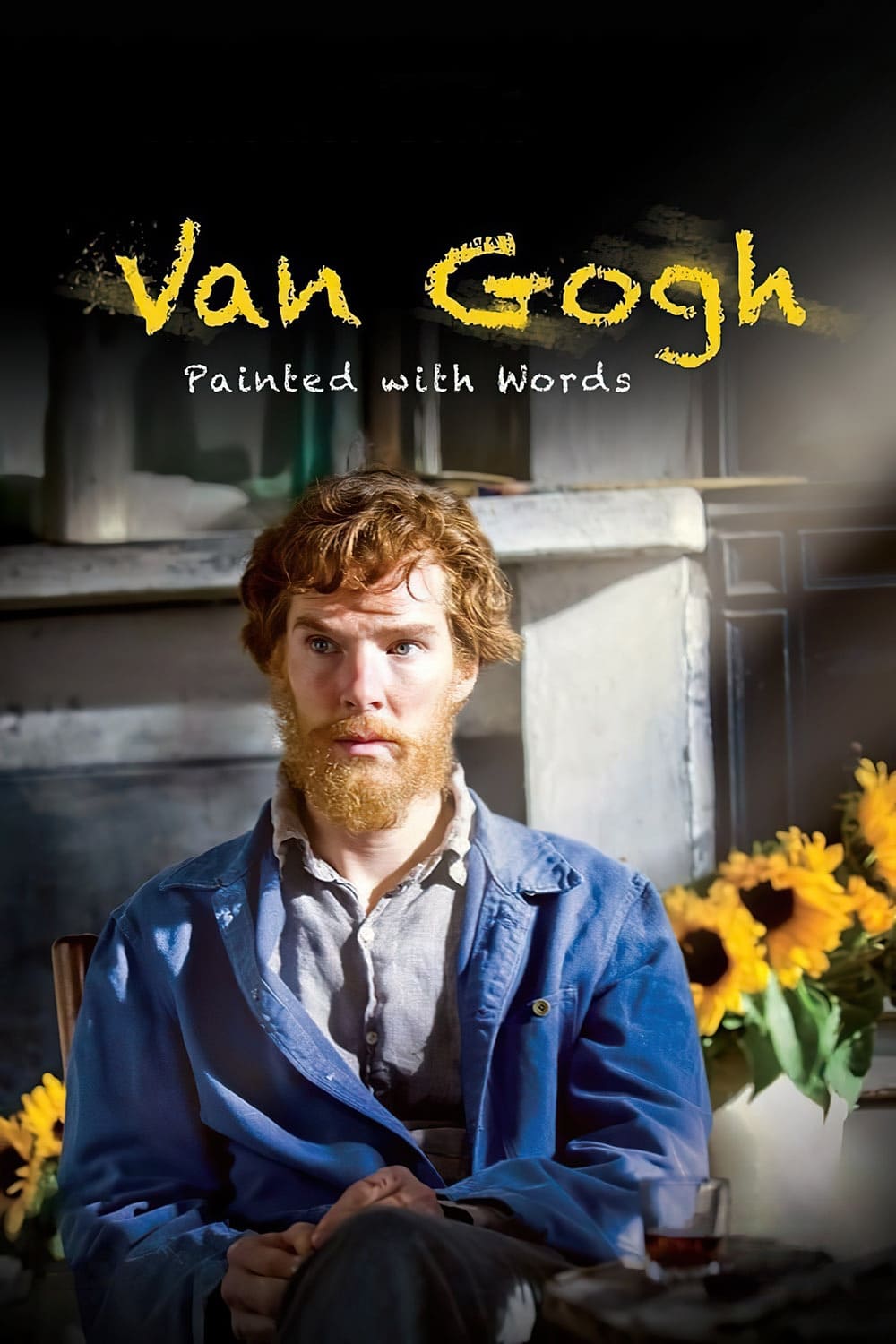
A drama-documentary presented by Alan Yentob, with Benedict Cumberbatch in the lead role. Every word spoken by the actors in this film is sourced from the letters that Van Gogh sent to his younger brother Theo, and of those around him. What emerges is a complex portrait of a sophisticated, civilised and yet tormented man.
The final entry in a trilogy of films produced for the U.S. government by John Huston. Some returning combat veterans suffer scars that are more psychological than physical. This film follows patients and staff during their treatment. It deals with what would now be called PTSD, but at the time was categorised as psychoneurosis or shell-shock. Government officials deemed this 1946 film counterproductive to postwar efforts; it was not shown publicly until 1981.
An engine fire leaves 4,000 passengers stranded at sea without power and plumbing in this wild documentary about the infamous "poop cruise" of 2013.
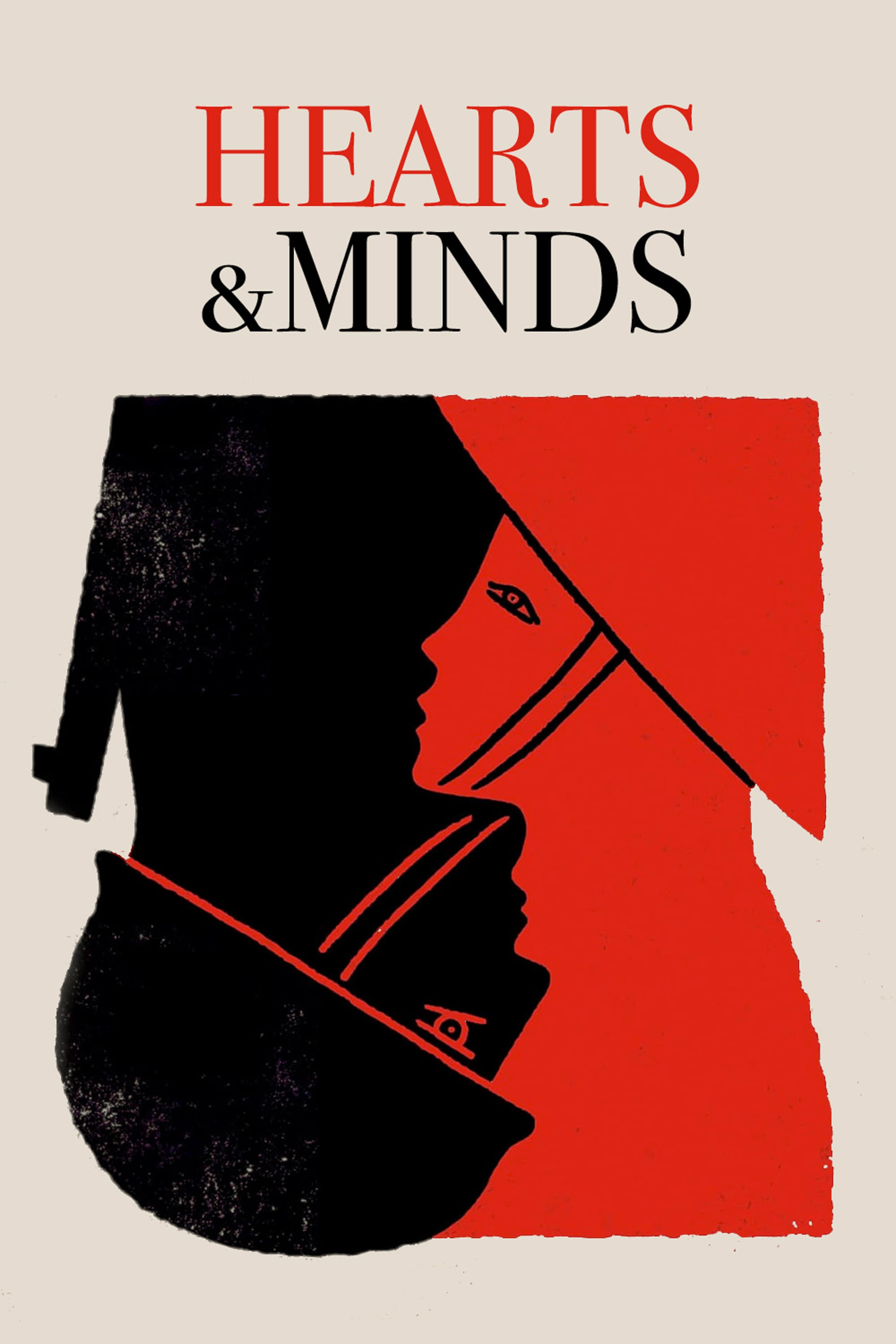
Many times during his presidency, Lyndon B. Johnson said that ultimate victory in the Vietnam War depended upon the U.S. military winning the "hearts and minds" of the Vietnamese people. Filmmaker Peter Davis uses Johnson's phrase in an ironic context in this anti-war documentary, filmed and released while the Vietnam War was still under way, juxtaposing interviews with military figures like U.S. Army Chief of Staff William C. Westmoreland with shocking scenes of violence and brutality.
What happened after Einstein fled Nazi Germany? Using archival footage and his own words, this docudrama dives into the mind of a tortured genius.