In this sprawling 33-part epic, Dianetics therapy and the effects it has on human minds are explored.
Social & External
The people behind it
An exploration —manipulated and staged— of life in Las Hurdes, in the province of Cáceres, in Extremadura, Spain, as it was in 1932. Insalubrity, misery and lack of opportunities provoke the emigration of young people and the solitude of those who remain in the desolation of one of the poorest and least developed Spanish regions at that time.
Staged behind the scenes look at the McWalter movie.
In 2013, three women emerged from a flat in Brixton. They had been held there for decades by Aravindan Balakrishnan, a revolutionary Maoist who controlled the women with brainwashing techniques and tales of a sinister, world-controlling machine he called 'Jackie'.
A documentary short on interactive cinema and Bob Bejan's Interfilm, commissioned and produced for Weird Weekend IV.
Valentine and Jean-Claude start a new life in Kigali with their newborn baby, Justice. Their country, already battered by racial propaganda and brutality, finally seems ready for peace and justice.
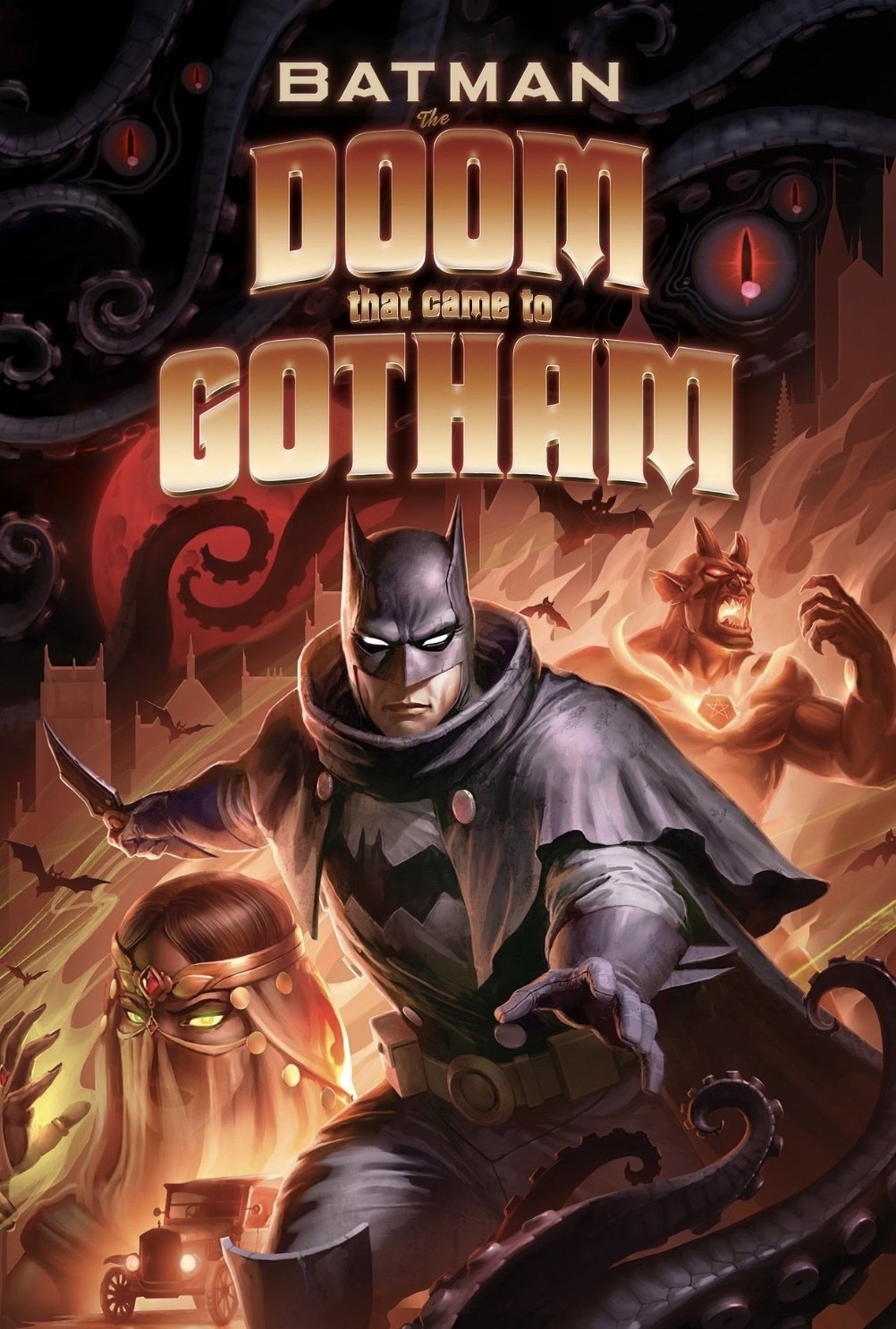
Explorer Bruce Wayne accidentally unleashes an ancient evil, and returns to Gotham after being away for two decades. There, Batman battles Lovecraftian supernatural forces and encounters allies and enemies such as Green Arrow, Ra's al Ghul, Mr. Freeze, Killer Croc, Two-Face and James Gordon.
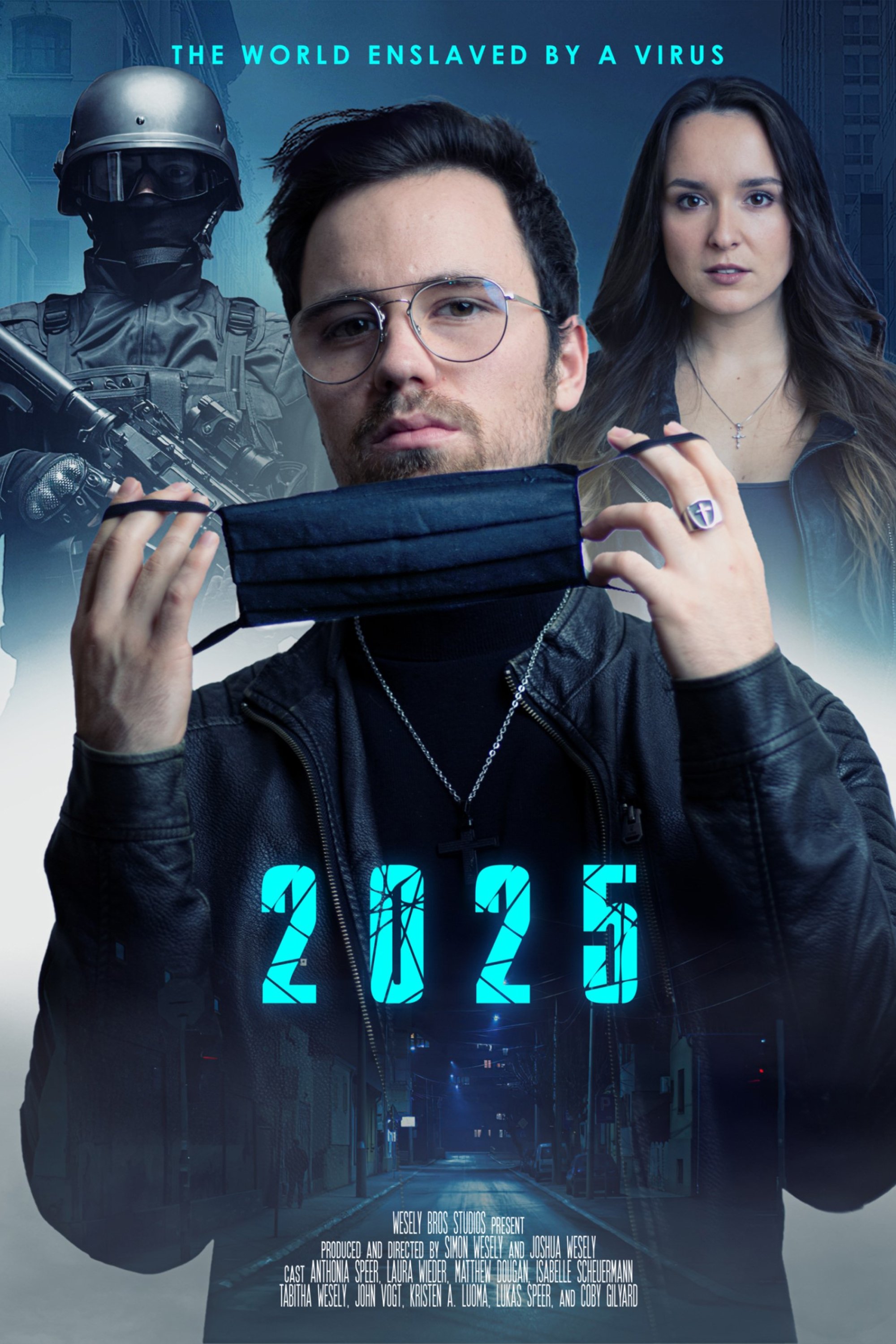
In a post-apocalyptic world brought on by the Coronavirus, communism runs rampant, meetings are forbidden and Christianity is illegal. A band of young believers launch an underground revolution to reunite Christians and regain freedom from their oppressive superiors.
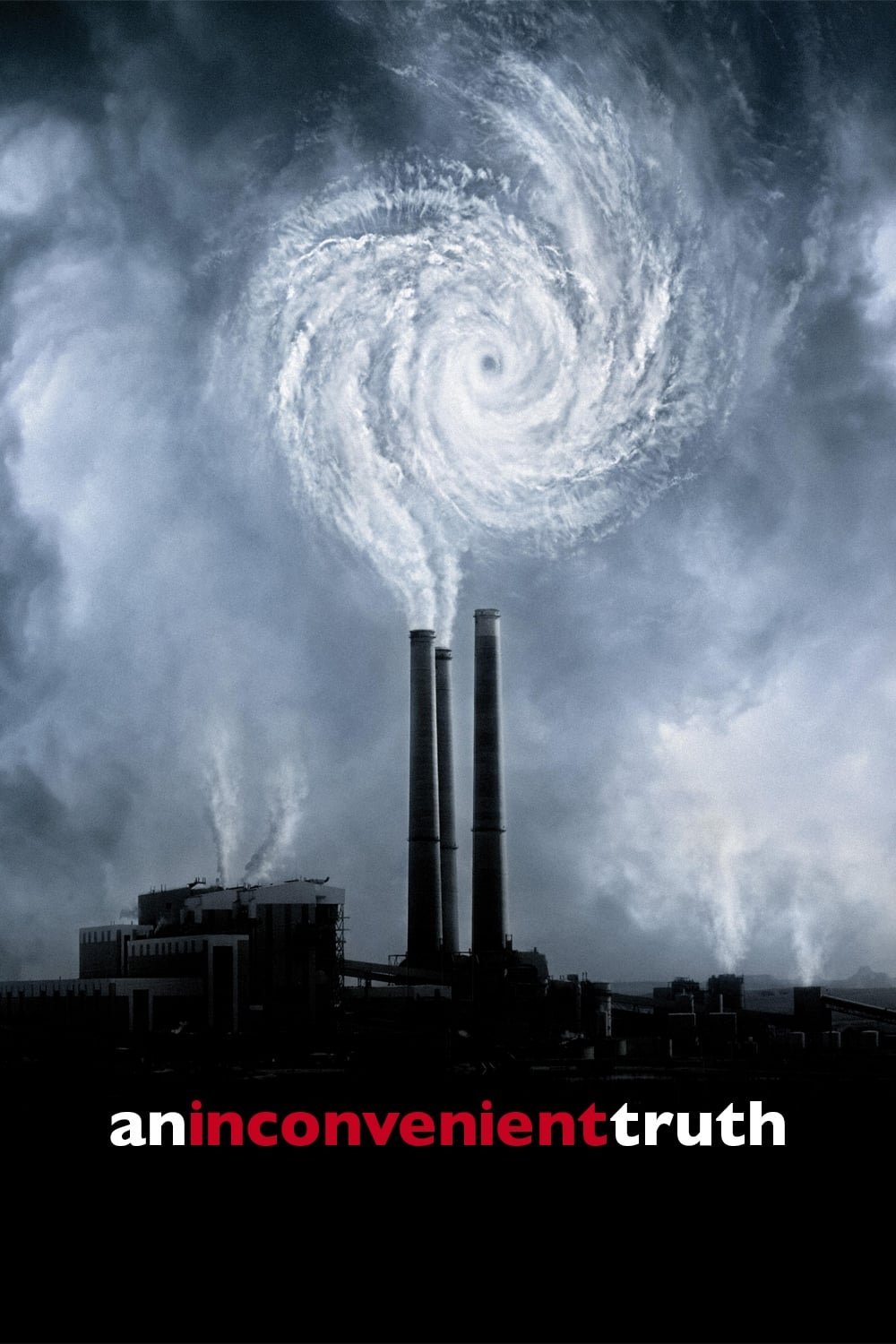
A documentary on Al Gore's campaign to make the issue of global warming a recognized problem worldwide.
A father survives a plane crash in rural Appalachia, but becomes suspicious of the elderly couple who take him in to nurse him back to health with the ancient remedies.
It was the biggest escape in the history of the Berlin Wall: in one historic night of October 1964, 57 East-Berliners try their luck through a tunnel into West Berlin. Just before the last few reach the other side, the East German border guards notice the escape and open fire. Remarkably, all the refugees and their escape agents make it out of the tunnel unscathed, but one border guard is dead: 21-year-old officer Egon Schultz.
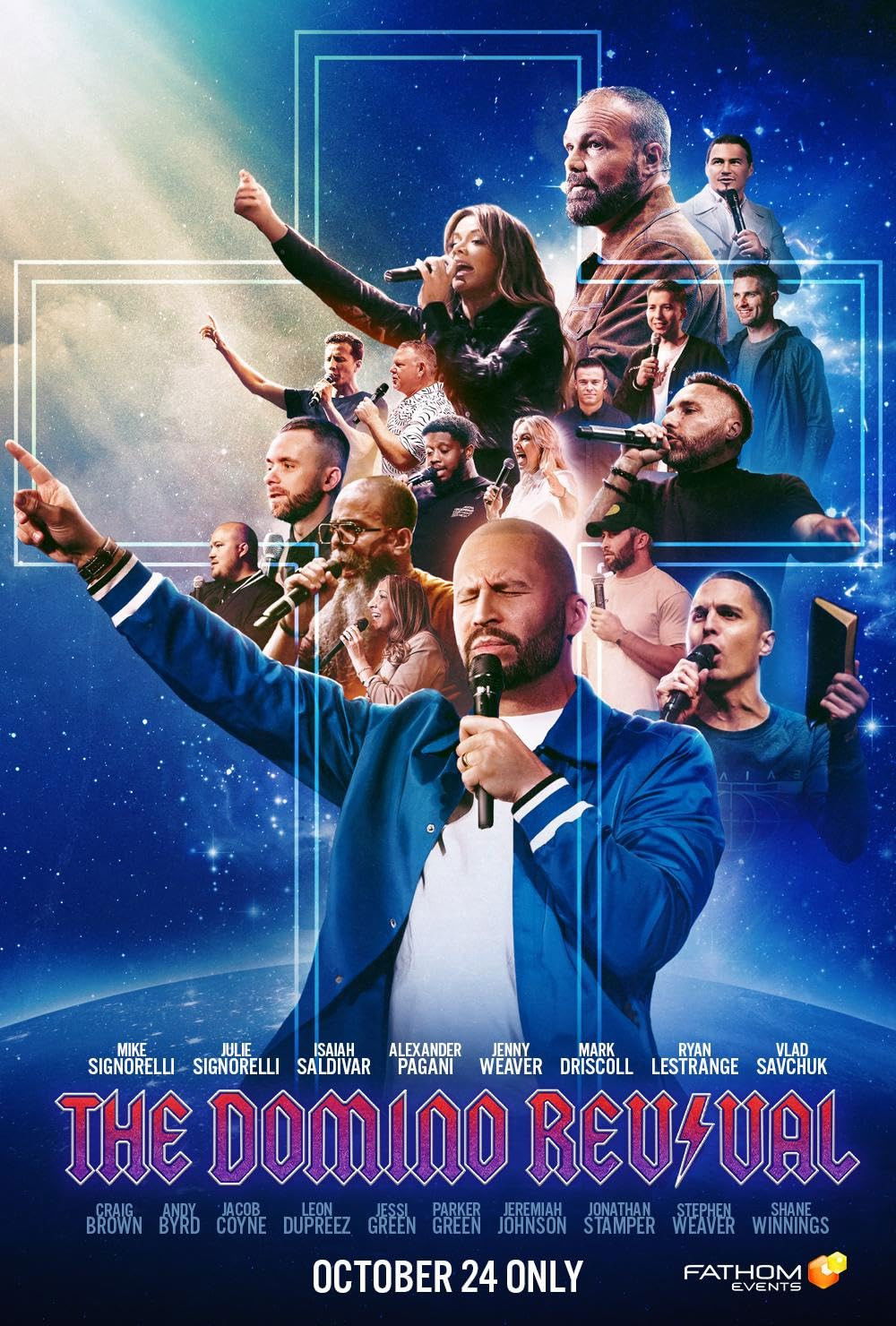
The Domino Revival, a gripping film that follows Mike Signorelli and a group of revivalists during a crucial time in history. As society's hunger for spiritual significance grows, witness the extraordinary power of Jesus Christ through Gospel preaching, verified miracles, overcoming despair, and deliverance from demons.
In 2008, a real-life mystery began to unfold when a real estate company (name withheld by request) discovered video footage shot in one of its vacant properties. The tapes were acquired by local documentary filmmakers Jarrod Rogan and Haman Movafagh, who began piecing together a series of bizarre instances recorded by a man living in the house. Apparently waiting for his wife and daughter to join him from out of state, the man began documenting strange activity that kept him from sleeping for days on end. The eerie recordings have become the subject of much controversy among paranormal investigators, and are finally being released to the general public. This first documentary from Son of Jason Films challenges audiences to explain what happened in the house on Briar Lane.
Ania and Bartek, two stuttering teenagers undergoing speech therapy, are learning to like themselves and stop being afraid.
A continuation of the documentary spoof of what Thor and his roommate Darryl were up to during the events of "Captain America: Civil War". While Cap and Iron Man duke it out, Thor tries to pay Darryl his rent in Asgardian coins.
Warsaw's Central Railway Station. 'Someone has fallen asleep, someone's waiting for somebody else. Maybe they'll come, maybe they won't. The film is about people looking for something.
Examines the implications of Christian Nationalism, how it distorts not only our constitutional republic, but Christianity itself, and asks the question: What happens when a faith built on love, sacrifice, and forgiveness grows political tentacles, conflating power, money, and belief into hyper-nationalism?
Compilation short film about the Communist Revolution and Soviet Union.
Atlantic Ocean, off the coast of Iceland, July 9, 2016. The surprising discovery of a canister —containing four reels of The Village Detective (Деревенский детектив), a 1969 Soviet film—, caught in the nets of an Icelandic trawler, is the first step in a fascinating journey through the artistic life of film and stage actor Mikhail Ivanovich Zharov (1899-1981), icon and star of an entire era of Russian cinema.
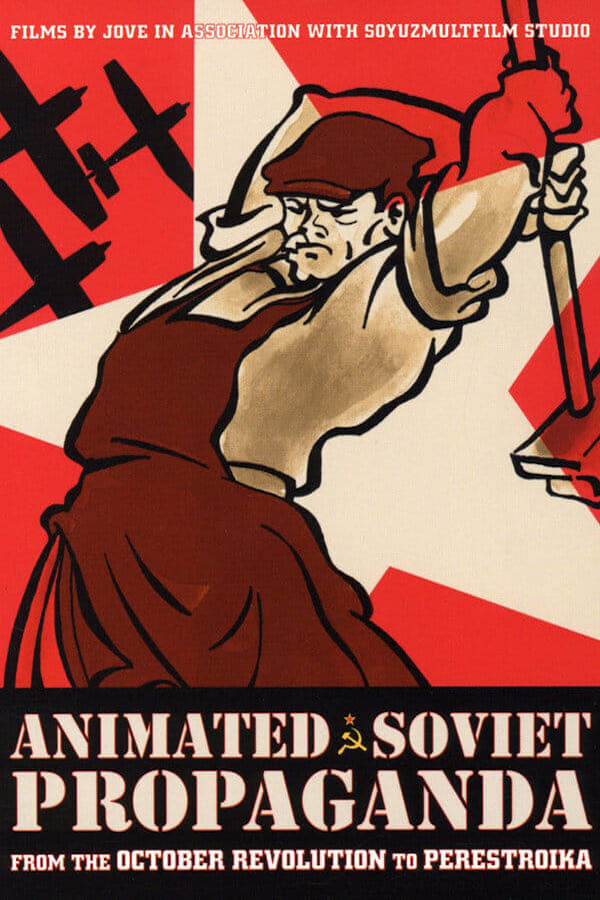
A landmark four disc Box Set - Unearthed from Moscow's legendary Soyuzmultfilm Studios, the 41 films in ANIMATED SOVIET PROPAGANDA span sixty years of Soviet history (1924 - 1984), and have never been available before in the U.S.
While the aliens in this film may seem to be quite human, one must realize that we're dealing with close encounters of the fourth kind. An inner space journey triggered by the drug culture and rebellion of the 1960s, and the non-violent search for self that continues among people in today's culture. Could this be due to some influence from a higher spiritual consciousness? The world's alien leaders are well represented in this film: Baba Muktananda, Swami Satchidananda, A. C. Bhaktivedanta, Guru Maharaj Ji, Yoga Bhahan, Sri Sathya, Sai Baba, Maharishi Mahesh Yogi, Father Yod, Baba Ram Das, and well-known personalities who present their views on seeking their own terrestrial individuality.
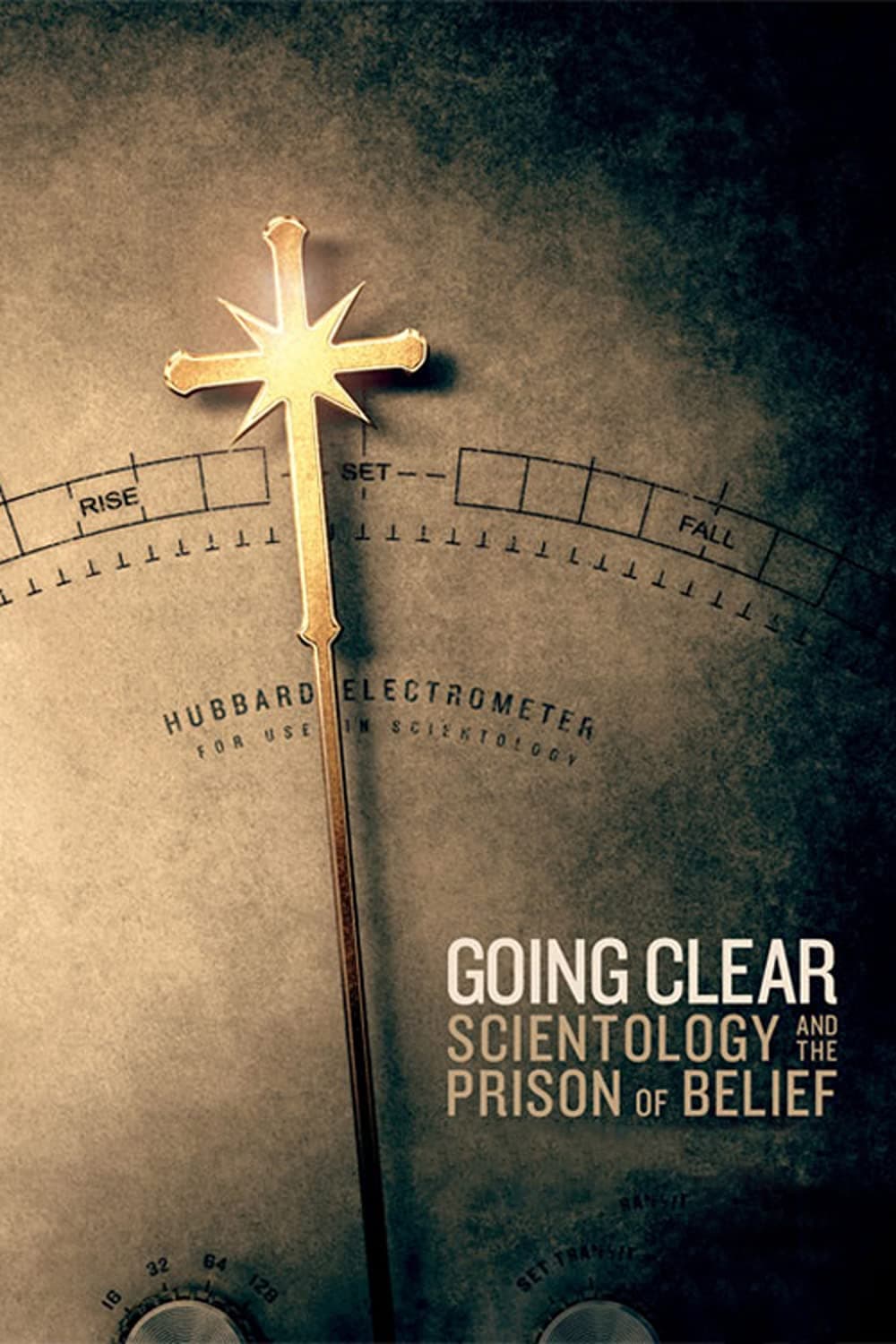
The film profiles eight former members of the Church of Scientology, shining a light on how they attract true believers and the things they do in the name of religion.
An experimental documentary that explores Saudi Arabia's relationship with the U.S. and the role this has played in the war in Afghanistan.
Unravel the case of Utah therapist Jodi Hildebrandt, whose child abuse arrest with parenting YouTuber Ruby Franke exposed a twisted tale of manipulation.
Interviews with leading authors, philosophers and scientists, with an in-depth discussion of the Law of Attraction. The audience is shown how they can learn and use 'The Secret' in their everyday lives.
Alexander McQueen's rags-to-riches story is a modern-day fairy tale, laced with the gothic. Mirroring the savage beauty, boldness and vivacity of his design, this documentary is an intimate revelation of McQueen's own world, both tortured and inspired, which celebrates a radical and mesmerizing genius of profound influence.
After being denied access to the Church of Scientology's headquarters, documentarian Louis Theroux teams up with ex-Scientology official Marty Rathbun to stage re-enactments of alleged abuses within the organization. Theroux soon discovers that the church is watching his every move.
Vulgar, taunting texts blow up the phones of a teen and her boyfriend. Who's sending them — and why? This twisty documentary reveals the shocking answer.
After years in the limelight, Selena Gomez achieves unimaginable stardom. But just as she reaches a new peak, an unexpected turn pulls her into darkness. This uniquely raw and intimate documentary spans her six-year journey into a new light.
With unprecedented access to the official archives and intimate recollections from the band, both current and past, Iron Maiden: Burning Ambition invites fans to experience one of the most iconic journeys in music history. Spanning five decades, this electrifying documentary charts the band’s rise from the pubs of East London to the world’s biggest stadiums. Featuring exclusive interviews with band members and contributors such as Javier Bardem, Lars Ulrich and Chuck D, as well as all-new animated sequences of the band's legendary mascot, Eddie, the film offers a rare and intimate look at Iron Maiden’s uncompromising vision and unwavering connection with their truly global army of fans.
The Captains is a feature-length documentary film written and directed by William Shatner. The film follows Shatner as he interviews the other actors who have portrayed starship captains in the Star Trek franchise.
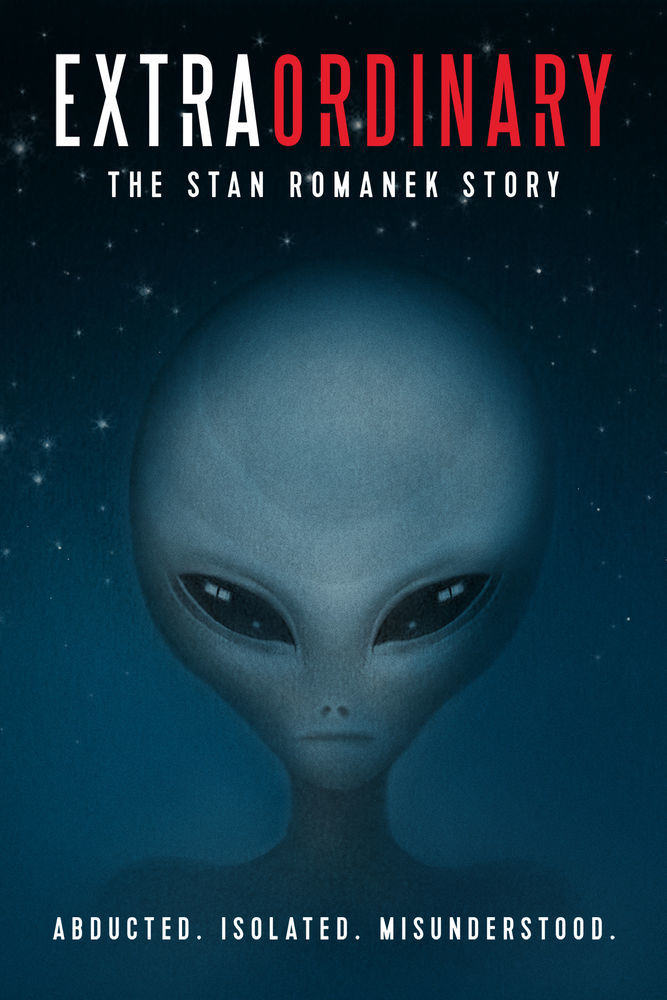
Stan Romanek is the center of the world's most documented extraterrestrial contact story, and the multitude of evidence accumulated over the past decade has convinced thousands around the world that his story is true. This documentary film takes audiences on a journey through Stan's past, present and future with one goal in mind: help the world understand that no one knowingly chooses the challenges Stan and his family have endured. This film's intention is not to prove the existence of UFOs and extraterrestrials, but it does pose the question' What if this is all true? extraordinary: the stan romanek story is about one man's evolution through a life he did not choose and the messages he is driven to deliver to mankind.
We live in a world where the powerful deceive us. We know they lie. They know we know they lie. They do not care. We say we care, but we do nothing, and nothing ever changes. It is normal. Welcome to the post-truth world. How we got to where we are now…
A love letter from a young mother to her daughter, the film tells the story of Waad al-Kateab’s life through five years of the uprising in Aleppo, Syria as she falls in love, gets married and gives birth to Sama, all while cataclysmic conflict rises around her. Her camera captures incredible stories of loss, laughter and survival as Waad wrestles with an impossible choice– whether or not to flee the city to protect her daughter’s life, when leaving means abandoning the struggle for freedom for which she has already sacrificed so much.
A subjective documentary that explores various theories about hidden meanings in Stanley Kubrick's classic film The Shining. Five very different points of view are illuminated through voice over, film clips, animation and dramatic reenactments.
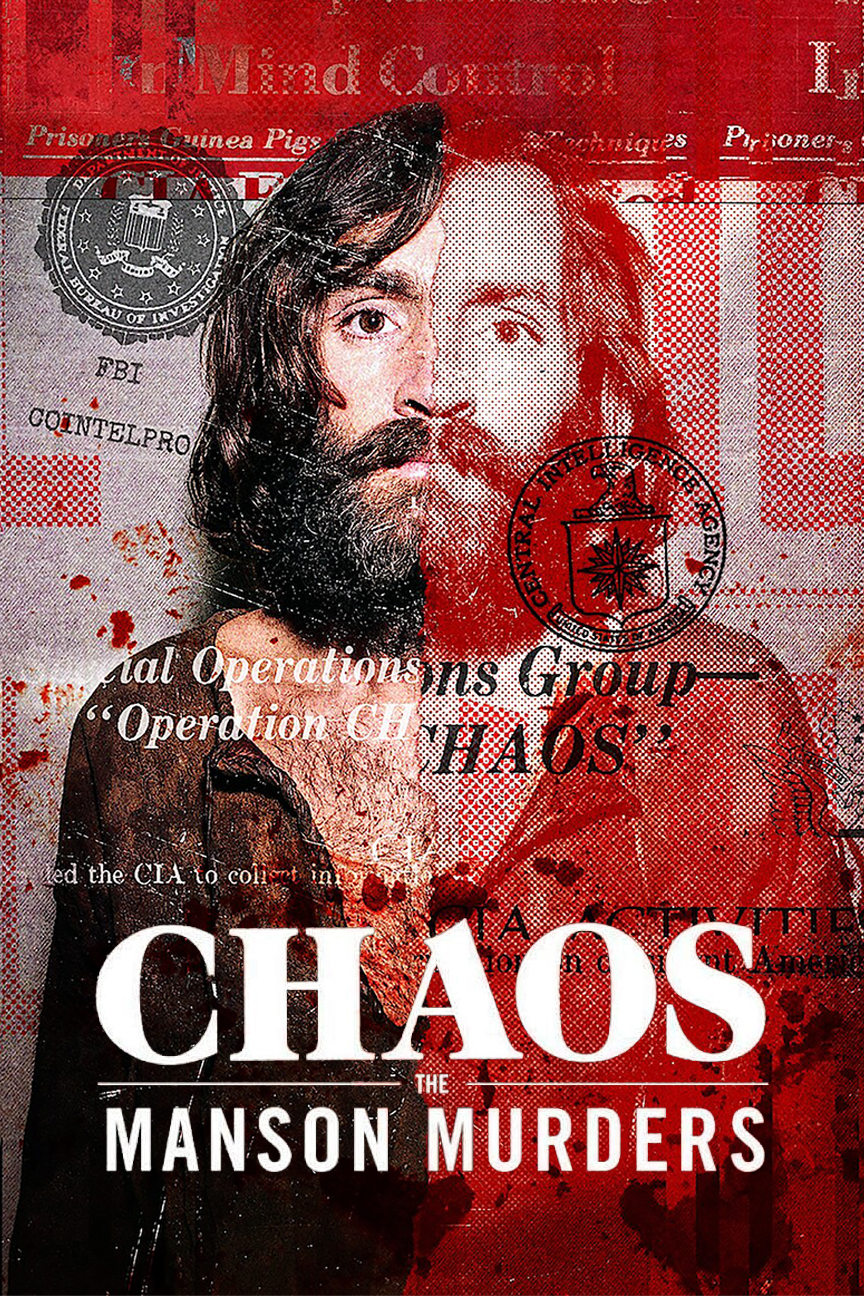
In August 1969, Charles Manson's followers killed seven people on his orders. Why? Explore a conspiracy of mind control, CIA experiments, and murder.
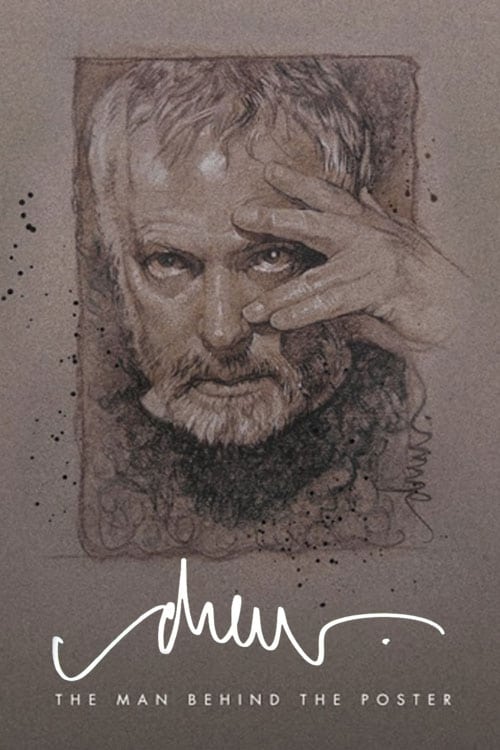
A documentary on legendary movie-poster artist Drew Struzan.
Documentary about the arena-packing Swedish DJ, chronicling his explosive rise to fame and surprising decision to retire from live performances in 2016.
Through deeply personal interviews with her siblings and an examination of the photographs, letters, and belongings left behind, Mariska assembles a new portrait of her mother Jayne Mansfield, an extraordinary and complex woman.
Filmed over nearly five years in twenty-five countries on five continents, and shot on seventy-millimetre film, Samsara transports us to the varied worlds of sacred grounds, disaster zones, industrial complexes, and natural wonders.