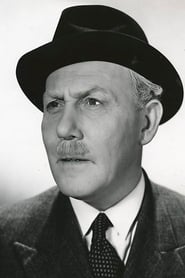
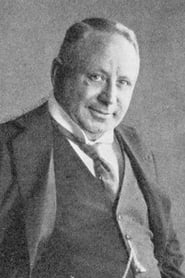
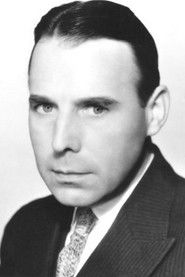
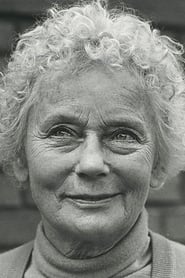
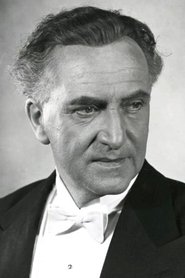
Dramatization of the time around the first Danish Social Democrats and the Battle of Fælleden. A social blockbuster produced for AOF.
Social & External
The people behind it
Gerda Madsen
Sigurd Langberg
William Bewer
Semmy Henriques-Nielsen
Randi Michelsen
Svend Bille
Karen Lykkehus
Peter Nielsen
Robert Schmidt
Aage Fønss
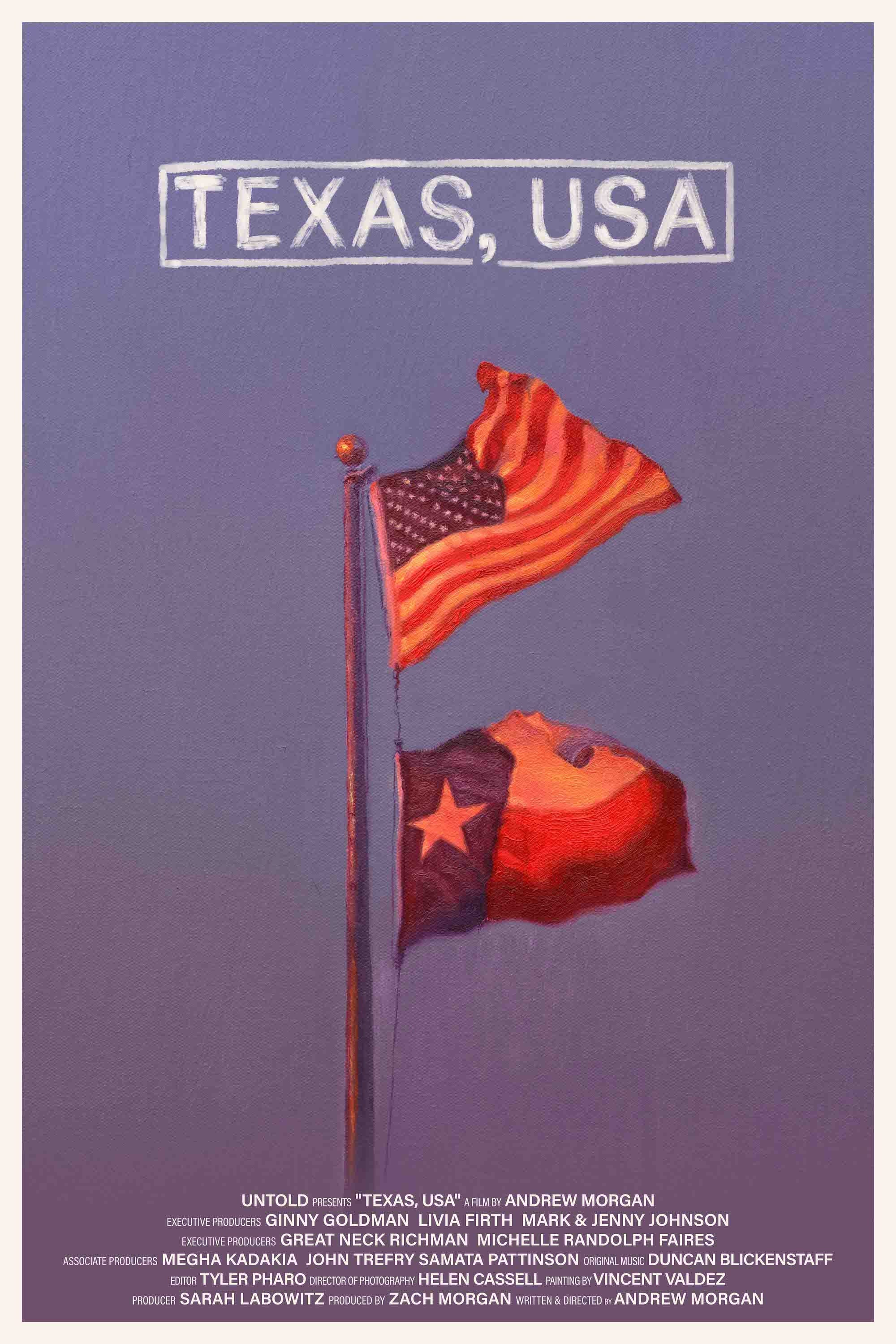
A documentary film exploring what it takes to build a new, hopeful vision for democracy against enormous odds. It’s an underdog story, told through the lives of candidates and organizers during the statewide 2022 election who tell an unexpected story of persistence, community, and progress in an unlikely place.
A collage of interviews analyzing the internet, political polarization, incel culture, the far-right, and the process by which young people can evolve towards extremism.
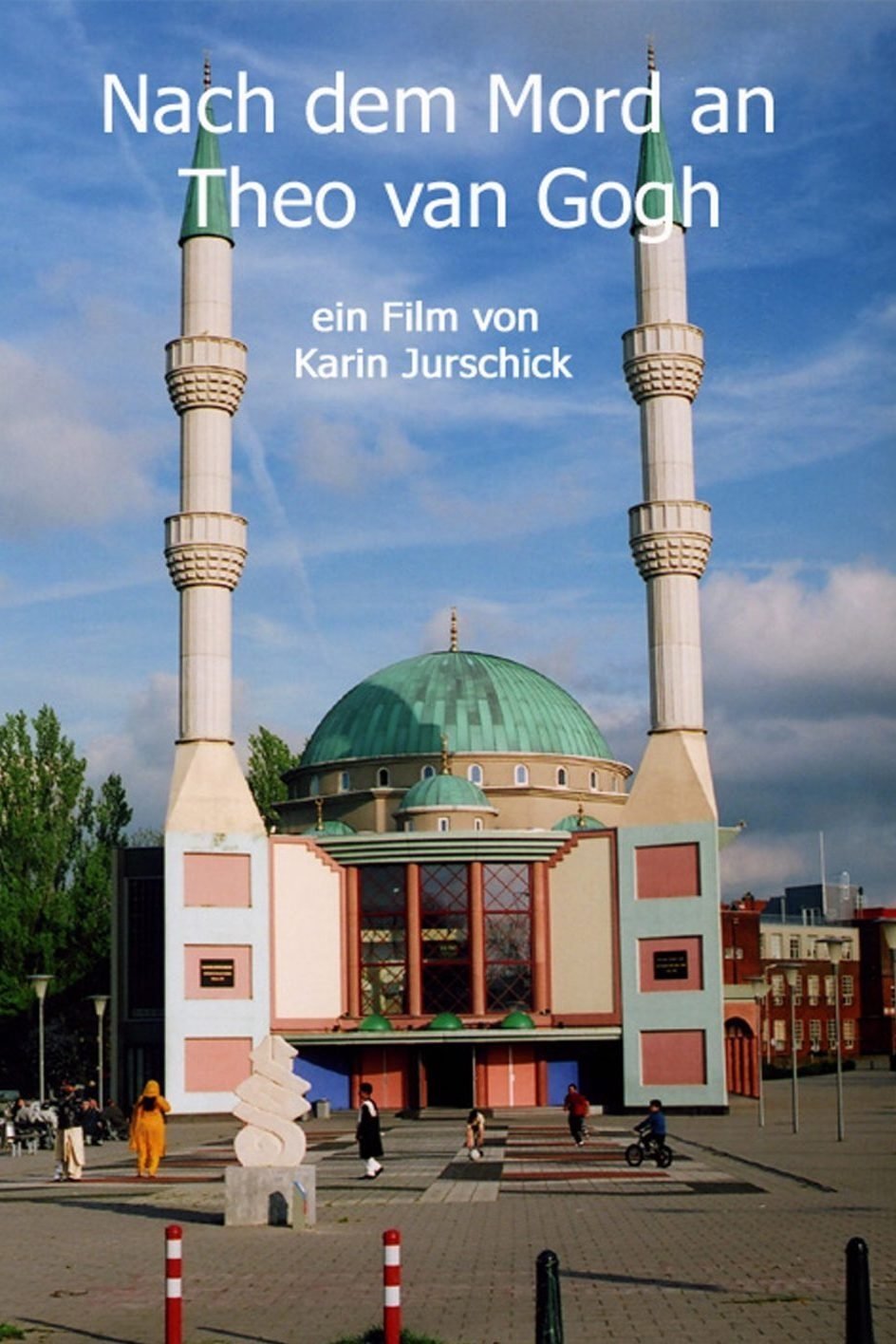
10 short documentaries which form a presentation of Denmark as part of a dialogue project in the wake of the Muhammed drawings. 10 reputable Danish filmmakers are invited to create 10 presentations of Denmark, in collaboration with second-generation immigrants with roots in the Middle East. Each film is shaped as this person's personal application to a relative or acquaintance in the Middle East. The assignment is: Give an important statement about your Denmark, with the intention of challenging and differentiating the image your relative or acquaintance has of Denmark. The strength of the films is in insight and reflection, rather than the dramatic news approach and is communicated through the personal approach to the subject. The 10 films are joined together into one film (duration 58:30 mins), and this film will be a quick and intense contribution to the debate following the publication of the Muhammed drawings.
An 8-year journey into divided America, The American Question examines the insidious roots of polarization and distrust through past the past and present, revealing how communities can restore trust in each other to unite our country.
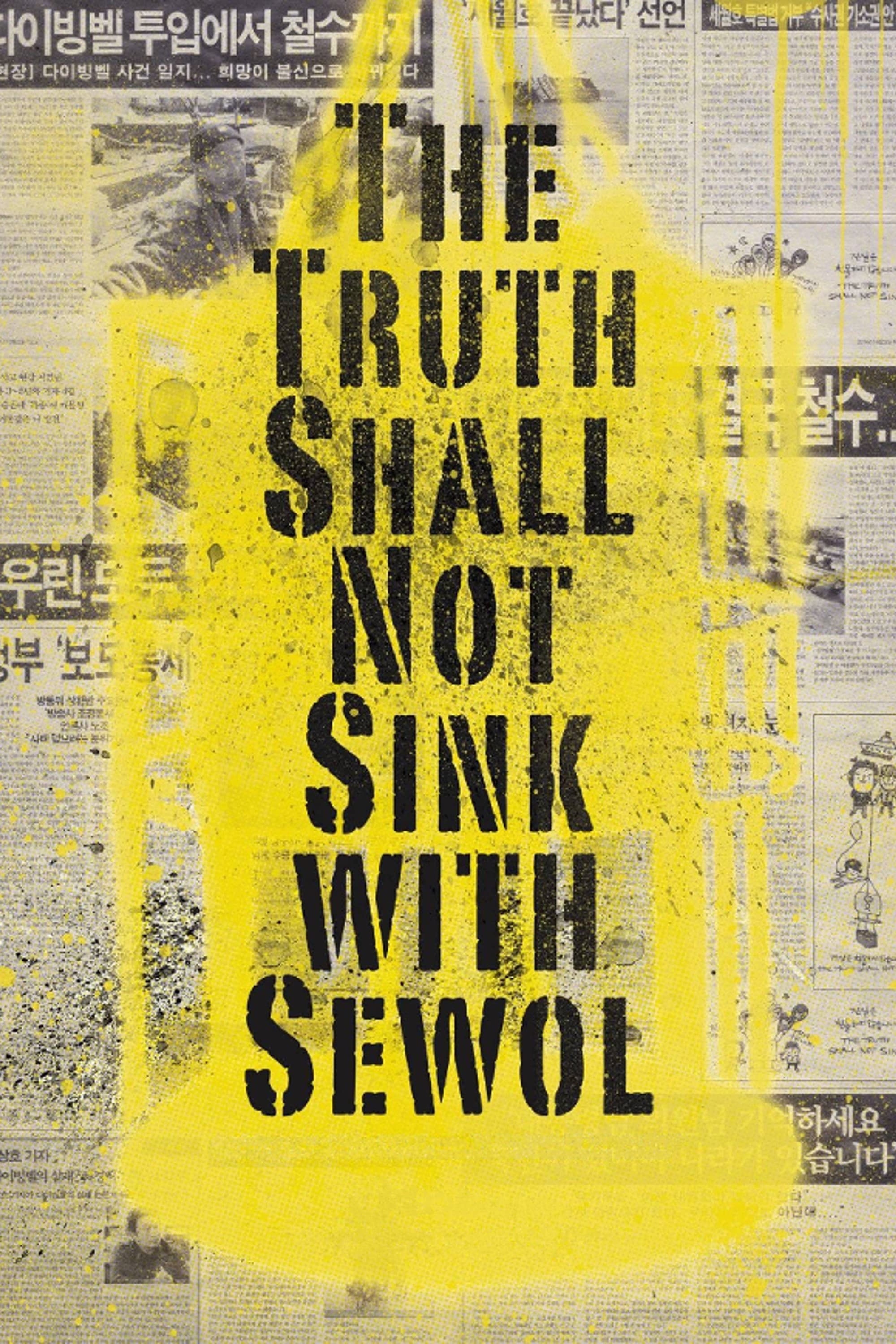
A documentary on the South Korean ferry disaster that claimed the lives of more than 300 passengers in April, 2014.
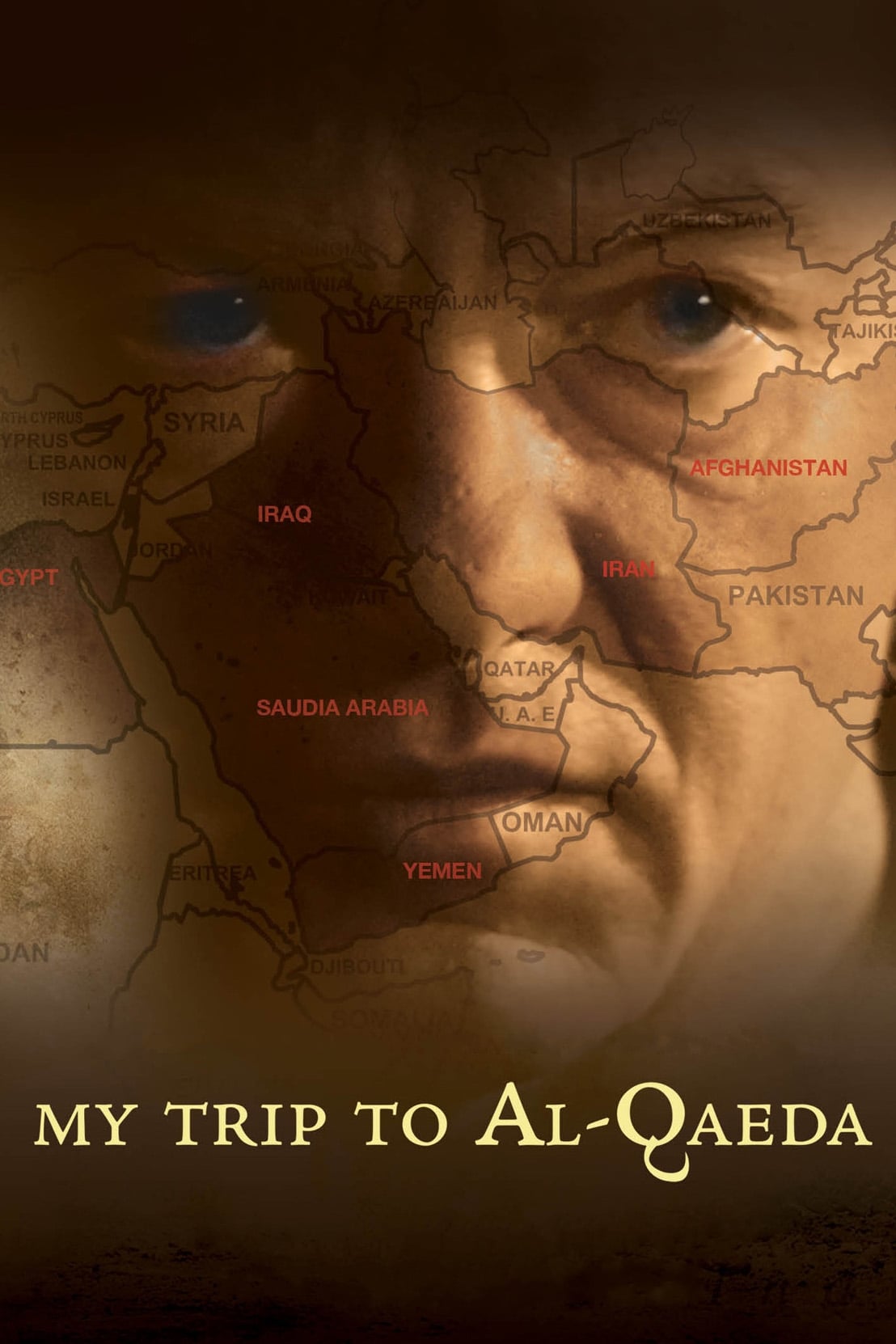
Journalist Lawrence Wright brings his multilayered one-man play to the screen as he discusses how a reporter remains objective while covering highly charged issues such as 9/11, Al-Qaeda, Osama bin Laden's past and the history of Islam. Wright examines the Muslim religion, Al-Qaeda's rise to power and bin Laden's complicated relationship with the rulers of Saudi Arabia in this riveting documentary from Academy Award-winning director Alex Gibney.
An inside look at Jessica Piper, a Democratic Candidate running for a House seat in District 1 of Missouri. This is a snapshot of her mind and what it feels like to run a campaign in an overlooked place.
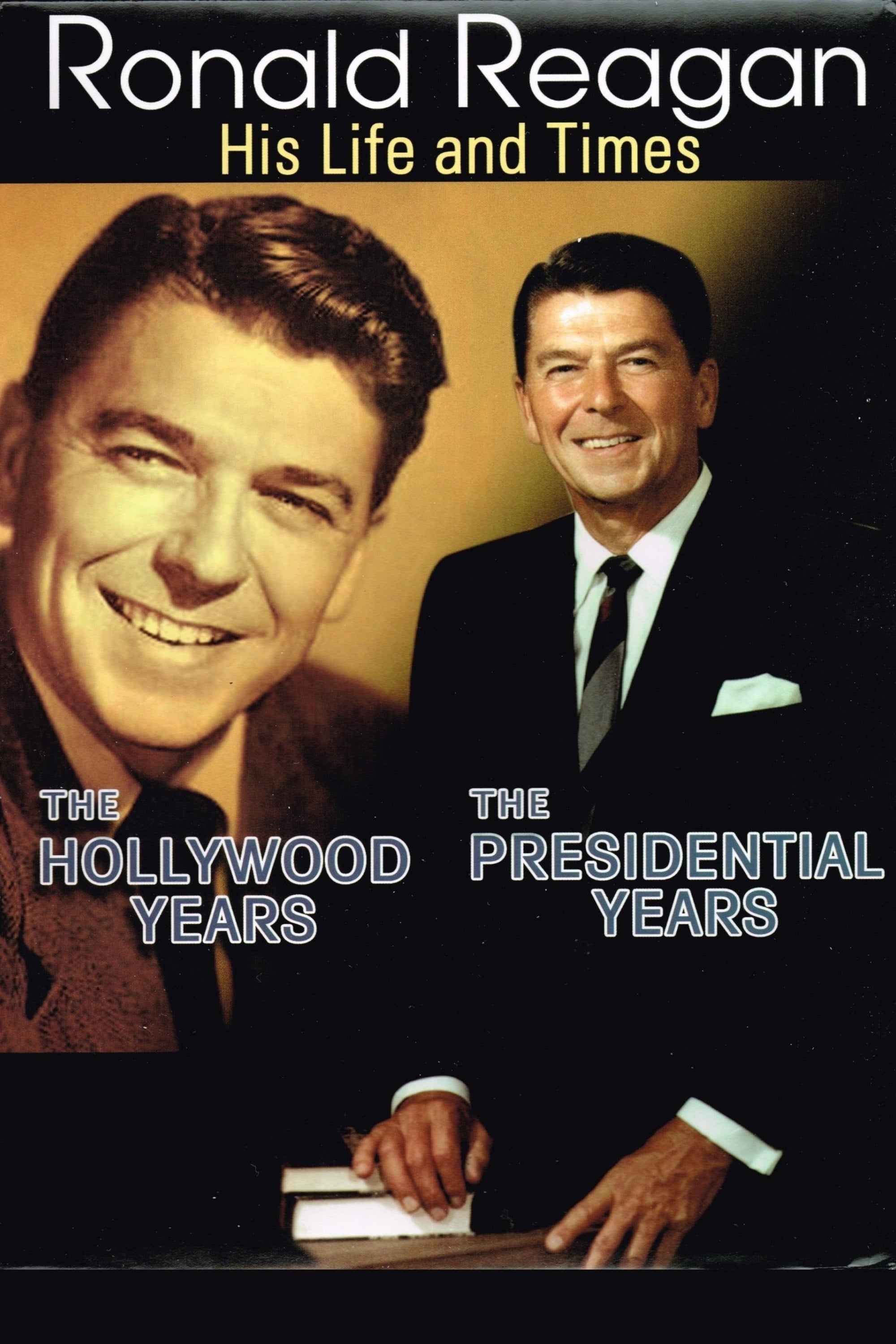
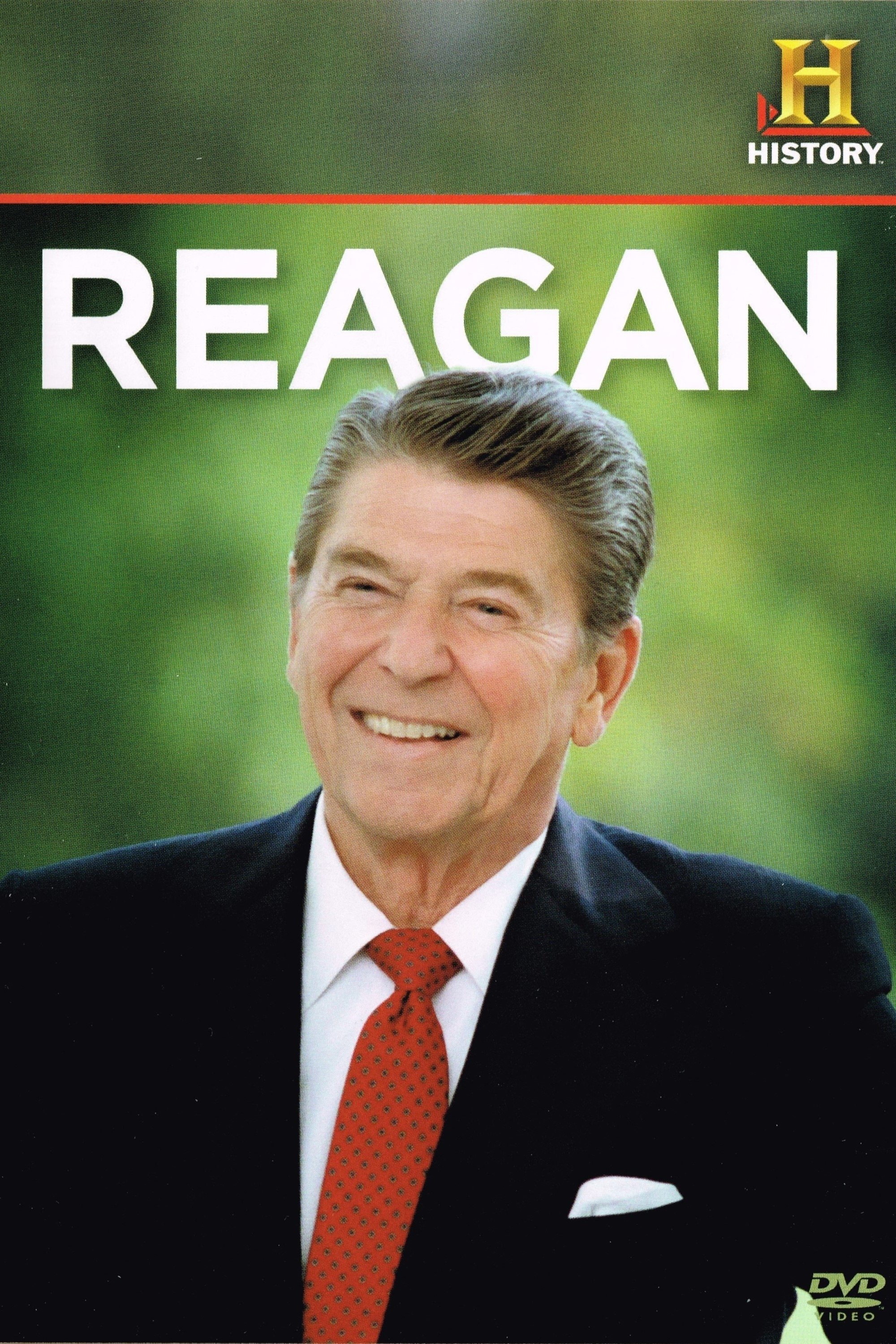
These 2 one-hour specials will take a look back at Ronald Reagan from his ups and downs as a Hollywood movie star to a legendary force in American politics. HOLLYWOOD YEARS: will take a look at the actor as he goes from local sports broadcaster to respected leading an using film clips, interviews and rare footage. This one a kind documentary traces the ups and downs of his on-screen career, his marriages to Hane Wyman and Nancy Davis and his role as a "friendly witness" during the McCarthy hearings. PRESIDENTIAL YEARS: documents Ronald Reagan's extraordinary transformation from a Hollywood movie star to a legendary force in American politics. From political spokesman to Governor of California, Reagan's rapid rise in leadership carried him all the way to the White House where he would inscribe an indelible legacy into the pages of world history.
Americans know President Ronald Reagan s politics, his policies, and his oratorical prowess. But as we approach what would have been his 100th birthday in February 2011, the totality of the legacy of America s 40th president is still eclipsed by the myth. While some say he s a hero, and others call him an empty suit, one thing is for certain President Ronald Reagan made history. But what made him? Using rare archival footage and personal interviews with those who knew him best, REAGAN goes beyond the myth to reveal the epic story of an unforgettable man who, against all odds, rose to the pinnacle of power. A brand-new HISTORY special that uses rare archival footage and personal interviews to reveal the President Reagan that few of us knew.
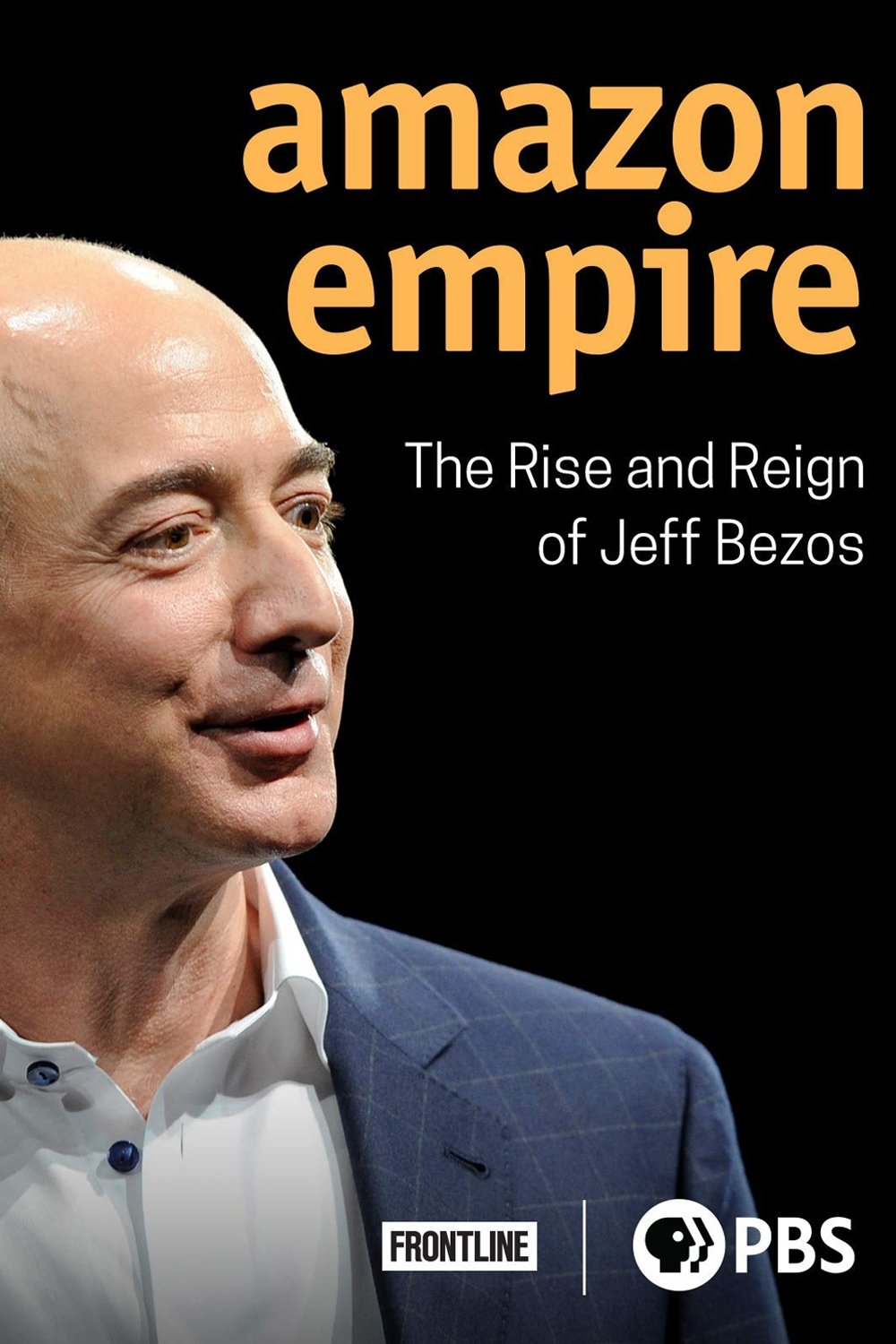
Jeff Bezos is not only one of the richest men in the world, he has built a business empire that is without precedent in the history of American capitalism. His power to shape everything from the future of work to the future of commerce to the future of technology is unrivaled. As politicians and regulators around the world start to consider the global impact of Amazon — and how to rein in Bezos’ power — FRONTLINE investigates how he executed a plan to build one of the most influential economic and cultural forces in the world.
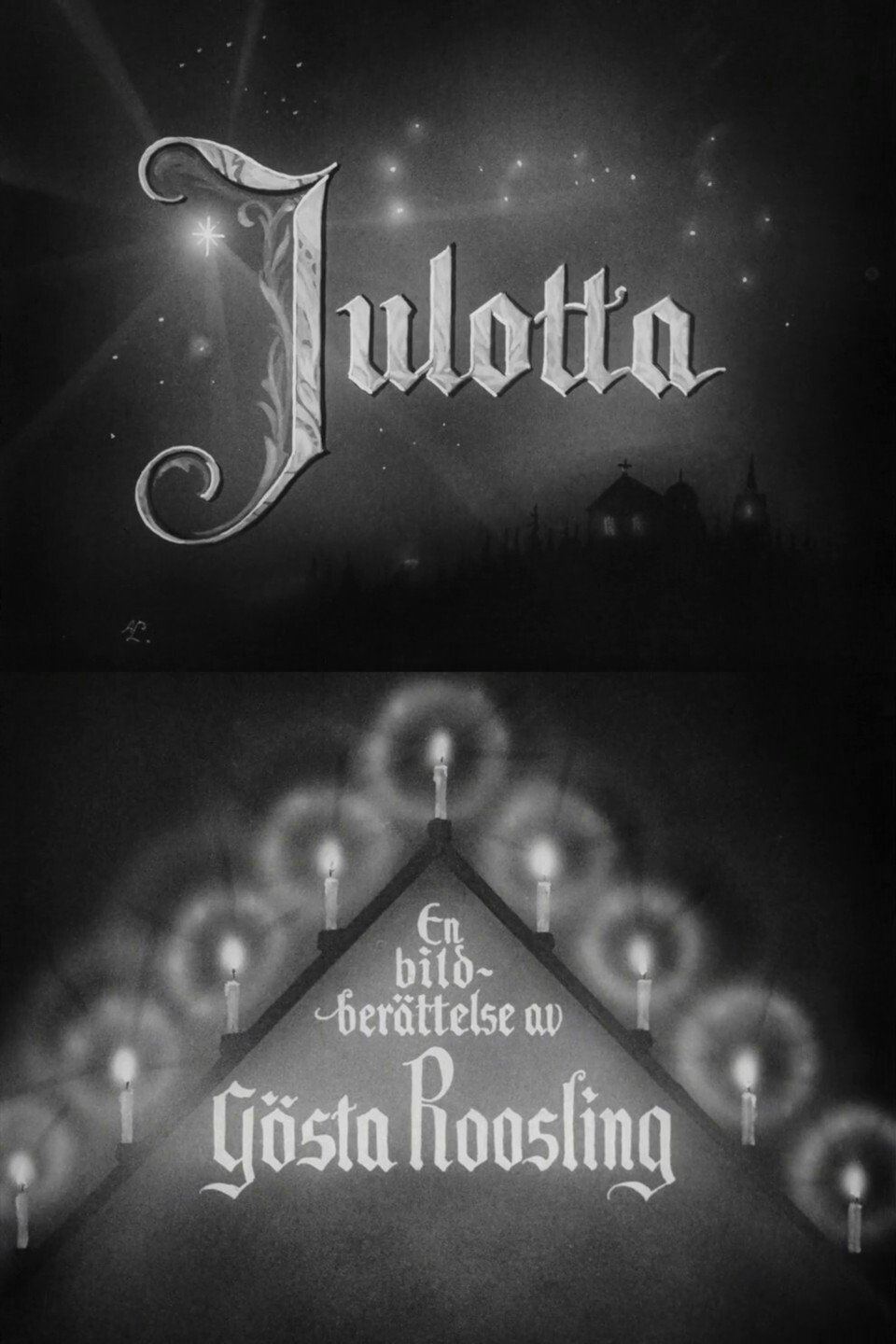
A Swedish short film taking us inside Värmdö church for the Christmas holiday.
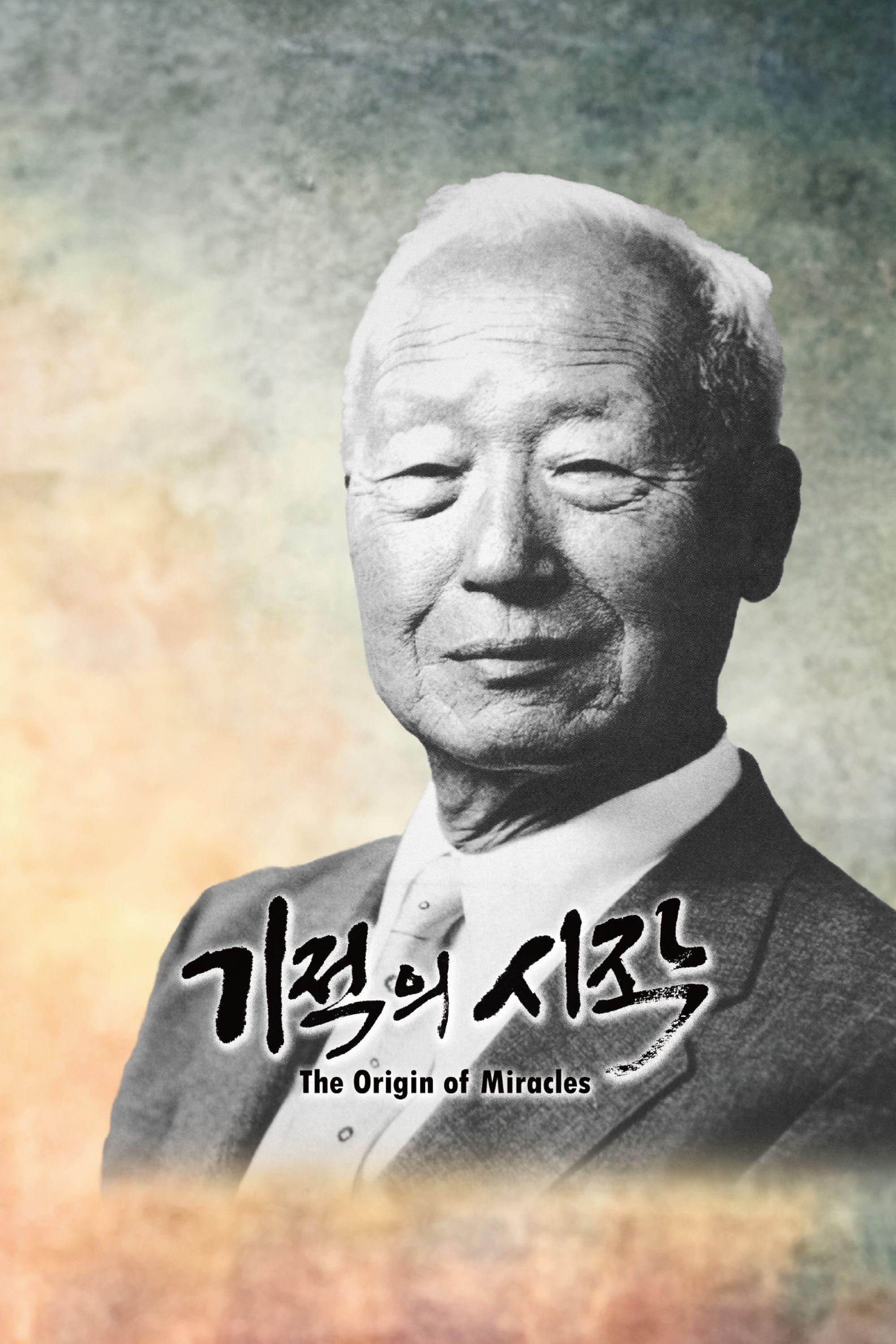
A documentary film covering the life of President Syngman Rhee and the contributions he made to the Republic of Korea, spanning his childhood, focusing on his independence movement, the founding of the nation, the process of leading to victory in the Korean War, and the process of laying the foundation for Korea's industrialization.
Made by the highly influential Russian cameraman Roman Karmen, this documentary vividly features Albanian life immediately after the communists came to power in 1944. The film is especially memorable since it’s missing much of the heavy socialist realism that marked Albanian doc making. Shortly after he completed the film, Karmen set off for Berlin to shoot the Soviet victory over Nazi Germany.
The story of Viktor Stratoberdha (1921-1991) mirrors many of Albania’s tragedies. Stradoberdha’s humorous, buoyant style led him to be one of the country’s most promising filmmakers. But after being denounced in 1956, he was expelled from the Kinostudio and sent into internal exile. In 1967, Stratoberdha directed a local theater play in which the economic five year plan was placed in a coffin. He was then jailed for the next two decades. Urime Shokë Studentë! is one of the surviving documentaries of Viktor Stratoberdha’s all too short career.
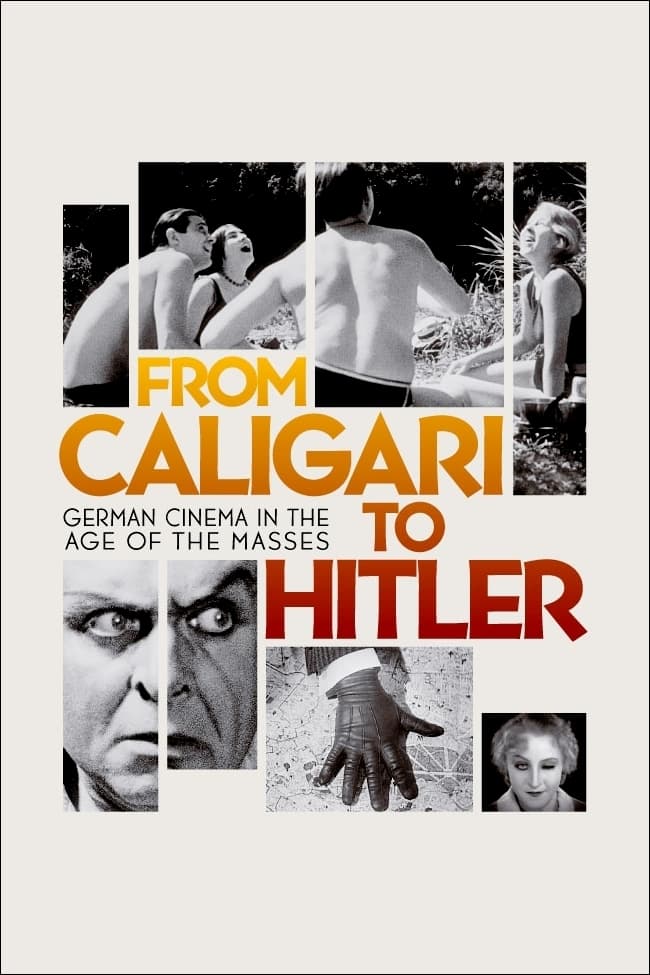
Film journalist and critic Rüdiger Suchsland examines German cinema from 1919, when the Republic of Weimar is born, to 1933, when the Nazis come into power. (Followed by Hitler's Hollywood, 2017.)
The journey of eight diverse youth in China confronting cultural differences. Crossing Borders - Widening Horizons - Building Bridges between Cultures
A documentary on the expletive's origin, why it offends some people so deeply, and what can be gained from its use.
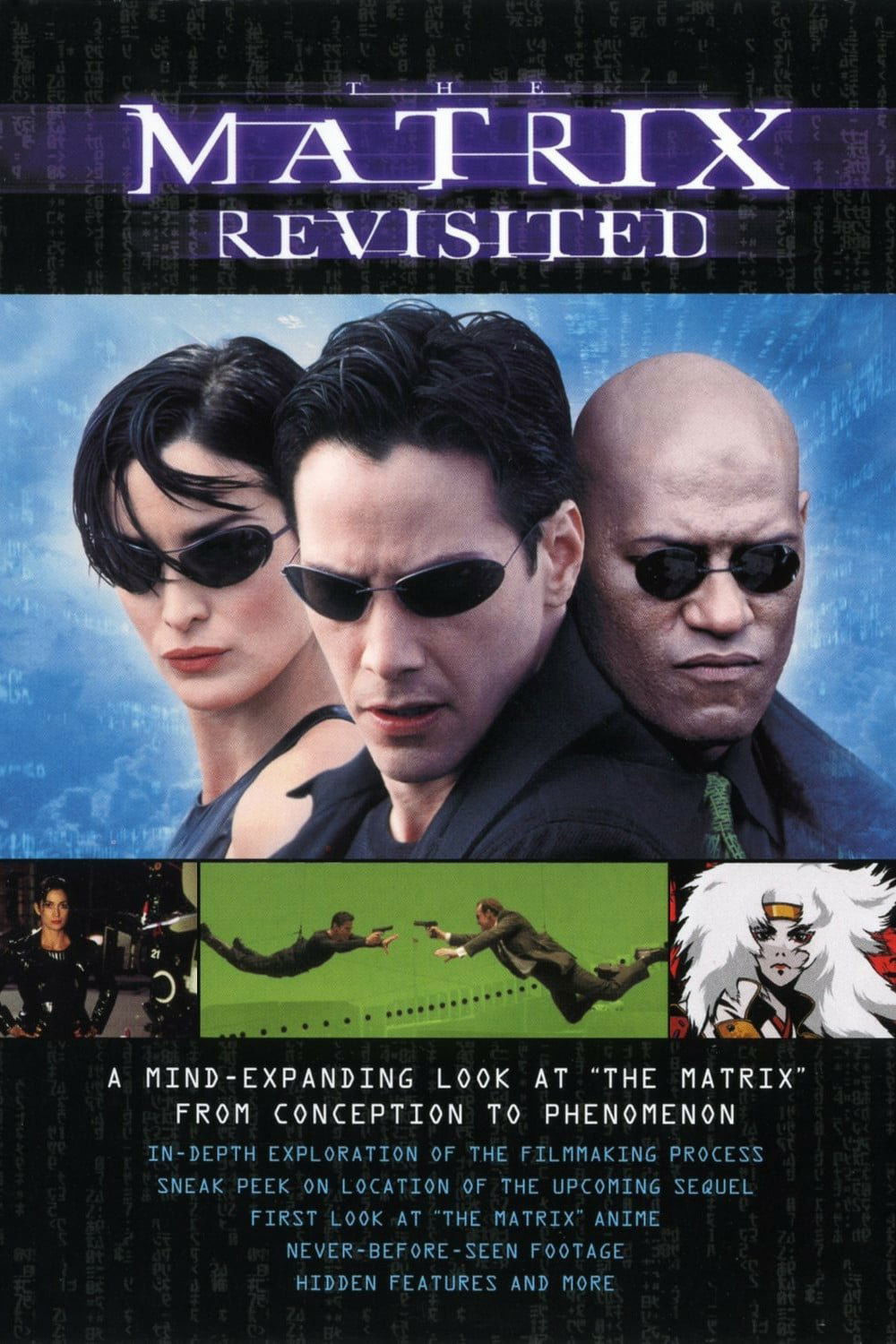
The film goes behind the scenes of the 1999 sci-fi movie The Matrix.
A string of threatening emails escalates into a revenge plot involving a newly married US marshal and his ex-girlfriend.
Journey into the extraordinary world of "The Witcher" — from casting the roles to Jaskier's catchy song — in this behind-the-scenes look at the series.
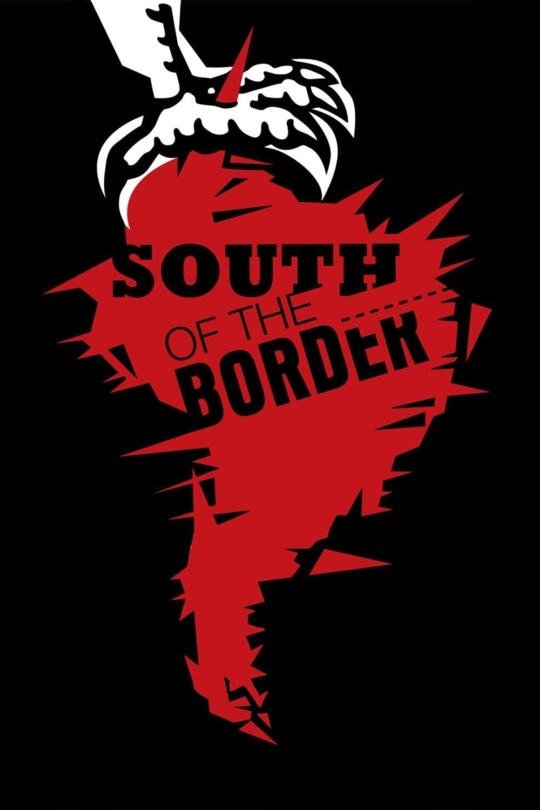
A road trip across five countries to explore the social and political movements as well as the mainstream media's misperception of South America while interviewing seven of its elected presidents.
An inside look at one of the most anticipated movie sequels ever with James Cameron and cast.
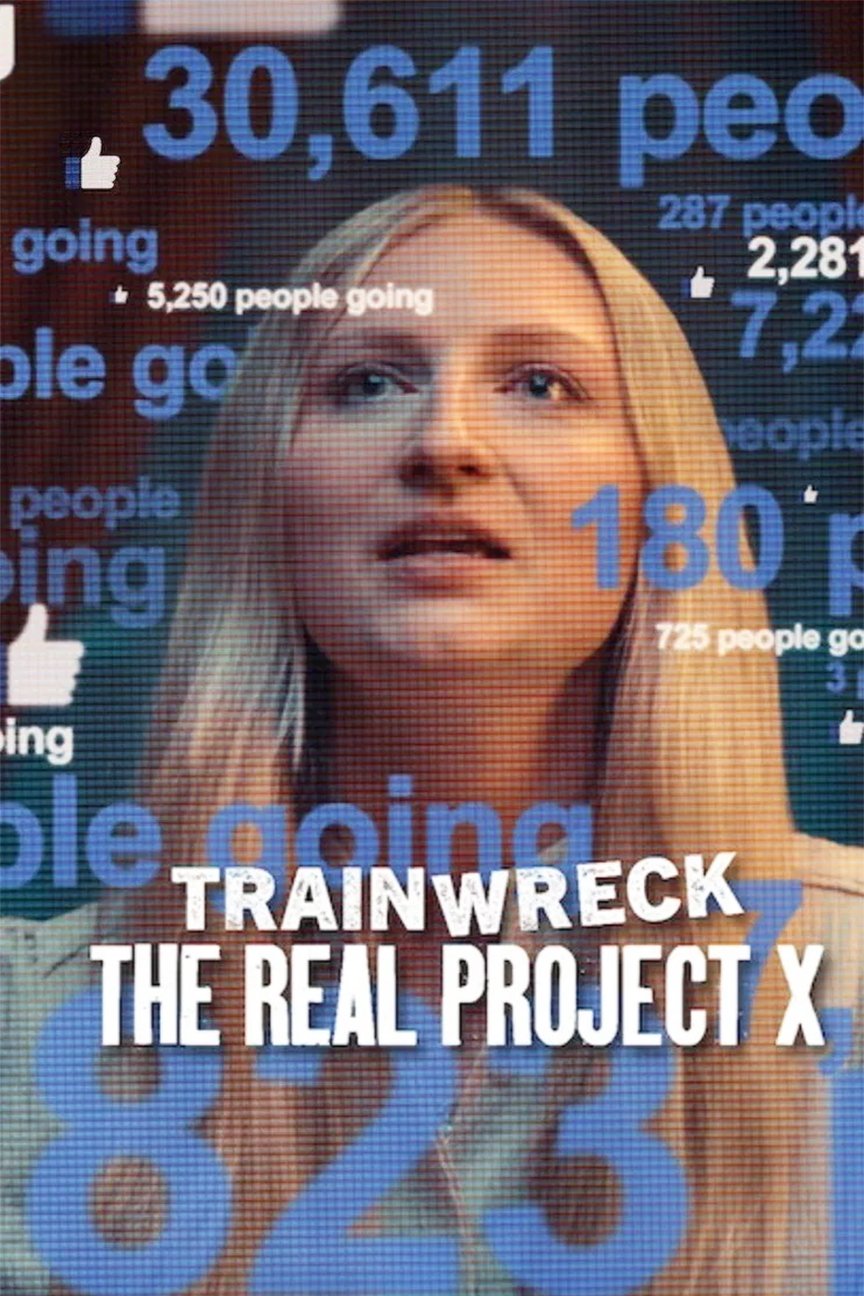
A night of drunken chaos rocks a quiet Dutch town in this shocking documentary about a teen's birthday invite that accidentally went viral on Facebook.
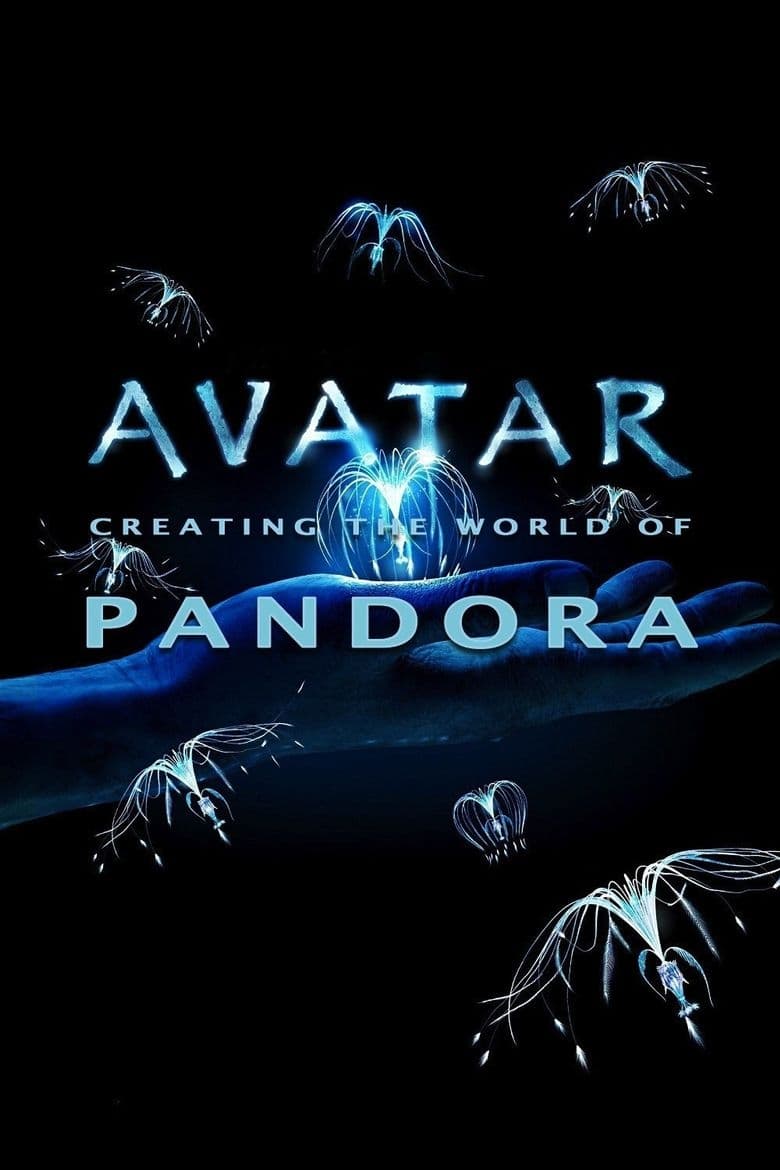
The Making-of James Cameron's Avatar. It shows interesting parts of the work on the set.
Never-before-seen footage and survivor accounts trace the 2012 shipwreck of a luxury cruise and the disaster that ensued, in this immersive documentary.
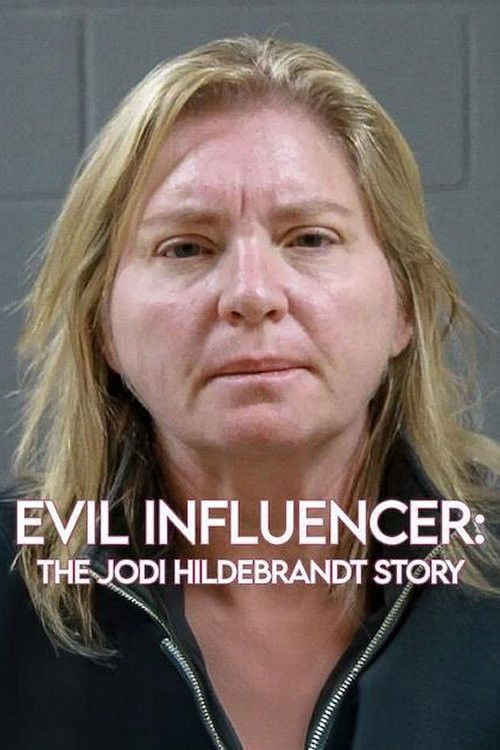
Unravel the case of Utah therapist Jodi Hildebrandt, whose child abuse arrest with parenting YouTuber Ruby Franke exposed a twisted tale of manipulation.
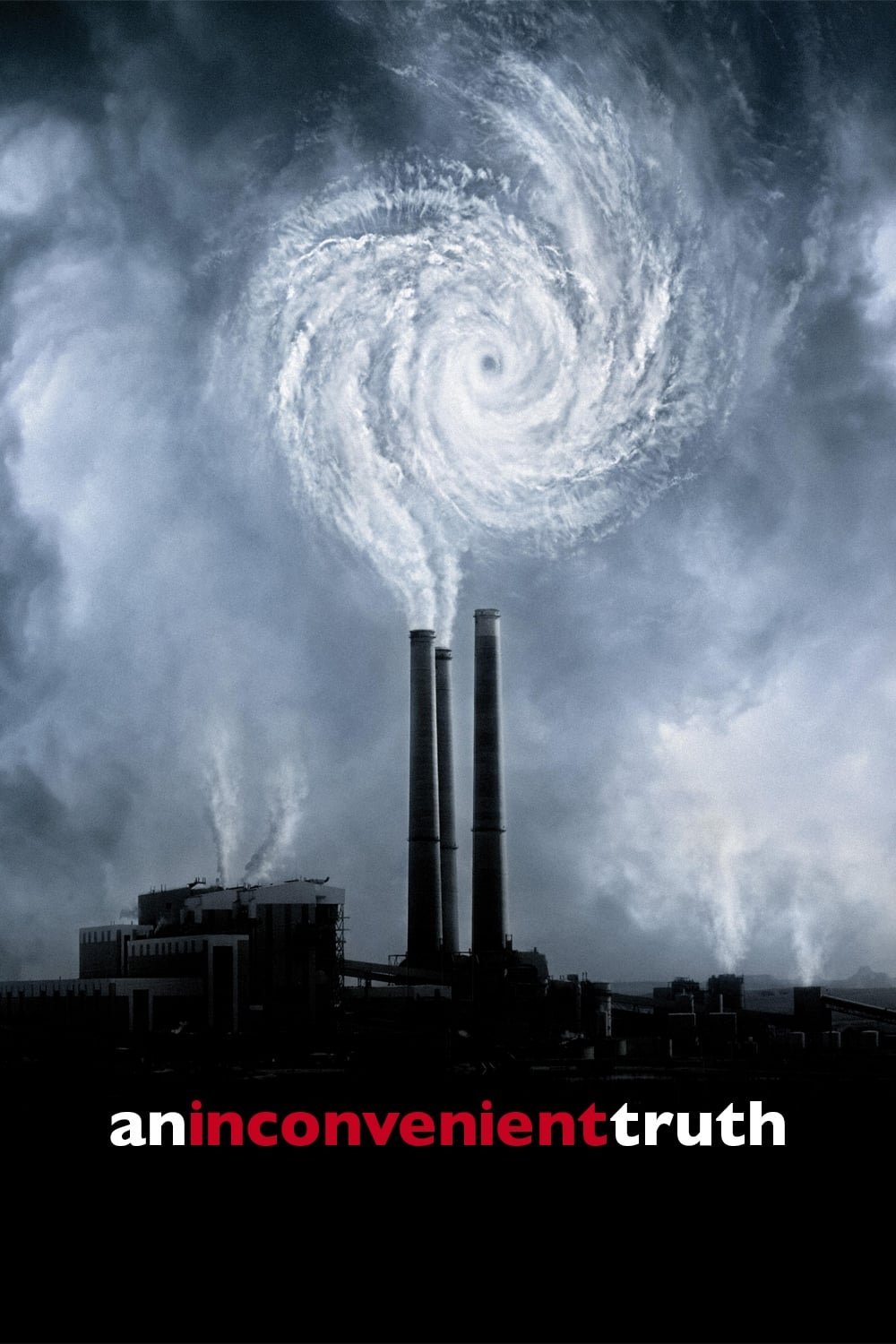
A documentary on Al Gore's campaign to make the issue of global warming a recognized problem worldwide.
Ranjit, a farmer in India, takes on the fight of his life when he demands justice for his 13-year-old daughter, the victim of a brutal gang rape. His decision to support his daughter is virtually unheard of, and his journey unprecedented.
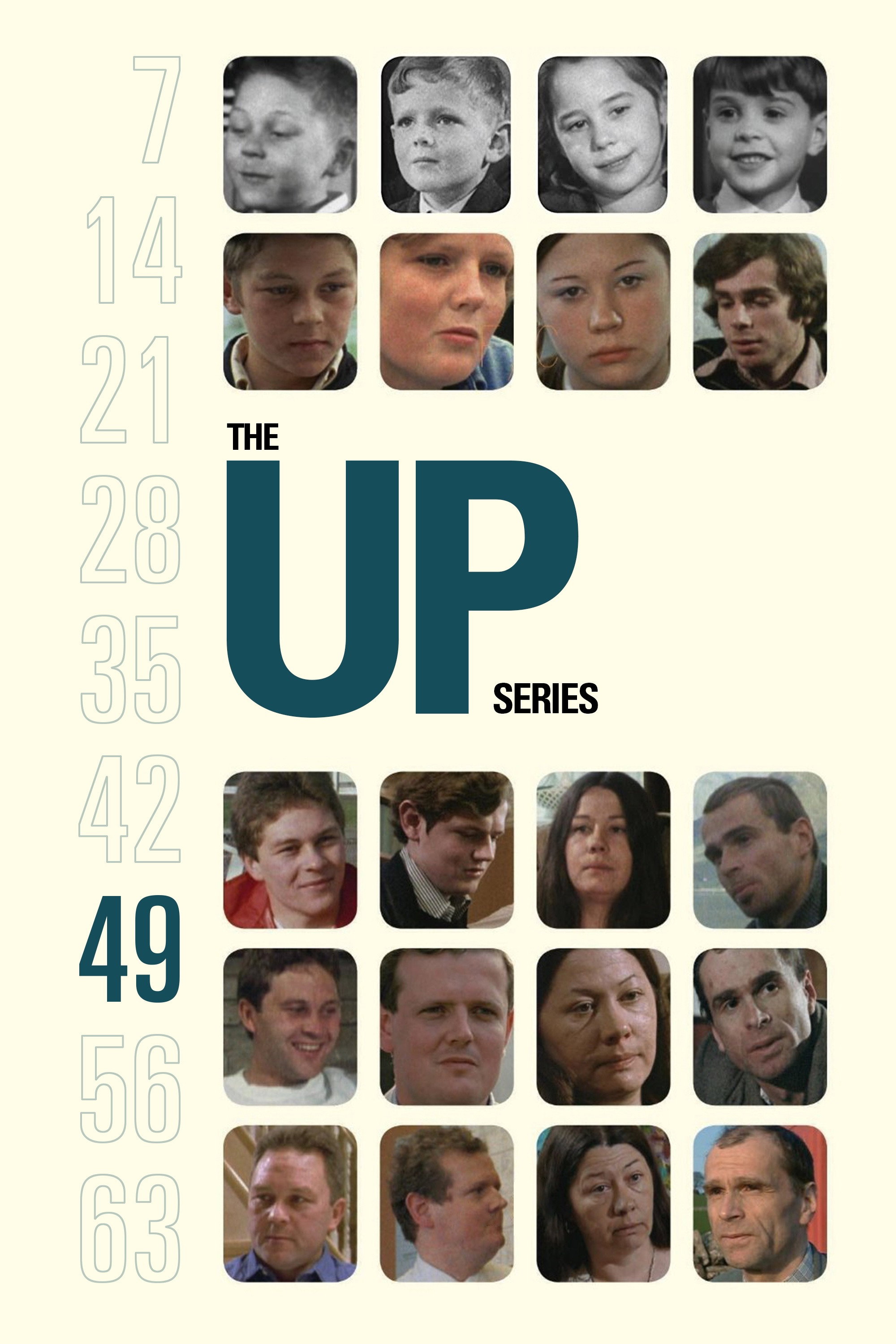
49 Up is the seventh film in a series of landmark documentaries that began 42 years ago when UK-based Granada's World in Action team, inspired by the Jesuit maxim "Give me the child until he is seven and I will give you the man," interviewed a diverse group of seven-year-old children from all over England, asking them about their lives and their dreams for the future. Michael Apted, a researcher for the original film, has returned to interview the "children" every seven years since, at ages 14, 21, 28, 35, 42 and now again at age 49.In this latest chapter, more life-changing decisions are revealed, more shocking announcements made and more of the original group take part than ever before, speaking out on a variety of subjects including love, marriage, career, class and prejudice.
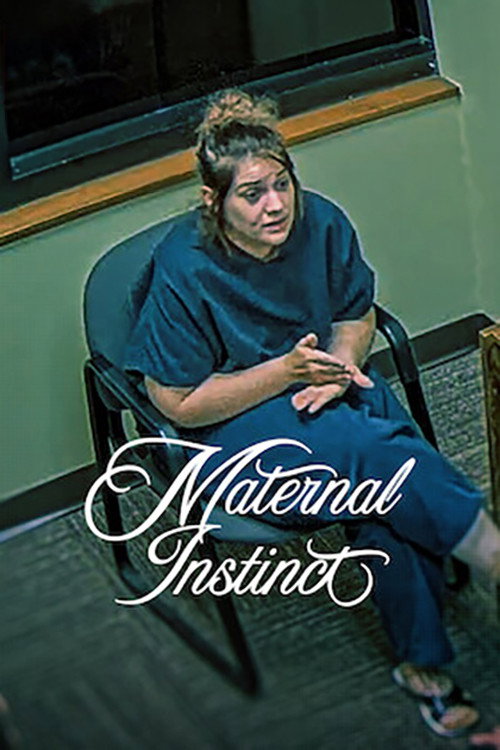
Police pull over a woman who claims she just gave birth. But the baby — and the blood — aren't hers. Twisted lies unravel in this true-crime documentary.
Director Michael Apted revisits the same group of British-born adults after a 7 year wait. The subjects are interviewed as to the changes that have occurred in their lives during the last seven years.
With mesmerizing footage and time lapses of animators at work, this behind-the-scenes special captures the artistry of a unique tale years in the making.
A documentary on the modeling industry's 'supply chain' between Siberia, Japan, and the U.S., told through the experiences of the scouts, agencies, and a 13-year-old model.
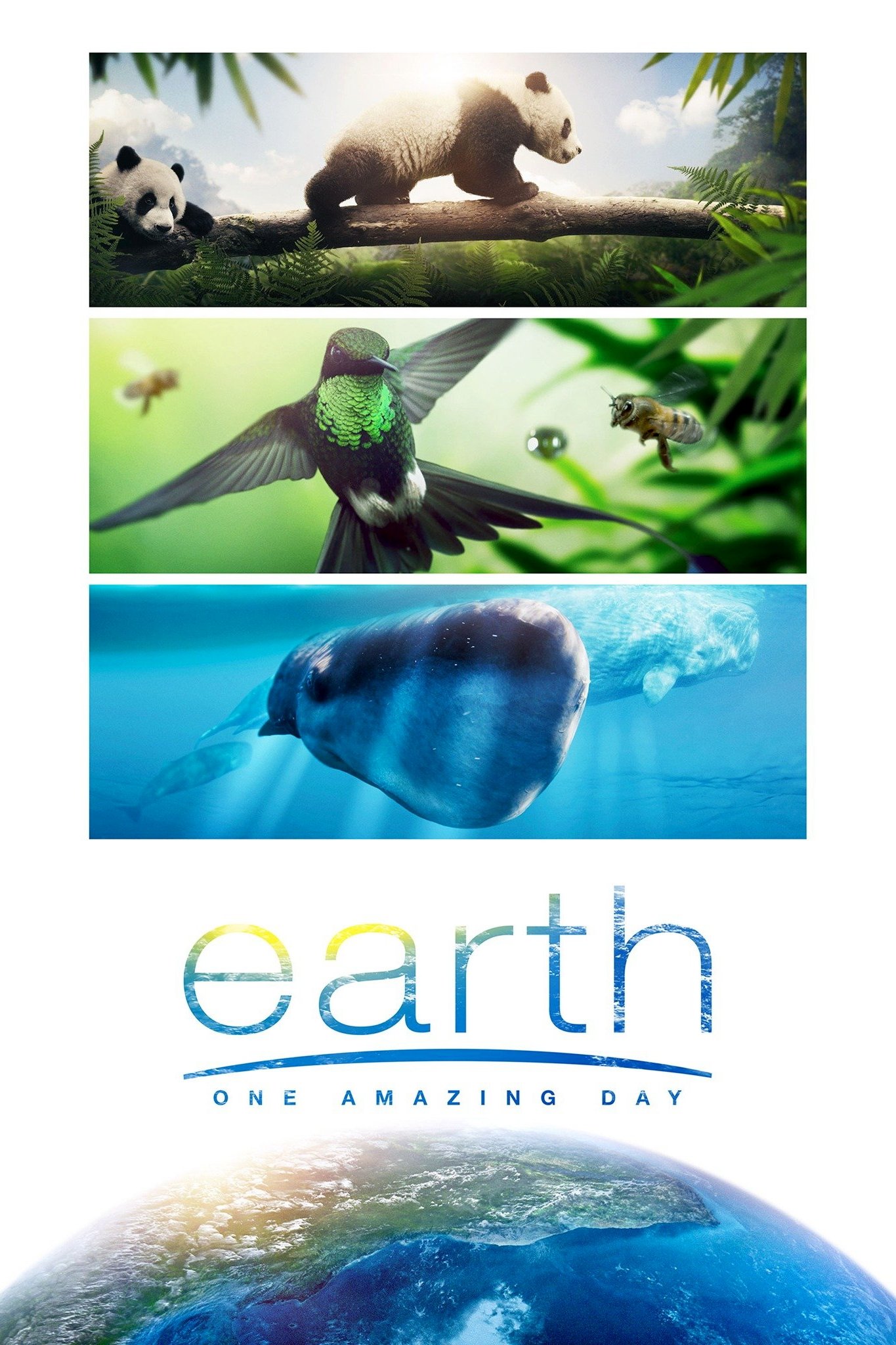
An astonishing journey revealing the awesome power of the natural world. Over the course of one single day, we track the sun from the highest mountains to the remotest islands to exotic jungles.
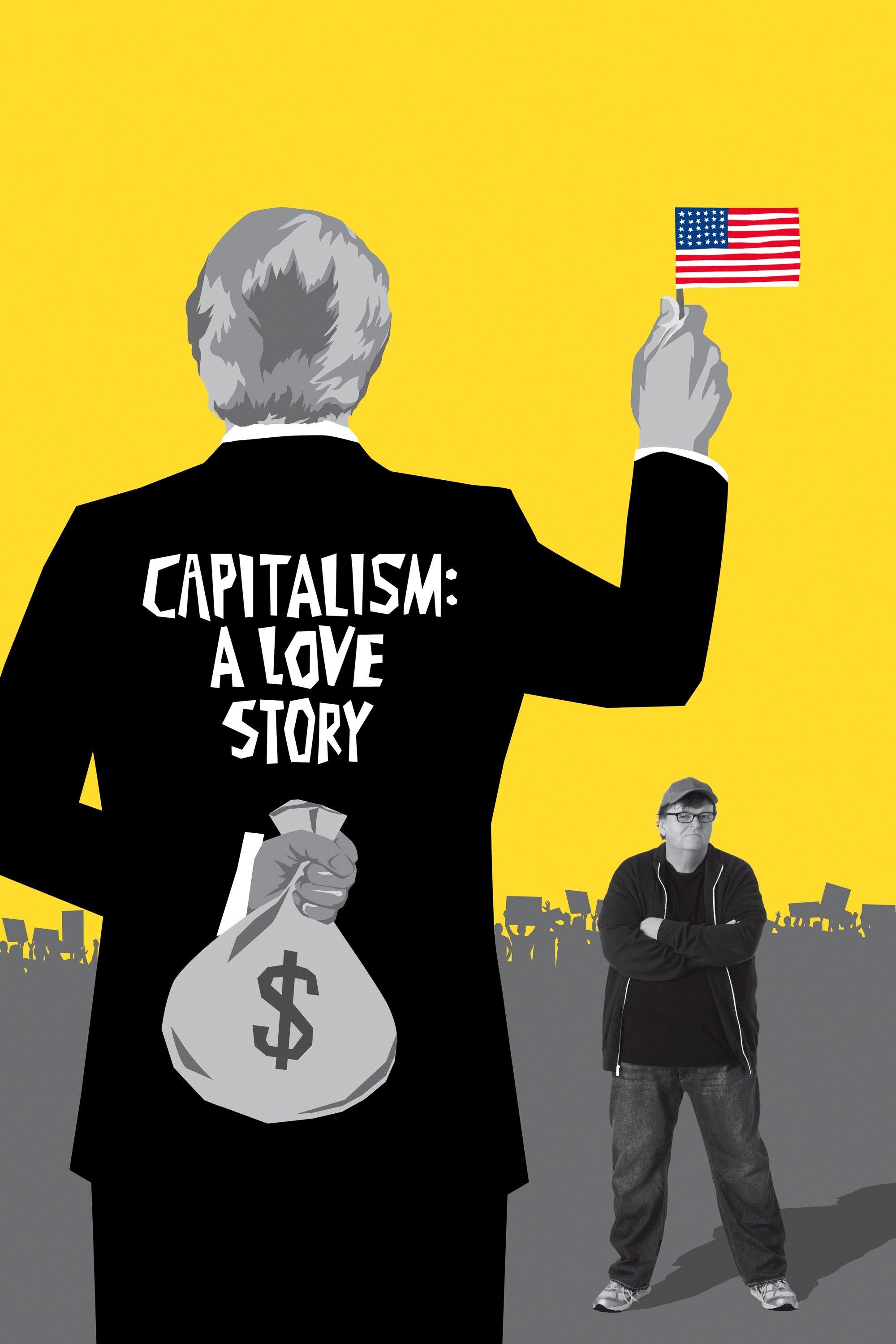
Michael Moore comes home to the issue he's been examining throughout his career: the disastrous impact of corporate dominance on the everyday lives of Americans (and by default, the rest of the world).
Over 35 years after Bob Lazar's revelations, this documentary exposes secrets of a facility the government still denies. Featuring Lazar's testimony, recreations, and new evidence, it reopens a case that continues to spark global curiosity