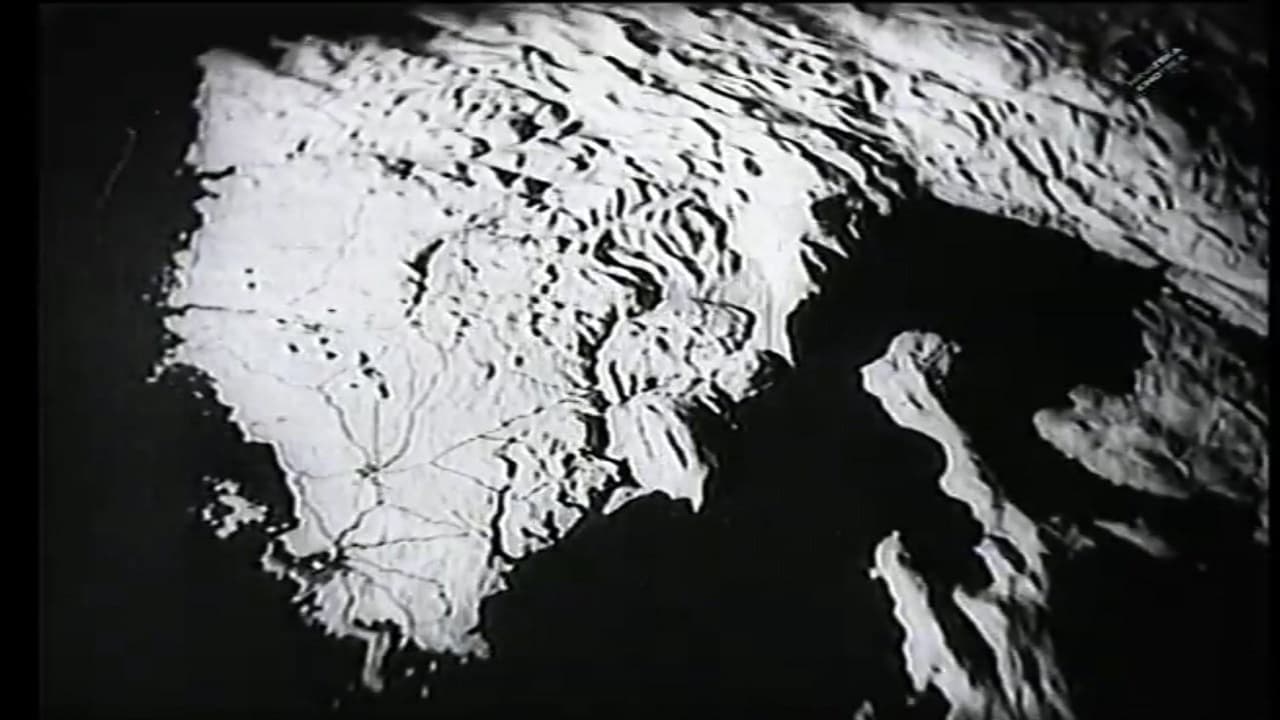
Yugoslav Partisan propaganda film about the liberation of Istria at the end of the World War II.
Social & External
narrator
Guy joins an ambitious engineering project to recover a crashed WW2 Lancaster Bomber – and the remains of its missing crew members – from the depths of the Dutch lake where it’s lain for 80 years.
If Only I Were That Warrior is a feature documentary film focusing on the Italian occupation of Ethiopia in 1935. Following the recent construction of a monument dedicated to Fascist general Rodolfo Graziani, the film addresses the unpunished war crimes he and others committed in the name of Mussolini’s imperial ambitions. The stories of three characters, filmed in present day Ethiopia, Italy and the United States, take the audience on a journey through the living memories and the tangible remains of the Italian occupation of Ethiopia — a journey that crosses generations and continents to today, where this often overlooked legacy still ties the fates of two nations and their people.
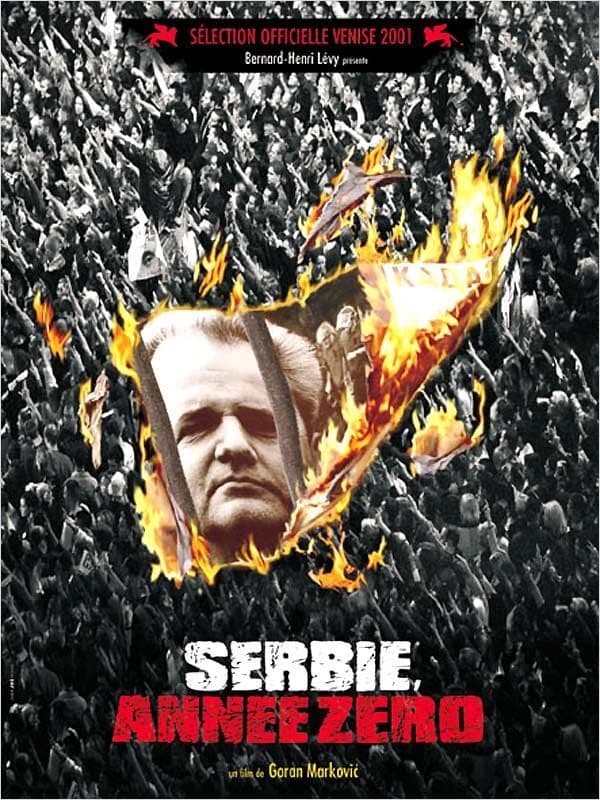
Documentary that follows events after the fall of Slobodan Milosevic, while looking back on the previous fifteen years, tracing his rise to power. Personal testimony alternates with analysis of a disintegrating society.
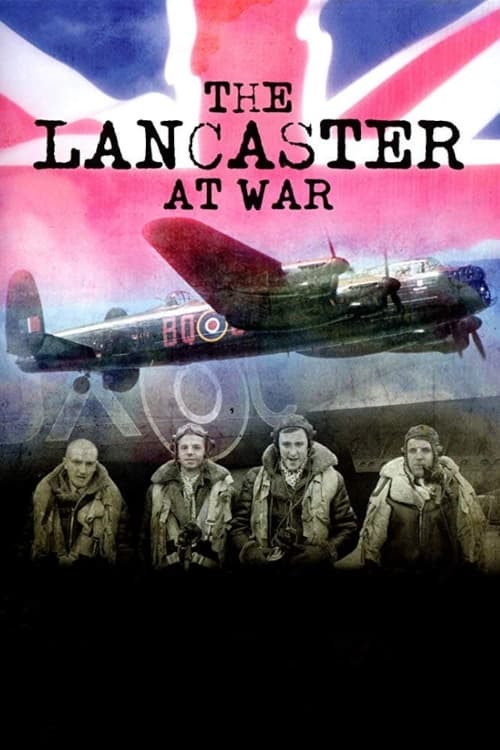
The incredible story of the Avro Lancaster, one of the finest bombers of the Second World War, which played a crucial role in the long and savage campaign to defeat Hitler's Third Reich. This documentary features interviews with surviving veterans of Bomber Command, who share frank personal accounts of their part in an aerial battle of attrition which claimed the lives of 55'000 aircrew.
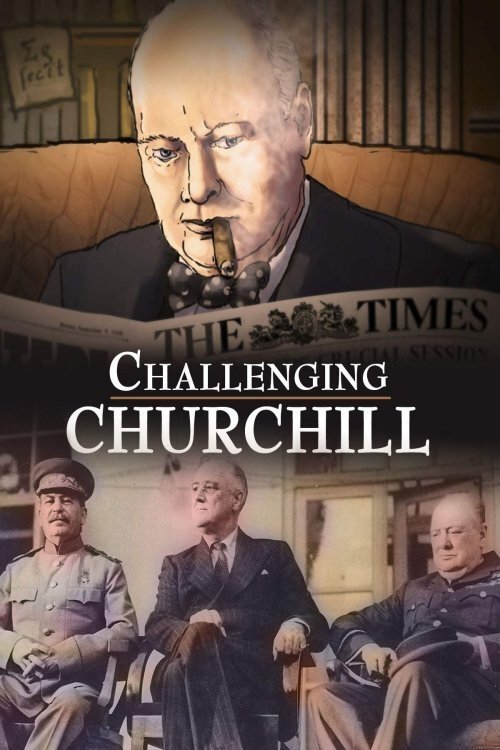
Churchill, a name typically associated with braveness and altruism. Recently found evidence from Soviet and British sources however brings up questions about Churchill's doings in the conferences of Tehran, Yalta and Potsdam. Why did he agree to give Stalin large parts of Poland? The story of two world leaders in times of war - it is also the story of Poland.
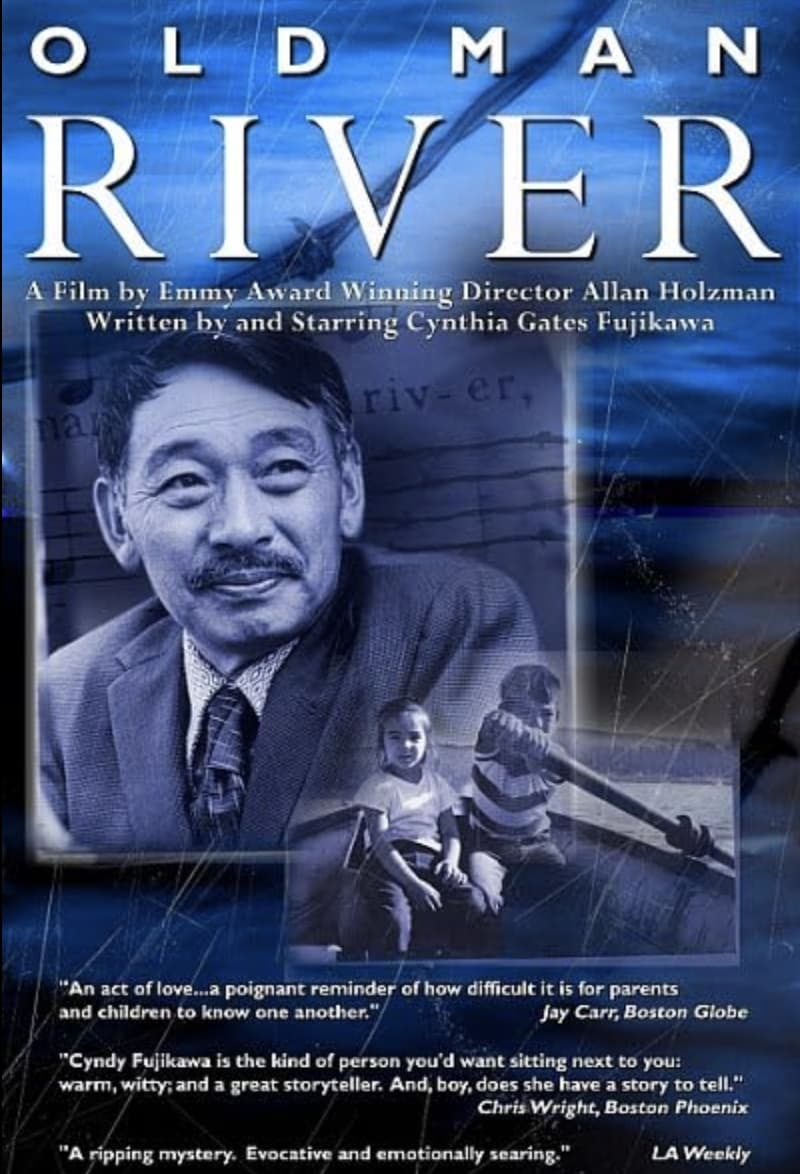
Documentary film version of the stage show in which actress Cynthia Gates Fujikawa explores the story of her father, actor Jerry Fujikawa, who had a long career in films and television, most often as a stereotyped Asian. The daughter, in the course of searching out her late father's history, discovers many things that she had not known, among them that her father had spent time in Manzanar, the internment camp for Japanese-Americans during World War II, that he had had a family prior to hers, and that somewhere out there was a sister she had never known existed.
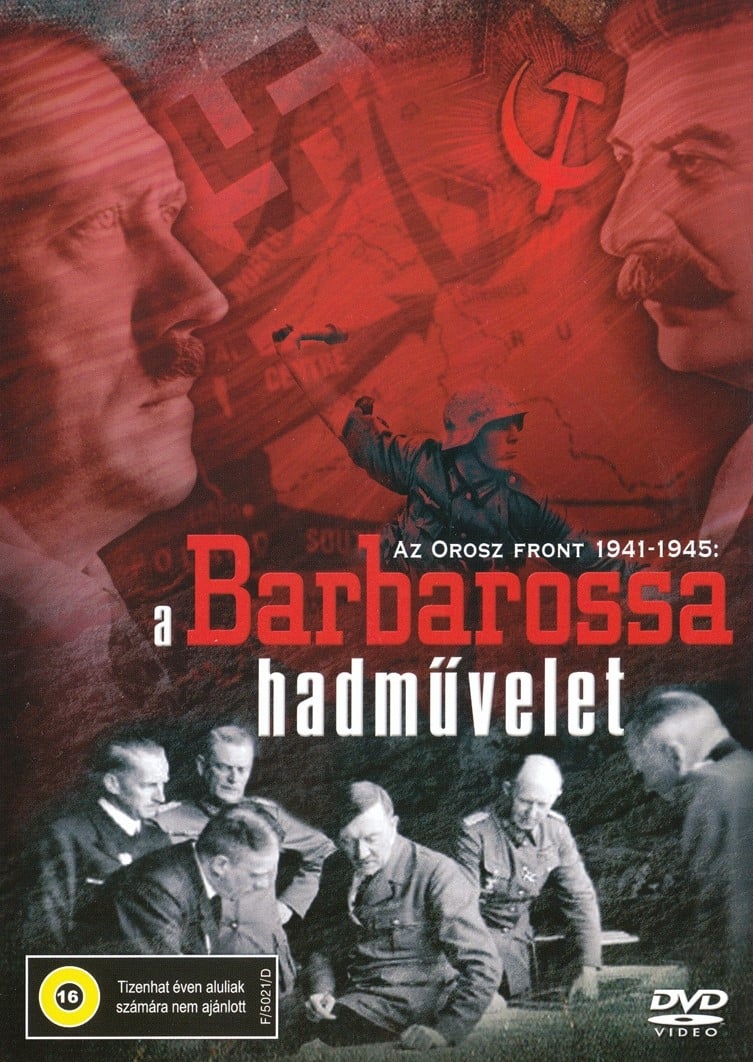
Hitler's invasion of Russia was one of the landmark events of World War II. This documentary reveals the lead-up to the offensive, its impact on the war and the brinksmanship that resulted from the battle for Moscow. Rare footage from both German and Russian archives and detailed maps illustrate the conflict, while award-winning historian and author John Erickson provides insight into the pivotal maneuvers on the eastern front.
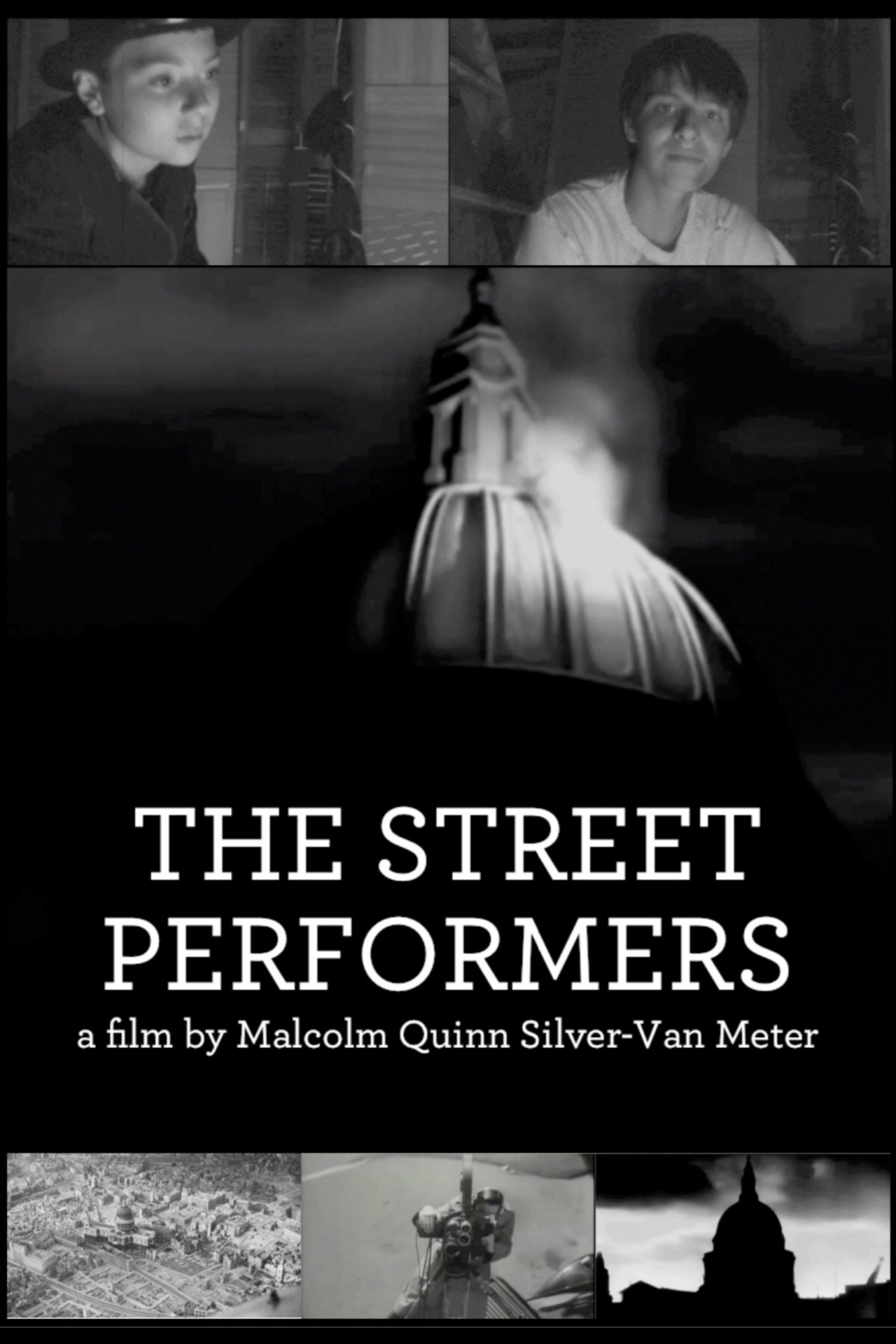
This documentary-style short follows two impoverished teens performing on the streets of London in the days leading up to the London Blitz of 1940.
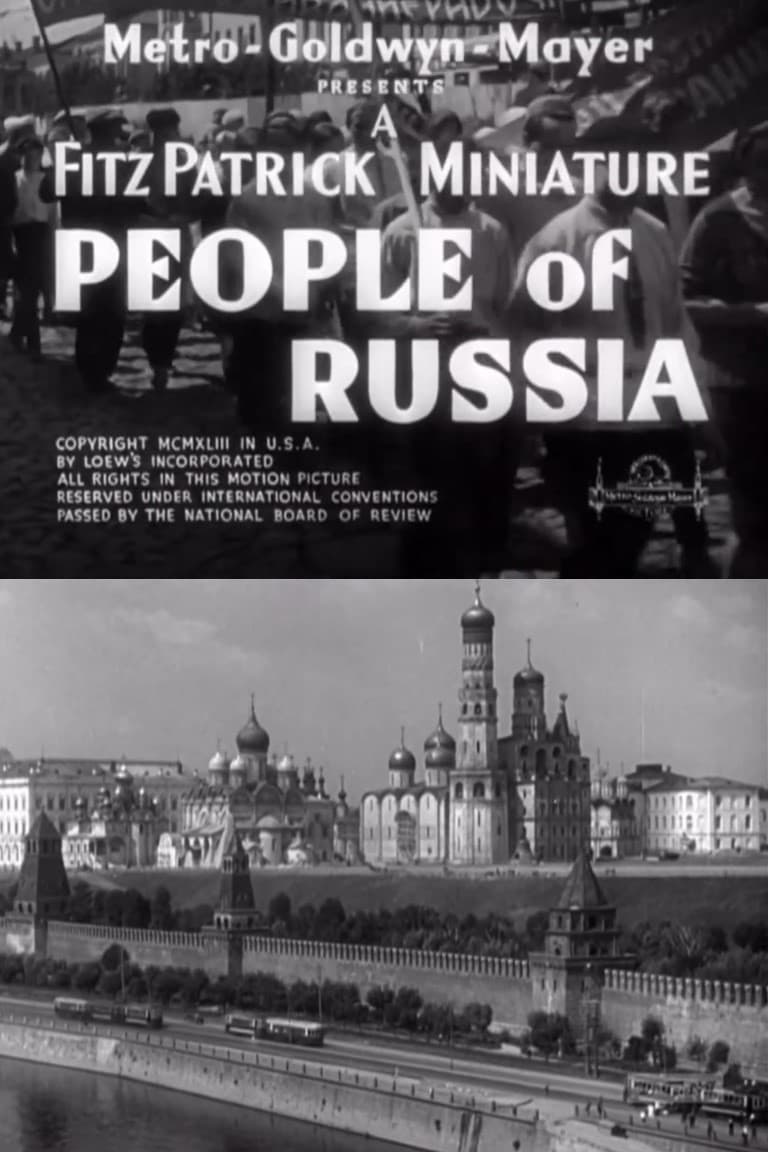
This FitzPatrick Miniature visits the Union of Soviet Socialist Republics (USSR), the largest geographically unbroken political unit in the world, covering one-sixth of the world's land mass.
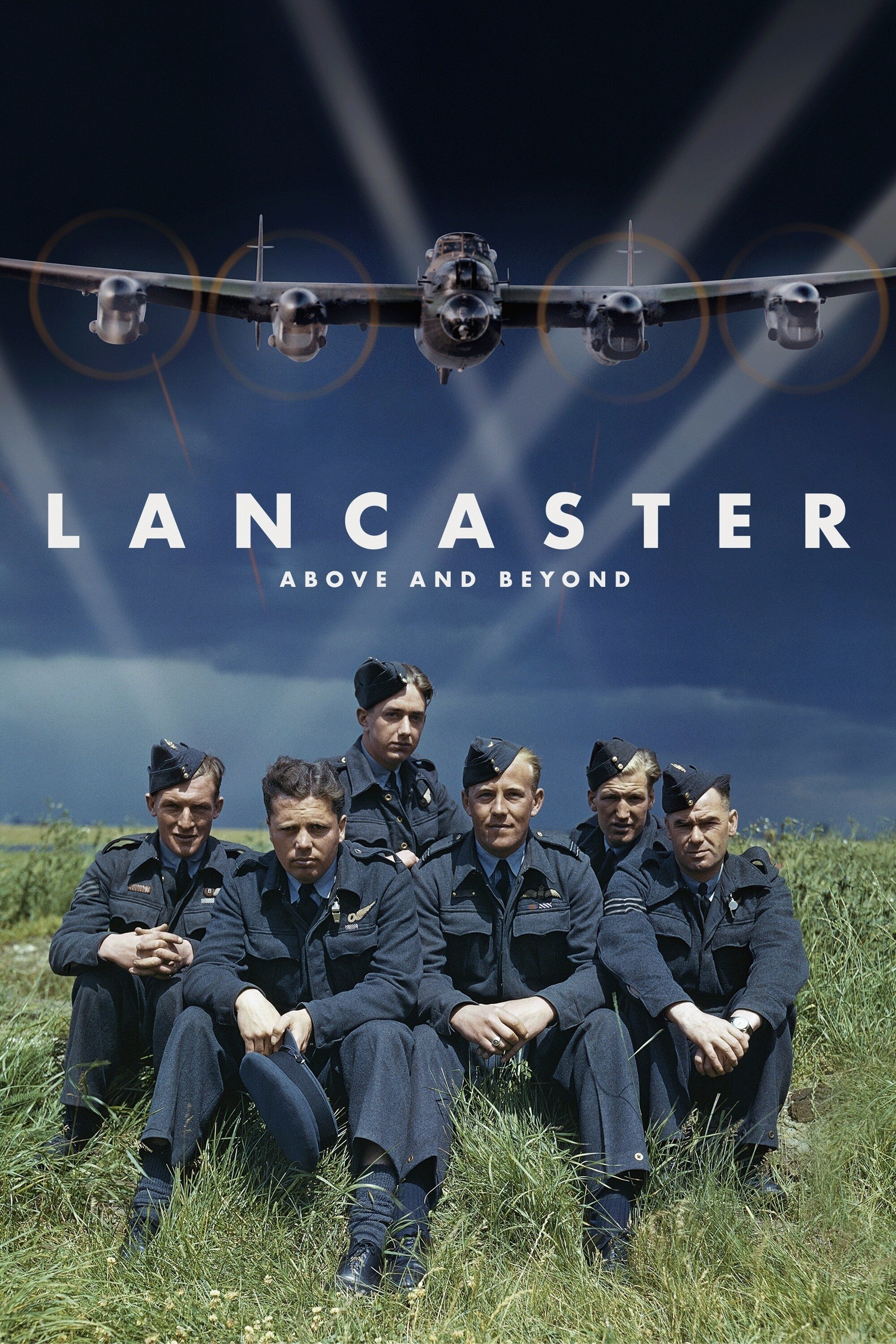
The story of the iconic WW2 bomber told through the words of the last surviving crew members, re-mastered archive material and extraordinary aerial footage of the RAF’s last airworthy Lancaster.
From growing potatoes in Green Park, London, to transforming rabbit crates into seed boxes – just a couple of the many ingenious ways of supporting the war effort which are covered in this film from the Ministry of Information.
Lieutenant Colonel John Stevens served in both World War II and the Korean War. During the Korean War, he received a Bronze Star for leading his company in one of that war's harshest battles.
Nazi propaganda film contrasting Germany in the days before Adolf Hitler became Chancellor with the Germany of "today" and how much better it is.
Nazi Third Reich propaganda film that used architecture as a statement about "racial accomplishment," and so called "racial superiority." Hitler claimed that between 1934 and 1940, the Nazi rule of Germany had produced architectural uniqueness, and this film was produced to shown to attempt to validate that. The opening montage gives a survey of earlier Gothic and Baroque structures in the country as an example of "architectural superiority" that the German race was said to be the sole inventor of; then moves on to deride the recent construction of the Bauhaus school (with a racially motivated score of Jazz music) and an example of German "architectural decay." Then proceeds to show off buildings constructed by the Nazi and an architectural revival, to "last 1000 years," Film also spends a great of time dwelling on massive and "busy" monuments that had been erected all over the county.
Made famous by the 1957 Hollywood movie, the bridges of the River Kwai emblematize one of the most misunderstood events in history. Contrary to the romanticized film version, the structures represent a period of terror, desperation, and death for over 16,000 POWs and 100,00 local slaves. The Thailand - Burma Railway was the vision of the Japanese Imperial Army: a 250-mile track cut through dense jungle that would connect Bangkok and Rangoon. To accomplish this nearly impossible feat, the fanatical and ruthless Japanese engineers used POWs and local slaves as manpower. Candid interviews with men who lived through the atrocity - including Dutch, Australian, British, and American POWs - illuminate the violence and horror of their three-and-a-half-year internment. From Britain's surrender of Singapore the enduring force of friendship, The True Story Of The Bridge On The River Kwai narrates a moving and unforgettable account of a period in history that must be remembered.
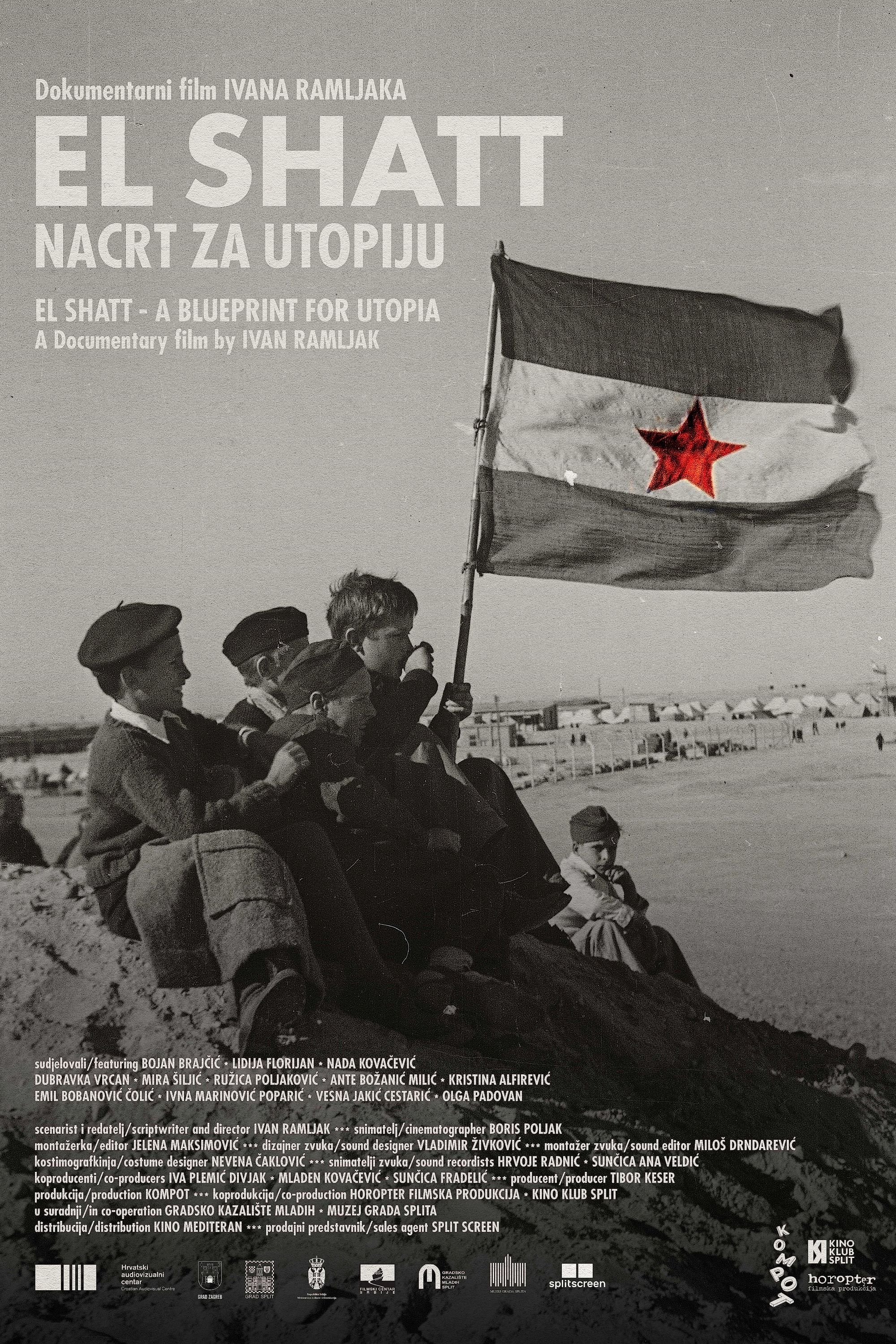
Hundreds of frozen and starved people floating on boats in the middle of the Mediterranean Sea fleeing from the war... Familiar scenes that we are used to seeing in recent times. But the year is 1944, and the refugees are travelling from Europe to Africa. After Italian capitulation,and before the arrival of German army, 28 000 Dalmatian Croats left their home villages and towns to live for two years under the tents in the middle of Egyptian desert, in a kind of a communist model village that was formed to show the Allies how the new Yugoslavia will look like when the war ends. This is a story about them.
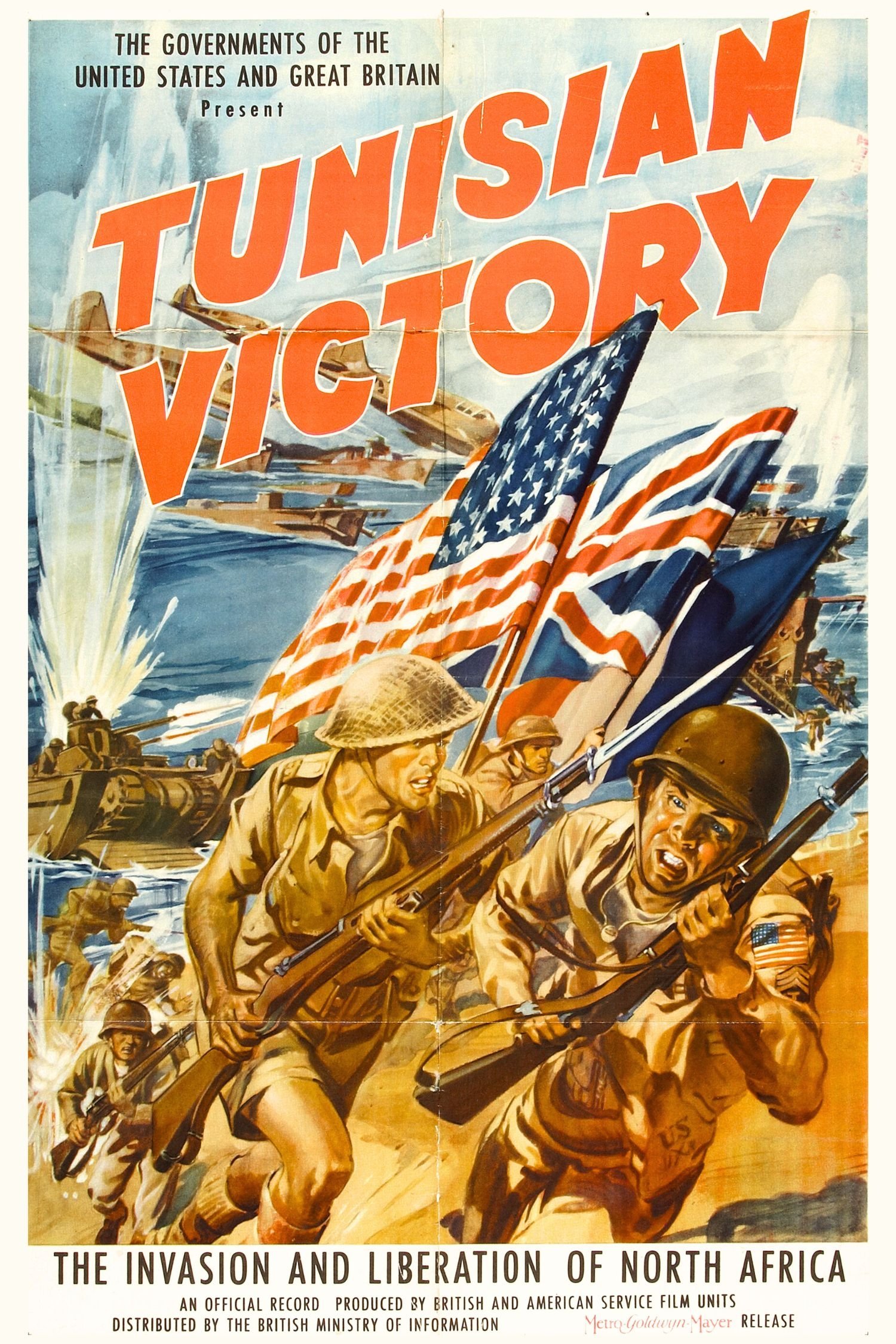
Documentary made by the U.S. Army Signal Corps after the North African campaign.
Propaganda short film depicting the rise of Nazism in Germany and how political propaganda is similarly used in the United States. The film was made to make the case for the desegregation of the United States armed forces.
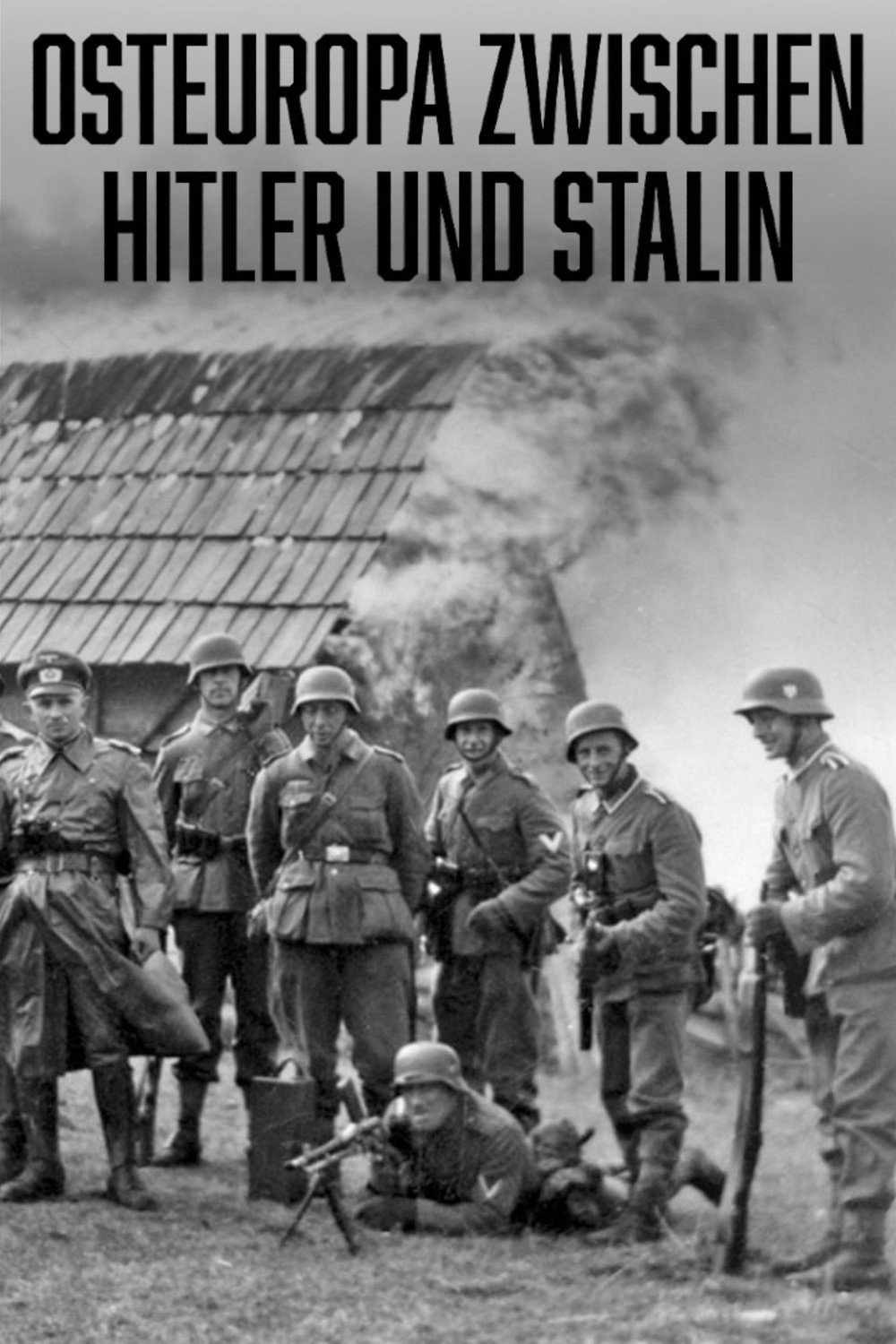
Between 1930 and 1945, Eastern Europe experienced mass violence on an unprecedented scale. Hitler and Stalin exploited the vast region for their respective expansionist plans. It is estimated that around 14 million civilians were murdered—primarily Jews, Poles, Balts, Belarusians, and Ukrainians.
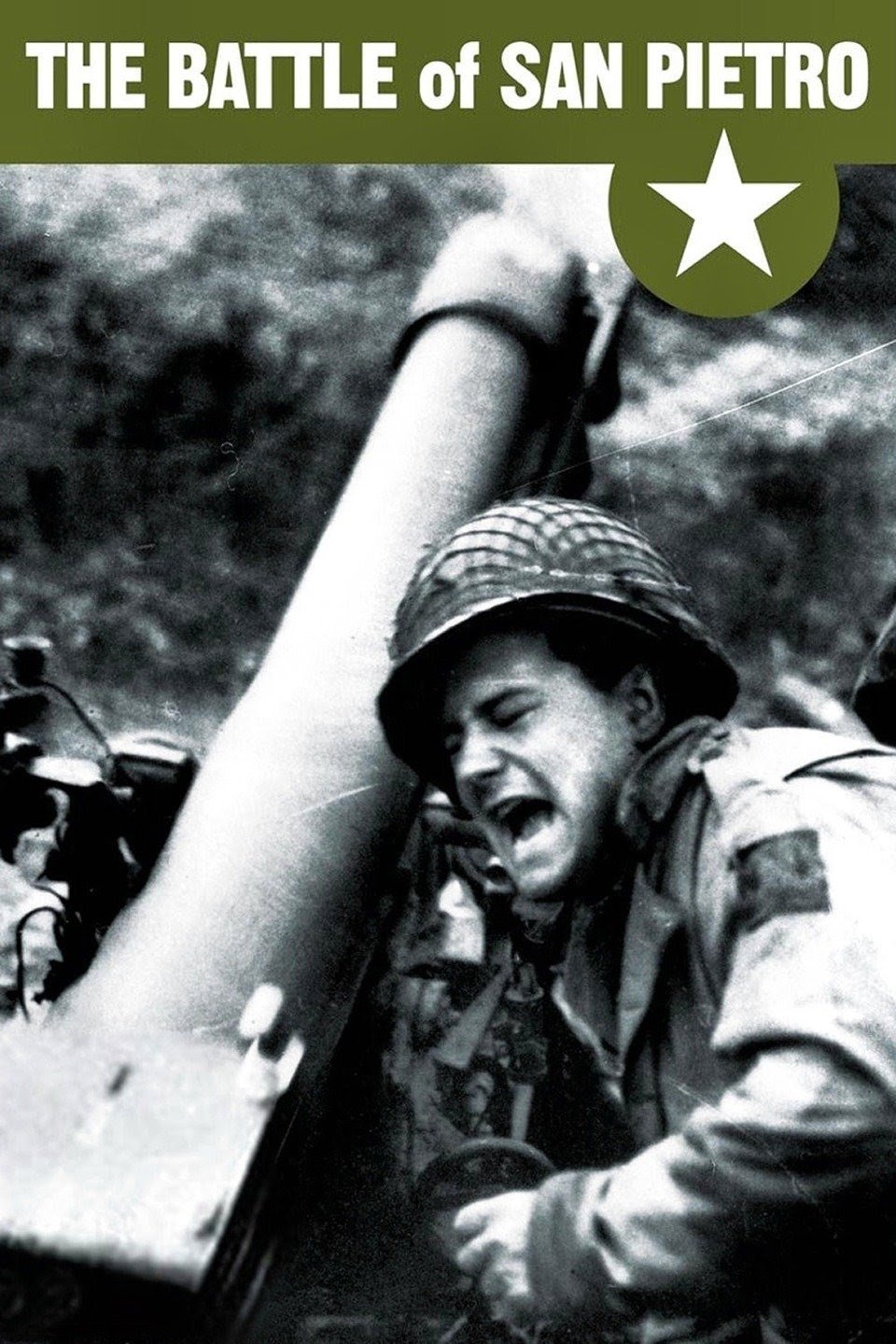
This documentary movie is about the battle of San Pietro, a small village in Italy. Over 1,100 US soldiers were killed while trying to take this location, that blocked the way for the Allied forces from the Germans. Preserved by the Academy Film Archive in 2005.
When Allied forces liberated the Nazi concentration camps in 1944-45, their terrible discoveries were recorded by army and newsreel cameramen, revealing for the first time the full horror of what had happened. Making use of British, Soviet and American footage, the Ministry of Information’s Sidney Bernstein (later founder of Granada Television) aimed to create a documentary that would provide lasting, undeniable evidence of the Nazis’ unspeakable crimes. He commissioned a wealth of British talent, including editor Stewart McAllister, writer and future cabinet minister Richard Crossman – and, as treatment advisor, his friend Alfred Hitchcock. Yet, despite initial support from the British and US Governments, the film was shelved, and only now, 70 years on, has it been restored and completed by Imperial War Museums under its original title "German Concentration Camps Factual Survey".
Prelude to War was the first film of Frank Capra's Why We Fight propaganda film series, commissioned by the Pentagon and George C. Marshall. It was made to convince American troops of the necessity of combating the Axis Powers during World War II. This film examines the differences between democratic and fascist states.
Amid the failing counteroffensive, a journalist follows a Ukrainian platoon on their mission to traverse one mile of heavily fortified forest and liberate a strategic village from Russian occupation. But the farther they advance through their destroyed homeland, the more they realize that this war may never end.
A love letter from a young mother to her daughter, the film tells the story of Waad al-Kateab’s life through five years of the uprising in Aleppo, Syria as she falls in love, gets married and gives birth to Sama, all while cataclysmic conflict rises around her. Her camera captures incredible stories of loss, laughter and survival as Waad wrestles with an impossible choice– whether or not to flee the city to protect her daughter’s life, when leaving means abandoning the struggle for freedom for which she has already sacrificed so much.
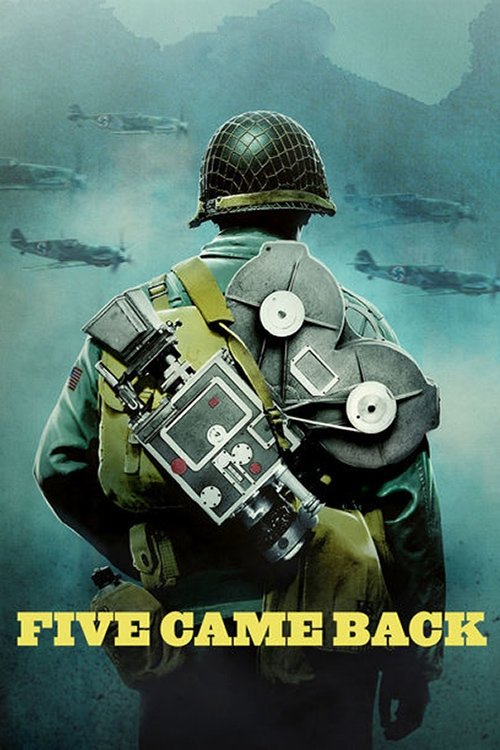
The extraordinary story of how Hollywood changed World War II – and how World War II changed Hollywood, through the interwoven experiences of five legendary filmmakers who went to war to serve their country and bring the truth to the American people: John Ford, William Wyler, John Huston, Frank Capra, and George Stevens. Based on Mark Harris’ best-selling book, “Five Came Back: A Story of Hollywood and the Second World War.”
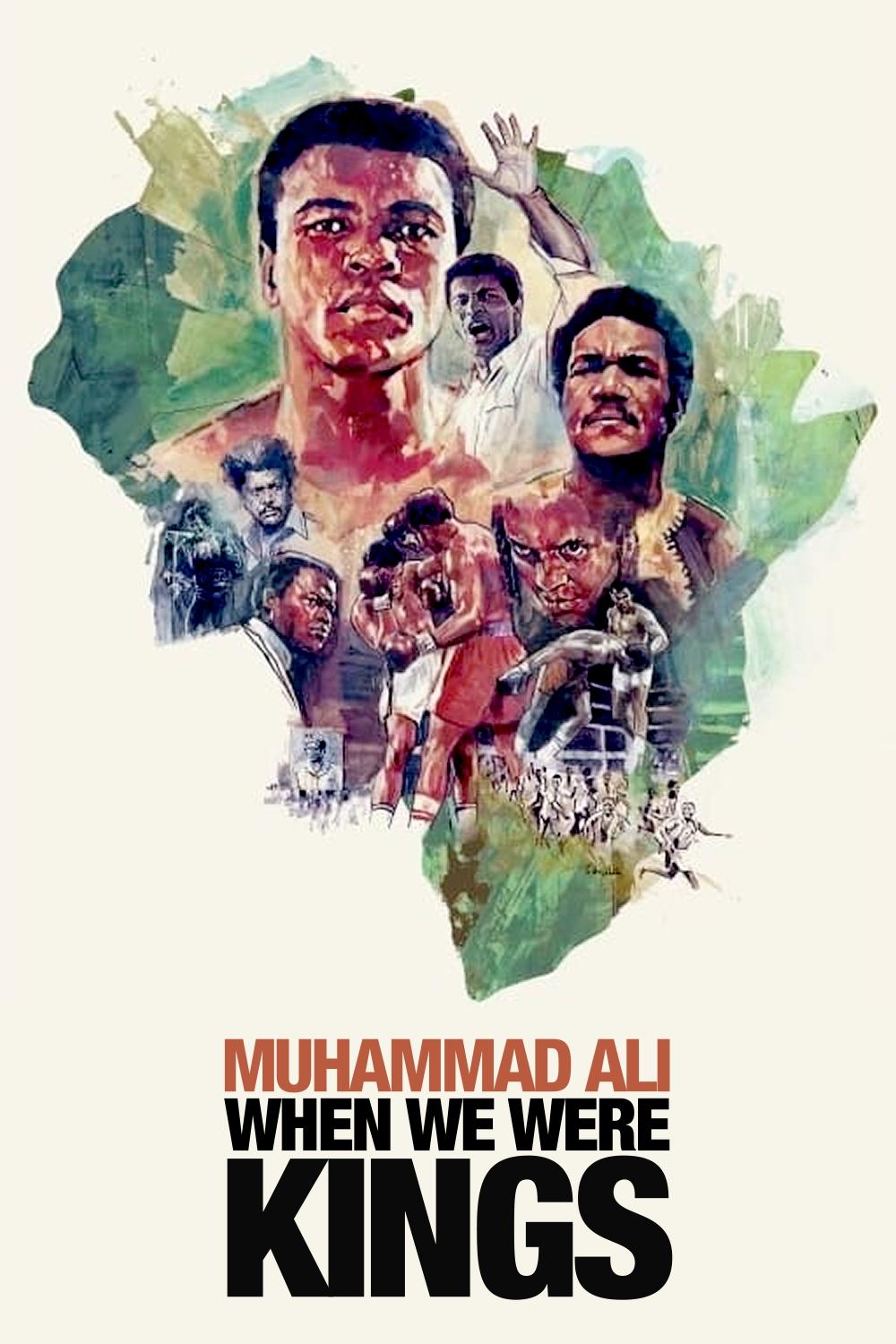
It's 1974. Muhammad Ali is 32 and thought by many to be past his prime. George Foreman is ten years younger and the heavyweight champion of the world. Promoter Don King wants to make a name for himself and offers both fighters five million dollars apiece to fight one another, and when they accept, King has only to come up with the money. He finds a willing backer in Mobutu Sese Suko, the dictator of Zaire, and the "Rumble in the Jungle" is set, including a musical festival featuring some of America's top black performers, like James Brown and B.B. King.
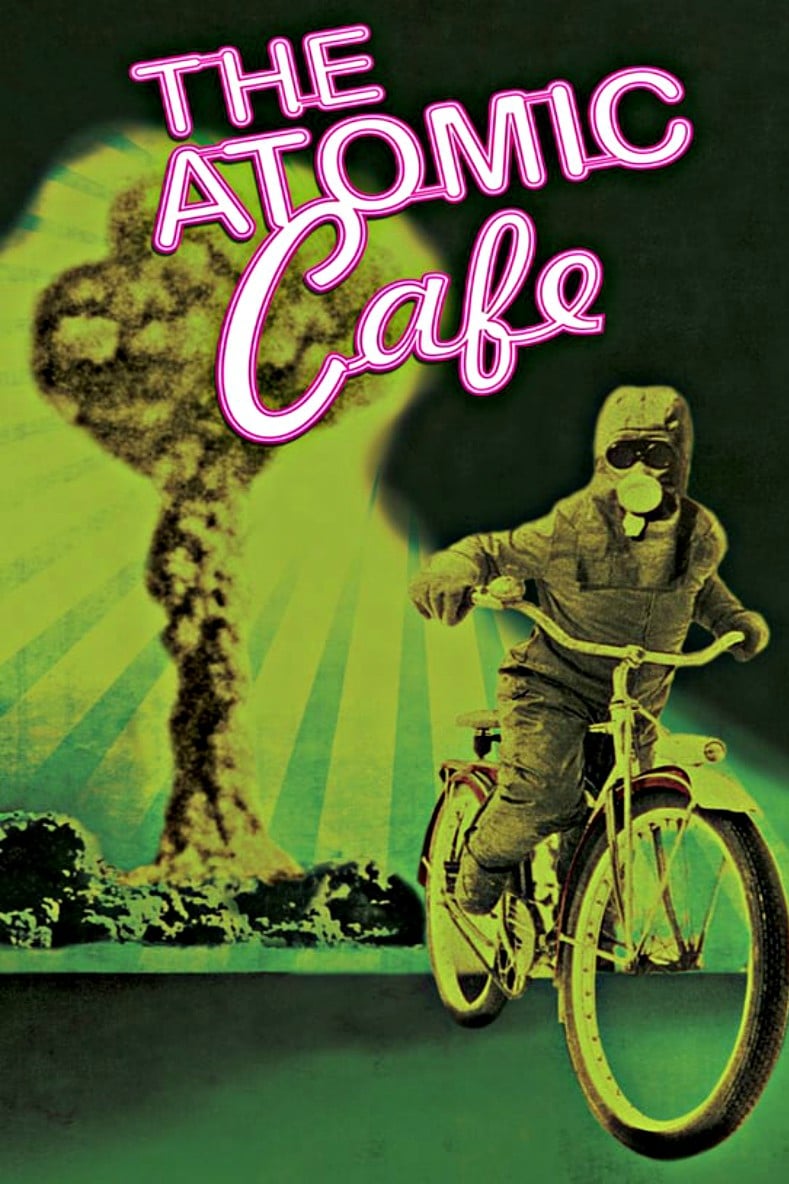
A disturbing collection of 1940s and 1950s United States government-issued propaganda films designed to reassure Americans that the atomic bomb was not a threat to their safety.
Those who knew iconic funnyman John Candy best share his story, in their own words, through never-before-seen archival footage, imagery, and interviews.
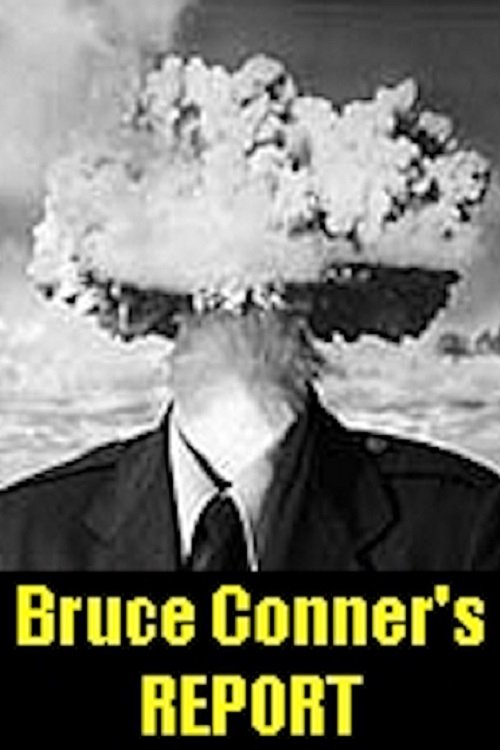
Bruce Conner’s most celebrated film for a reason: it takes historical moments that were replayed over and over on television—chilling repetition of Kennedy assassination coverage—and repurposes them into a meditation on how the media tries to exert authority and apply a sense of order to the anarchic. And though it may sound perverse to say so, the film is also—not incidentally—a thrill to watch. -- The A.V. Club
In this genre-bending tale, Errol Morris explores the mysterious death of a U.S. scientist entangled in a secret Cold War program known as MK-Ultra.
A documentary on the expletive's origin, why it offends some people so deeply, and what can be gained from its use.
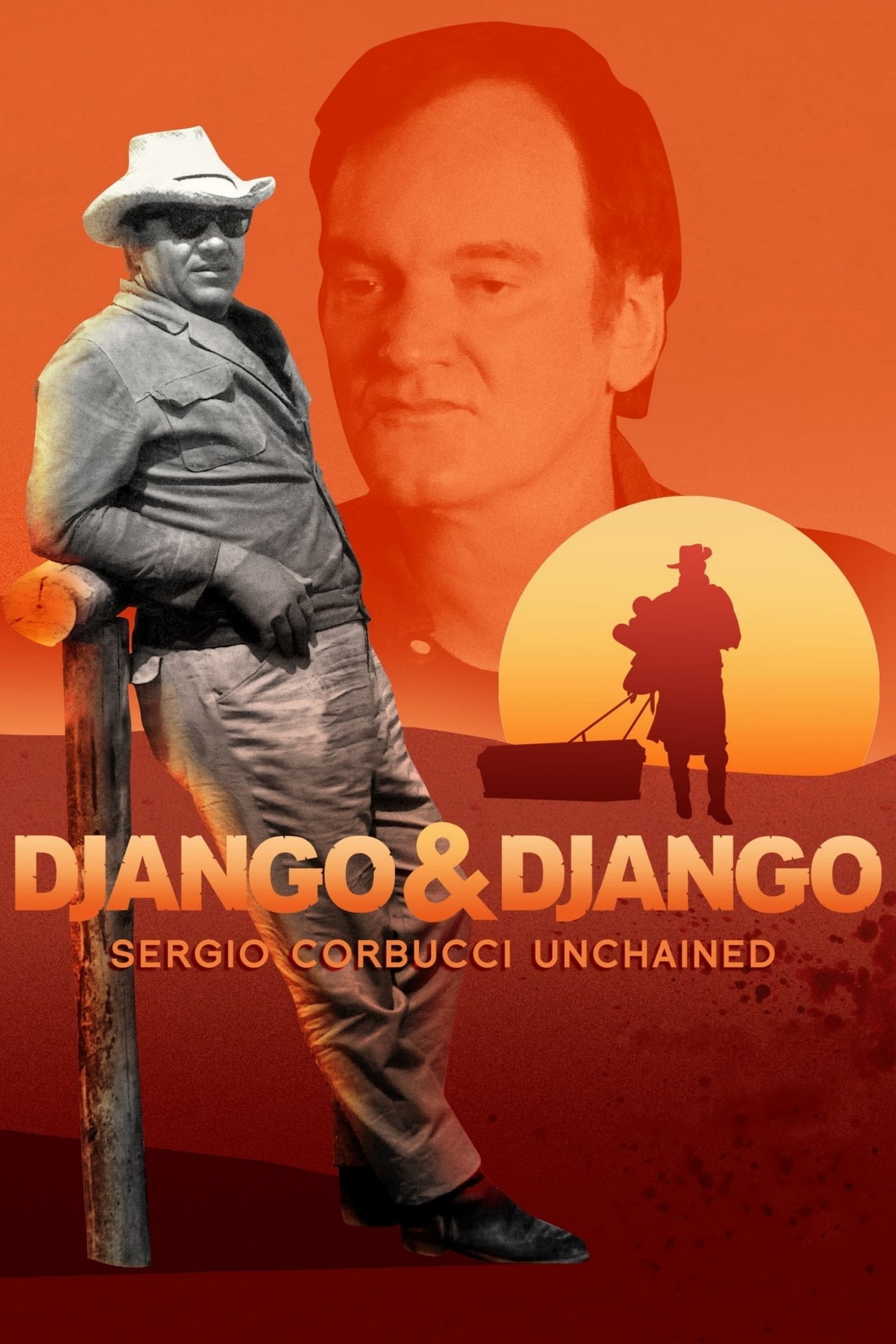
A tribute to Italian filmmaker Sergio Corbucci (1926-90), presented by American filmmaker Quentin Tarantino.
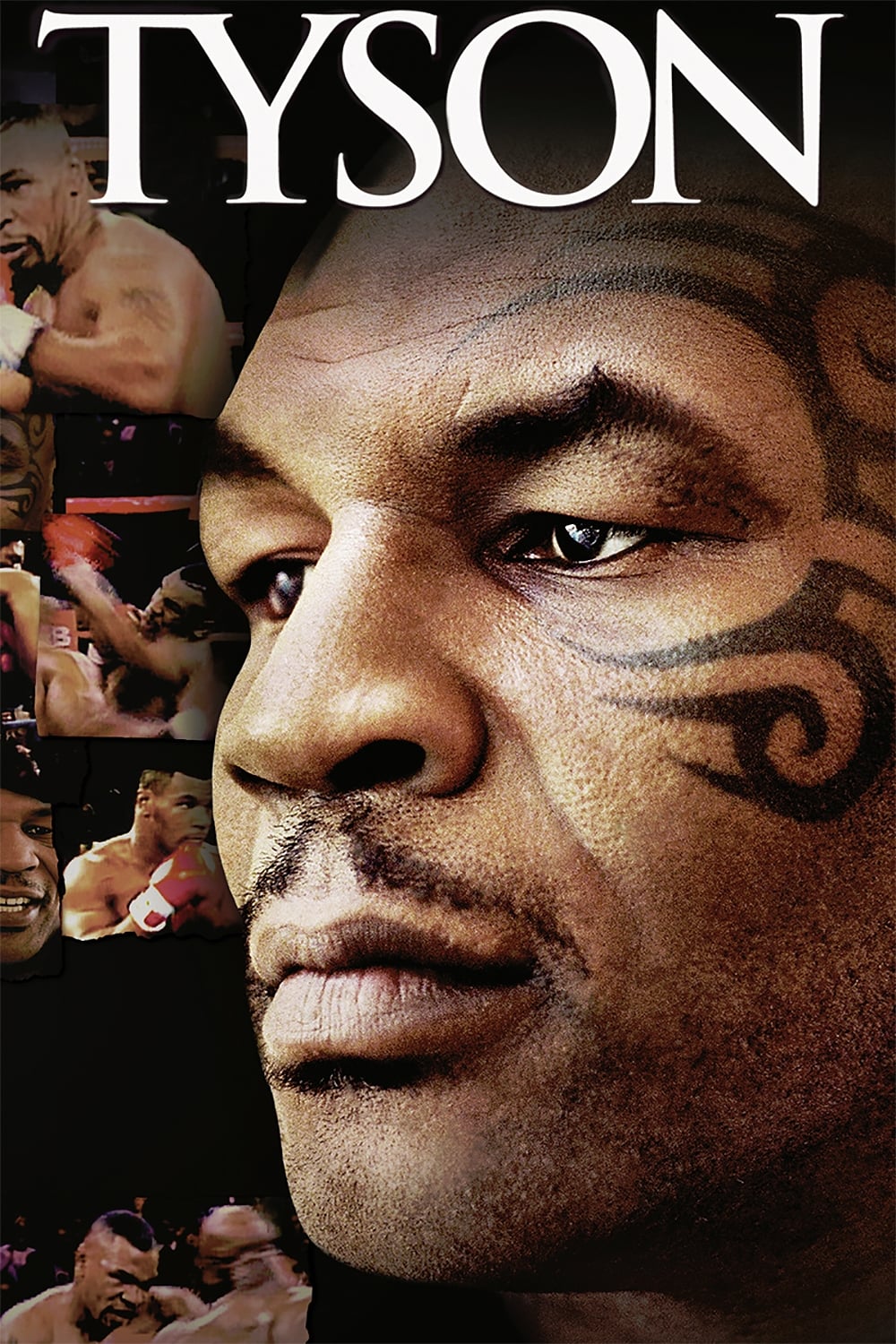
Director James Toback takes an unflinching, uncompromising look at the life of Mike Tyson--almost solely from the perspective of the man himself. TYSON alternates between the controversial boxer addressing the camera and shots of the champion's fights to create an arresting picture of the man.
Daniel Craig candidly reflects on his 15 year adventure as James Bond. Including never-before-seen archival footage from Casino Royale to the upcoming 25th film No Time To Die, Craig shares his personal memories in conversation with 007 producers, Michael G Wilson and Barbara Broccoli.
A documentary about the life and films of director John Ford.
A documentary about World War I with never-before-seen footage to commemorate the centennial of Armistice Day, and the end of the war.
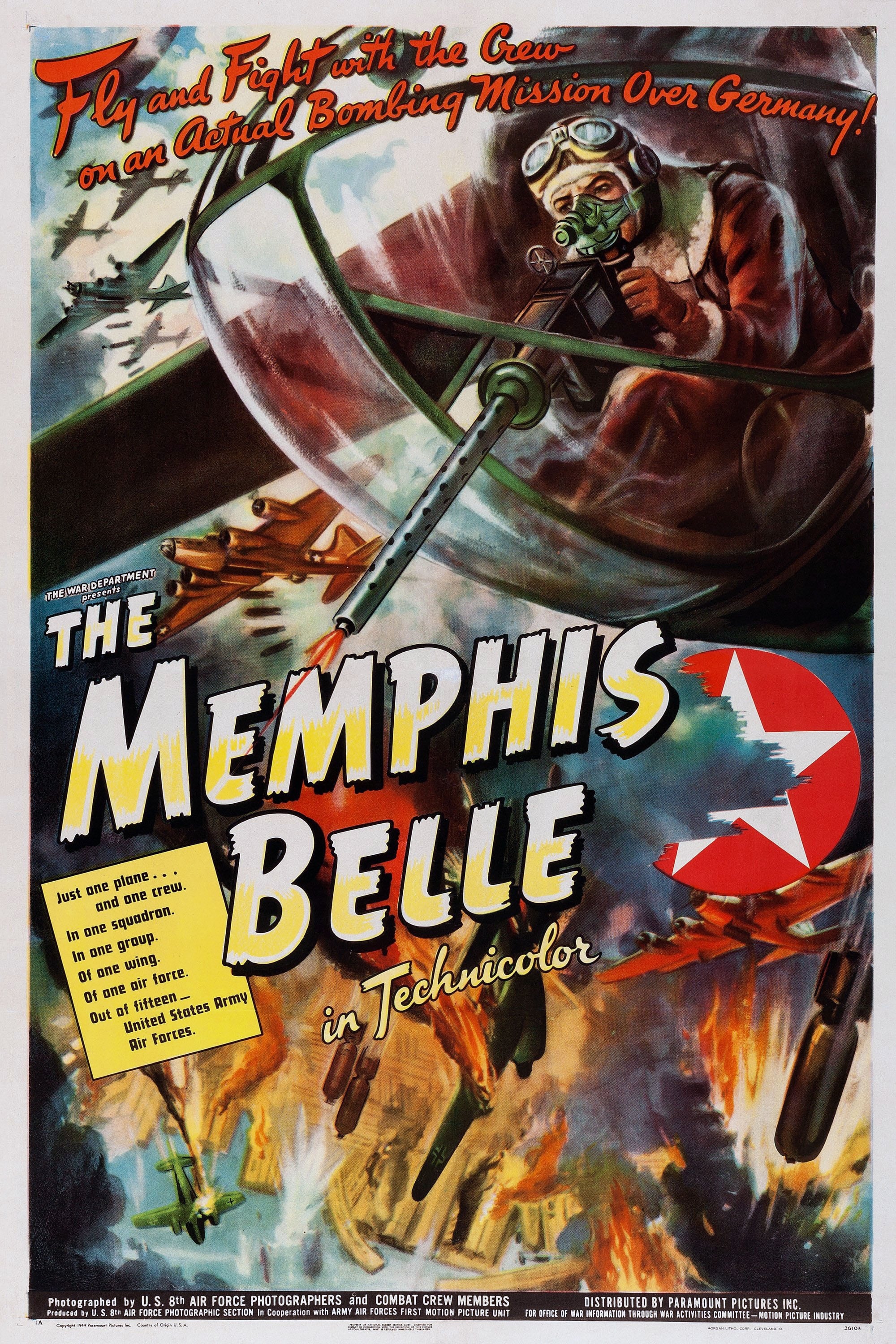
This WW2 documentary centers on the crew of the American B-17 Flying Fortress Memphis Belle as it prepares to execute a strategic bombing raid on Nazi submarine pens in Wilhelmshaven, Germany.
A visual montage portrait of our contemporary world dominated by globalized technology and violence.
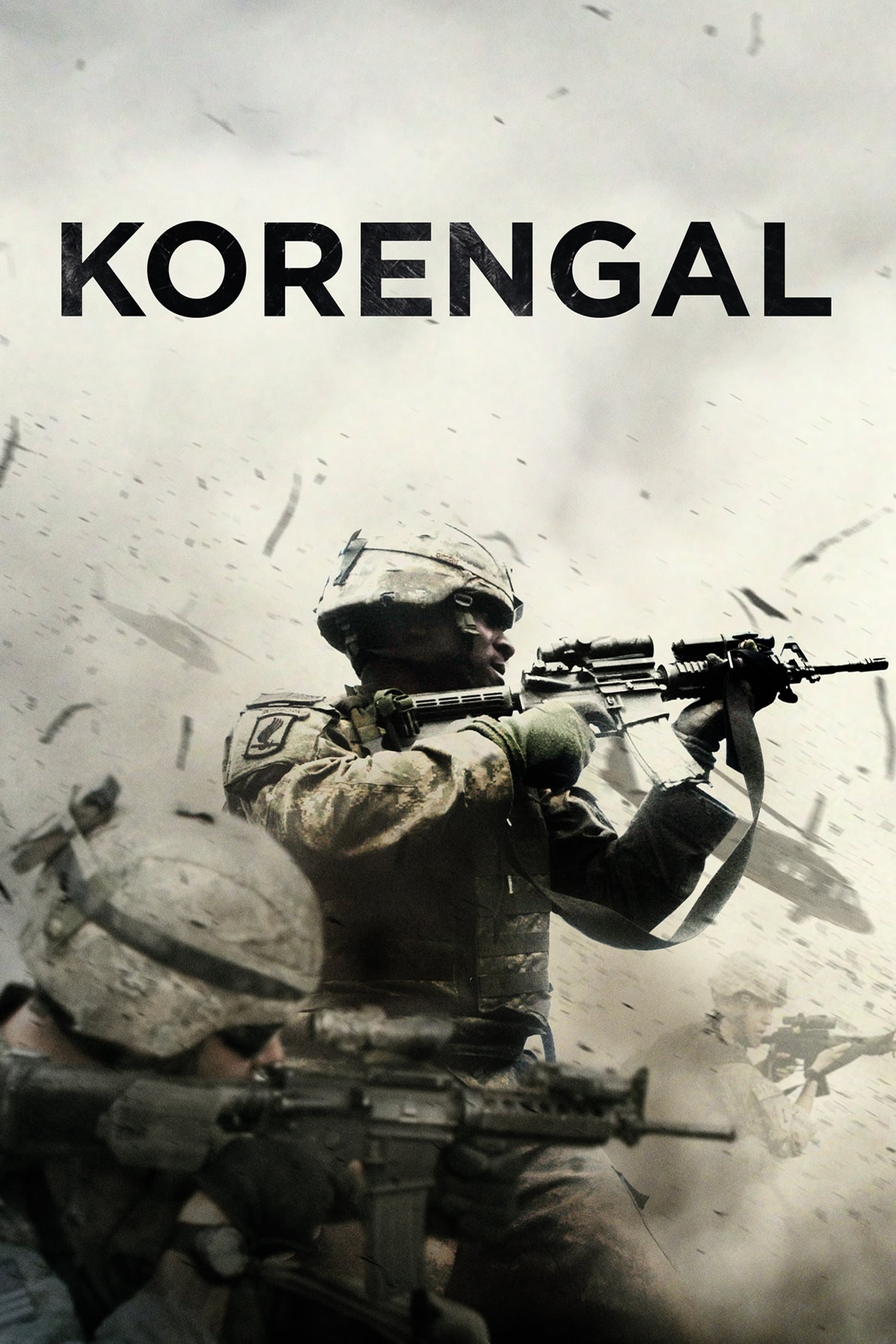
Korengal picks up where Restrepo left off; the same men, the same valley, the same commanders, but a very different look at the experience of war.