Social & External
In 1945 Mexico sent special forces to the World War II. This is a documentary about those known as the “Aztec Eagles,”the 201st Air Fighter Squadron sent to the Philippines to fight on the war.
The third film of Frank Capra's 'Why We Fight" propaganda film series, dealing with the Nazi conquest of Western Europe in 1940.
Documentary following the efforts of a historian to clear the name of Albert Goering, brother of Herman. Albert strived to save Jews while his brother masterminded plans to exterminate them. Through eyewitness accounts and the historian's findings, the film explores the notion that Albert's deeds may not have been possible without the help of his brother.
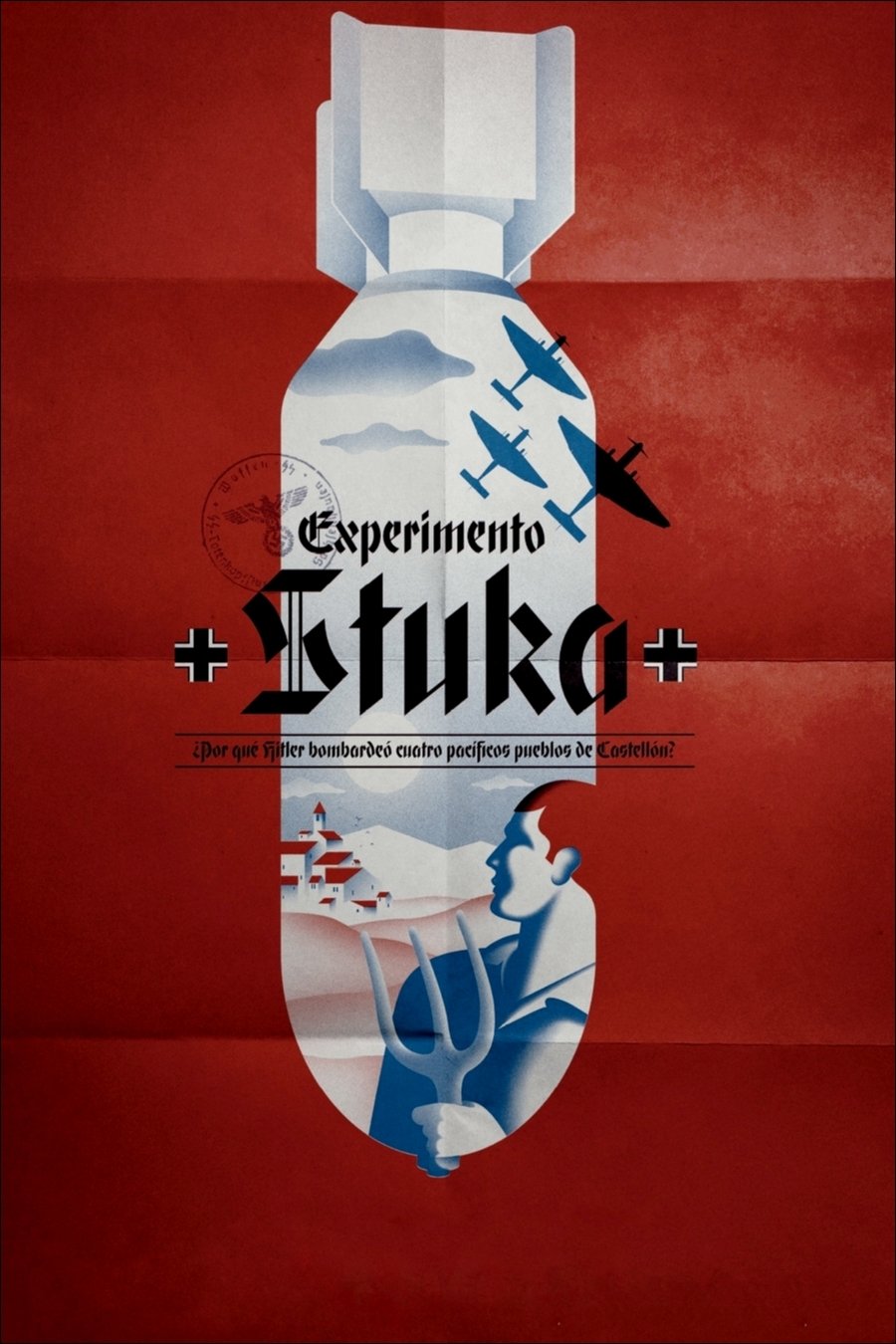
Spanish Civil War, May, 1938. Four villages in Castellón, Benassal, Albocàsser, Ares del Maestrat and Vilar de Canes, were bombed from the sky and ravaged. 38 people died. Inhabitants never knew for sure who piloted the planes responsible for such atrocity, although the rebel propaganda attributed the act to the republican side. Now, 80 years later, the truth is finally exposed.
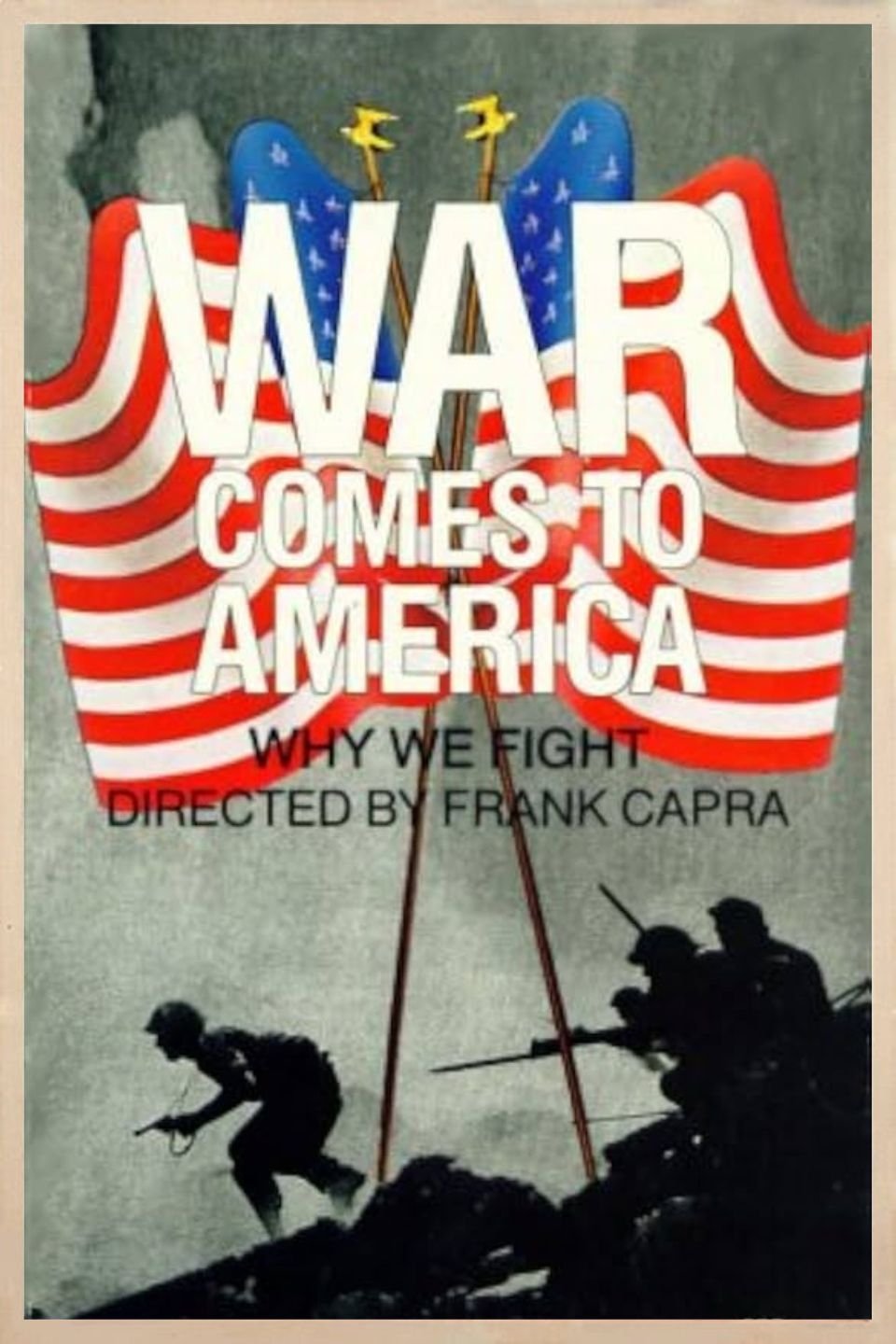
The seventh and final film of Frank Capra's Why We Fight World War II propaganda film series. This entry attempts to describe the factors leading up to America's entry into the Second World War.
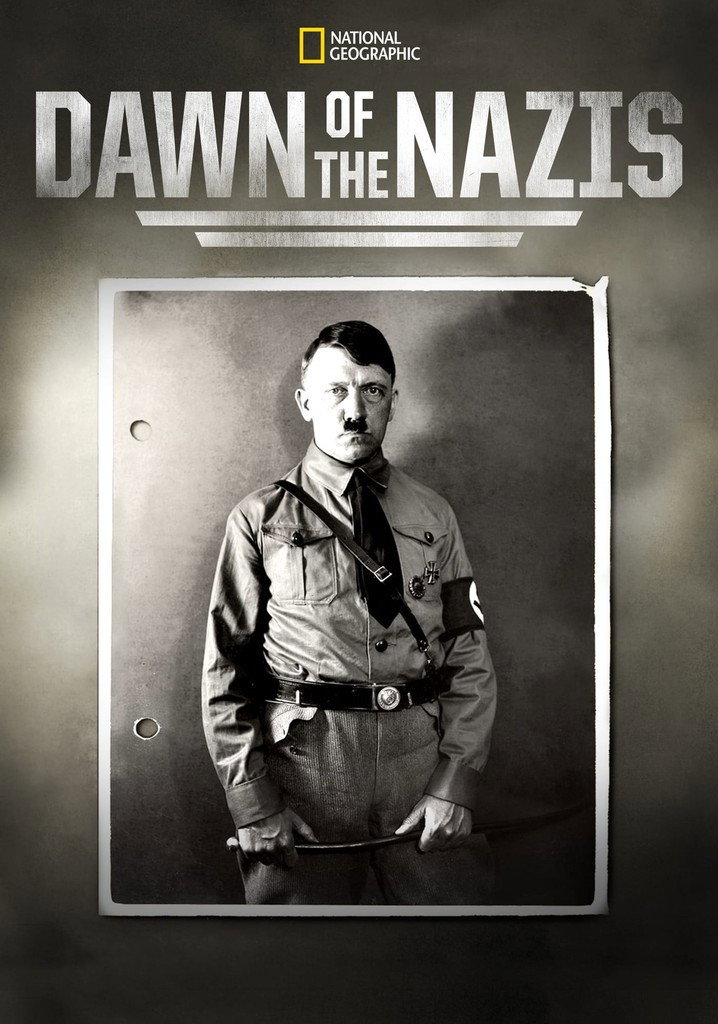
How Germany was when its people entered the nightmare of World War II? Despair and fear lead a hungry population to follow the chilling call of just one man to world domination. A real-life horror story, an ominous tale of violence and deception, which takes place from 1919 to 1934. (Entirely made up of restored, colorized archival footage.)
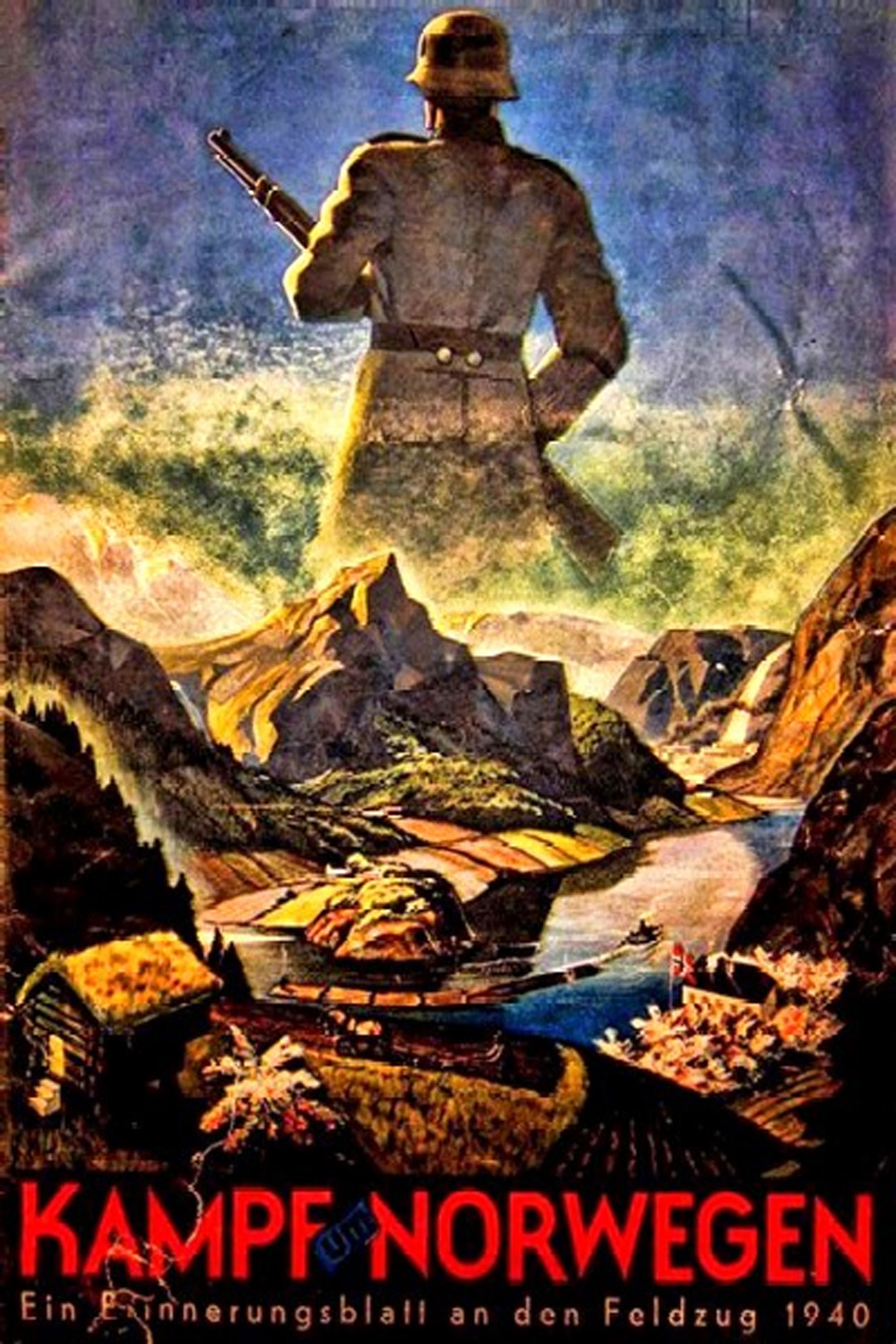
Kampf um Norwegen – Feldzug 1940 is a 1940 Nazi propaganda film directed by Martin Rikli and Dr. Werner Buhre under orders of the Oberkommando der Wehrmacht. The documentary film follows the Invasion of Denmark and Norway in the spring of 1940
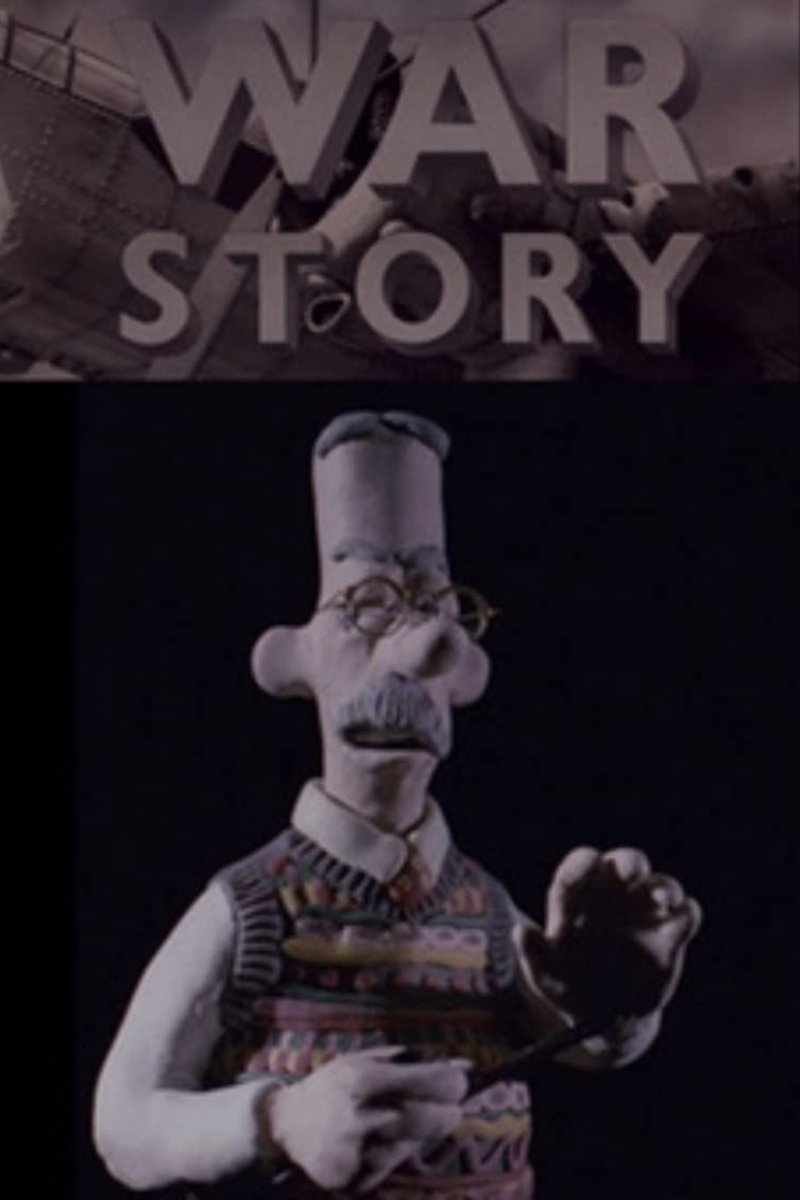
This claymation short film uses a real interview for dialogue. Bill Perry relates stories about his youth, his tilted house, and adventures during WWII in Bristol, England during the blitz. Preserved by the Academy Film Archive.
A stunningly-crafted documentary that brings to life German-Jewish artist Charlotte Salomon in all her yearning for love and creative expression, her struggle to come to terms with her family history, and whose passion for beauty came face-to-face with the harsh reality of 1940s Europe. The title of this film comes from her remarkable 700-page painted life story in which she asks, “Where does life stop and art begin?” Director Franz Weisz masterfully weaves together interviews with people who knew her, family photographs, excerpts from a 1980 biopic, images of Charlotte’s vibrant paintings and a previously-unknown letter containing a shocking revelation.
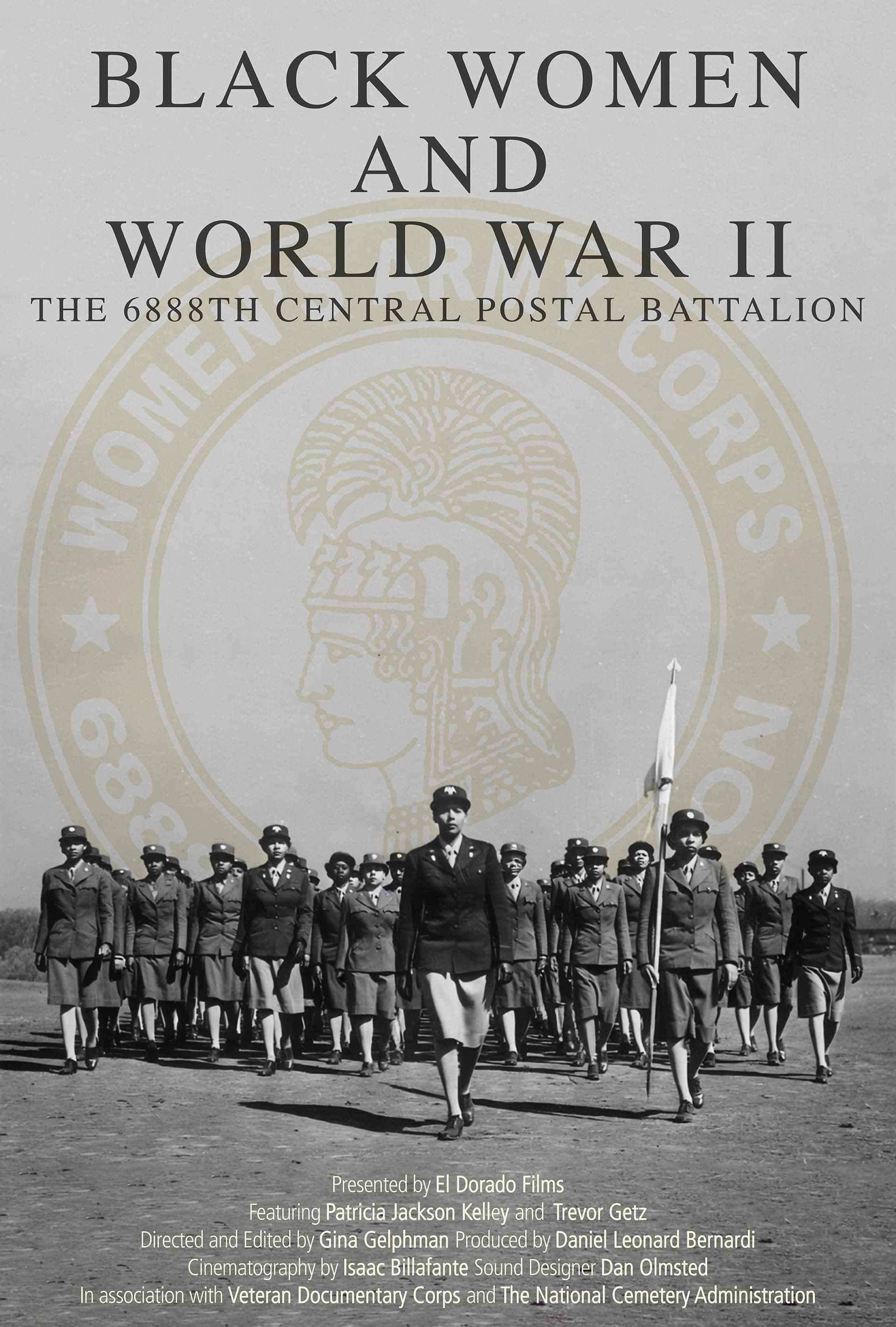
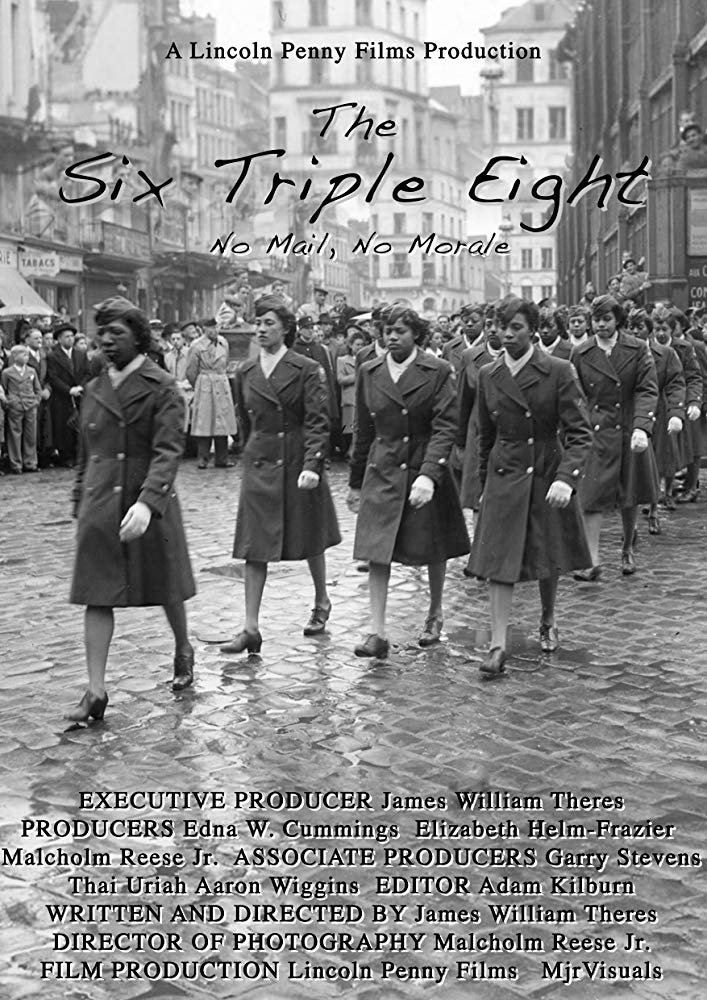
In the midst of World War II, the 6888th Central Postal Directory Battalion, an all-female African-American unit, undertook the monumental task of sorting and delivering a massive backlog of mail for the U.S. military. Despite facing deplorable working conditions and the pervasive dual discrimination of race and gender, these women served their country with unbreakable determination and pride. Led by the formidable Major Charity Adams, they not only achieved their mission in half the expected time but also broke barriers, standing firm against inequality and inspiring future generations. Tragically overlooked for years, the story of the 6888th sheds light on a remarkable, untold chapter of American history, reflecting both the triumphs and injustices that shaped the nation's path towards civil rights. Their courage and resilience continue to resonate, a poignant reminder of the societal strides still needed to fully recognize and honor their invaluable contribution.
This documentary is a captivating account of the defense of Wake Island by a small contingent of United States Marines and civilian contractors. From December 8th until December 23rd, 1941 the defenders thwarted an aerial attack and an attempted amphibious landing from a naval task force before finally being overwhelmed by the third attempt by the Japanese Imperial Navy.
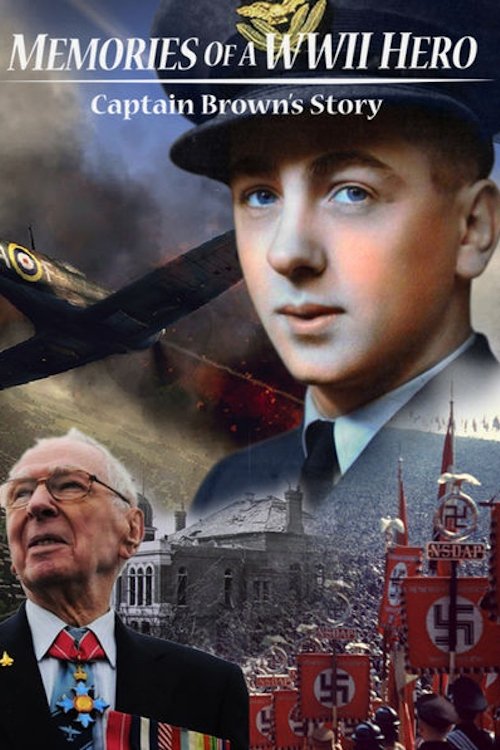
Tells the story of probably the world's greatest pilot through an extensive and in-depth interview: Capt Eric "Winkle" Brown CBE, DSC, AFC. From his flight with WW1 German fighter ace Ernst Udet in 1936 through to commanding a squadron of Buccaneers at the height of the Cold War, we hear how "Winkle" Brown experienced the rise and fall of Nazism; how he flew the most dangerous, uncontrollable aircraft, how he cheated death countless times.
Documentary about the Swedish submarine Ulven which was sunk by a mine in Swedish waters in 1943 killing all 33 crew members.
This documentary includes interviews with the surviving six members from the 855 women of the SixTripleEight (6888 Central Postal Directory battalion), the first, and only, all-black female battalion sent to Europe during World War II. Their mission: clear the backlog of over 17 million pieces of mail stuck in warehouses in Birmingham, England and Rouen, France. They faced racism, sexism, and the Nazis. After dodging German U-boats, they arrived in Birmingham in February 1945. They were given six months to complete the mission in each city. Both times they finished in half the time. The last of the women returned to the United States in March 1946 with little fanfare. Their story was hidden in American military history until now. On November 30, 2018, a monument was dedicated in their honor at Buffalo Soldier Park, Fort Leavenworth, Kansas.
Medal of Honor Recipient George Sakato said with tear, ' I am not a hero. I just killed a lot of people. It's not good. This medal is for the people who couldn't return their homes, not for me.' Even many soldiers who received the decoration still have deep scars in their hearts now. He is the veteran of 442nd Regimental Combat Team in WW2 composed of Japanese Americans, who were at first seen as the problem because of their race, but later seen as problem solvers because of their splendid achievements on the battle field. They had to fight not only the enemy but also prejudice. This is the story of the 442nd and their veterans now and then.
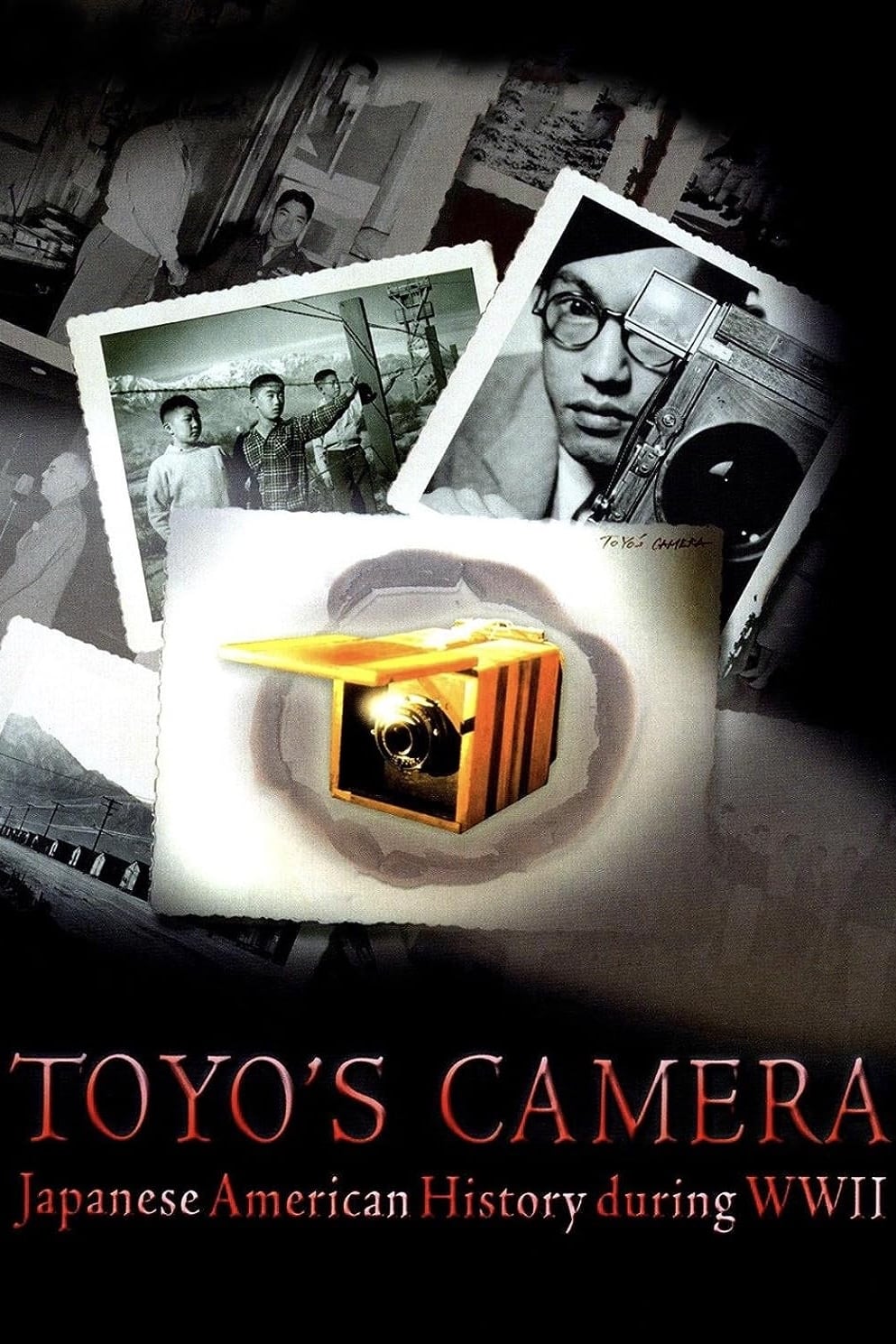
Even though bringing in cameras to the internment camps was prohibited, one man managed to smuggle in his own camera lens and build a camera to document life behind barbed wires, with the help of other craftsmen in the camp. That man was Toyo Miyatake, a successful issei (first generation immigrant) photographer and owner of a photo-shop in the Los Angeles Little Tokyo district, and of one of the many Americans who was interned with his family against his will. With his makeshift camera, Miyatake captured the dire conditions of life in the camps during World War II as well as the resilient spirit of his companions, many of whom were American citizens who went on to fight for their country overseas. Miyatake said, "It is my duty to record the facts, as a photographer, so that this kind of thing should never happen again."
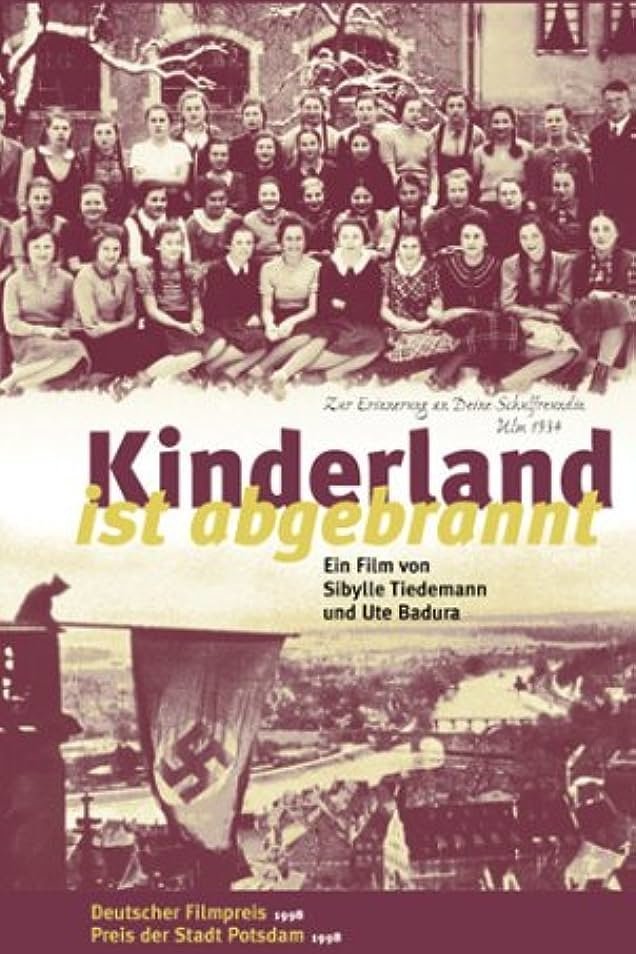
Former classmates at a school in the Southern Germany city of Ulm, Jewish and non-Jewish, recall their childhood in Nazi Germany.
German training film from World War II.
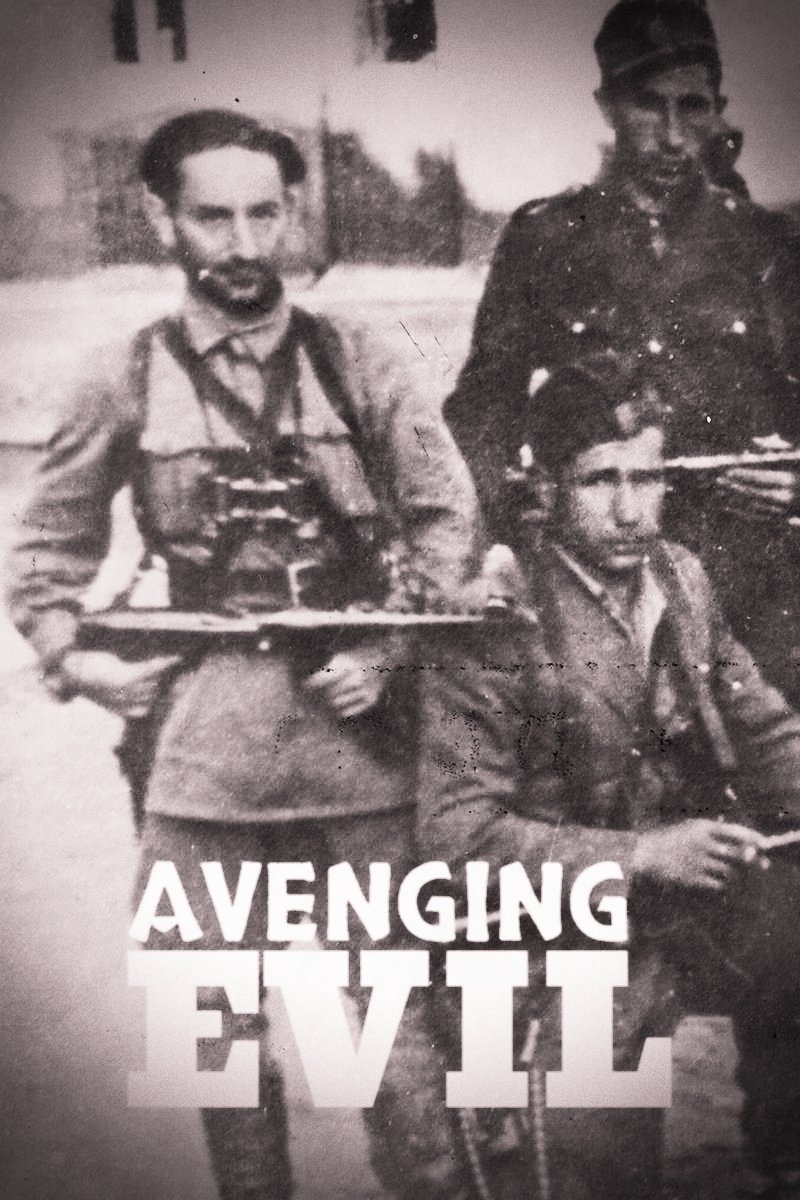
In 1946, just after the end of World War II, a secret organization of Holocaust survivors plans a terrible revenge: since the Nazis have killed millions of Jews, they will kill millions of Germans.
When Allied forces liberated the Nazi concentration camps in 1944-45, their terrible discoveries were recorded by army and newsreel cameramen, revealing for the first time the full horror of what had happened. Making use of British, Soviet and American footage, the Ministry of Information’s Sidney Bernstein (later founder of Granada Television) aimed to create a documentary that would provide lasting, undeniable evidence of the Nazis’ unspeakable crimes. He commissioned a wealth of British talent, including editor Stewart McAllister, writer and future cabinet minister Richard Crossman – and, as treatment advisor, his friend Alfred Hitchcock. Yet, despite initial support from the British and US Governments, the film was shelved, and only now, 70 years on, has it been restored and completed by Imperial War Museums under its original title "German Concentration Camps Factual Survey".
This revealing documentary honors the legendary Sidney Poitier—iconic actor, filmmaker, and civil rights activist. Featuring interviews with Denzel Washington, Spike Lee, Halle Berry, and more.
A documentary about the making of season five of the acclaimed AMC series Breaking Bad.
Brilliant, long in-the-works story of the life and art of the world's greatest comedian and the cinema's first genius, Charlie Chaplin. Produced, written and directed by renowned film critic Richard Schickel.
Through deeply personal interviews with her siblings and an examination of the photographs, letters, and belongings left behind, Mariska assembles a new portrait of her mother Jayne Mansfield, an extraordinary and complex woman.
A night of drunken chaos rocks a quiet Dutch town in this shocking documentary about a teen's birthday invite that accidentally went viral on Facebook.
A documentary on the expletive's origin, why it offends some people so deeply, and what can be gained from its use.
This documentary focuses on the actors and their journey over two summers to create the remake to the original IT, by Stephen King. The documentary originally released as bonus material, bundled with IT: Chapter Two.
An inside look at one of the most anticipated movie sequels ever with James Cameron and cast.
Over 35 years after Bob Lazar's revelations, this documentary exposes secrets of a facility the government still denies. Featuring Lazar's testimony, recreations, and new evidence, it reopens a case that continues to spark global curiosity
Never-before-seen footage and survivor accounts trace the 2012 shipwreck of a luxury cruise and the disaster that ensued, in this immersive documentary.
The life of Mr. Spock, as well as that of Leonard Nimoy, the actor who played him for almost fifty years, written and directed by his son: Adam.
The most comprehensive retrospective of the '80s action film genre ever made.
Those who knew iconic funnyman John Candy best share his story, in their own words, through never-before-seen archival footage, imagery, and interviews.
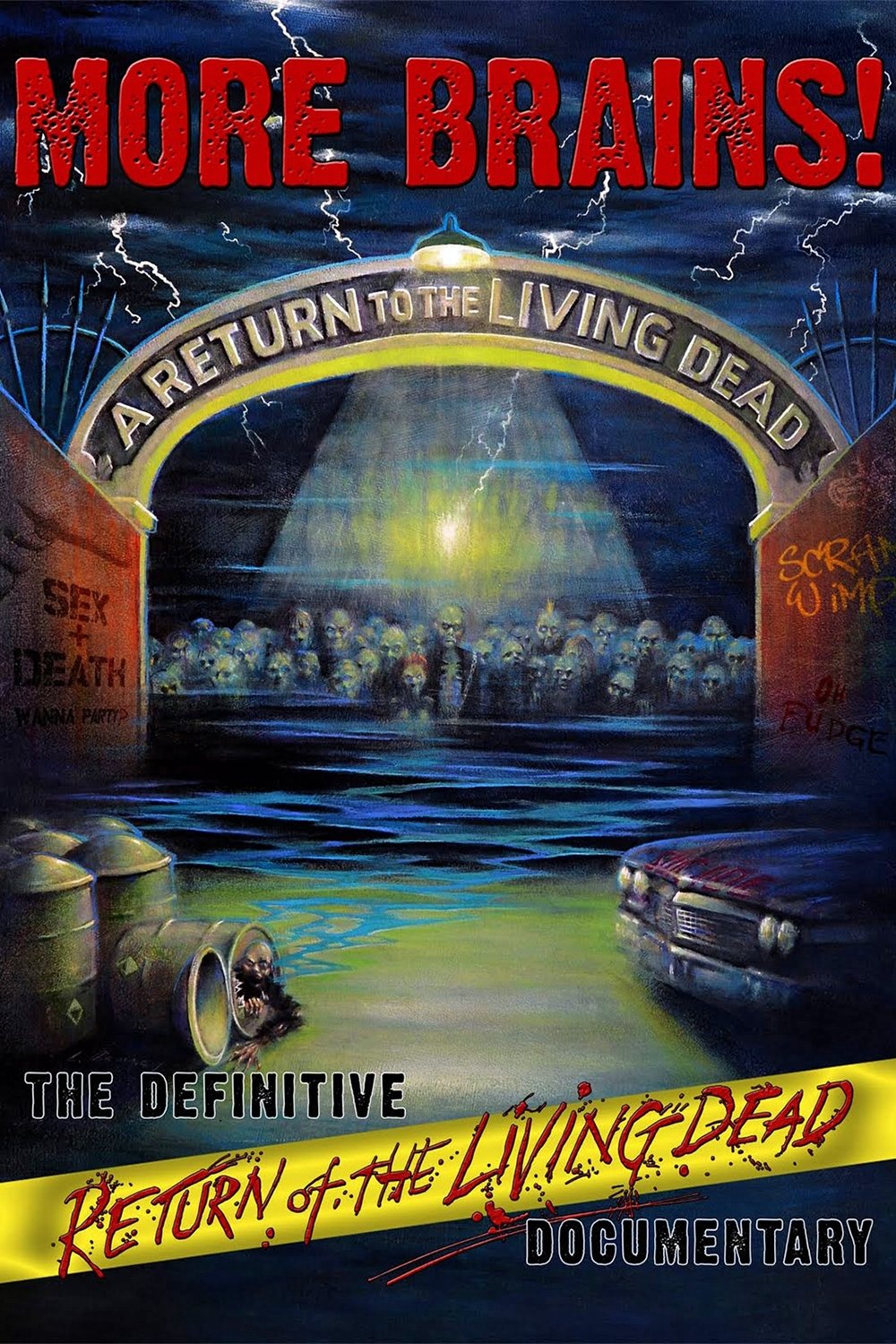
Retrospective documentary about the making of the horror cult classic "The Return of the Living Dead."
The life and career of one of comedy's most inimitable modern voices, Mr. Gilbert Gottfried.
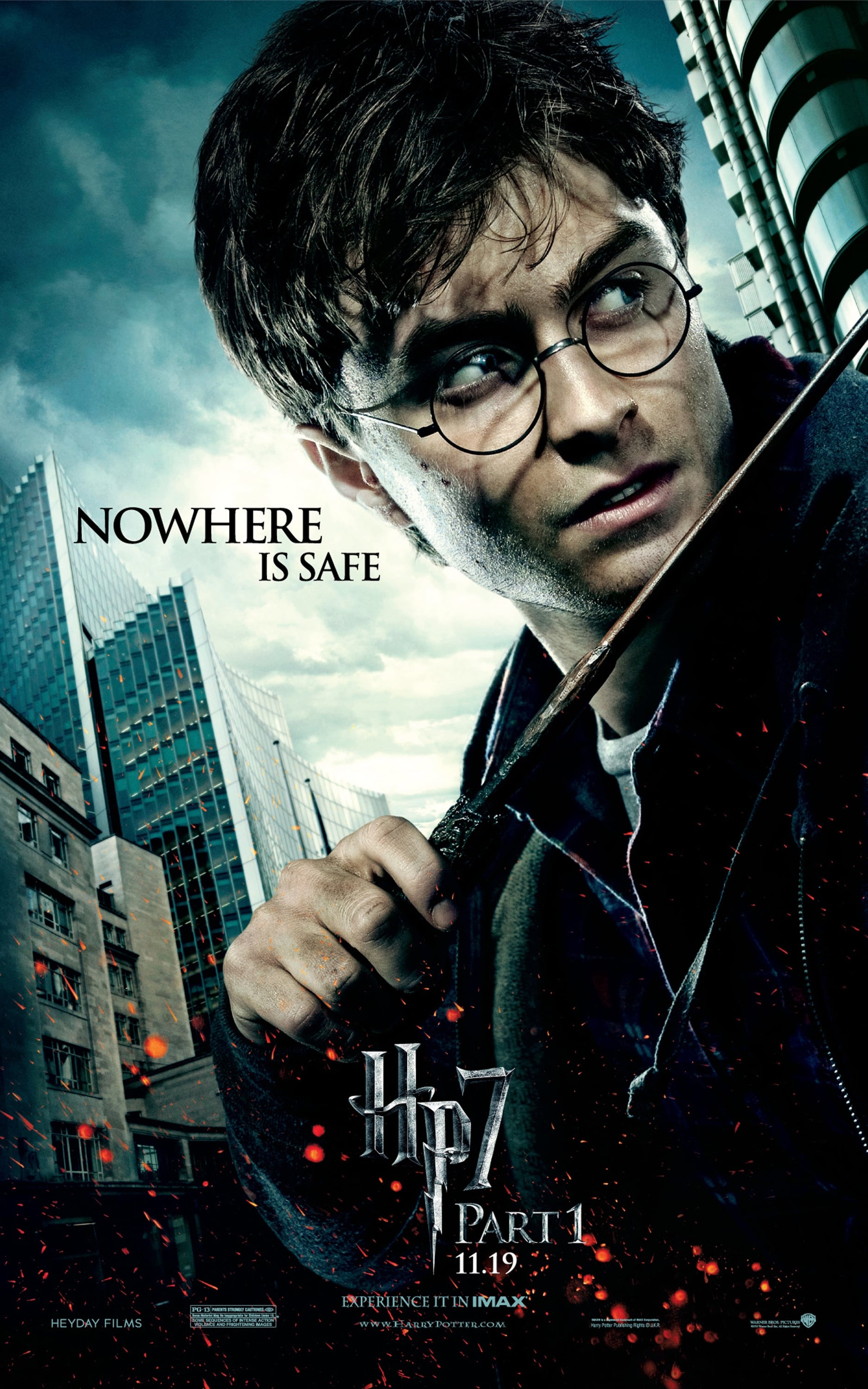
To mark the release two weeks ago of the eighth and final movie in the series, Robbie Coltrane narrates a countdown of the movie franchise's best moments. From Harry's first meeting with Ron and Hermione aboard the Hogwarts Express through to magical mysteries.
Ranjit, a farmer in India, takes on the fight of his life when he demands justice for his 13-year-old daughter, the victim of a brutal gang rape. His decision to support his daughter is virtually unheard of, and his journey unprecedented.
A visual montage portrait of our contemporary world dominated by globalized technology and violence.
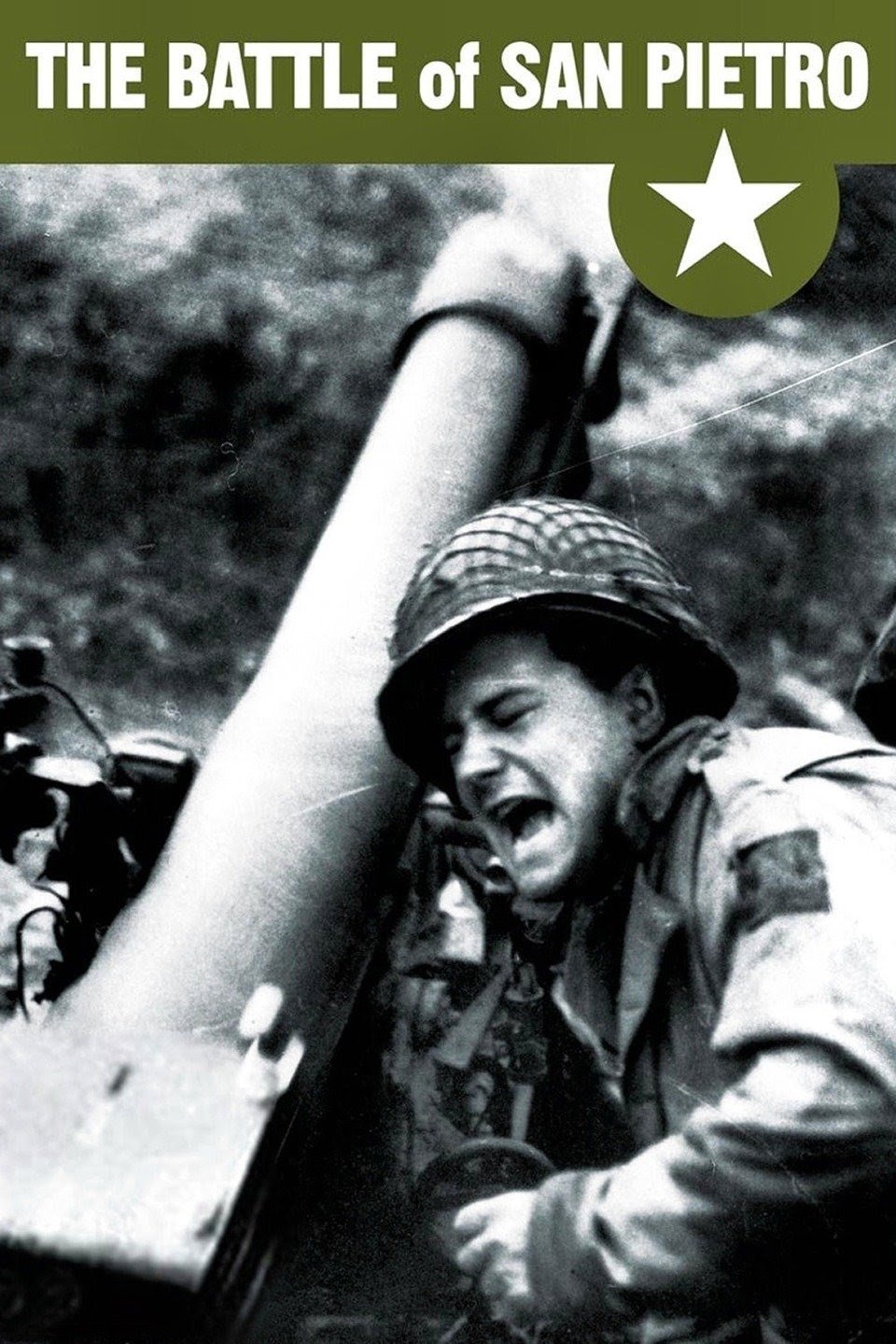
This documentary movie is about the battle of San Pietro, a small village in Italy. Over 1,100 US soldiers were killed while trying to take this location, that blocked the way for the Allied forces from the Germans. Preserved by the Academy Film Archive in 2005.