German training film from World War II.
Social & External
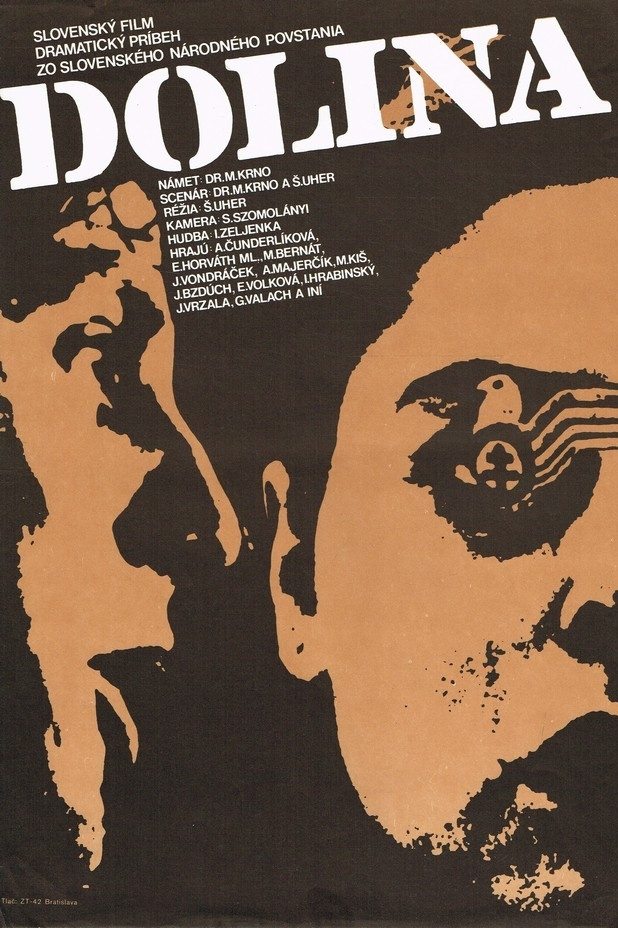
A dramatic story of the emotional, moral and political maturation of two young people during the Slovak National Uprising.
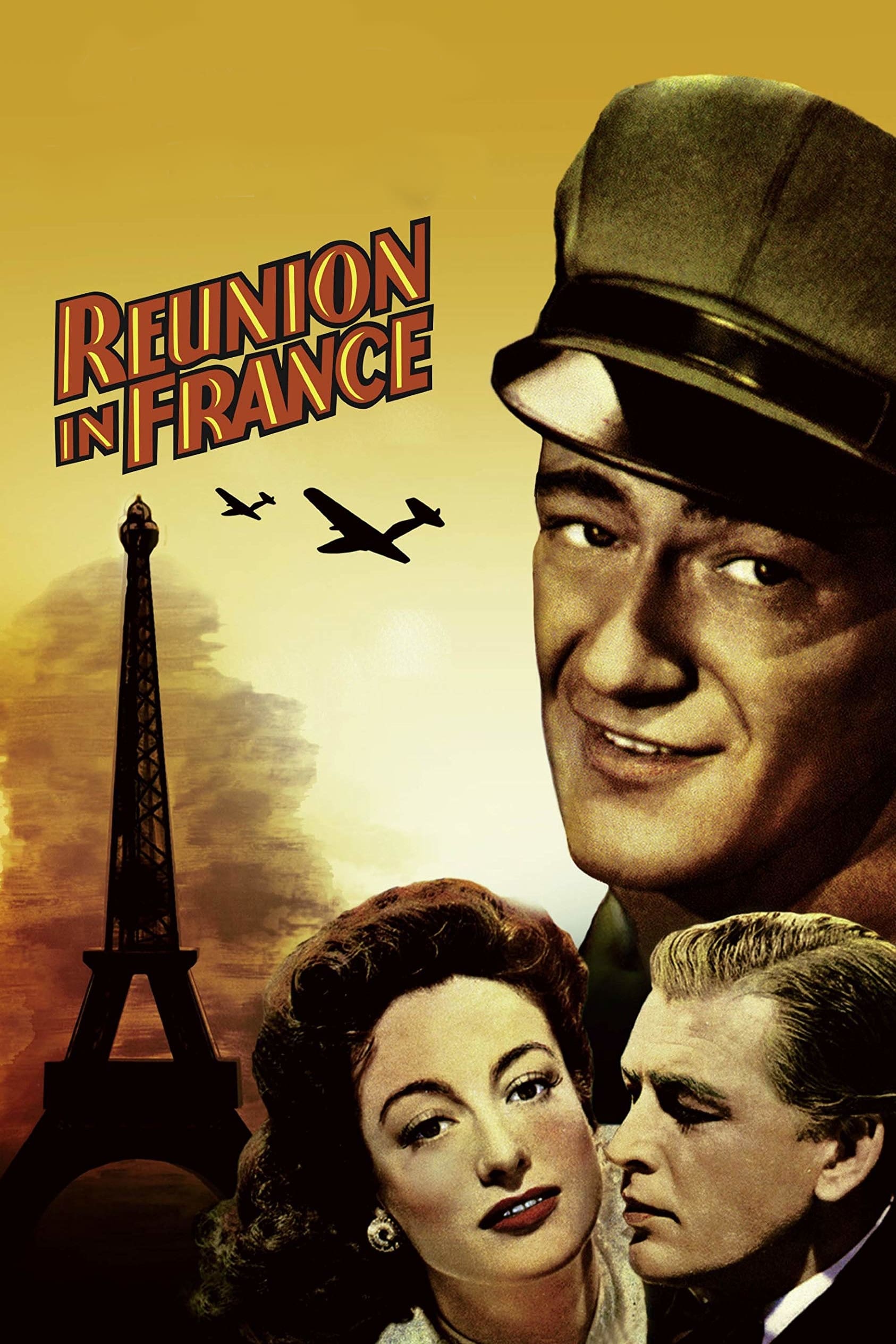
Frenchwoman Michele de la Becque, an opponent of the Nazis in German-occupied Paris, hides a downed American flyer, Pat Talbot, and attempts to get him safely out of the country.
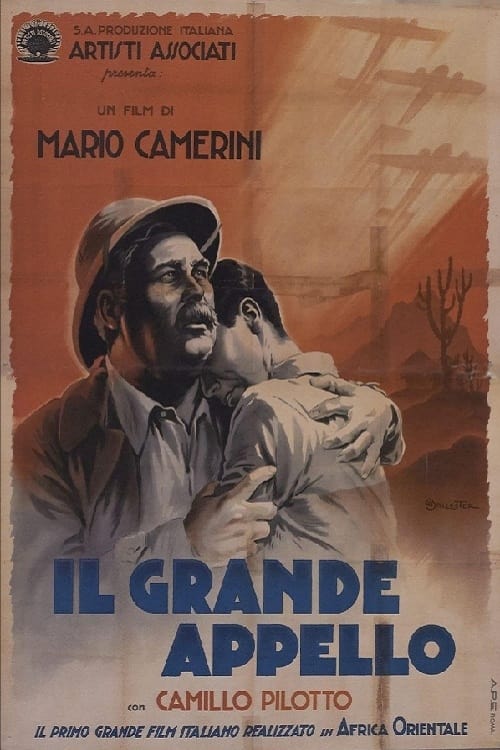
An Italian proprietor of a squalid Djibouti bar collaborated in selling arms to Ethiopians fighting his own country's invasion but after finding his long lost son on the Fascist front he decides to choose patriotism over selfish profit.
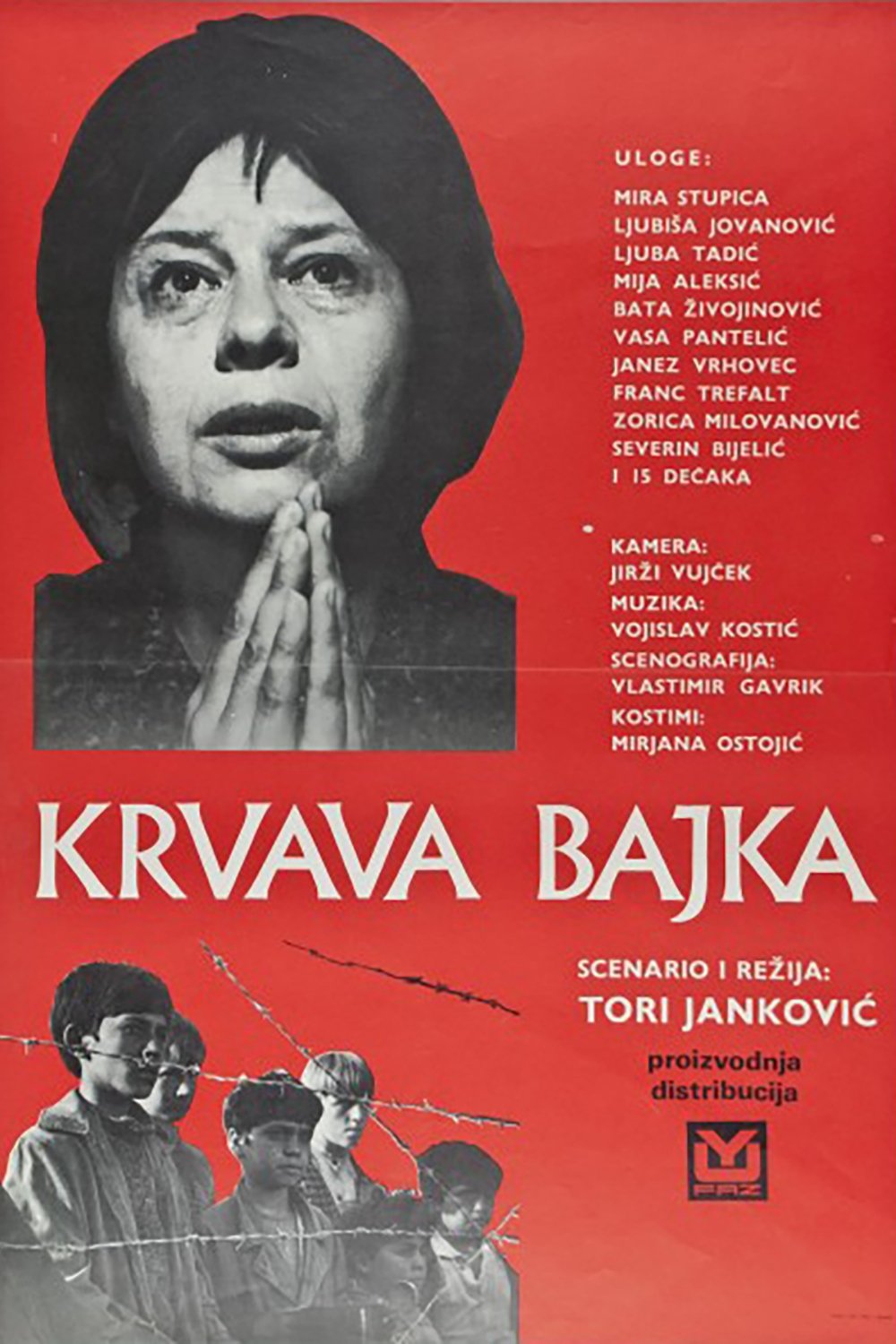
Memory of the victims of the Kragujevac massacre is described through the events that are related to a group of boys, shoe shiners. At that time, thousands of workers refused to work for the invaders, and the whole city was exposed to harsh repression and persecution of innocent citizens and the abolition of the regular rations of food.
Proud Irishwoman Bridie Quilty journeys to Dublin while World War II rages across Europe. During her travels, she encounters J. Miller, who recruits her as a Nazi spy. She acquires the necessary information that leads to the breakout of a German spy who holds key information about the Allies' newest offensive plans. However, the arrival of British officer David Baynes and his romancing of Bridie lead to unexpected consequences.
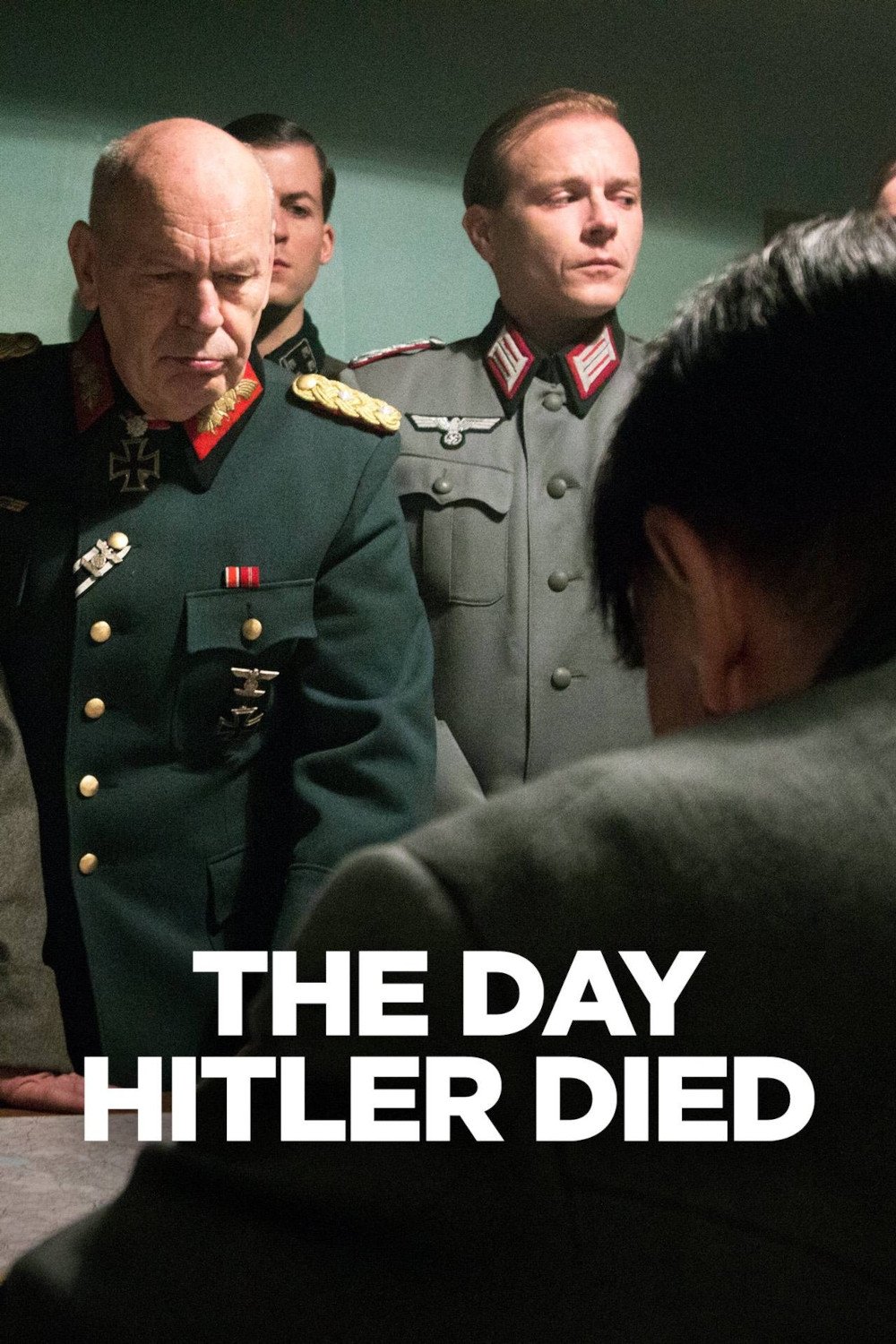
The story of Hitler’s final hours told by people who were there. This special features exclusive forgotten interviews, believed lost for 65 years, with members of Hitler’s inner circle who were trapped with him in his bunker as the Russians fought to take Berlin. These unique interviews from figures such as the leader of the Hitler Youth Artur Axmann and Hitler’s secretary Traudl Junge, have never before been seen outside Germany. Using rarely seen archive footage and dramatic reconstruction, this special tells the story of Adolf Hitler’s final days in his Berlin bunker.
The Survivors of the WW2 Battle of Arnhem tell their stories of the brutal and exhausting conflict.
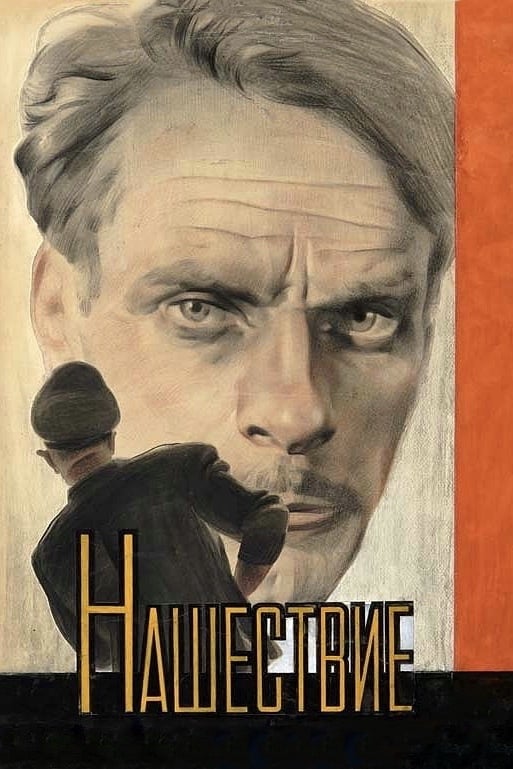
A Russian village struggles through the German occupation during World War II in this tense drama from the Soviet Union. As the town doctor finds his home has been taken by German troops, his daughter becomes involved in the anti-Axis resistance, and his son -- confined to a mental hospital -- escapes to fight the invading armies.
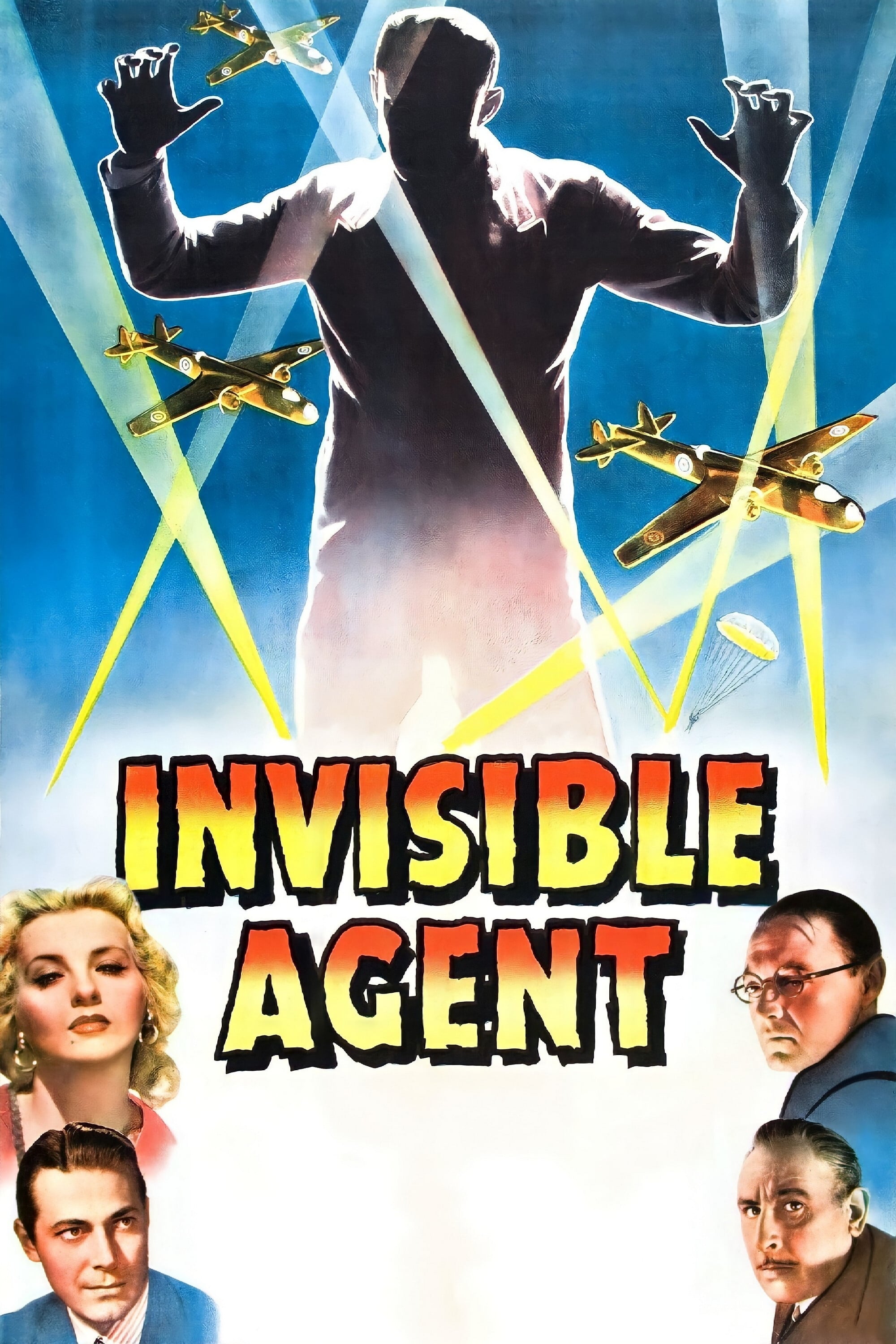
The Invisible Man's grandson uses his secret formula to spy on Nazi Germany.
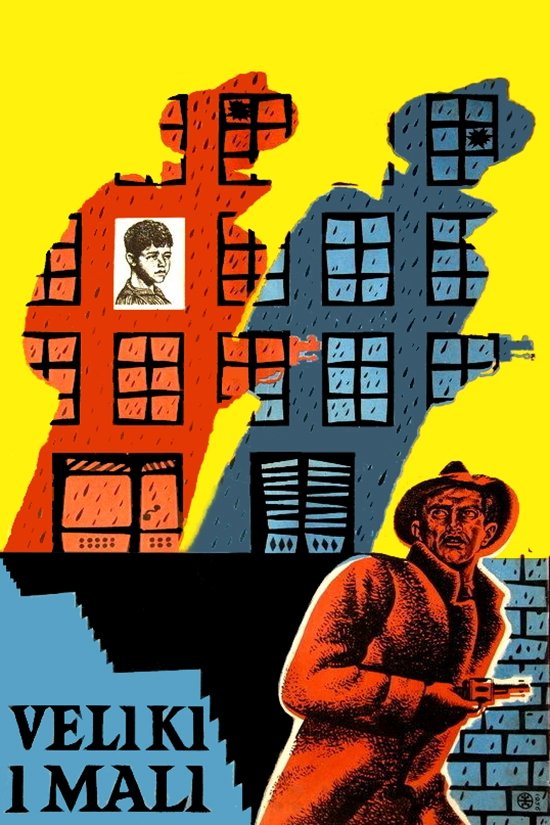
Under a police pursuit, Pavle tries to transfer a group of illegals on a free liberated territory. Pavle hopes to find a hideaway at an old friend Stevan, but these expectations fail. However, help unexpectedly comes from Stevan's little son Aca.
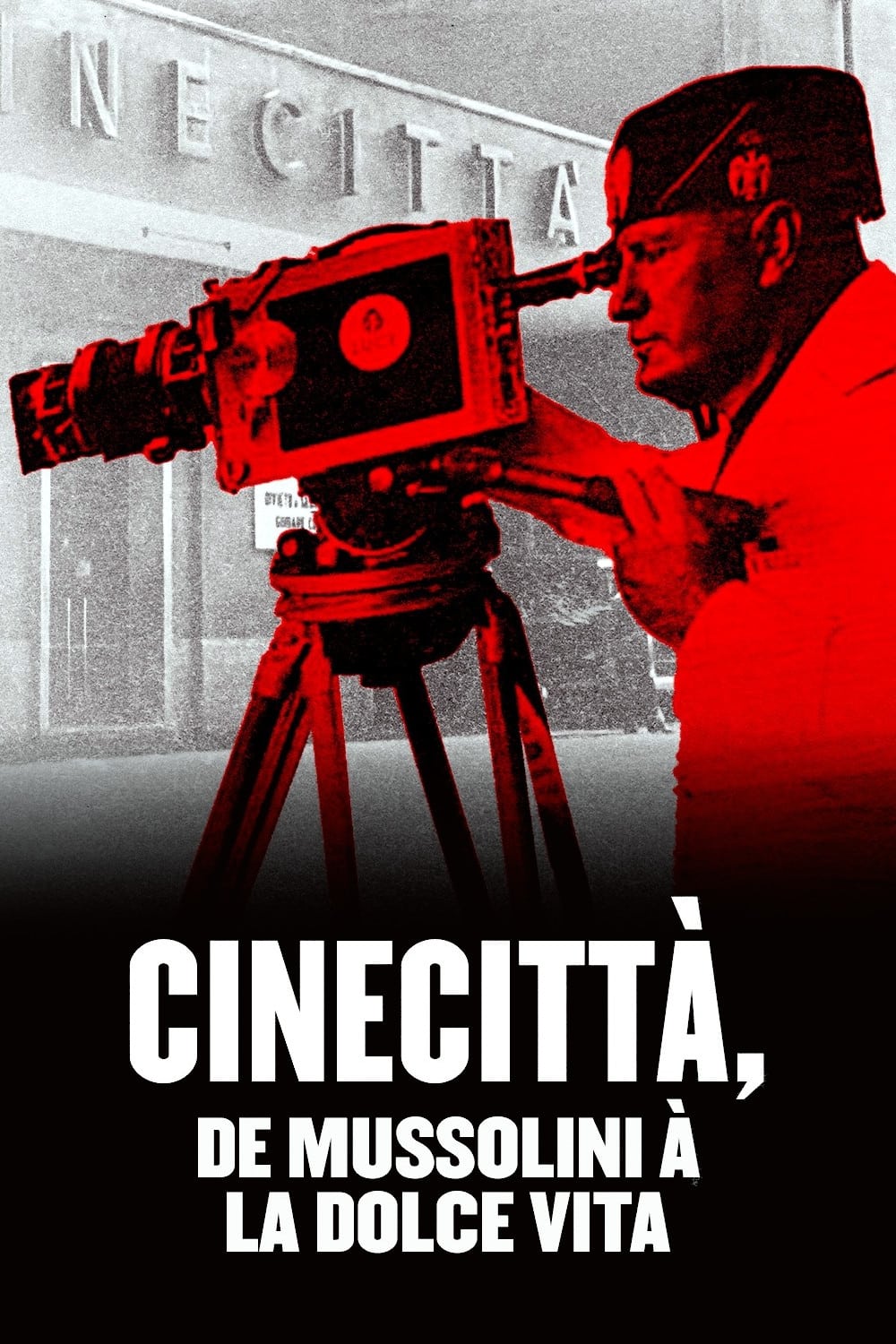
Cinecitta is today known as the center of the Italian film industry. But there is a dark past. The film city was solemnly inaugurated in 1937 by Mussolini. Here, propaganda films would be produced to strengthen the dictator's position.
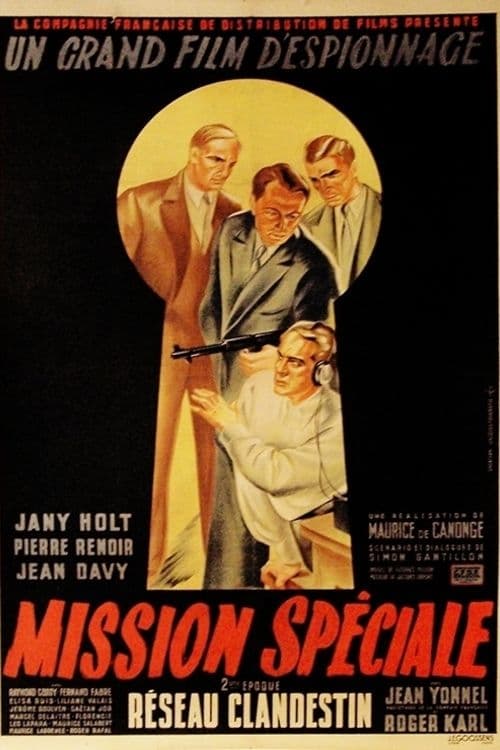
The exploits of Chief Police Inspector Chabrier, first before the invasion of France in May 1940 as he fights against spies preparing the coming the Germans, particularly Emmy de Welder, the alleged manager of the Rouen hospital. Later, Chabrier and his men go underground and resist the occupiers whatever the price to pay. When the Liberation comes Chabrier resumes his activities at the French National Police.
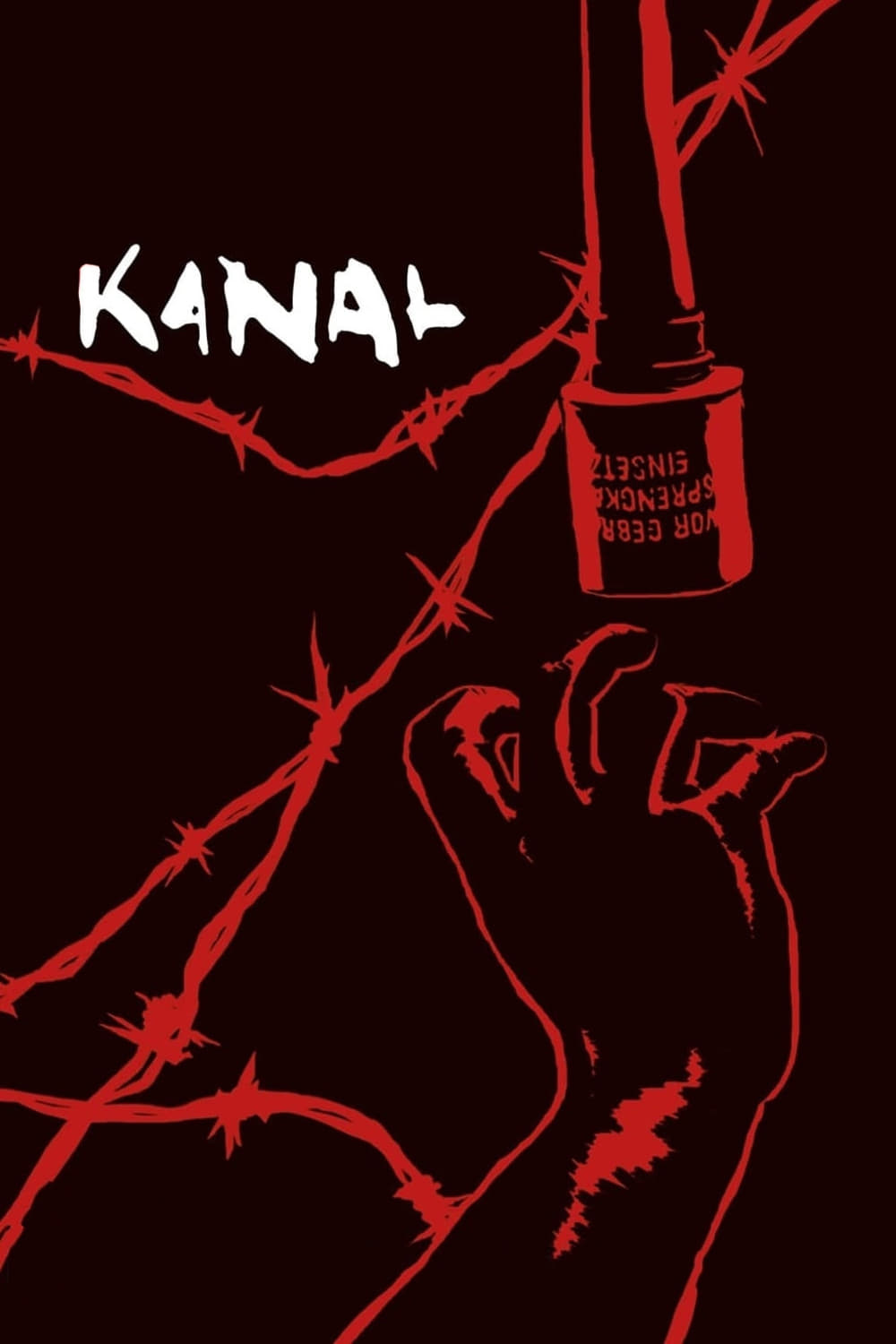
In the last few days of the Warsaw Uprising during World War II, a modest group of Resistance members remains. The band must take refuge in the sewers under the orders of leader Zadra, but it's only a matter of time before they will have to emerge. However, when they try, they are met only with intense hostility from the Nazis. Despite their attempts stay resolute through immense mental strain, it becomes increasingly apparent that they may be doomed.
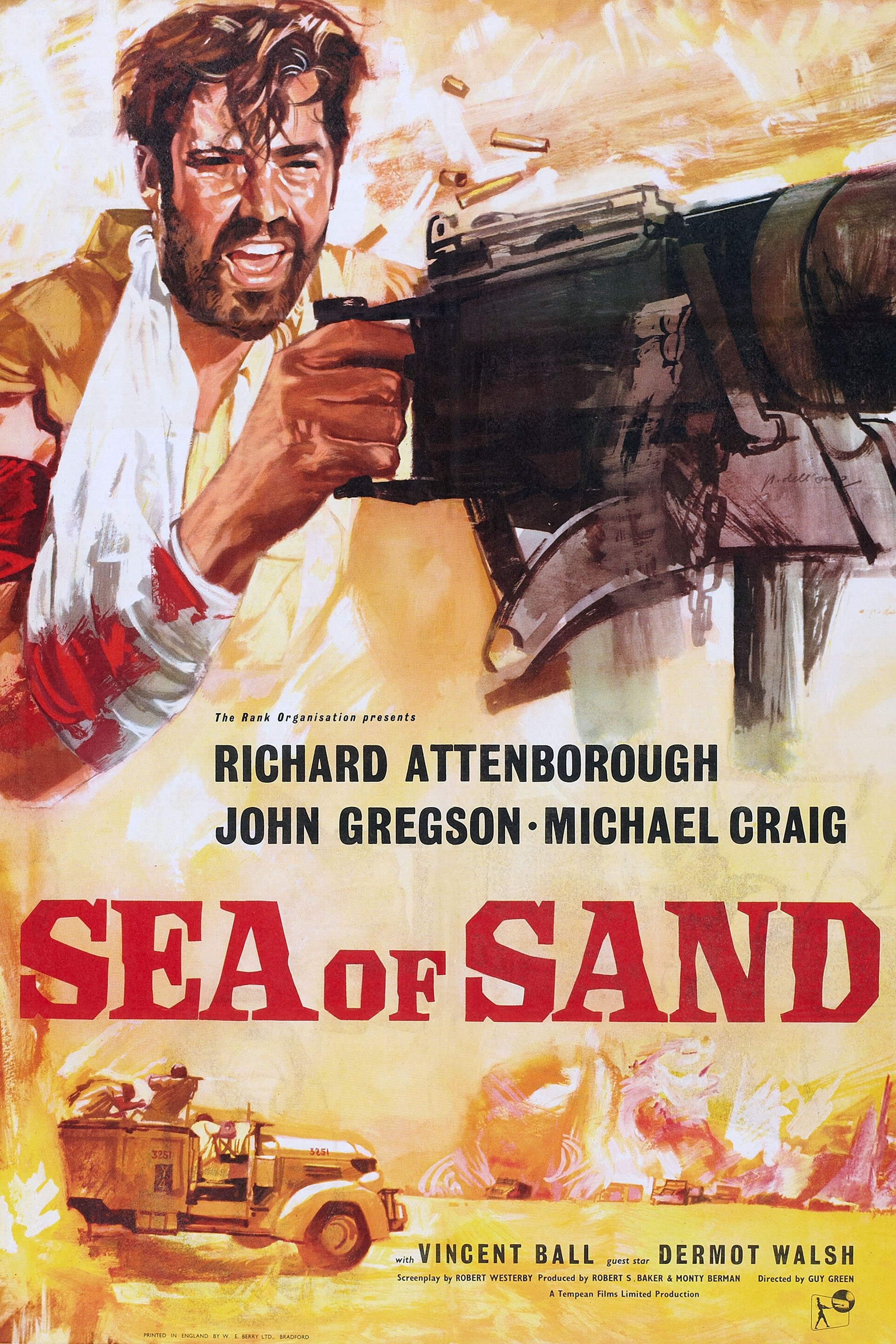
A small British army team is sent deep behind enemy lines to destroy a German petrol dump as part of the preparation for a major attack in the North African campaign. Sea of Sand was distributed in the US in a shortened version, Desert Patrol.
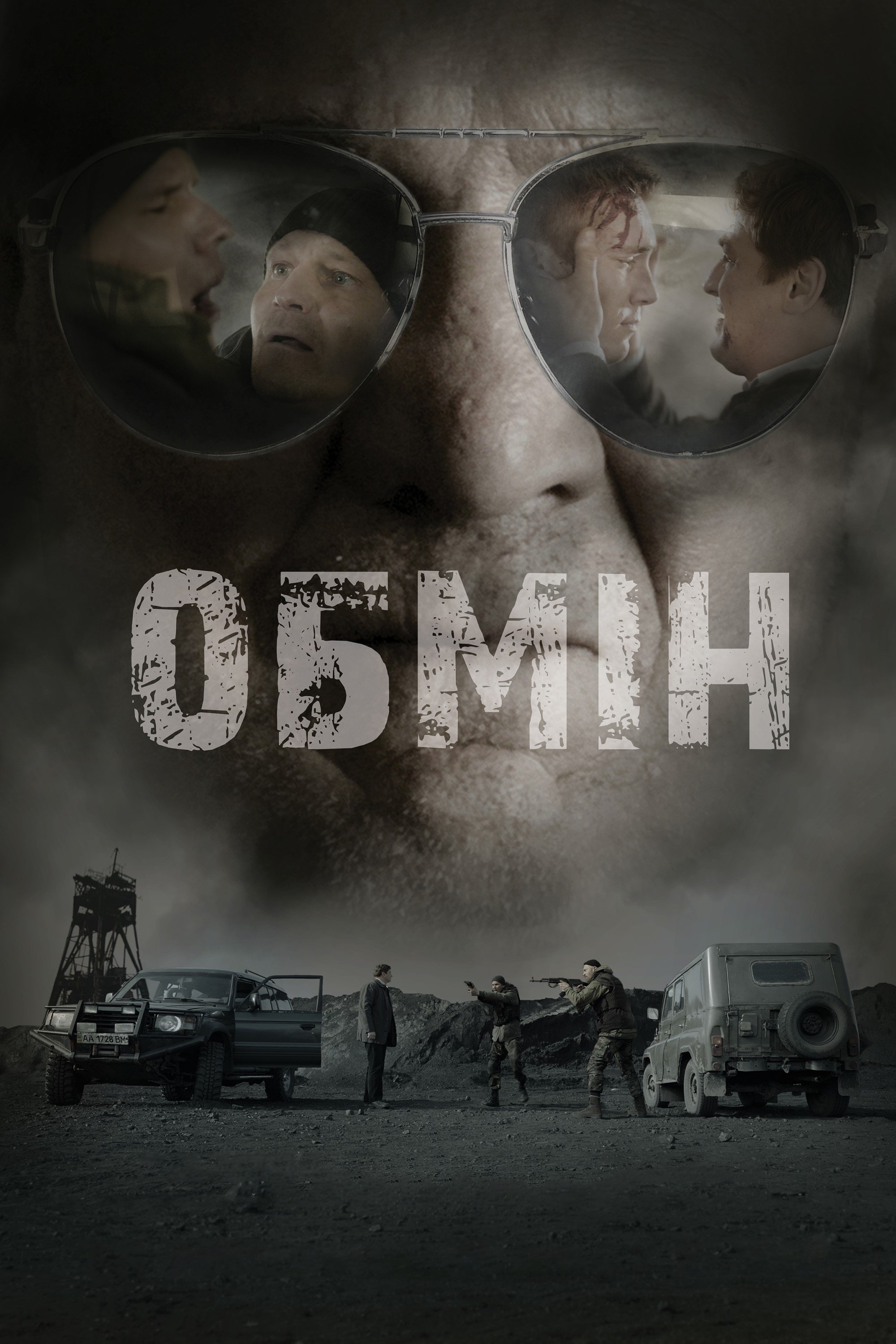
How to repay parental debt on the other side of the front line? Why would a doctor kill and when to believe the enemy? How is the war in eastern Ukraine different from any other war in the world? A war drama about the stories of two families, where adult men took up arms and thus crossed their destinies.
An alchemist musician. A couple in a war trench. In an apocalyptic future, these three characters will be meet to discover the origins of hatred and the art.
It is April 1945, spring begins and ends the war. German transport heading away from Bohemia.
Set in wartime Belgium, two brothers—Staf (or Louis) and Dirk Segers—grow up inseparable, only to find their bond torn apart during WWII when one joins the Resistance and the other sides with the occupiers.
Director Quentin Tarantino tasked Eli Roth to craft a mini-movie called Stolz der Nation (Nation's Pride) that will be included in the theatrical cut of Inglourious Basterds. To help promote Inglourious Basterds via the film-within-a-film, Roth has slapped together a trailer for Nation's Pride blending black and white photography with modern multi-layered camera effects.
Spring, 1944. The Great Patriotic war. The German fascists are still in Sevastopol. A fierce combat is taking place there. At the same time in Yalta, which has already been freed, life goes on peacefully. People believe that the war has left them, that it is far away and no longer dangerous… But the torpedo motor-boat squadron stationed in Yalta is still having a hard time. Every day Soviet marines undertake dangerous sorties towards the German-occupied Sevastopol.
Prelude to War was the first film of Frank Capra's Why We Fight propaganda film series, commissioned by the Pentagon and George C. Marshall. It was made to convince American troops of the necessity of combating the Axis Powers during World War II. This film examines the differences between democratic and fascist states.
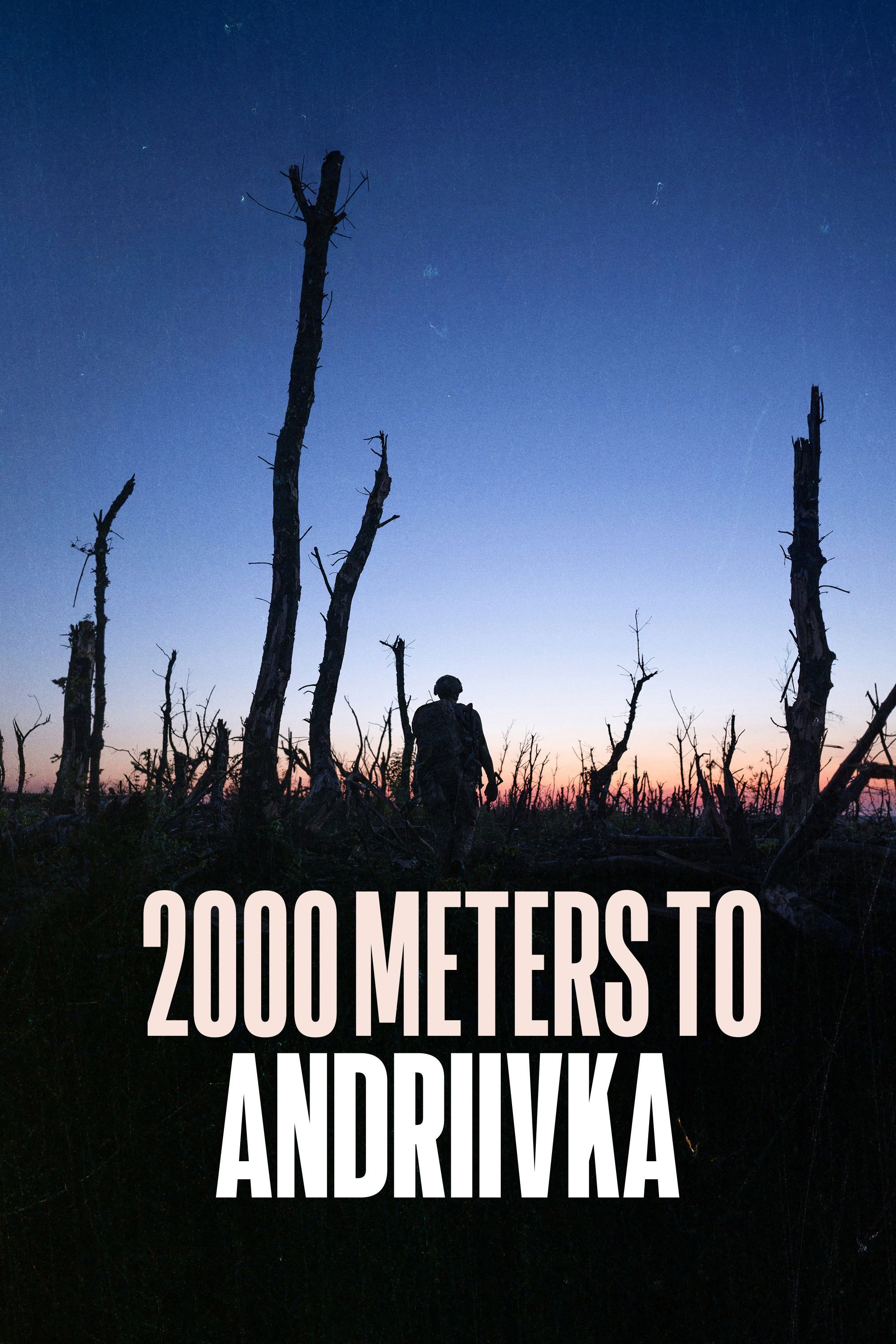
Amid the failing counteroffensive, a journalist follows a Ukrainian platoon on their mission to traverse one mile of heavily fortified forest and liberate a strategic village from Russian occupation. But the farther they advance through their destroyed homeland, the more they realize that this war may never end.
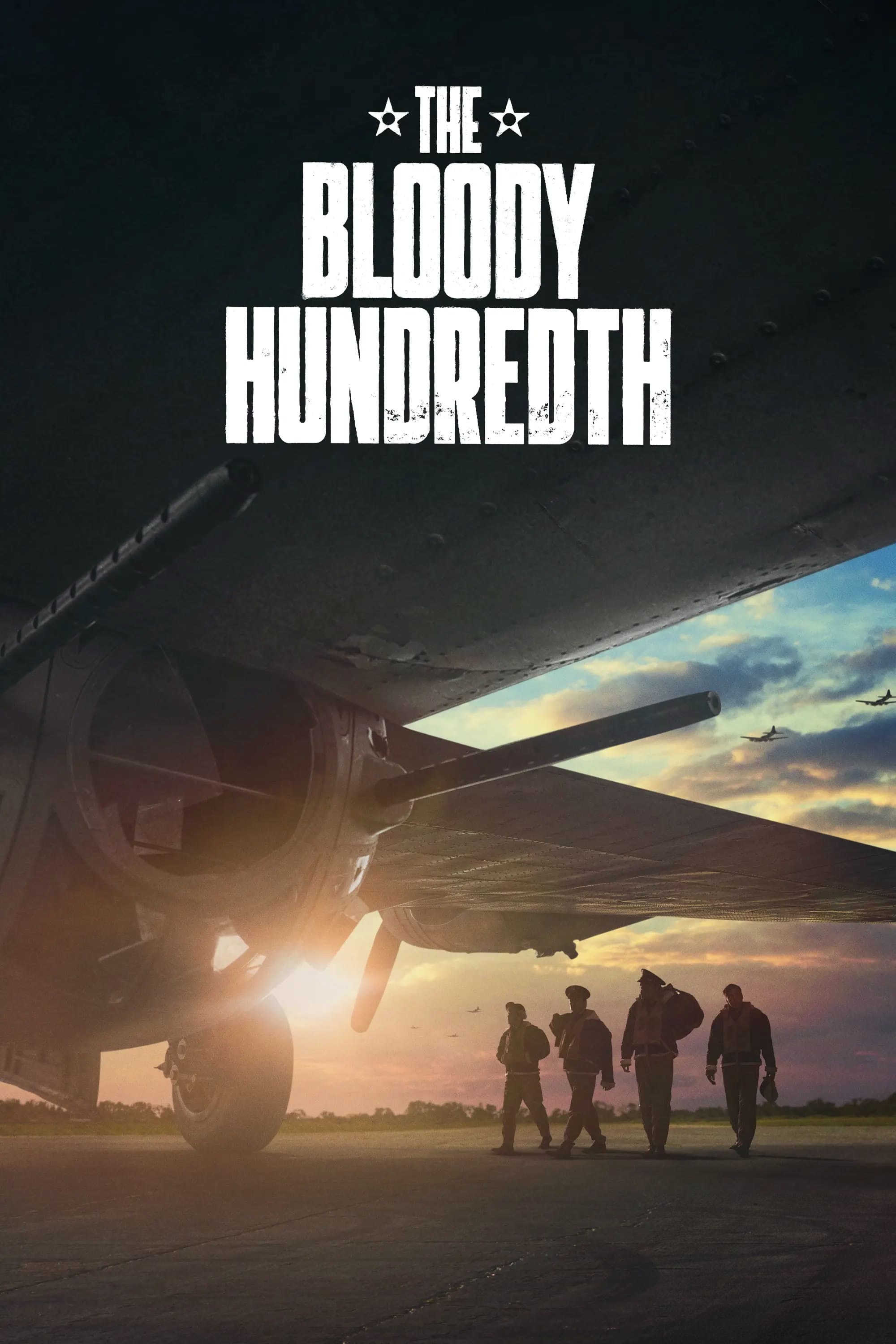
Meet the real-life airmen who inspired Masters of the Air as they share the harrowing and transformative events of the 100th Bomb Group.
“The Soviet Story” is a story of an Allied power, which helped the Nazis to fight Jews and which slaughtered its own people on an industrial scale. Assisted by the West, this power triumphed on May 9th, 1945. Its crimes were made taboo, and the complete story of Europe’s most murderous regime has never been told. Until now...
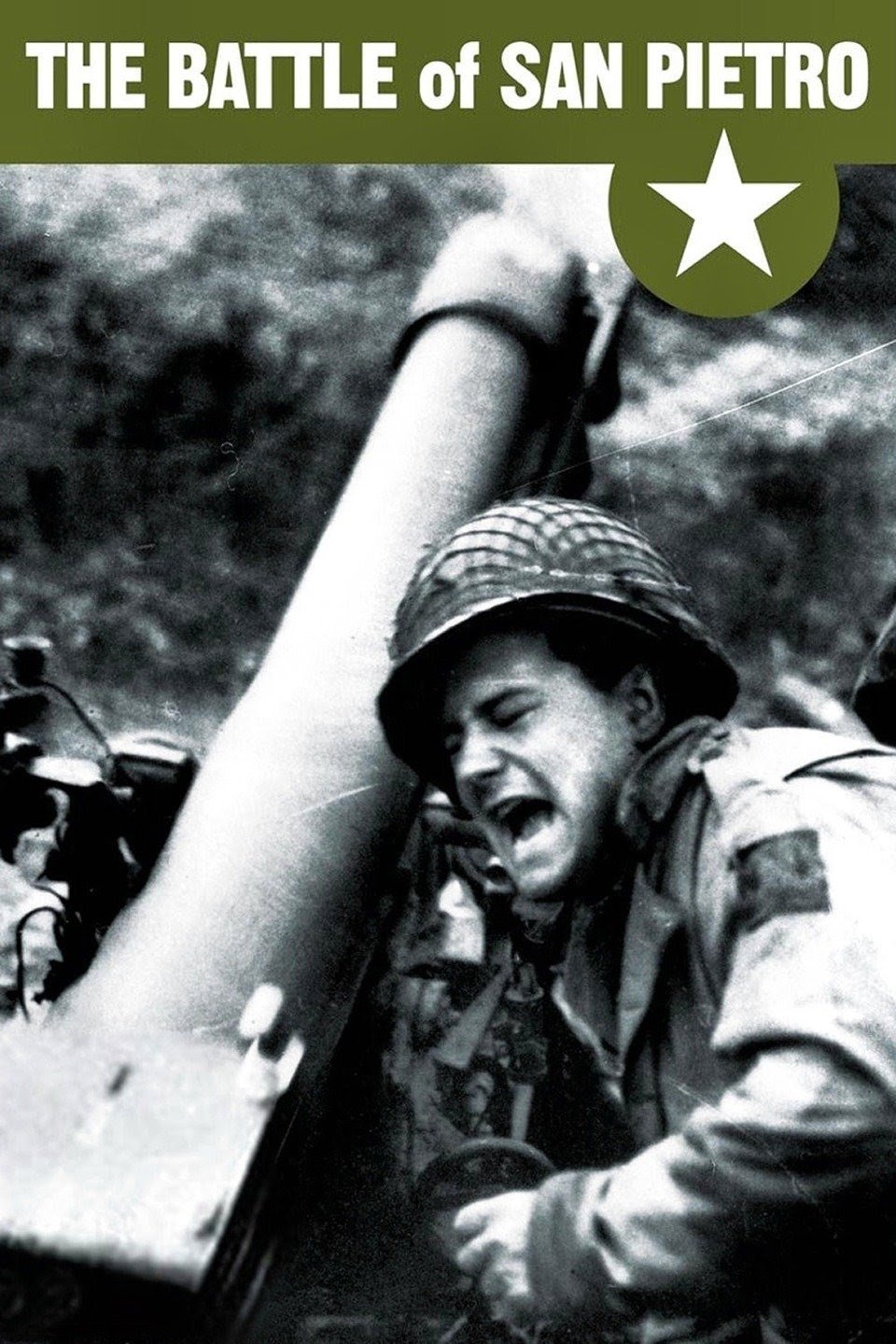
This documentary movie is about the battle of San Pietro, a small village in Italy. Over 1,100 US soldiers were killed while trying to take this location, that blocked the way for the Allied forces from the Germans. Preserved by the Academy Film Archive in 2005.
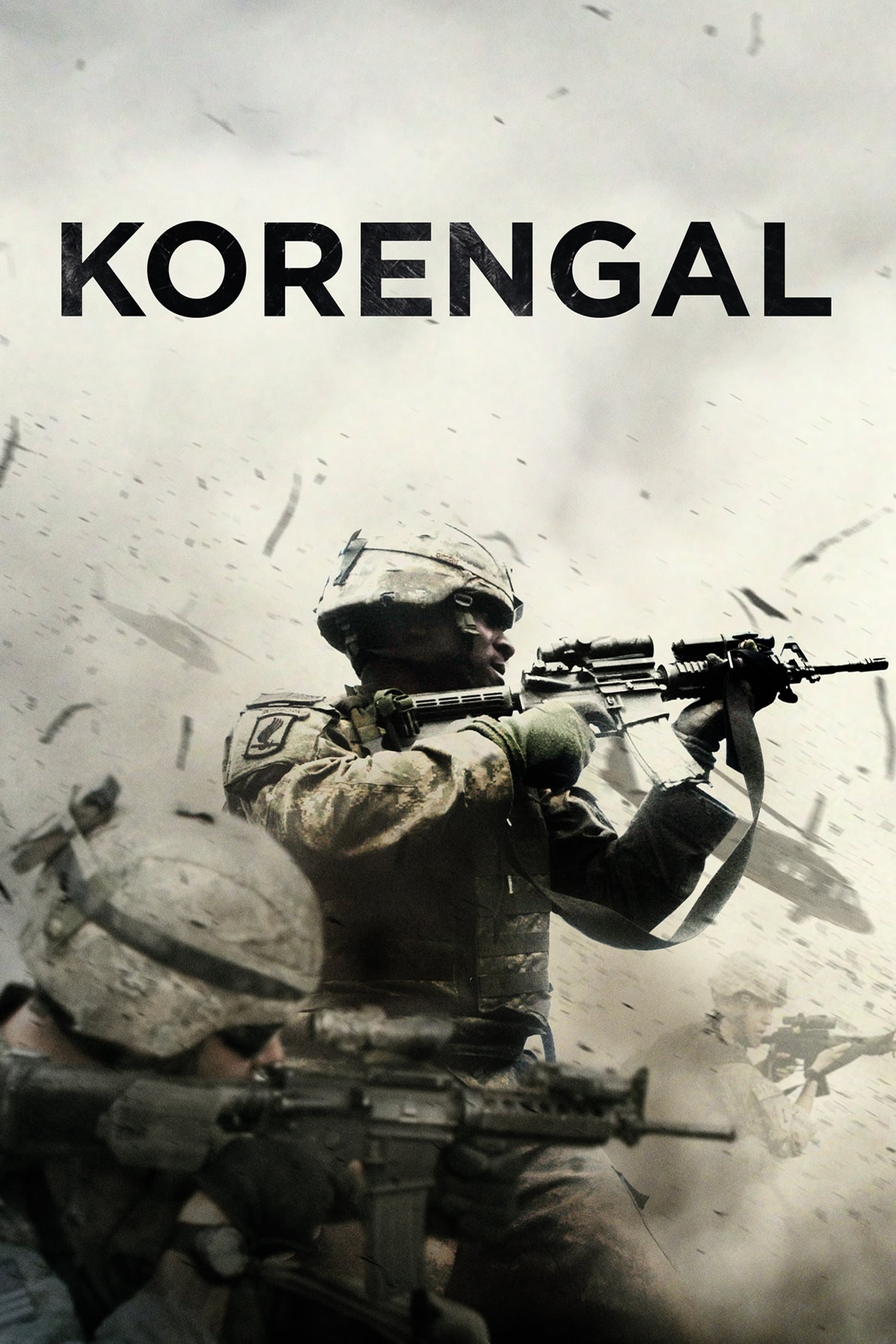
Korengal picks up where Restrepo left off; the same men, the same valley, the same commanders, but a very different look at the experience of war.
A love letter from a young mother to her daughter, the film tells the story of Waad al-Kateab’s life through five years of the uprising in Aleppo, Syria as she falls in love, gets married and gives birth to Sama, all while cataclysmic conflict rises around her. Her camera captures incredible stories of loss, laughter and survival as Waad wrestles with an impossible choice– whether or not to flee the city to protect her daughter’s life, when leaving means abandoning the struggle for freedom for which she has already sacrificed so much.
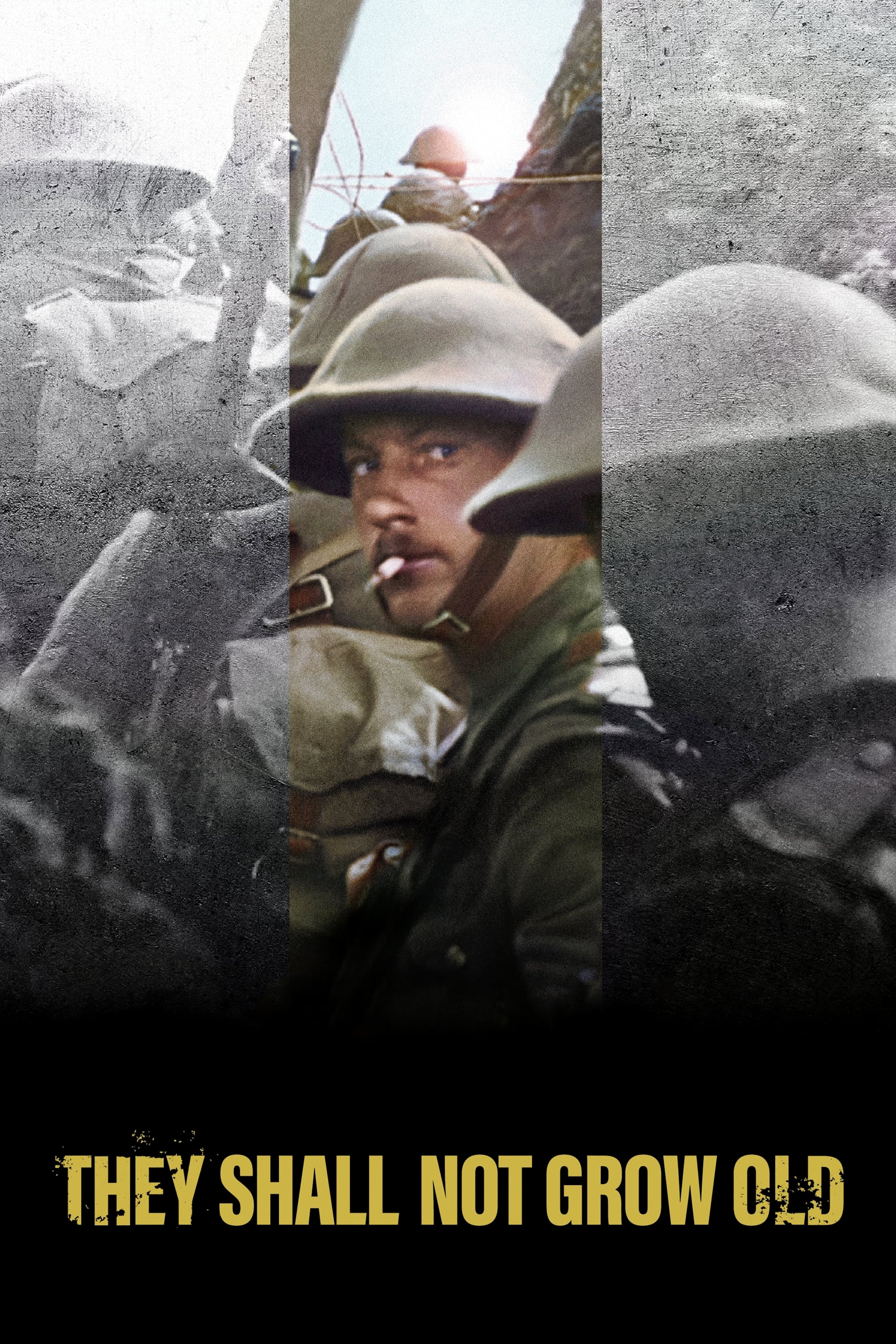
A documentary about World War I with never-before-seen footage to commemorate the centennial of Armistice Day, and the end of the war.
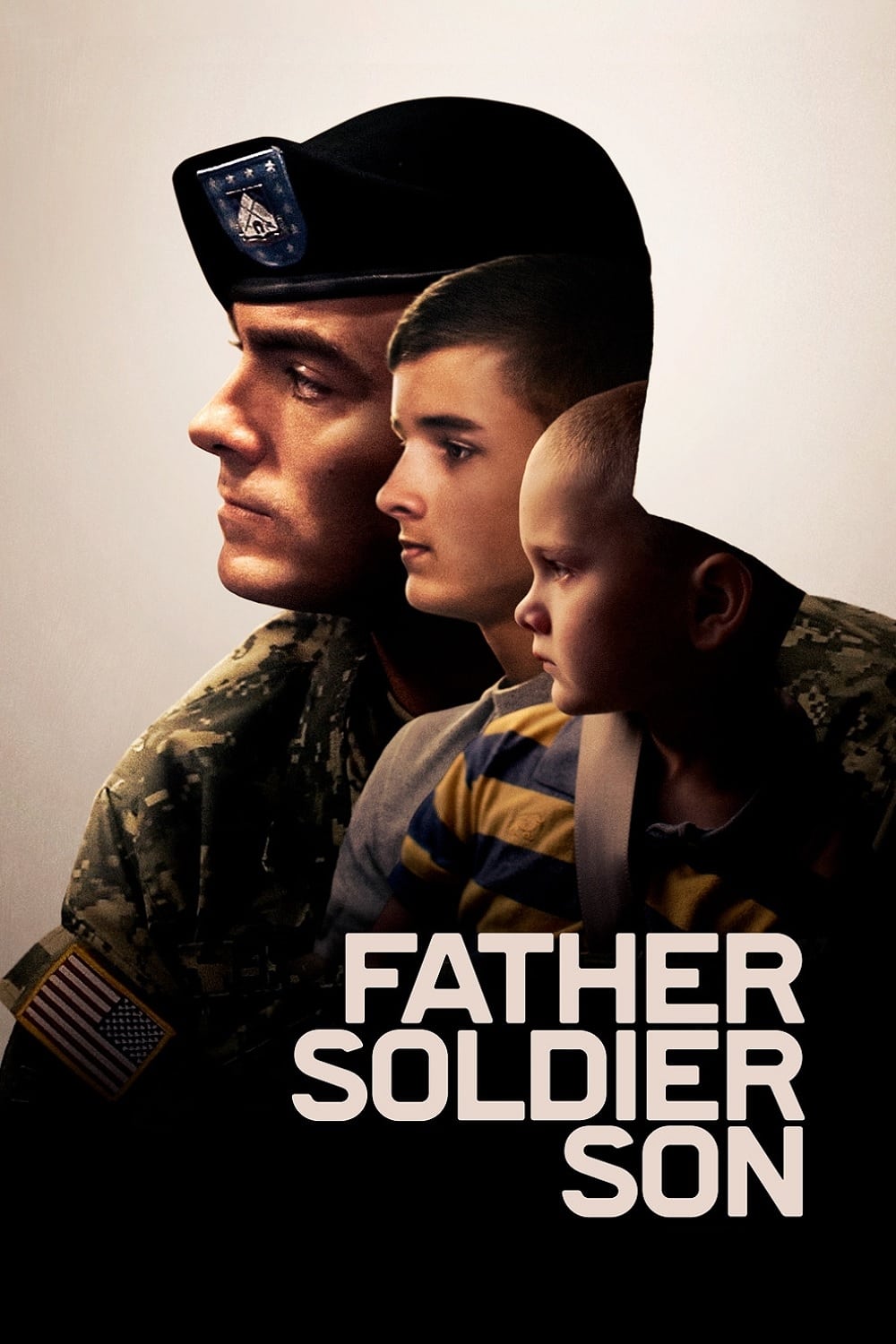
When Sgt. First Class Brian Eisch is critically wounded in Afghanistan, it sets him and his sons on a journey of love, loss, redemption and legacy.
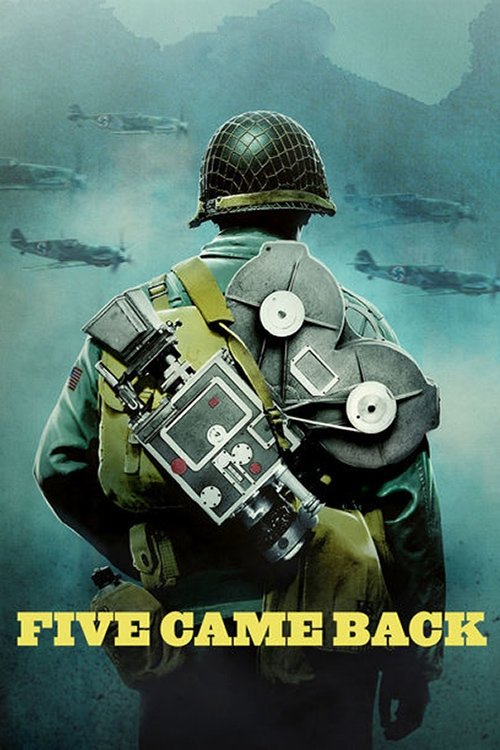
The extraordinary story of how Hollywood changed World War II – and how World War II changed Hollywood, through the interwoven experiences of five legendary filmmakers who went to war to serve their country and bring the truth to the American people: John Ford, William Wyler, John Huston, Frank Capra, and George Stevens. Based on Mark Harris’ best-selling book, “Five Came Back: A Story of Hollywood and the Second World War.”
Pete Postlethwaite stars as a man living alone in the devastated future world of 2055, looking at old footage from 2008 and asking: why didn’t we stop climate change when we had the chance?
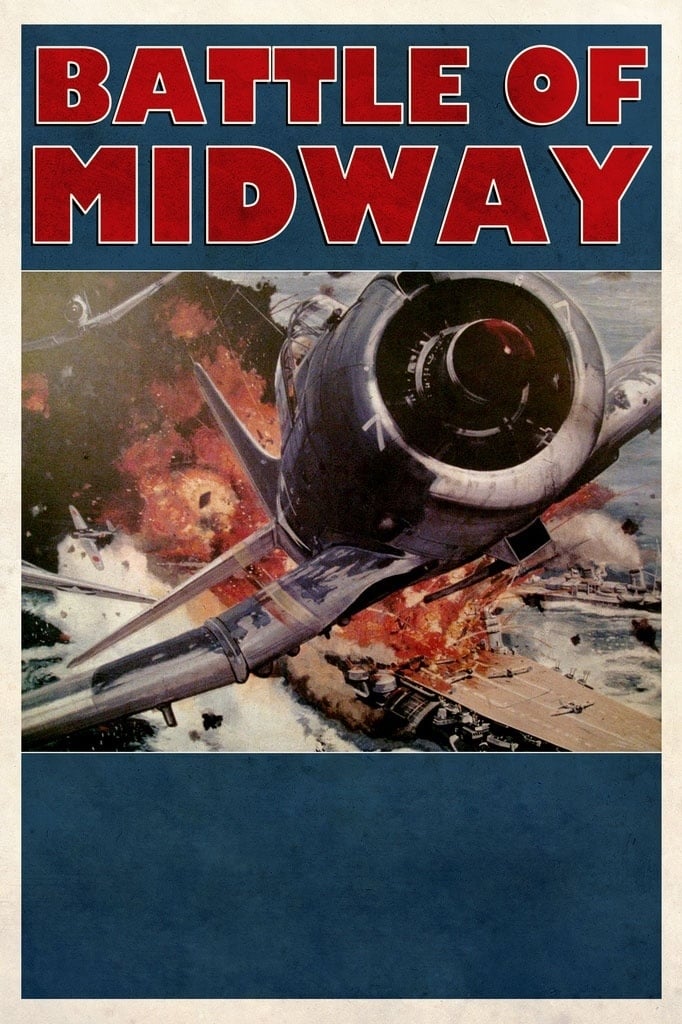
The Japanese attack on Midway in June 1942, filmed as it happened. Preserved by the Academy Film Archive, in partnership with Twentieth Century Fox Film Corporation, in 2006.
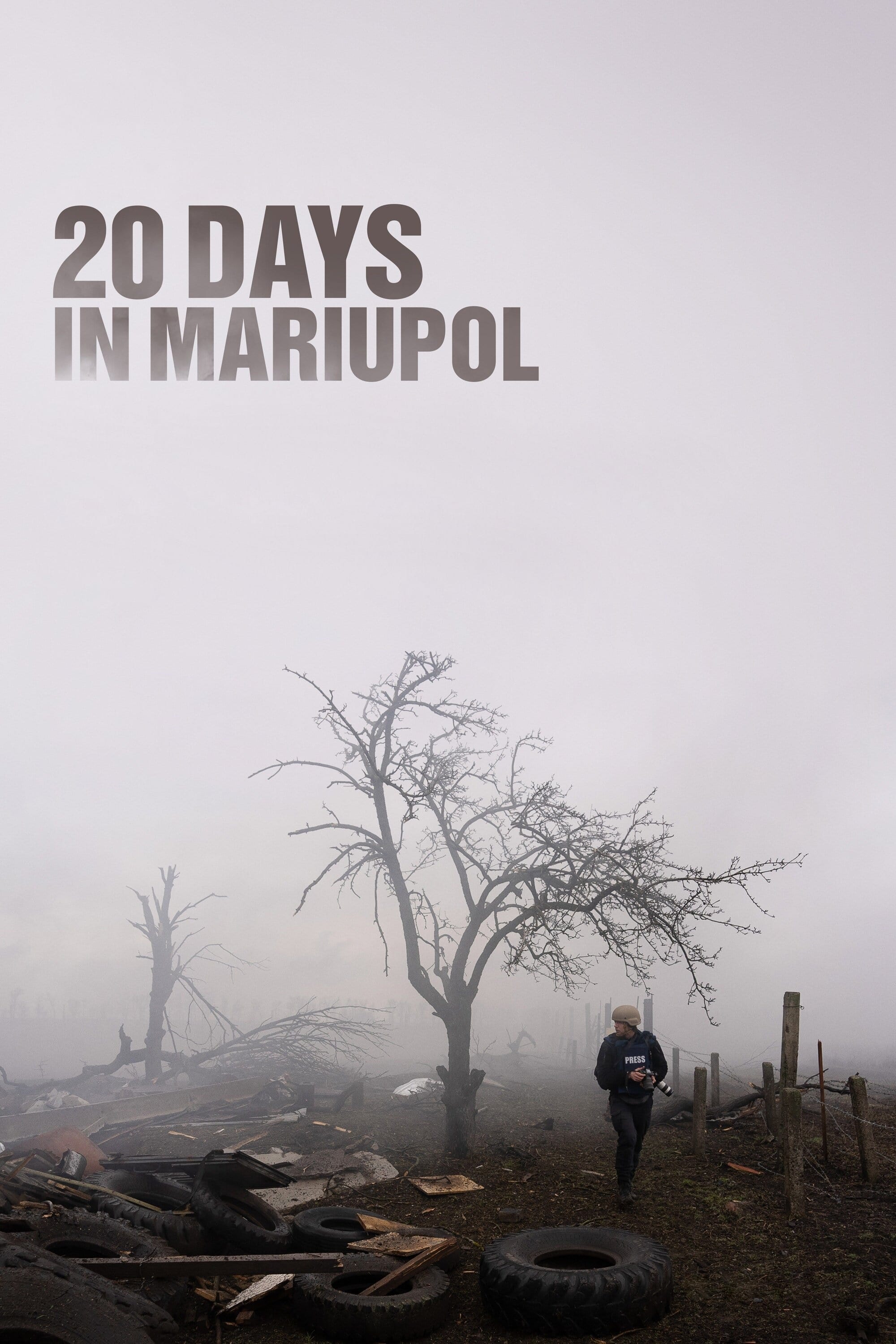
As the Russian invasion begins, a team of Ukrainian journalists trapped in the besieged city of Mariupol struggle to continue their work documenting the war's atrocities.
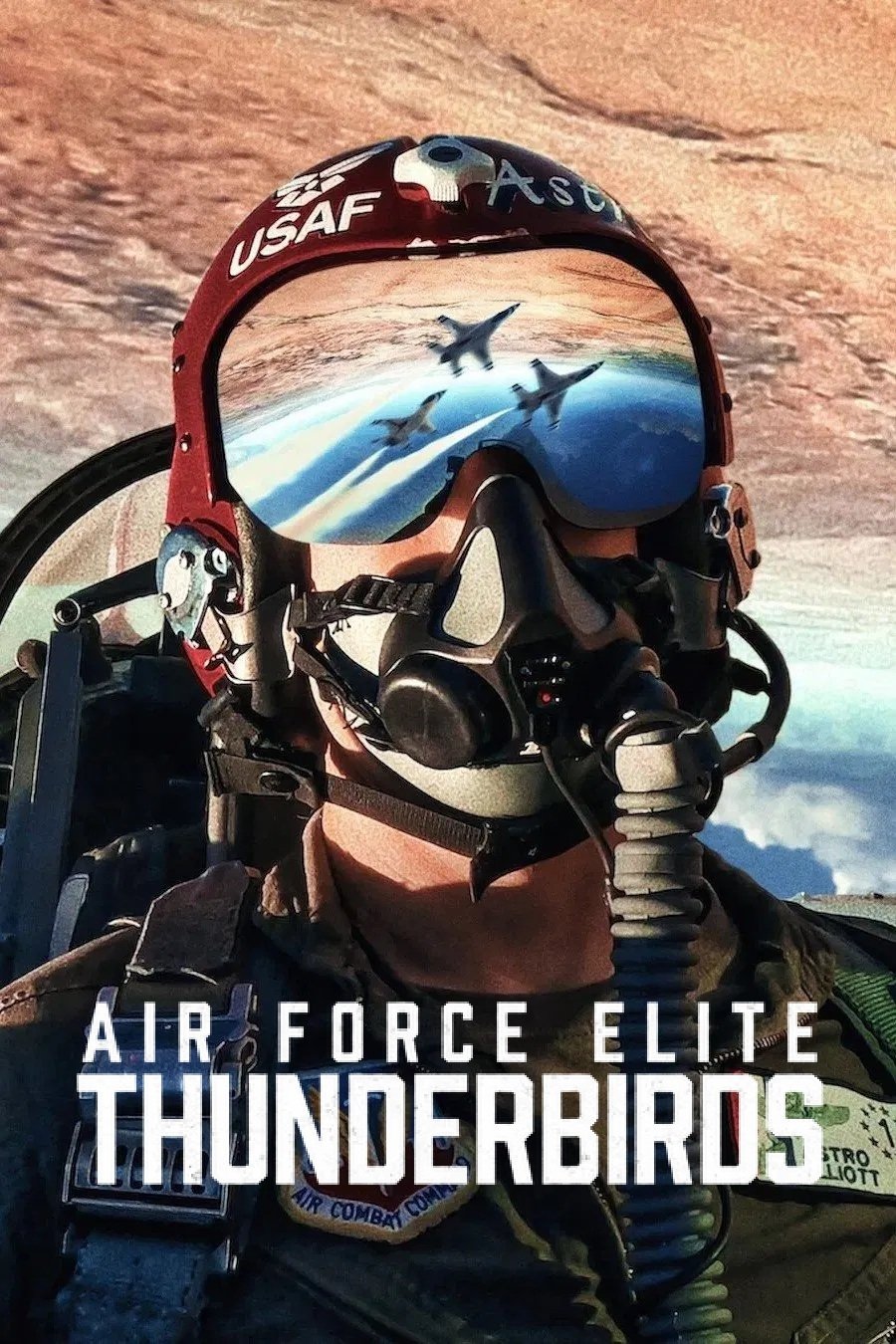
The elite pilots of the Air Force Thunderbirds display exceptional skill, trust and courage during a high-stakes training season.
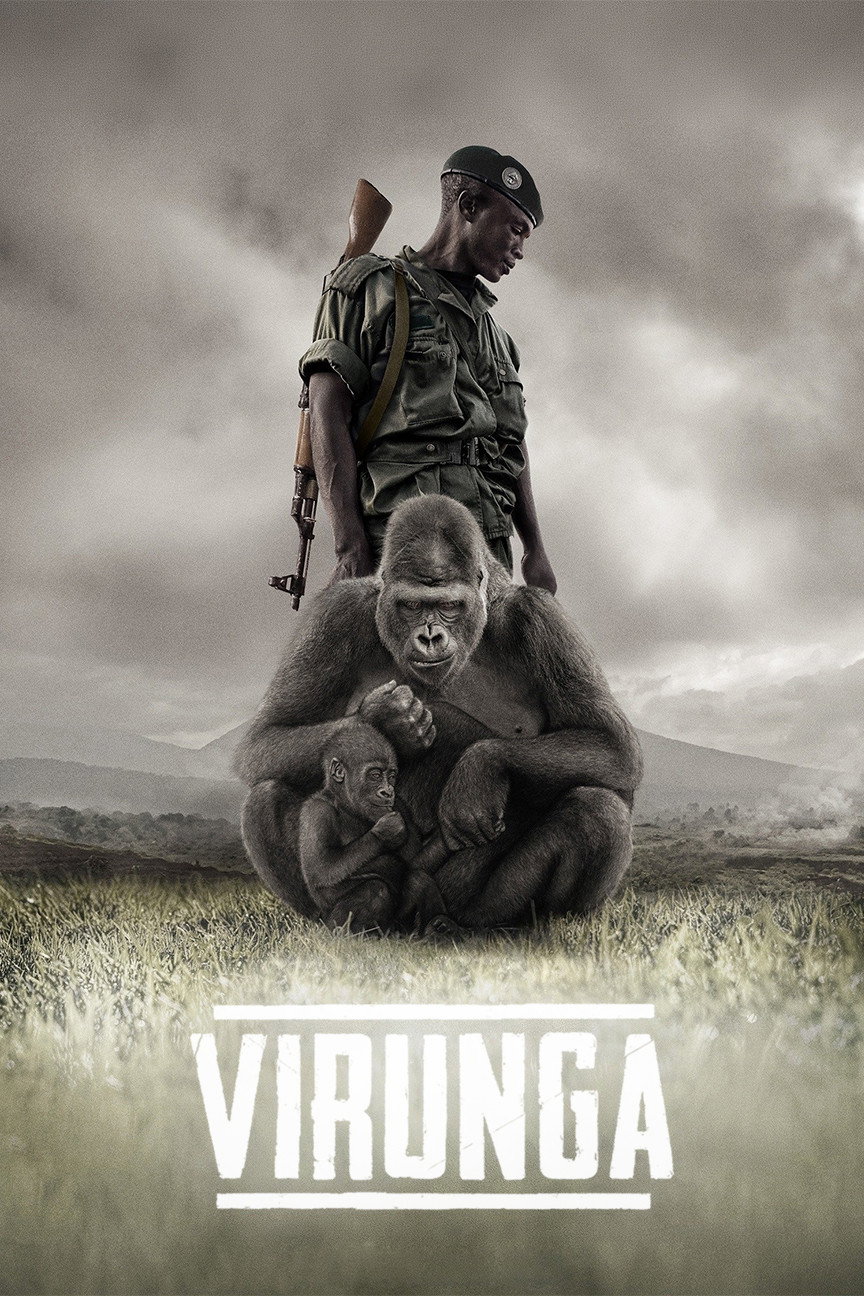
Virunga in the Democratic Republic of the Congo is Africa’s oldest national park, a UNESCO world heritage site, and a contested ground among insurgencies seeking to topple the government that see untold profits in the land. Among this ongoing power struggle, Virunga also happens to be the last natural habitat for the critically endangered mountain gorilla. The only thing standing in the way of the forces closing in around the gorillas: a handful of passionate park rangers and journalists fighting to secure the park’s borders and expose the corruption of its enemies. Filled with shocking footage, and anchored by the surprisingly deep and gentle characters of the gorillas themselves, Virunga is a galvanizing call to action around an ongoing political and environmental crisis in the Congo.
Director Michael Apted revisits the same group of British-born adults after a 7 year wait. The subjects are interviewed as to the changes that have occurred in their lives during the last seven years.
Daniel Craig candidly reflects on his 15 year adventure as James Bond. Including never-before-seen archival footage from Casino Royale to the upcoming 25th film No Time To Die, Craig shares his personal memories in conversation with 007 producers, Michael G Wilson and Barbara Broccoli.
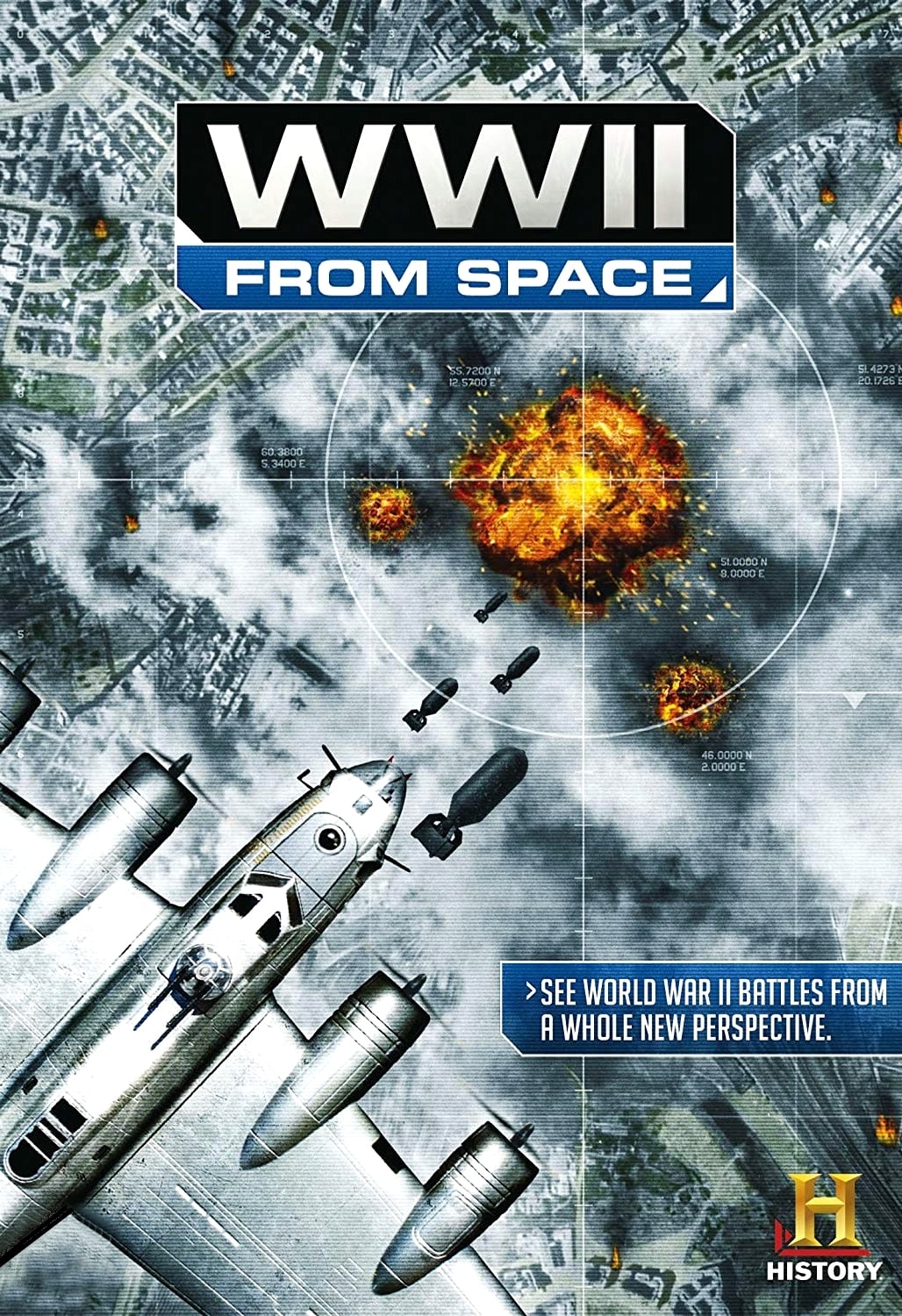
WWII from Space delivers World War II in a way you've never experienced it before. This HISTORY special uses an all-seeing CGI eye that offers a satellite view of the conflict, allowing you to experience it in a way that puts key events and tipping points in a global perspective. By re-creating groundbreaking moments that could never have been captured on camera, and by illustrating the importance of simultaneity and the hidden effects of crucial incidents, HISTORY presents the war's monumental moments in a never-before-seen context. And with new information brought to the forefront, you'll better understand how a nation ranked 19th in the world's militaries in 1939 emerged six years later as the planet's only atomic superpower.
Take a virtual vacation to some of the Star Wars films' most iconic and beloved locations like Hoth, Tatooine, and Sorgan, as this charming series whisks you off for fly-through tours of the Galaxy Far, Far Away.
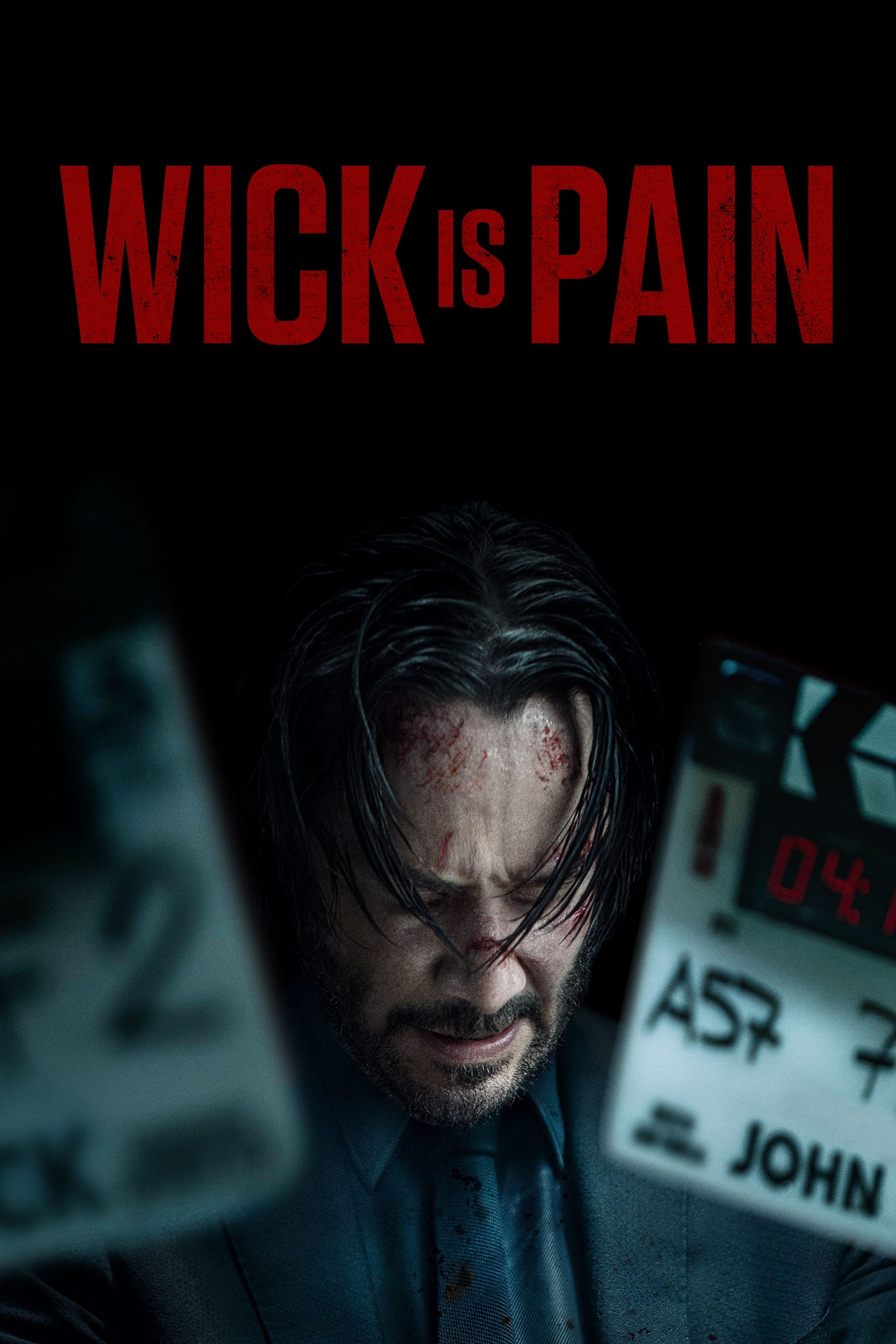
Witness the never-before-seen footage and true story behind the John Wick phenomenon – from independent film to billion-dollar franchise.