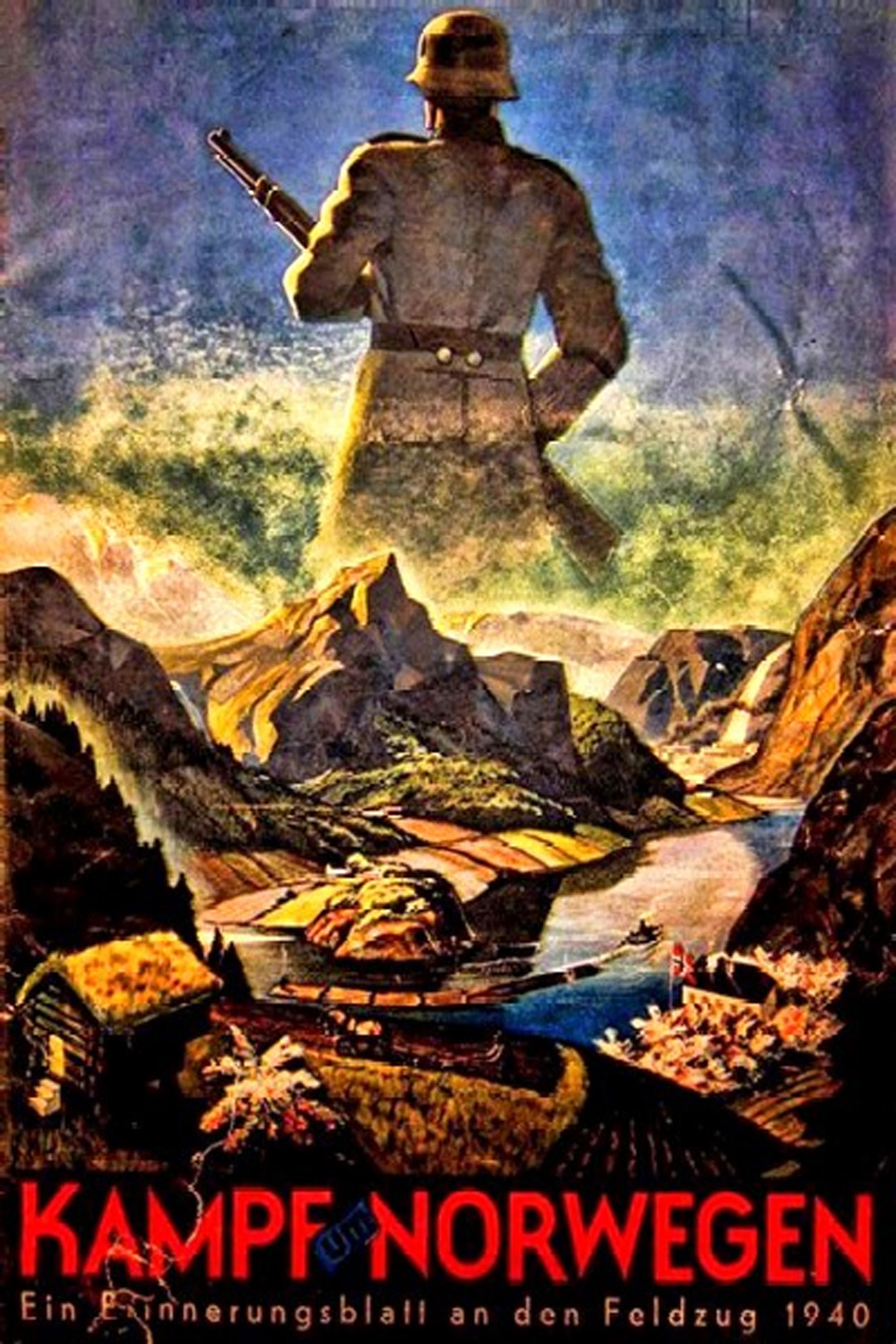
Kampf um Norwegen – Feldzug 1940 is a 1940 Nazi propaganda film directed by Martin Rikli and Dr. Werner Buhre under orders of the Oberkommando der Wehrmacht. The documentary film follows the Invasion of Denmark and Norway in the spring of 1940
Social & External
The people behind it
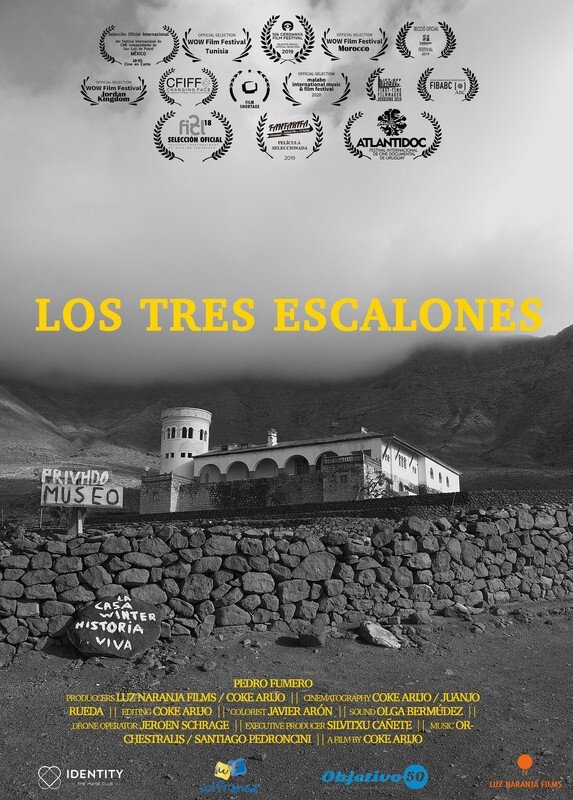
Pedro lives in Cofete, an isolated beach of Fuerteventura. He abandoned his lifestyle to find out the obscure history of his family’s old house. “The three steps” tells a story of a man who decides not to give up and struggle against the elements.
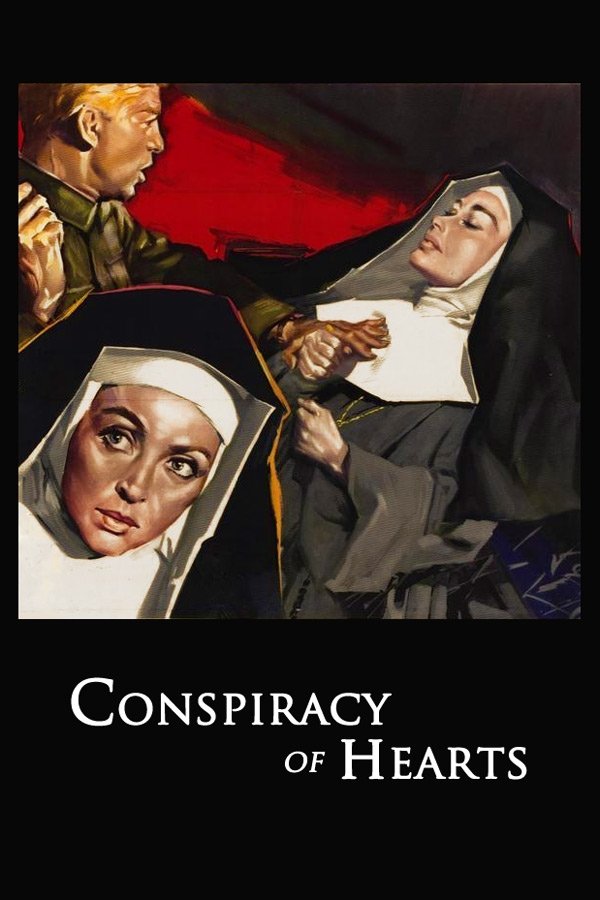
In wartime Italy nuns in a convent regularly smuggle Jewish children out of a nearby internment camp. The Italian army officer in charge suspects what may be going on but deliberately turns a blind eye. When the Germans take over the camp security the nuns' activities become far more dangerous.
The Obersalzberg was an ordinary Bavarian mountain until Adolf Hitler discovered it in 1923. There at the Berghof, the Nazi leader spent his time surrounded by his most faithful lieutenants and his mistress, Eva Braun. Though mostly destroyed, remnants of the vast building complex still exist.
A dramatization of one man's rescue of Jewish refugees in the Nazi-occupied city of Lviv. In Darkness tells the true story of Leopold Soha who risks his own life to save a dozen people from certain death. Initially only interested in his own good, the thief and burglar hides Jewish refugees for 14 months in the sewers of the Nazi-occupied town of Lviv (formerly Poland).
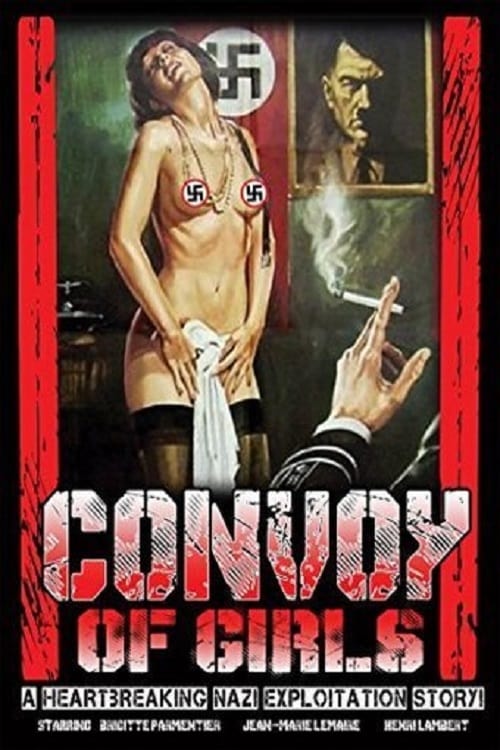
Eric, a brilliant young German officer, is transfered back to Berlin.His superior officer tells him about his new assignment on the Russian front and then invites him to a luxurious villa. Gathered in the mansion are the most beautiful women: the army's special services could enroll for the pleasure of its returning heroes.Eric is stupefied to recognize Renata among the women, who are all ready and willing to make love with any officer present. Not many years ago, while still students, Renata and Eric had been very much in love. After making love in a room put at their disposal, Renata tells him that she had no choice but to accept joining the army as an official camp follower: her father's survival depended on it. The following morning, Renata leaves in a special women's convoy for Eastern frontwhere they are scheduled to entertain hard-pressed officers and men. Will Eric and Renata's love survive those adventures?
The Weight of Sight is a playful and very personal essay where director Truls Krane Meby, through a massive archive of his own material - anything from DV-tapes to 35mm - explores the last 20 years of digital development - how it’s influenced the images we make, and our bodies. What kind of images do we get of the world now that everyone is a photographer, and what does it do with how we unfold our identities? How has the internet both captured and freed us? And will Truls even dare to show this film?
Sam Gallagher returns home to Los Angeles as an undercover spy for the Navy, getting a job at the shipyards where his brother, Jeff, is a foreman. Jeff still resents Sam for abandoning the family years ago and fears he may steal away Lea Damaron, his current girlfriend -- who is Sam's old flame. While Sam tries to sniff out Nazi saboteurs in the plant, he grows closer to Jill McGann, the agent tasked with pretending to be his wife.
Where do flying saucers originate? Do they carry aliens from other worlds? Or is the truth actually a lot stranger. During World War II the Nazi's employed scientists to re-imagine the boundaries of scientific thought and practise. Many in the field of advanced weapon design - the programme that produced the V1 and V2 rockets that rained on Britain. But did this same unit produce rudimentary flying saucers? Declassified military documents detail the numerous reports by allied pilots of 'foo fighters', unusual craft with incredible acceleration engaging them in the skies above Germany. In addition there was the Nazi 'Der Glocke' or 'The Bell' project for a vertical take-off vehicle, which resembles eyewitness reports of a UFO crash in Pennsylvania after the war. Thousands of Nazi scientists were brought to the US at the end of the war. Are these men, and the projects they continued to work on in America, responsible to little green men, 400 UFO sightings a month and even the ...
A woman - raised in the jungle - tries to help an American stop a native uprising spurned on by Nazis.
The life of Maximo Guillermo "Max" Manus, a Norwegian resistance fighter, before and after World War II.
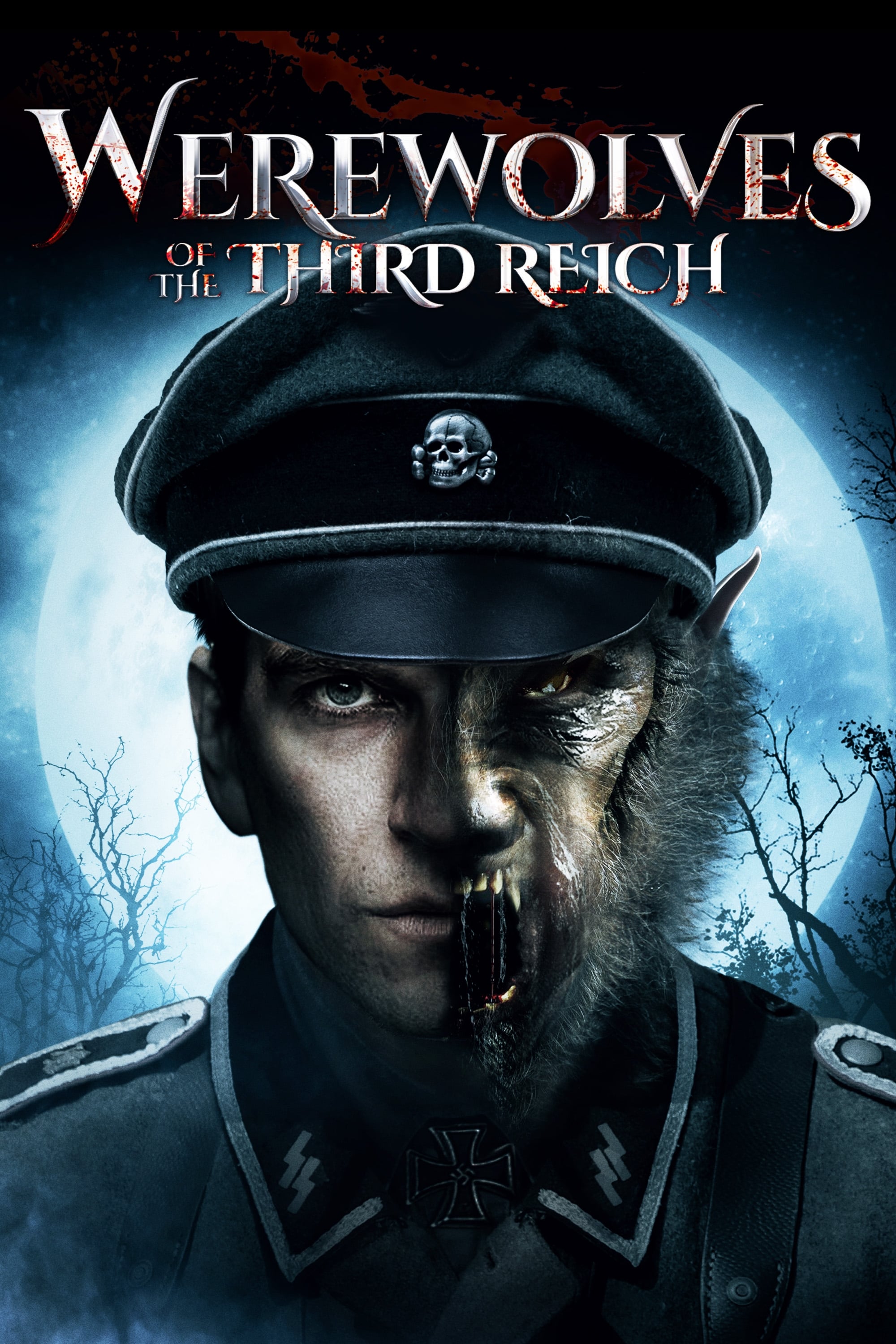
In Germany at the height of World War II, a ragtag group of American soldiers discover Doctor Mengele's diabolical plan to create an unstoppable army of Nazi werewolves.
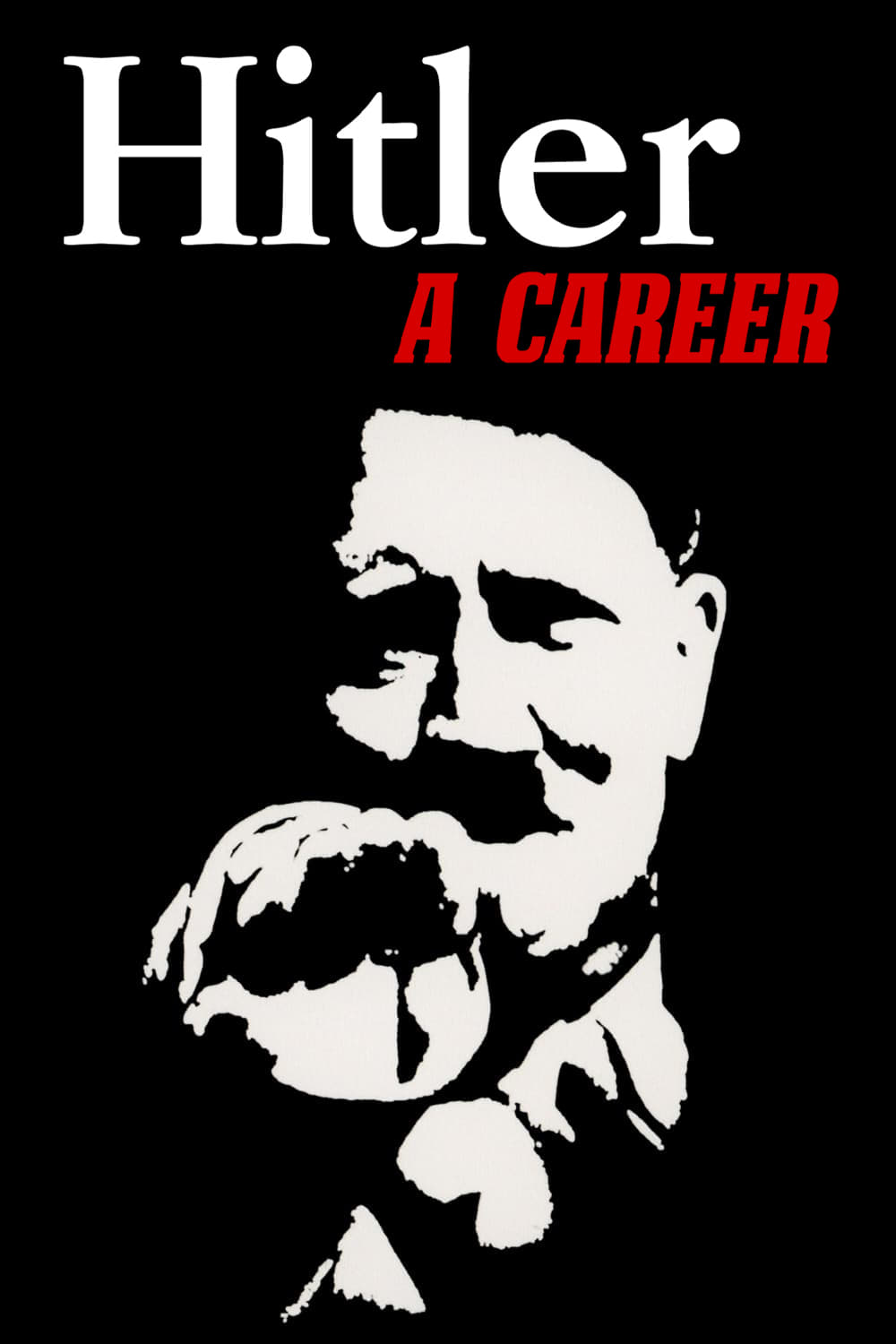
A keen chronicle of the unlikely rise to power of Adolf Hitler (1889-1945) and a dissection of the Third Reich (1933-1945), but also an analysis of mass psychology and how the desperate crowd can be deceived and shepherded to the slaughterhouse.
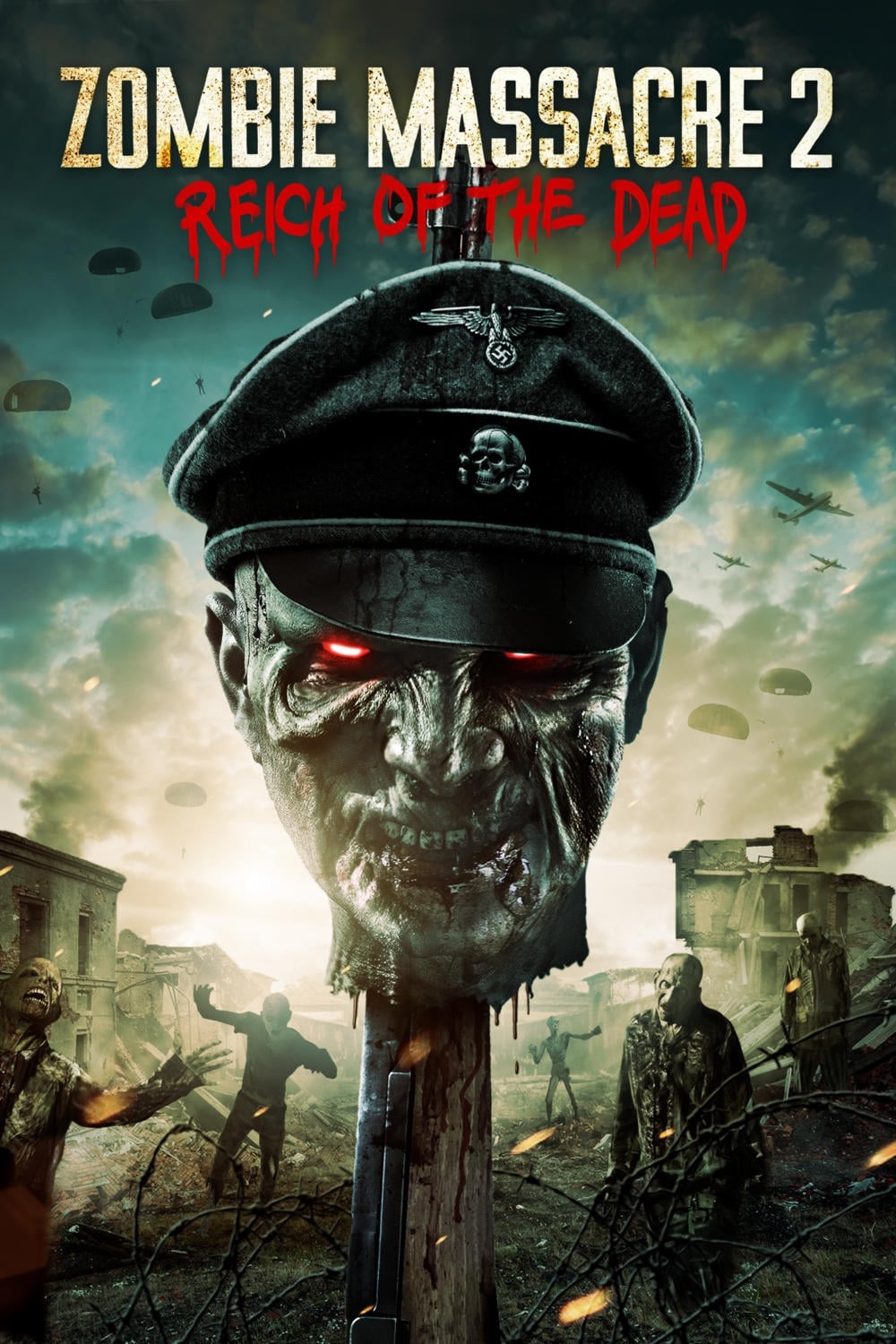
Set in the WWII it tells the story of a bunch of american soldiers fighting against a horde of zombies created by the Nazis using the prisoners of the camps... They have only one night to save their own lives but the enemy is stronger and stronger...
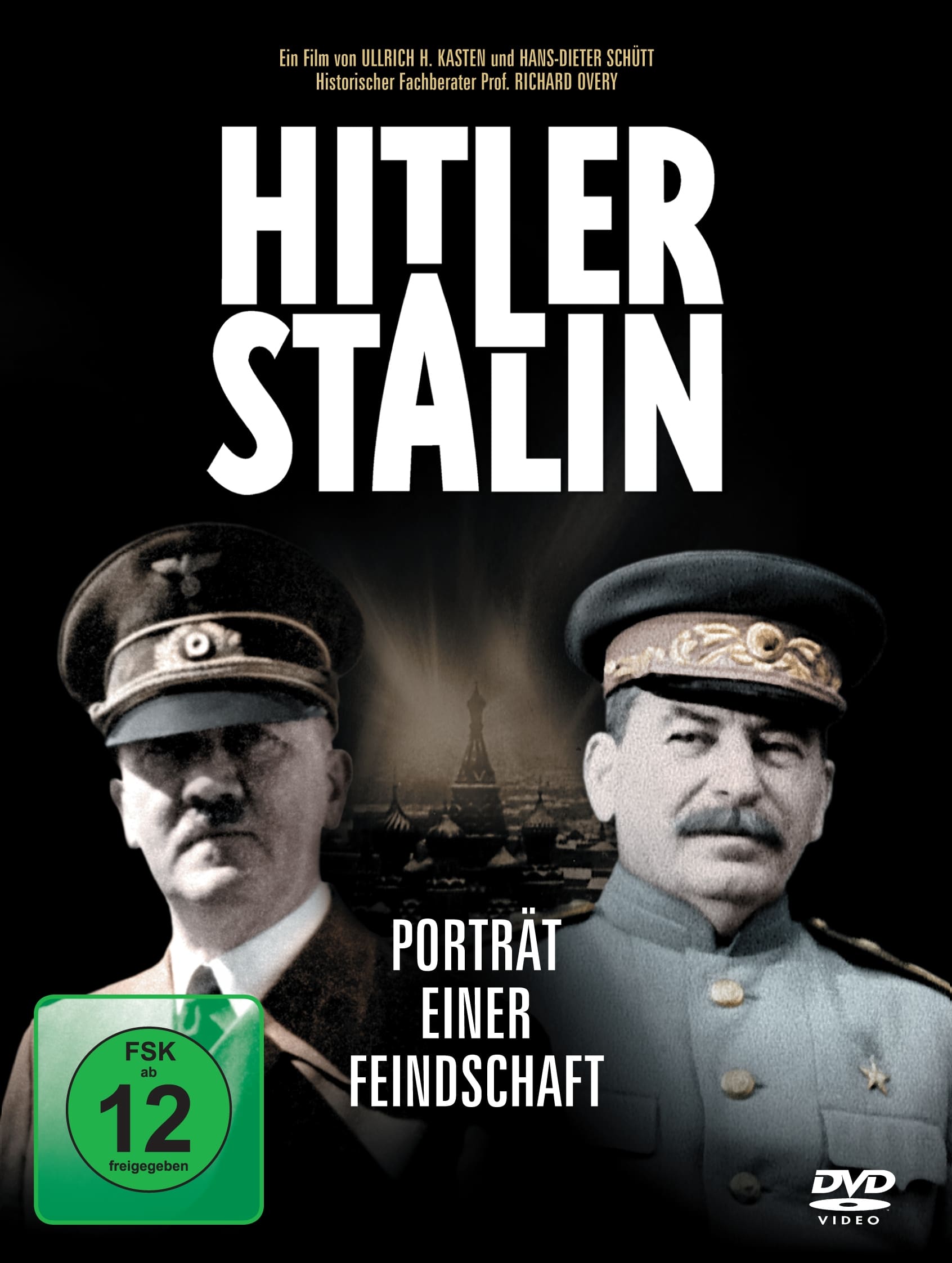
A double portrait of two dictators who were thousands of miles apart but were constantly fixated on each other.
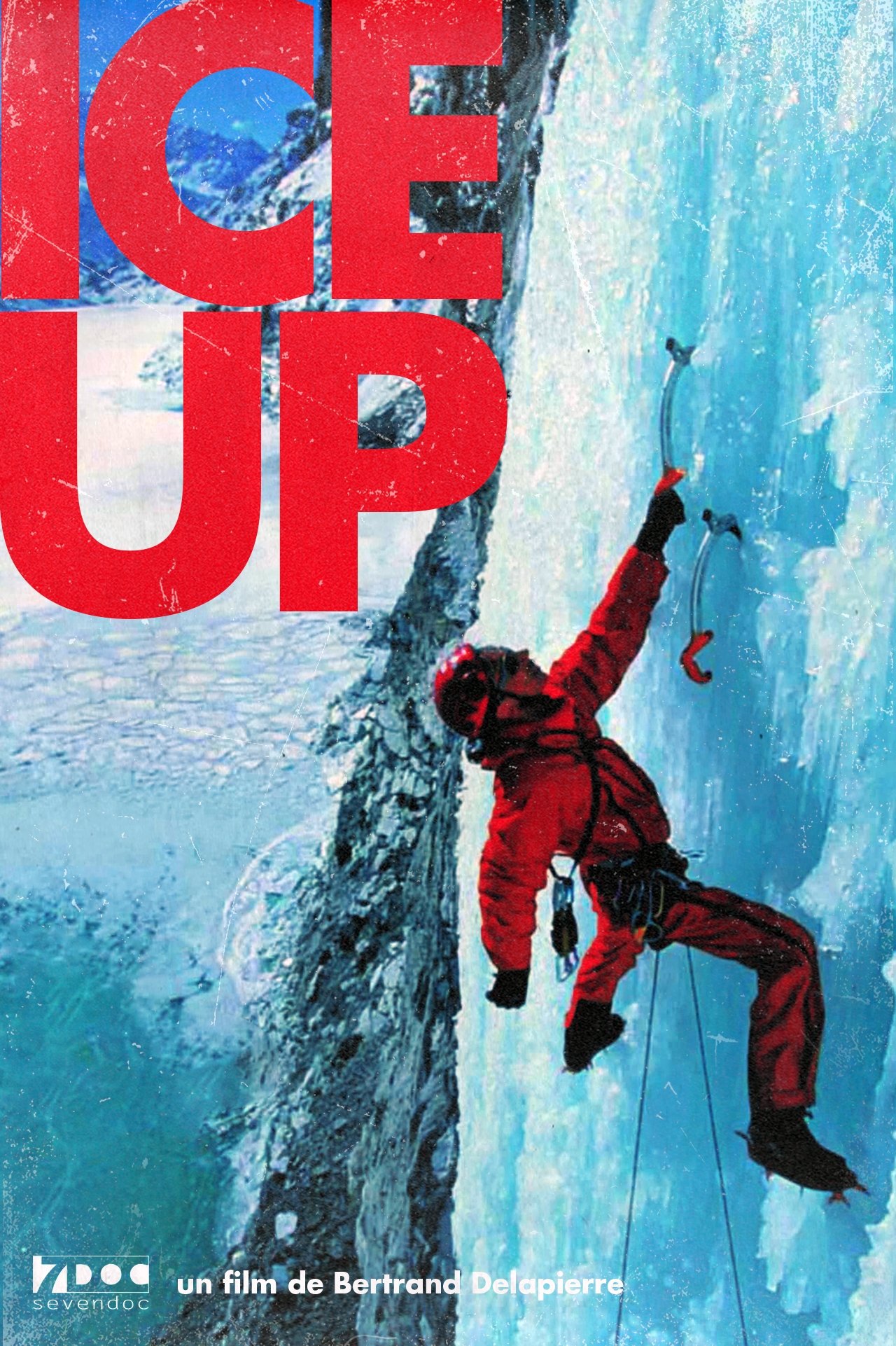
Unique shapes, no two the same, formed by the action of water and frost. The water that once ran from the summits in torrents and waterfalls is immobilized for a few weeks. The thing is to be there, in time, just at the moment when they become solid, just before they return to water. A question of balance. Around seven top-level climbers who represent all the richness of the activity, these images will highlight different techniques and different approaches. Although the athletic performance is impressive, it is there only to emphasize the dazzling shapes, the warmth of friendships, the stories of teamwork.
Ice climbing in the Arctic Region of Norway.
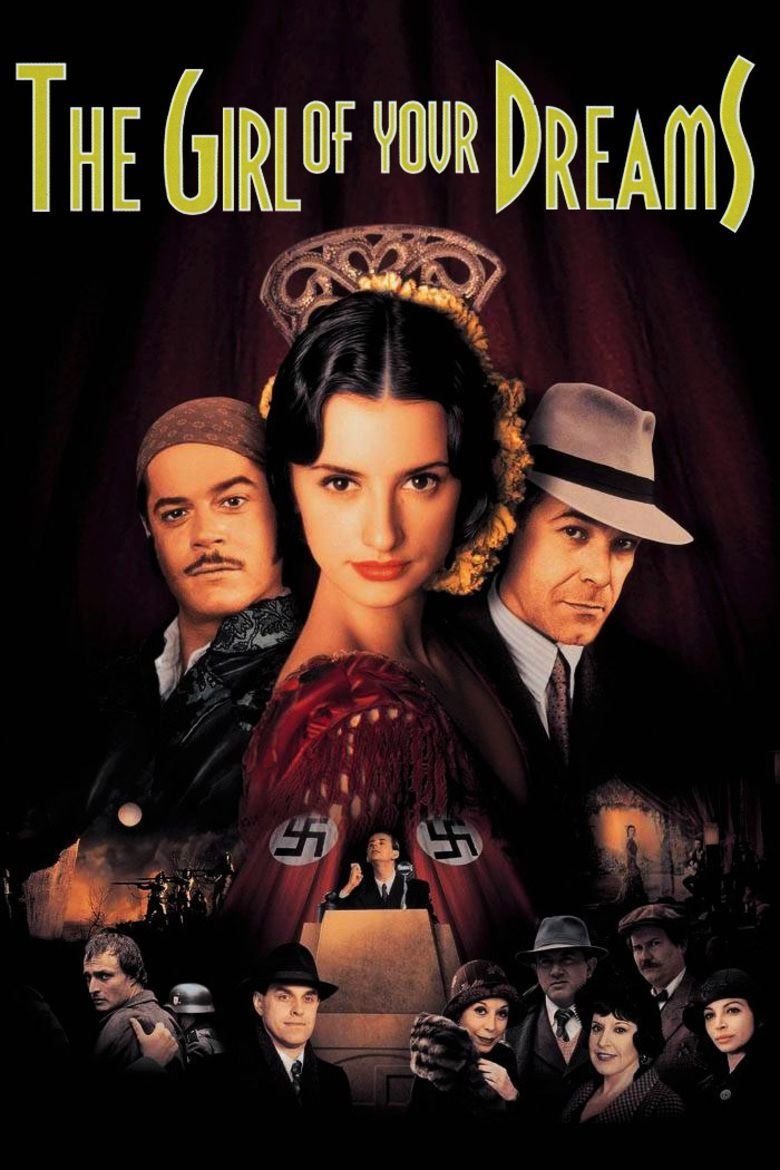
During the Spanish Civil War, a troupe of Spanish filmmakers is invited to shoot a film at UFA studios in Nazi Germany.
Prelude to War was the first film of Frank Capra's Why We Fight propaganda film series, commissioned by the Pentagon and George C. Marshall. It was made to convince American troops of the necessity of combating the Axis Powers during World War II. This film examines the differences between democratic and fascist states.
Amid the failing counteroffensive, a journalist follows a Ukrainian platoon on their mission to traverse one mile of heavily fortified forest and liberate a strategic village from Russian occupation. But the farther they advance through their destroyed homeland, the more they realize that this war may never end.
A showcase of German chancellor and Nazi Party leader Adolf Hitler at the 1934 Nuremberg Rally.
This documentary movie is about the battle of San Pietro, a small village in Italy. Over 1,100 US soldiers were killed while trying to take this location, that blocked the way for the Allied forces from the Germans. Preserved by the Academy Film Archive in 2005.
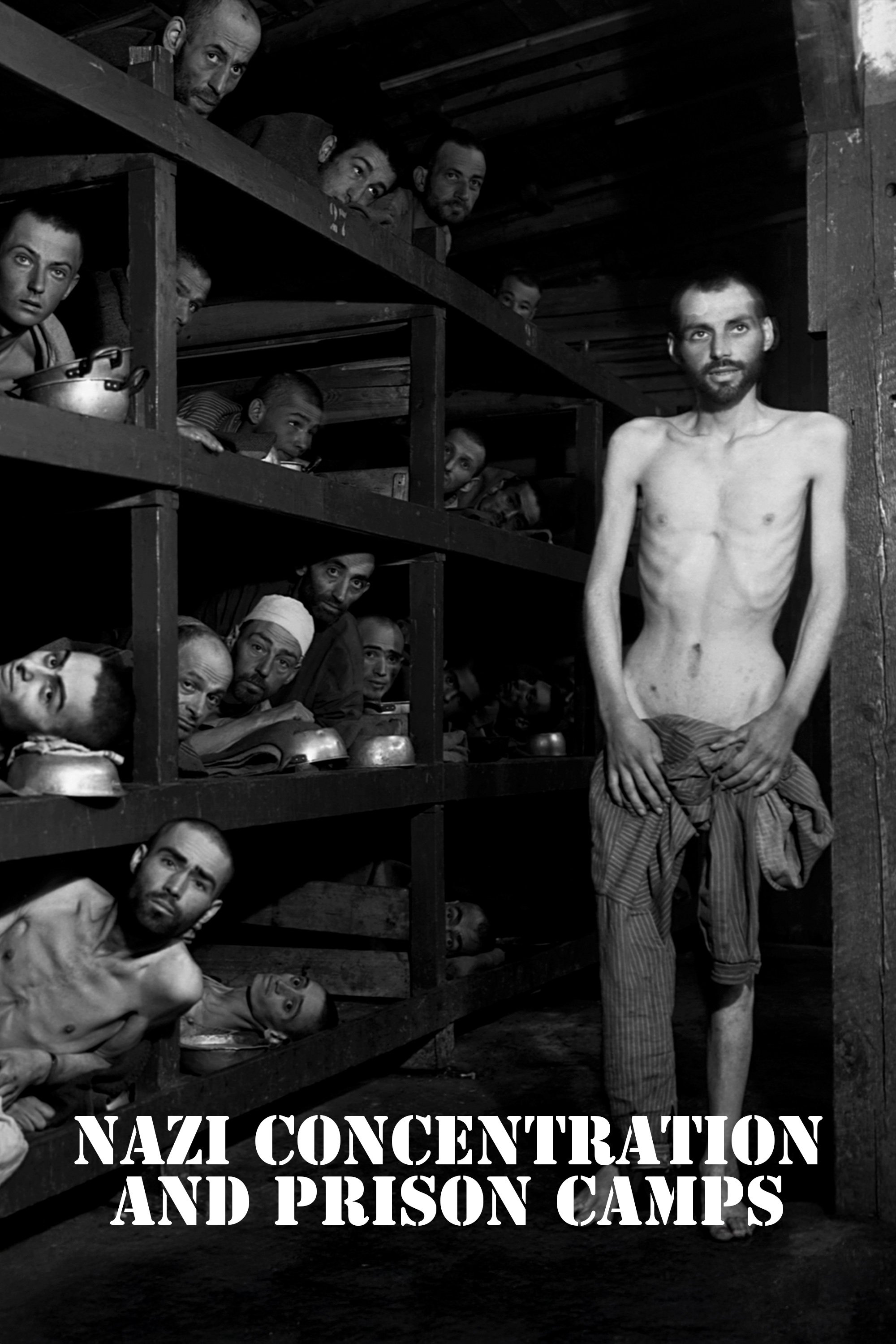
Produced and presented as evidence at the Nuremberg war crimes trial of Hermann Göring and twenty other Nazi leaders, this film consists primarily of dead and surviving prisoners and of facilities used to kill and torture during the World War II.
“The Soviet Story” is a story of an Allied power, which helped the Nazis to fight Jews and which slaughtered its own people on an industrial scale. Assisted by the West, this power triumphed on May 9th, 1945. Its crimes were made taboo, and the complete story of Europe’s most murderous regime has never been told. Until now...
Meet the real-life airmen who inspired Masters of the Air as they share the harrowing and transformative events of the 100th Bomb Group.
When Sgt. First Class Brian Eisch is critically wounded in Afghanistan, it sets him and his sons on a journey of love, loss, redemption and legacy.
WWII from Space delivers World War II in a way you've never experienced it before. This HISTORY special uses an all-seeing CGI eye that offers a satellite view of the conflict, allowing you to experience it in a way that puts key events and tipping points in a global perspective. By re-creating groundbreaking moments that could never have been captured on camera, and by illustrating the importance of simultaneity and the hidden effects of crucial incidents, HISTORY presents the war's monumental moments in a never-before-seen context. And with new information brought to the forefront, you'll better understand how a nation ranked 19th in the world's militaries in 1939 emerged six years later as the planet's only atomic superpower.
The extraordinary story of how Hollywood changed World War II – and how World War II changed Hollywood, through the interwoven experiences of five legendary filmmakers who went to war to serve their country and bring the truth to the American people: John Ford, William Wyler, John Huston, Frank Capra, and George Stevens. Based on Mark Harris’ best-selling book, “Five Came Back: A Story of Hollywood and the Second World War.”
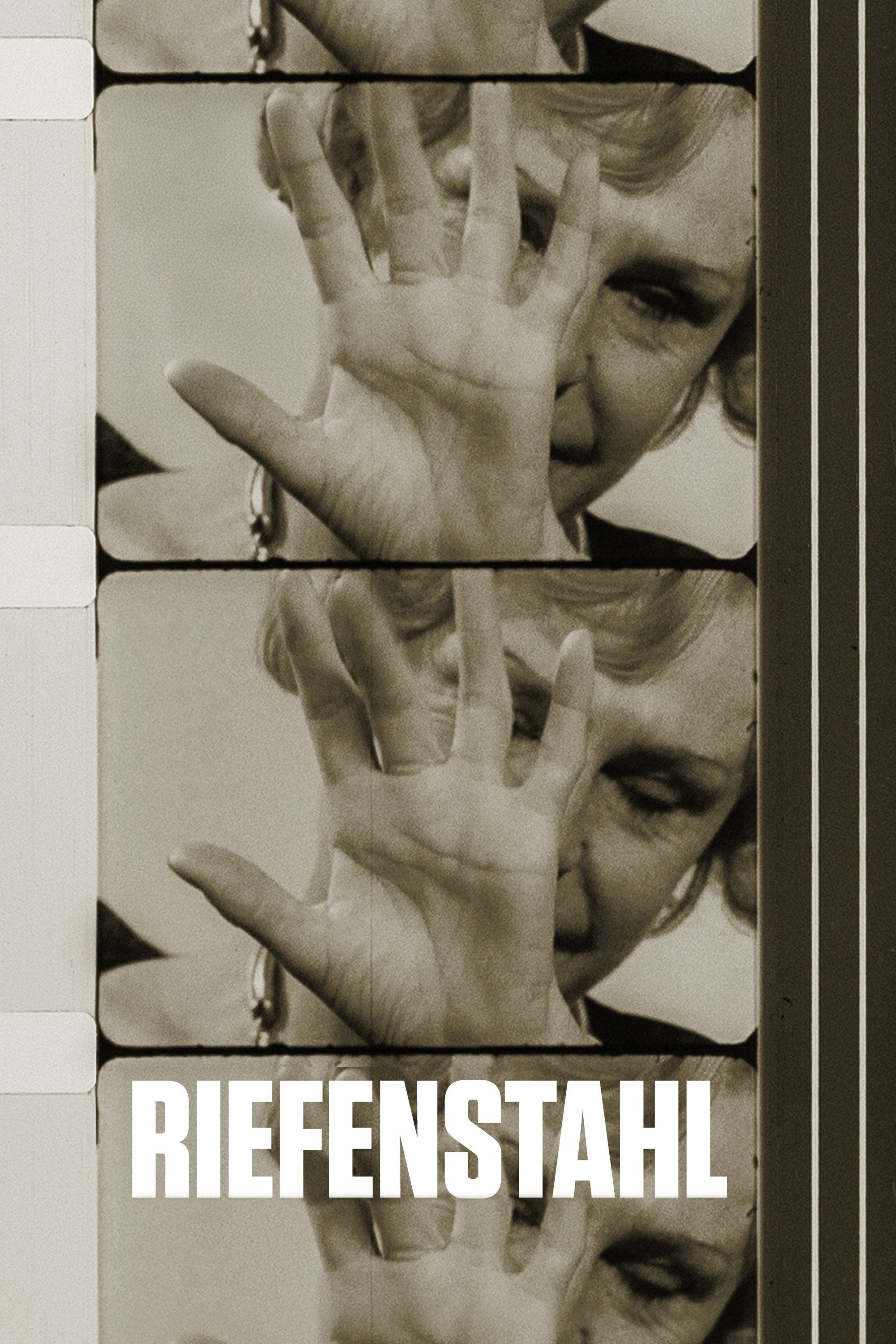
Explores Leni Riefenstahl's artistic legacy and her complex ties to the Nazi regime, juxtaposing her self-portrayal with evidence suggesting awareness of the regime's atrocities.
When Allied forces liberated the Nazi concentration camps in 1944-45, their terrible discoveries were recorded by army and newsreel cameramen, revealing for the first time the full horror of what had happened. Making use of British, Soviet and American footage, the Ministry of Information’s Sidney Bernstein (later founder of Granada Television) aimed to create a documentary that would provide lasting, undeniable evidence of the Nazis’ unspeakable crimes. He commissioned a wealth of British talent, including editor Stewart McAllister, writer and future cabinet minister Richard Crossman – and, as treatment advisor, his friend Alfred Hitchcock. Yet, despite initial support from the British and US Governments, the film was shelved, and only now, 70 years on, has it been restored and completed by Imperial War Museums under its original title "German Concentration Camps Factual Survey".
A documentary about World War I with never-before-seen footage to commemorate the centennial of Armistice Day, and the end of the war.
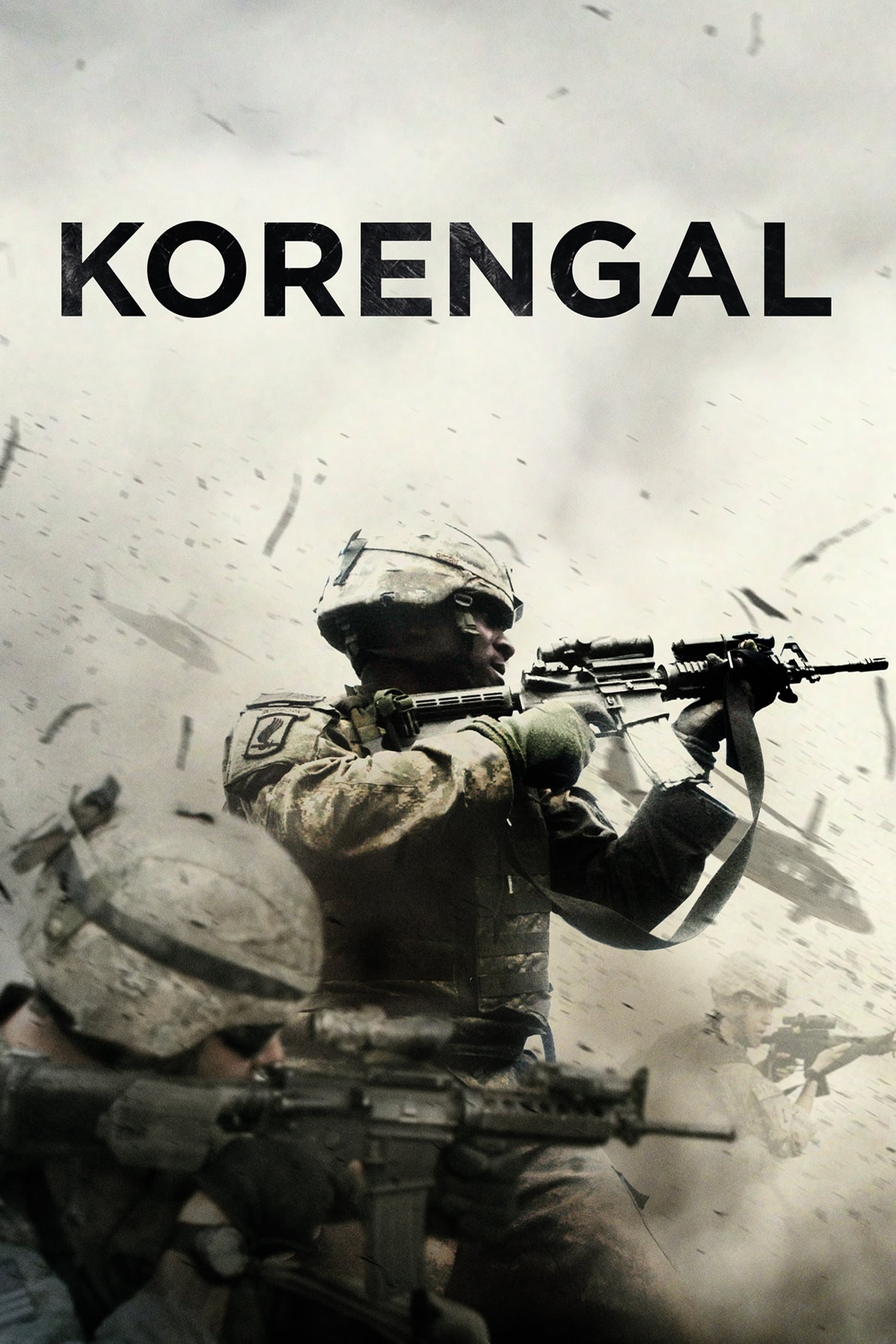
Korengal picks up where Restrepo left off; the same men, the same valley, the same commanders, but a very different look at the experience of war.
A love letter from a young mother to her daughter, the film tells the story of Waad al-Kateab’s life through five years of the uprising in Aleppo, Syria as she falls in love, gets married and gives birth to Sama, all while cataclysmic conflict rises around her. Her camera captures incredible stories of loss, laughter and survival as Waad wrestles with an impossible choice– whether or not to flee the city to protect her daughter’s life, when leaving means abandoning the struggle for freedom for which she has already sacrificed so much.
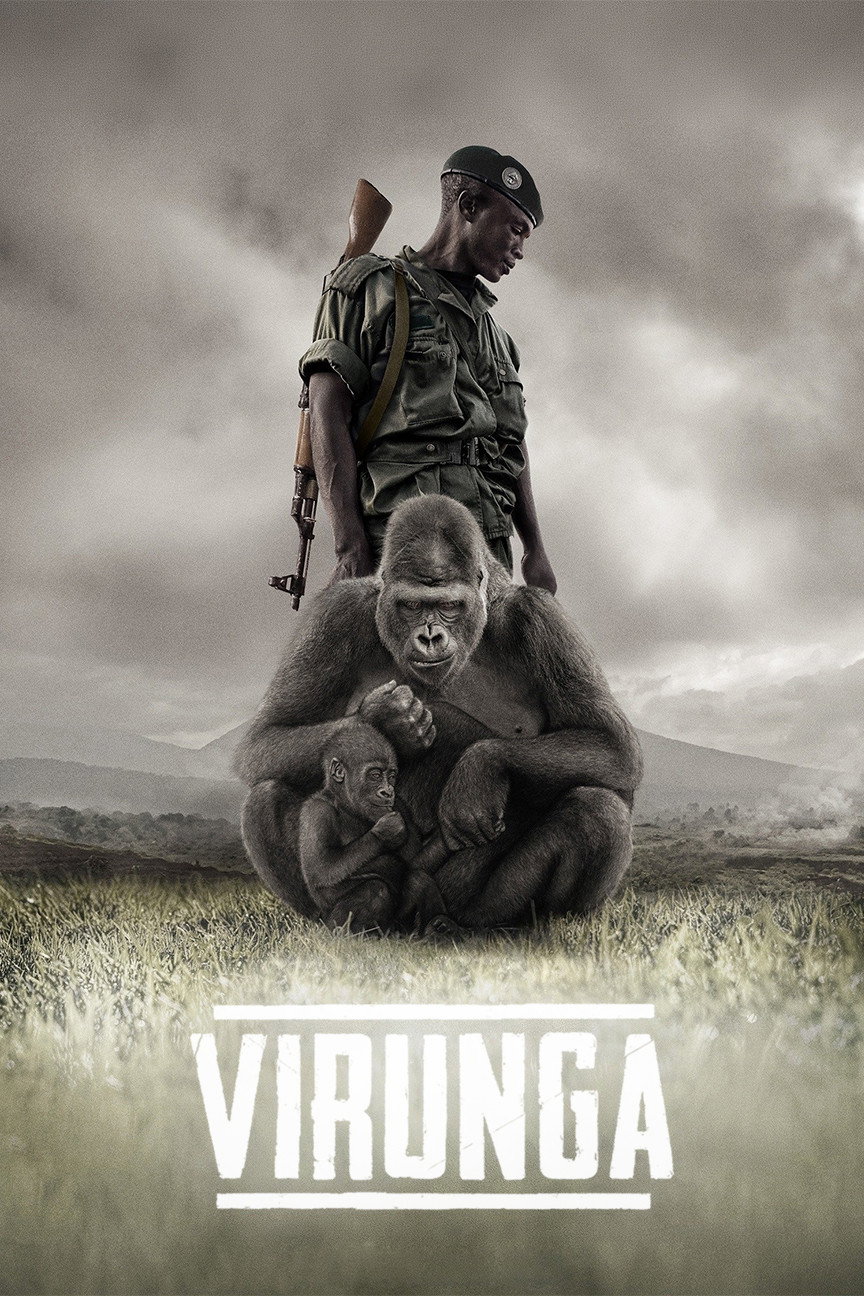
Virunga in the Democratic Republic of the Congo is Africa’s oldest national park, a UNESCO world heritage site, and a contested ground among insurgencies seeking to topple the government that see untold profits in the land. Among this ongoing power struggle, Virunga also happens to be the last natural habitat for the critically endangered mountain gorilla. The only thing standing in the way of the forces closing in around the gorillas: a handful of passionate park rangers and journalists fighting to secure the park’s borders and expose the corruption of its enemies. Filled with shocking footage, and anchored by the surprisingly deep and gentle characters of the gorillas themselves, Virunga is a galvanizing call to action around an ongoing political and environmental crisis in the Congo.
"Trinity and Beyond" is an unsettling yet visually fascinating documentary presenting the history of nuclear weapons development and testing between 1945-1963. Narrated by William Shatner and featuring an original score performed by the Moscow Symphony Orchestra, this award-winning documentary reveals previously unreleased and classified government footage from several countries.
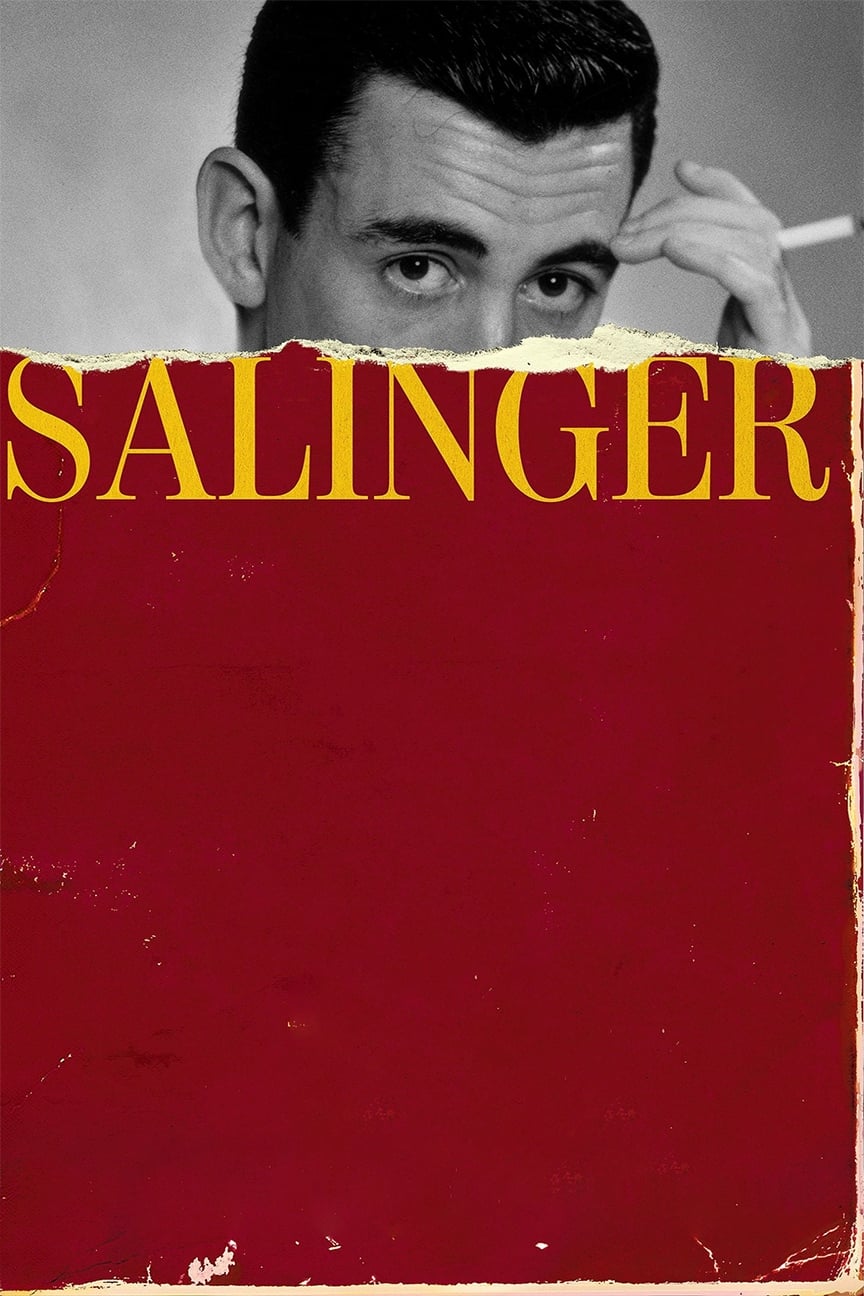
An in-depth investigation into the private world of the American writer J. D. Salinger (1919-2010), who lived most of his life behind the impenetrable wall of a self-imposed seclusion: how his dramatic experiences during World War II influenced his life and work, his relationships with very young women, his obsessive writing methods, his many literary secrets.
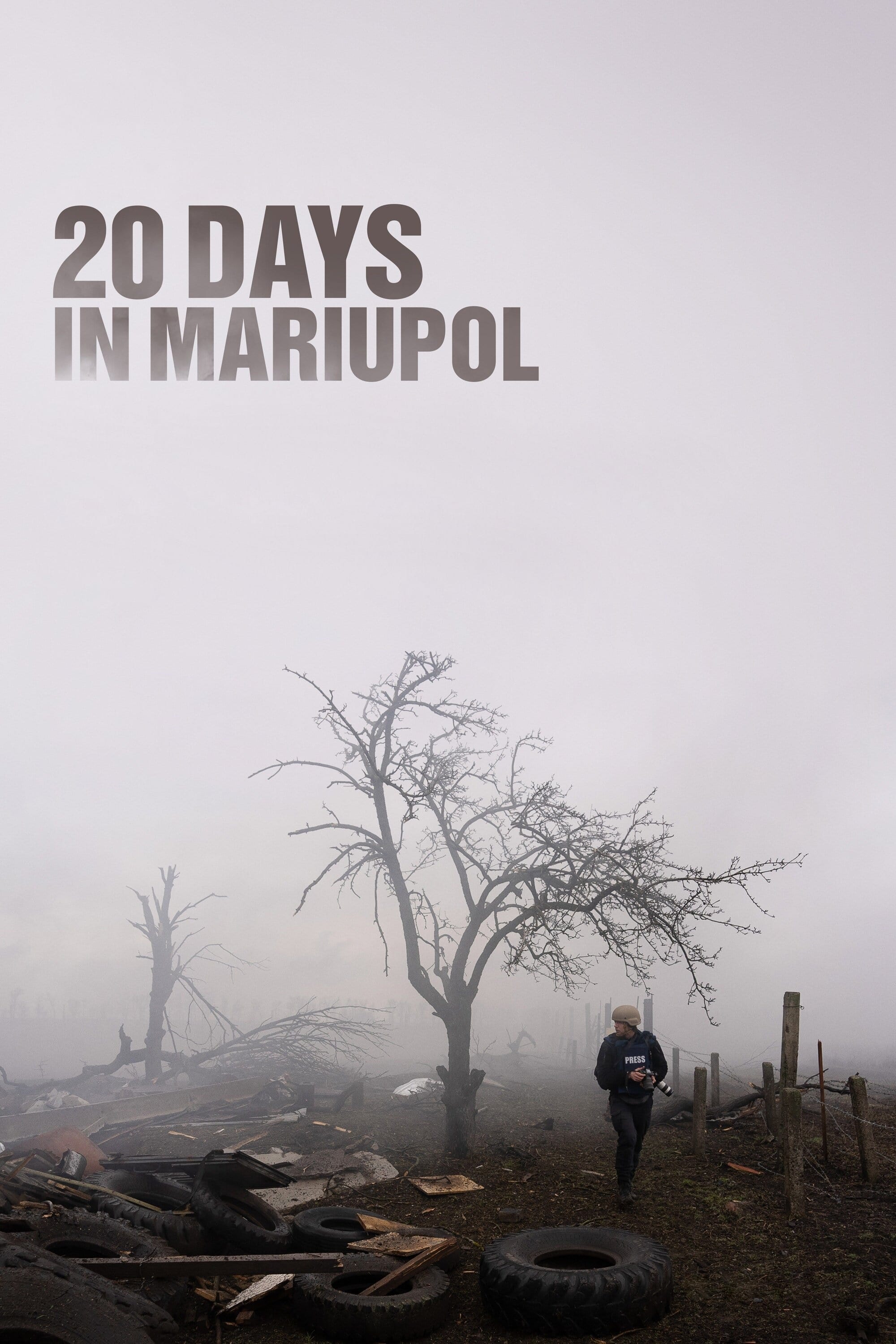
As the Russian invasion begins, a team of Ukrainian journalists trapped in the besieged city of Mariupol struggle to continue their work documenting the war's atrocities.