Social & External
The people behind it
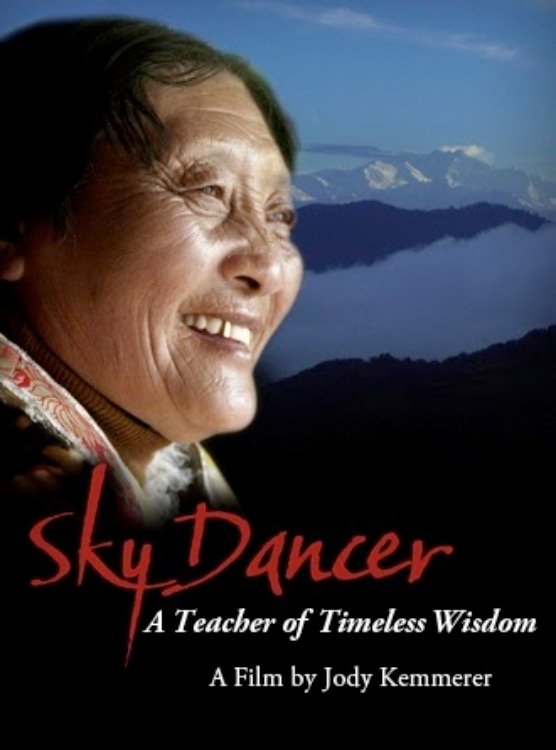
Khandroma Kunzang Wangmo
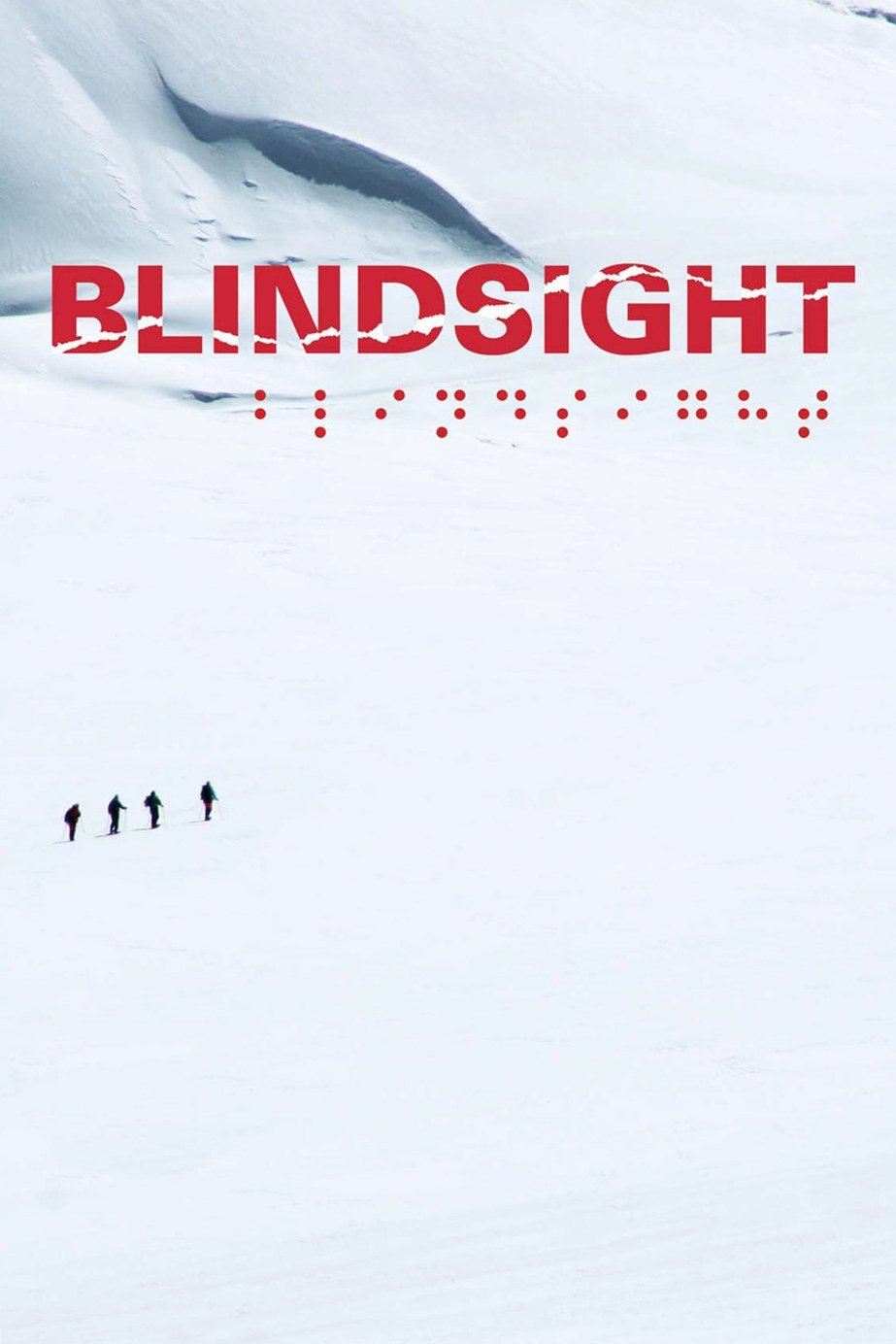
Six blind Tibetan teenagers climb the Lhakpa-Ri peak of Mount Everest, led by seven-summit blind mountain-climber Erik Weihenmayer.
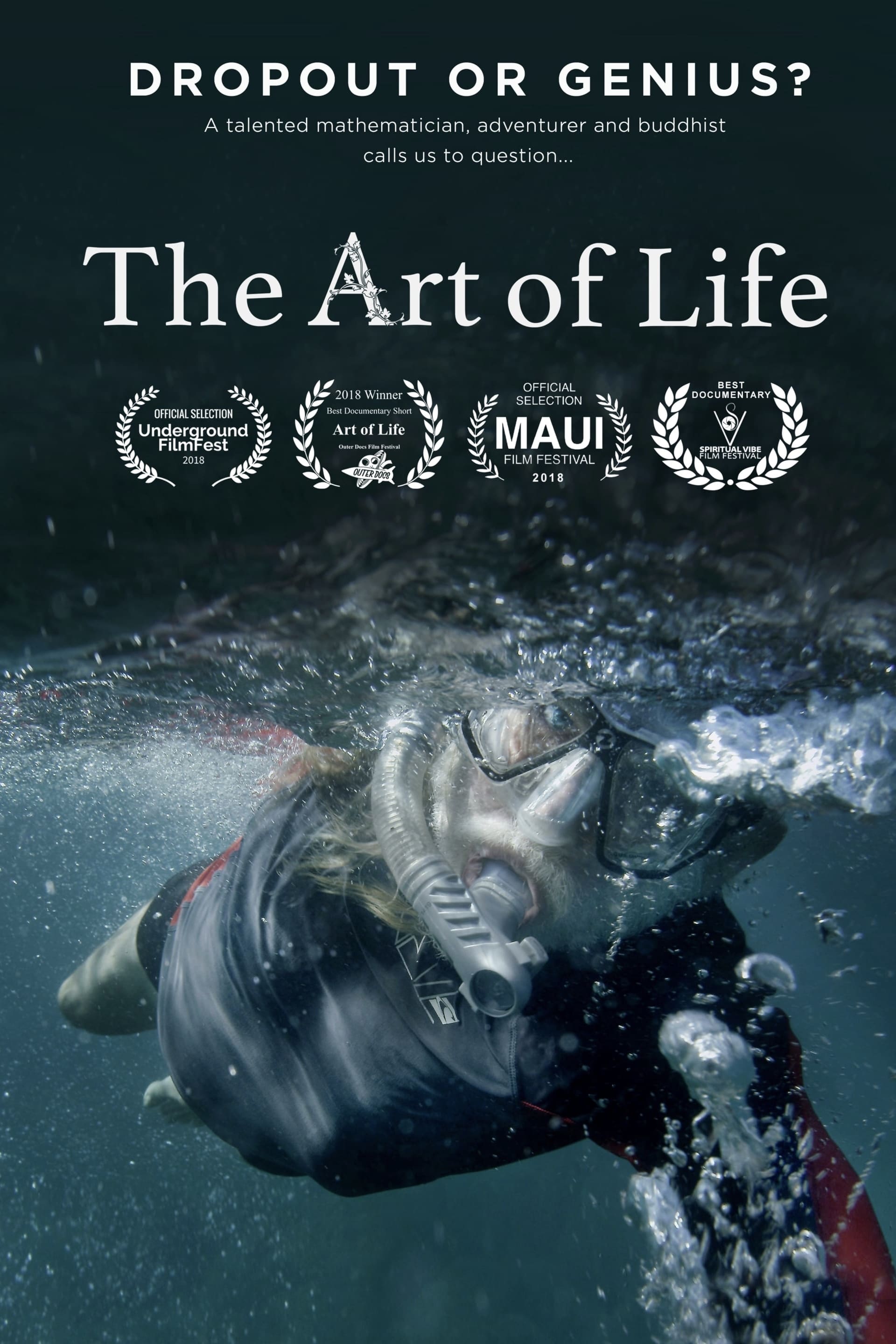
As a rising star in the field of abstract mathematics, Michael discovered that he could see beauty and pattern where others could not. But his path was not to be inside academia, or even inside society. He went on a grand adventure to unify his Buddhism with his ability to see an expanded view of reality. He created beauty in a place where nobody else would, and made his friends amongst dolphins.
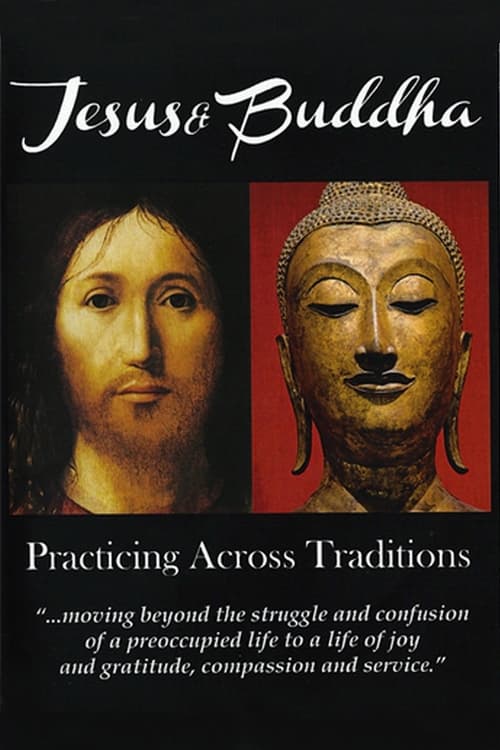
Three leading figures in today's Buddhist-Christian dialogue share their personal journeys in the new documentary Jesus and Buddha: Practicing Across Traditions. We learn how following the path of the Buddha has informed and deepened their understanding of who Jesus was and what he taught. Their experience and insight bring these two liberating archetypes alive in a way that can help guide us through our own confusion and struggle toward lives filled with joy and gratitude, compassion and service.
An engaging reflection on the meaning of existence and on the theme of death in the different spiritual traditions of the East and West.
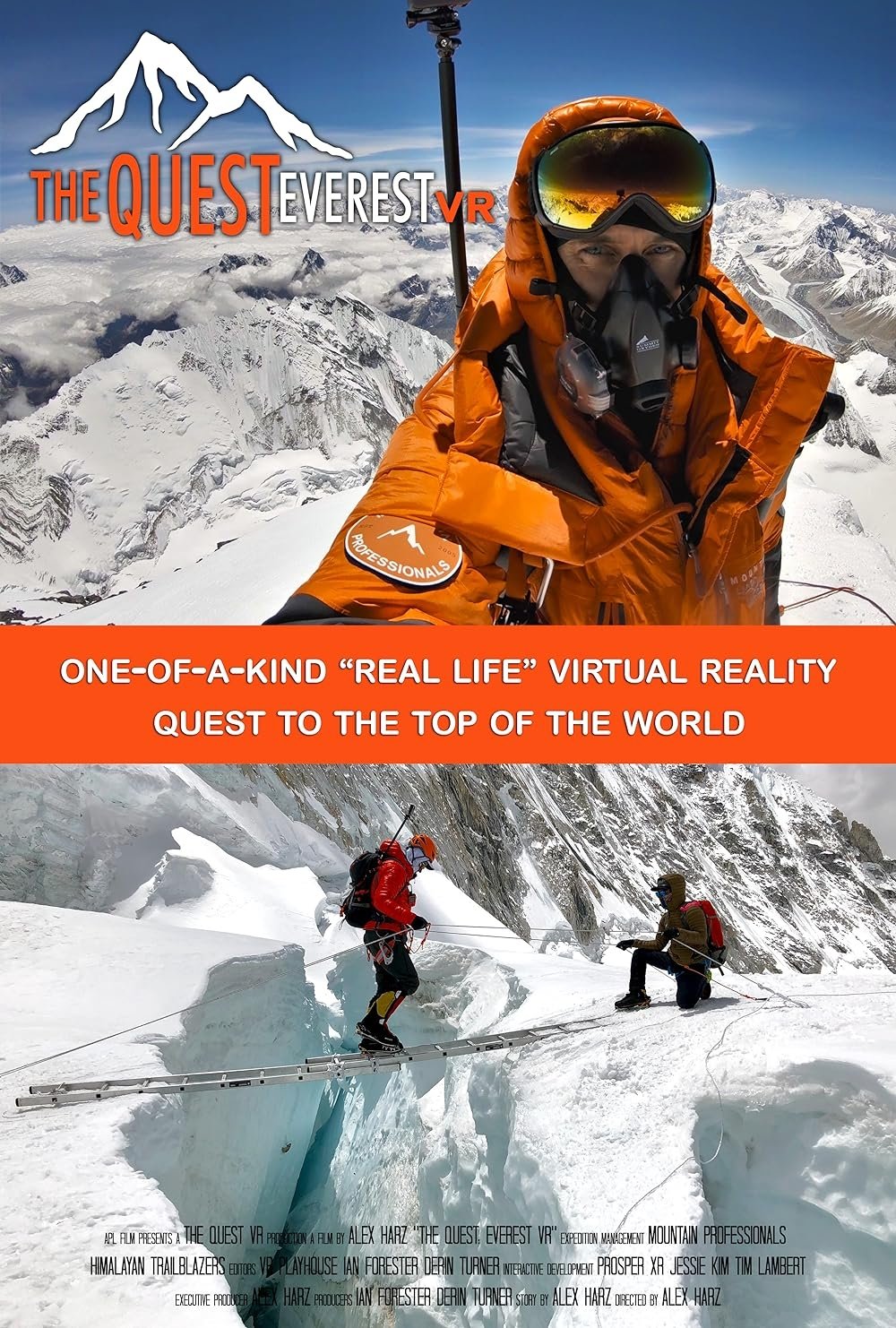
'THE QUEST: Everest VR' is a one-of-a-kind "real-life" Virtual Reality documentary to climb and reveal the most legendary mountain on earth, Mt. Everest, in stunning 360 degree video! It is the only real-life Virtual Reality experience that puts you directly in the boots with filmmaker and explorer, Alex Harz, on an epic 52 day quest to the Top of the World (29,032 feet / 8849 meters), and the closest thing to climbing Everest without all the rigorous training, planning and high risk needed to physically step foot on the mountain! 'THE QUEST: Everest VR' can be experienced worldwide in Virtual Reality headsets, and on computers, phones, tablets, etc...
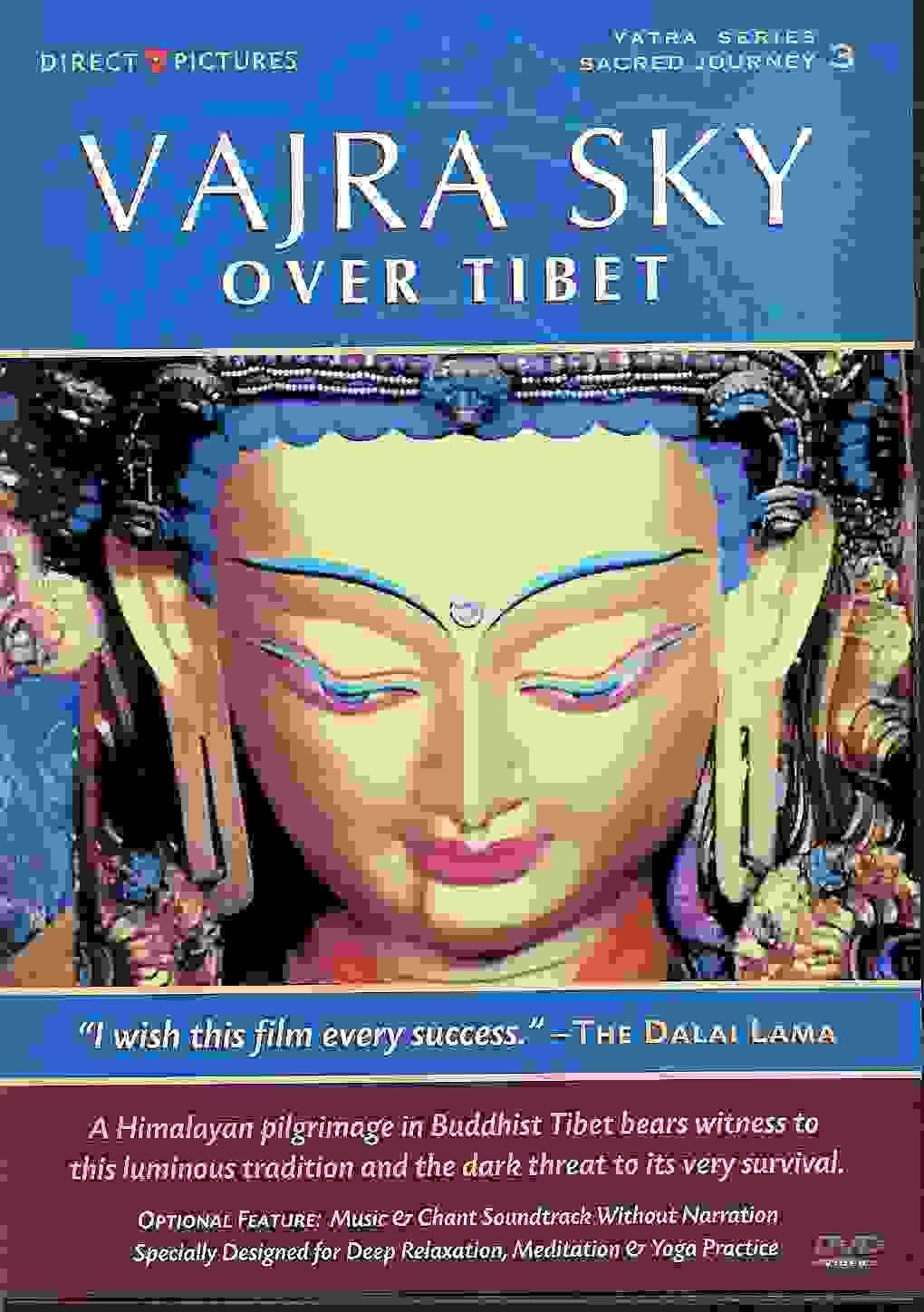
Vajra Sky is a cinematic pilgrimage to central Tibet, bearing witness to the indomitable faith of its Buddhist community and the imminent threat to its very survival. This poignant journey bears witness to the indomitable faith of its endangered Buddhist community and the imminent threat to its very survival. The vastness of the Tibetan sky, reflecting snowy mountains, rushing rivers, and turquoise lakes, leads the journey west. Tibetans respond to the denial of the human right to practice one's religion without interference with a defiant devotion.
The influential life and powerful messages of Vietnamese Buddhist monk Thich Nhat Hanh are explored in this biographical documentary. For more than 50 years, this amazing social activist has preached self-awareness and compassion for all living beings. Follow him as he travels through France and the United States—including a stop at the Vietnam War Memorial in Washington, D.C.—spreading peace by teaching mindfulness and forgiveness.
This documentary for PBS by award-winning filmmaker David Grubin and narrated by Richard Gere, tells the story of the Buddha’s life, a journey especially relevant to our own bewildering times of violent change and spiritual confusion. It features the work of some of the world’s greatest artists and sculptors, who across two millennia, have depicted the Buddha’s life in art rich in beauty and complexity. Hear insights into the ancient narrative by contemporary Buddhists, including Pulitzer Prize winning poet W.S. Merwin and His Holiness the Dalai Lama. Join the conversation and learn more about meditation, the history of Buddhism, and how to incorporate the Buddha’s teachings on compassion and mindfulness into daily life.
All the gist of Buddhism, the very words of Buddha loaded on to a visual circus where every image has an act for itself. The director is an old student in Vippassana, the Buddhist meditation technique that Buddha taught for forty five years of his life, twenty five centuries ago, and the director brought on to the screen, his visions and hallucinations during deep meditative trance, to remind himself and those intent on attaining Nirvana, and to inspire the future monks / spiritual aspirants to discover themselves.
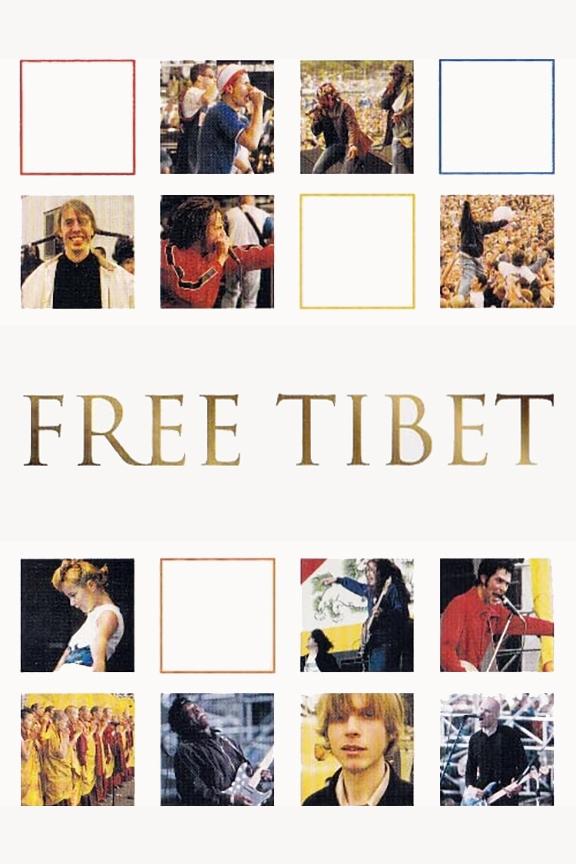
A film about the Tibetan Freedom Concert in San Francisco in 1996.
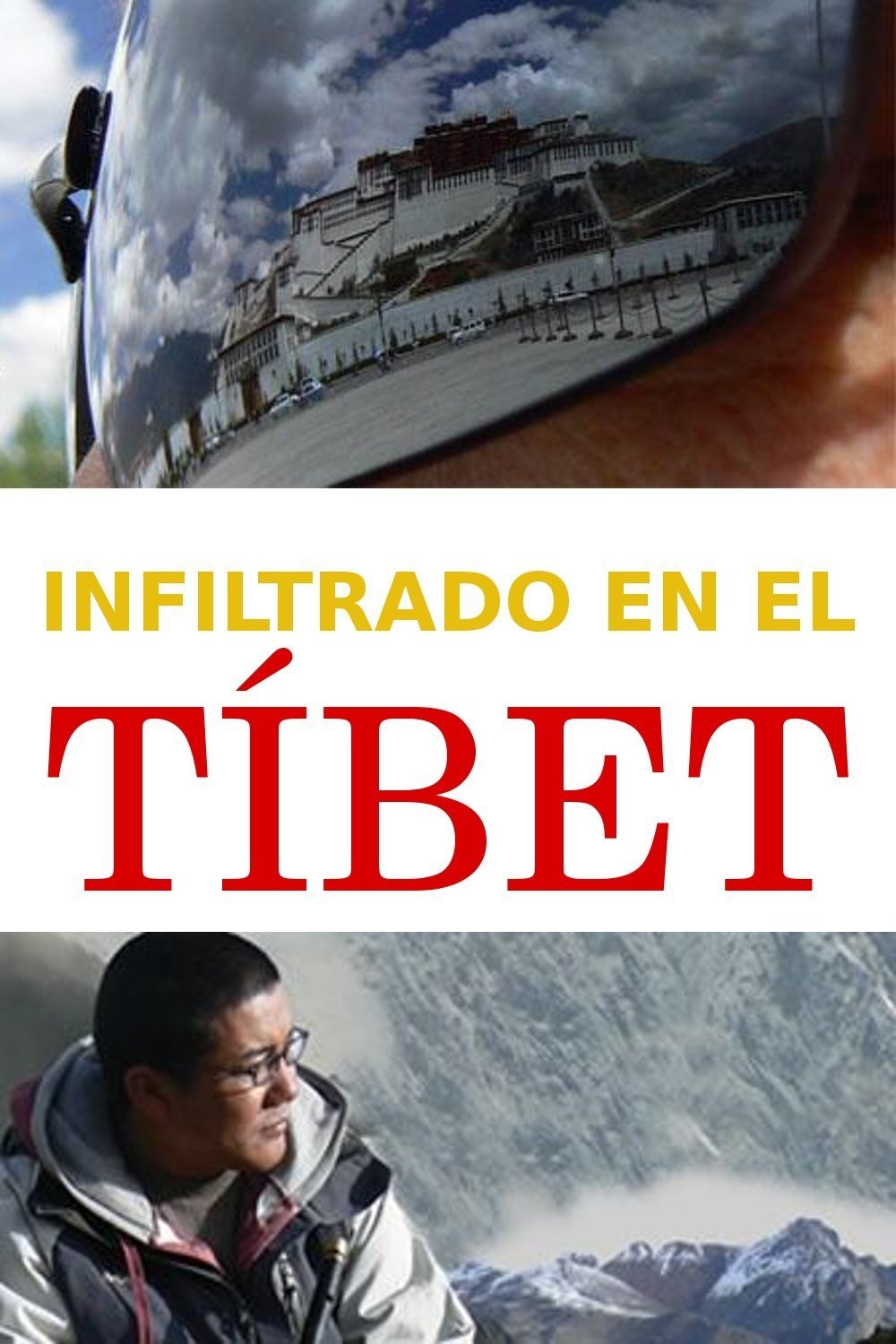
Undercover in Tibet reveals the regime of terror which dominates daily life and makes freedom of expression an impossibility. Tash meets victims of arbitrary arrests, detention, torture and ‘disappearances’ and uncovers evidence of enforced sterilizations on ethnic Tibetan women. He sees for himself the impact of the enormous military and police presence in the region, the hunger and hardship being endured by many Tibetans and hears warnings of the uprising taking place across the provinces now.
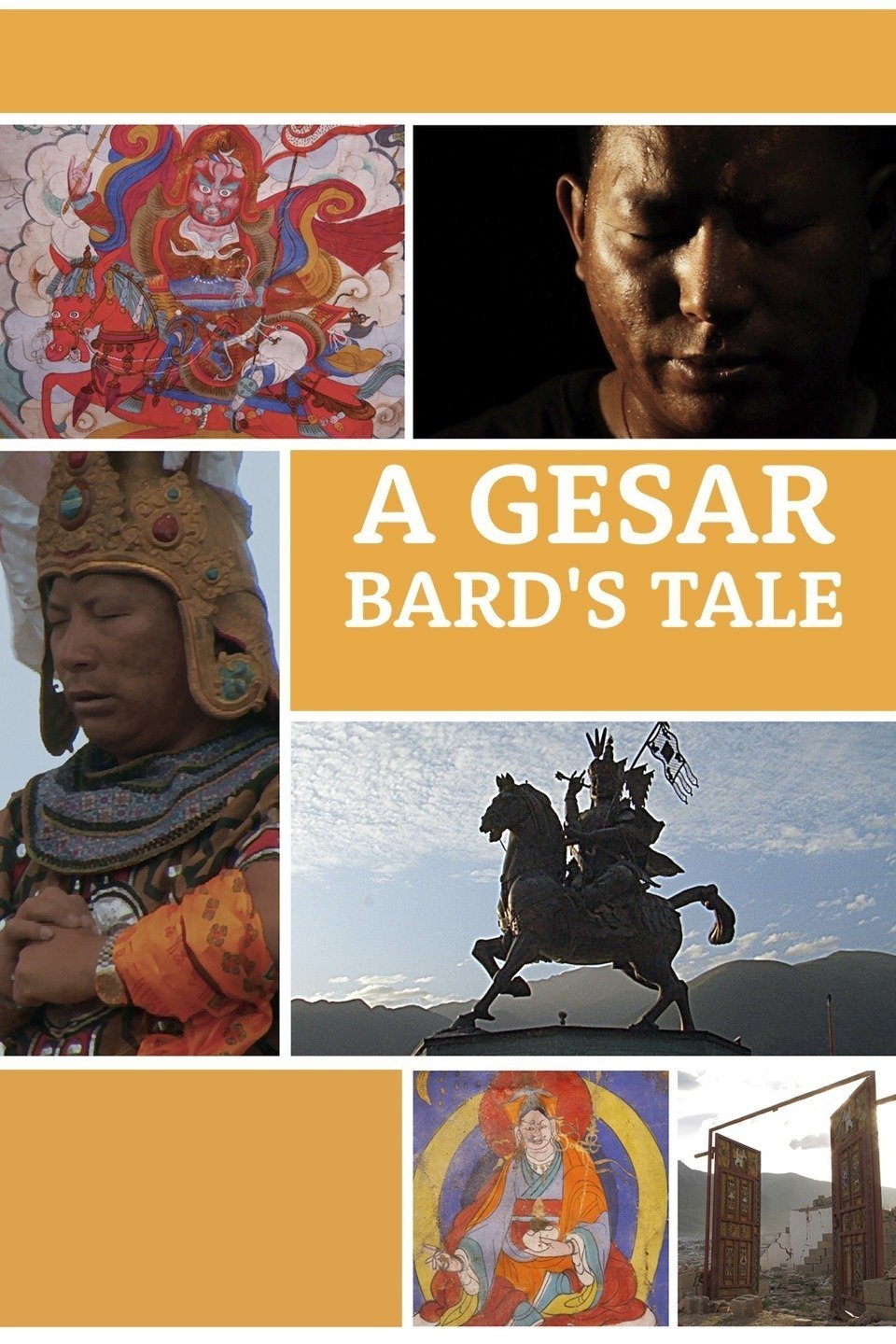
As a boy, Dawa was an illiterate Tibetan nomad whose life revolved around herding yaks. At 13, his life changed: through a series of visions, Dawa acquired the gift of telling the epic story of Tibet’s King Gesar. Now, at 35, Dawa receives a salary from the government as a guardian of national cultural heritage and is regarded as a holy man by his community. When an earthquake reduces his hometown to rubble, redevelopment of the region takes a giant leap forward. In the midst of such seismic shifts, Dawa seeks healing from King Gesar and other divine protectors of the land.
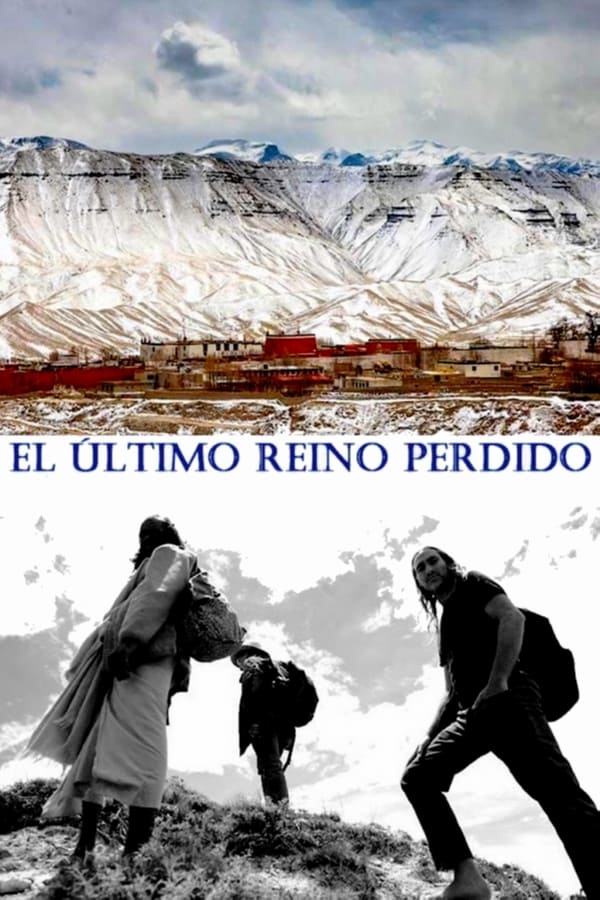
Following in the footsteps of his father, Folco Felzani embarks on an epic journey on foot in search of Mustang, the last lost kingdom, in northern Nepal. The story of a king without a kingdom. The adventure of a son without a father.
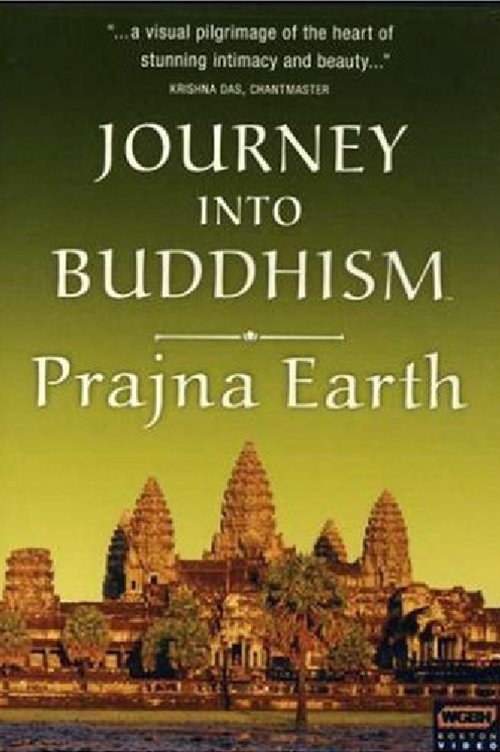
Prajna is the Sanskrit word for radiant wisdom, and yatra is the word for pilgrimage or spiritual journey. This visually stunning documentary is a cinematic pilgrimage exploring the lost civilization of Angkor in Cambodia, including the largest temple in the world, the magnificent Angkor Wat. The journey continues to sacred sites of the natural world, Hindu Bali, jungles of Java, and discovering Buddhist Borobudur. A John Bush film.
Developed by Thích Nhất Hạnh himself, the exercises taught here combine simple stretching and graceful gestures with mindfulness meditation. Join Thich Nhat Hanh and Plum Village monk Brother Michael to explore ten unique movements. Practice them before or after sitting meditation anytime you have a few minutes to refresh your body and quiet your mind.
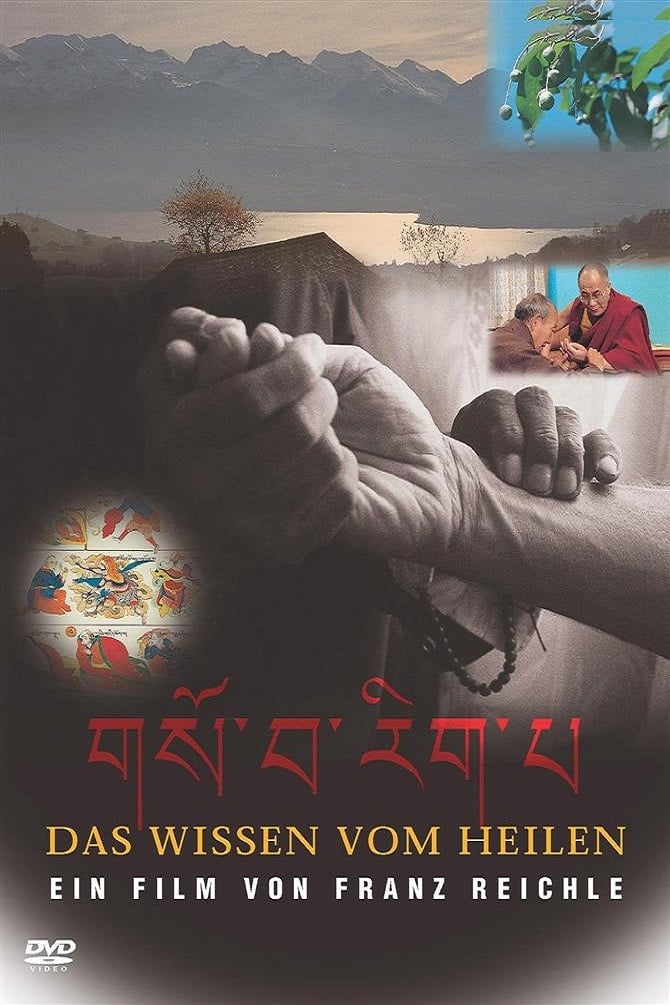
A documentary film about Tibetan traditional medicine.
A cinematic journey through the world. Non-verbal.
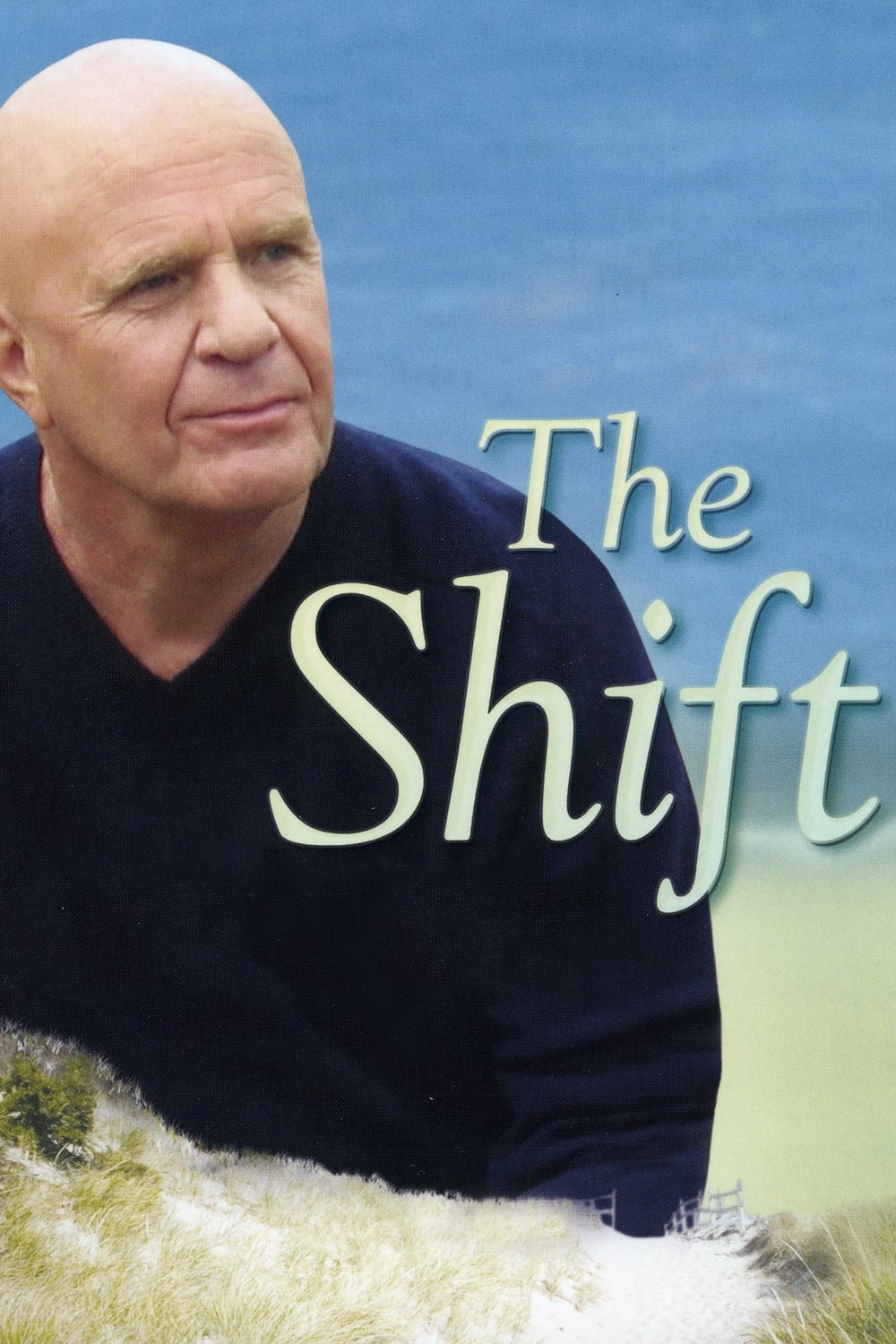
From the creators of You Can Heal Your Life: The Movie comes a compelling portrait of three modern lives in need of new direction and new meaning. In his first-ever movie, Wayne Dyer explores the spiritual journey in the second half of life when we long to find the purpose that is our unique contribution to the world. The powerful shift from the ego constructs we are taught early in life by parents and society—which promote an emphasis on achievement and accumulation—are shown in contrast to a life of meaning, focused on serving and giving back. Filmed on coastal California’s spectacular Monterey Peninsula, The Shift captures every person’s mid-life longing for a more purposeful, soul-directed life.
Explores the lives of seven Black Millennials – Atheist, Buddhist, Christians, Muslim, Ifa, and Spiritualist – and the challenges and discoveries with faith and spirituality.
Through deeply personal interviews with her siblings and an examination of the photographs, letters, and belongings left behind, Mariska assembles a new portrait of her mother Jayne Mansfield, an extraordinary and complex woman.
A string of threatening emails escalates into a revenge plot involving a newly married US marshal and his ex-girlfriend.
The life of Mr. Spock, as well as that of Leonard Nimoy, the actor who played him for almost fifty years, written and directed by his son: Adam.
A sexual wellness company gains fame and followers, then members come forward with shocking allegations.
Those who knew iconic funnyman John Candy best share his story, in their own words, through never-before-seen archival footage, imagery, and interviews.
The life and career of an actor, artist, and icon. His own journey through his own camera.
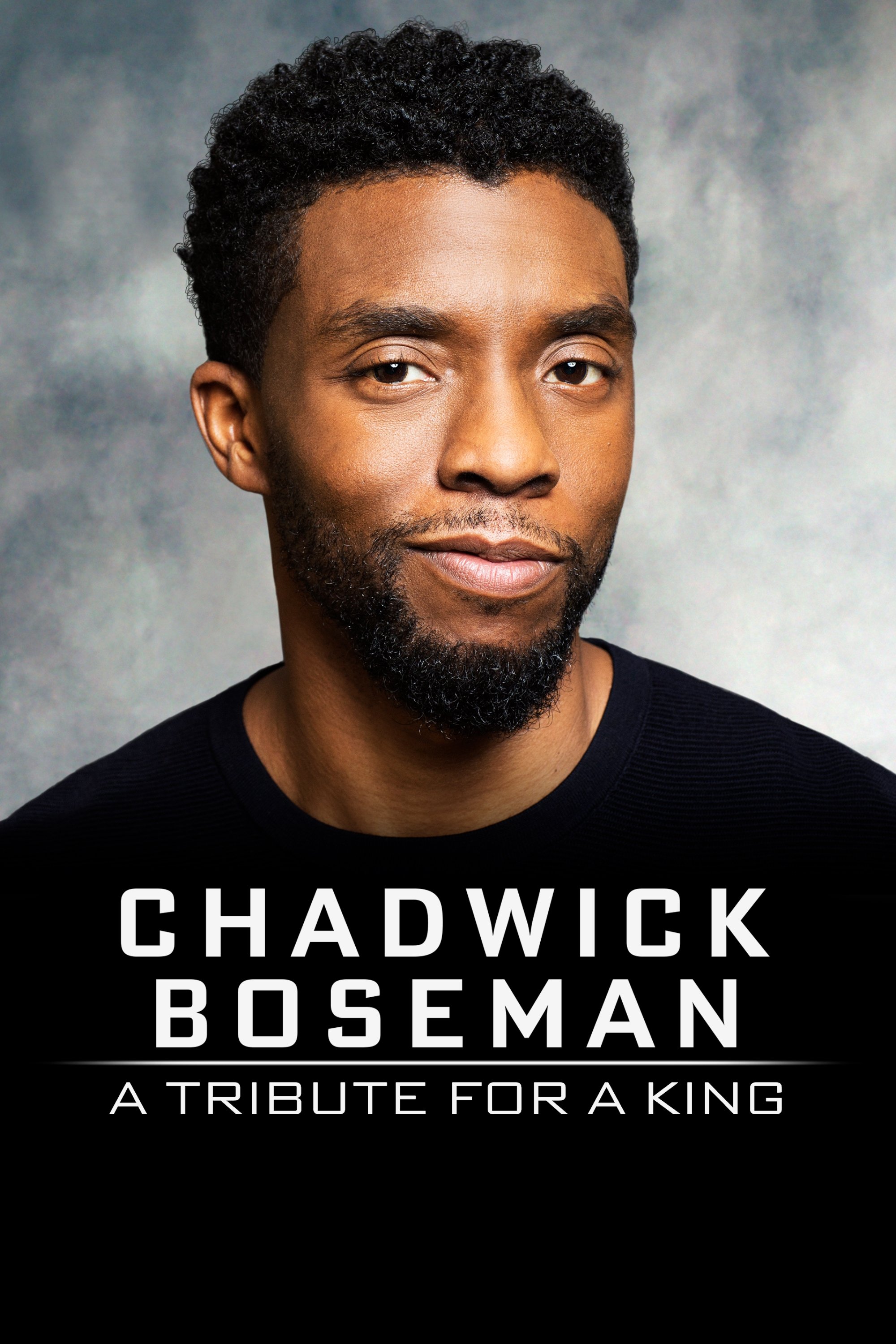
A tribute to Chadwick Boseman, celebrating his life and legacy.
A documentary about the life and films of director John Ford.
A documentary directed by Winding Refn's wife, Liv Corfixen, and it follows the Danish-born filmmaker during the making of his 2013 film Only God Forgives.
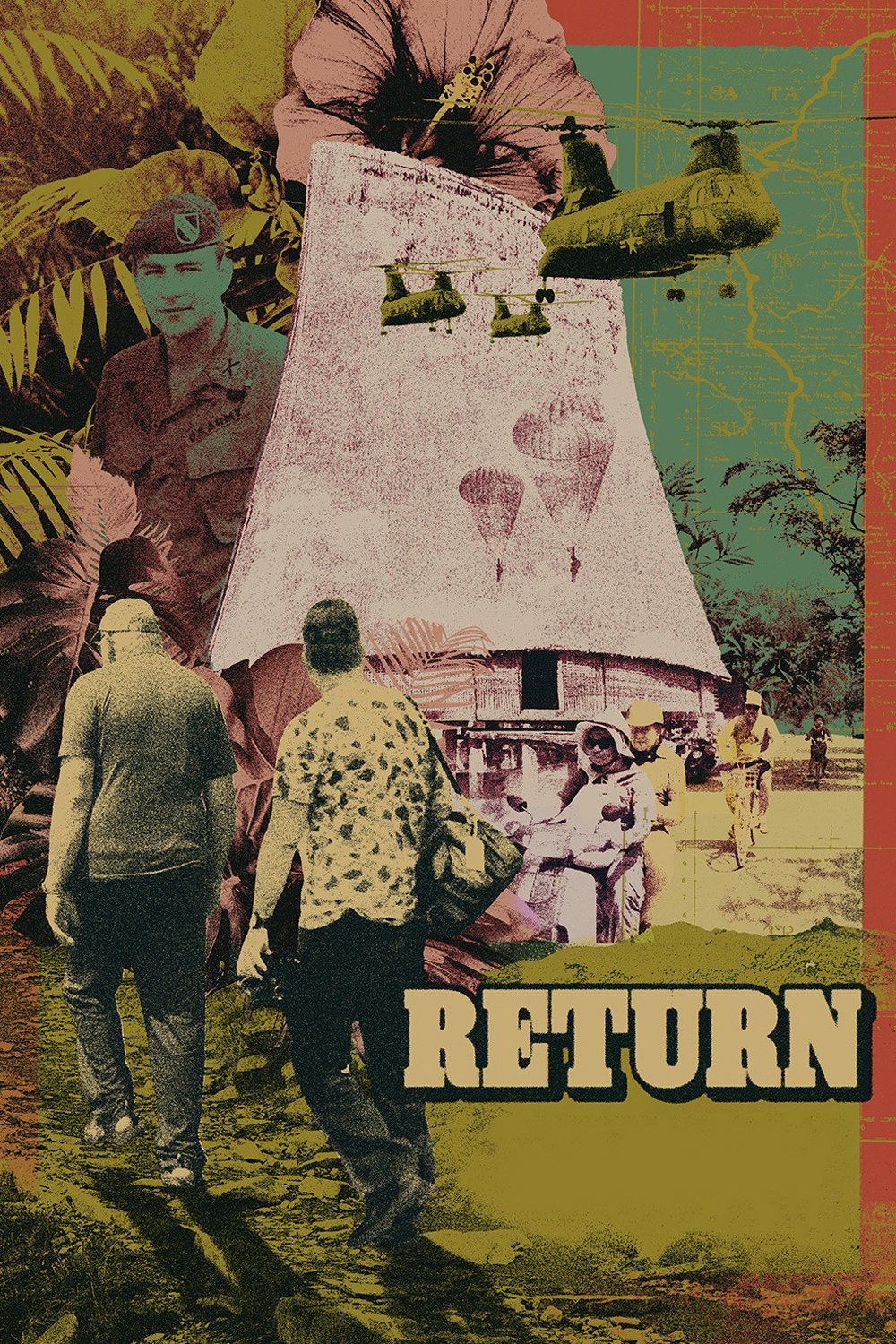
RETURN tells the story of a retired Green Beret who embarks on a healing journey from Montana to Vietnam. There he retraces his steps, shares his wartime experiences with his son, treats his Post-Traumatic Stress Disorder, and seeks out the mountain tribespeople he once lived with and fought alongside as a Special Forces officer.
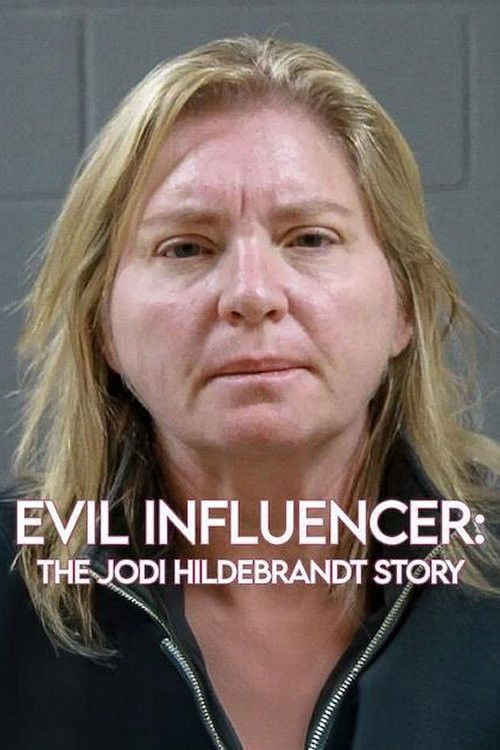
Unravel the case of Utah therapist Jodi Hildebrandt, whose child abuse arrest with parenting YouTuber Ruby Franke exposed a twisted tale of manipulation.
A purely observational non-fiction film that takes viewers into the ethically murky world of end-of-life decision making in a public hospital.
A visual montage portrait of our contemporary world dominated by globalized technology and violence.
A documentary on a former Miss Wyoming who is charged with abducting and imprisoning a young Mormon Missionary.
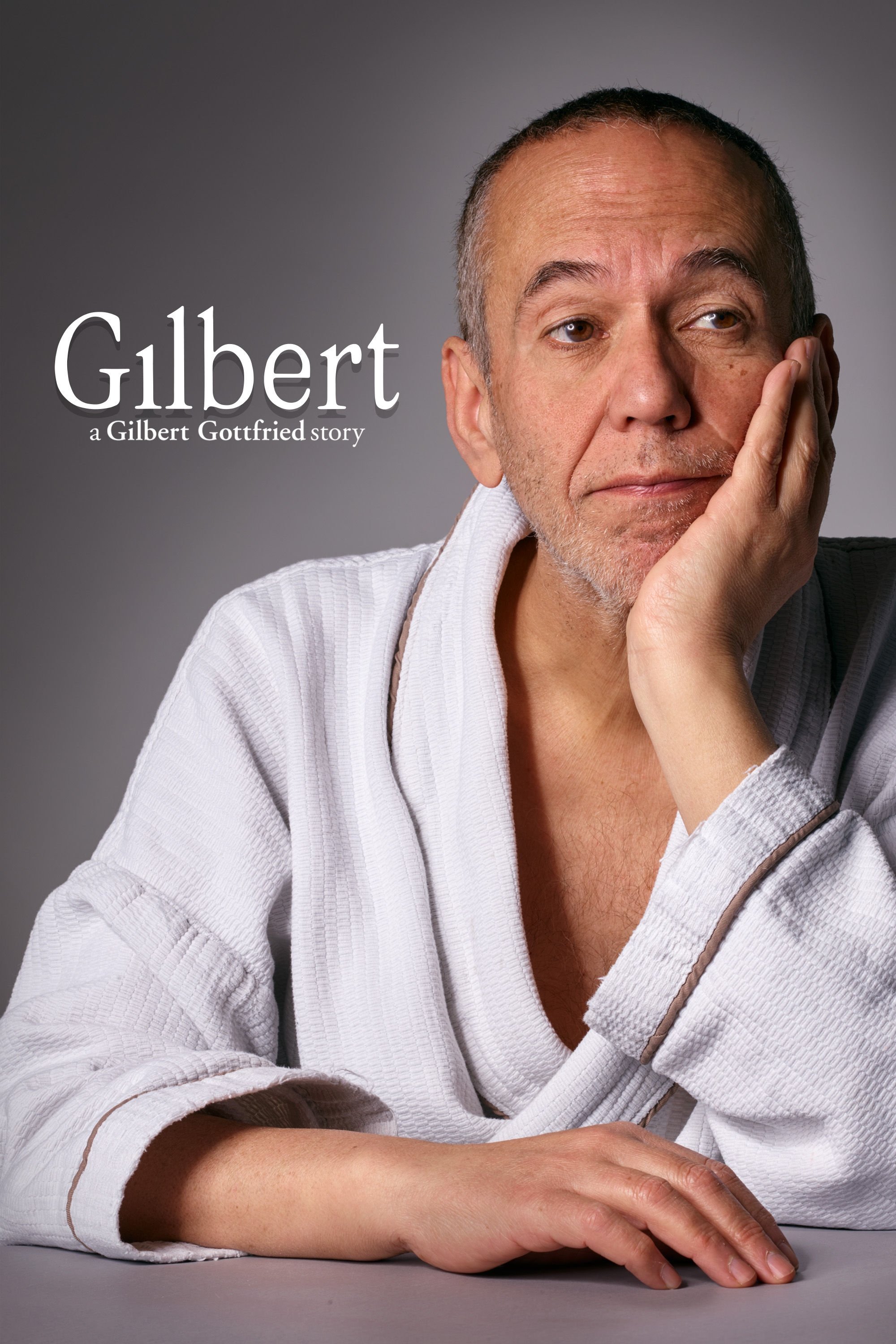
The life and career of one of comedy's most inimitable modern voices, Mr. Gilbert Gottfried.
Vulgar, taunting texts blow up the phones of a teen and her boyfriend. Who's sending them — and why? This twisty documentary reveals the shocking answer.
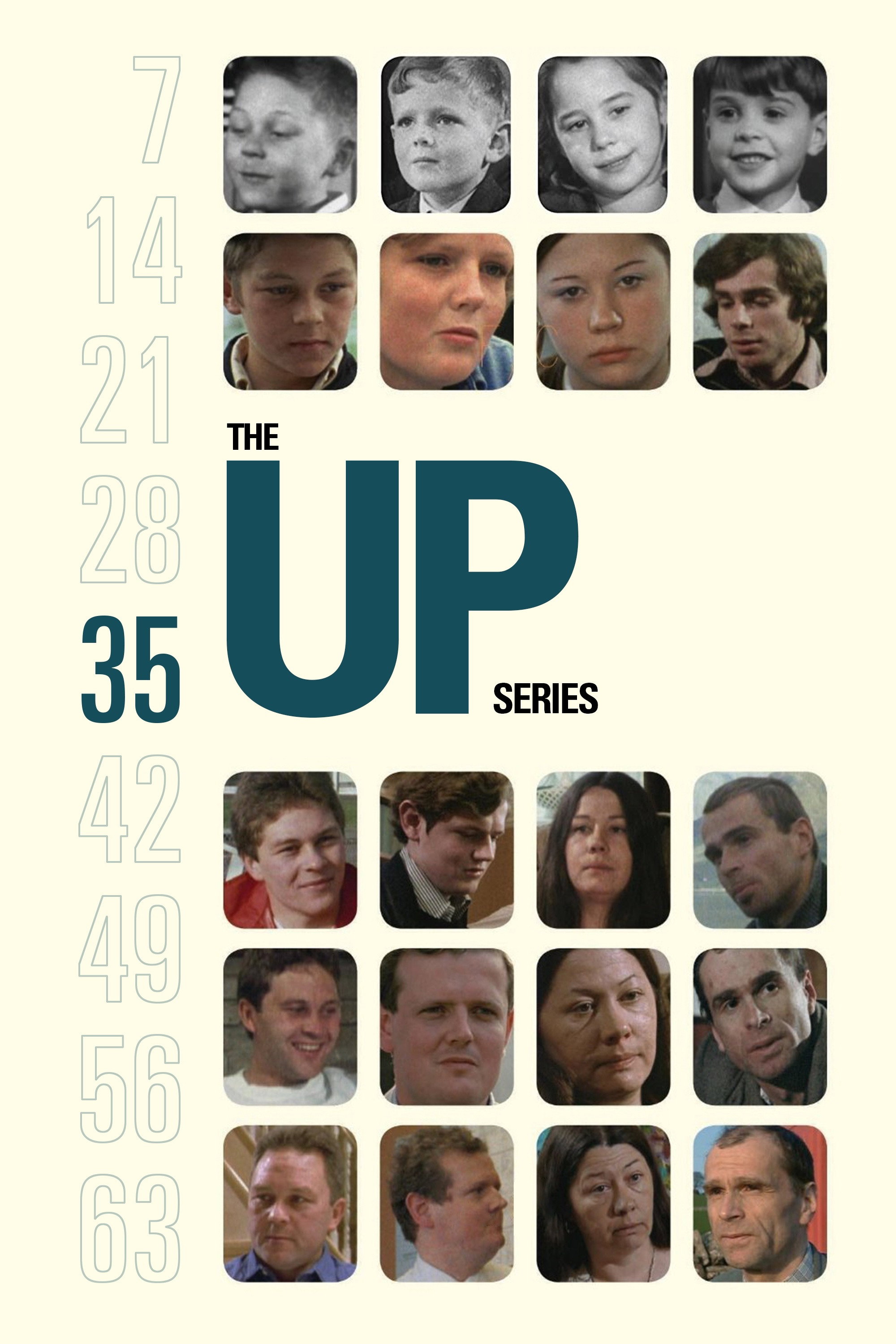
Director Michael Apted revisits the same group of British-born adults after a 7 year wait. The subjects are interviewed as to the changes that have occurred in their lives during the last seven years.
Alex Gibney explores the charged issue of pedophilia in the Catholic Church, following a trail from the first known protest against clerical sexual abuse in the United States and all way to the Vatican.
Daniel Craig candidly reflects on his 15 year adventure as James Bond. Including never-before-seen archival footage from Casino Royale to the upcoming 25th film No Time To Die, Craig shares his personal memories in conversation with 007 producers, Michael G Wilson and Barbara Broccoli.
A compilation of over 30 years of private home movie footage shot by Lithuanian-American avant-garde director Jonas Mekas, assembled by Mekas "purely by chance", without concern for chronological order.