Social & External
The people behind it
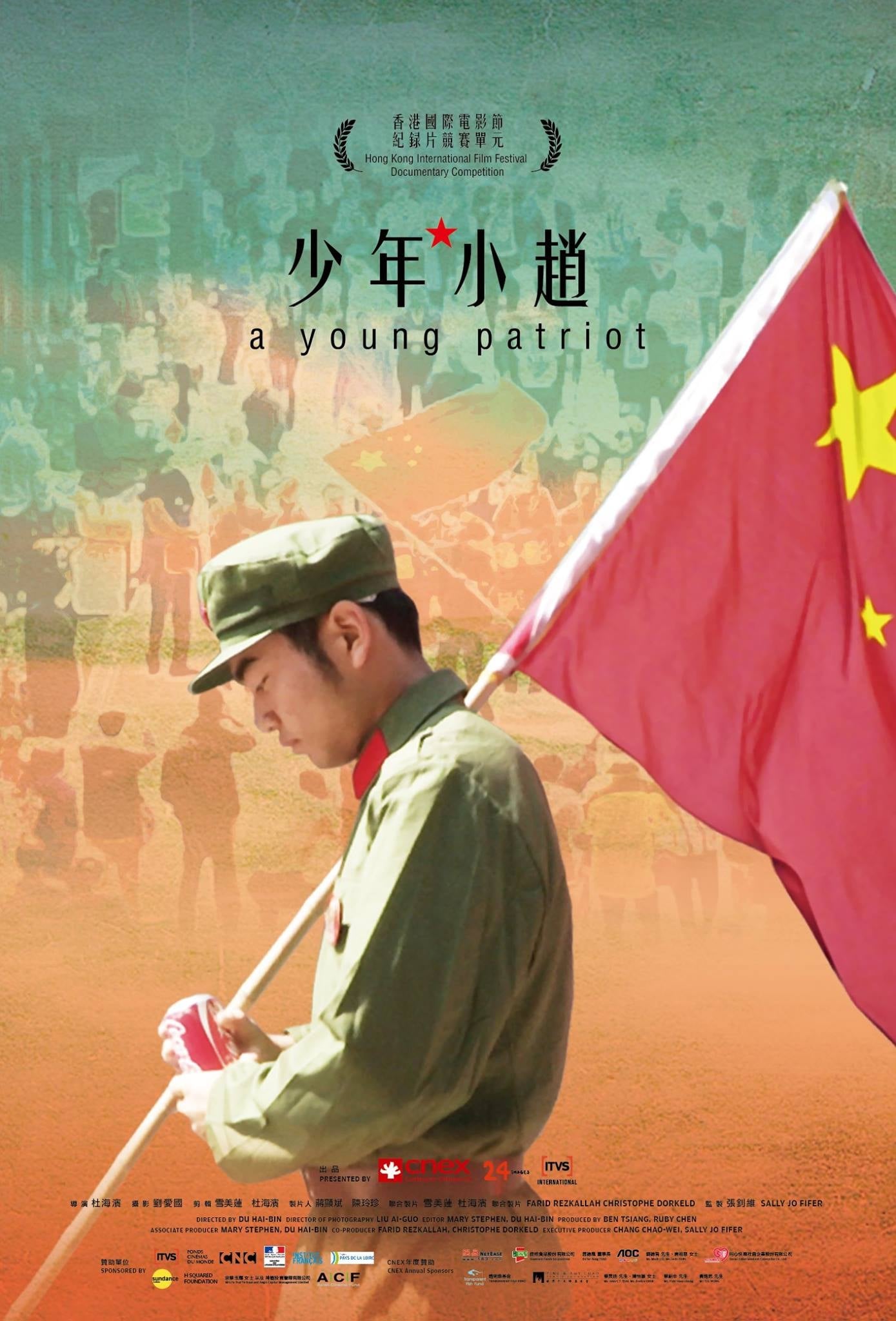
A documentary chronicling the coming of age of a young chinese man.
THE AMERICAN EXPERIENCE presents Nixon’s China Game, the story of an operation so secret that it managed to elude the international press, the members of Nixon’s cabinet, and even the US State Department. The documentary features never-before-seen footage of Kissinger’s secret mission to China, newly released transcripts of the negotiations, private diaries, Nixon’s own handwritten notes, and interviews with American and Chinese officials -- including those who were in on the covert plan, and those who were kept in the dark.
A documentary following Zhou Yuanquiang, a cultural worker in Jingdezhen, China who makes movies with untrained local actors.
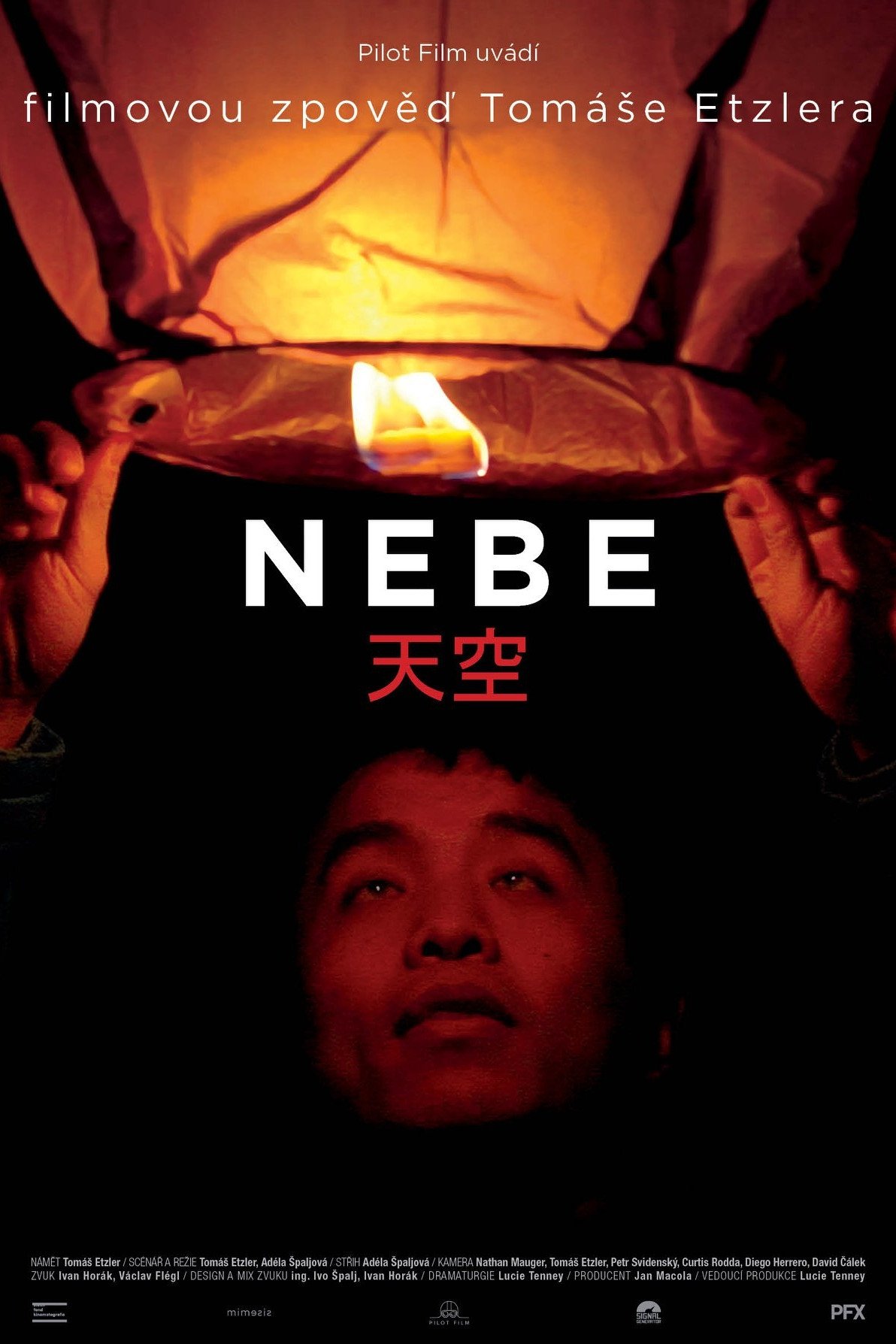
Tomáš Etzler worked for seven years as a foreign correspondent in China. He came to know a country that was developing at an admirably fast pace, was swayed by its energy, and for a moment believed that modernity could bring about political change as well. Before long, it dawned on him that many people would continue to be severely punished, and the regime would still keep most of the nation in a state of indecision and ignorance. Without neglecting that face of China today, Etzler chose to tell a story of hope in his personal documentary. Using the example of an orphanage for disabled children, he shows that the answer to collectivist brutality and ruthlessness can be mutual assistance, tolerance and empathy.
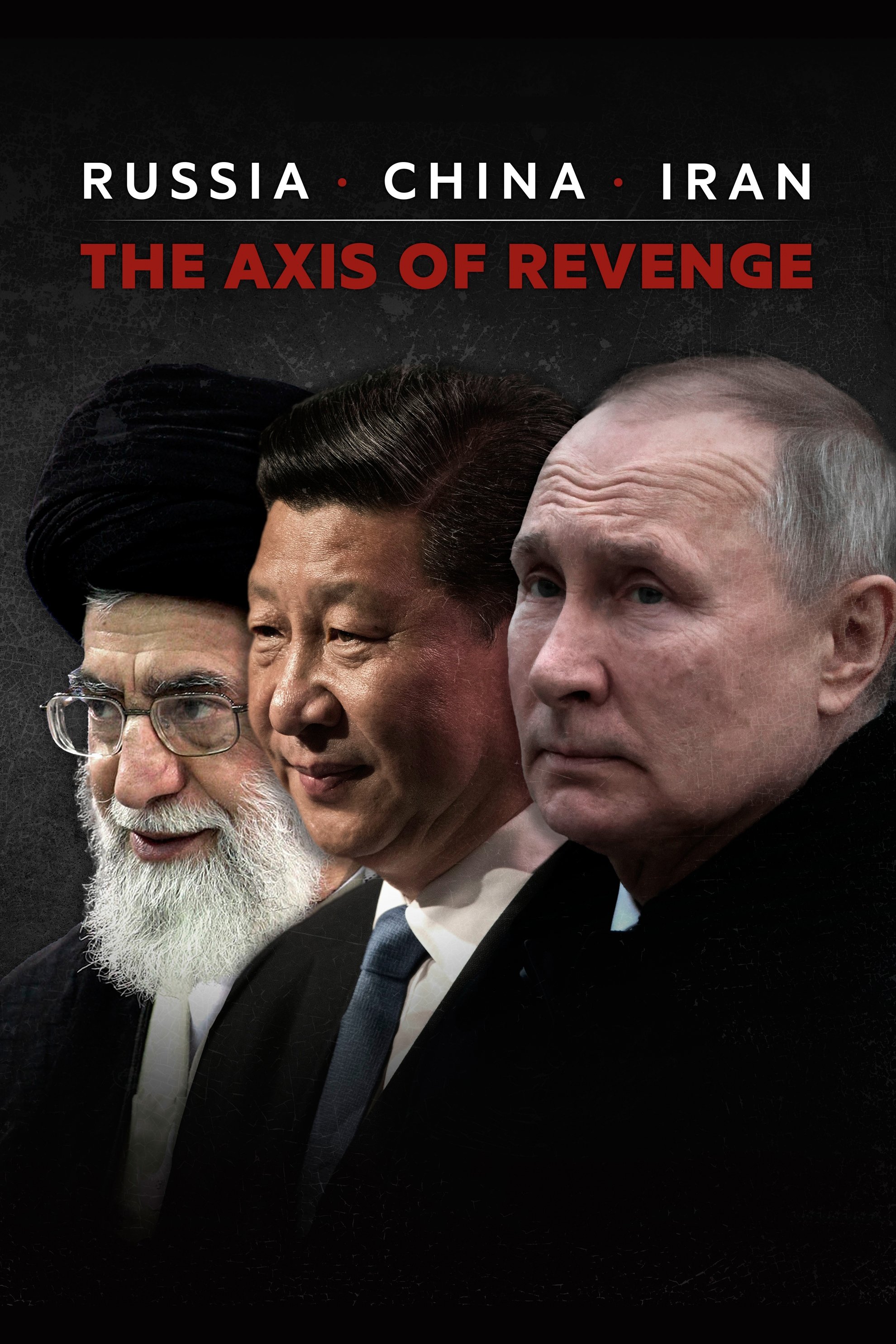
Russia, China and Iran: three former empires are determined to take their revenge and reassert their power after centuries of humiliation. Since the start of the war in Ukraine, they have never been so aligned on the international stage. Their common goal: to put an end to Western hegemony, restore their zone of influence and propose a new model of society. To achieve this, they are waging a hybrid war against the democracies: military, technological, economic, informational and ideological. Are they on the verge of joining forces to create a new world order?
A documentary about young people from rural China who get payed to improve World of Warcraft characters for kids in the West.
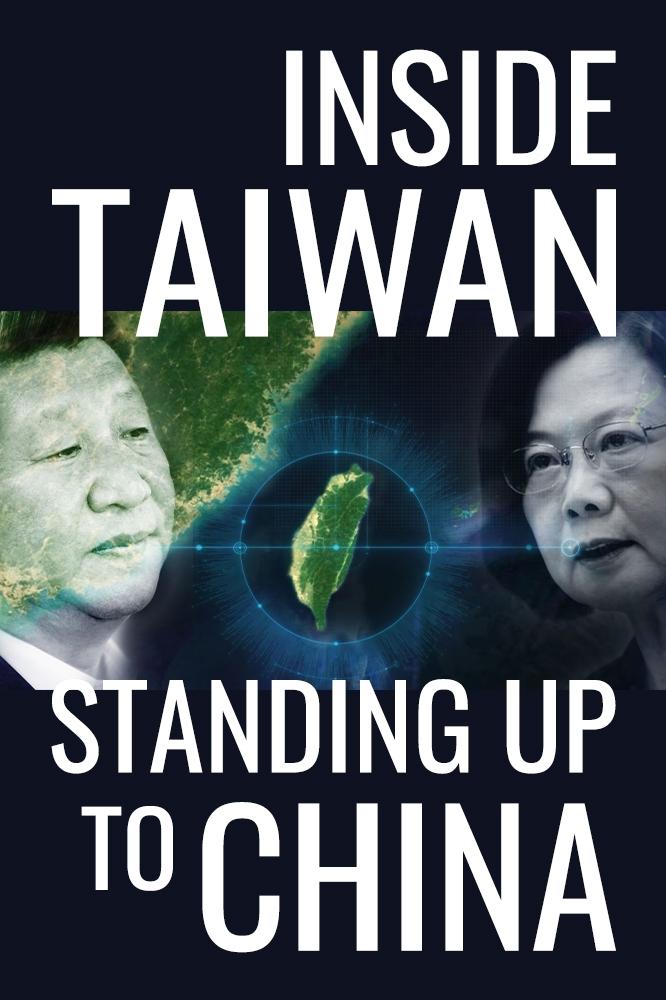
Taiwan is at the heart of a struggle between two nuclear powers – China and the United States - and there are fears it will become the next global conflict. President Xi Jinping insists Taiwan is part of China and must re-unify with the motherland. But Taiwan’s president, Tsai Ing-wen, says the island is already independent and must maintain its freedom and democracy. Jane Corbin investigates how the Taiwanese government and young people are fighting what they say is Chinese disinformation, cyber attacks and dirty tricks.
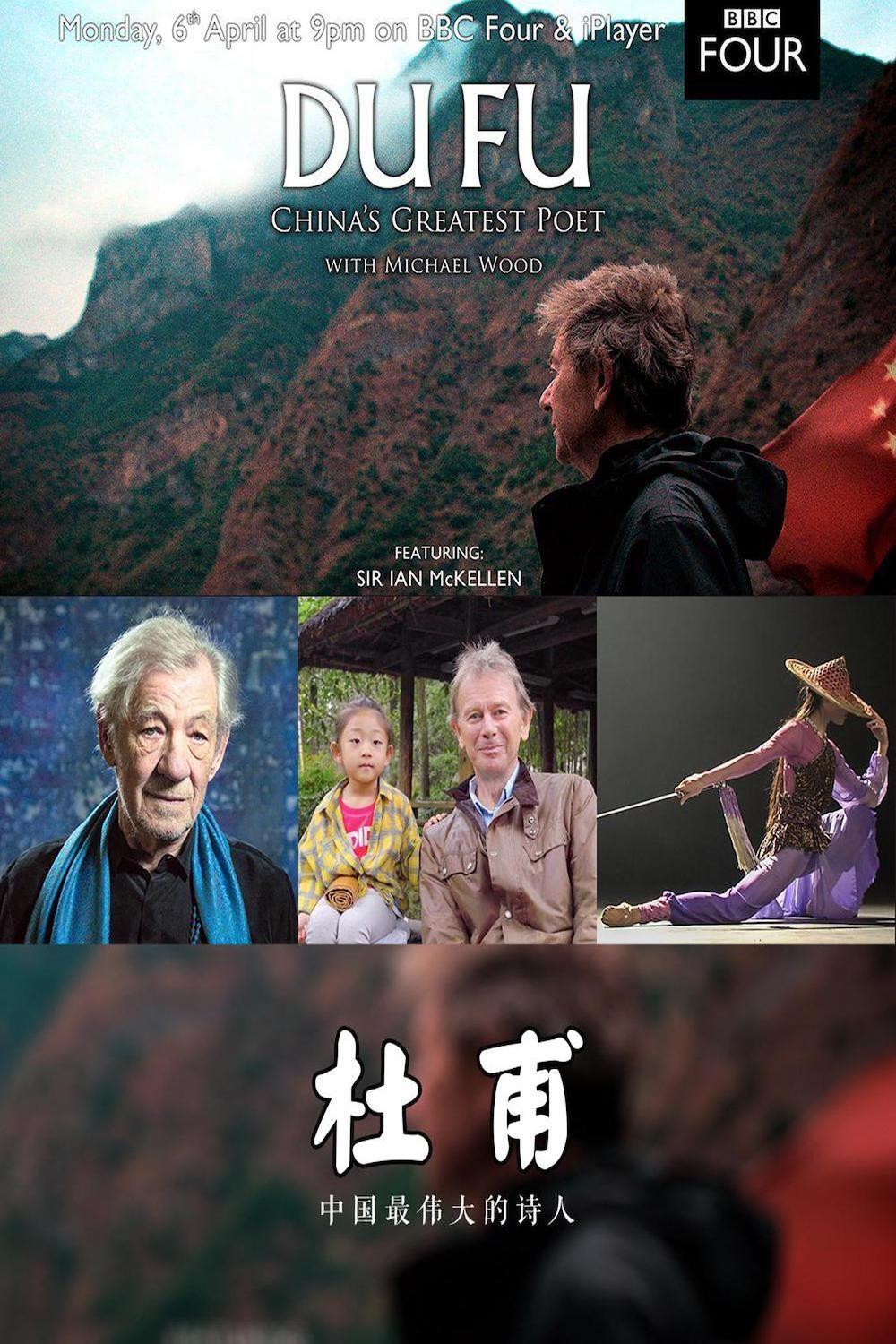
Sir Ian McKellen reads the poetry, Michael Wood traces the journey on the ground. Together they conjure up the extraordinary life, times and words of China’s greatest poet, Du Fu. In this film, the first to ever be made about Du Fu in the west, Michael follows his tracks by road, train and riverboat. Along the way, he meets ordinary people, dancers and musicians, who help to tell the amazing story of a poet whose words have resonated through the centuries, describing the experiences of ordinary people caught up in war, corruption, famine and natural disasters. "I am one of the privileged. If my life is so bitter, then how much worse is the life of the common people?"
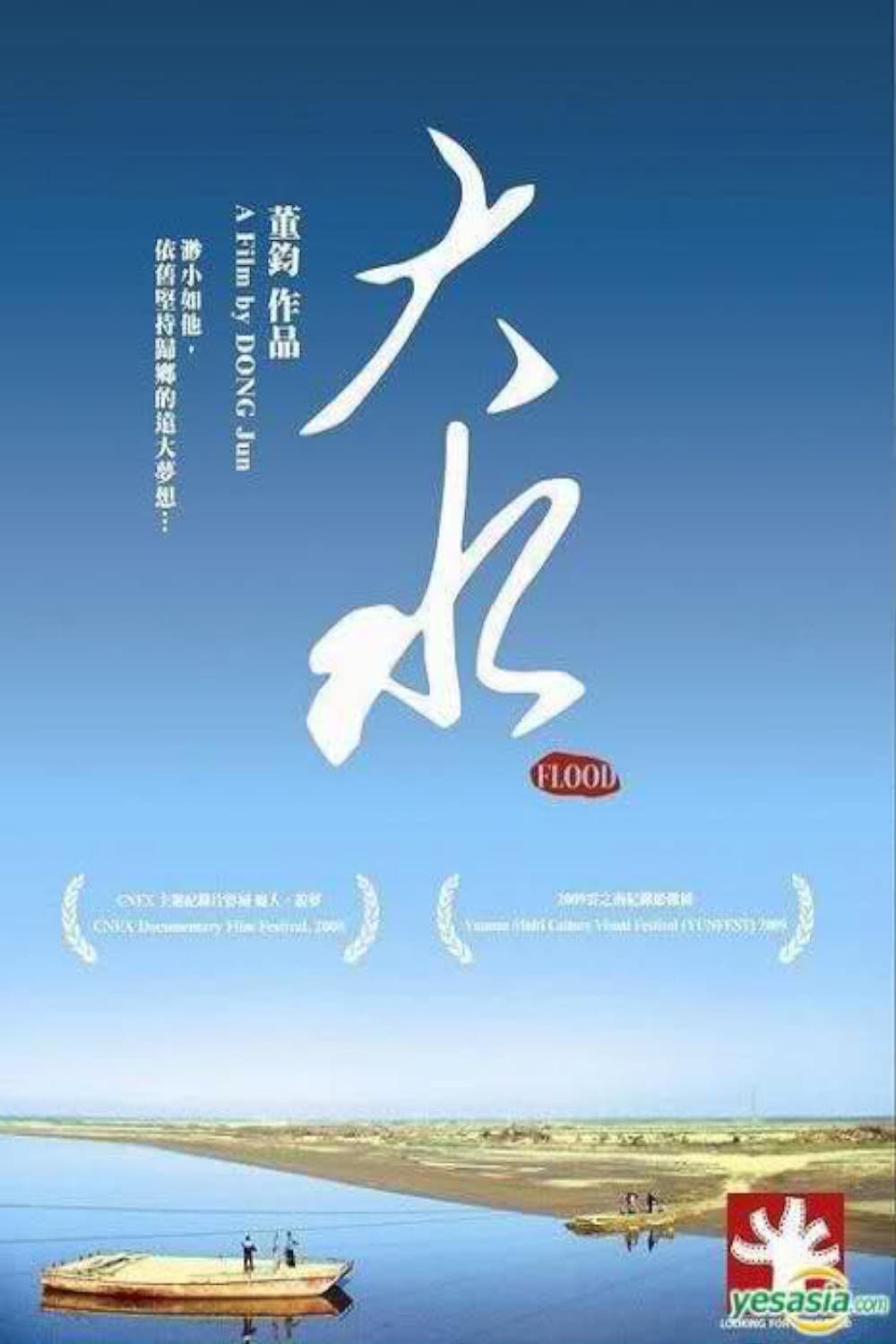
It has been forty years since the Sanmen Gorge project, a great dam high across the Yellow River at Sanmen Gorge, was completed. It's construction has had a large impact on the environment and the people. Among these are conflicts with local farmers, resettlement and life in exile of villagers, flooding and economical development.
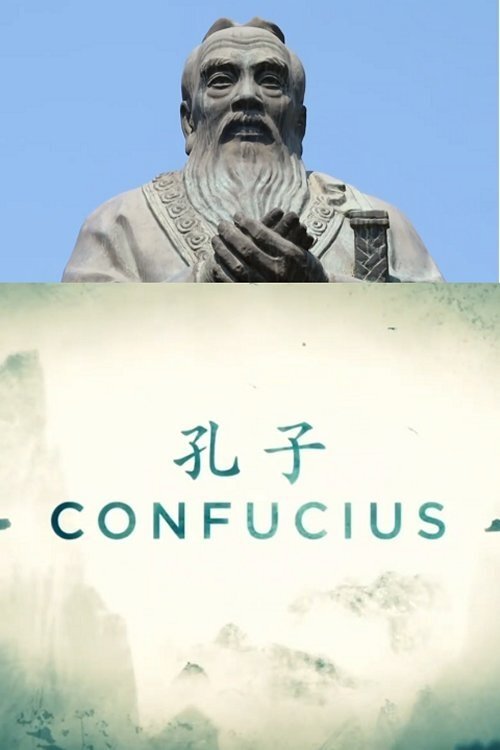
Confucius was one of history's most influential thinkers. He was a sage, philosopher and teacher who, with Socrates and Buddha, lived at an extraordinary time in the evolution of human civilization. This stunningly beautiful drama-documentary explores the life and times of Confucius, while reflecting on his influence on modern justice and morality. Today, Confucius is a window into China's rise.
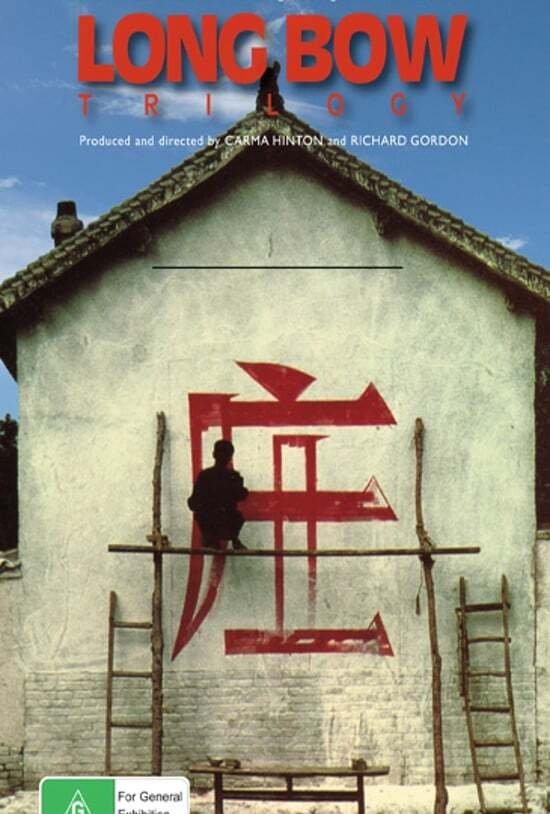
Part Two: SMALL HAPPINESS - Despite the tremendous advances women in China have made, serious problems continue. Long Bow women talk about love, marriage, work, birth control, birth customs and the now outlawed custom of foot binding. Truly moving interviews with Lingqiao and her mother-in-law draw us into their lives.
CRAZY WISDOM explores the arrival of Tibetan Buddhism in America through the story of Chögyam Trungpa, who landed in the U.S. in 1970. Trungpa became renowned for translating ancient Buddhist concepts into language and ideas that Westerners could understand and shattered preconceived notions about how an enlightened teacher should behave. Initially rejected, his teachings are now recognized by western philosophers and spiritual leaders as authentic and profound.
Ran Ran is about to leave Beijing. With only ten days left, how will she decide to spend the rest of her time?
At the turn of the 19th and 20th century Finnish philologist G. J. Ramstedt travelled around Mongolia and Central-Asia. In this documentary Ramstedt’s memoirs are heard in the modern day setting, where tradition is replaced with hunger for money, and deserts give way to cities.
In late October 2022, a developed city splited into two realities. Inside a sealed compound, children run, shout, and play as if the world is small enough to hold. Outside, the city surfaces through shaky phone fragments—conflict, shouting, pressure, light—then disappears again. Zheng does not explain what happened. It holds the gap between inside and outside until it hurts, asking the viewer to sit with a late arrival of knowledge: how can a city be both ordinary and unbearable at once?
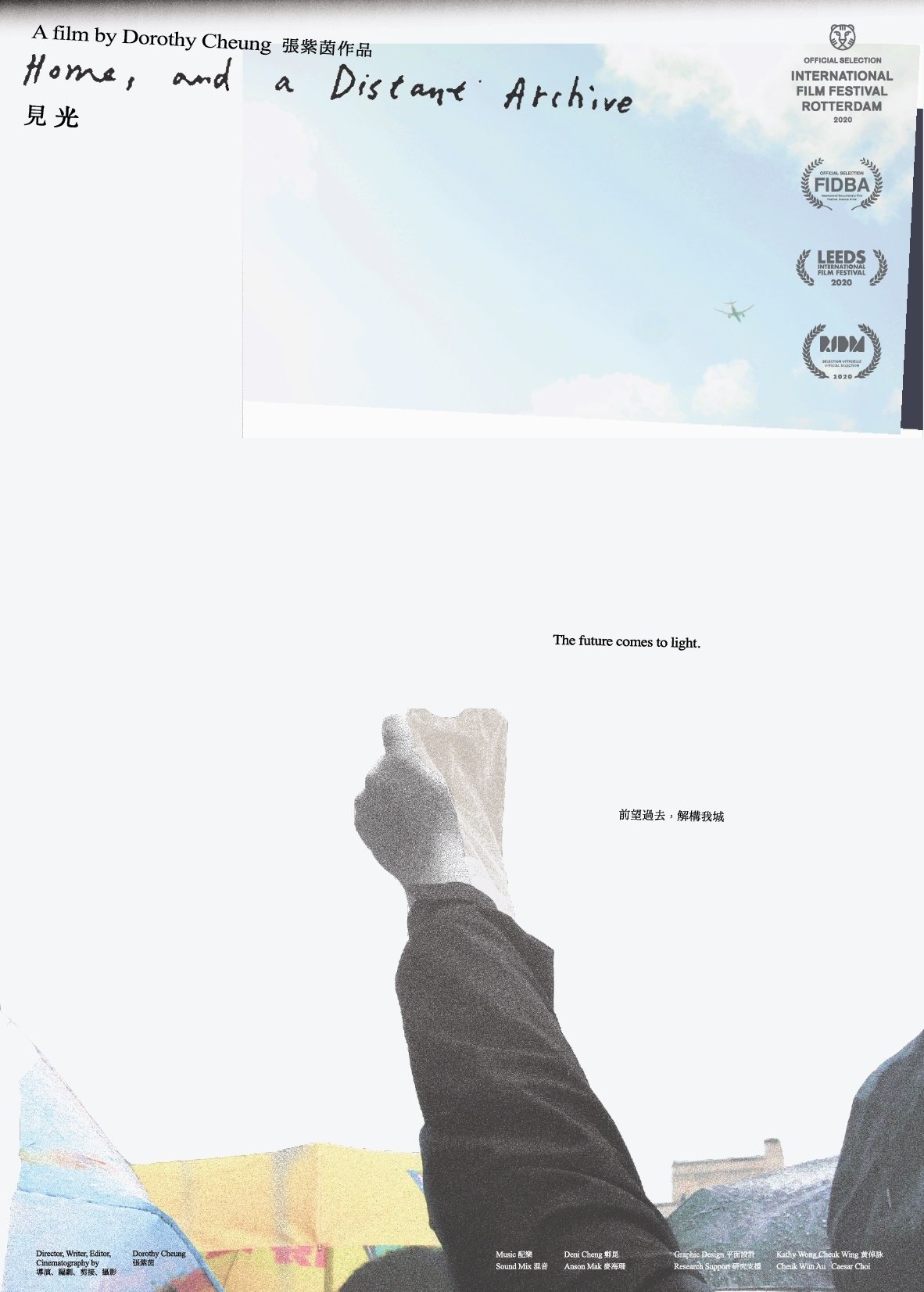
A poetic, experimental portrait of four Hong Kong women in London working to digitise records of the handover agreement between the United Kingdom and China. Impressionistic and precise, personal and expansive, Cheung's elegant, eloquent work decodes history and how politics are enacted.
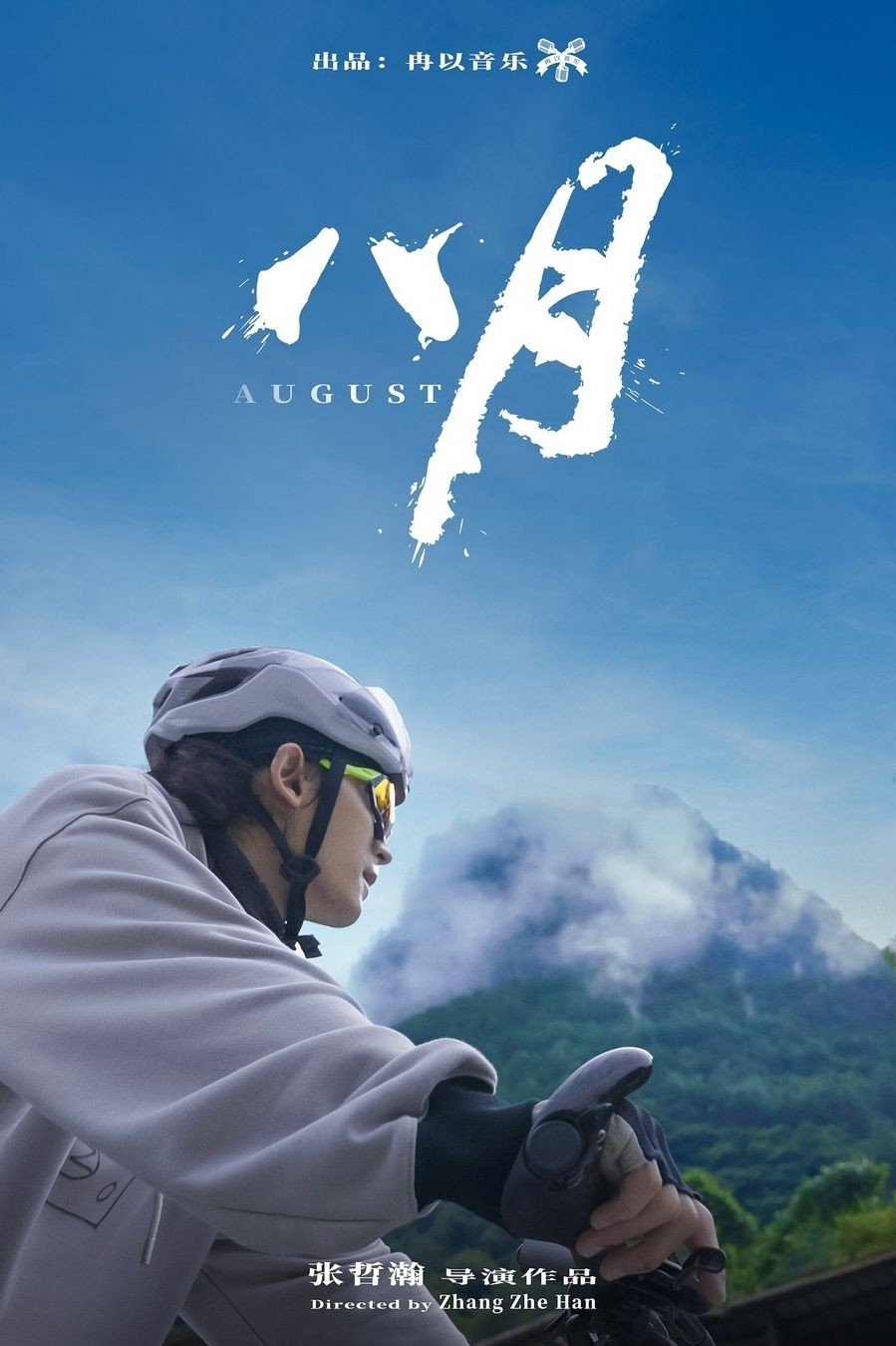
The documentary marks the directorial debut of Chinese actor Zhang Zhehan, it documents his deeply personal journey of self-healing in the aftermath of a devastating cyber media storm in August 2021 that abruptly halted his acting career.
Chai Jing's documentary about the massive smog problem in China. Chai Jing started making the documentary when her as yet unborn daughter developed a tumour in the womb, which had to be removed very soon after her birth. Chai blames air pollution for the tumour. The film, which combines footage of a lecture with interviews and factory visits, has been compared with Al Gore's An Inconvenient Truth in both its style and likely impact. The film openly criticises state-owned energy companies, steel producers and coal factories, as well as showing the inability of the Ministry of Environmental Protection to act against the big polluters.
During the Cultural Revolution in China in the late 20th century, ethnic Manchu people were persecuted and forced to give up such cultural traditions as the shaman dance (tiao tchin, meaning "spirit-jumping" or "god's dance"). However, on Changbai Mountain in Northeast China, a farmer named Guan Yunde decided to start designing and building traditional Manchu shaman drums. At age 70, he is one of a minority of ethnic Manchu people in China's Jilin province, and one of the few people keeping the Manchu shamanic tradition alive.
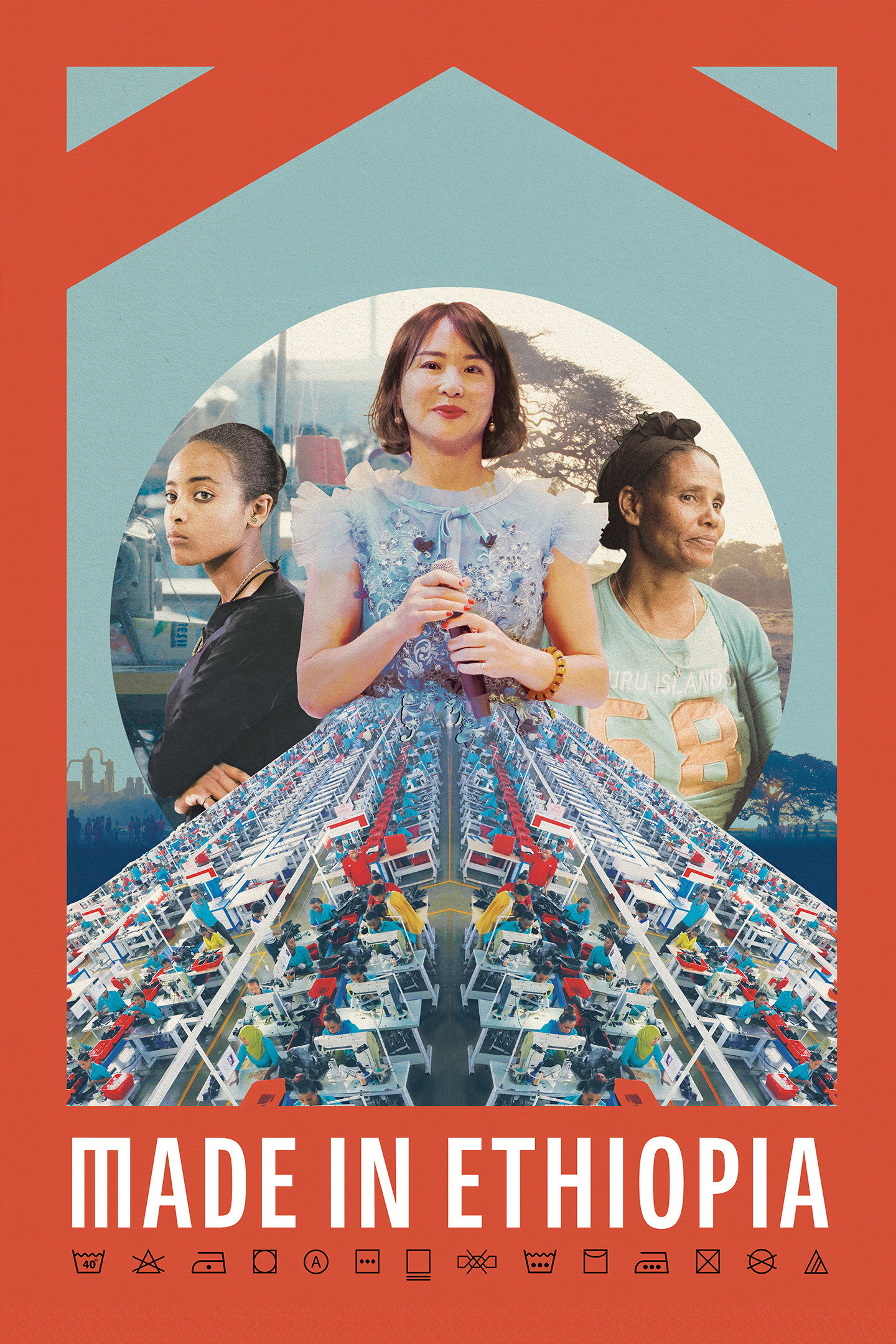
When a massive Chinese factory complex attempts a high-stakes expansion in rural Ethiopia, three women in search of prosperity have their faith in industrialization tested to the limit. Filmed over four years with singular access, Made in Ethiopia lifts the curtain on China’s historic but misunderstood impact on Africa, and explores contemporary Ethiopia at a moment of profound crisis. The film was awarded the Jury Special Mention at Tribeca Festival.
An inside look at one of the most anticipated movie sequels ever with James Cameron and cast.
A string of threatening emails escalates into a revenge plot involving a newly married US marshal and his ex-girlfriend.
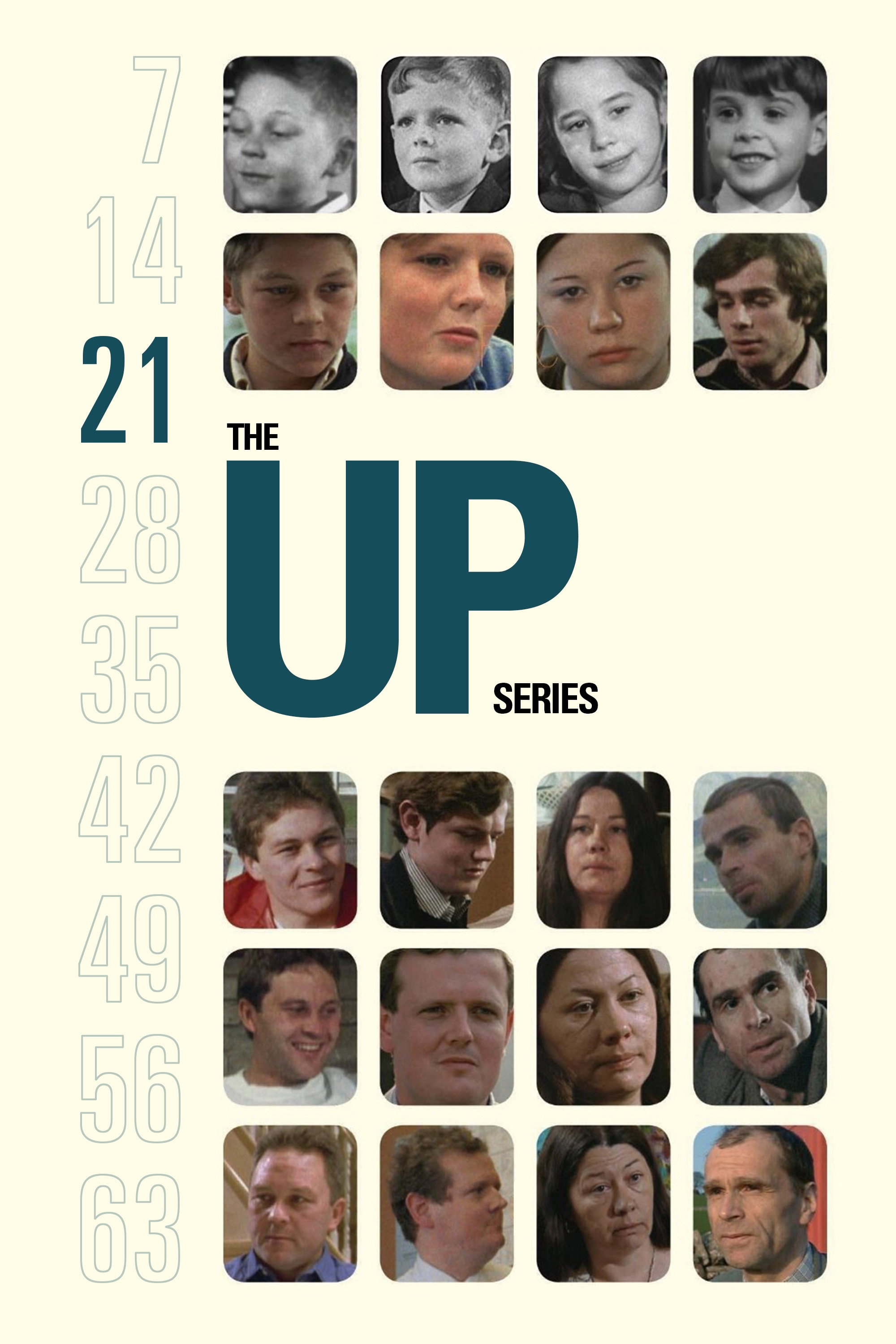
After another 7 year wait, director Michael Apted revisits the same group of British-born children from Seven Up! and 7 Plus Seven. The subjects are interviewed as to the changes that have occurred in their lives during the last seven years.
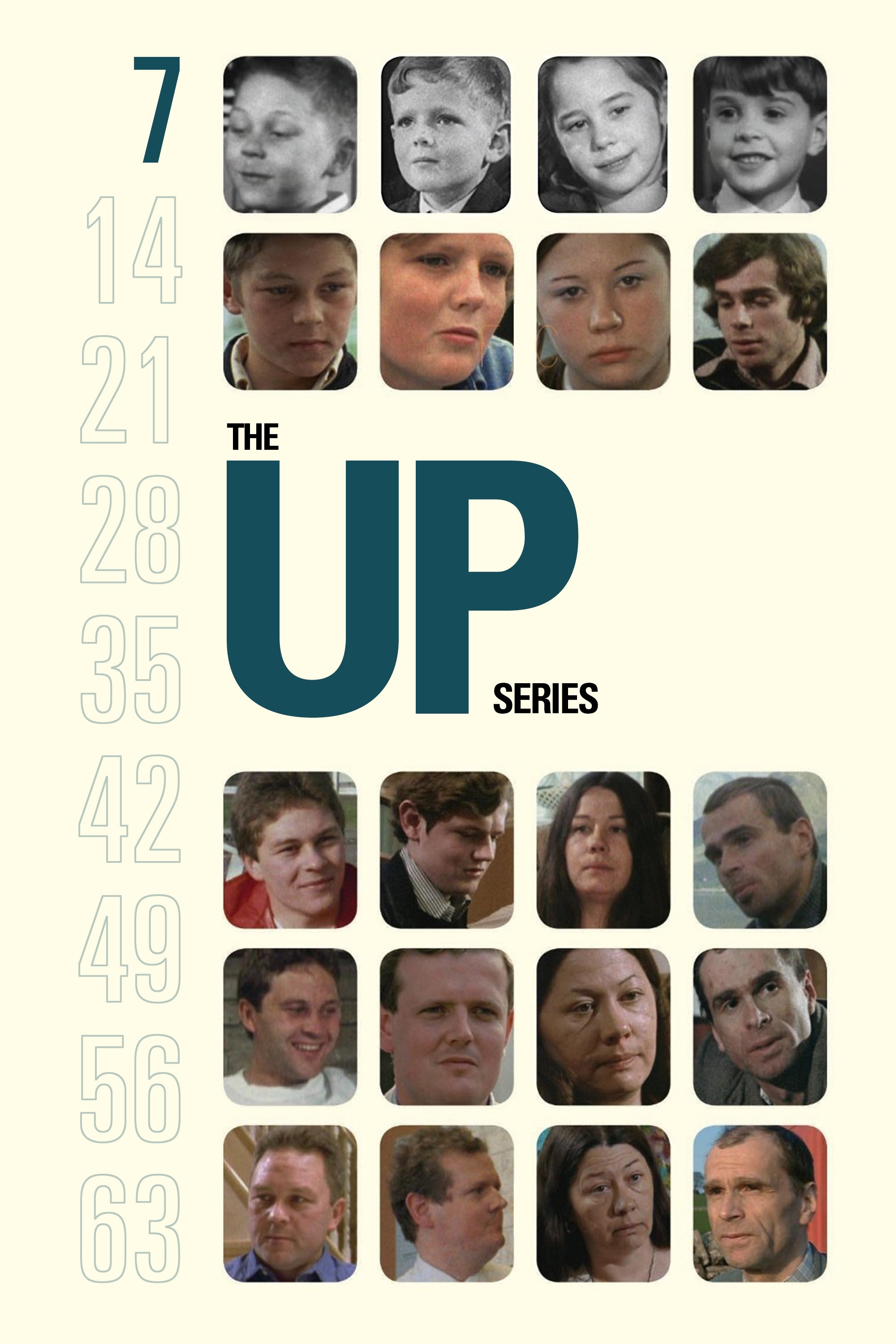
A group of British children aged 7 from widely ranging backgrounds are interviewed about a range of subjects. The filmmakers plan to re-interview them at 7 year intervals to track how their lives and attitudes change as they age.
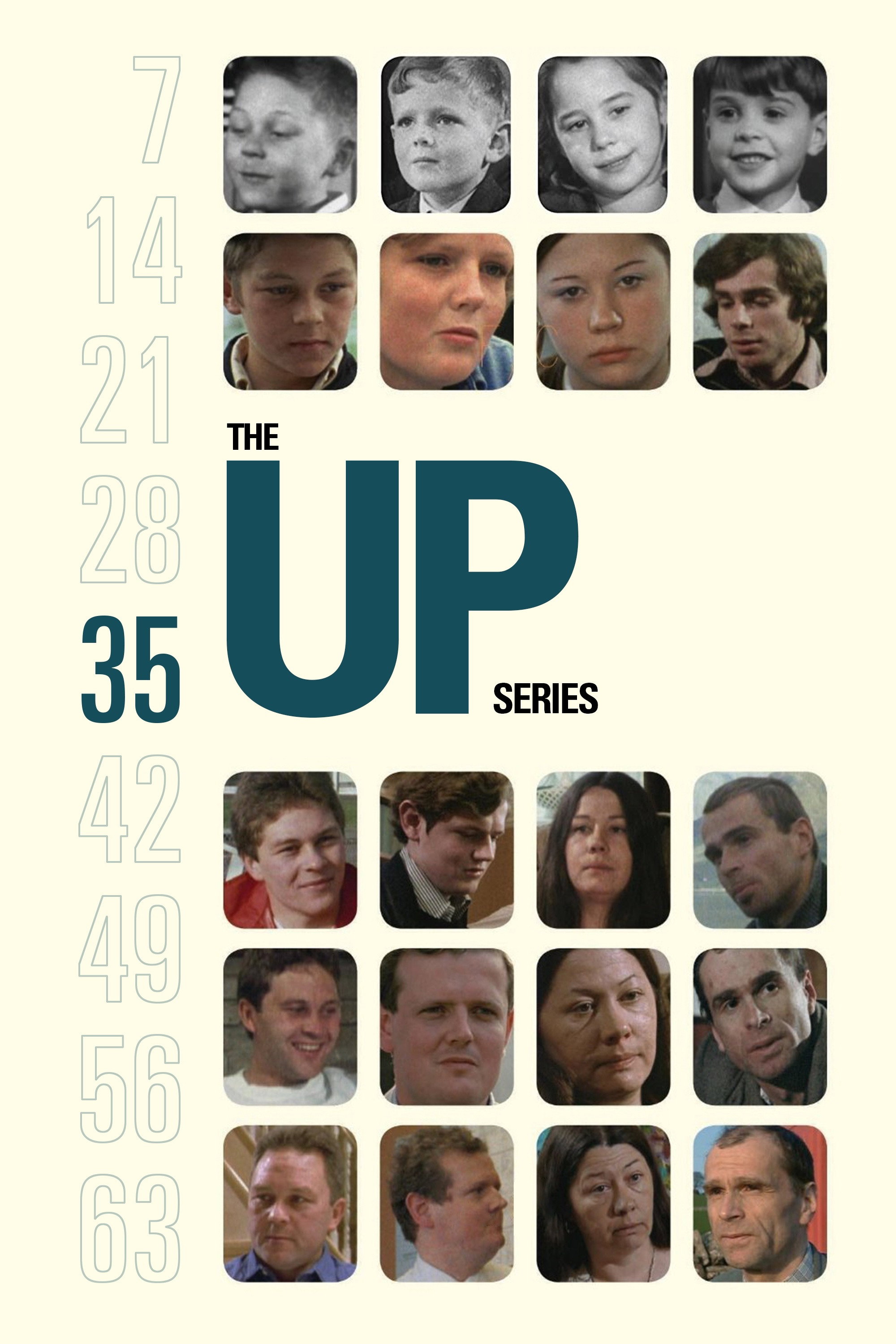
Director Michael Apted revisits the same group of British-born adults after a 7 year wait. The subjects are interviewed as to the changes that have occurred in their lives during the last seven years.
Over 35 years after Bob Lazar's revelations, this documentary exposes secrets of a facility the government still denies. Featuring Lazar's testimony, recreations, and new evidence, it reopens a case that continues to spark global curiosity
Daniel Craig candidly reflects on his 15 year adventure as James Bond. Including never-before-seen archival footage from Casino Royale to the upcoming 25th film No Time To Die, Craig shares his personal memories in conversation with 007 producers, Michael G Wilson and Barbara Broccoli.
Bruce Conner’s most celebrated film for a reason: it takes historical moments that were replayed over and over on television—chilling repetition of Kennedy assassination coverage—and repurposes them into a meditation on how the media tries to exert authority and apply a sense of order to the anarchic. And though it may sound perverse to say so, the film is also—not incidentally—a thrill to watch. -- The A.V. Club
Through deeply personal interviews with her siblings and an examination of the photographs, letters, and belongings left behind, Mariska assembles a new portrait of her mother Jayne Mansfield, an extraordinary and complex woman.
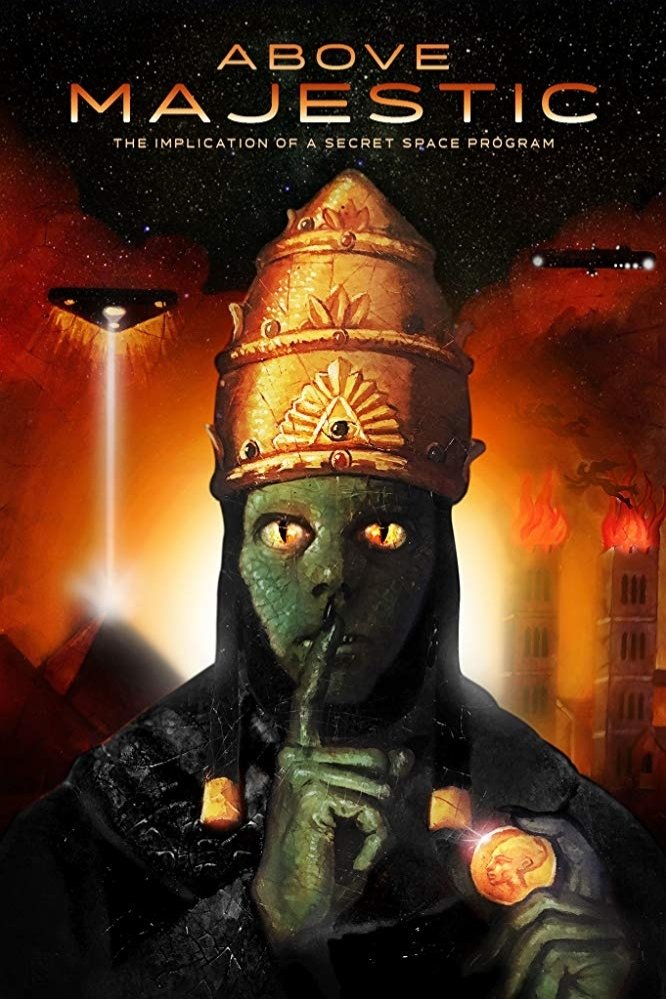
A look at the origins, history and conspiracies behind the "Majestic 12", a clandestine group of military and corporate figureheads charged with reverse-engineering extraterrestrial technology.
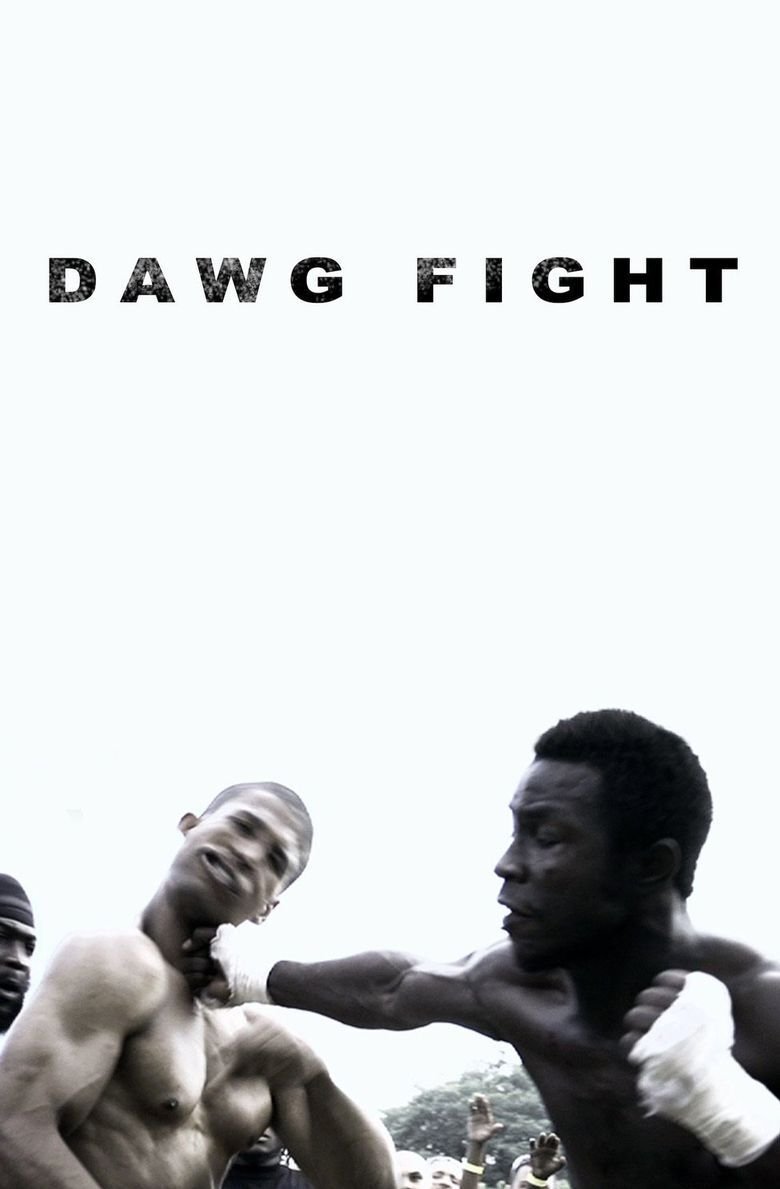
In a crime-plagued neighborhood near Miami, brutal, bare-knuckled backyard fights give young men a chance to earn money -- and self-respect.
The life of Mr. Spock, as well as that of Leonard Nimoy, the actor who played him for almost fifty years, written and directed by his son: Adam.
The Captains is a feature-length documentary film written and directed by William Shatner. The film follows Shatner as he interviews the other actors who have portrayed starship captains in the Star Trek franchise.
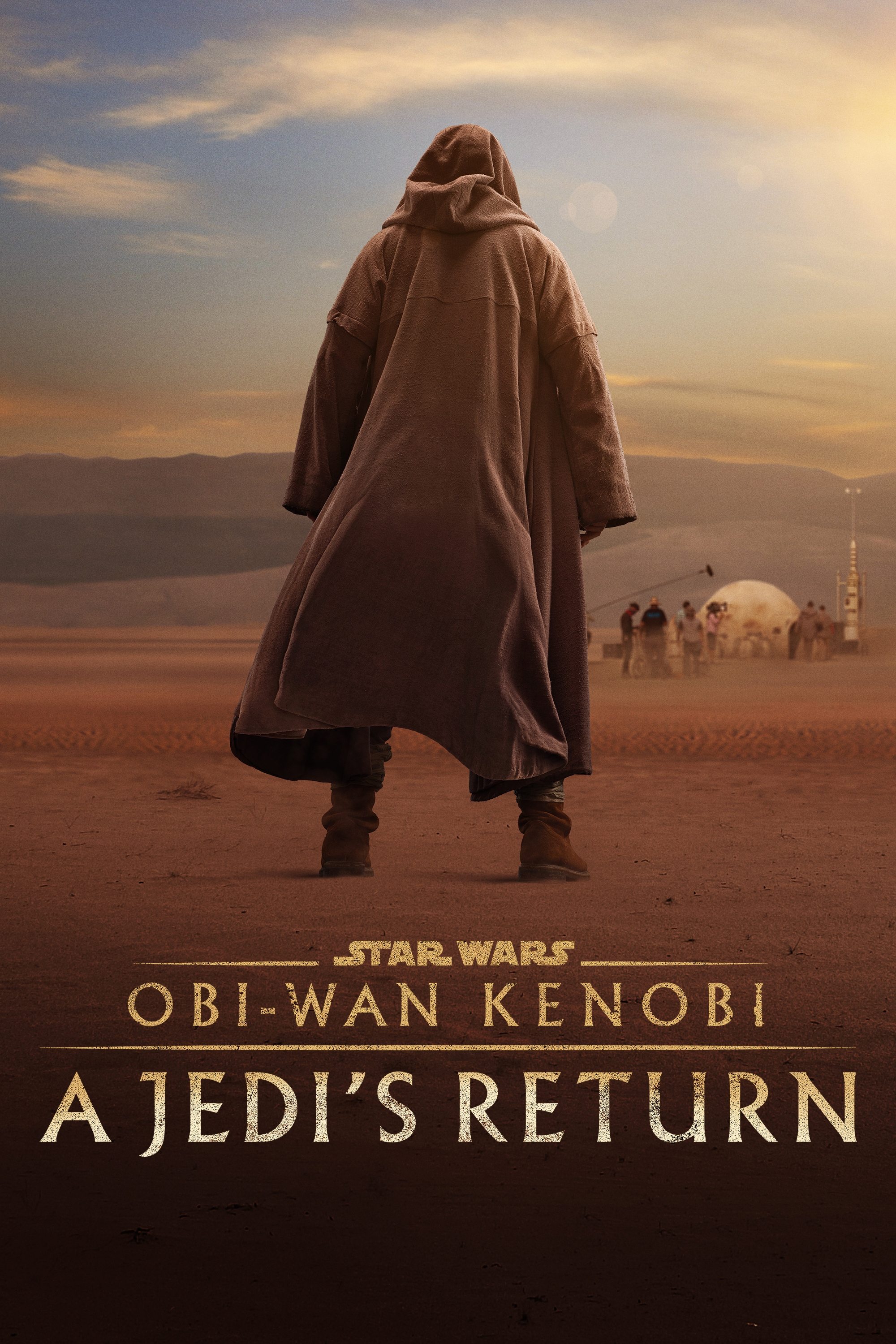
This special explores the return of Obi-Wan Kenobi and Anakin Skywalker to the screen, as well as Ewan McGregor and Hayden Christensen to their classic roles. Director Deborah Chow leads the cast and crew as they create new heroes and villains that live alongside new incarnations of beloved Star Wars characters, and an epic story that dramatically bridges the saga films.
The life and career of an actor, artist, and icon. His own journey through his own camera.
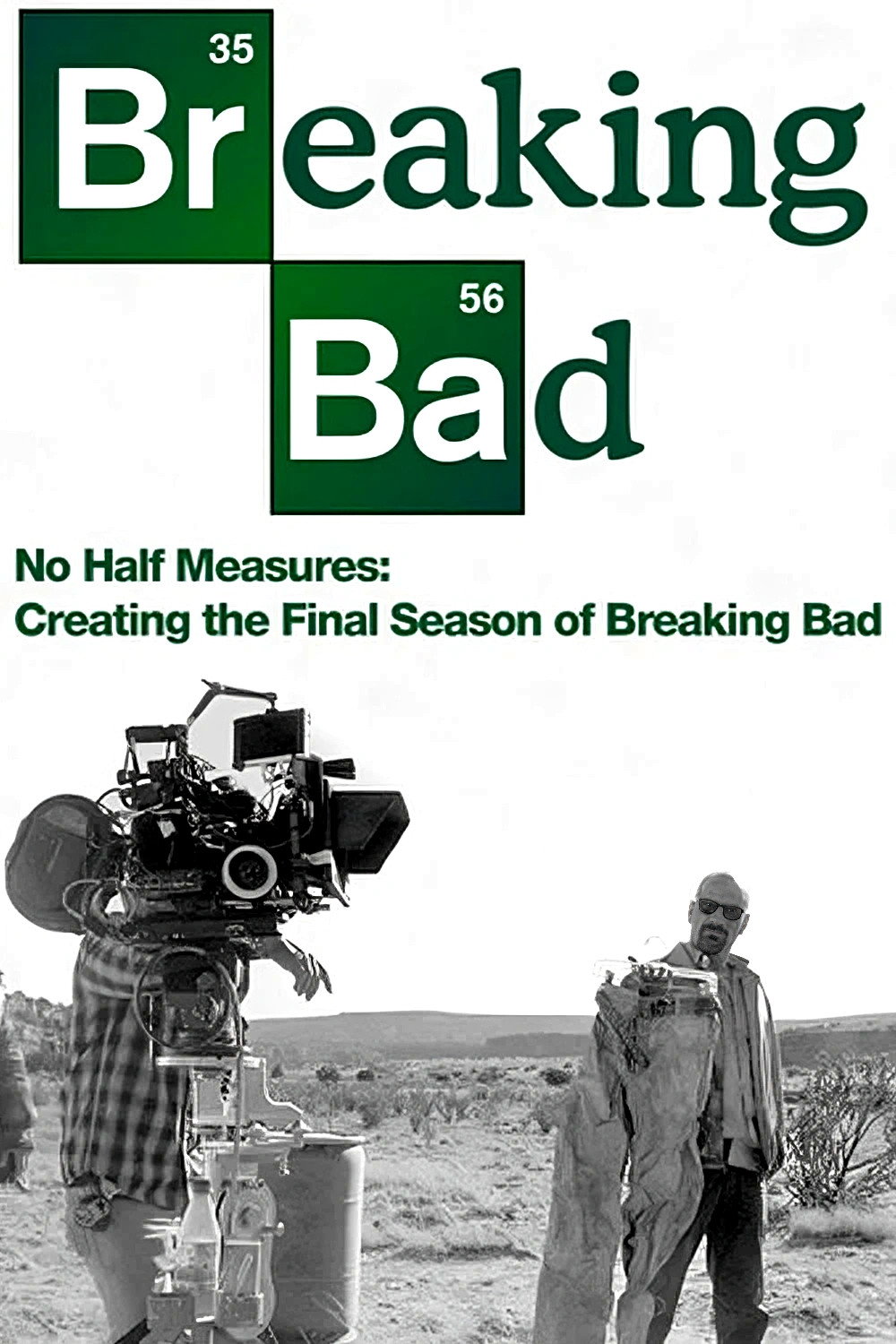
A documentary about the making of season five of the acclaimed AMC series Breaking Bad.
Al Pacino's deeply-felt rumination on Shakespeare's significance and relevance to the modern world through interviews and an in-depth analysis of "Richard III."
JB Smoove and Martin Starr host a celebration of 20 years of "Spider-Man" movies, from the Sam Raimi trilogy to Marc Webb's movies and the trio from Jon Watts.
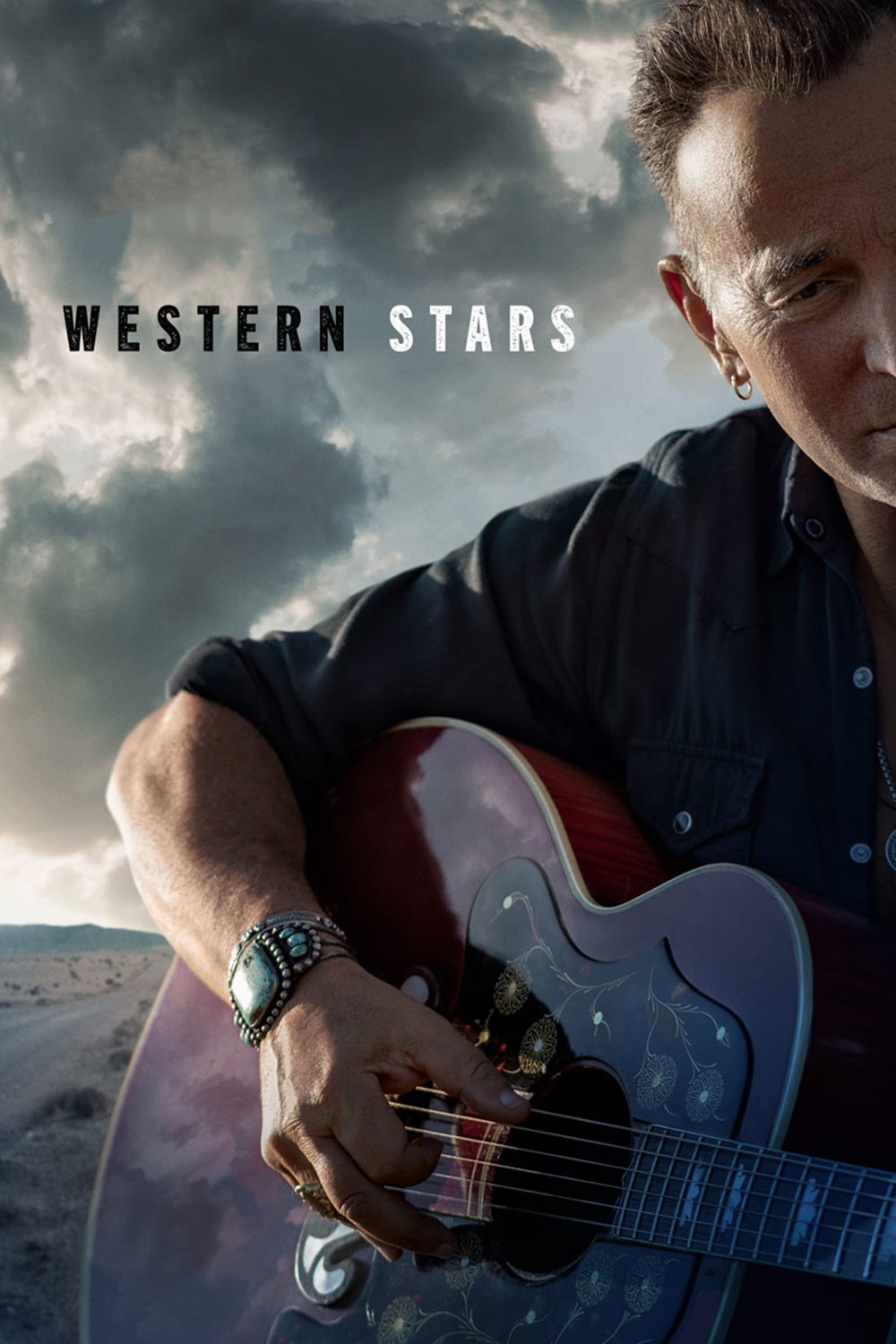
The incomparable Bruce Springsteen performs his critically acclaimed latest album and muses on life, rock, and the American dream, in this intimate and personal concert film co-directed by Thom Zimny and Springsteen himself.
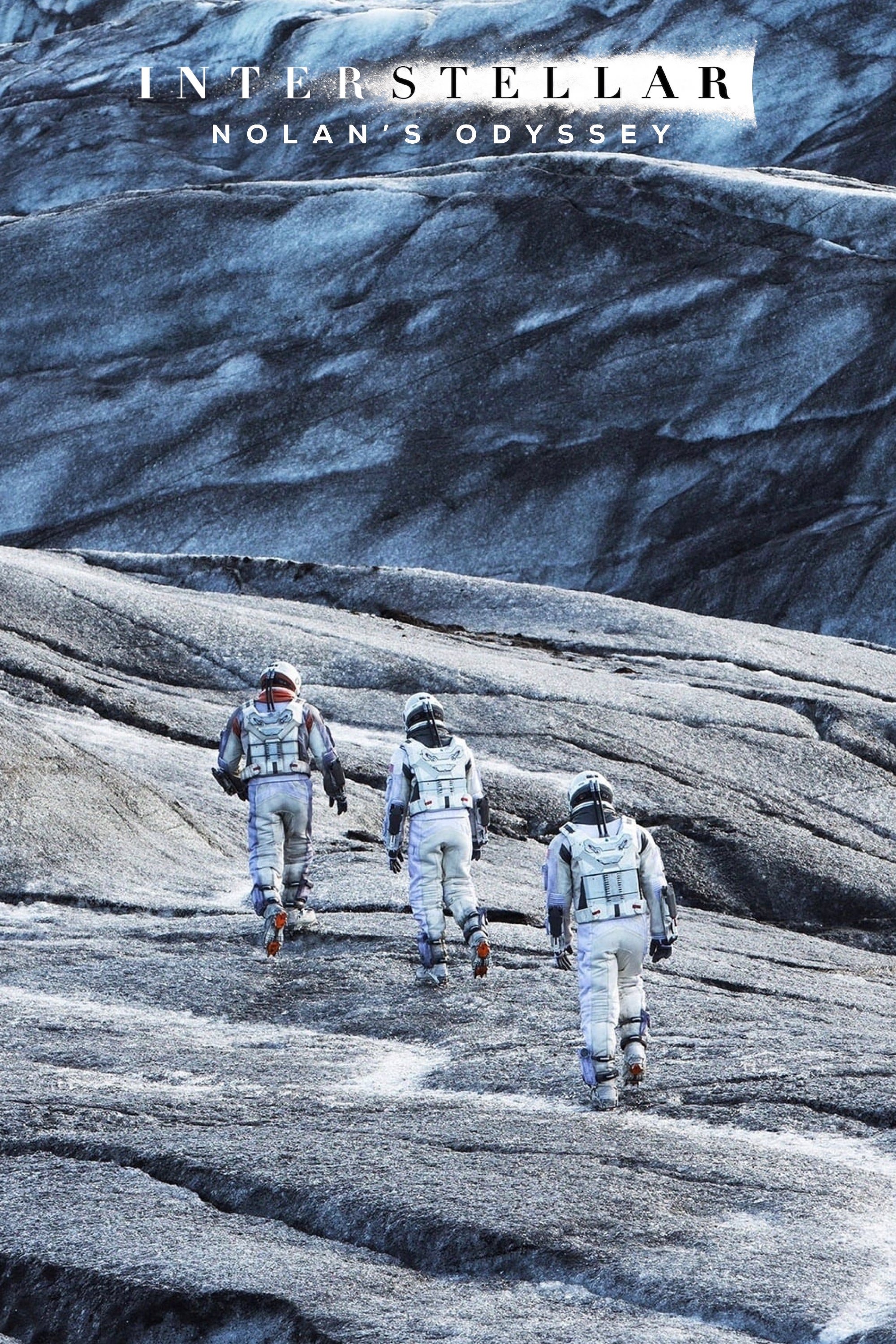
A look behind the lens of Christopher Nolan's space epic.