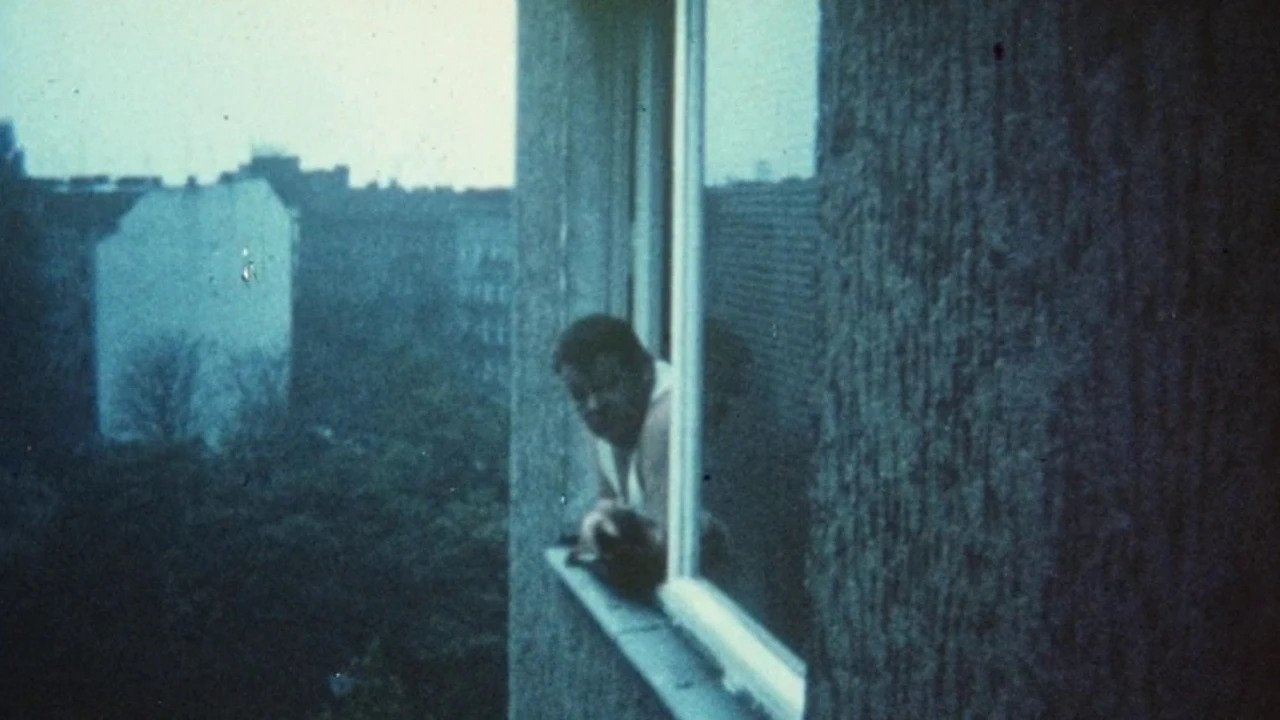
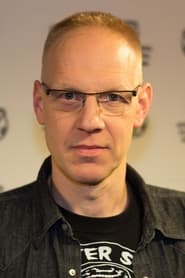
A short documentary about Jörg Buttgereit's father.
Social & External
The people behind it
Erich Buttgereit
Self
Jörg Buttgereit
Outrage kiss-in at Bow Street police station in London, with a demonstration against homophobic government bills clause 25/28.
In this tape, Ko Nakajima and Video Earth Tokyo interview a homeless man. The subject is initially angry and frustrated, but gradually opens up and shares stories about his life. Under A Bridge was later broadcast on cable television.
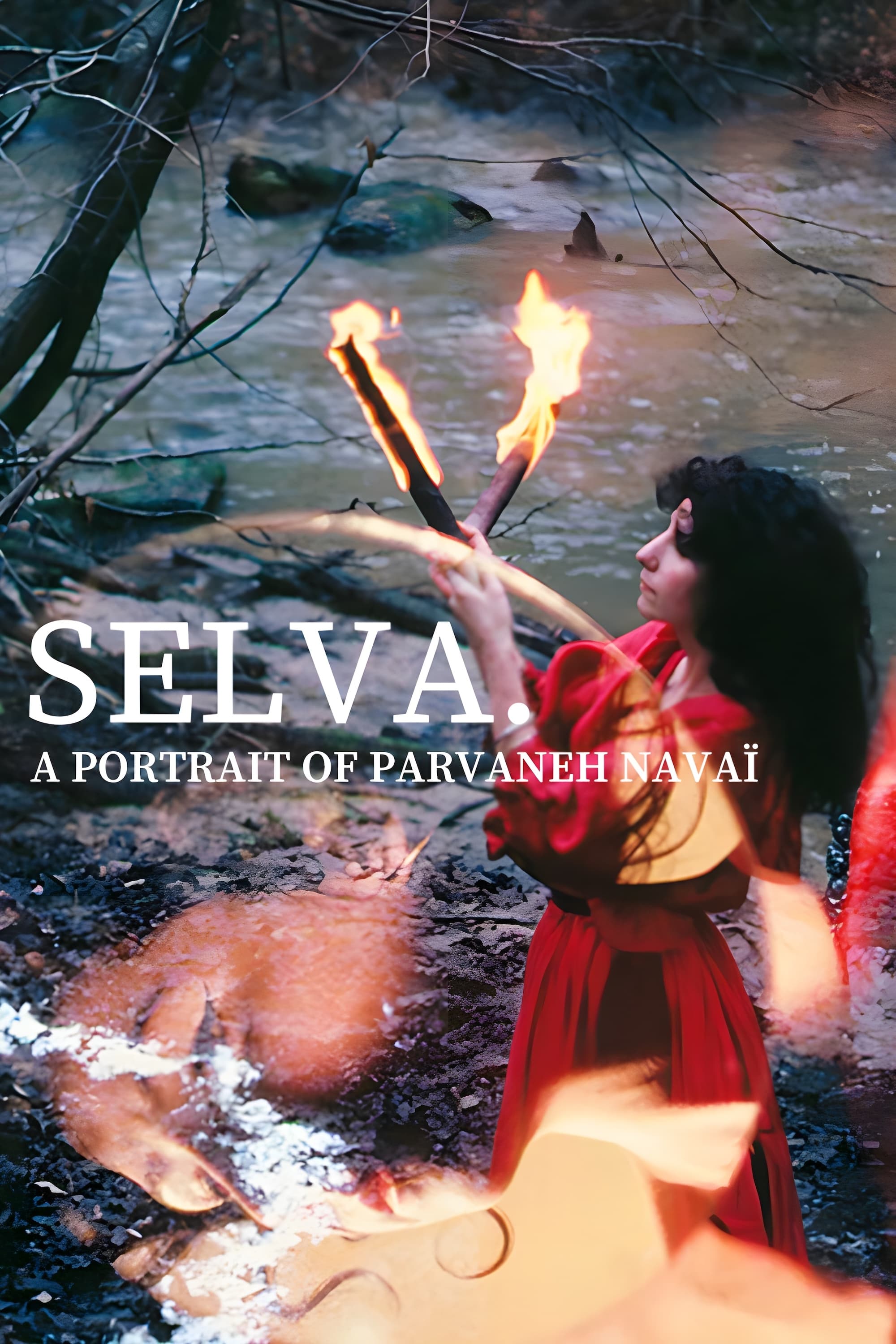
Trance dances and out of body projection. In front of the camera, Parvaneh Navaï becomes a mediator who enters in contact with and immerses into the energies of Nature, while her own energy radiates and echos in the forest ("selva"). The camera amplifies and expands her presence, transforming the forest into an imaginary space. The camera becomes a painter's brush.
"Filmed in Cairo, in Al-Azhar Park, sunset during Isha'a praying time. The city becomes a Chorus. Dedicated to the people of Cairo. With love and hope." Part of the Azan series & the Cairo fieldworks.
Images and sound captured in Zamboanga city Mindanao, Philippines. During sunset. Part of the Azan series & the Philippines fieldworks.
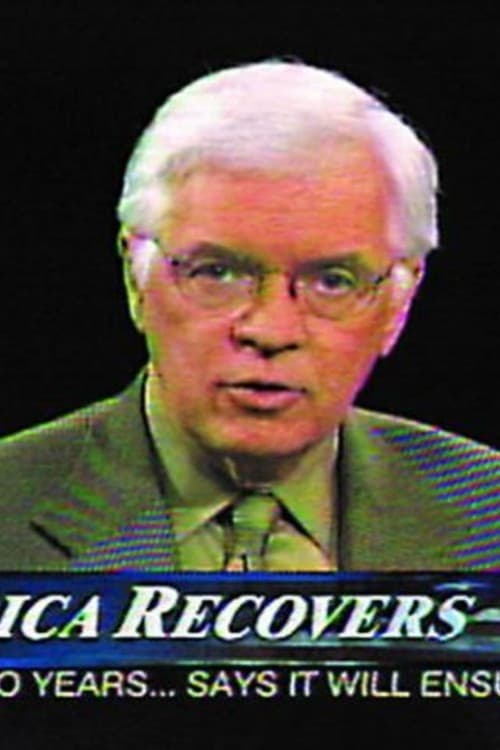
An 18-minute long single-channel video which uses CNN footage cut so that each word is spoken by a different newsperson. The pieces literally asks the viewers questions about media authenticity and give CNN a distinct voice
Black Hole Radio is an installation that consists of taped confessions of callers of the New York City Phone Confession Line and video images. The Phone Confession Line is based on anonymous callers ringing to confess on things they had done or thought like adultery, theft, murder or regrets. Thereafter anybody could call and listen to the confessions. Although making a confession was free, listening to a confession costs money. After Cohen got his hands on the confessions, he used them as an audio heartbeat to accompany video-images of every day life in New York City he had taken over the years. This installation is a portrait of the city with its dark secrets, hushed voices and nocturnal images. In this way Cohen tries to bring across an experience to the viewer that relies on absence, waiting and the effort to hear something in the dark.
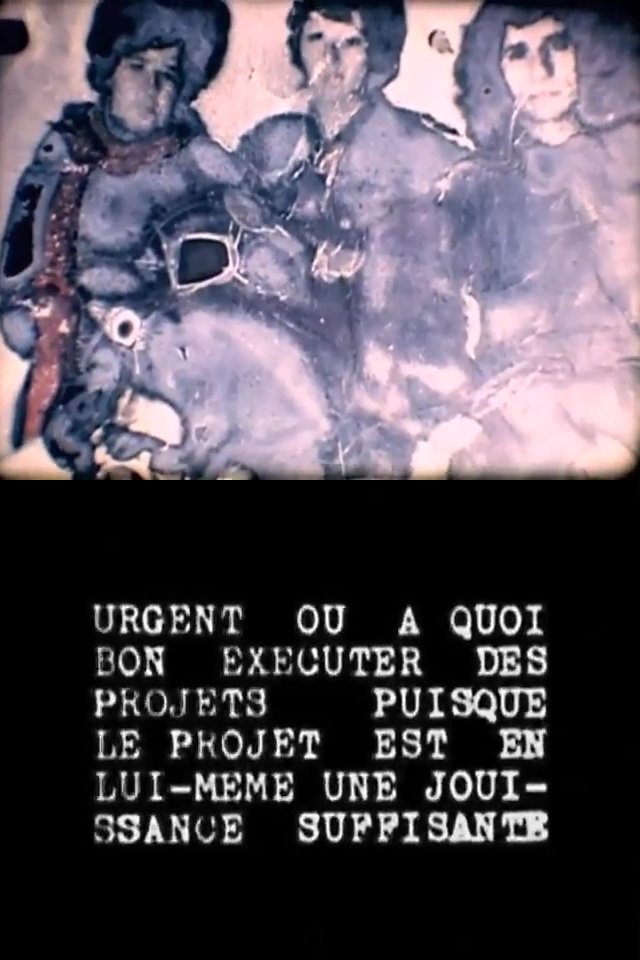
Gérard Courant applies the Lettrist editing techniques of Isidore Isou to footage of late 70's pop culture. Courant posits that his cinema offers an aggressive détournement to the French mainstream, reifying a Duchampian view of film: "I believe in impossible movies and works without meaning... I believe in the anti-movie. I believe in the non-movie. I believe in Urgent... My first full length movie that is so anti-everything that I sometimes wonder if it really does exist!"
Openland is an art film guided by issues surrounding micro states and its derivative definitions. Through intertwining interviews, meta-narratives, and digital landscapes, Openland unfurls a dialogue between consciousness, individuality and collectivity.
De-electronation of a molecular entity as a result of photoexcitation. Light increases its oxidation state, at the same time it releases free radical electrons. Light goes through human work as a natural photodegradation. It mutates within its own limits, from a solar irradiation to its impossible perception in an absent retina.
Migrating by sea from Holland as an eight-year-old, Dirk de Bruyn went on to be a doyen of Australian experimental cinema. But as this intimate film reveals, his work is suffused with the trauma of migration, and the struggle to recognise himself as a ‘new Australian'. In conversation with documentarian Steven McIntyre, Dirk guides us through more than 40 years of his filmmaking: the early years exploring technique and technology, a subsequent phase of unflinching self-examination brought on by upheaval and overseas travel, and more recent projects where he attempts a fusion of personal, cultural, and historical identity. What emerges is an inspiring, rugged, and at times poignant portrait of an artist committed to self-expression and self-discovery through the medium of film.
Image by Carlos Casas. Double screen projection with live soundtrack. Images and sound captured on location. Somewhere in the tundra, Chukotka Region, Northeastern Siberia, Russian Federation. Music by Prurient. Published by Von Archives. N 66° 37’ 916, W 172° 40’ 353, Sept 2006.
The Quays' interest in esoteric illusions finds its perfect realization in this fascinating animated lecture on the art of anamorphosis. This artistic technique, often used in the 16th- and 17th centuries, utilizes a method of visual distortion with which paintings, when viewed from different angles, mischievously revealed hidden symbols.
The second half of Gustav Deutsch's experimental Film ist. series, constructing new narratives and moods out of existing footage, mostly from early silent era films.
A dark and magical visit to the fabled Parisian address Rue Fontaine 42. This was the residence of André Breton, the mastermind of surrealism, who surrounded himself with an impressive collection of modern, Western art and ethnographic objects from Oceania and North America. The collection was sold and divided up in 2003 at a controversial auction. 'The Trick Brain' is a delirious montage and a trip back in time to Breton's private art collection, where Atkins has been scouring the archives and come up with a possessing interior film of the place that once was, complete with surrealistic paintings, scores of Indian figures and hundreds of other displayed rarities. The film's soundtrack is provided by an observant narrator, who reveals to us that the objects shown are not necessarily what they claim to be - but instead are catalysts for some kind of wonderful linguistic virus which reveals the real identity of things.
An odyssey through Beethoven’s lasting presence and influence in our modern world – viewed through the eyes of the composer himself.
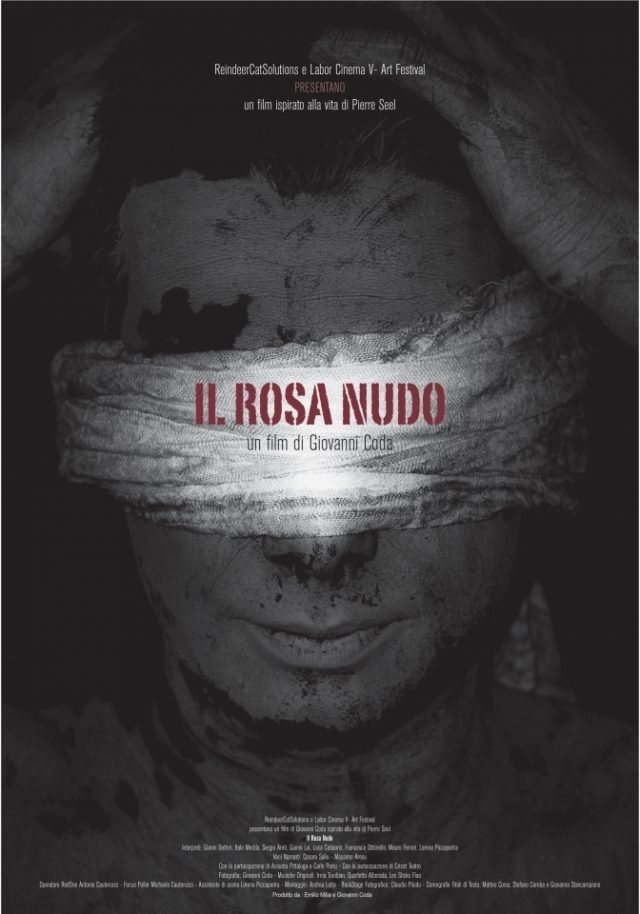
Among the millions of victims of the Nazi madness during the Second World War, Pierre Seel was charged with homosexuality and imprisoned in the Schirmeck concentration camp. He survived this terrifying experience of torture and humiliation, and after the war he married, had three children, and tried to live a normal life. In 1982, however, he came to terms with his past and his true nature and decided to publicly reveal what he and thousands of other homosexuals branded with the Pink Triangle had undergone during the Nazi regime. Il Rosa Nudo (Naked Rose), inspired by the true story of Pierre Seel, depicts in a theatrical and evocative way the Homocaust, focusing on the scientific theories of SS Physician Carl Peter Værnet for the treatment of homosexuality, which paved the way for the Nazi persecution of gay men.
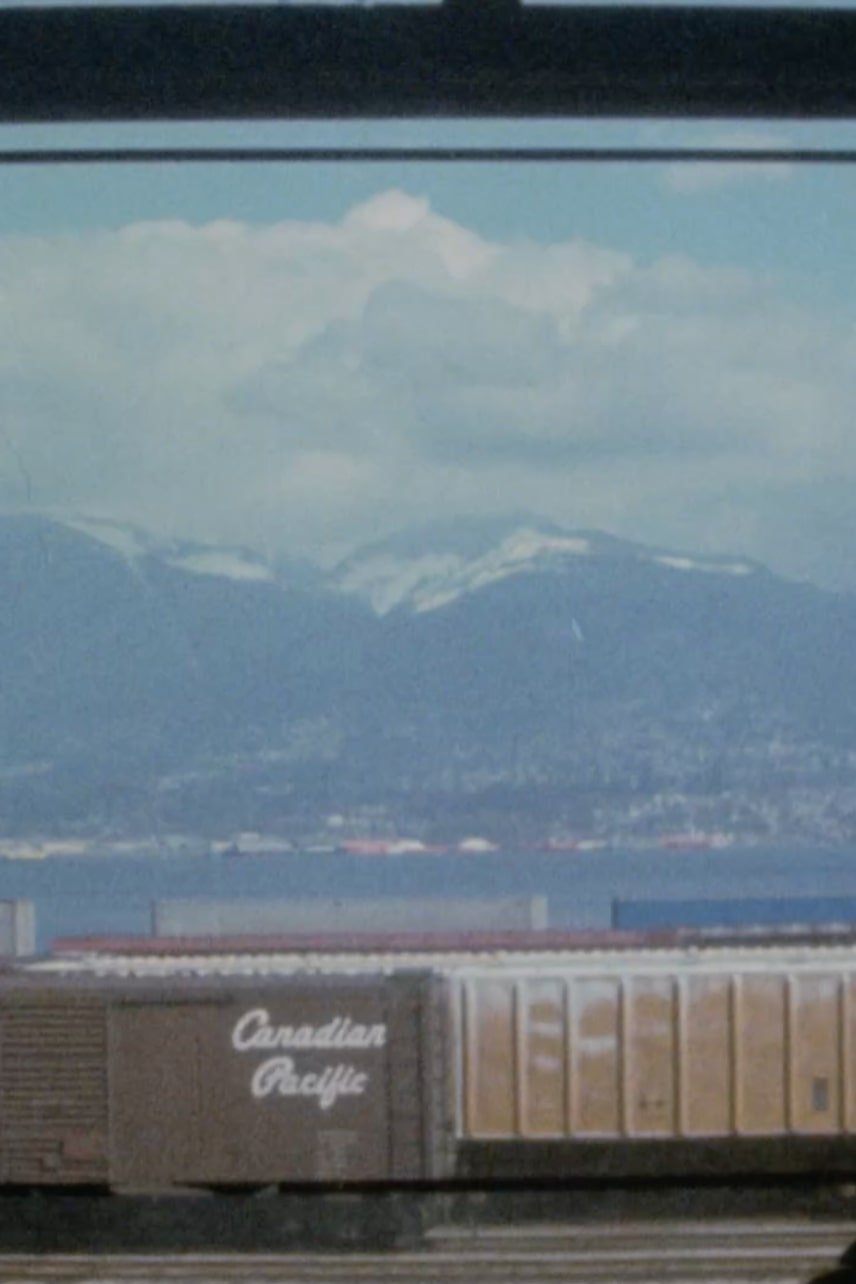
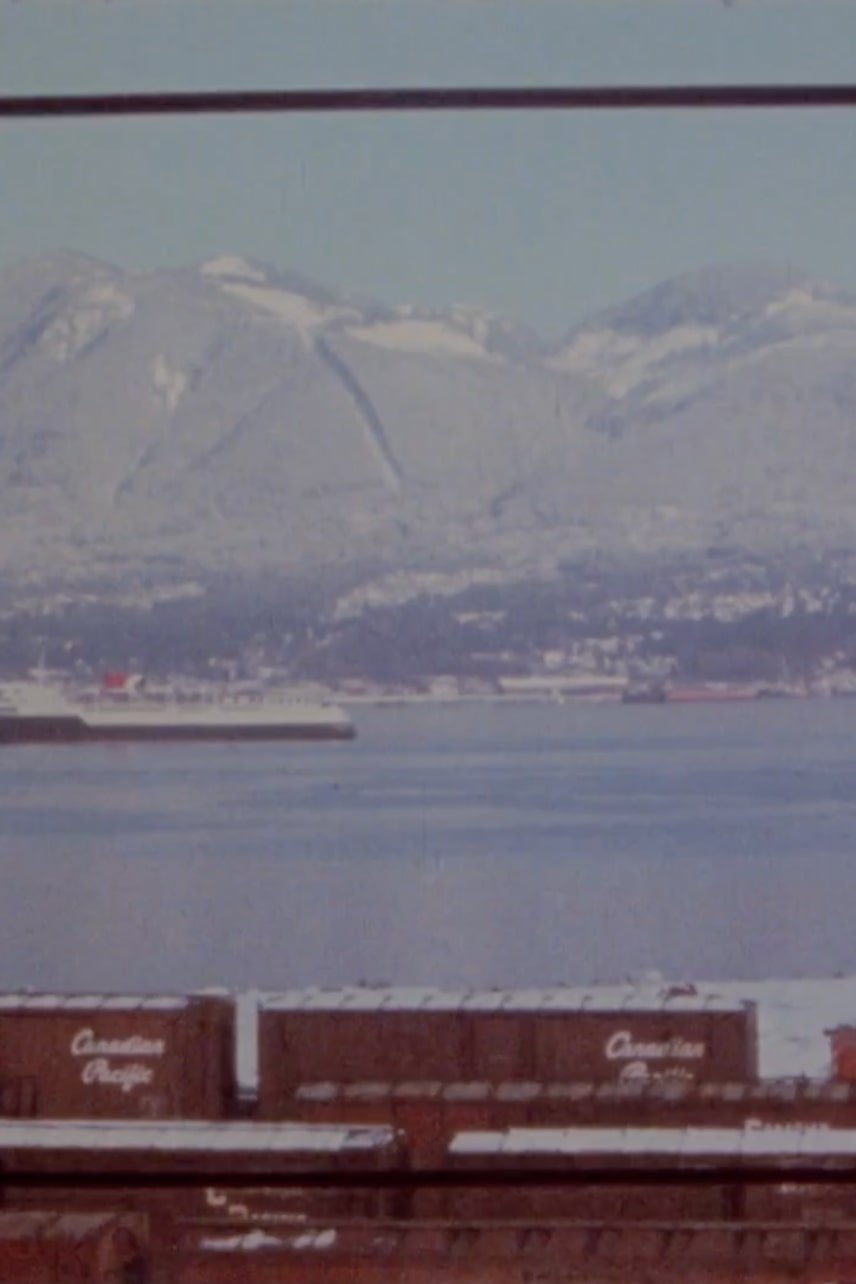
Canadian Pacific I is made up of a series of slowly dissolved shots done from the same framing over several months. The camera frames a window with a railway yard in the foreground, a bay in the space behind it, and misty mountains in the extreme distance. Trains occasionally pass by in the foreground. Huge ships move across the bay. Blue mists hover over the mountain heads.
Canadian Pacific II is designed as a companion piece to Canadian Pacific I. Shot from a window two storeys higher and in the building adjacent to the artists’s studio of the previous year, one enters into a dream state… an involvement with a vocabulary of seeing and feeling by subtle transitions of the passage of time
Szirtes's masterful experimental work is a dazzling composition of several years of filming within an industrial macro/microcosm, an abstract model of revolution and the beauty of daybreak.
Ranjit, a farmer in India, takes on the fight of his life when he demands justice for his 13-year-old daughter, the victim of a brutal gang rape. His decision to support his daughter is virtually unheard of, and his journey unprecedented.
A documentary about the making of David Fincher's 2008 film THE CURIOUS CASE OF BENJAMIN BUTTON. Virtually every element in the evolution of the Fincher's film is documented here, from the project's attachment to numerous other directors during the 1990s, to its shoot in 2006 and 2007 in New Orleans, to its complex, CGI-intensive postproduction process.
A documentary about the life and films of director John Ford.
In an intimate and joyful story of love in the face of loss, celebrated poets Andrea Gibson and Megan Falley find strength—and unexpected hilarity—in what might be their final year together.
Through deeply personal interviews with her siblings and an examination of the photographs, letters, and belongings left behind, Mariska assembles a new portrait of her mother Jayne Mansfield, an extraordinary and complex woman.
An inside look at one of the most anticipated movie sequels ever with James Cameron and cast.
A documentary on the expletive's origin, why it offends some people so deeply, and what can be gained from its use.
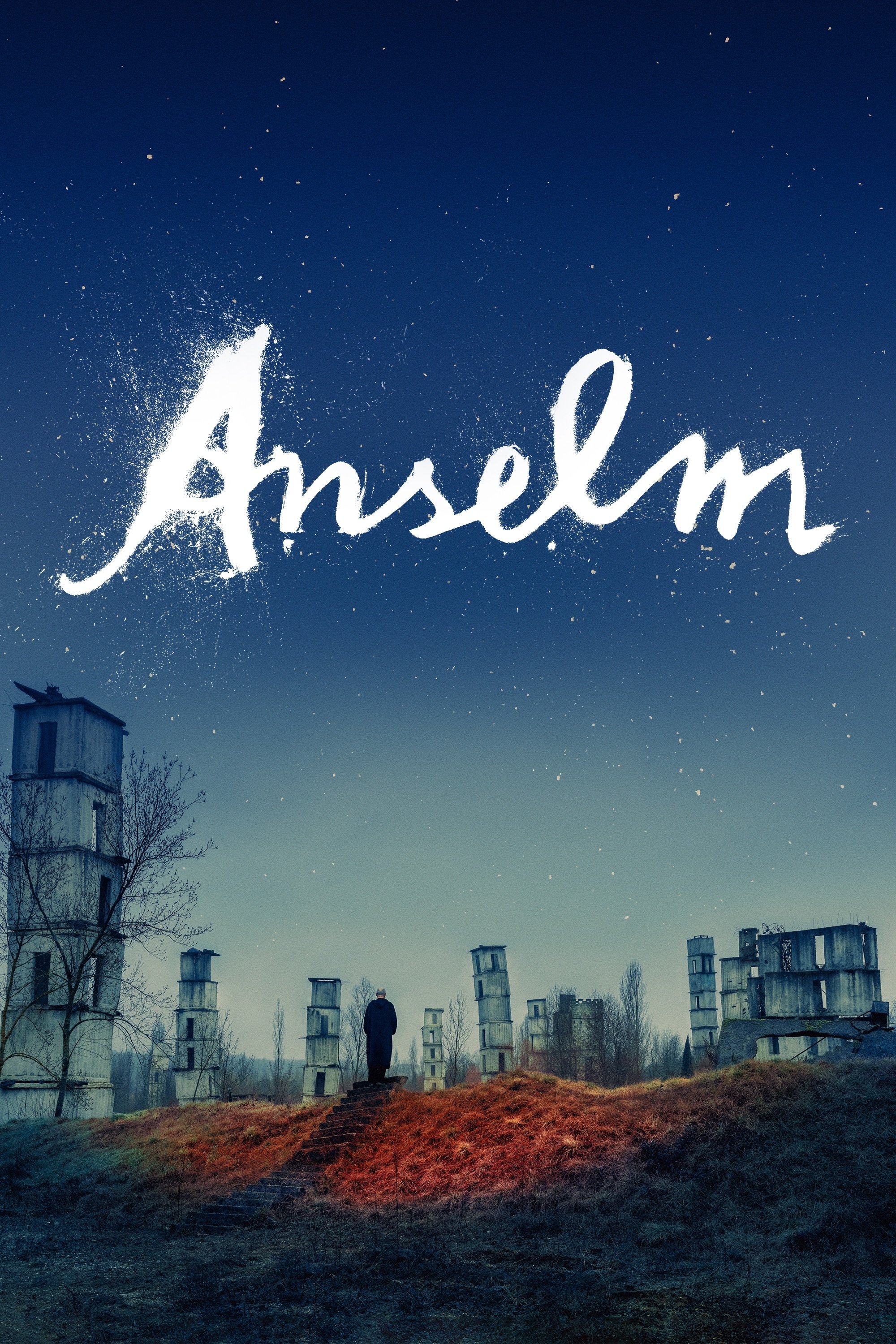
This unique cinematic experience dives deep into an artist’s work and reveals his life path, inspiration, and creative process. It explores his fascination with myth and history. Past and present are interwoven to diffuse the line between film and painting, allowing the audience to be completely immersed in the remarkable world of one of the greatest contemporary artists, Anselm Kiefer. Wim Wenders shot this unique portrait over the course of two years in stunning 3D.
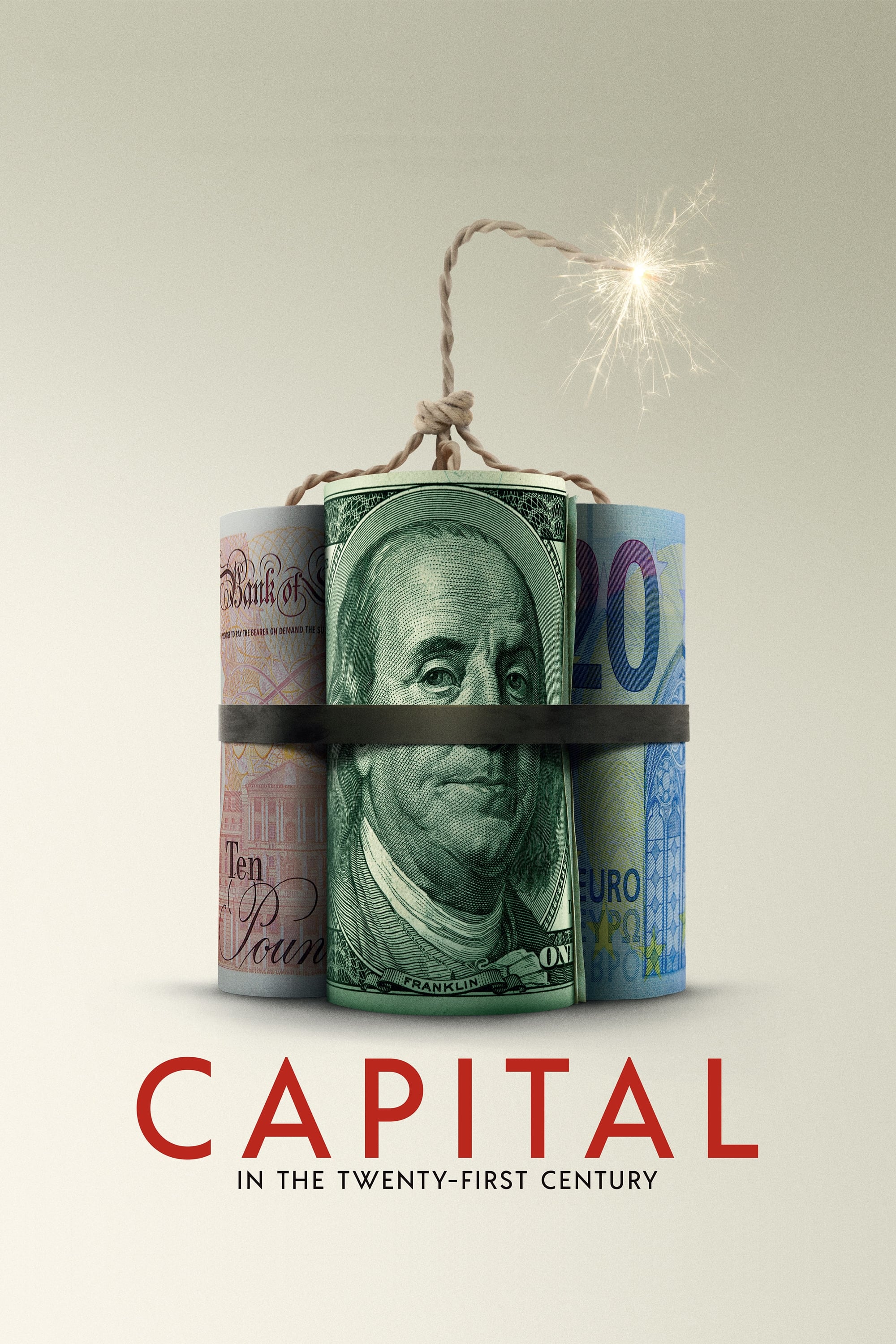
Film adaptation of French economist Thomas Piketty's ground-breaking global bestseller of the same name: an eye-opening journey through wealth and power.
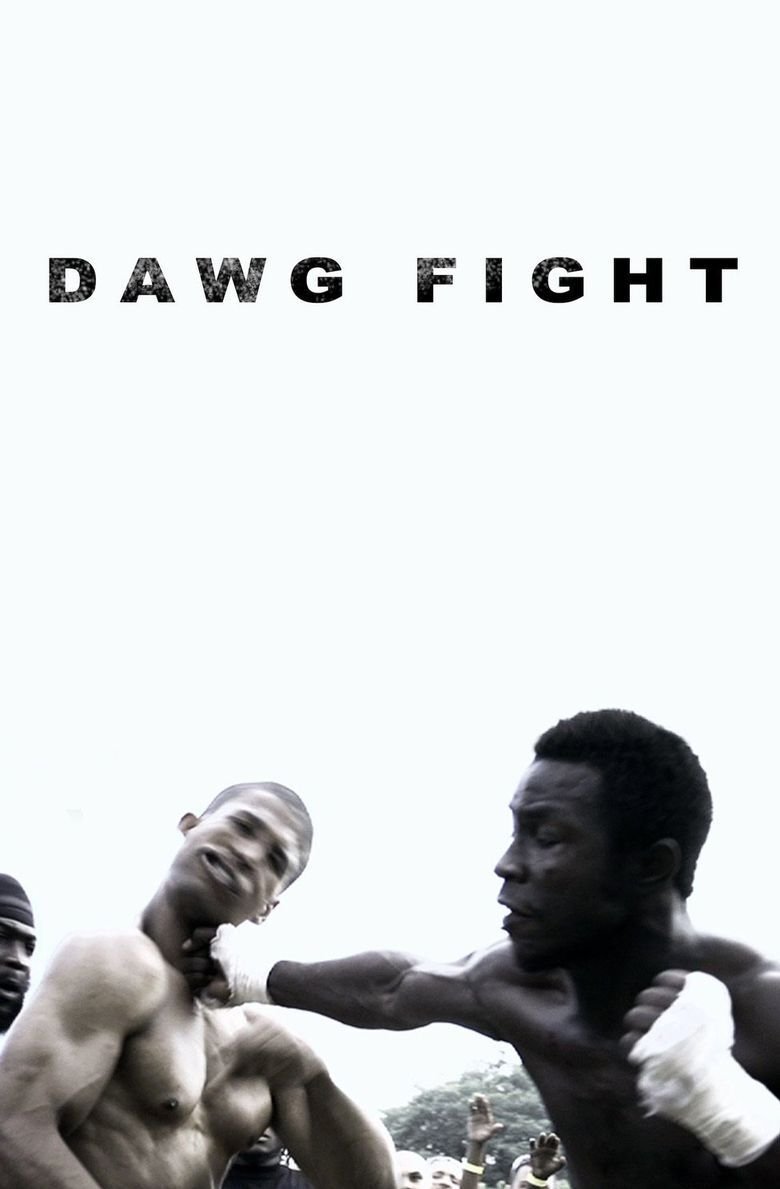
In a crime-plagued neighborhood near Miami, brutal, bare-knuckled backyard fights give young men a chance to earn money -- and self-respect.
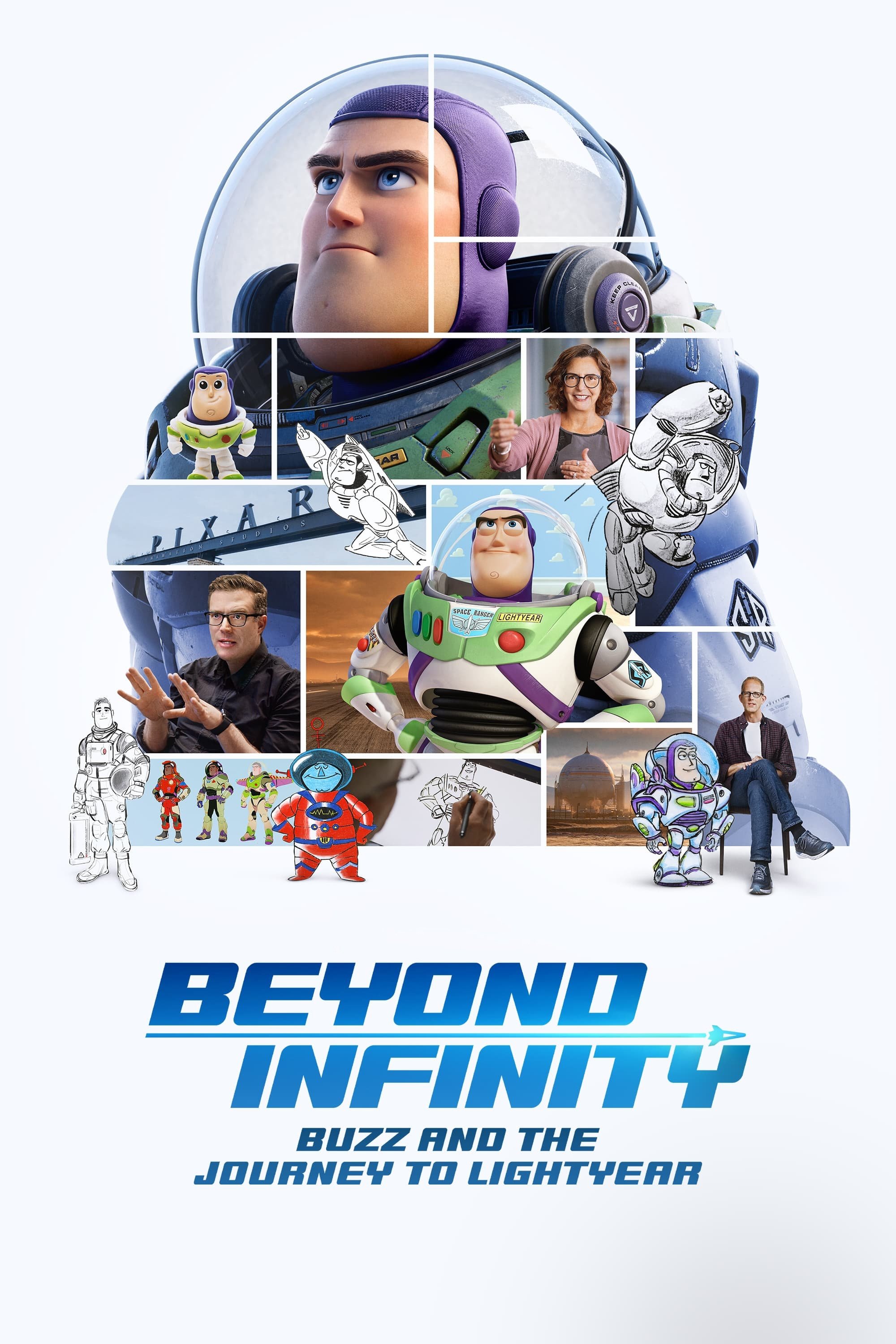
Explore the evolution of Buzz Lightyear from toy to human in the making of Pixar’s Lightyear. Dive into the origin and cultural impact of everyone’s favorite Space Ranger, the art of designing a new “human Buzz,” and the challenges faced by the Lightyear crew along the way.
A compilation of over 30 years of private home movie footage shot by Lithuanian-American avant-garde director Jonas Mekas, assembled by Mekas "purely by chance", without concern for chronological order.
Daniel Craig candidly reflects on his 15 year adventure as James Bond. Including never-before-seen archival footage from Casino Royale to the upcoming 25th film No Time To Die, Craig shares his personal memories in conversation with 007 producers, Michael G Wilson and Barbara Broccoli.
Musician and performance artist Laurie Anderson reflects on the deaths of her husband Lou Reed, her mother and her beloved dog.
From the heights of her modeling fame to her tragic death, this documentary reveals Anna Nicole Smith through the eyes of the people closest to her.
Amber Heard and Nicole Kidman discuss their characters Mera and Atlanna.
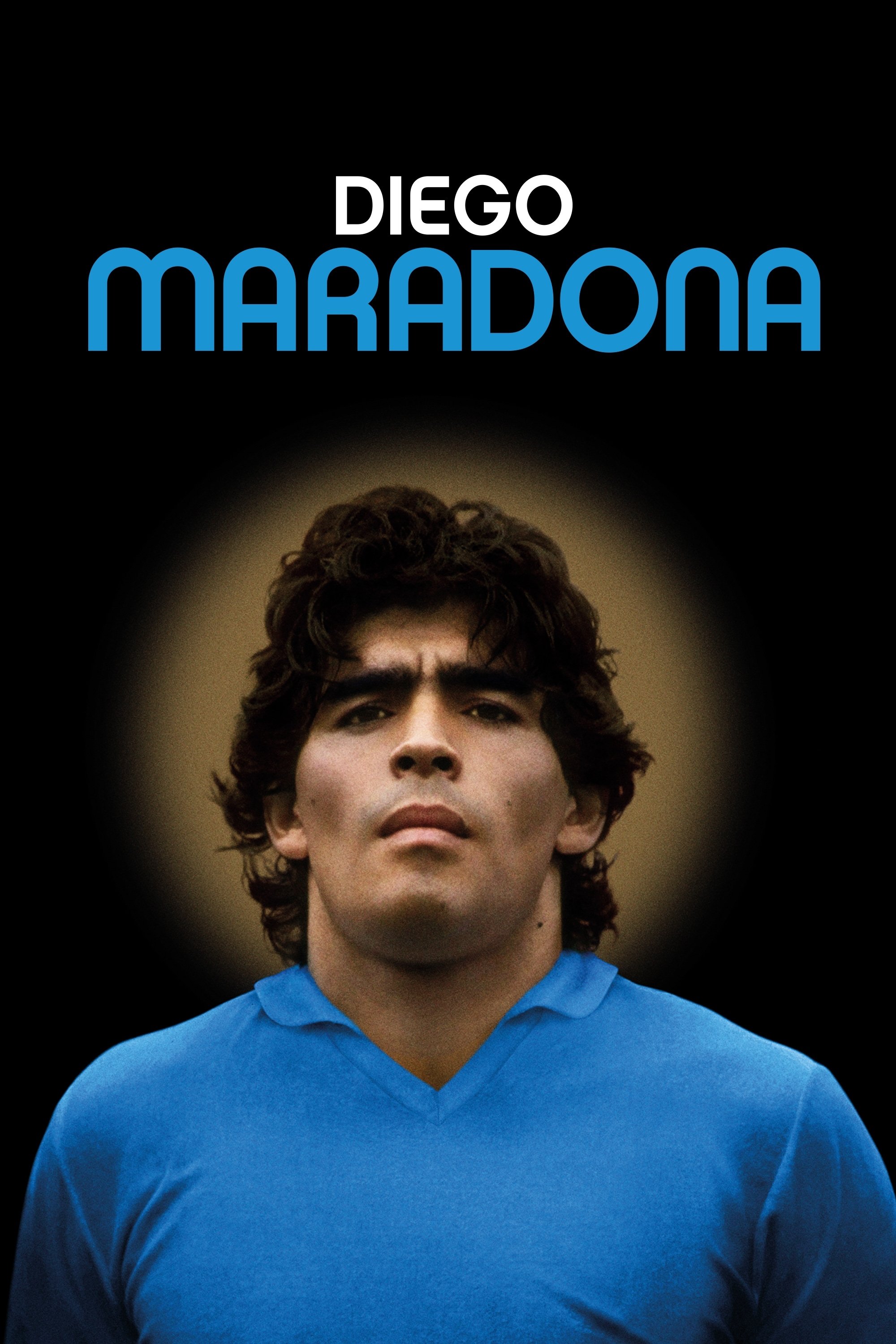
Constructed from over 500 hours of never-before-seen footage, this documentary centers on the personal life and career of the controversial football player Diego Maradona who played for SSC Napoli and Argentina in the 1980s.
The life and career of an actor, artist, and icon. His own journey through his own camera.
A visual montage portrait of our contemporary world dominated by globalized technology and violence.
The film follows adventurer Jeff Johnson as he retraces the epic 1968 journey of his heroes Yvon Chouinard and Doug Tompkins to Patagonia.