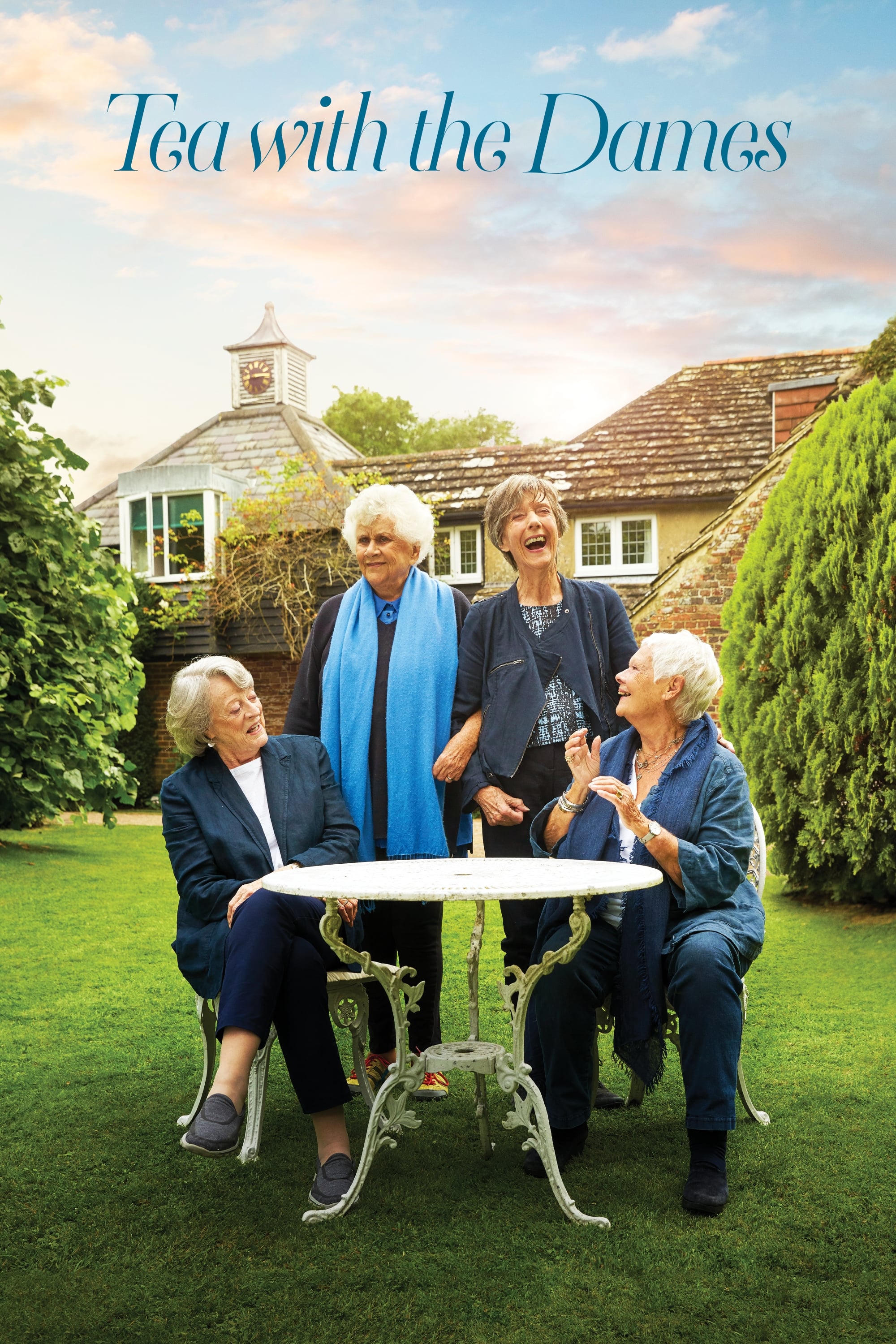
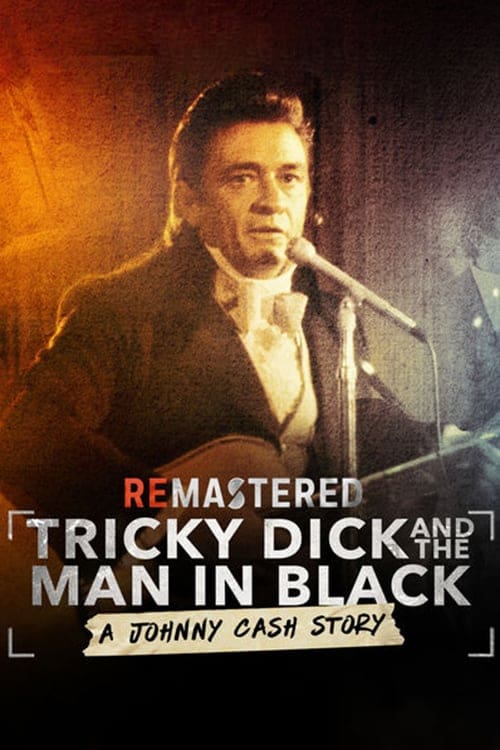
a chronological coming attractions overview of Jodie Foster’s career
Social & External
(Archival)
From the Marx Brothers to Schindler's List, this compilation of Jewish film trailers offers a glimpse at the history of Jews in American cinema. A mixture of humor, social commentary, and drama, these original coming attractions trailers offer insight into the relationship between Hollywood's studio marketing departments and the growing visibility of Jews in American life. Trailers Schmailers includes spotlights on Woody Allen and Barbra Streisand, an overview of films about New York Jewish life, a look at the evolution of films about the holocaust, and more.

A short documentary and character study about a woman's complex relationship with religion and family.
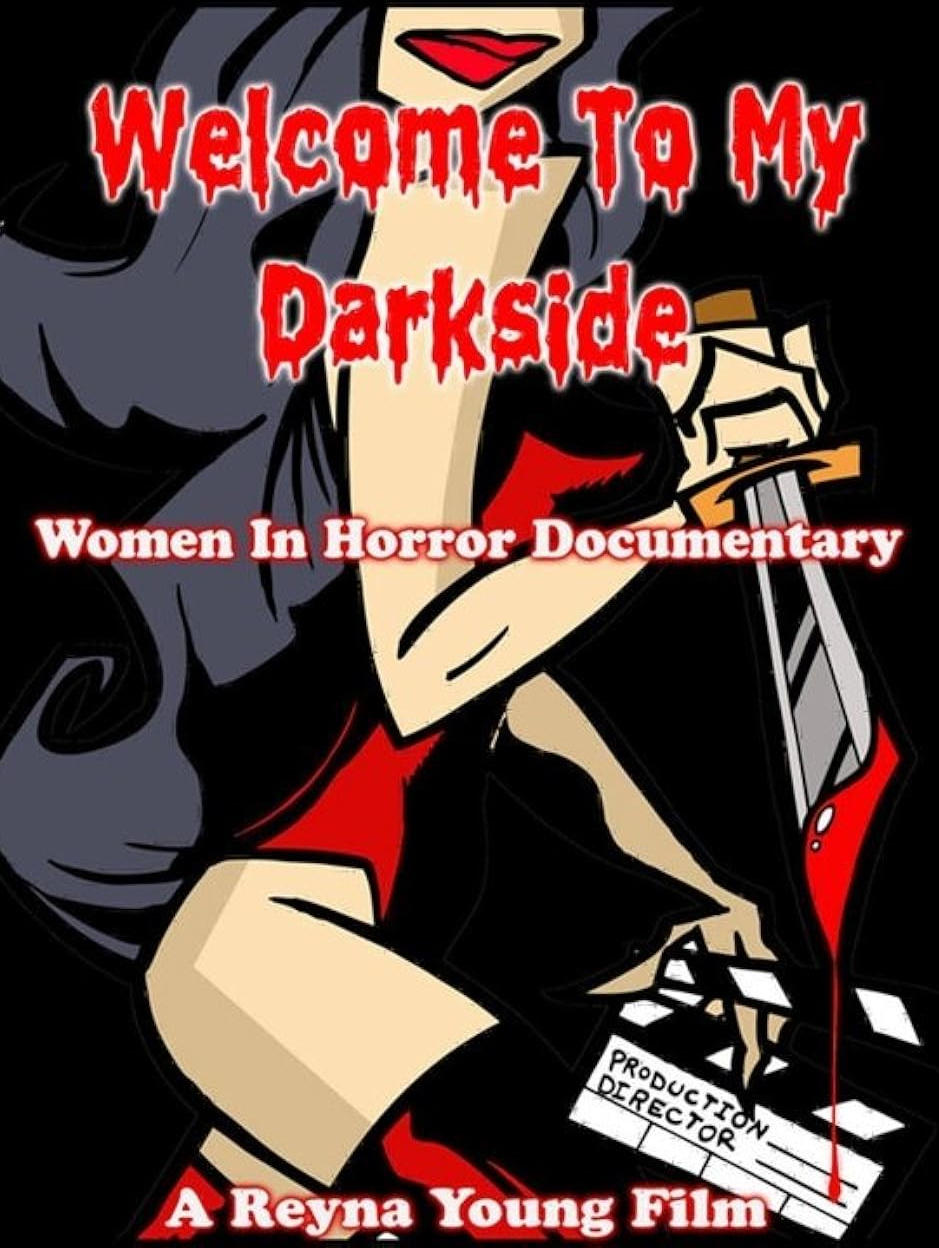
The horror film genre’s most iconic Scream Queens are featured in this documentary about women’s roles and triumphs, both on-camera and off.
Documentary examining the way women are shown and described in newsreels from 1930-1960.
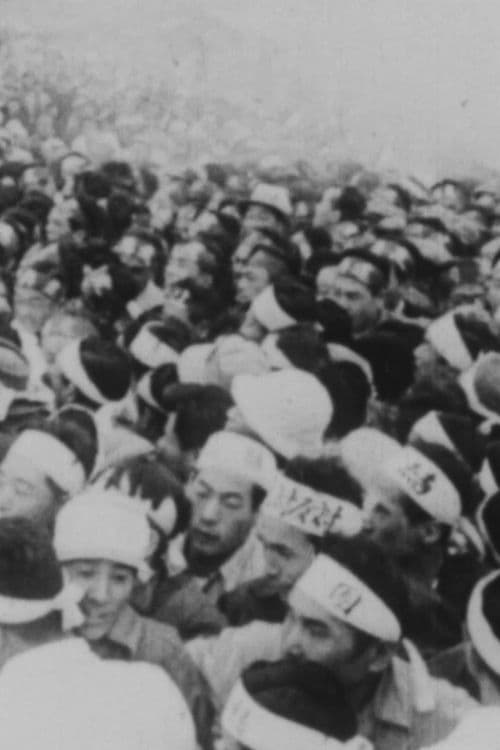
An early experimental film by Toshio Matsumoto. Produced as part of the student riots in Japan at the start of the 1960s, Matsumoto uses collage, archival footage, and impassioned narration to create an expressive, visceral criticism of the US-Japan Security Treaty.

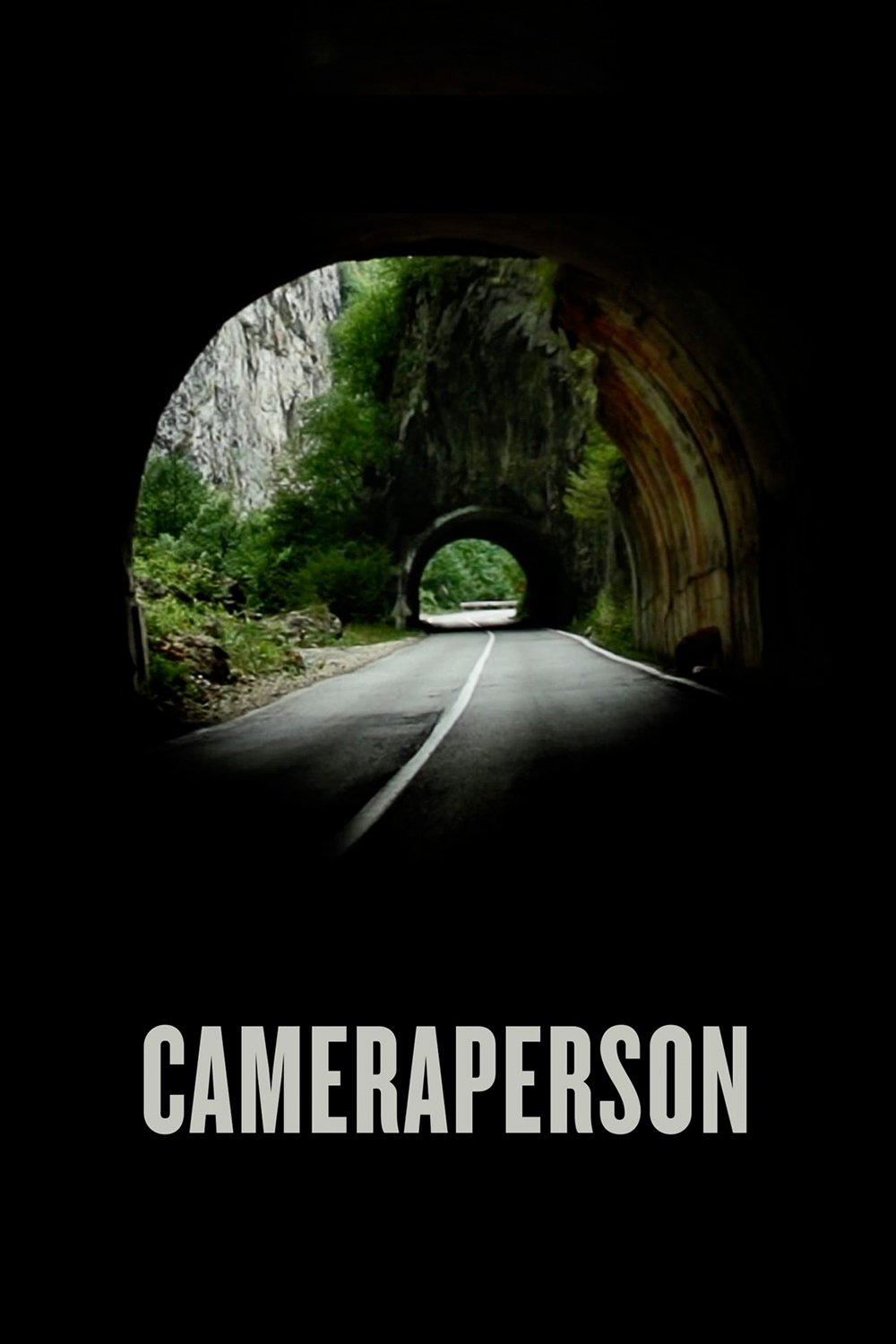
A short documentary about a trailer weighing over 300 tons that carries material for the construction of a dam toward Tokyo.
X-ray images were invented in 1895, the same year in which the Lumière brothers presented their respective invention in what today is considered to be the first cinema screening. Thus, both cinema and radiography fall within the scopic regime inaugurated by modernity. The use of X-rays on two sculptures from the Bilbao Fine Arts Museum generates images that reveal certain elements of them that would otherwise be invisible to our eyes. These images, despite being generally created for technical or scientific purposes, seem to produce a certain form of 'photogénie': they lend the radiographed objects a new appearance that lies somewhere between the material and the ethereal, endowing them with a vaporous and spectral quality. It is not by chance that physics and phantasmagoria share the term 'spectrum' in their vocabulary.
In an experimentally compiled film review, Danielle Jaeggi, Paule Baillargeon and Claudia von Alemann reflect on their work as filmmakers and life as mothers. Just as the title is based on Michel Leiris' book of poems Bright Nights and Many a Dark Day, the film has its own poetry, which is also evident in shots of everyday activities, such as hands washing dishes. “Just the hair or the relationship of the hands to each other or gestures, and then words come in between and film clips that we talk about, and we were amazed to find that the women we portray in the films always have a lot of trouble with theirs Identity, their search for something, for lost people or lost things. “They are usually looking for something that has been lost, forgotten or gone,” said Claudia von Alemann in the 1992 interview conducted by Renate Fischetti, A Pioneer of Female Film Language. An essay about desire, doubt, contradictions. (fib)
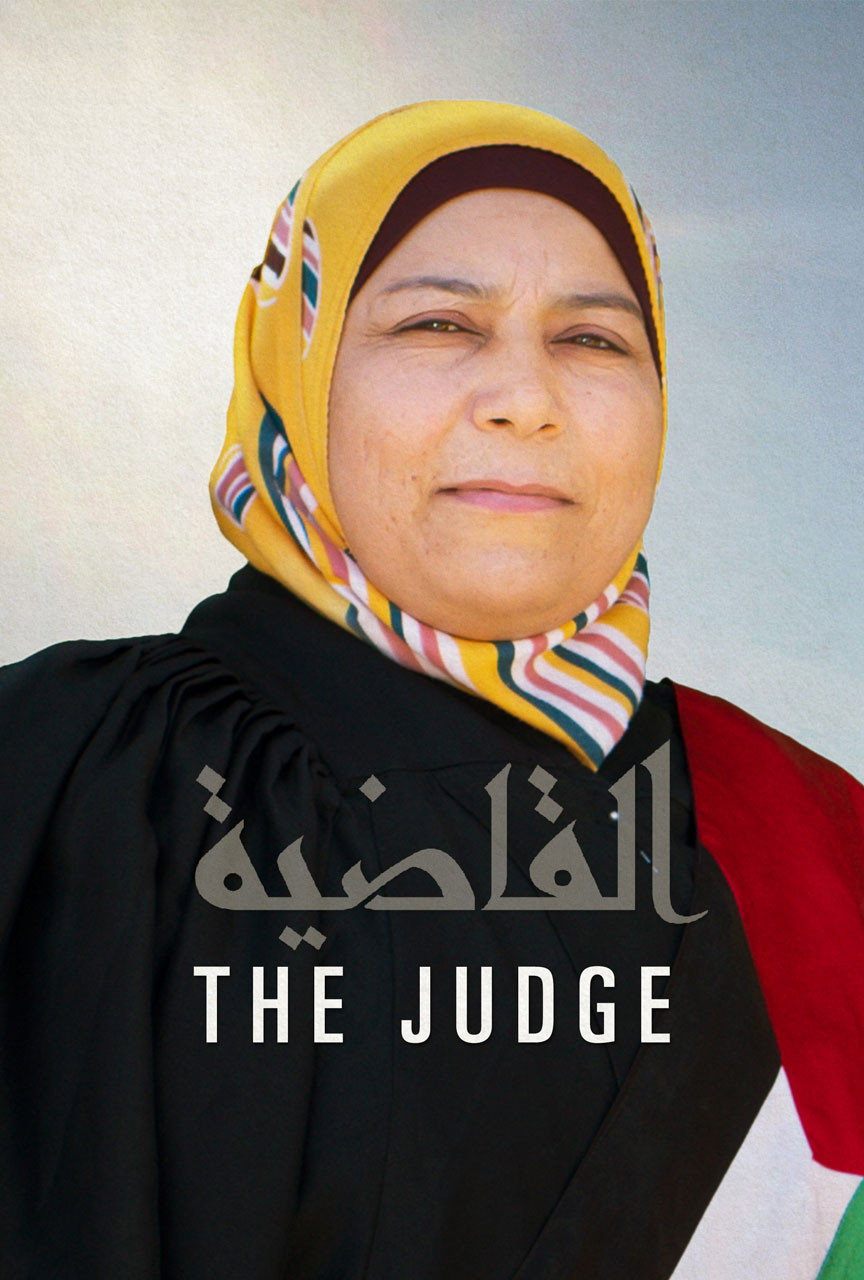
A verité legal drama about Judge Kholoud Al-Faqih, the first woman appointed to a Shari'a court in the Middle East, whose career provides rare insights into both Islamic law and gendered justice.
Two girls in their early 20s explore topics of femininity, girlhood, and normalized violence perpetrated on women.
An unpredictable documentary from a fascinating storyteller, Agnès Varda’s last film sheds light on her experience as a director, bringing a personal insight to what she calls "cine-writing," traveling from Rue Daguerre in Paris to Los Angeles and Beijing.
A hybrid feature film that investigates contemporaneity through the body and its countless possibilities of expression and meanings. The film puts the body and the idea of the body in evidence, through metalanguage, articulation and confrontation of documentary, fictional and performative languages. The film follows the trajectory of the main character who uses her own body to formulate universes and investigate the meanings that are drawn in it. In a kind of subjective diary written on her skin, she records sensations and reflections, building relationships with thinkers, performances and archival materials, which lead her to other bodies and other stories.
This glasnost-era documentary, which incorporates footage from films from the 1920s through the 1980s, looks at the history of women in Russian cinema through the eyes of Russian women directors, actors, and scriptwriters. The film’s title refers to a WWII slogan about women doing the work of absent men in the fields and at home. Featuring Kira Muratova, Natalia Ryazantseva, Inna Churikova, Nonna Mordyukova, and others.
A meditation on the misappropriation of Dancehall music while using Black Feminist Citational praxis.
A feature-length documentary from Canadian Geographic Films, and presents a powerful and emotional story celebrating the 100-year history of the Royal Canadian Air Force (RCAF). Through its backdrop of rarely seen RCAF archival footage and dramatic contemporary footage, the film showcases compelling stories from past and present RCAF members from across Canada.
Dominique, Suzanne, and Annette: three women who participated in the adventure of the Medvedkine groups (Besançon, Sochaux, 1967-1974). In those same years, the lives of our grandmothers and mothers experienced decisive changes: they worked outside the home and revolutionized customs. A group of Besançon students are investigating those events and questioning their own family memory.
Artist Kate Blackmore looks at motherhood and mobility, film and feminism through the prism of Margaret Dodd's 1982 classic short film 'This Woman is not a Car.'
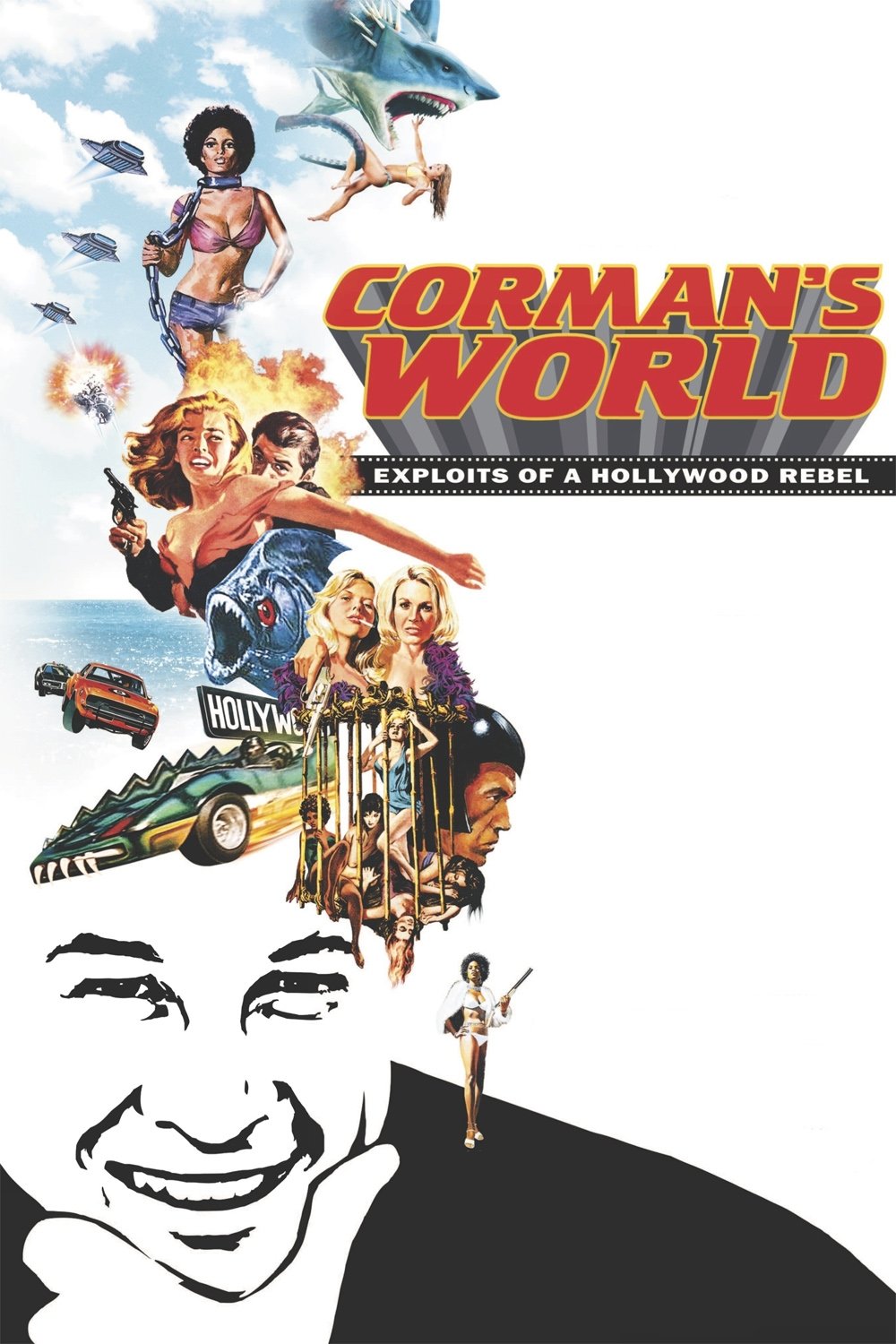
A compilation of "coming attractions" from bad '50s melodrama through the greatest disaster movies of the '70s. Features a chain of your divas including Bette Davis in What Ever Happened to Baby Jane?, Jeanne Moreau in Mademoiselle, Elizabeth Taylor in Butterfield 8 and Boom, Kim Novak in The Legend of Lylah Clare, Susan Hayward in I'll Cry Tomorrow, and Judy Garland in I Could Go On Singing. One clips is a young Rock Hudson promoting Christmas Seals. Bride of Trailer Camp includes specimens of movie trailer artistry.
A documentary reflecting on women in film and the entertainment industry through the ages led and hosted by some of its most beloved female icons.
Hajar is a 55-years-old Bahktiari woman from Iran who is betrayed by her family and forced to abandon her nomadic lifestyle. Climate change, urbanization and social issues have drastically diminished the traditional migratory activities of the Bakhtiari tribe from Southwestern Iran.