"speak the unspeakable"
Two girls in their early 20s explore topics of femininity, girlhood, and normalized violence perpetrated on women.
Social & External
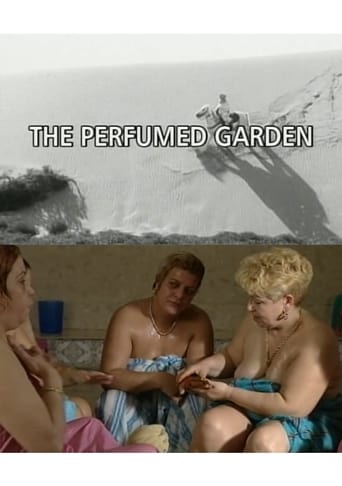
THE PERFUMED GARDEN is an exploration of the myths and realities of sensuality and sexuality in Arab society, a world of taboos and of erotic literature. Through interviews with men and women of all ages, classes, and sexual orientation, the film lifts a corner of the veil that usually shrouds discussion of this subject in the Arab world. Made by an Algerian-French woman director, the film begins by looking at the record of a more permissive history, and ends with the experiences of contemporary lovers from mixed backgrounds. It examines the personal issues raised by the desire for pleasure, amidst societal pressures for chastity and virginity. The film discusses pre-marital sex, courtship and marriage, familial pressures, private vs. public spaces, social taboos (and the desire to break them), and issues of language.
A compelling feature length documentary about five young people who neither feel male nor female, but rather somewhere in between.
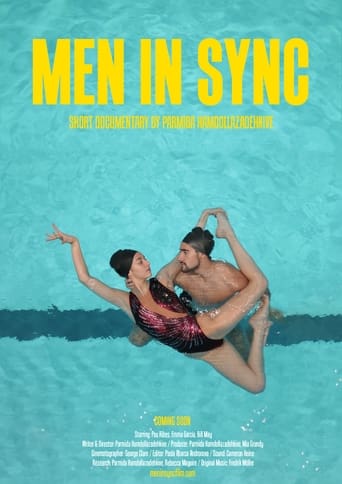
A short documentary exploring the gender inequality that male artistic swimmers are facing in the Olympics, including intimate interviews with Spanish mixed duet Pau Ribes and Emma Garcia, and legendary American male artistic swimmer Bill May.
Two actresses take us through a series of 'raps' and sketches about what it means to be beautiful and black.
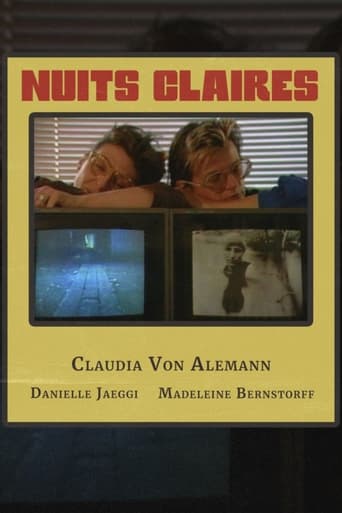
In an experimentally compiled film review, Danielle Jaeggi, Paule Baillargeon and Claudia von Alemann reflect on their work as filmmakers and life as mothers. Just as the title is based on Michel Leiris' book of poems Bright Nights and Many a Dark Day, the film has its own poetry, which is also evident in shots of everyday activities, such as hands washing dishes. “Just the hair or the relationship of the hands to each other or gestures, and then words come in between and film clips that we talk about, and we were amazed to find that the women we portray in the films always have a lot of trouble with theirs Identity, their search for something, for lost people or lost things. “They are usually looking for something that has been lost, forgotten or gone,” said Claudia von Alemann in the 1992 interview conducted by Renate Fischetti, A Pioneer of Female Film Language. An essay about desire, doubt, contradictions. (fib)
This documentary speaks to local activist groups in the music industry and culture scene to find out why people are driven to fight back and speak out on subjects they’re passionate about. With an aim of inspiring the next generation, each activist gives their advice on how you can put a cause you are passionate about in the local scene into action. Hope Lynes spoke to Phil Douglas from LGBTQIA+ organisation Curious Arts; grassroots promoter Hana Harrison from Art Mouse; Tracks' Sarah Wilson, who campaigns for better female representation in the music scene with her project Noisy Daughters; Chantal Herbert from feminist Black and queer-led organisation Sister Shack; and disability activist and musician Ruth Lyon. It’s hoped that this intimate and personal documentary will explore the starting points to beginning your own activism.
The horror film genre’s most iconic Scream Queens are featured in this documentary about women’s roles and triumphs, both on-camera and off.
Investigative journalist Rae de Leon travels nationwide to uncover and examine a shocking pattern: Young women tell the police they’ve been sexually assaulted, but instead of finding justice, they’re charged with the crime of making a false report, arrested, and even imprisoned by the system they believed would protect them.
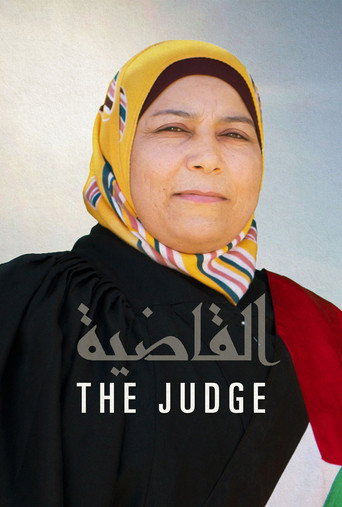
A verité legal drama about Judge Kholoud Al-Faqih, the first woman appointed to a Shari'a court in the Middle East, whose career provides rare insights into both Islamic law and gendered justice.
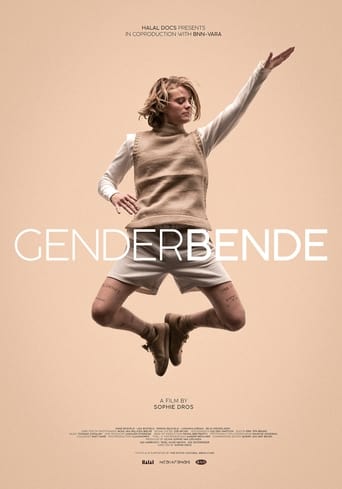
A documentary that is a deep exploration of gender identity within the context of Greek society, providing a multi-layered narrative that reflects the experiences of individuals navigating the complexities of gender in a culture where these topics are still emerging. Over four years, the filmmakers captured intimate stories of people confronting their gender identities, revealing how personal, societal, and familial expectations shape their journeys. The documentary aims to challenge the traditional norms of gender and to give voice to those whose experiences are often marginalized. It marks a significant step in Greece’s cinematic exploration of LGBTQ+ themes and is a pivotal contribution to the global conversation on gender identity.
Documentary examining the way women are shown and described in newsreels from 1930-1960.
Gender activist Diane Torr’s worldwide appearances and workshops are now legendary. For the past thirty years, the main focus of this performance artist’s work has been an exploration of the theoretical, artistic as well as the practical aspects of gender identity. Katarina Peters’ documentary observes a Diane Torr workshop in Berlin in which a group of open-minded women come together to discover the secrets of masculinity. What makes a man a man and a woman a woman? Precisely when and where is gender identity formatted? How much is nature and how much nurture? Each of Torr’s workshops represents an open-ended laboratory experiment in social behaviour in which the question is posed: is it possible to deliberately play out different roles and create a space in which to transgress both masculine and feminine characteristics?
A hybrid feature film that investigates contemporaneity through the body and its countless possibilities of expression and meanings. The film puts the body and the idea of the body in evidence, through metalanguage, articulation and confrontation of documentary, fictional and performative languages. The film follows the trajectory of the main character who uses her own body to formulate universes and investigate the meanings that are drawn in it. In a kind of subjective diary written on her skin, she records sensations and reflections, building relationships with thinkers, performances and archival materials, which lead her to other bodies and other stories.
Filmed over five years in Kansas City, this documentary follows four transgender kids – beginning at ages 4, 7, 12, and 15 – as they redefine “coming of age.” These kids and their families show us the intimate realities of how gender is re-shaping the family next door in a unique and unprecedented chronicle of growing up transgender in the heartland.
Jagoda and Zuzia giggle in the opening scenes in the way that only 11-year-old girls can. Together they are the center of their own changing world. On the face of it, not much happens in the lives of these Polish best friends, but big changes are on the way. The end of primary school is in sight, and the girls are impatiently awaiting first love, budding breasts and first periods.
A startling expose of rape crimes on US campuses, their institutional cover-ups, and the devastating toll they take on students and their families. The film follows the lives of several undergraduate assault survivors as they attempt to pursue—despite incredible push back, harassment and traumatic aftermath—both their education and justice.
Recy Taylor, a 24-year-old black mother and sharecropper, was gang raped by six white boys in 1944 Alabama. Common in Jim Crow South, few women spoke up in fear for their lives. Not Recy Taylor, who bravely identified her rapists. The NAACP sent its chief rape investigator Rosa Parks, who rallied support and triggered an unprecedented outcry for justice. The film exposes a legacy of physical abuse of black women and reveals Rosa Parks’ intimate role in Recy Taylor’s story.
Jérôme was sexually abused as a child by a priest. In a deeply personal film, he tries to search for clues in his memories and come to terms with the complicity of his former social environment.
In this feature-length documentary, six teenage girls, aged 14 to 16, agree to open up and have their private worlds invaded by the camera. They have to face problems that they intend to take on "to the end": early experience of sexuality, belonging to a gang, relationships with parents, social tolerance, friendship... They live tender and pure lives in their own way.
In personal reflections on her own experiences with sexual violence and in frank conversations with victims and (potential) perpetrators, Sunny Bergman shows how we as a society deal with sexual violence. Research shows that nearly a quarter of women have experienced sexual violence, but this is the tip of the iceberg. Why does rape almost always go unpunished? At the vice and in court we see how people get stuck in a system of 'His word against hers' and 'One witness is not a witness'. The new consent law is a step forward, but what makes the system fail time and time again?