In June 1946, the sculptor and photographer Michel Sima met with Pablo Picasso in Antibes. At Picasso's request, day after day Sima photographed Picasso's works-in-progress in the workshop he found for him at Grimaldi Palace.
Social & External

Sickert vs. Sargent brings to life two of the biggest characters in modern British art; Walter Sickert - the gruff, aggressive man-of-the-people; and John Singer Sargent - the urbane and charming dandy. The film focuses on some of the most beautiful and alarming paintings ever made in this country; pictures of aristocrats and prostitutes, coronations and killings, opera houses and music halls, and will evoke the long-lost atmosphere of Edwardian London. But above all it will show that from their two outposts in Chelsea and Camden, Sickert and Sargent were waging a war whose legacy still haunts us today.
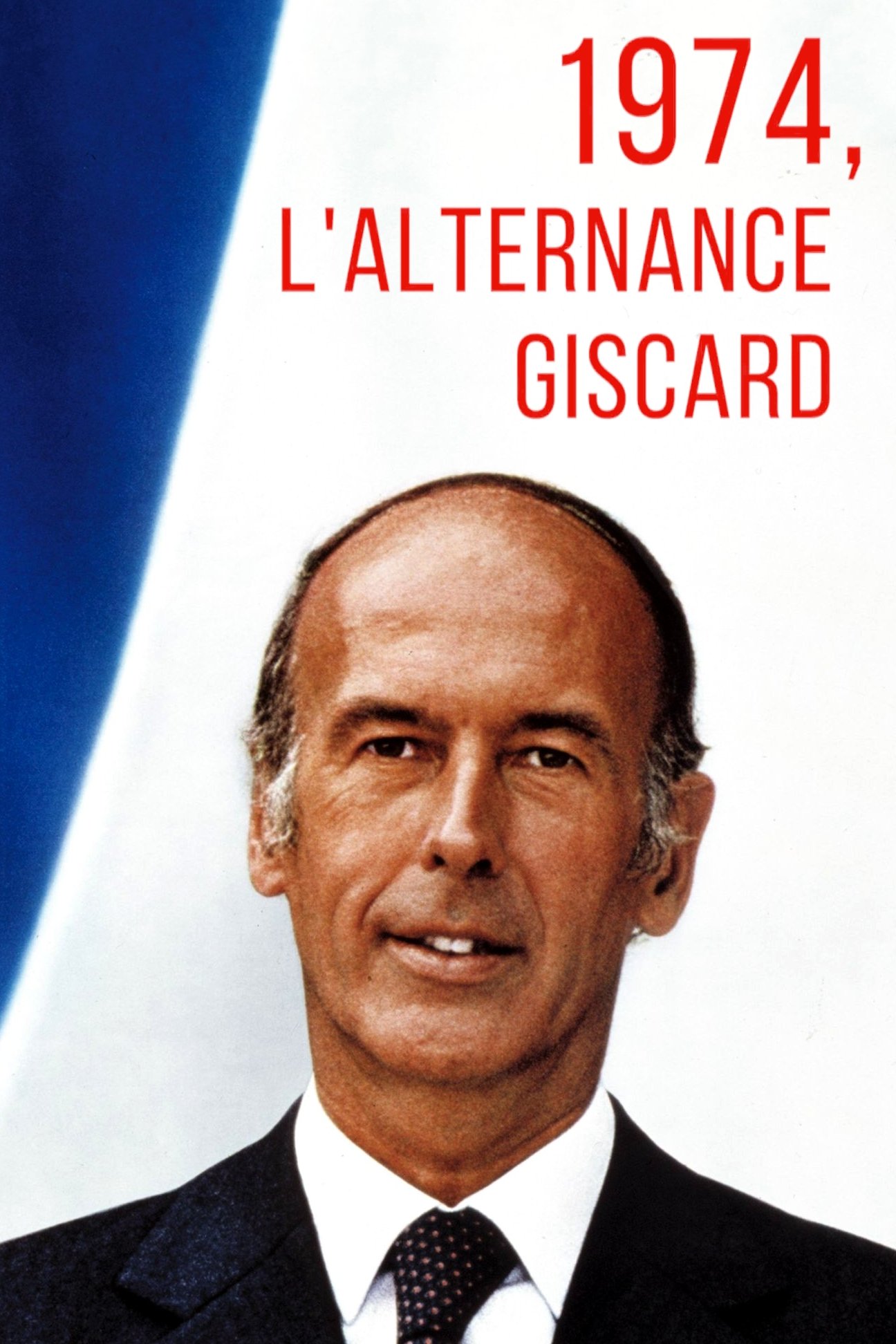
Following the 1974 French presidential campaign with Valéry Giscard d’Estaing.
The development of professional soccer worldwide owes a great debt to the soccer – or "football" – that is played on the streets of France.

Their names are Chorowicz, Cyroulnik, Glichtzman, Feldhandler... They were born in France, after the second world war. Their families came from Central and Eastern Europe in the 20s and 30s, fleeing antisemitism and poverty. After the Holocaust, they grew up among ghosts, between anger, a desire for vengeance and a will to change the world. In the 60s and 70s, they became activists. Through their personal stories and the tale of their internationalist and antifascist struggle, the movie shows the audacity of those years of dissent.

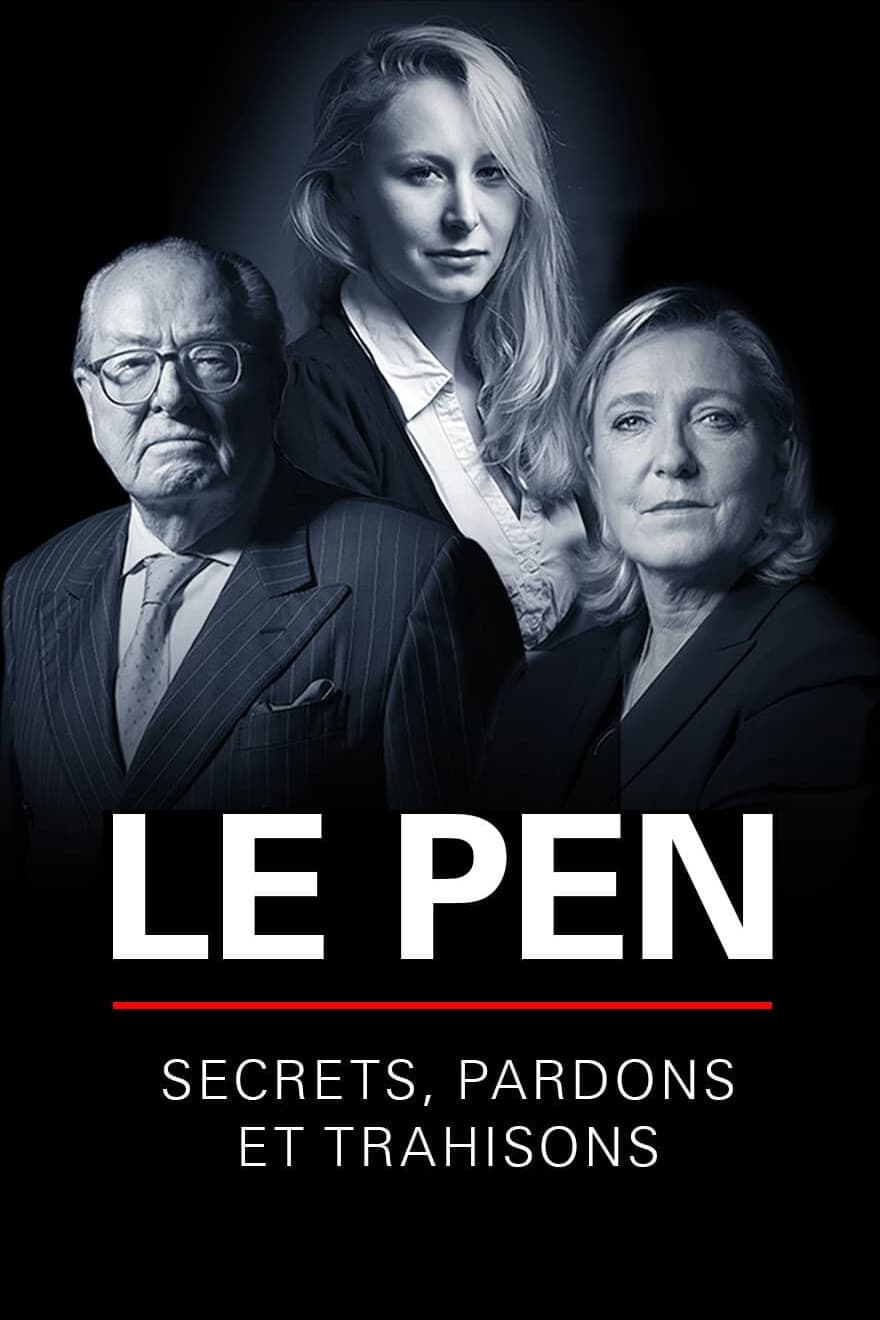
Investigation into the Le Pen family, which has been a prominent presence on the political stage for three generations, with two of its members reaching the second round of the presidential election.
Cyrille, a young gay farmer from Auvergne, has only one friend, a homosexual like him. One day, he goes on vacation to a beach in Charente Maritime. He cannot swim and sees the sea for the first time. It was there that he met the director Rodolphe Marconi who decided to devote this sensitive and gentle portrait to him, plunging us into an agricultural world in crisis and into a life often lonely and made up of hard work rarely pays off.
A documentary produced by the French armed forces which chronicles the way of France’s “1ere armée” in the second world war from the days it first crossed the Rhine in March of 1945, through the liberation of a POW-camp in Swabia, until the forces reached the Danube and the Alps at the end of the war and the day French troops marched in the victory parade in Berlin.
Both a political narrative and a psychological reflection, this documentary explores the personal journey of a quarry worker’s son from Calvados who rose to become the last great figure of the French Communist Party. It delves into the logic that shaped his path and his lasting impact on France’s history.
Yesterday, today, tomorrow. The days pass, and so does life. Watching the waves to come and go, Laurence compiles sharp fragments of her life. This is an intimate and delicate portrait of a woman, who after all the struggles knows when the most important of all days is.
The film tells of the radical life-search by the Swiss writer Paul Nizon, born 1929 in Bern, Switzerland, who became what “he was meant to be” in Paris. Now 90-year-old, Paul Nizon grants insights into his life and work in a self-ironic, direct manner. The intimate portrait of a great literary outsider emerges, for whom the risk of life and the risk of writing merge into one and the same work of art.
Made in Japan, Last Room is both fiction and documentary. The occupants of the love-hotels and capsule-hotels tell their own intimate, dreamlike stories, interspersed with journeys through the archipelago's landscapes. Soon, these personal stories resonate with a collective history: that of Gunkanjima, the abandoned ghost island of Nagasaki, and then that of Japan as a whole.