After 20 years of wandering taiga weather stations searching for a suitable place for having a life, Nataliya and Yuri Usovy settled on Olkhon island, on a remote weather station. They thought to find happiness here.
Social & External

Self
The Kitades run a butcher shop in Kaizuka City outside Osaka, raising and slaughtering cattle to sell the meat in their store. The seventh generation of their family's business, they are descendants of the buraku people, a social minority held over from the caste system abolished in the 19th century that is still subject to discrimination. As the Kitades are forced to make the difficult decision to shut down their slaughterhouse, the question posed by the film is whether doing this will also result in the deconstruction of the prejudices imposed on them. Though primarily documenting the process of their work with meticulous detail, Aya Hanabusa also touches on the Kitades' participation in the buraku liberation movement. Hanabusa's heartfelt portrait expands from the story of an old-fashioned family business competing with corporate supermarkets, toward a subtle and sophisticated critique of social exclusion and the persistence of ancient prejudices.
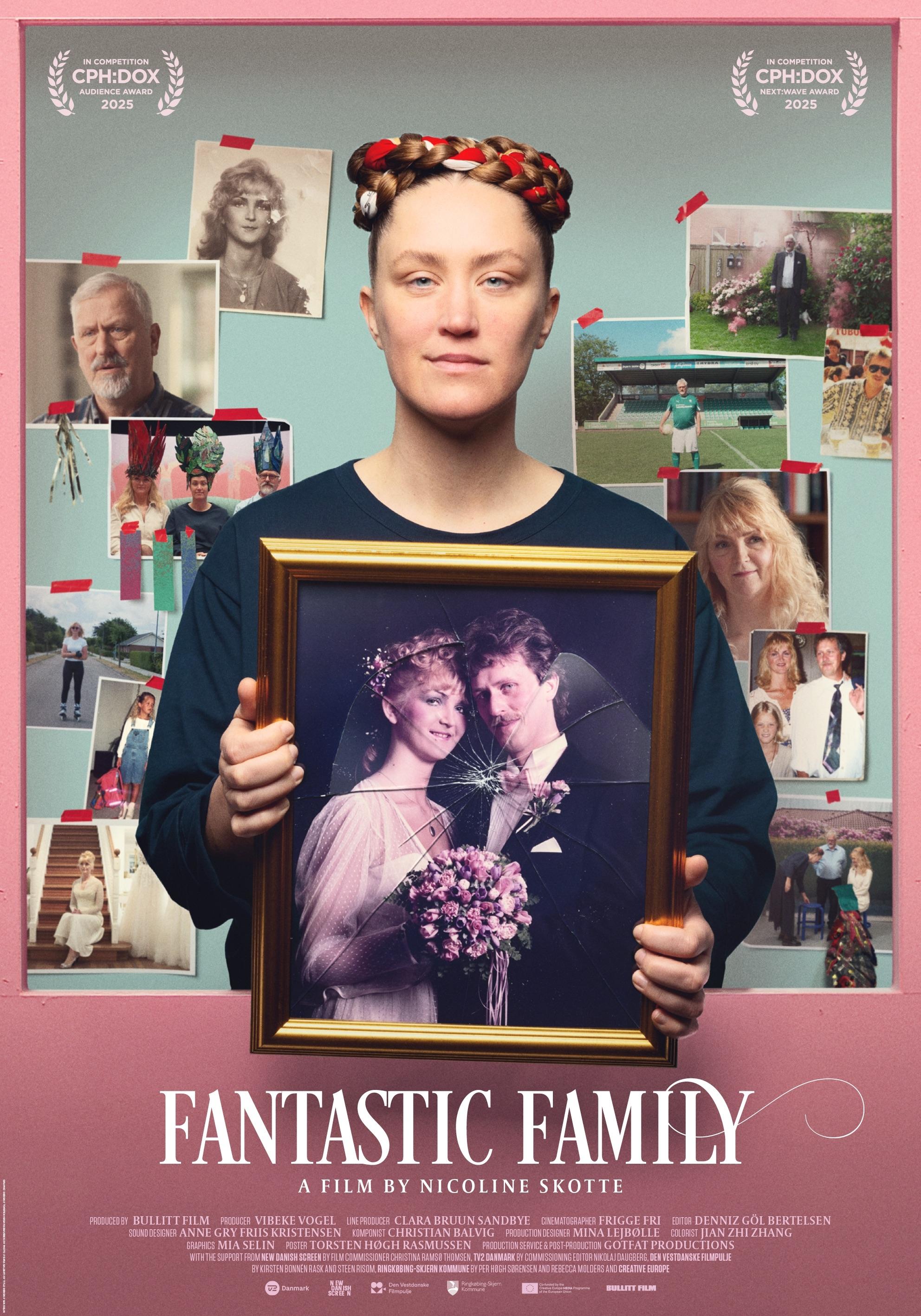
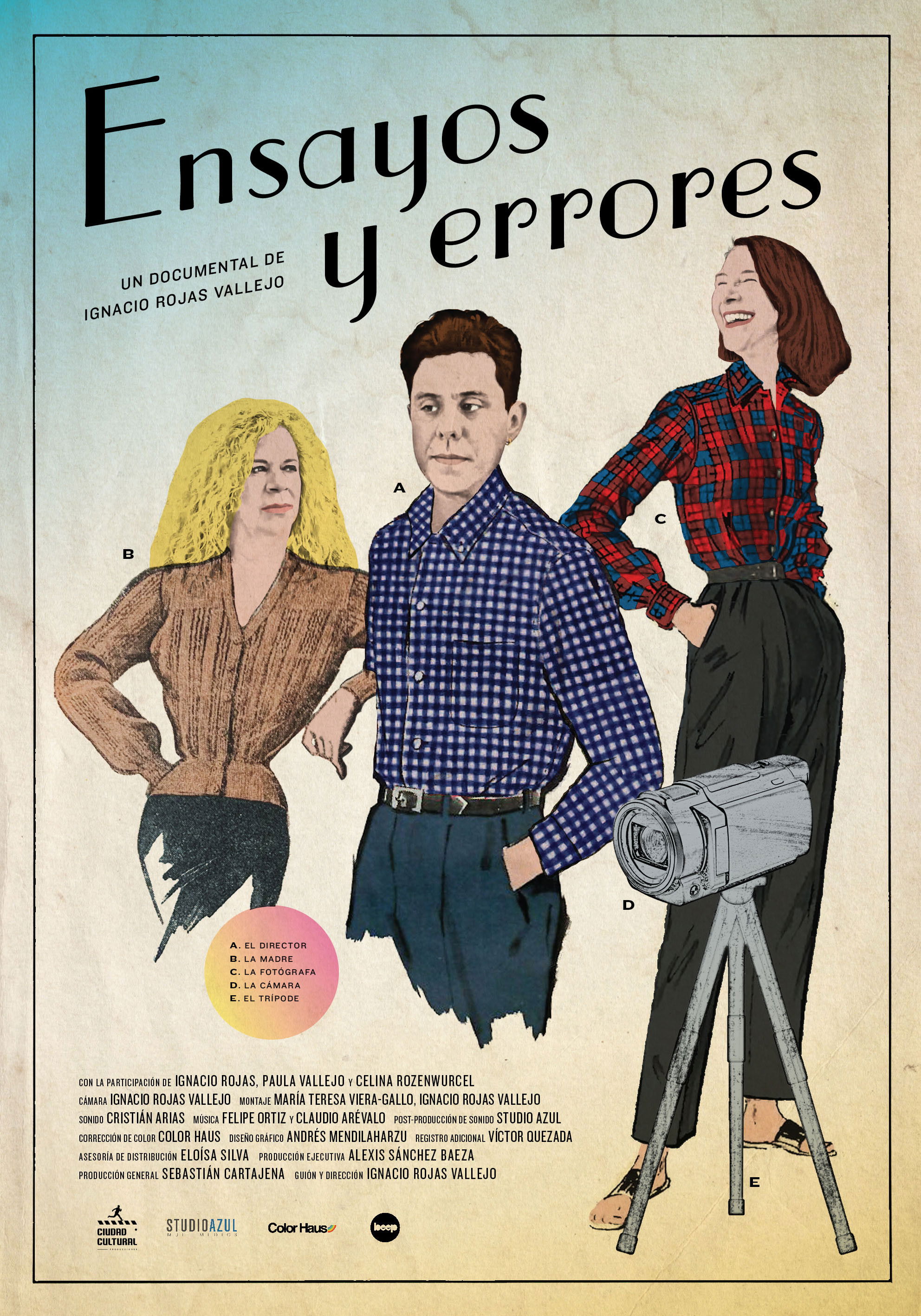
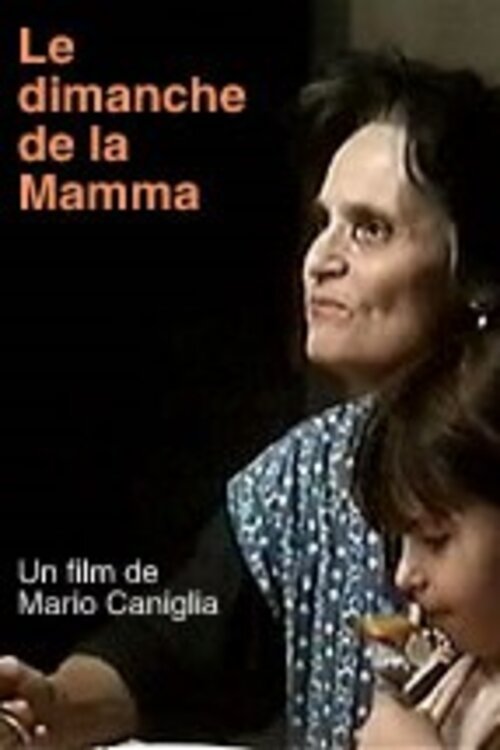
A Christmas meal in a French family from the Puy-de-Dôme, secretly recorded, featuring arguments, bursts of laughter, and lessons on how to use a film camera.
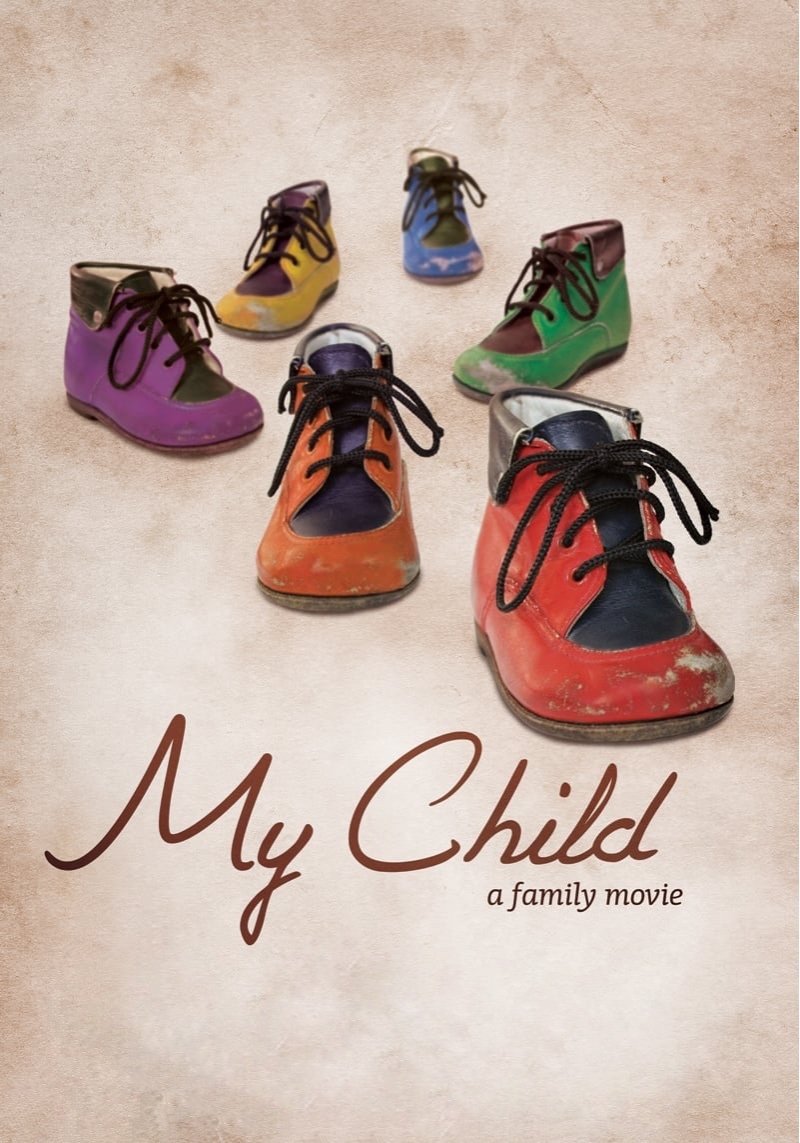
What it is like to have a younger sibling
In the remote Russian Arctic, an aging scientist and his son are trying to recreate the Ice Age. They call their experiment Pleistocene Park – a perfect home for woolly mammoths, resurrected by modern genetics. But the mammoths are only a means to a bigger end: defusing a carbon timebomb frozen in the permafrost to slow the effects of global warming.
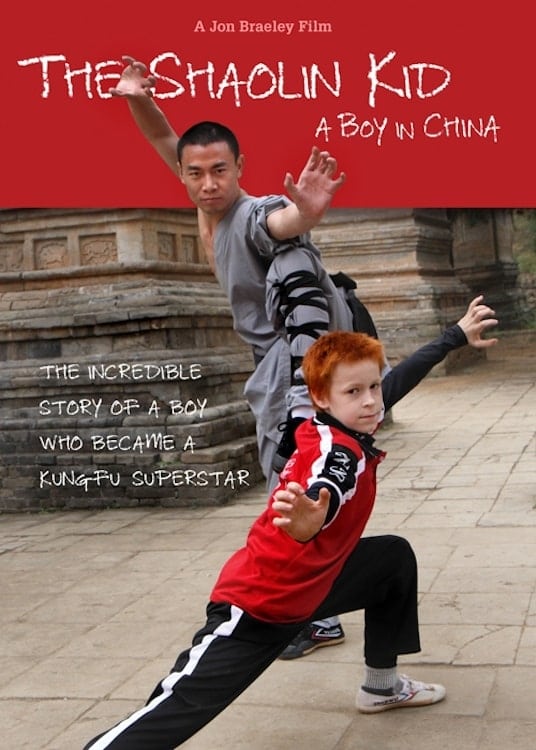
Could our mounting modern problems have ancient solutions? Travel to the depths of China to find out.
Three generations of the Phadke family live and work together in South Bombay. As they prepare for a family wedding, director Archana Atul Phadke, who is not in any hurry to marry, observes the shifting, often very funny household dynamics, as both her mother and grandmother wonder how they have tolerated their husbands for so long.
After working abroad for five years, filmmaker Ajahnis Charley returns home to Oshawa, Ontario, in the age of quarantine. In addition to reuniting with his family, he returns with a mission to share some deep personal truths. Surprising conversations ensue with his mother and three siblings creating, in this humorous and heart-wrenching story about our need to seek love and acceptance within our own families.
Junha is one of the most difficult children at the school. His autism causes him to attack his classmates and even teachers without warning. Each outburst further isolates Junha from his community as his teachers and peers struggle to find a way to live "with" Junha. The camera provides an intimate look into this society, leaving the question; what is human entity and how is it connected?
High school graduation doesn't come around often. Not only is it a day of celebration, but also a day of tears and apprehension. Milestone No. 1 follows Jack, a senior at the local high school, who is getting ready for his day of graduation, and the various tasks he needs to complete before arriving at the venue.
"Shaman" was filmed on July the 16th, 1977 in the northernmost corner of Eurasia, on the Taymyr Peninsula, at the Avam river, concurrently with the shooting of the documentary "The Winds of the Milky Way". The Nganasan Shaman Demnime (1913-1980) was 64 years old at the time. The documentary about Demnime's incarnation ritual was completed 20 years later. The fifth and final documentary in Lennart Meri's "Encyclopaedia Cinematographica Gentium Fenno - Uricarum" series.

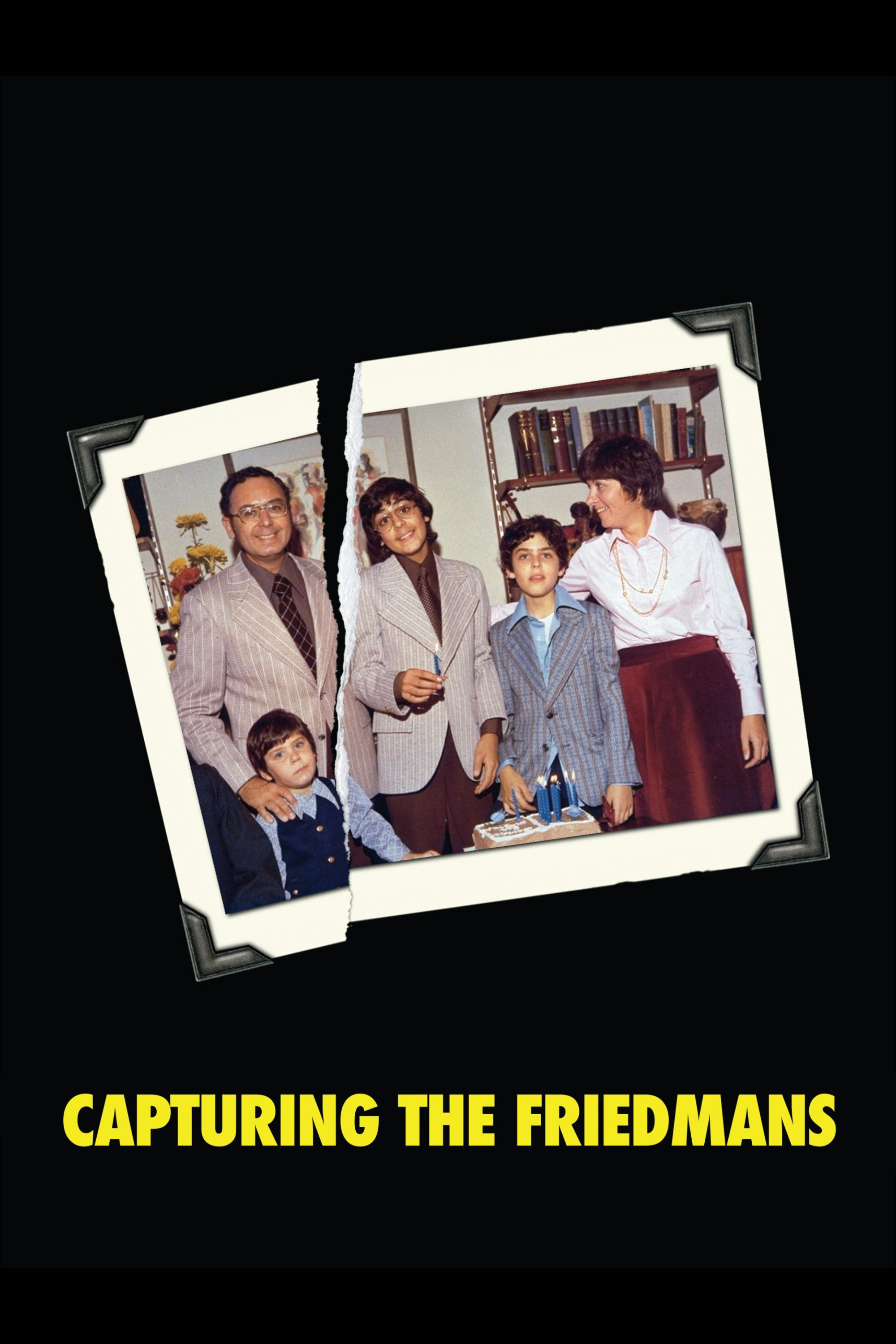
An Oscar nominated documentary about a middle-class American family who is torn apart when the father Arnold and son Jesse are accused of sexually abusing numerous children. Director Jarecki interviews people from different sides of this tragic story and raises the question of whether they were rightfully tried when they claim they were innocent and there was never any evidence against them.
Arctic Tale is a 2007 documentary film from the National Geographic Society about the life cycle of a walrus and her calf, and a polar bear and her cubs, in a similar vein to the 2005 hit production March of the Penguins, also from National Geographic.
An intimate portrait of the lives of Delvys and Carlos, siblings who live alone with their elderly mother in a rural part of a small Cuban town. The film portrays a family engulfed in their inner worlds. Between the sacrifices they make out of love for those who are present, and their longing for things that are absent, they struggle to find meaning as they reflect, contemplate, and carry the weight of existence, trying together, to move forward.
Jason Momoa's story of fatherhood, craftsmanship, and the legacy he'll leave behind.
The documentary's title translates as "to be and to have", the two auxiliary verbs in the French language. It is about a primary school in the commune of Saint-Étienne-sur-Usson, Puy-de-Dôme, France, the population of which is just over 200. The school has one small class of mixed ages (from four to twelve years), with a dedicated teacher, Georges Lopez, who shows patience and respect for the children as we follow their story through a single school year.
Traces the lives of the Hartings, a blind Montreal family of three who make their living singing in the city's subway stations. The Hartings lost their only sighted child Hassan in a tragic drowning accident, and have since turned to the teachings of Russian mystic Grigori Grabovoi, hoping to resurrect their son. Resurrecting Hassan is an exploration of this family's legacy of grief, tragedy and abuse; the film will follow them on their path to redemption.
A portrayal of the life of one of the most important samba musicians in Brazil, Bahian sambista Oscar da Penha, popularly known as Batatinha (1924 -1997). Through memories of their father, his nine children share their perspectives, as well as interviews with family, friends and musicians, to tell the story of Batatinha’s life, history and work.
The year 2011 marked the 70th anniversary of the deportations of June 14 1941, when 15 425 residents of Latvia (Latvians, Jews, Russians, Poles) were deported to Siberia. Among them there were 3 751 children aged up to 16. During the process men were separated from their families and sent to gulags, where many were sentenced to death, while others were imprisoned in labour camps. The facts of history and dry and few, but many of the victims and their children and grandchildren are still among us. During the summer of 2010, people who were deported to Siberia in 1941 as children joined their own children and a video production crew to travel back to the far North of Russia.
Buzz One Four chronicles the ill-fated flight of a Cold War B-52 Stratofortress loaded with two 3-4-megaton nuclear bombs that crashed 90 miles from Washington DC in 1961. Information suggests that detonation came closer than official reports indicated. The full details of the crash have remained classified and otherwise repressed by the Air Force, but the filmmaker, Portlander Matt McCormick, grew up with this story because the pilot was his grandfather. As McCormick recounts the history of the era, aspects of this crash, and other little-know nuclear-weapons accidents, he leaves us wondering if the U.S. was in greater danger of nuking itself than of being attacked by the Russians.
In the center of the story is the life of the indigenous people of the village Bakhtia at the river Yenisei in the Siberian Taiga. The camera follows the protagonists in the village over a period of a year. The natives, whose daily routines have barely changed over the last centuries, keep living their lives according to their own cultural traditions.
This documentary promoting the joys of life in a Soviet village centers on the activities of the Young Pioneers. These children are constantly busy, pasting propaganda posters on walls, distributing hand bills, exhorting all to "buy from the cooperative" as opposed to the Public Sector, promoting temperance, and helping poor widows. Experimental portions of the film, projected in reverse, feature the un-slaughtering of a bull and the un-baking of bread.
Through deeply personal interviews with her siblings and an examination of the photographs, letters, and belongings left behind, Mariska assembles a new portrait of her mother Jayne Mansfield, an extraordinary and complex woman.
JB Smoove and Martin Starr host a celebration of 20 years of "Spider-Man" movies, from the Sam Raimi trilogy to Marc Webb's movies and the trio from Jon Watts.
A documentary that explores the downloading revolution; the kids that created it, the bands and the businesses that were affected by it, and its impact on the world at large.
Years spent recording footage of creatures from every corner of the globe is bound to produce a bit of drama. Here's a behind-the-scenes look.
Those who knew iconic funnyman John Candy best share his story, in their own words, through never-before-seen archival footage, imagery, and interviews.
The life and career of an actor, artist, and icon. His own journey through his own camera.
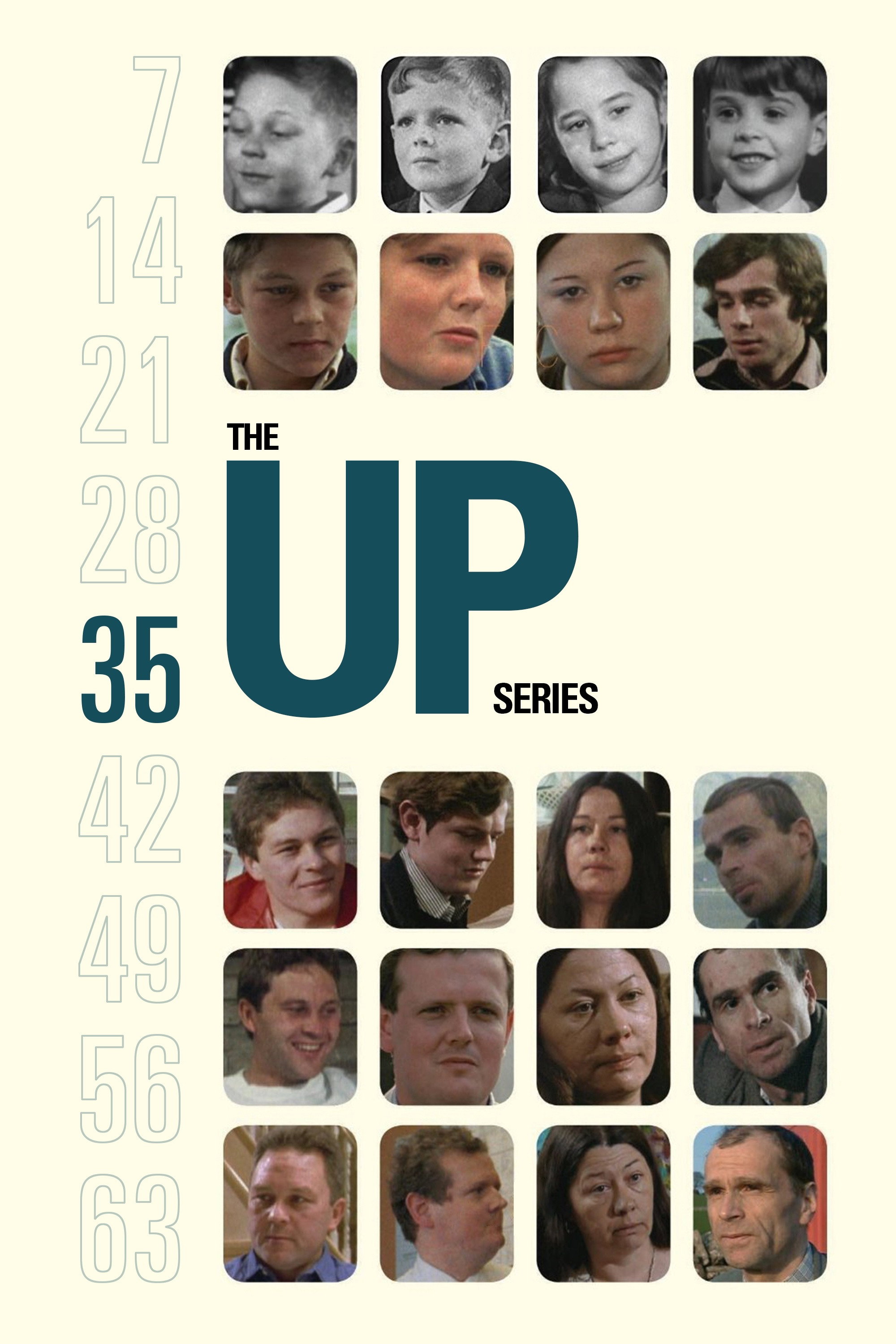
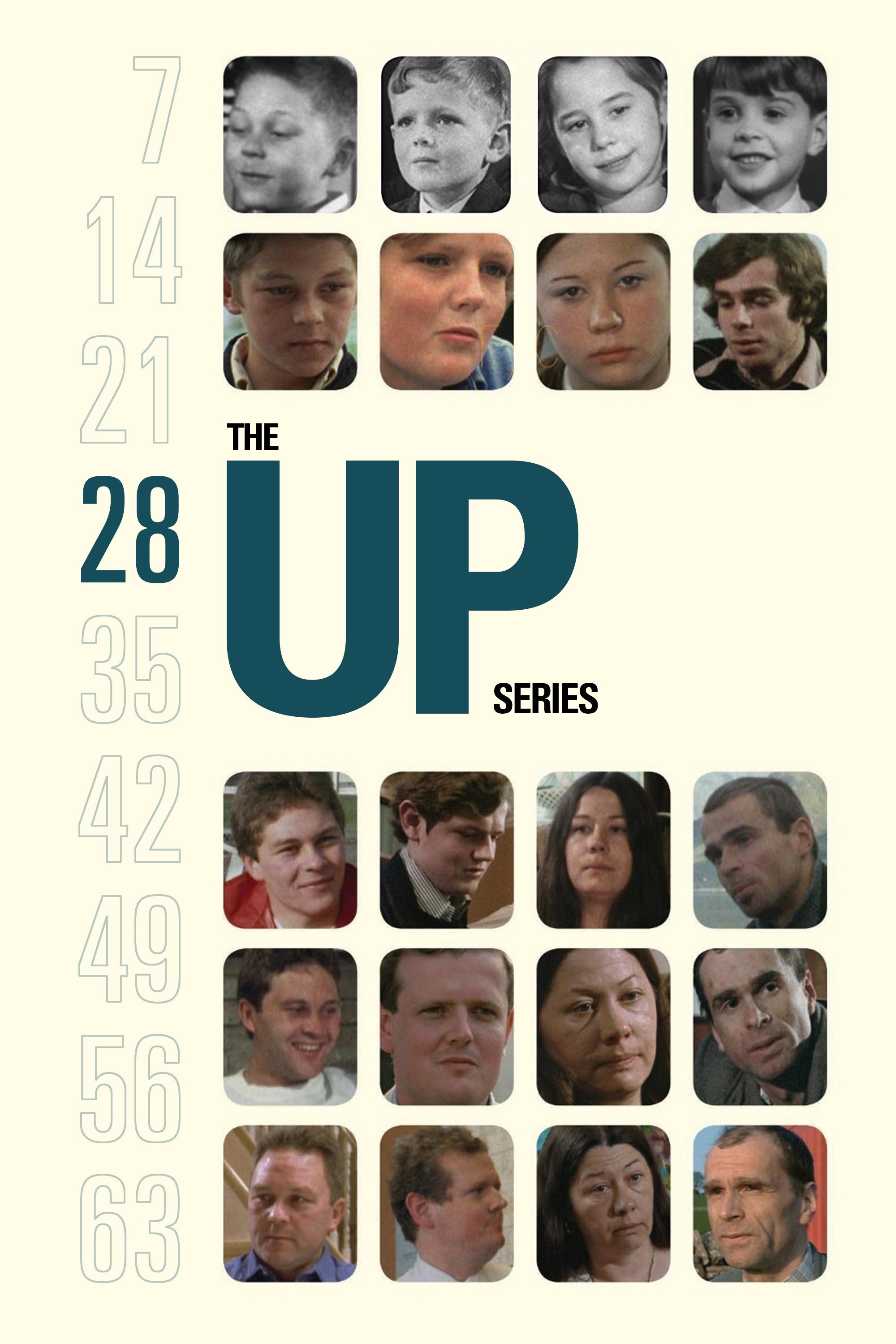
Just two years away from turning 30, participants in Michael Apted's documentary series are facing serious questions of identity and purpose, wondering whether they've found their place in the world.
Penetrating the insular world of New York's Hasidic community, focusing on three individuals driven to break away despite threats of retaliation.
Artists in LA discover the work of forgotten Polish sculptor Stanislav Szukalski, a mad genius whose true story unfolds chapter by astounding chapter.
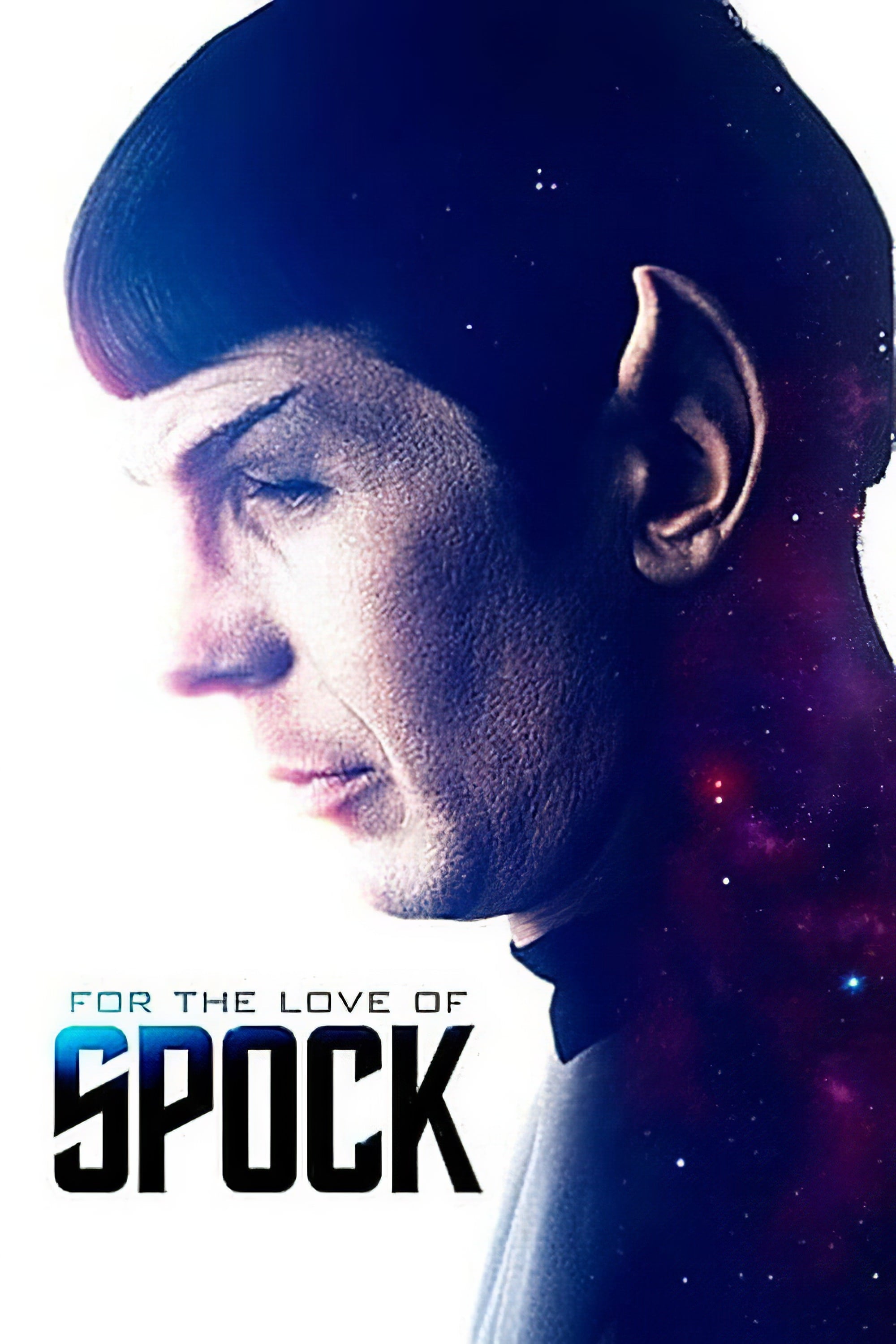
The life of Mr. Spock, as well as that of Leonard Nimoy, the actor who played him for almost fifty years, written and directed by his son: Adam.
The Making-of James Cameron's Avatar. It shows interesting parts of the work on the set.
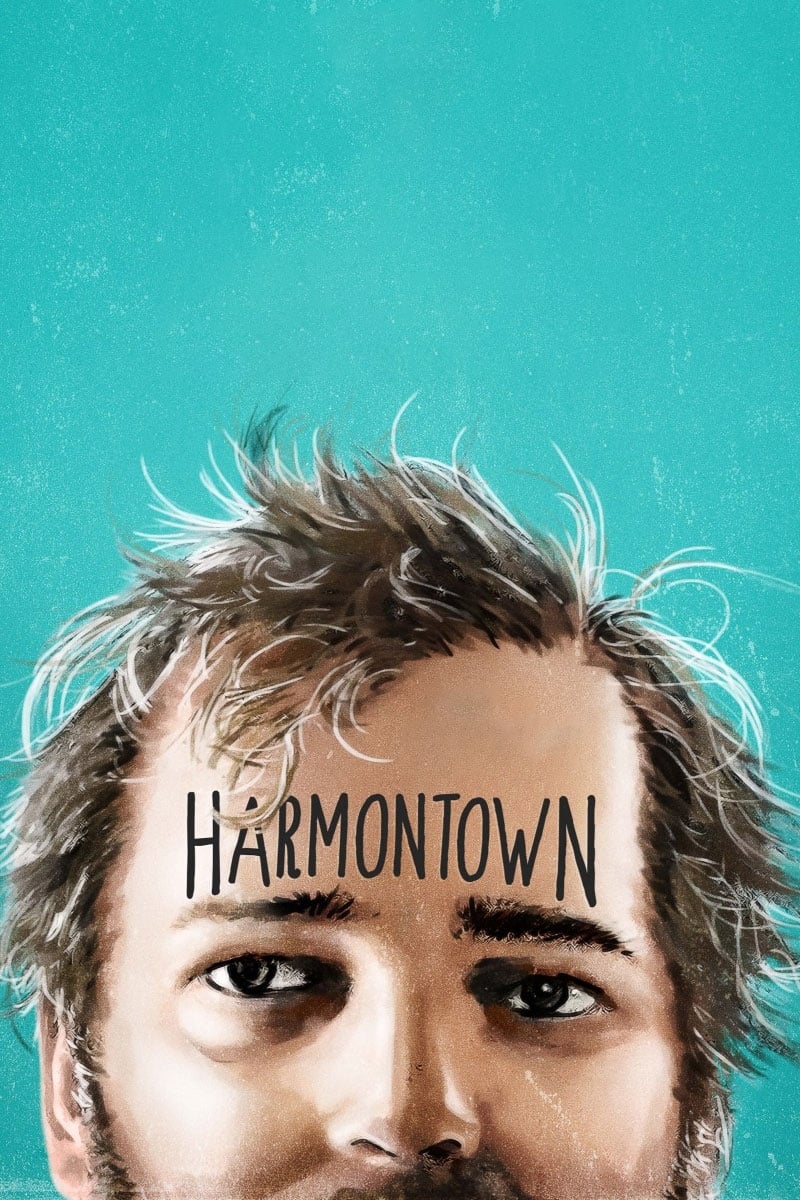
A comedic, brutally honest documentary following self-destructive TV writer Dan Harmon as he takes his live podcast on a national tour.
In this genre-bending tale, Errol Morris explores the mysterious death of a U.S. scientist entangled in a secret Cold War program known as MK-Ultra.
A documentary about the making of David Fincher's 2008 film THE CURIOUS CASE OF BENJAMIN BUTTON. Virtually every element in the evolution of the Fincher's film is documented here, from the project's attachment to numerous other directors during the 1990s, to its shoot in 2006 and 2007 in New Orleans, to its complex, CGI-intensive postproduction process.
An inside look at one of the most anticipated movie sequels ever with James Cameron and cast.
A documentary on legendary movie-poster artist Drew Struzan.
A documentary about the life and films of director John Ford.
An exploration of technologically developing nations and the effect the transition to Western-style modernization has had on them.