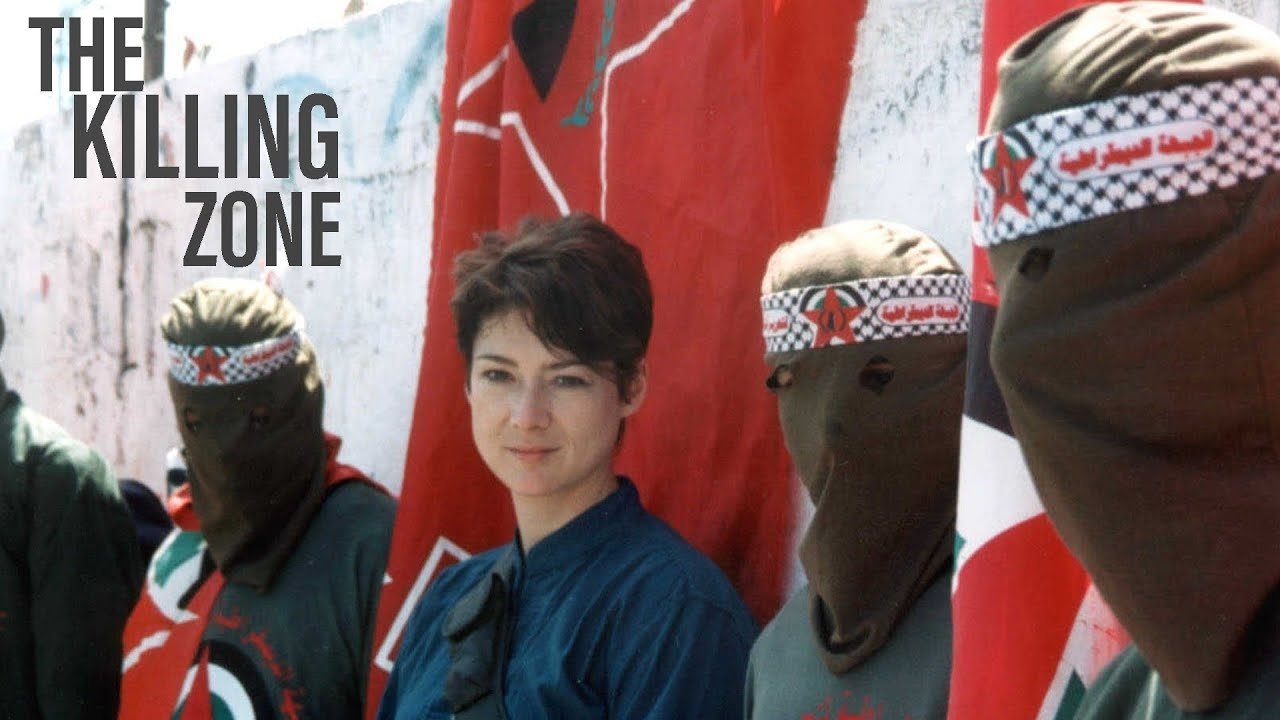
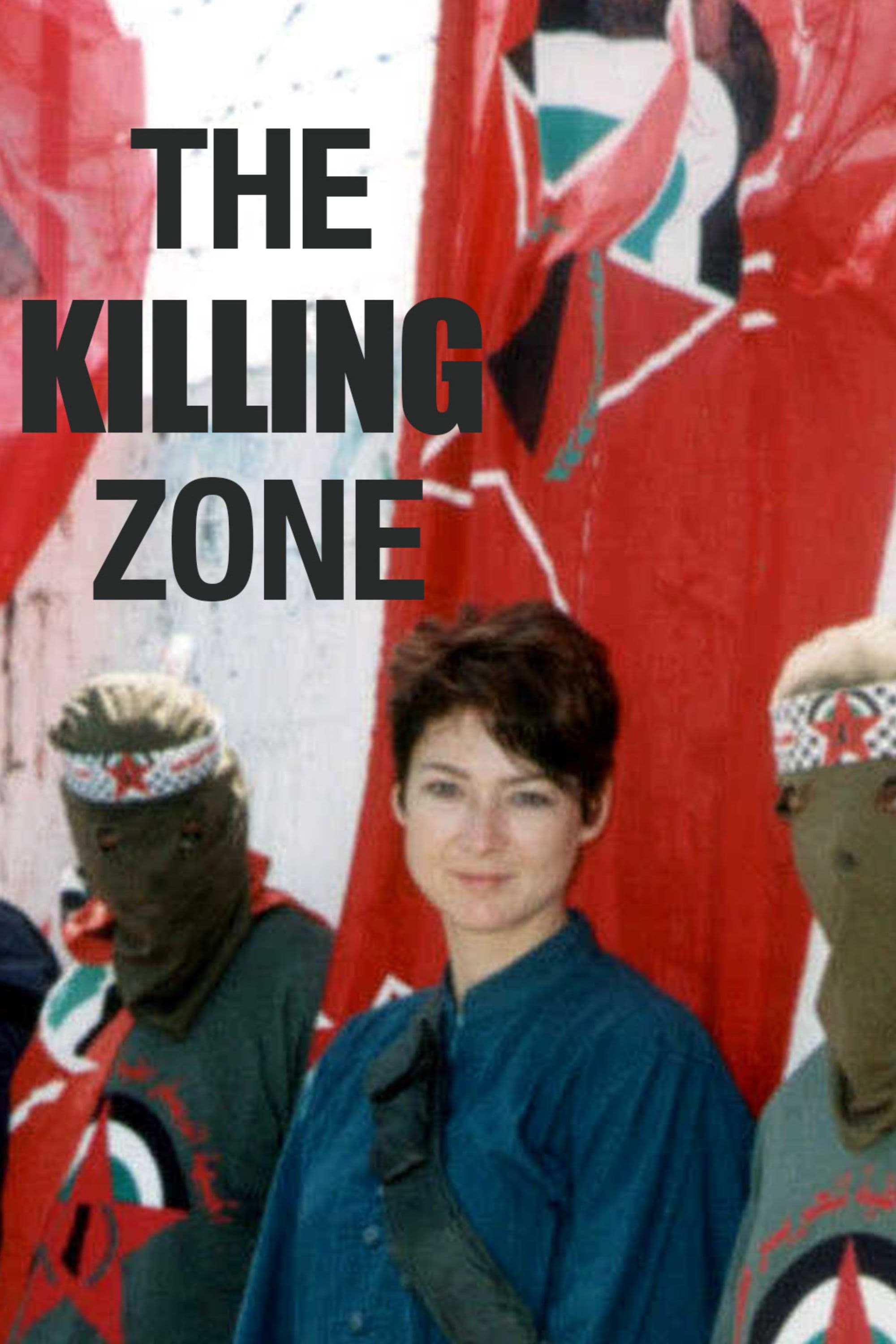
While the world’s attention has been fixed on the war in Iraq, Dispatches reporter Sandra Jordan and producer Rodrigo Vasquez risk their lives to reveal the shocking level of daily violence and murderous hate in the Gaza Strip.
Social & External

The people behind it
Sandra Jordan
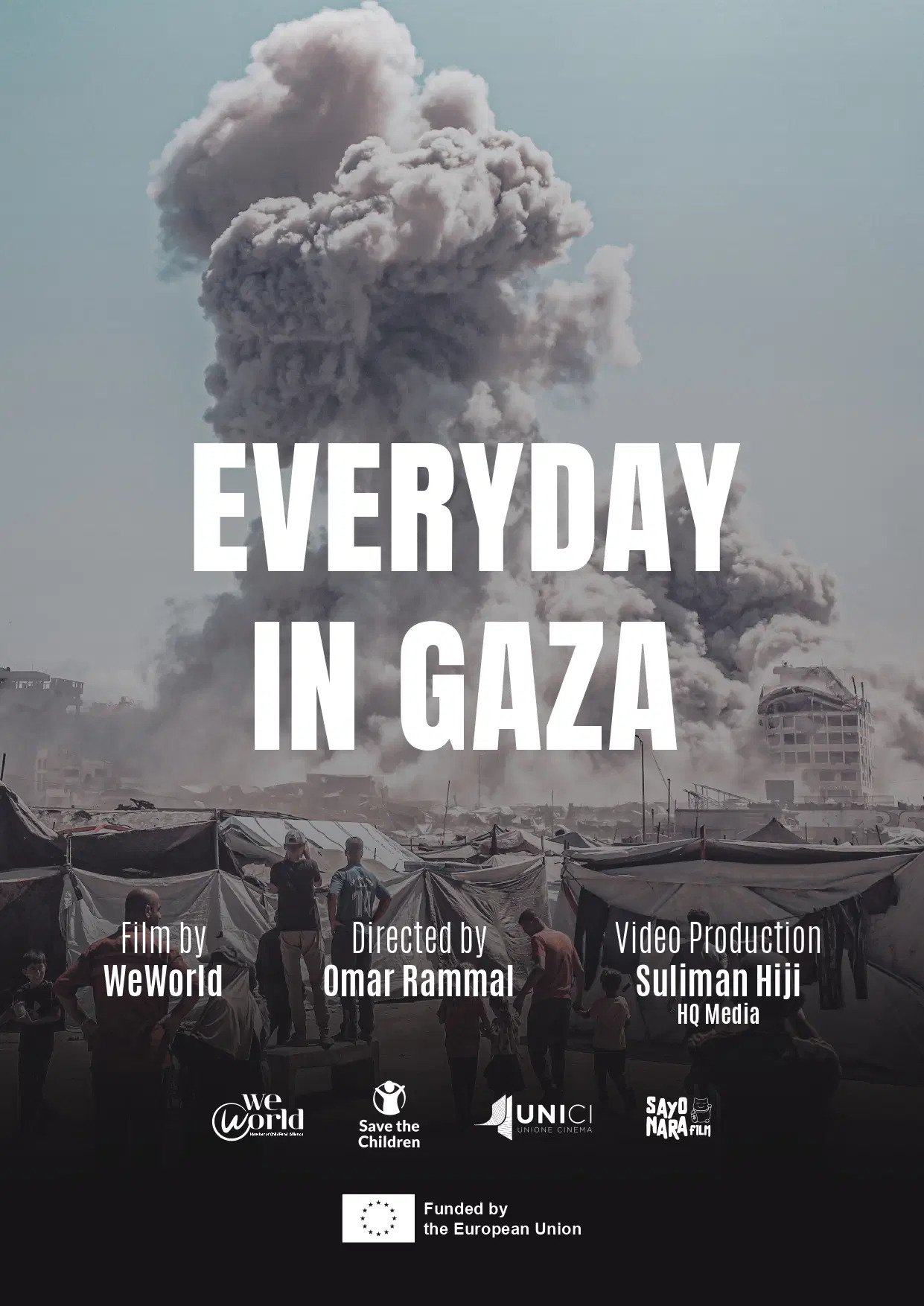
Filmed in the heart of the Gaza Strip in the spring of 2025 and produced by WeWorld as part of a project funded by the European Union, in collaboration with Save the Children, the film tells everyday stories of resistance and humanity: a barber who continues to welcome his clients amid the rubble, restoring dignity and beauty; Wafa, a woman who dedicates her life to children with disabilities or those who have been orphaned, offering care, education, play, and a sense of normalcy. An intimate narrative that illuminates the strength of the community even in one of the world's most fragile and war-torn contexts, like Gaza, where the population has been under constant attack for two years and under blockade for over 18 years.
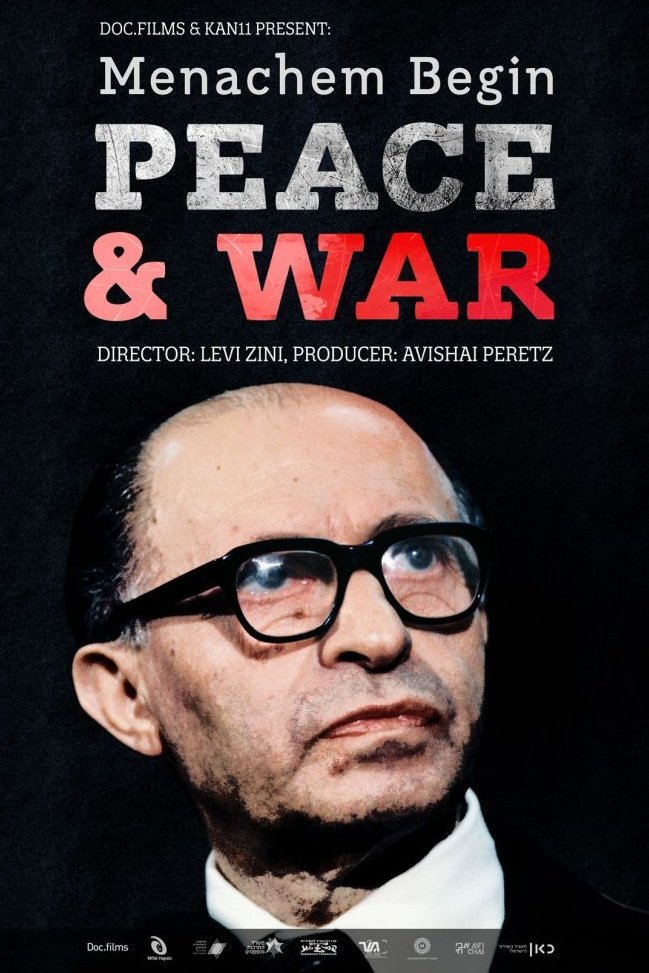
In his abbreviated one and a half terms as Prime Minister of Israel, Menachem Begin faced a maelstrom of challenges and made a handful of fateful decisions that led to both creating peace and launching a hubristic war. This multi-faceted portrait merges rare archival footage shown for the first time, as well as current interviews of key figures from Begin’s time as Prime Minister.
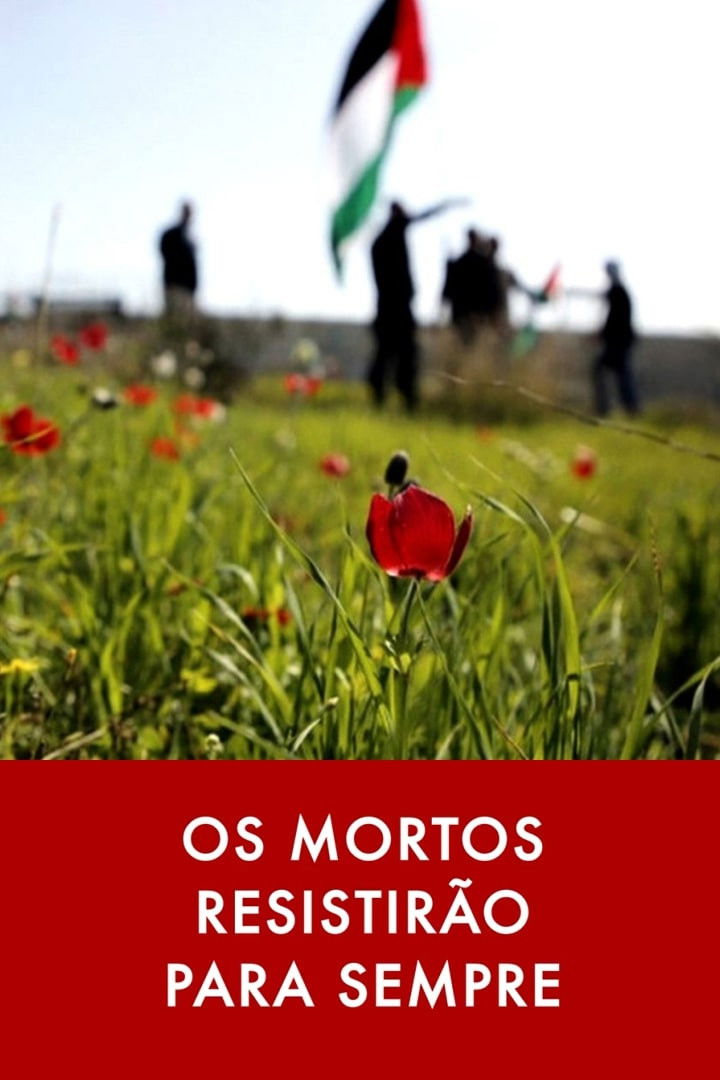
Cinepoem about the current Palestinian tragedy, with Brazilian films from 1922 and 1932 (the indigenous catastrophe), documentaries from 2023/2024, essays by Jean-Luc Godard, Hani Jawharieh and Mustafa Abu Ali, statements by Edgar Morin and Noam Chomsky, and a poem by Mahmud Darwich.
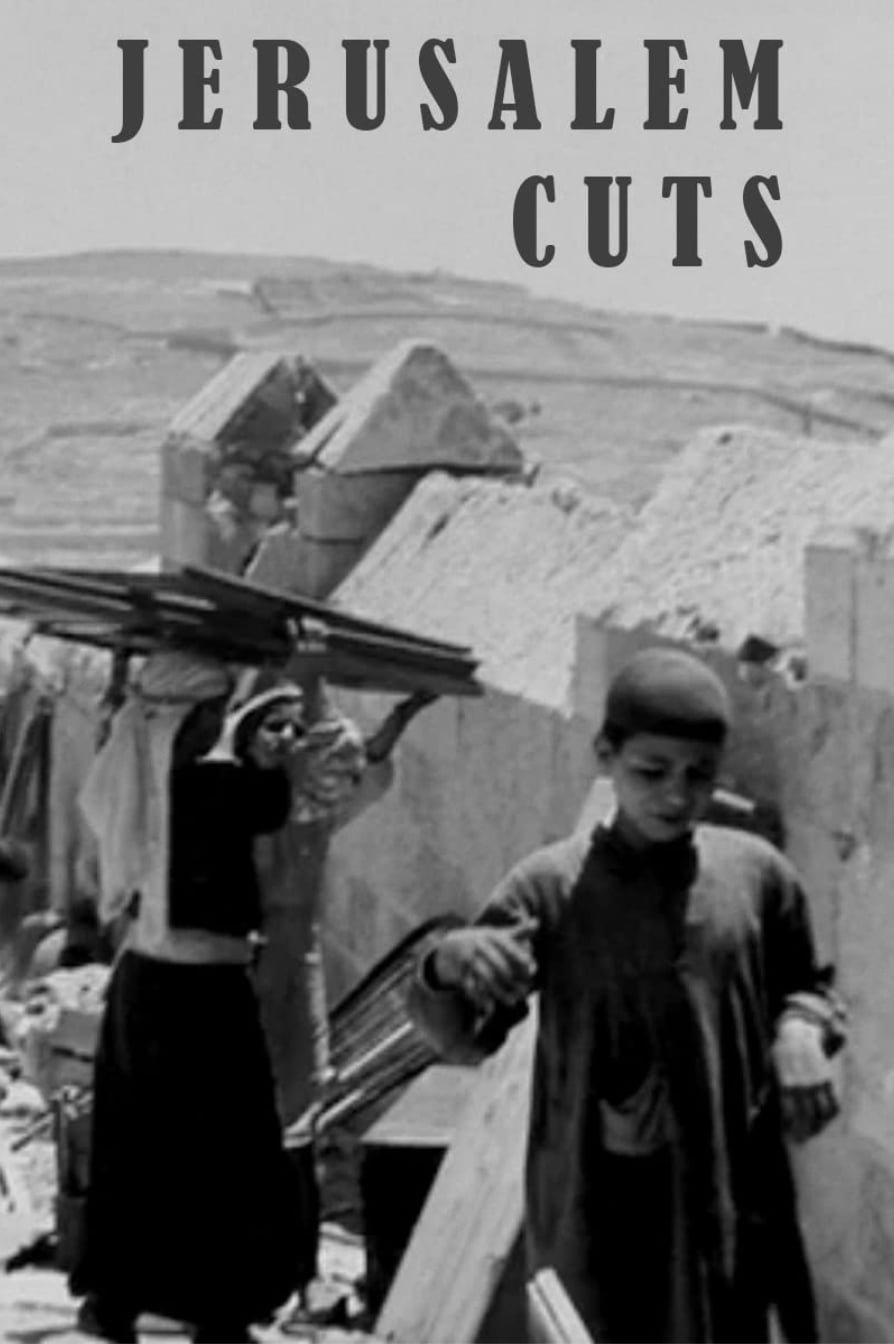
One war, ten days, three stories: the Old City of Jerusalem, at the dawn of a new Middle East. For the Brits, it’s the shameful end of 30 years Mandate. For the Jews, it’s the birthday of their State. And for the Palestinians, it’s a catastrophe. Only now, 60 years later, images can be shown from three opposing points of view, telling a whole new story.
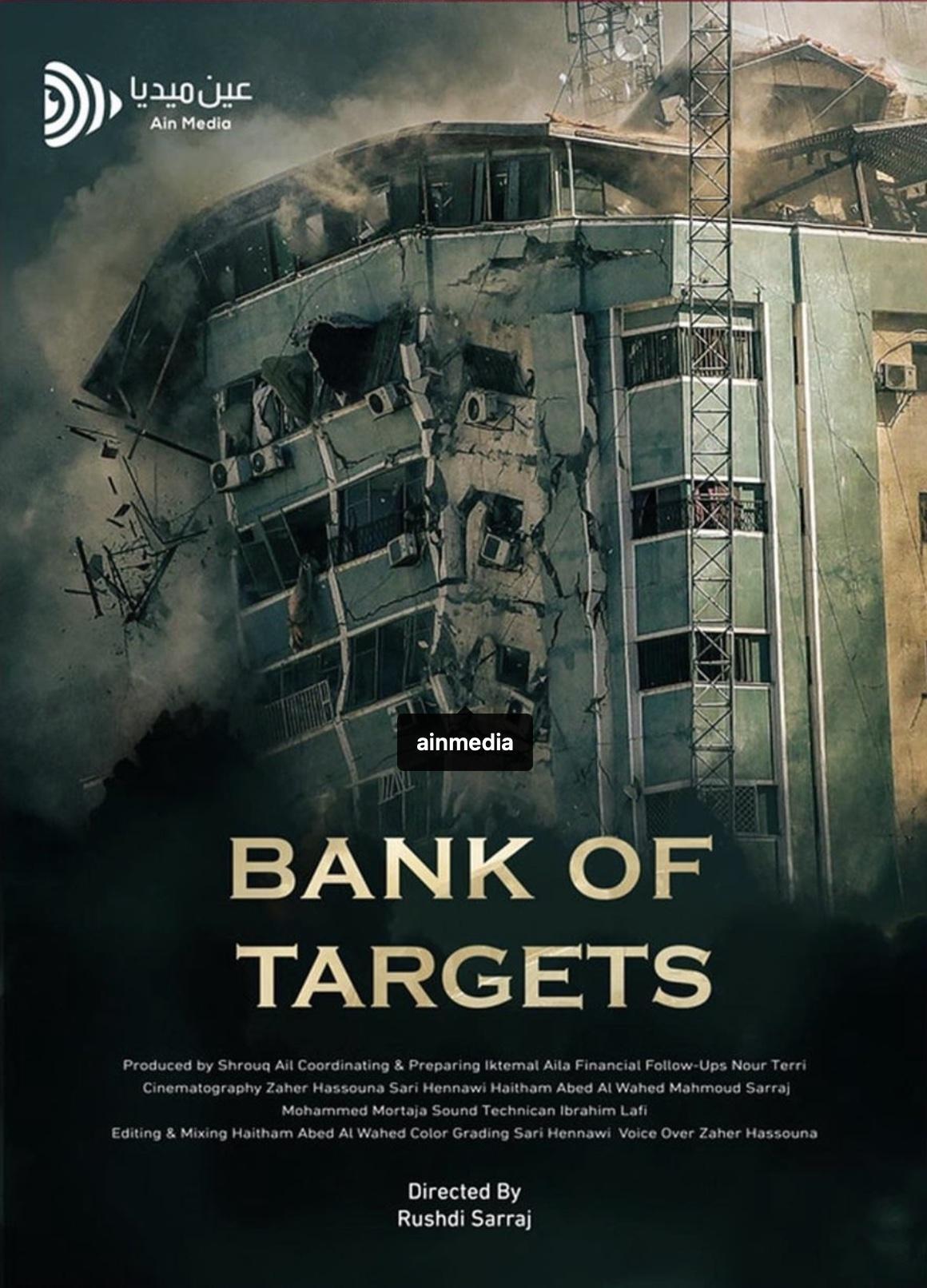
Winner of the Jury’s Special Mention at the 18th Al Ard Film Festival in Sardinia, Bank of Targets documents Israel’s targeting of civilian infrastructure in Gaza in 2021. Through a first-hand account of the bombing of a residential building, Sarraj highlights the efforts of journalists to create a record of war crimes as they unfold. Sarraj was killed in his home by an Israeli air strike on 22 October, 2023.
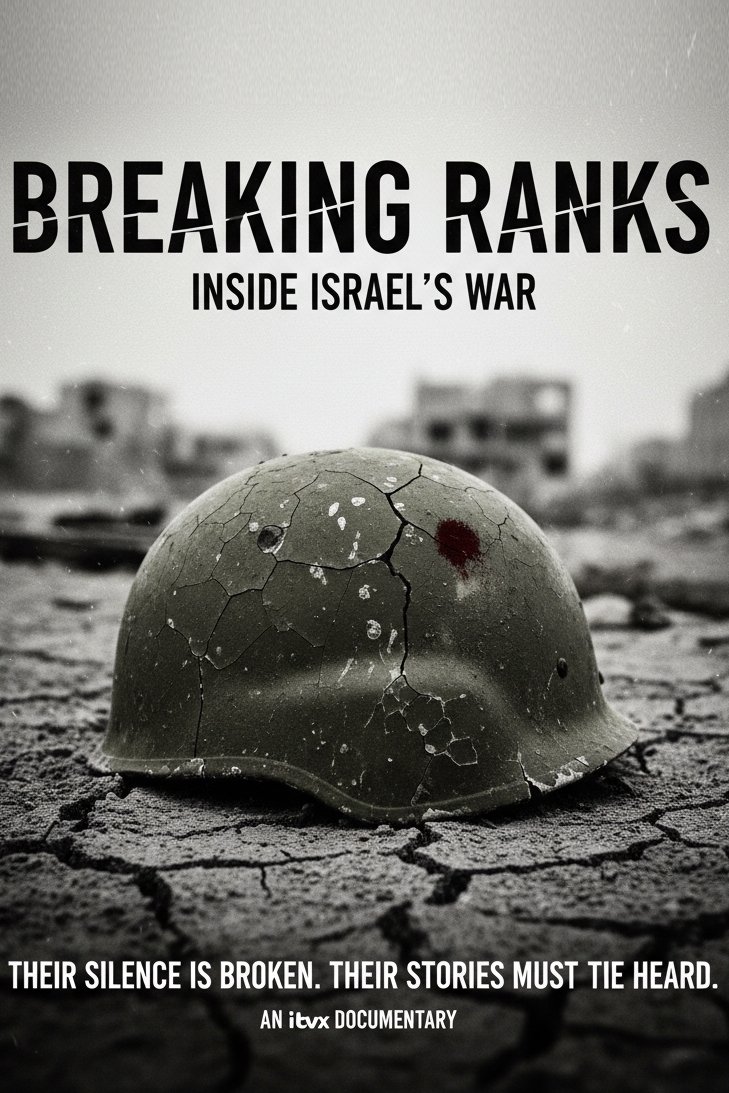
Breaking Ranks: Inside Israel’s War presents the first-hand recollections of IDF soldiers who have broken official silence to share their experiences of the war in Gaza - accounts that may raise serious questions about conduct on the ground and potential breaches of international law. Directed by award-winning filmmaker Ben Zand, the film features exclusive interviews with Israel Defense Forces (IDF), reservists and veterans - many speaking for the first time - who served during the war in Gaza. Their testimonies describe what they recall as indiscriminate bombardment, instances where Palestinian civilians were used as human shields, and an operational culture that some soldiers characterised as “no innocents in Gaza.”
The Grayzone presents a behind-the-scenes portrait of Betar USA, the militant Zionist street group that claims credit for guiding the Trump administration's jailing and attempted deportation of pro-Palestine student activists.
Director Yigal Bursztyn’s made-for-TV road movie takes viewers on a contemporary journey in which he traces the gospel and teachings of Jewish philosopher, Maimonides (aka the Rambam). Burszstyn goes from the Spanish city of Cordoba to Fes in Morocco, then onwards to Egypt and finally, Israel. In the course of this physical, geographical journey, Bursztyn also does a deep dive into Maimonides’s 12th century canonical work, The Guide for the Perplexed, which he uses as a tool to interpret present-day events and the conflicts between faith and rationale, and between religion, culture, and gender.
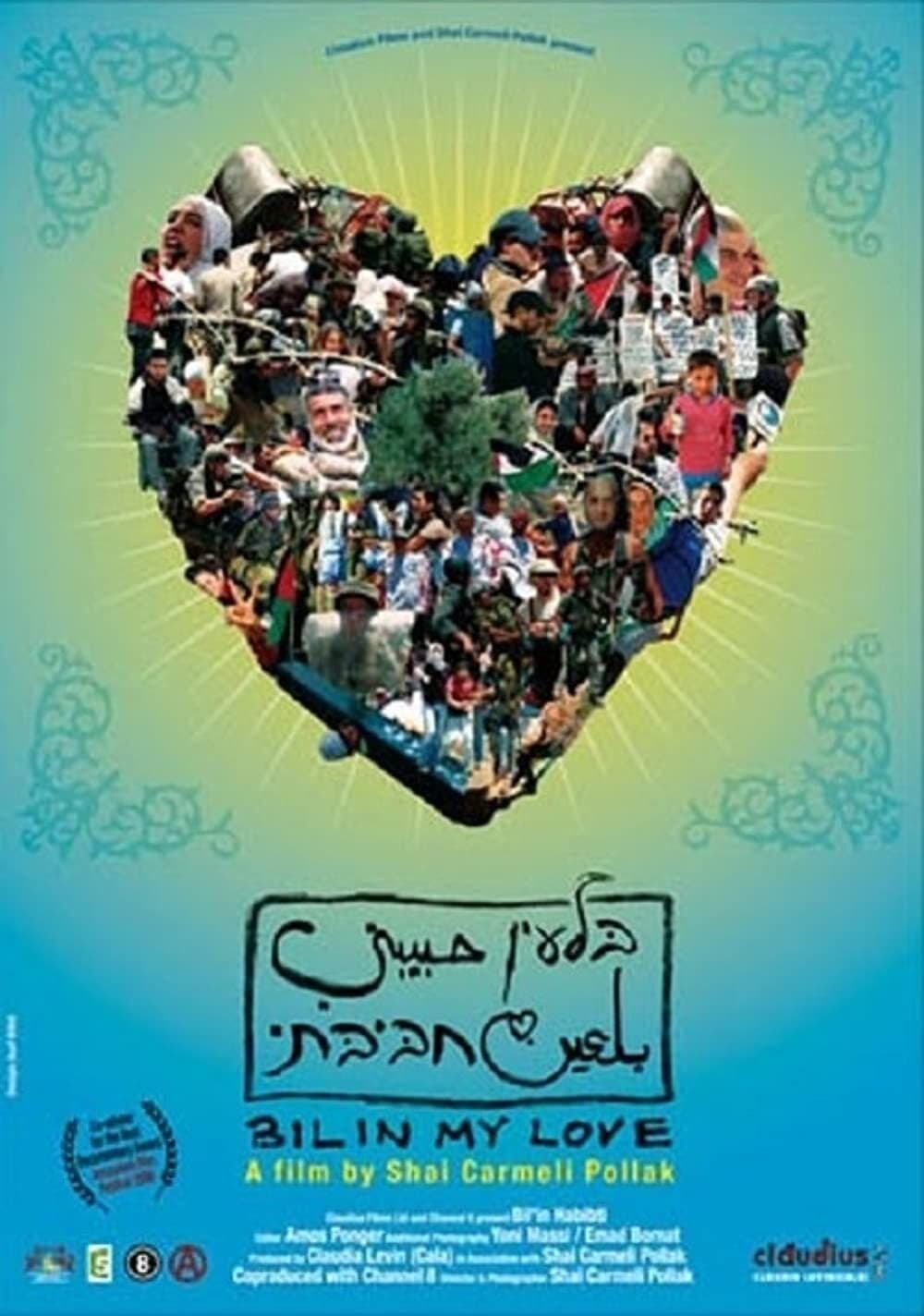
The Israeli filmmaker Shai Corneli Polak records the building of the 'security wall' through Palestinian territory at the village of Bil'in. The villagers protest mostly peacefully, while the Israeli army doesn't react peacefully. By now the Israeli High Court has ruled that the building of the wall was illegal.
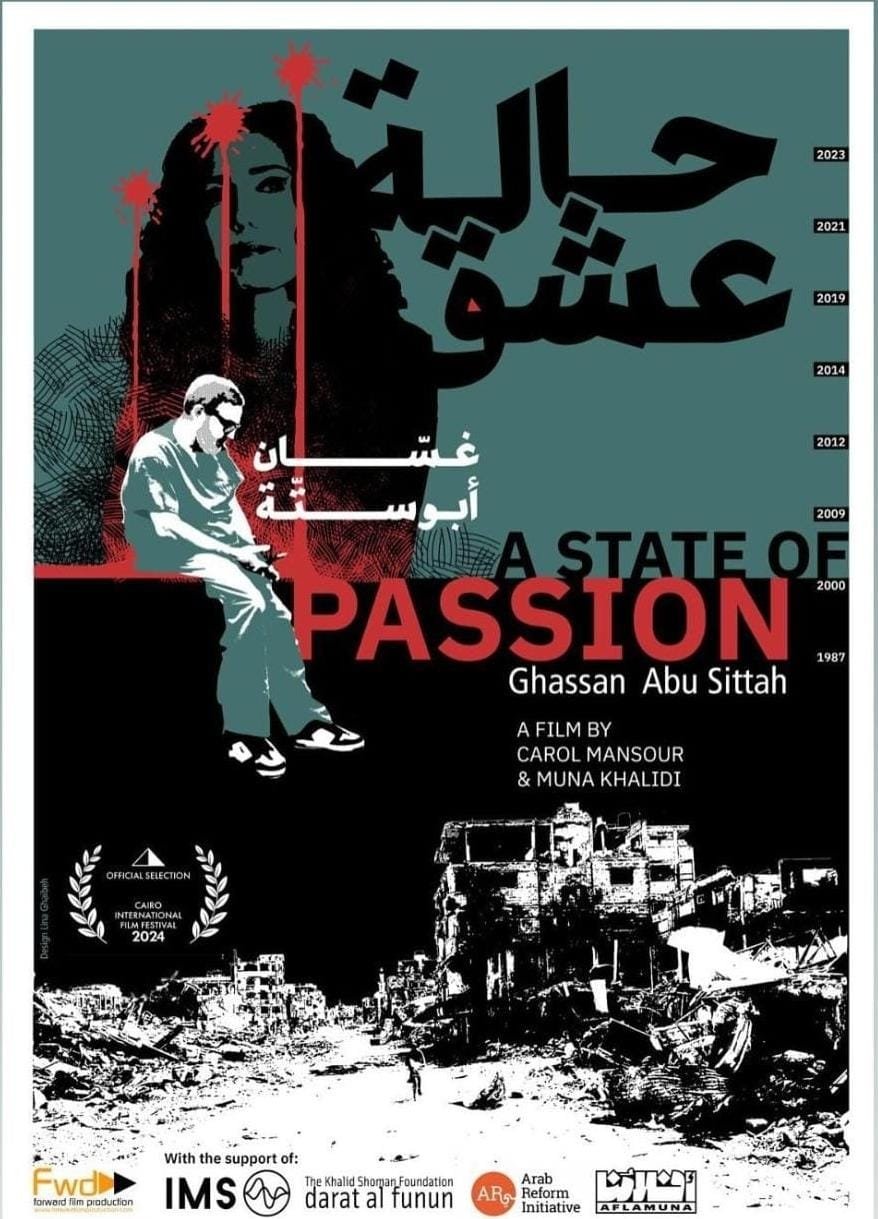
A feature-length documentary film by Carol Mansour and Muna Khalidi. After 43 horrific days working round the clock under constant bombardment in the emergency rooms of Gaza’s Al Shifa and Al Ahli hospitals, British-Palestinian reconstructive surgeon, Dr. Ghassan Abu Sittah, emerged to find himself as a face of Palestinian resistance. With news footage of him pale and shell-shocked reverberating around the world, he spoke of a catalogue of horrors from lacerated bodies, to amputations without anesthetics, orphaned children with no surviving family, and the deliberate targeting of medics and hospital facilities.
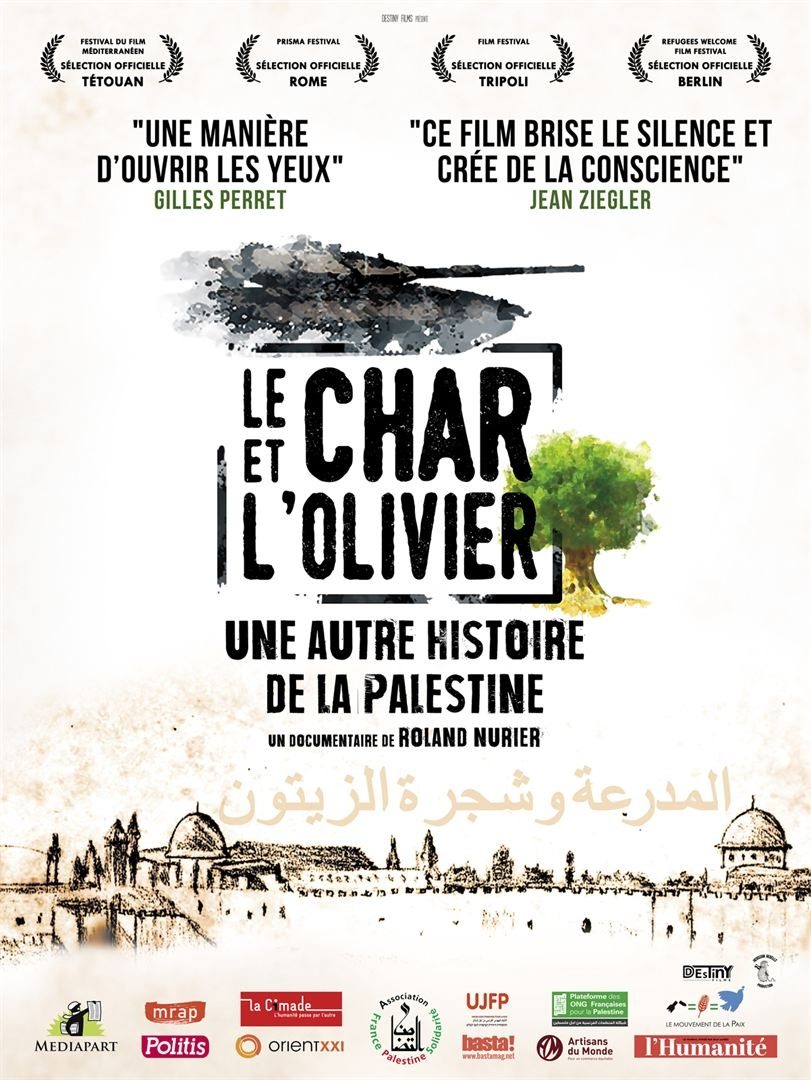
The Tank and The Olive Tree recalls a certain number of forgotten fundamentals and sheds new light on the history of Palestine. By combining geopolitical analysis, interviews with international personalities who are experts on the subject and testimonies from Palestinian and French citizens, this documentary offers the keys to understanding what the media call the Israeli-Palestinian conflict. Enough to rid people's minds of clichés and prejudices! If The Chariot and the Olivier is intended to be educational, it speaks above all of a magnificent territory, and of a people who constantly affirm that “to live is already to resist”...
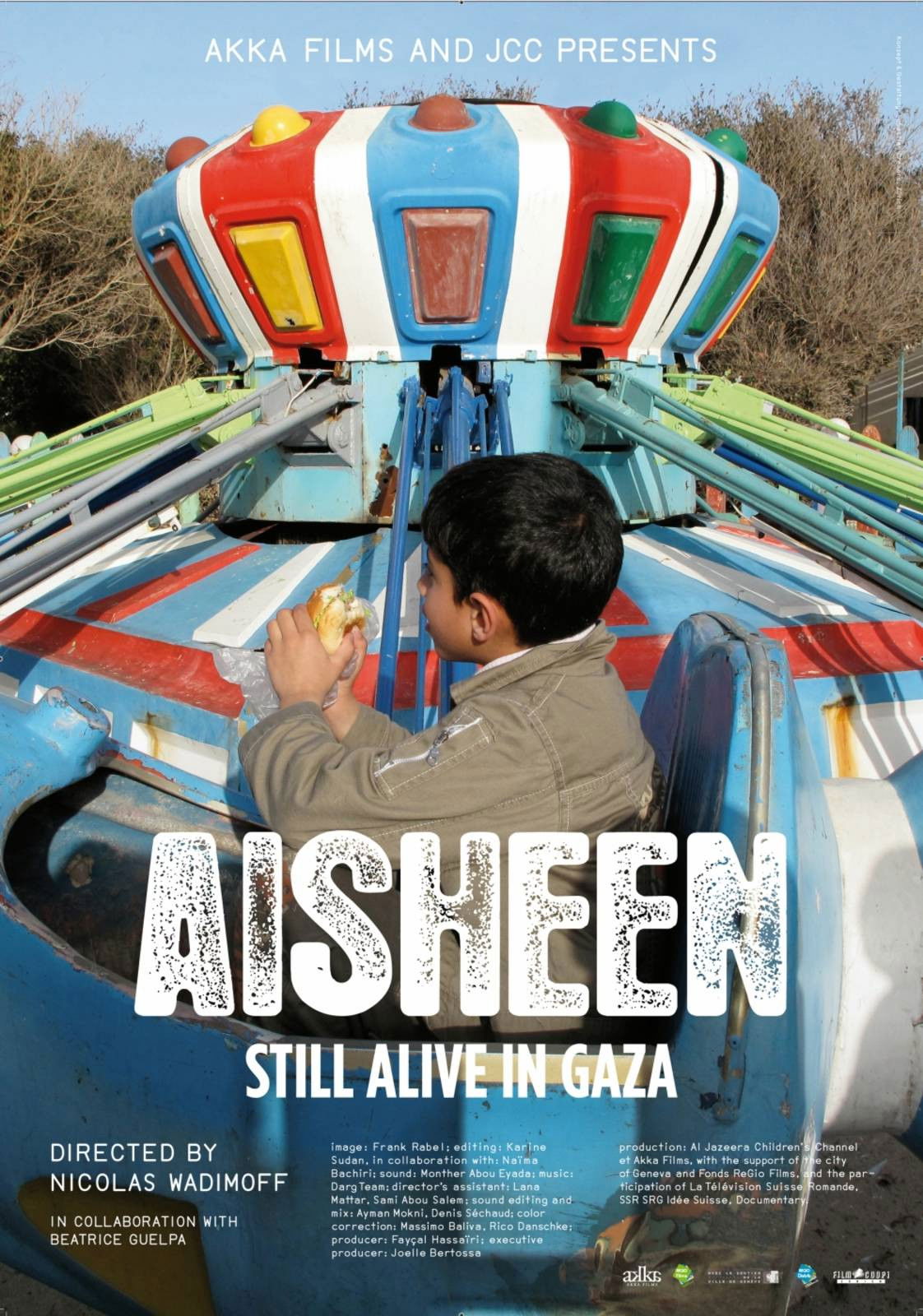
Going behind the usual images of war-torn Gaza, Swiss documentarian Nicolas Wadimoff offers this look at how people survive despite constant threat of danger. Children still play, rappers still create music and families still love one another. In addition to visiting the United Nations Food Distribution Center, Wadimoff films at a derelict amusement park and profiles the DARG TeaM rappers, whose politically charged music proclaims their defiance.
Saud now lives in Paris, caring with devotion and tenderness for his two young children while closely following the drama in Gaza. “It's hard to be far away.” He speaks sadly of his situation as a Palestinian citizen of Israel. When he accompanies his daughter to school, they both stick up placards for the liberation of Palestine...
Some 40 years after setting foot in Israel for the first time, journalist Pierre Nadeau felt the desire to return there to take stock of the Israeli-Palestinian conflict.
Five women – Palestinian, American, Muslim, Christian, and Jewish – tell stories of humiliation and harassment by Israeli border guards and airport security officials.
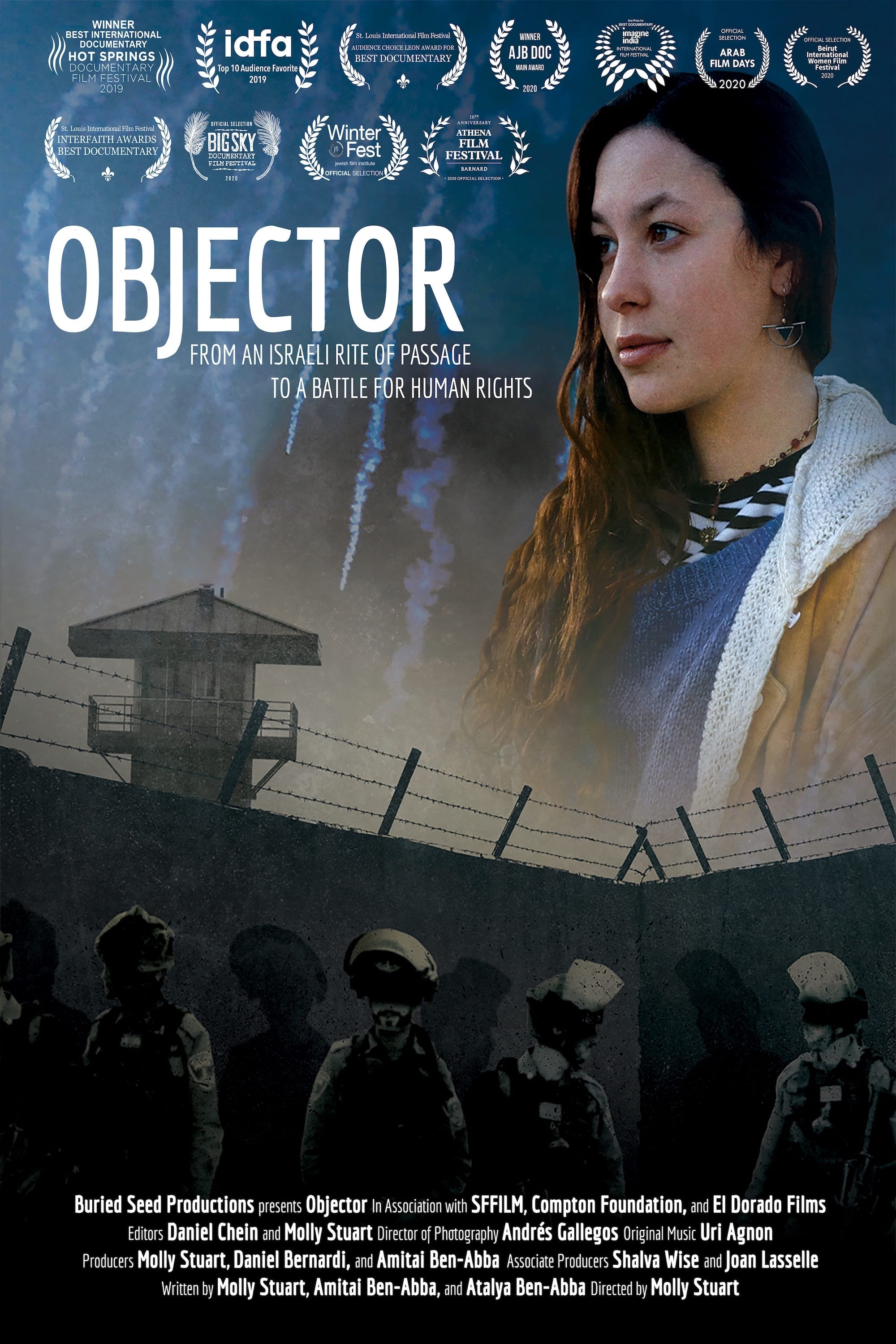
Like all Israeli youth, Atalya is obligated to become a soldier. Unlike most, she questions the practices of her country's military, and becomes determined to challenge this rite of passage. Despite her family's political disagreements and personal concerns, she refuses military duty and is imprisoned for her dissent. Her courage moves those around her to reconsider their own moral positions and personal power. OBJECTOR follows Atalya to prison and beyond, offering a unique window into the Israeli-Palestinian conflict from the perspective of a young woman who seeks truth and takes a stand for justice.
Samer lives in Ramallah in the West Bank. His family lives in Gaza, one hour away. They have not seen each other for six years. When Mustafa went for a visit to Gaza in 2006, he was 18 years old. He was never allowed to return – his mother Hekmat has been fighting to see him again for seven years now. Two families torn apart. They share the same “crime”: being registered with a Gaza address in their Identity Cards. Under Israeli rule, they are considered “infiltrators” in their own country. Their lives have turned into a permanent struggle. Parents can only talk to their sons on the phone; sisters can only see their brothers on the internet – mothers and their children fighting to be together at last…
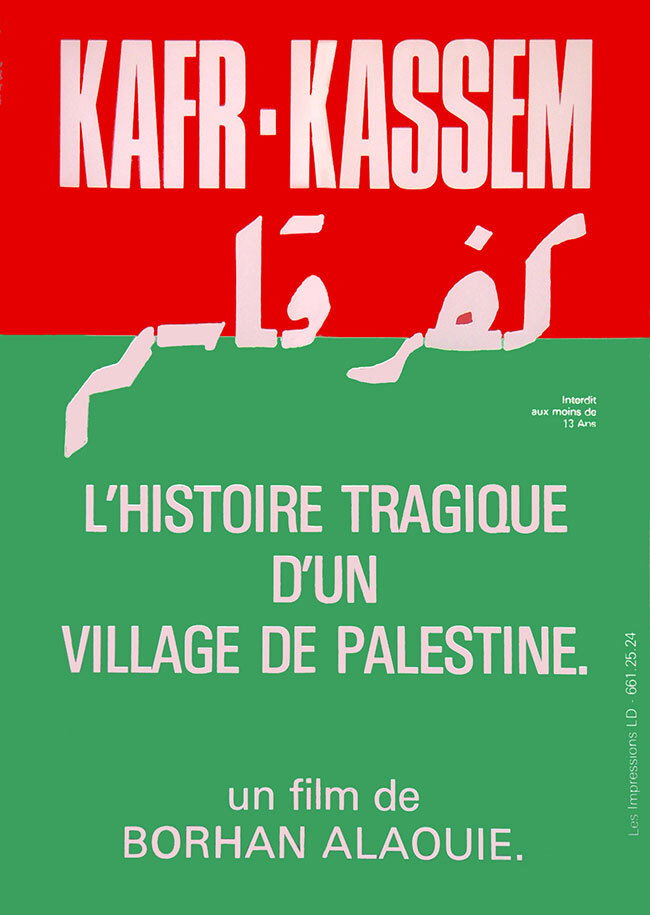
On the eve of the Israeli attack on Egypt in 1956, Israel declares martial law in all the occupied Arab territories without any previous notice. When the villagers of Kafr Kassem returned home from the fields, they were butchered and killed in what is known today as the massacre of “Kafr Kassem”.
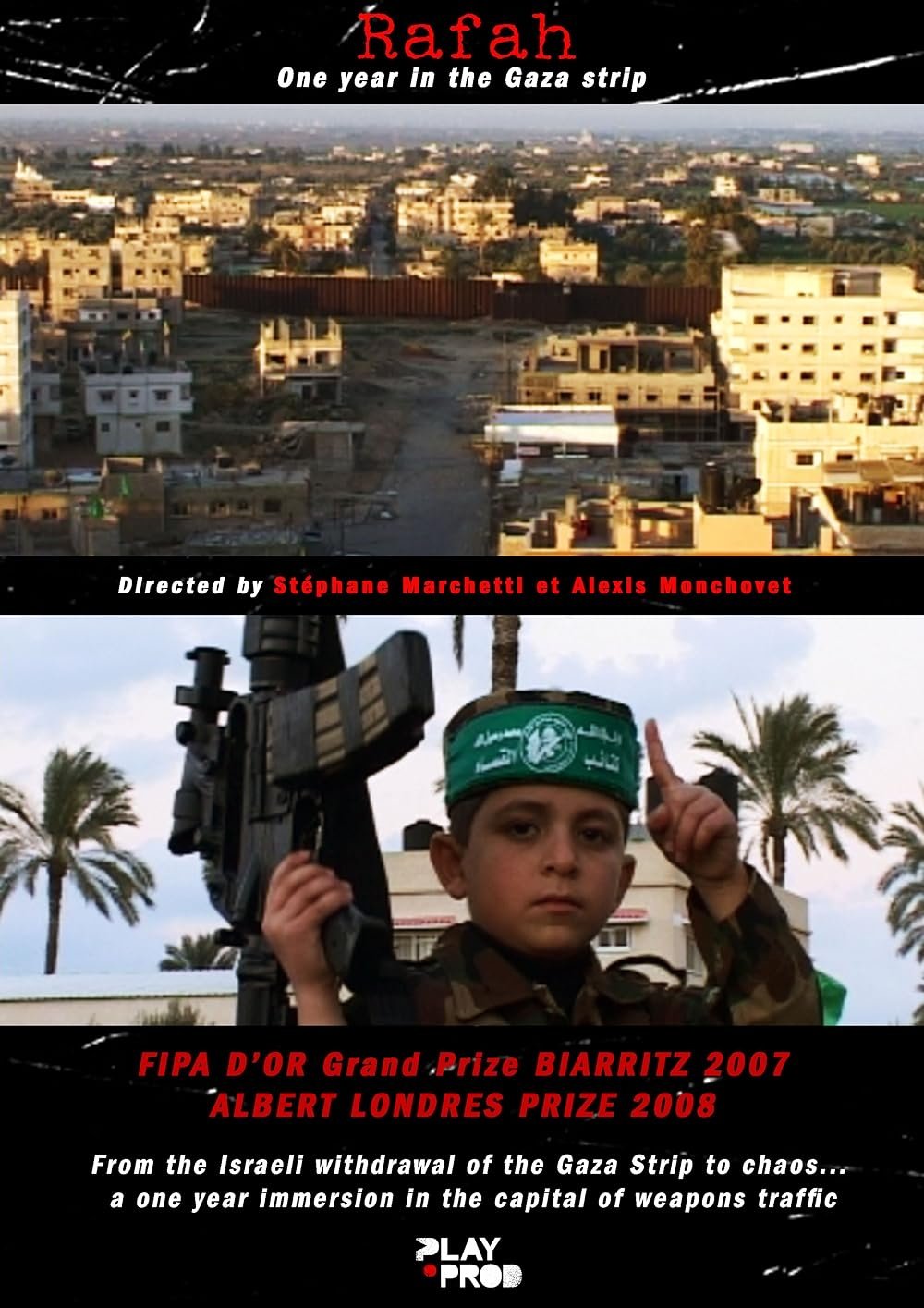
Rafah is located in the southern Gaza Strip. It’s a city cut in two by the Philadelphia Road, a security corridor between Sinai and Gaza. It’s destiny changed during the night of 12 September 2005, when the Israeli army withdrew from the Gaza Strip. The Israelis evacuated the Philadelphia Road and the colonies surrounding the city disappeared. But Rafah would never emerge from its chaos. Rafah is the hub of arms trafficking between Egypt and the Gaza Strip. Since the Israeli withdrawal, these arms have contributed to the bloody wars between families. After the Hamas victory at the legislative elections, the city sank into a major economic crisis. On 25 June, 2006, Israeli corporal Gilad Shalit was abducted by Palestinian militants using a tunnel dug from Rafah. In reprisal, Tsahal shelled the houses of arms dealers located along the Philadelphia Road. By 12 September, 2006, a year after the withdrawal, all hopes of rebirth had died.
A string of threatening emails escalates into a revenge plot involving a newly married US marshal and his ex-girlfriend.
An inside look at one of the most anticipated movie sequels ever with James Cameron and cast.
The life and career of an actor, artist, and icon. His own journey through his own camera.
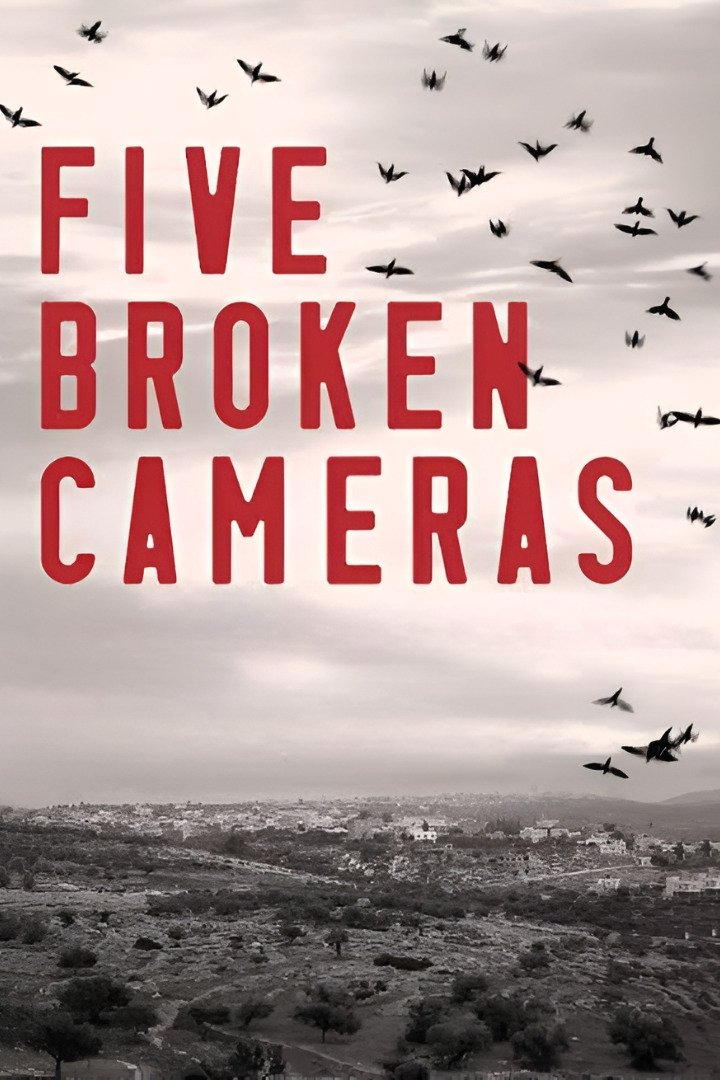
Five broken cameras – and each one has a powerful tale to tell. Embedded in the bullet-ridden remains of digital technology is the story of Emad Burnat, a farmer from the Palestinian village of Bil’in, which famously chose nonviolent resistance when the Israeli army encroached upon its land to make room for Jewish colonists. Emad buys his first camera in 2005 to document the birth of his fourth son, Gibreel. Over the course of the film, he becomes the peaceful archivist of an escalating struggle as olive trees are bulldozed, lives are lost, and a wall is built to segregate burgeoning Israeli settlements.
Al Pacino's deeply-felt rumination on Shakespeare's significance and relevance to the modern world through interviews and an in-depth analysis of "Richard III."
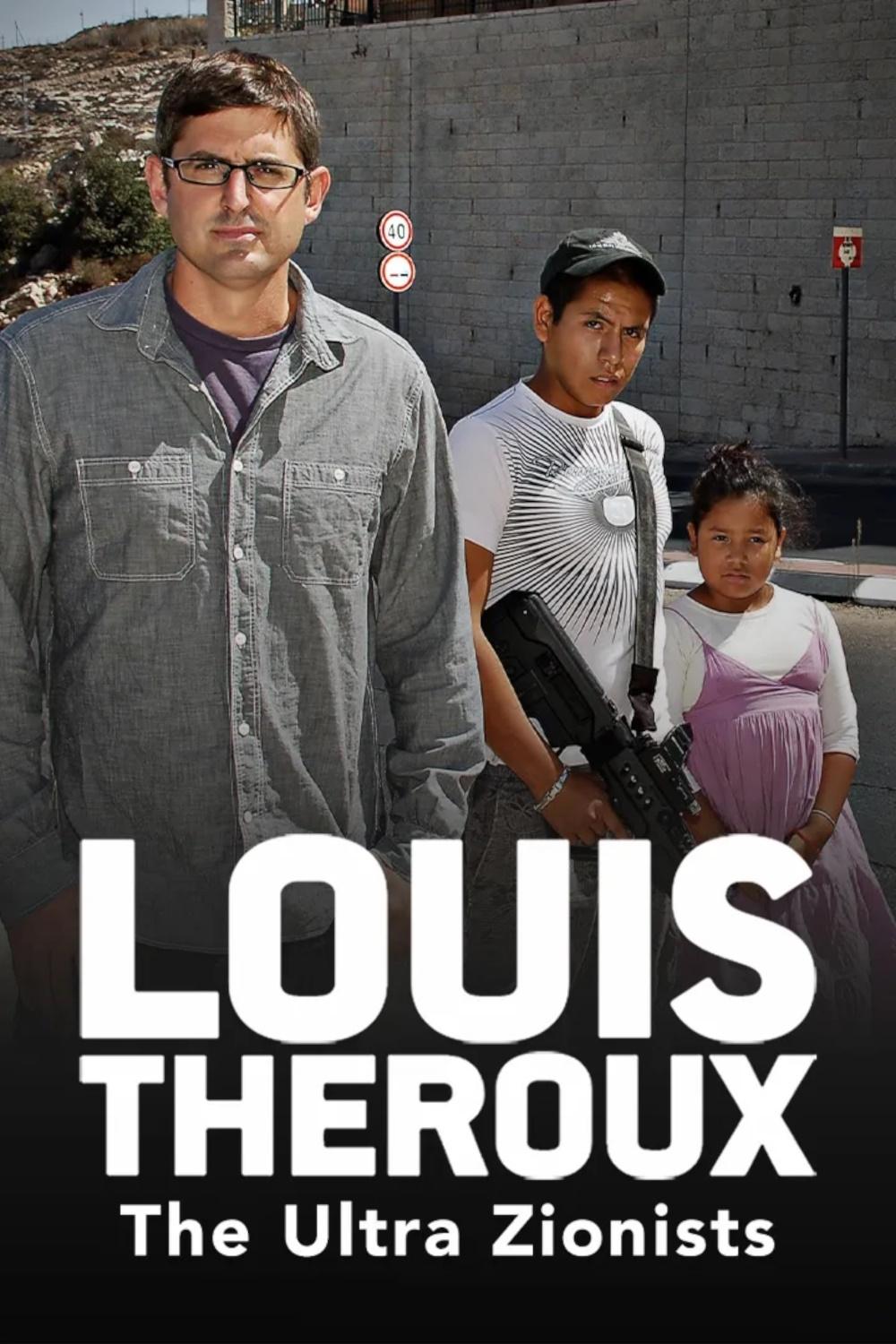
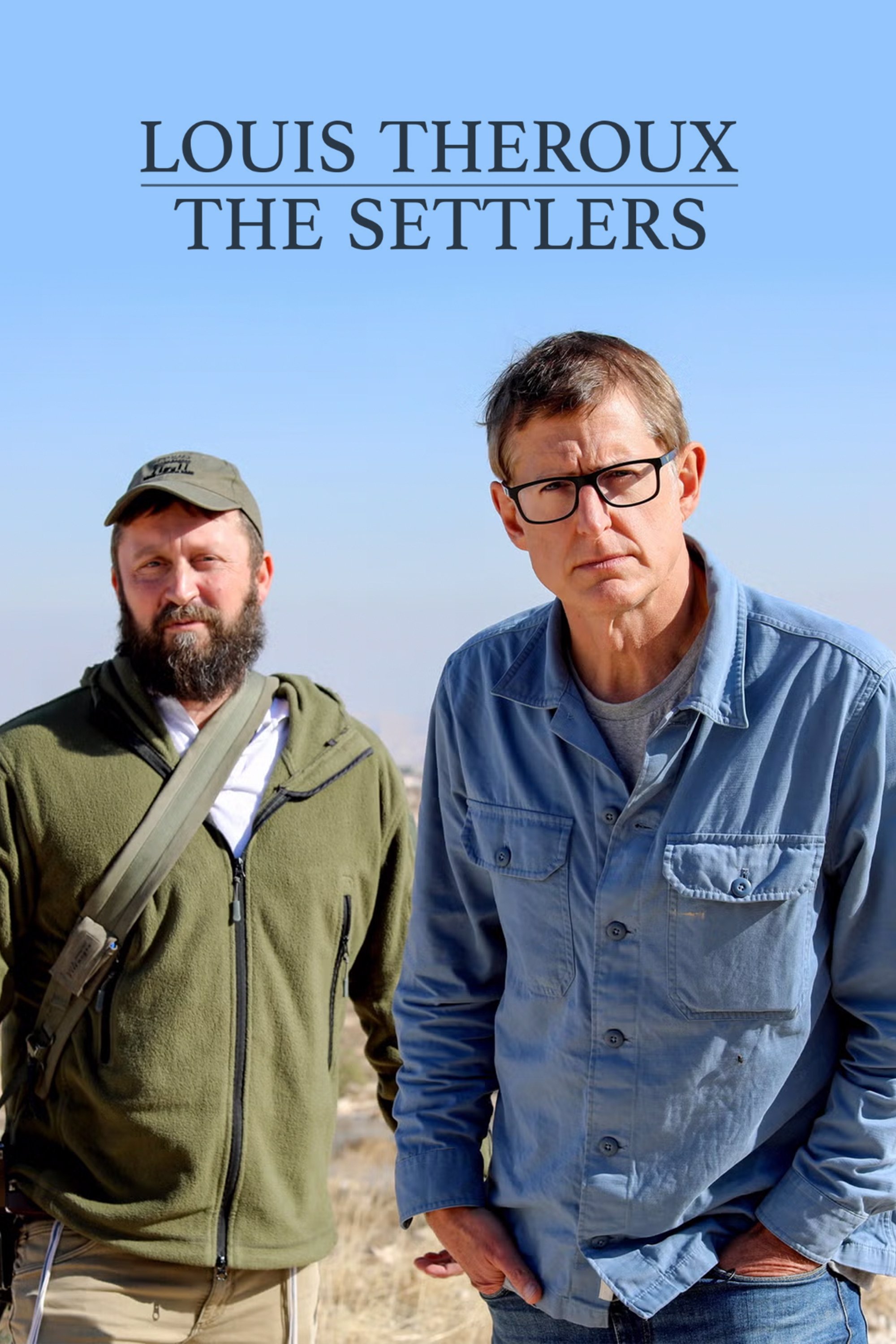
Louis Theroux spends time with a small and very committed subculture of ultra-nationalist Jewish settlers. He discovers a group of people who consider it their religious and political obligation to populate some of the most sensitive areas of the West Bank, especially those with a spiritual significance dating back to the Bible. Throughout his journey, Louis gets close to the people most involved with driving the extreme end of the Jewish settler movement - finding them warm, friendly, humorous, and deeply troubling.
In the Realms of the Unreal is a documentary about the reclusive Chicago-based artist Henry Darger. Henry Darger was so reclusive that when he died his neighbors were surprised to find a 15,145-page manuscript along with hundreds of paintings depicting The Story of the Vivian Girls, in What is Known as the Realms of the Unreal, of the Glodeco-Angelinnian War Storm, Cased by the Child Slave Rebellion.
An unprecedented and intimate look at the life, work and enduring legacy of British actress Audrey Hepburn (1929-1993).
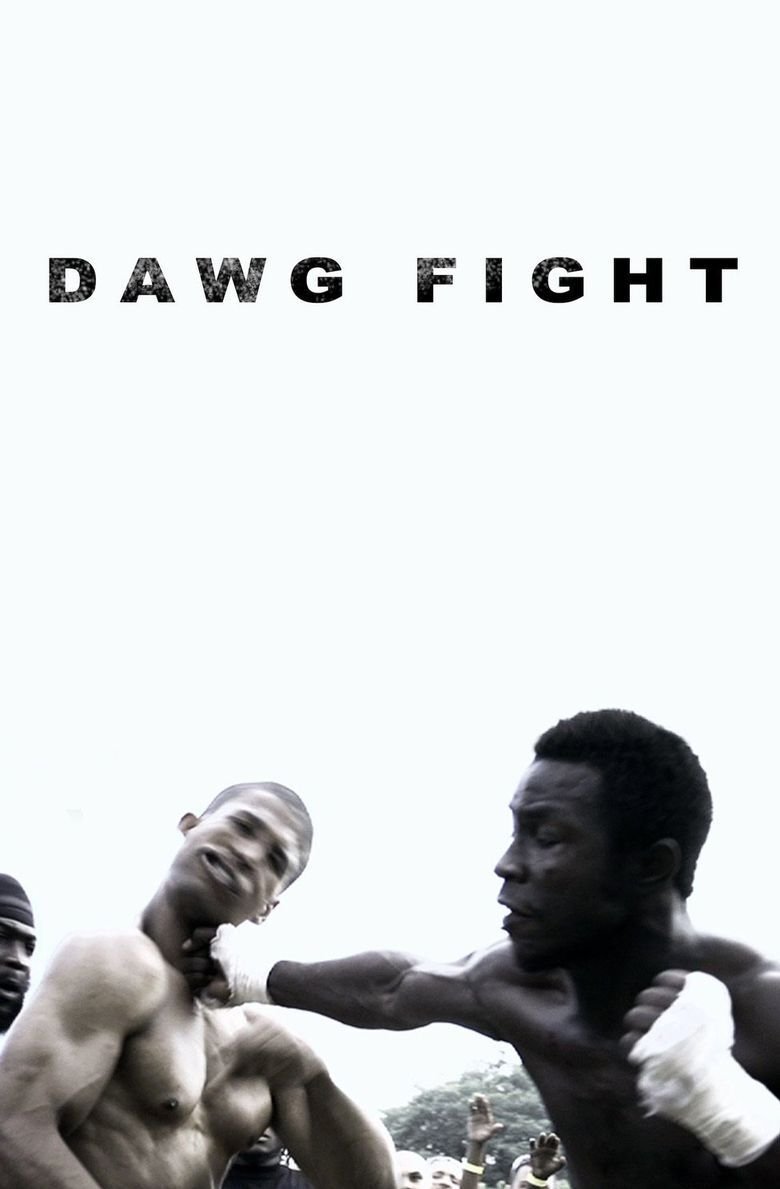
In a crime-plagued neighborhood near Miami, brutal, bare-knuckled backyard fights give young men a chance to earn money -- and self-respect.
A glimpse into the raw and simple power of nature through encounters with farm animals: the eponymous Gunda, a mother pig; two cows, and a one-legged chicken.
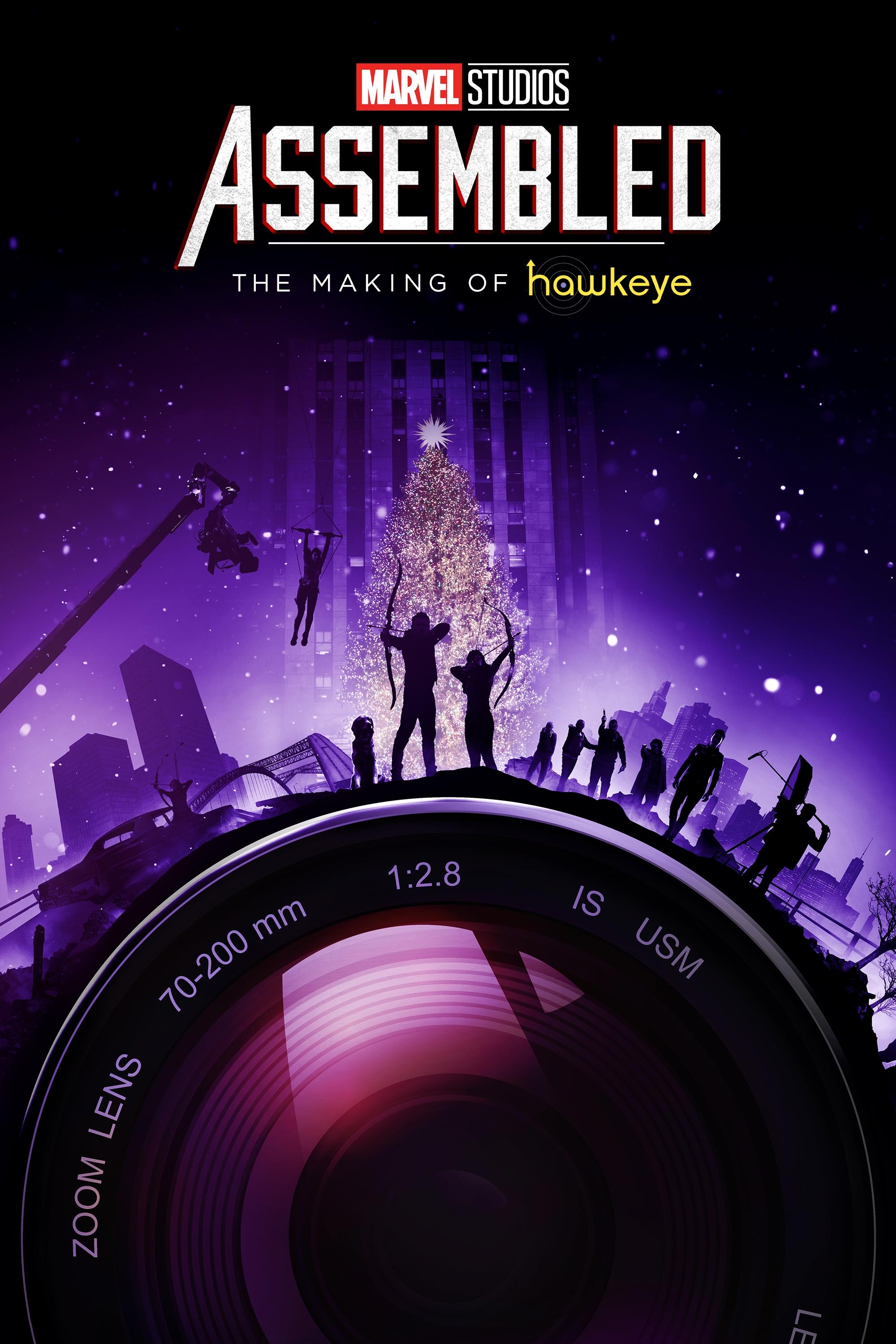
Join the likes of Jeremy Renner, Hailee Steinfeld, Florence Pugh, and Vincent D’Onofrio as they reveal how Marvel Studios’ “Hawkeye” was conceived and created. Witness firsthand what it took to pull off the show’s pulse-pounding action set pieces, and discover how iconic characters from the pages of Marvel Comics such as Kate Bishop were adapted and brought to life for the six-episode series.
Daniel Craig candidly reflects on his 15 year adventure as James Bond. Including never-before-seen archival footage from Casino Royale to the upcoming 25th film No Time To Die, Craig shares his personal memories in conversation with 007 producers, Michael G Wilson and Barbara Broccoli.
Fourteen years after his first visit, Louis Theroux meets some of the growing community of religious-nationalist Israelis who have settled in the occupied West Bank.
Over 35 years after Bob Lazar's revelations, this documentary exposes secrets of a facility the government still denies. Featuring Lazar's testimony, recreations, and new evidence, it reopens a case that continues to spark global curiosity
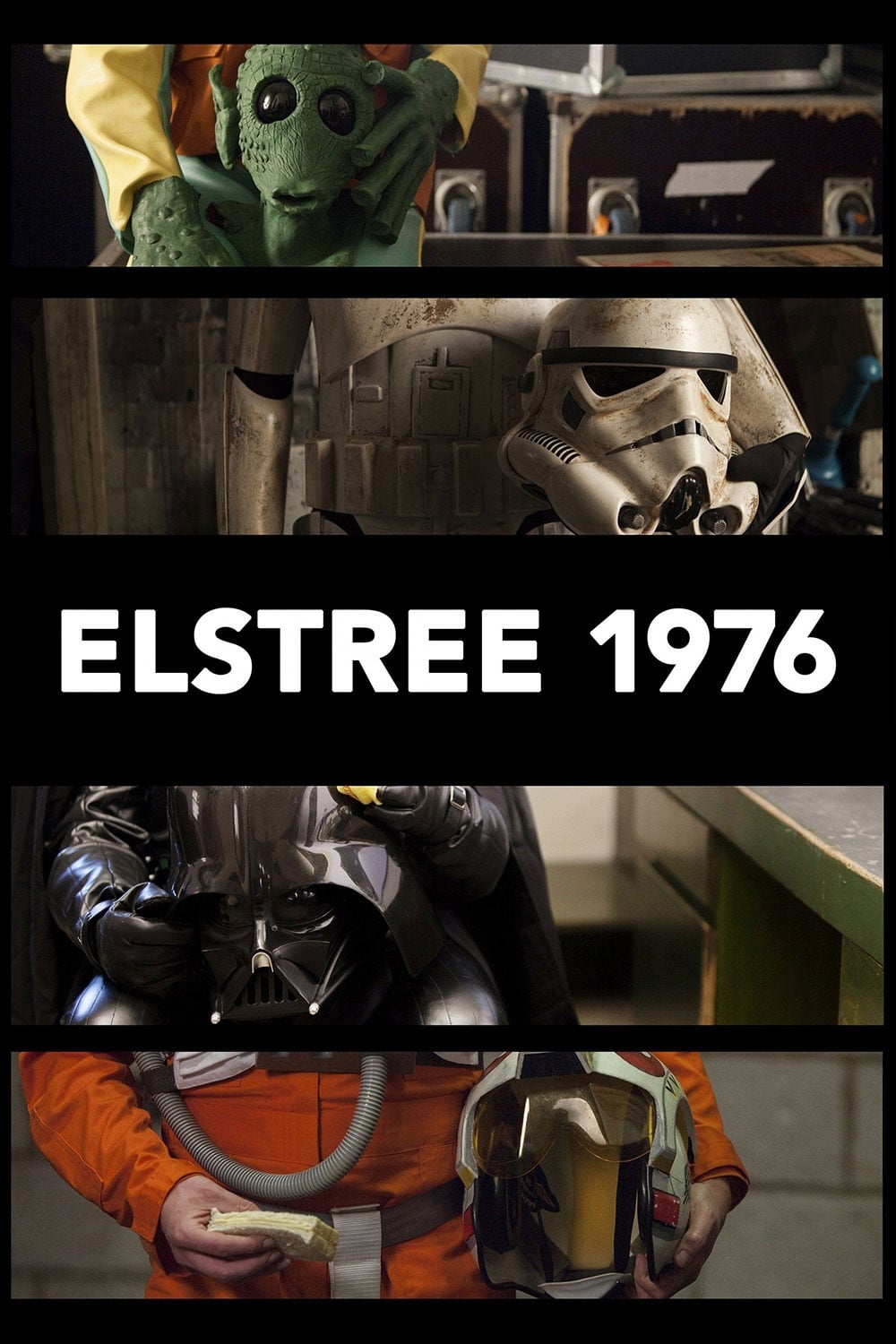
A documentary about ten very different lives connected by having appeared onscreen wearing masks or helmets in Star Wars.
Prelude to War was the first film of Frank Capra's Why We Fight propaganda film series, commissioned by the Pentagon and George C. Marshall. It was made to convince American troops of the necessity of combating the Axis Powers during World War II. This film examines the differences between democratic and fascist states.
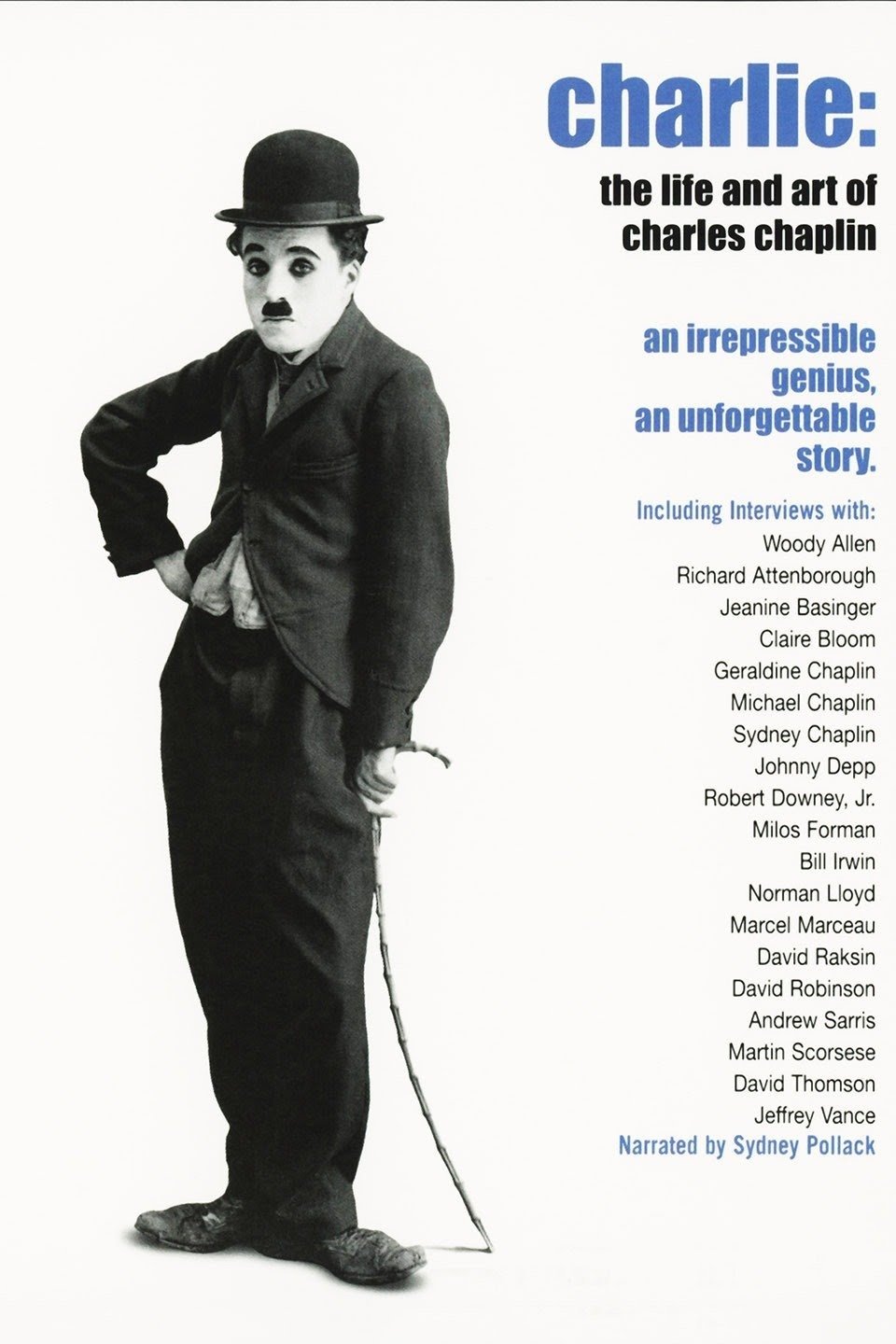
Brilliant, long in-the-works story of the life and art of the world's greatest comedian and the cinema's first genius, Charlie Chaplin. Produced, written and directed by renowned film critic Richard Schickel.
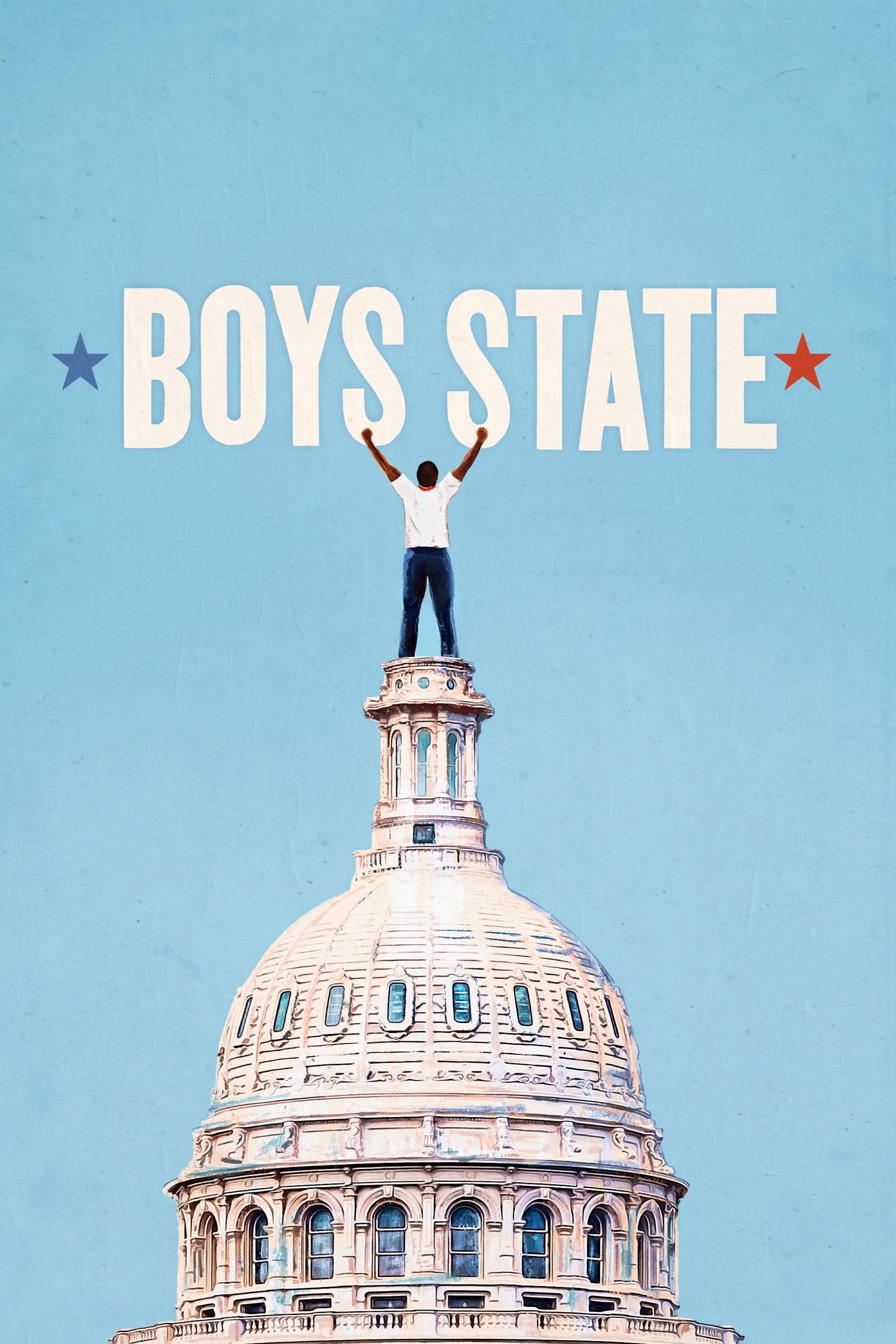
This raucous journey into the heart of democracy captures an unusual rite of passage: 1,100 teenage boys from across Texas coming together to build a representative government from the ground up.
Those who knew iconic funnyman John Candy best share his story, in their own words, through never-before-seen archival footage, imagery, and interviews.
Through deeply personal interviews with her siblings and an examination of the photographs, letters, and belongings left behind, Mariska assembles a new portrait of her mother Jayne Mansfield, an extraordinary and complex woman.