Social & External
The people behind it
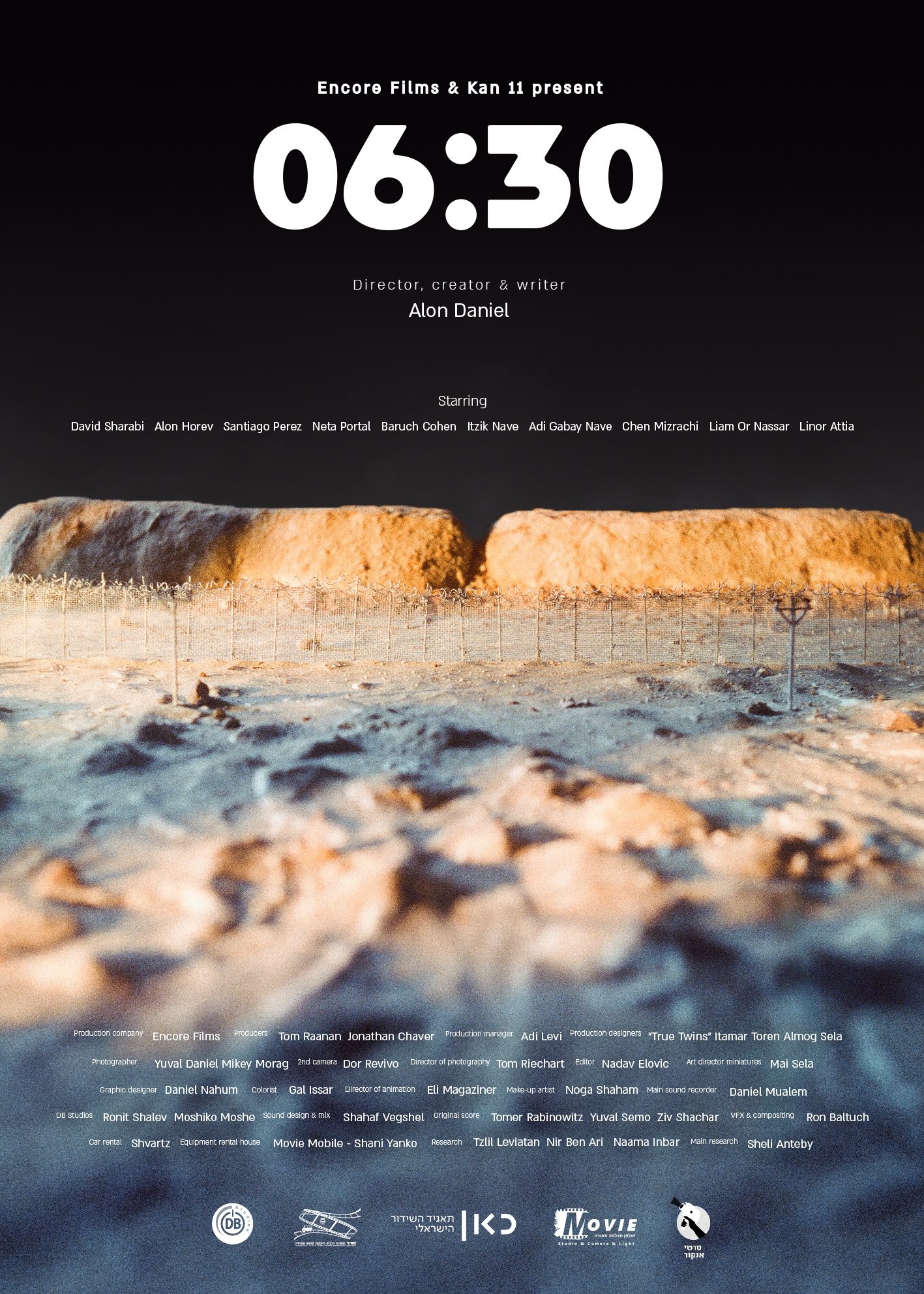
A documentary film that brings testimonies taken just one week after the attack, from 7 different areas that were attacked in the events of Saturday, 10/7/23. The film is told from the point of view of the survivors. The evidence is unusually presented in the movie with the help of miniature models and animations that reinforce the hard evidence. The survivors share the survival experience they experienced during the long hours of the murderous terrorist attack. Those who ran away from the party, the houses they hid in, those who fought against the terrorists, and those who saved lives in the field. All with the choices they had to make in real-time, and saved their lives.
In the Netherlands, the final year of elementary school means turmoil for the pupils and their parents. There is no escape from the pressure on children to score as high as possible on tests to get into the best secondary schools. Parents who can afford it pay for as many private lessons as possible; other parents put pressure on the teachers. This documentary shows pupils and parents from very different backgrounds going through this process. They struggle anxiously for the same goal: the best possible start in life.
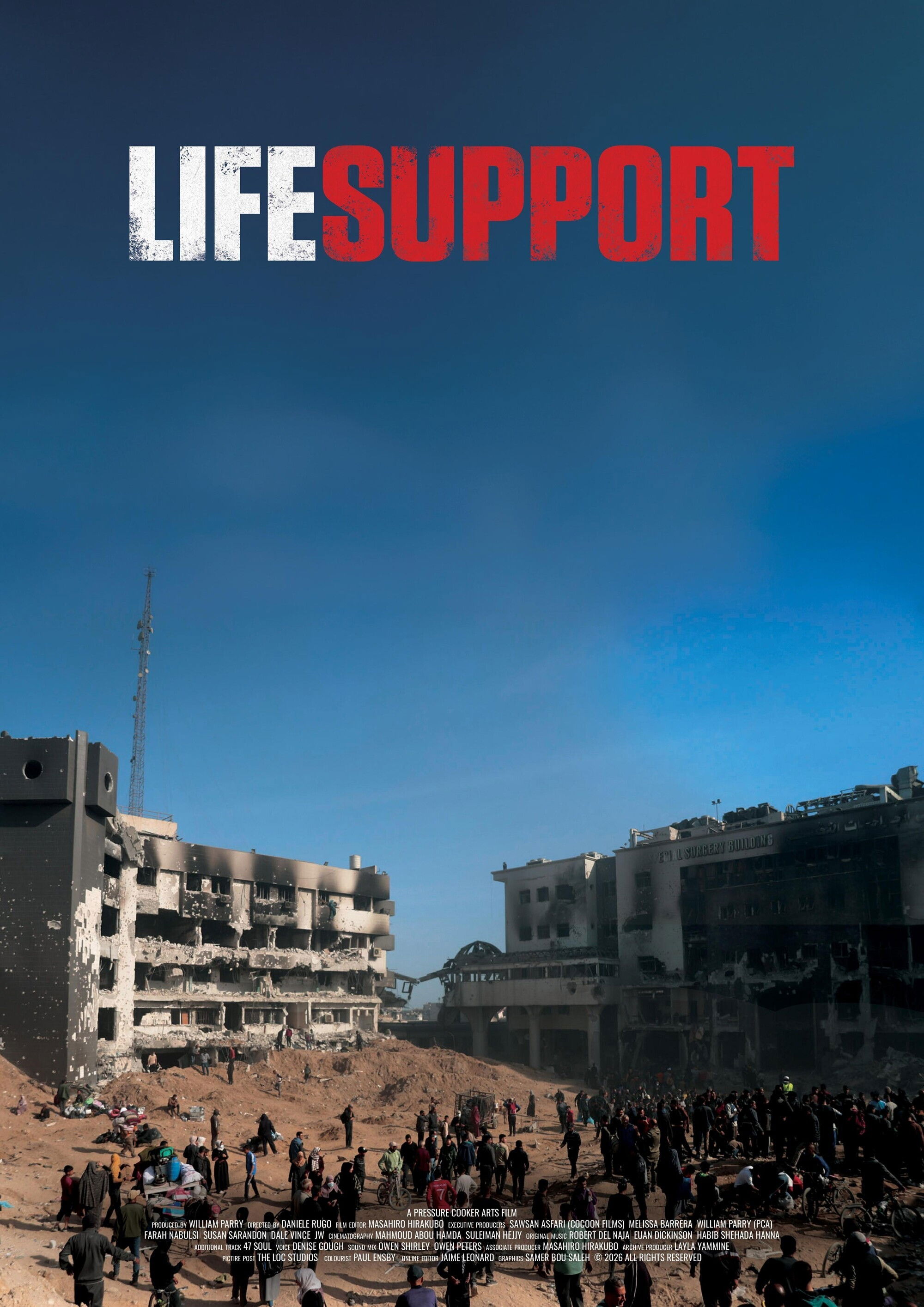
Since October 2023, Gaza has been sealed from the world-except for one group. International doctors breach the blockade, what they find is not just a humanitarian crisis, but a calculated dismantling of life itself.
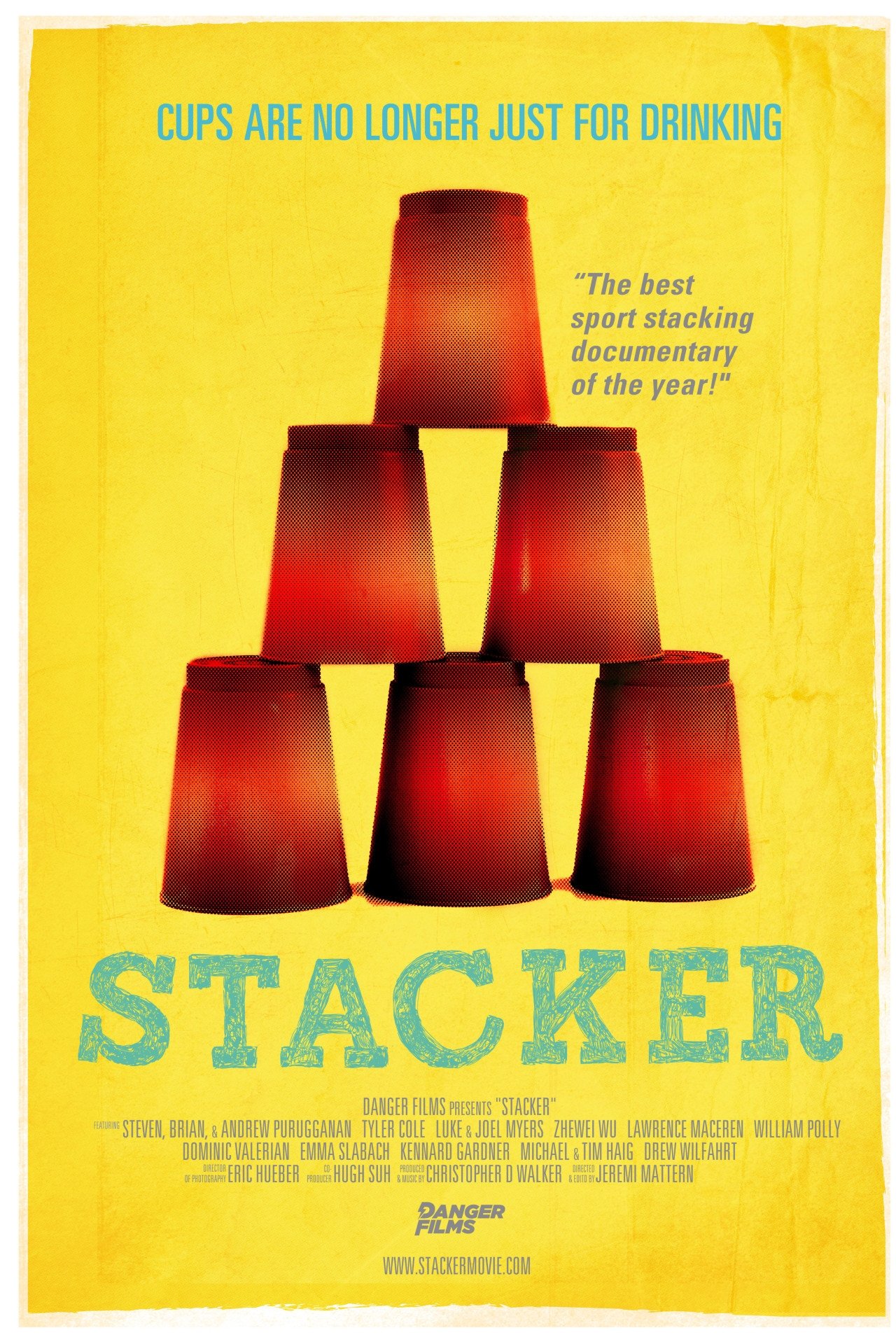
Stacker takes you inside the fiercely competitive world of sport stacking: an international individual and team sport that involves stacking specialized plastic cups in specific sequences in as little time as possible. What started as a novelty on the Johnny Carson Show in 1990 has grown to become part of school curriculums for students in over 34,000 schools in 30 countries. It's a sport that spans generations, from preschoolers to retirees, but the best of the best are 10 to 14 years old. Dive into the unique subculture of the stacking community, and find out what it's like to be a fierce competitor in an underdog sport.
October 7, 2023: Hamas terrorists attack Israel, murder and take hostages. Israel reacts with severity. The goal: the destruction of Hamas. But with the war in Gaza, Israel is awakening the great trauma of the Palestinians: the expulsion of 1948. How can the lack of empathy on both sides be explained?
Severed tells the story of Mohamad Saleh, an 18-year-old from Gaza who has lived through five major assaults on the Gaza Strip. In those attacks, he lost his home, family members, his best friends, and, at the age of 12, his leg. Now living in exile in Egypt, Mohamad struggles to piece together the shattered fragments of his life. Through his eyes, the pain and trauma endured by thousands in Gaza are laid bare, alongside their remarkable strength, resilience, and determination to live.
How US politicians and diplomats, over the past 25 years, have come close to achieving something almost impossible: securing peace between the State of Israel and its Arab and like-minded neighbors, mired in a struggle both dialectical and violent since the early 20th century, due to historical and religious reasons, entrenched offenses and prejudices, and the invisible and tyrannical hand of third countries' geopolitical interests in the area.
Saud now lives in Paris, caring with devotion and tenderness for his two young children while closely following the drama in Gaza. “It's hard to be far away.” He speaks sadly of his situation as a Palestinian citizen of Israel. When he accompanies his daughter to school, they both stick up placards for the liberation of Palestine...
When the running team of Viva Salud, a Belgian NGO fighting for the right to health, went to Bethlehem to participate in the Palestine Marathon, they didn’t yet know that they would do much more than just running. From Ramallah to Hebron, from Nablus to Bethlehem, their encounters with Viva Salud’s local partners helped them gain a better understanding of the situation in the region and discover the daily reality of the Israeli occupation. While getting to know resistance in all its forms, along with the beauty of Palestine, they tried to capture this in a documentary vlog of their journey—a cocktail of rebellion, solidarity, and collective resistance.
The Grayzone presents a behind-the-scenes portrait of Betar USA, the militant Zionist street group that claims credit for guiding the Trump administration's jailing and attempted deportation of pro-Palestine student activists.
Breaking Ranks: Inside Israel’s War presents the first-hand recollections of IDF soldiers who have broken official silence to share their experiences of the war in Gaza - accounts that may raise serious questions about conduct on the ground and potential breaches of international law. Directed by award-winning filmmaker Ben Zand, the film features exclusive interviews with Israel Defense Forces (IDF), reservists and veterans - many speaking for the first time - who served during the war in Gaza. Their testimonies describe what they recall as indiscriminate bombardment, instances where Palestinian civilians were used as human shields, and an operational culture that some soldiers characterised as “no innocents in Gaza.”
HISTORY brings you an all-encompassing documentary event cantered around the 25th anniversary of the LA Riots, the most destructive riot in American history that left 53 people dead and caused over a billion dollars in damage.
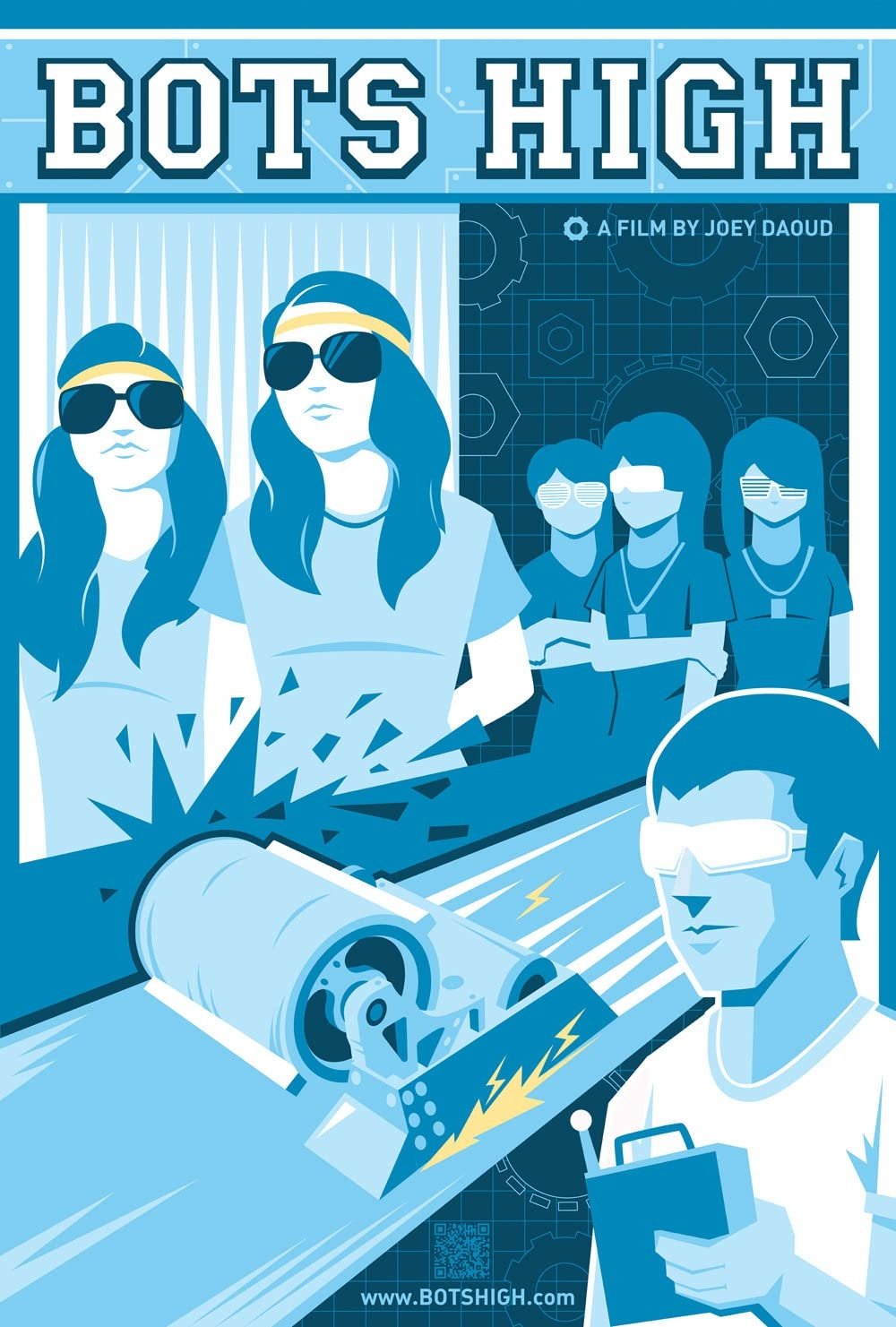
A documentary following the adventures of three high school robotics teams battling for first place at a national robotics competition in Miami, Florida. Lone wolf Will builds robots so powerful they're unstoppable...if only they don't destroy themselves first. The Mechanical Misfits are an all-girls team stumbling through their first foray into combat robotics, and Elizabeth and Danielle are a formidable pair looking to reign supreme during their senior year.
Three film-makers travel to Iraq to film the ongoing crisis in which ISIS forces are trying to take over the country. The film-makers speak with locals, military, police and other media outlets to get their opinions on the crisis but it's the voices of the children which often goes unheard, so the film-makers listen to the children, and find out their views on the crisis.
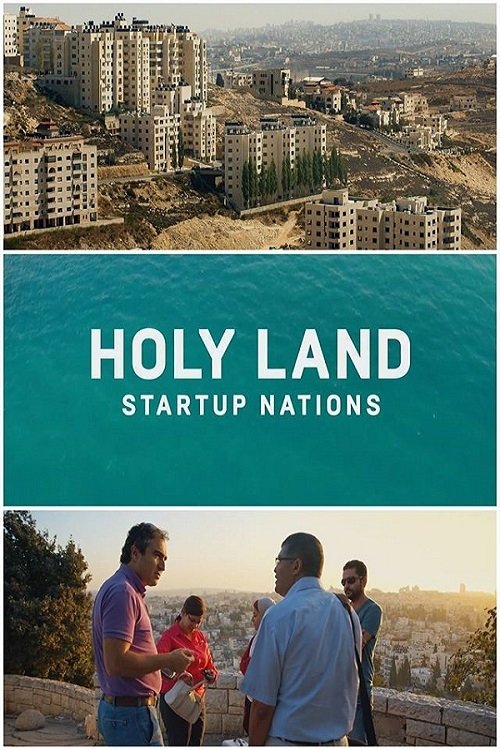
With the most tech startups and venture capital per capita in the world, Israel has long been hailed as The Startup Nation. WIRED’s feature-length documentary looks beyond Tel Aviv’s vibrant, liberal tech epicenter to the wider Holy Land region – the Palestinian territories, where a parallel Startup Nation story is emerging in East Jerusalem, Nazareth, Ramallah and other parts of the West Bank, as well as in the Israeli cybersecurity hub of Be’er Sheva. And we will learn how the fertile innovation ecosystem of Silicon Wadi has evolved as a result of its unique political, geographical and cultural situation and explore the future challenges – and solutions – these nations are facing.
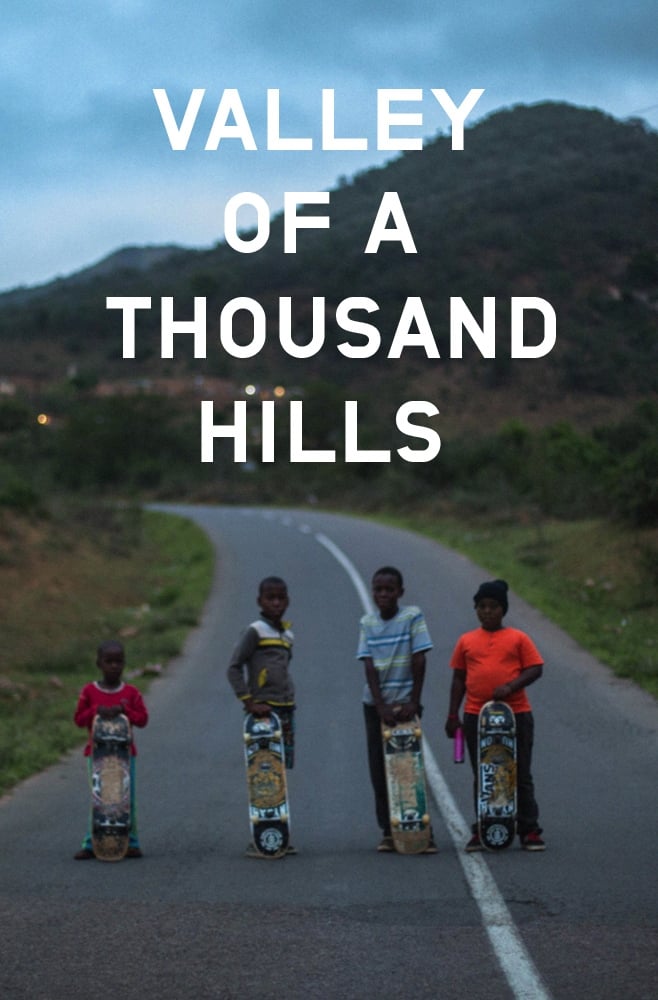
The halcyon days of skateboarding are alive in rural South Africa. Indigo Skate Camp is home to the village's very first generation of skaters, who are growing up with a different outlook on life from their elders.
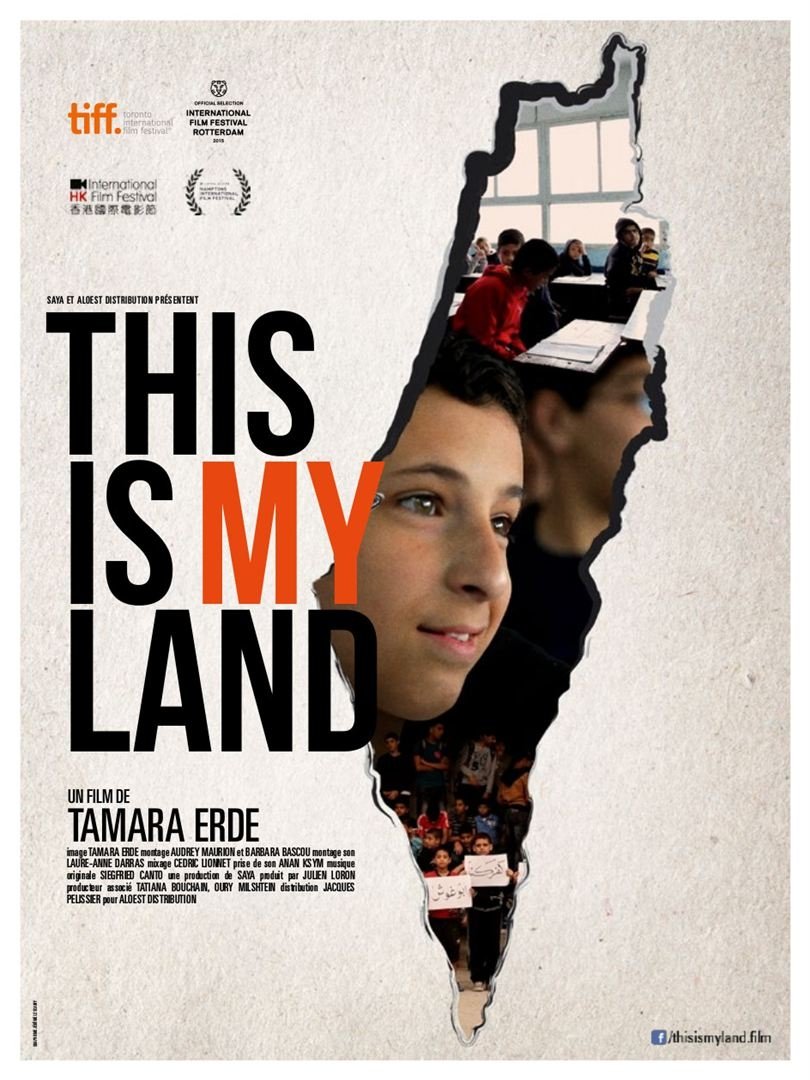
Israeli-born director Tamara Erde visits six independently-run Israeli and Palestinian schools to investigate how history is taught in this contested region.
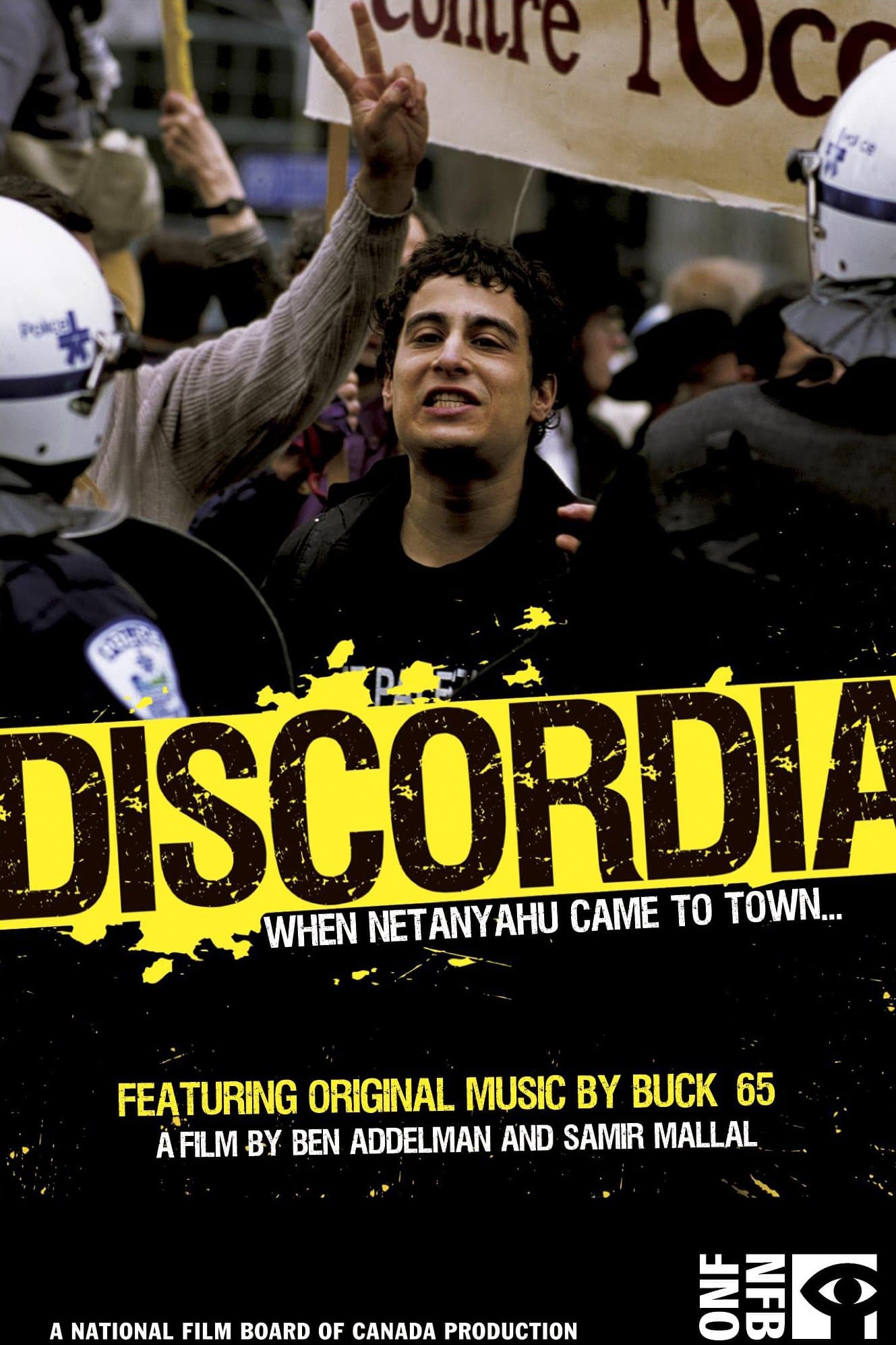
In the fall of 2002, it was announced that Benjamin Netanyahu would deliver a speech at Concordia University in Montreal, and reaction from the student body was swift and sudden.
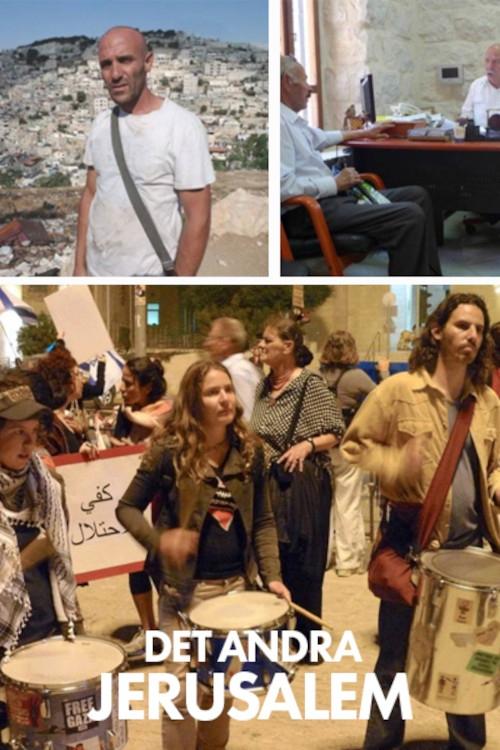
Archaeological gardens and tunnels are built. Khaled and other Palestinians lose their homes. Lawyer Ziad gets angry new clients every day. Arieh and other Israeli settlers move in. PeÅ Holmqvist and Suzanne Khardalian follow a turbulent Jerusalem, 50 years after Israel took full control.
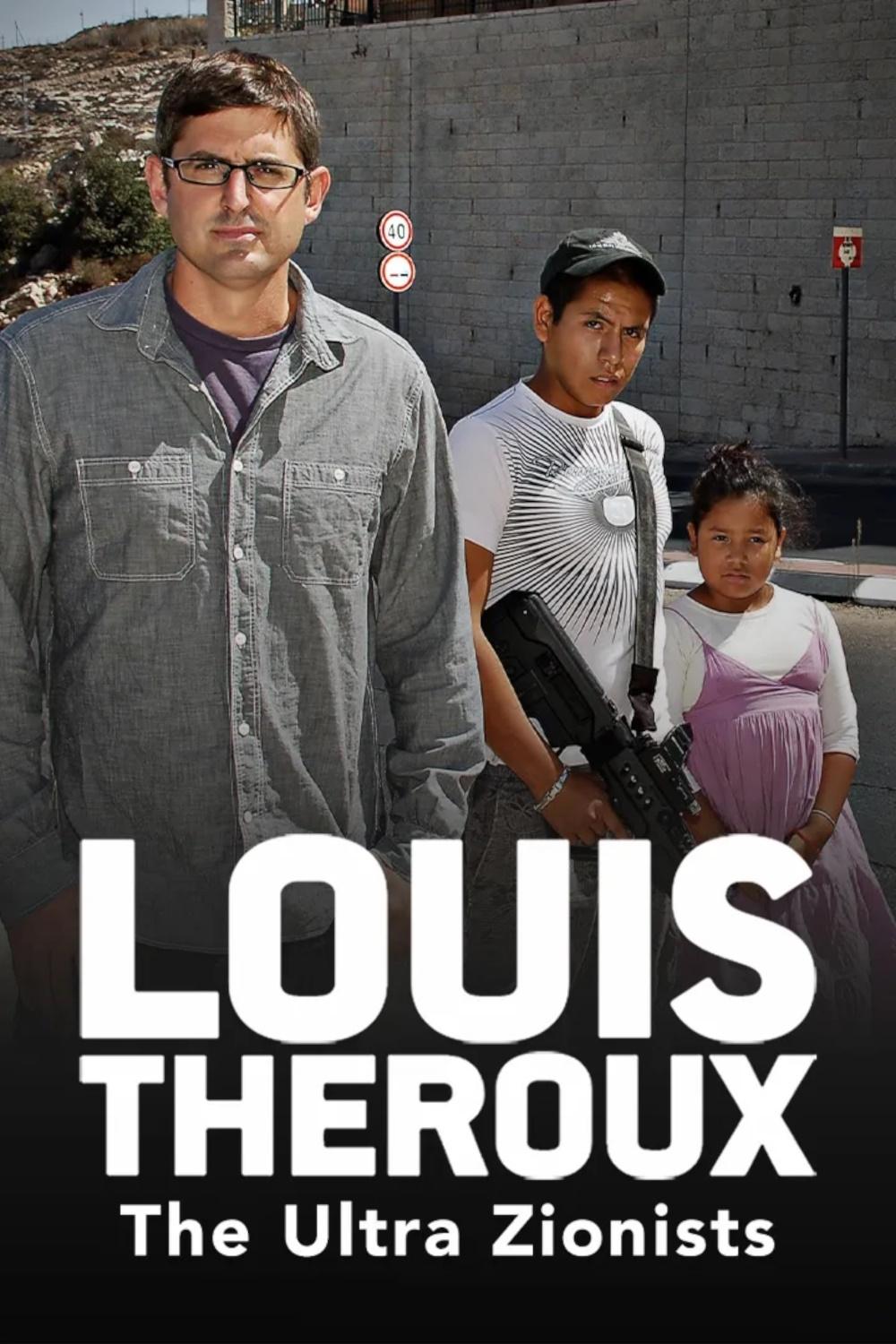
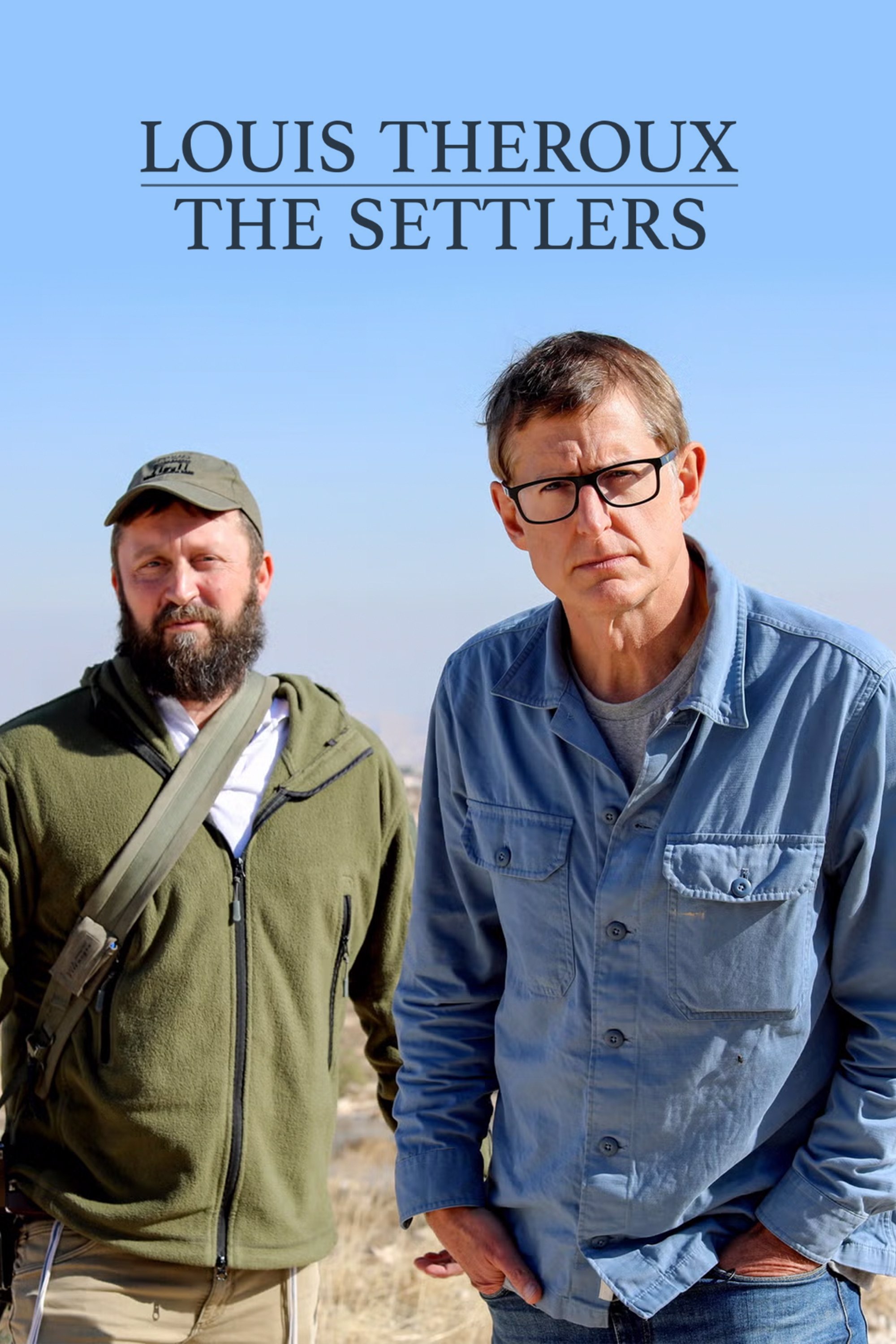
Louis Theroux spends time with a small and very committed subculture of ultra-nationalist Jewish settlers. He discovers a group of people who consider it their religious and political obligation to populate some of the most sensitive areas of the West Bank, especially those with a spiritual significance dating back to the Bible. Throughout his journey, Louis gets close to the people most involved with driving the extreme end of the Jewish settler movement - finding them warm, friendly, humorous, and deeply troubling.
Five broken cameras – and each one has a powerful tale to tell. Embedded in the bullet-ridden remains of digital technology is the story of Emad Burnat, a farmer from the Palestinian village of Bil’in, which famously chose nonviolent resistance when the Israeli army encroached upon its land to make room for Jewish colonists. Emad buys his first camera in 2005 to document the birth of his fourth son, Gibreel. Over the course of the film, he becomes the peaceful archivist of an escalating struggle as olive trees are bulldozed, lives are lost, and a wall is built to segregate burgeoning Israeli settlements.
Fourteen years after his first visit, Louis Theroux meets some of the growing community of religious-nationalist Israelis who have settled in the occupied West Bank.
In an intimate and joyful story of love in the face of loss, celebrated poets Andrea Gibson and Megan Falley find strength—and unexpected hilarity—in what might be their final year together.
Capturing life on the Italian island of Lampedusa, a frontline in the European migrant crisis.
Alex Gibney explores the phenomenon of Stuxnet, a self-replicating computer virus discovered in 2010 by international IT experts. Evidently commissioned by the US and Israeli governments, this malware was designed to specifically sabotage Iran’s nuclear programme. However, the complex computer worm ended up not only infecting its intended target but also spreading uncontrollably.
A string of threatening emails escalates into a revenge plot involving a newly married US marshal and his ex-girlfriend.
A glimpse into the raw and simple power of nature through encounters with farm animals: the eponymous Gunda, a mother pig; two cows, and a one-legged chicken.
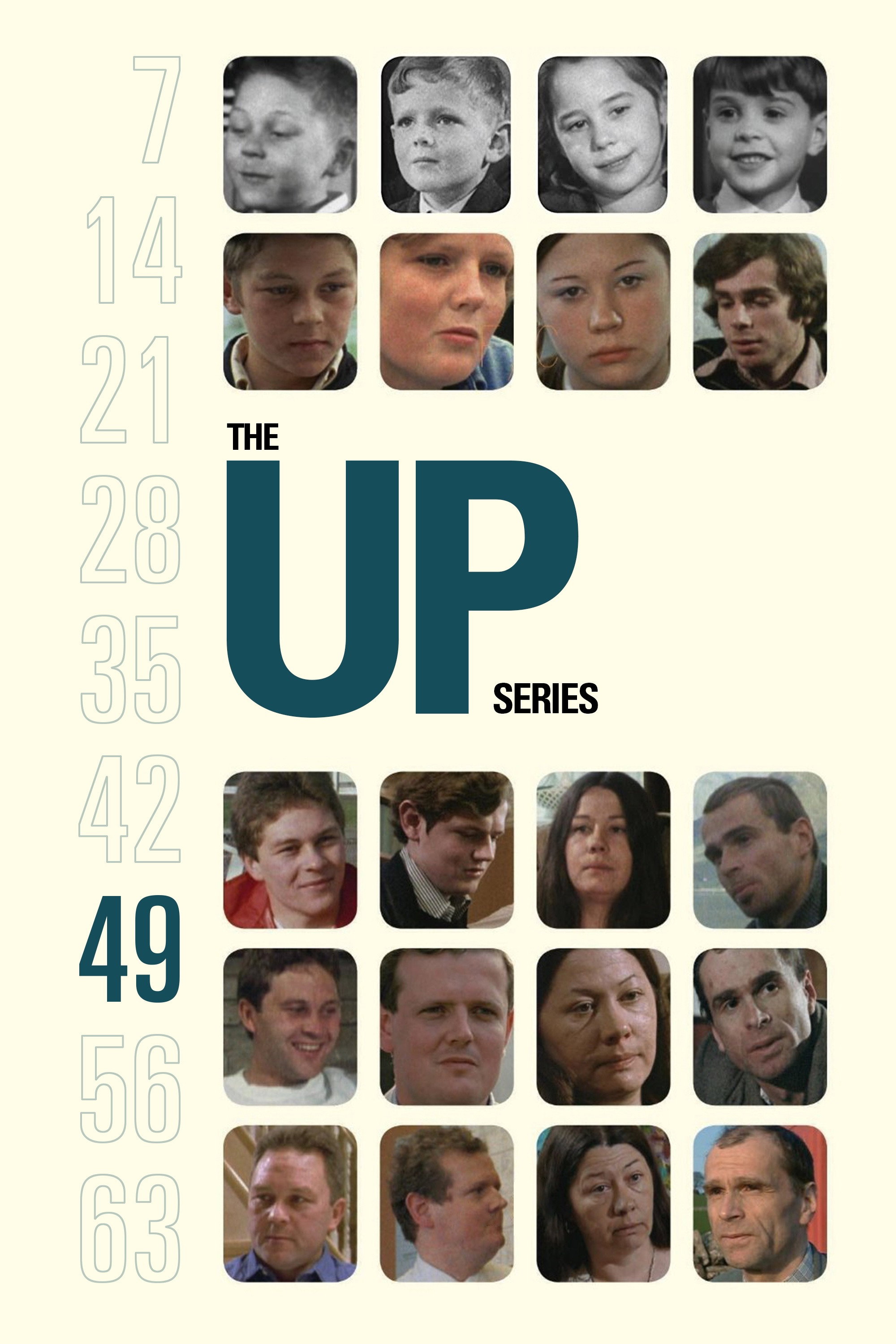
49 Up is the seventh film in a series of landmark documentaries that began 42 years ago when UK-based Granada's World in Action team, inspired by the Jesuit maxim "Give me the child until he is seven and I will give you the man," interviewed a diverse group of seven-year-old children from all over England, asking them about their lives and their dreams for the future. Michael Apted, a researcher for the original film, has returned to interview the "children" every seven years since, at ages 14, 21, 28, 35, 42 and now again at age 49.In this latest chapter, more life-changing decisions are revealed, more shocking announcements made and more of the original group take part than ever before, speaking out on a variety of subjects including love, marriage, career, class and prejudice.
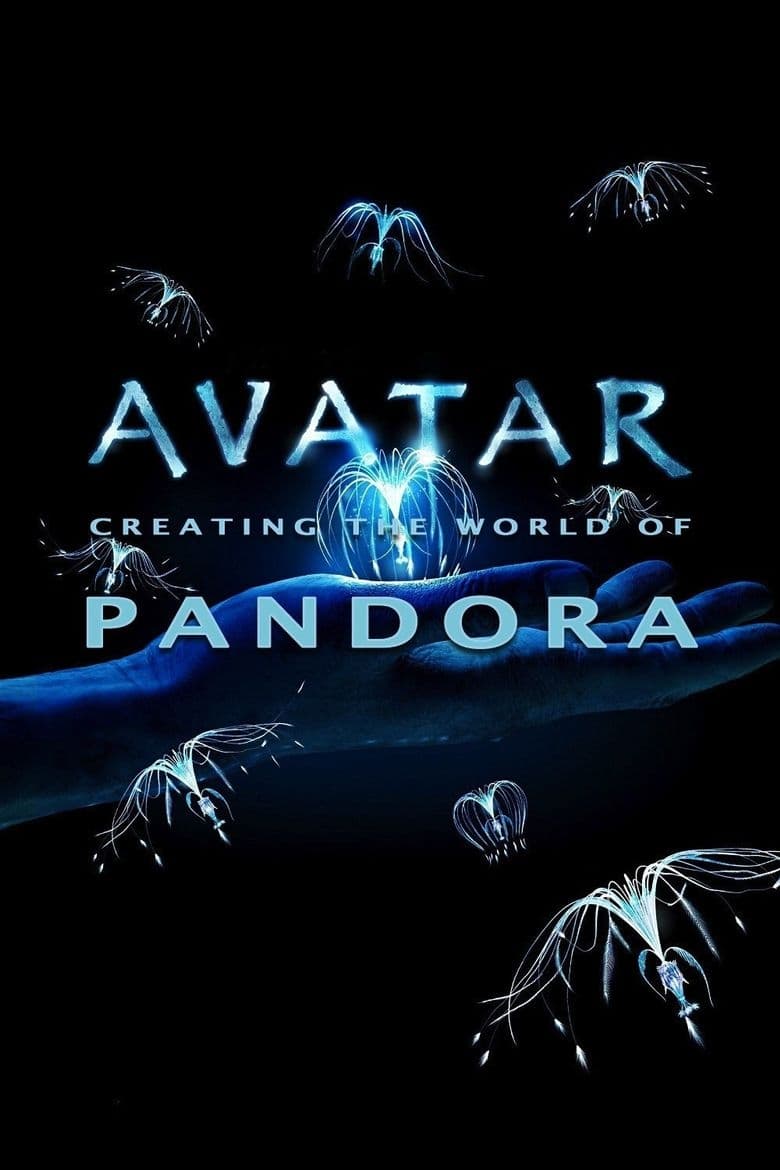
The Making-of James Cameron's Avatar. It shows interesting parts of the work on the set.
Using the book 'Fragments', which collects Marilyn Monroe's poems, notes and letters, and with participation from the Arthur Miller and Truman Capote estates who have contributed more material, each of the actresses will embody the legend at various stages in her life.
The life of Mr. Spock, as well as that of Leonard Nimoy, the actor who played him for almost fifty years, written and directed by his son: Adam.
The life and career of an actor, artist, and icon. His own journey through his own camera.
An inside look at one of the most anticipated movie sequels ever with James Cameron and cast.
Ranjit, a farmer in India, takes on the fight of his life when he demands justice for his 13-year-old daughter, the victim of a brutal gang rape. His decision to support his daughter is virtually unheard of, and his journey unprecedented.
Deep beneath the surface in the Syrian province of Ghouta, a group of female doctors have established an underground field hospital. Under the supervision of paediatrician Dr. Amani and her staff of doctors and nurses, hope is restored for some of the thousands of children and civilian victims of the ruthless Syrian civil war.
Al Pacino's deeply-felt rumination on Shakespeare's significance and relevance to the modern world through interviews and an in-depth analysis of "Richard III."
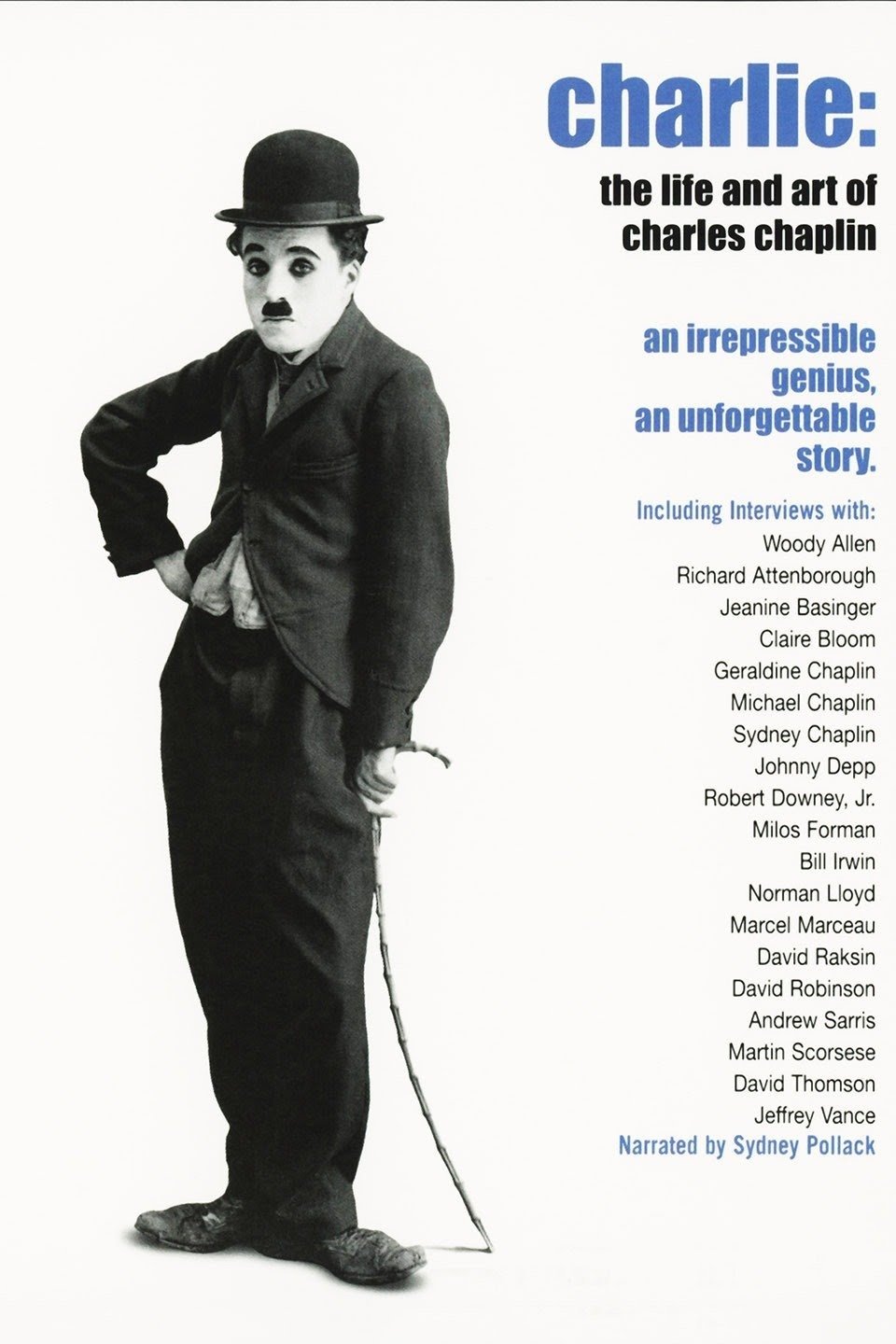
Brilliant, long in-the-works story of the life and art of the world's greatest comedian and the cinema's first genius, Charlie Chaplin. Produced, written and directed by renowned film critic Richard Schickel.
Vulgar, taunting texts blow up the phones of a teen and her boyfriend. Who's sending them — and why? This twisty documentary reveals the shocking answer.
Interviews with leading authors, philosophers and scientists, with an in-depth discussion of the Law of Attraction. The audience is shown how they can learn and use 'The Secret' in their everyday lives.