Some 40 years after setting foot in Israel for the first time, journalist Pierre Nadeau felt the desire to return there to take stock of the Israeli-Palestinian conflict.
Social & External
Himself
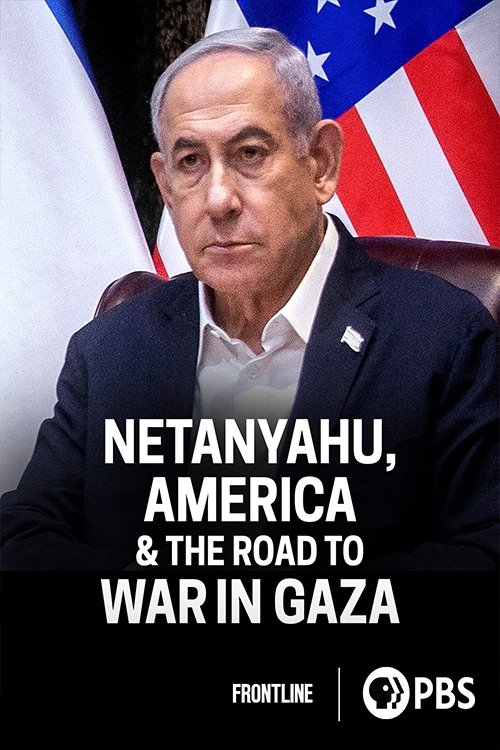
October 7, 2023: Hamas terrorists attack Israel, murder and take hostages. Israel reacts with severity. The goal: the destruction of Hamas. But with the war in Gaza, Israel is awakening the great trauma of the Palestinians: the expulsion of 1948. How can the lack of empathy on both sides be explained?
On the morning of the October 7 attack, Rachel and David Edri were held hostage in their home in Ofakim by a terrorist squad. For 20 hours the couple survived alone with the terrorists until they were rescued by the security forces. During the hours, Rachel offered the terrorists food and drinks, talked with them and took care of one of the wounded.
Edward Said, Professor of English & Comparative Literature at Columbia University, was a prominent literary critic of the late 20th century and a leading spokesperson for the Palestinian cause in the US. Born to a Palestinian family in Al-Quds (Jerusalem) in 1935, he and his family were dispossessed in 1948 and settled in Cairo. Educated in the US, he lived in New York for many years. Said was a member of the Palestine National Council. After resigning from the PNC in 1991, Said wrote critically about the post-Oslo peace process, the political failures of Yasser Arafat and the PLO. Said was diagnosed with leukemia in 1991 and struggled with the disease while continuing to write and teach. He stopped giving interviews but made an exception less than a year before his death in 2003, speaking about his illness, work, Palestine, politics, life, and education. The last interview is the final testament of this passionately committed intellectual.
How US politicians and diplomats, over the past 25 years, have come close to achieving something almost impossible: securing peace between the State of Israel and its Arab and like-minded neighbors, mired in a struggle both dialectical and violent since the early 20th century, due to historical and religious reasons, entrenched offenses and prejudices, and the invisible and tyrannical hand of third countries' geopolitical interests in the area.
One war, ten days, three stories: the Old City of Jerusalem, at the dawn of a new Middle East. For the Brits, it’s the shameful end of 30 years Mandate. For the Jews, it’s the birthday of their State. And for the Palestinians, it’s a catastrophe. Only now, 60 years later, images can be shown from three opposing points of view, telling a whole new story.
Czech Photographer Josef Koudelka grew up behind the Iron Curtain and always wanted to know "what was on the other side". Forty years after capturing the iconic images of the Soviet invasion of Prague in 1968, the legendary Magnum photographer arrives in Israel and Palestine. On first seeing the nine-meter-high wall built by Israel in the West Bank, Koudelka is deeply shaken and embarks on a four-year project in the region which will confront him once again with the harsh reality of violence and conflict. Director Gilad Baram, Koudelka's assistant at the time, follows him on his journey through the Holy Land from one enigmatic and visually spectacular location to another.
For more than forty years, British journalist Robert Fisk has reported on some of the most violent conflicts in the world, from Northern Ireland to the Middle East, always with his feet on the ground and a notebook in hand, travelling into landscapes devastated by war, ferreting out the facts and sending reports to the media he works for with the ambition of catching the interest of an audience of millions.
Two Sydney doctors volunteer to work in Gaza. This is the story of their time in a hell on earth. They experience frightful scenes of carnage including the deaths of many children. But they also bear witness to the resilience and generosity of many people.
October 7, 2023 was one of the deadliest days of fighting ever in Israel, with around 1,200 people killed after Hamas launched its attack and 250 taken hostage – many of whom have either died in captivity or not yet released. The project features testimony from four victims and first responders, who witnessed the massacre and its aftermath: a farmer who helped rescue young people, a young survivor of the Nova music festival who took refuge in a shelter only to witness friends being murdered, an ultra-orthodox musician who volunteered to identify victims, and a mother whose son was kidnapped and taken to Gaza. A sentence uttered by the musician, who had seen 100 dead bodies in a single day, was the inspiration behind the title.
In the West Bank, children grow up amidst a harsh and unforgiving reality. Daily life for Palestinians in Jenin Refugee Camp is shaped by the Israeli occupation, and the violence and oppression that comes with it. On the hills near Nablus, a Jewish settler family navigate the personal sacrifices and grief that come with their decision to live in an illegal settlement. They are resolute in their belief to remove Palestinians and settle the land. Children and their parents from both these areas search for their place in a world defined by violence and polarization.
Letter to My Tribe started with a question: Why don’t more Jews and Israelis speak out about Palestine? Over many years my mother, who represents a more messianic perspective, and I have had numerous arguments, some recorded, some not. These form the backbone of this video essay in which Israelis and Jews, journalists, activists and a rabbi are interviewed, and in which documentation of actions on the ground, in the West Bank, are woven with more personal family histories and journeys to Iraq and to Poland.
Over the past few years, Israel's ongoing military occupation of Palestinian territory and repeated invasions of the Gaza strip have triggered a fierce backlash against Israeli policies virtually everywhere in the world—except the United States. This documentary takes an eye-opening look at this critical exception, zeroing in on pro-Israel public relations efforts within the U.S.
Writer-actor Aaron Davidman embodies seventeen different characters in and around the sacred city of Jerusalem as he takes us on an eye-opening journey into the heart of the Israeli-Palestinian story. Exploring universal questions of identity and human connection, the film is about one man's effort to embrace a multiplicity of conflicting viewpoints, chronicling a brave exploration of the complex humanity at the heart of one of the world's most troubling conflicts.
An Israeli film director interviews fellow veterans of the 1982 invasion of Lebanon to reconstruct his own memories of his term of service in that conflict.
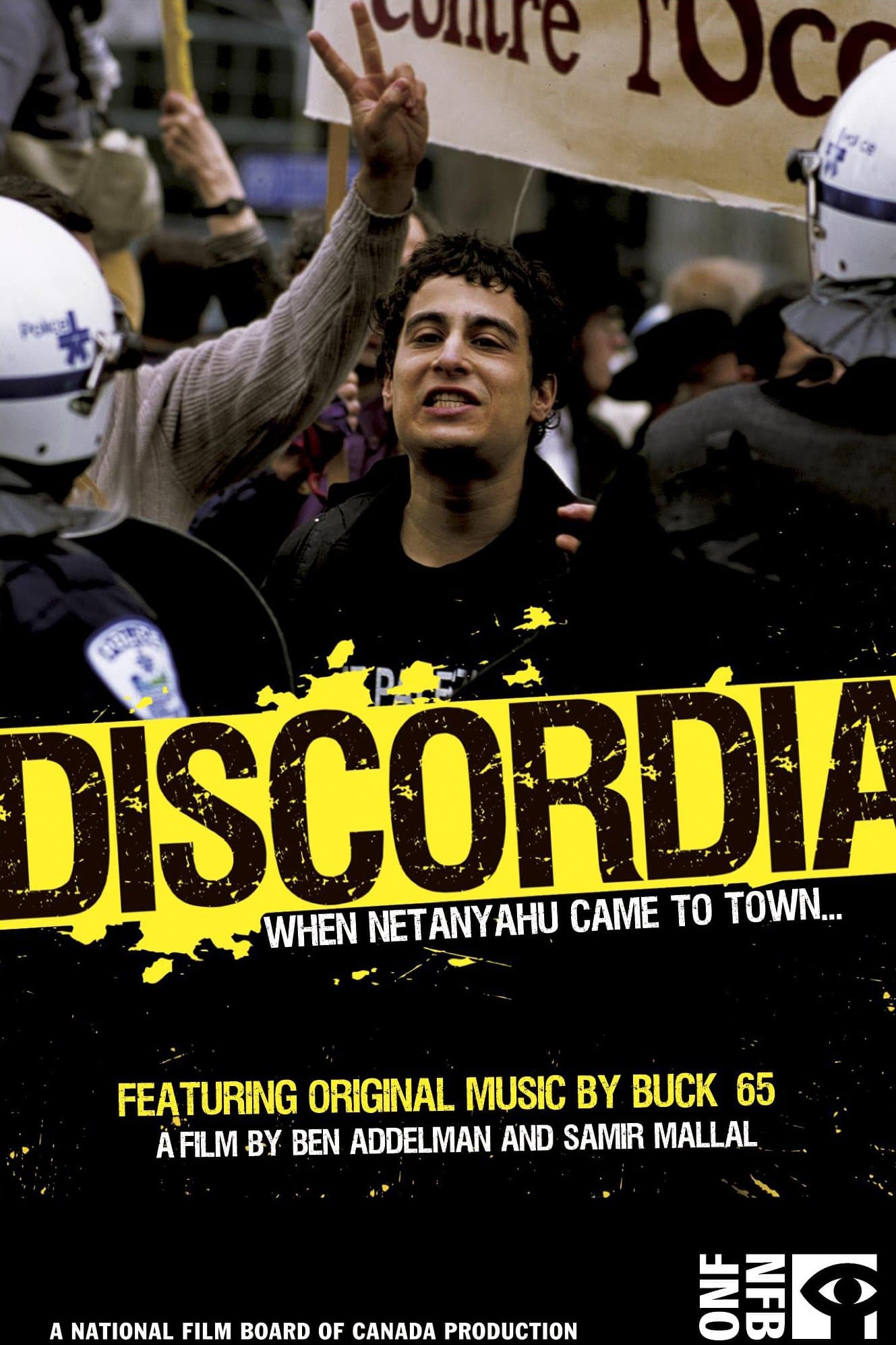
In the fall of 2002, it was announced that Benjamin Netanyahu would deliver a speech at Concordia University in Montreal, and reaction from the student body was swift and sudden.
An exhaustive explanation of how the military occupation of an invaded territory occurs and its consequences, using as a paradigmatic example the recent history of Israel and the Palestinian territories, the West Bank and the Gaza Strip, from 1967, when the Six-Day War took place, to the present day; an account by filmmaker Avi Mograbi enriched by the testimonies of Israeli army veterans.
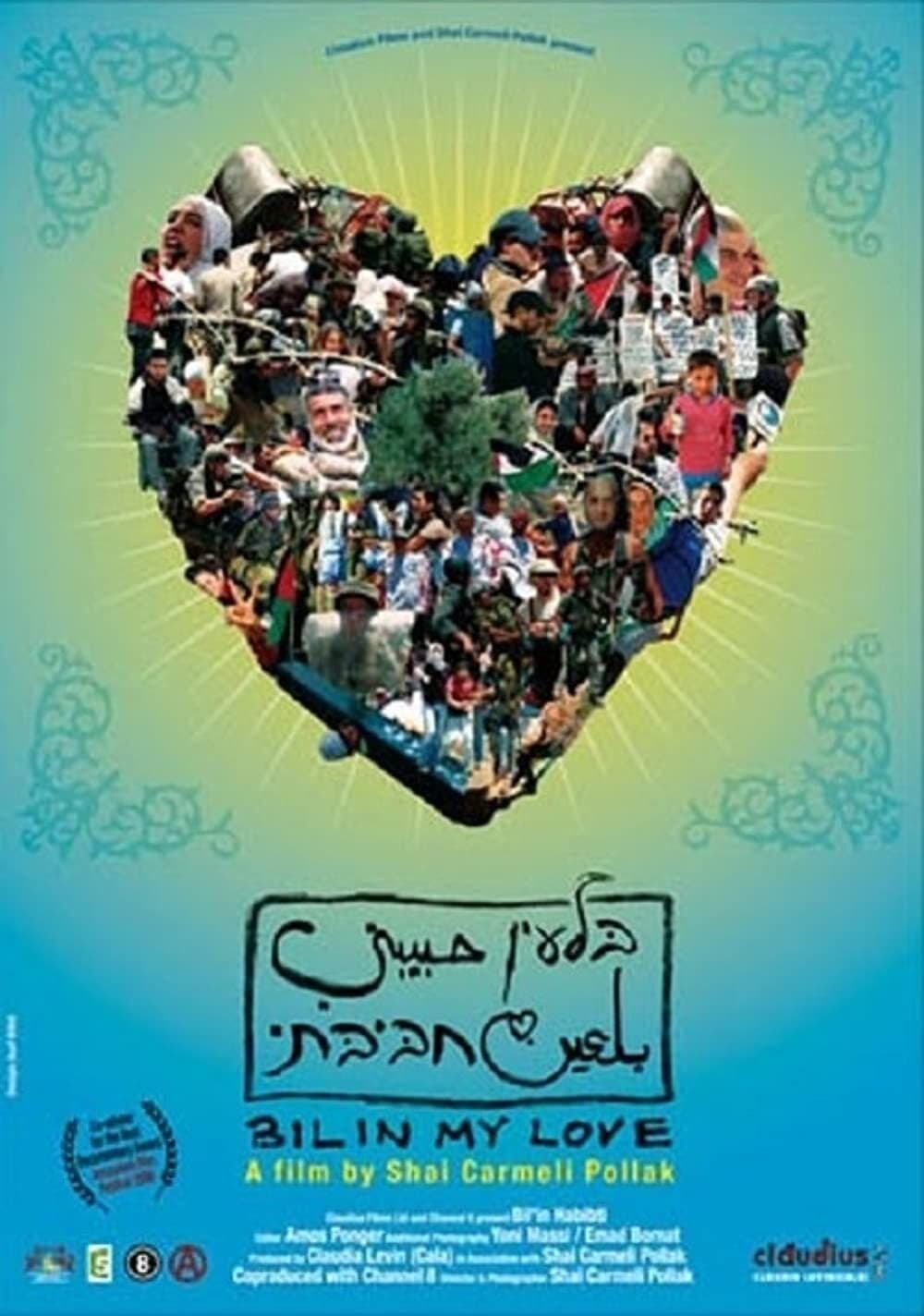
The Israeli filmmaker Shai Corneli Polak records the building of the 'security wall' through Palestinian territory at the village of Bil'in. The villagers protest mostly peacefully, while the Israeli army doesn't react peacefully. By now the Israeli High Court has ruled that the building of the wall was illegal.
In his abbreviated one and a half terms as Prime Minister of Israel, Menachem Begin faced a maelstrom of challenges and made a handful of fateful decisions that led to both creating peace and launching a hubristic war. This multi-faceted portrait merges rare archival footage shown for the first time, as well as current interviews of key figures from Begin’s time as Prime Minister.
A chronicle which provides a rare window into the international perception of the Iraq War, courtesy of Al Jazeera, the Arab world's most popular news outlet. Roundly criticized by Cabinet members and Pentagon officials for reporting with a pro-Iraqi bias, and strongly condemned for frequently airing civilian causalities as well as footage of American POWs, the station has revealed (and continues to show the world) everything about the Iraq War that the Bush administration did not want it to see.
14 years after his first visit, Louis Theroux meets some of the growing community of religious-nationalist Israelis who have settled in the occupied West Bank.
Five broken cameras – and each one has a powerful tale to tell. Embedded in the bullet-ridden remains of digital technology is the story of Emad Burnat, a farmer from the Palestinian village of Bil’in, which famously chose nonviolent resistance when the Israeli army encroached upon its land to make room for Jewish colonists. Emad buys his first camera in 2005 to document the birth of his fourth son, Gibreel. Over the course of the film, he becomes the peaceful archivist of an escalating struggle as olive trees are bulldozed, lives are lost, and a wall is built to segregate burgeoning Israeli settlements.
Penetrating the insular world of New York's Hasidic community, focusing on three individuals driven to break away despite threats of retaliation.
Acclaimed for his unfiltered reporting and deadpan humor, Andrew Callaghan brings his gonzo style reporting to the undercurrents that led to the January 6 Capitol Riot. As one of the best-known and hardest working journalists of his generation, the 25-year-old ventures on a wild RV journey through America to take the pulse of a divided nation.
The life and career of an actor, artist, and icon. His own journey through his own camera.
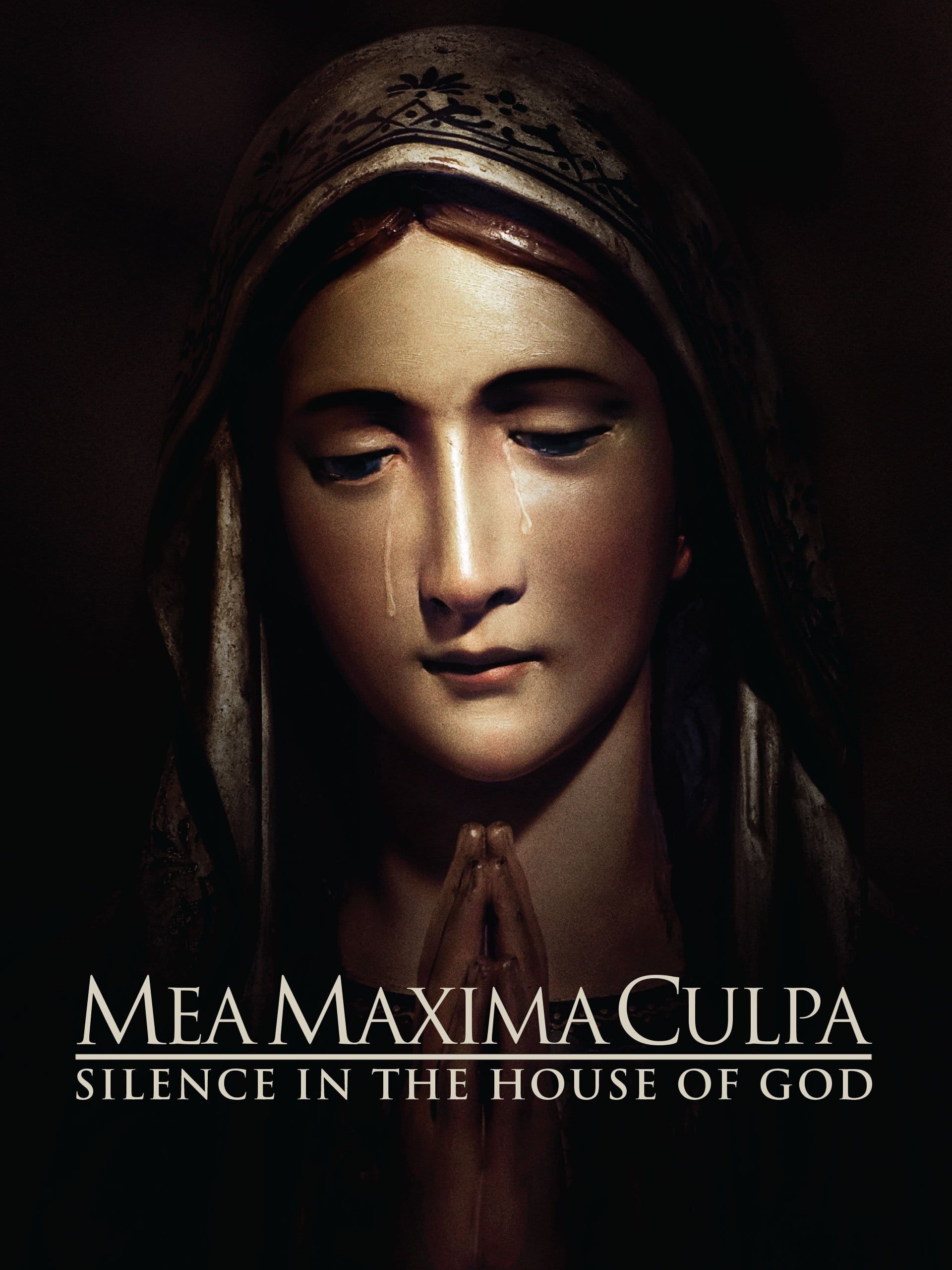
Alex Gibney explores the charged issue of pedophilia in the Catholic Church, following a trail from the first known protest against clerical sexual abuse in the United States and all way to the Vatican.
Deep beneath the surface in the Syrian province of Ghouta, a group of female doctors have established an underground field hospital. Under the supervision of paediatrician Dr. Amani and her staff of doctors and nurses, hope is restored for some of the thousands of children and civilian victims of the ruthless Syrian civil war.
Al Pacino's deeply-felt rumination on Shakespeare's significance and relevance to the modern world through interviews and an in-depth analysis of "Richard III."
Brilliant, long in-the-works story of the life and art of the world's greatest comedian and the cinema's first genius, Charlie Chaplin. Produced, written and directed by renowned film critic Richard Schickel.
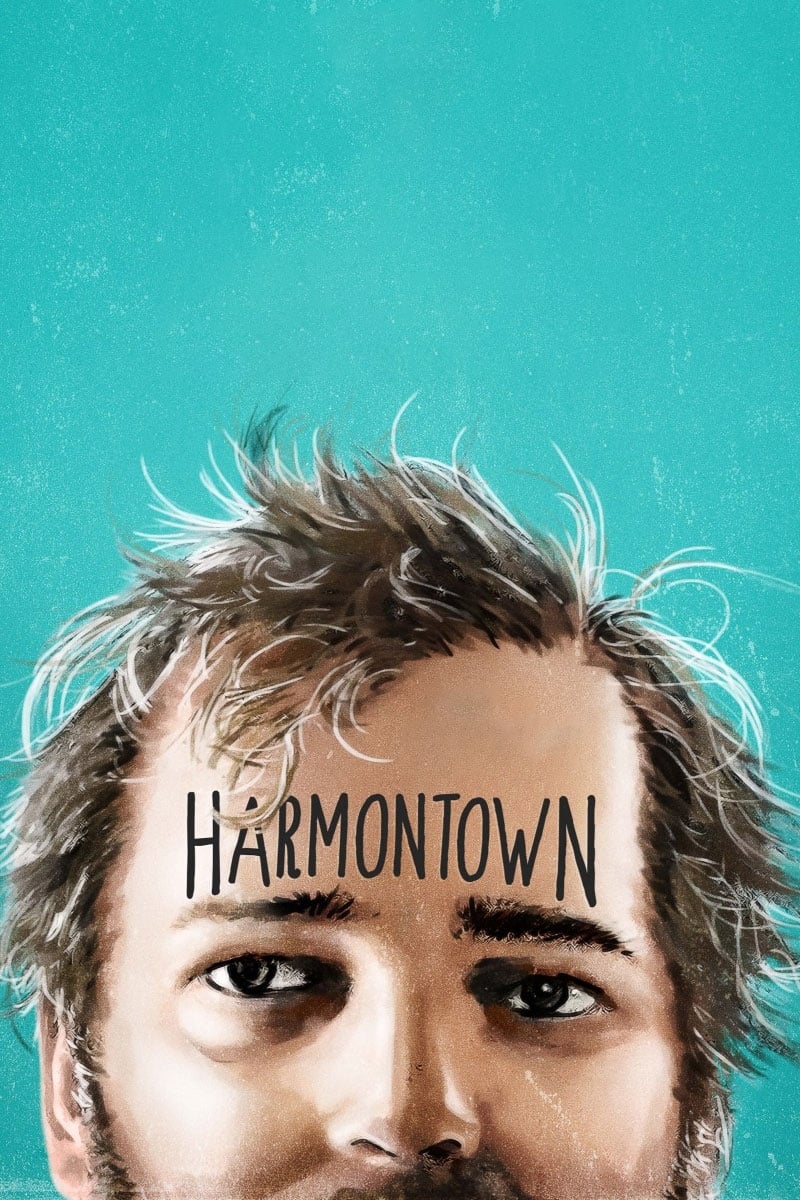
A comedic, brutally honest documentary following self-destructive TV writer Dan Harmon as he takes his live podcast on a national tour.
Serial killer Dennis Nilsen narrates his life and horrific crimes via a series of chilling audiotapes recorded from his jail cell.
Director Michael Apted revisits the same group of British-born adults after a 7 year wait. The subjects are interviewed as to the changes that have occurred in their lives during the last seven years.
A journey inside the world of real life caped crusaders. From all over America, these self-proclaimed crime fighters, don masks, homemade costumes and elaborate utility belts in an attempt to bring justice to evildoers everywhere.
When Sgt. First Class Brian Eisch is critically wounded in Afghanistan, it sets him and his sons on a journey of love, loss, redemption and legacy.
Through deeply personal interviews with her siblings and an examination of the photographs, letters, and belongings left behind, Mariska assembles a new portrait of her mother Jayne Mansfield, an extraordinary and complex woman.
An inside look at one of the most anticipated movie sequels ever with James Cameron and cast.
The life of Mr. Spock, as well as that of Leonard Nimoy, the actor who played him for almost fifty years, written and directed by his son: Adam.
When Allied forces liberated the Nazi concentration camps in 1944-45, their terrible discoveries were recorded by army and newsreel cameramen, revealing for the first time the full horror of what had happened. Making use of British, Soviet and American footage, the Ministry of Information’s Sidney Bernstein (later founder of Granada Television) aimed to create a documentary that would provide lasting, undeniable evidence of the Nazis’ unspeakable crimes. He commissioned a wealth of British talent, including editor Stewart McAllister, writer and future cabinet minister Richard Crossman – and, as treatment advisor, his friend Alfred Hitchcock. Yet, despite initial support from the British and US Governments, the film was shelved, and only now, 70 years on, has it been restored and completed by Imperial War Museums under its original title "German Concentration Camps Factual Survey".
A visual montage portrait of our contemporary world dominated by globalized technology and violence.
A dreamlike conversation with the past and the present, reimagining Latasha Harlins' story by excavating intimate memories shared by those who loved her.