Social & External
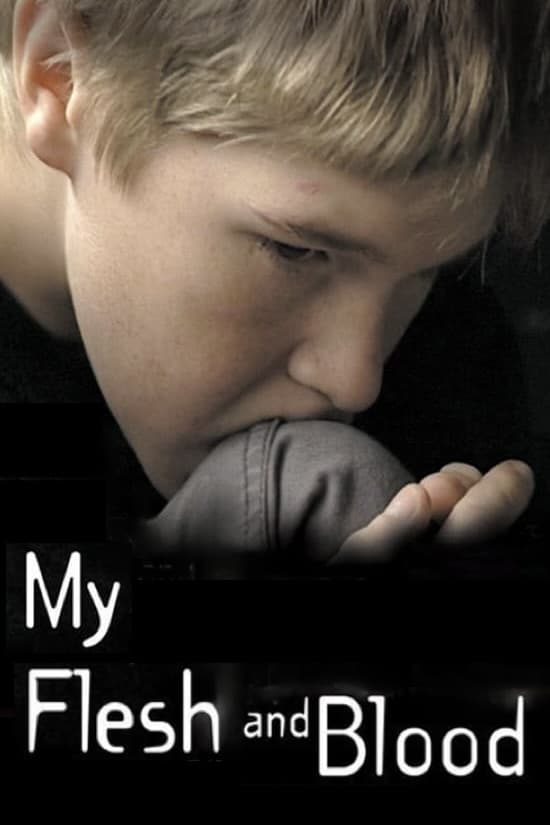
My Flesh and Blood is a 2003 documentary film by Jonathan Karsh chronicling a year in the life of the Tom family. The Tom family is notable as the mother, Susan, adopted eleven children, most of whom had serious disabilities or diseases. The film itself is notable for handling the sensitive subject matter in an unsentimental way that is more uplifting than one might expect.
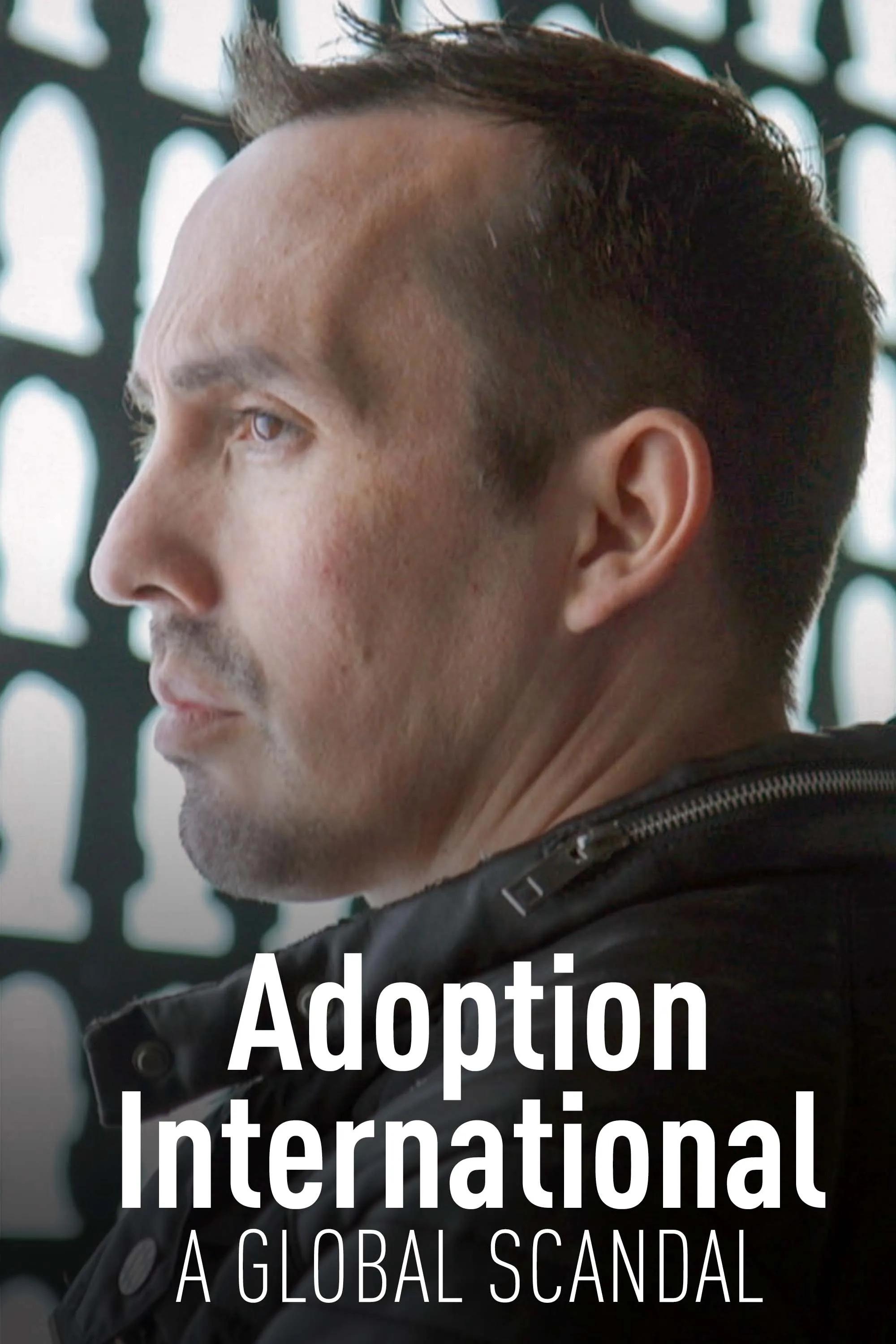
In the collective imagination, international adoption evokes images of children being saved from a life of destitution in poorer countries by being adopted by families in Europe or America. But the reality that has emerged is one of child trafficking, falsified documents and governments around the world turning a blind eye.
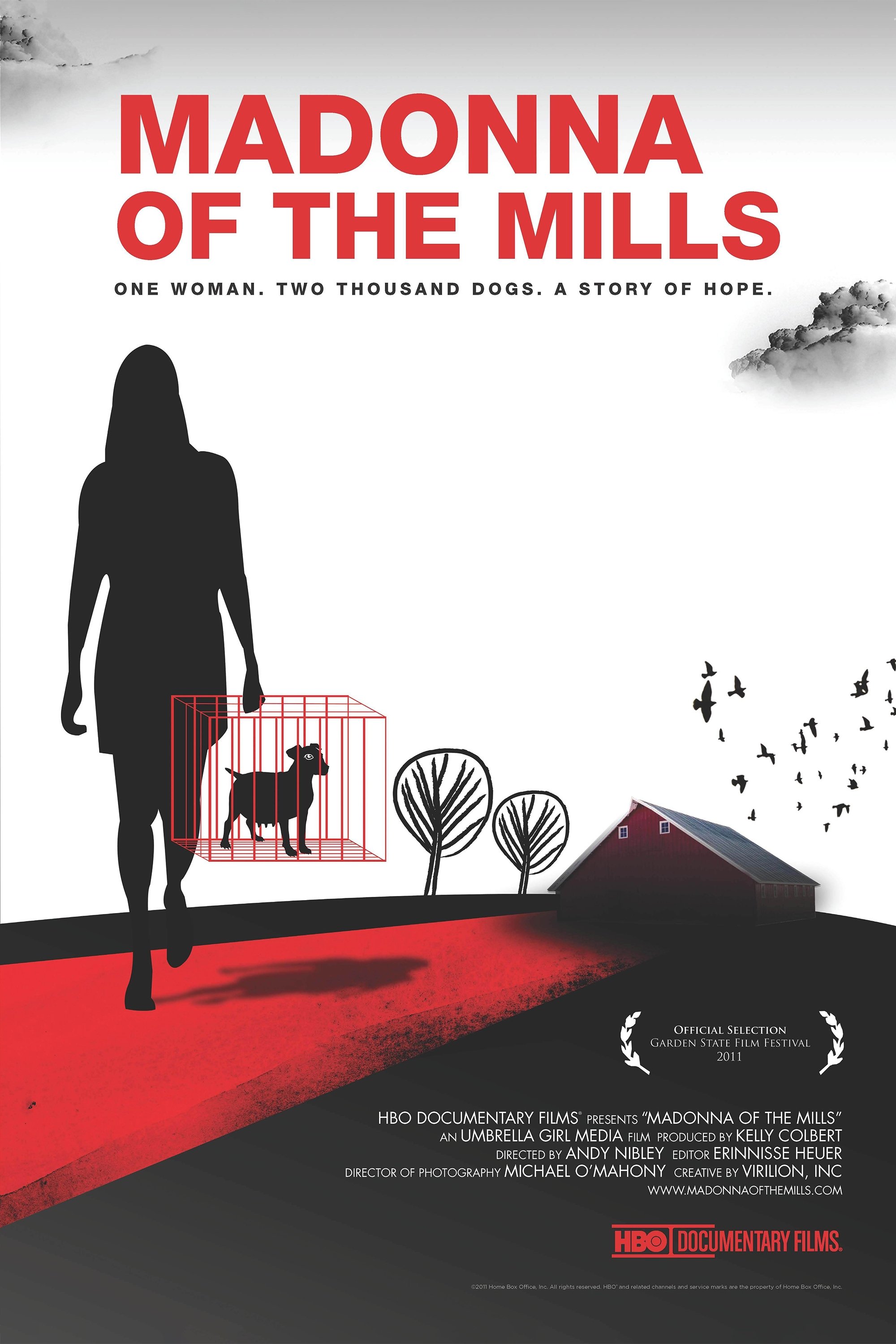
Uplifting tale of Staten Island woman who creates modern underground railroad and rescues 2,000 dogs condemned to death in Amish Country puppy mills. The film chronicles Laura F on her weekend rescue missions to Amish Country. With her Brooklyn mom and Staten Island girl friends by her side, Laura embarks on a four-year odyssey to rescue dogs from the hellish conditions of Amish puppy mills. The film follows four of the dogs from the time their lives are spared until they are nursed back to health and placed with their forever families. We see the dogs leave the cages where they have spent their entire lives and watch these dogs, who were given up for dead, transform the lives of the people who adopt them.
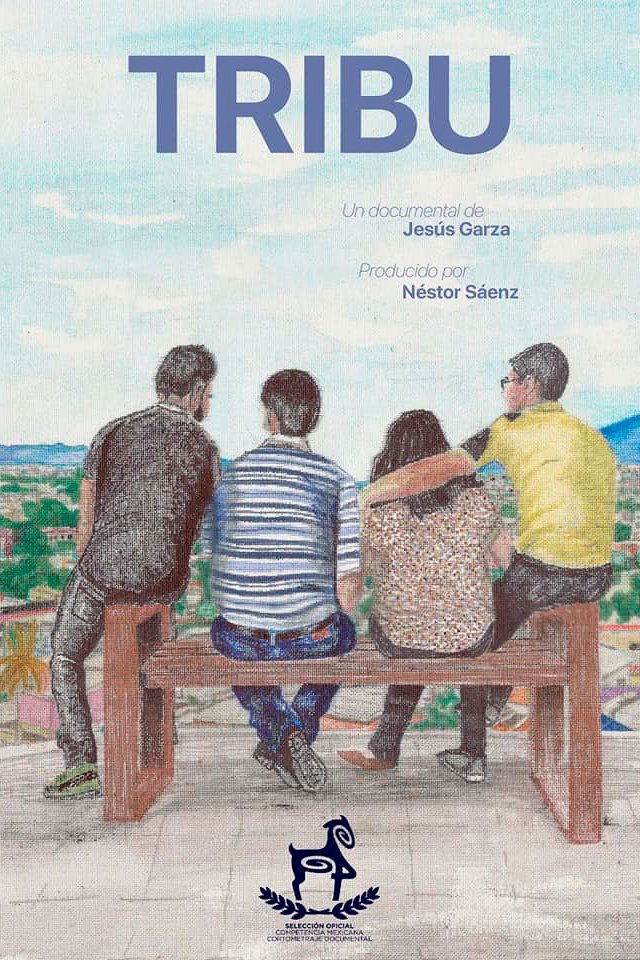
Ruben and Gio have been recently adopted by Evelyn and Memo. The four of them try to create a home where the past, the bad and good stories, and the dreams in common for the future blend all together.
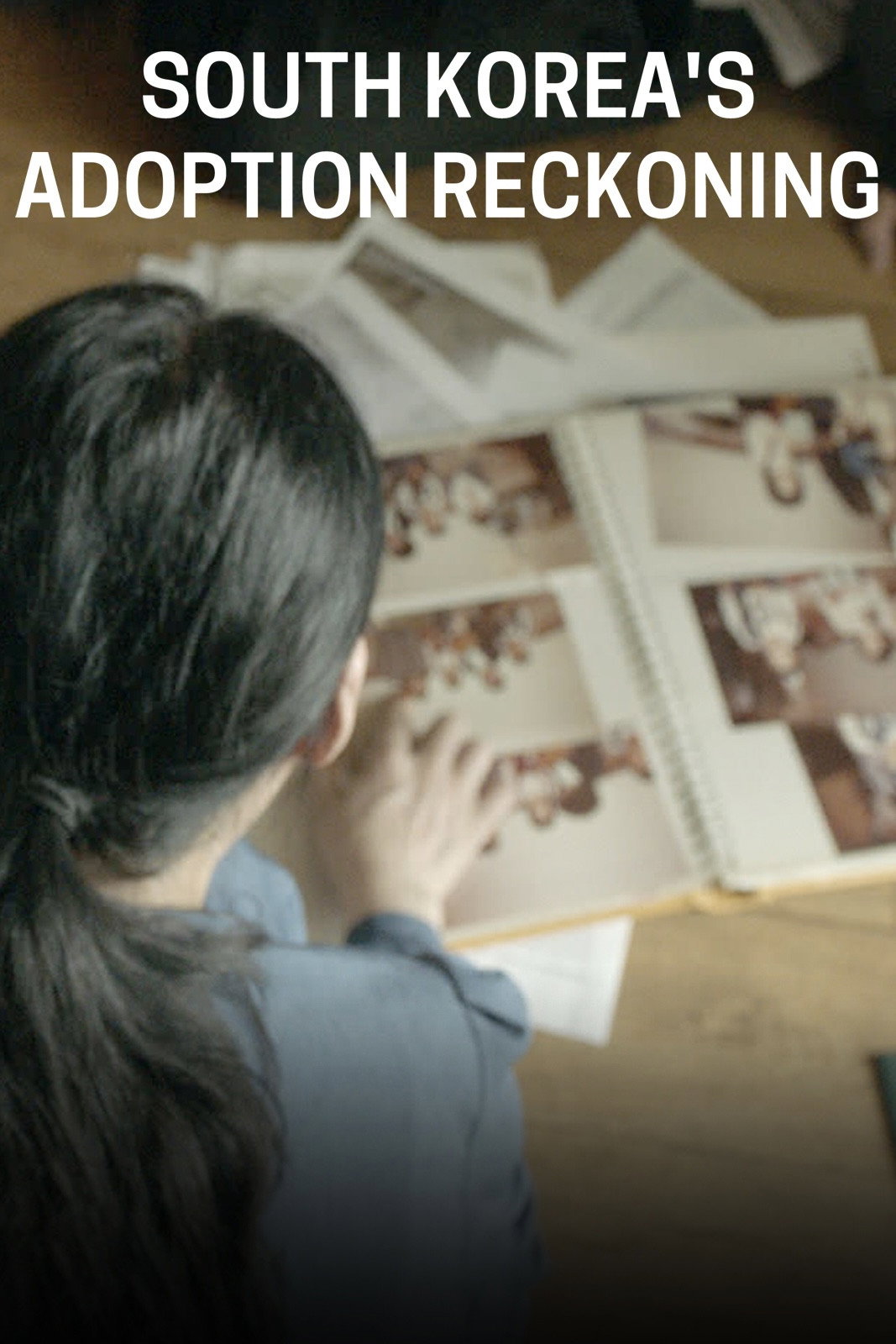
FRONTLINE and The Associated Press examine allegations of fraud and abuse in South Korea’s historic foreign adoption boom. The documentary investigates cases of falsified records and identities among the adoptions of 200,000 children to the U.S. and other countries over decades.
At age 25, Olivier Rousteing was named the creative director of the French luxury fashion house, Balmain. At the time, Rousteing was a relatively unknown designer, but in the decade since, he’s proven his business prowess and artistic instinct by leading Balmain to new heights. Wonderboy gives the viewer the rare opportunity to experience the inner sanctum of the fashion world, as we stand shoulder-to-shoulder with this extraordinary individual while he works.
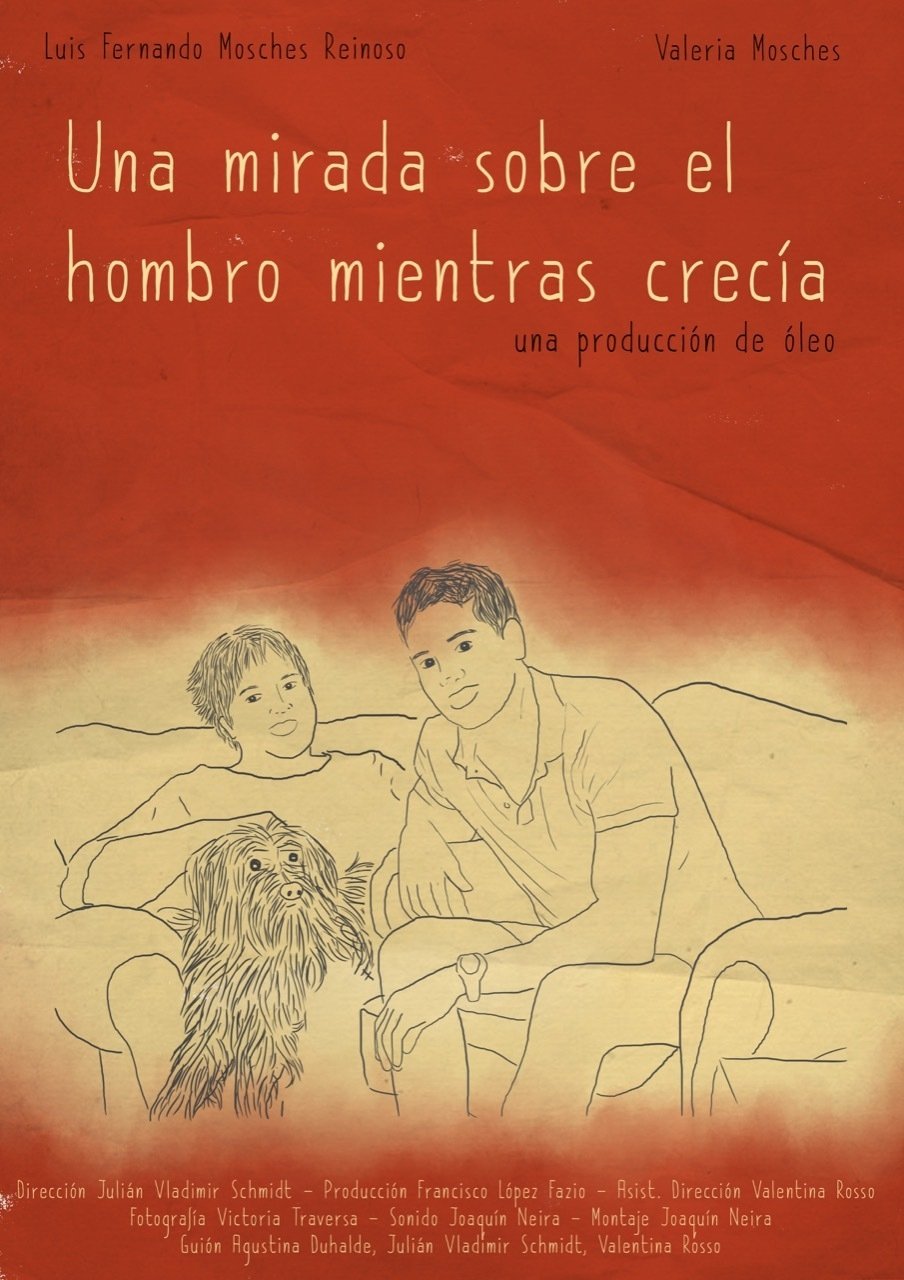
In Argentina, almost all adopted children are under 5 years of old. Luis and Valeria open the doors of their home and tell us their family story. A true story full of obstacles, fears and love about paths that connect and people who meet by chance.
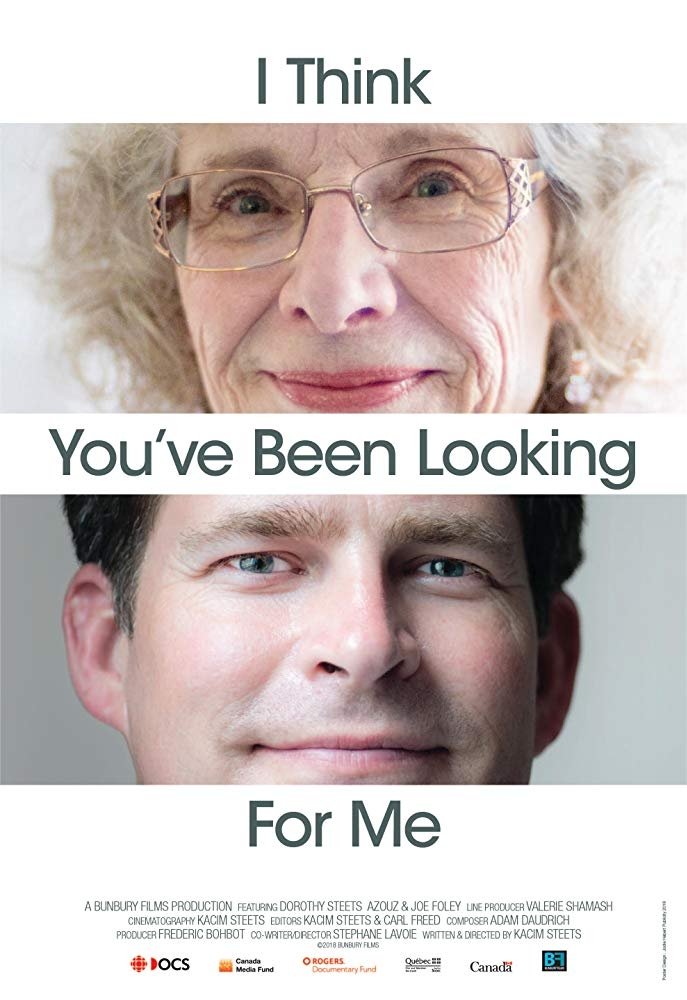
After 48 years of emotional longing, a mother meets her son who she relinquished at birth. In the months after the reunion, Dorothy and Joe must overcome nearly five decades of separation in order to reconnect.
New York, 1980. Three complete strangers accidentally discover that they're identical triplets, separated at birth. The 19-year-olds' joyous reunion catapults them to international fame, but also unlocks an extraordinary and disturbing secret that goes beyond their own lives – and could transform our understanding of human nature forever.
The documentary follows three couples of parents or aspiring parents grappling with the extremely difficult adoption process.
From 2000 to 2008, China was the leading country for U.S. international adoptions. There are now approximately 70,000 Chinese adoptees being raised in the United States. Ninety-five percent of them are girls. Each year, these girls face new questions regarding their adopted lives and surroundings. This is a film about Chinese adopted girls, their American adoptive families and the paradoxical losses and gains inherent in international adoption. The characters and events in this story will challenge our traditional notions of family, culture and race.
What's it like to "make a family" when you're not part of the traditional hetero couple? Can two best buddies living on the same floor become a family? Océan and his best friend Sophie-Marie Larrouy will question their friendship, their desire for children and their ability to commit to each other, going to meet people who have made families "differently" to draw inspiration from them and invent their own model.
Traces the new Cold War between Russia and the West from the ban on American citizens adopting Russian children to the Kremlin’s anti-LGBTQ campaign, which positions the international marriage equality movement as a national threat.
Denese Joy Becker, a manicurist living in Iowa, discovers she is indeed Dominga Sic Ruiz, a survivor from a 1982 Guatemalan massacre, when more than 200 people were killed in the small village of Rio Negro, after opposing the construction of a dam, sponsored by World Bank. She then tries to unveil the truth.
Adopted from South Korea, raised on different continents & connected through social media, Samantha & Anaïs believe that they are twin sisters separated at birth.
Jackie Miller adopted her son, Scott, in the early 1970s. In 2008, Scott brought his mom to StoryCorps to ask her about that decision.
This feature documentary tells the complex and touching story of Winnipeg city councilor Glen Murray and his 17-year-old adopted son Mike, whose struggles with addiction and behavioural problems cyclically repeat. Glen, now an Ontario Member of Provincial Parliament, was one of the first openly gay elected politicians in Canada. He adopted Mike during an era when homophobic stereotypes often prevented gay men and women from adopting children. Glen and Mike's relationship is always tenuous and always turbulent as they struggle to define themselves together and alone.
An astounding exposé that gives voice to the unwitting subjects of an infamous American scientific experiment: the 1960s Neubauer-Bernard study of separated twins. Told from the perspective of the Jewish identical twins and triplets who were secretly split up in infancy and adopted through Louise Wise Services, a Jewish adoption agency, the documentary examines the traumatic, long-term effects of the separations — and continuing deception — on the children and their adoptive families.
Through deeply personal interviews with her siblings and an examination of the photographs, letters, and belongings left behind, Mariska assembles a new portrait of her mother Jayne Mansfield, an extraordinary and complex woman.
Police pull over a woman who claims she just gave birth. But the baby — and the blood — aren't hers. Twisted lies unravel in this true-crime documentary.
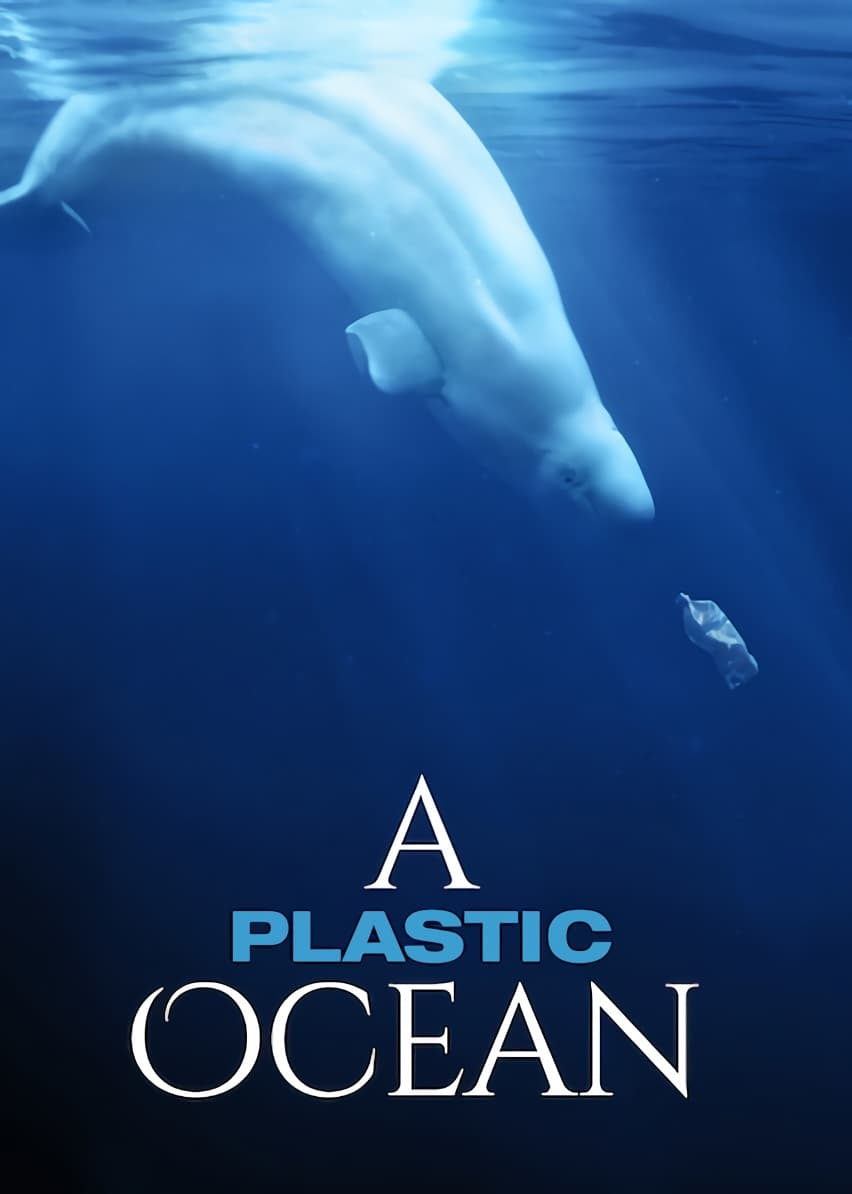
A documentary focused on plastic pollution in the world's oceans.
This character-driven film considers the evolving sex trafficking landscape as seen by the main players: the exploited, the pimps, the johns that fuel the business, and the cops who fight to stop it.
Those who knew iconic funnyman John Candy best share his story, in their own words, through never-before-seen archival footage, imagery, and interviews.
This revealing documentary honors the legendary Sidney Poitier—iconic actor, filmmaker, and civil rights activist. Featuring interviews with Denzel Washington, Spike Lee, Halle Berry, and more.
Al Pacino's deeply-felt rumination on Shakespeare's significance and relevance to the modern world through interviews and an in-depth analysis of "Richard III."
A detailing of the rise to prominence and global sporting superstardom of six supremely talented young Manchester United football players (David Beckham, Nicky Butt, Ryan Giggs, Paul Scholes, Phil and Gary Neville). The film covers the period 1992-1999, culminating in Manchester United's European Cup triumph.
SEDUCED AND ABANDONED combines acting legend Alec Baldwin with director James Toback as they lead us on a troublesome and often hilarious journey of raising financing for their next feature film. Moving from director to financier to star actor, the two players provide us with a unique look behind the curtain at the world's biggest and most glamourous film festival, shining a light on the bitter-sweet relationship filmmakers have with Cannes and the film business. Featuring insights from directors Martin Scorsese, 'Bernando Bertolucci' and Roman Polanski; actors Ryan Gosling and Jessica Chastain and a host of film distribution luminaries.
JB Smoove and Martin Starr host a celebration of 20 years of "Spider-Man" movies, from the Sam Raimi trilogy to Marc Webb's movies and the trio from Jon Watts.
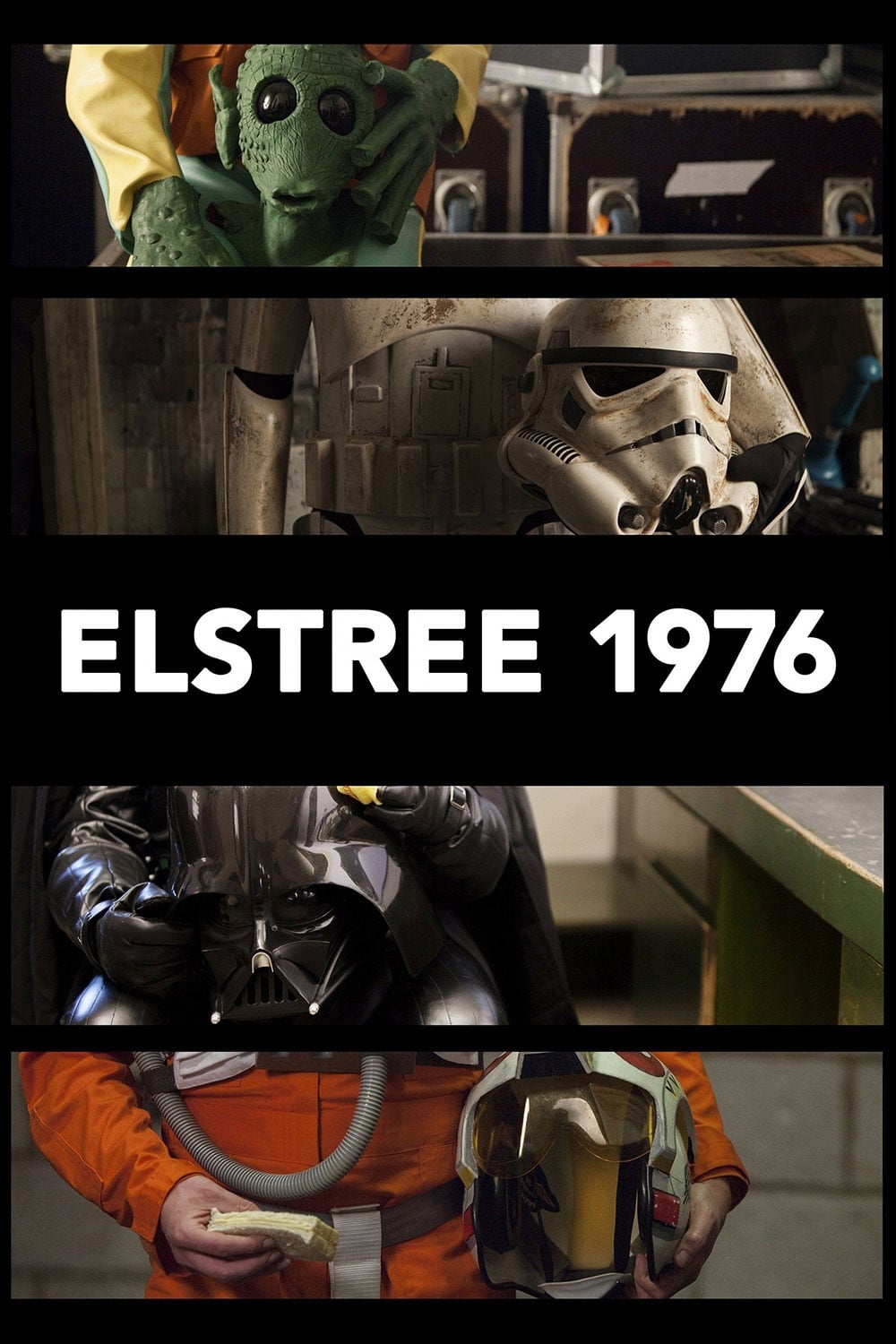
A documentary about ten very different lives connected by having appeared onscreen wearing masks or helmets in Star Wars.
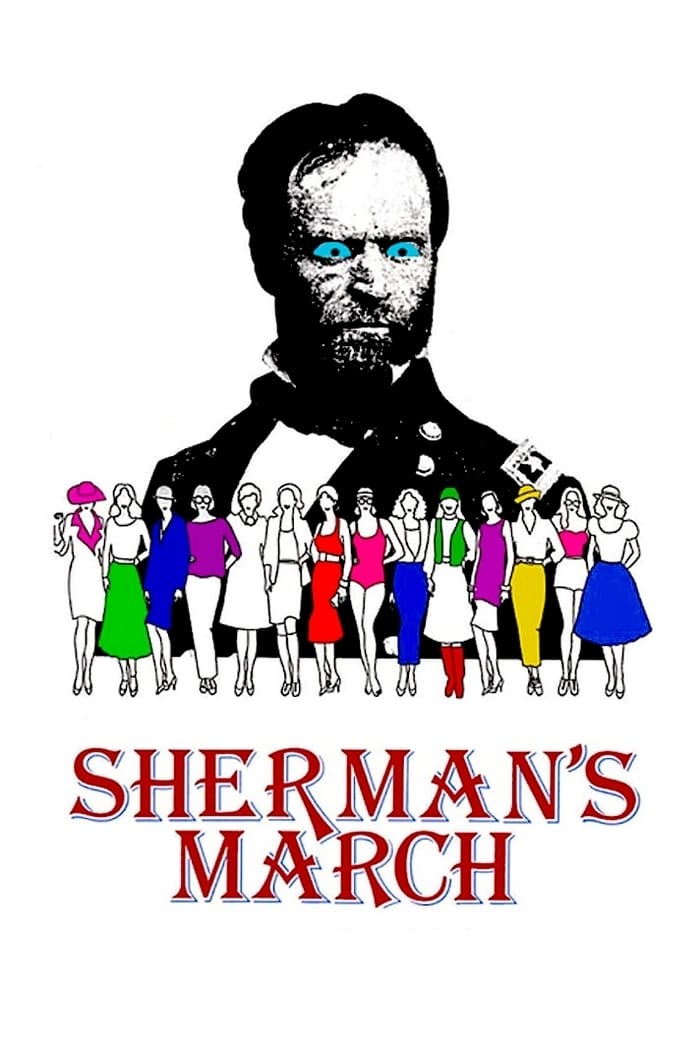
Ross McElwee sets out to make a documentary about the lingering effects of General Sherman's march of destruction through the South during the Civil War, but is continually sidetracked by women who come and go in his life, his recurring dreams of nuclear holocaust, and Burt Reynolds.
A documentary on the expletive's origin, why it offends some people so deeply, and what can be gained from its use.
A documentary on a former Miss Wyoming who is charged with abducting and imprisoning a young Mormon Missionary.
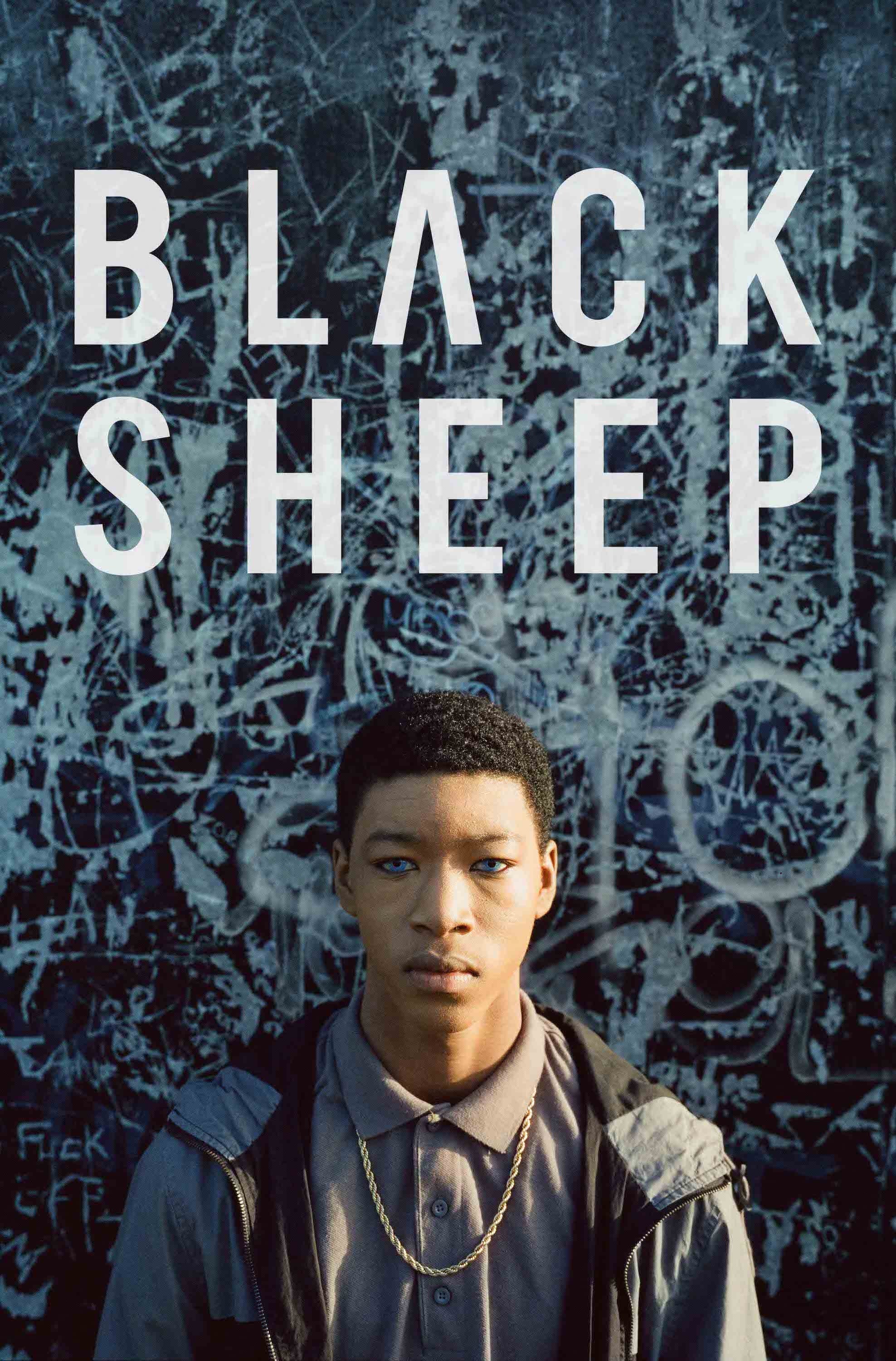
After the high-profile killing of Damilola Taylor, Cornelius' family move out of London. But when they discover their new town is run by racists, Cornelius takes a drastic step to survive.
Vulgar, taunting texts blow up the phones of a teen and her boyfriend. Who's sending them — and why? This twisty documentary reveals the shocking answer.
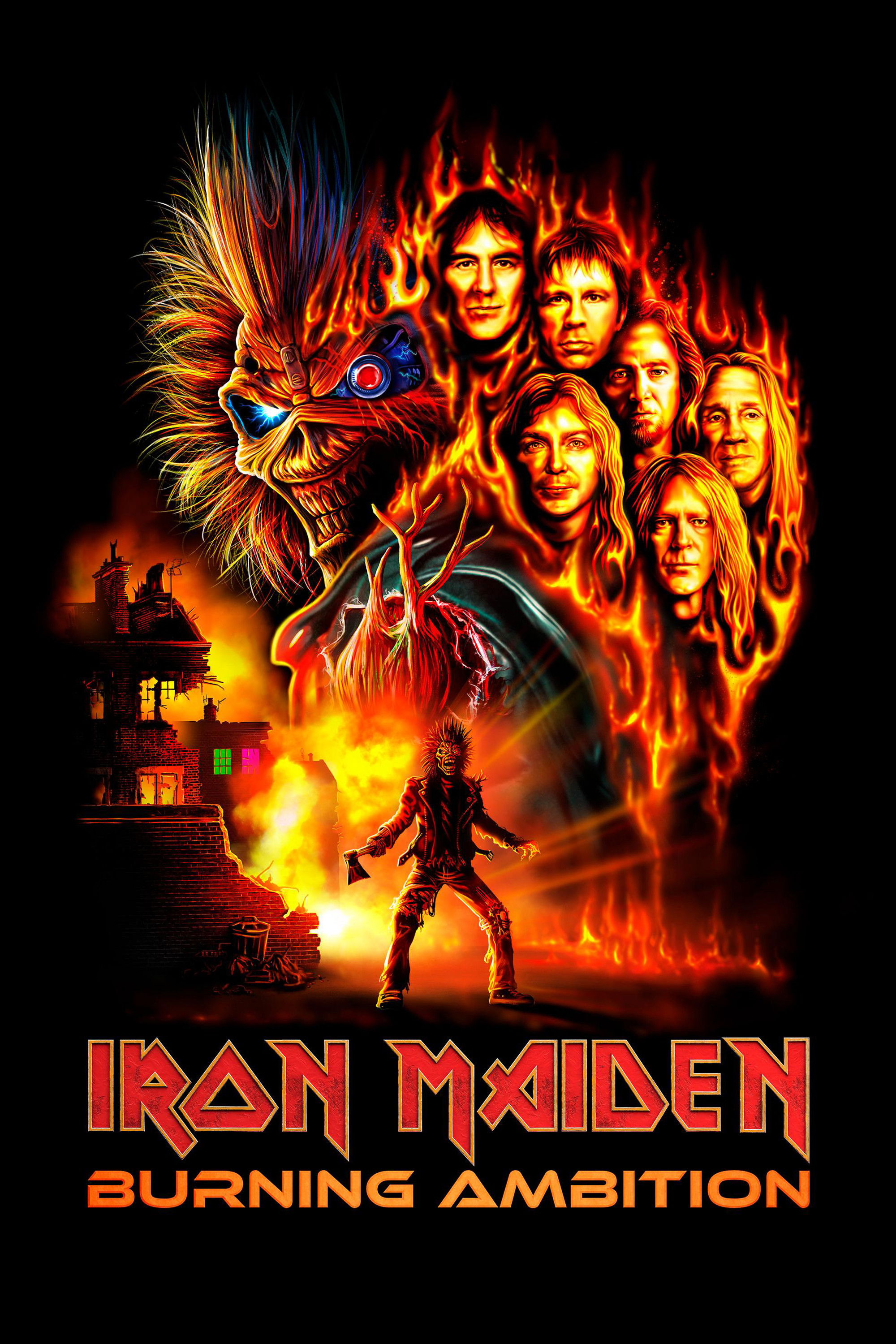
With unprecedented access to the official archives and intimate recollections from the band, both current and past, Iron Maiden: Burning Ambition invites fans to experience one of the most iconic journeys in music history. Spanning five decades, this electrifying documentary charts the band’s rise from the pubs of East London to the world’s biggest stadiums. Featuring exclusive interviews with band members and contributors such as Javier Bardem, Lars Ulrich and Chuck D, as well as all-new animated sequences of the band's legendary mascot, Eddie, the film offers a rare and intimate look at Iron Maiden’s uncompromising vision and unwavering connection with their truly global army of fans.
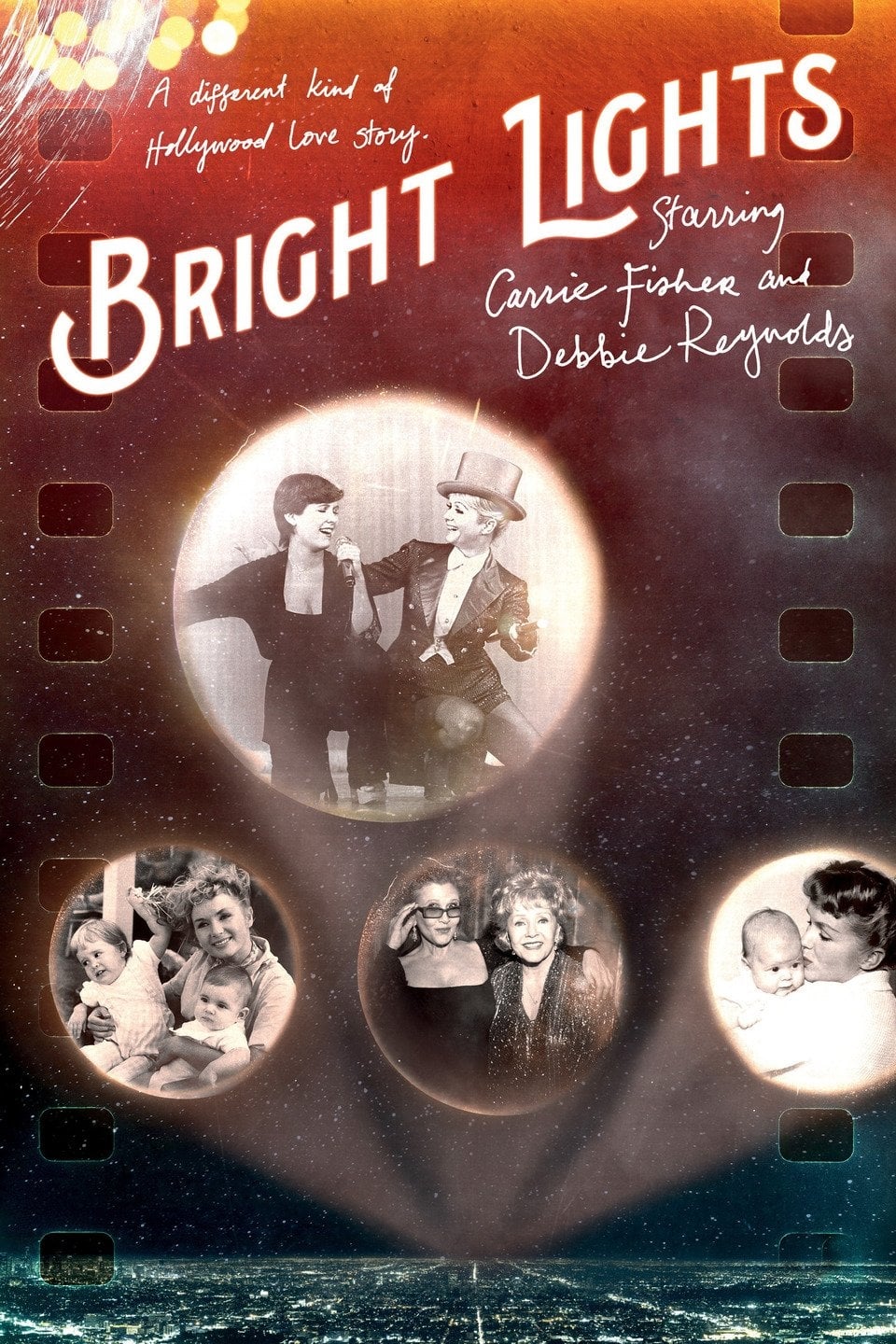
An intimate portrait of Hollywood royalty featuring Debbie Reynolds, Todd Fisher, and Carrie Fisher.
Lyrical and powerfully personal essay film that reflects on the deaths of her husband Lou Reed, her mother, her beloved dog, and such diverse subjects as family memories, surveillance, and Buddhist teachings.