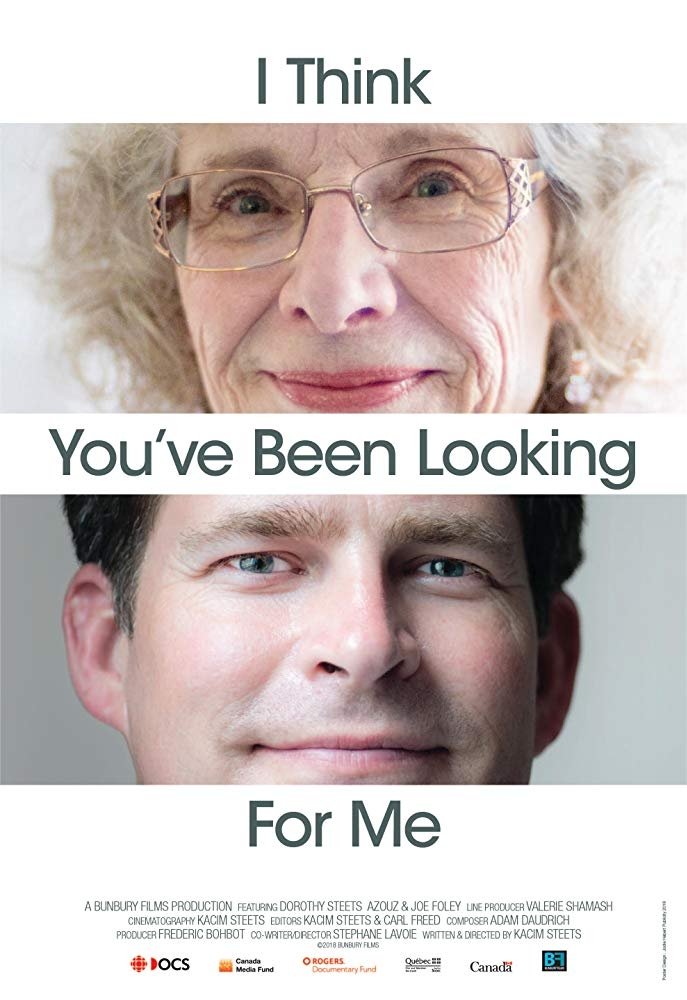
After 48 years of emotional longing, a mother meets her son who she relinquished at birth. In the months after the reunion, Dorothy and Joe must overcome nearly five decades of separation in order to reconnect.
Social & External
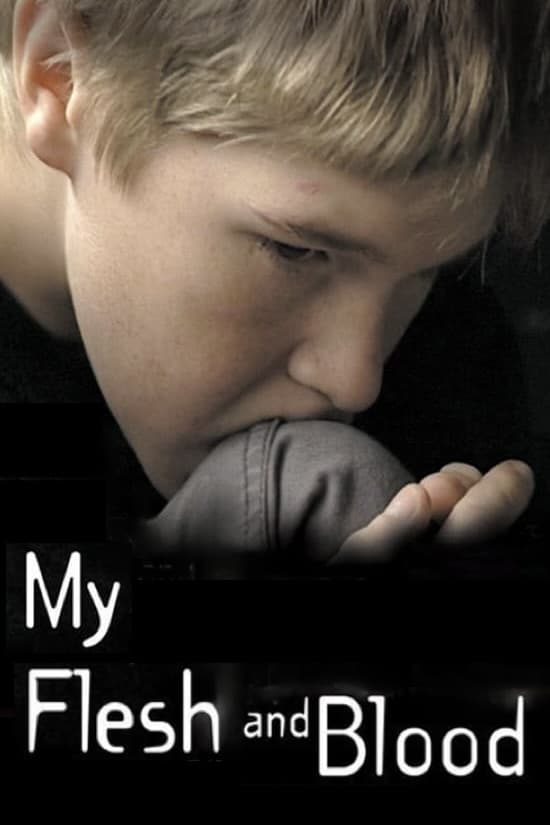
My Flesh and Blood is a 2003 documentary film by Jonathan Karsh chronicling a year in the life of the Tom family. The Tom family is notable as the mother, Susan, adopted eleven children, most of whom had serious disabilities or diseases. The film itself is notable for handling the sensitive subject matter in an unsentimental way that is more uplifting than one might expect.
An intimate portrait of a real Modern Family: Meet Erik and Sandro, a gay couple with daughters birthed by their friend Rachel who's married with three teenagers of her own.
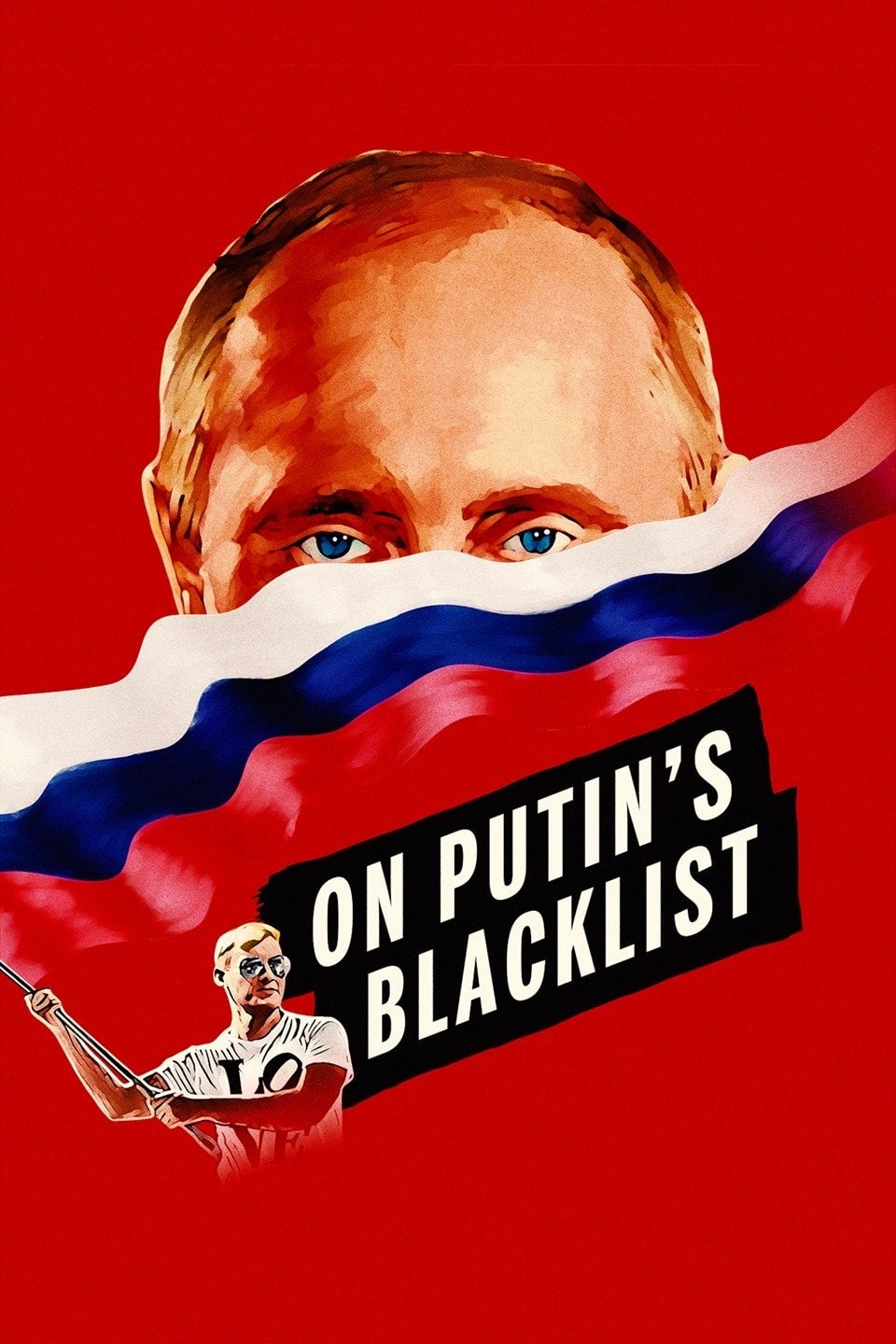
Traces the new Cold War between Russia and the West from the ban on American citizens adopting Russian children to the Kremlin’s anti-LGBTQ campaign, which positions the international marriage equality movement as a national threat.
During the pandemic, living under an extreme right-wing government, filmmakers Bel Bechara and Sandro Serpa receive the news that would change their lives: there was a baby to be adopted.
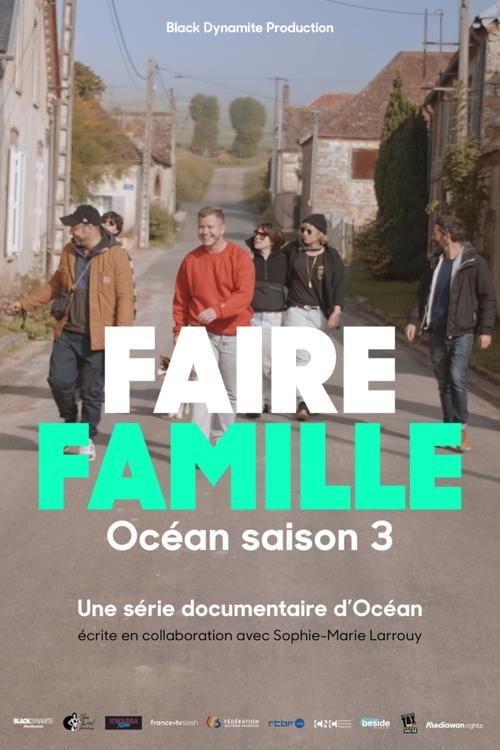
Through divorce, adoption and second marriages, none of the children in the Van Wijk family have the same biological parents.
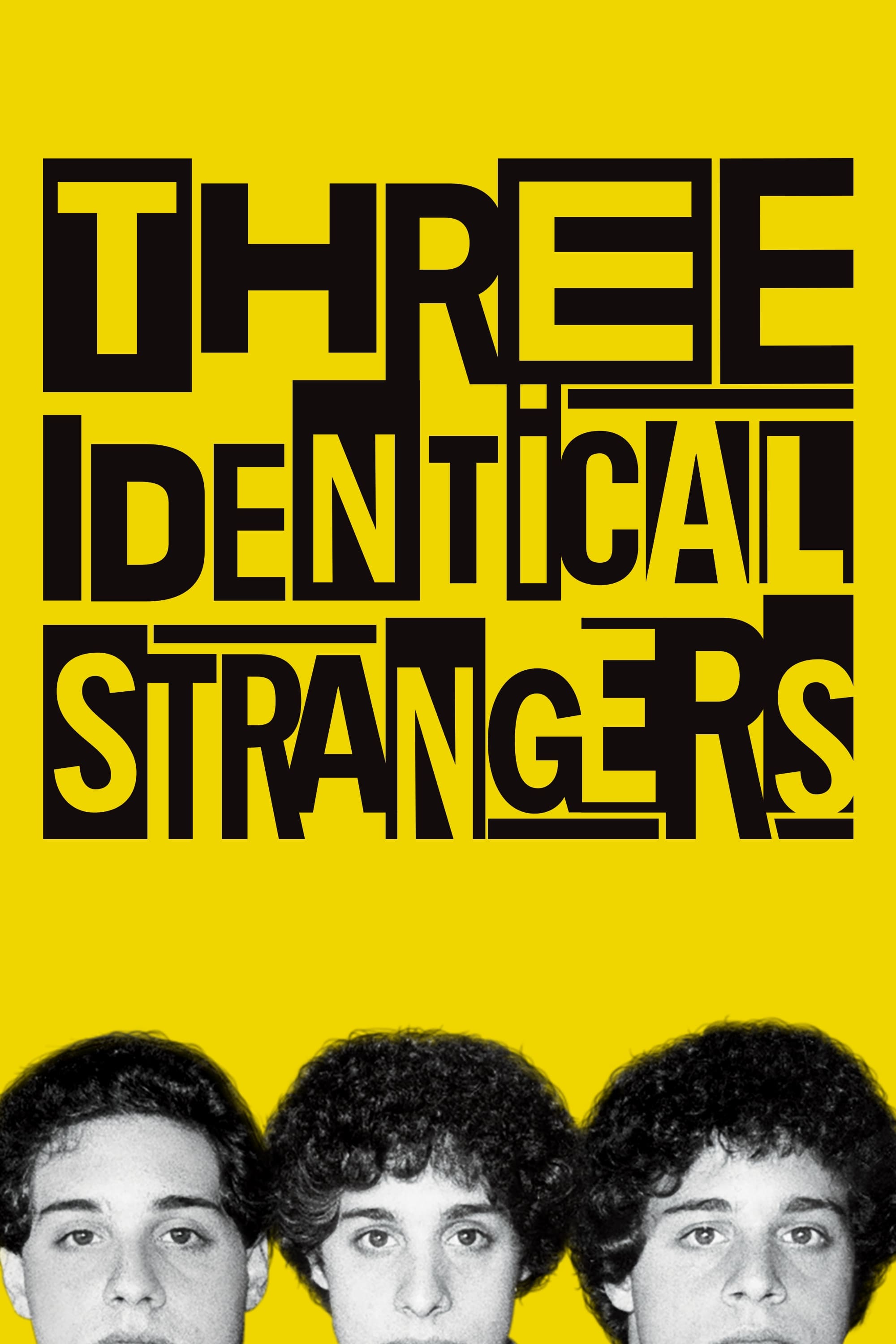
New York, 1980. Three complete strangers accidentally discover that they're identical triplets, separated at birth. The 19-year-olds' joyous reunion catapults them to international fame, but also unlocks an extraordinary and disturbing secret that goes beyond their own lives – and could transform our understanding of human nature forever.
Denese Joy Becker, a manicurist living in Iowa, discovers she is indeed Dominga Sic Ruiz, a survivor from a 1982 Guatemalan massacre, when more than 200 people were killed in the small village of Rio Negro, after opposing the construction of a dam, sponsored by World Bank. She then tries to unveil the truth.
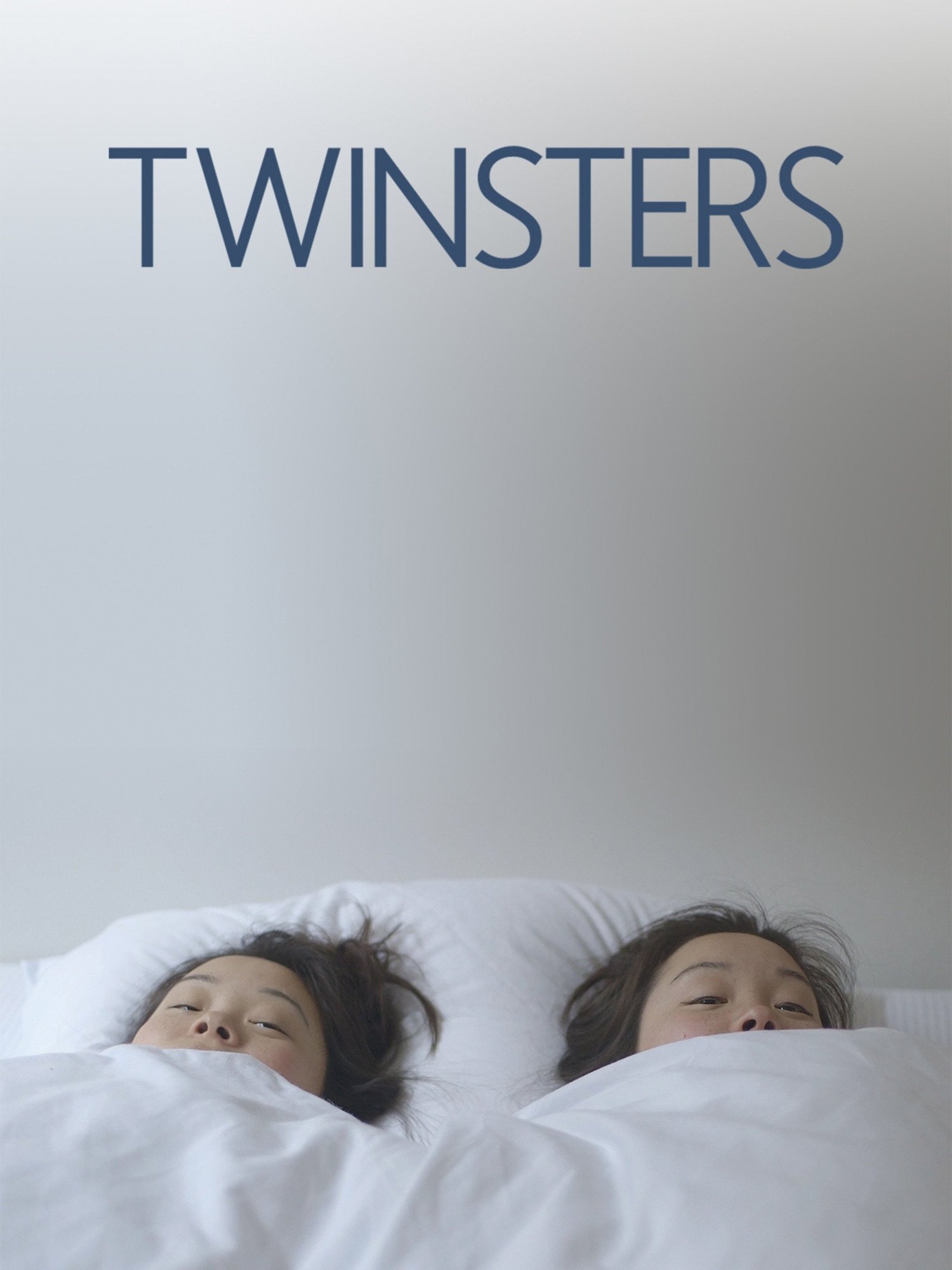
Adopted from South Korea, raised on different continents & connected through social media, Samantha & Anaïs believe that they are twin sisters separated at birth.
This feature documentary tells the complex and touching story of Winnipeg city councilor Glen Murray and his 17-year-old adopted son Mike, whose struggles with addiction and behavioural problems cyclically repeat. Glen, now an Ontario Member of Provincial Parliament, was one of the first openly gay elected politicians in Canada. He adopted Mike during an era when homophobic stereotypes often prevented gay men and women from adopting children. Glen and Mike's relationship is always tenuous and always turbulent as they struggle to define themselves together and alone.
Following in the footsteps of two women in search of their origins, this documentary lifts the veil on a little-known page of the post-war era: the adoption, as part of a cross-border program, of thousands of children born during the French occupation of Germany.
Through one woman's experience as an adopted person and also as a mother who relinquished her child in 1971, this documentary highlights the many complex issues associated with adoption.
Kati Pohler was abandoned in a market in China when she was three days old. Her parents left a note saying they would meet her on a famous bridge 10 or 20 years later. When the time arrived, it became a huge story in China, but Kati was living in America and had no idea. This is how she finally met her biological family.
An astounding exposé that gives voice to the unwitting subjects of an infamous American scientific experiment: the 1960s Neubauer-Bernard study of separated twins. Told from the perspective of the Jewish identical twins and triplets who were secretly split up in infancy and adopted through Louise Wise Services, a Jewish adoption agency, the documentary examines the traumatic, long-term effects of the separations — and continuing deception — on the children and their adoptive families.
In an effort to understand where she came from, Fabiola asked a question that became the central phrase of the film: what would my life have been like if I'd stayed in Haiti? Taking as her starting point her biological mother's precarious economic situation, she had no choice but to entrust her daughter to her care. Fabiola could have ended up restavek, or in a loving foster family, or on the streets abandoned to her fate, or adopted abroad.
When are you ready to find out who you really are? At the age of 10, adopted Russian children Grego and Alexa Ammon are rocked by the murder of their father Ted in the Hamptons by their stepfather Danny Pelosi. Soon afterwards, their mother Generosa died of cancer. Now twenty years old, they decide to unearth their roots in the Ukraine. Orphans made orphans again, seeking their identities because even reality doesn't seem real, 59 MIDDLE LANE is a deeply felt documentary that charts the human need to connect and the mysterious journey it takes to move from tragedy to joy.
At age 31, after experiencing her second miscarriage, Tahyna MacManus was devastated, lost, angry and, despite those around her, felt terribly alone. She picked up a camera and started to record her story and in doing so found her tribe. Resilient, courageous women speaking of their sadness, their shame and their guilt while still holding onto hope. Tahyna discovers that 1 in 4 Australian women experience miscarriage so why aren’t we talking about it? In this highly intimate journey, Tahyna is on a mission to lift the lid on all that shame, provide some answers and make sure that women no longer walk this path alone. But first, she has to face her own fears.
Despite the warm images in the family archive, photographer and filmmaker Jonnah misses an intimate bond with her (adoptive) parents. Over the years, a wall has been built between them that Jonnah is now trying to break down with her parents.