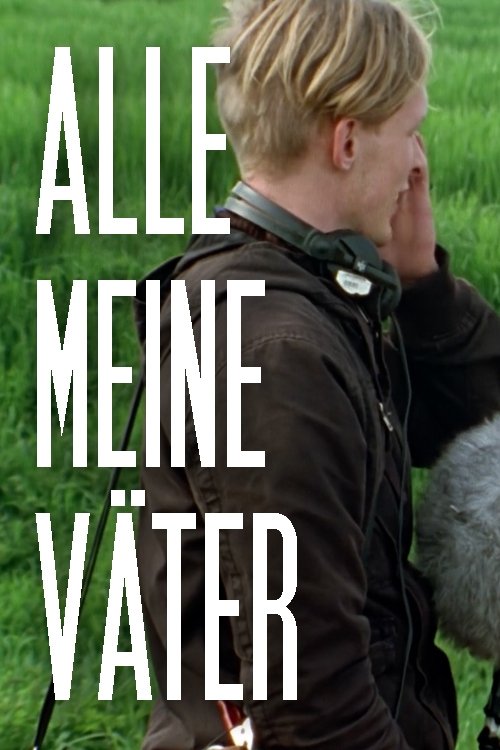
Jan's father is not his father at all. The directors knows this and takes this fact as the starting point for a very personal documentary film project about the search for his biological father(s).
Social & External
At the edge of the Yangtze River, not far from the Three Gorges Dam, young men and women take up employment on a cruise ship, where they confront rising waters and a radically changing China.
A woman returns to the site of her birth, which is now a funeral home. She drinks a white monster energy drink.
Frans Bromet goes in search of his family history and discovers that Hermanus Bromet was a well-known slave trader in Suriname. Should he feel guilty for what his ancestor did? How do you deal with a burdened family past?
Eliza Dushku takes on her homeland of Albania.
A Danish writer travels to Mexico with the purpose of locating a mysterious Apache tribe that fervently seeks to remain in obscurity.
Audrey, a woman in her mid-fifties, has never been able to make peace with her tumultuous family history. A clumsy mother, an emotionally distant father and sexual assaults that have gone unreported. She now decides to confront her demons. Supported by her son, the director of the documentary, she revisits a striking scene from her past: the moment when she told her parents that her grandfather had raped her. Together, through a year-long production process, they transform this awkward exchange into a moment of communion, thanks to actors, a set and Audrey's desire to do herself justice.
In an empty house, we see the memories of a home, from those who once lived and filled it with joy and love.
Memory prevents rest and a woman about to die takes advantage of cinema to tell her story (inseparable from that of Franco’s Spain) and to say goodbye. A terrace as a border and a song that crosses time. At home, nothing is always—and everything is still—in the present and defunct now. A home movie of ghosts, a generous gesture of intimacy and solidarity that not witnesses two people at the end of their long lives, but also reveals the weight of history and of the 20th century, which is always present today.
A captivating and personal detective story that uncovers the truth behind the childhood of Michaël Prazan's father, who escaped from Nazi-occupied France in 1942 thanks to the efforts of a female smuggler with mysterious motivations.
The director explores the birth origins of actress Merle Oberon, traveling to Tasmania and India in search of the truth, but her quest ultimately results in probably more questions than it answers.
Through divorce, adoption and second marriages, none of the children in the Van Wijk family have the same biological parents.
A cellar. A forgotten amphora. The ashes of a woman. Her granddaughter, daughter-in-law and son characterise her, entwining their memories and experiences. They reflect about filial love, gender and isolation through her overbearing nature.
Emma reviews old tapes on VHS, which show faded family memories of those distant 80s, when she was still a child. While recalling the trips to the coast and the children's laughter, she tries to recompose pieces of a story that he never fully understood, joining the pieces of a forgotten puzzle to discover that things were not what they seemed.
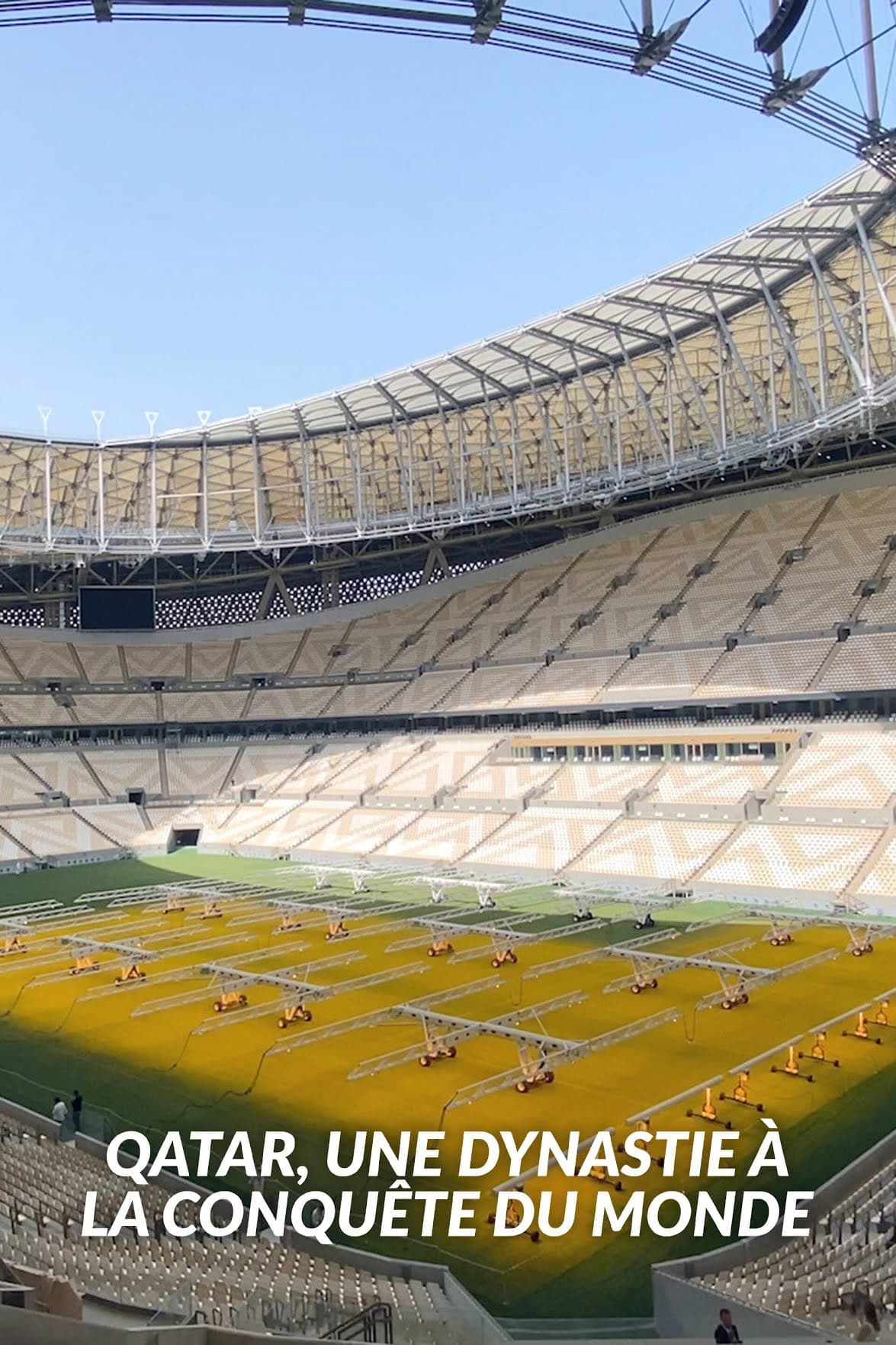
For three decades now, Qatar, this small desert kingdom, has not stopped being talked about; because of its financial power and the secrecy that surrounds it, the royal family that runs it fascinates as much as it frightens.
My grandfather Tuiu decides for the second time to leave his house and start a life elsewhere, he lives with the street hardships, and the fact of leaving is linked to the depredation of that place.
After 48 years of emotional longing, a mother meets her son who she relinquished at birth. In the months after the reunion, Dorothy and Joe must overcome nearly five decades of separation in order to reconnect.
To discover the truth behind the mysterious objects her uncle brought back from the Far East during her childhood, filmmaker Francesca Lixi embarks on a journey to those places through archival footage.
My Flesh and Blood is a 2003 documentary film by Jonathan Karsh chronicling a year in the life of the Tom family. The Tom family is notable as the mother, Susan, adopted eleven children, most of whom had serious disabilities or diseases. The film itself is notable for handling the sensitive subject matter in an unsentimental way that is more uplifting than one might expect.
Traces the new Cold War between Russia and the West from the ban on American citizens adopting Russian children to the Kremlin’s anti-LGBTQ campaign, which positions the international marriage equality movement as a national threat.