Early rave documentary, filmed during rave's burgeoning mainstream appearance in the USA.
Social & External
The people behind it
When Jacques d'Amboise took a group of dancers and members of his teaching staff to China, they worked with acclaimed dancer Dou Dou Huang and more than a hundred Chinese children. Their goal: to create a special performance using a variety of dance styles - including hip-hop, freestyle jazz and traditional Chinese folk dance - that would premiere at the Shanghai Grand Theatre in honor of the 2007 Shanghai Special Olympics World Games. Part of a month-long cultural exchange between d'Amboise's National Dance Institute and several Chinese troupes, featuring some of that country's most talented young dancers, the collaboration underscored the power of dance to transcend obstacles of culture and language.
Documentary short from the NFB Canada Carries On series on dancing from the different cultures in Canada.
BYE (AJÖ), a new dance film, is choreographed and directed by acclaimed Swedish choreographer Mats Ek. " About a woman (Sylvie Guillem) who takes leave of a certain stage in her life. It is a conversation that she has with herself that leads to new experiences.
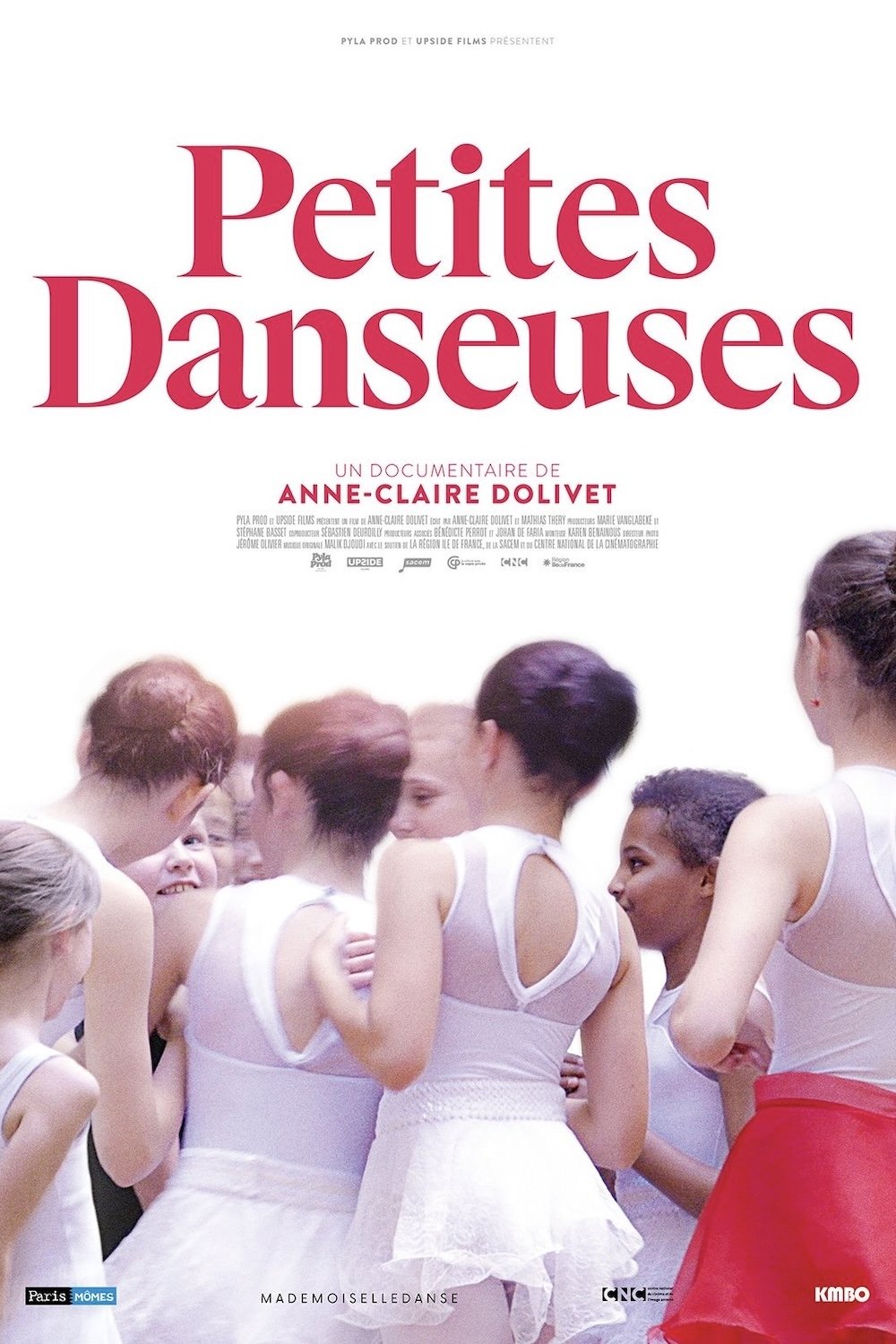
Ida, Olympe, Jeanne and Marie dance to the music of pianos, symphonies, contemporary pieces… in ballet school studios, in the streets, even in their bedrooms. They are between 6 and 11 years old. Very fond of each other, they film themselves, comparing and giving one another support. They also tend to annoy one another, are at times envious, even rejecting each other. What is it like for a little girl to grow up in a world of intense professional and competitive dancing? Closely following the emotions and dilemmas experienced by our young characters, this film explores and probes into a territory that we’ve all navigated, though many of us have forgotten: childhood.
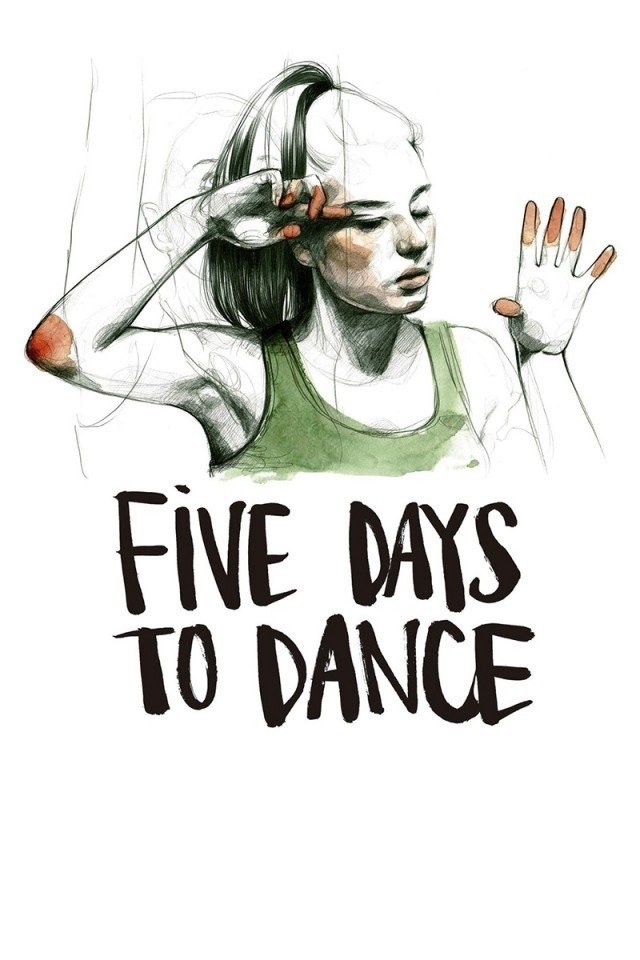
A couple of dancers appear one morning in a High School. It's Monday and they announce to a group of youngsters that they have five days to get up on stage and dance. A short time but a big challenge. The dance compels these youngsters to break through their roles exactly at the time of their lives when the social roles are being forged. The handsome boy is no longer the most admired, the timid one takes a step forward. Wilfried van Popple and Amaya Lubeigt are the choreographers. Professional dancers who have decided now to work with people who have never danced before. This is the challenge: five days, a class of teenagers, a microcosm in which occurs a little big bang.
This sizzling video is guaranteed to add spice to your love life. In the privacy of your boudoir do something delightfully naughty but nice for yourself and your man by following the easy step-by-step moves of GiO. According to the San Diego Times Union "We learned to walk like sex goddesses, pose like sex goddesses, dress like sex goddesses…(and) how to take off (our) clothes with panache…" GiO will put it all together for you and teach you everything you always wanted to know about striptease.
About the sensuality in Swedish folk dance and folk music. A film that blends dance, fiction and documentary material into a heated, rough and skin-like expression.
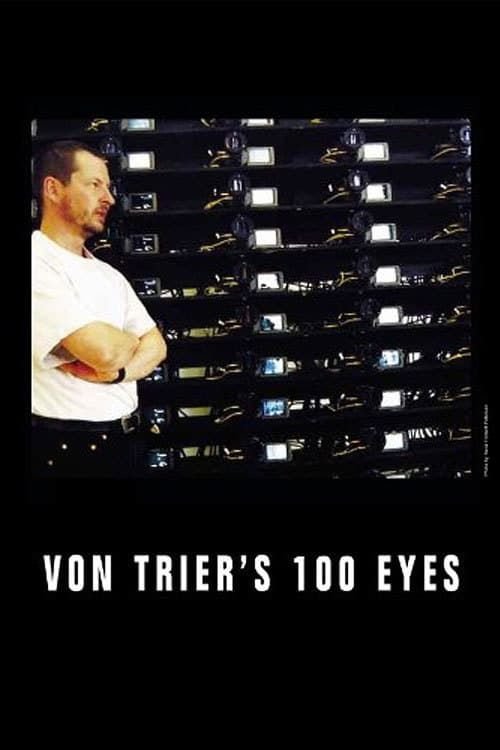
Although at first sight this might look like a simple ‘making of DANCER IN THE DARK’, the later developments in the film reveal the whole drama of Lars von Trier’s inner life during the shooting process. All his doubts and insecurities in collaborating with the crew and actors - especially actresses - are exposed. The biggest drama started when Björk walked off the set. Nobody knew whether she would be back or not. Admitting that he feels threatened by women, who can ‘make him feel embarrassed’, the director gives this documentary the nature of a personal diary. When he discusses the importance, purpose and beauty of the use of a hundred cameras in a certain sequence or the meaning of the Dogma 95 rules, the audience is witnessing the process of the artist’s search. Is the pain that the director went through during the shooting really visible in the final result, as Lars von Trier claims in this film? (from: http://www.idfa.nl/)
After seeking transcendence through shamanic rituals, Ana’s life is transformed overnight by an unexpected turn toward faith.
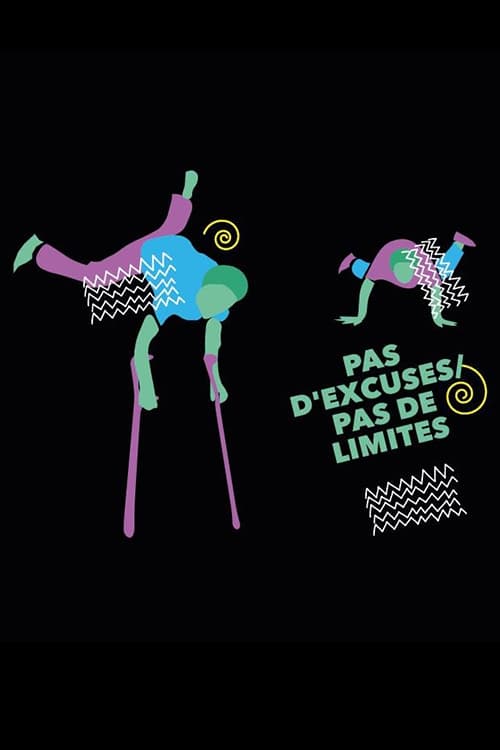
Luca Patuelli is an internationally renown Bboy dancer known as LazyLegz. He born with Arthrogryposis, a disorder that makes the use of his legs almost impossible. For the past few years, he has been the head of a Hip Hop dance program: Projet RAD, an urban dance program in which he gives people with disabilities a chance to follow inclusive classes in a safe environment adapted to their needs.
A short dance film in Pathécolor, also know as stencil colouring. The editing cuts correspond with the dancers' costume changes. More about stencil colouring at http://zauberklang.ch/filmcolors/timeline-entry/1218/.
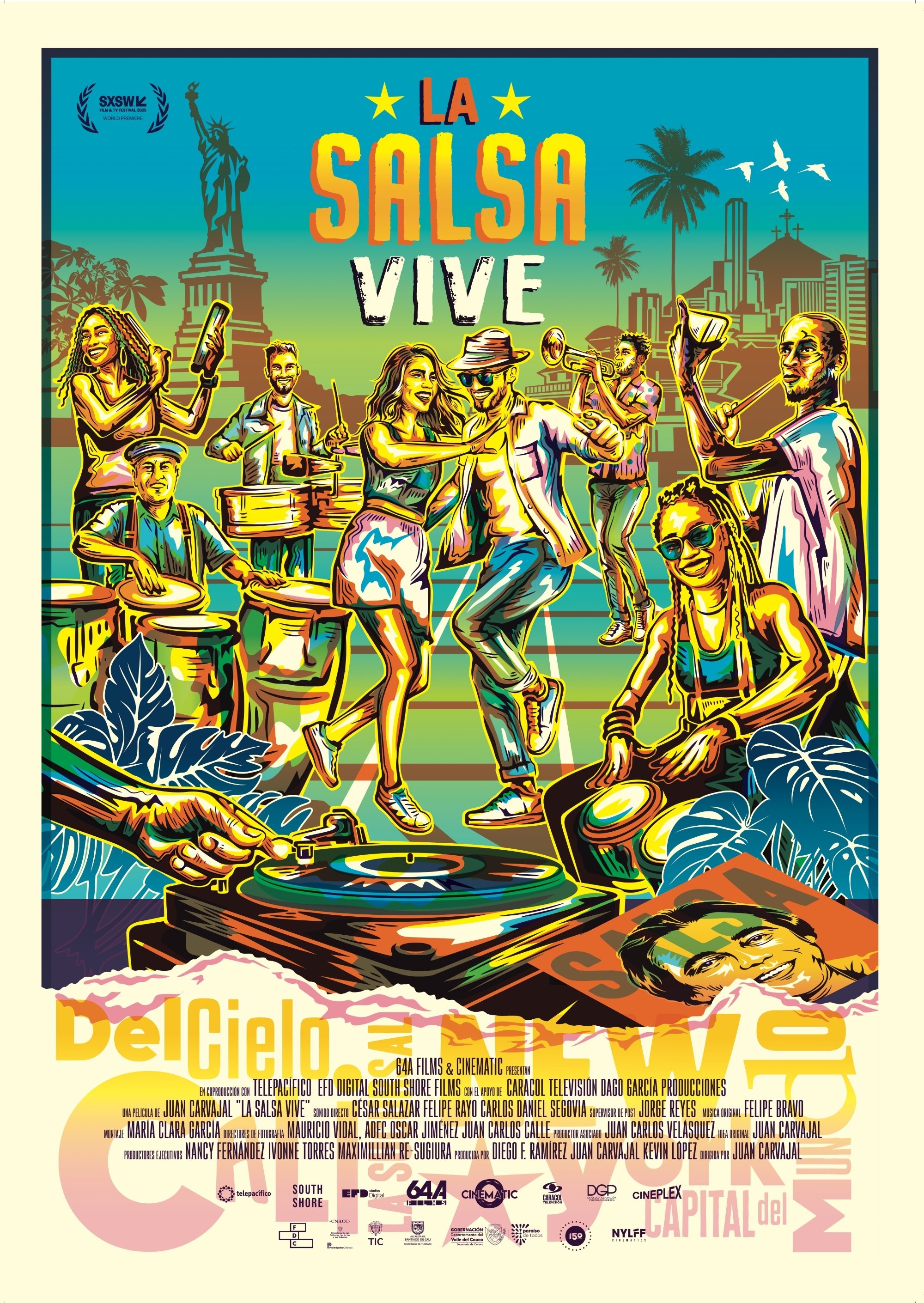
La Salsa Vive is a vibrant cinematic exploration of Afro-Cuban music's history, tracing its roots from New York's lively streets to Cali, Colombia, now the global salsa capital.
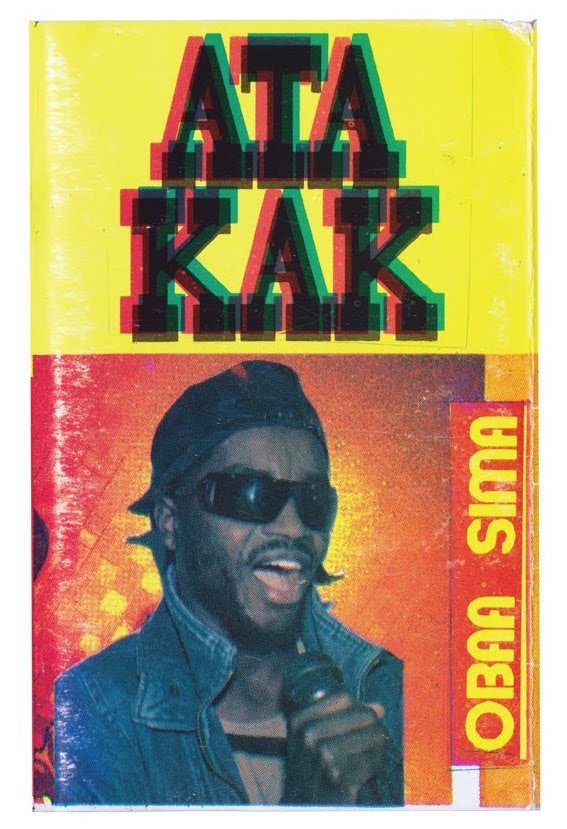
After Awesome Tapes From Africa's Brian Shimkovitz found the energetic, ecstatic music of Ghanaian musician Ata Kak, the tunes became beloved around the world. It was all unbeknownst to the artist himself -- his music was even unknown to those living in his hometown in Ghana. Years of tireless searching ensued, and eventually the Los Angeles-based label owner found a lead. Ata Kak - Time Bomb follows the search that Shimkovitz undertook as well as the visit to Ghana that took place once he found him. It is a celebration of great tunes and how, when it hits the right audience at the right time, music can touch people in a way that you never imagined.
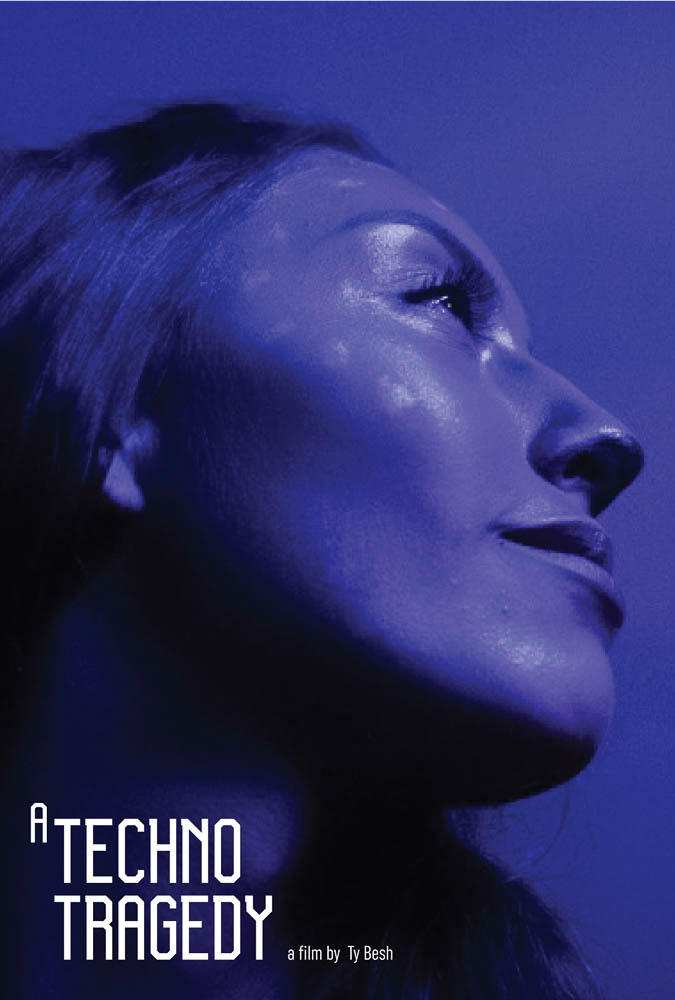
An explosion in the underground music scene is met by massive investment into Tucson, Arizona. Documentarian, Ty Besh, followed the scene from 2016 to 2018 showing the vast changes that happened to the people, venues, and scene in just 2 years. This Documentary serves as an archive and also a reminder to everyone in the DIY scenes across the world that moments come and go.
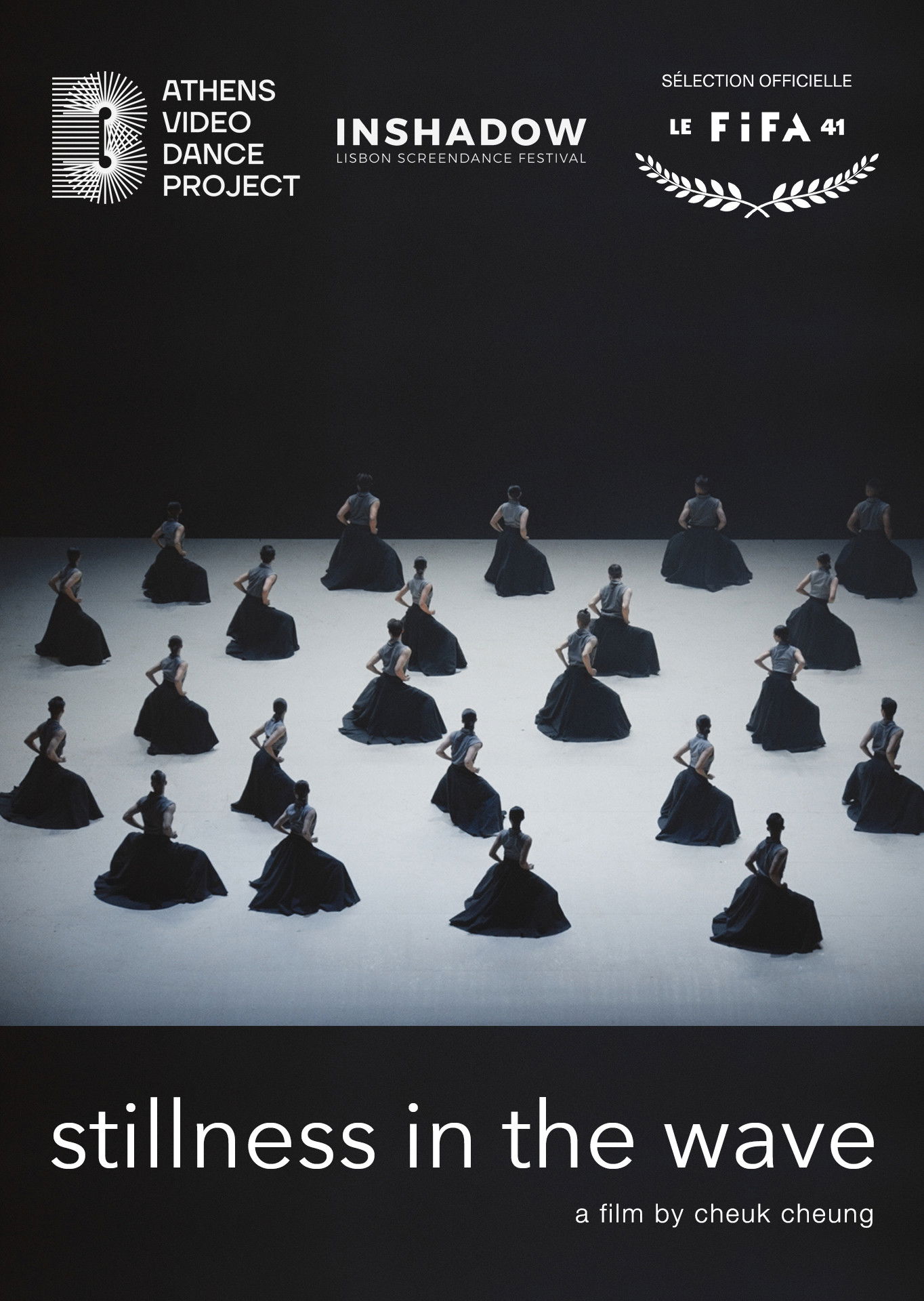
The documentary portrayed one of the most established dance companies in Hong Kong which has a history of over four decades. With a tradition of blending Chinese dance and ballet together in the training, the dance company has set sail to re-evaluate its artistic essence by adapting new physical disciplines and philosophy, picking up different cultural traces, meditation and Chinese martial arts. Through monologues of the company members, the film unveiled their fears, self-doubts, and findings in their quest to refine their dance forms and express their cultural roots. It's an uncertain journey towards the cultivation of inner peace and the essence of movement and stillness.
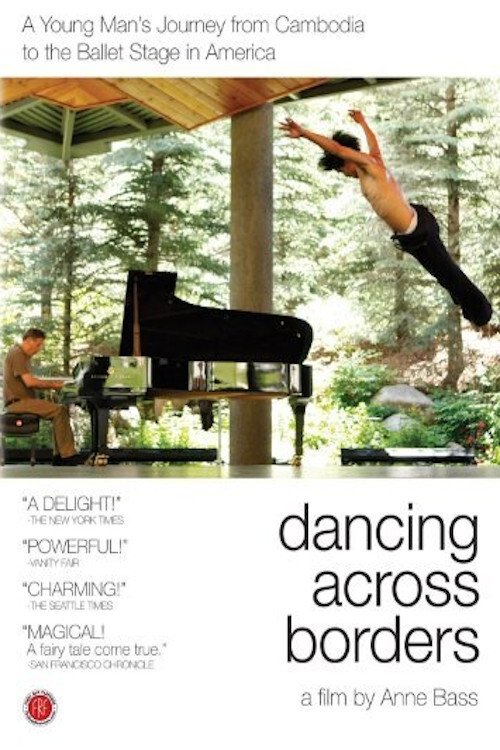
On a trip to Angkor Wat in Siem Reap, Cambodia in January 2000, filmmaker Anne Bass came across a sixteen-year-old boy who moved her immensely with his amazing natural charm and grace as a dancer. A longtime devotee of the world of dance, Bass felt compelled to give this young boy the opportunity to leave his home and follow a dream that he could not yet have fully imagined. From the serene countryside of Southeast Asia to the halls of New York’s School of American Ballet to the stage of the Pacific Northwest Ballet in Seattle, DANCING ACROSS BORDERS peeks behind the scenes into the world of dance and chronicles the intimate and triumphant story of a boy who was discovered, and who only much later discovered all that he had in himself.
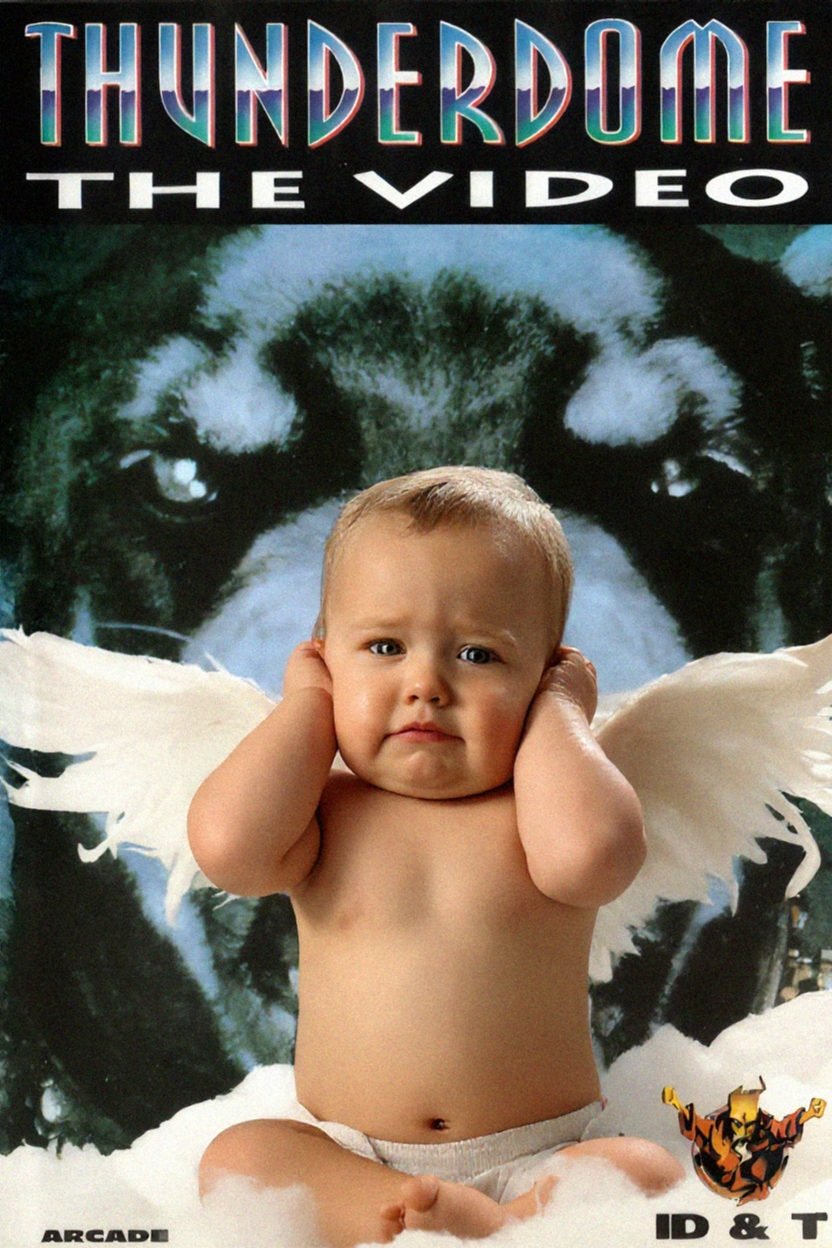
As noted on back-cover: "The 27th of November 1993 the Jaarbeurs Utrecht was the location of the biggest and most spectacular house event in European history. 20.000 Ravers, 160 K Sound, 500.000 Watts of Lights, 12 DJ's, 5 Live Acts and the famous Thunderdome Octopus. Witness the unbelievable "Wall Of Sound", hypnotizing lights, lasers, video effects and of course the Thundertruck."
At the crossroads of arts, bodies and images merge to create a world of poetry and dreams.
Out of State is the unlikely story of native Hawaiians men discovering their native culture as prisoners in the desert of Arizona, 3,000 miles, and across the ocean, from their island home.
A profile on Moses Pendleton, the founder of the Pilobolus Dance Theater and MOMIX.
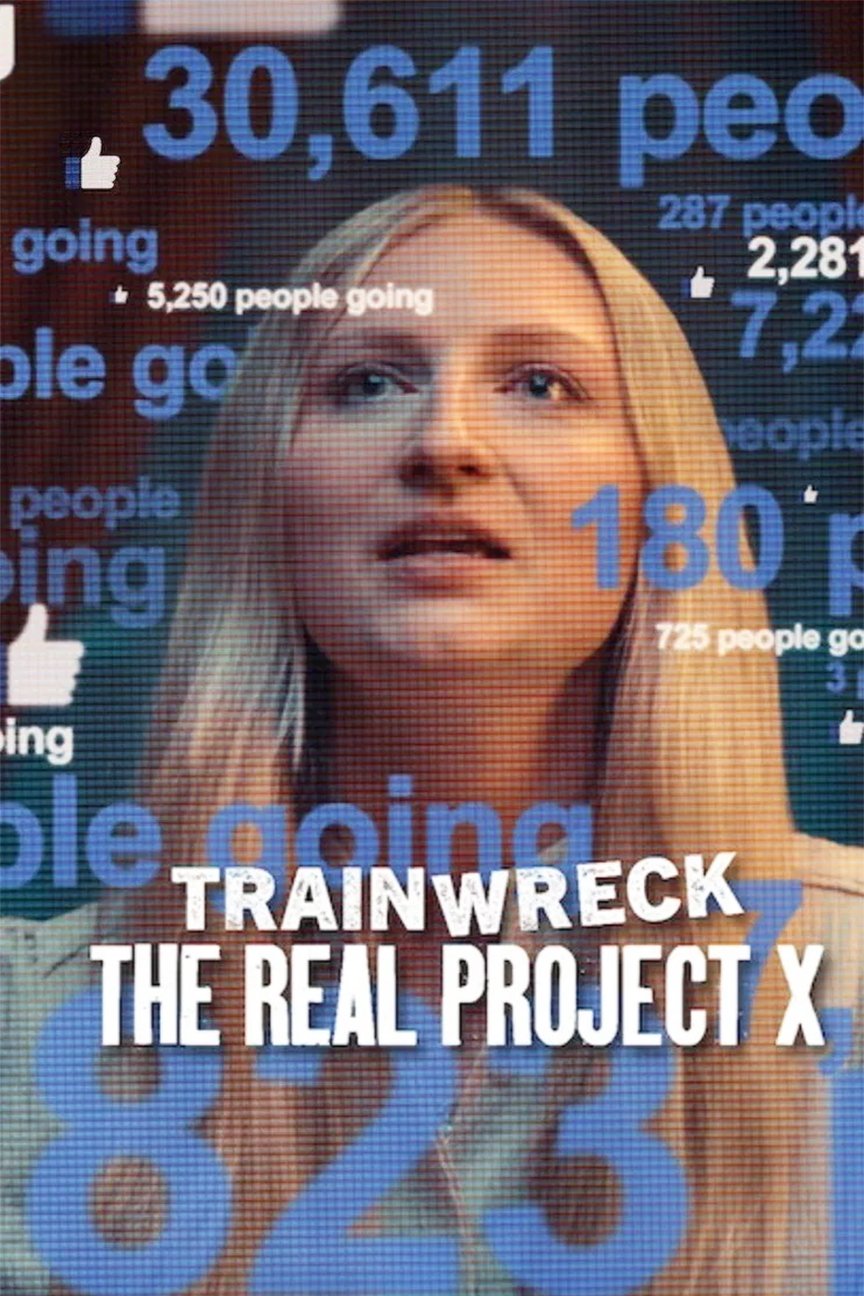
A night of drunken chaos rocks a quiet Dutch town in this shocking documentary about a teen's birthday invite that accidentally went viral on Facebook.
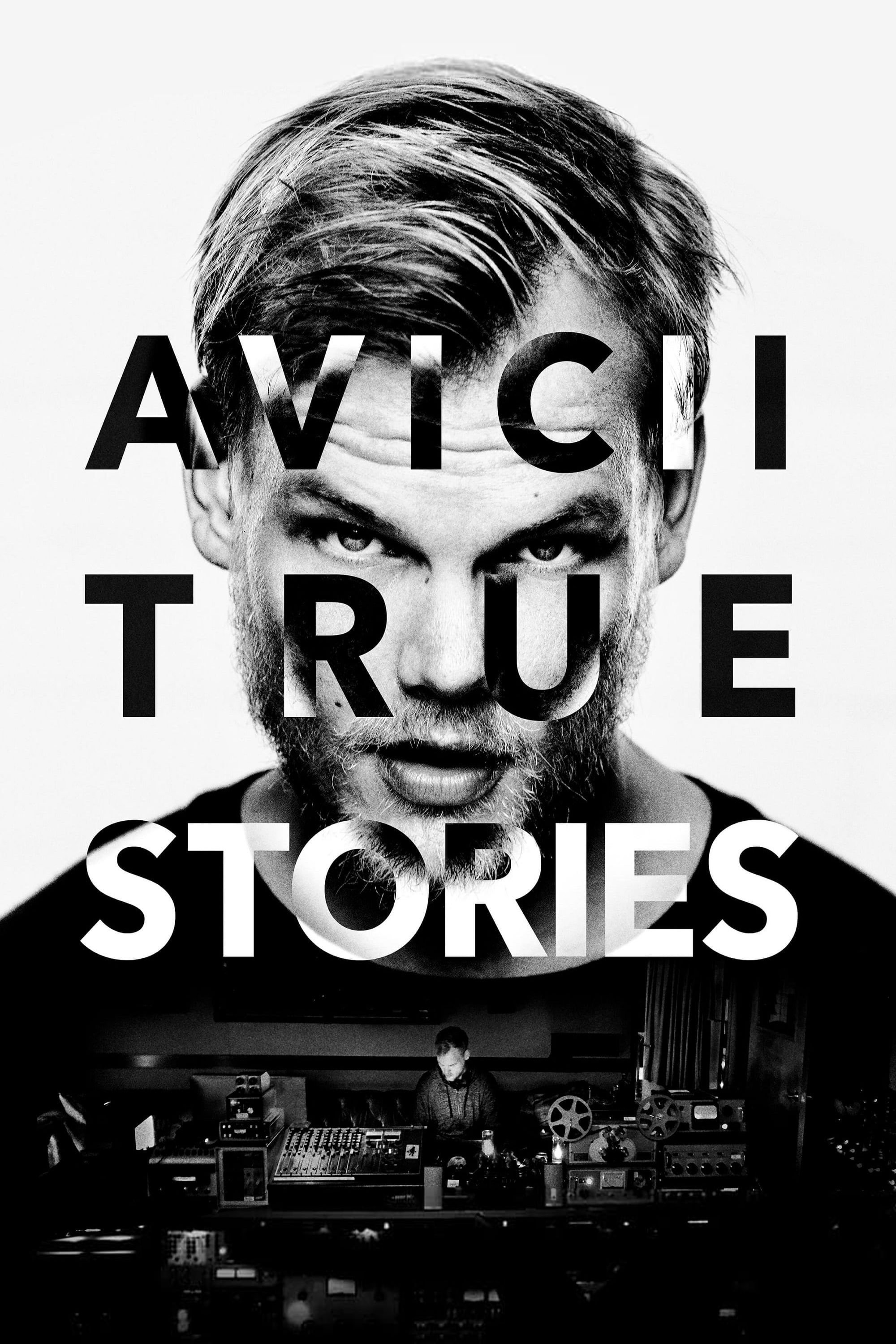
Documentary about the arena-packing Swedish DJ, chronicling his explosive rise to fame and surprising decision to retire from live performances in 2016.
A string of threatening emails escalates into a revenge plot involving a newly married US marshal and his ex-girlfriend.
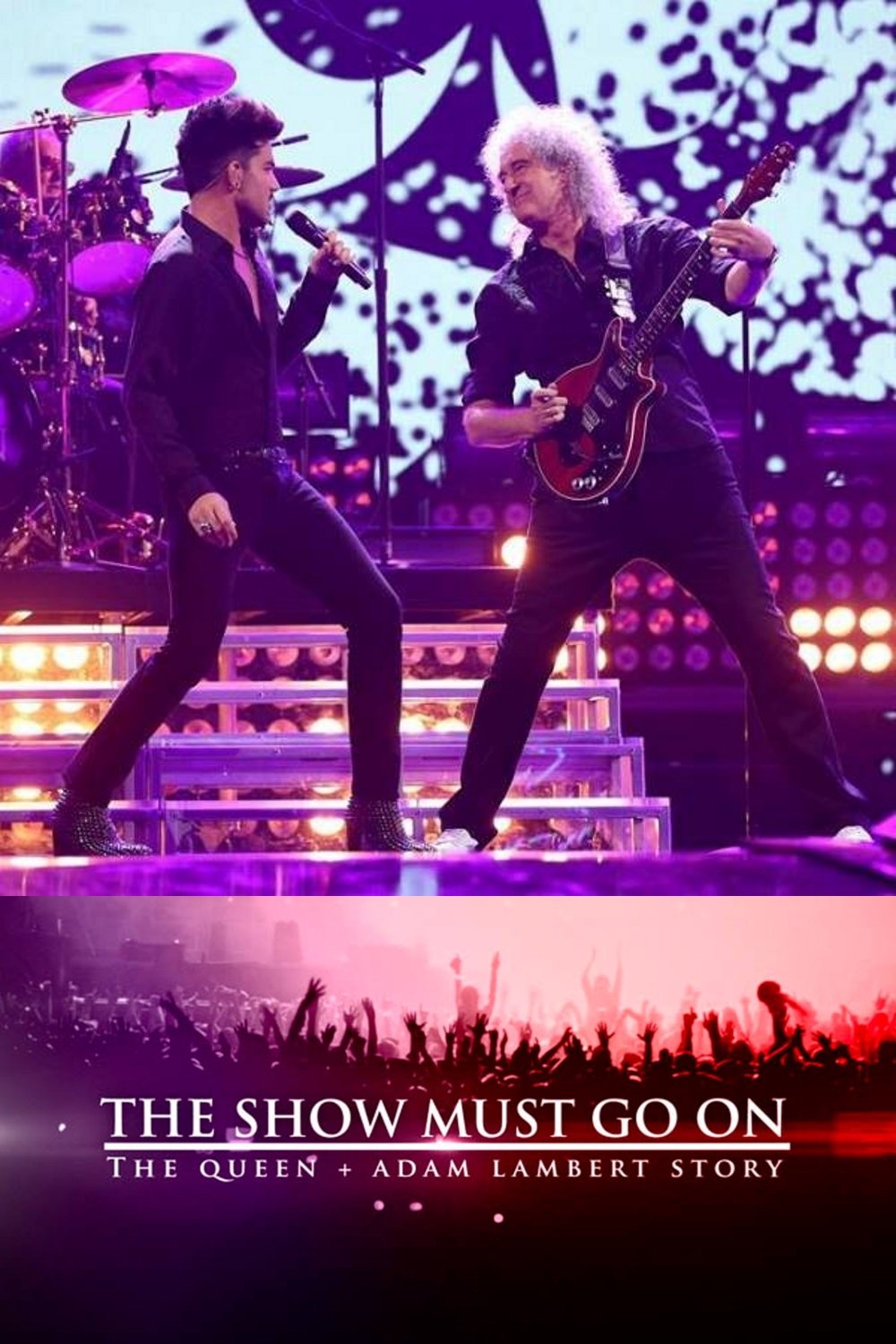
A documentary chronicling Queen and Lambert's incredible journey since they first shared the stage together on "American Idol" in 2009.
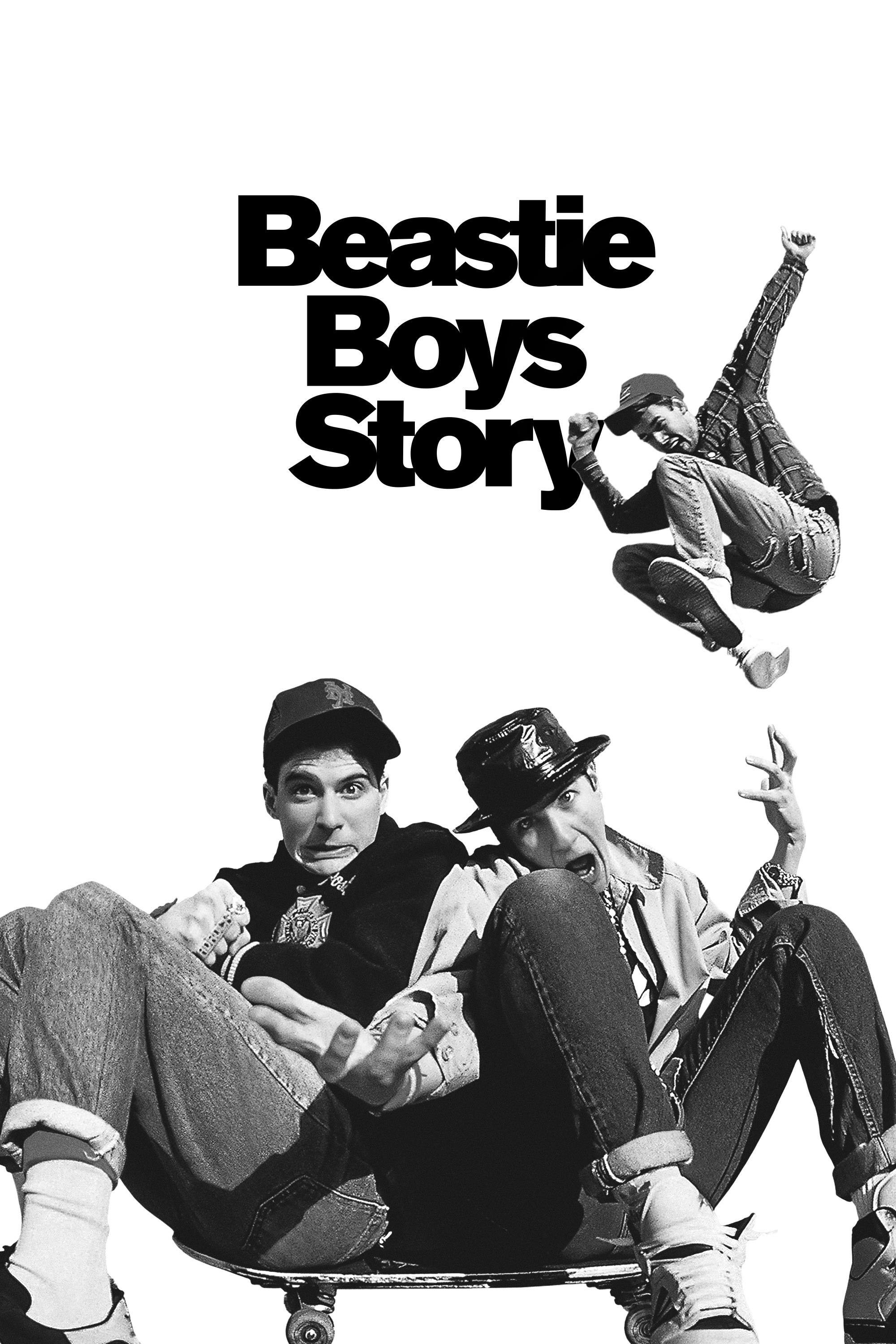
Here's a little story they're about to tell... Mike Diamond and Adam Horovitz share the story of their band and 40 years of friendship in a live documentary experience directed by friend, collaborator, and their former grandfather, Spike Jonze.
The Making-of James Cameron's Avatar. It shows interesting parts of the work on the set.
An inside look at one of the most anticipated movie sequels ever with James Cameron and cast.
Al Pacino's deeply-felt rumination on Shakespeare's significance and relevance to the modern world through interviews and an in-depth analysis of "Richard III."
Live Aid was held on 13 July 1985, simultaneously in Wembley Stadium in London, England, and the John F. Kennedy Stadium in Philadelphia, United States. It was one of the largest scale satellite link-ups and television broadcasts of all time: watched live by an estimated global audience of 1.9 billion, across 150 nations. "It's twelve noon in London, seven AM in Philadelphia, and around the world it's time for Live Aid...!"
SEDUCED AND ABANDONED combines acting legend Alec Baldwin with director James Toback as they lead us on a troublesome and often hilarious journey of raising financing for their next feature film. Moving from director to financier to star actor, the two players provide us with a unique look behind the curtain at the world's biggest and most glamourous film festival, shining a light on the bitter-sweet relationship filmmakers have with Cannes and the film business. Featuring insights from directors Martin Scorsese, 'Bernando Bertolucci' and Roman Polanski; actors Ryan Gosling and Jessica Chastain and a host of film distribution luminaries.
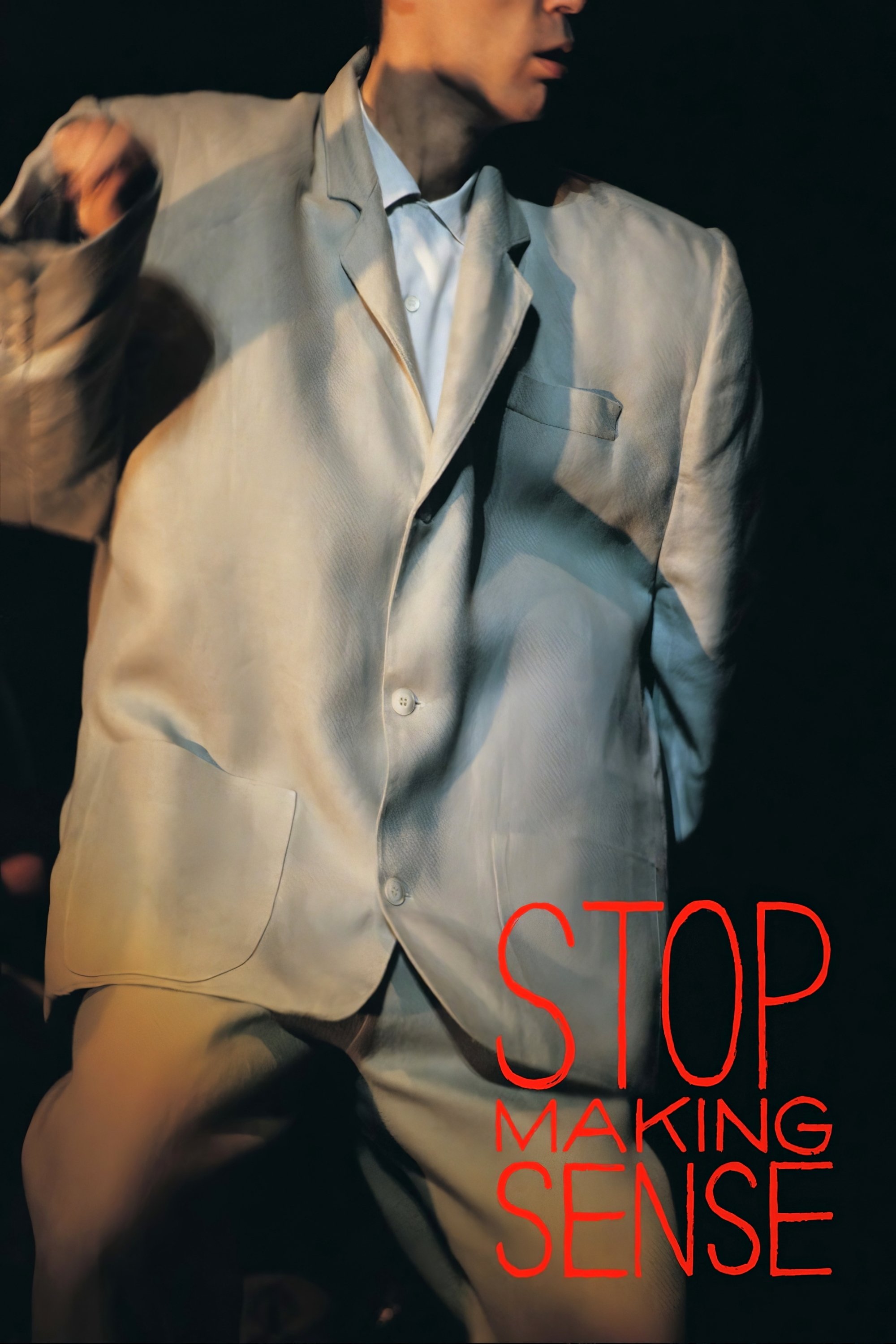
A concert film documenting Talking Heads at the height of their popularity, on tour for their 1983 album "Speaking in Tongues." The band takes the stage one by one and is joined by a cadre of guest musicians for a career-spanning and cinematic performance that features creative choreography and visuals.
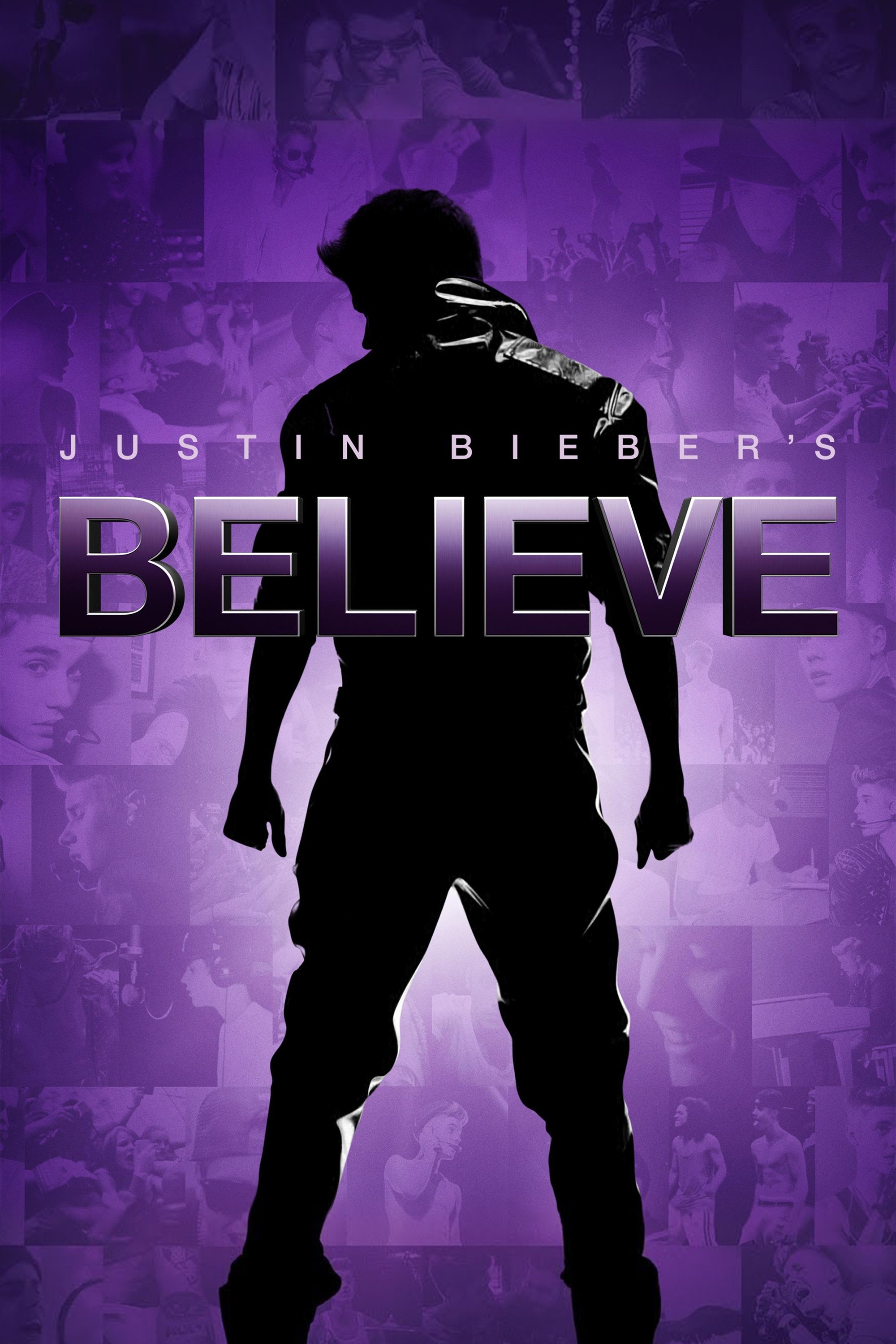
A backstage and on-stage look at Justin Bieber during his rise to super stardom.
The Up in Smoke Tour is a West Coast hip hop tour in 2000 featuring artists Ice Cube, Eminem, Proof, Snoop Dogg, Dr. Dre, Nate Dogg, Kurupt, D12, MC Ren, Westside Connection, Mel-Man, Tha Eastsidaz, Doggy's Angels, Devin The Dude, Warren G, TQ, Truth Hurts and Xzibit.
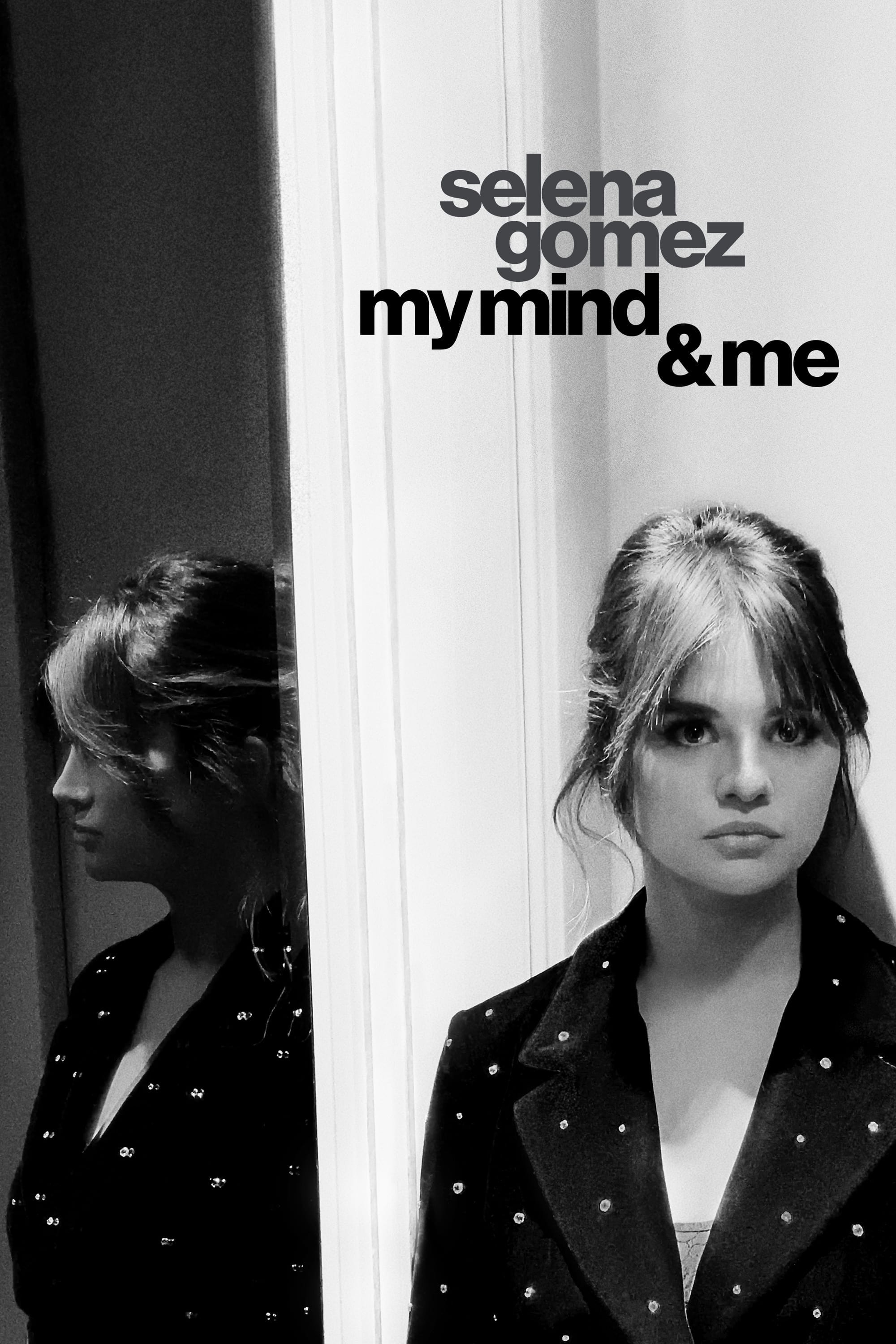
After years in the limelight, Selena Gomez achieves unimaginable stardom. But just as she reaches a new peak, an unexpected turn pulls her into darkness. This uniquely raw and intimate documentary spans her six-year journey into a new light.
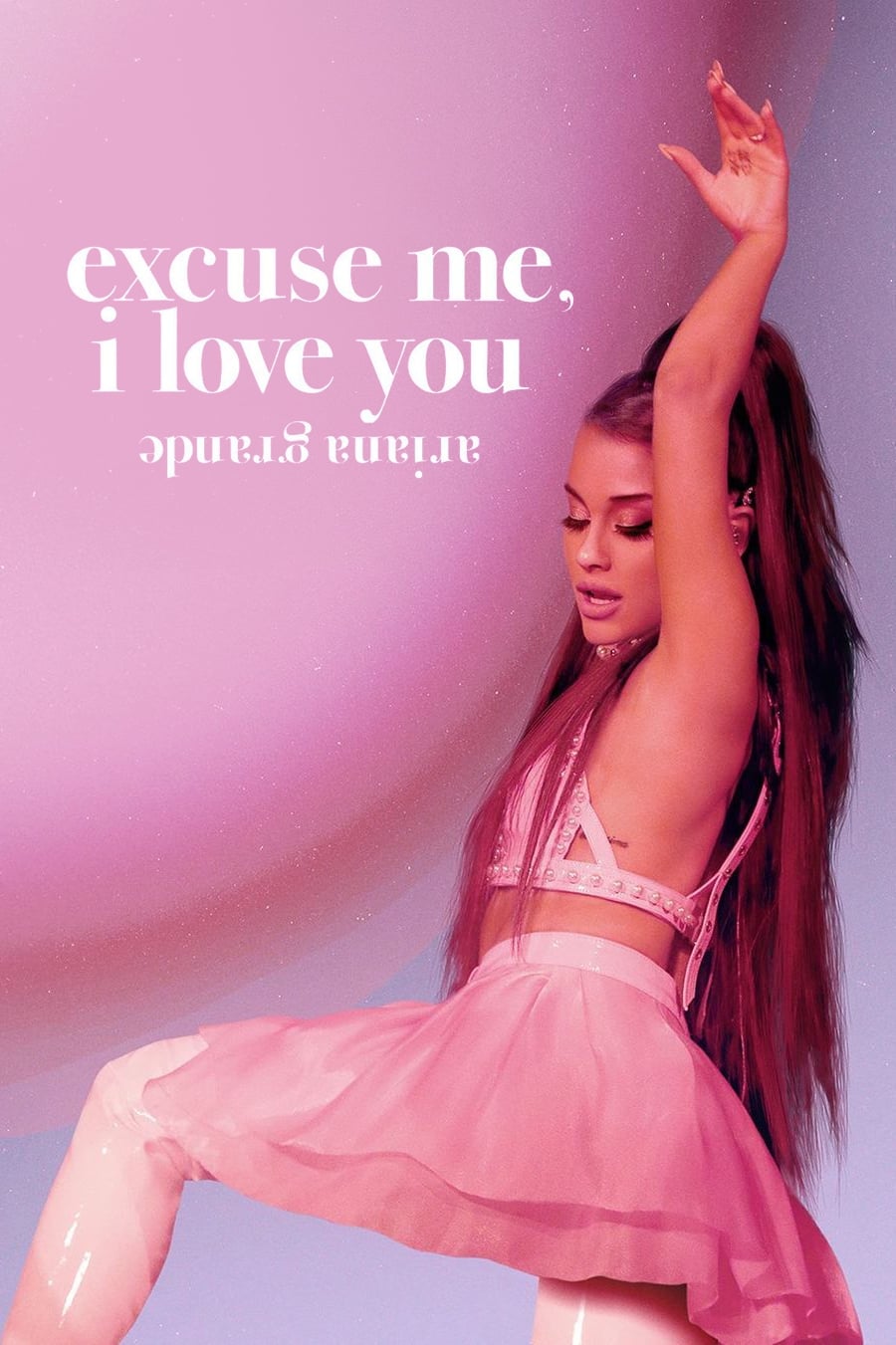
Ariana Grande takes the stage in London for her Sweetener World Tour and shares a behind-the-scenes look at her life in rehearsal and on the road.
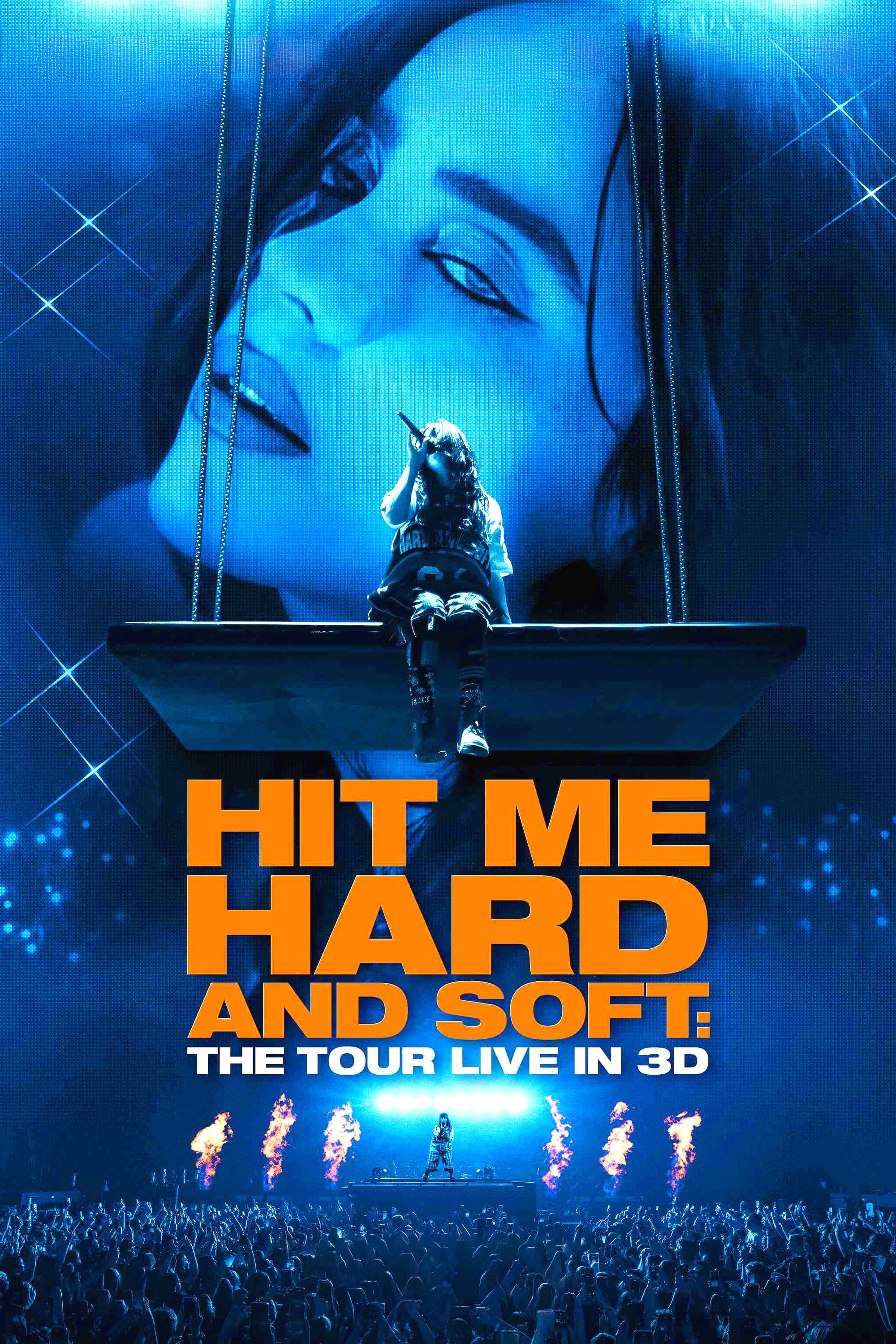
Captured during Billie Eilish's sold-out world tour, a concert experience from one of the most celebrated and successful artists of her generation, presented in immersive 3D.
A primetime special with performances from the superstar including Adele’s first new material in six years plus her chart-topping hits. The special will also feature an exclusive interview with Adele by Oprah Winfrey from her rose garden, in Adele’s first televised wide-ranging conversation.
The Savage X Fenty Show gives a look into Rihanna's creative process for her latest lingerie collection. Modeled by incredible, diverse talent, celebrating all genders and sizes, and featuring performances by the hottest music artists.
Rihanna invites you to a high energy and visually stunning experience where you can watch and shop her latest lingerie line. Hear from Rihanna, those closest to her, and go behind-the-scenes of the Savage X Fenty brand as you sit front row to see top artists and models featuring Travis Scott, Rosalia, Bad Bunny, Lizzo, Cara Delevingne, Miguel, Bella Hadid, Normani, Willow Smith and many more.
The story of Robert Pilatus and Fabrice Morvan, who became fast friends during their youth in Germany. With Rob coming from a broken home and Fabrice having left an abusive household, they shared a similar upbringing, as well as a future goal: to become famous superstars. In a few short years, their dreams came true. Rob and Fab, better known as Milli Vanilli, became the world's most popular pop duo in 1990 and won the GRAMMY for Best New Artist. However, their ascension to success came with a devastating price that ultimately led to their infamous undoing.