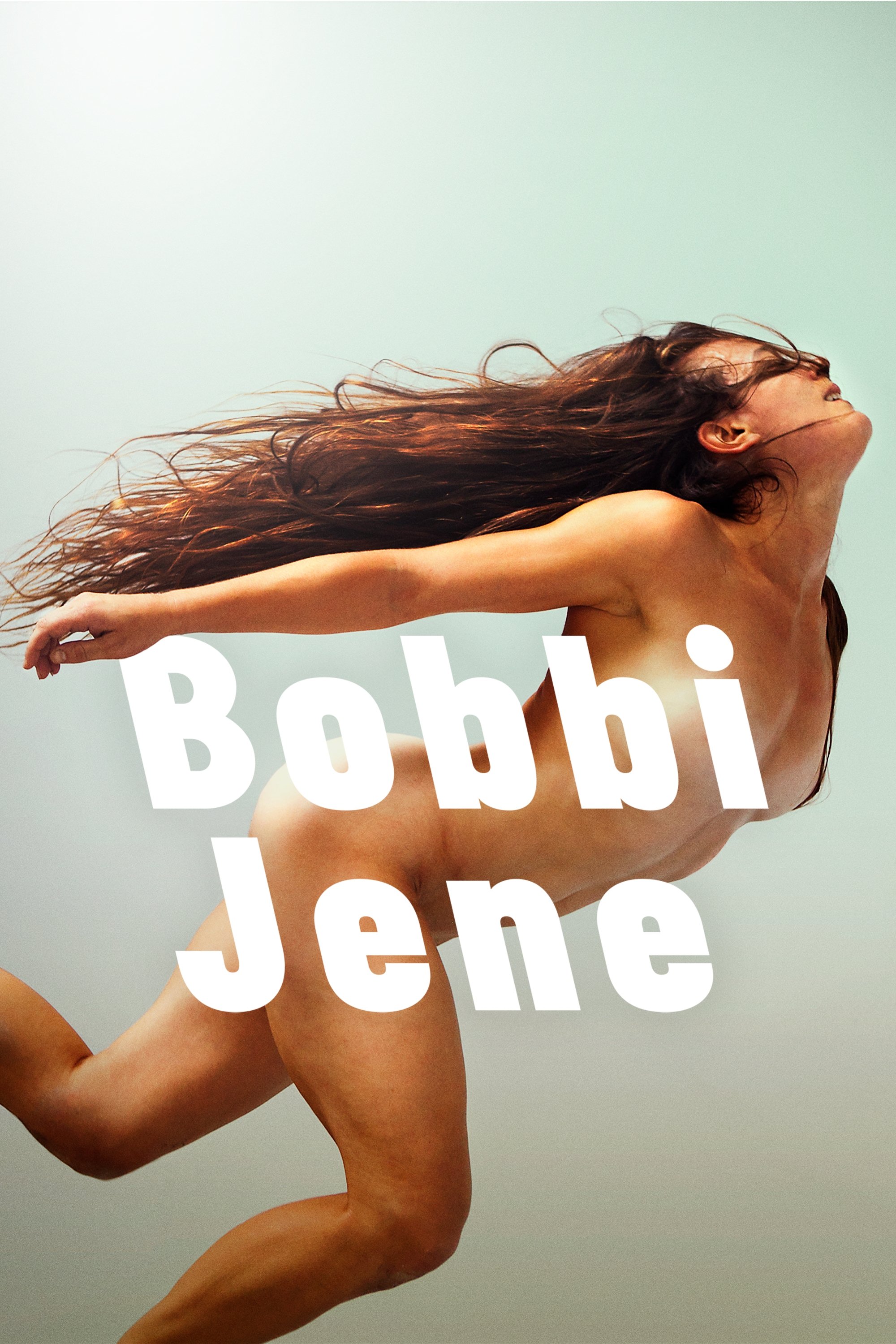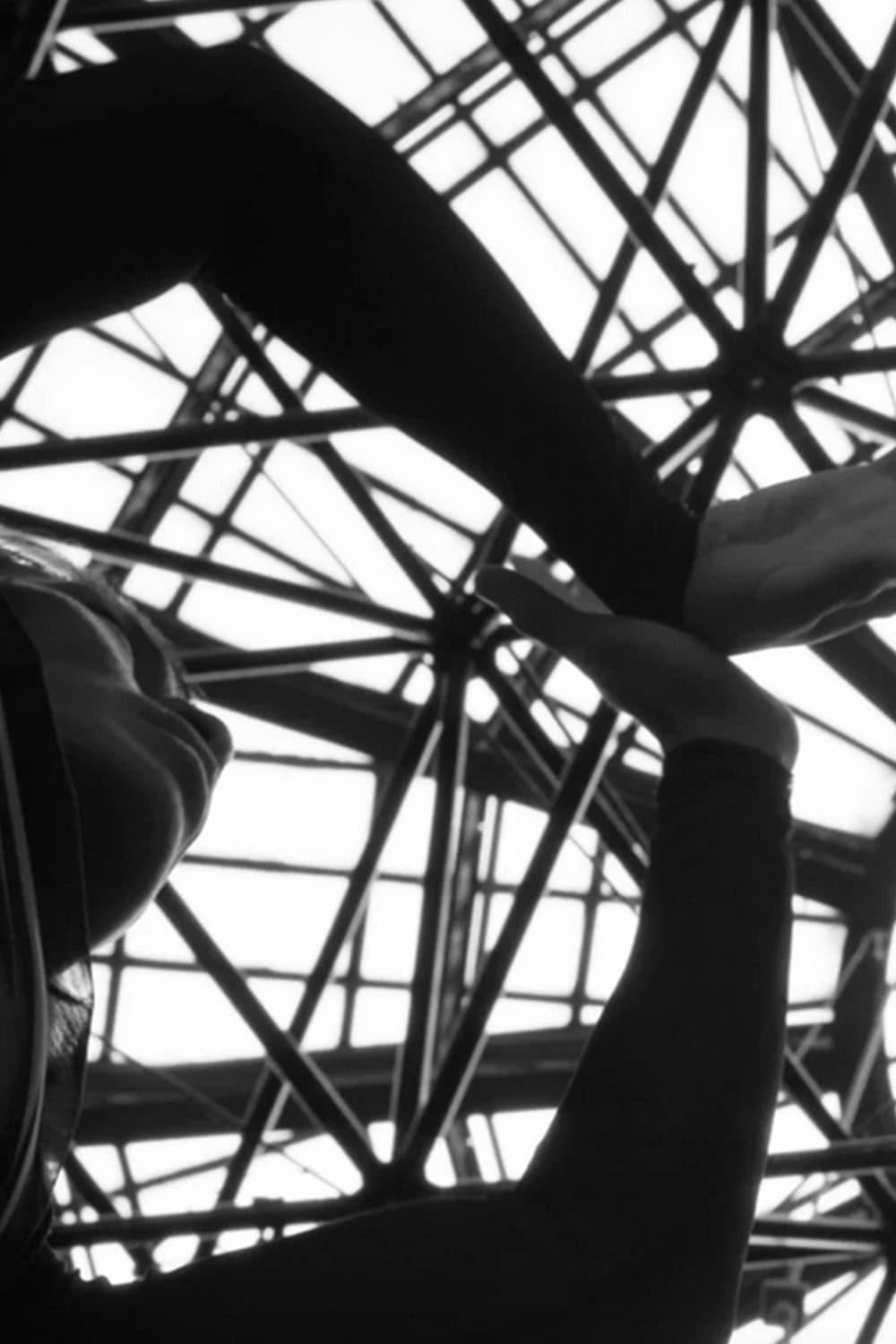
A dynamic and lyric routine explores the relationship between the dancer and the performance space. Choreography by John Lam.
Social & External
Himself
Featuring dozens of performances from the living rooms, backyards, and unconventional venues throughout Athens, GA, the first Athens Rising film takes a deep look at music, dance, food, stand-up comedy, strange theater, visual art, and the origins of AthFest.

Artfully erotic nudity with plush, glamorous décor and sensual, atmospheric lighting: The Crazy Horse, in the French capital’s well-heeled eighth district, has been delighting audiences for 70 years with its special brand of classy Parisian cabaret.
Annabelle (Whitford) Moore performs one of her popular dances. For this performance, her costume has a pair of wings attached to her back, to suggest a butterfly. As she dances, she uses her long, flowing skirts to create visual patterns.
Chao-Li Chi shadow boxes indoors and practices with a sword outdoors. Theoretically, the film describes in a single continuous movement three degrees of traditional Chinese boxing, Wu-tang, Shao-lin, and Shao-lin with a sword. A long sequence of the ballet-like, sinuous Wu-tang becomes the more erratic Shao-lin; in the middle, there is an abrupt change to leaping sword movements, in the center of which, at the apogee of the leap, there is a long held freeze-frame.
Living as listening: For DJs, life revolves around records. Around sounds. Every life is a story, every DJ is a narrator. Every stack of records is an endless collection of stories, of myths, of memories. Can we know someone’s life through their records? For some, we can even know their impact. These records changed Ali Coleman’s life. This is Ali’s Story.
A retrospective of Chita Rivera's film, television and stage career, including interviews with Dick Van Dyke, Ben Vereen, Carol Lawrence and others. Originally aired as Episode 2 of Season 43 of the PBS series Great Performances.
This observational documentary was realized by filmmakers at the State University of Paraná. It follows the Federal University of Paraná’s Téssera Dance Company in black-and-white images as the group’s members prepare the dance piece “Black Dog”, a work about confronting depression, in June of 2017. The film’s story, structured in chapters, presents archetypal characters overcoming individual crises for the sake of collective expression. “The pack must walk together”, says the company’s stern but compassionate leader, within the context of a pedagogical work about the importance of a show going on.
Alone, Eva Fahidi returned home to Hungary after WWII. At 20 years of age, she had survived Auschwitz Birkenau, while 49 members of her family were murdered, including her mother, father, and little sister. Today, at age 90, Eva is asked to participate in a dance theatre performance about her life's journey. This would be her first experience performing on a stage. Reka, the director, imagines a duet between Eva and a young, internationally acclaimed dancer, Emese. Reka wants to see these two women, young and old, interact on stage, to see how their bodies, and stories, can intertwine. Eva agrees immediately. Three women - three months - a story of crossing boundaries. Whilst the extraordinary moments of Eva's life are distilled into theater scenes, a truly wonderful and powerful relationship forms among the three women.
The lion dance in traditional Japanese theatre.
Somber tides a cry from the species, startled into survival against the elements. One last breath before being trampled by the Earth or maybe conversely a battle to wage against winds and tides clutching on before extinction.
Facundo Arteaga is a malambo dancer, who has already passed the barrier of thirties. His life is divided between work in the countryside and the care of his children. In spite of physical strain and lack of time, Facundo will try to compete again to try to get the title of national champion of malambo. According to tradition, whoever wins the championship can never compete again.
It's hard to define her. And that's precisely the way Lady Gaga wants it. Yes, Stefani Joanne Angelina Germanotta had a plan to remake herself into an outrageous icon. It began with Italian Catholic New York City roots then expanded to glam pop, electronic rock, burlesque and even jazz alongside nonagenarian crooner, Tony Bennett. Piano lessons began at age four and taught Stefani to create music by ear. There were lead roles in high school standard Broadway show productions then open mic nights at downtown clubs and 1 1/2 years of formal training at N.Y.U.'s Tisch School of the Arts. Even a rape at age nineteen slowed but did not stop the mission that would yield over 200 million combined album and song sales. No wonder that Gaga's fans call her "Monster Mother." An outrageous fashion sense has wrought costumes made of plastic bubbles and raw meat. While elaborate videos and spectacular stage sets are the norm,
Rumba Rules, New Genealogies offers an enjoyable, rough-edged glimpse into the music scene of Kinshasa, with impromptu shots drawing the viewer into jam sessions on plastic chairs, and the quest for perfection at the studio.
In a long, diaphanous skirt, held out by her hands with arms extended, Broadway dancer Annabelle Moore performs. Her dance emphasizes the movement of the flowing cloth. She moves to her right and left across an unadorned stage. Many of the prints were distributed in hand-tinted color.
A documentary on the legacy of ballet in Cuba that aired on PBS in Rochester, NY. Filmed on location in Havana, Cuba July – August, 2016. Featuring Laura Alonso, the history of the National Ballet of Cuba, and interviews with staff and dancers attending CUBALLET at or studying at The Center Prodanza of Cuba.
The story of Emeer - AKA B-boy Zulu Rema - a Tunisian teenager, who had both is leg amputated as a child, and of his passion for art and dance, that has helped him become a break dance champion at national level and a role model for young people all over the world.
A documentary about dancer Heinz Bosl who died in 1975 - aged 28.
A three-part film by Cao Fei. Part one, 'Imagination of Product', shows workers and machines at the OSRAM lightbulb factory in China's Pearl River Delta. In the second part, 'Factory Fairytale', dancers and musicians appear in the factory, as work continues around them. Finally, 'My Future is Not a Dream' consists of portraits of the factory workers facing Fei's camera.
Ella Havelka made history in 2013 by becoming the first Indigenous dancer at the 50-year-old Australian Ballet. In this engaging, MIFF Premiere Fund-supported world premiere, Ella – a descendant of the Wiradjuri people – charts her inspiring journey from growing up in modest circumstances as the only child of a single mother in rural Australia to gaining entry to National Ballet School, then spending formative years with the acclaimed Bangarra Dance Theatre before accepting the invitation of The Australian Ballet's artistic director David McAllister to join one of the world's foremost ballet companies.
Hotel Armada is a curated portrait of dance and expression showcasing talents in the world of contemporary, vogue, and ballet. It is an integration of time, space, movement and sounds highlighting each performer's rawness in their power and beauty.