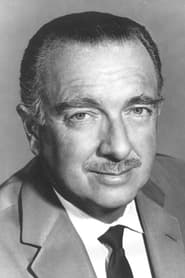
An eight-part chronicle of armed conflict from the beginning of recorded history to modern times, exploring the political and cultural motivations for---and consequences of---warfare.
Social & External
The people behind it
Walter Cronkite
Self - Narrator
The British actress goes on a 2,000 mile journey across the four main islands of Japan, travelling from North to South meeting local people and absorbing the culture.
The Greco-Persian War was pivotal in the creation of the modern world - yet all that is generally remembered are the 300 Spartans at Thermopylae. This documentary examines the whole history, from the Ionian Revolt (497BC) to the Peace of Callias (449BC), and also covers the legacies of the war - including Democracy.
In the fourth and fifth centuries, B.C., the Greeks built an empire that stretched across the Mediterranean from Asia to Spain. They laid the foundation of modern science, politics, warfare and philosophy, and produced some of the most breathtaking art and architecture the world has ever seen. It was perhaps the most spectacular flourishing of imagination and achievement in recorded history.
This three-part special tells the story of the Egyptian empire from its beginning in 1560 B.C. to its collapse in 1080 B.C. Interviews with scholars and dramatic re-creations bring the story to life.
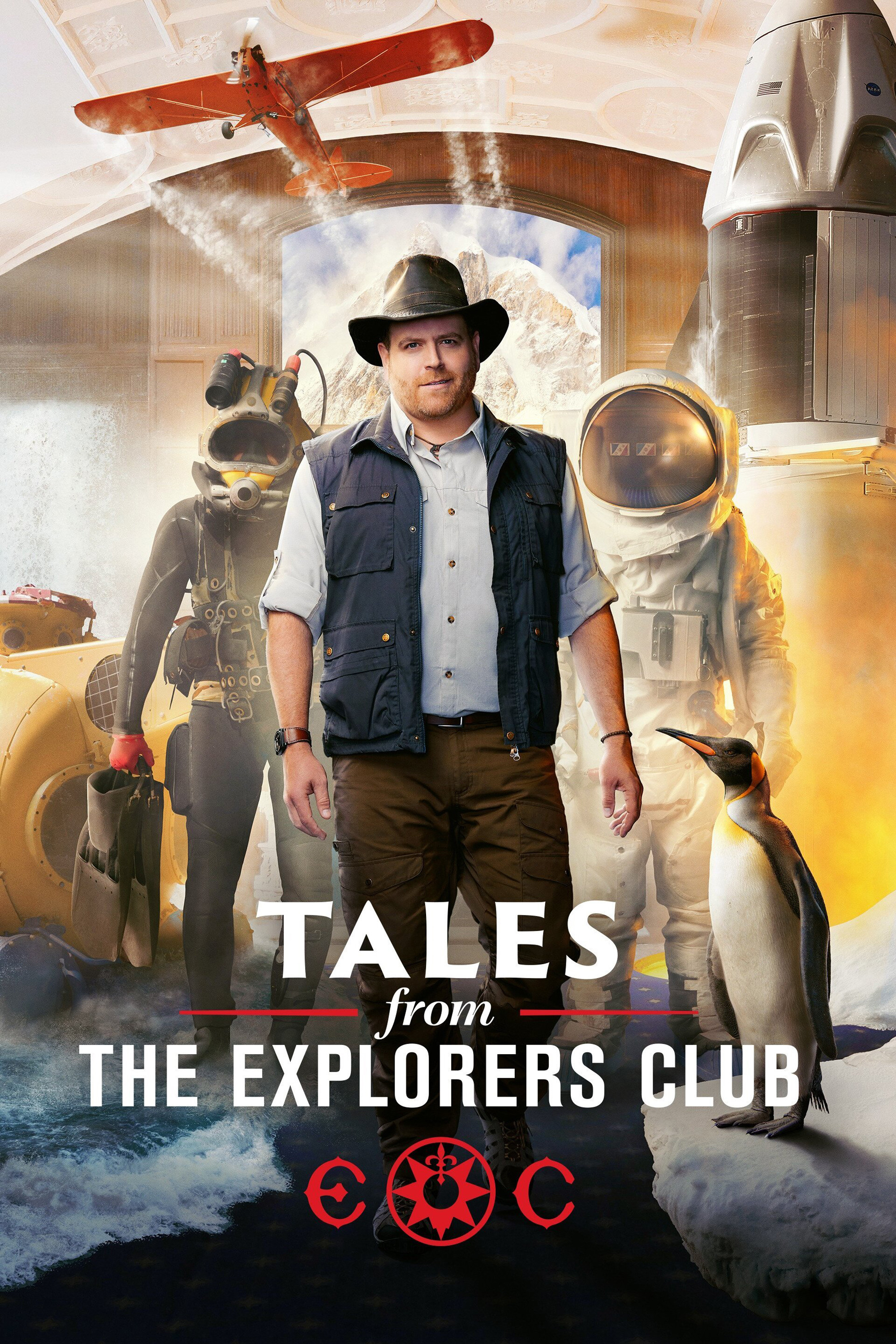
At the world-famous Explorers Club, a gathering place for trailblazers, club member Josh Gates recounts the greatest adventures of all time.
Crash Course World History is a video course hosted by John Green that teaches world history from growing the first crops in the First Agricultural Revolution to global textile production in the 2010s. Across the series, it builds skills in identifying and explaining historical developments, analyzing events in broader context, and tracing patterns and connections across time and place—aiming to help viewers become more informed citizens of the world. Season 1 follows the 2012 AP World History curriculum in a 42-episode chronological survey, while Season 2 continues in 30 episodes with a more thematic approach that focuses on systems and encourages viewers to question how “history” is written and what biases shape it.
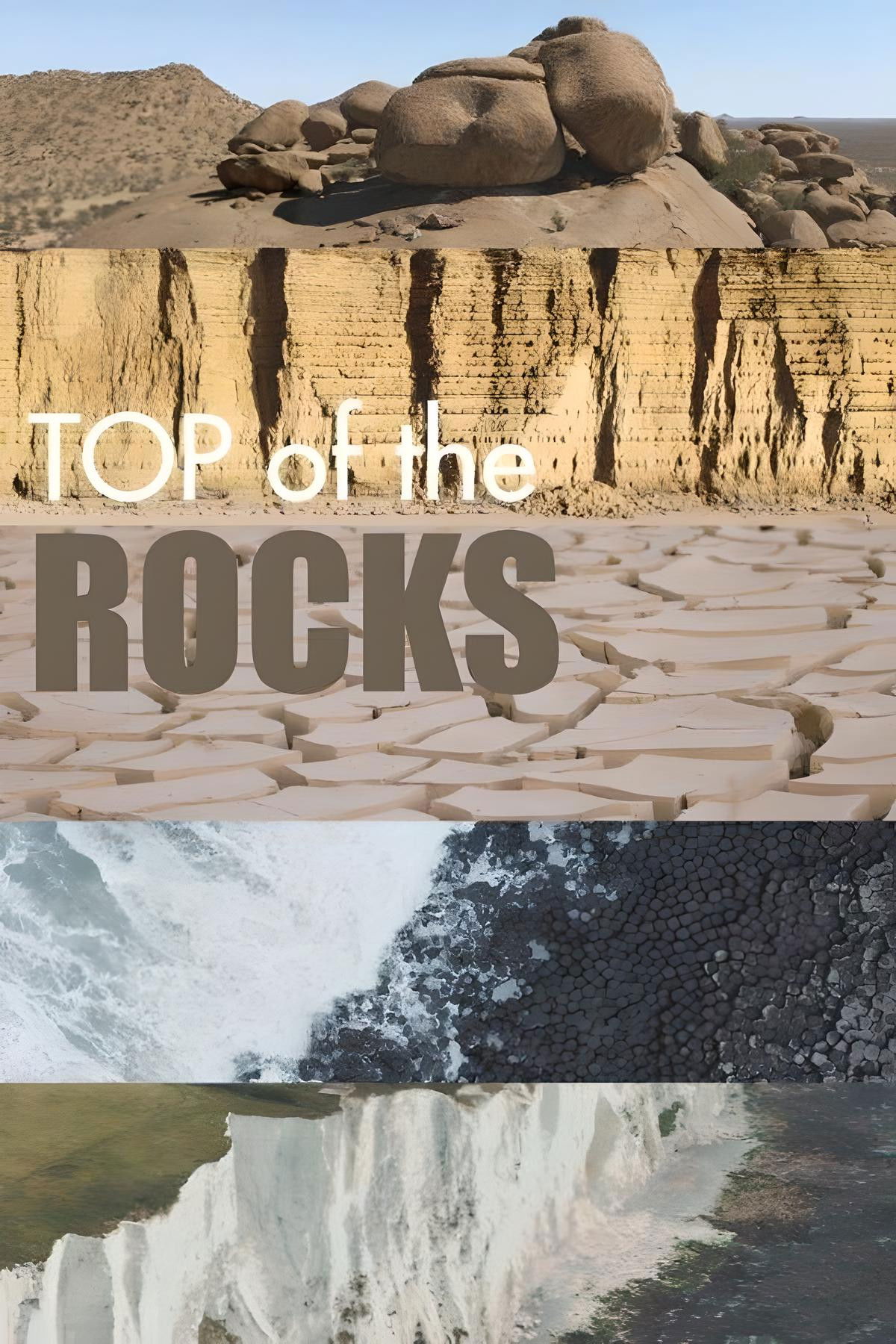
A 360 ° journey across the planet around five iconic stones which have shaped our planet and have inspired Human civilizations. An ambitious 4K series to reveal the secret life that hides within the mineral world and the way these source rocks connect cultures together and still impacts our landscapes and environment today.
The history of our modern Indo-Arabic numeral system begins in Mesopotamia, leads through India to the Arab world – and from there around the globe. This three-part series explores how the "Arabic numerals" began their triumphant march and the special role that zero played in this process. From its beginnings to modern computer science – today, numbers are the universal language of the world.
Did democracy actually originate in Greece? Was the plague the worst epidemic of all time? And did we really work harder in the past than we do today? Is it true that ...? questions what we think we know and takes another look at history.
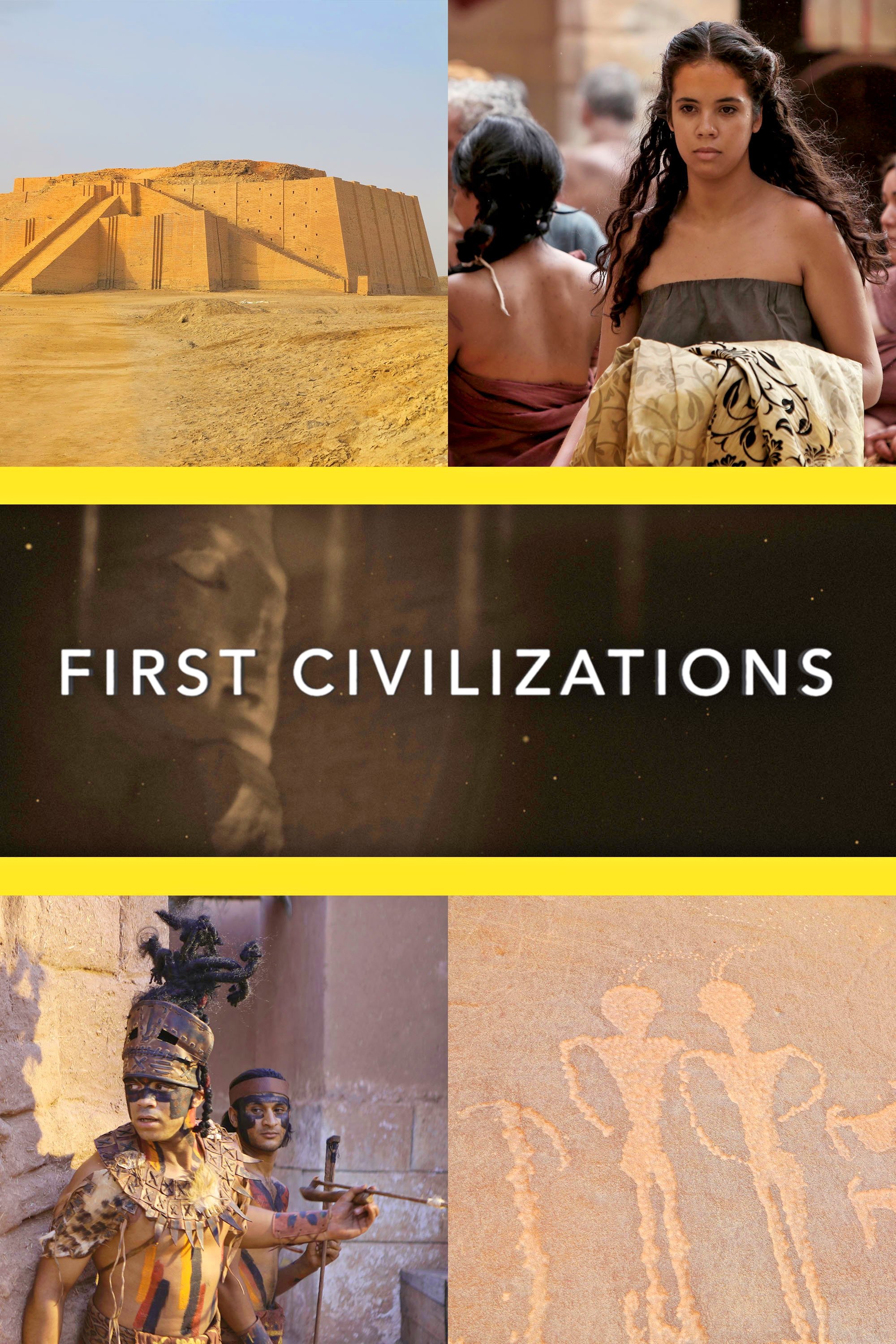
Using the latest in archaeology, anthropology and genetics, this series tells the story of where the modern world began. Incorporating studies of artifacts, renowned sites of archaeological interest and interviews with leading experts, it moves around the geographic zones of the world, exploring how and why civilization first sparked into life.
A monument that may explain why the people of a thriving ancient city vanished from Earth. A tablet that reveals a towering truth about one of the Bible's strangest stories. Evidence that the 10 plagues of Egypt were real natural phenomena. Join us as we follow a team of investigators around the globe, using modern science and technology to uncover ancient mysteries surrounding these and other puzzles from our past. By examining these relics and legends, we hope to gain insights into who we are, where we come from, and where we are going.
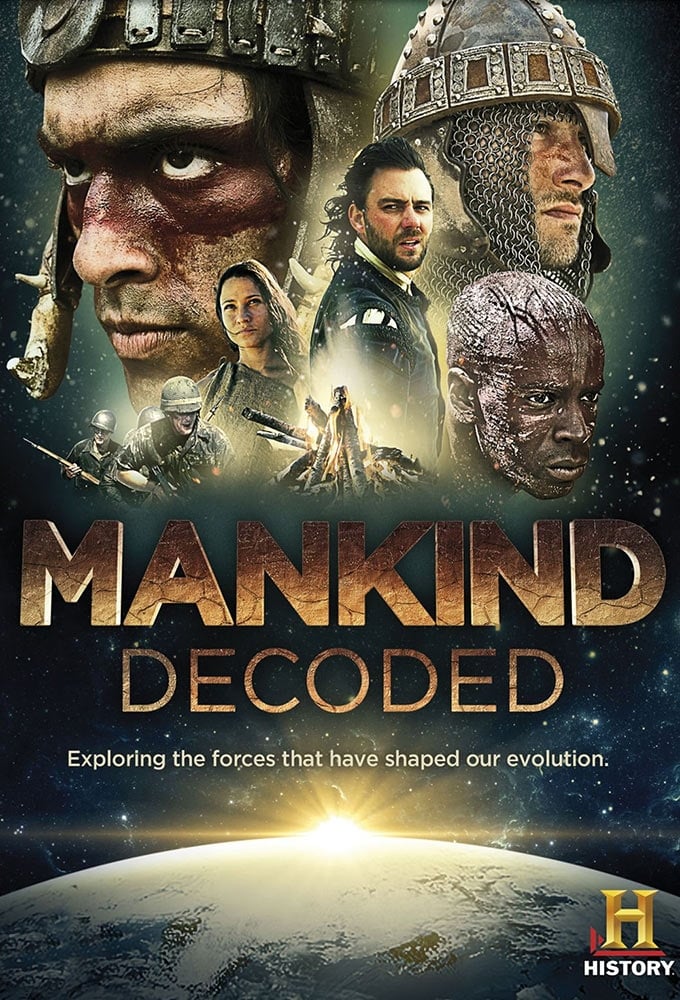
Mankind Decoded is the intriguing story of how 12 timeless forces have shaped human history in extraordinary ways. Find out how the implacable forces of nature have compelled us to adapt or die; how new technologies have transformed our existence; how our need for food brought forth civilization; and the desire for luxuries changed our world.
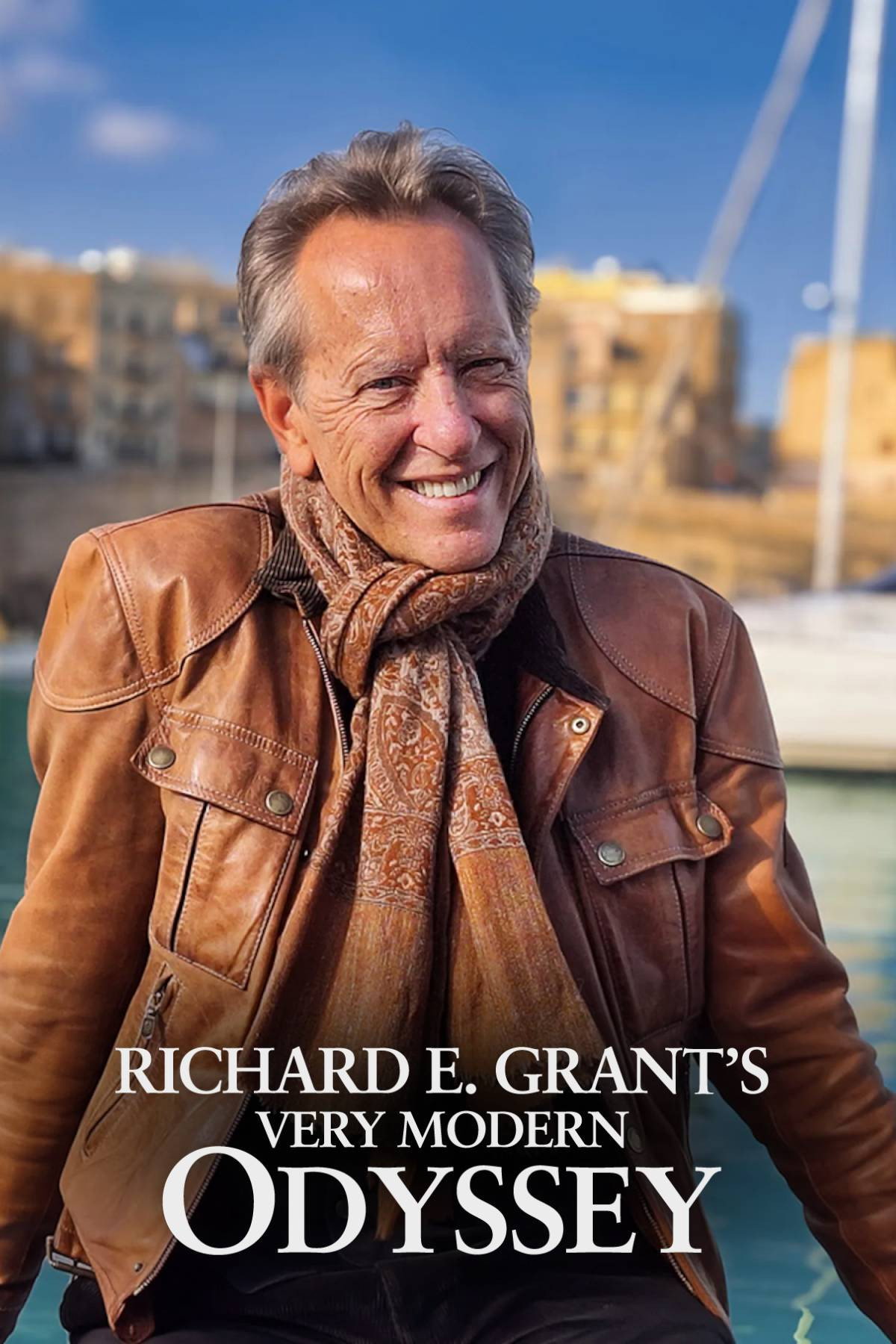
In celebration of the biggest movie release of this summer - Christopher Nolans' The Odyssey, Richard E. Grant recreates the route of Odysseus' 20-year voyage, travelling to Malta, Sicily, Italy, Tunisia, Turkey, Corfu and Ithaca, exploring the ancient worlds and modern places which formed the inspiration for Homer’s masterpiece.
World-class historian Bettany Hughes journeys across modern-day Türkiye to uncover the origins of civilisation itself. With exclusive access to newly discovered sites and artifacts - including the world’s first square room, the oldest known swords, and the first life-sized human sculptures - she explores the birth of agriculture, religion, trade, urban life, myths, and empire. From Göbeklitepe and Karahantepe to Ephesus, Cappadocia, Istanbul, and the snowy Caucasus mountains, this cinematic journey reveals how ancient Anatolia became a crossroads of human history - and helped shape the world we know today.
Forced to flee her underground sanctuary for Earth’s surface, Eva discovers a world unlike anything she expected. As she journeys across perilous terrain and unknown civilizations, Eva searches to answer the ultimate question: Is she the last human?
A science-fiction drama adapted from the novel of the same name by the famous science fiction writer Liu Cixin. “Three-Body Problem” tells the story of nanomaterials scientist Wang Miao and criminal police Shi Qiang who jointly unveiled the mystery of the “Three-Body Problem” world of an extraterrestrial civilization..
Long ago, all humans lived beneath the sea. However, some people preferred the surface and abandoned living underwater permanently. As a consequence, they were stripped of their god-given protection called "Ena" which allowed them to breathe underwater. Over time, the rift between the denizens of the sea and of the surface widened, although contact between the two peoples still existed. This show follows the story of Hikari Sakishima and Manaka Mukaido, along with their childhood friends Chisaki Hiradaira and Kaname Isaki, who are forced to leave the sea and attend a school on the surface. There, the group also meets Tsumugu Kihara, a fellow student and fisherman who loves the sea. Hikari and his friends' lives are bound to change as they have to deal with the deep-seated hatred and discrimination between the people of sea and of the surface, the storms in their personal lives, as well as an impending tempest which may spell doom for all who dwell on the surface.
An exploration of the societal consequences when a nation's financial, technological, political, and environmental systems collapse. Told in eight stand-alone episodes filmed in one continuous shot.
Explores WWII from Germany's invasion of Poland through the atomic age, examining pivotal battles, wartime leaders like Churchill and Roosevelt, and the human cost of total war.
Infographics and archival footage deliver bite-size history lessons on scientific breakthroughs, social movements and world-changing discoveries.
An insider's look at the engineering and scientific miracles behind the things that form the modern world.
TV's most-watched history series brings to life the compelling stories from our past that inform our understanding of the world today.
Award-winning actor and nervous explorer Eugene Levy steps out of his comfort zone for a whirlwind tour of the world's most beautiful and intriguing destinations.
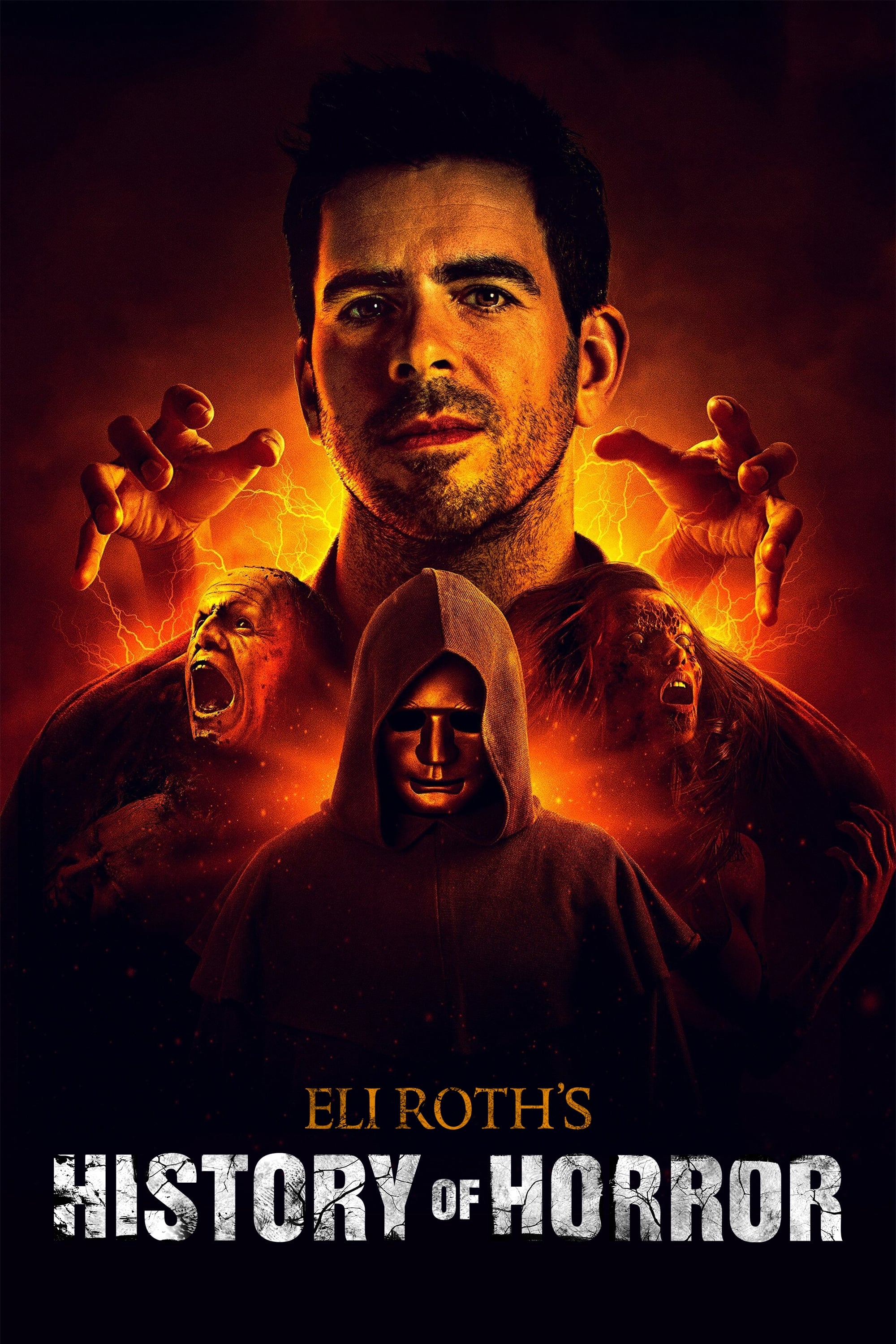
An in-depth look at the history and pop cultural significance of horror films.
Motoring programme featuring reviews of and reports about cars of all types.
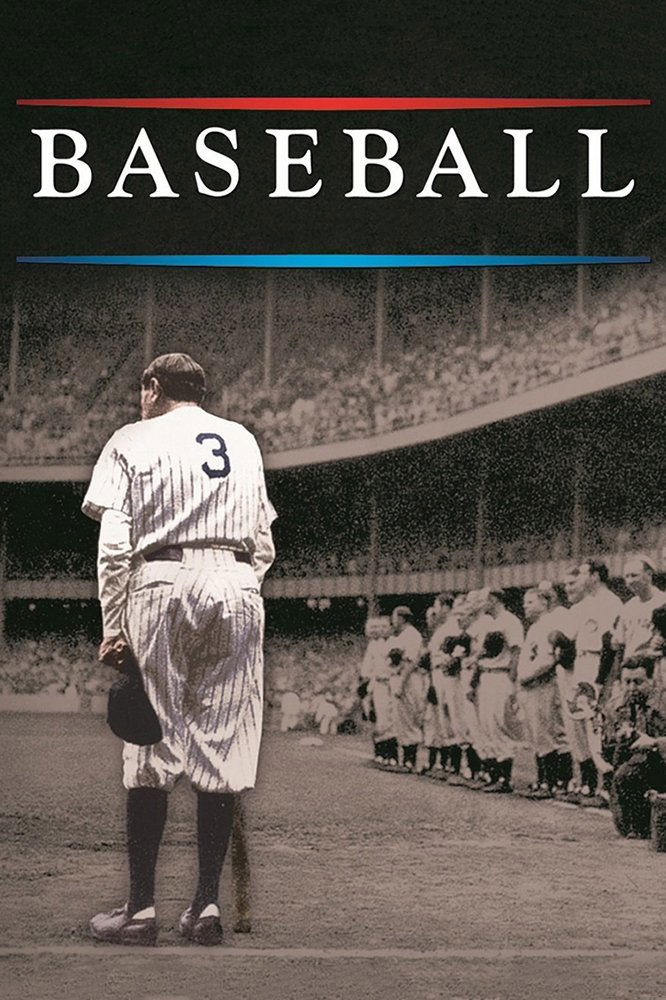
The history of the sport of baseball in America, told through archival photos, film footage, and the words of those who contributed to the game in each era. Writers, historians, players, baseball personnel, and fans review key events and the significance of the game in America's history.
Explore the surprising things we know (and don’t know) about why people are the way they are through expert interviews, rare footage from historical experiments, and brand-new, ground-breaking demonstrations of human nature at work.
Actor Zac Efron journeys around the world with wellness expert Darin Olien in a travel show that explores healthy, sustainable ways to live.
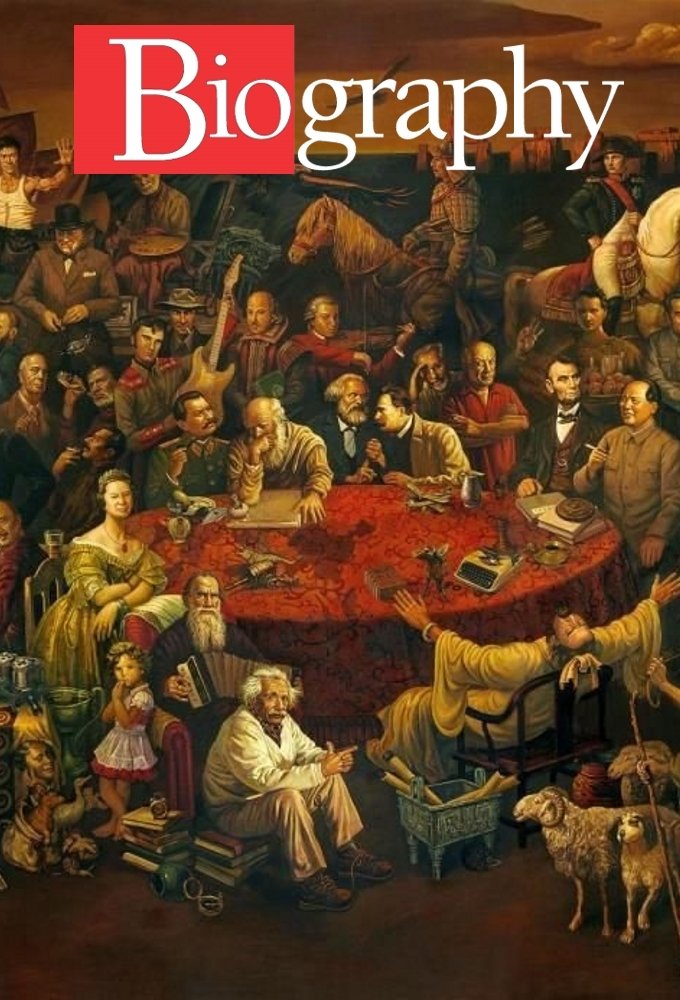
Biography is a documentary television series. It was originally a half-hour filmed series produced for CBS by David Wolper from 1961 to 1964 and hosted by Mike Wallace. The A&E Network later re-ran it and has produced new episodes since 1987. The older version featured historical figures such as Helen Keller and Mark Twain, or long-dead entertainment figures such as Will Rogers or John Barrymore. The A&E series has placed the emphasis on such people as Marilyn Monroe, Elvis Presley, Plácido Domingo, Freddie Mercury, Jacqueline Kennedy Onassis, Eric Clapton, Pope John Paul II, Gene Tierney, Selena, Diego Rivera, Mao Zedong and Queen Elizabeth II, and fictional characters like The Phantom, Superman, Hamlet, Betty Boop, and Santa Claus. The program ended up profiling enough figures that in 1999, A&E spun it off into an entire network, The Biography Channel.
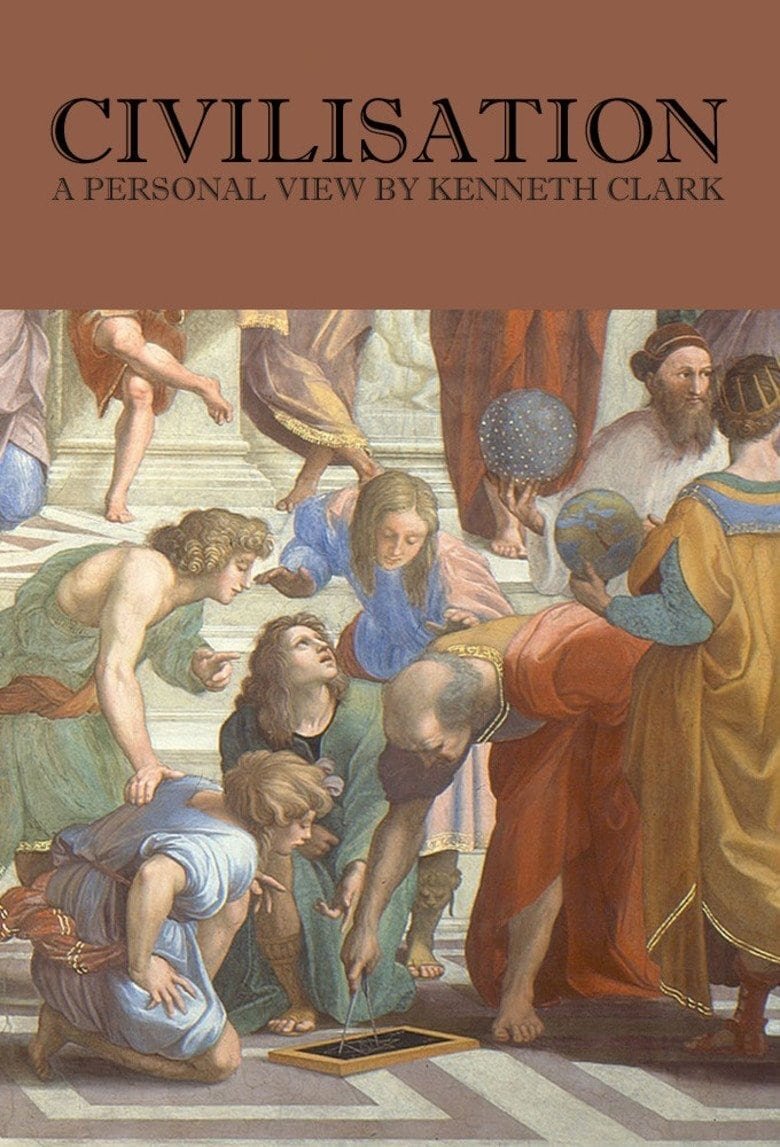
Sir Kenneth Clark guides us through the ages exploring the glorious rise of civilisation in western man. Beginning with the bleakness of the dark ages to the present day, we consider civilisation's articulations and expressions in some of man's finest works of art.
Morgan Freeman presents his quest in order to find how most religions perceive life after death, what different civilizations thought about the act of creation and other big questions that mankind has continuously asked.
Porn has gone mainstream; the question is, can we handle it? This exploration of the intersection of sex and technology is told through the stories of the people whose lives are defined by the current explosion of internet porn-whether they're creating it, consuming it, or both.
MegaStructures is a documentary television series appearing on the National Geographic Channel in the United States and the United Kingdom, Channel 5 in the United Kingdom, France 5 in France, and 7mate in Australia. Each episode is an educational look of varying depth into the construction, operation, and staffing of various structures or construction projects, but not ordinary construction products. Generally containing interviews with designers and project managers, it presents the problems of construction and the methodology or techniques used to overcome obstacles. In some cases this involved the development of new materials or products that are now in general use within the construction industry. MegaStructures focuses on constructions that are extreme; in the sense that they are the biggest, tallest, longest, or deepest in the world. Alternatively, a project may appear if it had an element of novelty or are a world first. This type of project is known as a Megaproject.
Horizon tells amazing science stories, unravels mysteries and reveals worlds you've never seen before.
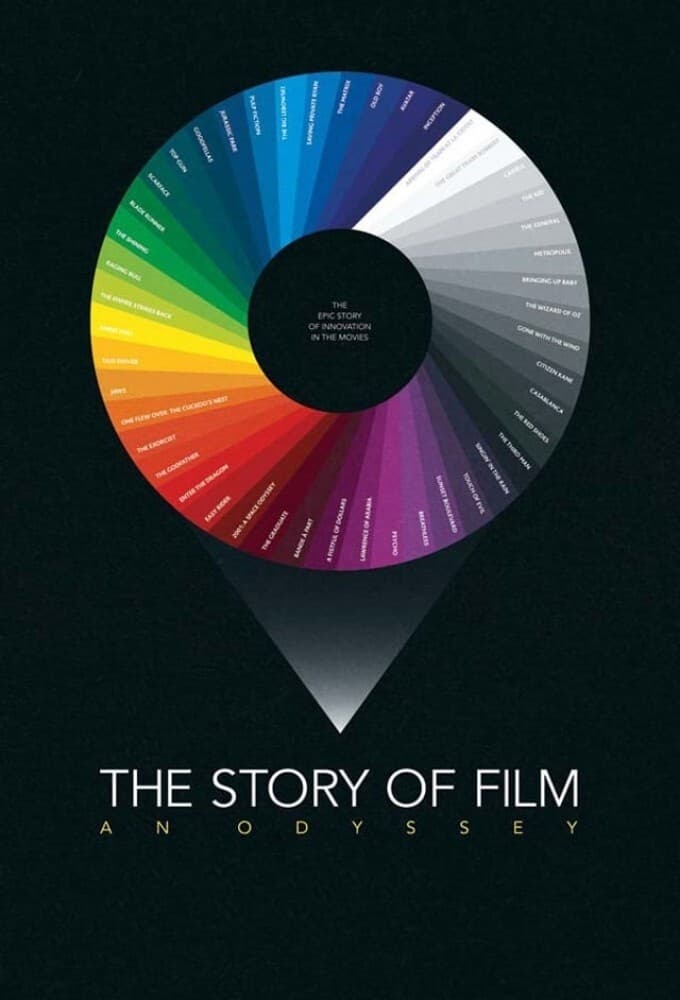
A worldwide guided tour of the greatest movies ever made and the story of international cinema through the history of cinematic innovation.
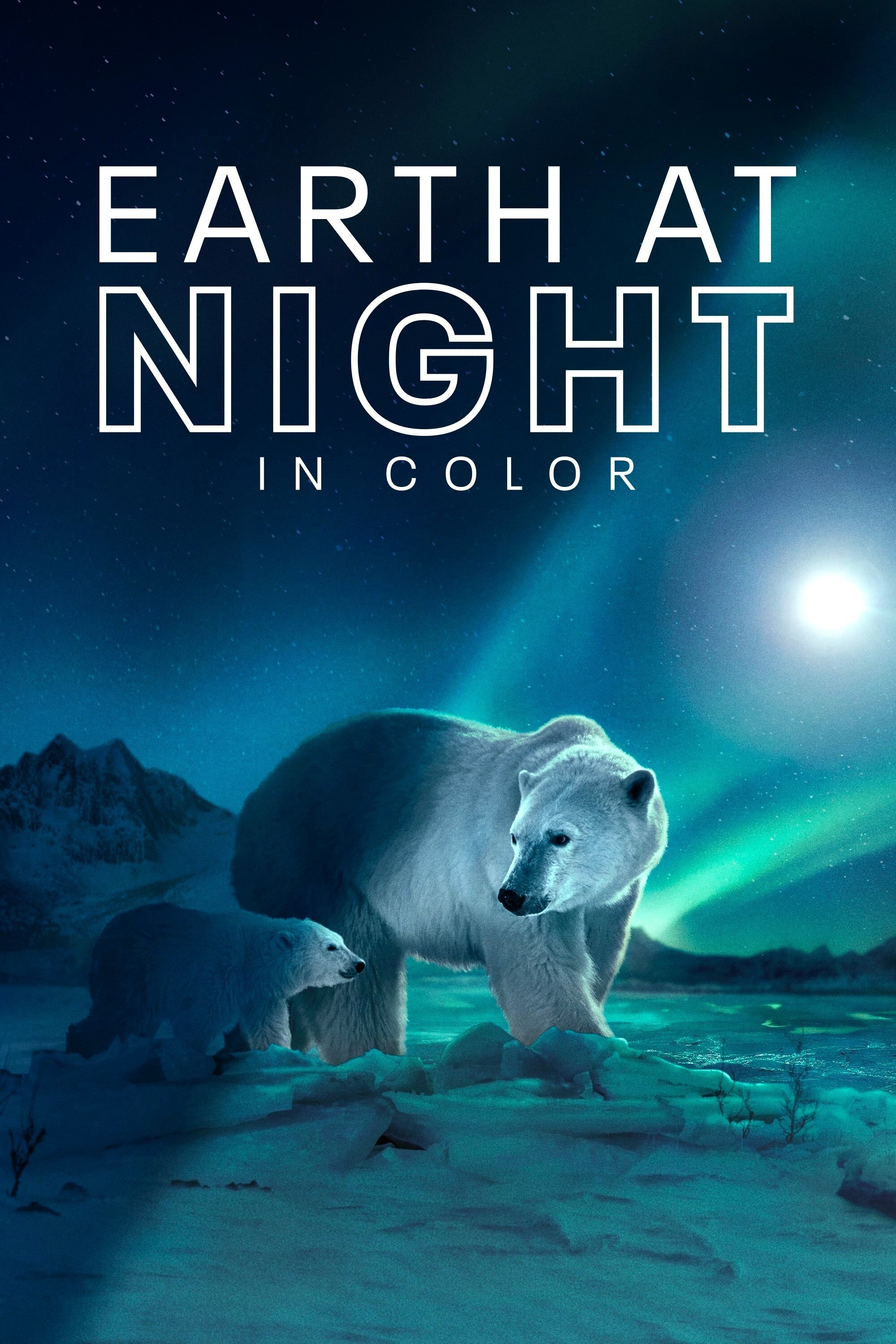
Filmed across six continents, this docuseries uses cutting-edge camera technology to capture animals' nocturnal lives, revealing new behaviours filmed in full color like never before.
Come one, come all to The Circus. This real-time documentary series pulls back the curtain on the current political stories, revealing the intense, inspiring and infuriating stories behind the headlines. Key characters and events are presented in real time, as they are happening.
American Masters is a PBS television series which produces biographies on enduring writers, musicians, visual and performing artists, dramatists, filmmakers, and others who have left an indelible impression on the cultural landscape of the United States.