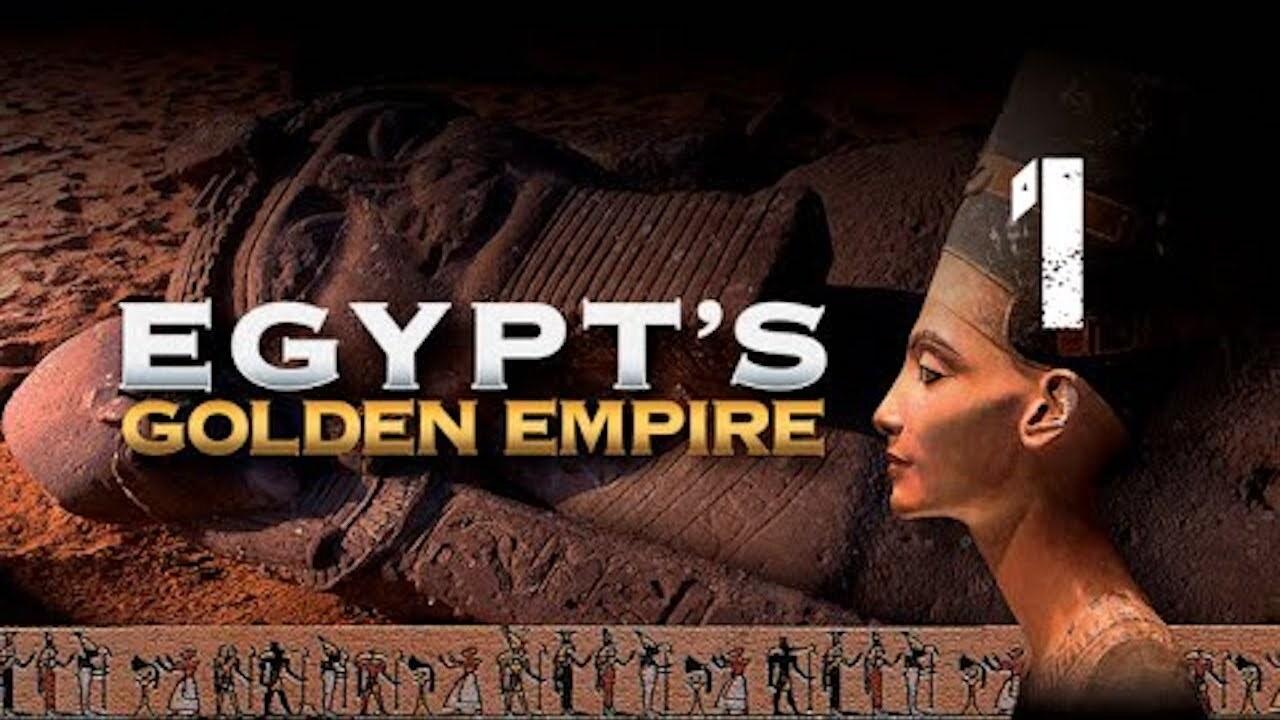
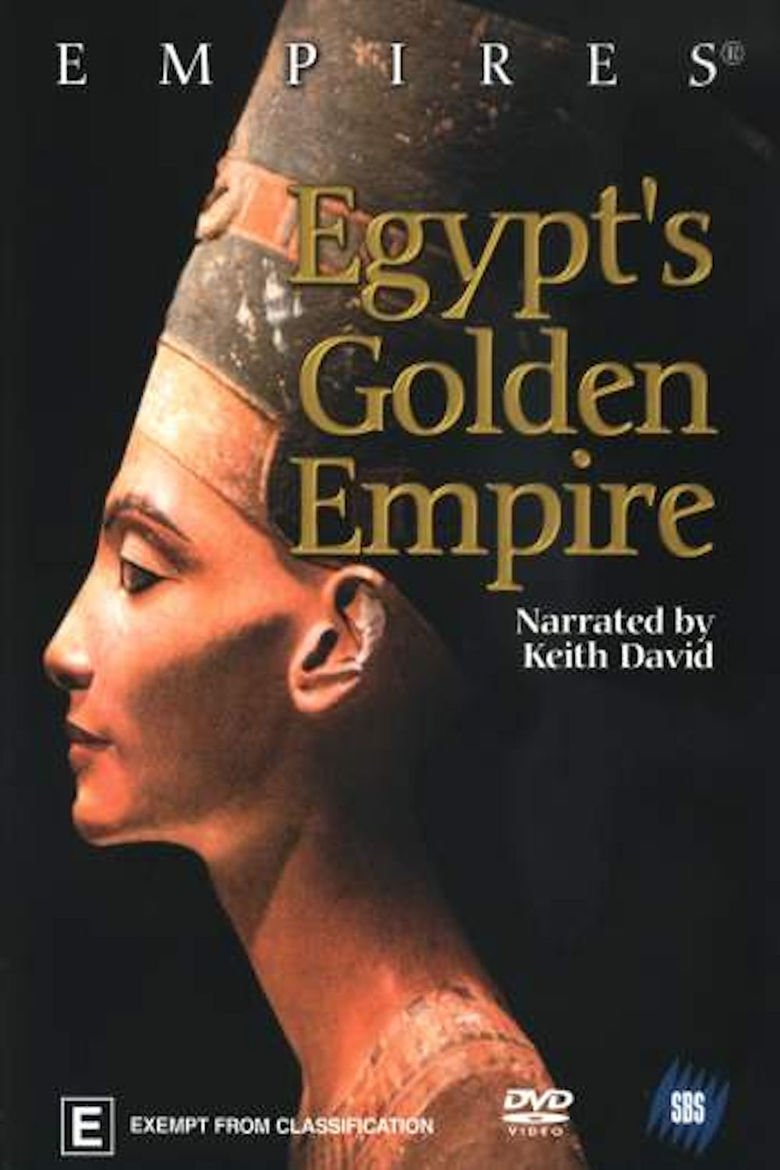
This three-part special tells the story of the Egyptian empire from its beginning in 1560 B.C. to its collapse in 1080 B.C. Interviews with scholars and dramatic re-creations bring the story to life.
Social & External
The people behind it
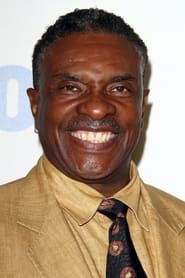
Keith David
Narrator (voice)
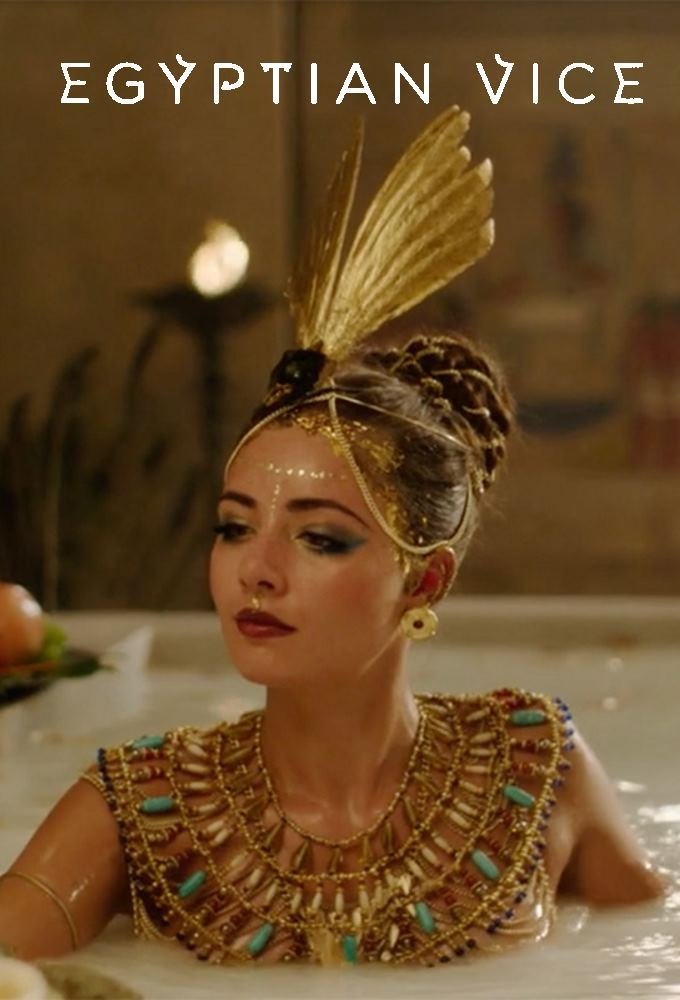
Throughout human history, there have been sinister desires driven by animalistic lust, and the Ancient Egyptians were no different. From Rameses II, who bent the truth and made himself a god on the earth, to Cleopatra, who engaged in incest and used her sex appeal as a weapon, this History Channel movie explores the dark side of one of the greatest empires in history.
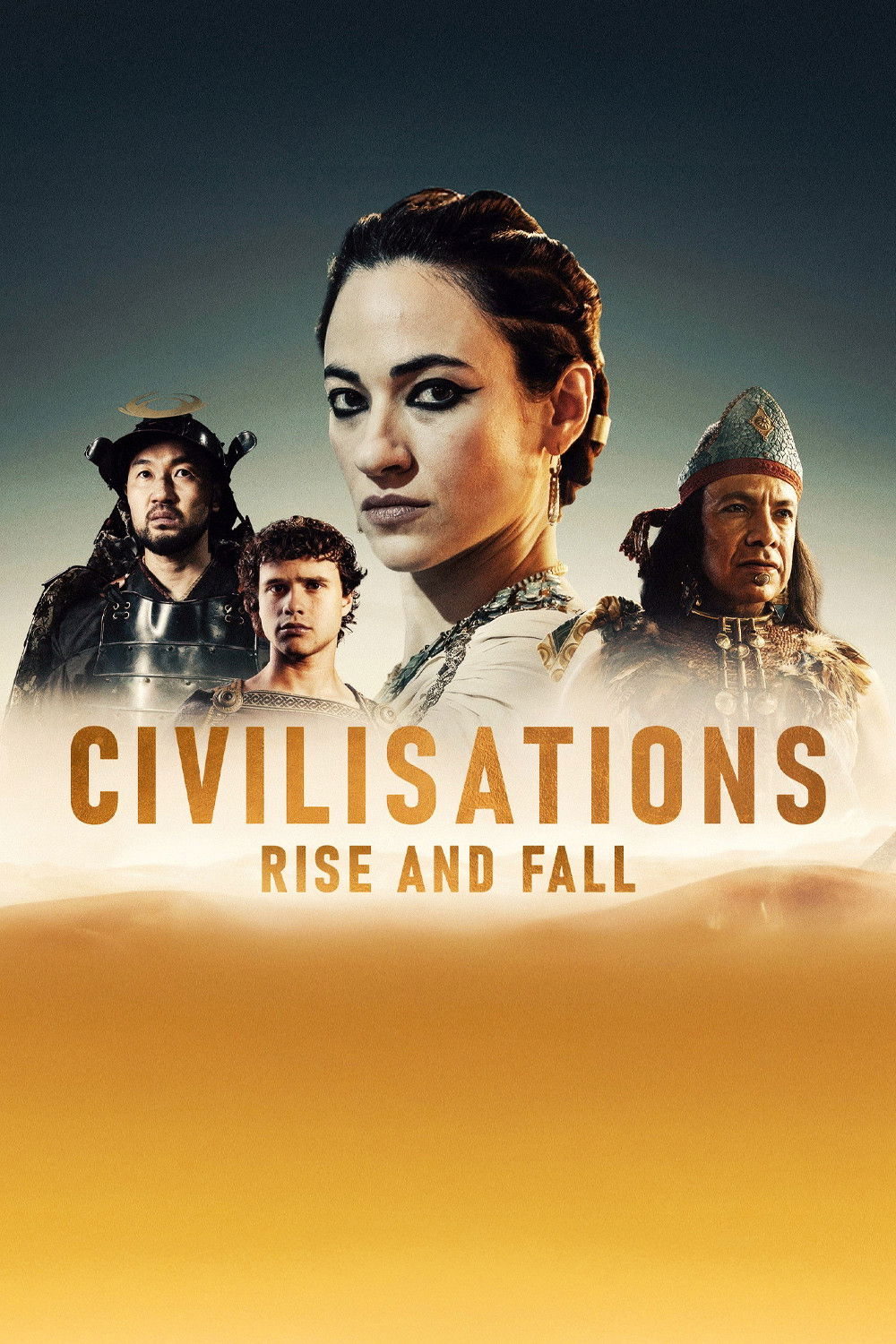
Four mighty civilisations - Rome, Egypt, Japan's Samurai and the Aztecs. Their legends remain - now priceless artefacts reveal what led them to fall into the echoes of history.
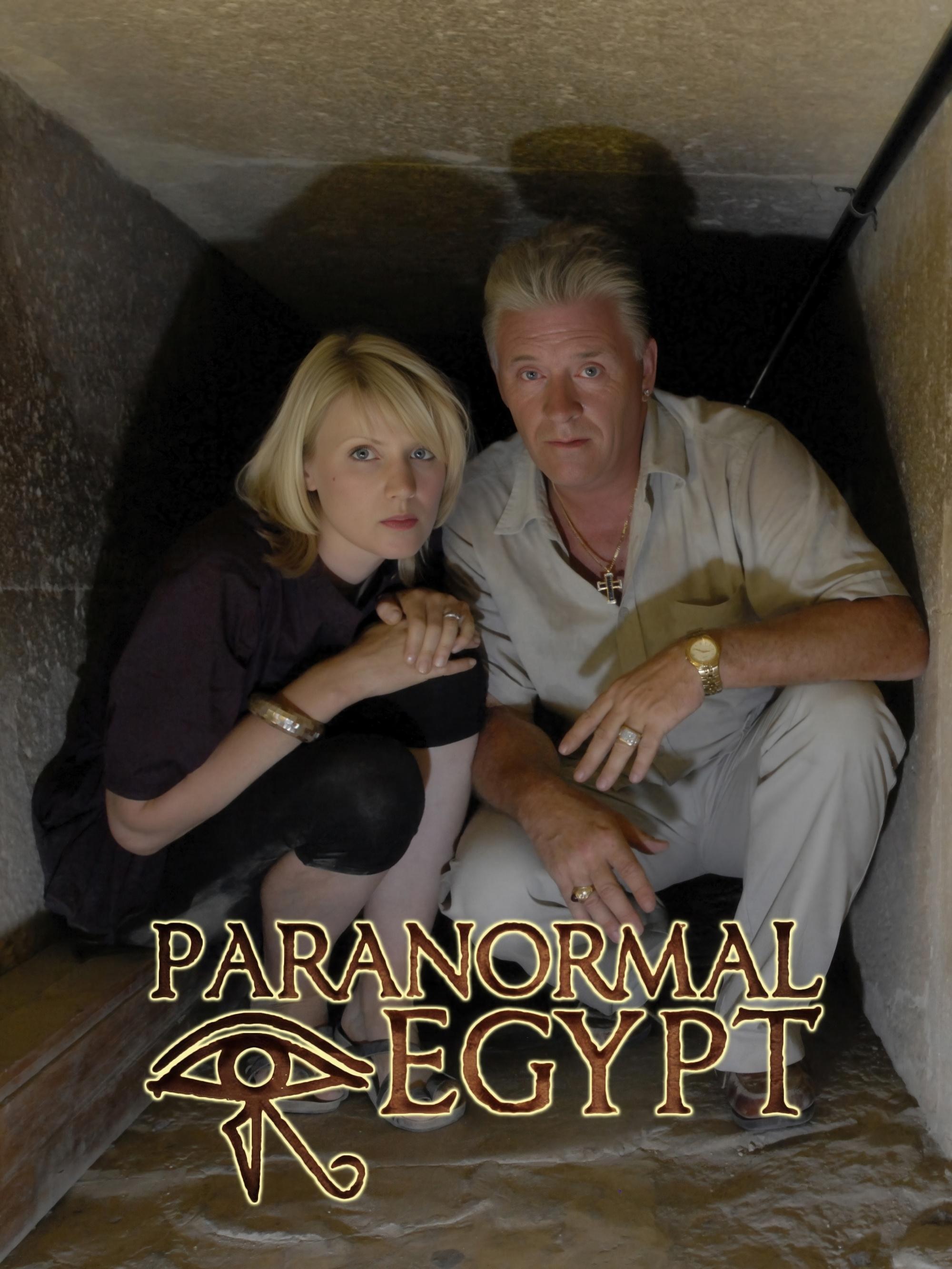
Where's Anne Rice when you really need her? Self-described medium Derek Acorah travels to Egypt where he communes with the spirits of King Tut and other long-departed personalities, aided by Sam, his Ethiopian spirit guide.
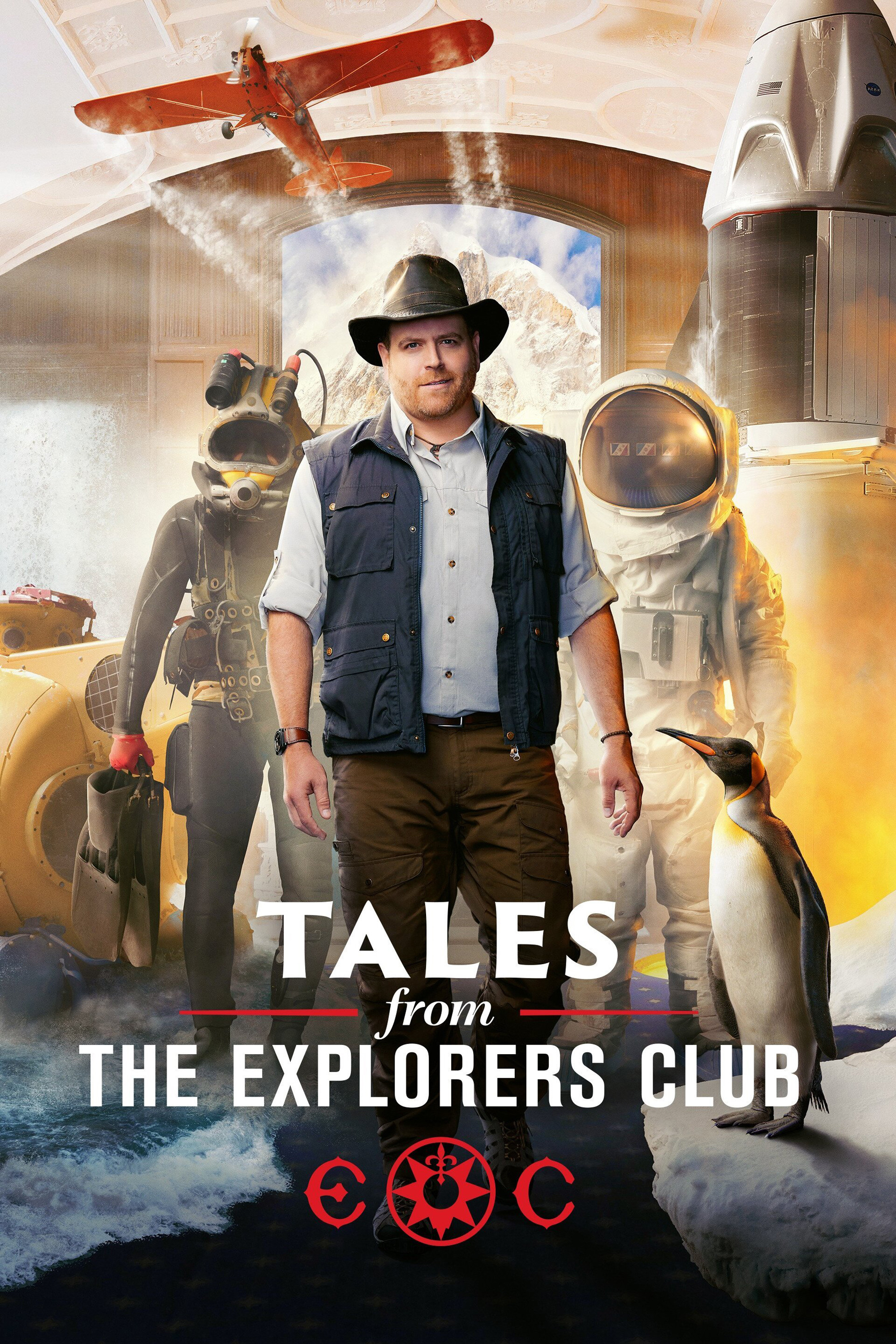
At the world-famous Explorers Club, a gathering place for trailblazers, club member Josh Gates recounts the greatest adventures of all time.
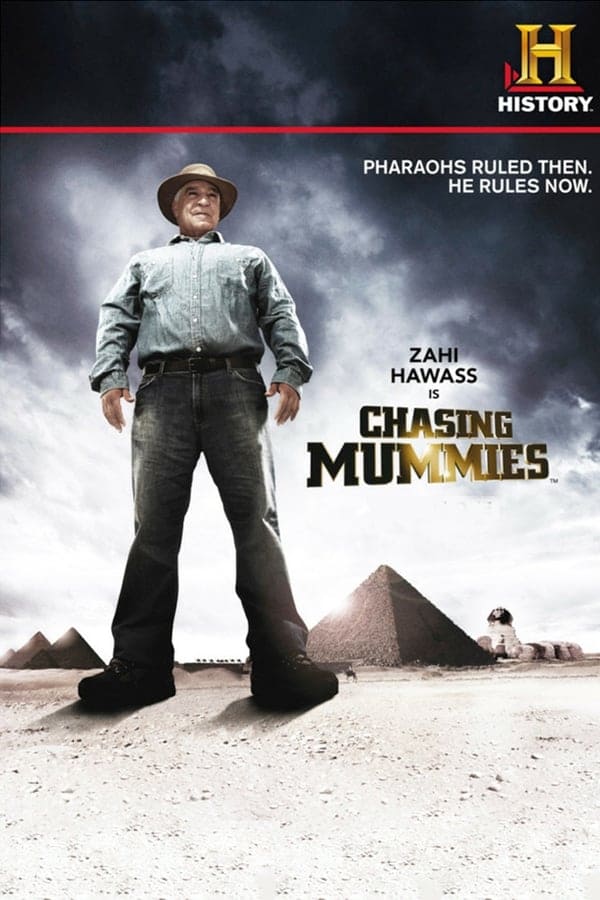
Chasing Mummies: The Amazing Adventures of Zahi Hawass is a reality television series which is airing on The History Channel in the United States. Produced by Boutique TV, this series depicts the adventures of archaeologist and Egyptologist Dr. Zahi Hawass and his discoveries in Egypt as he is followed by young archeological fellows and a camera crew. The series began on Wednesday, 14 July 2010 and aired Wednesdays at 10pm on the History Channel. The shows illustrates the complexities in the almost never-ending quest to preserve and discover artifacts from ancient Egypt.
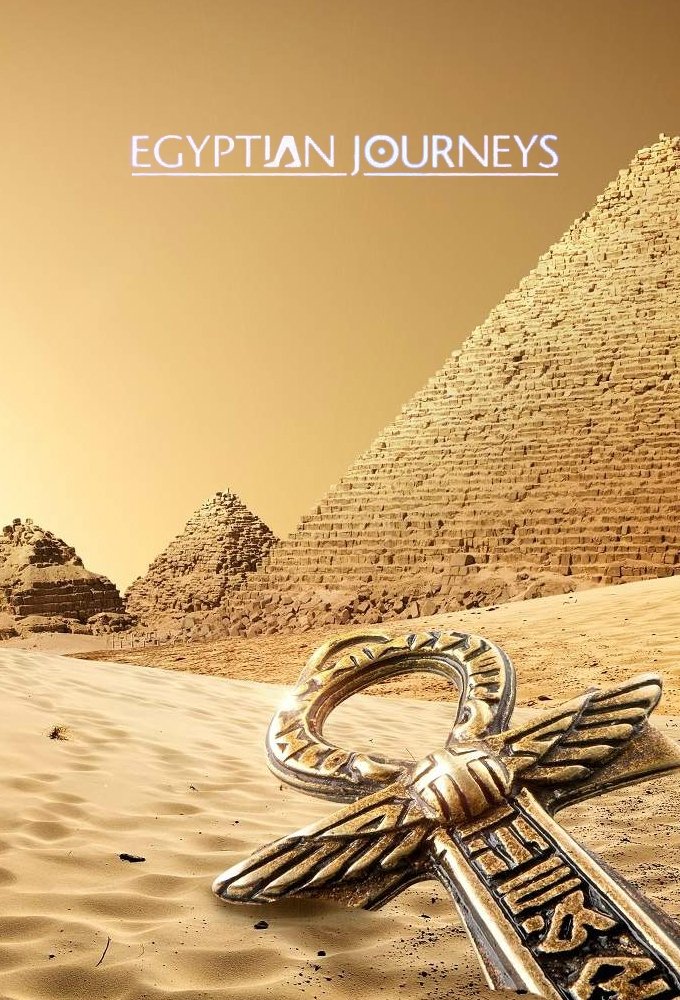
Egyptian Journeys with Dan Cruickshank is a BBC Television documentary series in which Dan Cruickshank explores the mysteries of Ancient Egypt.
The British actress goes on a 2,000 mile journey across the four main islands of Japan, travelling from North to South meeting local people and absorbing the culture.
Around 5000 years ago, one of the largest and most powerful empires in history emerged on the Nile – Ancient Egypt. This mysterious era continues to fascinate us. In eight episodes, this series shows the unique achievements of the ancient Egyptians in government, culture, and society. International scientists and researchers decode the facets of this advanced civilisation. The first territorial state in history was founded more than 3000 years ago – making it older than any nation in existence today. Crises keep dividing the region and causing chaos, and it is these phases that the people on the Nile fear the most. They know that only order and stability can lead to prosperity. Egyptians are given a sense of identity and unity by their diverse cultures.
Archaeologist and historian Richard Miles traces the development of Western civilization, from the first cities in Mesopotamia to the fall of the Roman Empire. In this six-part series, Miles travels through the Middle East, Egypt, Pakistan and the Mediterranean to discover how the challenges of society -- religion and politics, art and culture, war and diplomacy, technology and trade -- were dealt with and fought over in order to maintain a functioning civilization. Stories are told of disappeared, ruined and modern cities, from ancient Iraq to modern Damascus, to reveal how successes and failures of the ancients shaped the world today.
Joanna Lumley goes on the trip of a lifetime - exploring the longest river in the world, the River Nile, from sea to source.
Television drama serial about various archaeological discoveries taking place in that country's history, with the occasional 'flashback' scene involving actors portraying the ancient Egyptians themselves.
Crash Course World History is a video course hosted by John Green that teaches world history from growing the first crops in the First Agricultural Revolution to global textile production in the 2010s. Across the series, it builds skills in identifying and explaining historical developments, analyzing events in broader context, and tracing patterns and connections across time and place—aiming to help viewers become more informed citizens of the world. Season 1 follows the 2012 AP World History curriculum in a 42-episode chronological survey, while Season 2 continues in 30 episodes with a more thematic approach that focuses on systems and encourages viewers to question how “history” is written and what biases shape it.
Egyptian archaeologist Dr. Yasmin el-Shazly and photographer Mahmoud Rashad investigate the life and burial of King Tut.
The Greco-Persian War was pivotal in the creation of the modern world - yet all that is generally remembered are the 300 Spartans at Thermopylae. This documentary examines the whole history, from the Ionian Revolt (497BC) to the Peace of Callias (449BC), and also covers the legacies of the war - including Democracy.
Alastair Sooke tells the story of Ancient Egyptian art through 30 extraordinary masterpieces.
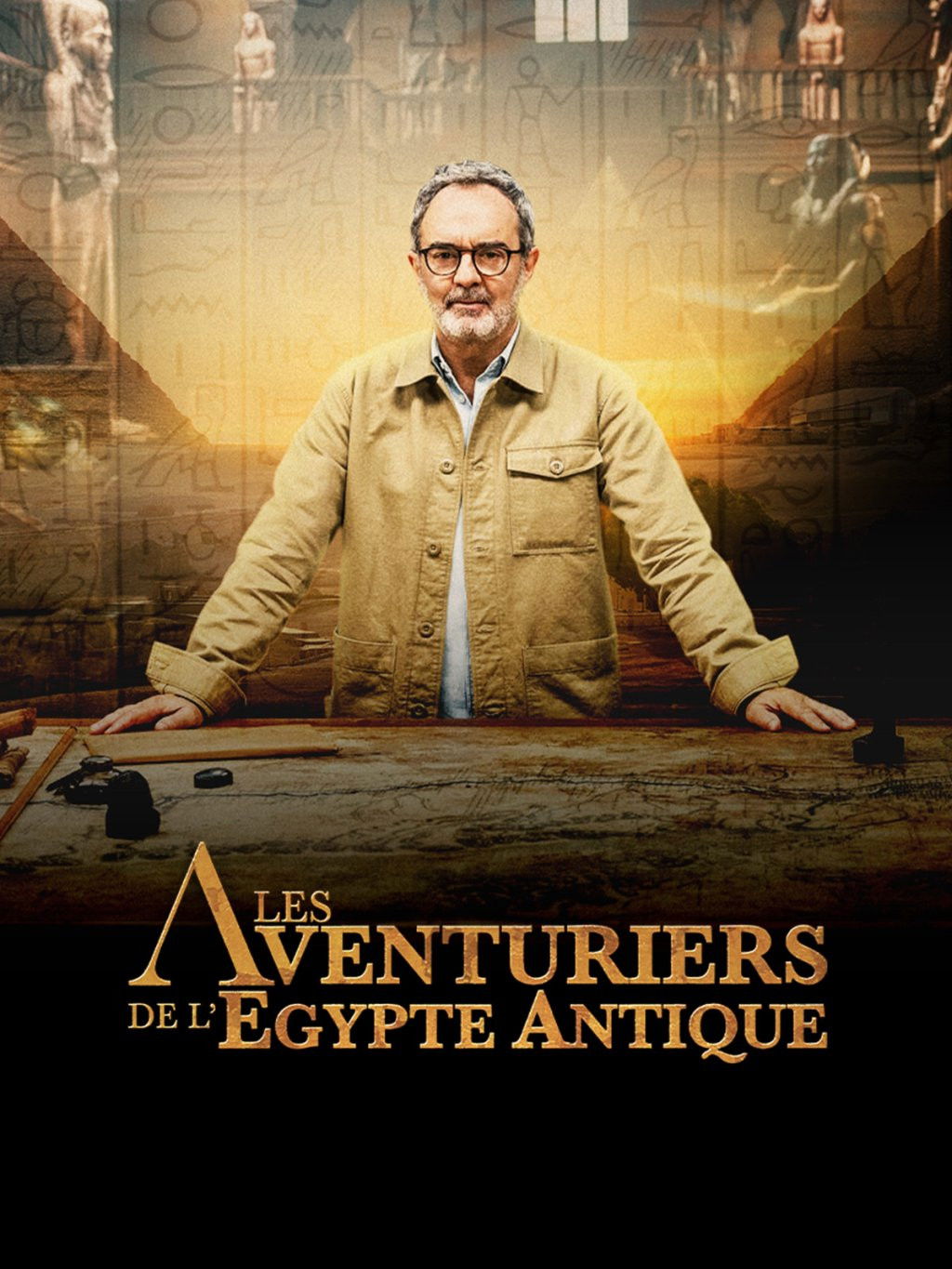
This epic series explores the lives of some of Egypt's greatest rulers: Ramses the Great, pyramid pioneer King Sneferu, the most famous woman who ever lived, Cleopatra, the rebel heretic Akhenaten, the ill-fated Tutankhamen and feminist trailblazer Hatshepsut. Hosted by renown Egyptologist Dr. Bob Brier, this series unveils the true stories of their battles, loves, obsessions, preoccupations and deaths. Brier guides viewers on an enlightening quest for answers to the mysteries surrounding the legacies of the pharaohs. Spectacular footage and unique information make this series a perfect guide to the history of ancient Egypt.
An immersive, action-packed and discovery-led series following International teams of Egyptologists as they unearth the world's richest seam of ancient archaeology - Egypt's Valley of the Kings.
TV's most-watched history series brings to life the compelling stories from our past that inform our understanding of the world today.
Don Wildman unearths relics from the world's greatest institutions to reveal secrets from the past. He examines each artifact to illuminate history's most incredible triumphs, sensational crimes and bizarre encounters.
An insider's look at the engineering and scientific miracles behind the things that form the modern world.
A series of standalone documentaries powered by the unparalleled journalism and insight of The New York Times, bringing viewers close to the essential stories of our time.
Turning points in ancient Roman history and some of the Empire's greatest stories are brought to life in this drama documentary series.
Infographics and archival footage deliver bite-size history lessons on scientific breakthroughs, social movements and world-changing discoveries.
Experience the wonders of our world like never before in this epic series from Jon Favreau and the producers of Planet Earth. Travel back 66 million years to when majestic dinosaurs and extraordinary creatures roamed the lands, seas, and skies.
Part detective story, part true-life drama, long-running series explores some of the most iconic moments in history to debunk myths and shed new light on past events. Using the latest investigative techniques, forensic science and historical examination, it shatters accepted wisdom, challenges prevailing ideas, overturns existing hypotheses, spotlights forgotten mysteries, and ultimately rewrites history.
Morgan Freeman presents his quest in order to find how most religions perceive life after death, what different civilizations thought about the act of creation and other big questions that mankind has continuously asked.
Doctor Who Confidential is a documentary to complement the revival of the long-running British science fiction television series Doctor Who. Each episode was broadcast on BBC Three on Saturdays, immediately after the broadcast of the weekly television episode on BBC One. The running time of the first two series was 30 minutes, being extended to 45 minutes in the third. BBC Three also broadcast a cut-down edition of the programme, lasting 15 minutes, shown after the repeats on Sundays and Fridays and after the weekday evening repeats of earlier seasons.
Horizon tells amazing science stories, unravels mysteries and reveals worlds you've never seen before.
Award-winning actor and nervous explorer Eugene Levy steps out of his comfort zone for a whirlwind tour of the world's most beautiful and intriguing destinations.
Filmed across six continents, this docuseries uses cutting-edge camera technology to capture animals' nocturnal lives, revealing new behaviours filmed in full color like never before.
An in-depth look at the history and pop cultural significance of horror films.
American Masters is a PBS television series which produces biographies on enduring writers, musicians, visual and performing artists, dramatists, filmmakers, and others who have left an indelible impression on the cultural landscape of the United States.
The history of the sport of baseball in America, told through archival photos, film footage, and the words of those who contributed to the game in each era. Writers, historians, players, baseball personnel, and fans review key events and the significance of the game in America's history.
Consistently stunning documentaries transport viewers to far-flung locations ranging from the torrid African plains to the chilly splendours of icy Antarctica. The show's primary focus is on animals and ecosystems around the world. A comic book based on the show, meant to be used an as educational tool for kids, was briefly distributed to museums and schools at no cost in the mid-2000s.
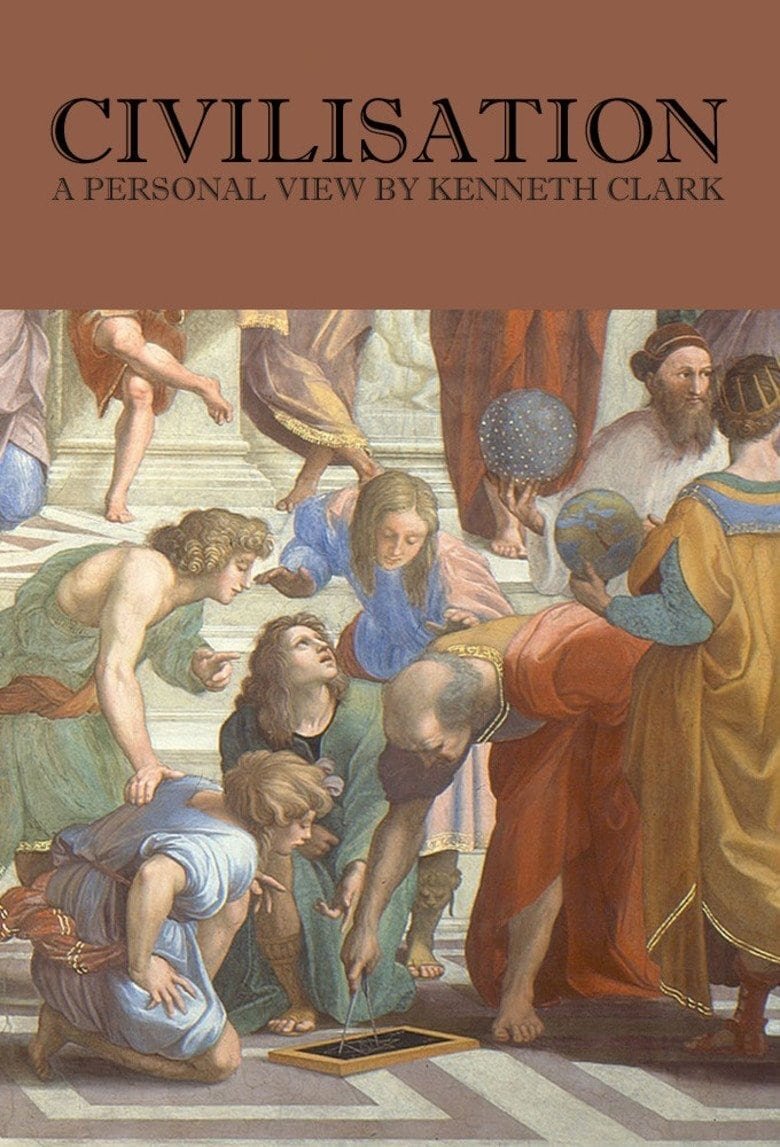
Sir Kenneth Clark guides us through the ages exploring the glorious rise of civilisation in western man. Beginning with the bleakness of the dark ages to the present day, we consider civilisation's articulations and expressions in some of man's finest works of art.
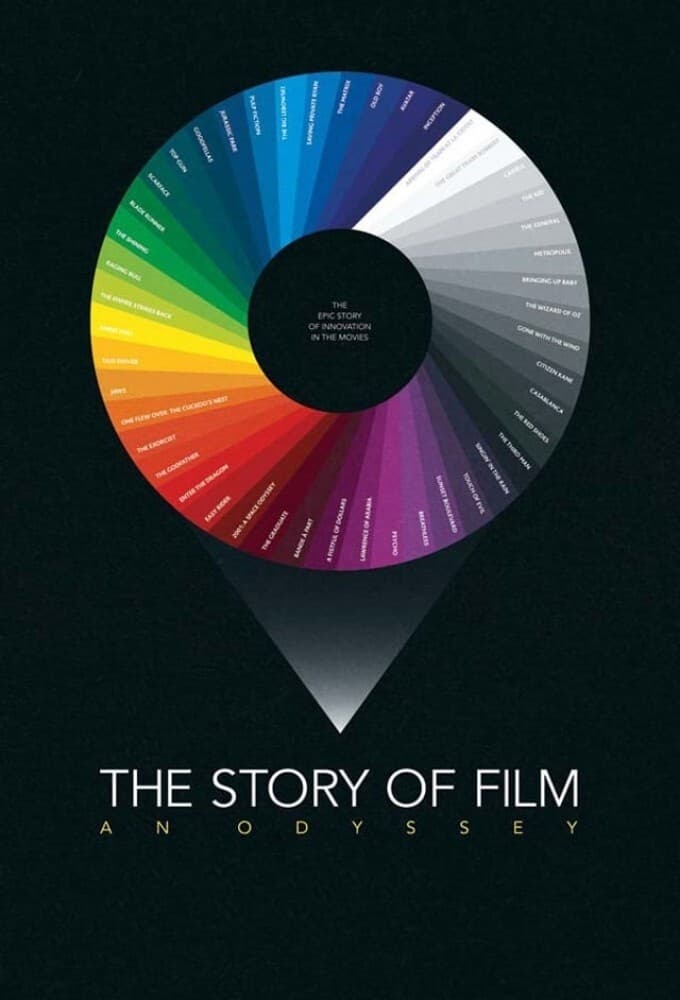
A worldwide guided tour of the greatest movies ever made and the story of international cinema through the history of cinematic innovation.