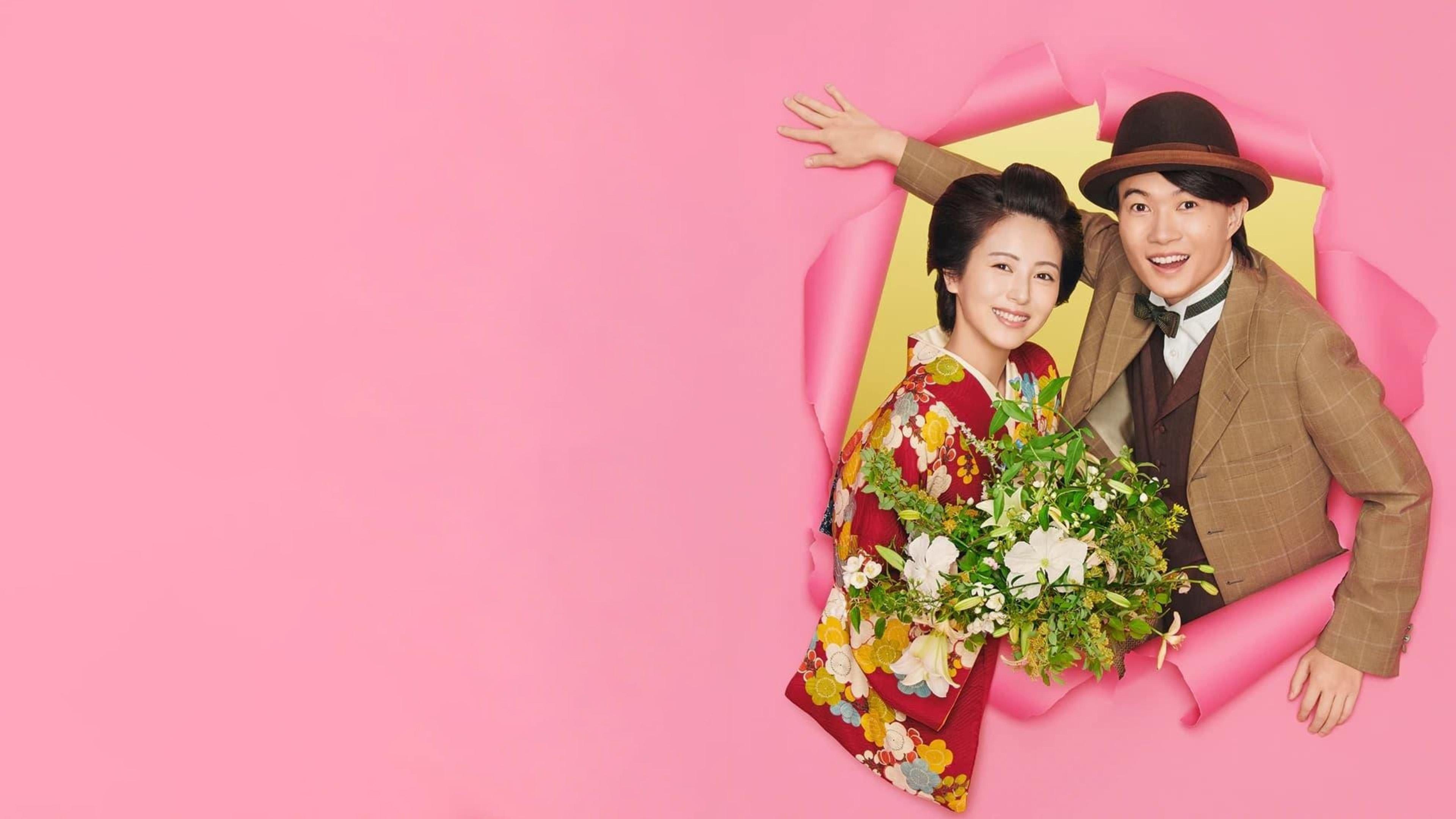
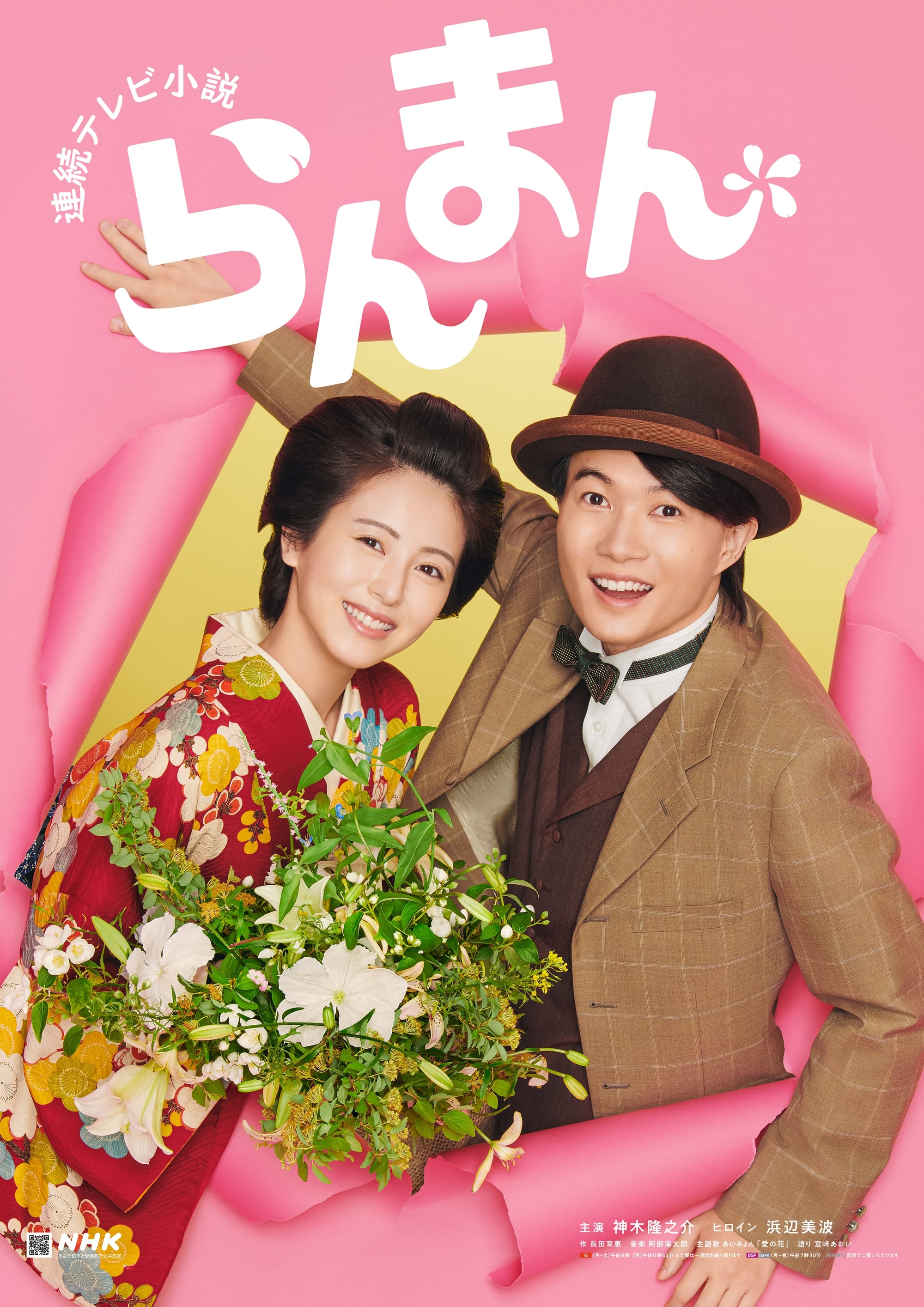
"In Full Bloom"
A passionate botanist dedicates his life to his love of plants, overcoming hardship across changing eras with the support of his devoted wife.

Social & External
The people behind it
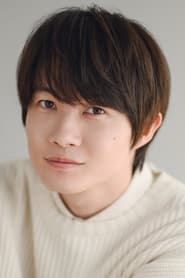
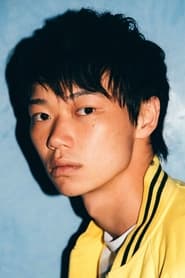
Ryunosuke Kamiki
Makino Mantaro
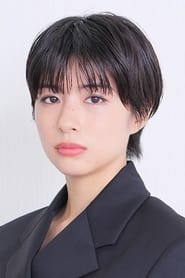
Minami Hamabe
Makino Sueko
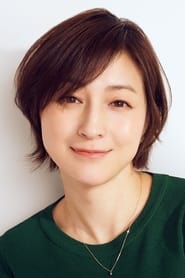
Ryoko Hirosue
Makino Hisa
Yui Sakuma
Makino Aya
Keiko Matsuzaka
Makino Taki
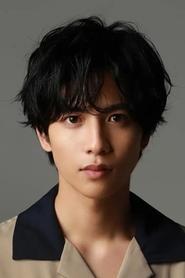
Jun Shison
Takeo
Inoue Sora
Yamane Hironori
Show Kasamatsu
Kokichi ["Mineya" brewer]
The Strauss Family is a British seven-part miniseries produced by Associated Television about 19th century Vienna's Strauss family: Johann I and his sons Johann II, Eduard, and Josef.
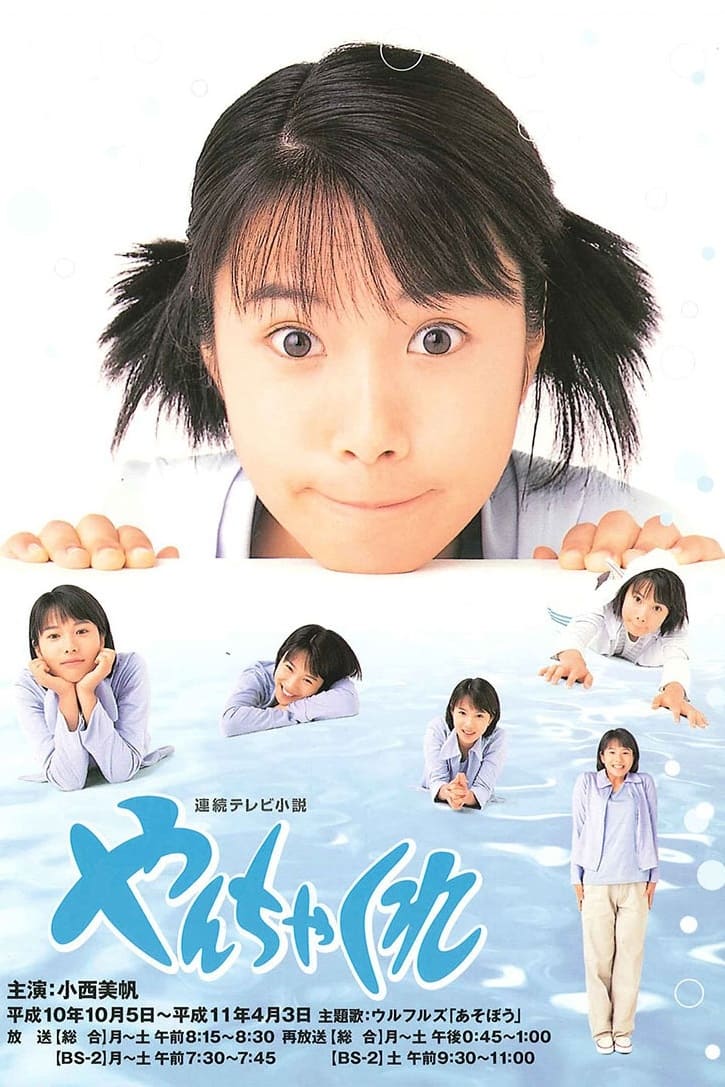
The 59th NHK Asadora Drama is Yanchakure. Location includes Osaka. In Osaka, "yanchakure" is a bit of an old word which is used to describe tomboyish or mischievous young girls. Mizushima Nagisa happens to be such a girl, that, no matter how well-intentioned her motives nor how hard she tries, Nagisa just seems to end up failing. In fact, she has failed at different things in her life so many times that she has come to see it as a source of personal strength, her philosophy being one of, "It's natural for a human being to fail many times in the course of their life and thanks to those failures we can become adults."
This drama is the tale of one high spirited, strong-willed young woman and her struggle to fulfill her lifelong ambition of becoming a carpenter and building homes. The story takes place from the later part of the Showa era to present day Heisei rule. The heroine of the story, Kawashima Urara, lost her father at the tender age of seven and this drama depicts her life as she grows from a young school girl, through puberty and adolescence and on into her adult years as an independent woman who owns her own carpentry business. As Urara grows into a beautiful and strong woman and a talented carpenter, her family around her goes through many difficult and trying times. This story of becoming an independent businesswoman in the male-dominated world of carpentry accurately reflects the lives and struggles of the young women in present day Japan who are trying to make a career for themselves in addition to balancing the demands of family obligations, friends, and lovers.
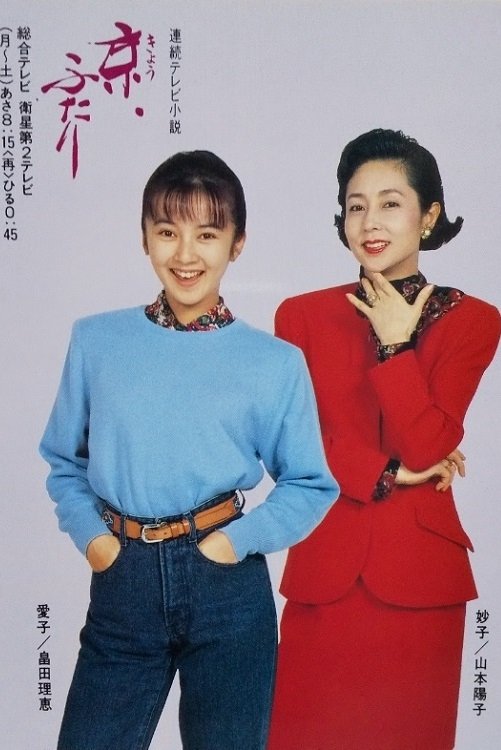
The 57th NHK Asadora Renzoku Drama. Story's settings include Kobe and Sasayama. It is a story about the conflicts between generations and the relationships within families. A strong mother-daughter theme and a sister-brother theme exist.
Set in Hakata, the series is about a young man who wants to play rock music even though his father expects him to follow him in making Hakata ningyou (a traditional Japanese clay doll). One of the few Asadora starring a male character.
Mizuki is a would-be actress who has yet to attain her goal, struggles to keep the dream in her heart alive while dealing with the reality of her normal life, far away from lights, cameras, and action she longs for. Despite words of warnings from her family, which includes her birth and step mothers, intended to keep her from reaching her destiny, she actually makes it onto a set of one of the film companies in Tokyo. She experiences the peaks and valleys of a starting actress, but receives a blow when news of the company collapses and eventually closes. Mizuki returns home, but, the fire once lit, still burns.
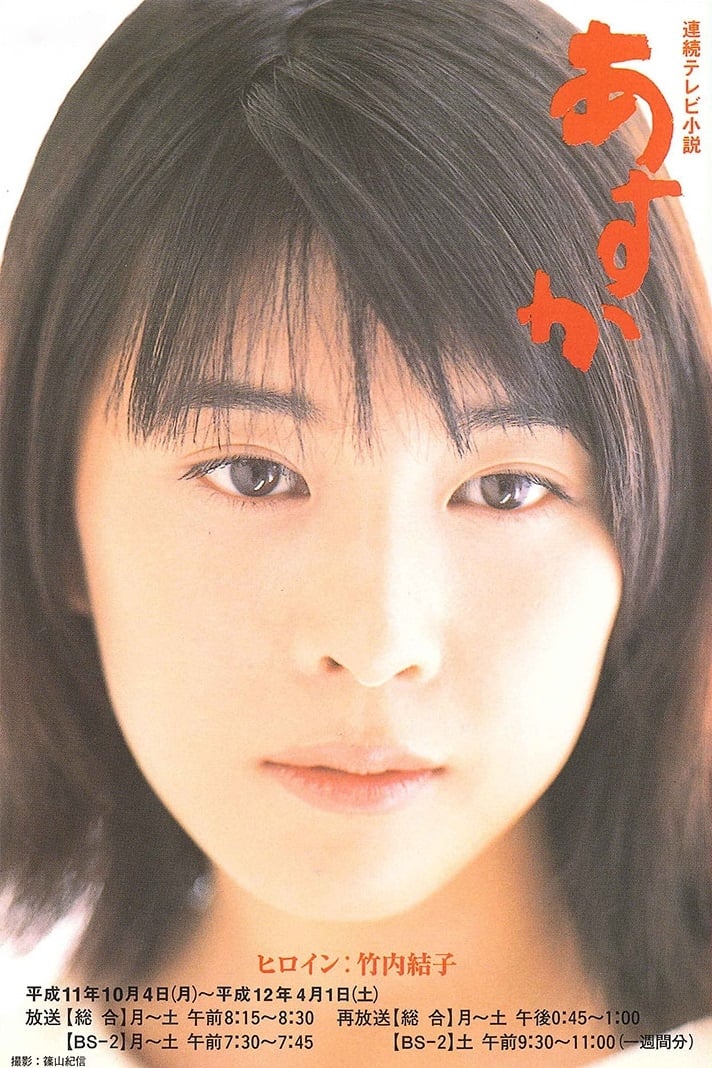
The 61st NHK Asadora Drama is Asuka. Set in Kyoto in the home of a traditional Japanese candy-maker, Asuka is the story of one young girl's dream to one day walk in her father's shoes and become a top candy-maker in the male-dominated world of wagashi (Japanese confectionery). Asuka grows to be a healthy, adventurous young girl with a deep curiosity and, a desire to become a candy-maker like her father. This NHK drama is one of the best in years with an excellent cast, a well-developed story based on extensive research into the traditional worlds of candy making and the tea ceremony in Kyoto, and beautiful scenery and settings in Kyoto and the surrounding areas.
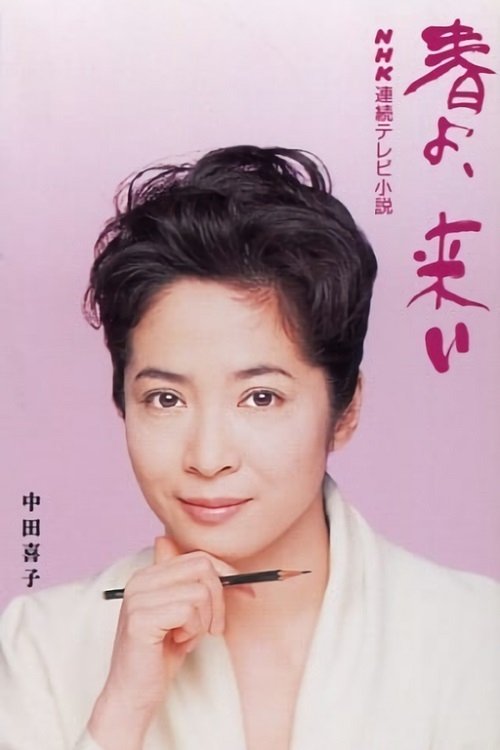
A successful screenwriter looks back on her life when she learns her husband has cancer. A year-long series, starring Narumi Yasuda.
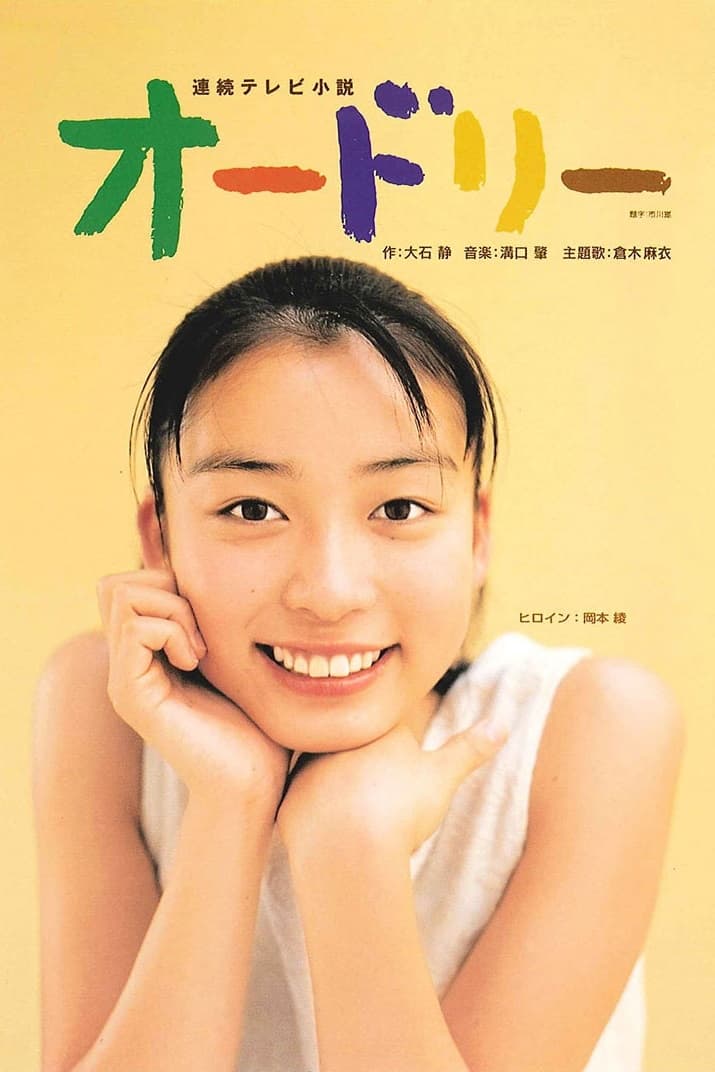
The drama about the youngest of four sisters, all raised solely by their father, who wants to write children's books.
A young woman Chiaki whose family runs an old miso company in Nagano Prefecture, the only daughter of old traditional family. For generations, they were making soybean paste for living. Now she needs to take over this business and rebuild it. She lives through the hardships of postwar Japan.
It's 1715 on the Bahamian island of New Providence, the first functioning democracy in the Americas, where the diabolical pirate Edward Teach, a.k.a. Blackbeard, reigns over a rogue nation of thieves, outlaws and miscreant sailors. Part shantytown, part marauder's paradise, this is a place like no other on earth - and a mounting threat to international commerce. To gain control of this fearsome society, Tom Lowe, a highly skilled undercover assassin, is sent to the buccaneers' haven to take down the brilliant and charismatic Blackbeard. But the closer Lowe gets, the more he finds that his quest is not so simple. Lowe can't help but admire the political ideals of Blackbeard, whose thirst for knowledge knows no bounds - and no law. But Lowe is not the only danger to Blackbeard's rule. He is a man with many villainous rivals and one great weakness - a passionately driven woman whom he cannot deny.
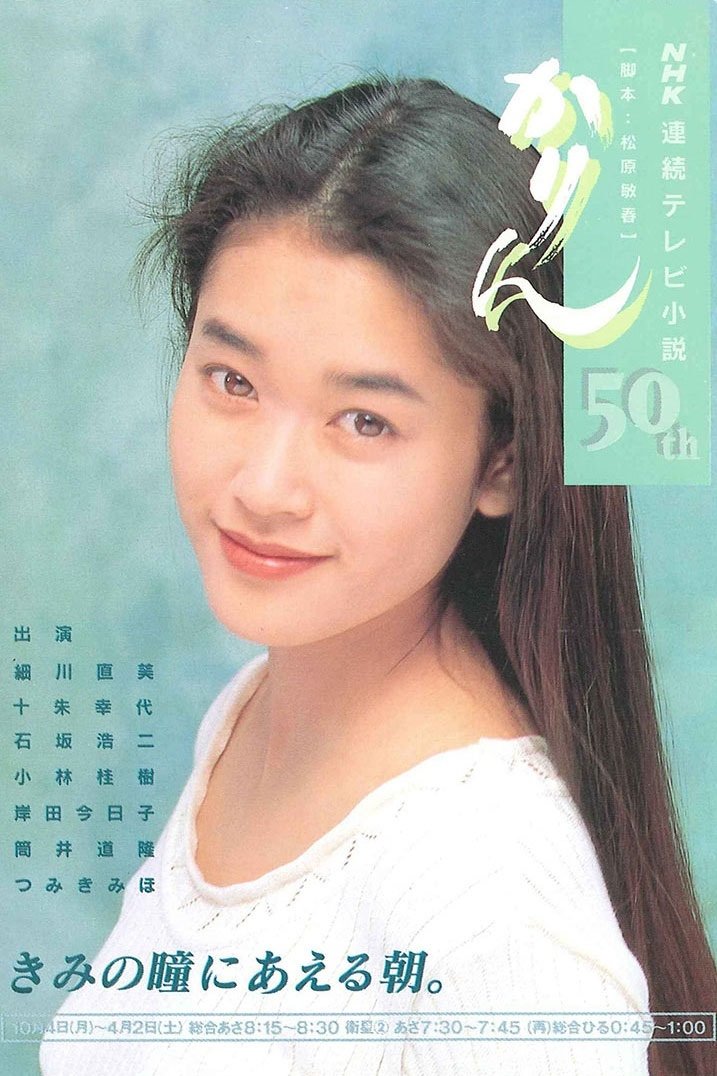
The 45th NHK Asadora. Set in an old Kyoto tsukemono (Japanese preserved vegetables) store, this series depicted the conflicts between a woman, her daughter and her father-in-law. It is a story about the relationships of three generation of women in the Nakahide family.
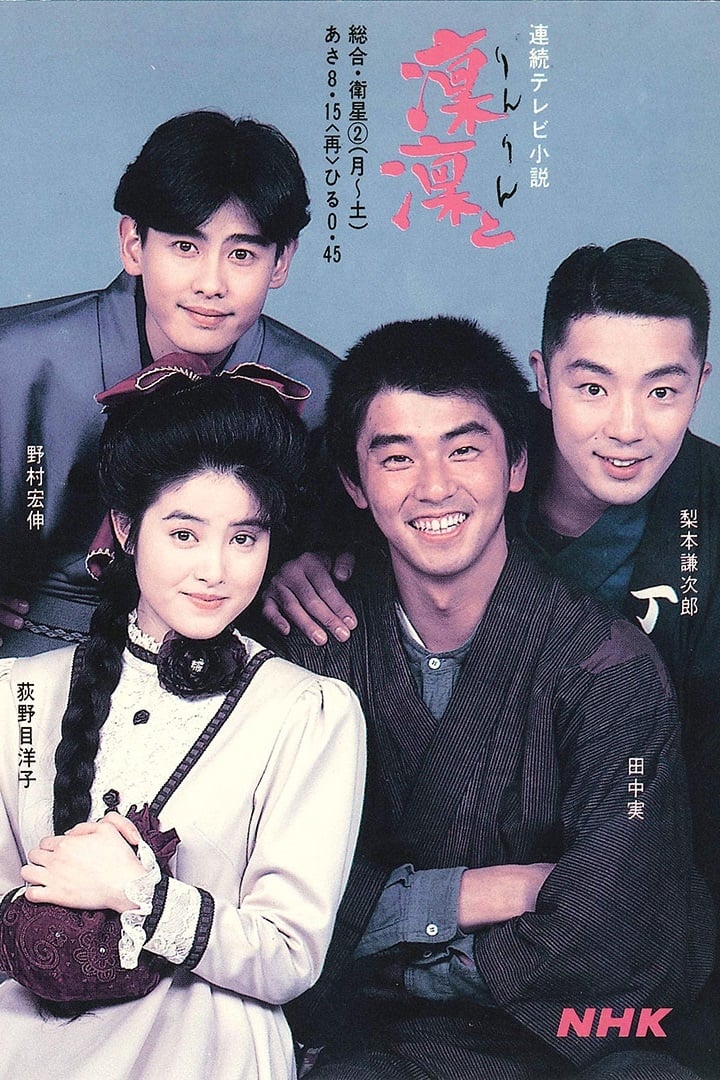
The 44th NHK Asadora about a man who developed an early television system.
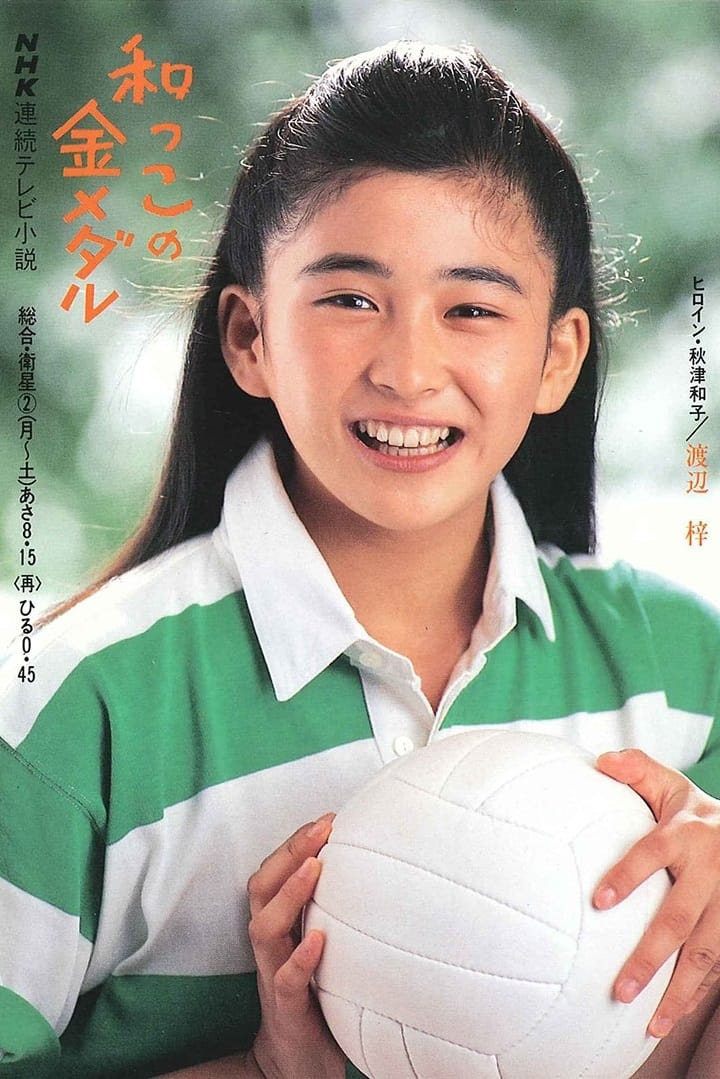
The 43th NHK Asadora about a female volleyball player who helps out the local community. Starring Azusa Watanabe.
A woman works hard to become a good doctor even though she is separated from her husband.
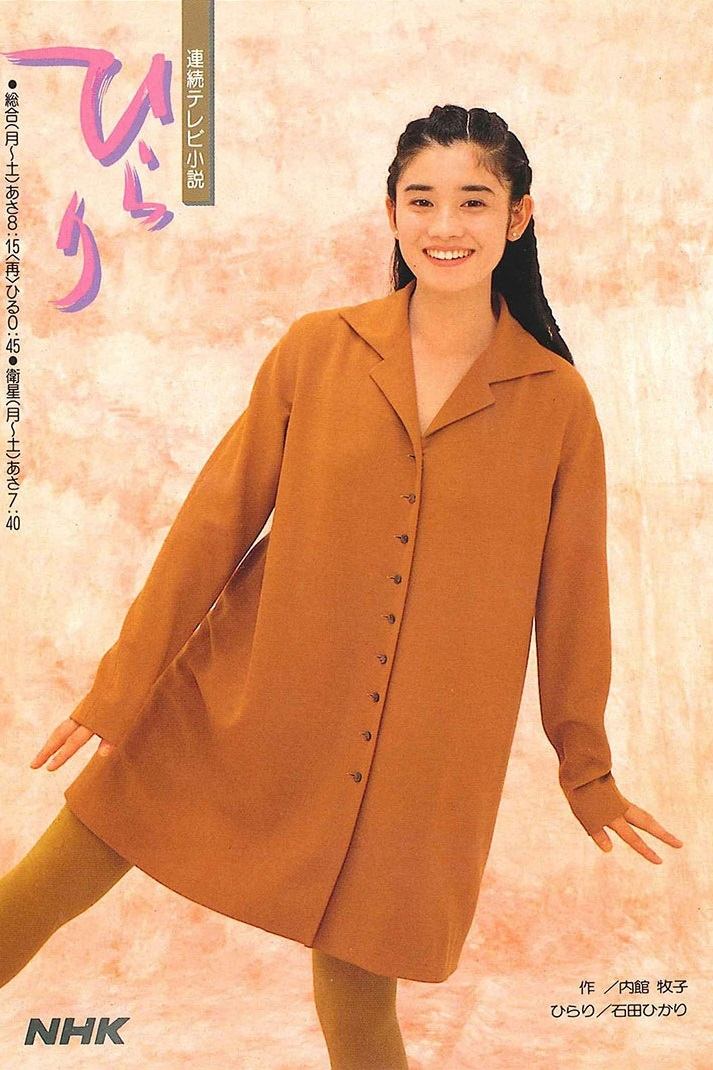
The 48th NHK Asadora Renzoku Drama is Hirari. Story's settings includes Tokyo. Hirari is a young and energetic girl. She loves the sports, sumo, very much and would like to find a career. However, there isn't any suitable career for a female in this area. Nevertheless, she still works hard towards her dream, and at last, she gets a chance to become a sumo stable's nutrition consultant.in this field. However, there isn't any suitable career for a female in this area. Nevertheless, she still works hard towards her dream, and at last, she gets a chance to become a sumo stable's nutrition consultant.
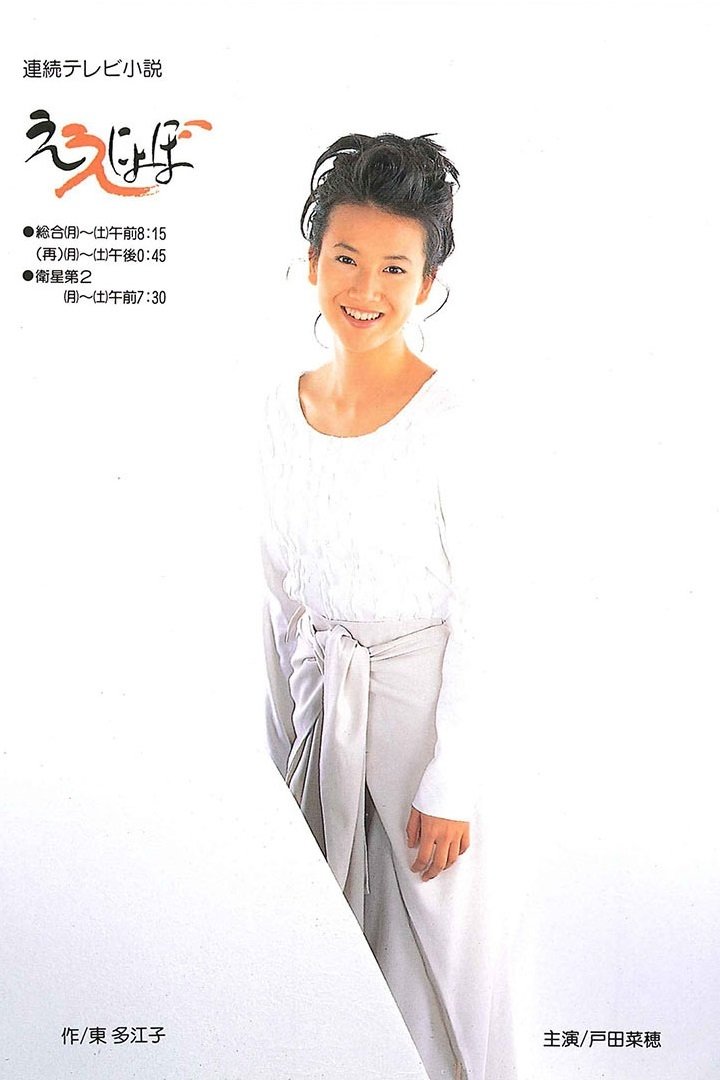
The 47th NHK Asadora chronicles the conflicts between a woman and her step-daughter in a hot springs town.
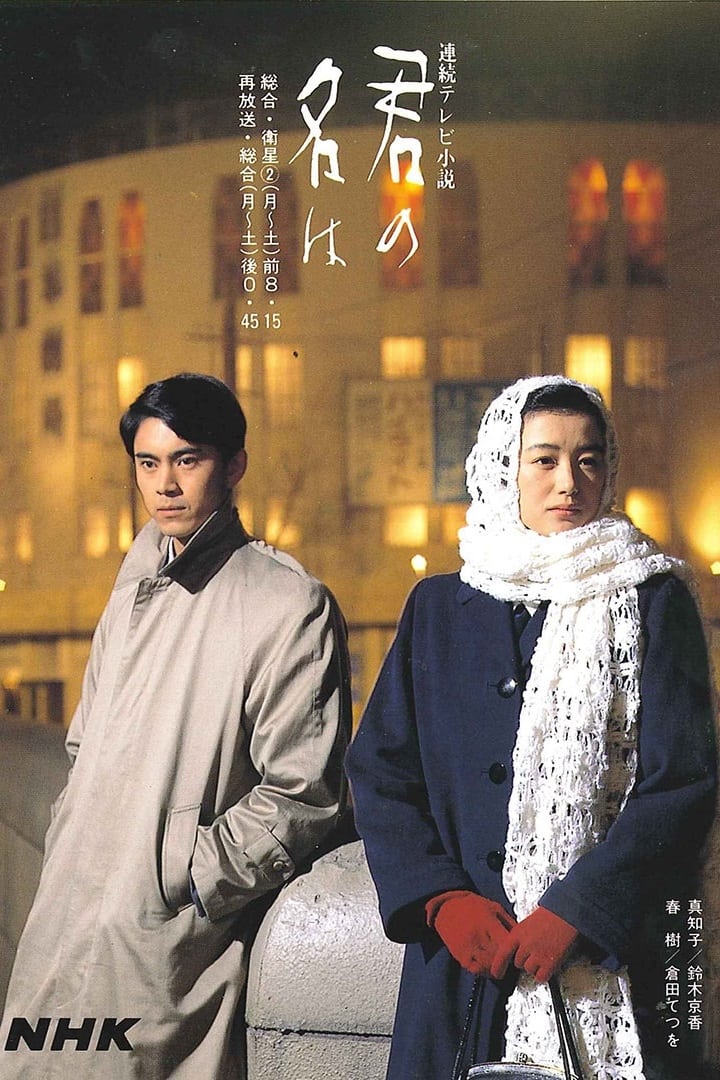
A story of a man and a woman who meet amid the Great Tokyo Air Raid in 1945.
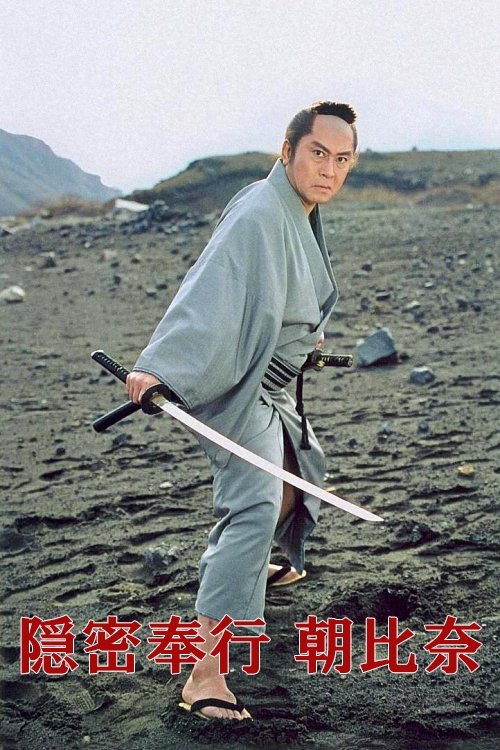
Ometsuke Asahina Kawachinokami Masakiyo - holds the position of inspector overseeing the daimyo on behalf of the shogun and the council of elders. When signs of rebellion appear in various areas across Japan, while receiving a secret order from Elder Tsuchiya Sagaminokami, Asahina hides her identity and heads to the area as a secret magistrate and crushes the evil that is plaguing the world with her ruthless hand.
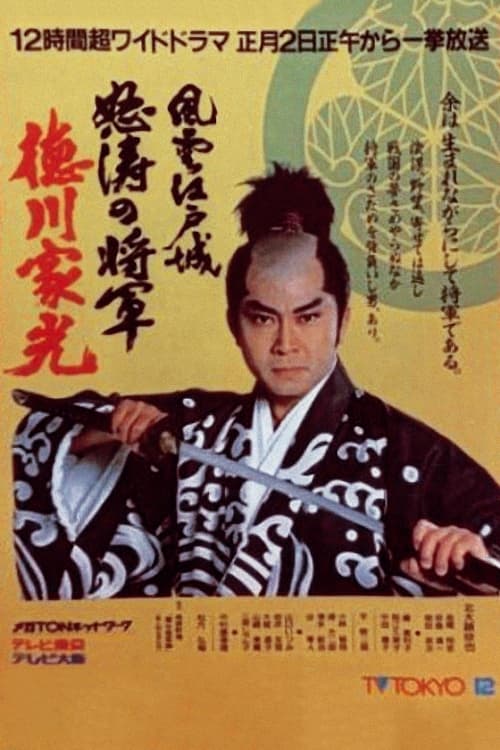
After the end of the reign of the second Shogun Hidetada, the country was still in turmoil. Meanwhile, Iemitsu, who took the place of the third shogun, is carrying out a number of political reforms. However, Yui Shosetsu, plans to overthrow the Tokugawa family...
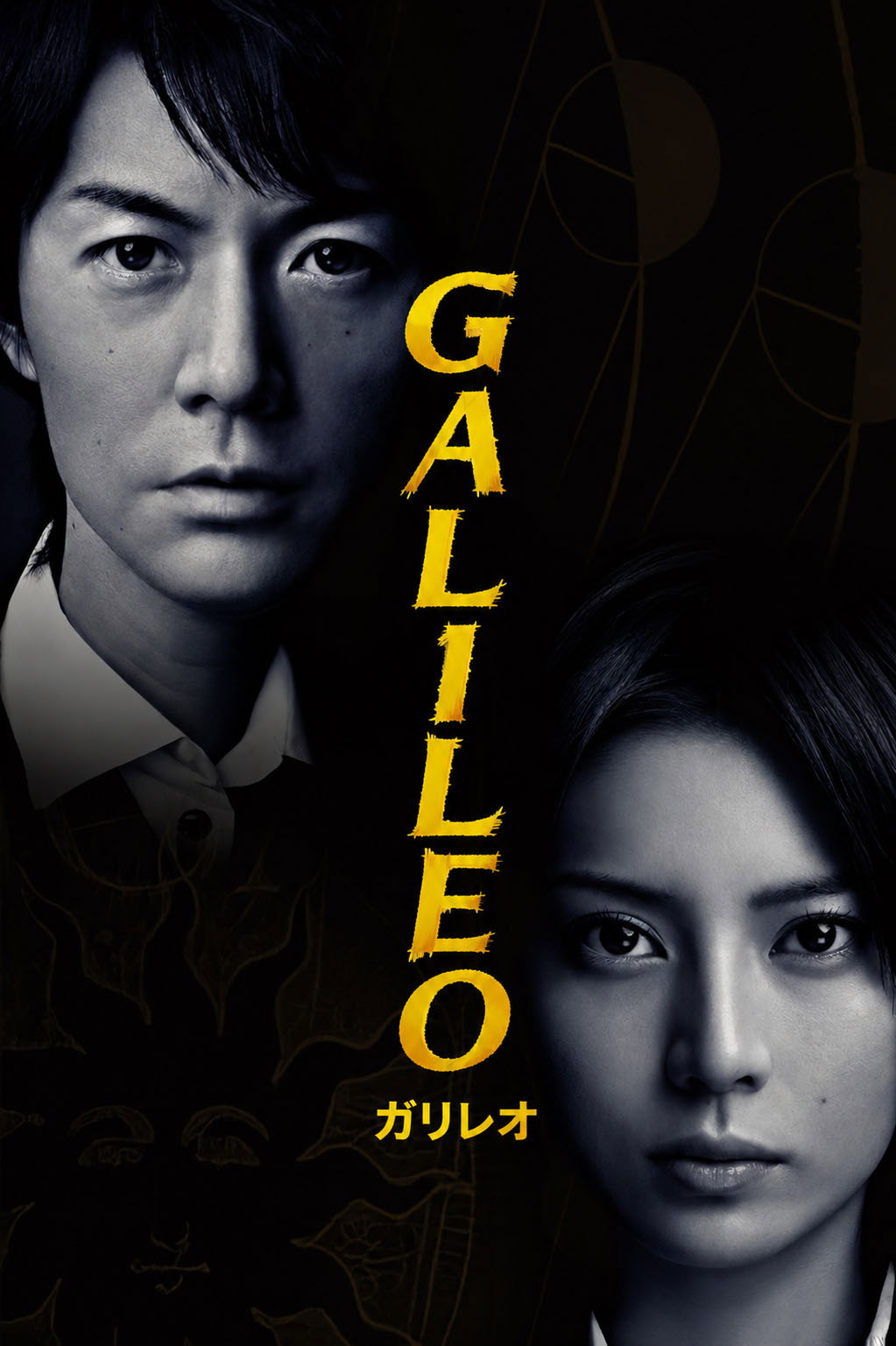
Narrates the events and cases encountered by Kaoru Utsumi, a rookie detective, and Manabu Yukawa, a university associate professor, while the two pair up to solve many mysterious cases.
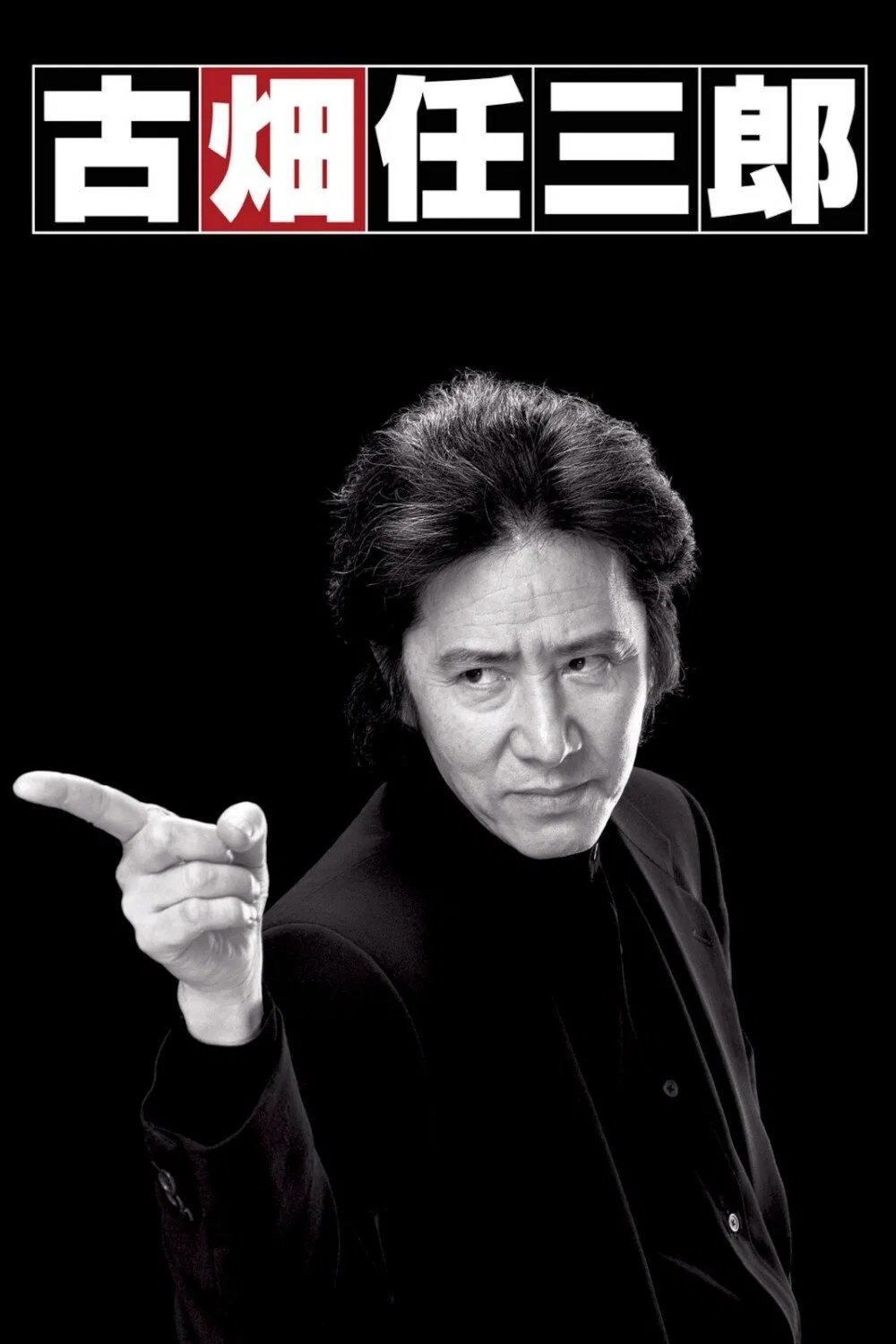
Furuhata Ninzaburō is a Japanese television series that ran periodically on Fuji Television from 1994 until its final episodes in 2006. It was written by Japanese playwright Kōki Mitani and is often referred to as the Japanese version of Columbo. The series is a police detective drama starring actor Masakazu Tamura as Furuhata Ninzaburo and Masahiko Nishimura as his stereotypically bumbling sidekick, Shintaro Imaizumi. The program aired weekly and featured a guest villain each time, usually a famous talent in Japan. Pop-stars like SMAP, television hosts like Sanma Akashiya and even sports figures like Ichiro Suzuki have been featured on this program. It was one of the most popular television dramas in the history of Japanese television, having spawned several seasons and TV specials.
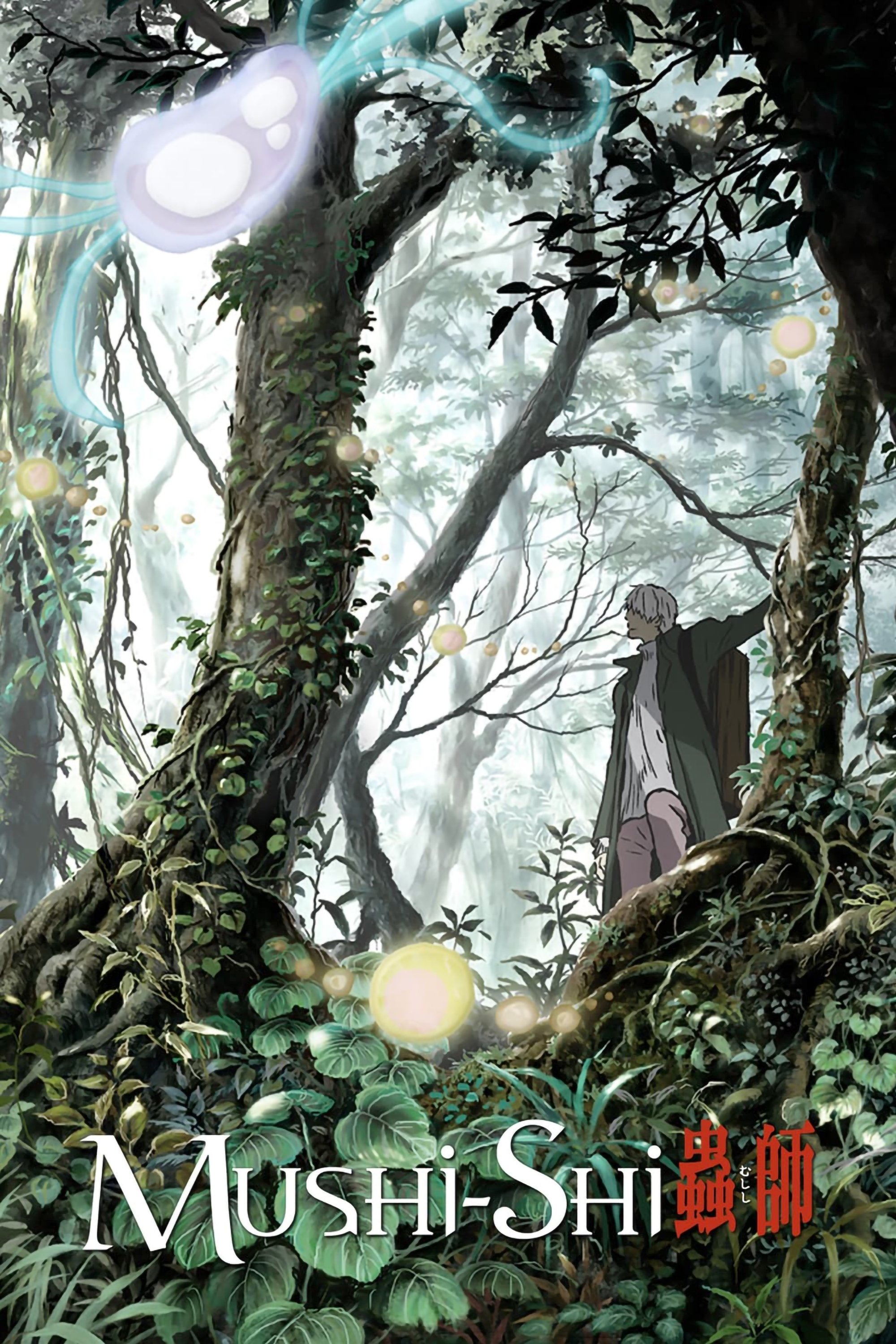
Ginko, a Mushi master, travels from place to place researching the Mushi and helping people who are suffering because of it.
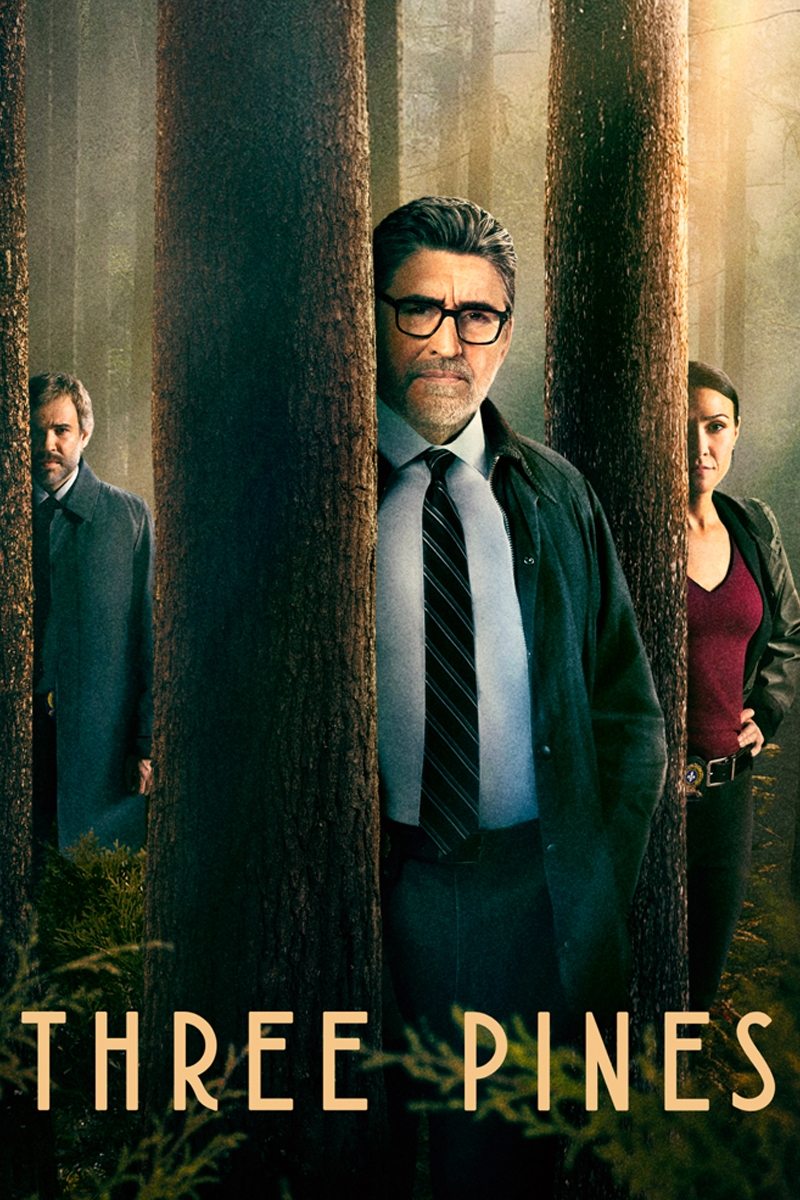
Chief Inspector Armand Gamache and his team investigate a series of perplexing murders, in the seemingly idyllic village of Three Pines and uncover the buried secrets of its eccentric residents. In the process, Gamache is forced to confront buried secrets of his own. Based on the novels by Louise Penny.
Maomao lived a peaceful life with her apothecary father. Until one day, she's sold as a lowly servant to the emperor's palace. But she wasn't meant for a compliant life among royalty. So when imperial heirs fall ill, she decides to step in and find a cure! This catches the eye of Jinshi, a handsome palace official who promotes her. Now, she's making a name for herself solving medical mysteries!
An English navigator becomes both a player and pawn in complex political games in feudal Japan.
Daimon Michiko is a 37-year-old freelance surgeon who is part of a questionable “doctor placement service” that has her wander from hospital to hospital. The harsh environment at the hospitals led many doctors to retire from their positions, forcing hospitals to make use of said program to fill the empty spots at least temporary. However, Michiko doesn’t look like a doctor at all with her flashy clothes and eccentric attitude. In the first episode she raises objections to a certain operation which is planned to be done by the head of a hospital who hasn’t performed an operation for a very long time. This causes Michiko to incur odium at the hospital, however, everyone becomes frozen when Michiko points out the outdated skills of the director. She also holds a scrupulous compliance when it comes to her working hours, never does any unnecessary chores that don’t require a medical license, and couldn’t care less about the power struggles within the hospitals. Nobody knows how she acquired such a top-level skill that allows her to claim exorbitant sums as reward, but her private life is an even greater mystery to everyone around her. Tanaka plays a rookie surgeon, Uchida an anesthetist, Kishibe the head of the placement service, and Ito the head of the surgical department of this institution.
After losing her parents in a mysterious fire, nine-year-old Alice Hart is raised by her grandmother June on a flower farm where she learns there are secrets within secrets. But years on, an unearthed betrayal sees Alice forced to face her past.
When Lucy Albright and Stephen DeMarco meet at college, they are at that formative age when seemingly mundane choices lead the way to irrevocable consequences. They quickly fall into an addictive entanglement that will permanently alter not only their lives, but the lives of everyone around them.
Baretta is an American detective television series which ran on ABC from 1975 to 1978. The show was a milder version of a successful 1973–74 ABC series, Toma, starring Tony Musante as chameleon-like, real-life New Jersey police officer David Toma. While popular, Toma received intense criticism at the time for its realistic and frequent depiction of police and criminal violence. When Musante left the series after a single season, the concept was retooled as Baretta, with Robert Blake in the title role.
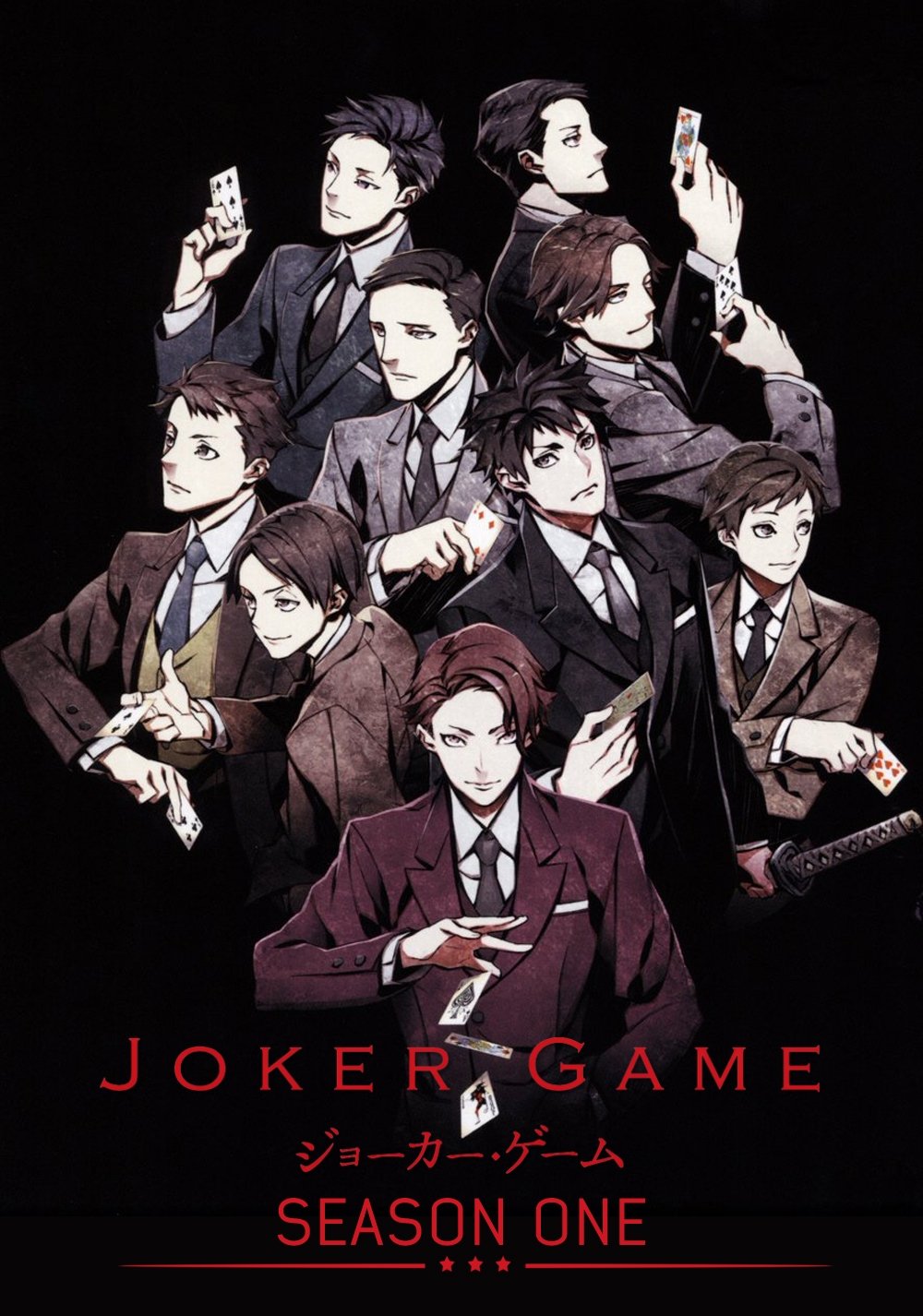
Taking place in the year 1937 on the eve of World War II, the story involves a mysterious spy training organization known as the "D Agency." The organization is established by Lieutenant Colonel Yuuki from the Imperial Japanese Army. His ideals lead him to recruit people beyond military academy graduates and personnel, while training them to become skilled agents in arts of manipulation. These agents would become a specialized team to conduct operations. One such antihero agent, under the name Jirou Gamou, goes on a harrowing mission to uncover secret documents titled "Black Notes," while battling forces from within and without his own ranks.
Family Liaison Officer Lisa Armstrong becomes a little too emotionally involved with a case (to the point where she might compromise it) concerning a pair of missing Morecambe twins to whose distraught parents she is assigned.
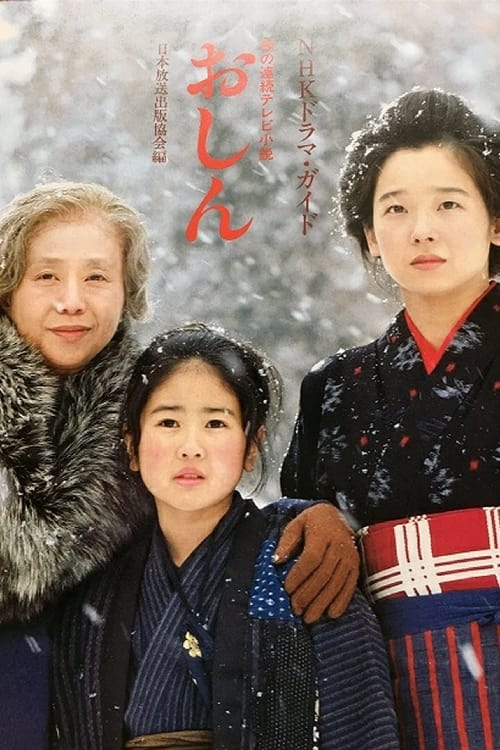
Oshin is a Japanese serialized morning television drama, which aired on broadcaster NHK from April 4, 1983 to March 31, 1984. The series follows the life of Shin Tanokura during the Meiji period up to the early 1980s. Shin was called "Oshin", which is an archaic Japanese cognomen.
A seemingly perfect interracial first family becomes the White House's newest residents. But behind closed doors they unleash a torrent of lies, cheating and corruption.
Fresh out of law school, Rudy Baylor goes head to head with courtroom lion Leo Drummond as well as his law school girlfriend, Sarah. Rudy, along with his boss, Bruiser, and her disheveled paralegal, Deck, uncovers two connected conspiracies surrounding the mysterious death of their client's son.
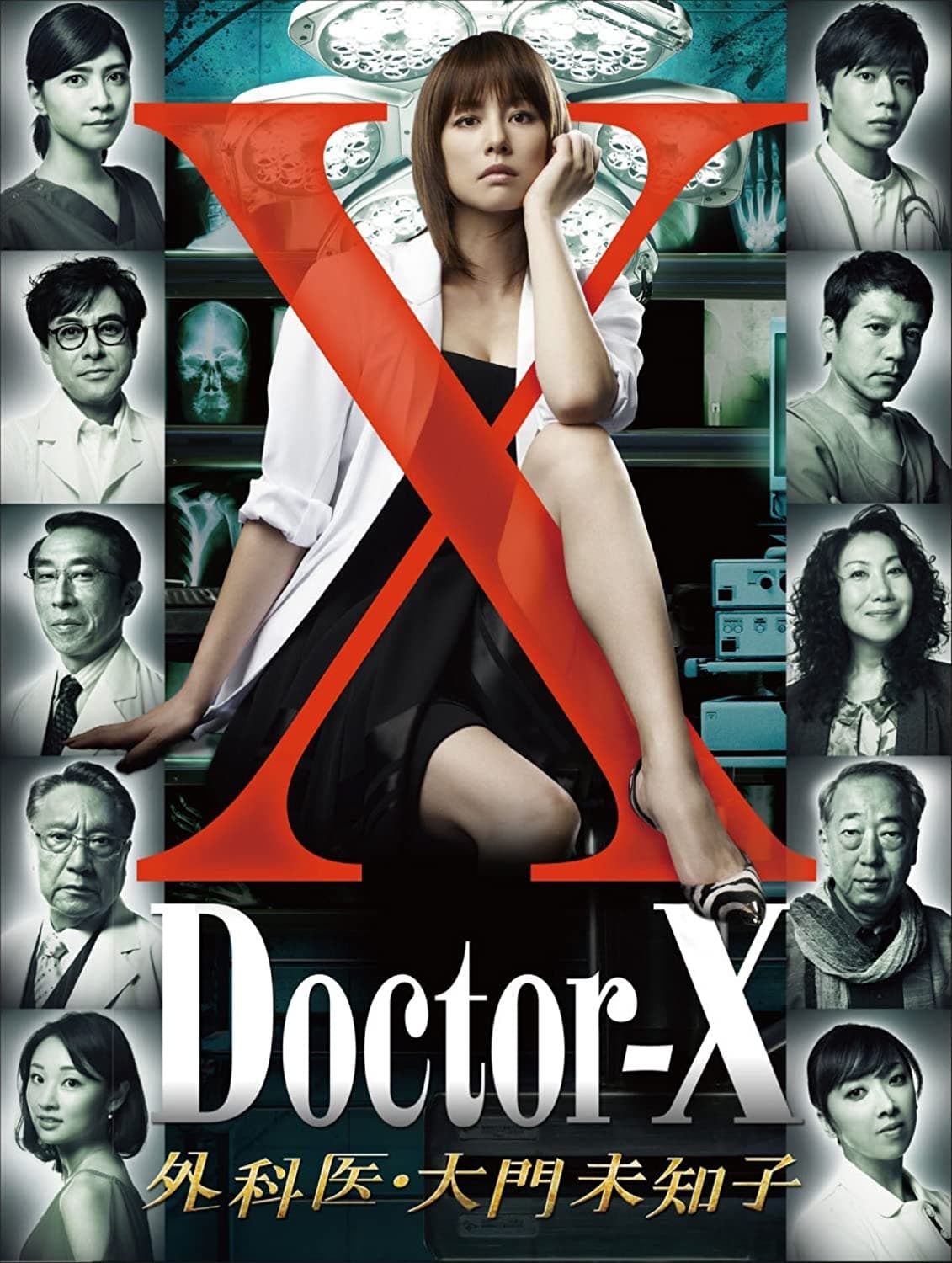
The trials and tribulations of the very large, colorful and imperfect Braverman family.

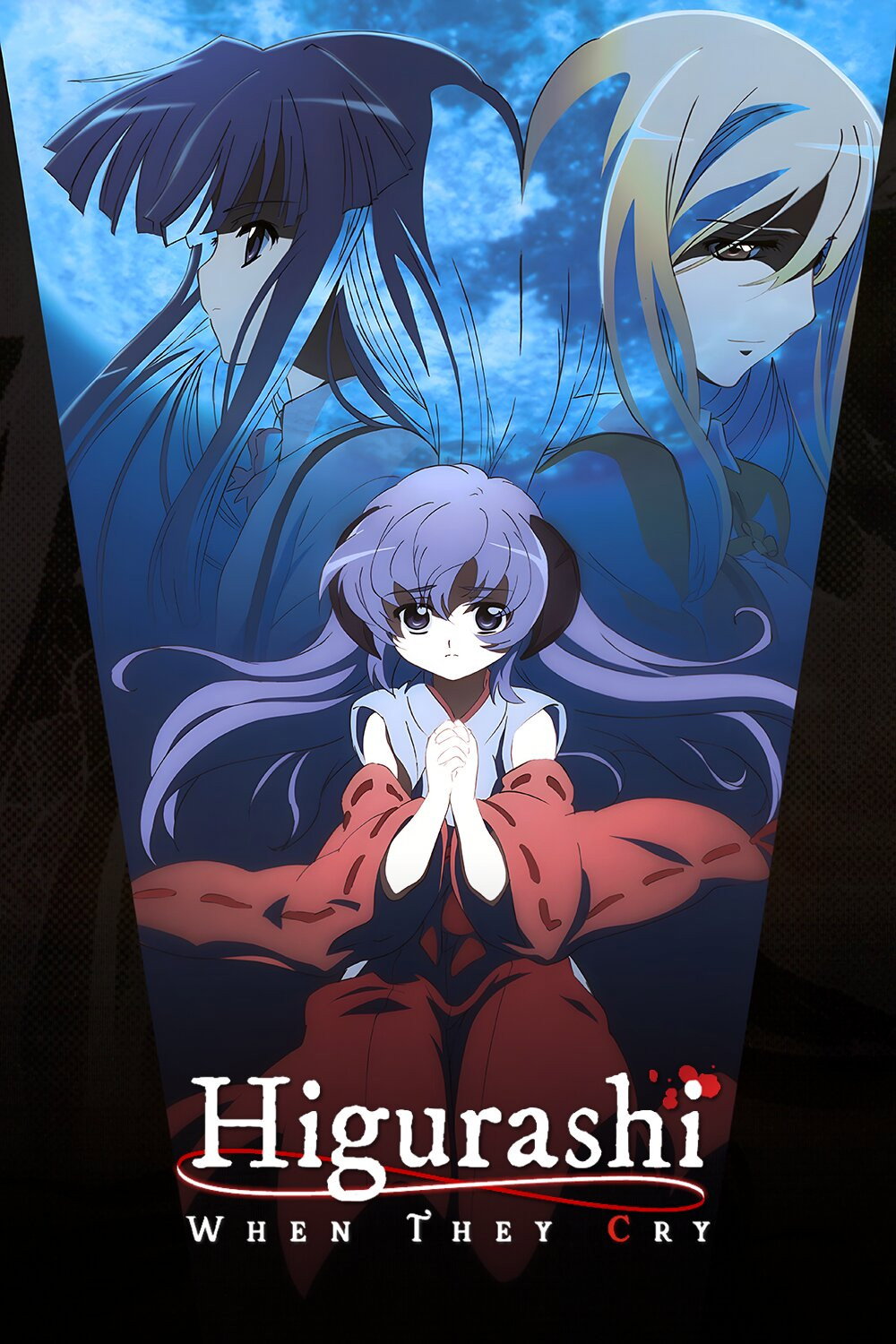
After moving into the quiet town of Hinamizawa, Maebara Keiichi spends his days blissfully in school often playing games with his local friends. However, appearances can be deceiving. One fateful day, Keiichi stumbles upon news of a murder that had occurred in Hinamizawa. From this point on, horrific events unfold in front of Keiichi, as he soon learns his close friends may not be all that they seem.
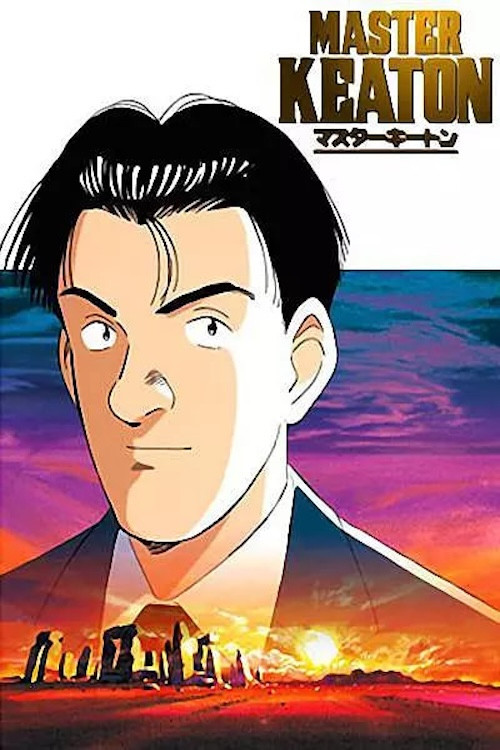
The amazing Taichi Keaton works on cases around the globe that always lead to adventure! He combines his arsenal of multidisciplinary expertise in investigation, archeology, and survival with his experience as a professor, a Falklands Conflict veteran and a SAS agent to unravel the often dangerous challenges in each riveting episode.
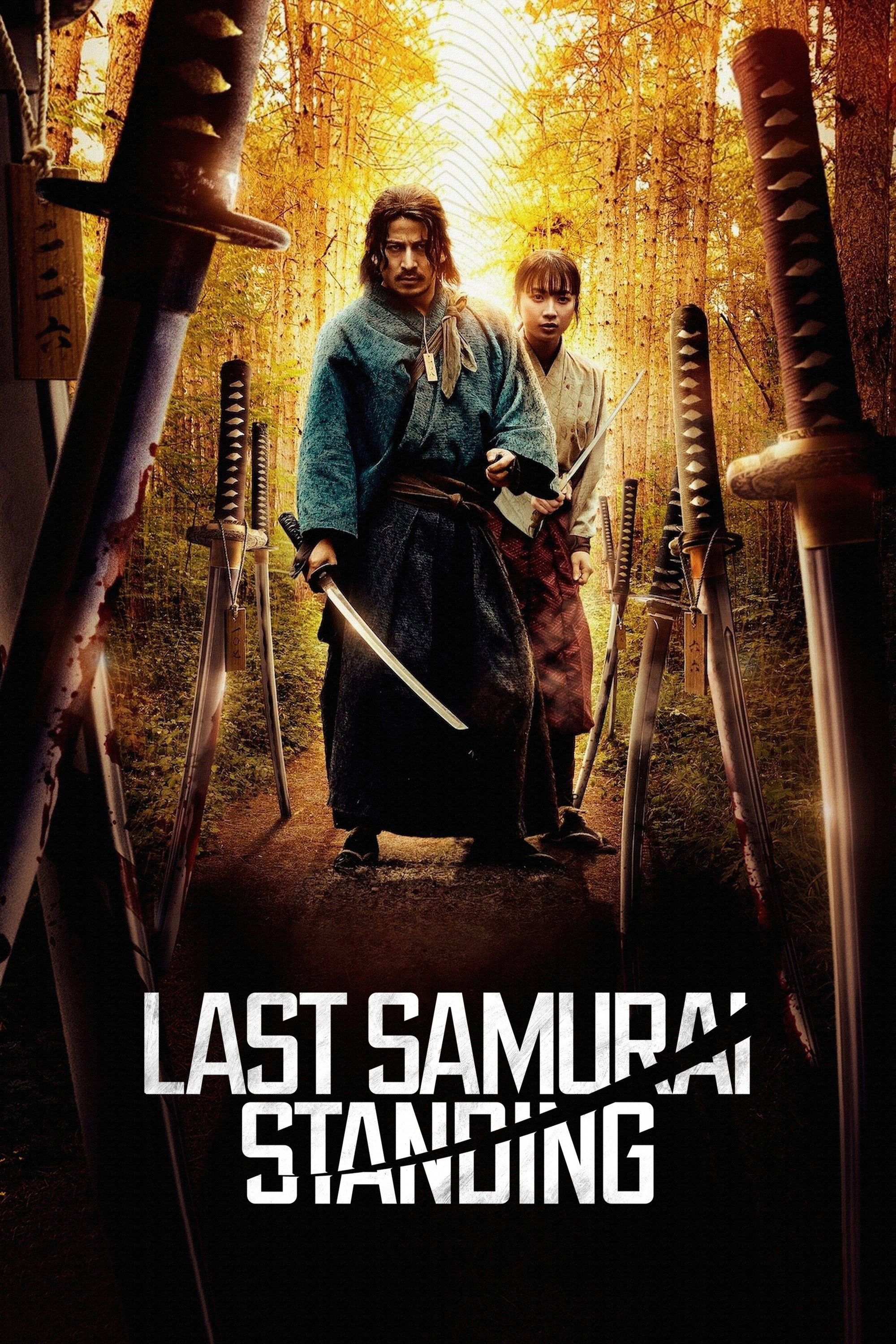
In the early Meiji era, Shujiro, once known as an undefeated samurai, decides to participate in a deadly survival game to save his family and villagers.
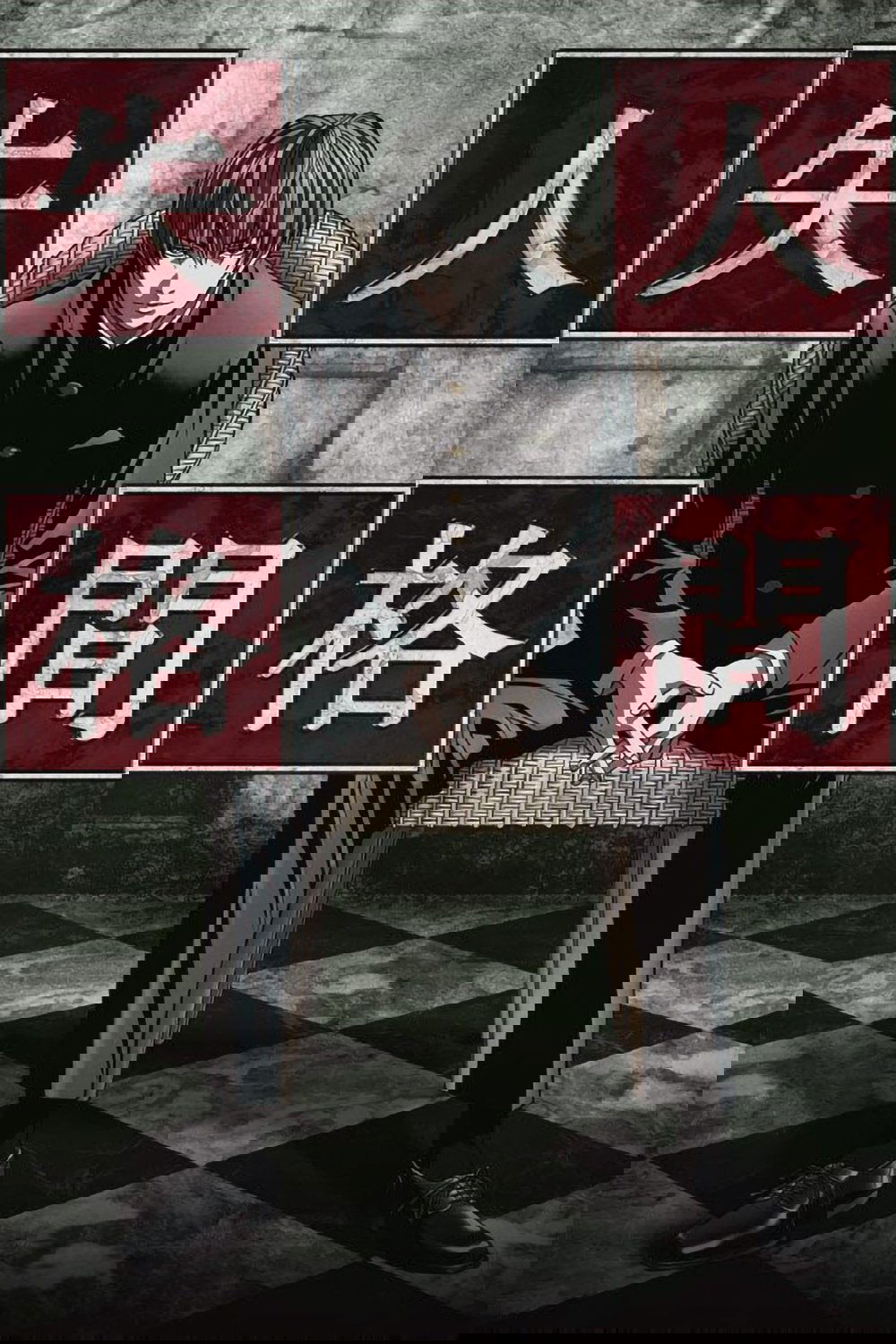
An animated adaptation of six classical Japanese literature pieces, including No Longer Human (Ningen Shikkaku) and Run, Melos (Hashire, Melos) by Osamu Dazai, Kokoro by Natsume Souseki, Hell Screen (Jigoku Hen) and The Spider's Thread (Kumo no Ito) by Ryunosuke Akutagawa and In the Forest, Under Cherries in Full Bloom (Sakura no Mori no Mankai no Shita) by Ango Sakaguchi.