Social & External
The people behind it
Noelia Castaño
Gloria Reyes
Cristóbal Suárez
Miguel Adame
Pilar Abella
Carmen Reyes
Sergio Mur
Manu Ambrán
Quim Vila
Enrique de la Cruz
Bárbara Lluch
Natalia de la Cruz
Anna Ycobalzeta
Úrsula
William Miller
Víctor Ambrán
Marco de Paula
Isaías
Bárbara Elorrieta
Vero
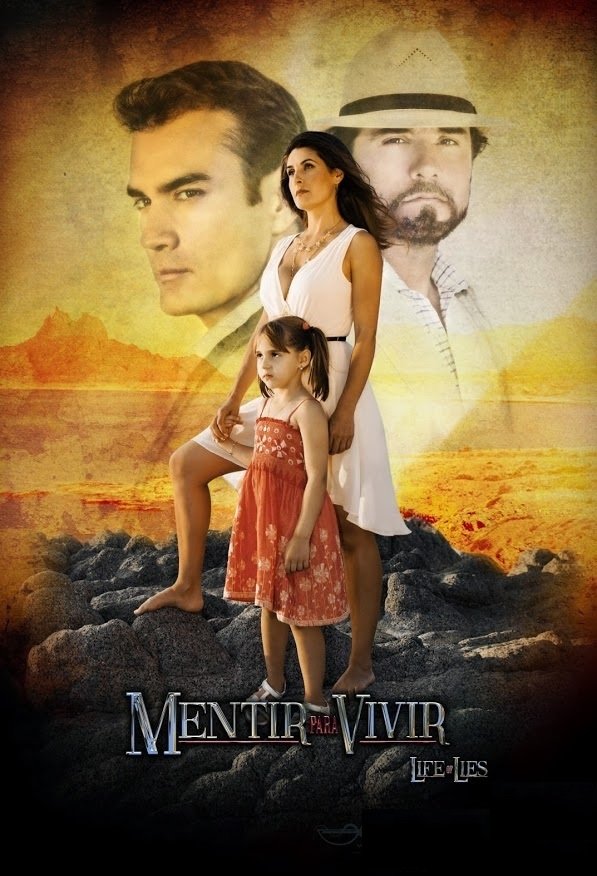
Mentir para vivir is a Mexican telenovela produced by Rosy Ocampo for Televisa. The telenovela is written by Maria Zarattini, who last wrote La Fuerza del Destino. Mayrín Villanueva and David Zepeda star as the protagonists, while Altair Jarabo, Leticia Perdigón and Diego Olivera star as the antagonists.
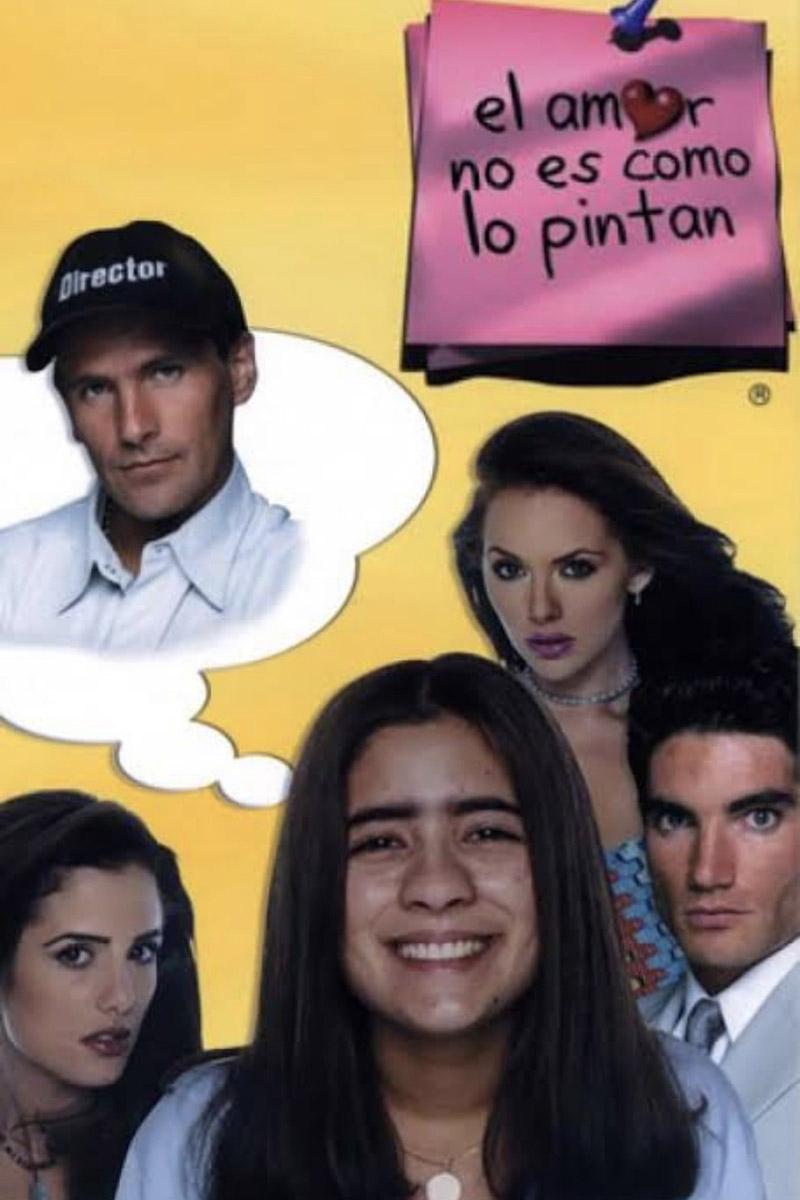
El amor no es como lo pintan is a Mexican telenovela produced by Juan David Burns and Elisa Salinas for TV Azteca. It was broadcast on Azteca 13 from November 6, 2000 to April 27, 2001 for 165 episodes.
Teens Charlie and Nick discover their unlikely friendship might be something more as they navigate school and young love.
Laila is a Syrian victim of a bombing who agrees to marry a powerful sheikh in exchange for money to save her little brother's life. However, plans change due to the tragic death of the child. Laila and her family flee to start a new life in distant lands. Abandoned and enraged, the sheikh sends Jamil, his right-hand man, in search of the bride, but could not imagine he would fail to obey his command and fall madly in love with her. This forbidden love will be tested when the sheikh's daughter decides to take revenge after her father's mysterious death. From Emmy winners Thelma Guedes and Duca Rachid, ‘Orphans of a Nation’ tells a beautiful love story in the current context of refugees from around the world.
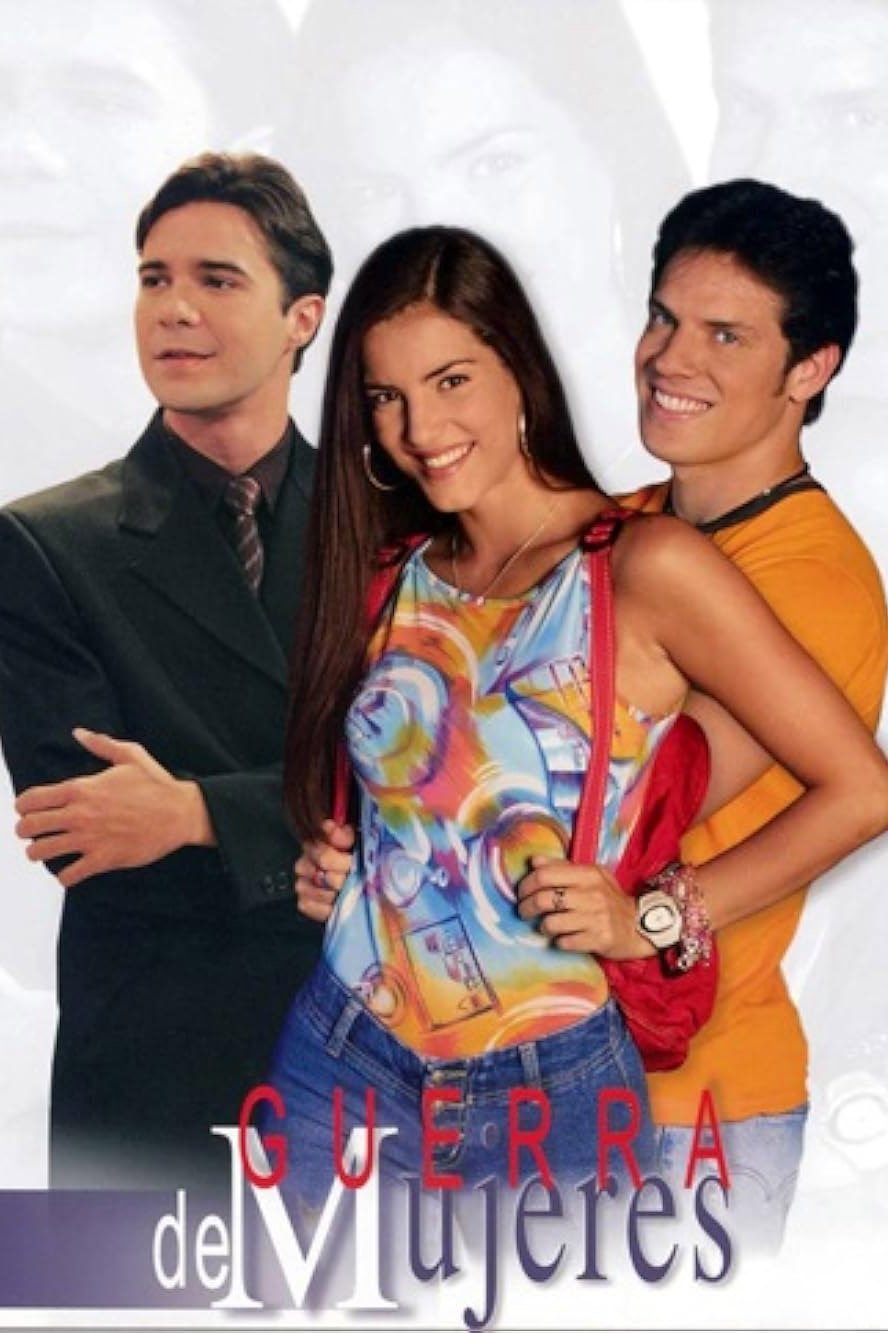
Guerra de mujeres is a telenovela produced by Venevisión in 2001. Gaby Espino and Jorge Reyes starred as the main protagonists.
Por Siempre mi Amor is an upcoming Mexican telenovela to be produced by Ignacio Sada Madero for Televisa. It is a remake of Mi Segunda Madre, produced by Juan Osorio. in 1990 Canal de las Estrellas will broadcast Mi Segunda Madre after Corazón Indomable concludes in late-September 2013. On June 24, 2013, it was confirmed that Susana González and Guy Ecker will star as the protagonists. Dominika Paleta and Héctor Suárez Gomís will star as the antagonists.
An engineer who works in a large construction company and a poor worker without aspirations both share a love that dared to go beyond all prejudices and differences. Based on the Chilean TV series of the same name.
A man's budding romance with a beautiful woman is sabotaged by his evil twin, but they get another chance at love when they're reunited years later.
In Tree Hill, North Carolina two half brothers share a last name and nothing else. Brooding, blue-collar Lucas is a talented street-side basketball player, but his skills are appreciated only by his friends at the river court. Popular, affluent Nathan basks in the hero-worship of the town, as the star of his high school team. And both boys are the son of former college ball player Dan Scott whose long ago choice to abandon Lucas and his mother Karen, will haunt him long into his life with wife Deb and their son Nathan.
In the early 20th century, the Montes de Oca family—comprising two sisters and a cousin—finds itself entangled in an intense love triangle. Matilde is in love with her cousin Rodrigo, who loves the other sister, Branca Flor; she, in turn, loves a humble fisherman. Upon discovering this, Rodrigo accuses the fisherman of theft, leading to his arrest. The lovestruck cousin’s malice knows no bounds; learning that Branca Flor is carrying the fisherman's child, he waits for the baby to be born so he can make it disappear.
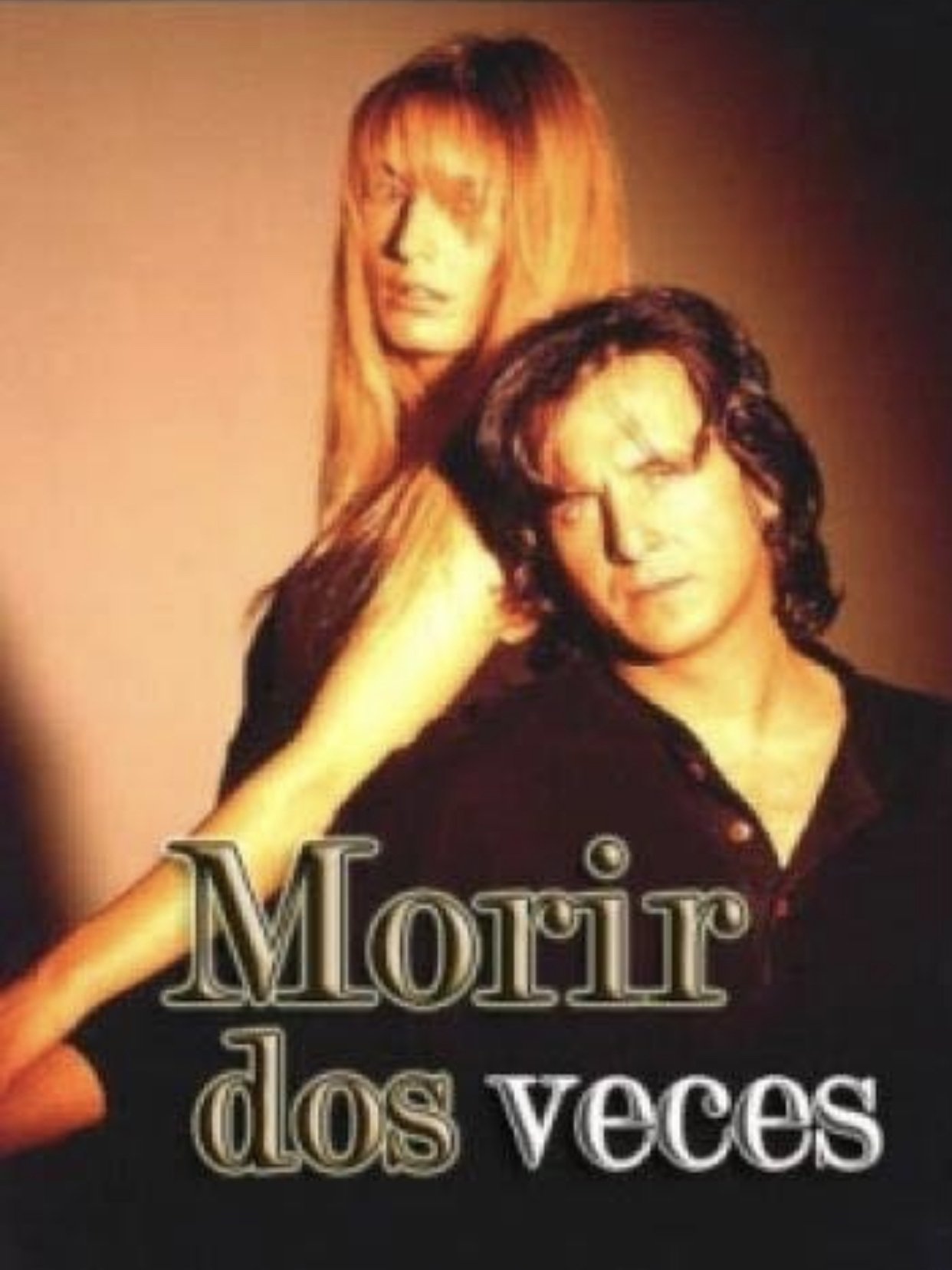
Morir dos veces is a Mexican telenovela produced by José Rendón for Televisa and originally broadcast on Canal de las Estrellas from February 26 to May 10, 1996. Created by José Rendón, with adaptation by Ximena Suárez, co-adaptation by Alfonso Espinosa, and literary editing by Martha Carrillo, the telenovela stars Eduardo Palomo and Carina Ricco. The story follows Silvana, a devoted wife whose life is shattered when her husband, Cristóbal, suddenly dies under mysterious circumstances. As the police uncover his connections to organized crime and suspect Silvana of murder, she becomes entangled in a dangerous web of deception, revenge, and betrayal. Meanwhile, the man everyone believed to be dead returns with a new identity, determined to destroy those who betrayed him.
Triángulo is a Mexican telenovela produced by Ernesto Alonso for Televisa and originally broadcast on Canal de las Estrellas from August 3 to November 20, 1992. Created by María Zarattini and adapted by Irma Ramos, the telenovela stars Daniela Castro and Eduardo Palomo. The story follows Sara Granados, a kind-hearted young woman who is constantly mistreated by her stepmother and stepsister. After being deceived by the ambitious David and becoming pregnant, Sara finds support in his brother Iván, who falls in love with her. As David returns determined to reclaim her, the three become entangled in a love triangle marked by family conflicts, betrayal, and the search for happiness.
Los hijos de nadie is a Mexican social drama telenovela produced by Miguel Sabido and Irene Sabido for Televisa and originally broadcast on Canal de las Estrellas from February 24 to June 20, 1997. Created by Miguel Sabido, with adaptation by Miguel Sabido, Verónica Suárez, Andrea Ordóñez, Rosa Ana Curiel, and Kary Fajer, the telenovela was supported by UNICEF to raise awareness about the situation of homeless children in Mexico. The story follows Doña Leonor, an elderly woman who loses her daughter and granddaughter in a tragic accident. Seeking to overcome her loneliness, she dedicates herself to helping a group of children living on the streets of Mexico City. Alongside Verónica, a young woman who brings hope to the children through her puppet shows, Leonor faces the challenges of poverty, abandonment, and the people who seek to exploit those most vulnerable.
The realistic chronicles of a working class group of Hispanic youth, with heavy subject matter like sex, drug dealing, teen pregnancy, abuse, drinking, rape, deception, and heartbreak.
The experiences of a group of young people interned at the Life Institute of Knowledge and Evolution (LIKE), a prestigious and cosmopolitan educational institution, with a supposedly modern and open educational system, but in reality it is deeply traditional and schematic.
Teresa Chavez is a young woman with an obsession for money and ambition. Despite her beauty and the fact that she was raised in the bosom of a loving family, she is resentful; her one desire is to leave her humble but poor neighbourhood.
¡Válgame Dios! is a Spanish-language Venezuelan telenovela written by Mónica Montañéz for Venevisión. Sabrina Seara and Eduardo Orozco star as the main protagonists while Ricardo Alamo, Carlota Sosa and Raquel Yanez star as the main antagonists.
A telenovela that dramatizes the romances and rivalries between two brothers and two sisters in Mexico between the years 1885 and 1900.
Lola... Érase Una Vez is a teen targeted Mexican melodrama telenovela produced by Televisa that is an adaptation of the Argentine global phenomenon and teenage telenovela Floricienta. The show tells the story of a modern Cinderella, Lola, a 20 year old girl, who works as a nanny and sings in a rock band and meets her so call Prince Charming. It debuted in Mexico on February 26, 2007, starring Aarón Díaz and Eiza González. The show had gained popularity among teens and children not only in Mexico but also internationally including Venezuela, Spain and the in United States. With concert performances filling major auditoriums and songs by the protagonist become radio hits. It debuted in the United States on Univision in March 2008 and ended on January 26, 2009. The series consisted of 224 episodes which aried Monday through Friday at 3 P.M, intentionally for teenagers to watch after school, as is typical for most teenage & children telenovelas in Spanish networks.
La Mujer Del Vendaval is a 2012 Mexican telenovela produced by Mapat L. de Zatarain for Televisa. It is a remake of the Venezuelan telenovela Un Esposo para Estela. Ariadne Díaz and José Ron star as the main protagonists, while Chantal Andere, Marco Muñoz, Manuel Flaco Ibañez and Florencia del Saracho as the main antagonists.
Mujer de Madera is a Mexican telenovela produced by Televisa in 2004. One unusual feature of this telenovela is that the main character is played by different actresses before and after her stay in hospital due to a forest fire.
Dos Hogares is a Mexican telenovela produced by Emilio Larrosa for Televisa. Anahí, Carlos Ponce, Sergio Goyri, Alfredo Adame, Laura León, Jorge Ortiz de Pinedo, Joana Benedek, Víctor Noriega, Claudia Álvarez, Abraham Ramos, Malillany Marín and Olivia Collins in the leading roles. Canal de las Estrellas aired Dos Hogares from June 27, 2011 to January 20, 2012, with Abismo de Pasión replacing it. From October 31, 2011 to May 29, 2012., Univision broadcast Dos Hogares at 3pm central, replacing one hour of Ni Contigo Ni Sin Ti.
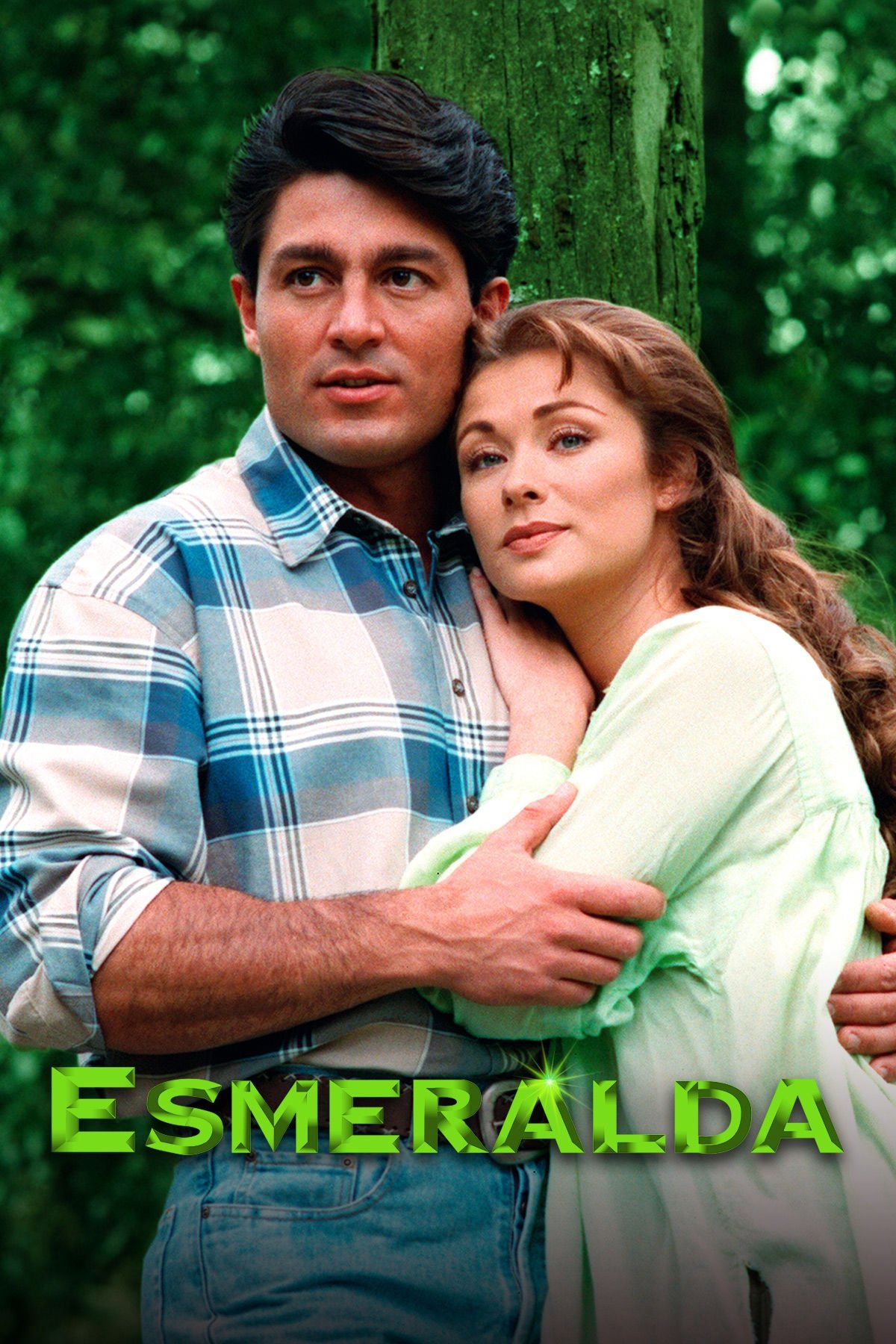
Esmeralda is a telenovela that was released by Televisa in 1997. It is a remake of a 1970 Venezuelan telenovela of that same name, and was itself remade in Brazil in 2004. Another version is Topacio from Venezuela in 1984. One of the most famous telenovela all the time.
A brave, poor young girl is welcomed into a rich family and develops a romance with their misogynist youngest son, driving a woman already in love with him to go to great lengths to destroy their relationship.
Angela is a Mexican telenovela, which was produced by Televisa and broadcast on Canal de las Estrellas in 1998. The series was first debuted on May 17, 1999 on Univision in the United States, replacing that year's hit La Mentira, and ended on September 9, 1999, being replaced by Tres Mujeres. It aired a second and a third time on Galavisión on March 15, 2000 and May 8, 2001, and ended a second and a third time on July 1, 2000 and August 24, 2001. It aired a fourth time back to Univision's late night "Grandes Historias" lineup, aired on October 28, 2003, and ended on February 27, 2004. It aired a fifth time on TeleFutura on September 18, 2006, and ended on January 8, 2007. This telenovela contained 78 episodes.
When Marichuy was born, her mother—believing she was on the verge of death—handed her over to a priest, who took her to an orphanage. At the age of fourteen, Marichuy ran away from the institution and began wandering from place to place, scraping together a living however she could. Years later, she was attacked by a drunkard; the incident left her harboring resentment toward men and plagued by harrowing nightmares.
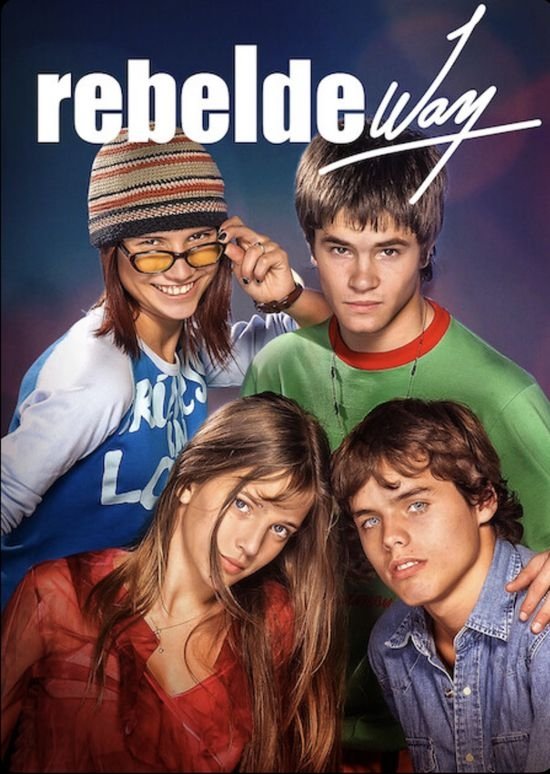
Four teenagers at an elite school in Buenos Aires are drawn together by their love of music, despite their differing social and economic backgrounds.
Emiliano, a wealthy Mexican businessman, is ripped off by his friends and partners. Hidden in Bogotá, he receives help from Rosario, a mariachi singer. She does not know Emiliano’s background and that he is wanted by the police of two countries and by a criminal organization. With a new name and personality, he adapts well to his new life as a mariachi band member and finds in Rosario the love of his life. But he is afraid his secret will tear them apart. He needs to clear his name and resolve his case to avoid that fate. Meanwhile, he often finds his love tested and vulnerable to several rivals, but Rosario always trusts that he has been honest with her.
María Mercedes, a poor girl who sells lottery tickets, meets a rich man who hates his own family and sees in María Mercedes an opportunity to make their lives miserable.
Contra viento y marea is a Mexican telenovela aired from April 25 until November 4, 2005. This was also the last acting role of Beatriz Sheridan, who died in 2006 of a heart attack.
Mistreated by the Narváez family, the poor and innocent Maricruz is humiliated, abandoned, and imprisoned, losing everything. Upon discovering her true origins, she transforms into a wealthy and powerful woman. Driven by grief and the loss of her father, she vows revenge against everyone who made her suffer.
Camila Monterde is a beautiful veterinarian whose life has been torn apart by a tragic accident in which her fiancé, Luis, was killed. Hoping to ease her depression, her uncle, Daniel Monterde, invites her to live at his ranch, where she can rest and recover while caring for the many animals he keeps there. Meanwhile, in Chile, Daniel Diaz suddenly receives a letter stating that he has come into a substantial inheritance and must travel to Mexico to claim it. Surprised and curious, he’s about to make the trip when a vicious lie disrupts his plans and lands him in prison, causing him to lose the inheritance and his family. Deeply bitter and hungry for revenge, Daniel travels to Mexico determined to destroy the Monterde family, which he blames for his terrible misfortune. He takes a job at the Monterde ranch to be close to his prey. His vengeance is perfectly planned except for one unexpected development: he and Camila fall passionately in love and that changes everything.
Popular telenovela produced in Mexico in 1979, starring Verónica Castro, Rogelio Guerra and Rocío Banquells. Castro also sang the theme Aprendí a Llorar, a song written by Lolita de la Colina. The telenovela was produced by Chilean Valentín Pimstein and Carlos Romero, it was directed by Rafael Banquells. The story was written by Inés Rodena and adapted by Valeria Philips.