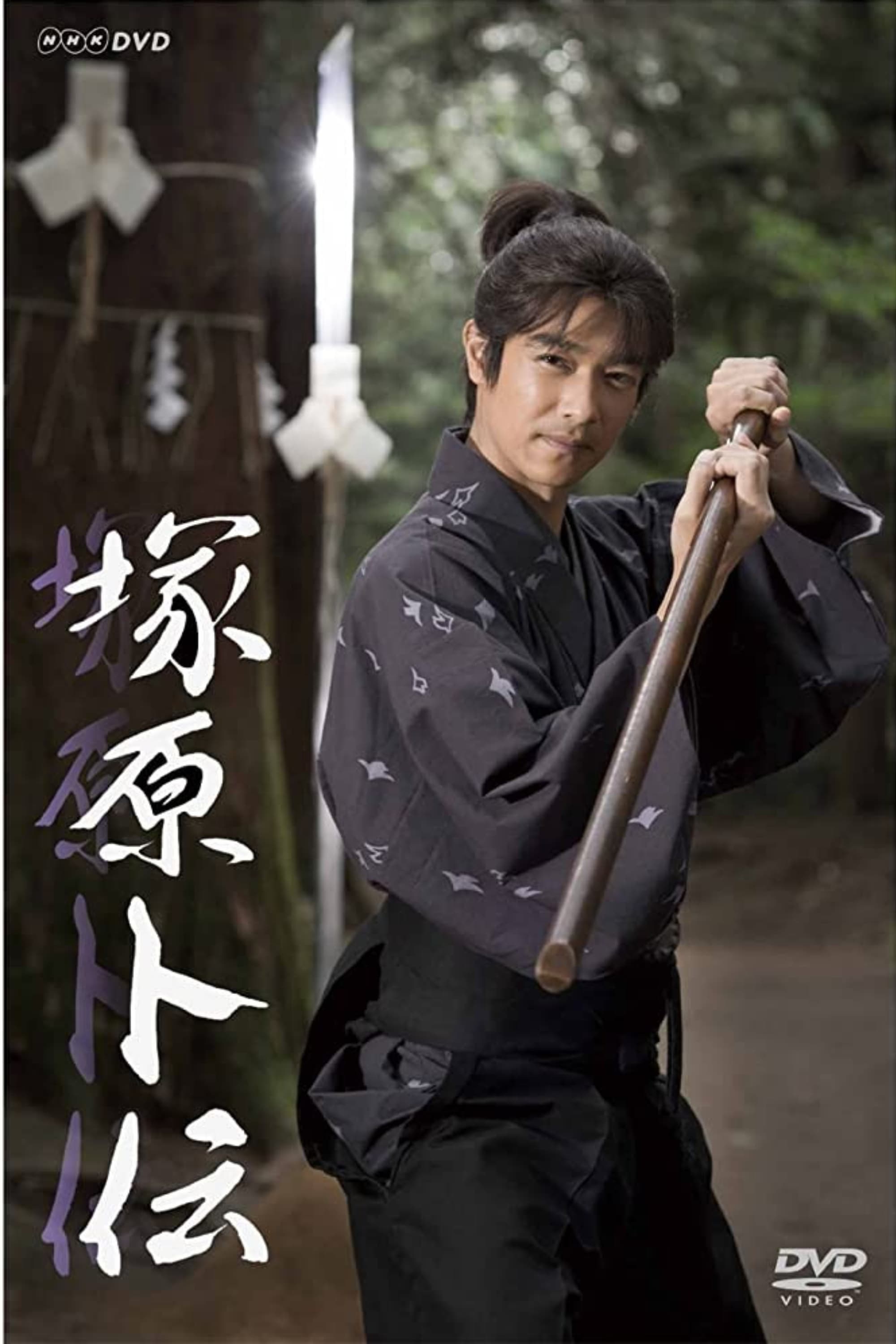

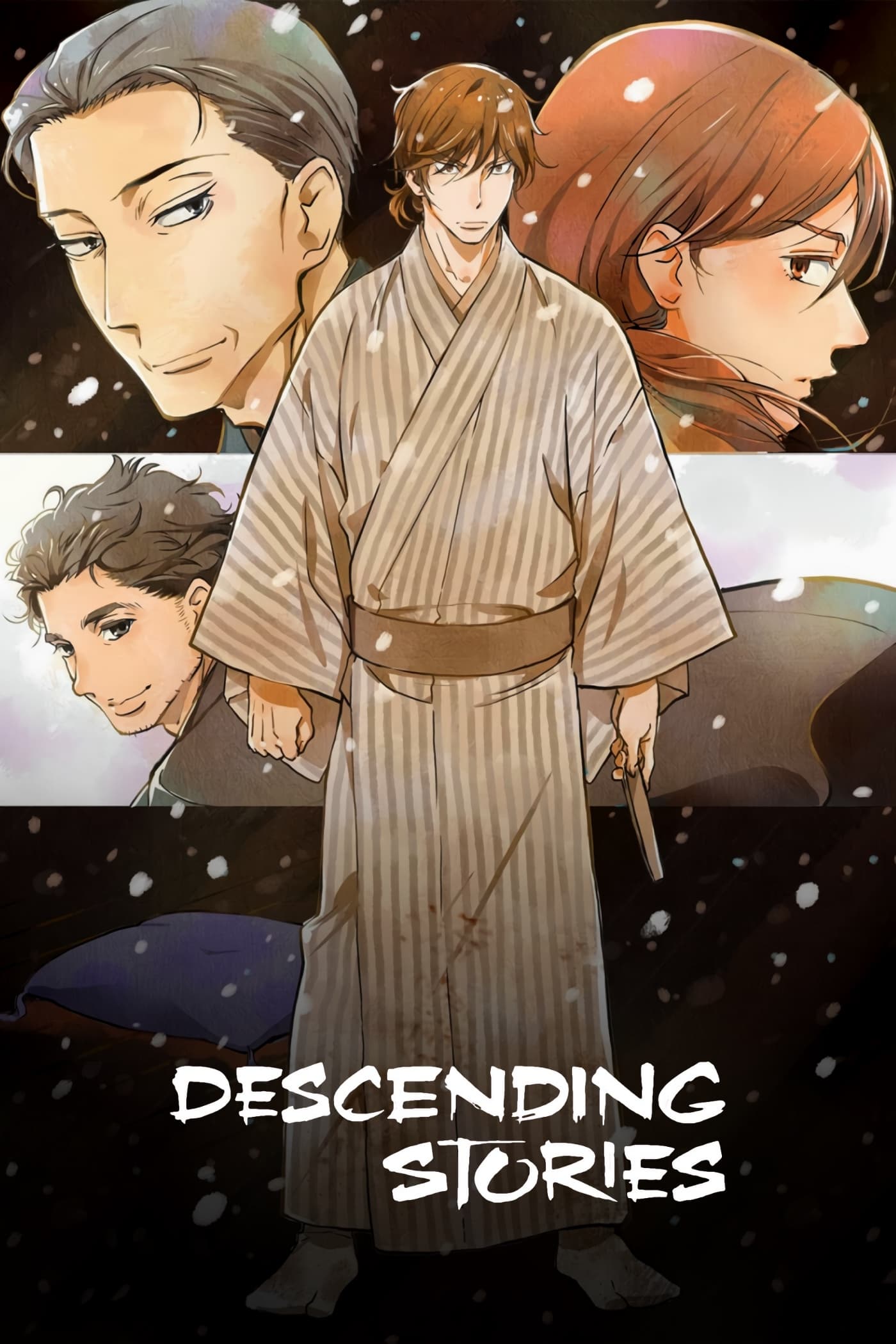
Depicting Date clan’s internal strife that occurred during a peaceful Edo period governed by the 4th Tokugawa shogun.
Social & External
Harada Kai
Uno
Tsuta
Tayo
Sakai Tadakiyo
Okita Teppei
Hatsuno
Okon
Muroko
Kōchiyama Sōshun serves as a cha-bōzu (He is kind of tea man) in the administrative headquarters of the Tokugawa shogunate but he works behind the scene to protect powerless people from evil power of Tokugawa shogunate. Kataoka Naojirō and Ushimatsu work for Kōchiyama. Kaneko Ichinojō is a ronin whose interests often align with Kōchiyama
Shinsengumi! is a Taiga drama television series produced by Japanese broadcaster NHK. It was a popular drama about the Shinsengumi, a Japanese special police force from the Bakumatsu period.
Fūrin Kazan was the 46th NHK Taiga drama beginning on January 7, 2007. It was aired throughout 2007. The four characters from left to right are wind, woods, fire, and mountain. The title is a reference to the war banner used by Takeda Shingen, which in turn was taken from Sun Tzu's The Art of War. It means "Swift as the Wind, Silent as a Forest, Fierce as Fire and Immovable as a Mountain."
Tenchijin is the 48th NHK Taiga drama. It airs on NHK from January 4, 2009 every Sunday from 20:00 to 20:44 JST to November 22, 2009 spanning 47 episodes. The story centers on the life of the 16th century samurai Naoe Kanetsugu. Production began on April 27, 2007. The story is based on the novel Tenchijin by Masashi Hisaka and was adapted for screen by scriptwriter Eriko Komatsu. The series' music composer was Michiru Oshima. The protagonist of the drama, Naoe Kanetsugu, was taught by Uesugi Kenshin in his youth that to conquer the world is a trifling matter, but what matters is to live one's life with righteousness. After Uesugi's death, Naoe supports Uesugi Kagekatsu, who holds the destiny of Echigo province.
Ryōmaden is the 49th NHK Taiga drama. It was shown on NHK from January 3 to November 28, 2010 spanning 48 episodes. The story centers on the life of 19th-century Japanese historical figures Iwasaki Yatarō and Sakamoto Ryōma. It has been announced that the series will be aired in several other countries, for example Hong Kong, South Korea, Taiwan and Thailand.
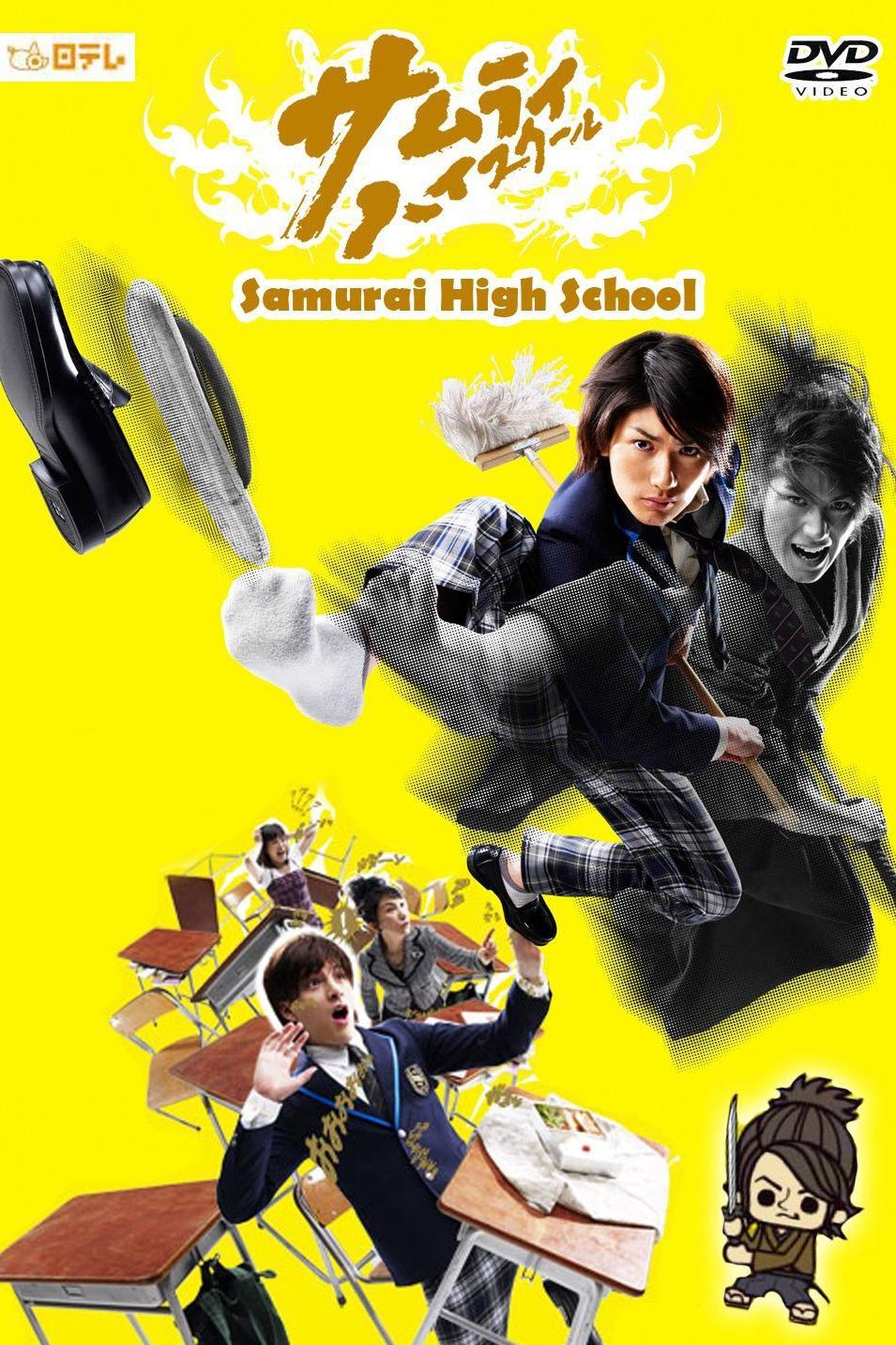
Kotaro Mochizuki (Haruma Miura) is a timid, introspective teenager who attends a private high school. One day he discovers a mysterious old book and from that day on, whenever he finds himself in a difficult situation, he turns into a samurai warrior.
When rebellious Elisabeth falls for Emperor Franz and becomes his unlikely bride, she enters a world of tension and intrigue at the Viennese court.
Luzon Sukezaemon is a merchant who imports vases from the Philippines. The vases are highly valued as tea utensils and he makes a huge profit. This was the first taiga drama to concentrate on the lives of commoners and the reviled merchant class of the Tokugawa period. It documents the rise and fall of the merchant city of Sakai, as seen by its most famous resident, the semilegendary Luzon.
Mini-drama with a historical character having a smartphone.
In an alternative feudal Japan, a strange disease that only affects males caused a massive population reduction, leaving females to fill the vacant jobs, therefore changing the social structure. Now, 80 years after the initial outbreak with a 1:4 male:female ratio, Japan is a completely matriarchal society. Females hold all important political positions, and males are their consorts. Only the most powerful female—head of Tokugawa shogunate—may keep a harem of handsome and unproductive males, known as "Ōoku".
Osome is an ex-actress who lost her parents in a fire when she was 6-years old. She then is separated from her older brother, who goes missing. While she tries to investigate the fire that killed her parents, an officer, Yoshikawa reveals that her father used to be a shogunate spy. Osome decides to become a spy herself under Yoshikawa, to find the man who killed her parents and to seek out her lost brother.
Heiji is an undercover policeman in the city of Edo. He possesses a superior skill of throwing coins. When a criminal is caught, Heiji throws coins at the offender and reveals his true identity. Like “Abarenbo Shogun,” “Mito Komon” and “Toyama no Kinsan,” “Zenigata Heiji” is about an official working undercover to catch criminals. The hero was created by novelist Kodō Nomura in 1931.
Kohei Akiyama, a popular master swordsman, and his son Daijiro live in the town of Edo in good faith. While running a dojo, Daijiro and his father find themselves wrapped up in a series of events with the town's people.
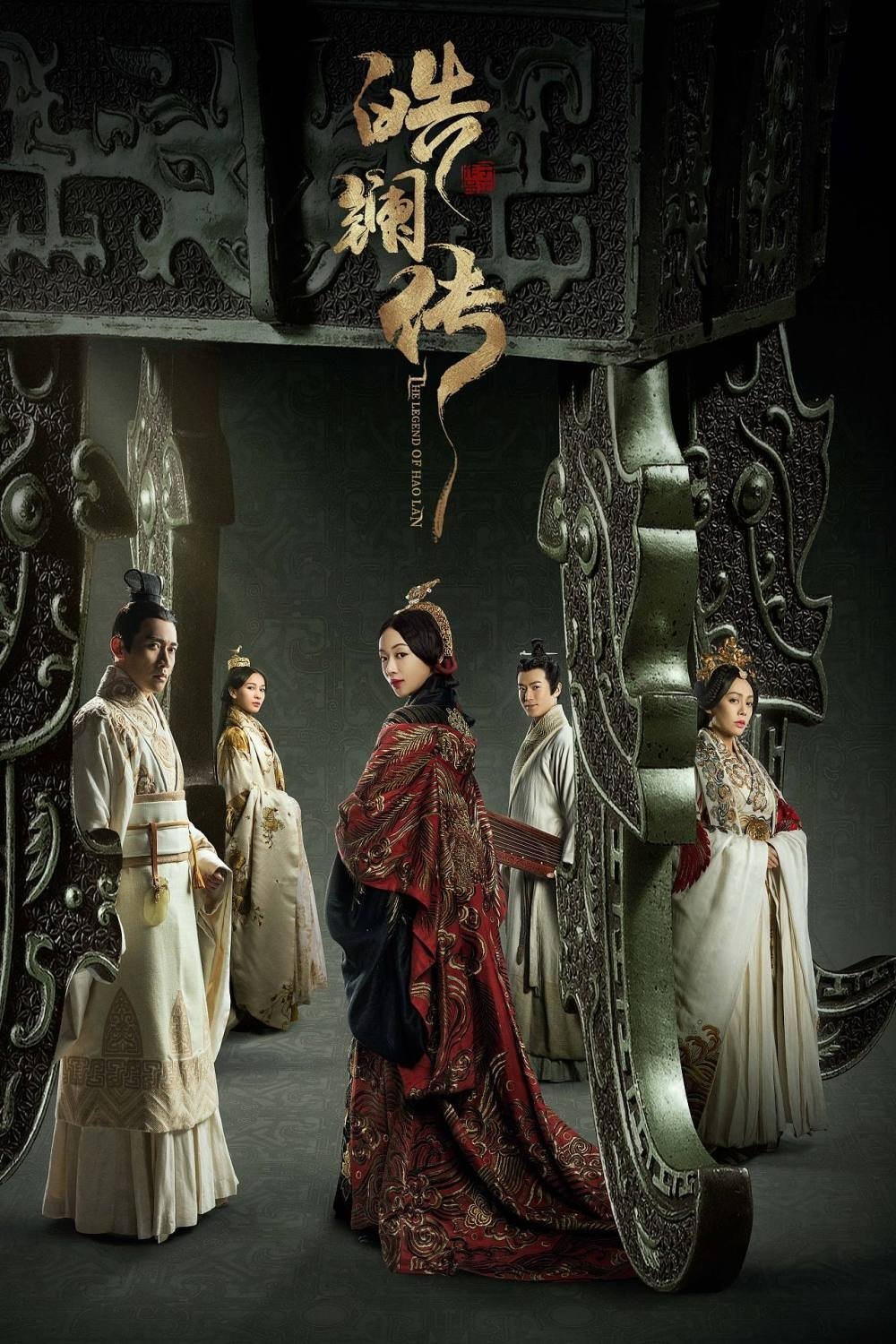
Based on the life of Empress Myeongseong (1851 - 1895), the first official wife of King Gojong, the 26th king of the Joseon dynasty. She was killed on October 8, 1895 by Japanese assassins.
We're in Shamisen-bori of the bustling city of Edo. The officers of Guardhouse 36 monopolize the popularity in Edo. They're strong against evil, soft in compassion. Even the shogun depends on them. They're called the “Kirisute Bansho”... with a right to kill.
A dramatized biography of the second of Japan's three legendary leaders. Rising from obscurity, Hideyoshi served under the command of Oda Nobunaga. With an extraordinary combination of intelligence, bravery and military skill, Hideyoshi rose to near-absolute power and greatly expanded upon Nobunaga's unification of Japan's warlords. This series also focused on Hideyoshi's personal life, particularly his relationships with his mother and his wife, and the pair's rivalry for influence over him.
During the Tenpo period, the three samurai under the command of the Nanba magistrate were responsible for handling exceptional cases. However, their true identities as shadow assassins were hidden because they were secretly sent to eliminate villains who had escaped punishment by the law.
In the early Meiji era, Shujiro, once known as an undefeated samurai, decides to participate in a deadly survival game to save his family and villagers.
He lost his land, his father, and was torn from his mother. Lonely and wounded, young Takechiyo thought he'd live out his days quietly as a hostage. But fate had other plans. Inspired by Mikawa warriors, he becomes a minor lord and dives into a war-torn world ruled by monsters like Nobunaga and Shingen.Life-or-death moments, miscalculations, and no time to breathe—what will you do, Ieyasu?