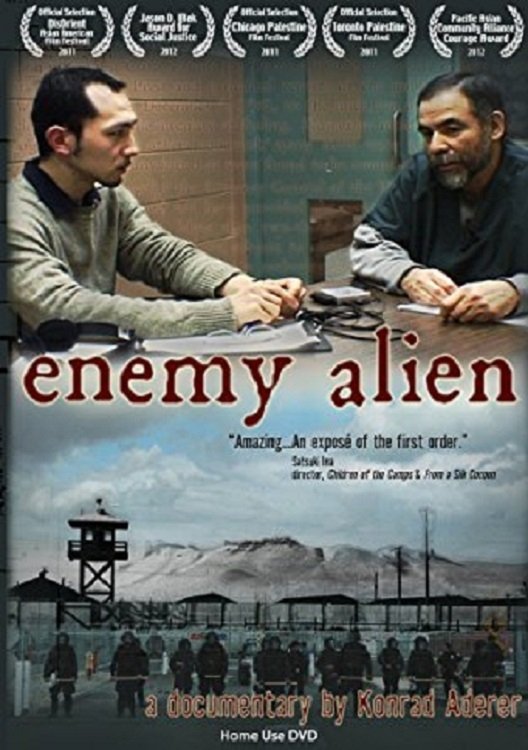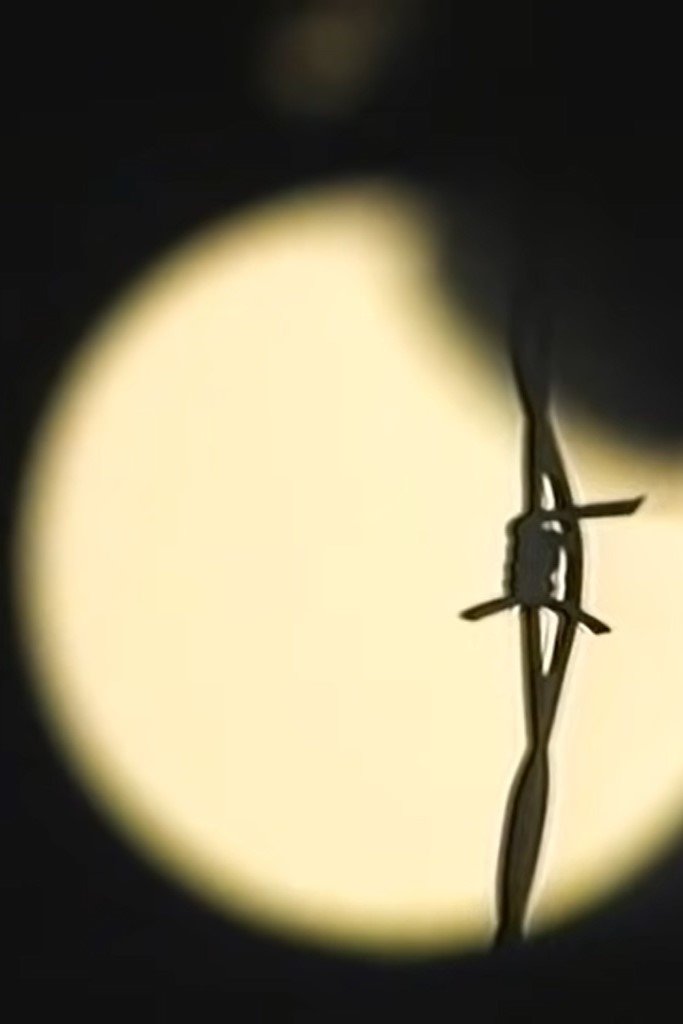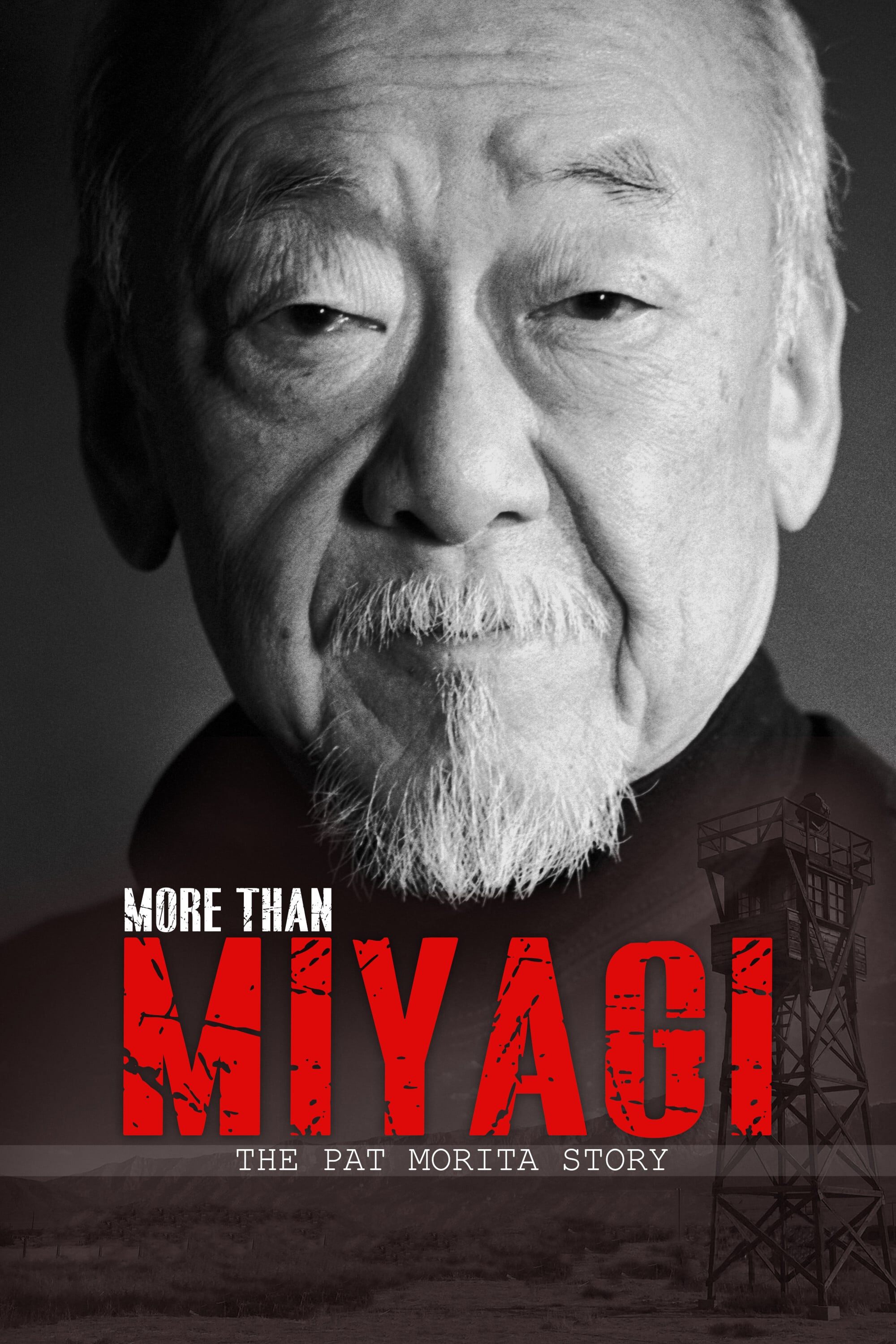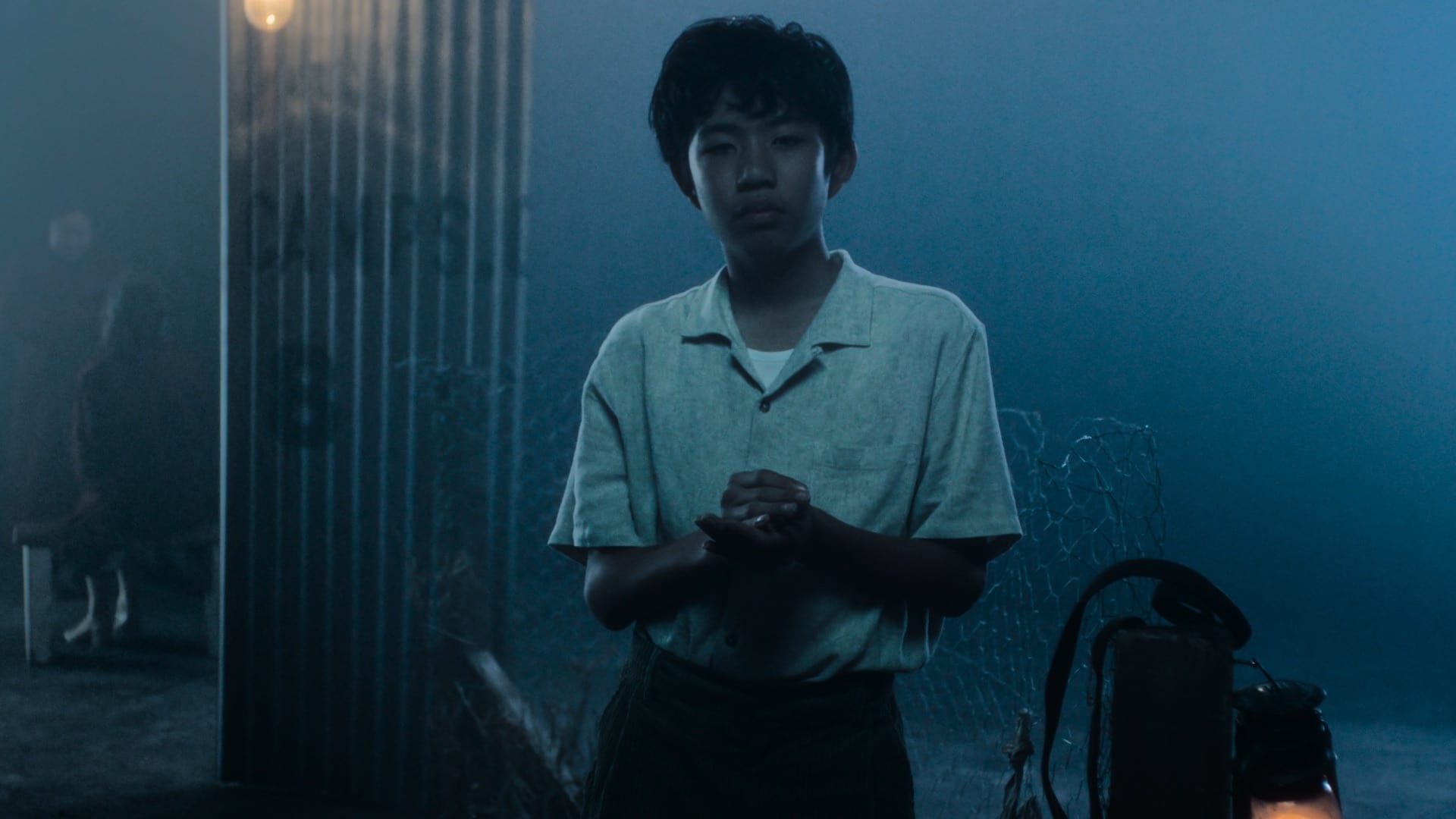
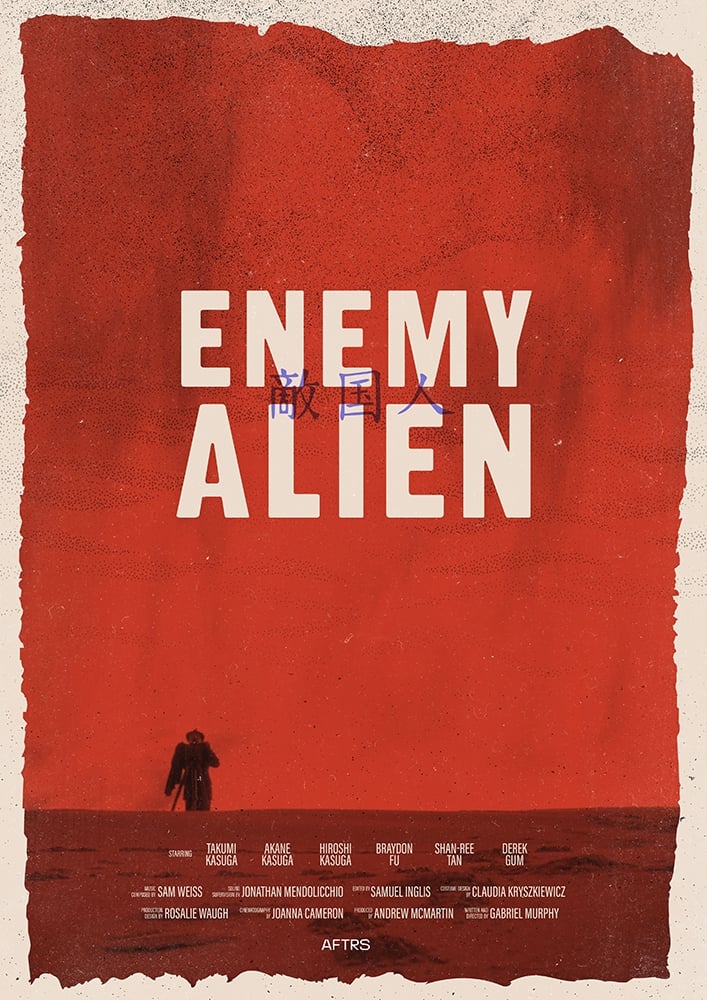
A poetic retelling of the experiences of Joseph Murakami, a fourteen-year-old boy from Darwin, who is summarily rounded up and interned by his government on the basis of his ethnicity, leaving wounds unhealed to this day.
Social & External
The people behind it
Takumi Kasuga
Joseph Murakami (age 12)
Hiroshi Kasuga
Yasukichi Murakami
Akane Kasuga
Theresa Murakami
Brayden Fu
Joseph Murakami (aged 7)
Shan-Ree Tan
Joseph Murakami (age 19)
Derek Gum
Joseph Murakami (voice)
Joseph Murakami
Self
In 1892, Ellis Island, in New York Bay, became the main gateway to the United States for immigrants arriving increasingly from Europe. The story of immigration to the United States from 1892 to 1954, an enthralling polyphonic narrative that embraces both small and great history.

"Why Me?" is a short documentary film that boldly recounts the extraordinary story of Robert Diamubeni, the sole survivor of flight 9T-TCG in 1990 from Kinshasa to Gbadolite. After coming face-to-face with death, Robert confronts a critical question: “Why me?”. His inspiring journey from despair to becoming a dedicated Christian pastor is a powerful testimony of faith, purpose, and resilience in the face of tragedy.

During World War II, many Japanese immigrants in Santos, Brazil, were forced to move to another place. Matsubayashi draws attention to the fact that 60% of the immigrants were from Okinawa. Based on testimonies from interviewees, this film reveals the hidden historical relationship between Okinawa and Brazil.
Set during the Lebanese revolution, WE NEVER LEFT portrays a heart-wrenching duality between Beirut and New York, an impassioned testament to the Lebanese diaspora’s unrequited but irrepressible love for their homeland.
Anna, a twelve-year-old Ukrainian gymnast, has fled her war-torn country and recently settled in Montreal with her mother, younger brother, and grandmother. Confronted by the past, the challenges of exile, and a deep need for belonging, she seeks to rebuild her identity and regain her balance. Through her child’s perspective, the documentary explores the reality of life after war, questioning what endures and what is missing, even when one has found refuge.
Boiling Point (original title Kiehumispiste) describes the different reactions the Finnish people had to the large immigration amounts in 2015-2016.
The encounter with a growing, and mostly undocumented, brazilian community allows us to bear witness to its energy, its vivacity, and its diversity. This film attempts to work for a larger acceptance of foreigners in their land of exile.
A short animated documentary exploring the immigration experience through the eyes of children learning how to swim with clothes on in the Netherlands.
This chilling, vitally important documentary was produced to mark the 40th anniversary of the liberation of Auschwitz Concentration Camp. The film contains unedited, previously unavailable film footage of Auschwitz shot by the Soviet military forces between January 27 and February 28, 1945 and includes an interview with Alexander Voronsov, the cameraman who shot the footage. The horrifying images include: survivors; camp visit by Soviet investigation commission; criminal experiments; forced laborers; evacuation of ill and weak prisoners with the aid of Russian and Polish volunteers; aerial photos of the IG Farben Works in Monowitz; and pictures of local people cleaning up the camp under Soviet supervision. - Written by National Center for Jewish Film
Exploring the mechanisms of the Nazi seizure of power and focusing on forgotten sites in Saxony and Thuringia, the film investigates early "wild" concentration camps established after 1933 for the suppression of political opponents.
A documentary about a night café called Walkers, its workers and the youth – largely immigrants – populating the café during the night.
The Fall of the I-Hotel brings to life the battle for housing in San Francisco. The brutal eviction of the International Hotel's tenants culminated a decade of spirited resistance to the razing of Manilatown. The Fall of the I-Hotel works on several levels. It not only documents the struggle to save the I-Hotel, but also gives an overview of Filipino American history.
Rosa is from Croatia and lives in Switzerland, with her husband who depends on her care. She takes care of everything. Her children have grown up and want to leave home. Rosa stays behind alone.
Upon Canada's entry into World War II, the RCMP rounded up thousands of people it considered fascist sympathizers. Among them, 700 Italian-Canadians were held for up to three years in internment camps. None were ever charged with a criminal offence.
This is not a film about gun control. It is a film about the fearful heart and soul of the United States, and the 280 million Americans lucky enough to have the right to a constitutionally protected Uzi. From a look at the Columbine High School security camera tapes to the home of Oscar-winning NRA President Charlton Heston, from a young man who makes homemade napalm with The Anarchist's Cookbook to the murder of a six-year-old girl by another six-year-old. Bowling for Columbine is a journey through the US, through our past, hoping to discover why our pursuit of happiness is so riddled with violence.
Having grown up within the Cuban Revolution, in 1980, Juan Carlos Zaldívar was a 13-year-old "pioneer" jeering in the streets at the thousands of "Marielitos" leaving the island by boat for the United States. Within weeks, he was a Marielito himself, headed with the rest of his family for a new life in Miami. Now a U.S.-based filmmaker, Zaldívar recounts the strange twist of fate that took him across one of the world's most treacherous stretches of water in 90 Miles, a new documentary having its broadcast premiere on PBS's acclaimed P.O.V. series in the summer of 2003. As related by Zaldívar in the intensely personal and evocative 90 Miles, arrival in South Florida is only the beginning of the family's struggles to comprehend the full meaning of their passage into exile. What follows is an intimate and uneasy accounting of the historical forces that have split the Cuban national family in two, and which shape the passage of values from one generation to the next.
Sometime, Somewhere sheds light on the challenges faced by Latino communities in Charlottesville, Virginia against the backdrop of immigration driven by factors like climate change, poverty, and drug-related violence.
The documentary follows the life of Farroukh, a young Tajik immigrant who lives in Moscow outskirts with his family and does odd jobs in dreams of becoming an actor.
A purely observational non-fiction film that takes viewers into the ethically murky world of end-of-life decision making in a public hospital.
Those who knew iconic funnyman John Candy best share his story, in their own words, through never-before-seen archival footage, imagery, and interviews.
A documentary on kids who attend a summer camp hoping to become the next Billy Graham.
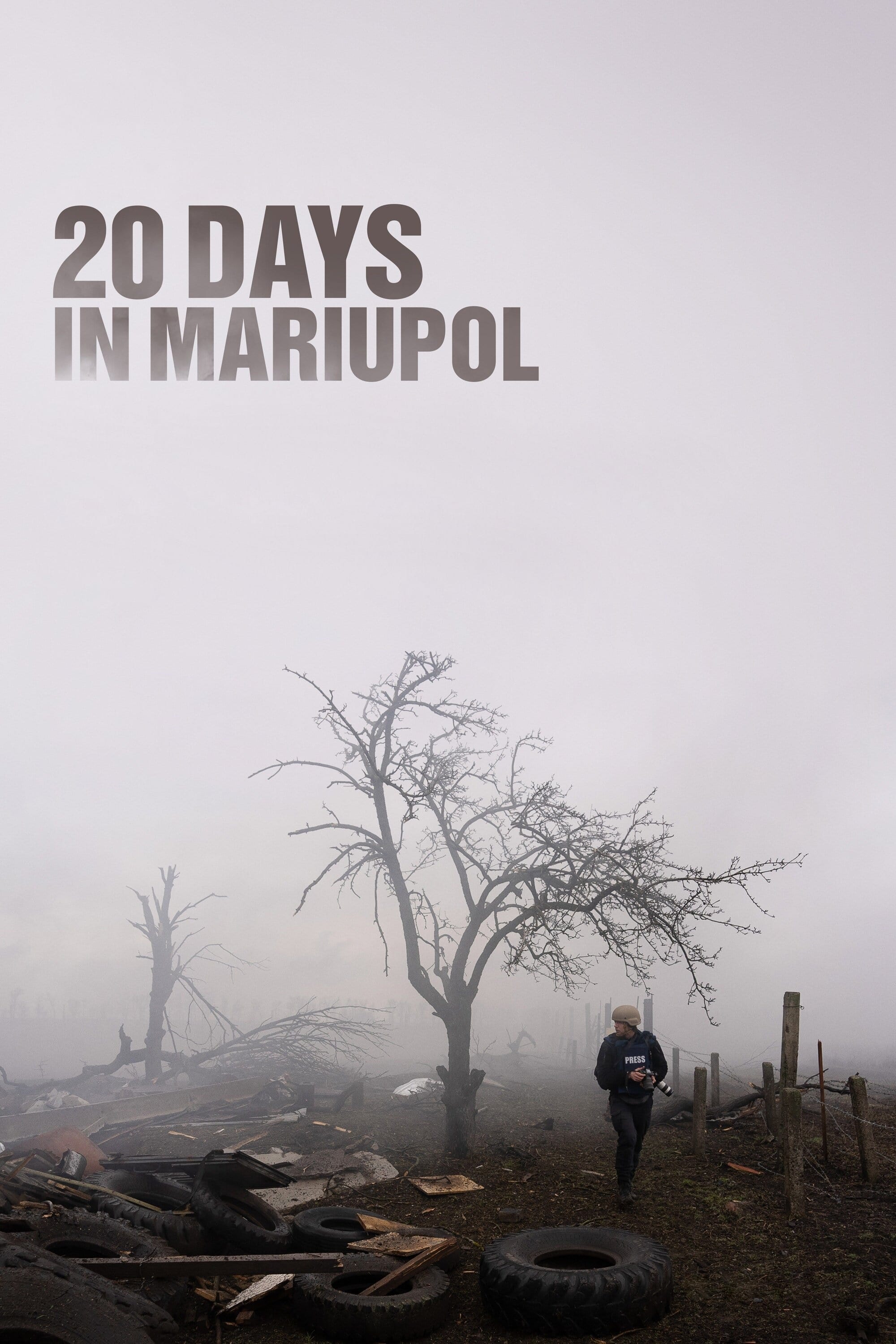
As the Russian invasion begins, a team of Ukrainian journalists trapped in the besieged city of Mariupol struggle to continue their work documenting the war's atrocities.
Through deeply personal interviews with her siblings and an examination of the photographs, letters, and belongings left behind, Mariska assembles a new portrait of her mother Jayne Mansfield, an extraordinary and complex woman.
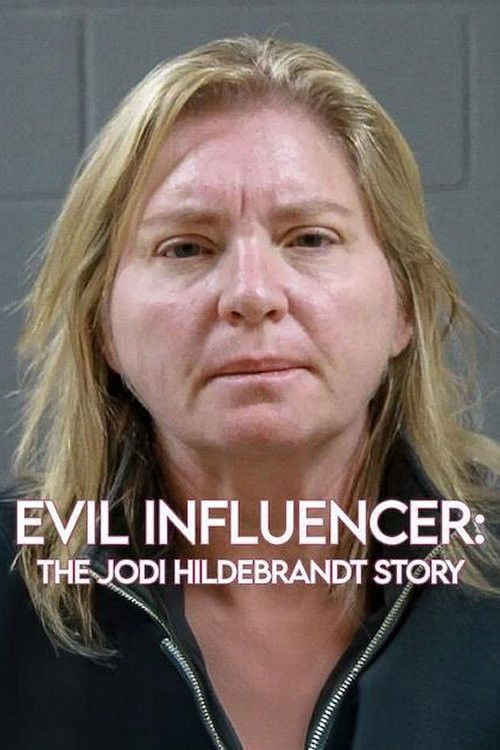
Unravel the case of Utah therapist Jodi Hildebrandt, whose child abuse arrest with parenting YouTuber Ruby Franke exposed a twisted tale of manipulation.
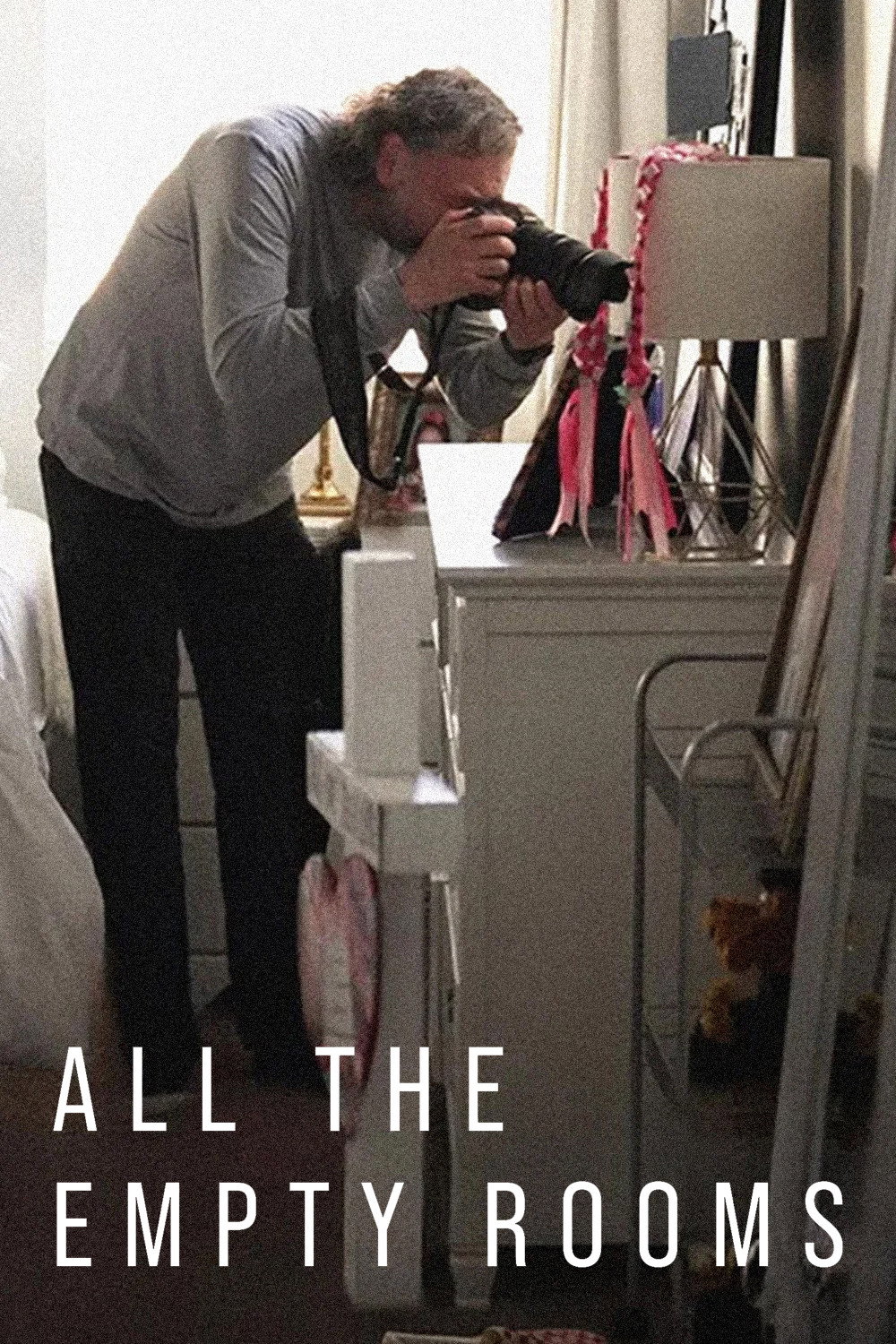
A journalist and a photographer set out to memorialize the bedrooms left behind by children killed in school shootings.
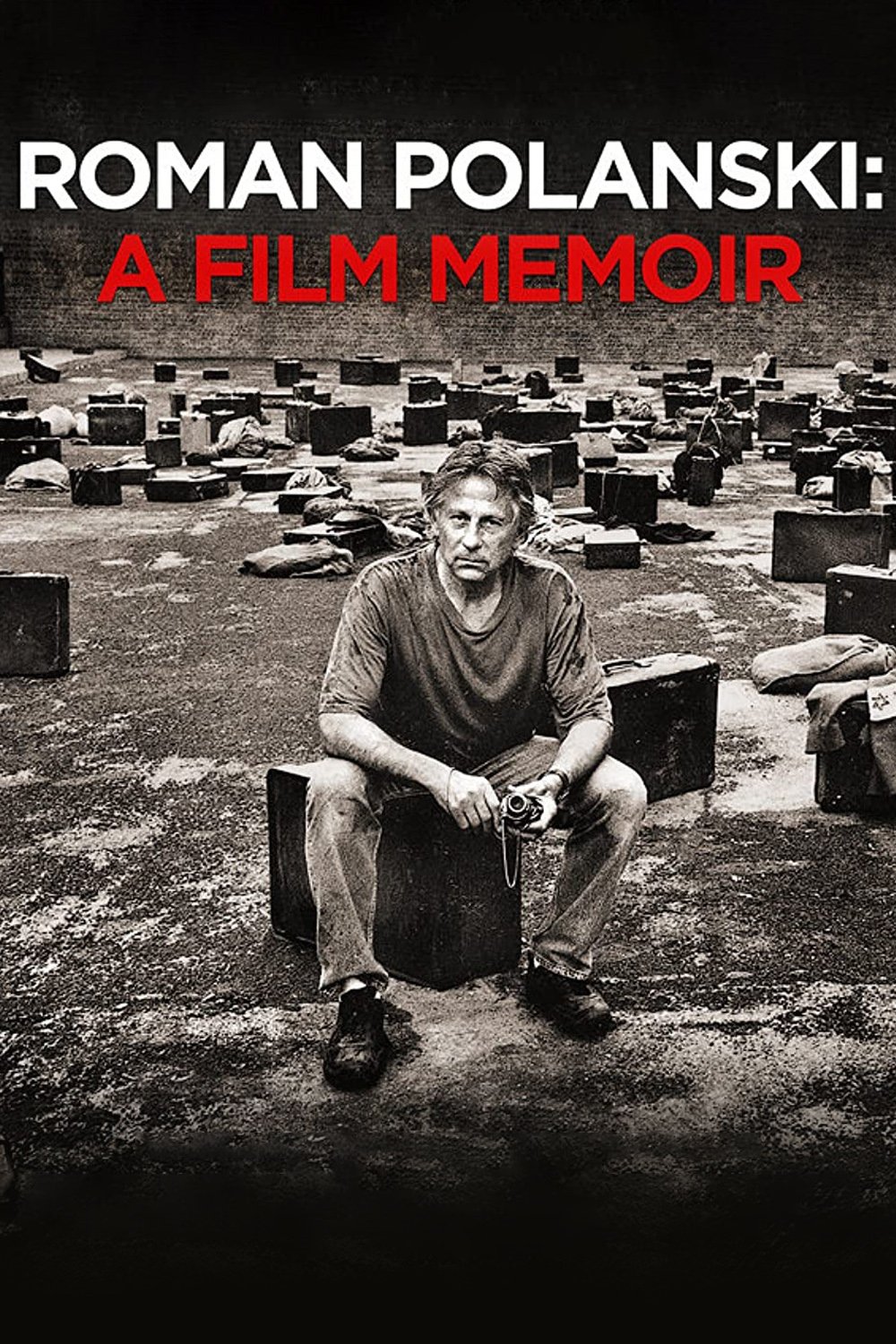
The life and career of an actor, artist, and icon. His own journey through his own camera.
In the Realms of the Unreal is a documentary about the reclusive Chicago-based artist Henry Darger. Henry Darger was so reclusive that when he died his neighbors were surprised to find a 15,145-page manuscript along with hundreds of paintings depicting The Story of the Vivian Girls, in What is Known as the Realms of the Unreal, of the Glodeco-Angelinnian War Storm, Cased by the Child Slave Rebellion.
Documentarian Ross McElwee originally set out to make a travelogue of sorts tracing General William T. Sherman's infamous scorched-earth march through the Confederacy in the latter stages of the Civil War. Instead, haunted by a recent breakup with a girlfriend, McElwee ends up documenting his progress -- or lack thereof -- in starting a new relationship. His journey then becomes one of self-reflection and self-discovery rather than a historical/sociological exploration.
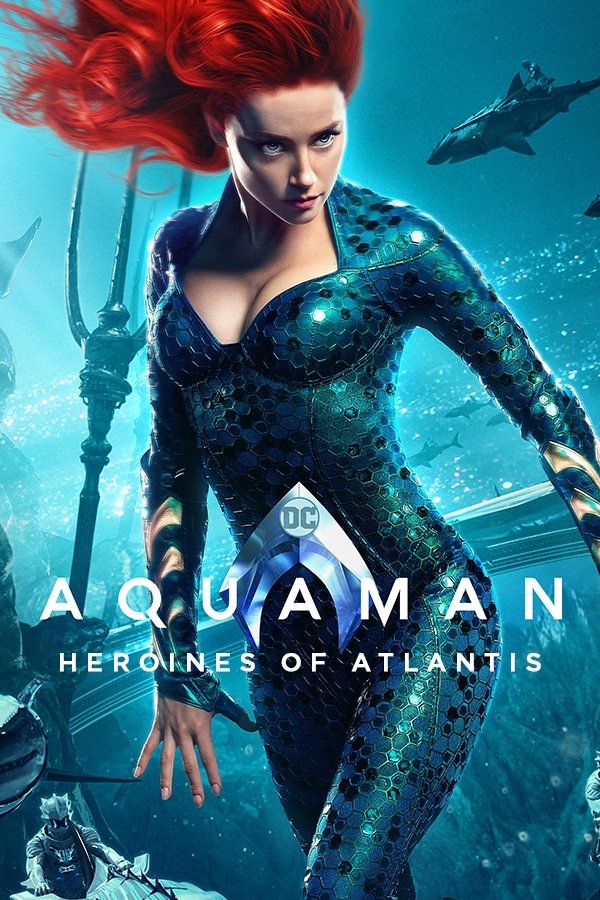
Amber Heard and Nicole Kidman discuss their characters Mera and Atlanna.
Alexander McQueen's rags-to-riches story is a modern-day fairy tale, laced with the gothic. Mirroring the savage beauty, boldness and vivacity of his design, this documentary is an intimate revelation of McQueen's own world, both tortured and inspired, which celebrates a radical and mesmerizing genius of profound influence.
Vulgar, taunting texts blow up the phones of a teen and her boyfriend. Who's sending them — and why? This twisty documentary reveals the shocking answer.
Serving life in prison for murdering their parents, Lyle and Erik Menendez speak out in this documentary explaining the shocking crime and ensuing trials.
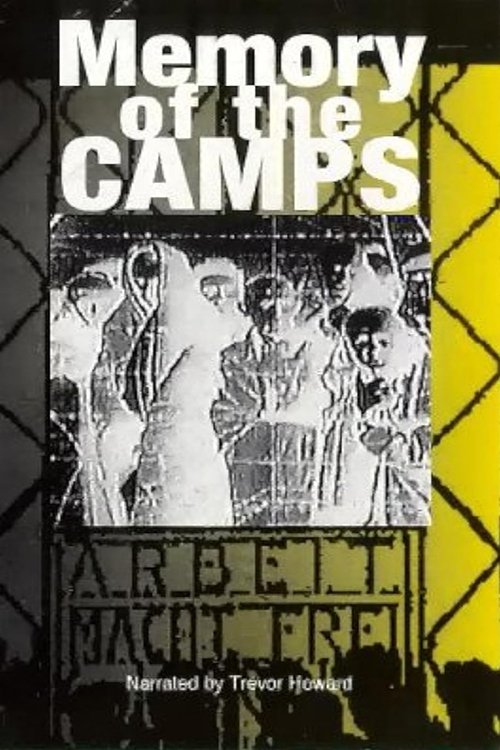
When Allied forces liberated the Nazi concentration camps in 1944-45, their terrible discoveries were recorded by army and newsreel cameramen, revealing for the first time the full horror of what had happened. Making use of British, Soviet and American footage, the Ministry of Information’s Sidney Bernstein (later founder of Granada Television) aimed to create a documentary that would provide lasting, undeniable evidence of the Nazis’ unspeakable crimes. He commissioned a wealth of British talent, including editor Stewart McAllister, writer and future cabinet minister Richard Crossman – and, as treatment advisor, his friend Alfred Hitchcock. Yet, despite initial support from the British and US Governments, the film was shelved, and only now, 70 years on, has it been restored and completed by Imperial War Museums under its original title "German Concentration Camps Factual Survey".
Al Pacino's deeply-felt rumination on Shakespeare's significance and relevance to the modern world through interviews and an in-depth analysis of "Richard III."
As a visually radical memoir, CAMERAPERSON draws on the remarkable footage that filmmaker Kirsten Johnson has shot and reframes it in ways that illuminate moments and situations that have personally affected her. What emerges is an elegant meditation on the relationship between truth and the camera frame, as Johnson transforms scenes that have been presented on Festival screens as one kind of truth into another kind of story—one about personal journey, craft, and direct human connection.
After years in the limelight, Selena Gomez achieves unimaginable stardom. But just as she reaches a new peak, an unexpected turn pulls her into darkness. This uniquely raw and intimate documentary spans her six-year journey into a new light.
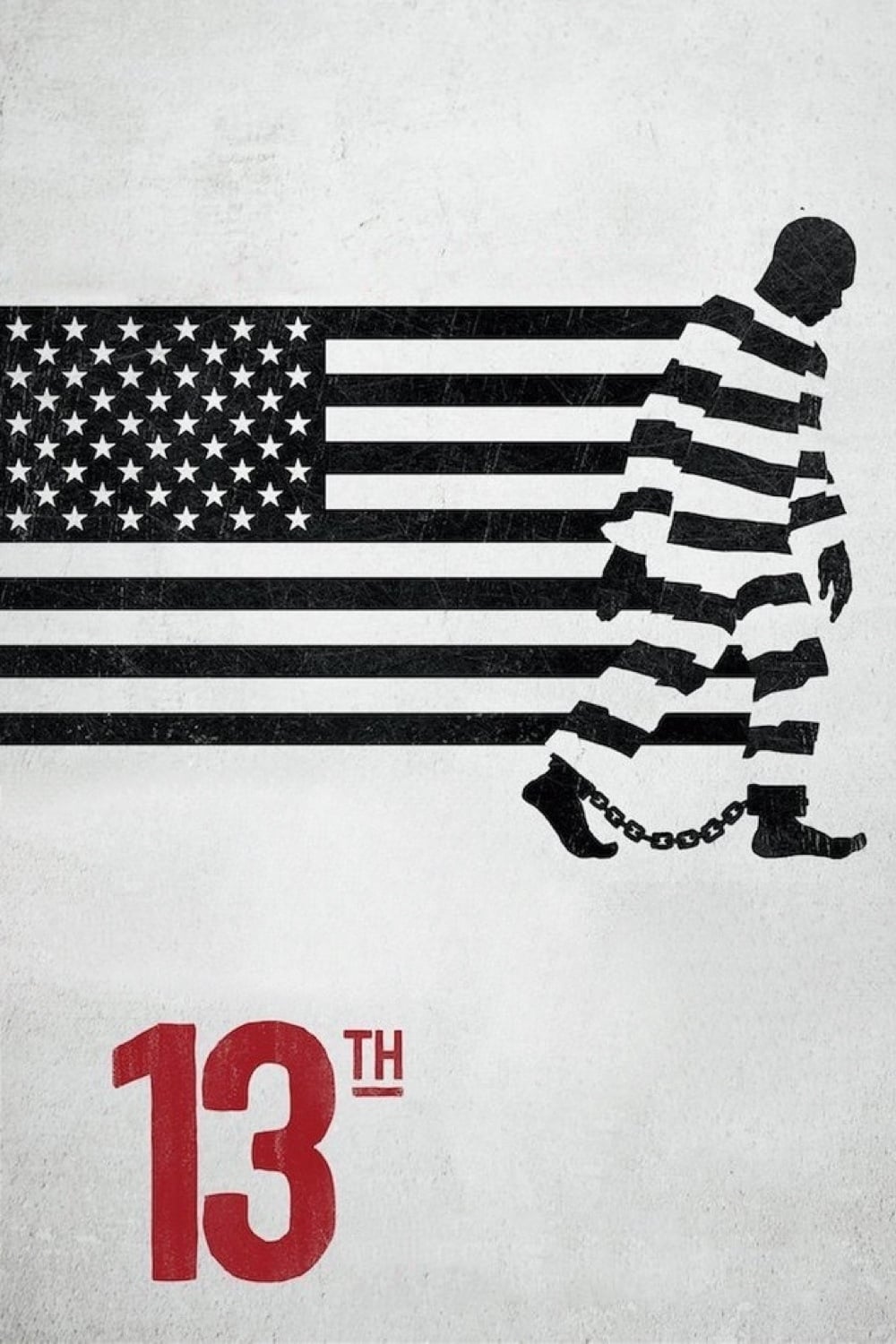
An in-depth look at the prison system in the United States and how it reveals the nation's history of racial inequality.
Filmmaker Christopher Quinn observes the ordeal of three Sudanese refugees -- Jon Bul Dau, Daniel Abul Pach and Panther Bior -- as they try to come to terms with the horrors they experienced in their homeland, while adjusting to their new lives in the United States.