Social & External
The people behind it
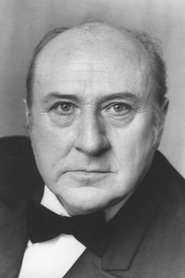
Josef Šulista
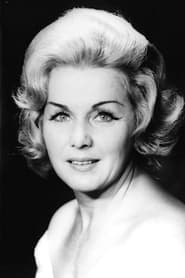
Zdena Talpová
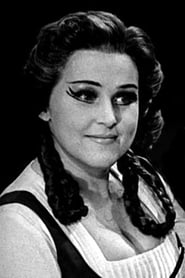
Vlasta Preislerová Ployharová
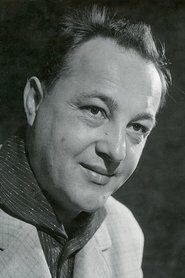
Václav Eremiáš
Daniela Šounová
Milada Marková
Jana Malíková
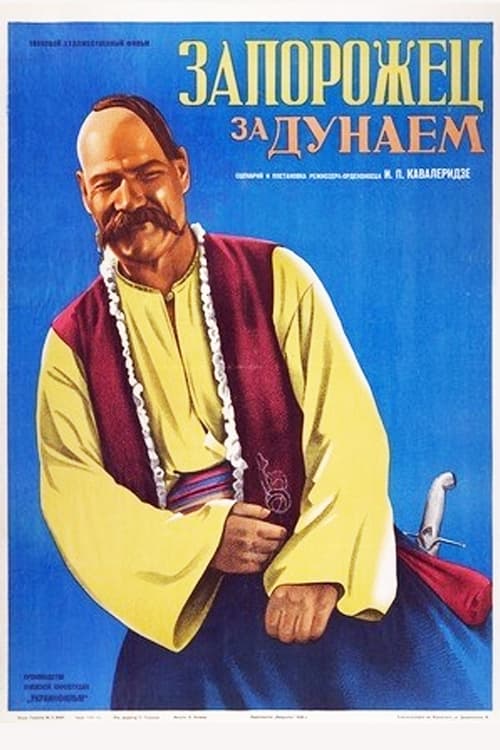
A Ukrainian comic opera with spoken dialogue in three acts with music and libretto by the composer Semen Hulak-Artemovsky (1813–1873). The orchestration has subsequently been rewritten by composers such as Reinhold Glière and Heorhiy Maiboroda. This is one of the best-known Ukrainian comic operas depicting national themes.
Adapted from the opera written by the composer Semen Hulak-Artemovsky.
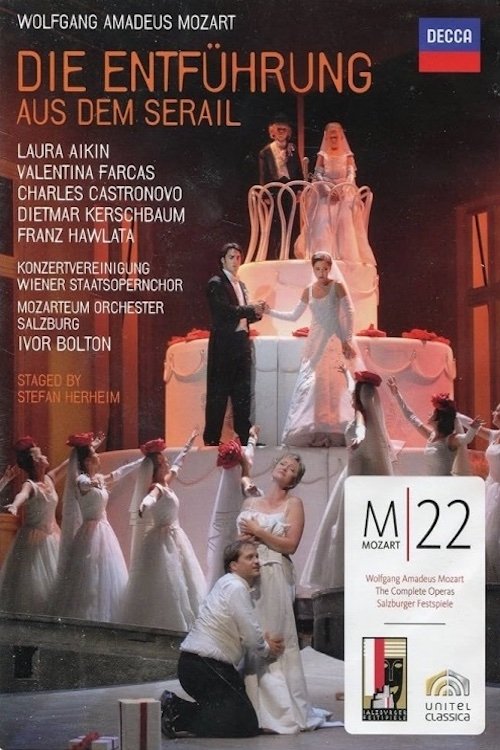
Without question, this is an incredibly bizarre production. The revised storyline makes little sense, and there is a surprising amount of violence and sexual innuendo. However, the singers are superb, both vocally and in regard to their stage presence and acting, the orchestra plays beautifully, the chorus is wonderful, and the set is as clever as it is strange. It's definitely not for purists, or for someone new to this particular opera. But for someone who's seen Die Entfuhrung before, and is familiar enough with the original story to not miss it, watching Belmonte, Constanze, Blonde, Pedrillo, and Osmin embark on an entirely new adventure -- and push the boundaries of good taste -- is rather enjoyable.
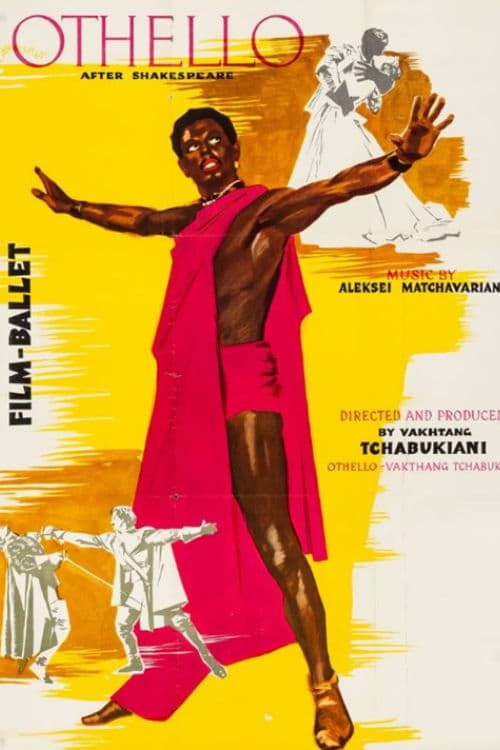
The Moorish general Othello is manipulated into thinking that his new wife Desdemona has been carrying on an affair with his lieutenant Michael Cassio when in reality it is all part of the scheme of a bitter ensign named Iago.
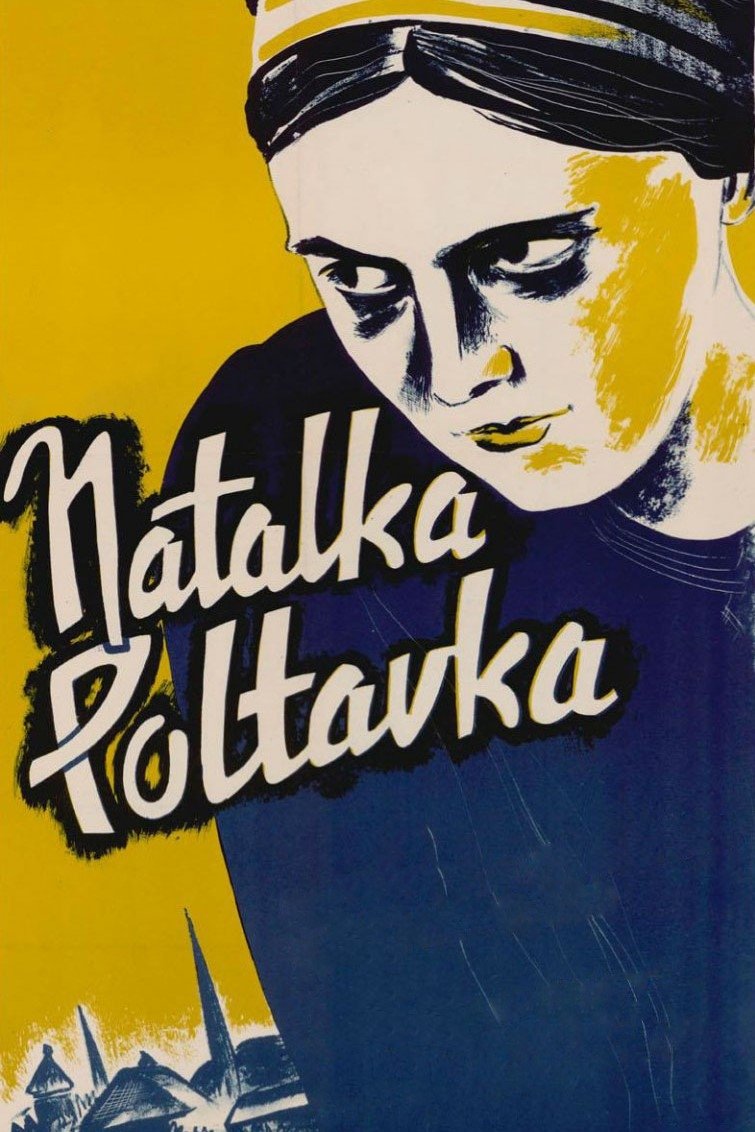
The trials and tribulations of Natalka and Petro. The sweethearts plan to get married, however, Natalka's father does not approve of the marriage because Petro's not affluent enough to keep Natalka in the manner he thought that she should be kept. Petro goes off to earn the required fortune. With no news from Petro for five years, Natalka succumbs to her mother's wishes and finally accepts her next offer of marriage, which happens to come from an old, but relatively wealthy government official.
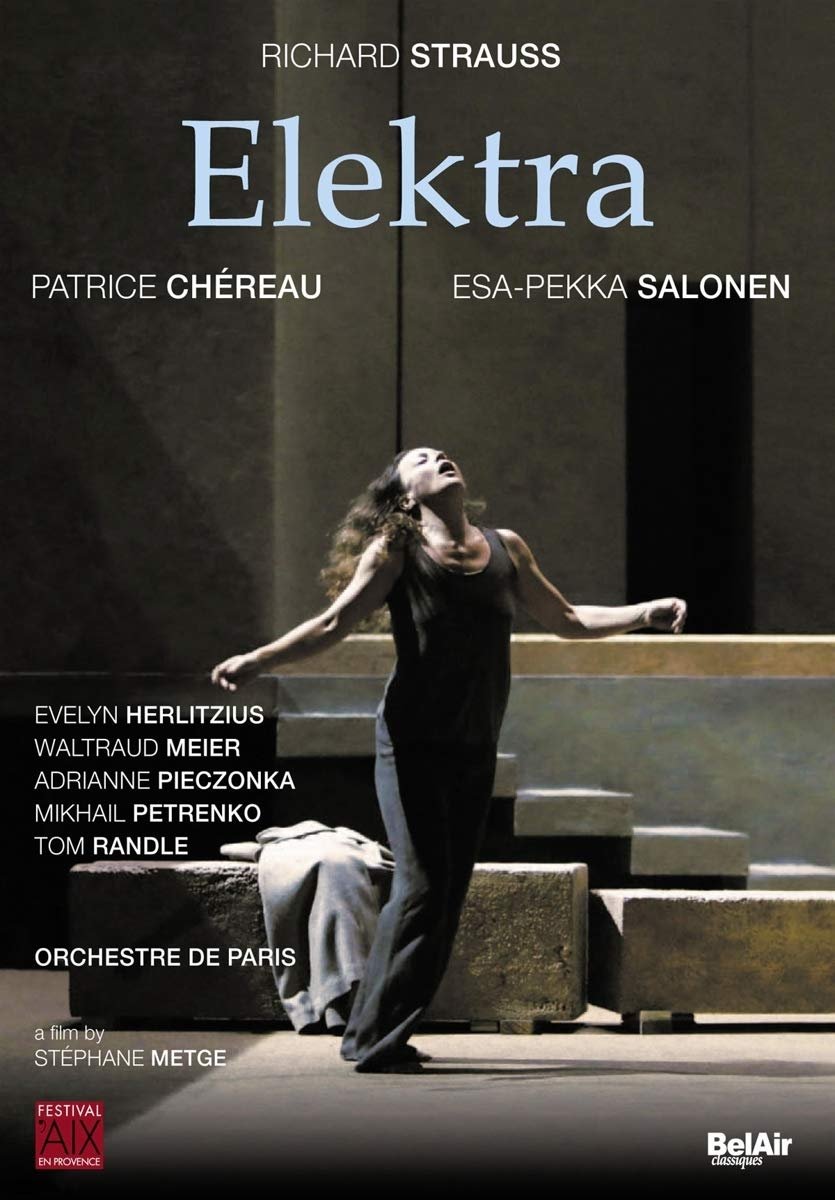
Last production staged by Patrice Chéreau, this Elektra will remain as the main and most striking lyrical event of these last years in Aix-en-Provence. This production is leaded by three amazing singers: the German soprano Evelyn Herlitzius gave a tremendous, never-to-be-forgotten account of the title role, Waltraud Meier portrays a human and chilling Clytemnestra and Adrianne Pieczonka is a fantastic Chrysothemis. Everyone's loneliness and intimate struggles are Patrice Chéreau's favorites theatrical themes. With Esa-Pekka Salonen conducting the Orchestre de Paris, this production of Elektra becomes an unforgettable experience.
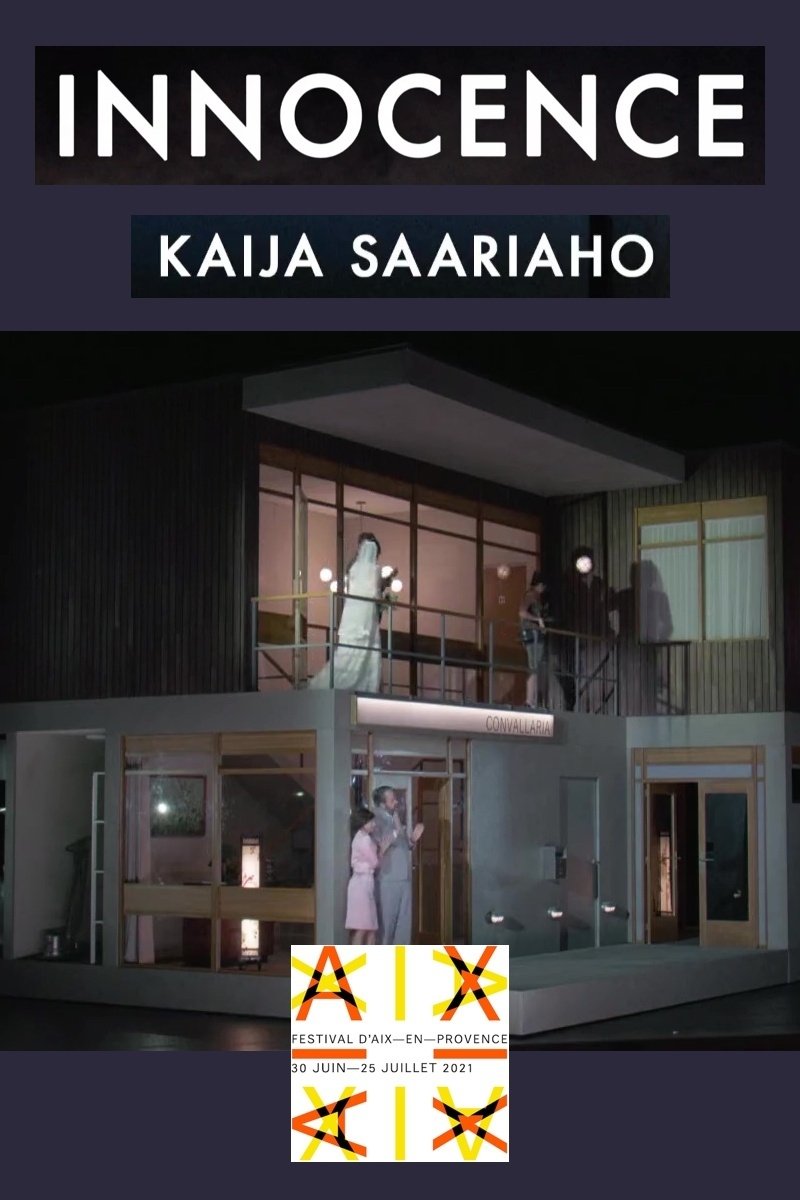
The world premiere of composer Kaija Saariaho's opera, "Innocence", at the 2021 Aix-en-Provence Festival. Finland is the setting but the protagonists come from the four corners of Europe: a Finnish groom and his Romanian bride, a French mother-in-law and a Czech maid. Around them memories unravel in a contemporary tragedy of guilt and lost innocence.
"Orango" - prologue to an unfinished opera by Dmitri Shostakovich (1906-1975), conducted by Esa-Pekka Salonen, performed by the Finnish Radio Symphony Orchestra and the Mariinsky Theatre Academy. In the 1920s, Soviet biologist Ilya Ivanovich Ivanov carried out a series of experiments to create a human/nonhuman ape hybrid. Three female chimpanzees were inseminated with human sperm. No pregnancy occurred.. In 1929 he organized a set of experiments involving nonhuman ape sperm and human volunteers, but was delayed by the death of his last orangutan.
Film adaptation of Brandy Clark, Shane McAnally and Robert Horn's Tony Award-winning stage musical, set in fictional Cob County, whose residents search for a solution to the problem of their dying corn.
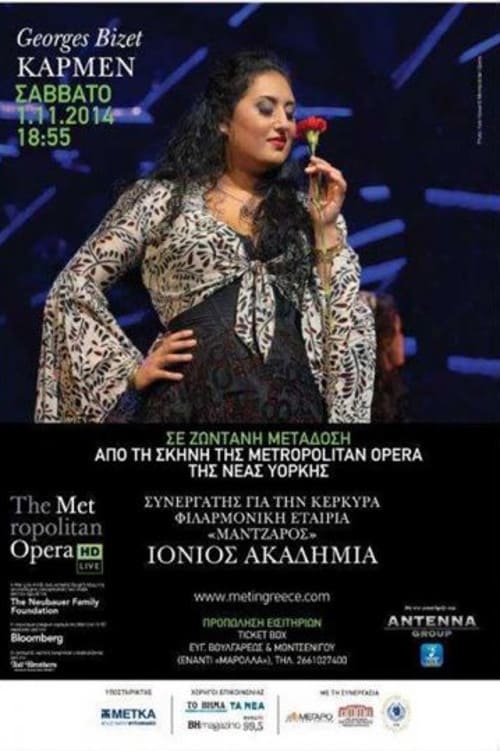
Georgian mezzo-soprano Anita Rachvelishvili gives a dynamic performance as Bizet’s iconic gypsy, the woman who lives by her own rules. Aleksandrs Antonenko is Don José, the soldier who falls under her spell, and Ildar Abdrazakov plays Escamillo, the swaggering bullfighter who takes Carmen away from Don José—an action that seals Carmen’s tragic fate. Anita Hartig is Micaëla, and Pablo Heras-Casado conducts Richard Eyre’s hit production, set in 1930s Spain.
In search of an opera for his theatre, an impresario finds himself grappling with a group of egotists and jealous individuals. Based on a score by Florian Leopold Gassmann, this caustic satire of the 18th-century opera world is directed by Laurent Pelly. Starring Julie Fuchs as the prima donna.
Tim Rice and Andrew Lloyd Webber's Jesus Christ Superstar first exploded onto the West End stage in 1971 and it was clear that the musical world would never be the same again. For the first time ever, Jesus Christ Superstar has been specially filmed for video. Shot at Pinewood Studios, this brand new filmed stage version starring Glenn Carter and Rik Mayall captures one of the best score Andrew Lloyd Webber has ever written and is packed with hit songs including, 'I Don't Know How To Love Him', 'Gethsemane' and 'Superstar'.
Rock musical adaptation of William Shakespeare's "A Midsummer Night's Dream".
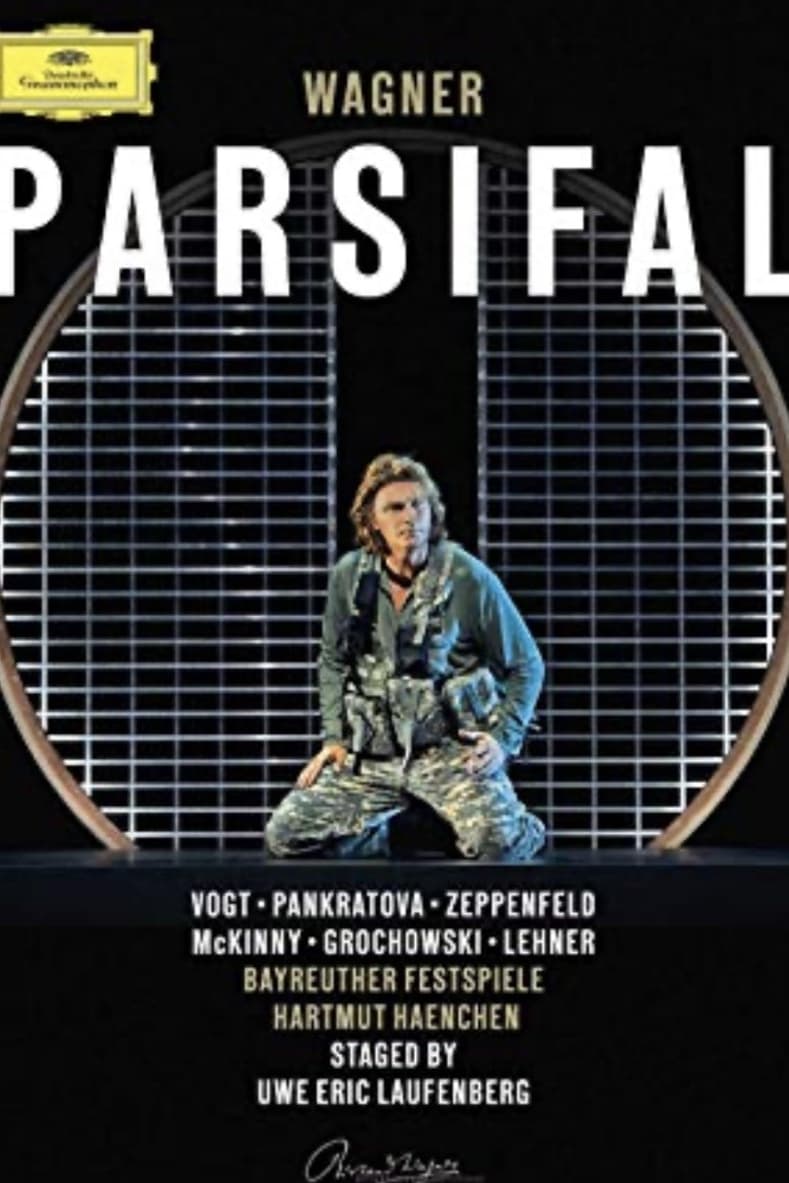
German composer Richard Wagner wrote Parsifal, which is a three-act opera that tells the story of the title character's quest to save the Knights of the Holy Grail by returning the Holy Spear, healing King Amfortas, and carrying out the sacred ceremony of uncovering the Holy Grail.
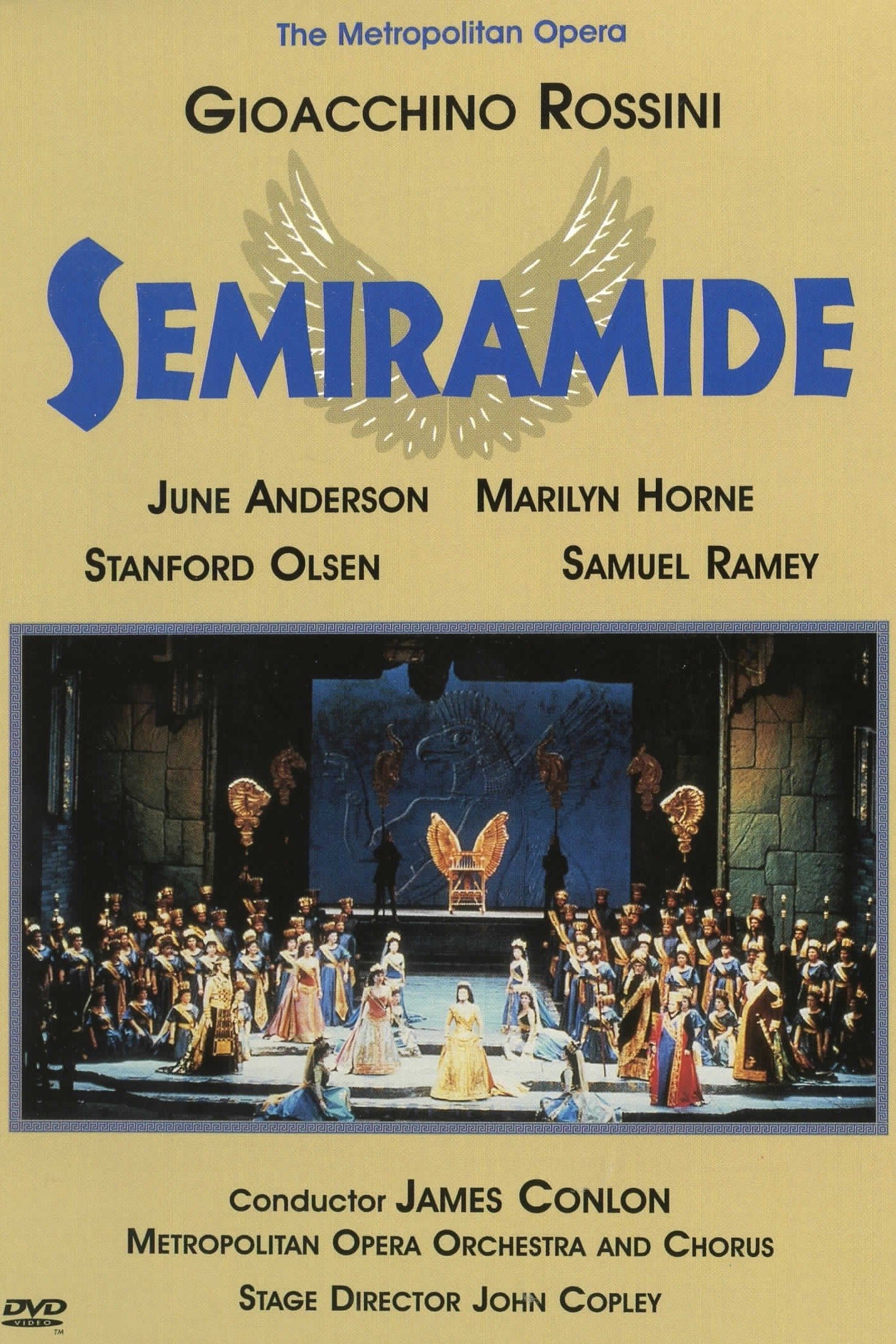
In ancient Babylon, SEMIRAMIDE (Anderson) encourages her lover Assur (Ramey) to murder her husband, King Ninus. Her son, Ninius, disappears, believed dead, and Semiramide rules in her own right. 15 years later, as the opera opens, she is about to announce the name of her successor. Idreno (Olsen) and Assur are the leading candidates for the throne and the hand of Princess Azema (Shin), but Semiramide has taken a fancy to young Arsace (Horne), her victorious military leader who has been summoned back to Babylon. Only the high priest Oroe (Cheek) knows that Arsace is actually Ninius, spirited away to safety after the coup. As the queen announces Arsace as her successor, the ghost of her husband appears from his tomb, demanding that Arsace punish the late king’s murderers... Filmed at New York's Metropolitan Opera, John Copley's production of Rossini's last, longest and most elaborate dramatic opera brings together what many consider the definitive contemporary cast.
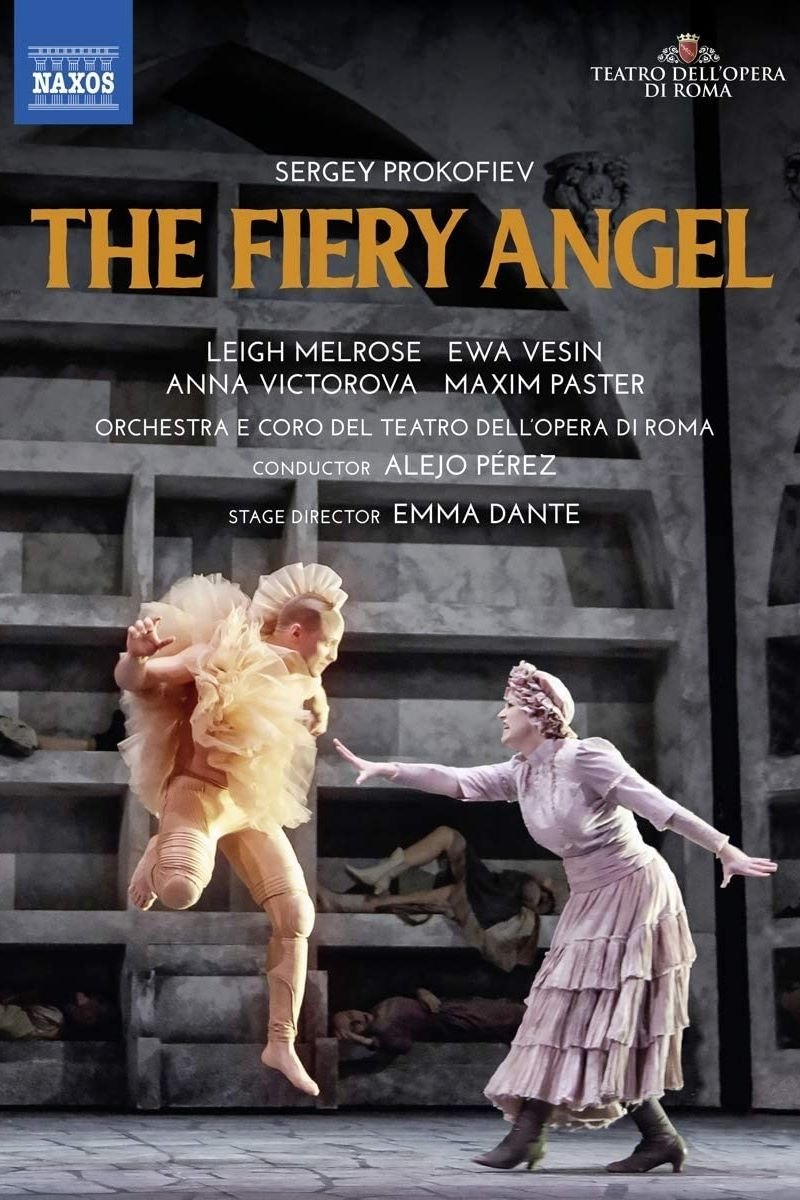
Sergey Prokofiev's operatic tragedy The Fiery Angel was never performed in the composers lifetime the musics brittle energy, drama and eloquent lyrical tenderness would re-emerge in his Third Symphony. The narrative focuses relentlessly on Renata, who is haunted by an angel who turns out to be the devil. Director Emma Dante describes the opera as an explosive mix of fantastical realism and endless confusion of nightmares, madness, sexual impulses and cultural clashes, and this Teatro dellOpera di Roma production was acclaimed as a presentation of Prokofievs masterpiece which sparkles in all its grotesque glory (operawire.com)
As renowned for its harmonious overture as for its romantic storybook characters, this three-act masterwork features some of the composer’s most groundbreaking and unforgettable music, as well as a theme the young Wagner would revisit again and again later in his career—the redemptive and transcendent power of a woman’s love. The enchanting plot harks back to medieval history: Wolfram is a lovesick troubadour who desires the virtuous Elisabeth. She, however, has eyes for another: the rebellious knight Tannhäuser, who in turn cannot get over an overwhelming sensual experience in the realm of the goddess Venus, and is banished for singing her praises at court. Only saintly Elisabeth’s death can atone for his misdeeds.
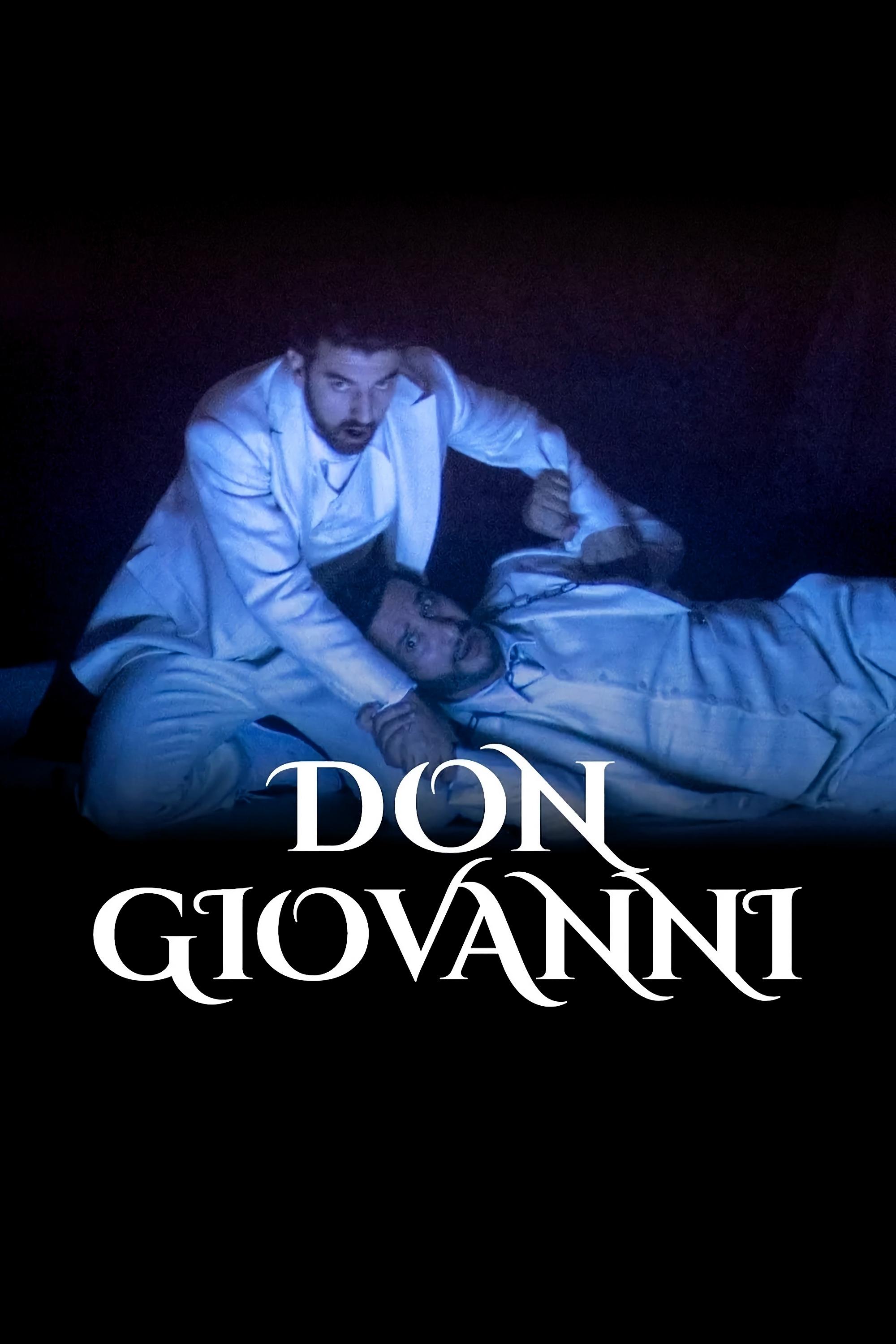
Premiered in 1787, “Don Giovanni” exposes the timeless theme of a man hovering between vitality and destruction. Neither morality nor the law can stop this serial lover in his quest to conquer all women as he places his own pleasure above all other principles. Today, the rich depth of Mozart’s masterpiece still astonishes audiences with its mix of comedy and seriousness, pleasure and love, entertainment and murder. At the helm of this new Salzburg Festival production, in a near-live broadcast from the Great Festival Hall, director Romeo Castellucci promises to focus on the ambiguity and inner turmoil of this serial lover whose immoral behaviour condemns him to a deadly solitude. The exceptional cast – featuring Italian baritone Davide Luciano (Don Giovanni), Russian soprano Nadezhda Pavlova (Donna Anna) and Finnish bass Mika Kares (the Commendatore) – is accompanied by the chorus and musicians of the musicAeterna ensemble, conducted by Vitaly Polonsky and Teodor Currentzis.
A down-on-his-luck coach is hired to prepare a team of the best American dancers for an international tournament that attracts all the best crews from around the world, but the Americans haven't won in fifteen years.
A pair of star-crossed dancers in New York find themselves at the center of a bitter rivalry between their brothers' underground dance clubs.
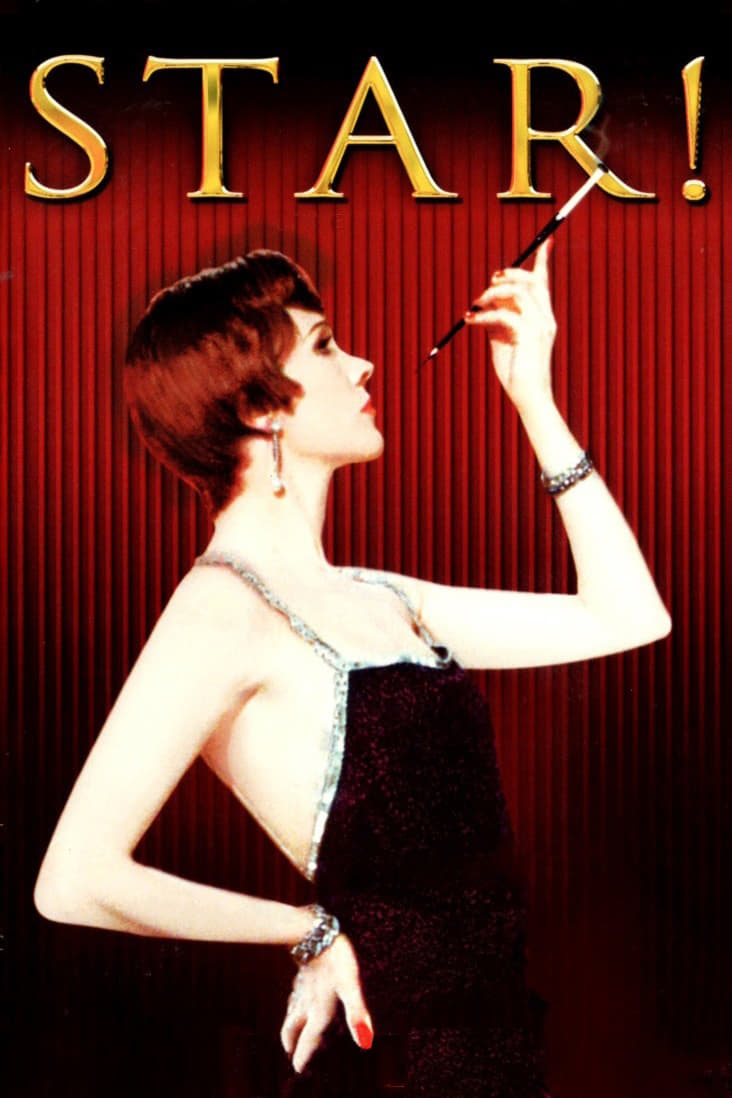
Gertrude Lawrence rises to stage stardom at the cost of happiness.
A talented young singer and aspiring songwriter’s Christian faith and family ties are tested when she defies her worship-pastor father and pursues pop-music stardom in GRACE UNPLUGGED, a moving and inspiring new film that explores the true meaning of success.
A melancholy poet reflects on three women he loved and lost in the past: a mechanical performing doll, a Venetian courtesan, and the consumptive daughter of a celebrated composer.
After the death of her mother, Sara moves to the South Side of Chicago to live with her father and gets transferred to a majority-black school. Her life takes a turn for the better when befriends Chenille and her brother Derek, who helps her with her dancing skills.
In the tradition of Fantasia, Make Mine Music is a glorious collection of musically charged animated shorts featuring such fun-filled favorites as "Peter and the Wolf", narrated by the beloved voice behind Winnie the Pooh. In addition you'll enjoy such classic cartoon hits as "Casey at the Bat," "The Whale Who Wanted to Sing at the Met" and "Johnnie Fedora and Alice Bluebonnet."
The Marx Brothers take on high society and the opera world to bring two lovers together. A sly business manager and two wacky friends of two opera singers help them achieve success while humiliating their stuffy and snobbish enemies.
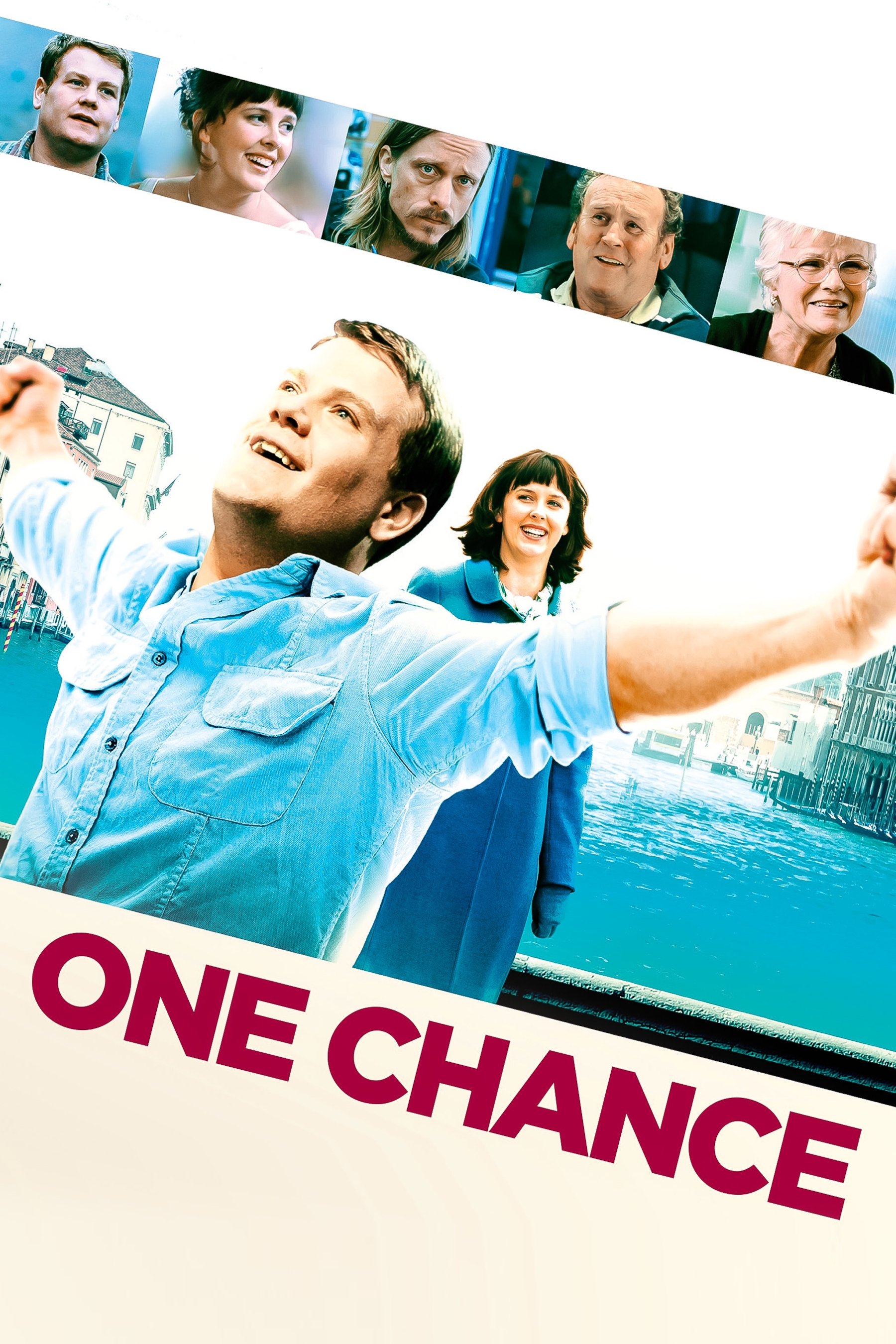
This film follows the remarkable and inspirational true story of Paul Potts, a shy, bullied shop assistant by day and an amateur opera singer by night.
Aspiring small-town musician Chito is determined to make it big. When a clip of him performing one of his songs goes viral, he seizes the opportunity and pushes to carve out a place for himself in the new wave of Mexican-American music... and ultimately gets caught in a game more dangerous than anticipated.
A detective is hired to protect the life of a singer, who has recently inherited a department store, from the store's crooked manager.
The well-known explorer and hunter Captain Spaulding has just returned from Africa, and is being welcomed home with a lavish party at the estate of influential society matron Mrs. Rittenhouse when a valuable painting goes missing. The intrepid Captain Spaulding attempts to solve the crime with the help of his silly secretary Horatio Jamison, while sparring with the anarchic Signor Emanuel Ravelli and his nutty sidekick The Professor.
Graced with a velvet voice, 21-year-old Violet Sanford heads to New York to pursue her dream of becoming a songwriter only to find her aspirations sidelined by the accolades and notoriety she receives at her "day" job as a barmaid at Coyote Ugly. The "Coyotes" as they are affectionately called tantalize customers and the media alike with their outrageous antics, making Coyote Ugly the watering hole for guys on the prowl.
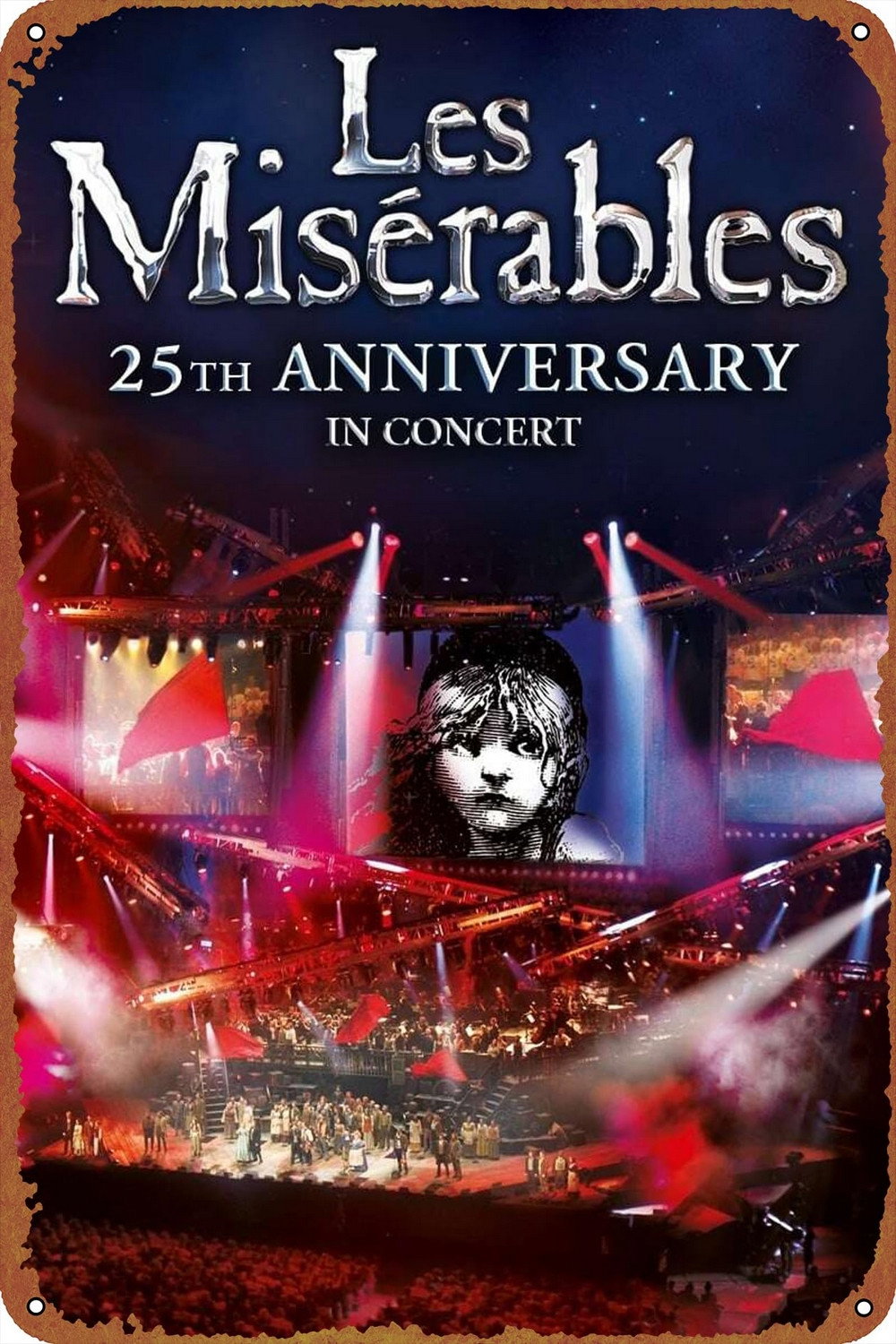
This concert, recorded to celebrate the 25th anniversary of the landmark musical Les Miserables, gathers the casts of the show's 2010 original production at the Queen's Theatre, the 1985 original production by the London company, and the 2010 production at the Barbican together for one performance. Together with talents like Michael Ball, Hadley Fraser, and John Owen-Jones, the performers present the play's musical numbers in a semi-theatrical style, fully costumed and with all the emotion of the musical's heyday.
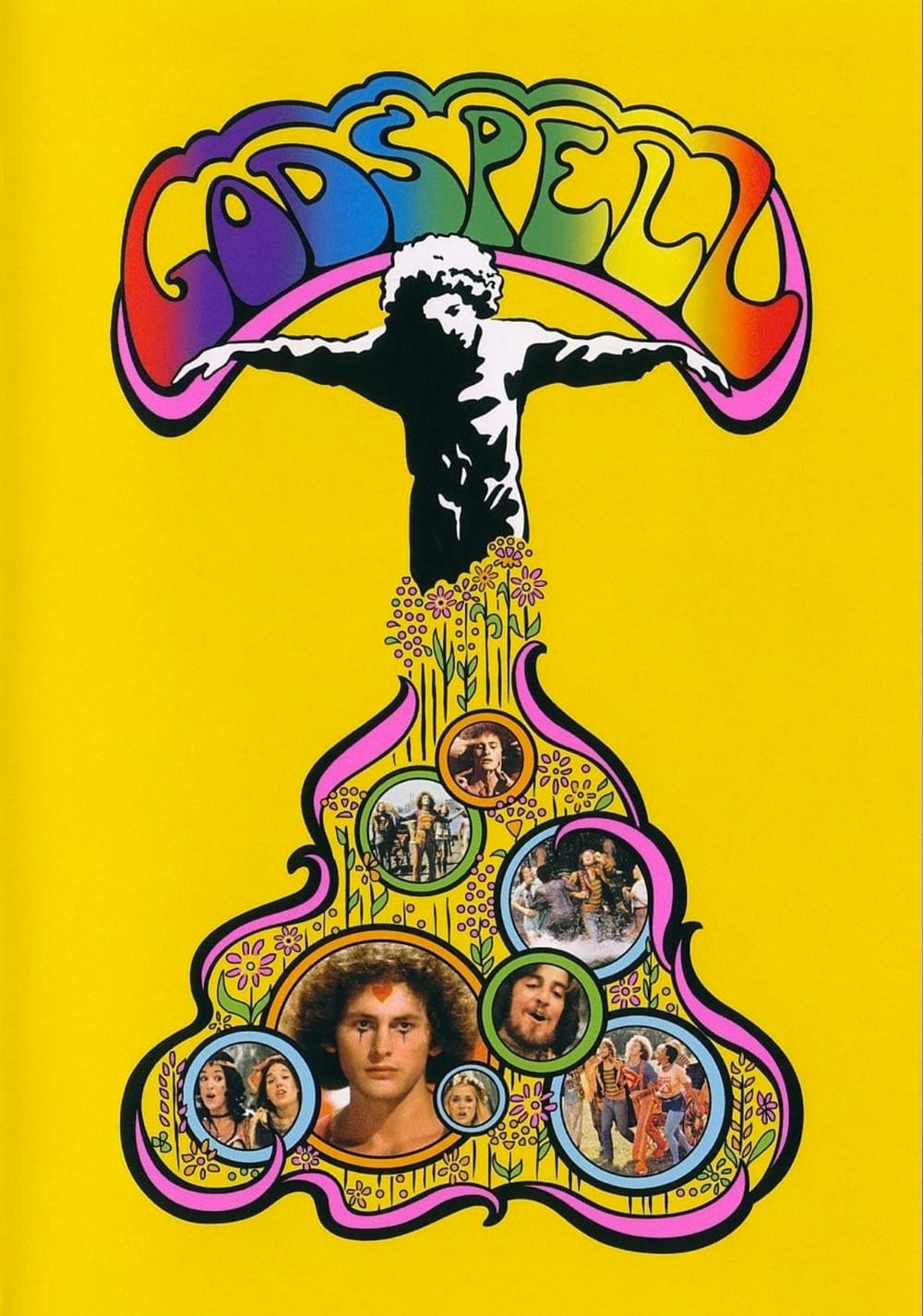
In modern-day New York City, John the Baptist calls out to a group of young men and women to learn from the teachings of Jesus. Through song and dance, they relive Christ's crucifixion.
Set in the dazzling world of the LA music scene comes the story of Grace Davis, a superstar whose talent, and ego, have reached unbelievable heights. Maggie is Grace’s overworked personal assistant who’s stuck running errands, but still aspires to her childhood dream of becoming a music producer. When Grace’s manager presents her with a choice that could alter the course of her career, Maggie and Grace come up with a plan that could change their lives forever.
A drama set in the American South, where a precocious, troubled girl finds a safe haven in the music and movement of Elvis Presley.
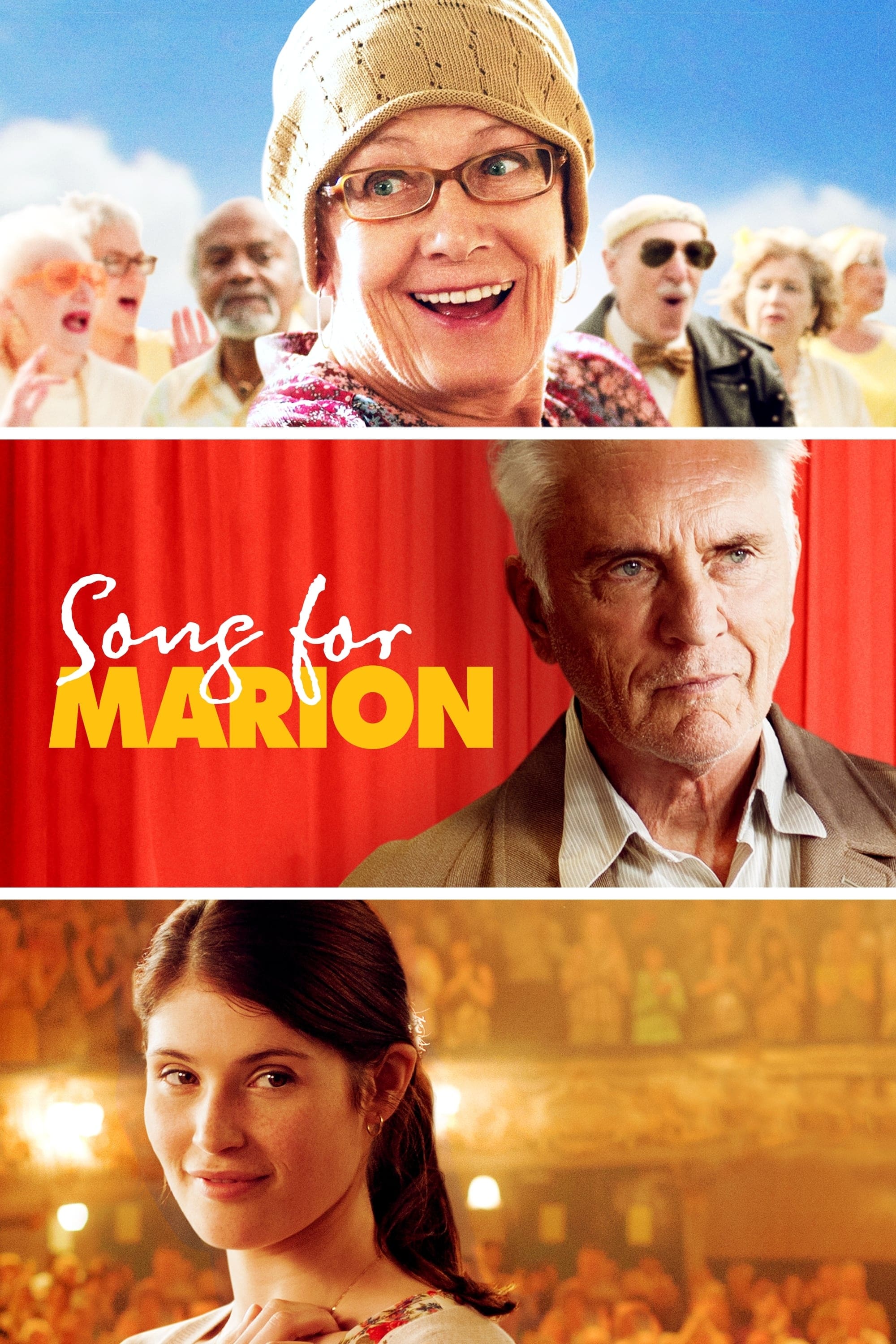
Arthur is a grumpy pensioner who can't understand why his wife Marion would want to embarrass herself singing silly songs with her unconventional local choir. But choir director Elizabeth sees something special in the reluctant Arthur and refuses to give up on him. As she coaxes him out of his shell, Arthur realizes that it is never too late to change.
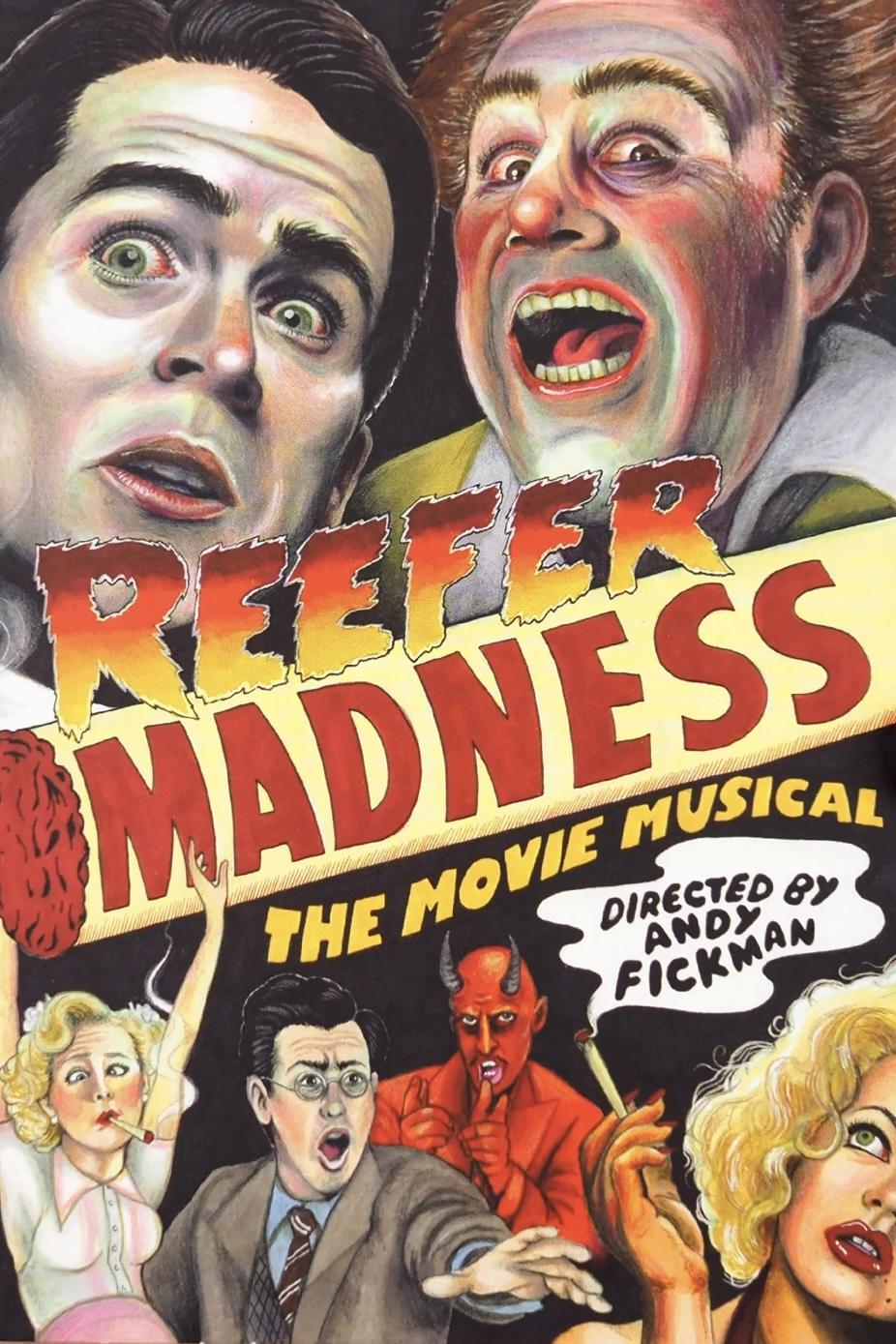
From an ominous Lecturer, a small 1930s middle American community learns of the Harper Affair, in which young Jimmy Harper finds his life of promise turn into a life of debauchery and murder thanks to the new drug menace marijuana. Along the way, he receives help from his girlfriend Mary and Jesus Himself, but always finds himself in the arms of the Reefer Man and the rest of the denizens of the Reefer Den.
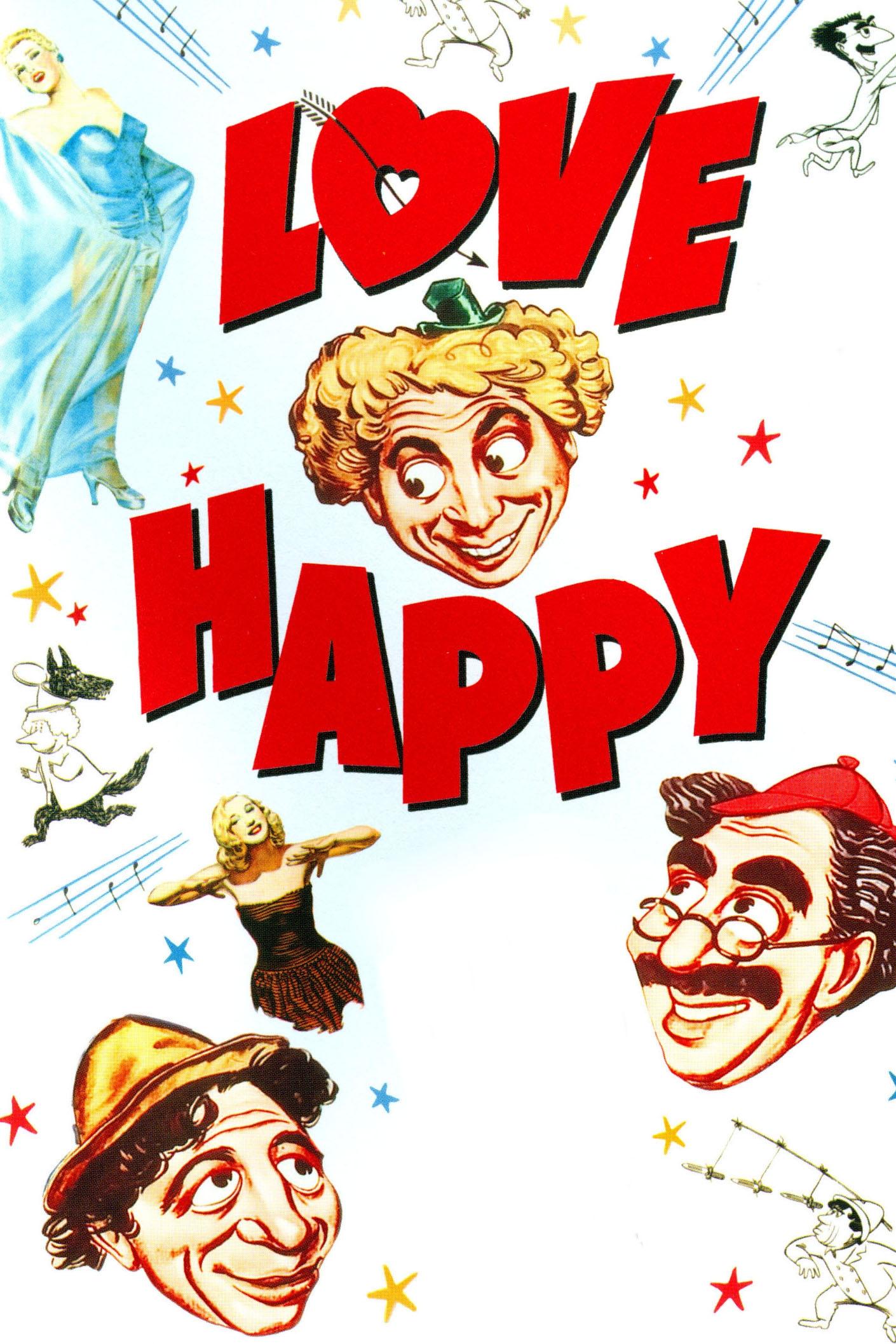
The Marx Brothers help young Broadway hopefuls when they get mixed up with gangsters due to a tin of sardines containing Romanoff diamonds.