Documentary about the victims and effects in the Hiroshima bombing. Part of the "Ten-Feet Movement"
Social & External
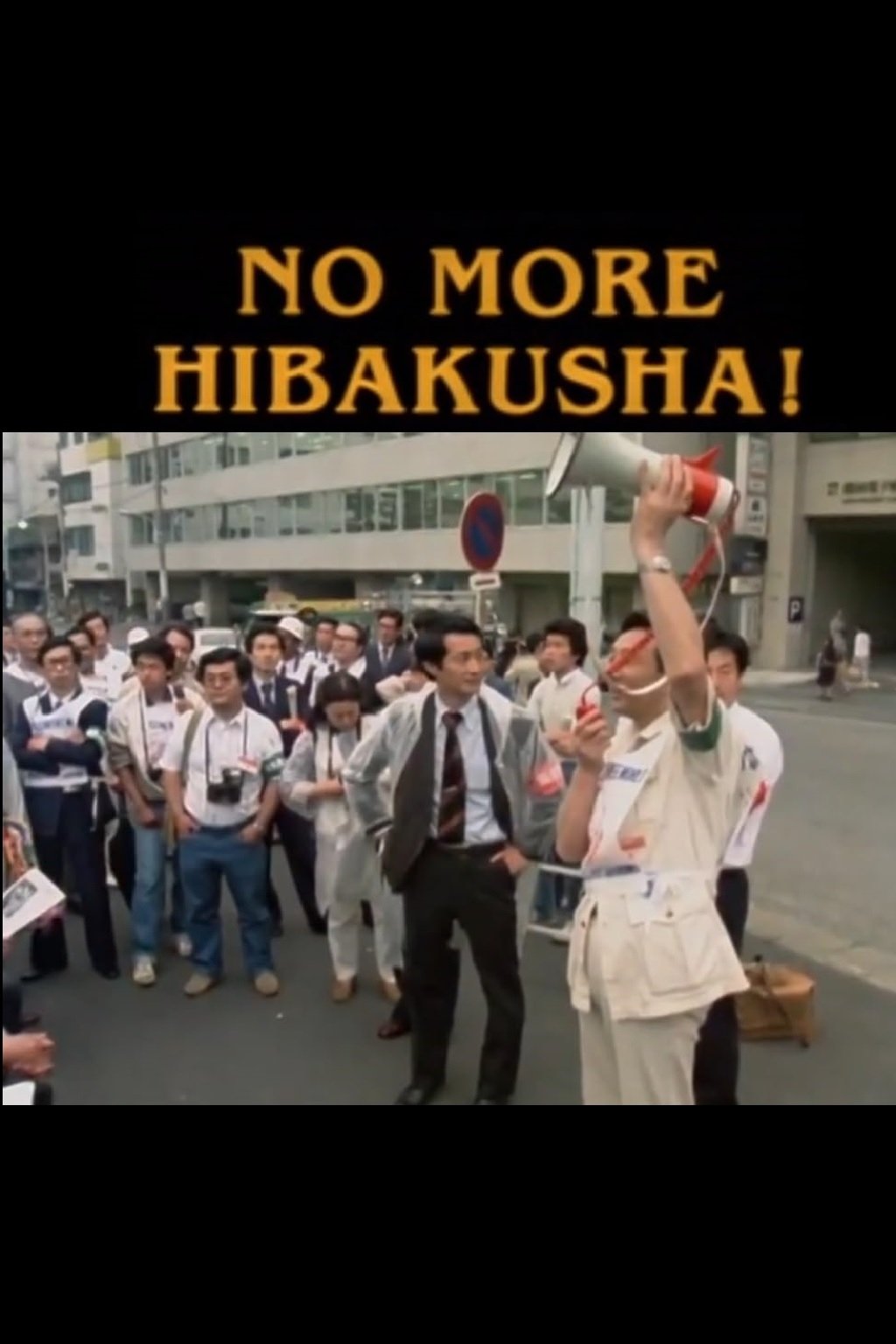
Survivors of the 1945 bombings of Hiroshima and Nagasaki travel to New York for a UN conference on disarming nuclear weapons.
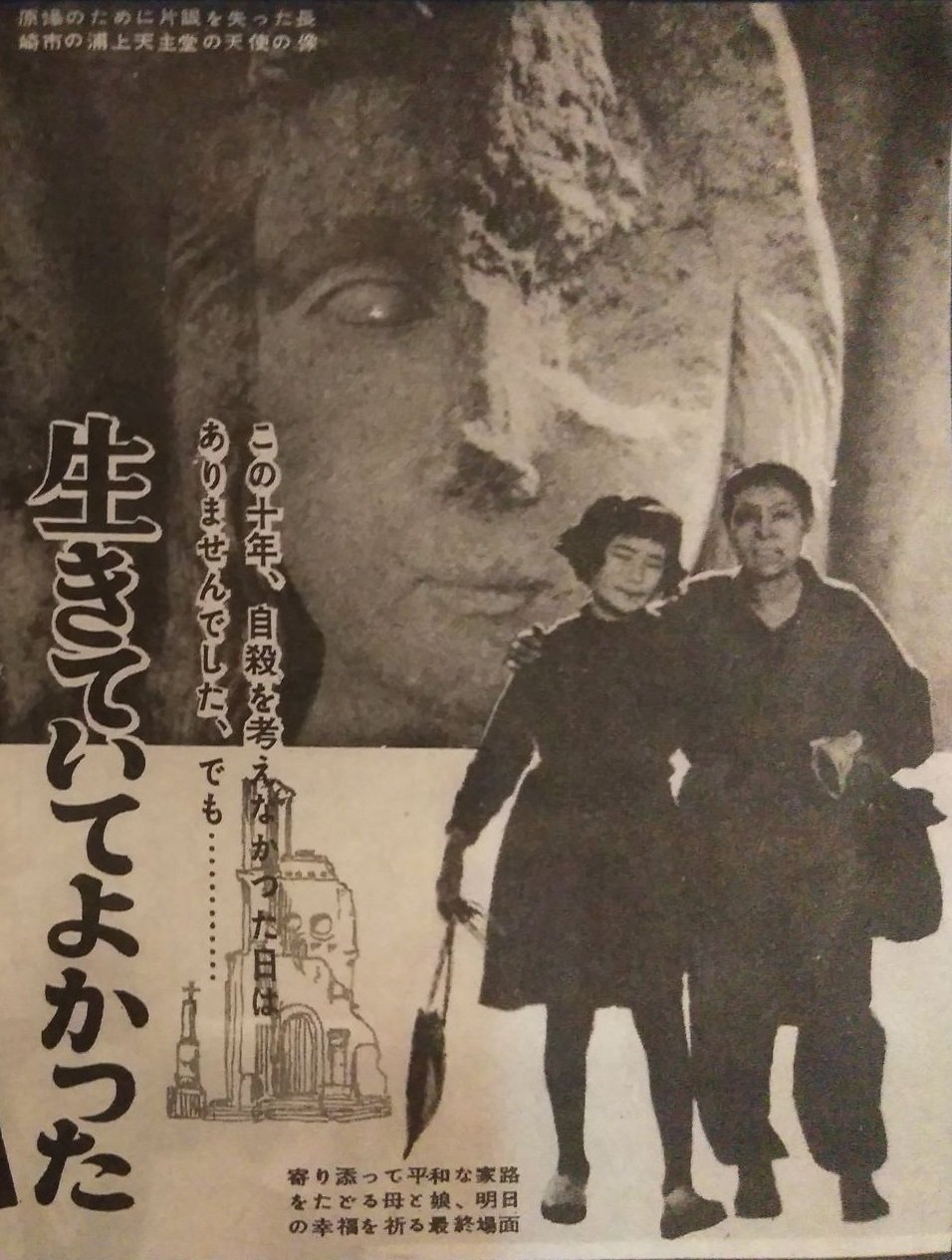
One of the first documentaries to focus on the aftermath of Hiroshima and Nagasaki, the film gives voice to survivors of the atomic bombings and documents the long-term effects of radiation on their lives. Combining testimony with stark images of destruction and recovery, it serves as an early cinematic appeal against nuclear war.
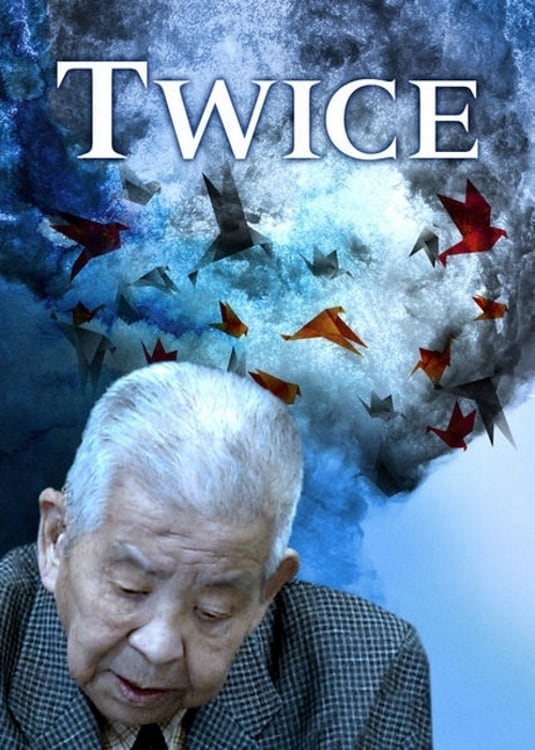
Tsutomu Yamaguchi is a hibakusha. A survivor of both atomic bomb blasts in 1945. First at Hiroshima, then again at Nagasaki. Now nearing 90, Yamaguchi finally speaks out. Breaking taboos of shame and sorrow, he responds to a call to fight for a world without nuclear weapons by telling his story, so that no one else will ever have to tell one like it again. Twice reconstructs Yamaguchi’s experiences in 1945 Japan, interviews him on the after-effects of exposure and documents the last five years of the late-blooming activist’s life.
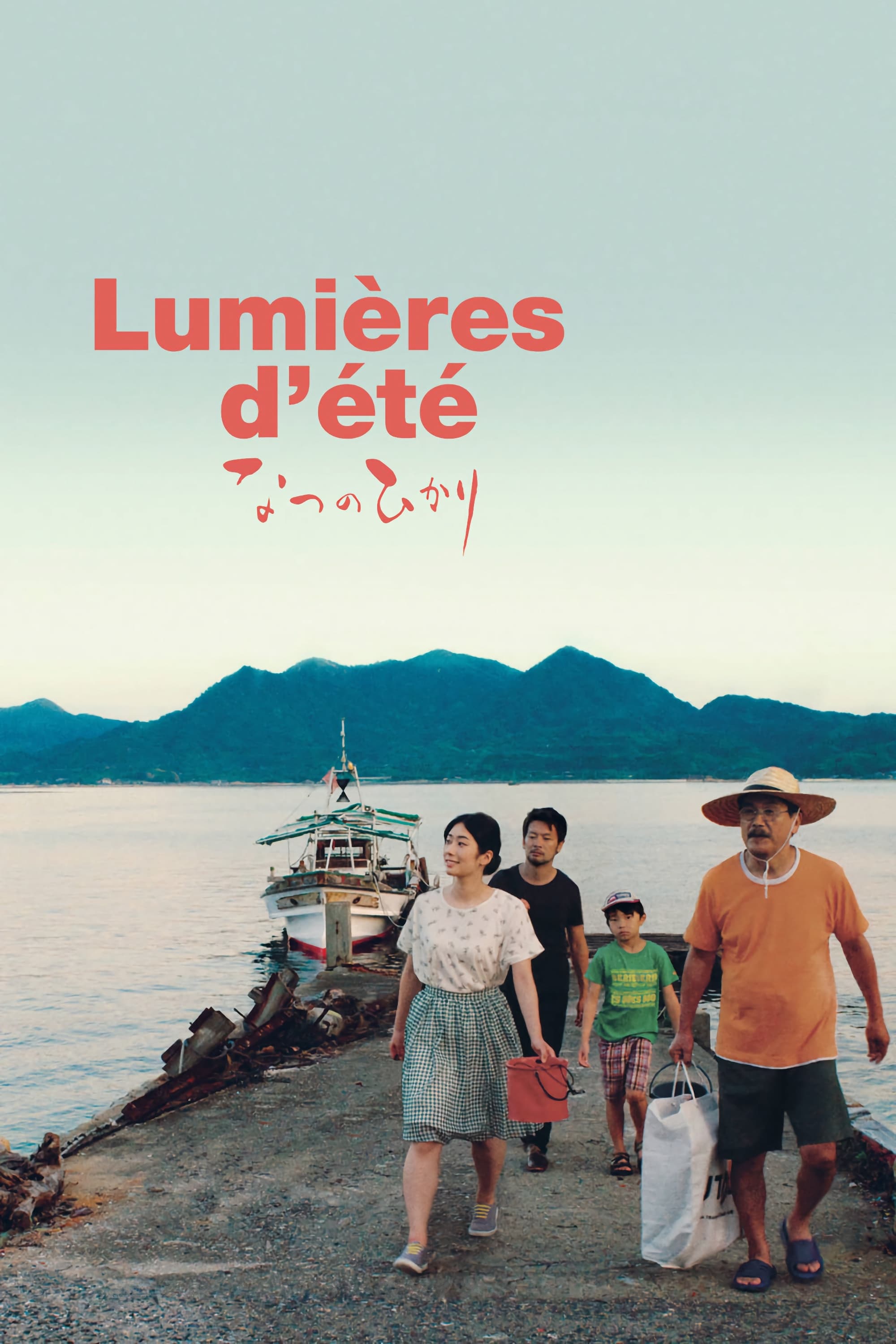
On the 70th anniversary of the atomic bombing of Hiroshima, Akihiro, a native Japanese filmmaker living in Paris, travels to Japan to interview survivors for a documentary commemorating the victims of the attack. Deeply moved by the interviews, he decides to take a break to wander through the city during which he meets Michiko, a merry, enigmatic young woman. Michiko takes him for a joyful and improvised journey from the city towards the sea where the horrors of the past are mingled with the simplicity of the present.
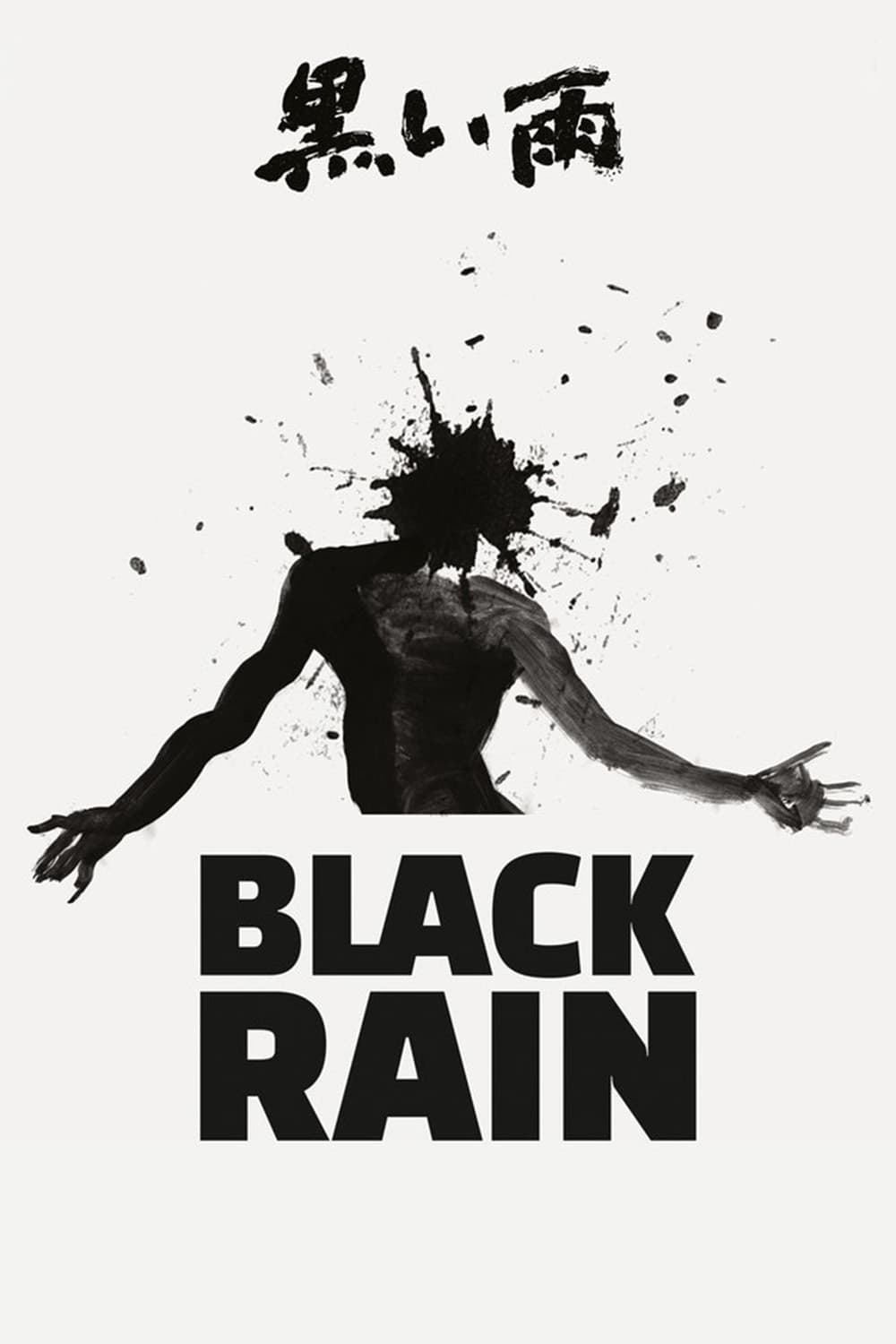
Shigematsu Shizuma, who lives with his family in a village near Fukuyama, was in Hiroshima with his wife and niece just after the devastating atomic bombing, a tragedy that cruelly took the lives of thousands of people and forever marked the harsh existence of the survivors.
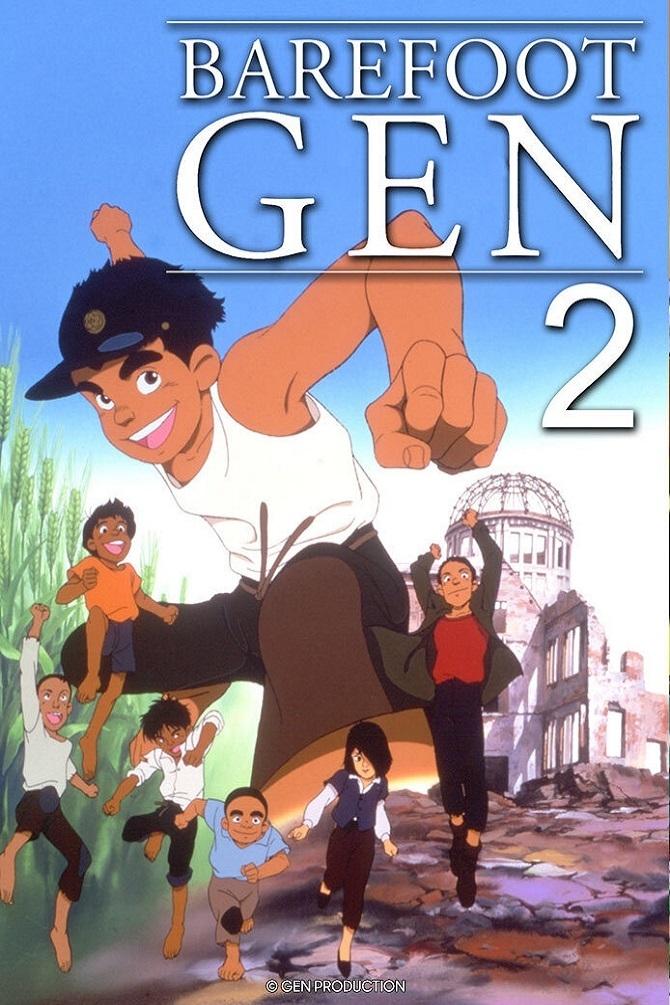
Three years after the Hiroshima bombing, a teenager helps a group of orphans to survive and find their new life.
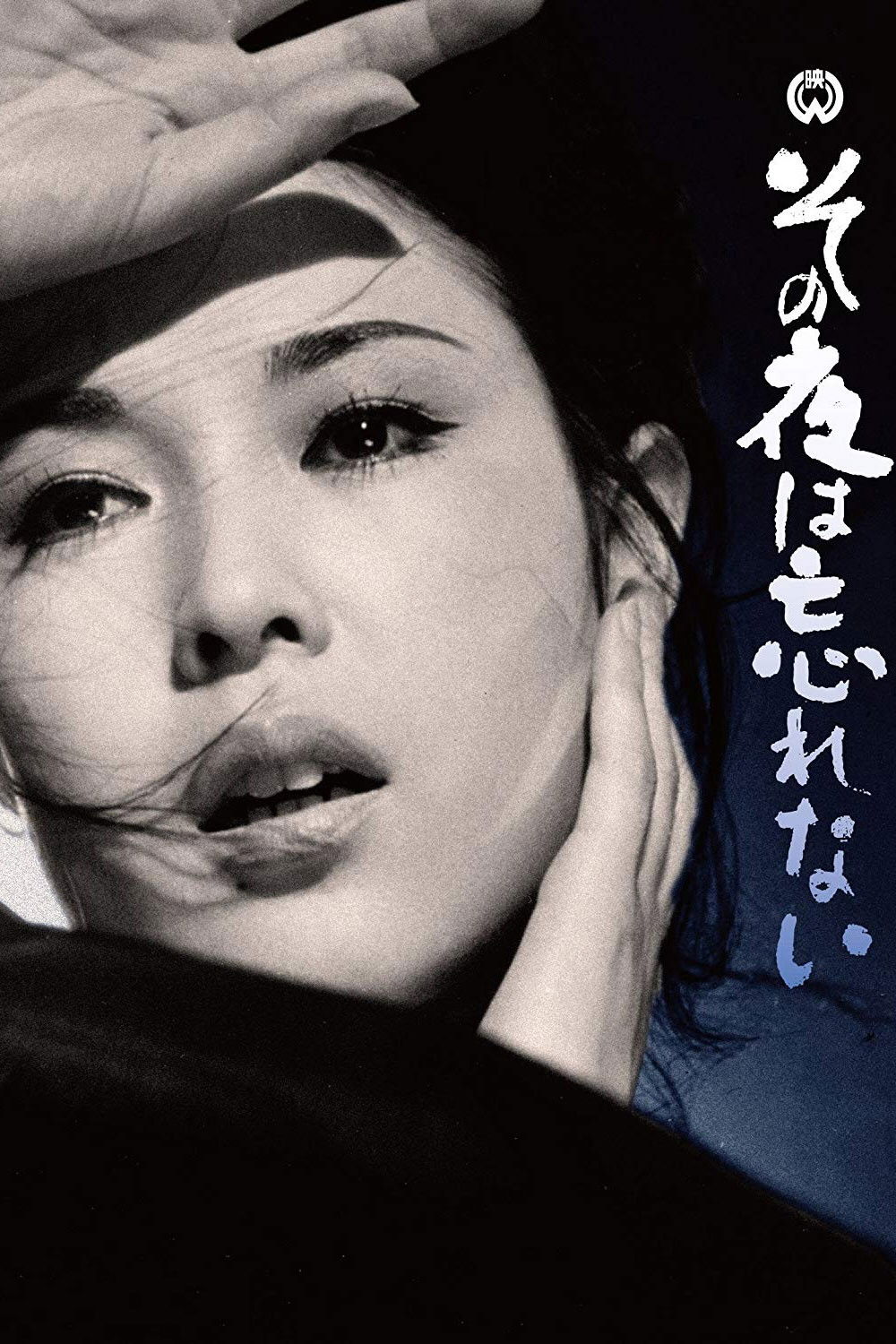
Seventeen years after the atomic bomb was dropped on Hiroshima, a newspaper reporter looks for the bomb's effects, but everyone seems to have forgotten. He meets a woman who was there when it happened but when they fall in love she isn't able to move on.
Voices from Tsutomu Yamaguchi, who was twice exposed to the atomic bombs in Hiroshima and Nagasaki and later became a storyteller, as well as those who continue the storyteller activities with his daughters, grandchildren, and great-grandchildren, and other people who were twice exposed to the atomic bombs. How will a storyteller who was not involved in the story pass on the memories in the future?
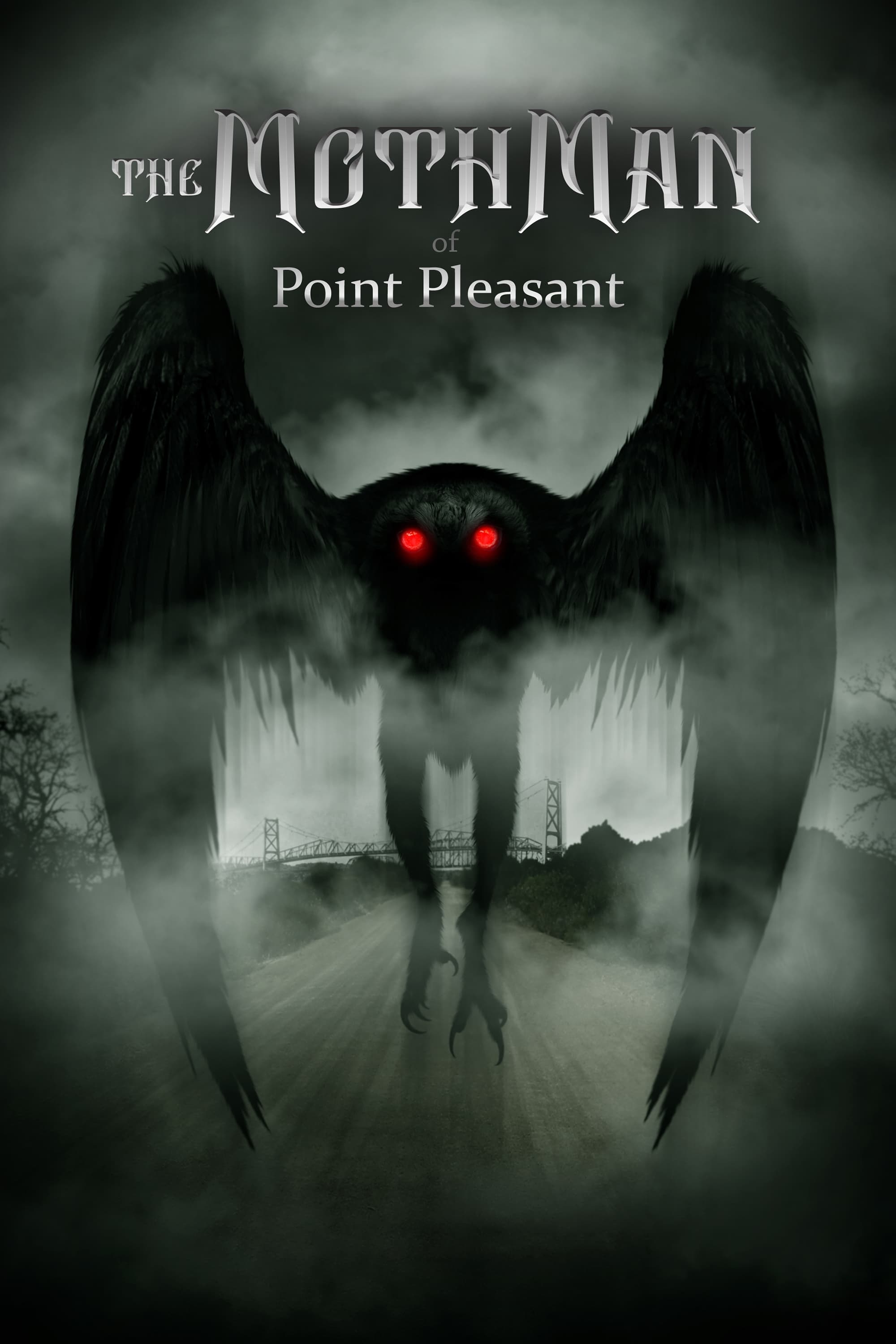
Learn the terrifying, true story about thirteen months that changed history! In November of 1966 a car full of kids encountered a creature unlike anything they'd ever seen before. In the weeks and months to follow, the monster – now known as The Mothman – was sighted again and again on country roads and around the state of West Virginia.
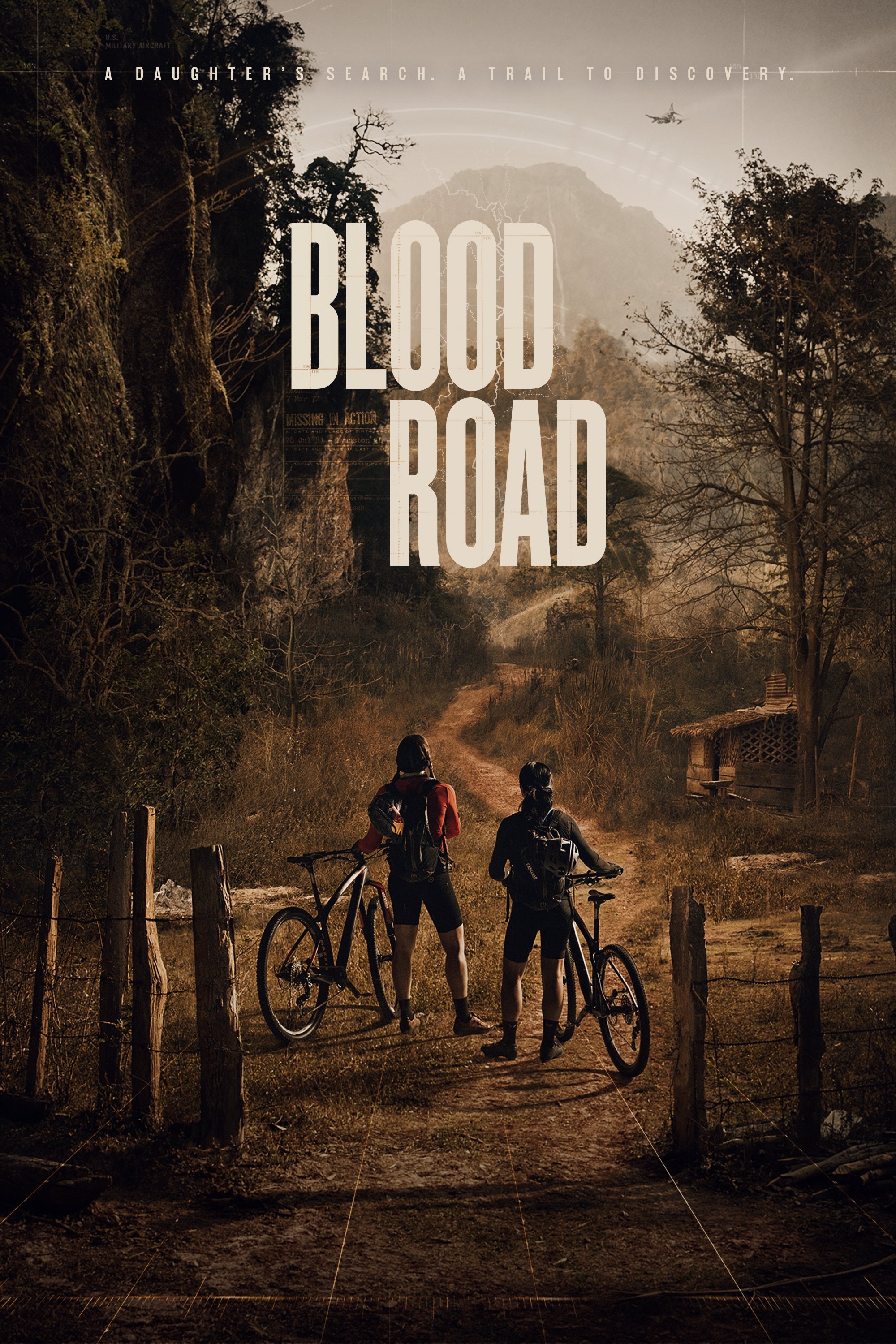
Blood Road follows the journey of ultra-endurance mountain bike athlete Rebecca Rusch and her Vietnamese riding partner, Huyen Nguyen, as they pedal 1,200 miles along the infamous Ho Chi Minh Trail through the dense jungles of Vietnam, Laos, and Cambodia. Their goal: to reach the site where Rebecca’s father, a U.S. Air Force pilot, was shot down in Laos more than 40 years earlier.
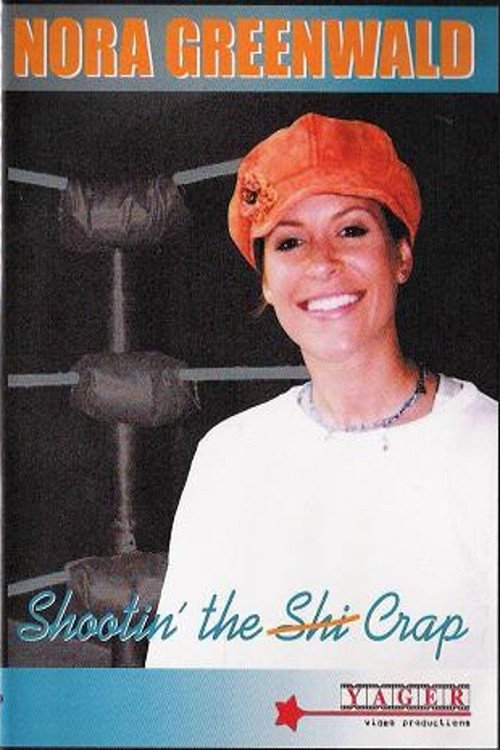
Former WWE Wrestler Nora Greenwald, AKA Mighty Molly Holly, talks about getting into the business.
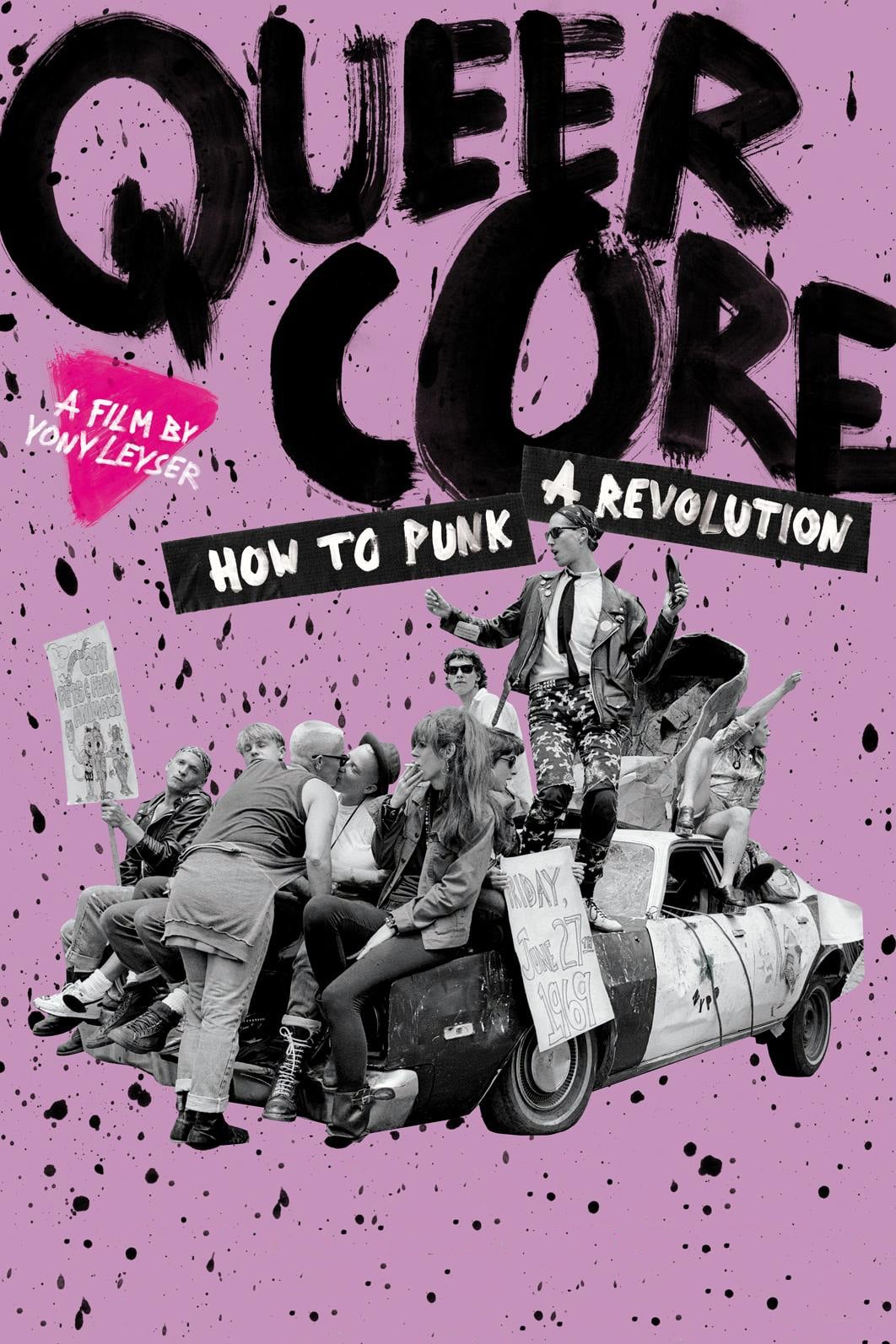
A documentary on Queercore, the cultural and social movement that began as an offshoot of punk and was distinguished by its discontent with society's disapproval of the gay, bisexual, lesbian and transgender communities.
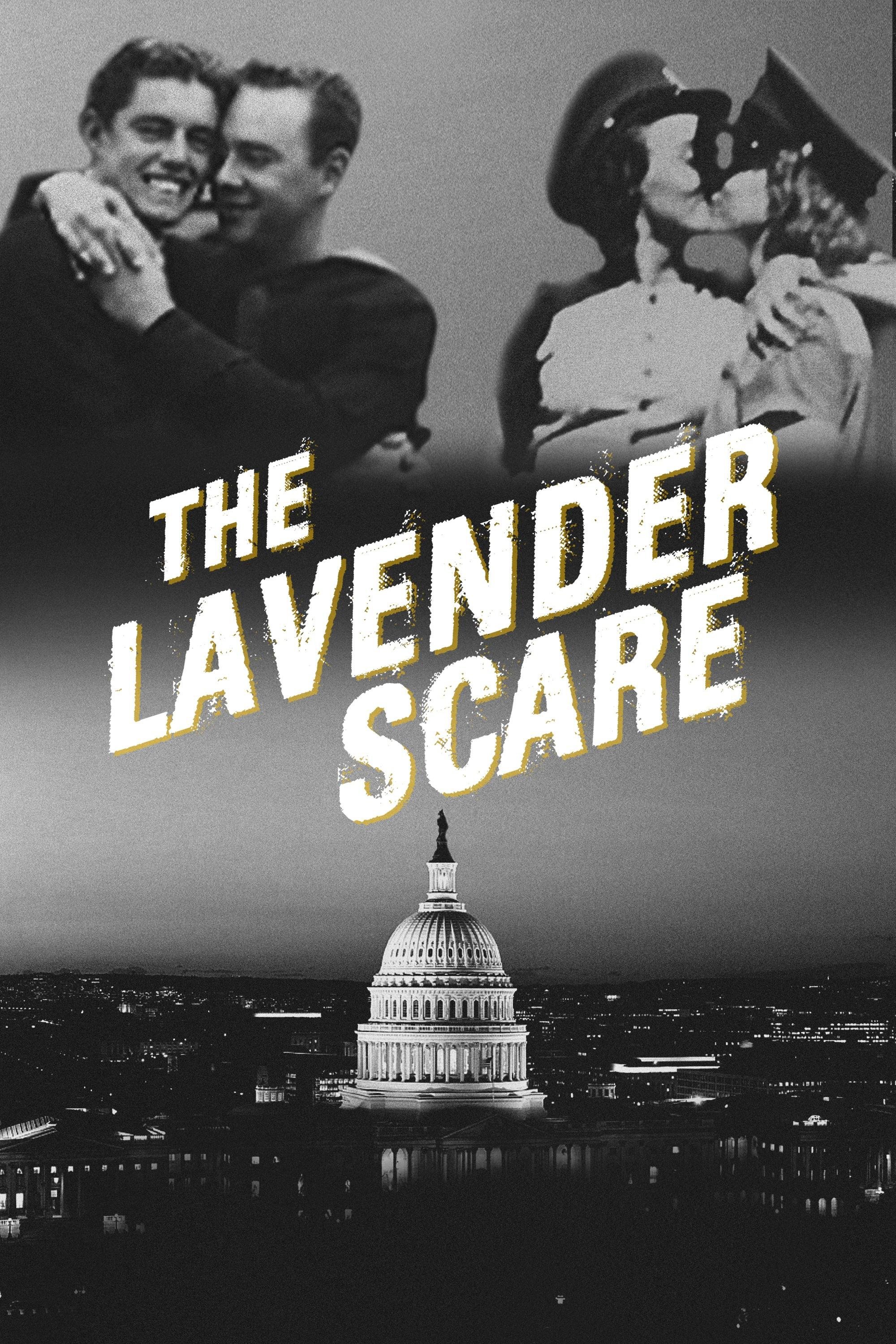
At the height of the Cold War, President Eisenhower deems homosexuals to be security risks. A vicious witch hunt ensues, ruining thousands of American lives.
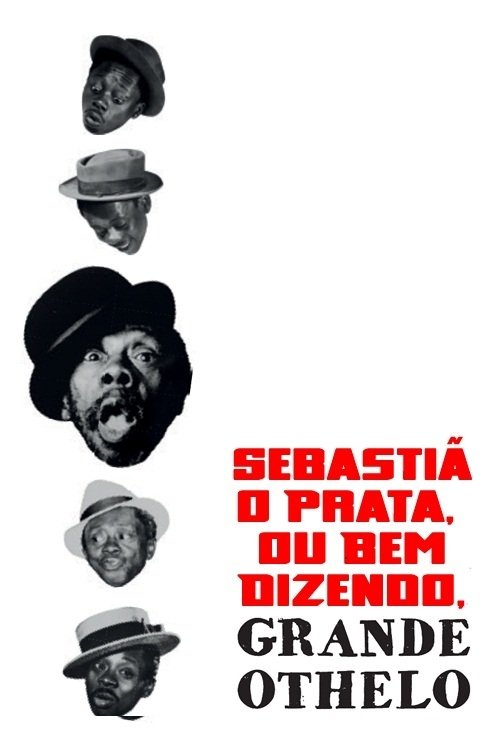
Short documentary film offering a rare portrait on legendary Brazilian actor Grande Otelo, recorded at his own family home.
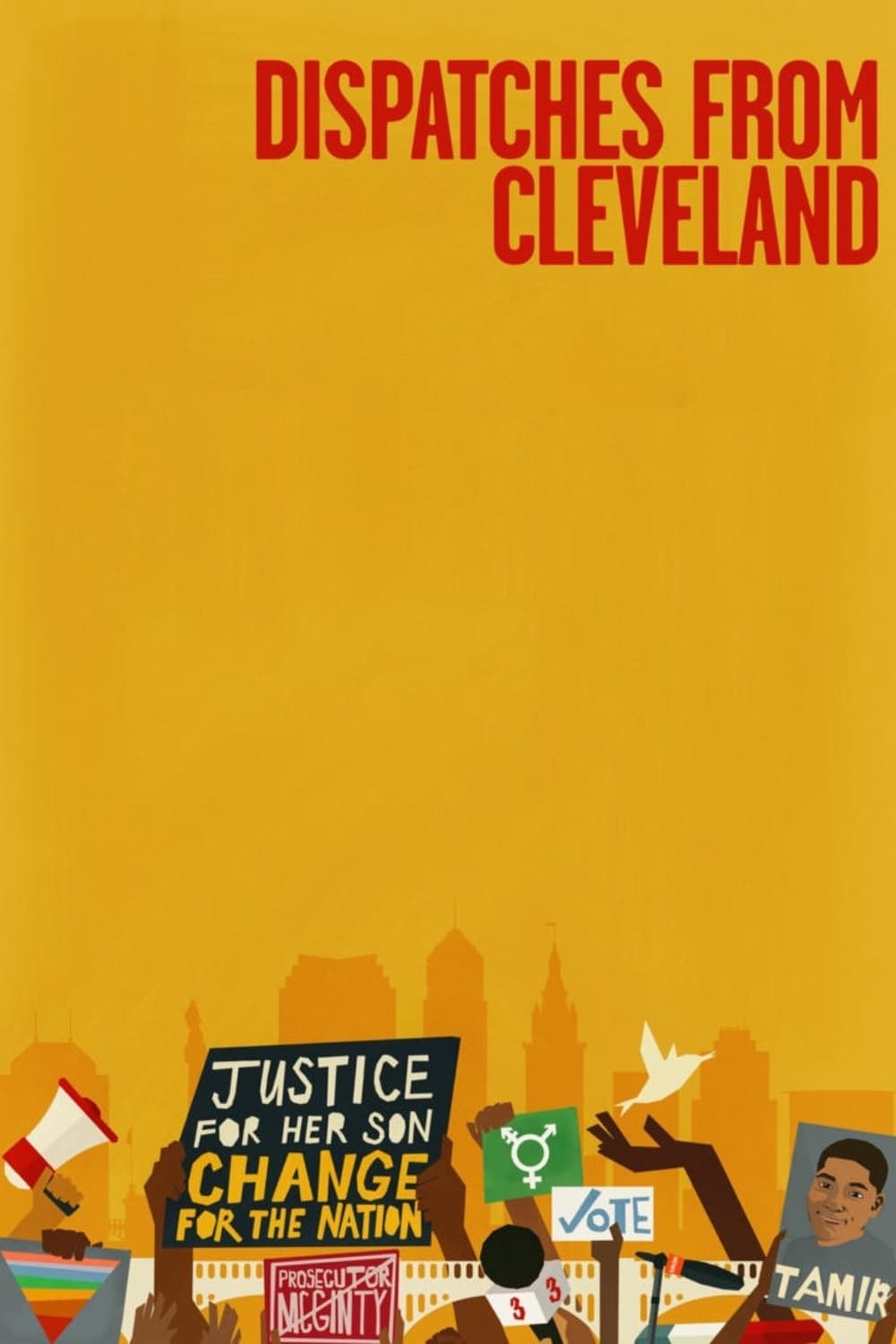
Dispatches from Cleveland is a focused on ordinary Clevelanders who have been long shaken by police misconduct, social discrimination, and poverty. Depicting intersecting movements in Cleveland, the series examines how residents' love for their hometown pushes them to work together to bring about real change in one of the most racially divided cities in America.
Documentary made in the municipality of Luziânia - Goiás, presenting a black community, a remnant of the old quilombo.
Over the course of four decades, filmmaker Paul Oremland documented his romantic and sexual encounters with roughly one hundred men. He preserved nearly all of these detailed recollections and threaded them together in a portrait of a gay life.
As a gay man, filmmaker Arshad Khan examines his troubled relationship with his devout, Muslim father Abu. Using family archives and movies, Khan explores his struggle with his identity and compares it to his parents attempts to fit into Canada.