Sex star gives an explosive behind the scenes view of the people who make sexual fantasies come true on the silver screen. Sex Stars is the first feature documentary made by Lech Kowalski.
Social & External
The people behind it
Shirley Clarke
Self
Georgina Spelvin
Honey Stevens
Marc Stevens
Gay Talese
Andrea True
In this color short, Albert Conti brings Mary Carlisle inside a studio to see some new outfits available at J.J. Haggarty’s, Los Angeles.
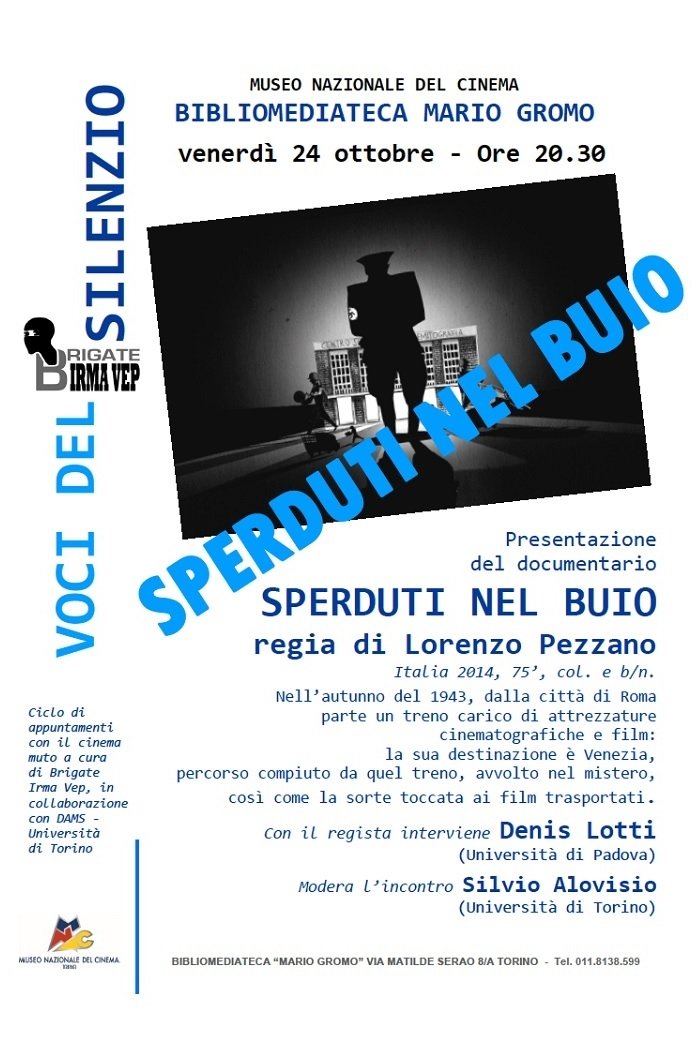
Documentary about the lost 1914 film "Sperduti nel buio". Film historian Denis Lotto journeys across Europe following the trail of the lost movie.
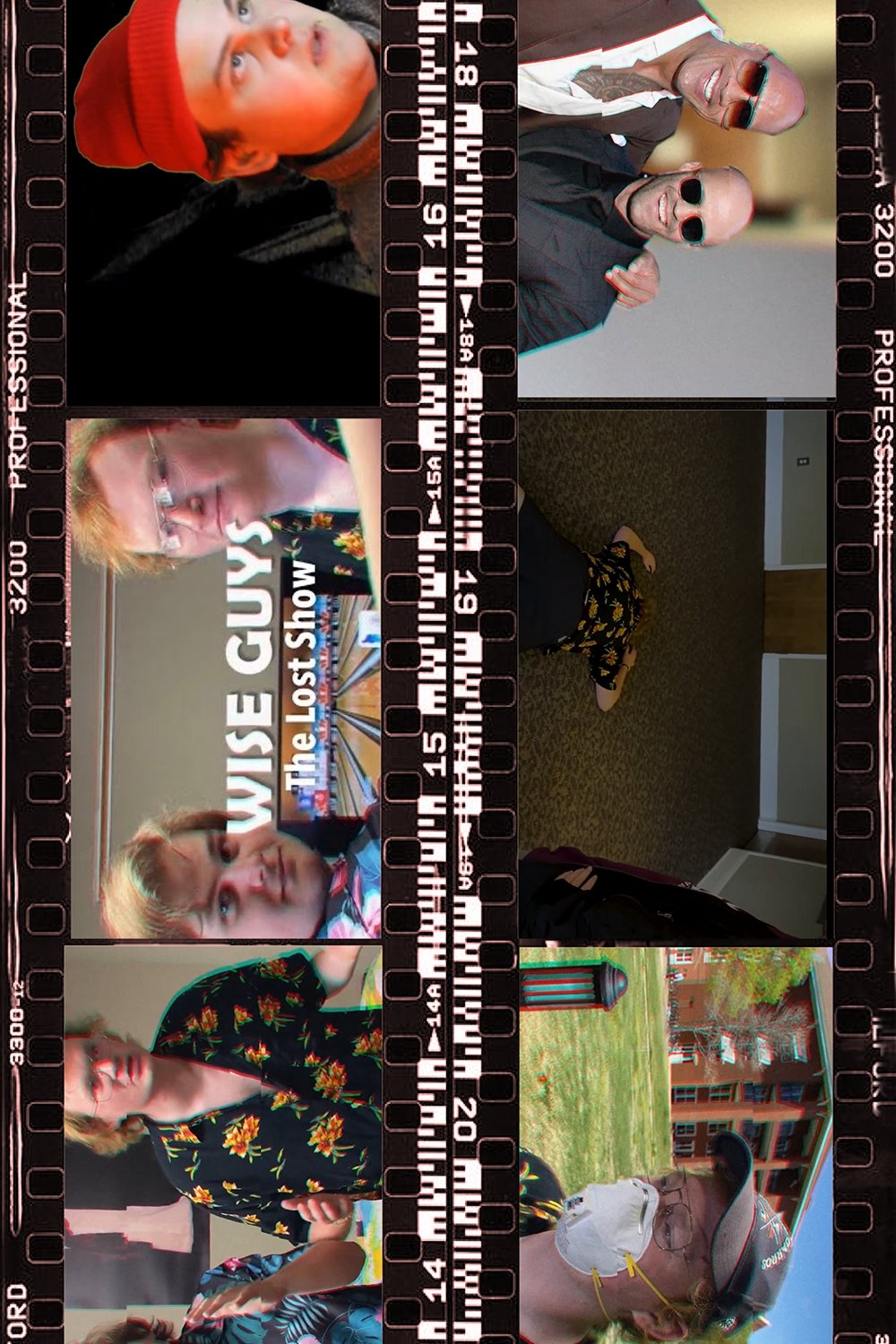
During the COVID-19 pandemic, two college students set out to make a revolutionary television show. The pilot episode was uncovered and presented alongside exclusive interviews with the cast and crew.
Short film about an express steamer
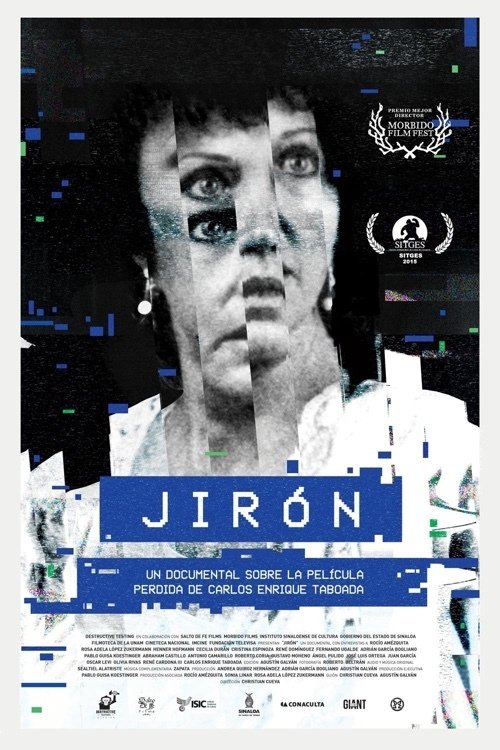
Jirón is the story of “Jirón de niebla” (Shred of Fog), the last film made by Mexico’s duque of horror, Carlos Enrique Taboada, which, for several reasons, was never shown or premiered. The mistery behind the disappearance of this film will be revealed in a series of interviews with the people who worked on it.
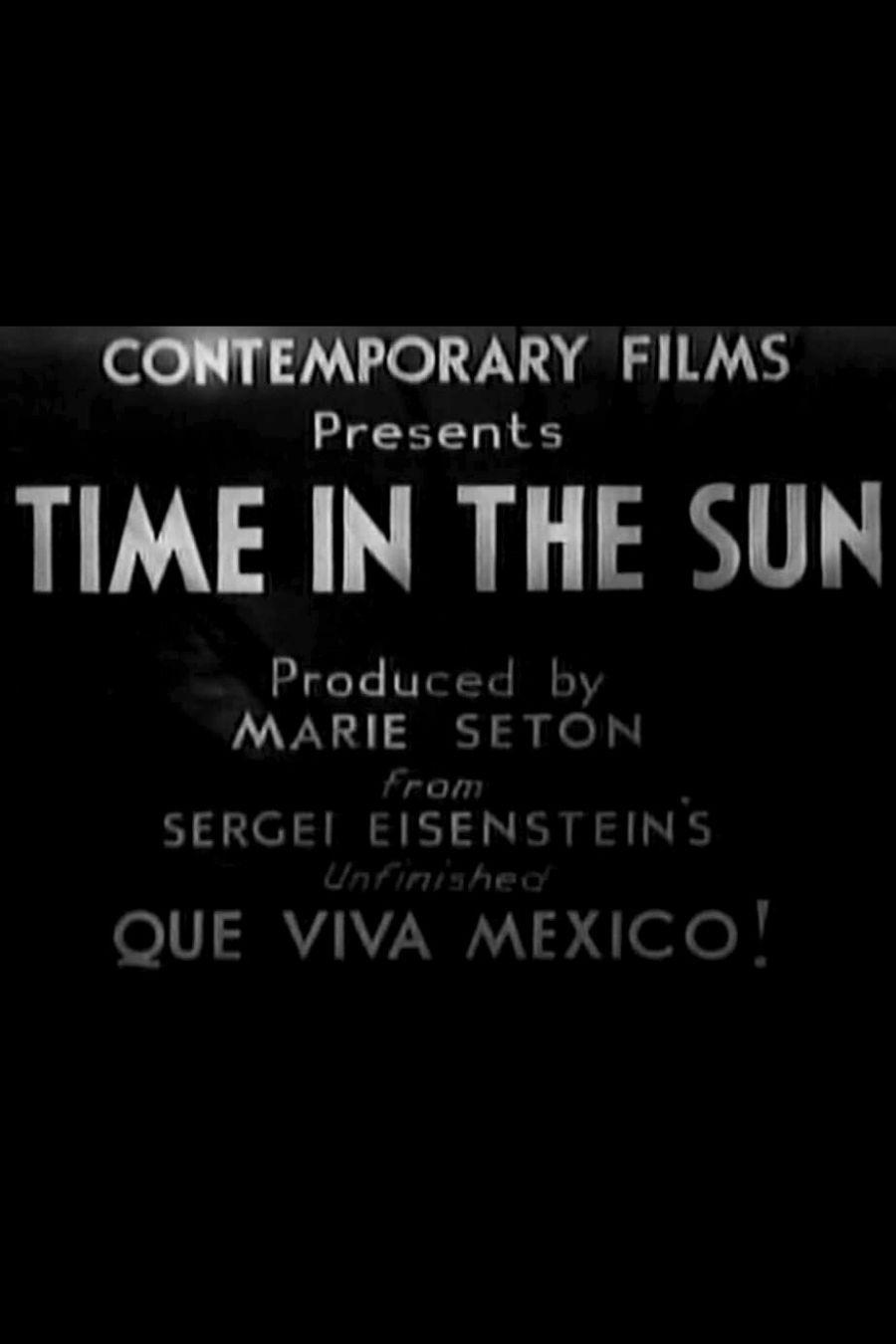
Second attempt to create a feature film out of the 200,000-plus feet of film which Soviet film-maker Sergei Eisenstein shot during 1931-32 in Mexico for American socialist author Upton Sinclair, his wife and a small company of investors. The projected film, to be called "Que Viva Mexico", was never completed due to exhaustion of funds and Stalin's demand that Eisenstein return to the USSR (he had been absent since 1929). The first attempt at editing the footage, in the USA, resulted in "Thunder Over Mexico", released in 1934. In 1940, Marie Seton, from the UK, acquired some of the footage from the Sinclairs in an attempt to make a better cutting according to Eisenstein's skeletal outline for the proposed film. This film has apparently been lost.
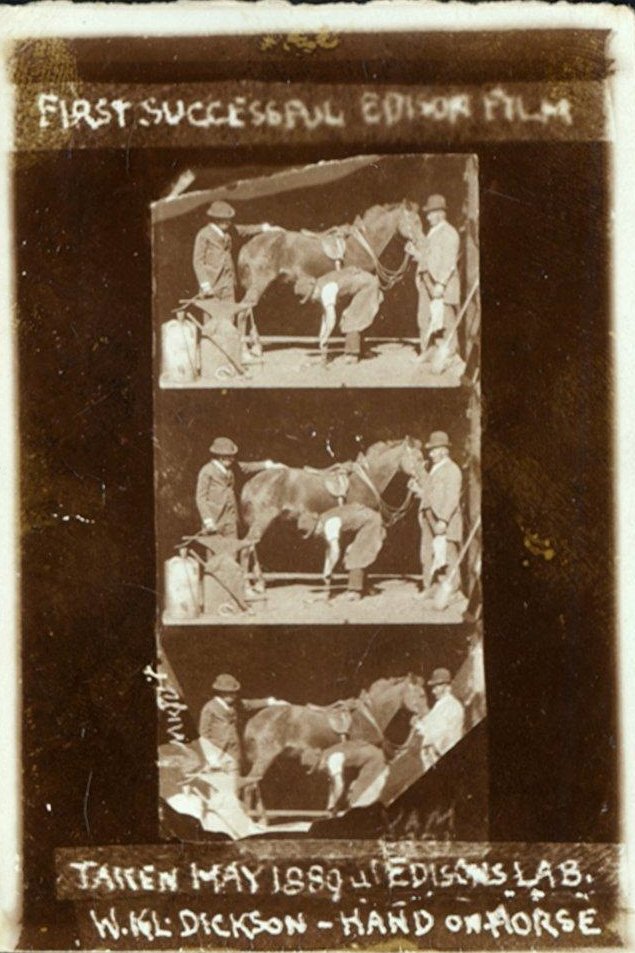
One of the pictures to be seen in the machine, for example, was that of a blacksmith shop in which two men were working, one shoeing a horse, the other heating iron at the forge. One would be seen to drive the nail into the shoe of the horse's hoof, to change his position and every movement needed in the work was clearly shown as if the object was in real (life). In fact, the whole routine of the two men's labor and their movements for the day was presented to the view of the observer.
Lost film from 1888, directed by William Friese-Greene.
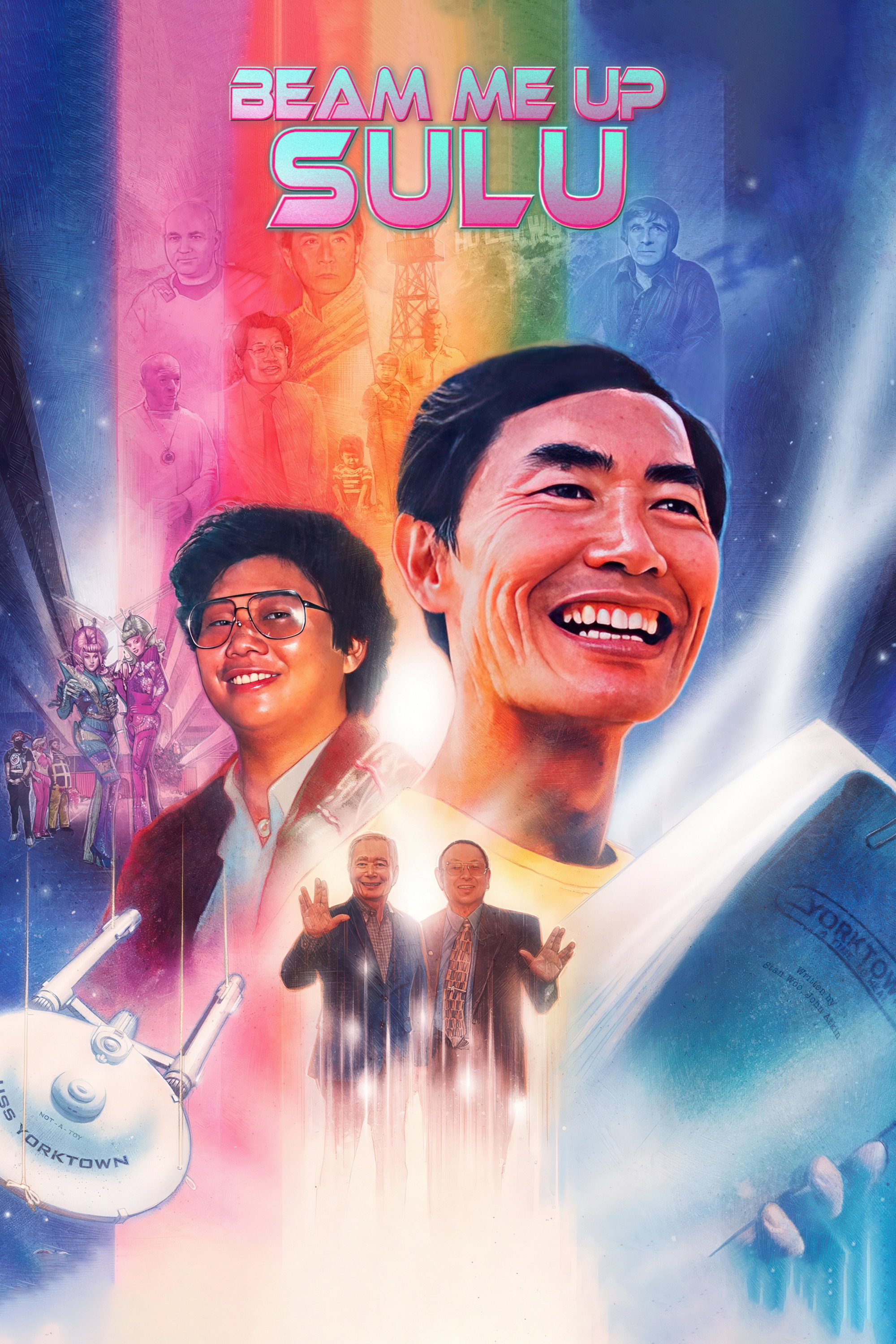
In 1985, Star Trek's George Takei joined a group of dedicated fans to make a student film deep in the California forest—only for the footage to mysteriously vanish. Nearly 40 years later, Beam Me Up, Sulu unearths this lost film, revealing not just a piece of fan history but a broader story of representation, resilience, and the ongoing fight for inclusion in media and society. The film was released as Yorktown: A Time to Heal (2022)
Captain Kleinschmidt leads an expedition sponsored by the Carnegie Museum to the arctic regions of Alaska and Siberia to study the natives and the animal life.
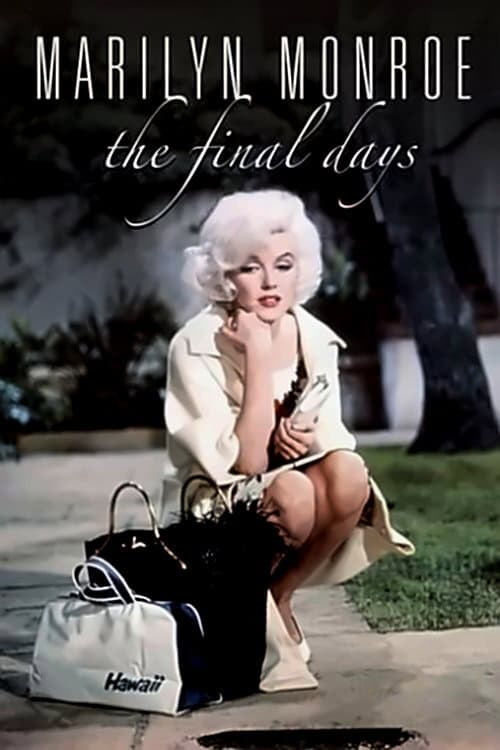
Marilyn Monroe's final project, "Something's Got to Give", has become one of the most talked about unfinished films in history. The story of the film and Marilyn's last days were seemingly lost… until now. Through interviews, never-before-seen footage and an edited reconstruction of "Something's Got to Give", Marilyn Monroe: The Final Days provides a definitive and fascinating look at the last act in the life of the world's most famous and tragic superstar.
A Football Match at Newcastle-on-Tyne refers to a one-minute film recorded in October 1896 by English film pioneer Robert William Paul. According to several film and sports historians, it was the first known recording of a football match.
A promotional one-reel film promoting the stars of Universal Pictures.
At the opening of the film Pennsylvania Avenue is shown, nearly blocked by a motley mob of sightseers looking at the marching Suffragettes. The big banner demanding a Constitutional amendment guaranteeing equal rights to American women makes a pathway along which the Suffragettes are seen marching steadily and persistently, although still hemmed in by the mob.
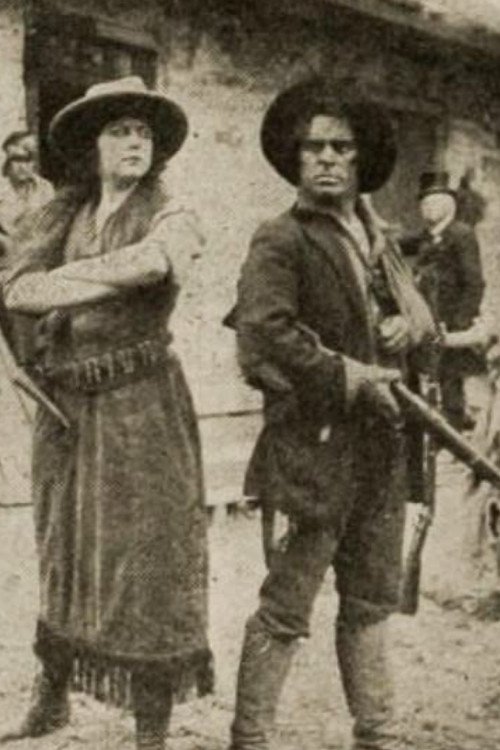
LeGrande, an old trapper, refuses to vacate his favorite hunting grounds when ordered to do so by Sampson and other settlers, and his life is only saved through the intervention of his daughter, Joan. The rascals soon learn to fear the girl's keen wit and daring, and Sampson, already pledged to marry Sanchezza, a Mexican girl, falls in love with Joan.
A documentary of explorer Richard Halliburton's travels on the Indian sub-continent, featuring a mix of real and staged footage.
Vitagraph’s Battle of Santiago Bay (1898) blended real Spanish–American War footage with tabletop trickery. Albert E. Smith’s authentic San Juan material looked underwhelming, so he and partner J. Stuart Blackton staged the naval clash on a miniature set: cardboard ships afloat in shallow water, firecracker “explosions,” and clouds of smoke from cigars and cigarettes. Spliced together, the hybrid film was embraced as genuine by audiences and became one of the most popular war films of its day.
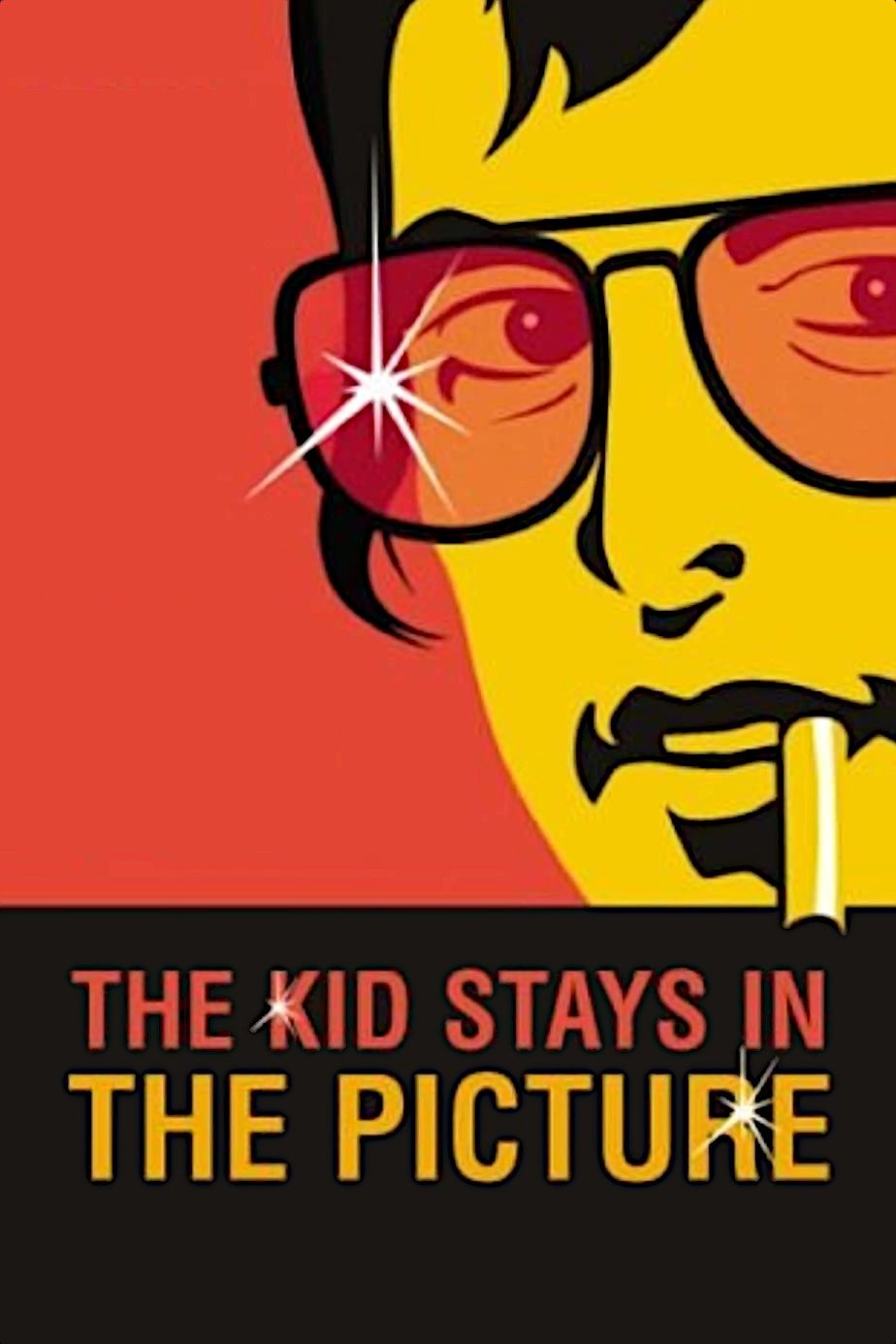
Documentary about legendary Paramount producer Robert Evans, based on his famous 1994 autobiography.
Drawn from a never before seen cache of personal footage spanning decades, this is an intimate portrait of the Sri Lankan artist and musician who continues to shatter conventions.
When Allied forces liberated the Nazi concentration camps in 1944-45, their terrible discoveries were recorded by army and newsreel cameramen, revealing for the first time the full horror of what had happened. Making use of British, Soviet and American footage, the Ministry of Information’s Sidney Bernstein (later founder of Granada Television) aimed to create a documentary that would provide lasting, undeniable evidence of the Nazis’ unspeakable crimes. He commissioned a wealth of British talent, including editor Stewart McAllister, writer and future cabinet minister Richard Crossman – and, as treatment advisor, his friend Alfred Hitchcock. Yet, despite initial support from the British and US Governments, the film was shelved, and only now, 70 years on, has it been restored and completed by Imperial War Museums under its original title "German Concentration Camps Factual Survey".
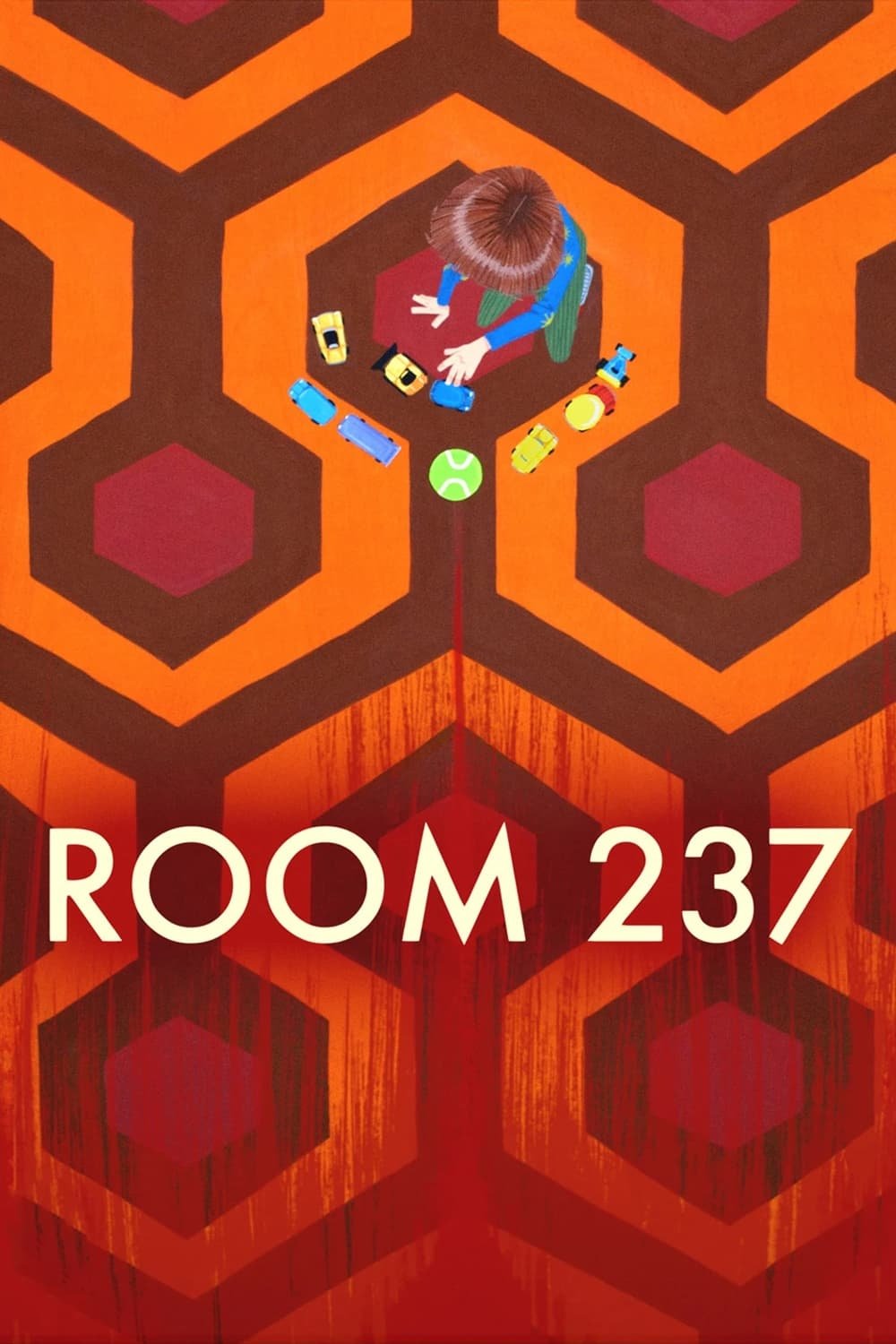
A subjective documentary that explores various theories about hidden meanings in Stanley Kubrick's classic film The Shining. Five very different points of view are illuminated through voice over, film clips, animation and dramatic reenactments.
A love letter from a young mother to her daughter, the film tells the story of Waad al-Kateab’s life through five years of the uprising in Aleppo, Syria as she falls in love, gets married and gives birth to Sama, all while cataclysmic conflict rises around her. Her camera captures incredible stories of loss, laughter and survival as Waad wrestles with an impossible choice– whether or not to flee the city to protect her daughter’s life, when leaving means abandoning the struggle for freedom for which she has already sacrificed so much.
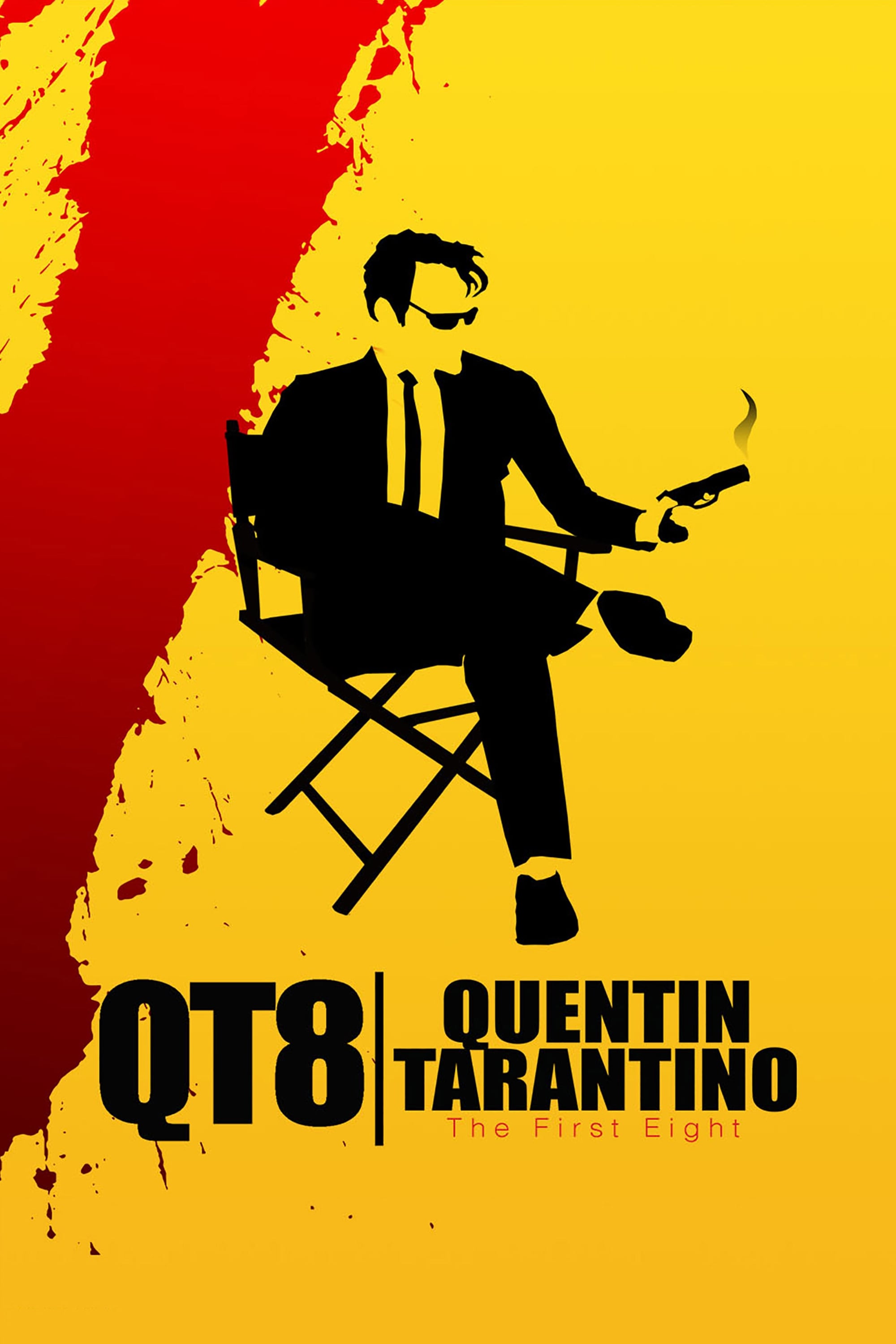
A detailed account of the life and artistic career of legendary filmmaker Quentin Tarantino, from his early days as a video club manager to the scandalous fall in disgrace of producer Harvey Weinstein. A story about how to shoot eight great movies and become an icon of modern pop culture.
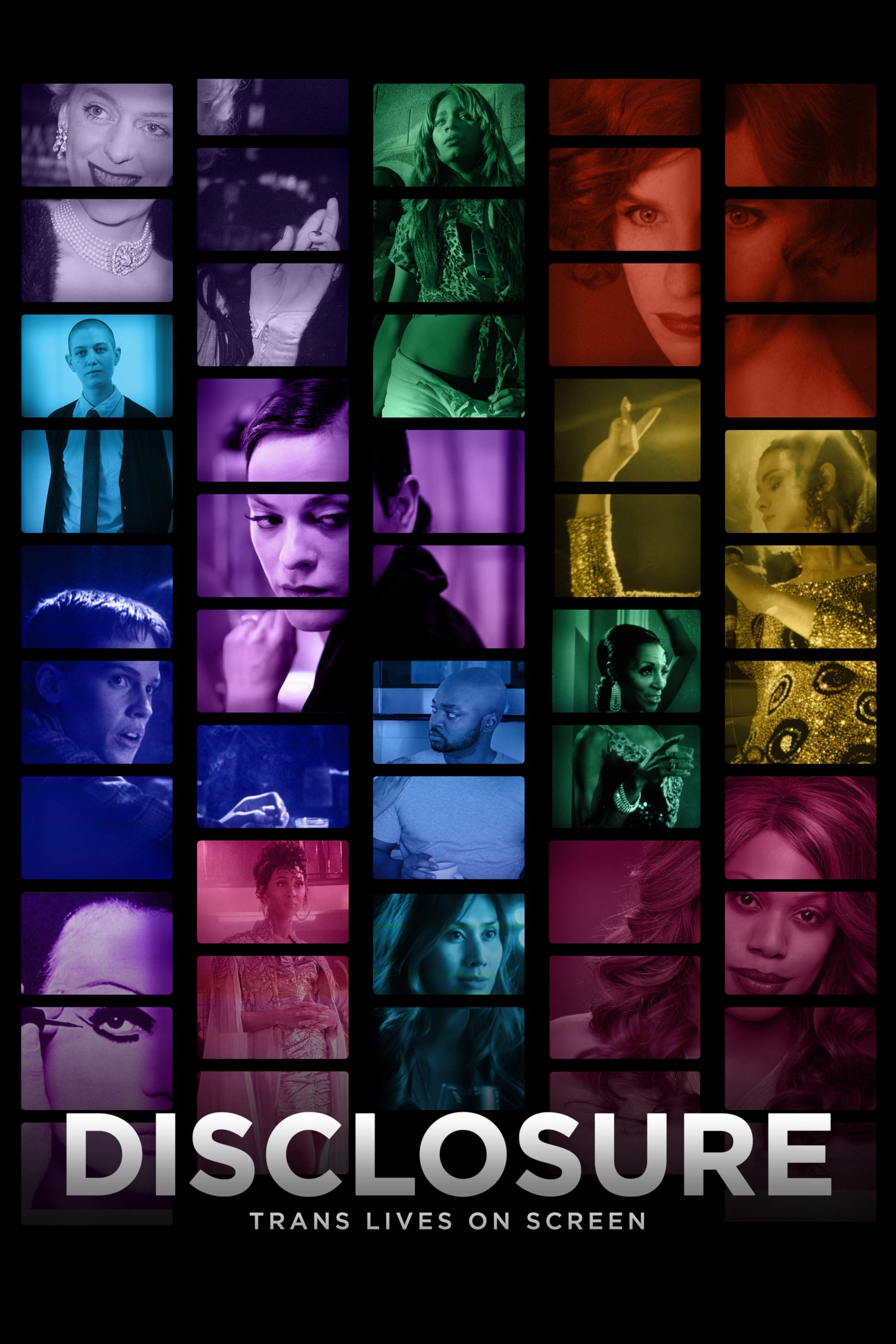
An investigation of how Hollywood's fabled stories have deeply influenced how Americans feel about transgender people, and how transgender people have been taught to feel about themselves.
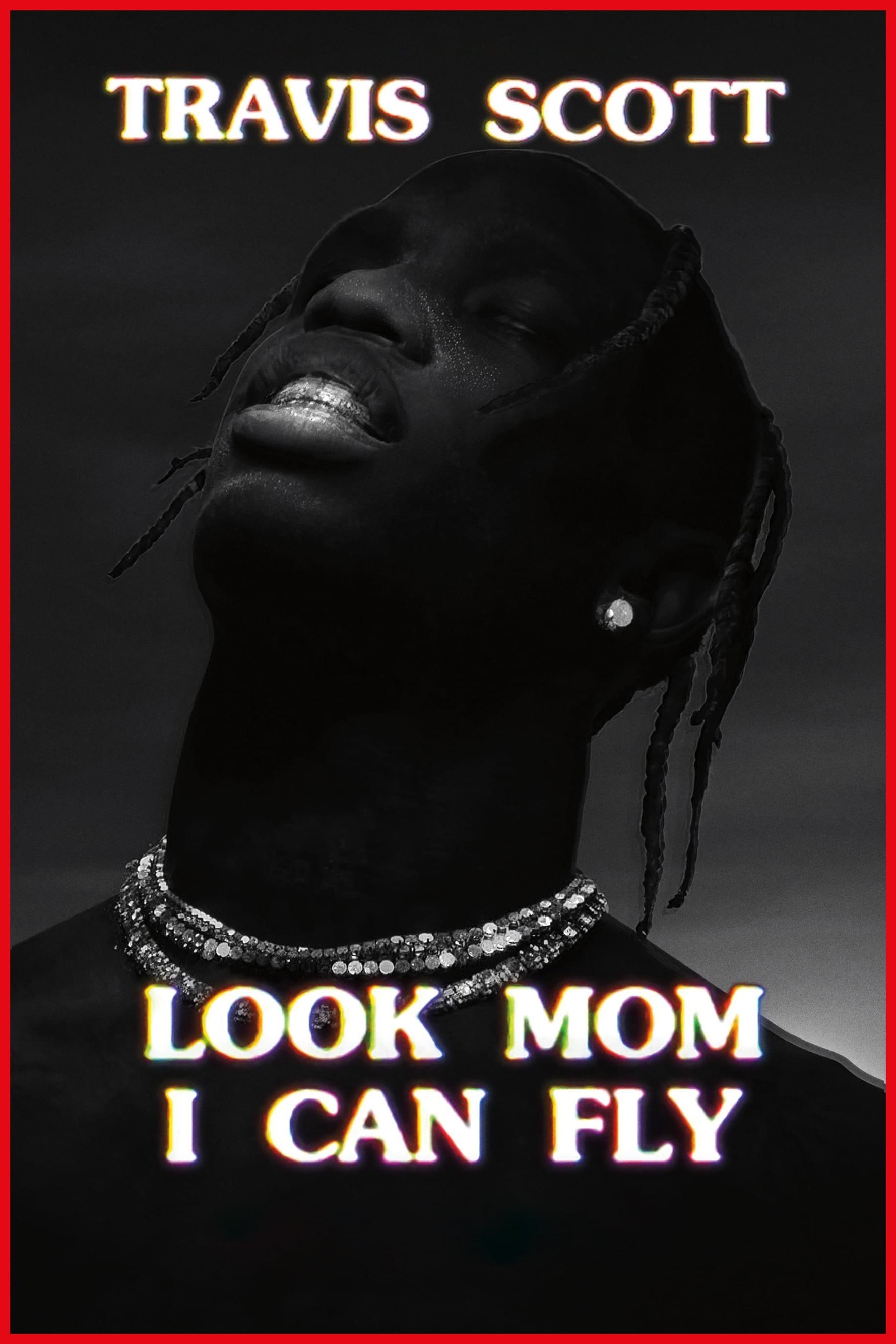
While crafting his Grammy-nominated album "Astroworld," Travis Scott juggles controversy, fatherhood and career highs in this intimate documentary.
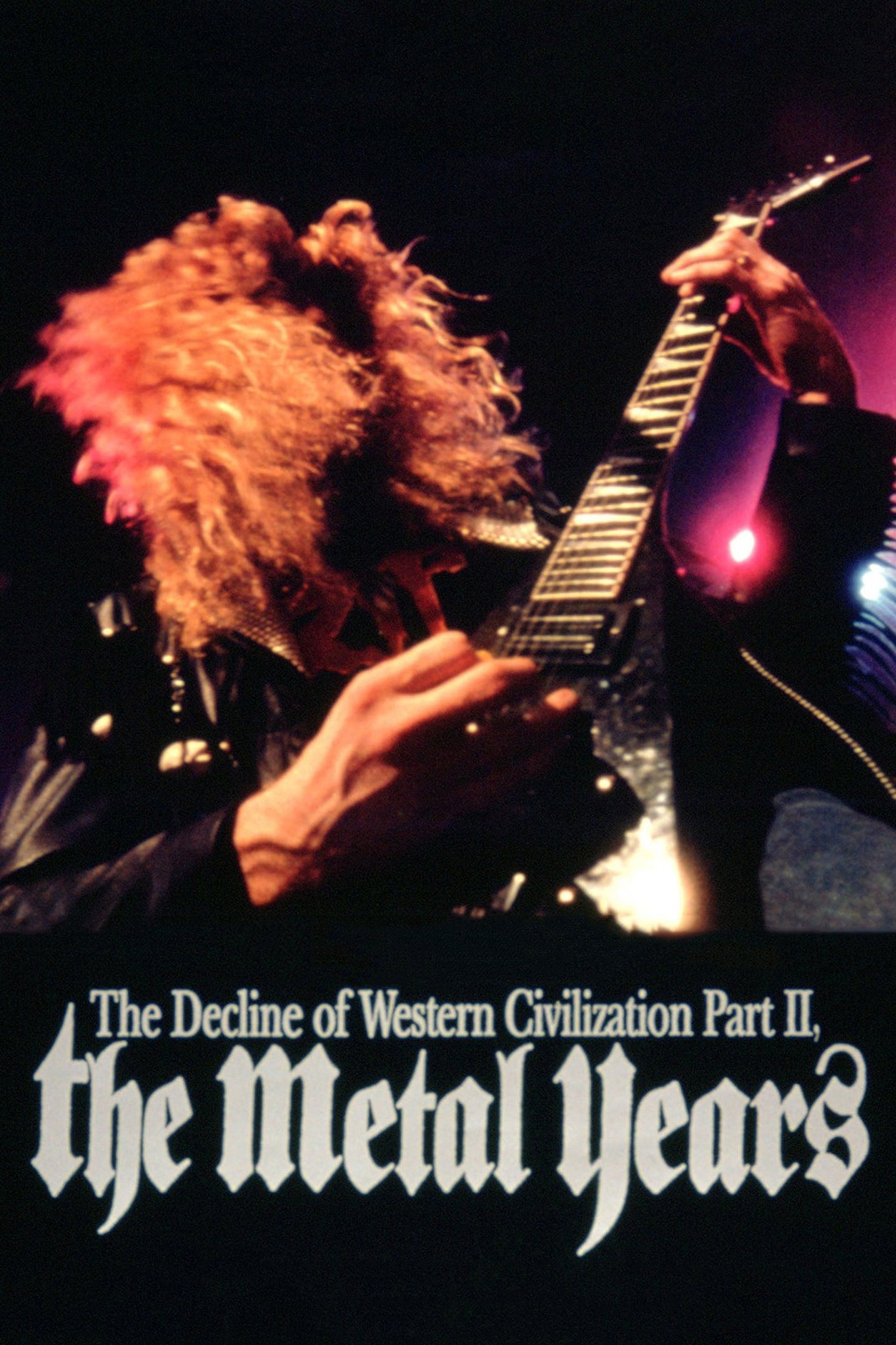
An exploration of the heavy metal scene in Los Angeles, with particular emphasis on glam metal. It features concert footage and interviews of legendary heavy metal and hard rock bands and artists such as Aerosmith, Alice Cooper, Kiss, Megadeth, Motörhead, Ozzy Osbourne and W.A.S.P..
The story of Robert Pilatus and Fabrice Morvan, who became fast friends during their youth in Germany. With Rob coming from a broken home and Fabrice having left an abusive household, they shared a similar upbringing, as well as a future goal: to become famous superstars. In a few short years, their dreams came true. Rob and Fab, better known as Milli Vanilli, became the world's most popular pop duo in 1990 and won the GRAMMY for Best New Artist. However, their ascension to success came with a devastating price that ultimately led to their infamous undoing.
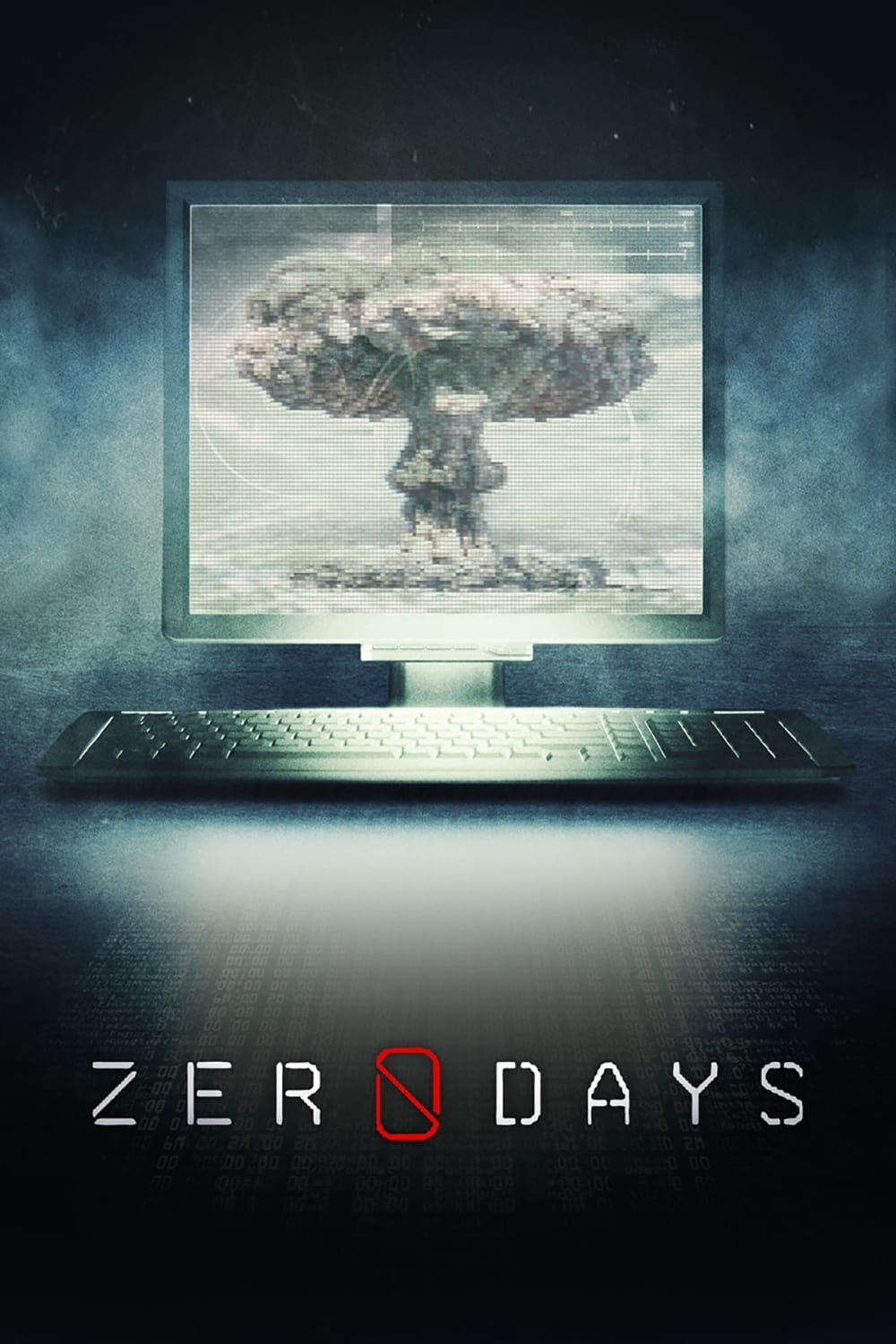
Alex Gibney explores the phenomenon of Stuxnet, a self-replicating computer virus discovered in 2010 by international IT experts. Evidently commissioned by the US and Israeli governments, this malware was designed to specifically sabotage Iran’s nuclear programme. However, the complex computer worm ended up not only infecting its intended target but also spreading uncontrollably.
Ten of Muhammad Ali's former rivals pay tribute to the three-time world heavyweight champion.
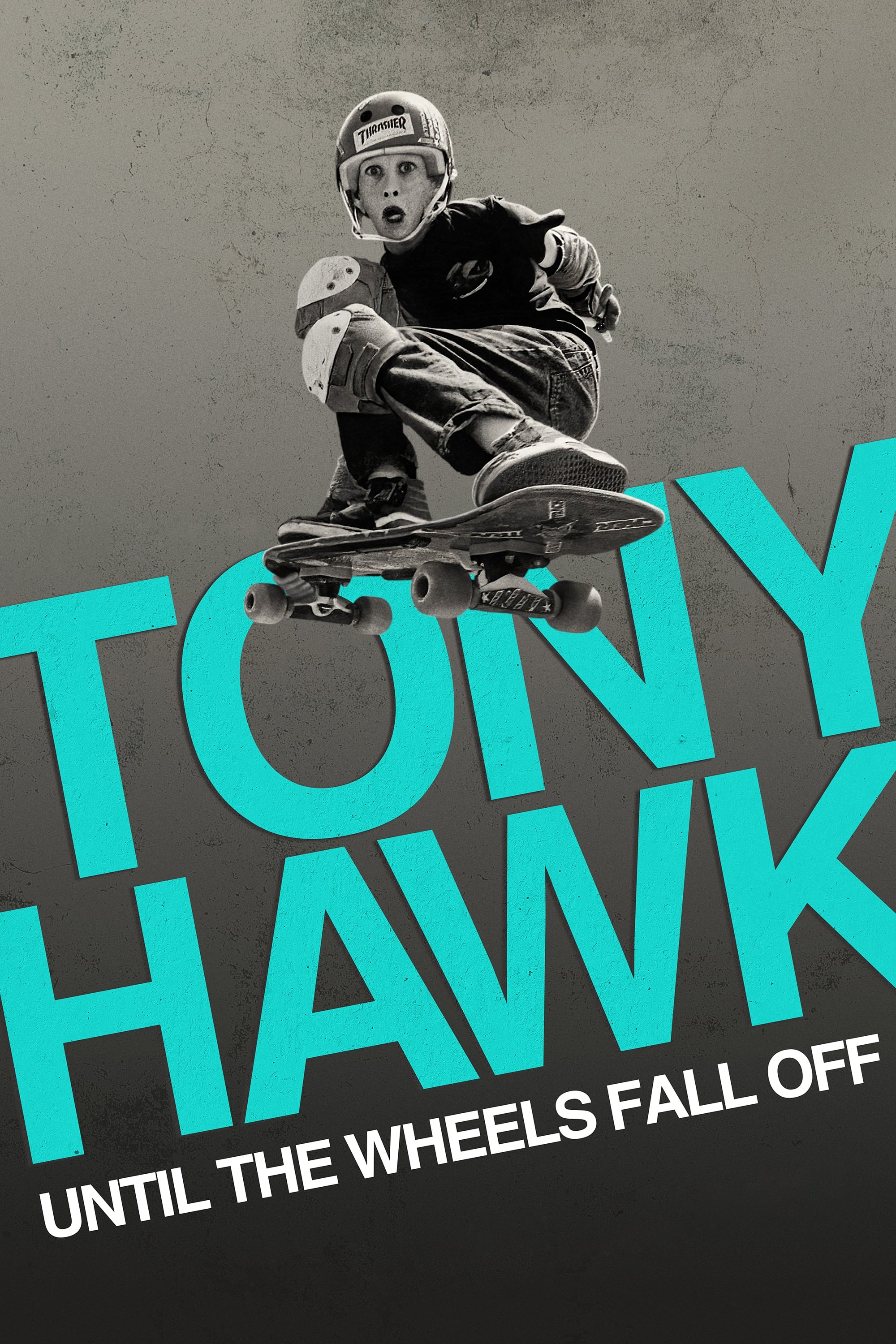
A wide-ranging, definitive look at Hawk’s life and iconic career, and his relationship with the sport with which he’s been synonymous for decades, featuring unprecedented access, never-before-seen footage, and interviews with Hawk and prominent figures in the sport including Stacy Peralta, Rodney Mullen, Mike McGill, Lance Mountain, Steve Caballero, Neil Blender, Andy MacDonald, Duane Peters, Sean Mortimer, and Christian Hosoi.
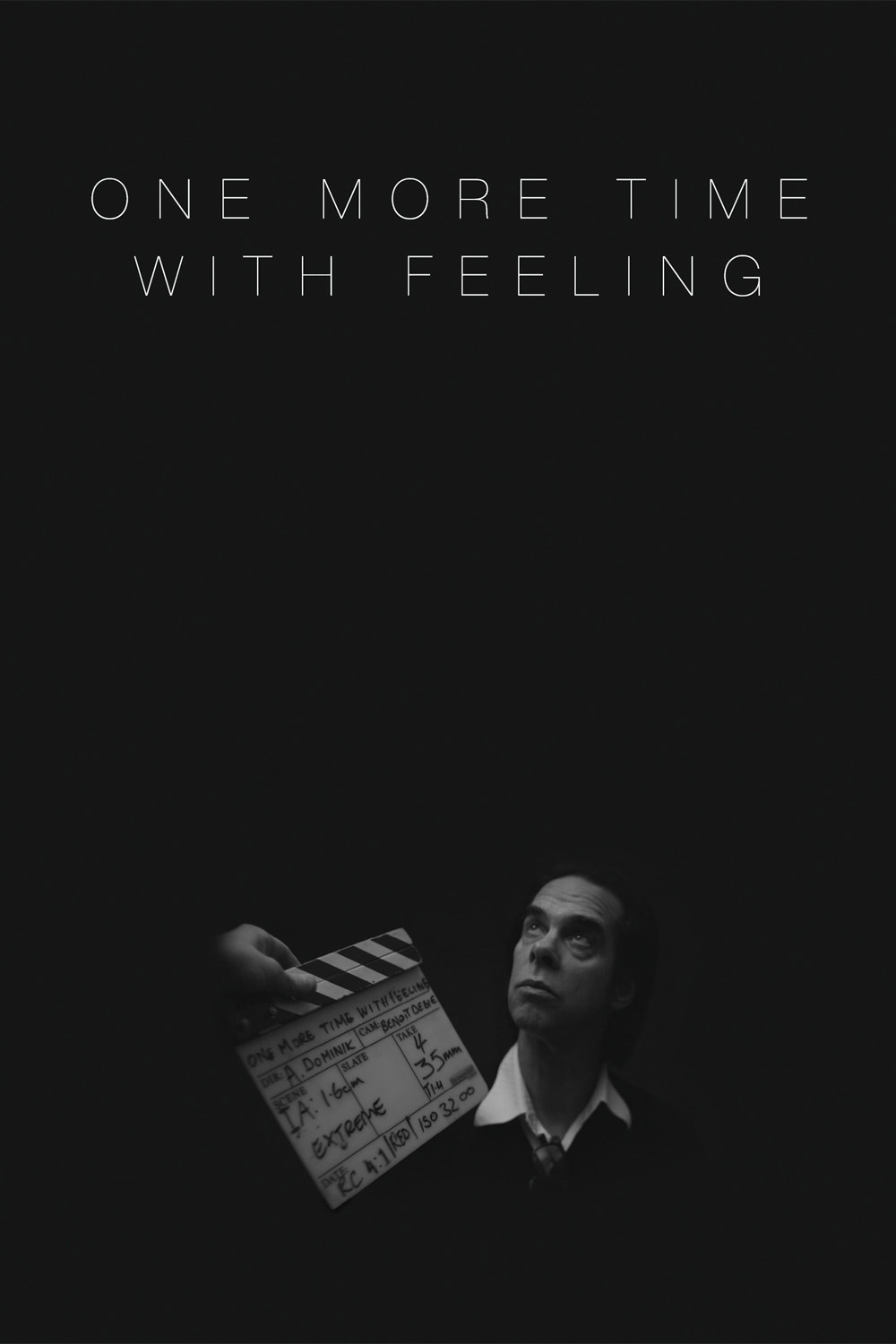
Andrew Dominik's One More Time With Feeling is a remarkable black and white documentary which chronicles the creation of Nick Cave & The Bad Seeds' album Skeleton Tree. Originally a performance based concept, the film evolved into something much more significant as Dominik delved into the tragic backdrop of the writing and recording of the album. The result is stark, fragile and raw, and a true testament to an artist trying to find his way through the darkness. It documents the writing, recording and performing of Nick Cave & the Bad Seeds’ sixteenth studio album, Skeleton Tree.
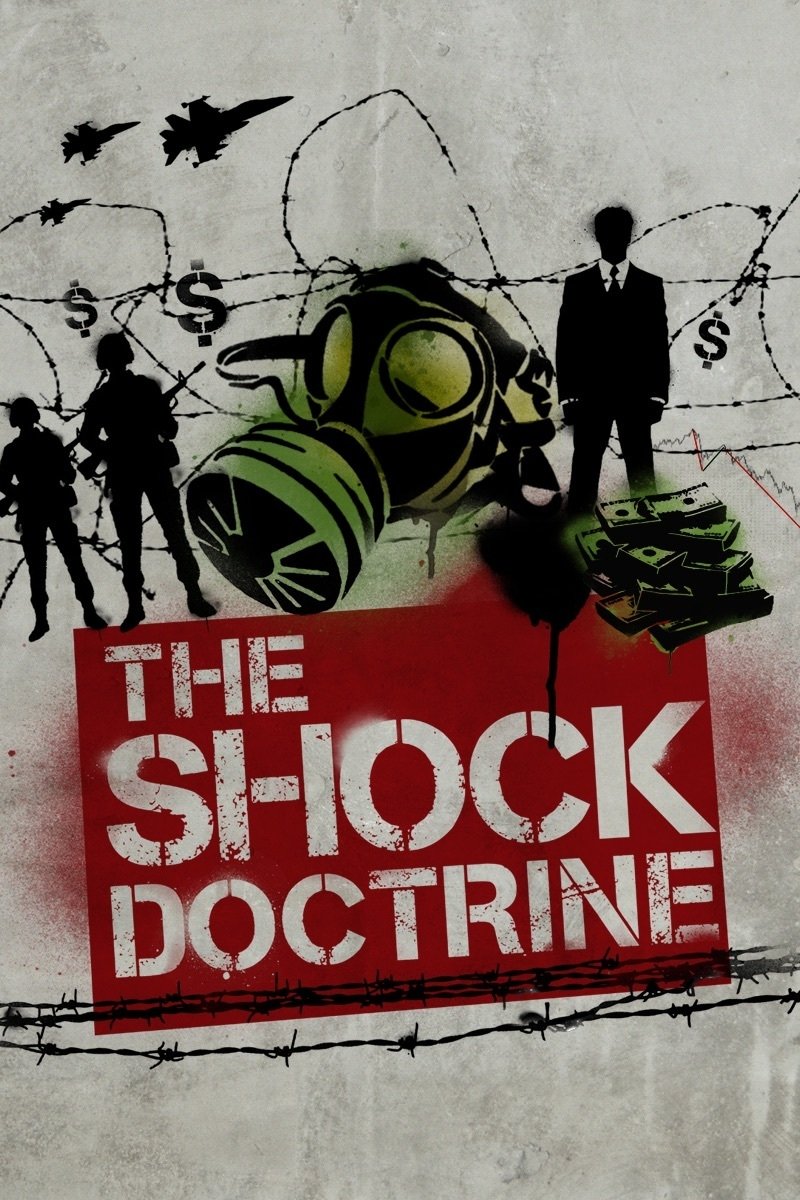
An investigation of "disaster capitalism", based on Naomi Klein's proposition that neo-liberal capitalism feeds on natural disasters, war and terror to establish its dominance.
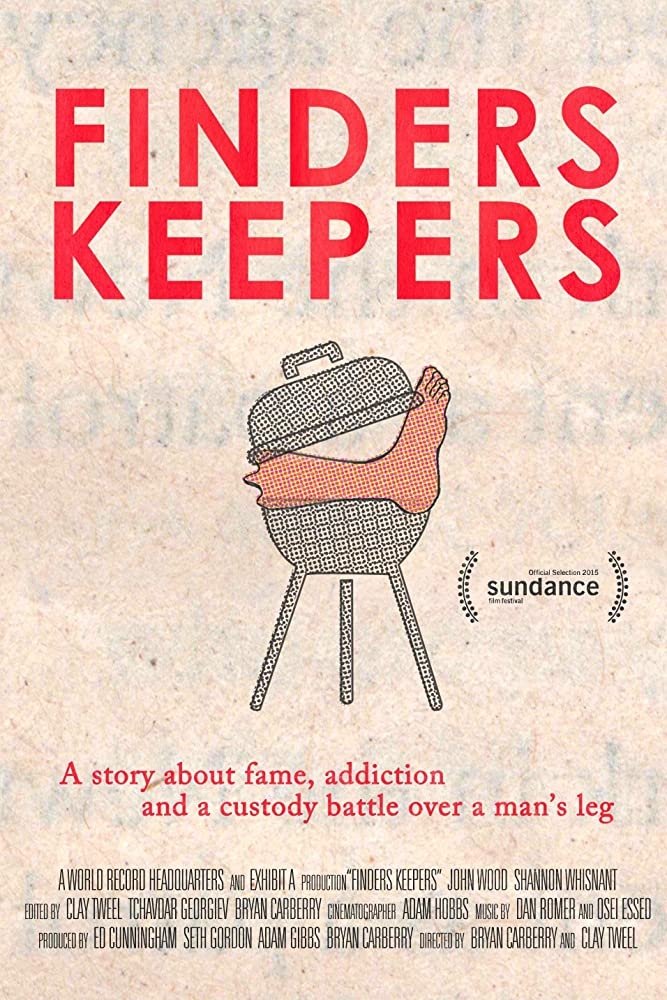
In this documentary, recovering addict and amputee John Wood finds himself in a stranger-than-fiction battle to reclaim his mummified leg from Southern entrepreneur Shannon Whisnant, who found it in a grill he bought at an auction and believes it therefore to be his rightful property.
In 1968, art students Storm Thorgerson and Aubrey “Po” Powell made a trippy photo collage for their musician friends Syd, David and Roger. The resulting album and album cover, A Saucerful of Secrets, helped launch two careers: that of Pink Floyd, one of the 70s megabands, and of Hipgnosis, which, over the course of the next 25 years, designed a stream of iconic album covers.
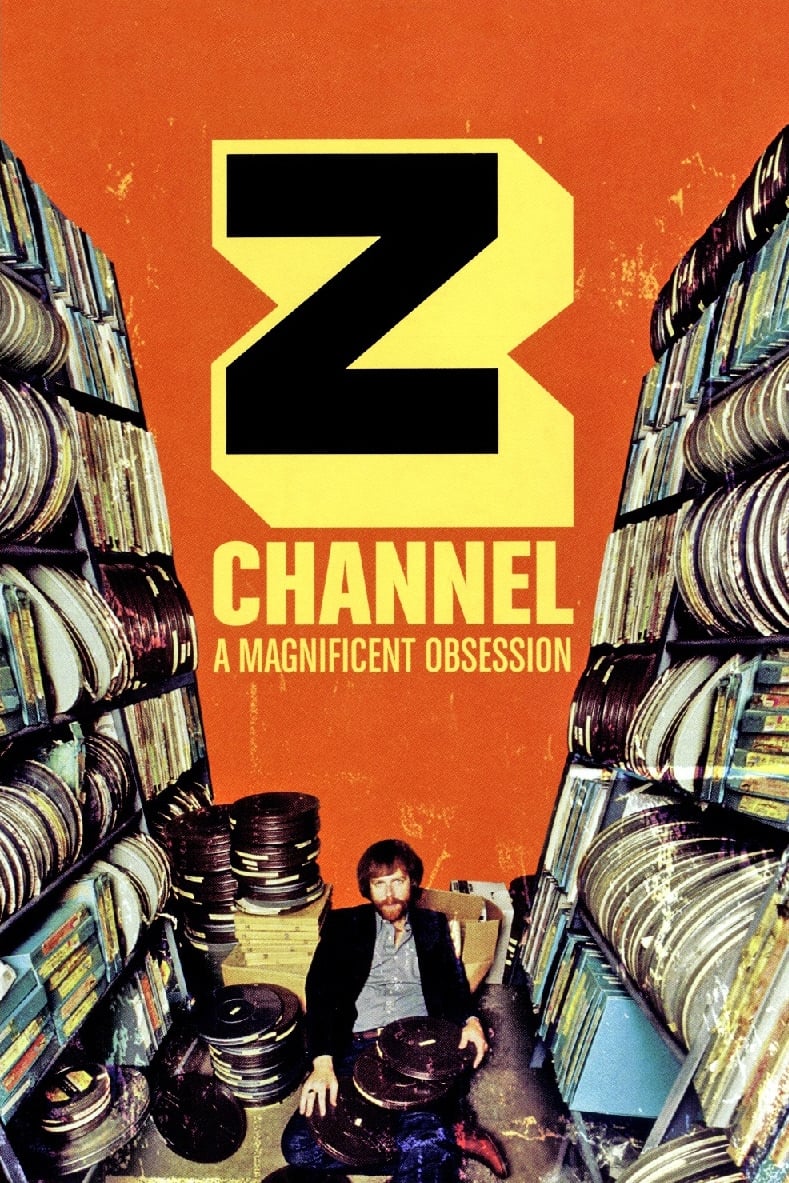
A documentary on the Z Channel, one of the first pay cable stations in the US, and its programming chief, Jerry Harvey. Debuting in 1974, the LA-based channel's eclectic slate of movies became a prime example of the untapped power of cable television.
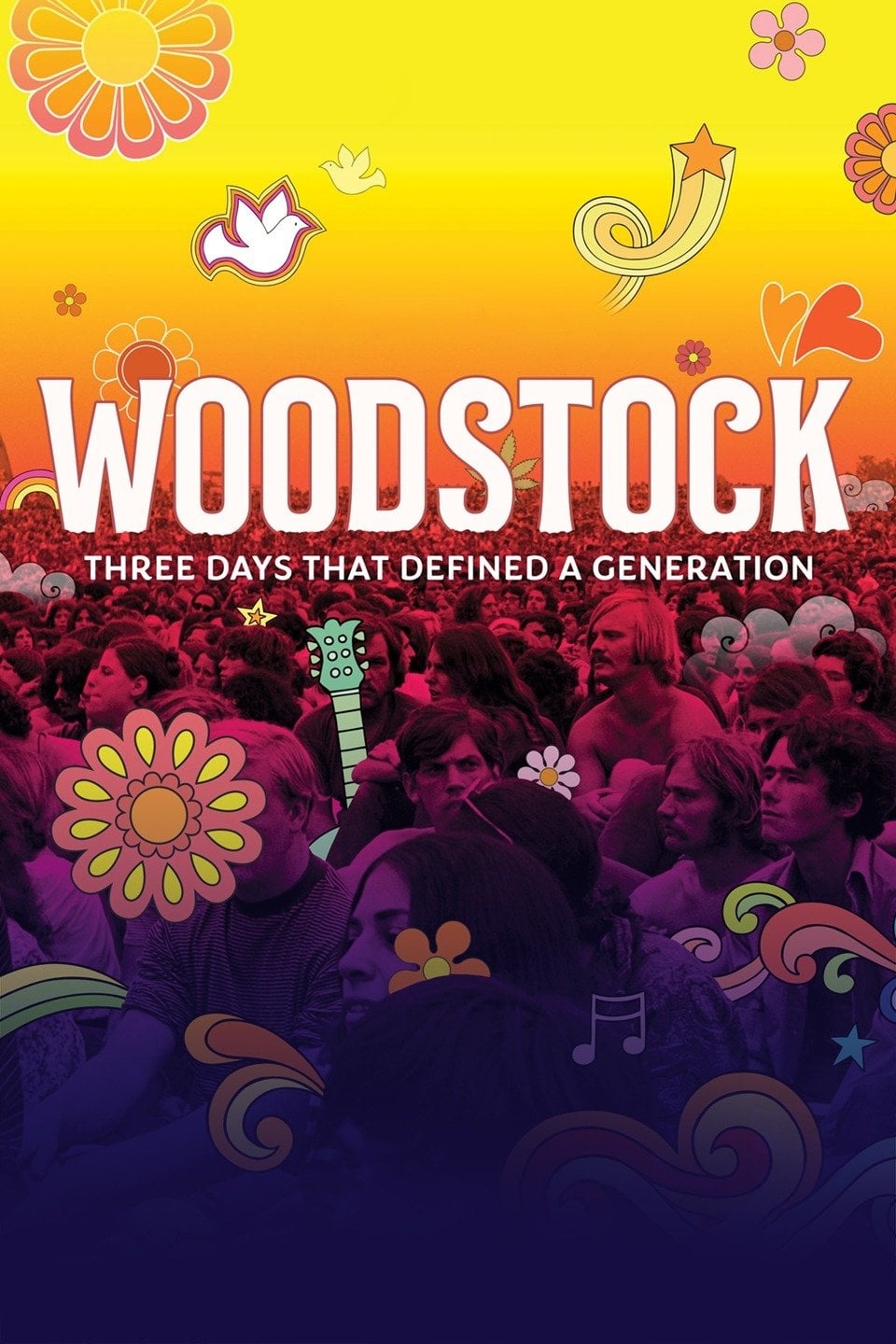
50 years after the legendary fest, Barak Goodman’s electric retelling of Woodstock, from the point of view of those who were on the ground, evokes the freedom, passion, community, and joy the three-day music festival created.
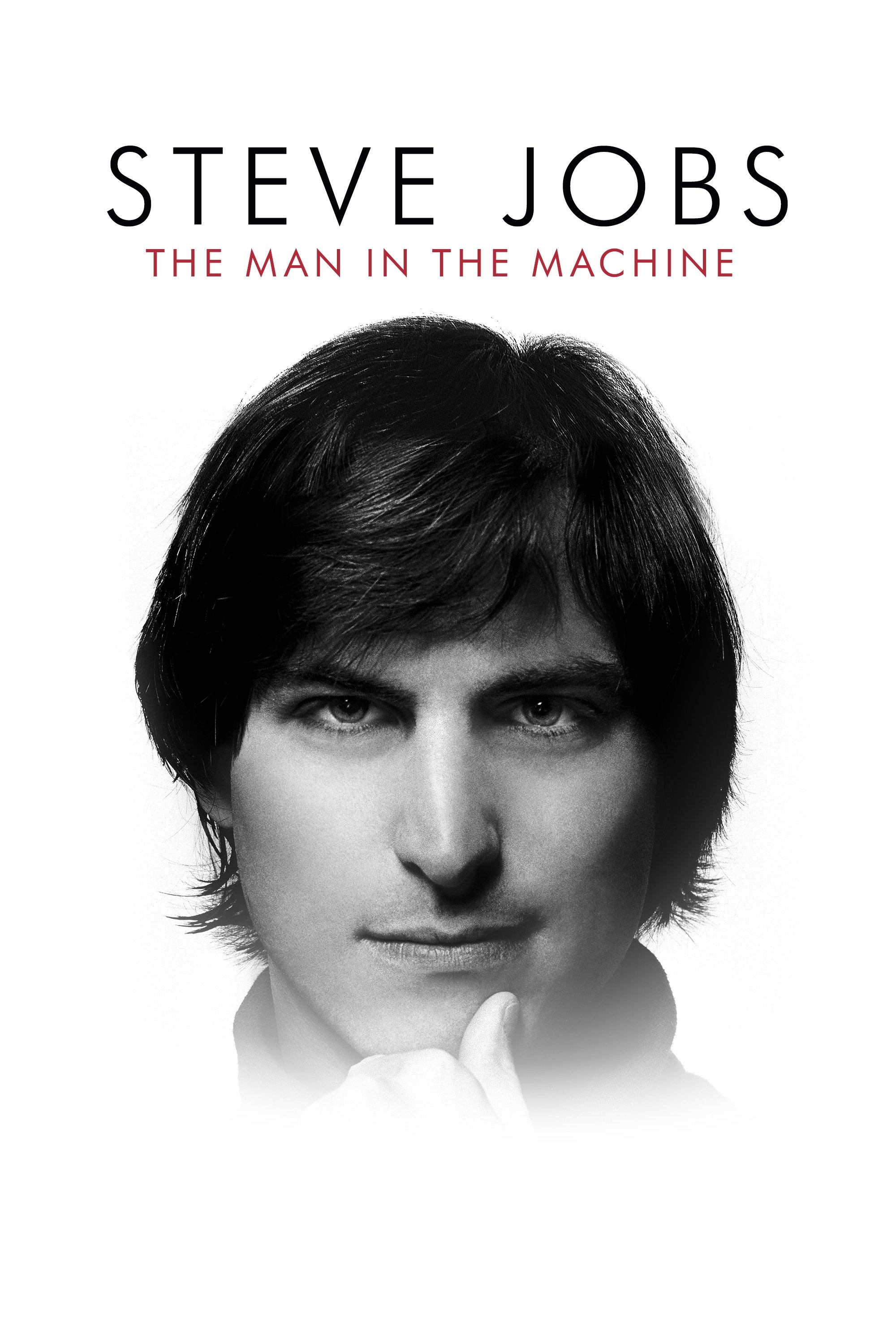
When Steve Jobs died the world wept. But what accounted for the grief of millions of people who didn’t know him? This evocative film navigates Jobs' path from a small house in the suburbs, to zen temples in Japan, to the CEO's office of the world's richest company, exploring how Jobs’ life and work shaped our relationship with the computer. The Man in the Machine is a provocative and sometimes startling re-evaluation of the legacy of an icon.