Captain Kleinschmidt leads an expedition sponsored by the Carnegie Museum to the arctic regions of Alaska and Siberia to study the natives and the animal life.
Social & External
The people behind it
Frank E. Kleinschmidt
Himself
Fifteen images of a camera running in a park and in obscurity searching the space of light through distorsion and the sensory of rapid motion.
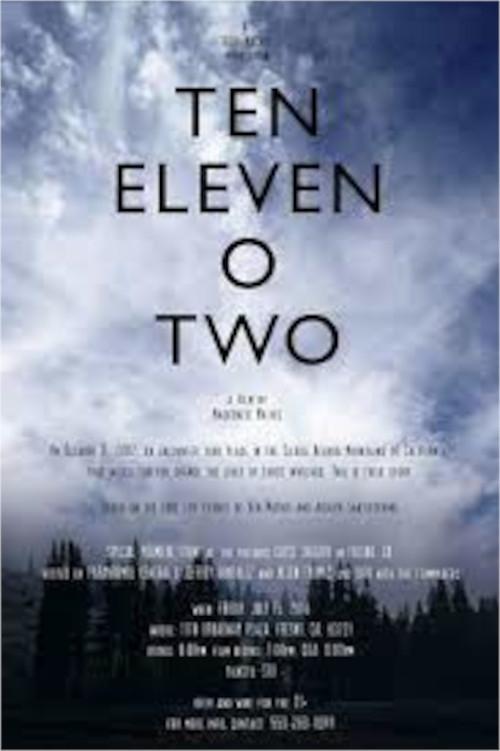
Over the weekend of October 11, 2002, my uncle along with two friends set out on a camping trip in the Sierra Nevada mountains. Upon returning home, they were changed men, and recounted tales of alien abduction. Today, only two of the three men are alive to tell the story of what unfolded before, during, and after that fateful outing, and they're convinced it was extraterrestrial. This film explores the haunting accounts of two friends who underwent an alien abduction experience while camping in the remote mountains. Featuring psychedelic visuals and an alien hand print, Ten Eleven O Two opens a plethora of questions and is a must-see for anyone interested in the paranormal. Based on the true life events of Ken Mathis and Adolph Santistevan.
Ãjãí is a fun game in which only the players' heads can touch the ball. This practice, shared by few indigenous peoples in the world, is present among the Myky and Manoki populations of Mato Grosso, who speak a language of an isolated linguistic family. of the villages. But to organize this great party, your young bosses will face some challenges ahead.
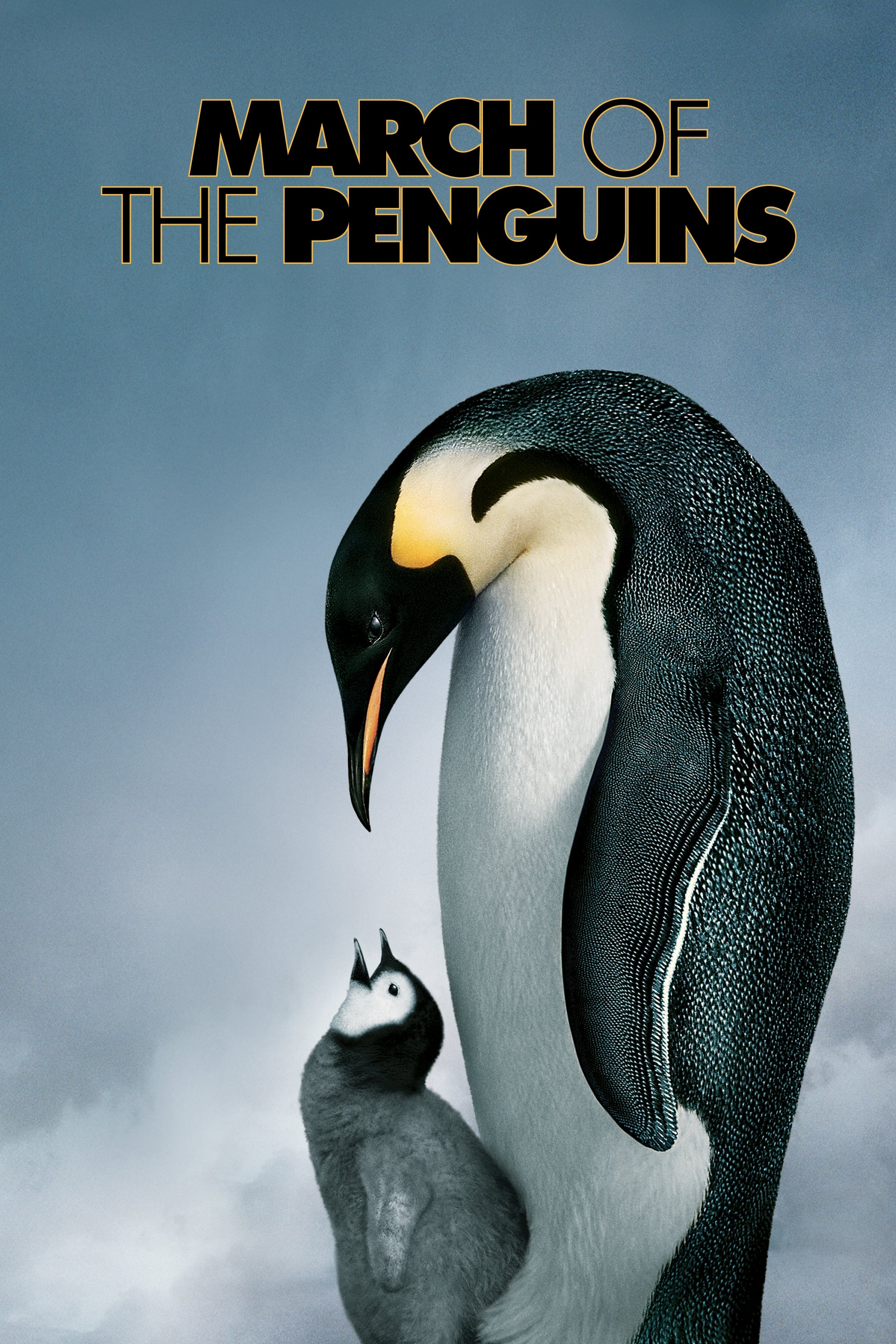
Every year, thousands of Antarctica's emperor penguins make an astonishing journey to breed their young. They walk, marching day and night in single file 70 miles into the darkest, driest and coldest continent on Earth. This amazing, true-life tale is touched with humour and alive with thrills. Breathtaking photography captures the transcendent beauty and staggering drama of devoted parent penguins who, in the fierce polar winter, take turns guarding their egg and trekking to the ocean in search of food. Predators hunt them, storms lash them. But the safety of their adorable chicks makes it all worthwhile. So follow the leader... to adventure!!
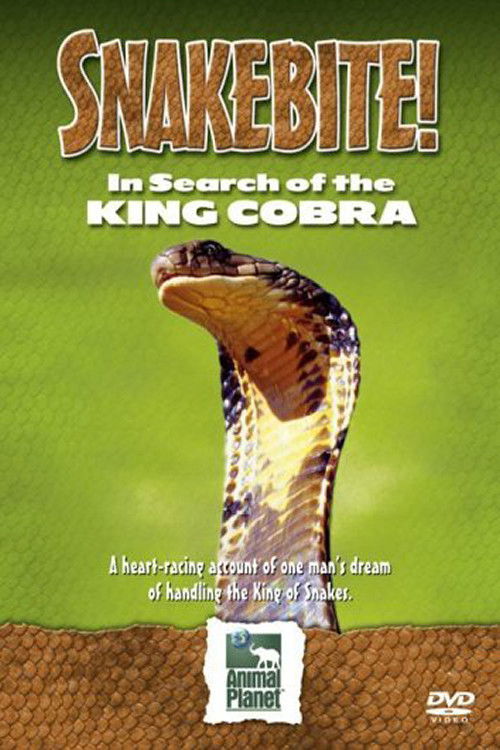
Snake expert Austin Stevens presents this nature documentary about the most feared snake of all - the King Cobra. Travelling to the jungles of south west India, Stevens reveals that despite its reputation, the King Cobra is in fact a reclusive creature, shy of human contact.
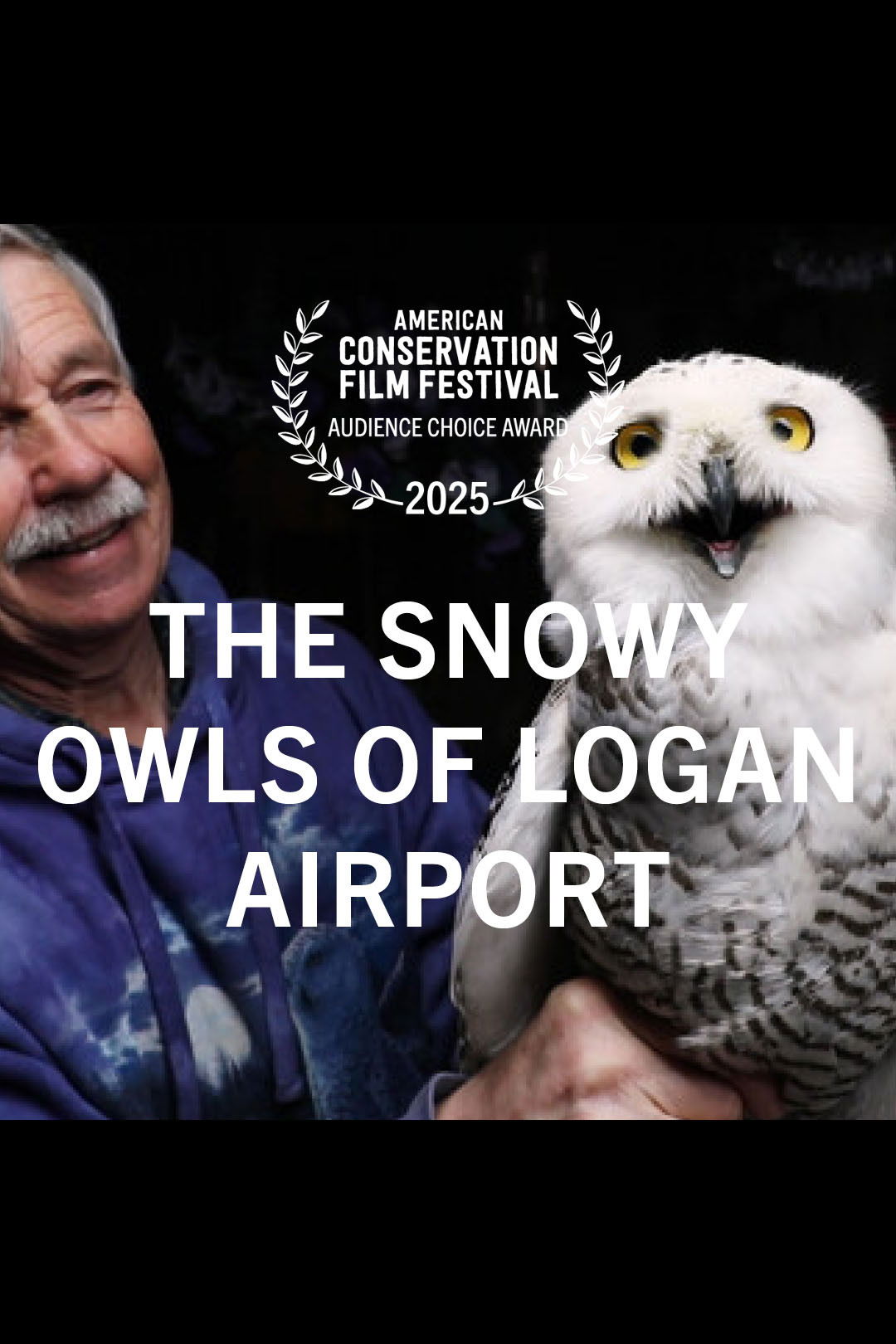
Norman Smith has dedicated his life to protecting and relocating the snowy owls from Boston’s busiest airport runways. Called “the Owl Man of Logan Airport,” Smith has single-handedly relocated more than 900 snowy owls, creating the blueprint for how airports across the US and Canada can manage wildlife conflict.
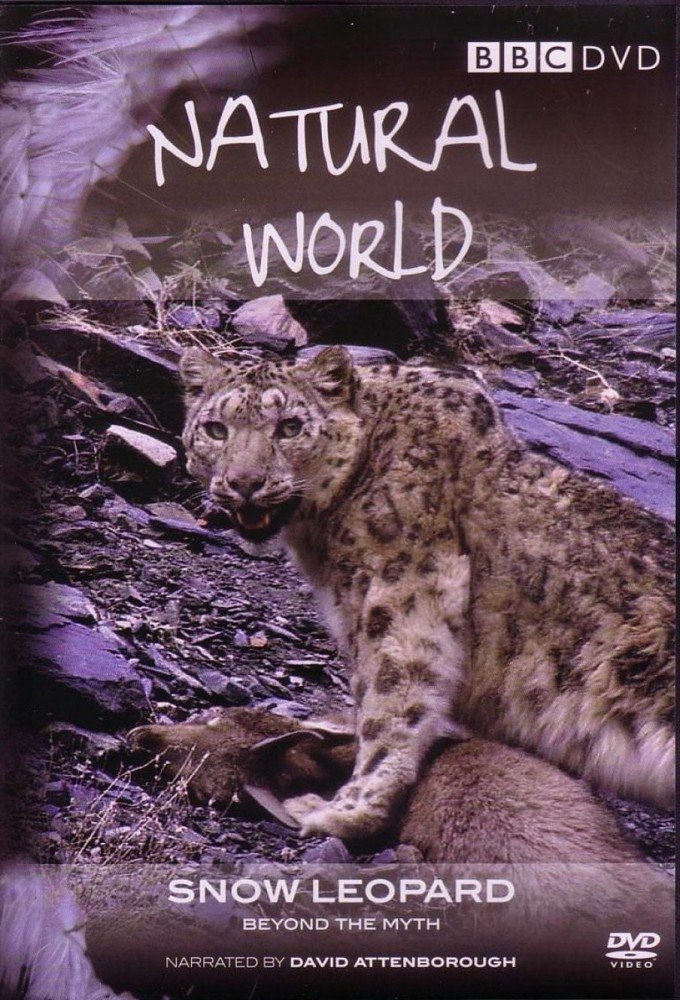
BBC The Natural World. In 2004, a team from the Planet Earth series captured the first ever film of a wild snow leopard in the mountains of Pakistan. For Nisar Malik, who led the expedition, these images sparked a passion that compelled him to return. With cameraman Mark Smith, he spent two years documenting the snow leopard's daily life, finally lifting the veil on the most elusive of all cats.
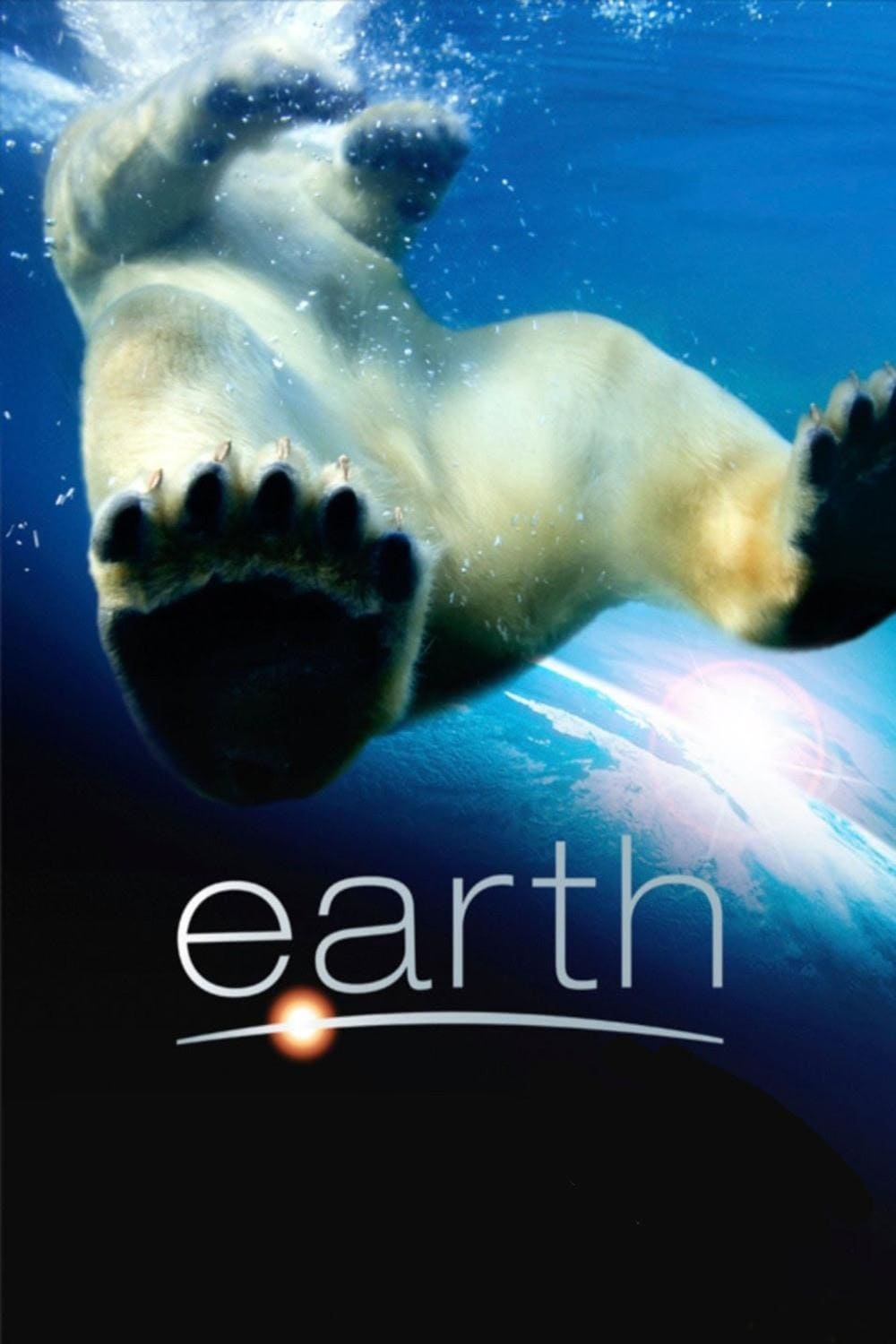
An epic story of adventure, starring some of the most magnificent and courageous creatures alive, awaits you in EARTH. Disneynature brings you a remarkable story of three animal families on a journey across our planet – polar bears, elephants and humpback whales.
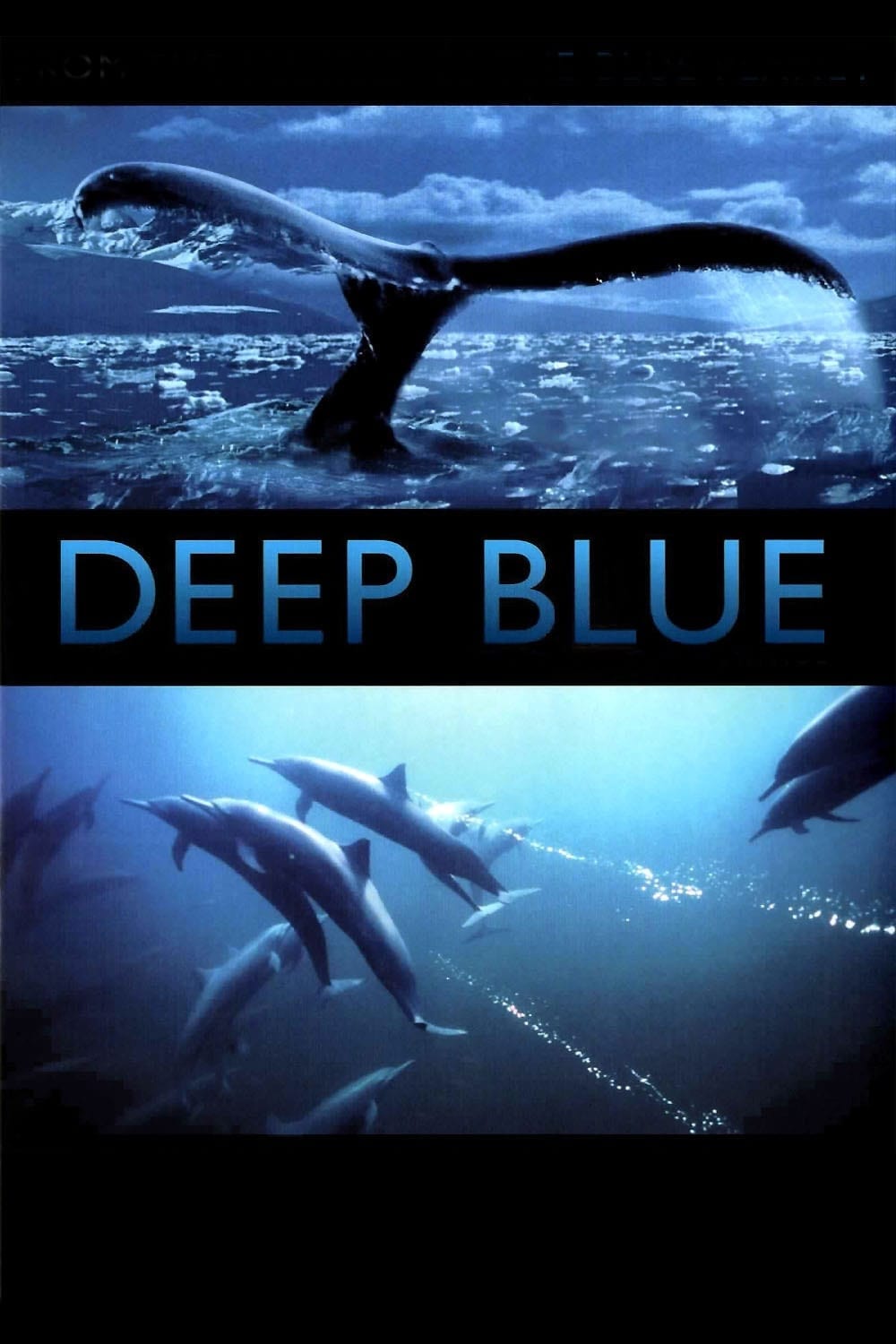
Deep Blue is a major documentary feature film shot by the BBC Natural History Unit. An epic cinematic rollercoaster ride for all ages, Deep Blue uses amazing footage to tell us the story of our oceans and the life they support.
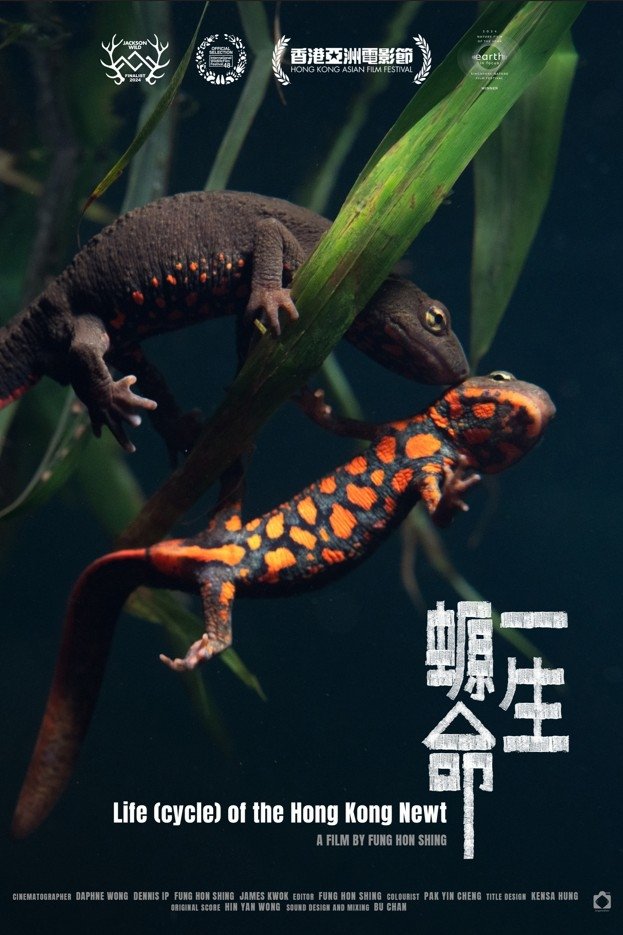
A Hong Kong Newt once resided in a narrow irrigation channel, believing it would be confined there forever. However, an unexpected flood swept it away, carrying it through a dark passage until it arrived in a serene, azure pond. The newt found companionship among its kind and thrived in the aquatic haven. But as it ventured back onto land after the breeding season, it encountered unforeseen threats.
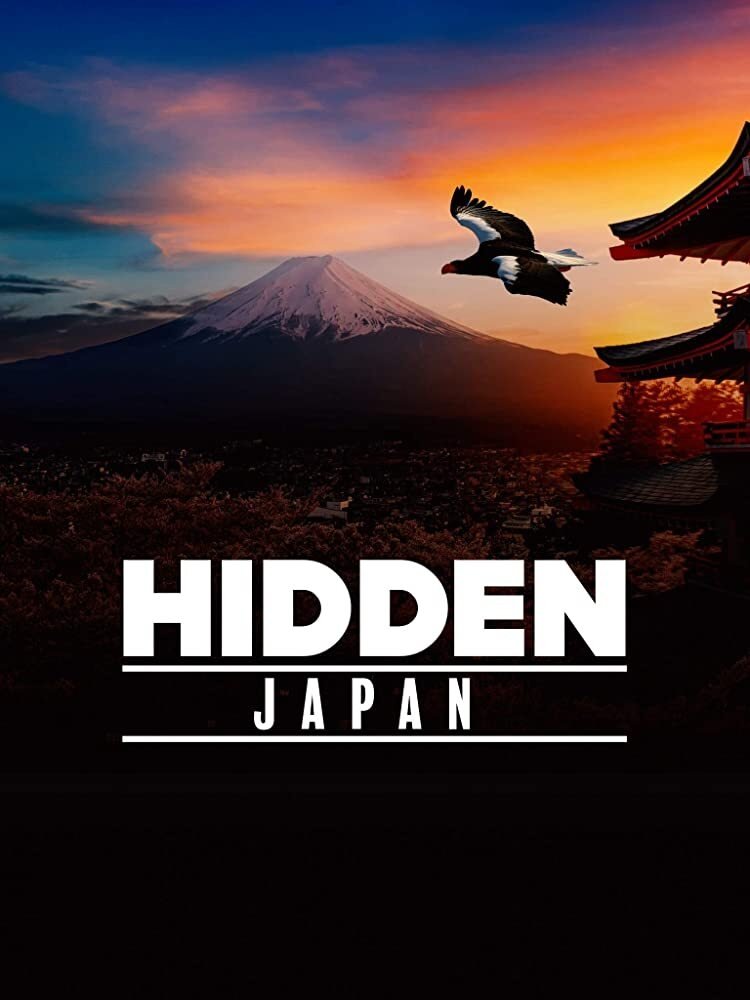
The culture of Japan is incredible, from bloom festivals to ultra-modern cities. But there are also more than 130 mammals and 600 bird species dwelling in Japan’s 6852 islands. This island chain is long enough to span climate zones, providing a huge range of habitat.
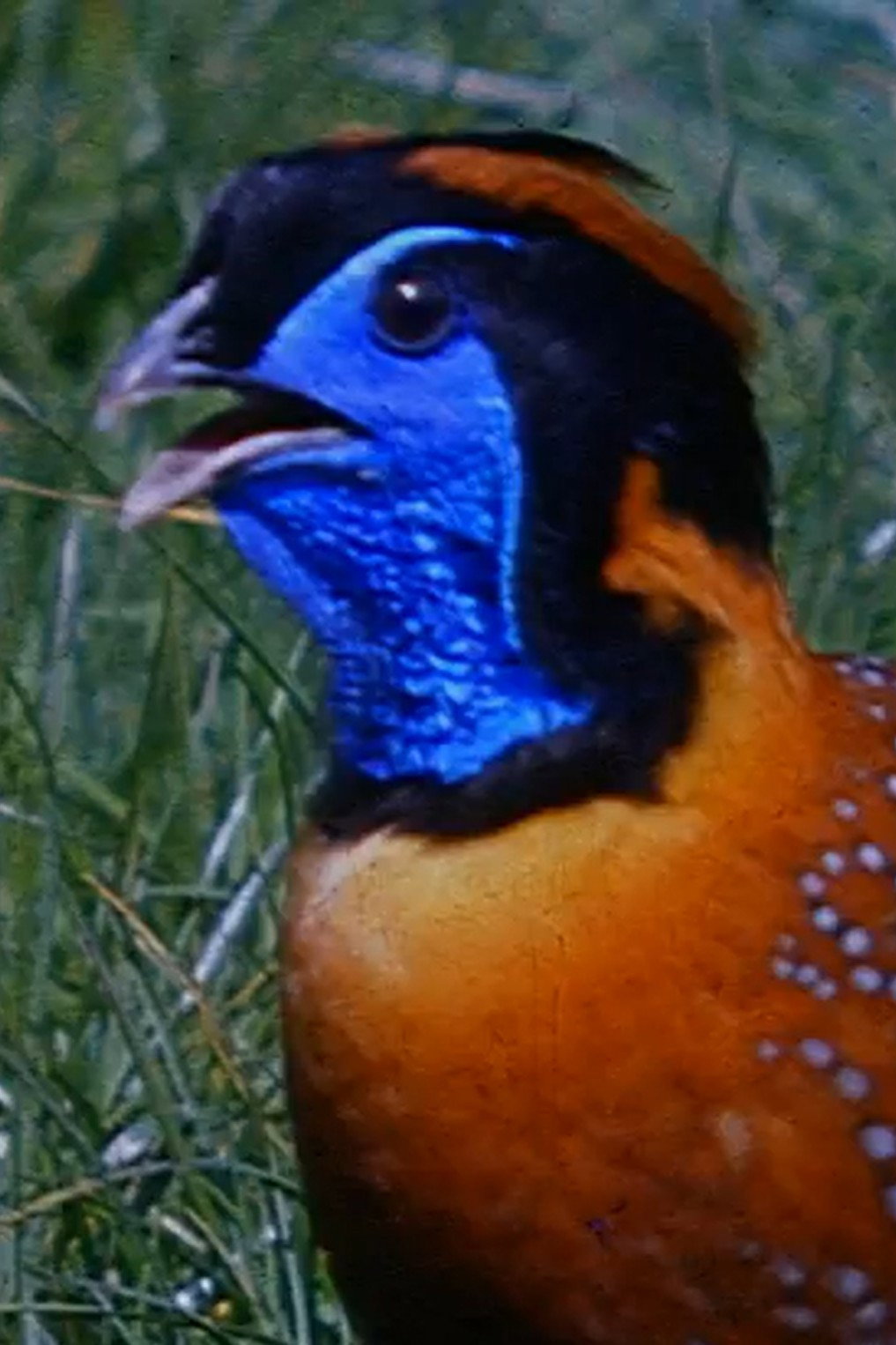
The Bornean Tree Partridge, Chinese Bamboo Partridge, and Indian Peafowl are some of the most colourful, most beautiful, and rarest species of pheasant in the world. Native to Asia, they can be found at The Ornamental Pheasant Trust at Norfolk Wildlife Park, Great Witchingham where the Trust’s devoted founder Philip Wayre has set up a breeding programme to save several species threatened with extinction.
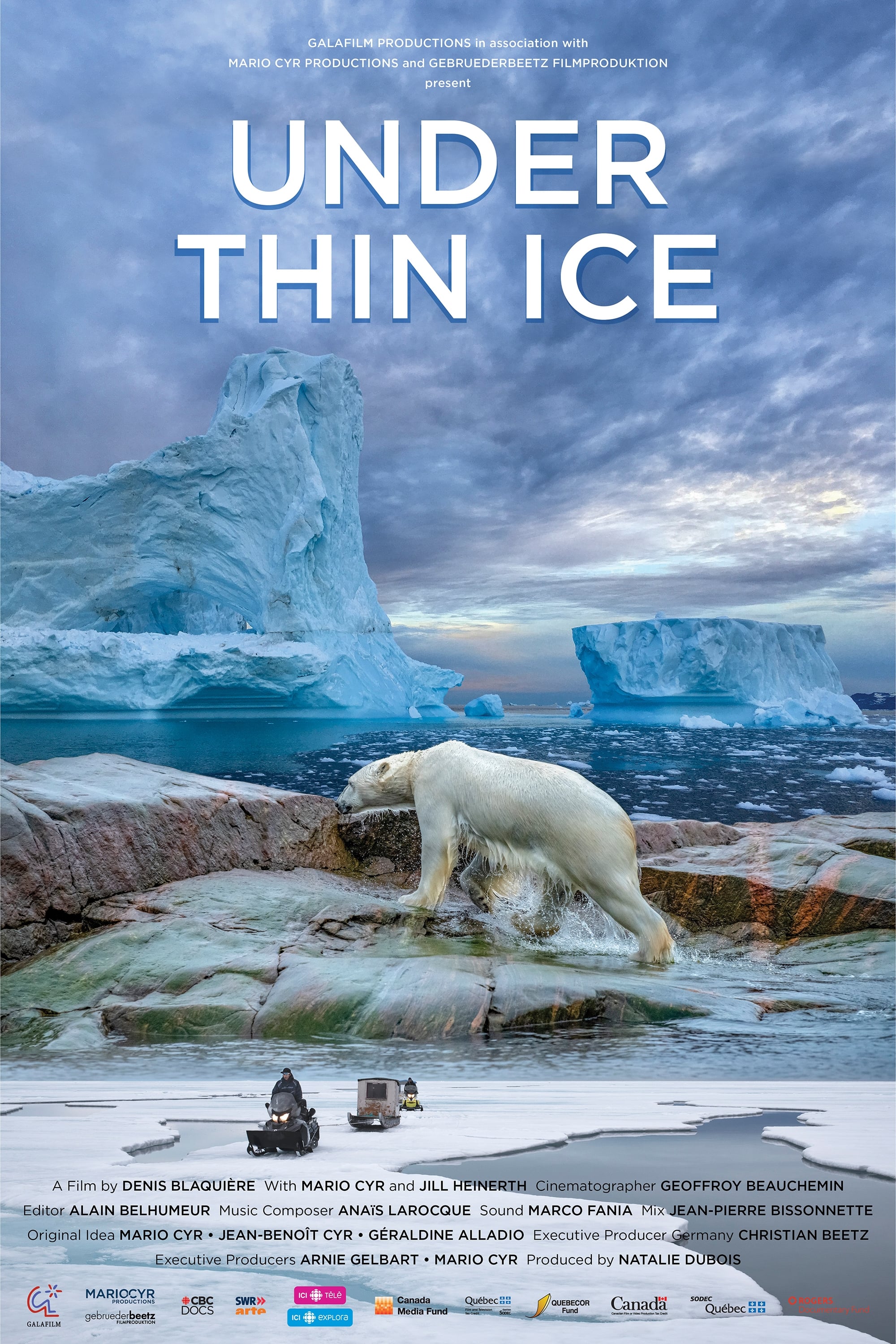
Two Canadian experts in underwater filming, Mario Cyr and Jill Heinerth, join forces for the first time to record how Arctic wildlife is adapting to the dramatic effects of climate change.
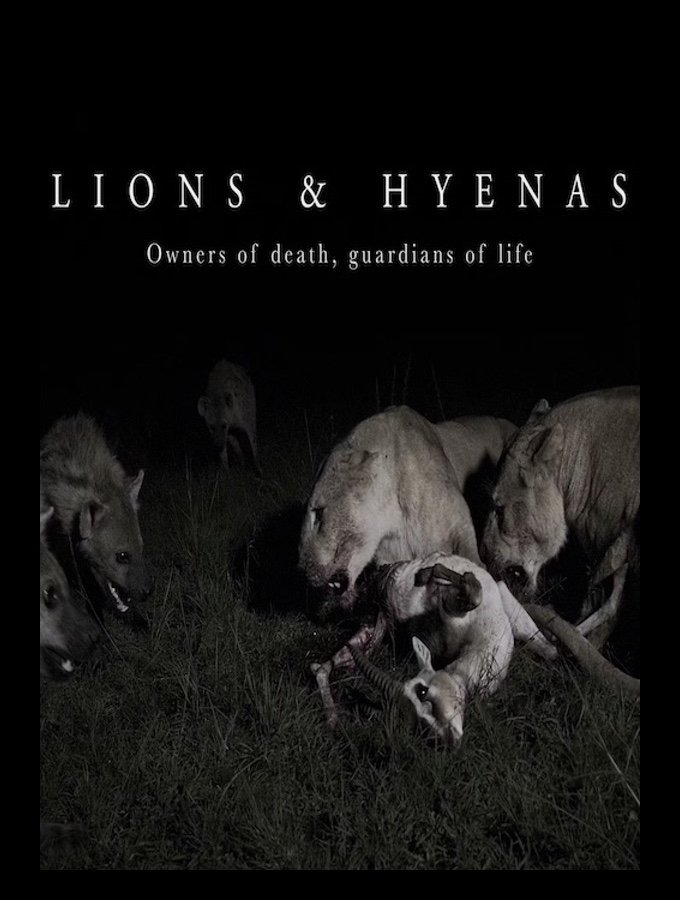
For many years lions and hyenas have competed hard for meat. Both control each other, stealing and killing each other. But in this game, both survive and no one prevails.Their destinies are united. This is the story of the ancestral confrontation between the most iconic predators of Africa
Alaska may be best known as the land of moose, bears and intense winters, but few know about the hidden jewel that is the Alaska Baseball League. For the first time on film, Touching The Game Alaska takes a captivating inside look at this fascinating institution and its incredible history as a proving-ground for more than 500 Major Leaguers and Hall of Famers like Tom Seaver and Dave Winfield, many of whom appear in the film. This feature length documentary is highlighted by superb baseball, stunning imagery and humorous anecdotes, from planes crashing on fields during games to bear encounters to salmon fishing misadventures to the more than century old tradition of the Midnight Sun Game. Four years in the making, the film not only showcases baseball played in a place where the summer sun never sets, but also gives insight into the colorful, rugged and fiercely independent people of this frontier land.
A unique look at three of the greatest builders of the African Savannah: weaver birds, aardvarks and termites. In their spectacular buildings they do not live alone! Many roommates from other species, from small insects, reptiles and birds to large mammals, not only live together — they also benefit from sharing the same roof.
Ocean Voyagers explores the familiar themes of motherhood and parenting in a world as unfamiliar as it is breathtaking. Featuring a precocious newborn humpback calf and his enormous 40 ton mother, we are taken on a journey of discovery into their world.
A new mother’s memories of her own youth prepare her to navigate motherhood in the increasingly challenging world that polar bears face today.
Filmmakers Alastair Fothergill and Keith Scholey chronicle a year in the lives of an Alaskan brown bear named Sky and her cubs, Scout and Amber. Their saga begins as the bears emerge from hibernation at the end of winter. As time passes, the bear family must work together to find food and stay safe from other predators, especially other bears. Although their world is exciting, it is also risky, and the cubs' survival hinges on family togetherness.
The film follows adventurer Jeff Johnson as he retraces the epic 1968 journey of his heroes Yvon Chouinard and Doug Tompkins to Patagonia.
A visual montage portrait of our contemporary world dominated by globalized technology and violence.
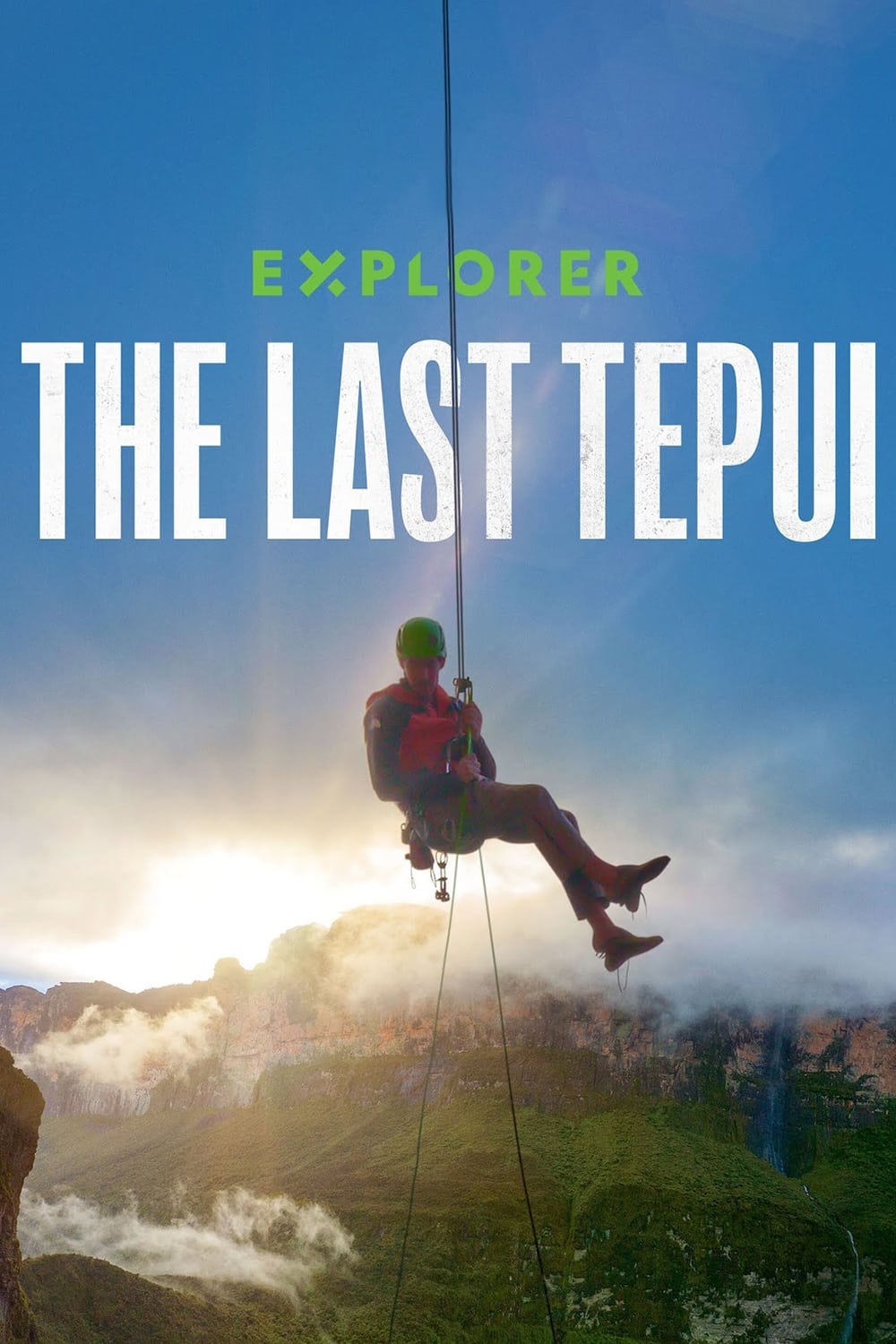
This documentary starring climber Alex Honnold and famous biologist Bruce Means document their expedition to the South American sky islands in search of new species and discoveries. Follows elite climber Alex Honnold and a world-class climbing team led by National Geographic Explorer and climber Mark Synnott on a grueling mission deep in the Amazon jungle as they attempt a first-ascent climb up a 1000 foot sheer cliff.
Through deeply personal interviews with her siblings and an examination of the photographs, letters, and belongings left behind, Mariska assembles a new portrait of her mother Jayne Mansfield, an extraordinary and complex woman.
The Captains is a feature-length documentary film written and directed by William Shatner. The film follows Shatner as he interviews the other actors who have portrayed starship captains in the Star Trek franchise.
Lupita Nyong'o narrates a documentary about Peanuts and its creator, Charles M. Schulz. Famous fans—including Drew Barrymore, Kevin Smith, and Al Roker—share its influence on them, and a new animated story finds Charlie Brown on a quest.
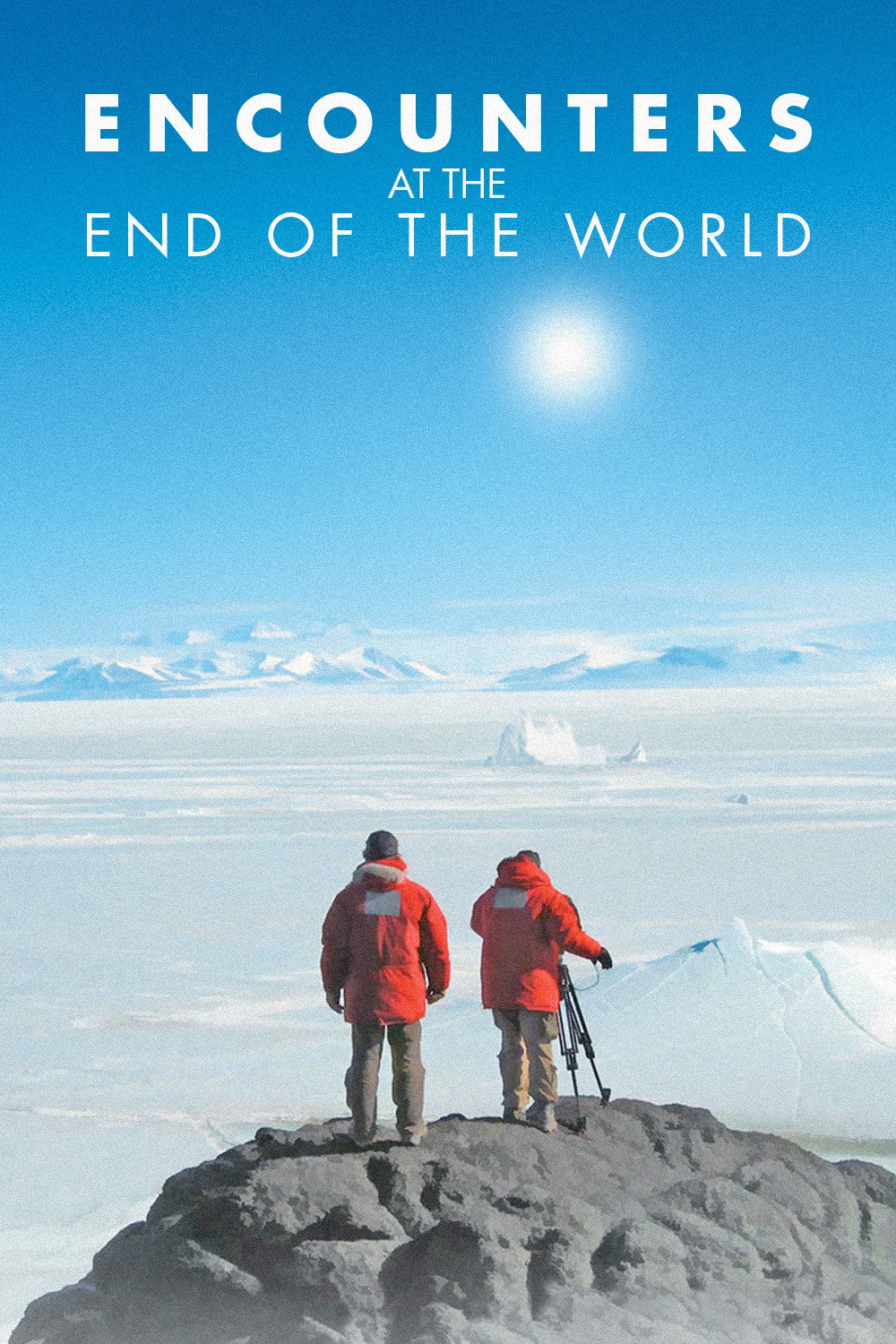
Acclaimed filmmaker Werner Herzog travels to Antarctica, where he finds a desolate, beautiful landscape, largely untouched by human hands, and a group of truly unique people who risk their lives to study it. Centered at McMurdo Station, the United States' largest Antarctic research center, Herzog explores the minds of the scientists willing to abandon civilization and endure volatile conditions to learn more about the continent's wildlife and awe-inspiring natural wonders.
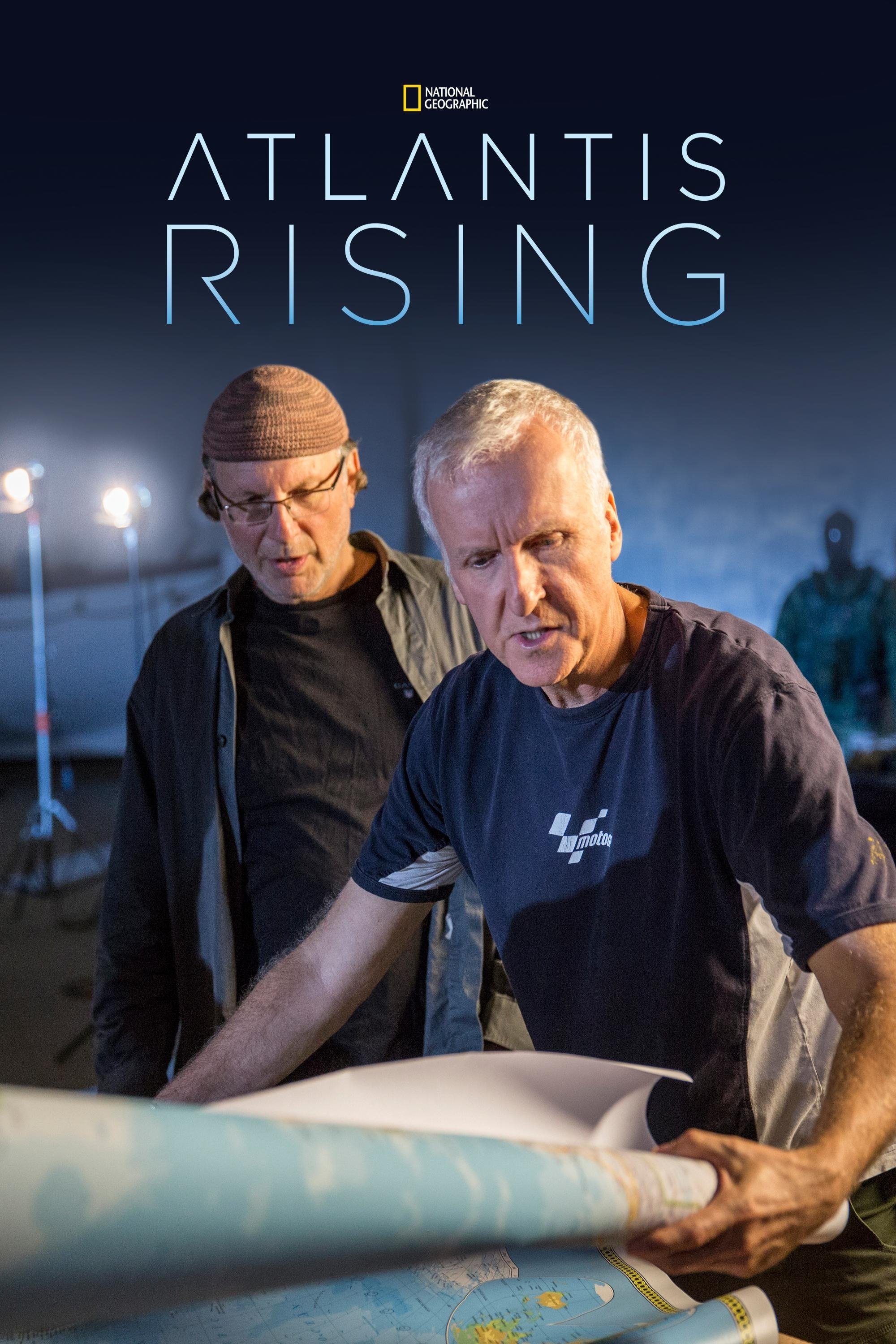
James Cameron and Simcha Jacobovici go on an adventure to find the lost city of Atlantis by using Greek philosopher Plato as a virtual treasure map.
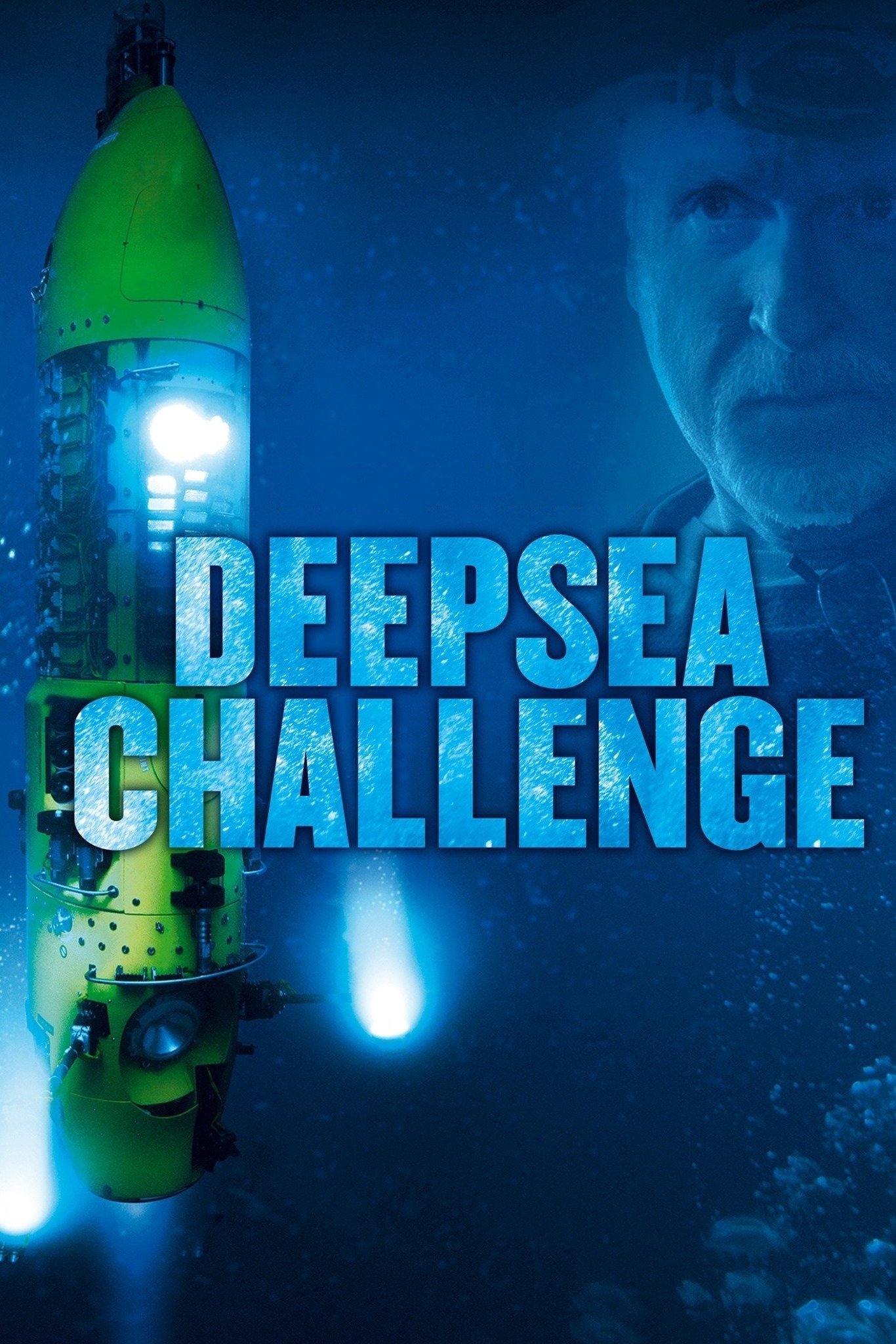
Described as being a film about determination, danger and the ocean’s greatest depths, James Cameron's "Deepsea Challenge 3D" tells the story of Cameron’s journey to fulfill his boyhood dream of becoming an explorer. The movie offers a unique insight into Cameron's world as he makes that dream reality – and makes history – by becoming the first person to travel solo to the deepest point on the planet.
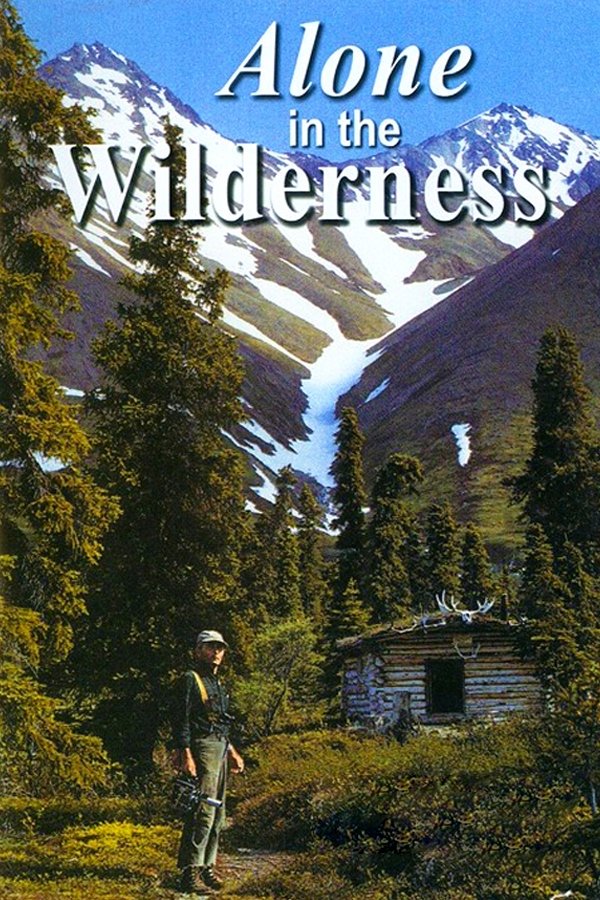
Dick Proenneke retired at age 50 in 1967 and decided to build his own cabin in the wilderness at the base of the Aleutian Peninsula, in what is now Lake Clark National Park. Using color footage he shot himself, Proenneke traces how he came to this remote area, selected a homestead site and built his log cabin completely by himself. The documentary covers his first year in-country, showing his day-to-day activities and the passing of the seasons as he sought to scratch out a living alone in the wilderness.
Told through performances, TV interviews, home movies, family photographs, private letters and unpublished memoirs, the film reveals the essence of an extraordinary woman who rose from humble beginnings in New York City to become a glamorous international superstar and one of the greatest artists of all time.
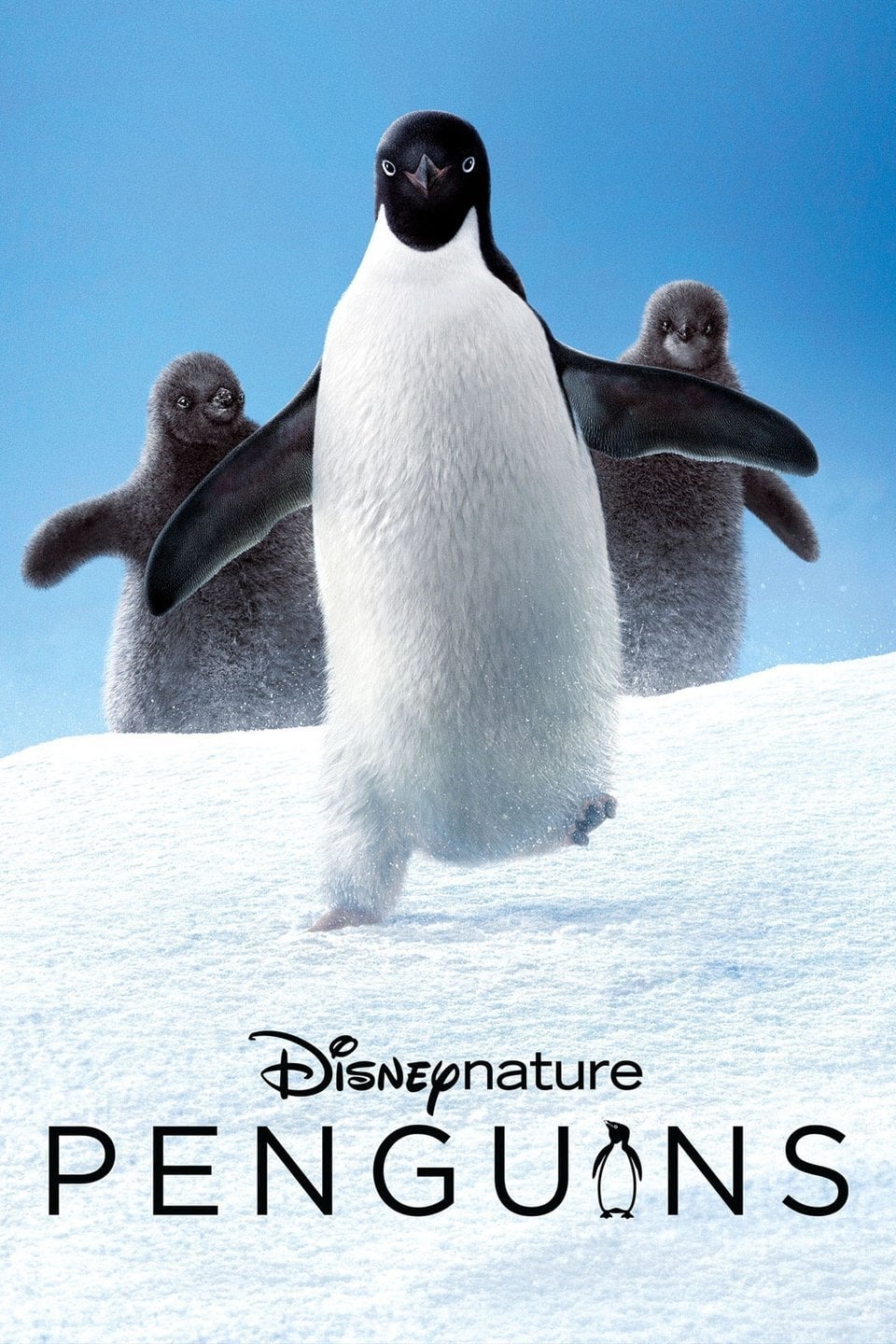
The story of Steve, an Adélie penguin, on a quest to find a life partner and start a family. When Steve meets with Wuzzo the emperor penguin they become friends. But nothing comes easy in the icy Antarctic.
BBC Arena's documentary on the Dames of British Theatre and film featuring Maggie Smith, Eileen Atkins, Judi Dench and Joan Plowright on screen together for the first time as they reminisce over a long summer weekend in a house Joan once shared with Sir Laurence Olivier.
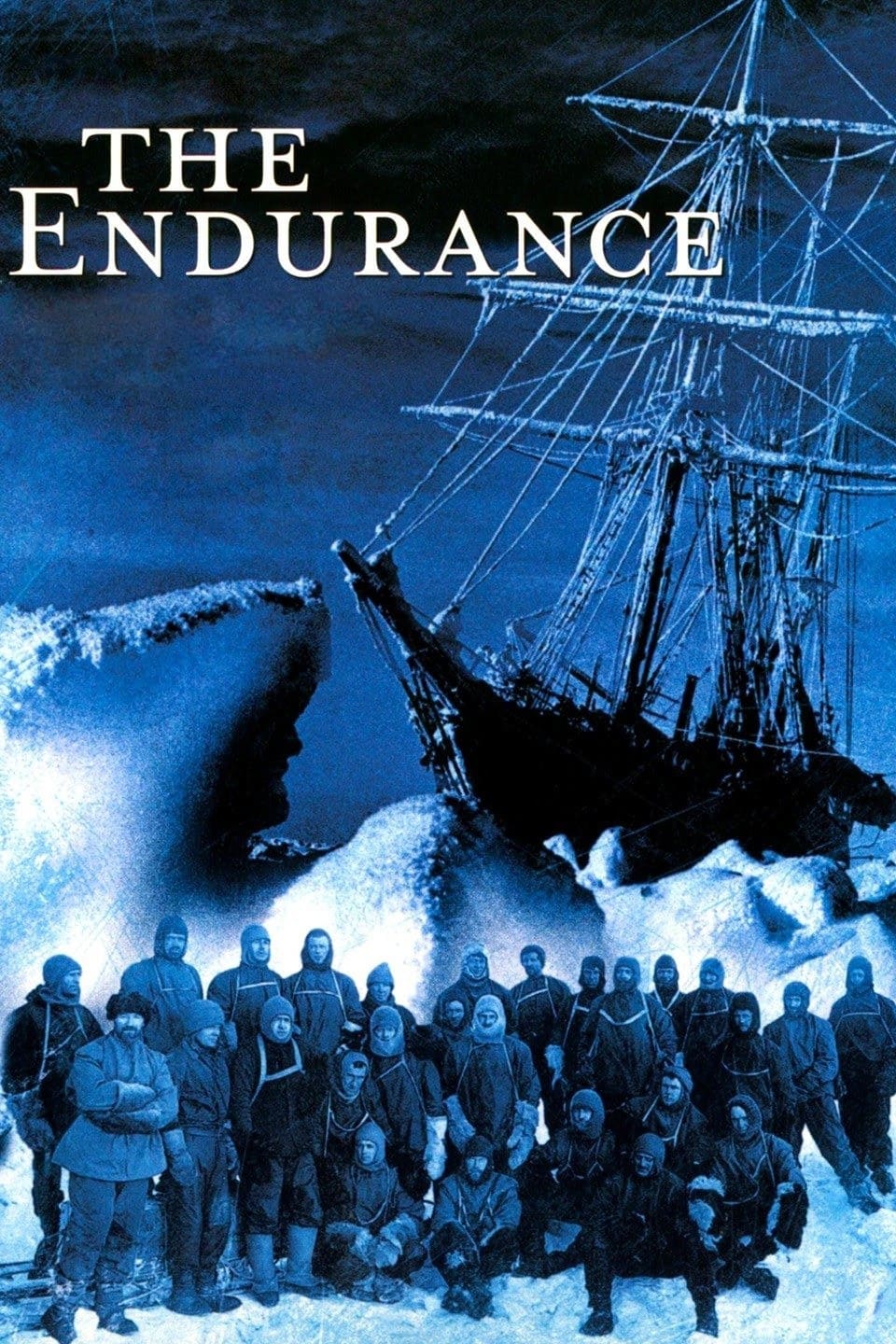
Documentary on the Shackleton Antartic expedition. A retelling of Sir Ernest Shackleton's ill-fated expedition to Antarctica in and the crew of his vessel 'The Endurance', which was trapped in the ice floes and frigid open ocean of the Antarctic in 1914. Shackleton decided, with many of his crew injured and weak from exposure and starvation, to take a team of his fittest men and attempt to find help. Setting out in appalling conditions with hopelessly inadequate equipment, they endured all weather and terrain and finally reached safety. Persuading a local team of his confidence that the abandoned team would still be alive, he set out again to find them. After almost 2 years trapped on the ice, all members of the crew were finally rescued.
Unprecedented access to Muhammad Ali's personal archive of "audio journals" as well as interviews and testimonials from his inner circle of family and friends are used to tell the legend's life story.
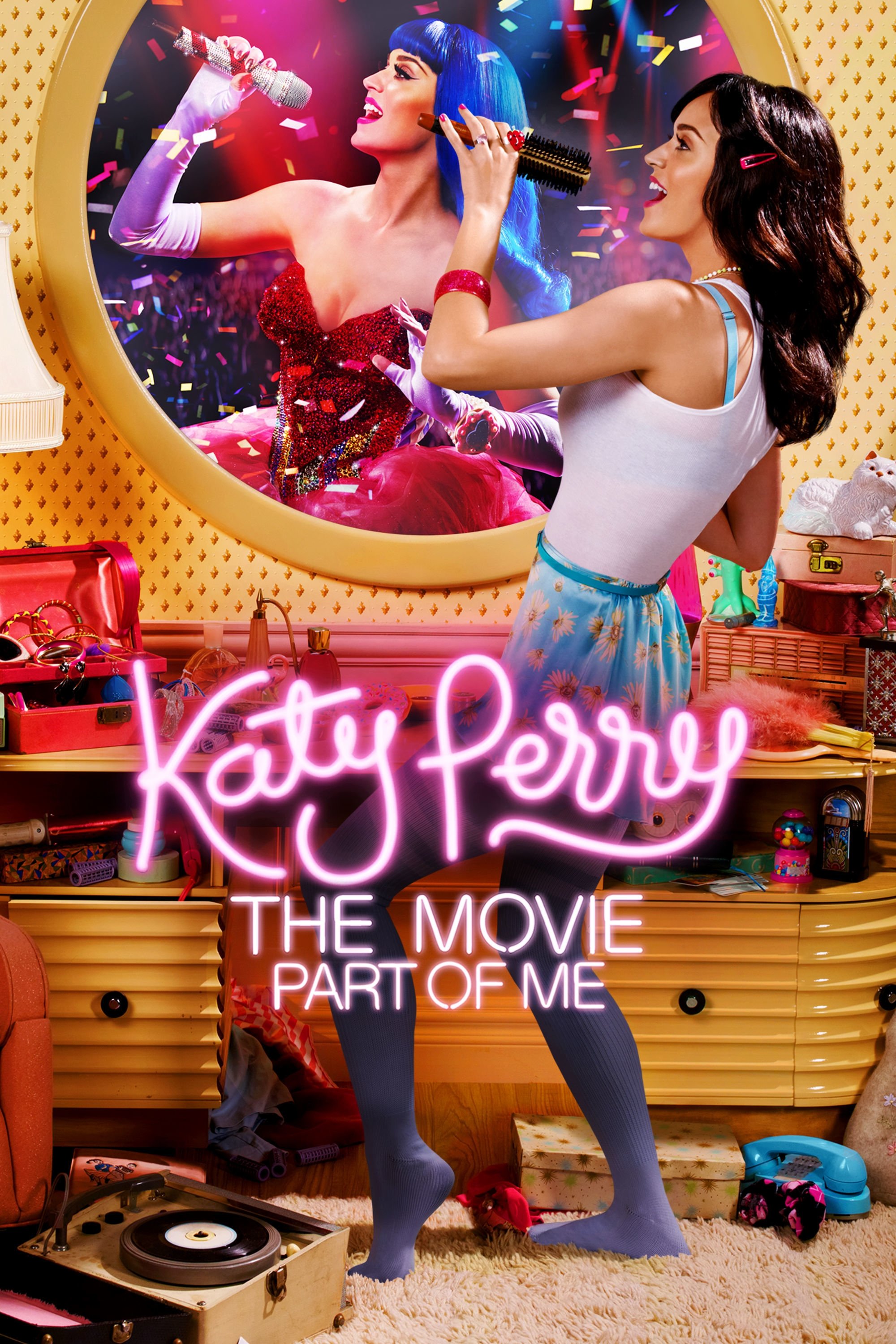
Giving fans unprecedented access to the real life of the music sensation, Katy Perry: Part of Me exposes the hard work, dedication and phenomenal talent of a girl who remained true to herself and her vision in order to achieve her dreams. Featuring rare behind-the-scenes interviews, personal moments between Katy and her friends, and all-access footage of rehearsals, choreography, Katy’s signature style and more, Katy Perry: Part of Me reveals the singer’s unwavering belief that if you can be yourself, then you can be anything.
Daniel Craig candidly reflects on his 15 year adventure as James Bond. Including never-before-seen archival footage from Casino Royale to the upcoming 25th film No Time To Die, Craig shares his personal memories in conversation with 007 producers, Michael G Wilson and Barbara Broccoli.