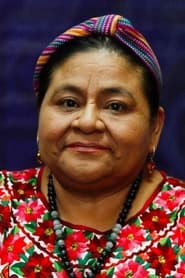
Focuses on 1992 Nobel Peace Prize winner, Rigoberta Menchu, as she discusses the lack of human rights for the indigenous people of Guatemala and her commitment to the struggle for a more egalitarian society.
Social & External
Self
The collaboration between the Tanacross and Northway, Alaska communities and trained linguistic specialists from the Alaska Native Language Center to keep their native language from disappearing. And the continuation of the tangential community effort of preserving their language and culture by teaching and using them at home and in schools and in their lives.
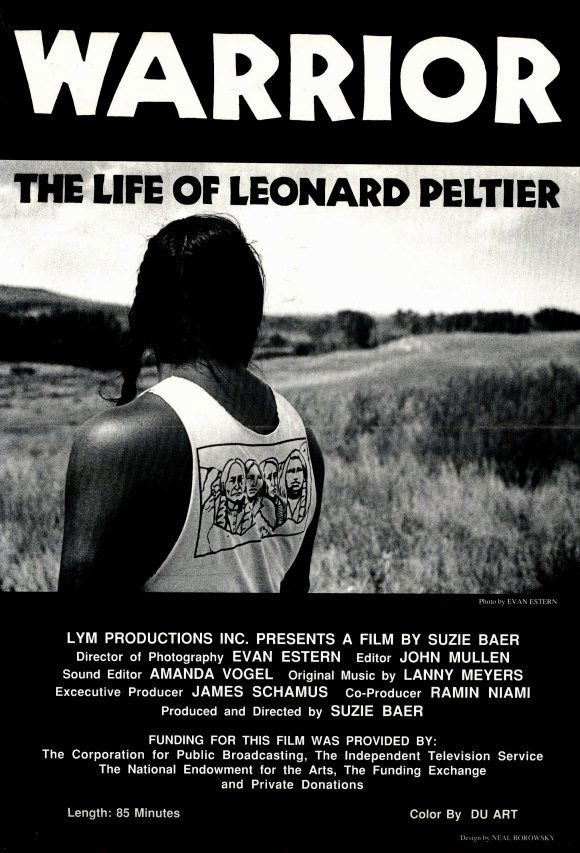
An intimate exploration of the circumstances surrounding the incarceration of Native American activist Leonard Peltier, convicted of murder in 1977, with commentary from those involved, including Peltier himself.
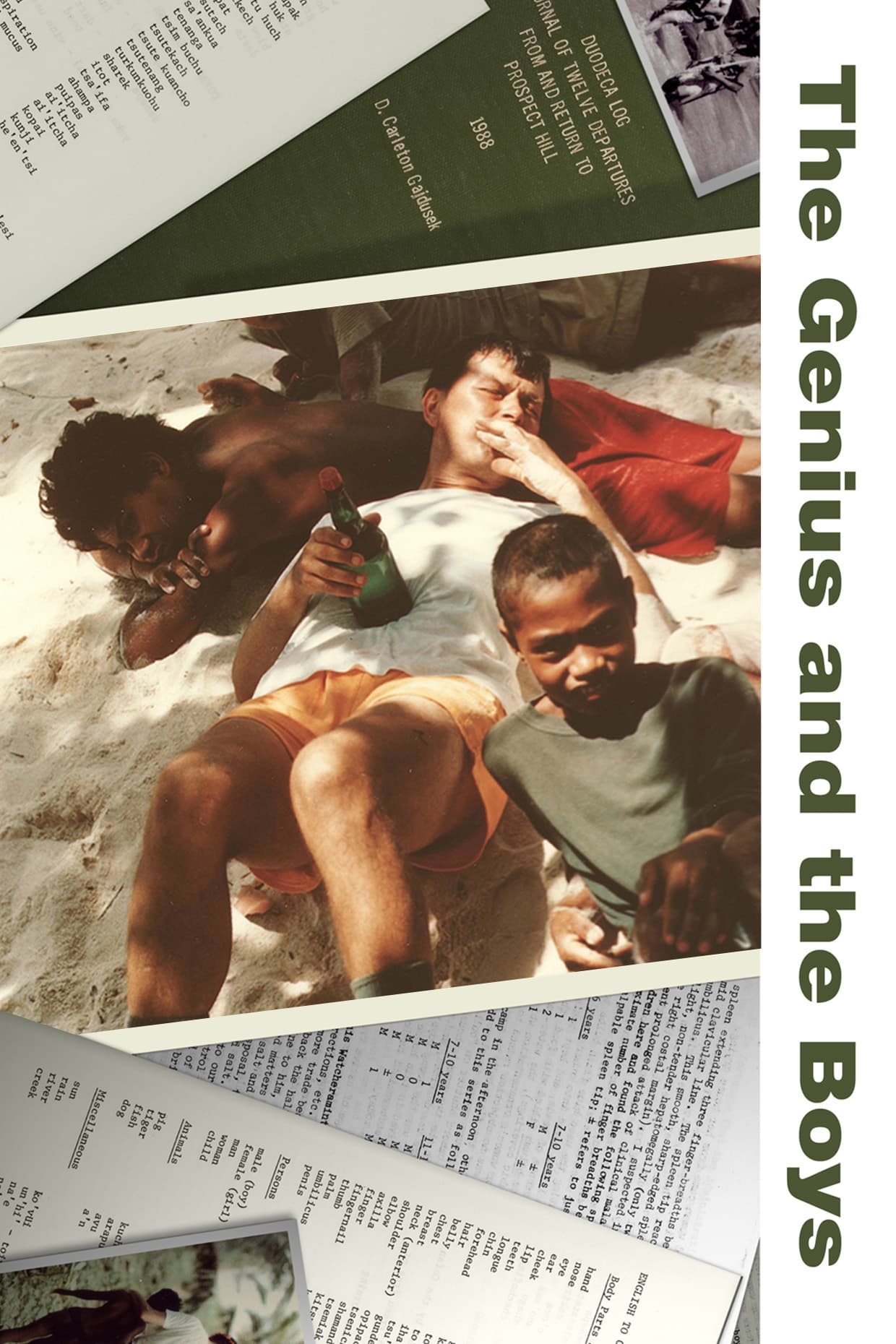
D Carleton Gajdusek won the Nobel Prize for the discovery of Prions - the particles that would emerge as the cause of Mad Cow disease - while working with a cannibal tribe on New Guinea. He was a star of the scientific world. Over his years working amongst the tribes of the South Seas, he adopted 57 kids, bringing them to a new life in Washington DC. His adoptions were hailed as wonderful fatherly beneficence. But, at the height of his career, rumours began to spread he was a paedophile. Gajdusek would argue that if sex with children was okay in their own cultures, he wasn't wrong to join in. How could a great mind like Gajdusek's lose insight so totally, and why would the scientific community to which he was a hero be so quick to leap to his defence and dismiss the allegations? (Storyville)
Thirty miles from Manhattan a group of mysterious mountain people fight for recognition as a legitimate Native American tribe from the Bureau of Indian Affairs. What begins as their journey travels the country as Native American’s fight for their rights at Standing Rock, Apache Junction and throughout the United States. Examining through expert interviews and unbridled access to the community, the film provides an in depth look at the complex past, volatile present and endangered future of the Ramapough Mountain Indians and what it truly means to be a “Native American”.
In 1970 a storm uncovers an ancient whaling village called Ozette which had been buried some 500 years ago by a massive mudslide. The resulting excavation brings new knowledge of the past important to both the Makah Indians, living on the Olympic Peninsula in Washington and for the historical record of Native Americans in the Pacific Northwest.
A documentary on the road that tracks the journey by Georgina, an elderly transgender woman forced to cross the sandy peninsula Guajira, on foot, to obtain the thing she has desired for almost half a century: a document that will hand her the right to be what she has always felt she was, and will allow her, at long last, to vote.
Pikilina is a Dominican-born woman of Haitian descent. Racial and political violence erupts when the country of her birth, the Dominican Republic, reverses birthright citizenship and she and 200,000 others are left stateless.
INAATE/SE/ re-imagines an ancient Ojibway story, the Seven Fires Prophecy, which both predates and predicts first contact with Europeans. A kaleidoscopic experience blending documentary, narrative, and experimental forms, INAATE/SE/ transcends linear colonized history to explore how the prophecy resonates through the generations in their indigenous community within Michigan’s Upper Peninsula. With acute geographic specificity, and grand historical scope, the film fixes its lens between the sacred and the profane to pry open the construction of contemporary indigenous identity.

This Traveltalk series short visits the village of Chichicastenango, Guatemala and emphasizes the influence of the Mayan culture on its people. It shows how the residents intermingle ancient religious practices with Catholic teachings. Narrator James FitzPatrick introduces, and greets on camera, Father Ildefonso Rossbach, a Catholic priest who ministers to the local population in the village and outlying areas.
Revisiting the achievements of Sacheen Littlefeather, the first woman of color to utilize the Academy Awards to make a political statement.
The extraordinary story of Swedish writer Selma Lagerlöf (1858-1940), creator of Nils Holgersson, a memorable and legendary literary character, and the first female storyteller to win the Nobel Prize for Literature (1909); a woman as pioneering in her life as in her remarkable work.
Poet Layli Long Soldier crafts a searing portrait of her Oyate’s connection to the Black Hills, through first contact and broken treaties to the promise of the Land Back movement, in this lyrical testament to resilience of a nation.
Crump's mission to raise the value of Black life as the civil lawyer for the families of George Floyd, Breonna Taylor, Black farmers and banking while Black victims, Crump challenges America to come to terms with what it owes his clients.
Scientist Mark Plotkin races against time to save the ancient healing knowledge of Indian tribes from extinction.
In the Bella Coola Valley, a haunting legend endures through generations as a filmmaker reckons with whether the stories of her ancestors can survive being held or if they were never meant to be captured.
Steal This Film focuses on Pirate Bay founders Gottfrid Svartholm, Fredrik Neij and Peter Sunde, prominent members of the Swedish filesharing community. The makers claimed that 'Old Media' documentary crews couldn't understand the internet culture that filesharers took part in, and that they saw peer-to-peer organization as a threat to their livelihoods. Because of that, they were determined to accurately represent the filesharing community from within. Notably, Steal This Film was released and distributed, free of charge, through the same filesharing networks that the film documents.
In World War II. African-American GIs liberate Germany from Nazi rule while racism prevailed in their own army and home country. Returning home they continue fighting for their own rights in the civil rights movement.
The moment where American sprinters Tommie Smith and John Carlos raised their gloved hands in defiance on the podium at the 1968 Mexico City Olympics is one of the most memorable images in sports history. But there is a third man in the photo, the white Australian who finished second to Smith and ahead of Carlos in the 200 meters. His name is Peter Norman, and he stands in quiet solidarity with them. Norman’s story is retold in this film with passion and perspective.
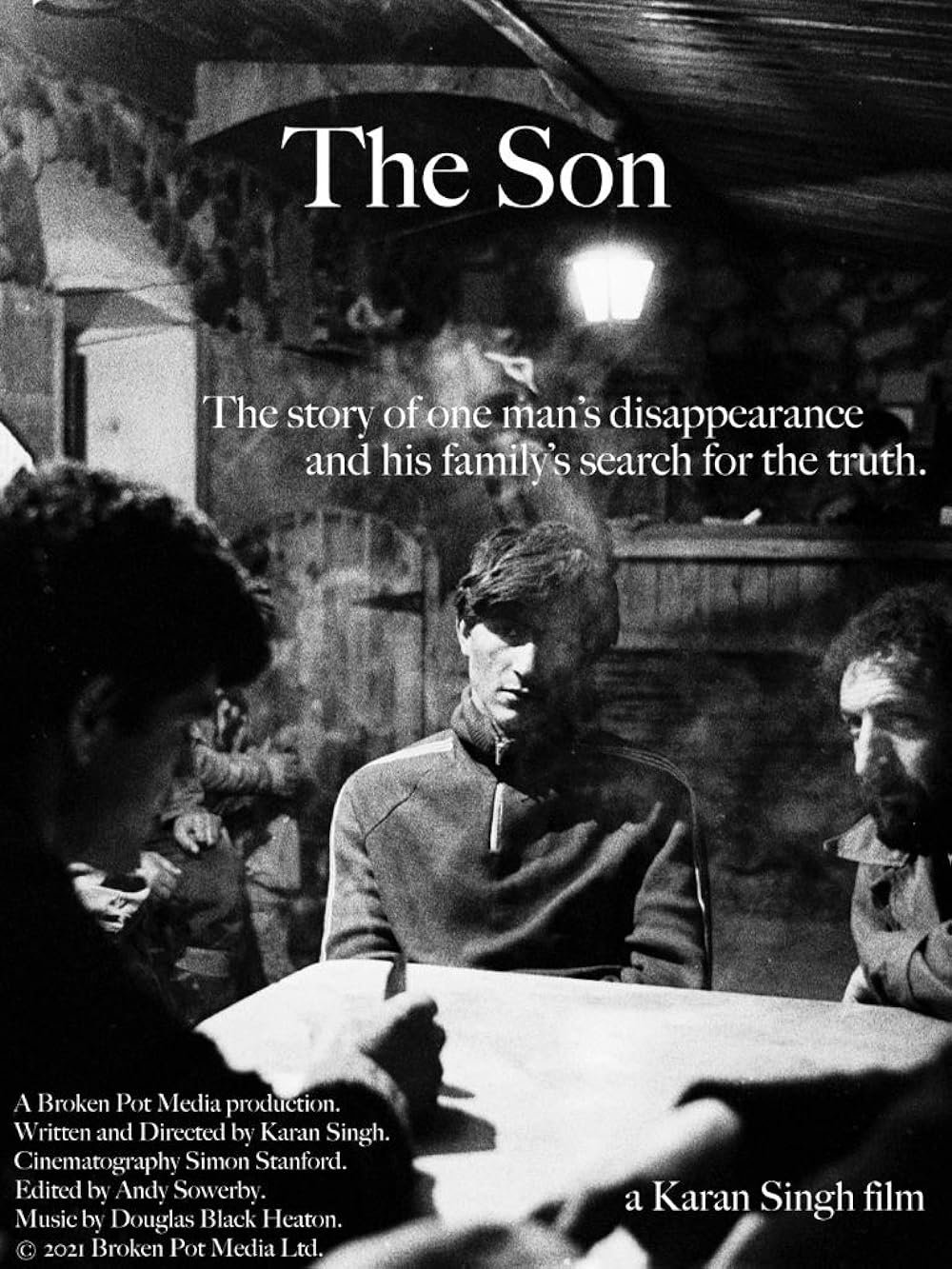
Filmmaker Sterlin Harjo's Grandfather disappeared mysteriously in 1962. The community searching for him sang songs of encouragement that were passed down for generations. Harjo explores the origins of these songs as well as the violent history of his people.
A documentary exploring the controversial use of blood quantum in determining Native American identity.
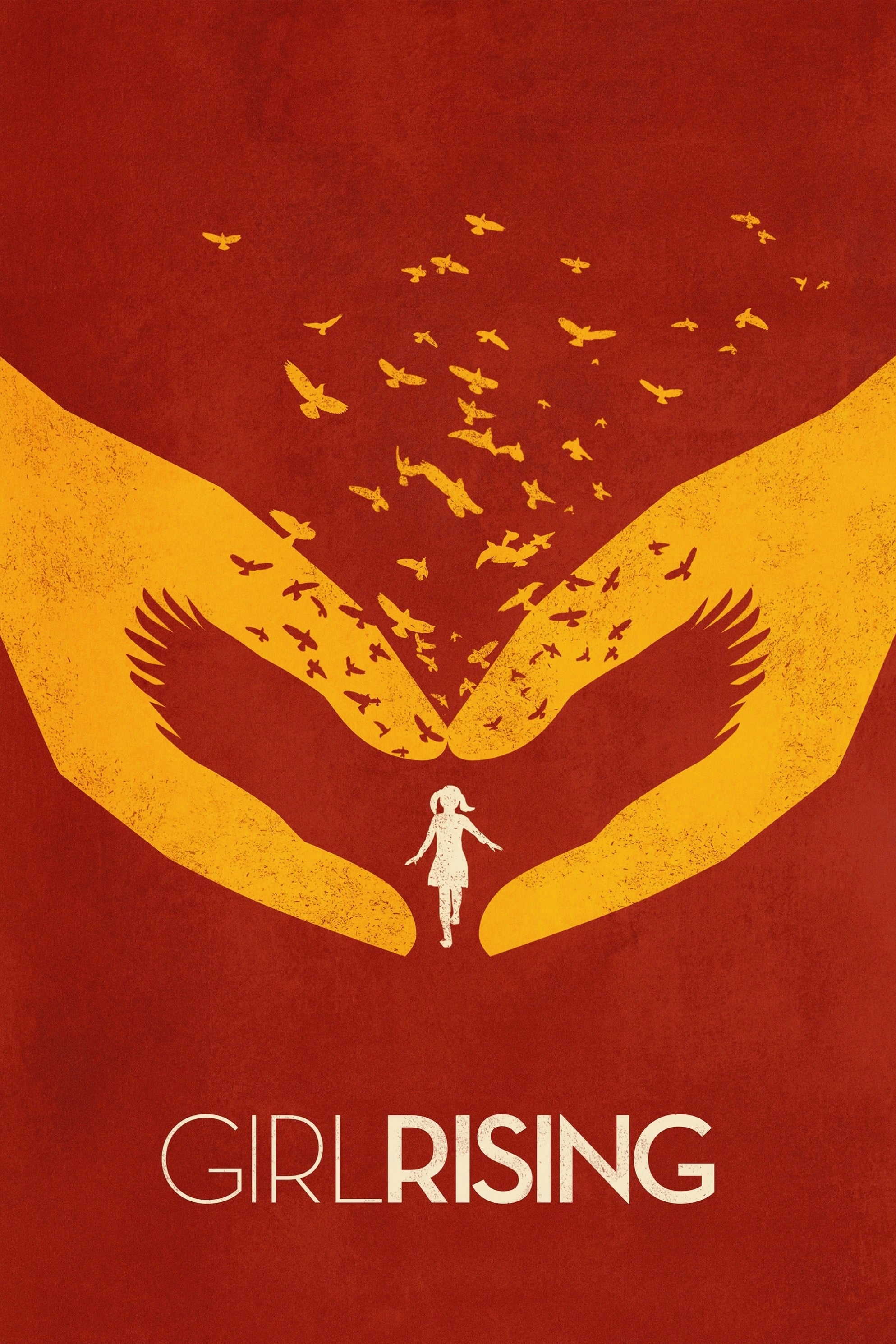
Nine filmmakers each profile a young girl from a different part of the world to weave a global tapestry of youth in the 21st century.
A documentary about the making of David Fincher's 2008 film THE CURIOUS CASE OF BENJAMIN BUTTON. Virtually every element in the evolution of the Fincher's film is documented here, from the project's attachment to numerous other directors during the 1990s, to its shoot in 2006 and 2007 in New Orleans, to its complex, CGI-intensive postproduction process.
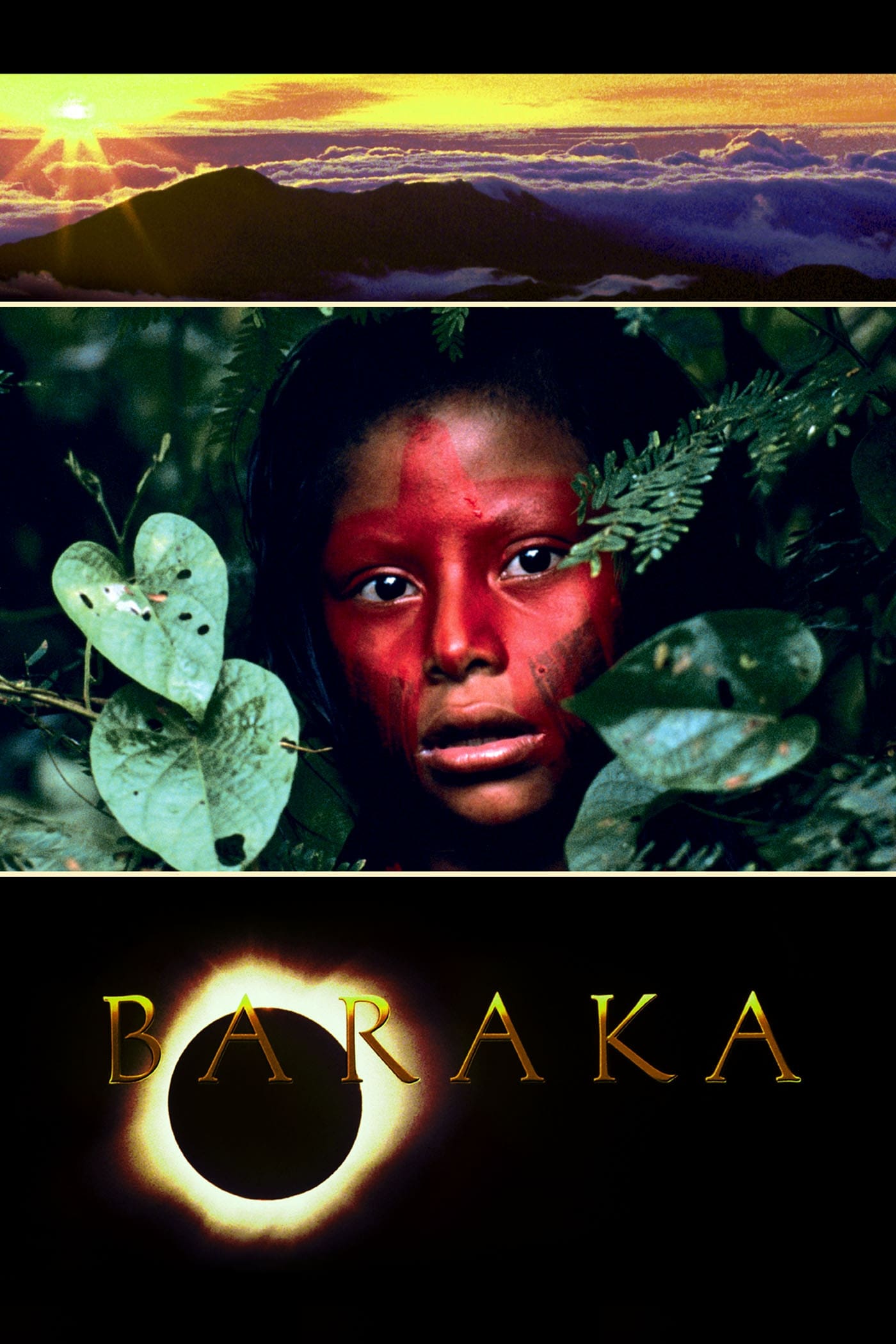
A paralysingly beautiful documentary with a global vision—an odyssey through landscape and time—that attempts to capture the essence of life.
A documentary on the expletive's origin, why it offends some people so deeply, and what can be gained from its use.
While investigating the furtive world of illegal doping in sports, director Bryan Fogel connects with renegade Russian scientist Dr. Grigory Rodchenkov—a pillar of his country’s “anti-doping” program. Over dozens of Skype calls, urine samples, and badly administered hormone injections, Fogel and Rodchenkov grow closer despite shocking allegations that place Rodchenkov at the center of Russia’s state-sponsored Olympic doping program.
Years spent recording footage of creatures from every corner of the globe is bound to produce a bit of drama. Here's a behind-the-scenes look.
Martin Scorsese, Robert De Niro, Joe Pesci, and Al Pacino in conversation about The Irishman.
In 1936, Victor H. Green (1892-1960) published The Negro Motorist Green Book, a book that was both a travel guide and a survival manual, to help African-Americans navigate safe those regions of the United States where segregation and Jim Crow laws were disgracefully applied.
Filmmaker Christopher Quinn observes the ordeal of three Sudanese refugees -- Jon Bul Dau, Daniel Abul Pach and Panther Bior -- as they try to come to terms with the horrors they experienced in their homeland, while adjusting to their new lives in the United States.
When Allied forces liberated the Nazi concentration camps in 1944-45, their terrible discoveries were recorded by army and newsreel cameramen, revealing for the first time the full horror of what had happened. Making use of British, Soviet and American footage, the Ministry of Information’s Sidney Bernstein (later founder of Granada Television) aimed to create a documentary that would provide lasting, undeniable evidence of the Nazis’ unspeakable crimes. He commissioned a wealth of British talent, including editor Stewart McAllister, writer and future cabinet minister Richard Crossman – and, as treatment advisor, his friend Alfred Hitchcock. Yet, despite initial support from the British and US Governments, the film was shelved, and only now, 70 years on, has it been restored and completed by Imperial War Museums under its original title "German Concentration Camps Factual Survey".
In the Realms of the Unreal is a documentary about the reclusive Chicago-based artist Henry Darger. Henry Darger was so reclusive that when he died his neighbors were surprised to find a 15,145-page manuscript along with hundreds of paintings depicting The Story of the Vivian Girls, in What is Known as the Realms of the Unreal, of the Glodeco-Angelinnian War Storm, Cased by the Child Slave Rebellion.
Daniel Craig candidly reflects on his 15 year adventure as James Bond. Including never-before-seen archival footage from Casino Royale to the upcoming 25th film No Time To Die, Craig shares his personal memories in conversation with 007 producers, Michael G Wilson and Barbara Broccoli.
A documentary focused on plastic pollution in the world's oceans.
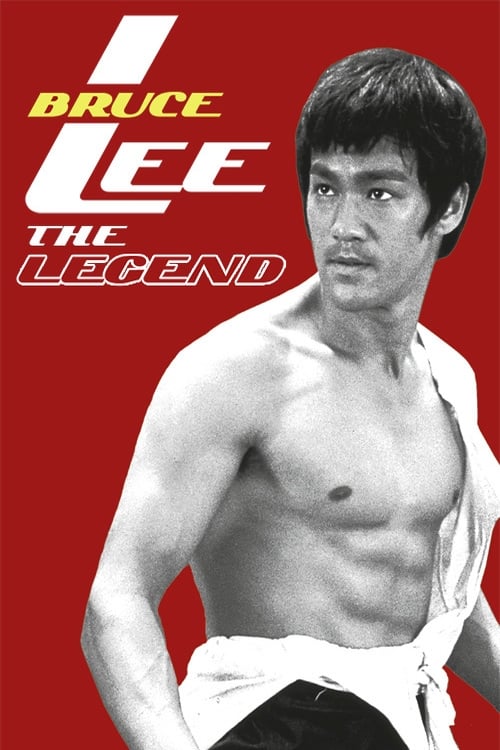
The Official Golden Harvest tribute to the Master of the Martial Arts Film, Bruce Lee.
An unprecedented and intimate look at the life, work and enduring legacy of British actress Audrey Hepburn (1929-1993).
Through deeply personal interviews with her siblings and an examination of the photographs, letters, and belongings left behind, Mariska assembles a new portrait of her mother Jayne Mansfield, an extraordinary and complex woman.
A visual montage portrait of our contemporary world dominated by globalized technology and violence.
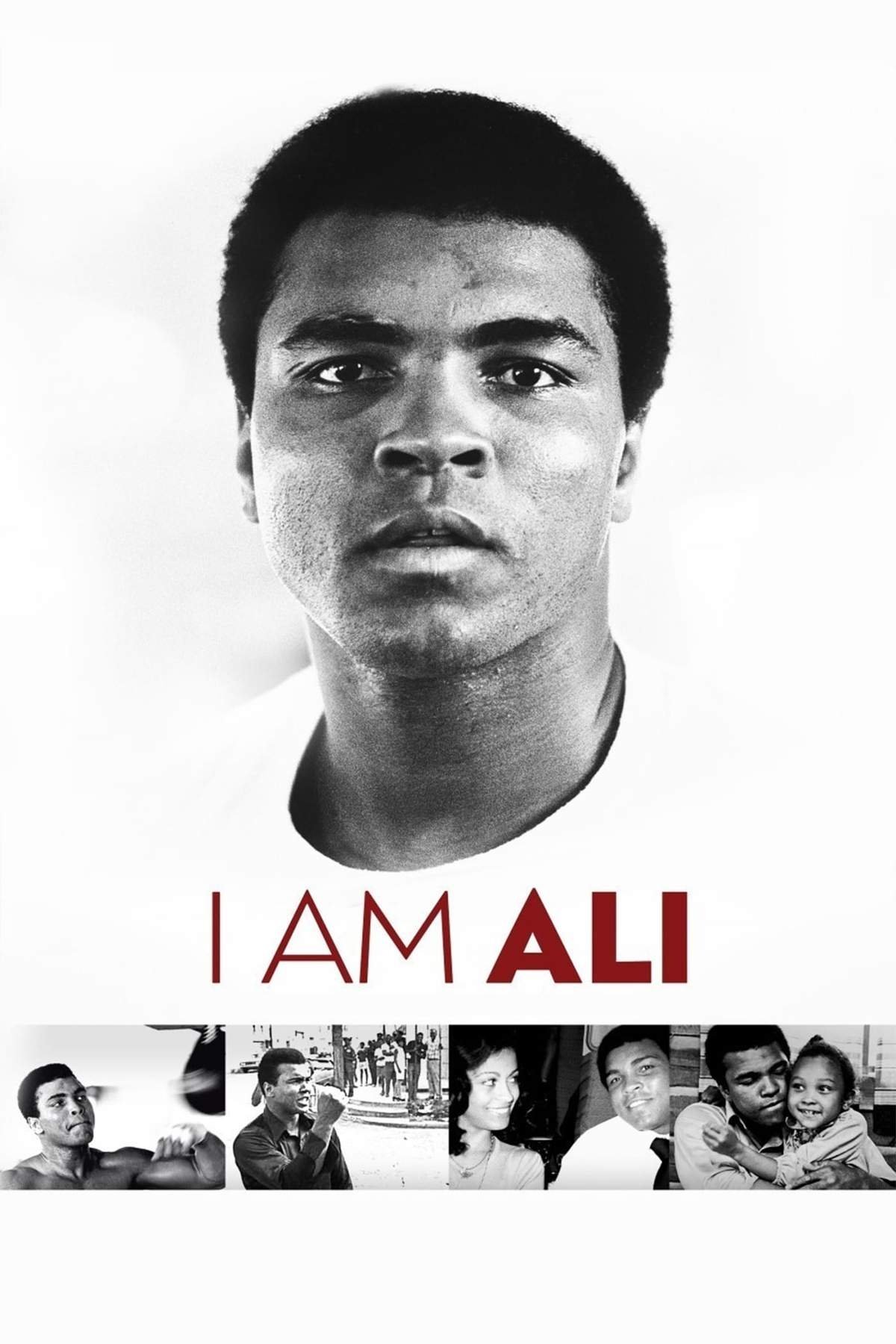
Unprecedented access to Muhammad Ali's personal archive of "audio journals" as well as interviews and testimonials from his inner circle of family and friends are used to tell the legend's life story.
Working from the text of James Baldwin’s unfinished final novel, director Raoul Peck creates a meditation on what it means to be Black in the United States.
Unravel the case of Utah therapist Jodi Hildebrandt, whose child abuse arrest with parenting YouTuber Ruby Franke exposed a twisted tale of manipulation.