Social & External
The people behind it
Paul-Ottar Haga
self
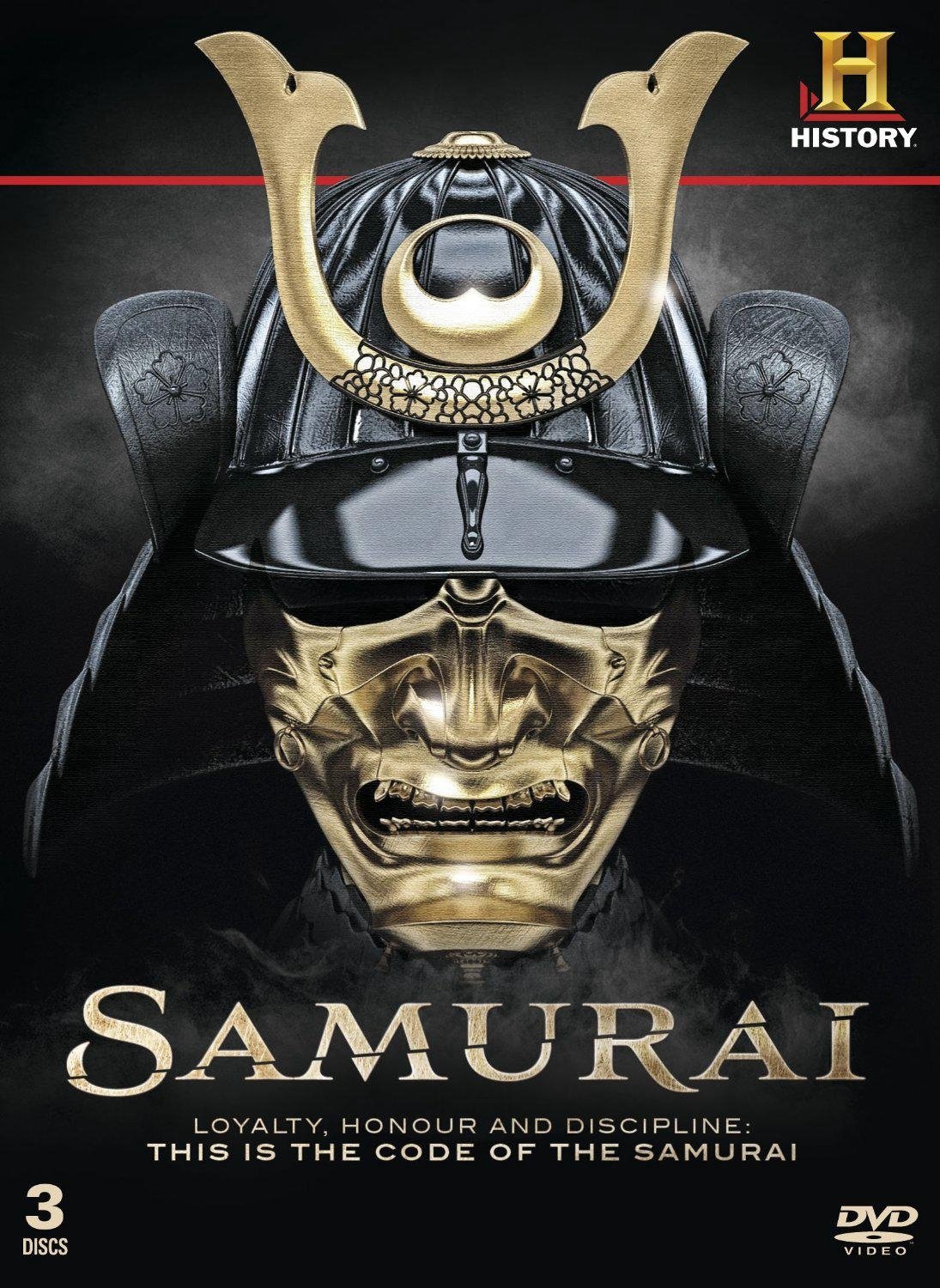
A weapon so technologically perfect in structure, so formidable in strength and so beautiful in creation. This high definition one hour special is the inside track on the World's most influential weapon. For over a thousand years this weapon dominated the battlefields of Japan, instilled fear and terror into every enemy it faced, and created a new spiritual way of life that lasts through to the present day. The Samurai sword – a weapon so technologically perfect in structure, so formidable in strength and so beautiful in creation. For the first time unique access has been granted and we travel into the core of the ancient foundries, sword-smiths and fighting schools to reveal what makes the so-called perfect sword. This is a no holds barred look at one of the most iconic man-made objects ever forged. Join us as we take the inside track on the making of the legend that is the Samurai Sword.
The story of the 25th Infantry Bicycle Corps and their 2000-mile bicycle journey from Montana to St. Louis in 1897.
How the Soviet Union was able to copy the Boeing B-29 Superfortress bomber, and the influence of the resulting Tupolev TU-4 on the Cold War.
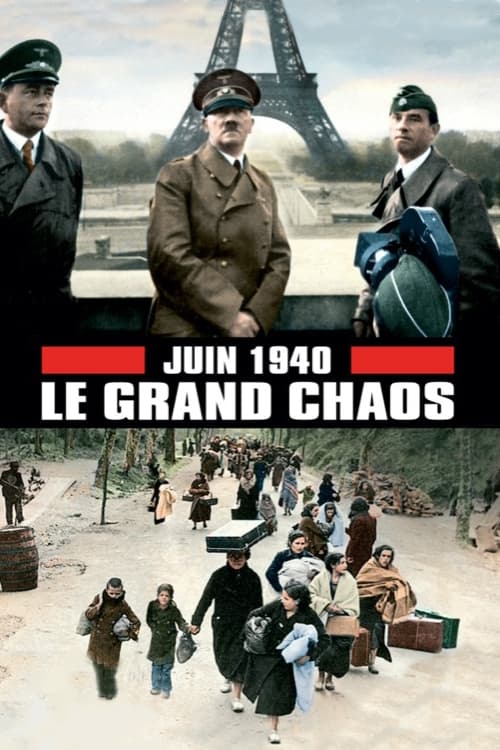
From May 10, 1940, France is living one of the worst tragedies of it history. In a few weeks, the country folds, and then collapsed in facing the attack of the Nazi Germany. On June 1940, each day is a tragedy. For the first time, thanks to historic revelations, and to numerous never seen before images and documents and reenacted situations of the time, this film recounts the incredible stories of those men and women trapped in the torment of this great chaos.
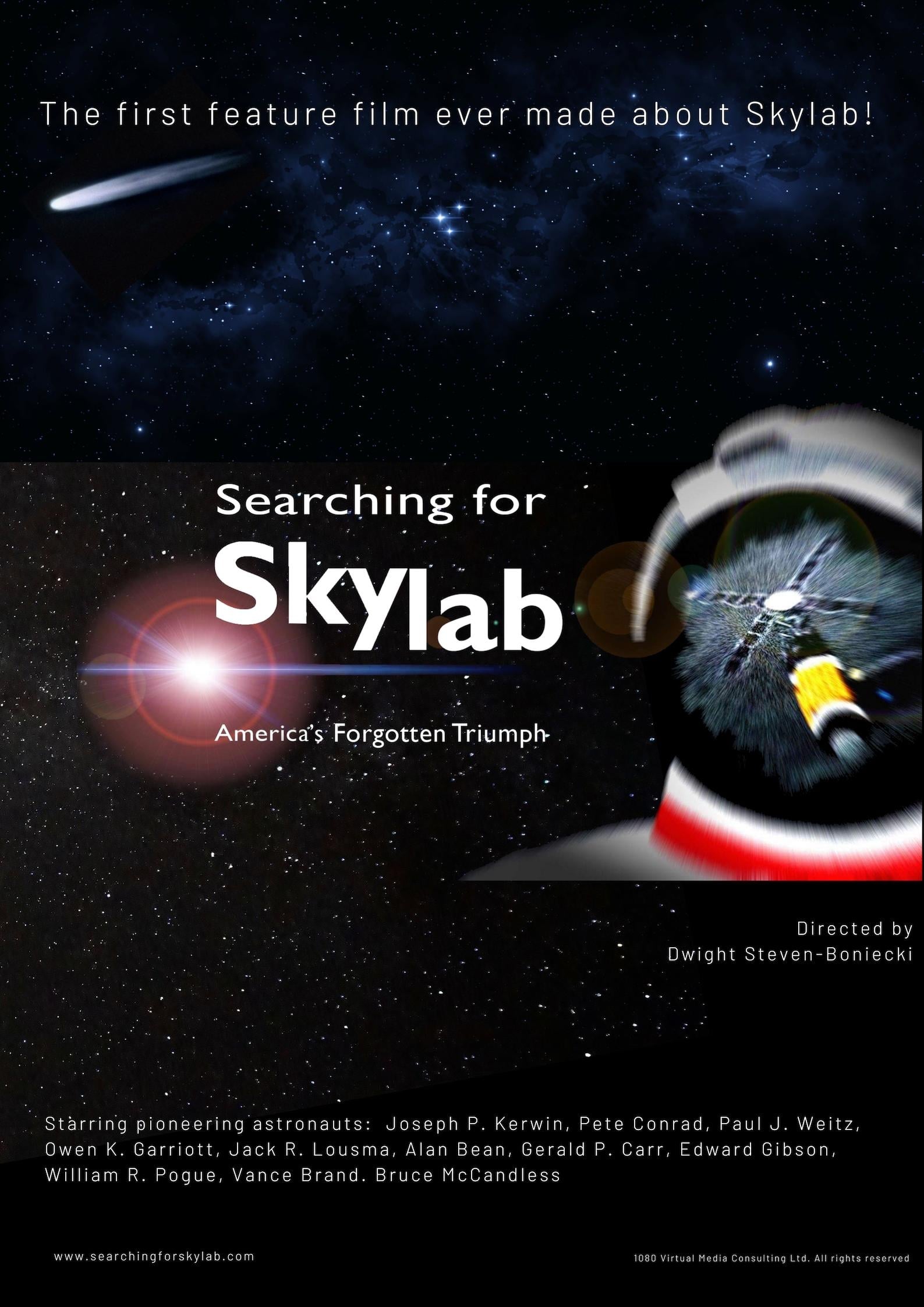
The first American space station Skylab is found in pieces scattered in Western Australia. Putting these pieces back together and re-tracing the Skylab program back to its very conception reveals the cornerstone of human space exploration.
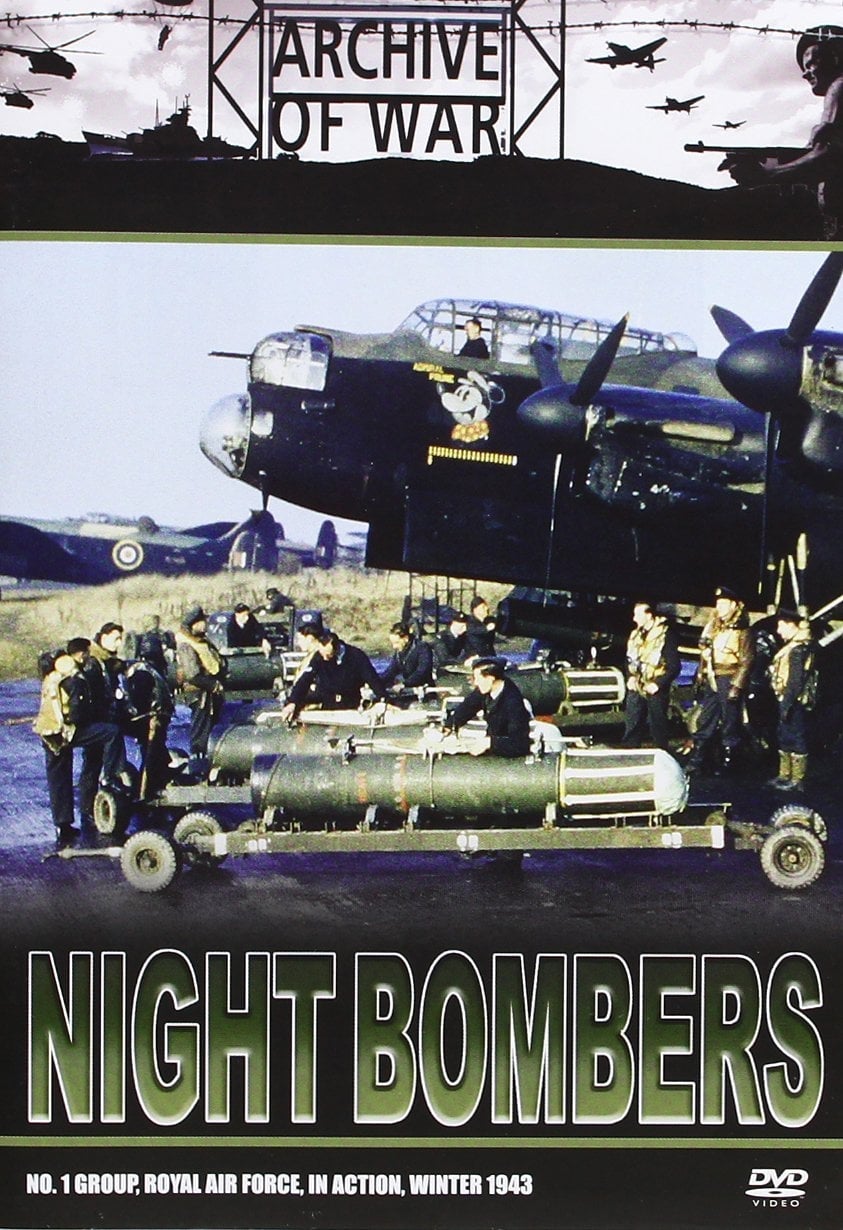
Recorded during World War II, this rare color film traces an RAF Bomber Command night attack on Berlin -- from strategic planning and preparation to the execution of the actual attack with Avro Lancaster bombers. Air Commodore H.I. Cozens filmed the events during a period when the Bomber Command flew into Germany nearly every night for a massive series of raids on key targets.
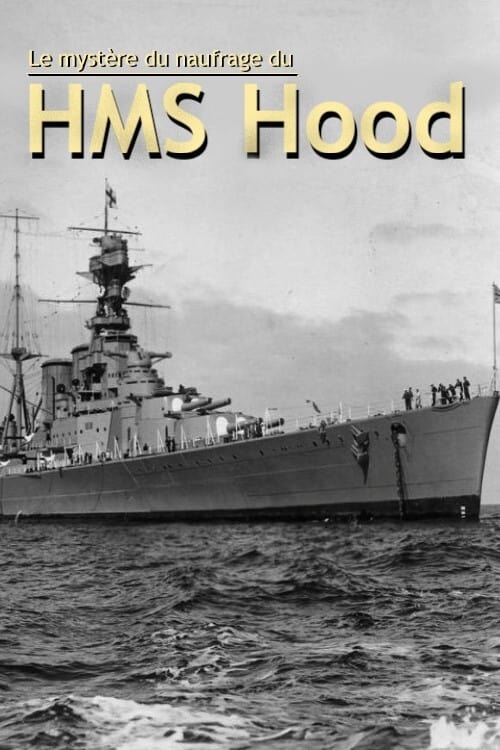
The 'mighty' Hood was the pride of the British Navy for more than 20 years, revered around the world as the largest and most powerful warship afloat. But when it was sunk by the German battleship Bismarck off the coast of Greenland on 24 May 1941, its end was shockingly swift.
Guy Martin undertakes a challenge to restore a plane from the Second World War, and recreate a parachute jump into Normandy, as thousands of Allied soldiers did during D-Day.
Explore the events of the 1962 Cuban Missile Crisis and hear from some of the actual participants in this riveting program. After an American naval blockade intercepted Soviet submarines on a secret mission to set up a military base in Cuba, the two nations engaged in a tense standoff that led the world to the brink of nuclear war. Submariners from both sides talk about the conflict, and viewers get a look inside their subs and the U.S. war room.
The Civil War Confederate commerce raider C.S.S. Alabama sailed over 75,000 miles and captured more than 60 Union merchant ships. For two years the "ghost ship" wreaked havoc--until the U.S.S. Kearsage caught up with her in a French port where she had pulled in for repairs. Out-manned and out-gunned, the Alabama sank to the bottom of the English Channel. We join marine archaeologist Gordon Watts and a team of U.S. and French divers as they attempt to excavate the wreck and recover artifacts.
Doolittle's Raiders pull off a one-way bombing run over Tokyo and ditch their planes in and along the coast of China, where they are rescued by Chinese villagers, guerrillas, and missionaries. That generosity triggers horrific retaliation by the Japanese that claims an estimated quarter-million lives and prompts comparisons to the 1937-38 Rape of Nanking. The memory of the Raiders and their rescuers is kept alive by their children and grandchildren.
Military historian Howard Tuck travels along the south coast uncovering forgotten traces of one of the most terrifying planned invasions of Britain. Howard knocks on doors and takes metal detectors into the countryside to unearth untold stories of bravery, tragedy and guilt lain buried for 70 years.
This short film takes viewers on a whirlwind tour of the history of air combat, from World War I through the Vietnam War. It was produced by General Dynamics sometime prior to 1990 and re-released by Lockheed Martin in the mid-nineties. As a promotional short for the F-16 Fighting Falcon, the film reviews the development of aerial combat to place the F-16 in historical context. Informational narration is supplemented with snippets from interviews of top fighter aces. The aces focus on the characteristics that make great fighter pilots and great fighter aircraft. The interviewees include World War I ace W.C. "Bill" Lambert; World War II aces Douglas Bader, Stanford Tuck, Adolf Galland, Erich Hartmann, Gabby Gabreski, Tex Hill, and Svein Heglund; Korean War ace Ralph Parr; and Vietnam War ace Steve Ritchie. The film includes historical footage and stills, along with opening and closing segments briefly featuring the F-16 Fighting Falcon.
Looking back on the creation of the Vietnam Memorial, this Emmy-nominated documentary chronicles the controversy surrounding the monument's construction and touches on the history of the polarizing war that inspired it. Fueled by the vision of Vietnam veteran Jan Scruggs and brought to life by then-fledgling designer Maya Lin, the memorial would eventually become the nation's most visited monument. But its success was a hard-fought victory.
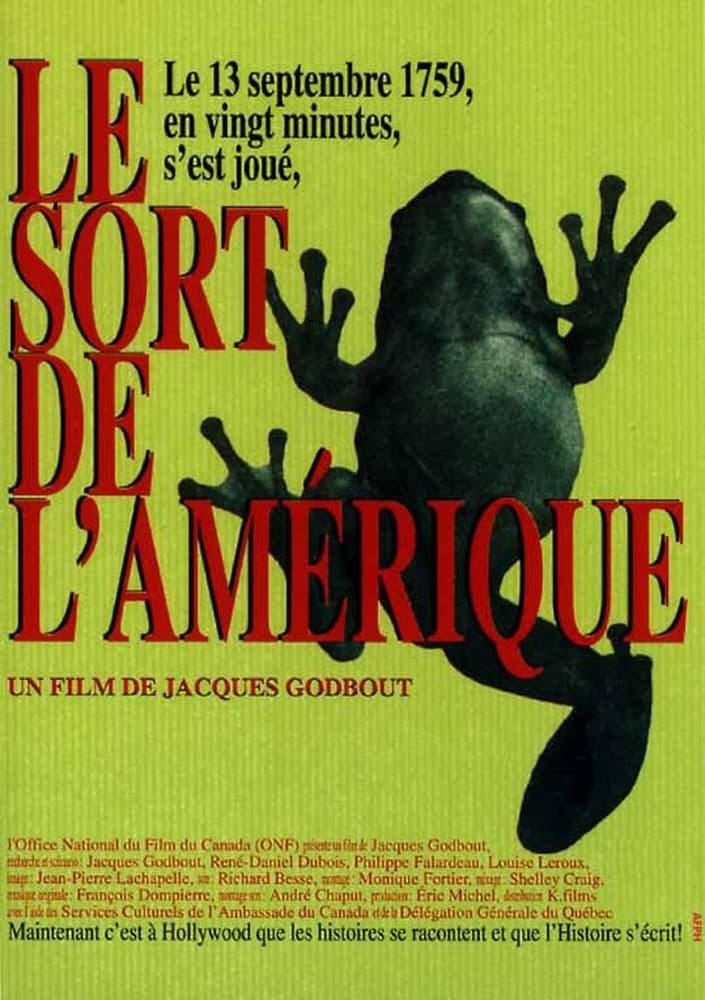
Two well-known Quebec artists (filmmaker Jacques Godbout and playwright René-Daniel Dubois) look at the Battle of the Plains of Abraham. Whose version of this historic event should prevail? Is history best served by documentary or fiction? We also meet Baron Georges Savarin de Marestan and Andrew Wolfe-Burroughs, direct descendants of Montcalm and Wolfe, both of whom died in the battle that would give birth to Canada and to the province of Quebec.
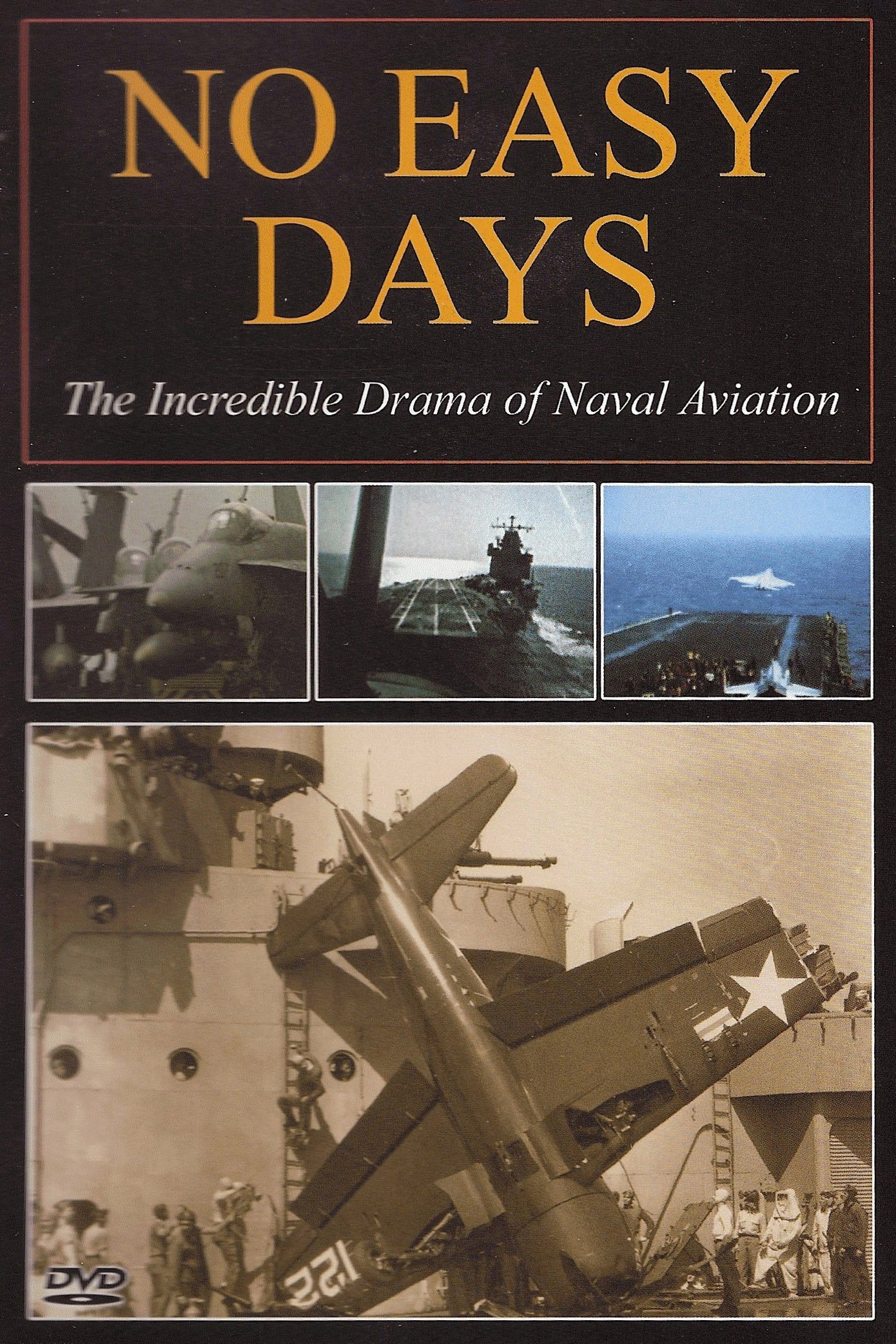
Nothing is easy about flying from an aircraft carrier. Based on a popular book by the same name, this documentary presents archive footage of the most dramatic mishaps in naval aviation, plus the story of the horrific USS Forrestal fire.
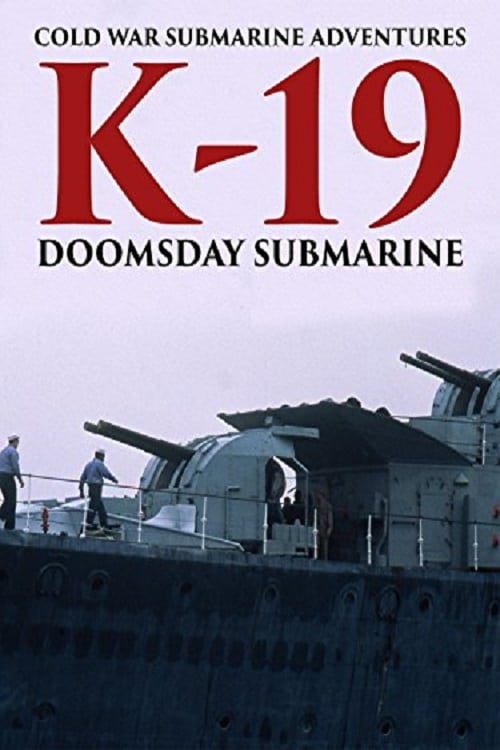
The disastrous first combat patrol of the K-19, the Soviet Union's first atomic-powered nuclear missile submarine.
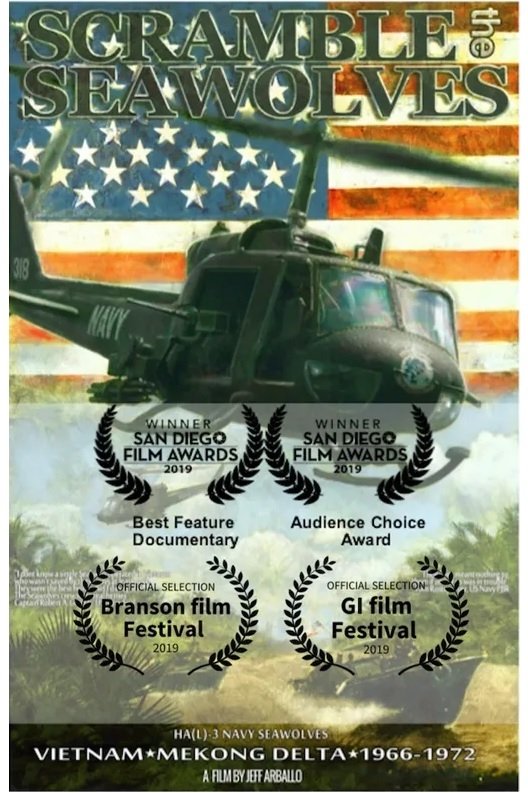
Scramble the Seawolves is the unknown story of the US Navy’s first and only Attack Helicopter Gunship Squadron. Established in 1967 and tasked with a life-saving mission of providing close air support for Gamewarden Operations and friendly allies in the Mekong Delta, Republic of Vietnam. Using war-torn hand-me-down huey’s, the Seawolves would become the most decorated Squadron in the Vietnam War and Naval Aviation History. Fifty years later, this is their story.
The Three Musketeers is a legendary work, whose heroes have rocked multiple generations. These fictional musketeers have eclipsed the real musketeers, those who formed the royal company that existed between 1622 and 1775. Who were these men, and how did they serve the King? Did they really take part in the affairs of the Crown? Did Athos, Porthos, Aramis and D'Artagnan really exist? Thanks to the best historians, discover the true story of the Musketeers.
In an intimate and joyful story of love in the face of loss, celebrated poets Andrea Gibson and Megan Falley find strength—and unexpected hilarity—in what might be their final year together.
An inside look at one of the most anticipated movie sequels ever with James Cameron and cast.
A string of threatening emails escalates into a revenge plot involving a newly married US marshal and his ex-girlfriend.
The life and career of one of comedy's most inimitable modern voices, Mr. Gilbert Gottfried.
Brilliant, long in-the-works story of the life and art of the world's greatest comedian and the cinema's first genius, Charlie Chaplin. Produced, written and directed by renowned film critic Richard Schickel.
Alex Gibney explores the charged issue of pedophilia in the Catholic Church, following a trail from the first known protest against clerical sexual abuse in the United States and all way to the Vatican.
A documentary that explores the downloading revolution; the kids that created it, the bands and the businesses that were affected by it, and its impact on the world at large.
This revealing documentary honors the legendary Sidney Poitier—iconic actor, filmmaker, and civil rights activist. Featuring interviews with Denzel Washington, Spike Lee, Halle Berry, and more.
Through deeply personal interviews with her siblings and an examination of the photographs, letters, and belongings left behind, Mariska assembles a new portrait of her mother Jayne Mansfield, an extraordinary and complex woman.
A documentary about the life and films of director John Ford.
Behind-the-scenes documentary about how Lionel Messi succeeded in lifting the World Cup – the only trophy to have eluded him in an incredible career.
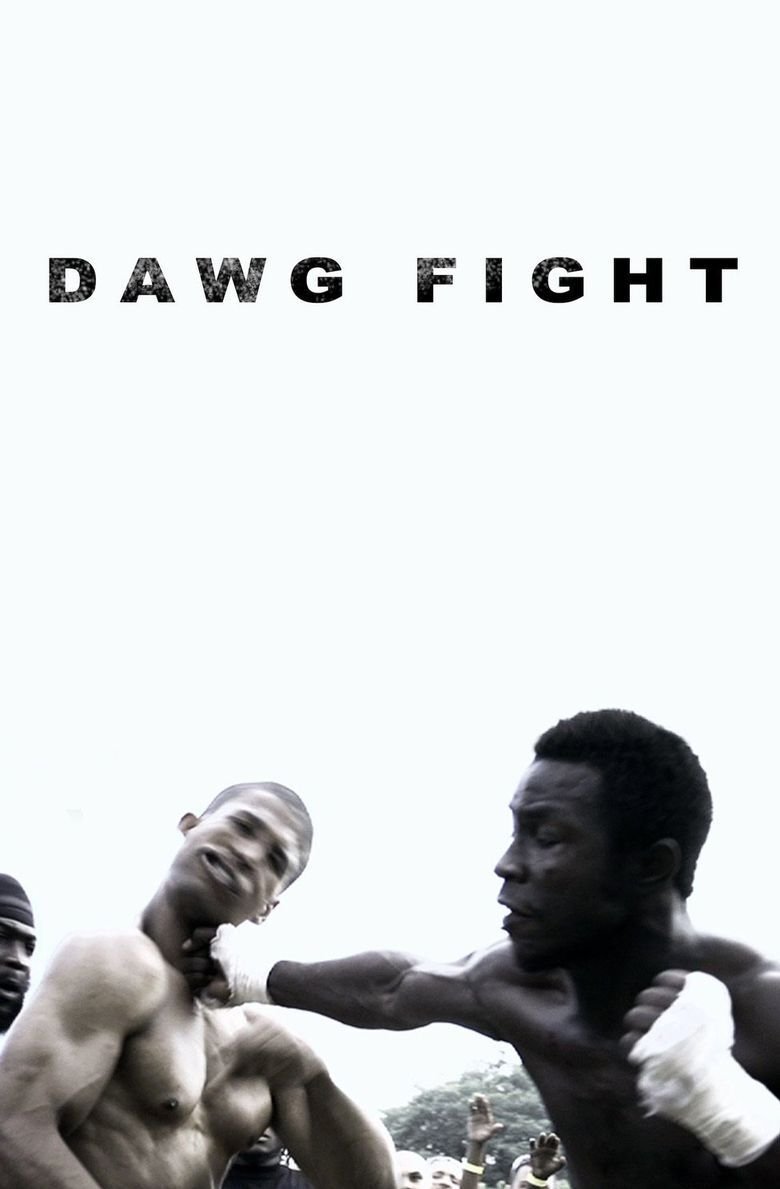
In a crime-plagued neighborhood near Miami, brutal, bare-knuckled backyard fights give young men a chance to earn money -- and self-respect.
Those who knew iconic funnyman John Candy best share his story, in their own words, through never-before-seen archival footage, imagery, and interviews.
A look at the origins, history and conspiracies behind the "Majestic 12", a clandestine group of military and corporate figureheads charged with reverse-engineering extraterrestrial technology.
The life of Mr. Spock, as well as that of Leonard Nimoy, the actor who played him for almost fifty years, written and directed by his son: Adam.
After the high-profile killing of Damilola Taylor, Cornelius' family move out of London. But when they discover their new town is run by racists, Cornelius takes a drastic step to survive.
Al Pacino's deeply-felt rumination on Shakespeare's significance and relevance to the modern world through interviews and an in-depth analysis of "Richard III."
A comedic, brutally honest documentary following self-destructive TV writer Dan Harmon as he takes his live podcast on a national tour.
Artists in LA discover the work of forgotten Polish sculptor Stanislav Szukalski, a mad genius whose true story unfolds chapter by astounding chapter.
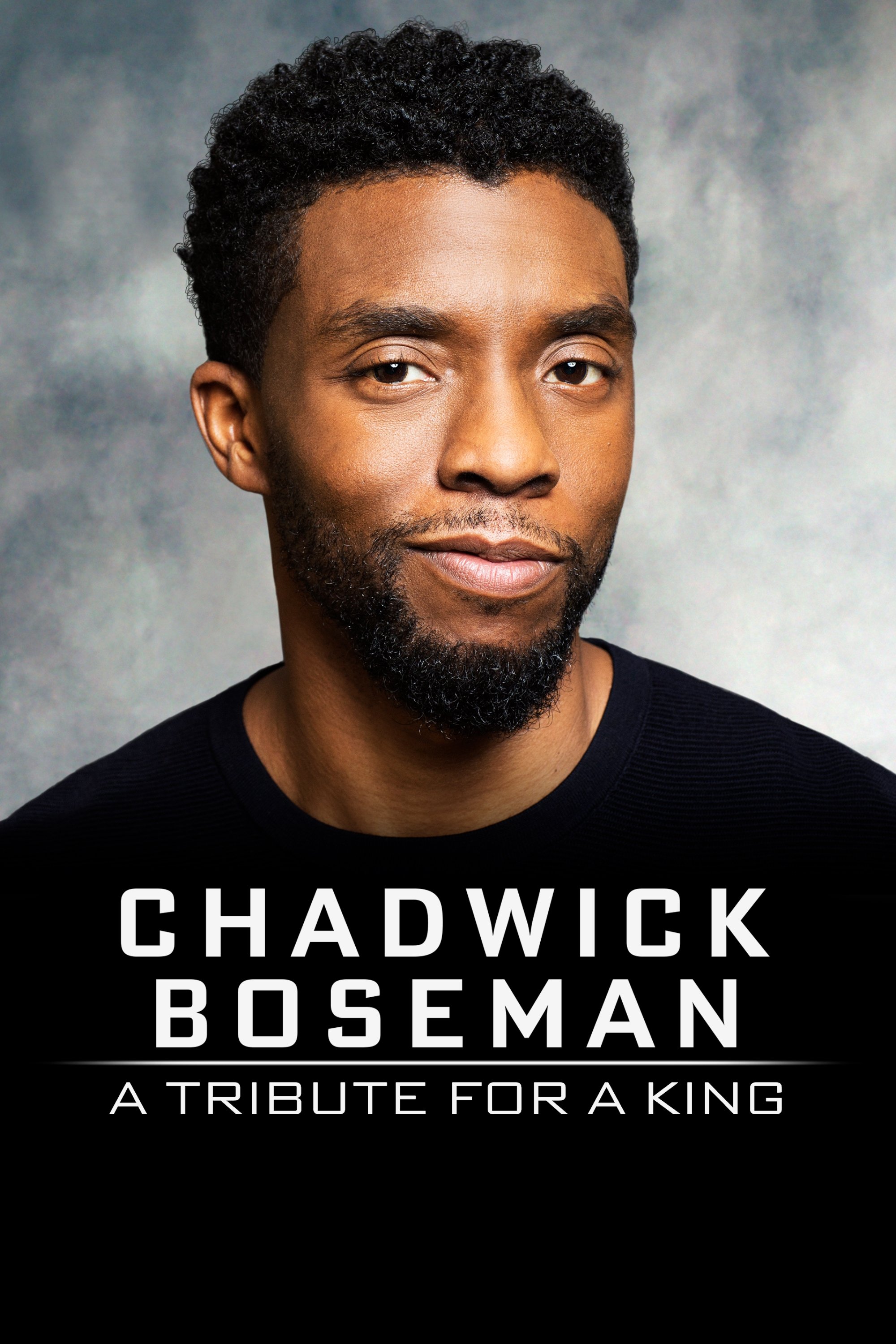
A tribute to Chadwick Boseman, celebrating his life and legacy.